Moses Weighed Equal to Sixty Myriads of Israel
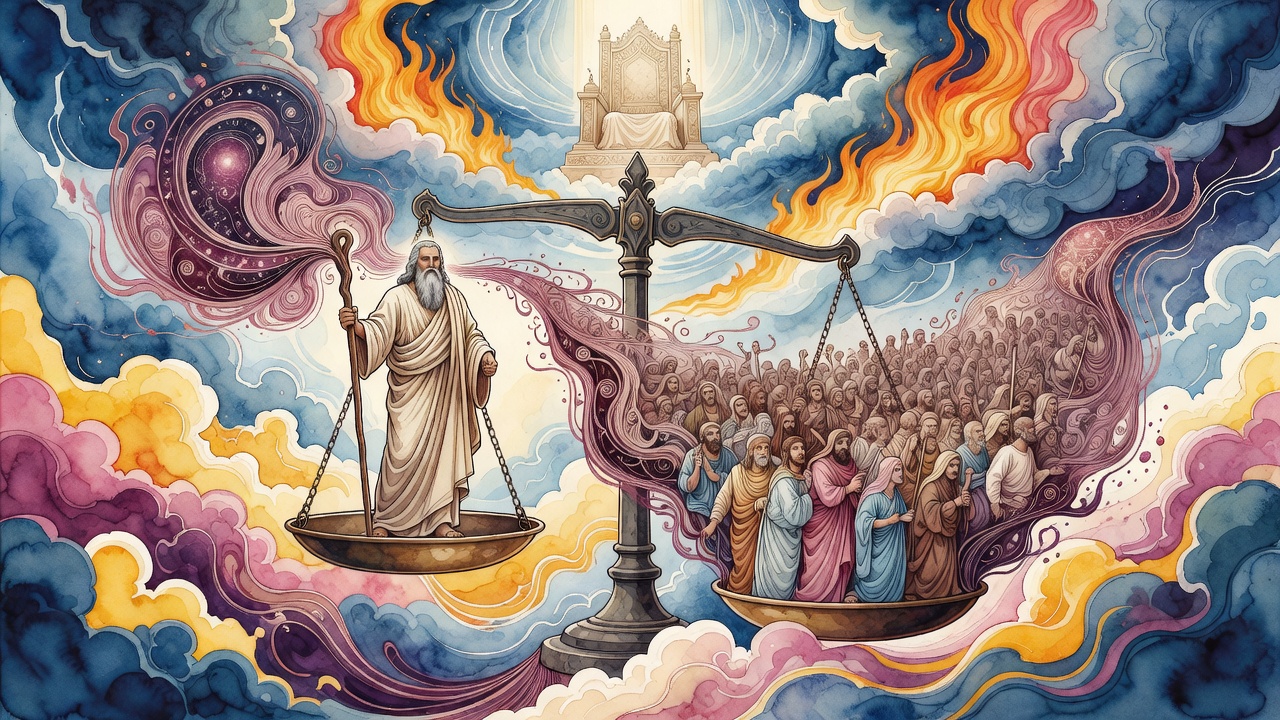
Heaven set Moses on one pan and Israel on the other. Six hundred thousand on their feet. One tired man balanced them.
Table of Contents
 Click for full size
One Man on the Other Pan
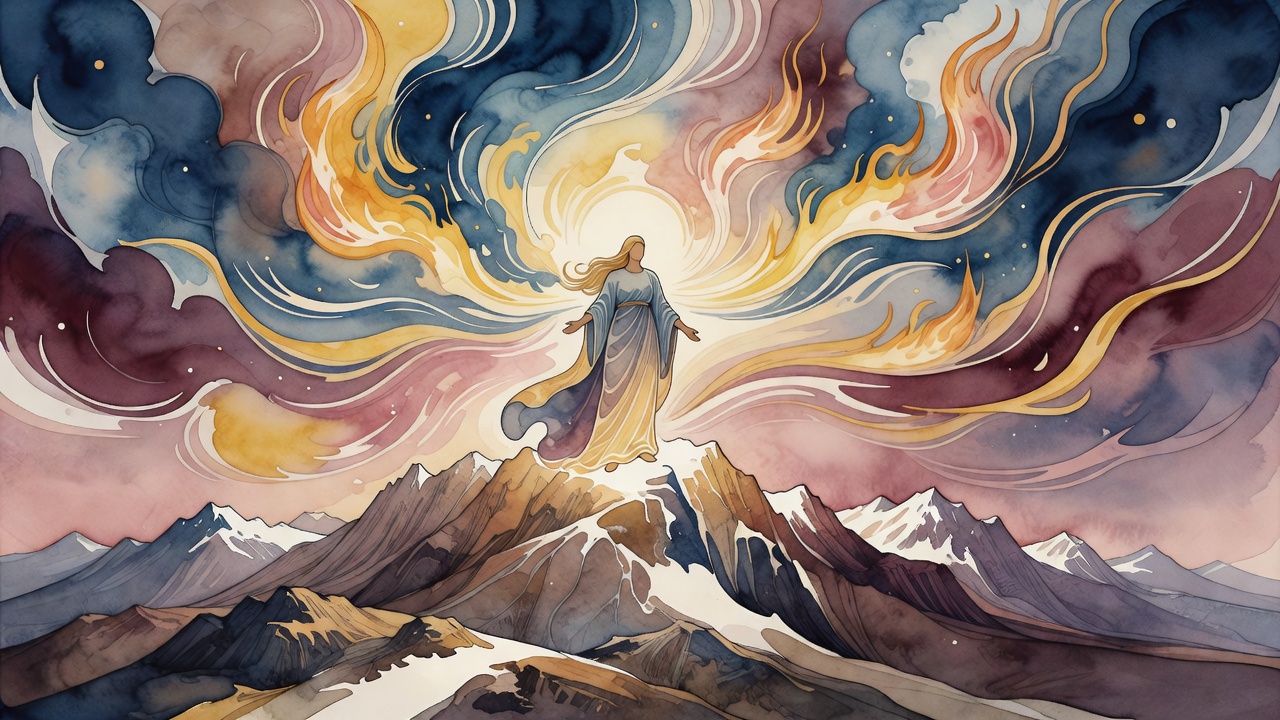
Moses stood in the camp while the count rose around him. Sixty myriads. Six hundred thousand on their feet, not counting the small ones clinging to skirts. Heaven will not accept a generation thinner than that measure. The floor of a people is a full nation. On that floor one man was set on the other pan of a scale no merchant owns.
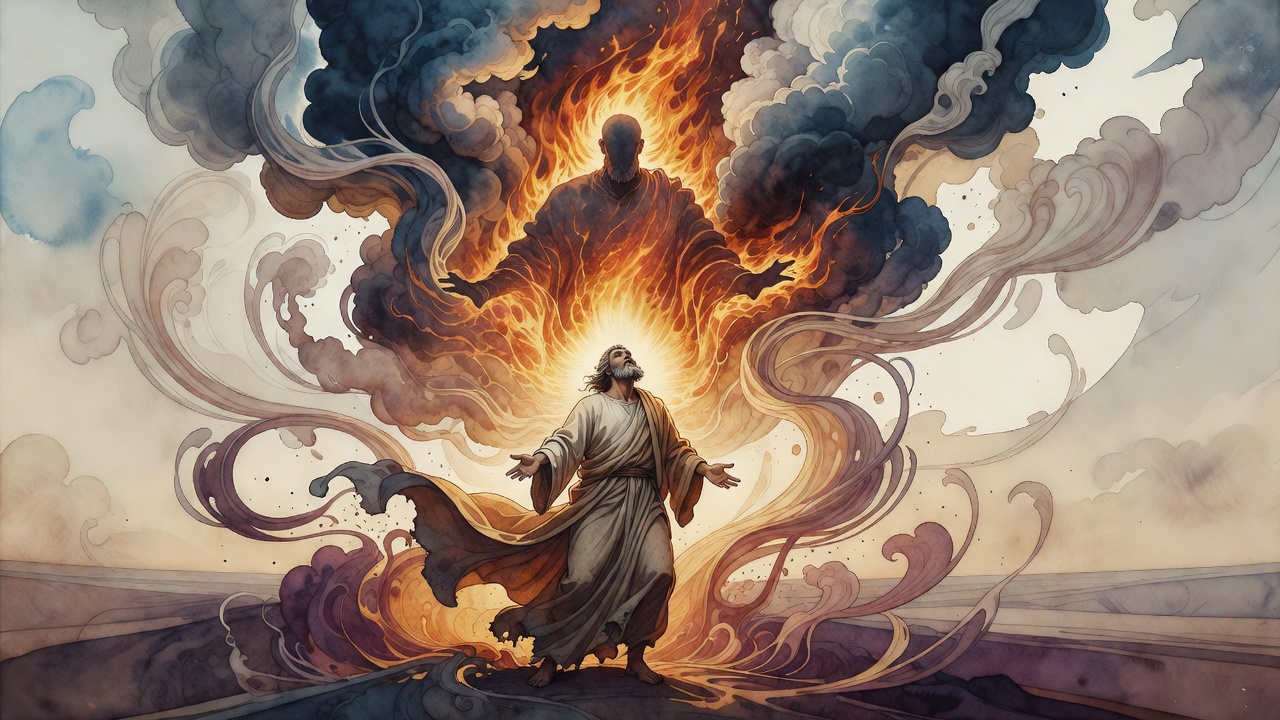
He did not feel heavy. He felt the staff in his palm and the complaints in his ears. Meat. Water. Leadership. Fear of giants. Still the teaching would not soften. Moses was weighed equal to Israel. One mouth carrying six hundred thousand mouths. When he spoke for them, the camp's total entered the word. When he fell on his face, the camp's total touched the dust.
He walked among tents and heard the census called out in clumps. Tens. Hundreds. Thousands. The numbers were not paperwork. They were the weight he had been asked to match without ever asking for the job.
A Name That Fit Like a Yoke
His name was not only a label Pharaoh's daughter once set on a child drawn from water. At night, when the camp's fires dotted the plain, he sometimes whispered it as if testing whether it still fit the tired man wearing it. It fit like a yoke. Secure. Heavy. Right.
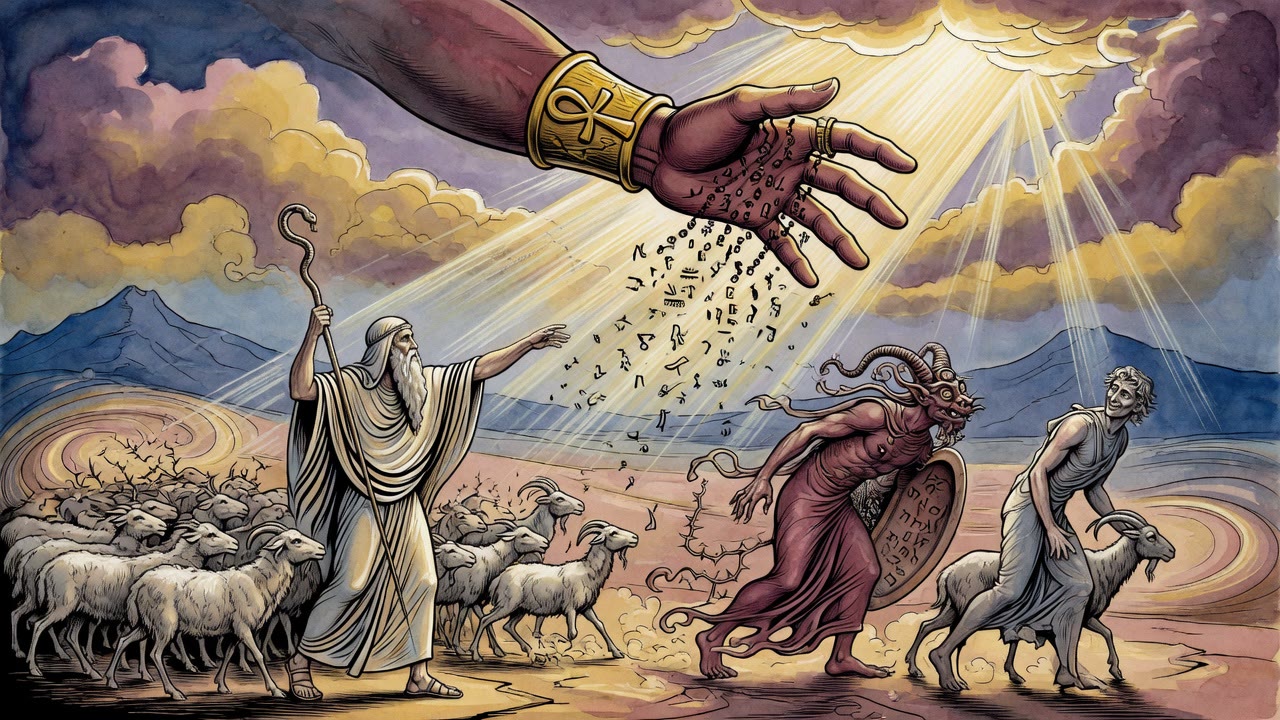
He argued with God more than he advertised secrets. He broke tablets and carved new ones. He asked to be erased from the book rather than watch the people erased. A name that maps more worlds than a staff can strike still answers to a will that can beg for mercy louder than for glory.
He did not preach the letters. He wore them. The man who matched a nation on heaven's scale was still a man who got tired of judging until morning, still a man who flinched at another day of water and meat and fear.
The Sun Dressed for Its Course
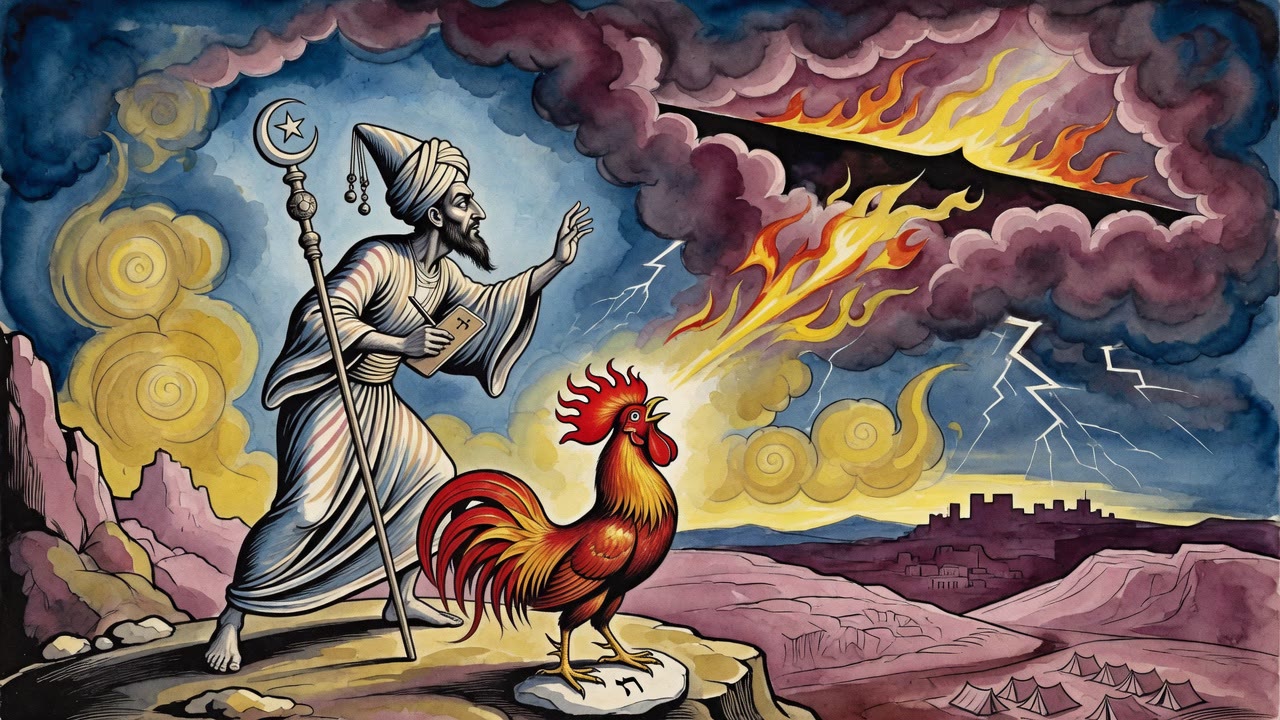
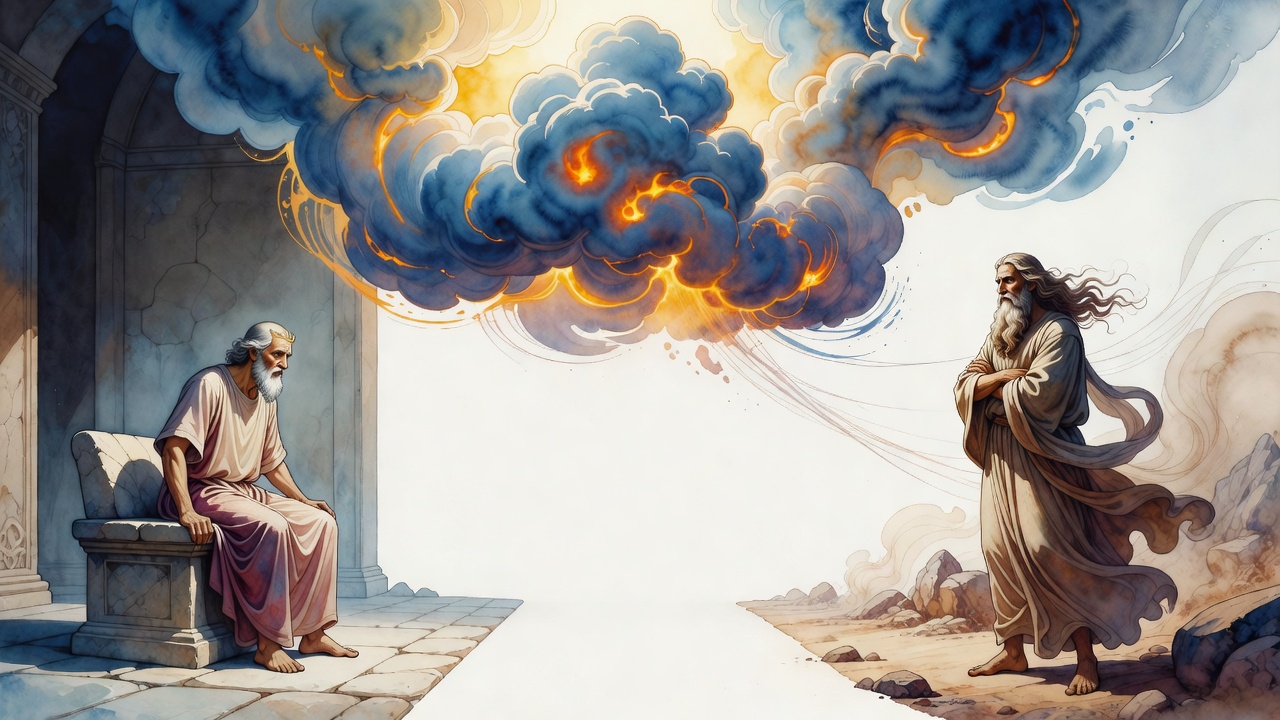
Dawn broke red over the desert. The sun wrapped itself in the letters of tefillin (תפילין), the prayer boxes bound on arm and head, and dressed itself in might. Twelve heavenly windows stood shut, each one guarded by warriors set against the runner. The sun opened them anyway, the way Moses once opened a sea, and ran its course like a hero going out to work.
Red at rising is strength showing its face before the day softens. Moses watched mornings like that after nights of judging. The cosmos reenacted his miracles in quiet. He reenacted the cosmos by refusing to quit the people who exhausted him.
He bound his own arm in tefillin when the command came and felt, for a moment, the same wrapping the sun wears. Strength as clothing. Speech as path. A sea of tasks parting just enough for the next hour. Heroism, there, was not a pose on a hill. It was a course run when opposition was scheduled into the day and the day still began.
A Nation in One Throat
When the spies broke the camp's courage, Moses fell on his face and the weight on the scale shuddered. If he is equal to sixty myriads, then his prayer is not a private whisper. It is a national instrument. Heaven hears a multitude in a single throat that never wanted the job.
He threw his own future onto the pan. Erase me, he said, rather than erase them. That is how a man of equal weight spends his leverage: not to rise above the people, but to keep the people from vanishing under wrath.
Aaron could speak smoother. Joshua could fight cleaner. Miriam had sung the sea. Only Moses carried the full pan through forty years of grit. The equality was not flattery. It was burden made official, a loneliness with a number on it.
The Floor That Did Not Drop
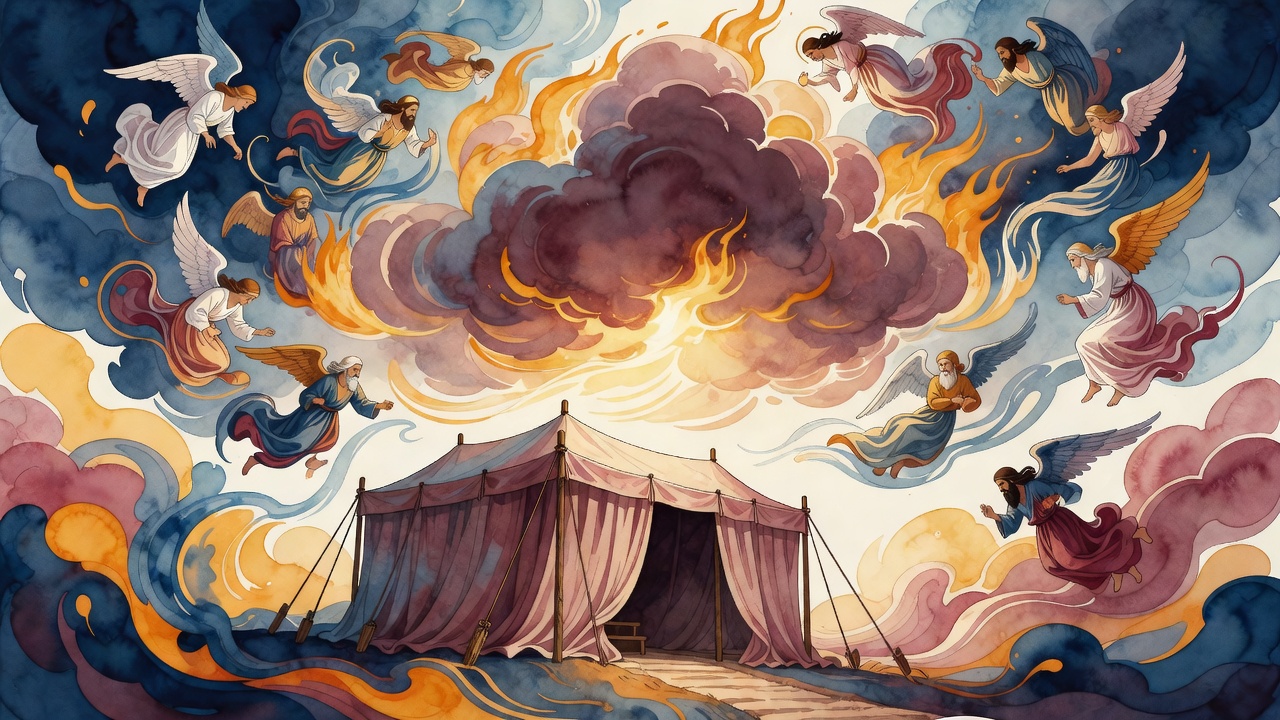
On a future Shavuot the people gather toward Jerusalem through the merit of Moses, who is the giving of the Torah, which is mercy. The festival of weeks returns them to the mountain in memory even when geography has changed. Moses remains the hinge. Without the hinge the door of hearing hangs crooked. Mercy here is not a soft mood. Mercy is the decision to keep giving a people a teaching that can still gather them when scatter is easier.
Jerusalem is the nest. He had mercy on his children there. Moses died on a mountain facing a land he would not enter. The scale did not tip empty. The Torah he gave kept the weight distributed across every generation that refuses to fall below the measure of a people.
Sixty myriads remains the floor. One faithful mouth remains the strange equality that makes the floor possible. When Israel counts itself again, the count still leans toward that first balance, as if the pans of heaven remember the man who matched a nation without ever ceasing to argue for its life.
← All myths