Rav Chiya Waits for the Soul's Full Payment
The students wanted the dead man's full wage counted while he was still warm. Rav Chiya waits. He left the ledger closed.
Table of Contents
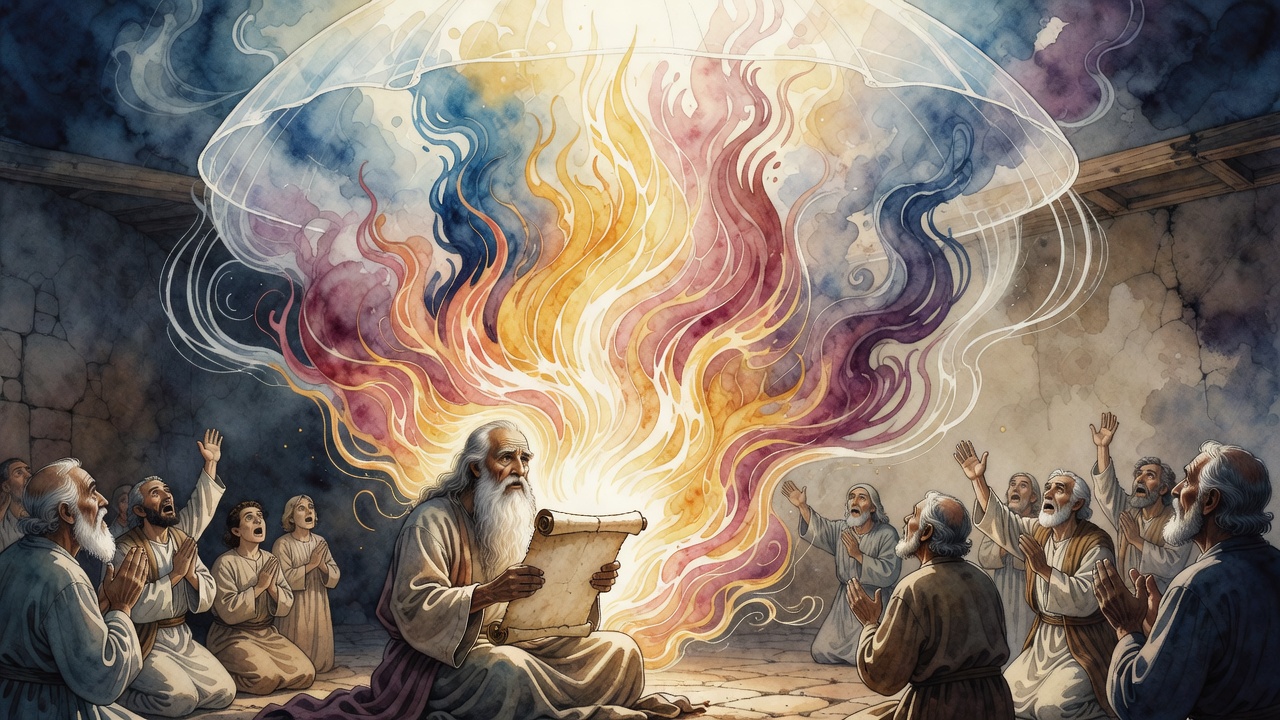
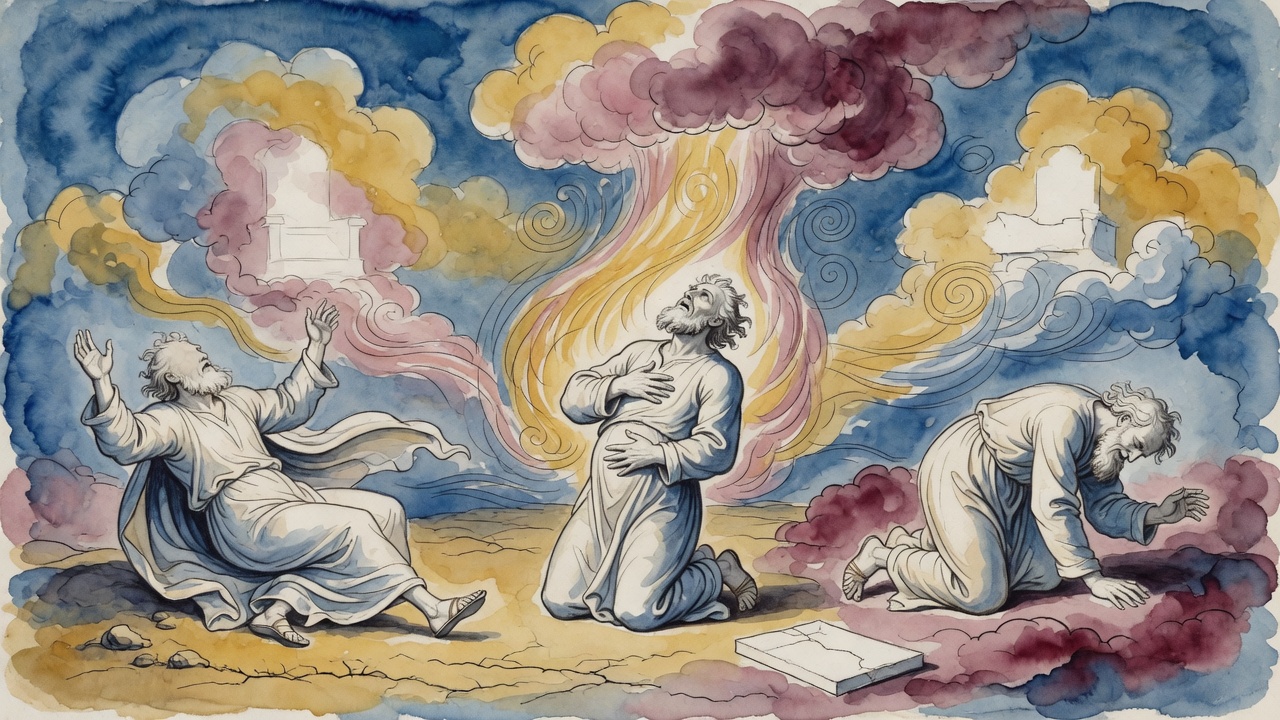
Rav Chiya stood over a man who had died with his mouth still shaped around a verse. The students wanted to know if heaven had paid him. One of them even glanced at the dead man's belt, as if a wage might be tucked there, still collectible.
 Click for full size
"Come and see," Rav Chiya said. "Until the body stands in this world, it is short of the payment that comes after."
The Ledger Does Not Close on Its Feet
The man on the bench had walked in that morning. He had argued a line of Torah, eaten bread, blessed, and then his color went and he sat down hard. Now the room smelled of dust and lamp oil, and the young men wanted the account settled while the body was still warm.
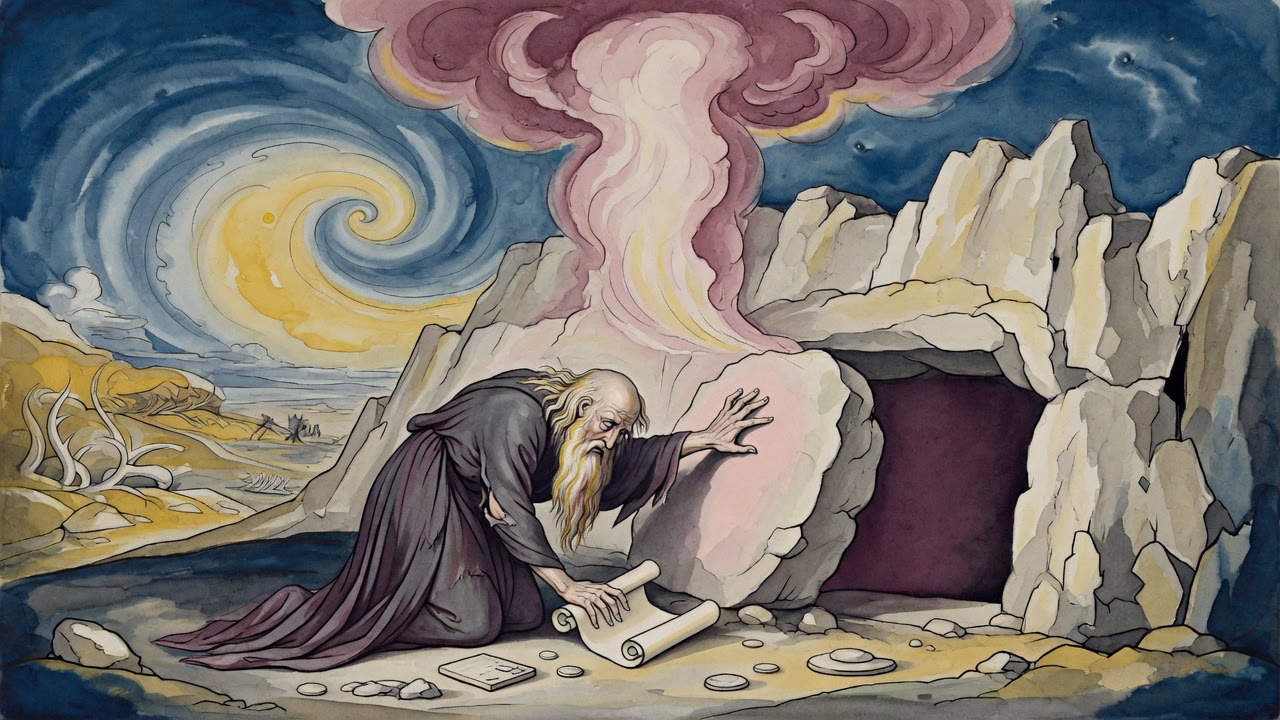
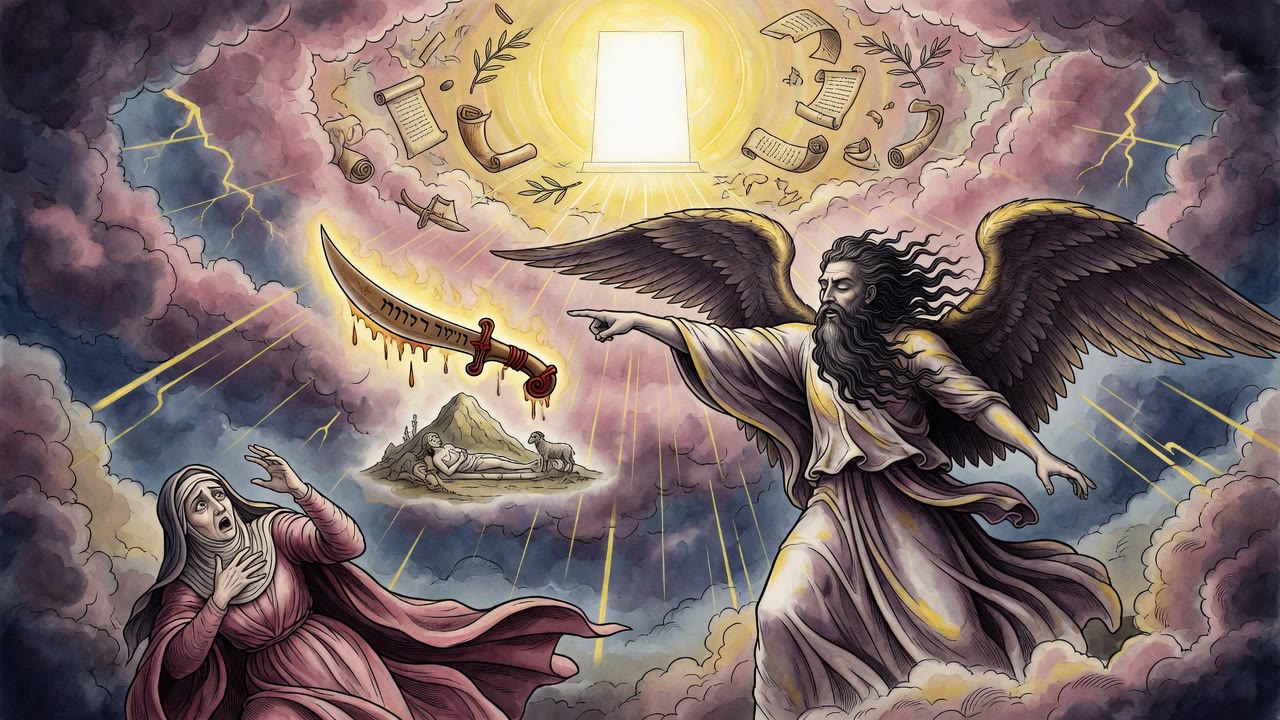
Rav Chiya would not sell the ending early. Living, even a straight living, is incomplete currency. A person can be mid-sentence in a good life and still not have cashed what only a finished, upright death unlocks. The soul that has gone in straight paths and died in that same straightness is called Sarah in its payment: princess, complete, a name that already means the work and the exit matched.
A student asked what the coins looked like. Rav Chiya did not describe streets of gold. He spoke of God's glory rising through a creature that had been finished properly. Everything was made for that glory. Good deeds are not tips slipped across a table. They are the alignment that lets glory show without shame, and the wage is that showing, not a purse.
Someone in the back shifted from foot to foot. Everyone wants reward early. The dead man, an hour ago, had wanted it too. He had not received it while he could still stand.
A Name the Soul Can Wear
Why Sarah? Because her name carries rule and fullness. A soul called Sarah in its payment has crossed from striving into a completed dignity. Rav Chiya did not promise that every death looks peaceful. He promised that integrity at the last step matters to the full payment. A crooked last chapter can stain a long book. A clean last chapter can seal a hard book with honor.
The students looked at the mouth that still held the shape of a verse. That was not yet the seal. The seal was the whole path plus the way the path ended. They wanted a comfort they could spend tonight. He gave them a delay they would have to walk.
Night came in under the door. They washed the body. They did not open a ledger. Payment, if it came, would come where no student could audit it with his eyes.
Philo Walks Past a Living Grave
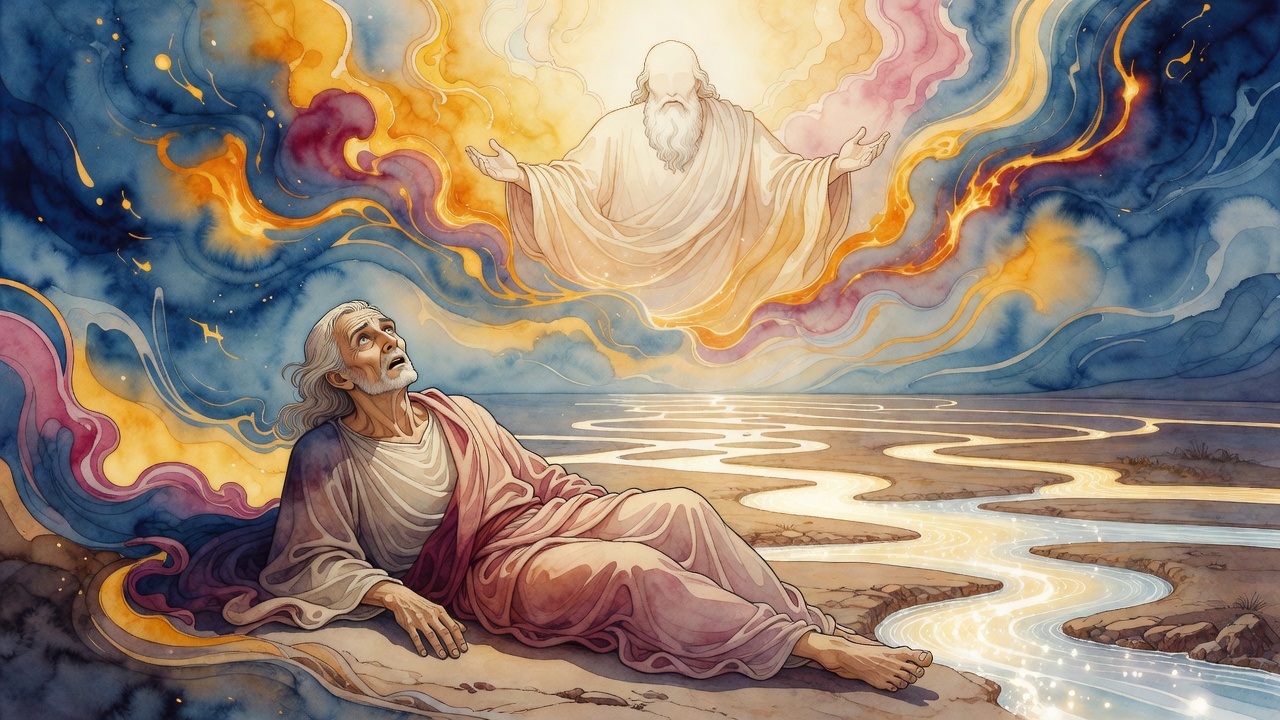
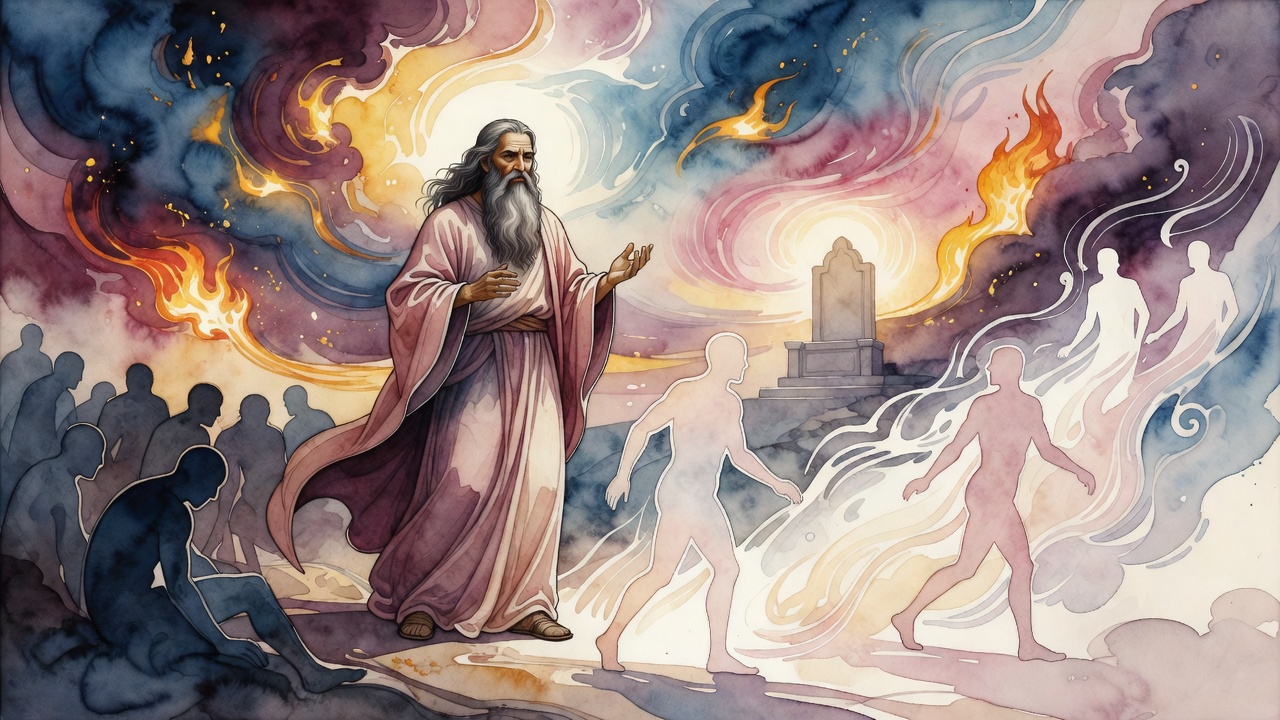
In Alexandria, centuries earlier, Philo split life into two without waiting for a funeral. There is the life in the body, timed, subject to fever and blade. There is the life without the body, which does not rot. He watched a cruel man laugh at a banquet, breath fogging the rim of a cup, and he did not call that breath life. The wicked, while they still fog a mirror, already lack the one spark that counts, which is perfect virtue. They walk. They bargain. They marry and sell. They are buried in advance by their own emptiness, and the funeral later is only paperwork.
A good man, in that same city, can be carried out through a gate and still not be dead in the sense that matters. His end is prolonged into an eternal standing. The death of the good is the beginning of another life. Philo would not let the census fool him. A pulse is not the spark. Virtue is the spark. Without it, a chest that rises is only a rumor of life.
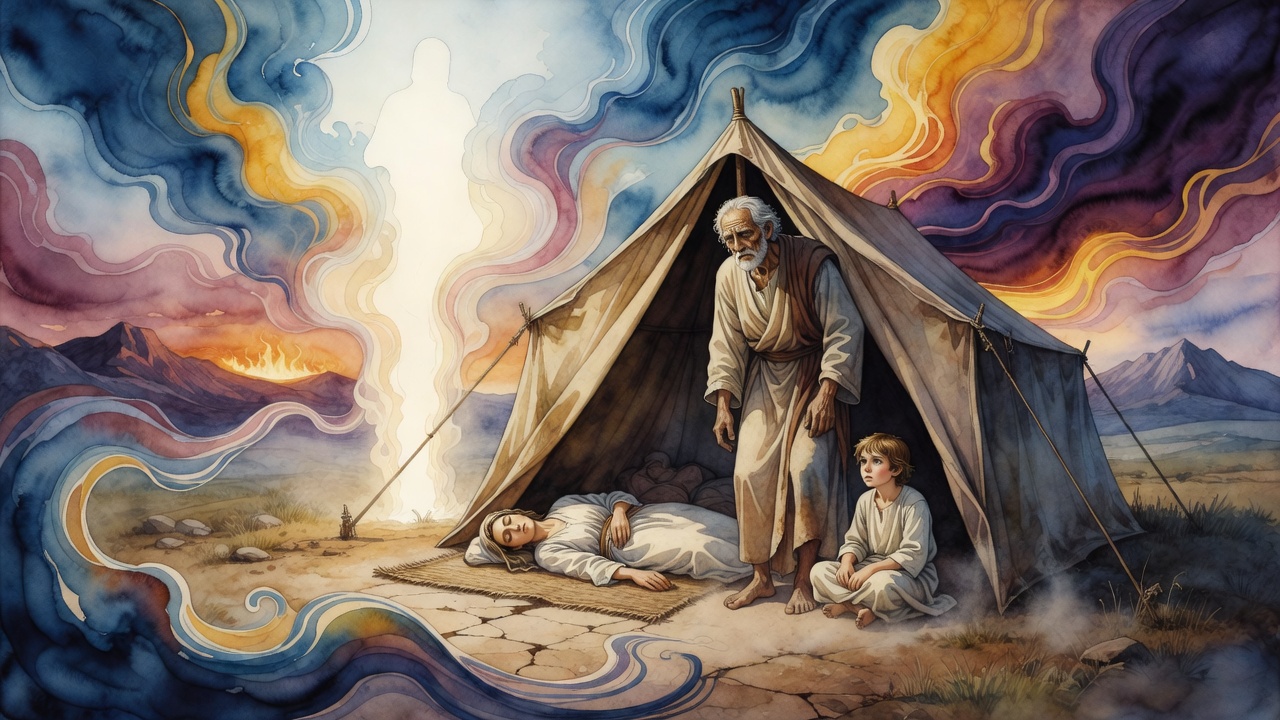
A widow in a doorway understood without a speech. Her husband's hands had been kind for forty years. The banquet across the street was louder. She knew which house still had a living man in it, and it was not the one with the cups.
Two Clocks, One Caution
Put the two teachings on one road and the air sharpens. Rav Chiya says the still-living lack final pay. Philo says some still-living are already dead, and some dead are still alive. Together they refuse a cheap clock. Clock-time is not soul-time.
Rav Chiya would not let the body boast. The body is the work site. The payment office opens later. Varnish too soon ruins a table. Finish the joint. Then speak of wages if you must. Philo would not let the wicked boast either. Breath is not a verdict.
The young scholar who had glanced at the belt walked home beside Rav Chiya. They passed a drunk asleep in a doorway, chest rising, spark uncertain. They passed a tired midwife whose hands still shook from a birth, virtue practical and unadvertised. The scholar said, "Then what do we do tomorrow?"
Rav Chiya said, "Walk straight. Help the widow. Study. Die without selling the Name."
It was not a small program. It was small enough to begin at dawn without needing a throne first.
The Sky Held No Visible Book
Above them the sky held no visible ledger. They walked as if it did. That is how payment starts before it arrives, in the step that refuses to become already-dead while the feet still move.
The man on the bench had wanted his wage counted early. He had not received it. The banquet across Philo's street wanted to be called alive. It was not. Between those two mistakes the road is narrow, and it is walked one ordinary morning at a time, unpaid, on purpose, until the last step is as straight as the first ones claimed to be.
The scholar did not ask about coins again. He asked who would sit with the widow. Rav Chiya named a time after the burial. They turned the corner. The market was already opening, and nobody in it could see whether anyone passing was paid, or only still on his feet.
← All myths