Resh Lakish's Partners Envy Paradise Too Late
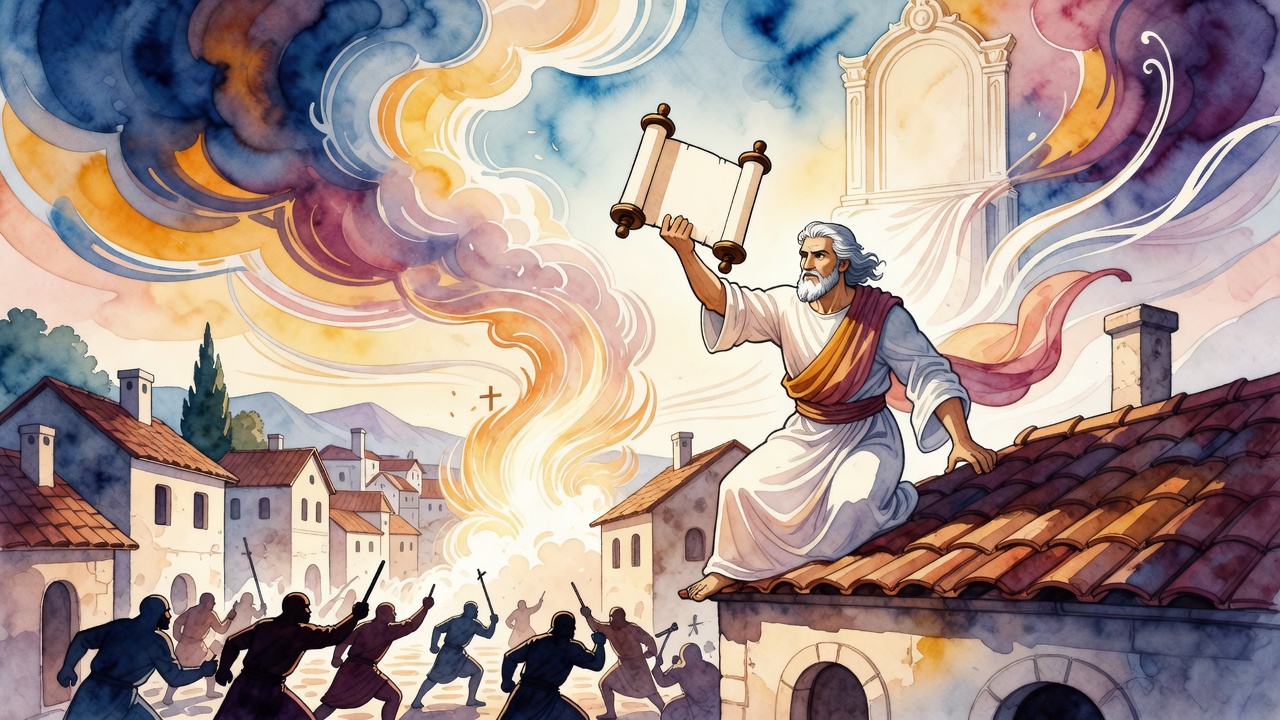
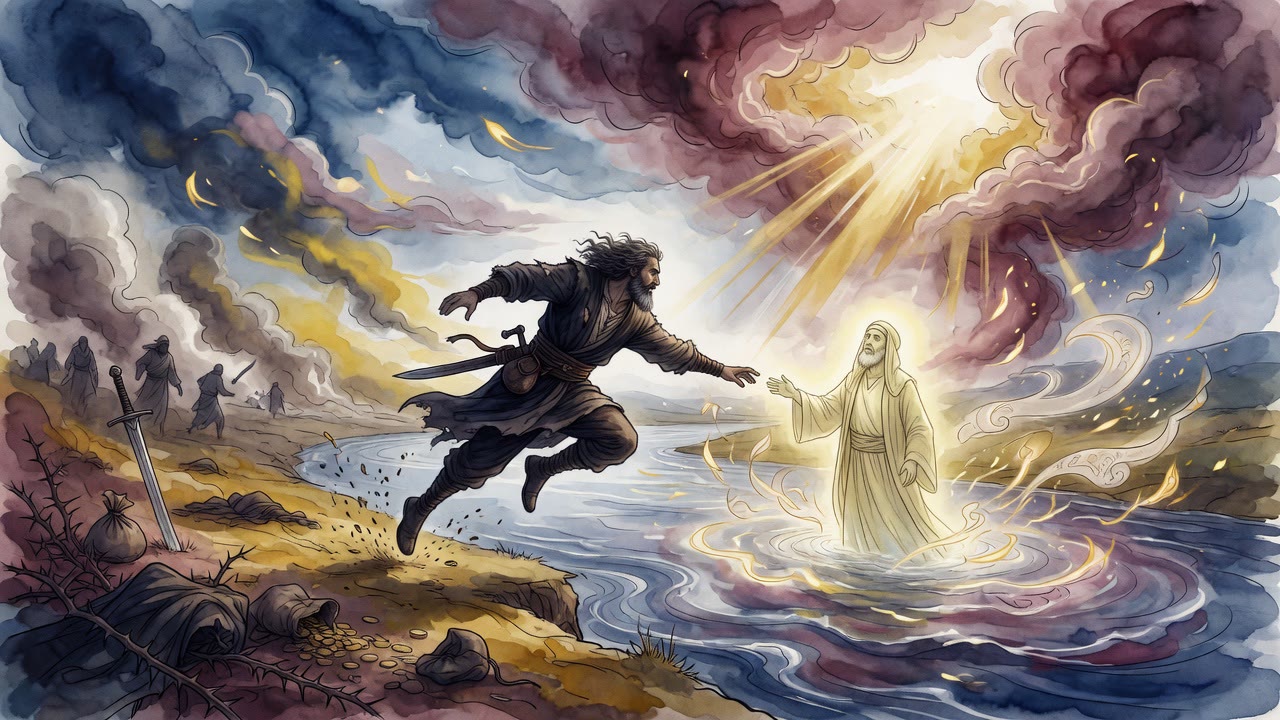
Dust rose off the road outside Tiberias. Three men waited in the brush for a cart. Resh Lakish held the rope. The others kept their knives.
Table of Contents
Dust rose off the road outside Tiberias the way it always had when three men waited in the brush for a merchant's cart. Resh Lakish held the rope. His two partners held the knives. They laughed the same laugh, ate the same stolen bread, and split the same purses until the day one of them met a rabbi who tore the whole trade open.
 Click for full size
Resh Lakish put down the rope. He put down the knives. He put down the years. He spent what remained of his life fasting, praying, giving tzedakah, and learning until his mind cut as clean as any blade he had once carried. His companions stayed on the road. They grew old in the trade. They died as they had lived.
The Garden and the Fire
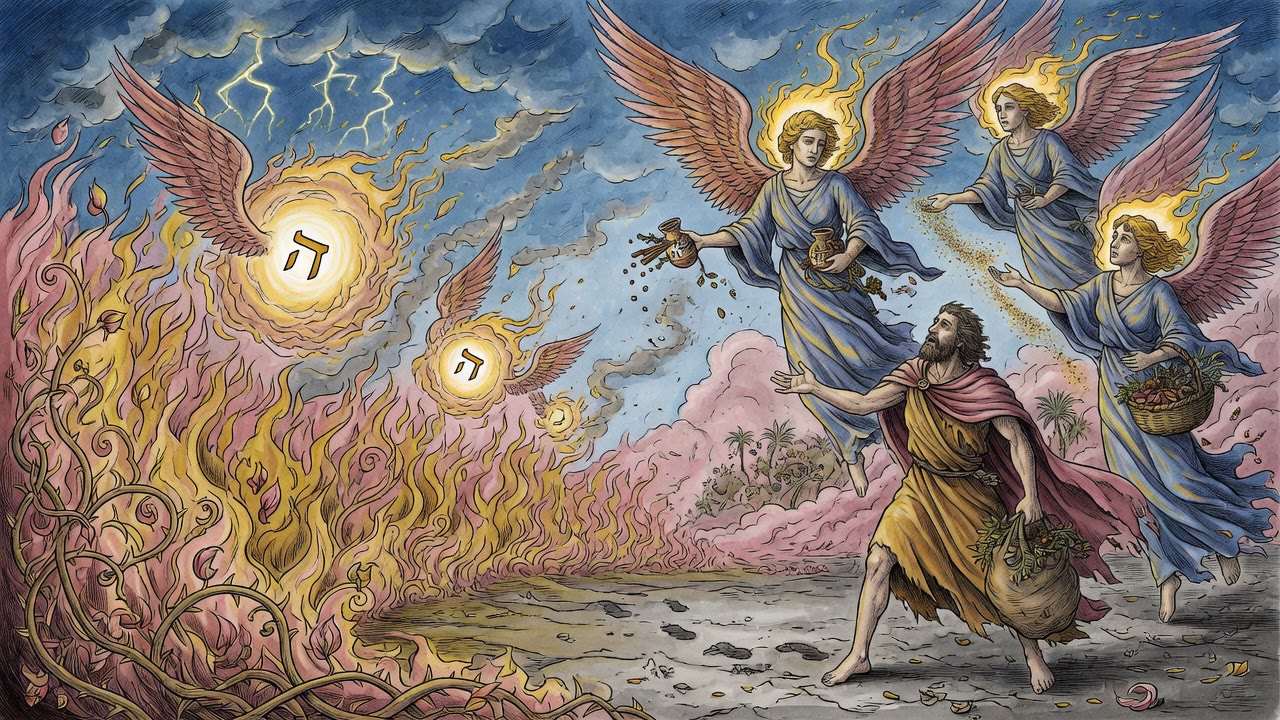
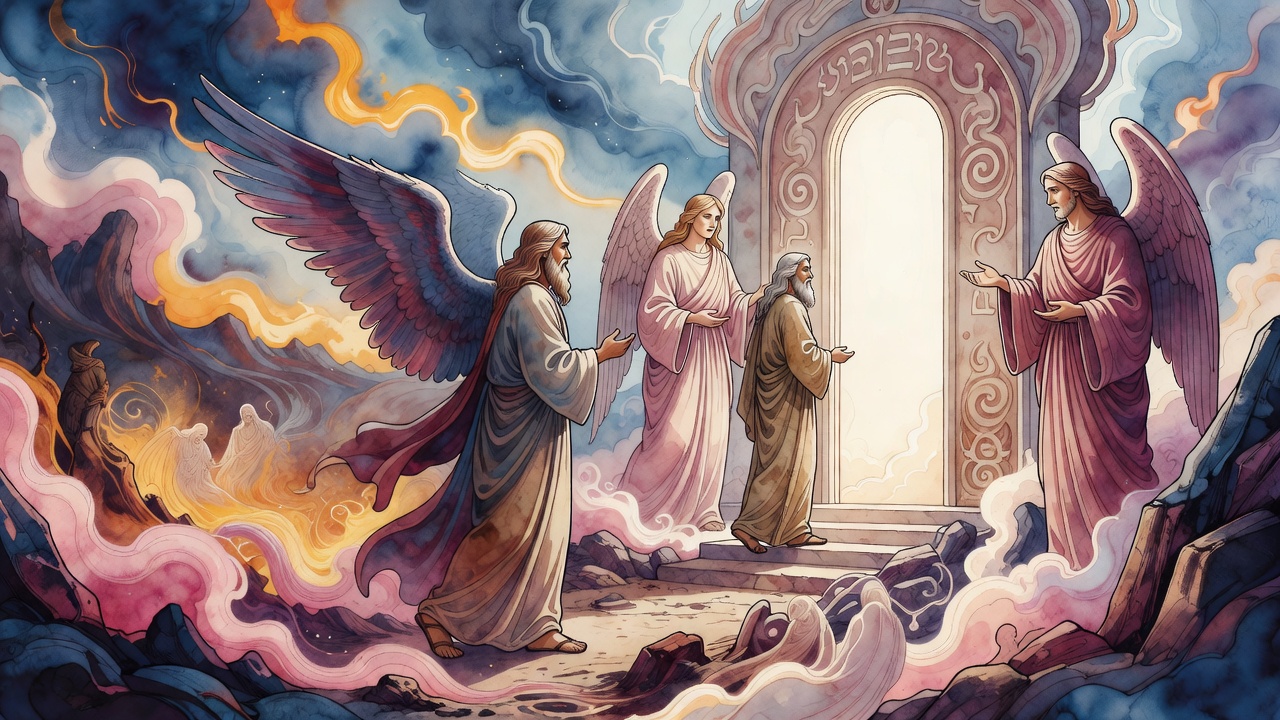
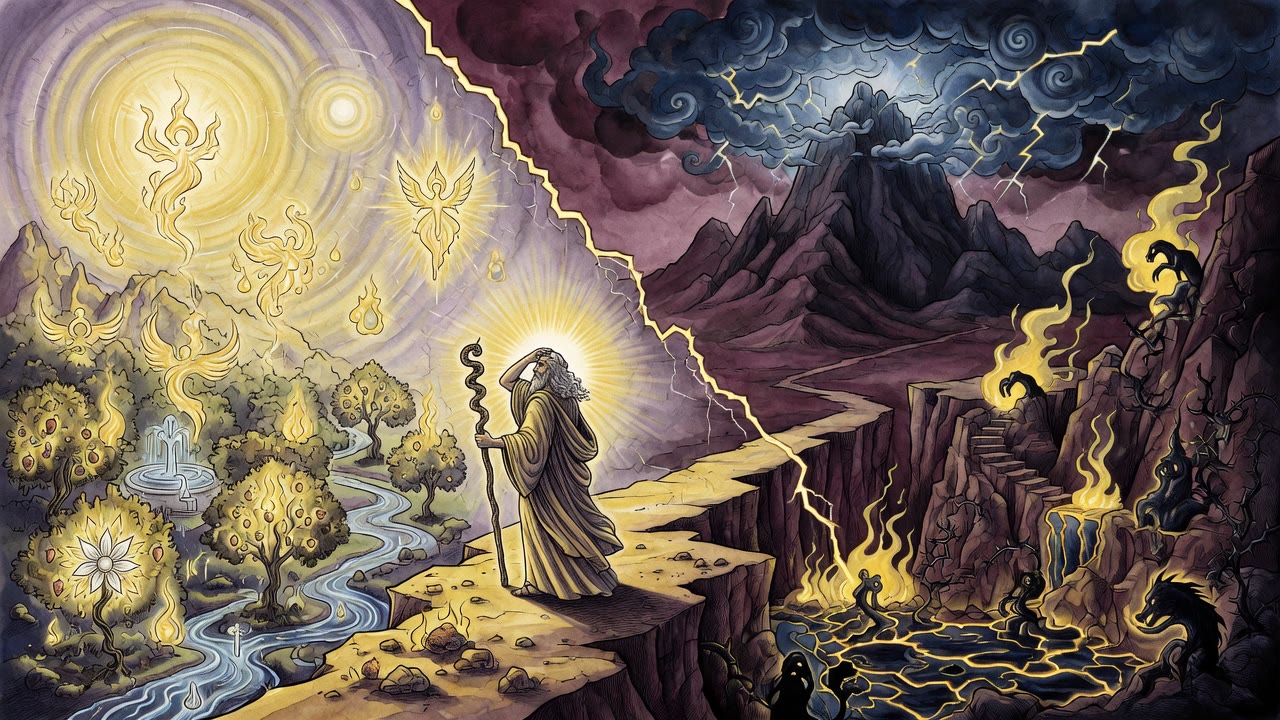
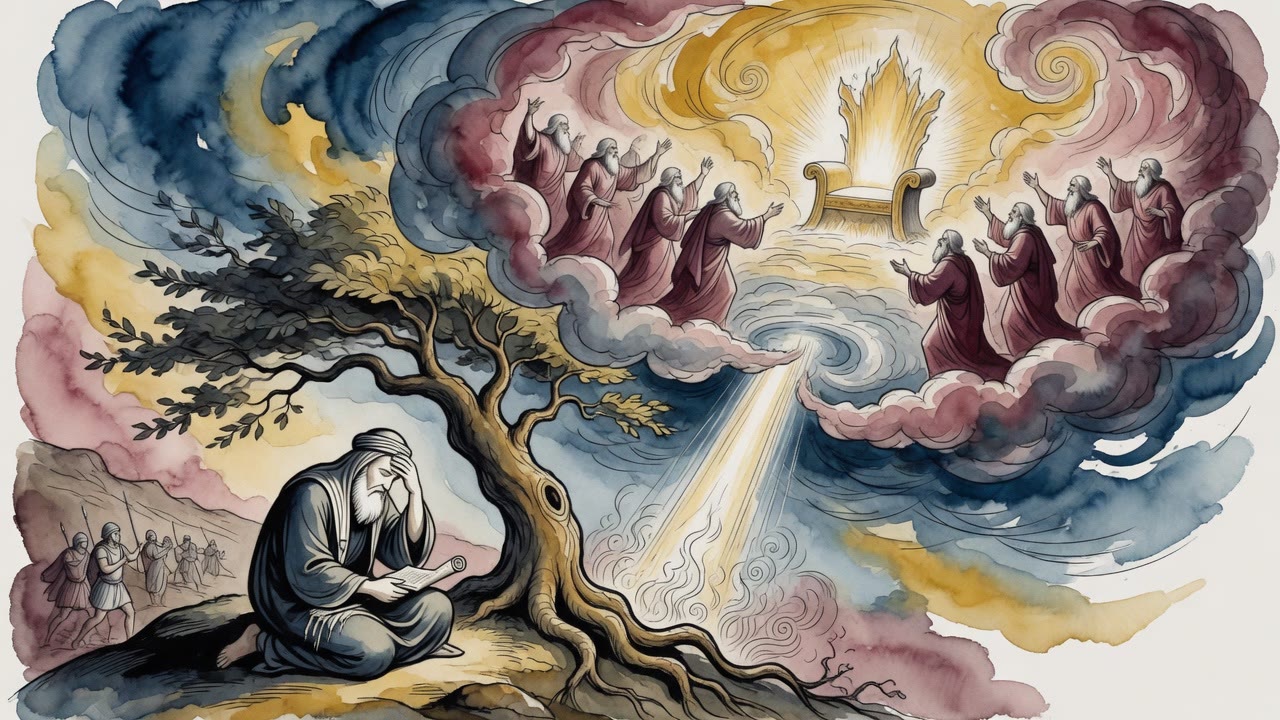
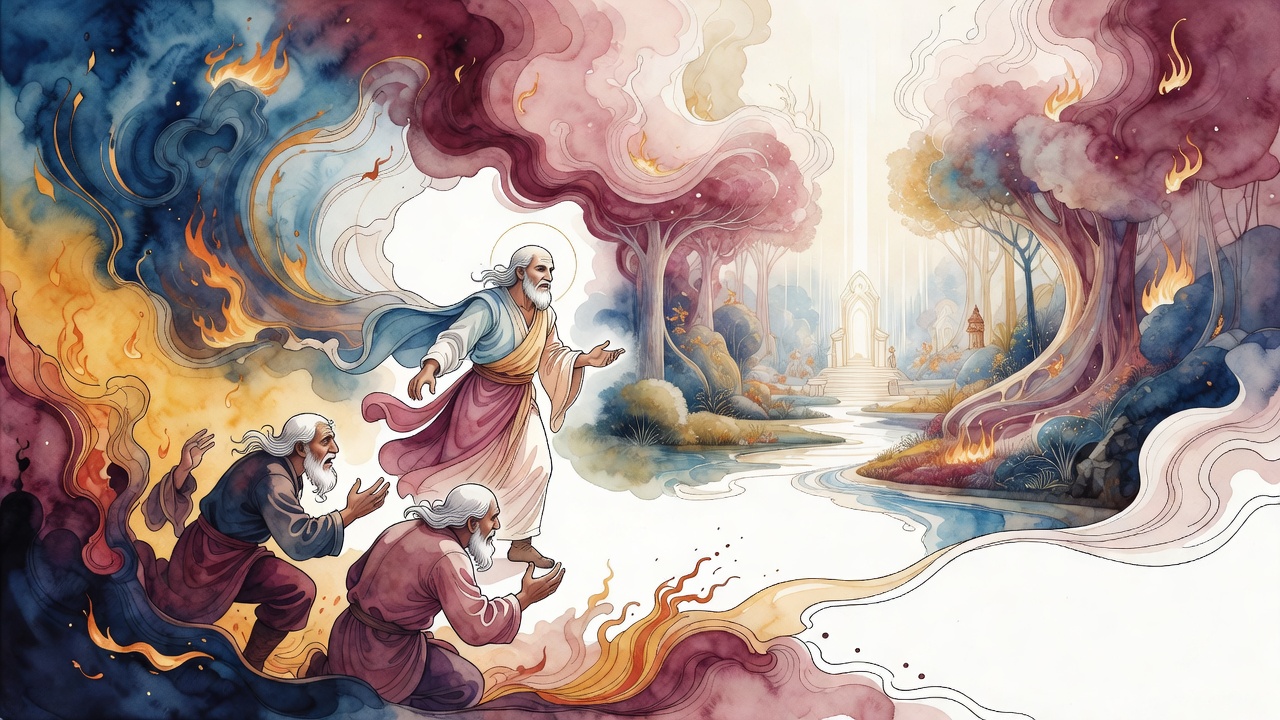
When Resh Lakish died, his soul rose to Gan Eden (גן עדן), the garden of the righteous dead, the paradise his partners would later name in envy. When the other two died, their souls sank to Gehinnom (גיהנם), the place of punishment after death. From their side of the barrier they looked up and saw their old partner walking in gardens. Rage found them faster than shame. They lifted their voices.
"Lord of the Universe," they called, "You are playing favorites. We three stole together. We laughed together. We ate together. Now he walks in gardens while we burn. How is this justice?"
The Holy One answered without anger. "He repented."
They tried at once. They wept. They confessed. They begged for a fresh start from the wrong side of death. The voice returned a second time. "It is too late. Teshuvah (תשובה), return, belongs to the living. After death there is no repentance."
Shared Bread Does Not Share a Fate
Heaven did not deny the shared meals. It denied the claim that shared sin creates shared destiny forever. One man used the years he had left. Two men spent them. Brotherhood in crime had felt like loyalty on the road. When Resh Lakish left, the partners took his turning as betrayal, not as light. That is why their complaint from Gehinnom sounded so intimate. They did not argue theology first. They argued friendship. They had eaten together. How could the table split after death?
The door had been wide while lungs still moved. The same man who once robbed travelers became a master of the academy. That is not favoritism. That is the terrifying openness of teshuvah while blood still runs, and the closed door after it.
Travelers on the roads outside Tiberias never learned the names of the two who stayed in the trade. History kept the one who left. The names that endure are the ones that change while change is still possible.
Three Days Off the Vine
Years later, when Resh Lakish hired a tutor for his own children, the old highwayman's new life showed another face of the same clock. Rav Chiya bar Adda vanished for three days. When he returned, Resh Lakish demanded an account.
Chiya spoke of a vine his father had left him, trained high on trellis-work as a bower. The first day he gathered three hundred clusters, each yielding a gerav of wine, a measure as large as two hundred eighty-eight eggshells. The second day he gathered three hundred again, but two clusters made one gerav. The third day three hundred still, and three clusters made one gerav, and he left more than half the fruit for anyone who would come.
He had a harvest in his mouth. He thought the numbers would excuse the empty chairs.
The Field That Matters More
Resh Lakish heard the harvest report and answered with a sting that only a man remade by study could deliver. If Chiya had not neglected three days of teaching the children, if he had not rushed back instead of staying with the vine, the vine would have yielded more. A teacher's first field is his students. When he neglects that field, even the other field grows thinner.
The former robber had become a man who measured every absence against the children waiting for letters. He knew what it meant to waste a season. He had wasted years on the road. He would not waste the years of his sons.
Chiya had loved a harvest and still abandoned the field that mattered more. Resh Lakish recognized the pattern in a smaller key. The partners in Gehinnom had proved that teshuvah has a clock. The vine proved that teaching has a clock too. Neither will wait for a man who assumes tomorrow is guaranteed.
He had crossed from the brush to the academy and refused to go soft. The rope was gone from his hands. The knives were gone. What remained was a man who would not let three days vanish from a child's table, because he had already seen what vanished years look like from the other side of death.
← All myths