6 min read

Reuven Repented Where Fathers Could Not Save

Reuven came back to the pit and found an empty hole and a coat that would lie to Jacob. Years later Moses gave him six words. Live and do not die.

Curated by Arthur · Told by Maggid ·
Table of Contents
  1. The Blessing That Sounded Like Panic
  2. What He Did and What He Tried
  3. Fathers Who Cannot Redeem Sons
  4. The Empty Pit and the Open Ledger
  5. Life Spoken Over a Frayed Name

Reuven woke in a house that still smelled of his father's grief. The bed he had approached was not his to claim. Bilhah's space had been a line he crossed, and the line did not heal because he was firstborn. Rank does not scrub a stain. It only makes the stain public.
Reuven Repented Where Fathers Could Not Save Click for full size

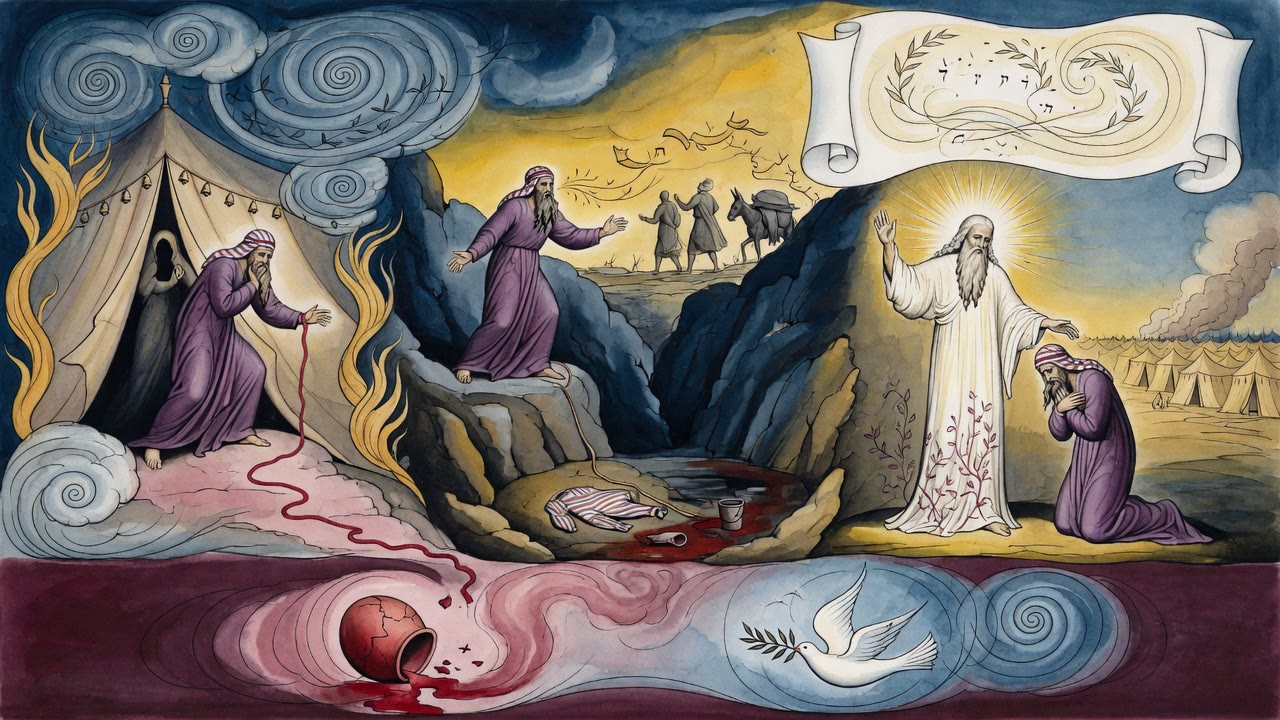
Years later another stain waited in a pit. Joseph at the bottom. Brothers above with a sale already forming in their mouths. Reuven meant to pull the boy out. He left and came back to an empty hole and a coat that would lie to Jacob. Intention without completion is a kind of death that still lets a man walk.

The Blessing That Sounded Like Panic

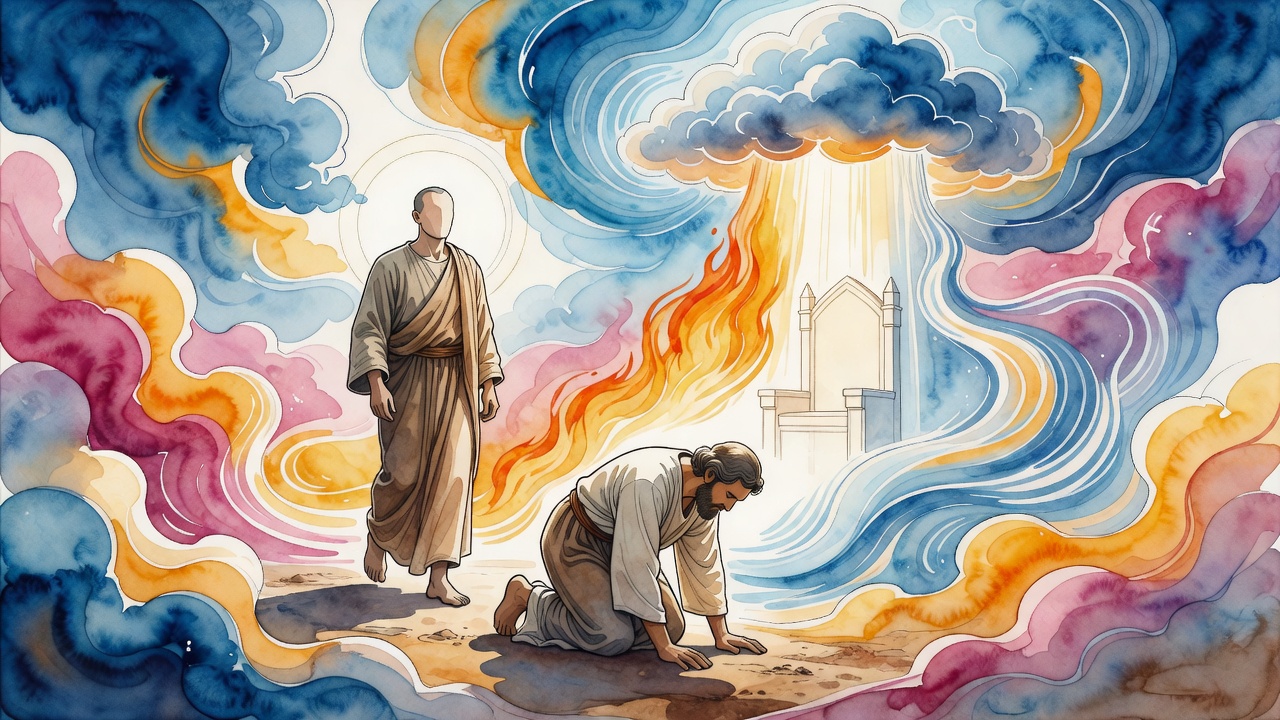
At the edge of the land, Moses opened his mouth over the tribes and gave Reuven almost nothing and almost everything. "Reuven shall live and he shall not die" (Deuteronomy 33:6). Short. Hard. As if life itself had been in doubt.

He did die, of course, as bodies do. "He shall not die" leans toward the World to Come, Olam Ha-Ba, the life that does not end when the chest stops. Ordinary righteousness might hope for that. Reuven needed the hope named out loud because his record had a crime and a half-rescue on it, and both still breathed in the family's memory.

Moses did not flatter. He issued a verdict shaped like mercy. Live. Do not die. The firstborn who had endangered his place would not be erased from the forever side of the ledger.

What He Did and What He Tried

One reading sets the pit against the bed. Because Reuven tried to save Joseph (Genesis 37:21), he would not die for the matter of Bilhah. Merit is not usually traded for liability like coins at a stall. Rabbi Chanina ben Gamliel said as much. Good does not erase bad by arithmetic, and bad does not cancel good. The books stay open on both sides.

Then the sages press a cleaner hinge. Mitzvot (commandments) are rewarded. Transgressions are punished. Reuven lived in the deeper sense because he repented. Remorse that is real rearranges a fate that blood alone cannot touch. Rabbi Shimon ben Gamliel pressed further still in some tellings, insisting the firstborn's guilt was not what later mouths assumed. Whether the house follows that bold line or the plainer path of repentance, the pressure is the same. Reuven does not float free on pedigree. He stands or falls on what he did, what he tried, and whether he turned.

He had gone up on his father's bed (Genesis 49:4). He had also spoken against the murder of a brother. Between those two acts his life ran like a rope frayed in the middle. Moses' six words tied a knot on the far side of the fray.

Fathers Who Cannot Redeem Sons

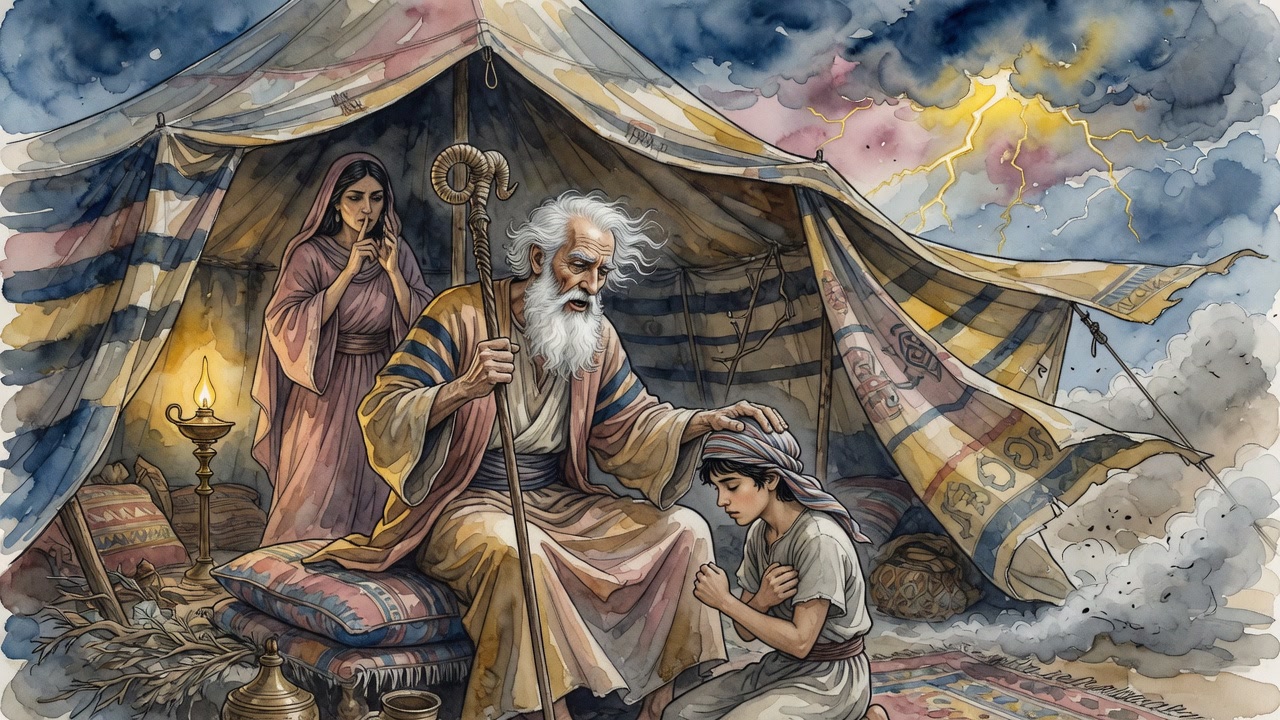
Elsewhere the same stream of teaching strips comfort from lineage. "There is no saving from My hand." Fathers do not save sons. Abraham cannot save Yishmael. Jacob, called Israel, cannot save Esav. The founders of the people stand powerless when a child walks out of the path and keeps walking.

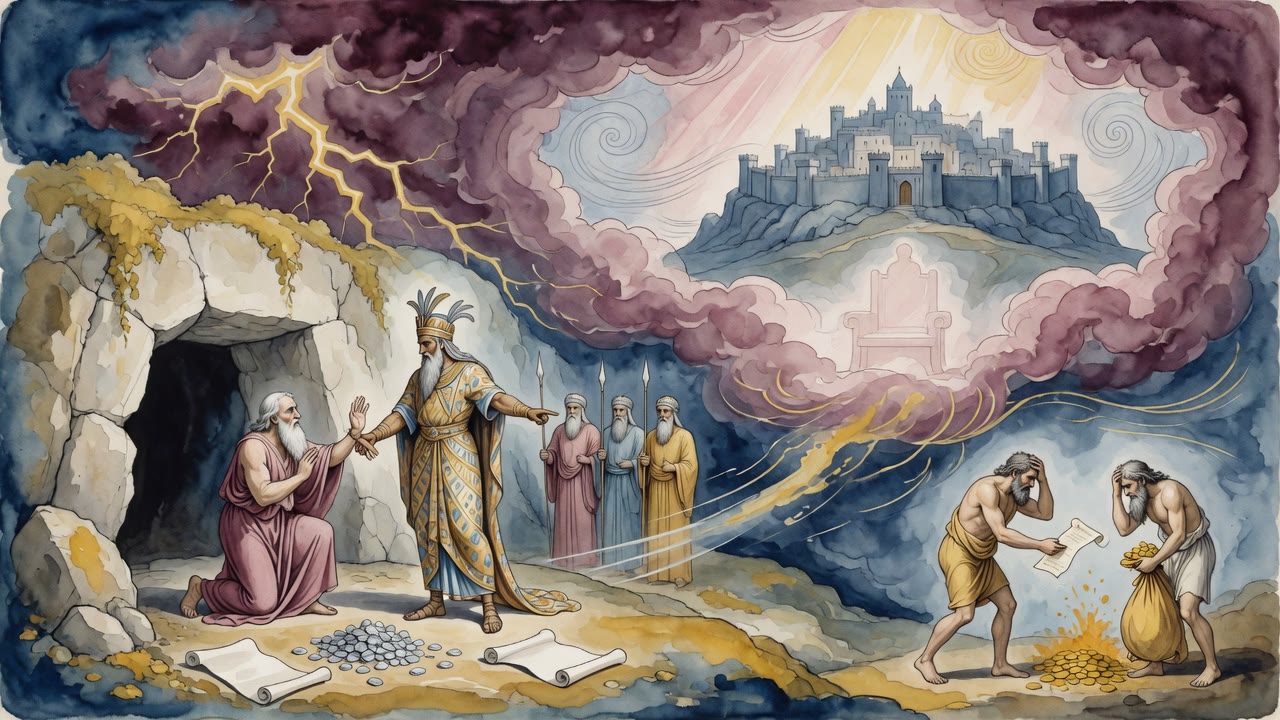
Brothers fare no better. "A brother cannot redeem another" (Psalm 49:8). Isaac cannot redeem Yishmael. Jacob cannot redeem Esav. Even if a man poured out all the money in the world, the soul's redemption is too costly and forever out of cash range (Psalm 49:8-9). "How precious is this soul." The price still refuses every easy purchase.

When one sins, there is no payment that works like a bribe. That sentence sounds cruel until it is set beside Reuven. If Abraham cannot buy Yishmael free, Jacob cannot buy Reuven free either. The firstborn's hope cannot be his father's greatness. It has to be his own turn, his own unfinished courage at the pit, his own refusal to stay inside the stain without fighting it.

Family love remains real. It simply is not currency in that market.

The Empty Pit and the Open Ledger

Reuven stands at the rim again. Dust on his palms. The plan to return Joseph to Jacob already formed. Then the brothers' deal closes without him, and the caravan is a line of dust on the horizon. He tears his clothes in a grief that is both for the boy and for the failure of his own timing. That hour does not make him pure. It makes him someone heaven can still address as a man who moved toward rescue.

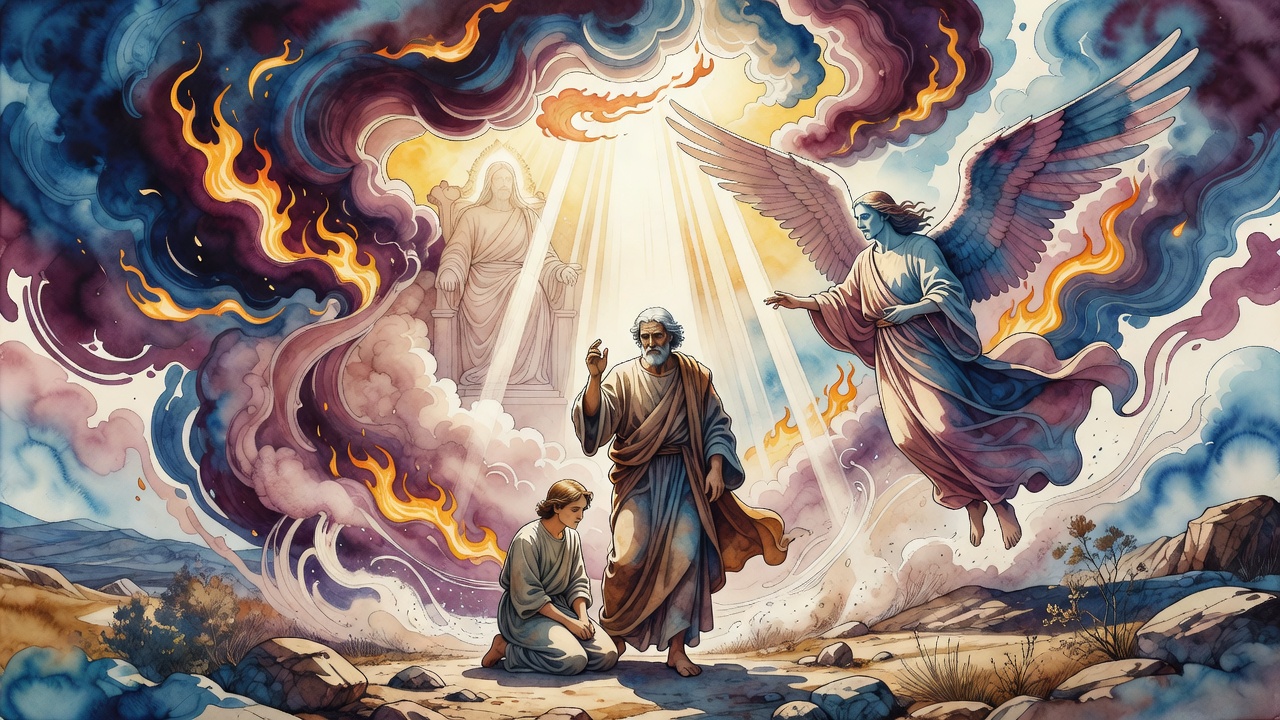
Later, when Moses speaks life over the tribe, the empty pit and the stained bed both stand in the room. Neither is deleted. The blessing does not claim Reuven was always safe. It claims he will not be ended by what he was. Repentance and the attempt at the pit become the ground under "he shall not die" when ordinary fatherhood and brotherhood have already been ruled bankrupt as ransom.

David's later dramas of guilt and return live in the same neighborhood of teaching, proof that even kings do not exit the ledger by title. Reuven's story is older and quieter. No harp. No palace. A firstborn, a bed, a pit, a short blessing at the border.

Life Spoken Over a Frayed Name

The tribe of Reuven would camp, fight, and fade like other tribes. The verse still hangs over the name. Shall live. Shall not die. Not because Jacob's hands could lift the son clear of consequence. Not because Joseph's survival could be bought back with silver after the fact. Because a man under his own stain still turned, still tried, still remained addressable by mercy that does not take bribes.

On the plains, when Moses finished the line, someone in Reuven's ranks exhaled. Someone else flinched, hearing how close death had stood to their banner. Between those two breaths the hard mercy closed. No father saves. No brother redeems with gold. A soul remains precious enough that heaven will still say live when the record shows both the crime and the crack where light got in.

Reuven left the hour with a name that never became simple. The blessing did not simplify him. It refused to erase him.


← All myths
From the tradition

Sources

2 sources

The texts behind this telling. Some cards carry a translation of the source; others are our own retelling of it, and each card says which. Every card links out to the original.

Sifrei Devarim 347:3Sifrei Devarim

Retold in our words. Read the original at the link below.Sifrei by Rabbi Shraga Silverstein · CC-BY

Check out this little head-scratcher from Sifrei Devarim, a collection of legal interpretations on the Book of Deuteronomy. It revolves around Reuven, Jacob's eldest son, and a somewhat… ambiguous blessing.

It says, "Reuven shall live and he shall not die." Okay, great! But…didn't he actually die? I mean, mortality being what it is and all. So, what's the Torah getting at? Sifrei Devarim offers a few fascinating possibilities.

One interpretation suggests that "he shall not die" refers to the World to Come, Olam Ha-Ba (the World to Come). In other words, Reuven's soul will endure eternally. Which sounds lovely, but that's the case for many righteous people, one would hope! So, what makes Reuven special?

Another explanation ties into Reuven's actions. Remember the story of Joseph being sold into slavery? Reuven, according to this view, tried to save Joseph (Genesis 37:21). Because of this good deed, he "shall not die" due to his other deed – the incident with Bilhah, Jacob's concubine.

Ah, the incident with Bilhah. That's where things get complicated. The Torah says Reuven "went up on his father's bed" (Genesis 49:4). Traditionally, this is understood as a transgression. But was it?

Rabbi Chanina ben Gamliel weighs in with a fascinating principle: merit isn't typically exchanged for liability, or vice versa. Good deeds don't erase bad ones, and bad deeds don't negate the good. Except, perhaps, in certain extraordinary cases involving Reuven… and King David (II (Samuel 16:1)3). Hmm.

But then, the sages offer a different perspective: it's not about trading merit for liability. Instead, mitzvot (good deeds, commandments) are rewarded, and transgressions are punished. Simple enough. So, how does this apply to our confusing verse? The answer, they say, is that Reuven repented for his actions. His sincere remorse atoned for his sin.

Rabbi Shimon ben Gamliel takes an even bolder stance. He argues that Reuven was actually innocent of the sin with Bilhah! He couldn't possibly have committed such an act. Why? Because he stood at the head of the tribes on Mount Eival, reciting the curses in Deuteronomy 27 – including, "Cursed be he who lives with his father's wife!" Could someone guilty of that very sin stand there and pronounce such a curse? Unthinkable, says Rabbi Shimon.

So, if Reuven didn't sleep with Bilhah, what does "For you went up on your father's bed" actually mean? Rabbi Shimon suggests it was about honor. Reuven was concerned about his mother Leah's honor, and his actions, though perhaps misconstrued, were intended to protect her (Shabbat 55b).

Wow. Talk about a range of interpretations! From literal sin to misunderstood intentions, from earthly consequences to spiritual redemption.

How often do we judge actions without knowing the full story? How easily do we leap to conclusions about a person’s character based on a single incident? Perhaps the story of Reuven isn’t just about one man’s past, but about the complexity of human nature itself. Maybe it's a call to offer grace, to seek deeper understanding, and to remember that repentance and redemption are always possible.

Full source
Sifrei Devarim 329:4Sifrei Devarim

Retold in our words. Read the original at the link below.Sifrei by Rabbi Shraga Silverstein · CC-BY

The ancient sages grappled with this very idea. The verse It states, "and there is no saving (from sin) from My hand."

What does that even MEAN?

The text unpacks this with brutal honesty: Fathers do not save sons. Abraham cannot save Yishmael, and Israel (Jacob) cannot save Esav. Ouch. Think about the weight of that. The patriarchs, the very founders of our people, are powerless to redeem their own children from the consequences of their actions.

This might seem harsh. We want to believe that love conquers all, that family can always pull us back from the brink. But the Torah, in its wisdom, forces us to confront a difficult truth: ultimately, we are each responsible for our own choices.

But wait, it gets even more specific. The passage continues, "This tells me only that fathers do not save sons. Whence do I derive that brothers do not save brothers?"

The text then quotes (Psalms 49:8), "A brother cannot redeem another." So Isaac cannot redeem Yishmael, and Yaakov cannot redeem Esav. The message is clear: familial bonds, as strong as they may be, cannot override individual accountability.

Why this emphasis on family? Perhaps because family is where we often expect, even demand, unconditional support. And while love and support are vital, the text reminds us that they cannot erase the consequences of our actions.

The passage goes on: "Even if he gives all the money in the world, he cannot ransom him, viz.: 'A brother cannot redeem another … (9) Too costly is their souls' redemption and forever unattainable.'" The stakes are high. We’re not talking about a simple mistake, but something far more profound – the redemption of a soul.

"How precious is this soul!" the text exclaims..

The final, sobering thought: "When one sins, there is no payment for it!" There's no easy way out. No quick fix. No amount of money or familial love can erase the consequences of sin. This isn't about eternal damnation, necessarily, but about the inherent consequences woven into the fabric of the universe. Actions have reactions.

So what are we to take away from this? It's not a message of despair, but one of empowerment. It's a call to own our choices, to recognize the weight of our actions, and to strive to live a life worthy of the precious soul we've been given. No one can do it for us. The responsibility, and the potential for redemption, lies within each of us.

Full source