Serah Calls Yoav a False Father at the Gate
Yoav's engines were already against the wall. A woman on the battlements told him his own name was a lie. She asked if Torah still required a call for peace.
Table of Contents
The ropes of the siege engines groaned against wet wood. Dust rose from the base of Abel Beit Maakah, and the men of Yoav waited for the order that would tear the wall open. Inside the city a rebel named Sheva ben Bikhri had taken shelter after raising a hand against King David. Outside, the general paced far from the gate, already counting the hours until fire and the crash of timber.
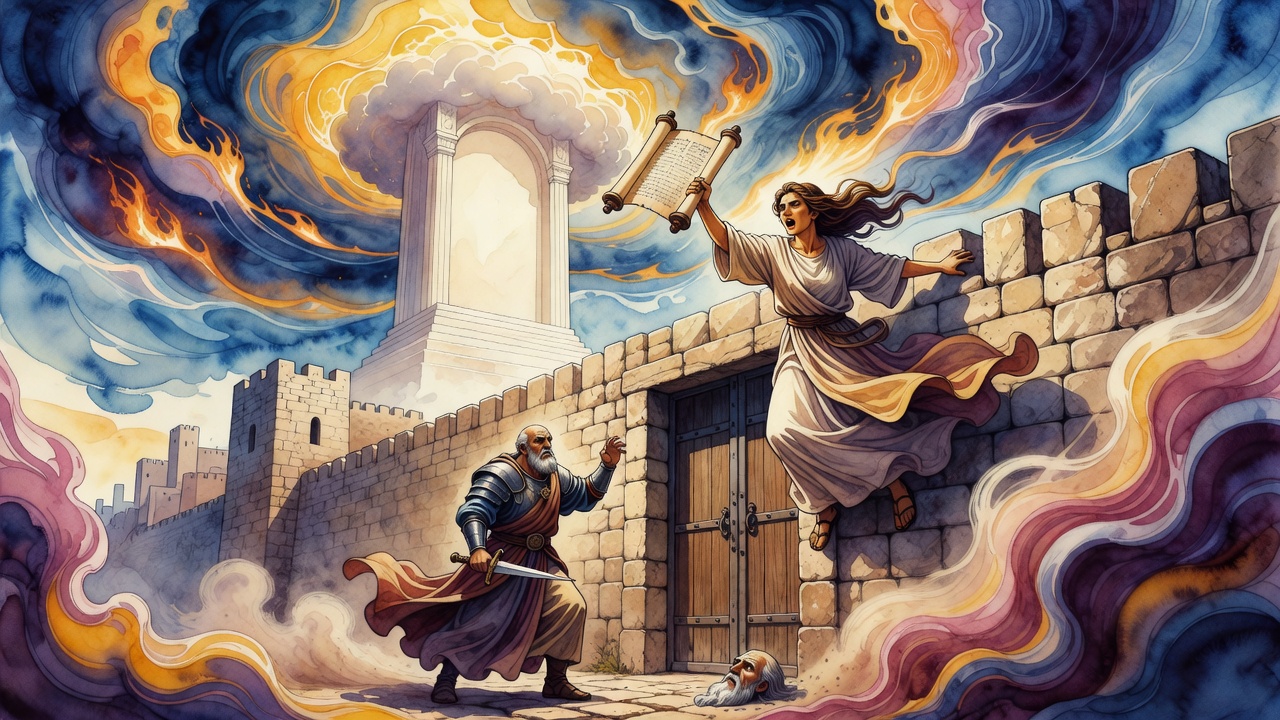 Click for full size
Shields clattered. A scout reported soft stone on the northern face. Yoav lifted his hand to signal the first wave. Before the signal finished its arc, a voice climbed the wall. Not a soldier's shout. A woman's voice, sharp enough to cut through the clatter.
"You are not Yoav," she called.
The Signal That Did Not Fall
The name Yoav holds the word av, father. She meant he was failing the fatherhood baked into his name. He was not acting as a father of Israel. He was acting as a wrecking crew with a royal warrant.
Yoav's hand stayed in the air a moment too long. The engines did not kiss the wall. Men who had already leaned into the charge had to catch themselves. A general of David does not take insults from battlements as a hobby. He took this one because the voice had used his name as a verdict.
He stepped closer. Boots grinding grit. The wall threw back heat. The woman did not duck.
The Woman on the Wall
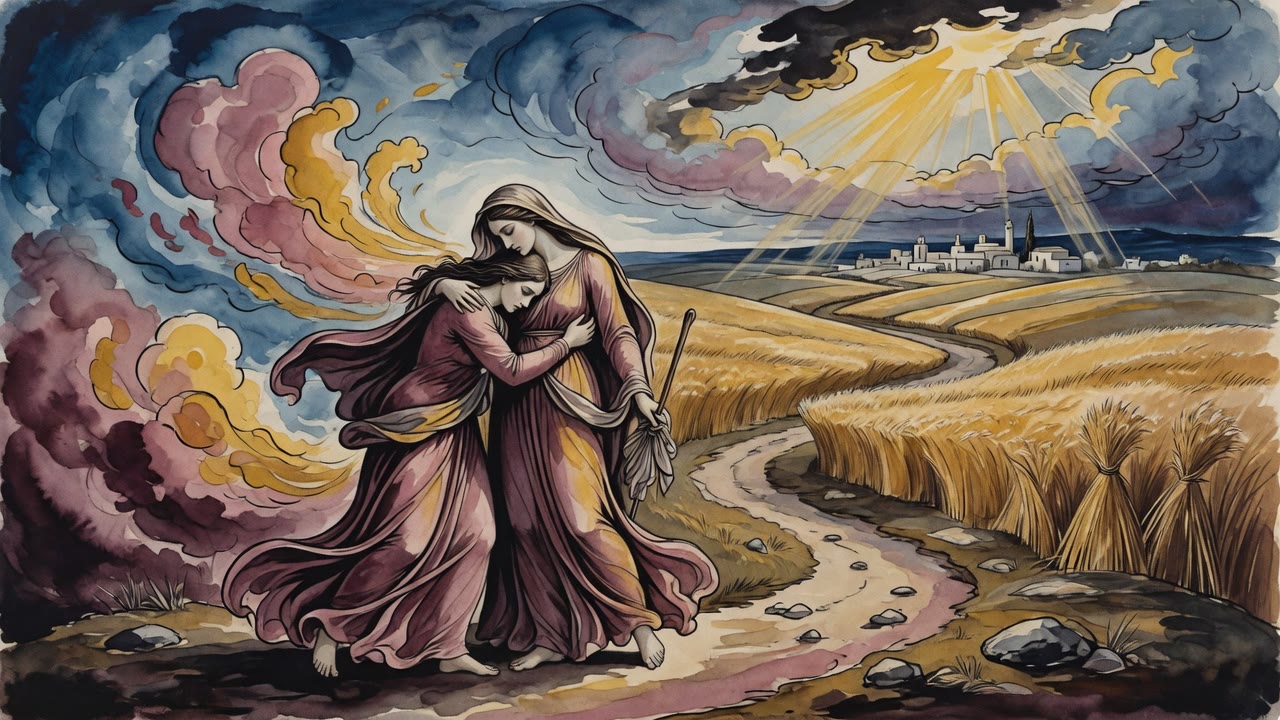
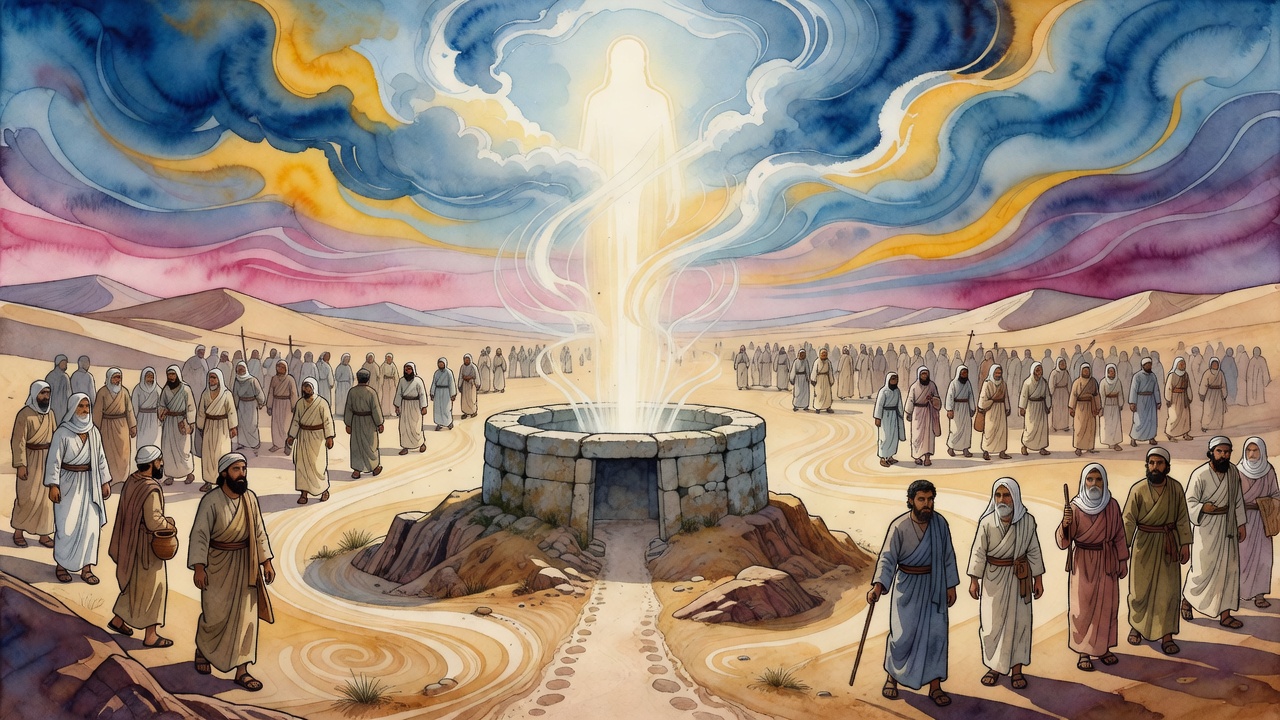
She named herself Serah bat Asher, the loyal faithful of Israel, the one who completed the count of Jacob's house when seventy souls went down to Egypt. Longevity in her mouth was not a rumor. It was a working tool. When Moses needed Joseph's bones, some still said it was Serah who remembered the river and the coffin.
Jacob's blessing on Asher had already promised fat bread and daughters worthy of kings. "As for Asher, his bread shall be fat" (Genesis 49:20). "Blessed be Asher above sons" (Deuteronomy 33:24). Beauty for royal courts was one face of that gift. Nerve on a besieged wall was another. Serah stood in the blessing like a living seal and spent it on a city about to die.
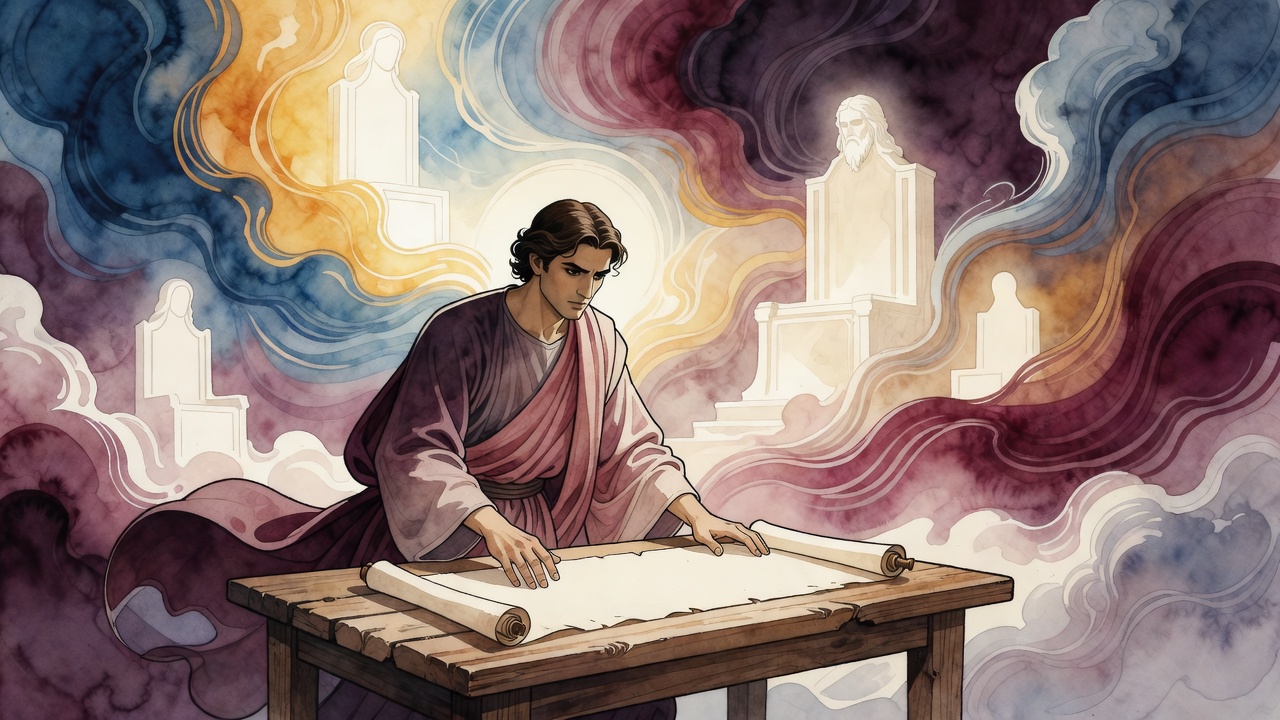
She reminded Yoav of the Torah he claimed to serve. "When you approach a city to wage war against it, you shall call to it for peace" (Deuteronomy 20:10). Had the words of Torah ended, she asked, not to be fulfilled? Had David himself stopped acting like a man of the book and started acting like any other king who measures loyalty in rubble?
She called the city a mother in Israel, an ir ve'em (עיר ואם), a metropolitan heart. To smash it for one rebel was to cut out a living organ while the patient still breathed. Children pressed against the inner face of the wall. Serah served a legal demand shouted over battlements, and she did not lower her voice for the army.
Yoav Names His Quarry
Yoav did not order the archers. He stepped closer still and named his quarry. Sheva ben Bikhri had raised a trumpet of revolt. The general was not hunting the city. He was hunting one man who had turned the city into a shield and a slogan.
Serah listened with her palms on the warm stone. The distinction mattered. A mother city can still hand over a poison in its own body. She asked for time to speak with the elders. Yoav gave it, because the Torah she had thrown at him was heavier than his battering ram, and because even a general of David can be shamed in public by a woman who knows the verse better than his officers.
Behind him the troops muttered. Peace talks looked like weakness. Yoav kept his face still. Impudence toward the wise touches the honor of the king, and the honor of the king touches the honor of the King of kings. On that afternoon the wise one was a woman on a wall, and the general chose not to become a heretic of his own tradition.
He restated his terms without the theater of siege. Deliver the rebel. Keep your houses. Fail, and the engines resume. The wall between them was still stone. The law between them had become audible.
One Head Over the Wall
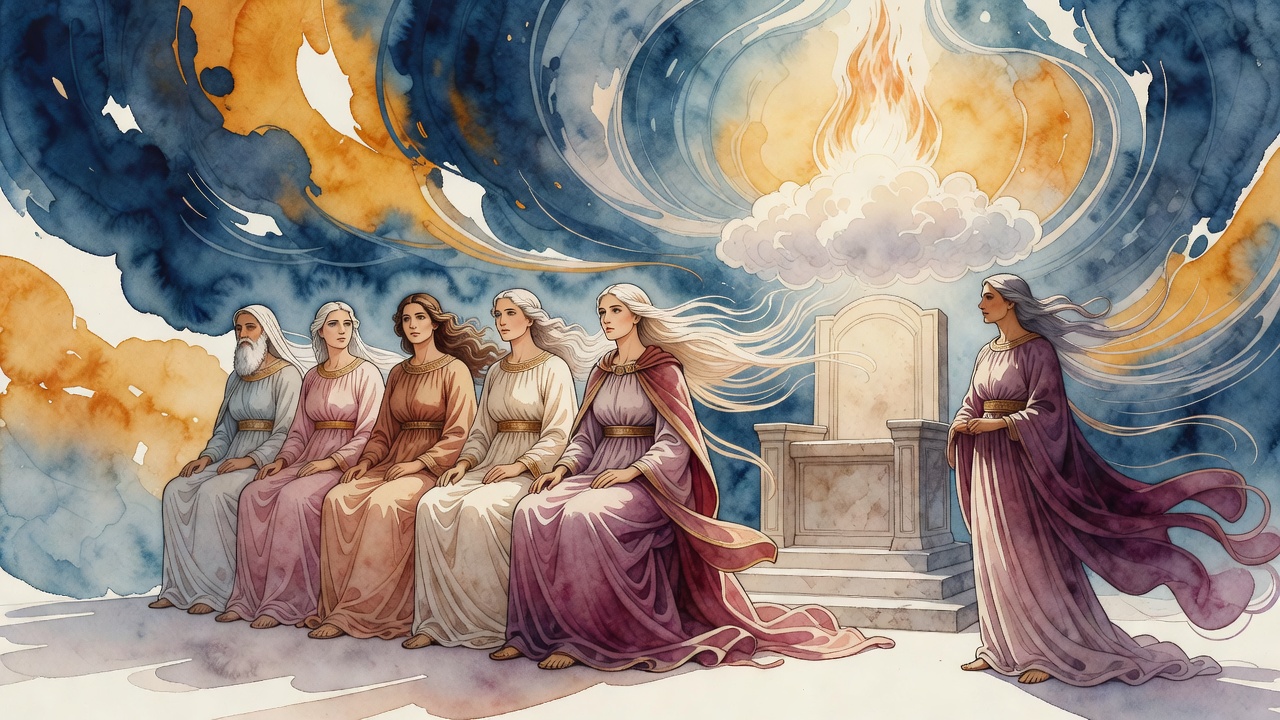
Inside the gates Serah bargained the way a woman who has outlived empires bargains. She did not begin with the full price. She reduced the cost of peace step by step until the people of Abel understood the math without needing a lecture. Keep Sheva, and the whole city dies under David's engines. Give him up, and the siege lifts before the cisterns fail and the infants drink dust.
Elders argued in the square. Some still loved the rebel's swagger and the story of a north that would not bow. Mothers with children on their hips did not. Serah's voice kept returning to the same hinge. One sinner destroys much good. One head can buy a thousand unburned roofs. She walked the alleys naming families that would die for a guest who had already spent their safety like coin.
They took the rebel's head and threw it over the wall. It struck dust near Yoav's feet. The trumpets of withdrawal sounded. Engines rolled back on groaning wheels. Men who had expected blood wiped their hands on empty air and found themselves oddly disappointed, then oddly relieved.
Asher's daughters, the blessing said, would yield royal delights. On that day the delights were not scarlet garments for a court. They were a spared city, a general forced to remember peace, and a head that ended a war without burning the mother that held it. Serah stepped down from the wall into a street that still had a future, and the dust of Abel settled on a law that had been shouted loud enough for an army to hear.
← All myths