Shechinah Climbs Seven Skies Then Comes Home
After Adam's bite the Presence leaves floor by floor. Abraham, Isaac, and Moses pull it back until the Tabernacle stands.
Table of Contents
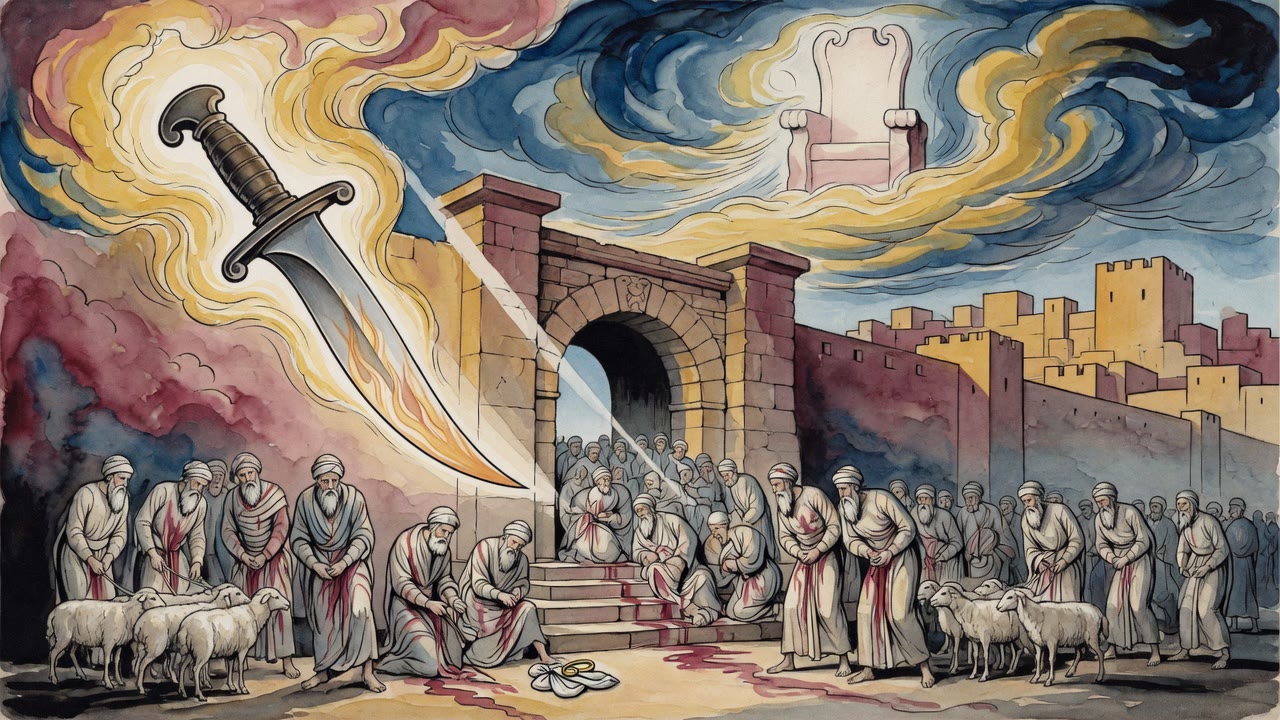 Click for full size
God Wanted a House Below
Before curtains and boards, the Holy One wanted an abode below the way He had one on high. He made Adam, set him in a garden, and gave one command about one tree (Genesis 2:16-17).
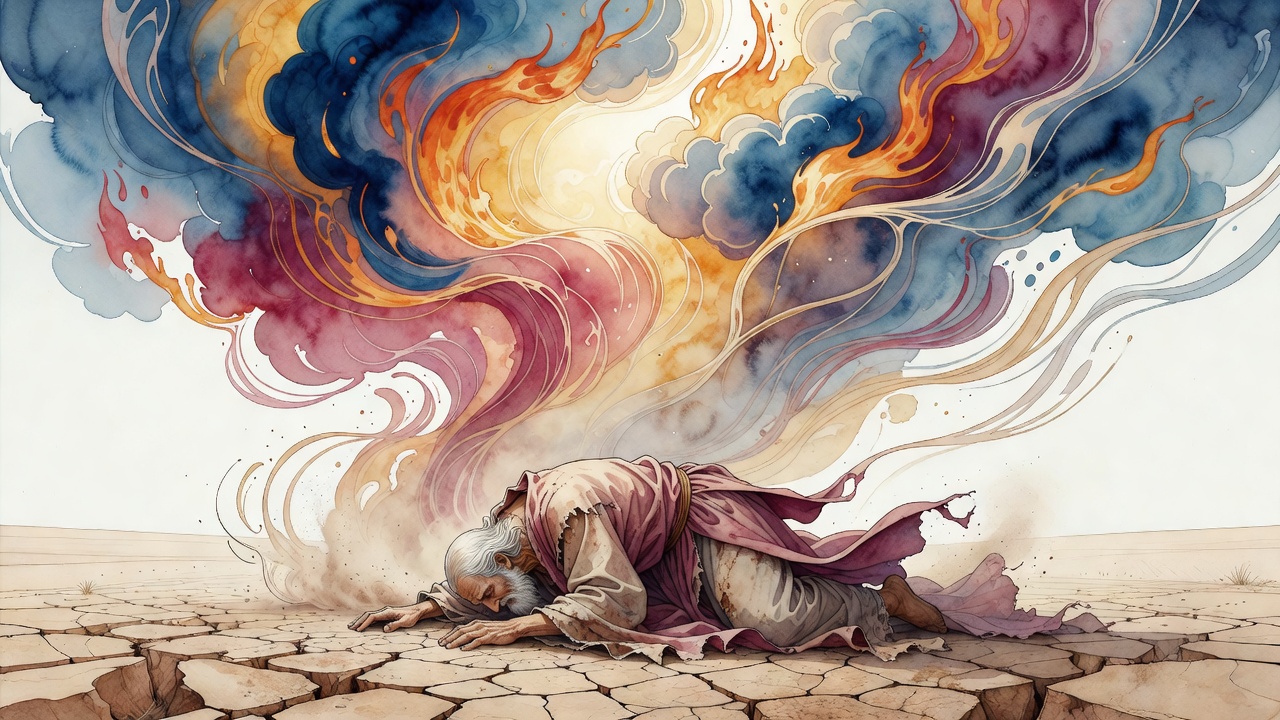
Adam ate. The longing for a lower house cracked on the first day it was tested. The garden still smelled of fruit. The arrangement was already broken.
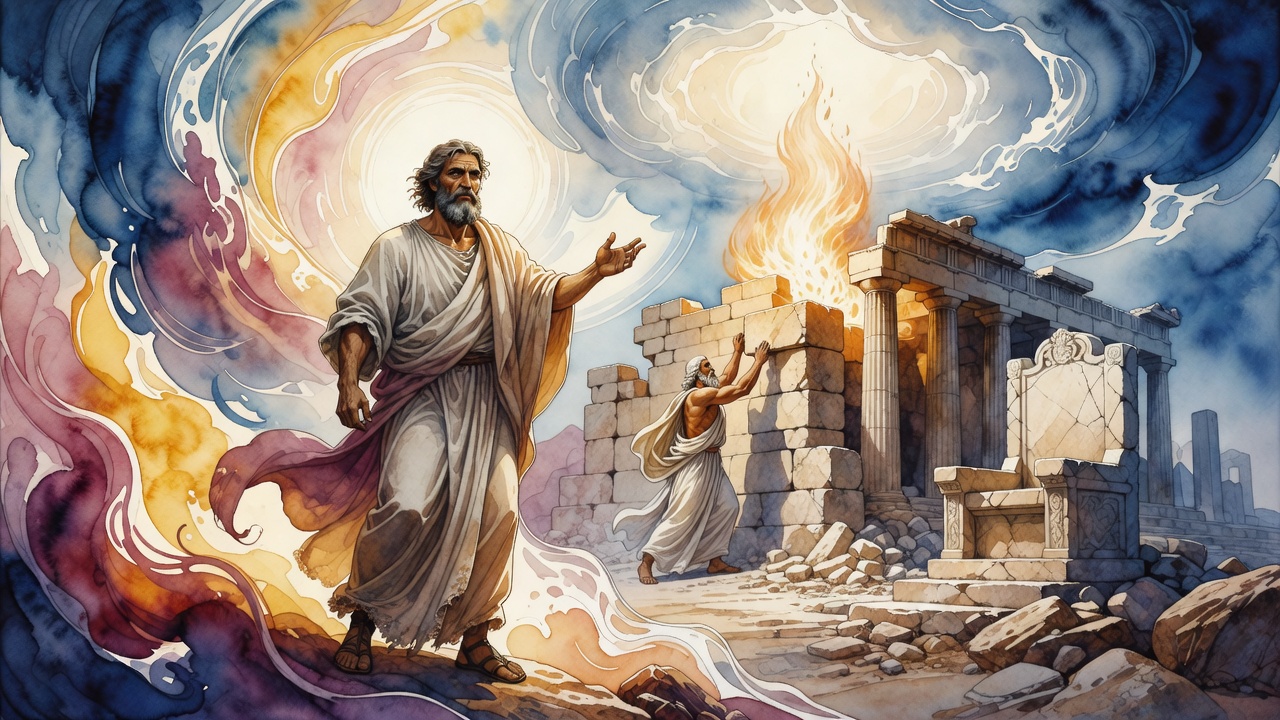
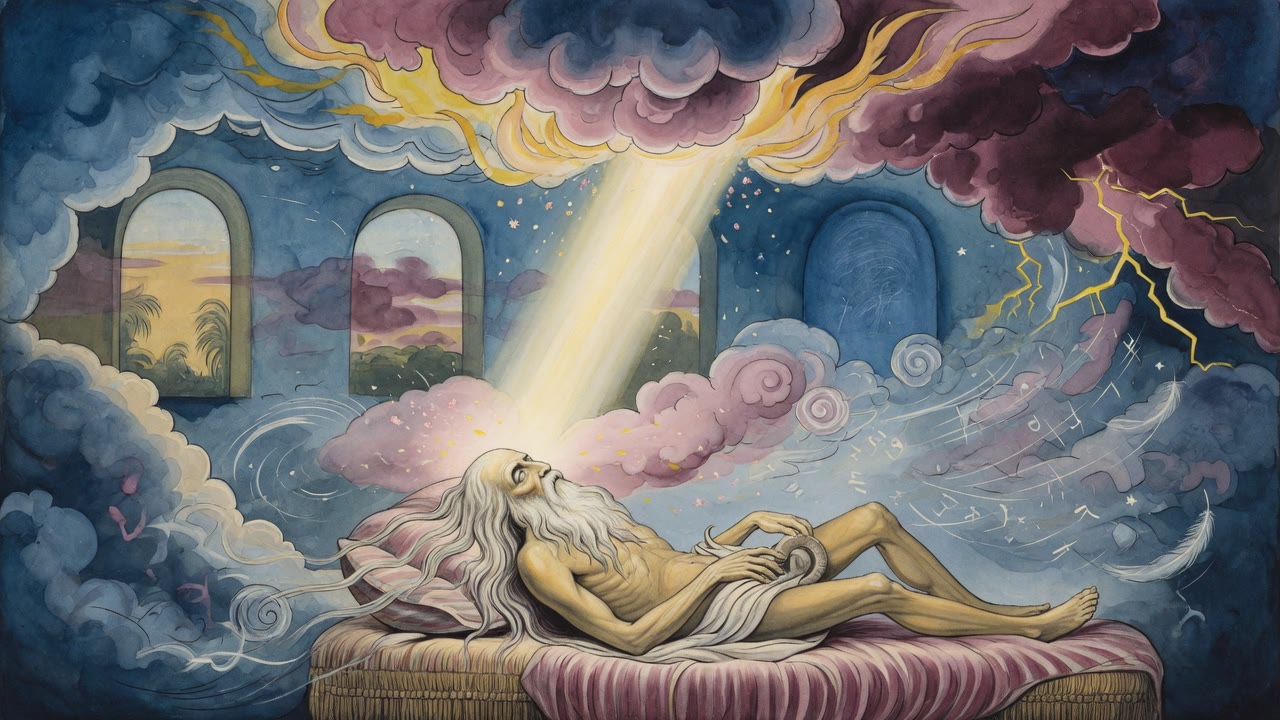
Immediately the Divine Presence, the Shechinah (שכינה), lifted from the garden floor to the first firmament. They heard the voice of the Lord God moving about in the garden (Genesis 3:8), already higher than the pair who hid among trees that no longer felt like home.
Distance began as a single floor of sky. It would not stay single.
Murder Pushes the Presence Higher
Cain killed Abel. The Presence moved from the first firmament to the second. Generation after generation of cruelty kept the climb going. Blood on soil. Pride in cities. Seven firmaments stacked like closed courts.
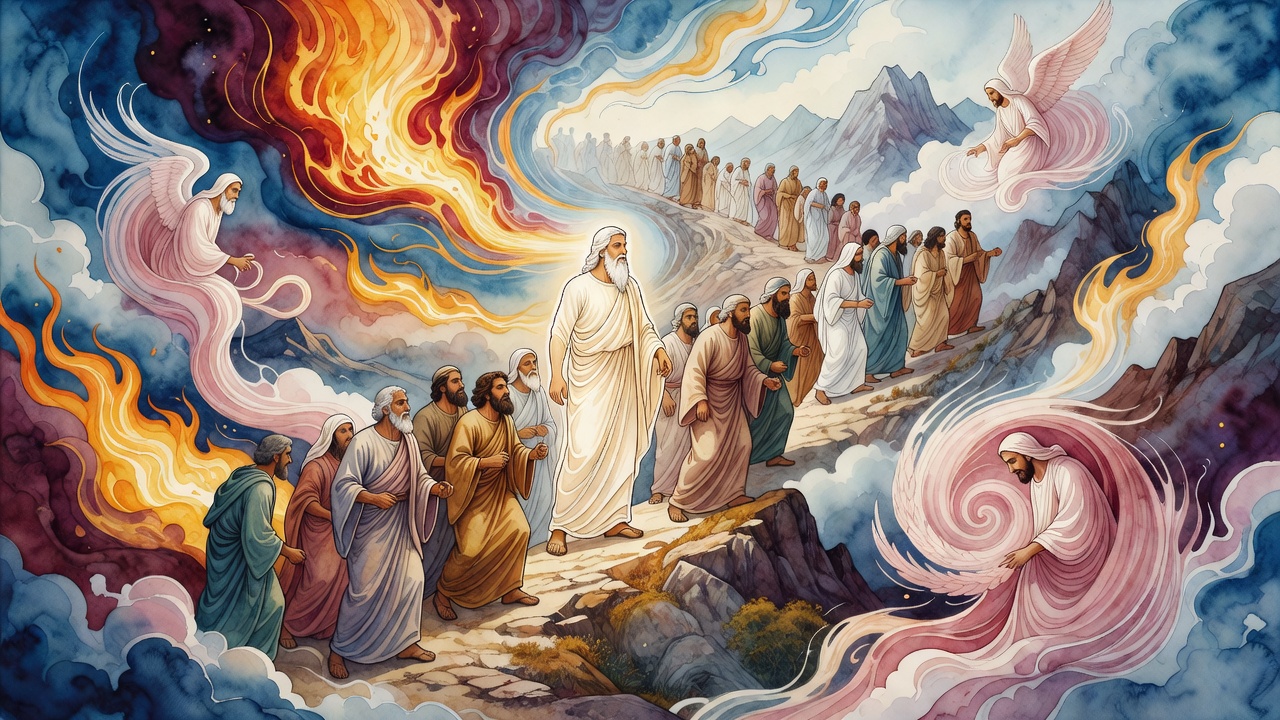
Wicked ones still rose on the earth. The Holy One folded away whole ages of the cruel and raised up Abraham. When Abraham did good works, the Presence descended from the seventh firmament to the sixth. When Isaac stretched his neck on the altar, it came from the sixth to the fifth.
Step by step, a family pulled heaven down by living as if the lower house still mattered. The climb had been shame. The descent was earned in acts, not in speeches. Each patriarch bought a floor with a body placed at risk or a life aimed at kindness.
The midrash does not rush the stairs. It makes the labor of return slow enough to hurt.
Moses Brings It to the Ground
When Moses arose, he brought the Presence down to earth. "The Lord came down onto Mount Sinai" (Exodus 19:20). Fire and cloud on a mountain. A nation at the base, afraid of the sound. The God who had been climbing away stood close enough to burn and still chose nearness.
Still the midrash hears a fuller homecoming later, when boards stand and coverings settle. "When I come to my garden, my sister bride" (Song of Songs 5:1). When? When the Tabernacle is set up.
Sinai was arrival. The mishkan (the Tabernacle, Israel's portable house for God) was moving in with furniture. A mountain is a visit. A courtyard is an address.
Moses finished the work with hands that had already held tablets and a staff. The last peg made a different silence than the first command in Eden.
A Basket That Could Not Stand
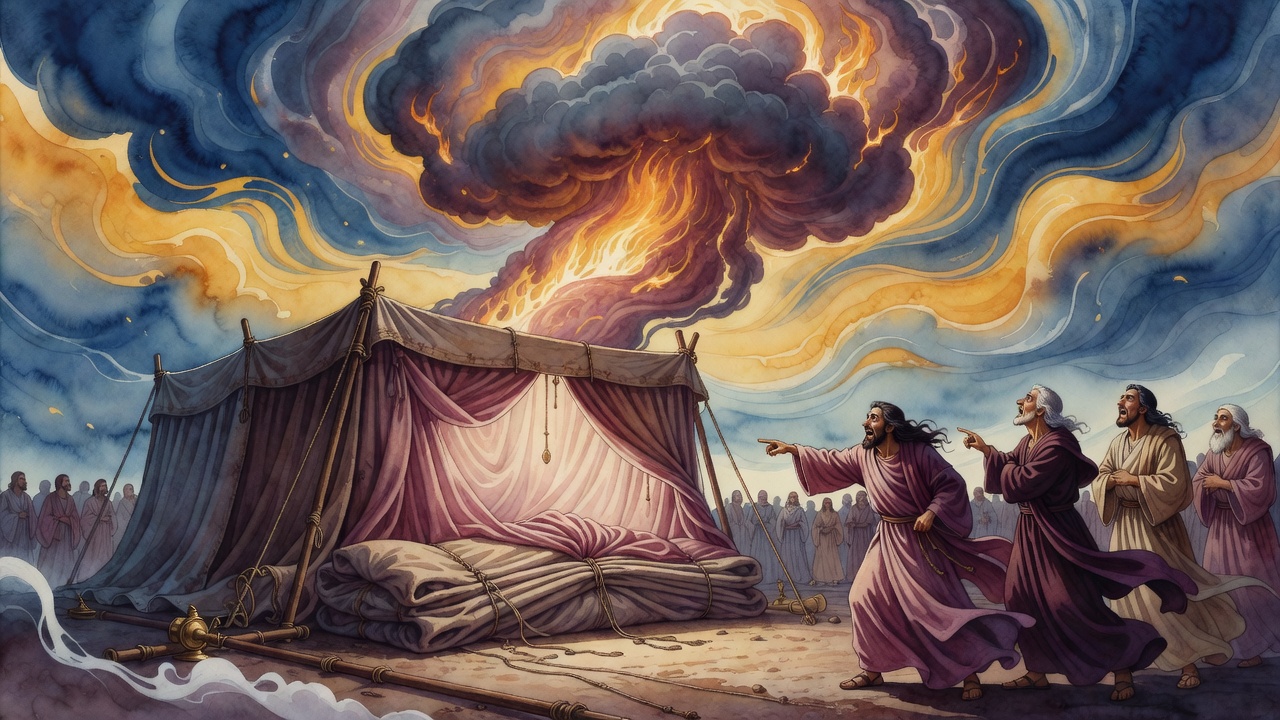
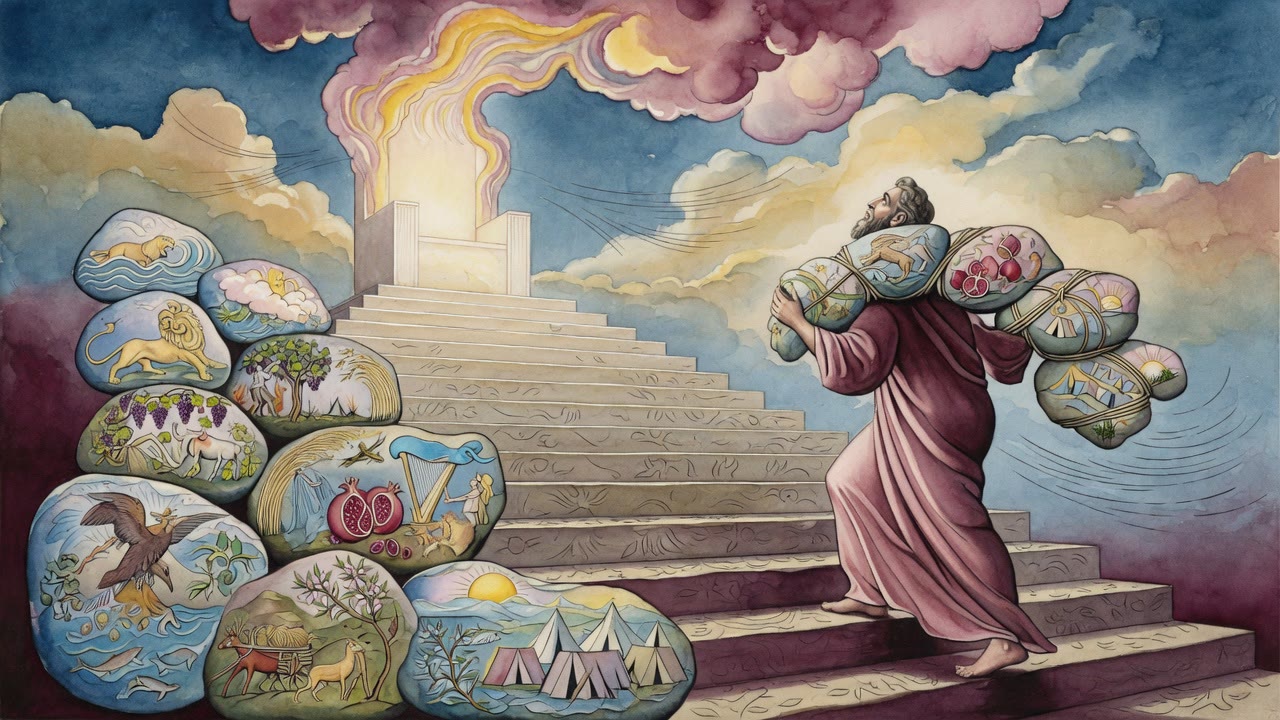
On the day Moses finished erecting the Tabernacle (Numbers 7:1), the world stopped wobbling like a basket with only two legs. Torah, service, and acts of lovingkindness are the three legs the sages name. Until service had a house, the basket tipped no matter how much kindness propped it.
Twenty-six generations from creation to the giving of Torah lived on kindness they had not earned. David answered those generations with twenty-six lines of "for His kindness endures forever" in the great Hallel (Psalms 136). At the sea Moses sang of "this nation" twice, thirteen and thirteen, as if counting the long wait in the mouth of a song (Exodus 15:13, 15:16).
Then the extra word in "et ha-mishkan" leaned toward the creation of heaven and earth itself. Finishing the Tabernacle was not only interior design. It was bracing the world that had been waiting for a third leg since Eden failed the first lease.
Wayehi: Something Lost Comes Back
Rav heard "so it came to pass" as something new. Rabbi Simeon heard something that had existed, ceased, and returned. The Shechinah's (the Divine Presence) path fits the second ear: a presence that left by floors and came home when the garden below finally had walls again.
Adam's failure started the climb. Moses' finished work ended the exile of the Presence, not the exile of the people. The people would still wander with the house on their shoulders. God had an address in their middle, cloth and board and fire that moved when they moved.
In the dust beside the courtyard, a priest could walk where seven firmaments of distance had once stacked like closed doors. Children could see smoke and know the climb had reversed. The basket stood. The bride-garden image from Song of Songs landed in a desert camp that smelled of sacrifice and acacia.
Home, for the Presence, was never only height. It was willingness to dwell low when someone finally built a door that would stay open on purpose.
Workmen who set the last socket did not see firmaments. They saw acacia and silver. Above their hammering the long climb reversed in a way only the midrash later maps floor by floor. The Presence that left over fruit and murder came home over obedience measured in cubits and coverings.
Night fell on a camp that finally had a center hotter than any tribal fire. Children slept nearer to God than Adam had after the bite, not by innocence, but by a house built on purpose in the middle of failure's desert.
← All myths