Parshat Ki Tisa5 min read

Solomon Taught That the Sleep of Torah Laborers Is Sweet

A king called one laborer out of the field for a walk. The others stayed at work all day. At evening the man lined up for wages, having worked two hours.

Curated by Arthur · Told by Maggid ·
Table of Contents
  1. Little Bread and a Full Night
  2. The King Who Called a Worker to Walk
  3. Moses Feared the Portion Would Forget Him
  4. Raising the First Among the Tribes

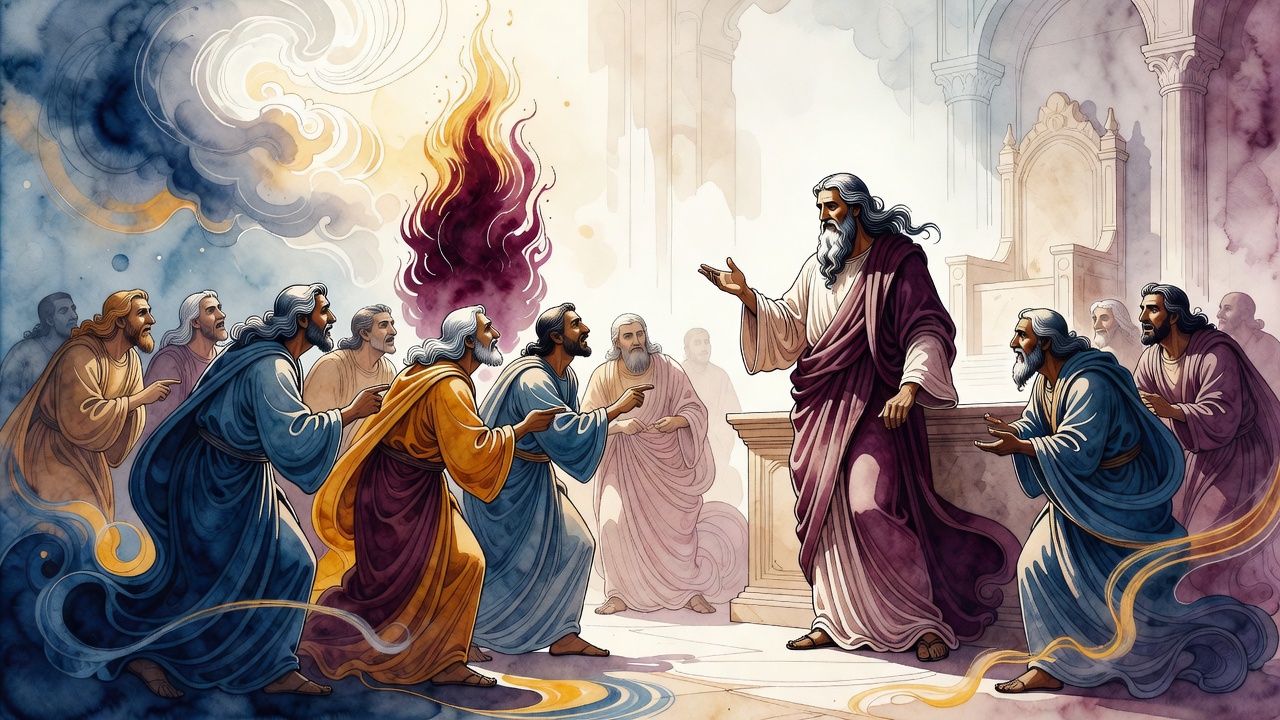
Solomon spoke a line that sounded like a joke from a king who slept on silk. Sweet is the sleep of a laboring man, whether he eat little or much. The satiety of the rich will not suffer him to sleep (Ecclesiastes 5:11). The court pressed him. He was wiser than all men (I Kings 5:11). Hunger keeps a man awake. Fullness puts a man under. What kind of laborer sleeps on a thin plate, and what kind of rich man lies staring at the ceiling?
Solomon Taught That the Sleep of Torah Laborers Is Sweet Click for full size

Solomon did not answer about bakers or merchants. He answered about men who labor in the law.

Little Bread and a Full Night

A man may live only thirty years and devote himself from his tenth year until death to Torah and commandments. Another may live eighty years and study from the same age to the same grave. Twenty years against seventy. The short life looks cheated. The long life looks favored. Solomon refused the ledger. Whether he eat little or much, the reward stands equal. The man cut short can answer the Holy One with a claim heaven must hear. "If You had not removed me in my prime, I would have given more years." The interruption itself becomes the argument. Pay is measured against what the King took, not only against what the worker finished.

Rabbi Hanina set Moses beside Samuel. Moses served Egypt and the desert across one hundred and twenty years. Samuel lived fifty-two and still bore Israel's burdens for only part of that span. Scripture names them in one breath. Moses and Aaron among His priests, and Samuel among them that called upon His name (Psalms 99:6). Length of service does not decide rank of sleep. Faithful labor does.

The King Who Called a Worker to Walk

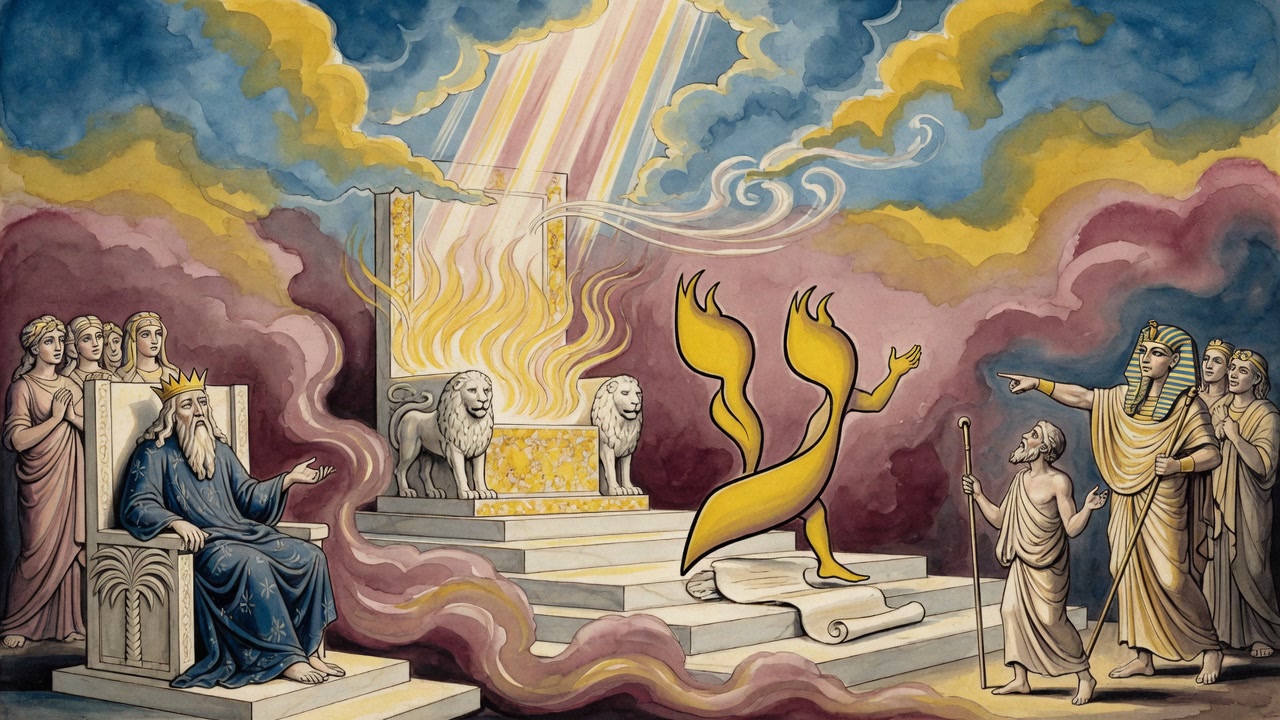
Rabbi Levi told of a king who paid day laborers. Midday he called one worker from the field for a stroll. At evening the men came for wages. The stroller stood in line with them. If the king scolded him for two hours of work, the man could answer. "If you had not taken me from my work, my pay would have been greater than theirs." The Holy One is that King. Those who labor in Torah are His workers. Twenty years, thirty, fifty. When death interrupts, the laborer may say the stroll was heaven's choosing. Therefore Solomon said little and much receive the same wage.

The court turned to the second half of the verse. How can satiety refuse sleep? A man full of meat sleeps faster than a man on crusts. Solomon shifted the word rich. He meant men rich in Torah, not in barns. A master who raises many students fills the world with his teaching. When he dies, the disciples do not leave him quiet. They sit over law, Talmud, and Aggadah, quoting him by name. Song of Songs says the lips of those who sleep still move (Song of Songs 7:10). The rich in Torah cannot sleep undisturbed because the living keep their mouths open in the study hall.

Moses Feared the Portion Would Forget Him

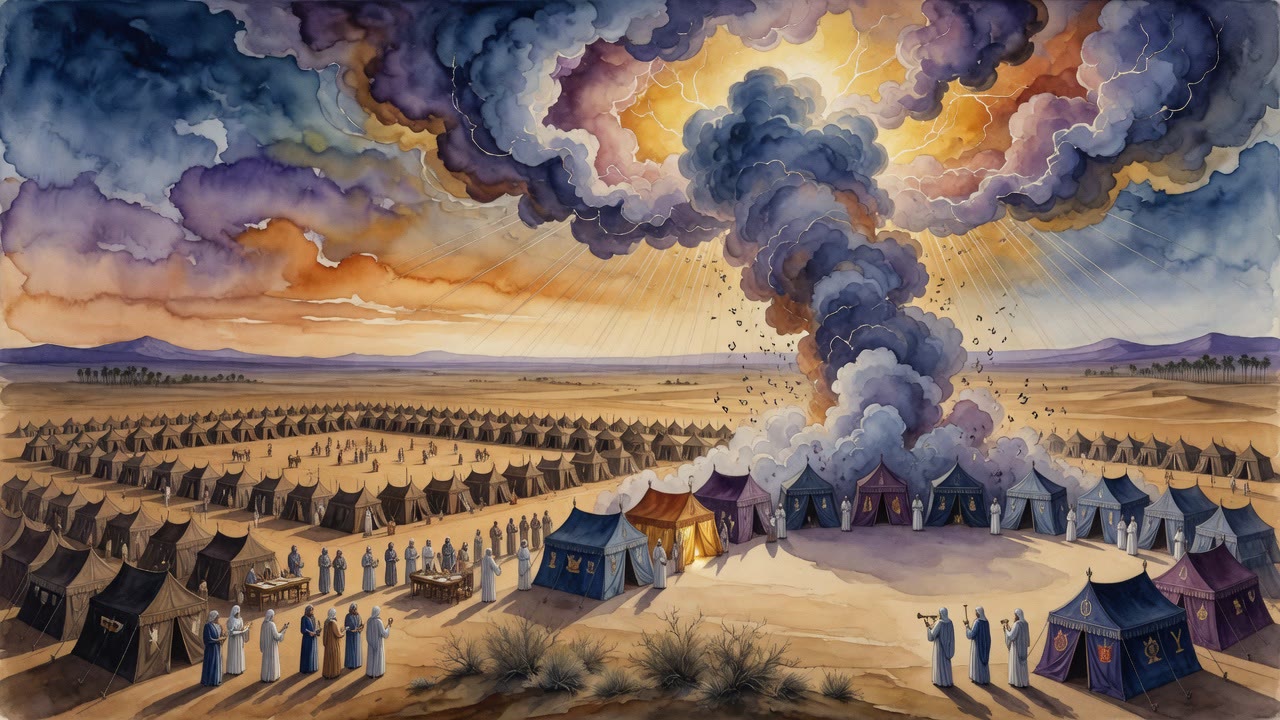
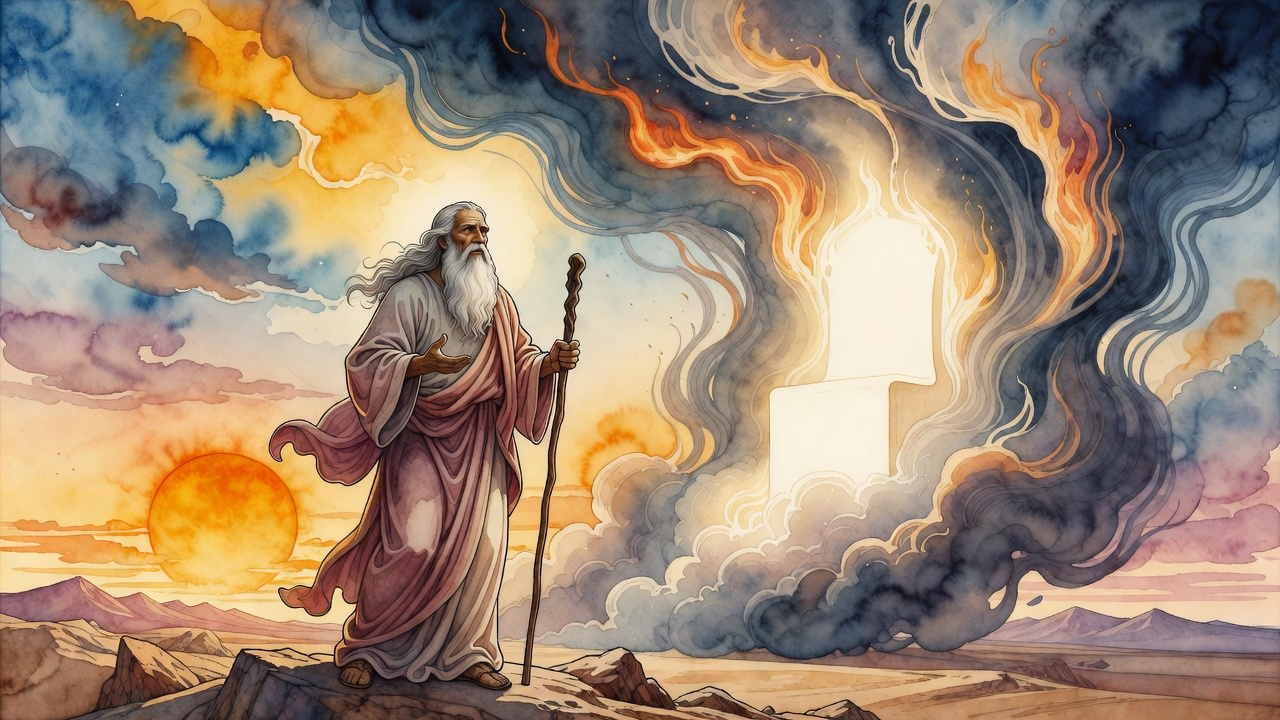
Moses taught Israel the order of chapters, the weekly readings, the portions for new moons and festivals. Still he feared erasure. "Master of the Universe, when I die I shall not be remembered." The Holy One answered with Shekalim. "Be assured that just as you stand here now, giving them the portion of Shekalim and lifting their heads, every year when they read it before Me it will be as though you were standing in that place and lifting their heads upright." The verse does not say lift the head once. It says when thou takest the sum of the children of Israel (Exodus 30:11-12). The grammar keeps Moses inside the act. Annual reading keeps the dead teacher upright among the living counted.

Raising the First Among the Tribes

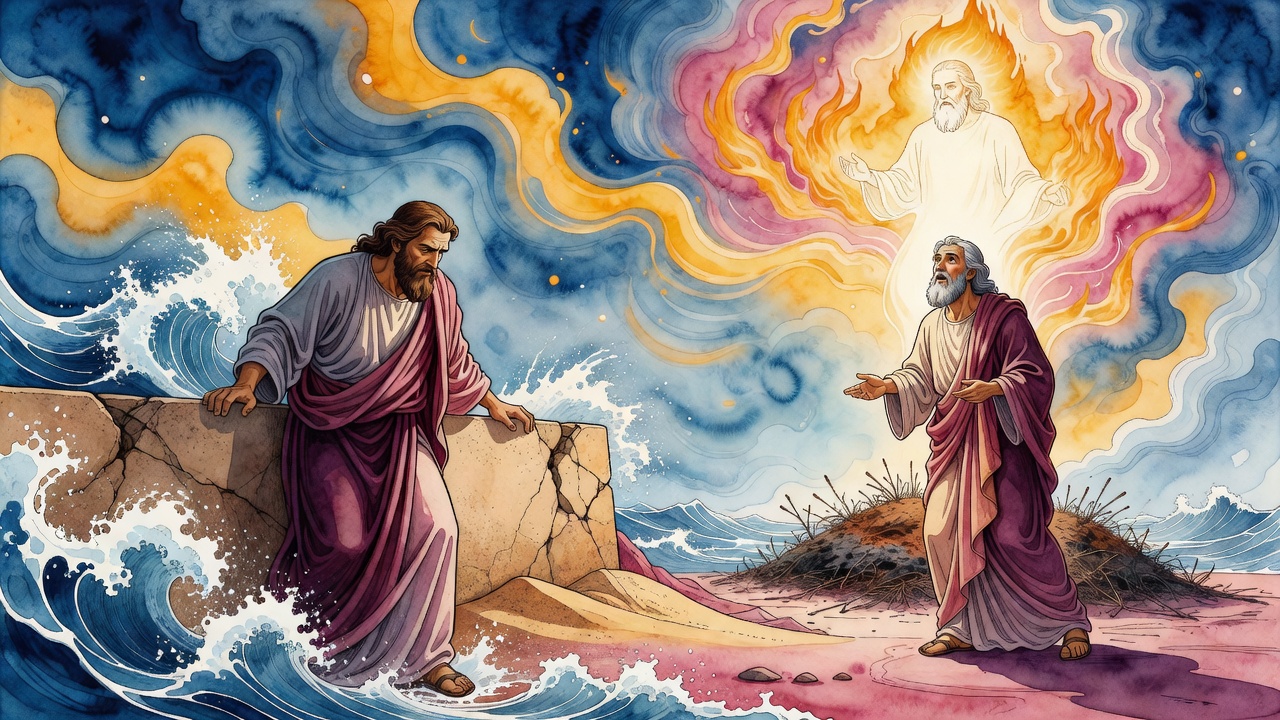
The same census language holds a second secret. To take the sum is, in Hebrew, to lift the rosh, the head. Rabbi Yose son of Hanina heard more than arithmetic. Lifting the head points toward lifting the first. The first of the tribes is Reuben, firstborn of Jacob. At the end of Moses' life the blessing comes first for him. Let Reuben live and not die (Deuteronomy 33:6). Counting becomes elevation. The half-shekel that lifts every head also prepares the firstborn tribe to be drawn near the Shekhinah, the indwelling Presence, rather than lost to extinction.

So the sleep of the Torah laborer and the census of Israel share one pressure. Heaven pays interrupted work in full. Heaven keeps the teacher's name moving on living lips. Heaven turns a count into a raising of heads, until even a firstborn under threat is spoken back into life.


← All myths
From the tradition

Sources

2 sources

The texts behind this telling. Some cards carry a translation of the source; others are our own retelling of it, and each card says which. Every card links out to the original.

Midrash Tanchuma, Ki Tisa 3Midrash Tanchuma

Retold in our words. Read the original at the link below.Townsend 1989 translation of Midrash Tanhuma, S. Buber Recension · CC-BY

When thou takest the sum of the children of Israel (Exod. 30:12). R. Tanhuma the son of Abba began the discussions with the verse Sweet is the sleep of a laboring man, whether he eat little or much; but the satiety of the rich will not suffer him to sleep (Eccles. 5:11). They said to Solomon after he spoke these words: Surely you must be jesting, inasmuch as it is written concerning you: For he was wiser than all men (I (Kings 5:1)1). And now you say: Sweet is the sleep of a laboring man, whether he eat little or much. Is it not a fact that anyone who is hungry because he ate only a little cannot sleep, while one who eats much sleeps well? He replied: I am speaking here only of righteous men and those who labor in (study) of the law. For example, a man who lives only thirty years may have devoted himself from his tenth year until the day of his death to the law and the commandments, while another man, who lives eighty years, may have devoted himself to the law and the commandments from his tenth year to the day of his death. You might say: Woe to the first one, who labored only twenty years in the law, while the other devoted himself to it for seventy years. Surely the Holy One, blessed be He, will give him a greater reward than He will give to him who labored in the law only twenty years. Hence I said: Whether he eat little or much. For the one who had devoted twenty years to the Torah might well say to the Holy One, blessed be He: “If you had not removed me from this world in the prime of my life, I would have had additional years to devote to the law and the commandments.” Therefore I repeat: Whether he eat little or much, the reward of one is equal to the reward of the other.

R. Hanina said: A proof of this is the fact that though Moses served Israel in Egypt and in the desert for forty years and lived one hundred and twenty years, while Samuel lived only fifty-two years, and bore the burdens and pains of Israel (for only part of that time), Scripture treats them equally, as it is said: Moses and Aaron among His priests, and Samuel among them that called upon His name (Ps. 99:6). Hence, Sweet is the sleep of the laboring man, whether he eat little or much.

R. Levi stated: This may be compared to a king who pays his workers for the labor they perform. The king called one of them from the work he was performing to take a stroll. That evening, when the workers came for their pay, the worker who had taken the stroll with the king also came for his. If the king should say to him: “You worked with the others for only two hours; go finish your time,” he could reply: “If you had not interrupted and taken me from my work, my pay would have been even greater than theirs.” Similarly the Holy One, blessed be He, may His name be blessed, is a King, and those who labor in the Torah are His workers. One who has devoted himself to the Torah for fifty or thirty or twenty years is able to say: “If you had not taken me from this world, I would still be occupied in the study of the Torah.” Hence Solomon said: Whether he eat little or much his reward is the same.

Then they said to him: You declared also that The satiety of the rich will not suffer him to sleep. What can this mean? Certainly it permits him to sleep. In fact, a man sated with food falls asleep more quickly (than others). Solomon replied: I was speaking about those who possess the riches of the Torah and not material possessions. For example, a man who is distinguished and wealthy in the knowledge of the Torah will teach many students and disseminate his knowledge among the masses, and he is satisfied (in his knowledge) of Torah. And when he dies, the disciples he raised do not permit him to be forgotten. They sit and labor in the Torah, the Talmud, the law, and the Aggadah (non-legal rabbinic narrative), quoting the law in his name and recalling him to mind constantly. They do not permit him to sleep undisturbed in his grave.

R. Simeon the son of Lakish, R. Akiba, and R. Simeon the son of Yohai said: His disciples do not permit him to sleep undisturbed in his grave, as it is said: Moving gently the lips of those that are asleep (Song 7:10). Hence, The satiety of the rich will not suffer him to sleep. Similarly, Moses taught the Torah to the Israelites, trained them in the observance of the law, arranged the order of the chapters of the Torah, and assigned the chapters to be read each Sabbath, on Rosh Hodesh, and on holy days. And they call him to mind as they read each Torah portion.

With reference to the portion Shekalim, Moses had said to the Holy One, blessed be He: Master of the Universe, when I die I shall not be remembered. The Holy One, blessed be He, replied: Be assured that just as you stand here now, giving them the portion containing Shekalim, thereby lifting their heads upright, every year when they read it before Me, it will be as though you were standing in that place and lifting their heads upright. How do we know this? From what they shall read concerning this matter in the verse And the Lord spoke to Moses saying: “When thou liftest up the head of the children of Israel” (Exod. 30:11). “Lift up the head” is not said, but rather when thou liftest up.

Full source
Midrash Tanchuma, Ki Tisa 7Midrash Tanchuma

Retold in our words. Read the original at the link below.Townsend 1989 translation of Midrash Tanhuma, S. Buber Recension · CC-BY

This teaching from Midrash Tanchuma on the portion Ki Tisa draws a hidden meaning out of the command to count the people of Israel. The Torah instructs Moses, "When you take the sum of the children of Israel" (Exodus 30:12), using a Hebrew idiom that literally speaks of lifting up the head, in Hebrew the word rosh, of each person counted. The plain sense is simply that of taking a census, but R. Yosé the son of Hanina hears in the unusual phrasing a deeper hint.

He teaches that this verse pointed Moses toward a future privilege: that he would one day bring the first of the tribes near to the Shekhinah, the indwelling Presence of God. The question then arises, which tribe holds the rank of first? The midrash answers that it is Reuben, the firstborn son of Jacob, and it anchors this with the blessing Moses himself would later pronounce at the end of his life, "Let Reuben live and not die" (Deuteronomy 33:6), a blessing fittingly placed at the head of the tribal blessings.

The interpretation rests on a play of related Hebrew words. The phrase "you lift up the head," using the word rosh for head, is read as "you lift up the first," using the word rishon, which shares the same root and sound. To raise the head of the children of Israel is therefore to raise up the first among the tribes, that is Reuben the firstborn. In this way the act of counting becomes an act of elevation, and the language of the census quietly foretells that the firstborn tribe would be lifted toward the Divine Presence and granted life rather than extinction.

Full source