Staff in Hand Israel Left Egypt Before Ready
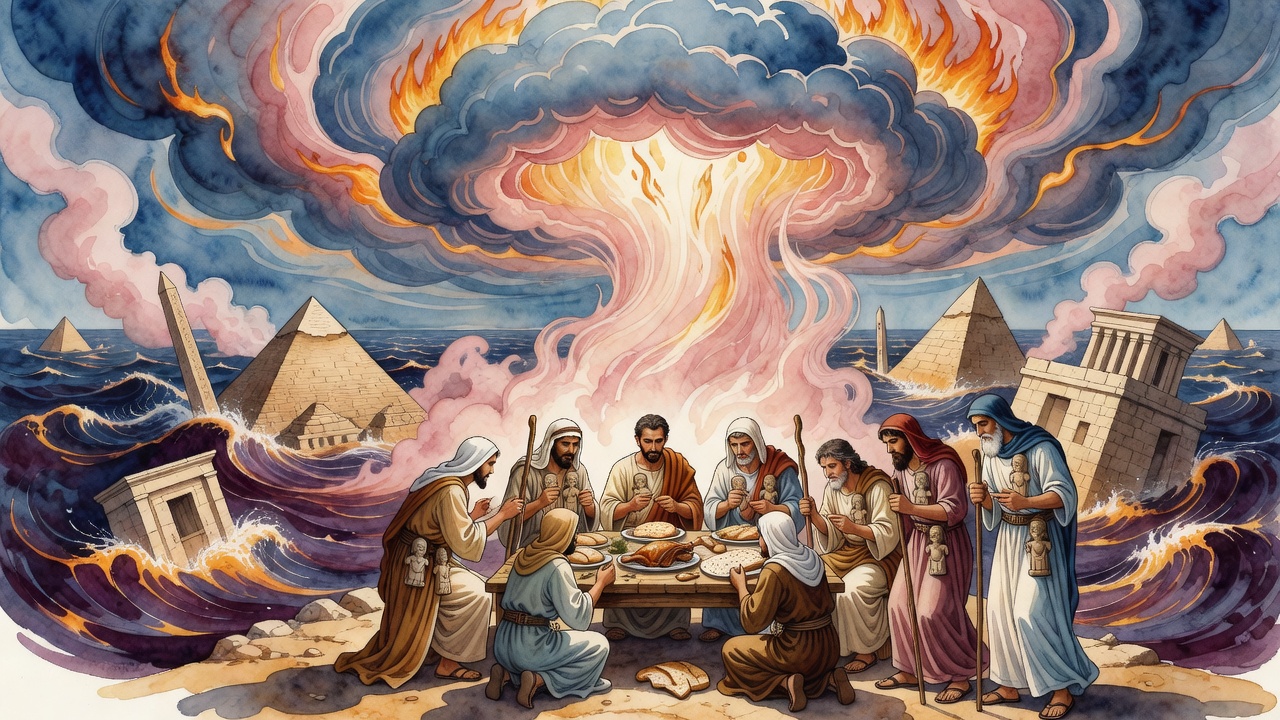
Israel ate Passover with loins girded and staff in hand, packed before the door opened. God redeemed a people still clutching idols while Egypt sank like stone.
Table of Contents
 Click for full size
Loins Girded Before Dawn
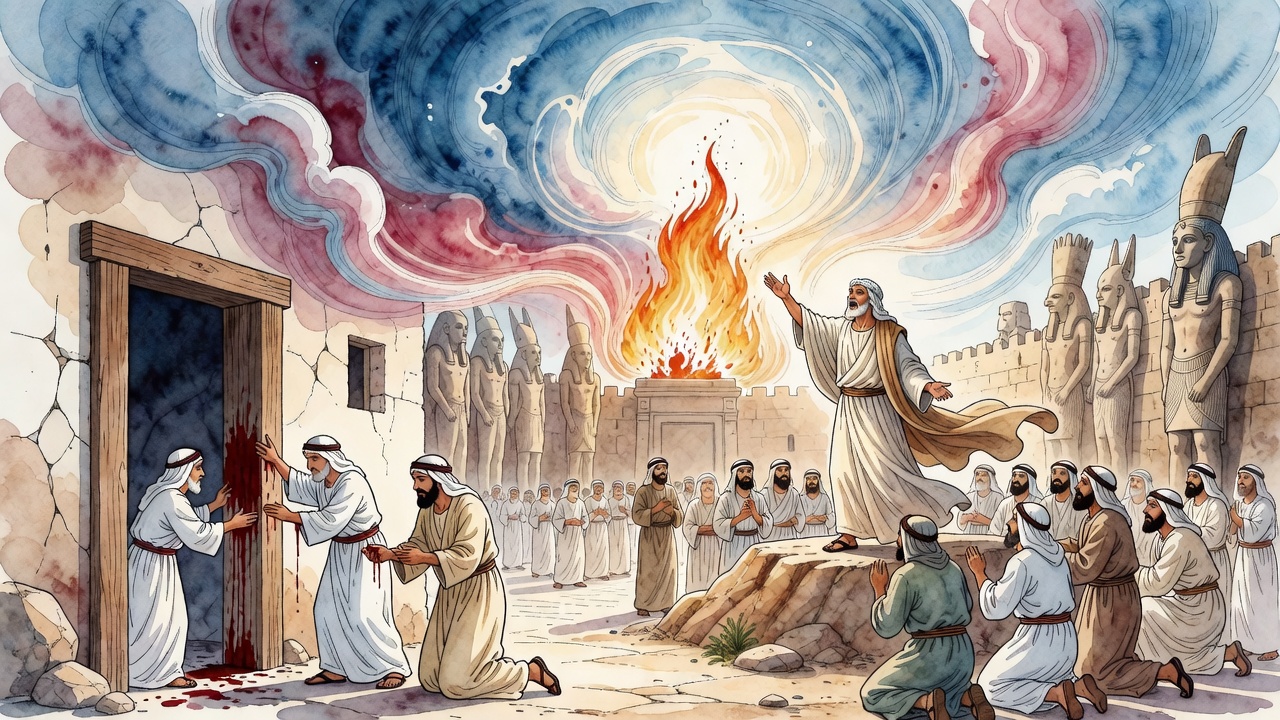
They ate standing. Belts tight around anxious waists. Staffs already in hand as if the road had entered the room. The Passover meat burned their mouths with haste, not because the meat was poor, but because the night would not wait for a people who still needed convincing that freedom was real. One voice in the midrash hears eagerness in that posture. Israel went out of Egypt charged with their own hunger for the road, packed before the door even opened, bodies leaning forward into a future they could not yet see.
Rabbi Judah the Prince hears a harder truth folded into the same verse and does not flatter the generation. "Prisoners in fit times" does not mean Israel was already fit to be freed like polished vessels. They were rebellious, still clutching the idols their eyes had loved in the brick pits and the house courtyards. God had pleaded with them through the prophet to throw away the detestable things. When they would not, He redeemed them anyway, for the sake of His own name, so that it would not be profaned among the nations who watched. Grace walked out first. Fitness lagged behind like a slow cart.
Stone Hearts, Stone Bodies
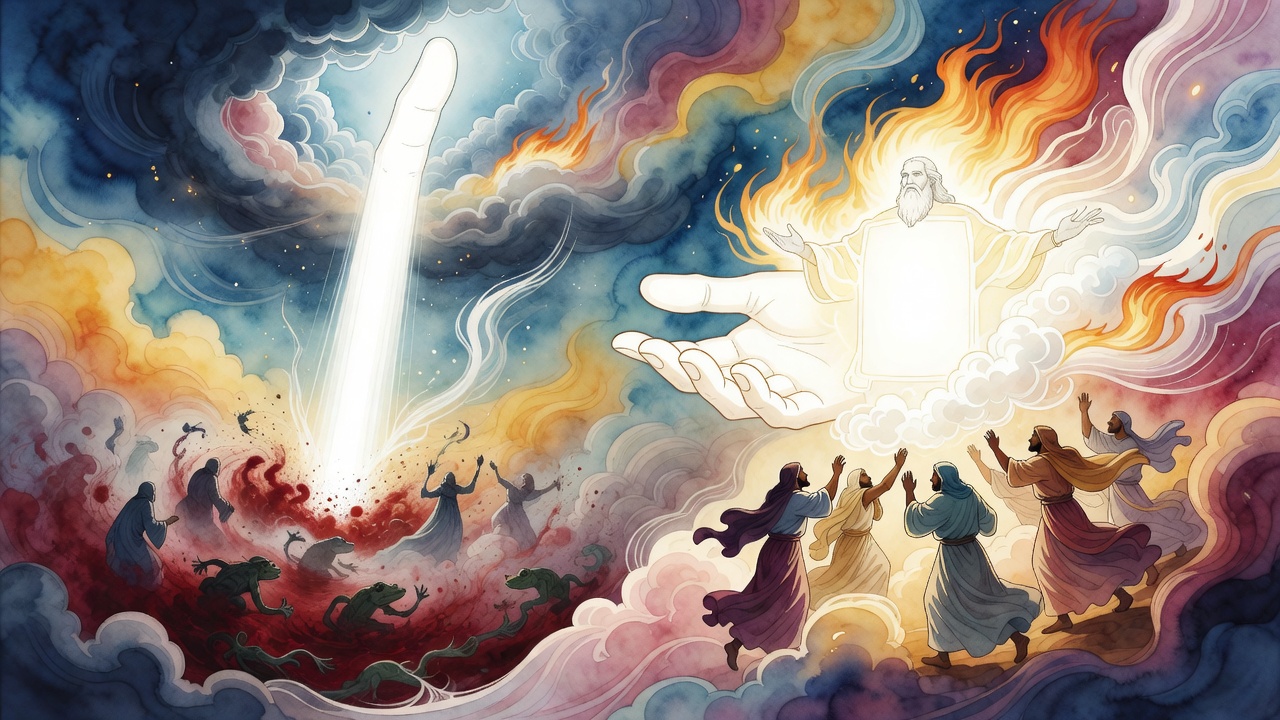
The Egyptians sank like stone because they had hardened their hearts like stone through plague after plague. Against that hardness the song at the sea sets the open right hand of God, stretched toward every creature that comes into the world and is not immediately crushed. "Your right hand, O LORD, Your right hand" becomes for the rabbis a meditation on power that knows how to wait. The mightiest strength is the strength to hold back a final verdict until the wicked have filled their own measure.
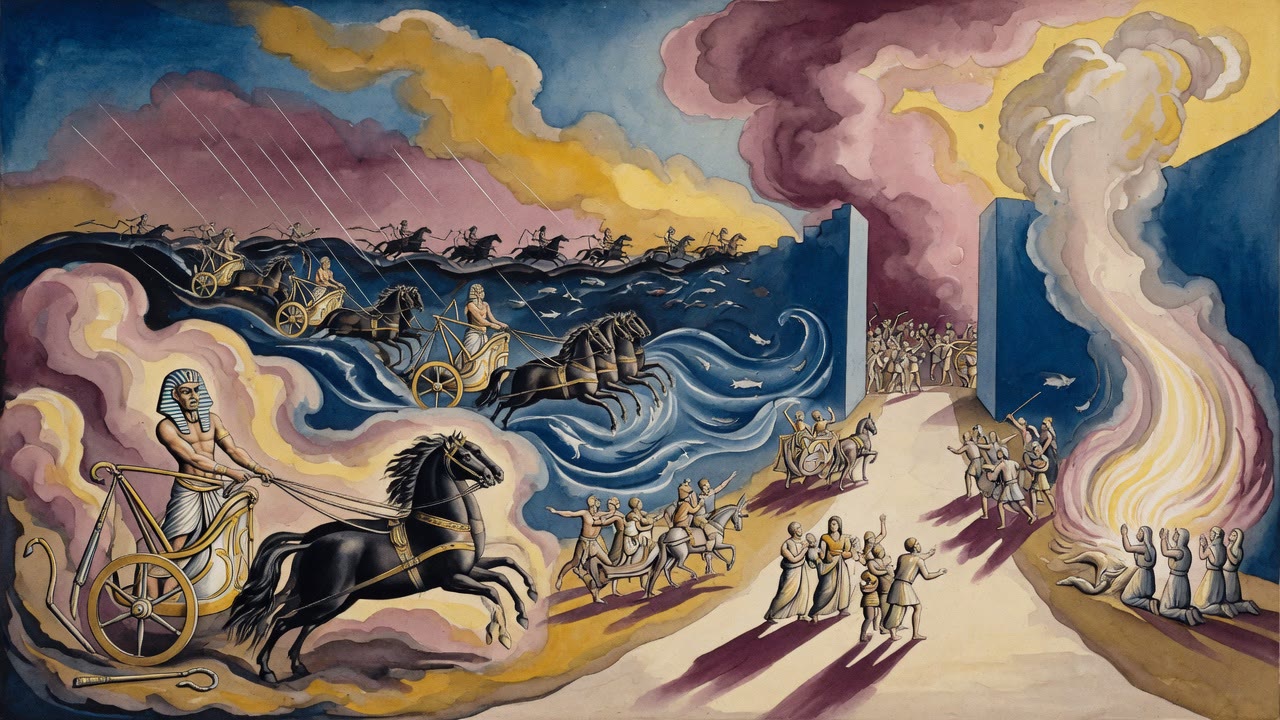
God gave the generation of the Flood a respite to turn back, and they refused until the windows of heaven opened. He gave the builders of the Tower their chance, for the word "now" always hints at repentance still available. He gave Sodom its opening in plain speech: repent and there will be rain, refuse and there will be fire. Egypt filled its measure with a stubbornness that outlasted blood, frogs, and darkness. Then the sea closed over chariots. The song still uses a future verb for shattering the enemy, because Pharaoh's pattern is not finished with one night of water and one drowned army.
Dogs That Did Not Bark
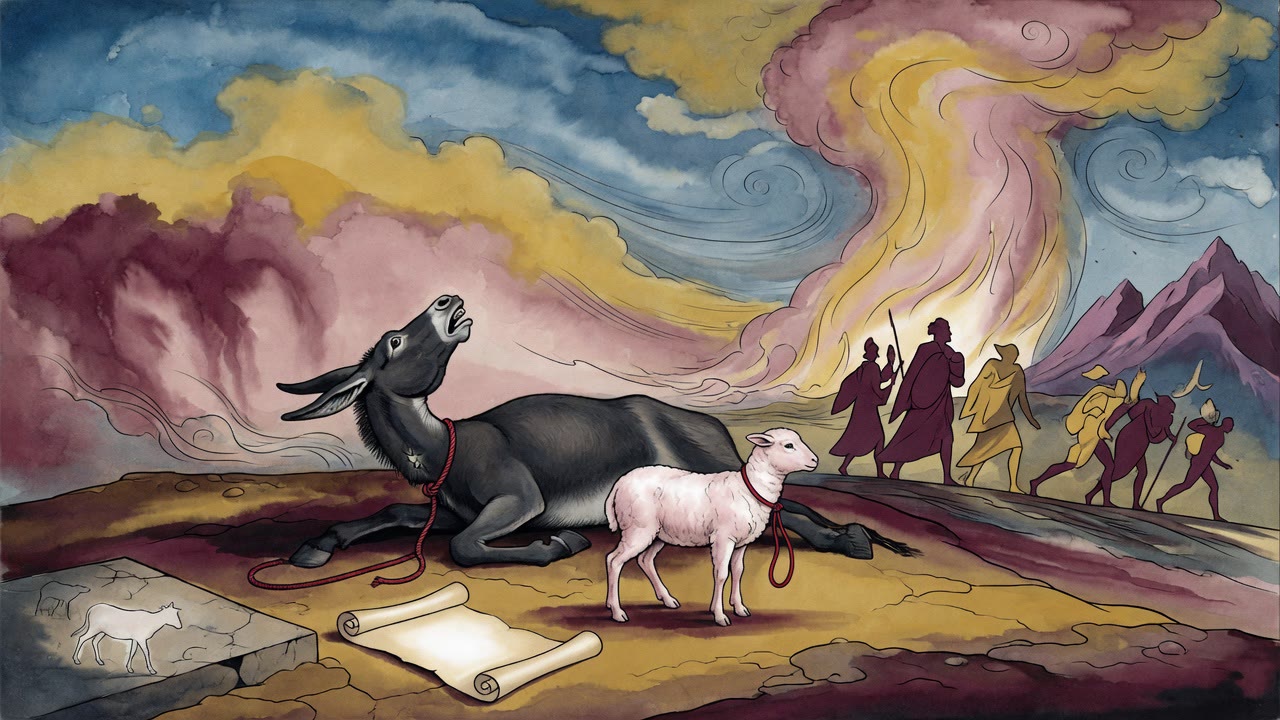
On the night Israel left, the dogs of Egypt kept quiet (Exodus 11:7). No alarm ran through the alleys. No animal throat gave the chase an early start while firstborn houses sat stunned. Later law remembers that silence with a strange tenderness. Flesh torn by wild beasts is not food for a holy people, yet it is not thrown to waste as if the world had no accounts. Give it to the dog as his portion. Holiness is careful about what enters the mouth, and still it keeps books with the creatures that once stood still for freedom's sake.
Israel is called to be holy men before God, tasting ordinary food without crippling scrupulosity, refusing the carcass marked by a predator's violence and undrained blood. The dogs who held their tongues at the Exodus are paid in every generation with meat Israel may not eat. Even the scraps of the covenant remember a night when silence served the leaving, and when animal quiet became part of the story of human redemption.
Right Hand Withdrawn, Right Hand Returned
When Israel does God's will, the left hand becomes a right hand, sleep and wrath vanish from before Him, and He fights for His people as a warrior who has chosen a side. When Israel turns away, the right hand draws back, and the same God can seem an enemy because human sin can make the Merciful One look like a stranger. The generation that left Egypt was not pure, yet the Holy One treated them as worthy and lifted them before they earned the lifting with clean hands.
Redemption arrived in a spring so perfectly timed that no leap month was needed to keep the festival in its season. They walked out with staffs and unfinished hearts. Egypt sank with stone hearts made visible in stone bodies. The dogs kept the secret of the night. The song still waits for the last shattering of every Pharaoh-pattern that rises later. Between eagerness and unreadiness, between patience and the closed sea, the leaving remains a story about a God who moves on time for a people not yet ready to receive Him cleanly, and who still calls that people His own.
The staff in the hand is a small object with a large claim. It says the road has already begun while the meat is still between the teeth. It says eagerness can be real even when the heart still hides clay gods in its folds. God does not wait for a perfect generation before He splits a sea. He moves, and then He spends centuries teaching the movers how to become worthy of the road they already walk.
That is why the right hand's patience and the dogs' silence belong in the same night. Patience gave Egypt every chance to soften and watched it harden instead. Silence gave Israel a window of departure without animal alarm. Between them walks a people girded for travel and not yet girded for full loyalty. The song will remember both the stone of Egypt and the open hand of God, because leaving is never only about the feet. It is about the measure that finally fills, and the mercy that still opens a path through water.
← All myths