Parshat Vayeshev6 min read

The Brothers Chased Joseph and Could Not Buy Him Back

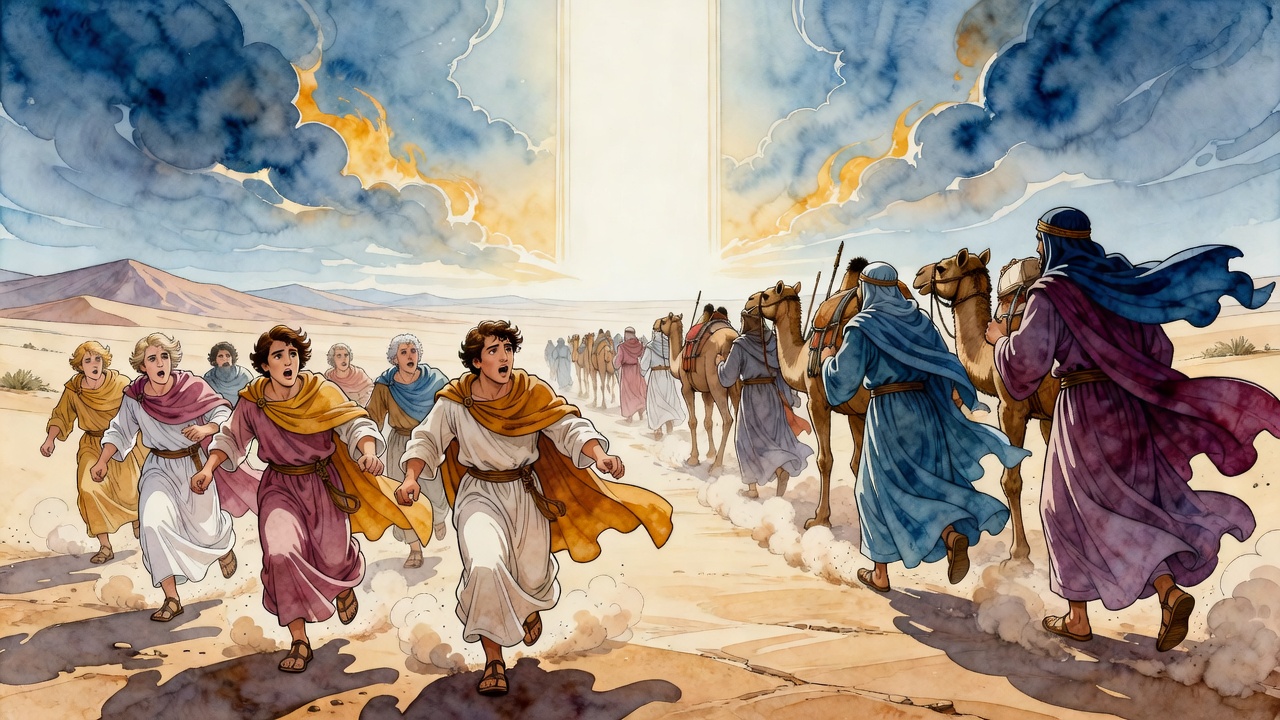
After twenty pounds of silver changed hands, Jacob's sons ran after the Midianites to reverse the sale. The caravan was faster than their regret.

Curated by Arthur · Told by Maggid ·
Table of Contents
  1. Twenty Pounds of Silver
  2. Too Late on the Road
  3. Goat Blood and a Coat
  4. The Wolf That Spoke
The Brothers Chased Joseph and Could Not Buy Him Back Click for full size

Twenty Pounds of Silver

They saw him coming across the fields near Shechem and did not see a brother. They saw dreams that put them under his sheaf, a coat that announced favor in bright strips, a seventeen-year-old whose life already felt like a verdict against their standing. Kill him, they said, and the words came easily in open air. Reuben argued that God sees deserts and cities alike, that no man escapes his own conscience after murdering a brother, that envy cannot promote the envious by subtracting the envied. Whatever prosperity heaven intended for Joseph, Reuben insisted, the family would share it if they let the boy live.

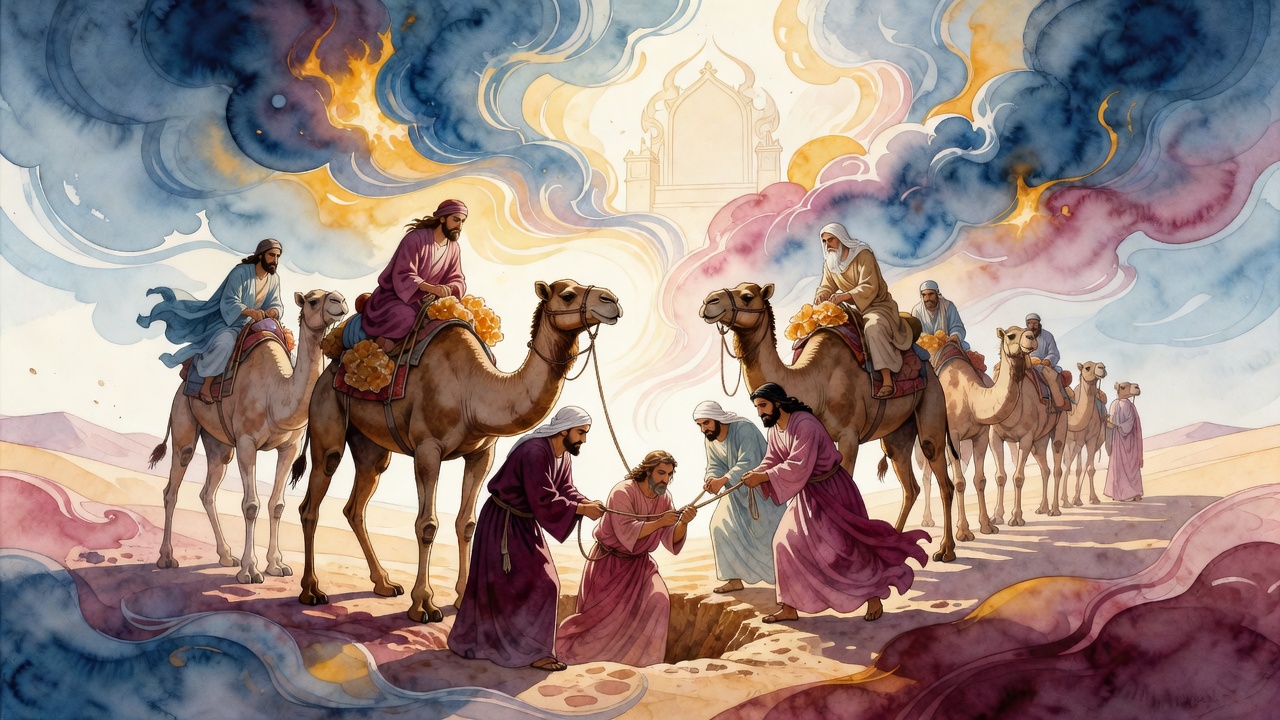
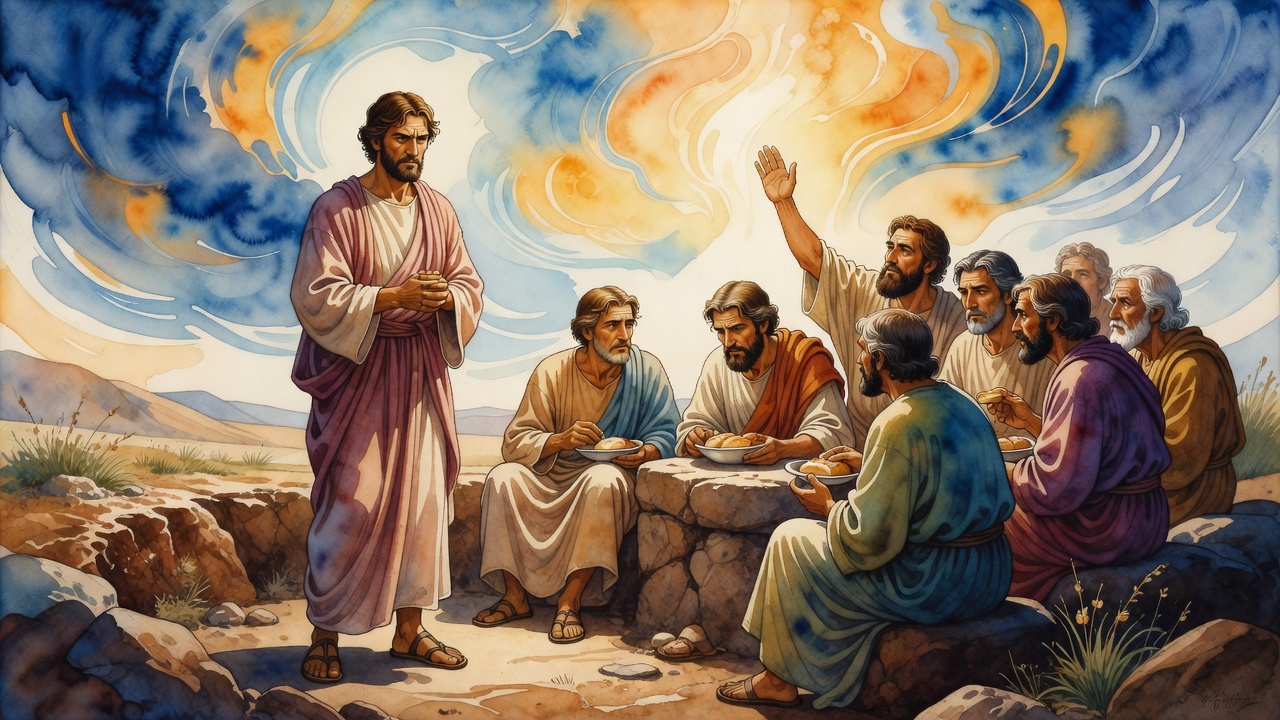
When persuasion failed, he offered a pit. Lower Joseph by rope into a dry cistern, Reuben said, and he planned in secret to return at night and pull the boy out before dawn could harden their resolve. While Reuben was gone with the flocks, Judah saw an Ishmaelite caravan bound for Egypt, camels and dust and the smell of distant markets. Sell him, Judah proposed. Let him vanish into a foreign country. No blood on their hands, only silver. Twenty pounds of silver, Josephus records, bought a human life from his own flesh. The Midianites took the boy. The rope that might have saved him became a memory of a hole in the ground and a coat still in Simon's grip.

Too Late on the Road

Regret arrived almost at once, hard enough to make them run. According to the legends gathered by Ginzberg, the brothers chased the Midianites, desperate to buy Joseph back at any price their pockets and panic could raise. The caravan was faster. The sale had already hardened into fact on a road that did not care about second thoughts. Reuben, who had been at penance and study for an earlier failure, returned to the pit calling Joseph, Joseph, and heard only the empty round of stone. He climbed down and found nothing but the shape of absence. He tore his clothes. The lad is not there, he cried, and what answer shall I give my father?

His brothers confessed when he faced them. They had tried to reverse the deal and failed. Now the larger problem stood up and looked them in the face with Jacob's eyes. How would they explain Joseph's absence to a father who loved this son with a love that already unnerved them? First they swore total secrecy. Anyone who revealed the truth would die by the others' hands. They needed ten for the oath and counted only nine present, so they included God as the tenth witness, binding heaven to their silence without asking whether heaven wished to be bound.

Goat Blood and a Coat

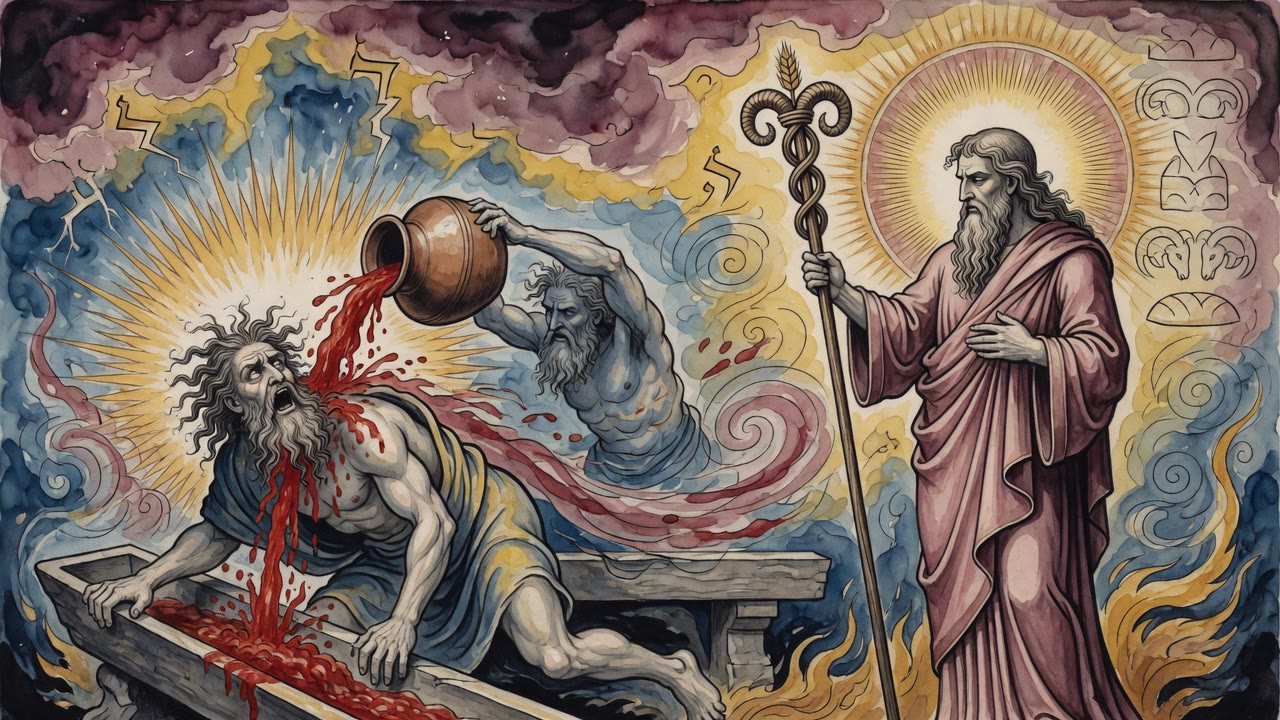
Issachar suggested tearing the coat of many colors and dipping it in goat's blood, because goat blood looks most like human blood when it dries on cloth. The legends even bind that choice to a later atonement kid when the Tabernacle would be dedicated, as if the lie left a ritual echo. Simon at first refused to hand the coat over, furious they had not simply killed Joseph when they had the chance. The others threatened him in turn. "Give us the coat, or we will say you alone did the deed." Simon relented under that mirror of blame. Naphtali carried the stained garment to Jacob and said they had found it on the road near Shechem. Know now whether it be thy son's coat or not.

Jacob recognized it and collapsed, motionless as a stone, then rose into a grief that filled the tents and the years. It is my son's coat. An evil beast hath devoured him. Joseph is without doubt torn in pieces. He summoned sons who arrived with torn clothes and dust on their heads to confirm the story they had authored. Bilhah died the day she heard. Dinah followed soon after. Three losses in a month. The legends place the news in Tishri, on the tenth day, and bind that weeping to the affliction Israel would later keep on that date, with a kid for atonement echoing the kid whose blood lied for brothers who could not outrun a caravan.

The Wolf That Spoke

Jacob sent his sons to find a body and avenge a beast. They brought back a wolf, the first wild animal they met, as if any predator would do for a father's need to name the killer. Jacob wept over it until God opened the wolf's mouth. The animal swore it had not killed Joseph. It was searching for its own lost cub, a parent on a parallel road of loss. Jacob let it go, astonished. Still he could not shake the sense that Joseph lived. He carved his sons' names on stones and commanded the stones to bow to Joseph's stone. They prostrated. Trees and sheaves did the same in other tests that answered a grief heaven refused to dissolve with a plain word.

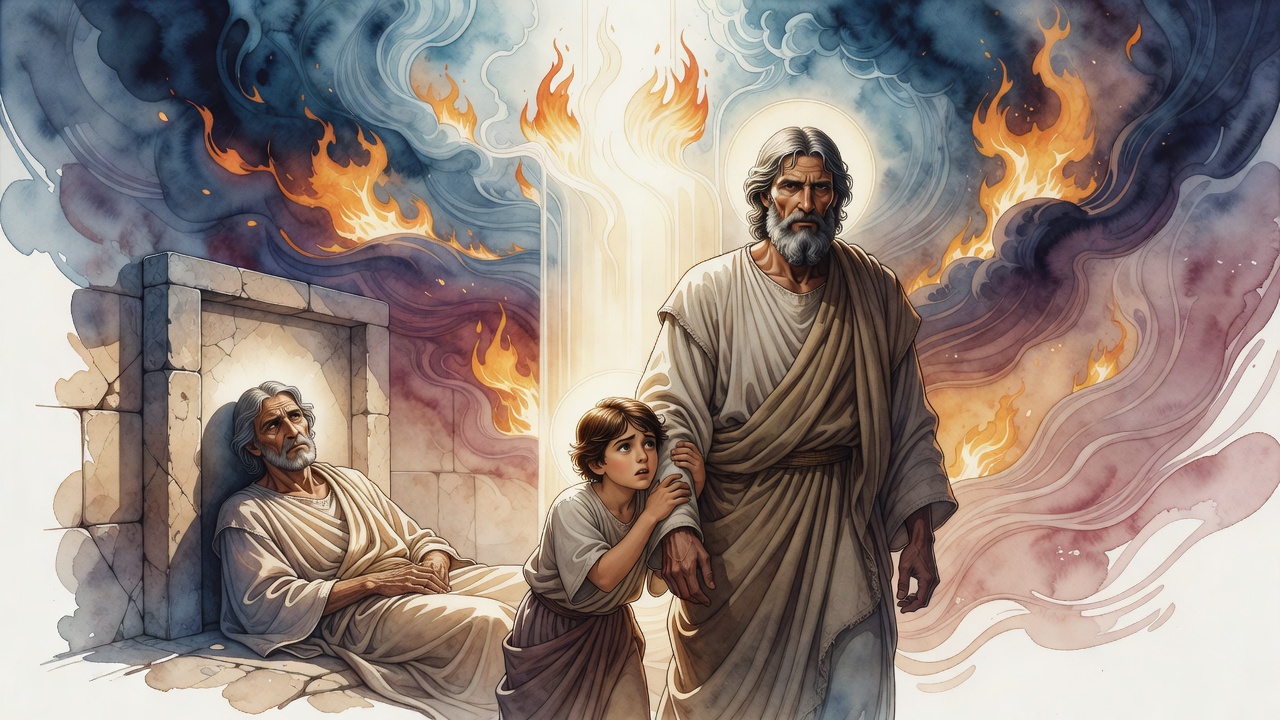
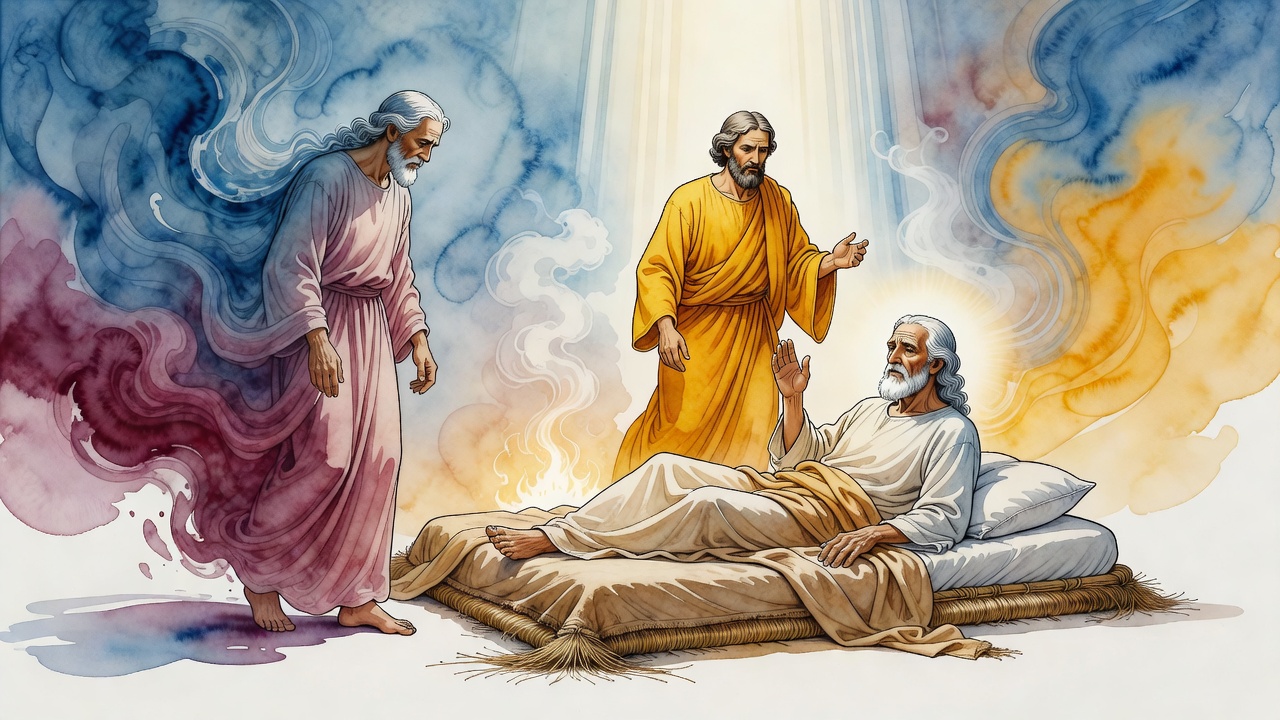
Isaac knew the truth by prophecy and mourned in silence beside his son, keeping the brothers' ban. Joseph walked in chains toward Potiphar's house, sold into the household of Pharaoh's officer, beginning an ascent none of them could have mapped from the rim of a dry pit. Jacob wore sackcloth for twenty-two years, the length of his own absence from his parents. The sale that was meant to be clean left a coat, a pit, a wolf with a missing cub, and a father who believed and did not believe in the same breath, while God kept an oath the brothers should never have been allowed to administer.


← All myths
From the tradition

Sources

2 sources

The texts behind this telling. Some cards carry a translation of the source; others are our own retelling of it, and each card says which. Every card links out to the original.

Antiquities II.3-4Antiquities of the Jews (Josephus)

Retold in our words. Read the original at the link below.Antiquities of the Jews, trans. William Whiston · Public Domain

Twenty pounds of silver. That was the price of a human life, the amount Joseph's own brothers accepted from a passing caravan of Ishmaelite merchants in exchange for their seventeen-year-old sibling (Genesis 37:28). Not enemies. Not strangers. His own flesh and blood sold him like cargo.

The betrayal had layers. When the brothers first spotted Joseph approaching them in the fields near Shechem, they did not see a brother. They saw a threat, the boy with the prophetic dreams, their father's favorite, the one whose visions placed him above them all. They agreed on the spot to kill him.

Reuben, the eldest, pushed back hard. He reminded them that God sees everything, in deserts and in cities alike. And that no man can escape his own conscience after murdering a brother. He argued that their envy was irrational. Whatever prosperity God had in store for Joseph, they would share in it as his family. Killing him would not elevate them. It would only cut off what God intended to give.

When persuasion failed, Reuben tried compromise. Instead of bloodshed, he convinced them to lower Joseph by rope into a dry pit, secretly planning to return that night and rescue the boy. But while Reuben was away tending his flocks, Judah spotted the Ishmaelite caravan heading toward Egypt. He proposed a cleaner solution: sell the boy. Let him vanish into a foreign country. No blood on their hands.

The cover-up was brutal in its simplicity. They tore Joseph's distinctive coat and soaked it in goat's blood, then brought it to their father Jacob. They never said Joseph was dead, they let the bloody garment speak for itself. Jacob drew the conclusion they wanted him to draw: wild beasts had devoured his son.

According to Josephus, Jacob mourned as though he had only one child, refusing all comfort. He clothed himself in sackcloth. Time brought no relief. Meanwhile, his son was alive and walking in chains toward a destiny none of them could have imagined, sold into the household of Potiphar, Pharaoh's chief official, where a Hebrew slave would begin his impossible ascent to power over all of Egypt.

Full source
Legends of the Jews, I. Joseph, Joseph's Coat Brought To His FatherLegends of the Jews

Retold in our words. Read the original at the link below.Project Gutenberg eBook #1494, The Legends of the Jews, Volume 2 · Public Domain

It all revolves around Joseph’s coat – that infamous coat of many colors.

The story goes that after selling Joseph into slavery, Jacob's sons were immediately overcome with regret. According to Ginzberg’s retelling in Legends of the Jews, they actually chased after the Midianites, desperate to buy Joseph back. But it was too late. They couldn't catch up.

Meanwhile, Reuben, the eldest, was off doing penance for a past transgression. He was so engrossed in prayer and studying Torah that he didn't even know what his brothers were up to. When he finally returned, his first thought was to check on Joseph. He went straight to the pit, calling out, "Joseph! Joseph!" But there was no answer. Reuben assumed the worst – that Joseph had perished in the pit, maybe from fright or a snake bite. He climbed down, finding nothing. Overcome with grief and guilt, he tore his clothes and cried out, "The lad is not there, and what answer shall I give to my father?"

Reuben’s horror as he faced his brothers. They confessed everything, explaining their failed attempt to right their wrong. Now, they had a bigger problem: how to explain Joseph's disappearance to Jacob.

First, they swore an oath: total secrecy. Anyone who revealed the truth would face death at the hands of the others. Then, they schemed. Issachar suggested tearing Joseph’s coat and dipping it in goat’s blood to make it look like a wild animal attack. Why a goat? Because, according to Issachar, its blood looks most like human blood. In a strange twist, Legends of the Jews tells us that this deception led to the tradition of using a kid as an atonement sacrifice when the Tabernacle was dedicated.

Simon initially refused to hand over the coat, enraged that his brothers hadn't simply killed Joseph. But they threatened him in turn: give us the coat or we’ll say YOU did it. Faced with that, he relented. Naphtali took the bloodied coat to Jacob, saying they found it on the road near Shechem. "Know now whether it be thy son's coat or not."

Jacob recognized the coat. Overwhelmed, he collapsed, motionless as a stone. Then, the cries, the weeping: "It is my son's coat! An evil beast hath devoured him! Joseph is without doubt torn in pieces!" He summoned his sons, who arrived with torn clothes and dust on their heads. They confirmed the story. Jacob was inconsolable. "O my son Joseph," he lamented, "my son, I sent thee to inquire after the welfare of thy brethren, and now thou art torn by wild beasts."

His sons insisted Joseph hadn't even reached them. Jacob, convinced his son was dead, mourned deeply. According to Legends of the Jews, Jacob cried out, "O Joseph, my son, how painful and appalling was thy death! None hath died a death like thine since the world doth stand." He even blamed himself, wondering if his sins had caused this tragedy.

The sons, witnessing Jacob’s immense grief, were stricken with remorse, especially Judah. They tried to comfort him, holding a memorial service, but Jacob refused solace. The loss triggered a chain of events. Bilhah, Jacob's wife, died the same day she heard the news. Dinah, Jacob's daughter, followed soon after. Three losses in one month.

The tradition even connects this event to the Jewish calendar. Legends of the Jews states that Jacob received the news of Joseph’s death in the seventh month, Tishri, on the tenth day – which is why the children of Israel are bidden to weep and afflict their souls on this day. And the sin offering of atonement on that day? A kid of the goats, a stark reminder of the deception.

After some time, Jacob, still consumed by grief, sent his sons out to find Joseph's body. He even sought revenge on the beast that supposedly killed him. They returned with a wolf, claiming it was the first wild animal they encountered. Jacob, weeping, confronted the wolf. But then, in a bizarre twist, God allowed the wolf to speak! The wolf swore it hadn't killed Joseph, claiming it was searching for its own lost son. Astonished, Jacob let the wolf go.

Despite all the evidence, Jacob couldn't shake the feeling that Joseph was still alive. He performed a strange test, carving his sons' names on stones. When he commanded the stones to bow down to Joseph's stone, they all prostrated themselves. This, and similar tests with trees and sheaves, convinced him that Joseph lived.

So, why didn't God reveal the truth to Jacob? According to Legends of the Jews, it was because the brothers, in their haste to keep their secret, had unwittingly included God in their oath of secrecy. They reasoned they needed ten people to make the oath valid, and since there were only nine brothers present, they counted God as the tenth. Therefore, God felt bound to uphold their ban. Isaac, who knew the truth through prophecy, also remained silent, simply mourning alongside Jacob.

Jacob's grief ran deep. He felt that the covenant God made with him regarding the twelve tribes was broken. All the works of God were made to correspond to the number of the tribes, twelve are the signs of the zodiac, twelve the months, twelve hours hath the day, twelve the night, and twelve stones are set in Aaron's breastplate. And now that Joseph hath departed, the covenant of the tribes is set at naught." He believed he was now destined for Gehenna (hell). His mourning lasted twenty-two years, mirroring the time he had spent away from his parents. In his grief, Jacob wore sackcloth, becoming a model for future leaders in times of great misfortune.

What are we to make of this story? Is it a cautionary tale about the consequences of jealousy and deception? Or is it evidence of the enduring power of a father’s love and the complexities of divine justice? Perhaps it's a reminder that even in the face of immense suffering, hope – like Jacob's persistent suspicion that Joseph lived – can endure.

Full source