The Ten Plagues God Sealed Away for the Fall of Rome
The ten blows that broke Egypt were never spent. Blood, hail and darkness wait in God's hand to fall on wicked Rome exactly as they fell on Pharaoh.
Table of Contents
The blood dried on the banks of the Nile, but the blow that made it was never spent.
 Click for full size
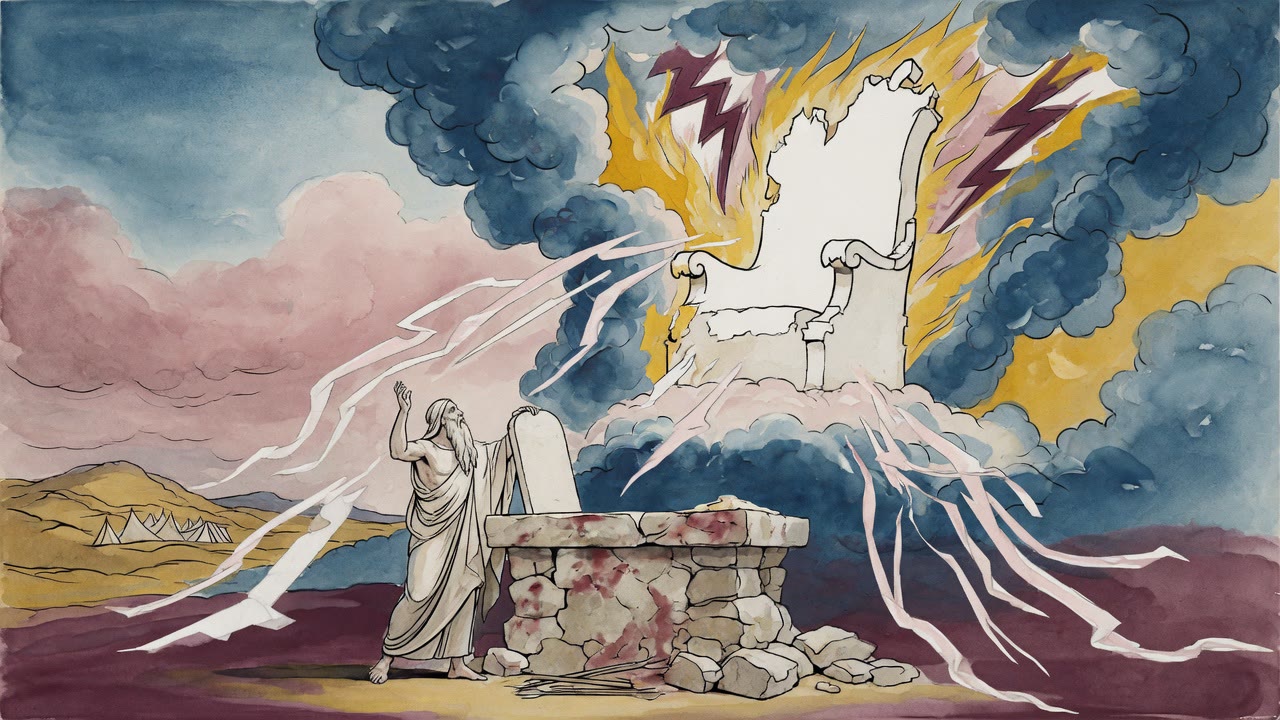
Ten times the hand of God came down on Egypt, and ten times it lifted away, and Egypt told itself the horror was finished, that it had bled out on their river and their cattle and their firstborn sons. It had not. Every plague was a seal pressed once into hot wax and drawn back whole, its shape still cut into the world, kept for a second pressing. God had not emptied the plagues over Egypt. He had only shown them, once, so that no kingdom after could stand before Him and say it had never been warned.
The Seal Egypt Thought Was Spent
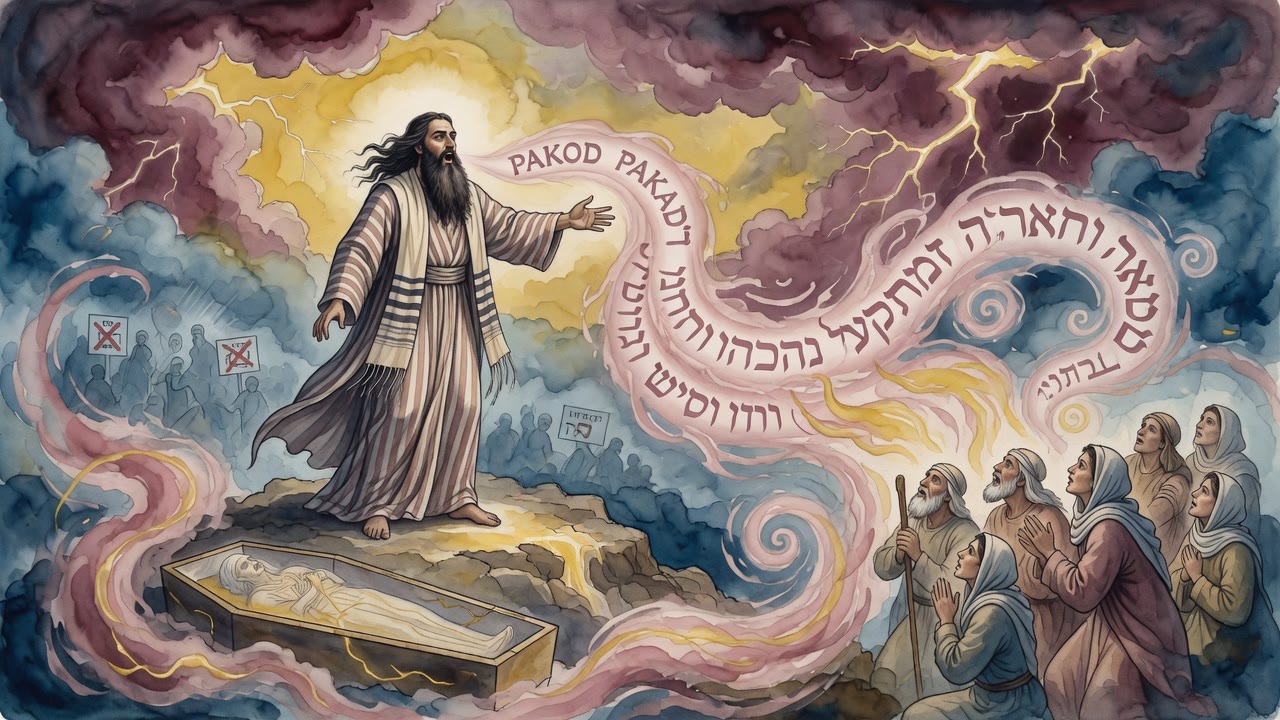
Rabbi Eleazar ben Pedat lived inside the kingdom that would one day receive them. He taught in a land Rome had taken, under the boot of the nation the sages named Edom, and he looked past his own age to the last one and saw the seal come down again. Not on Egypt. Egypt's account was closed. It would fall on the wicked kingdom that had burned the Temple and torn Israel from the Torah, the kingdom the prophet spelled narrow and cramped when he wrote its name, because it pressed Israel the way a fist presses the breath from a throat.
What Egypt suffered in a year, Edom would suffer at the end of days, wound for wound, in the same order they were first dealt.
The Same Wounds Waiting for Rome
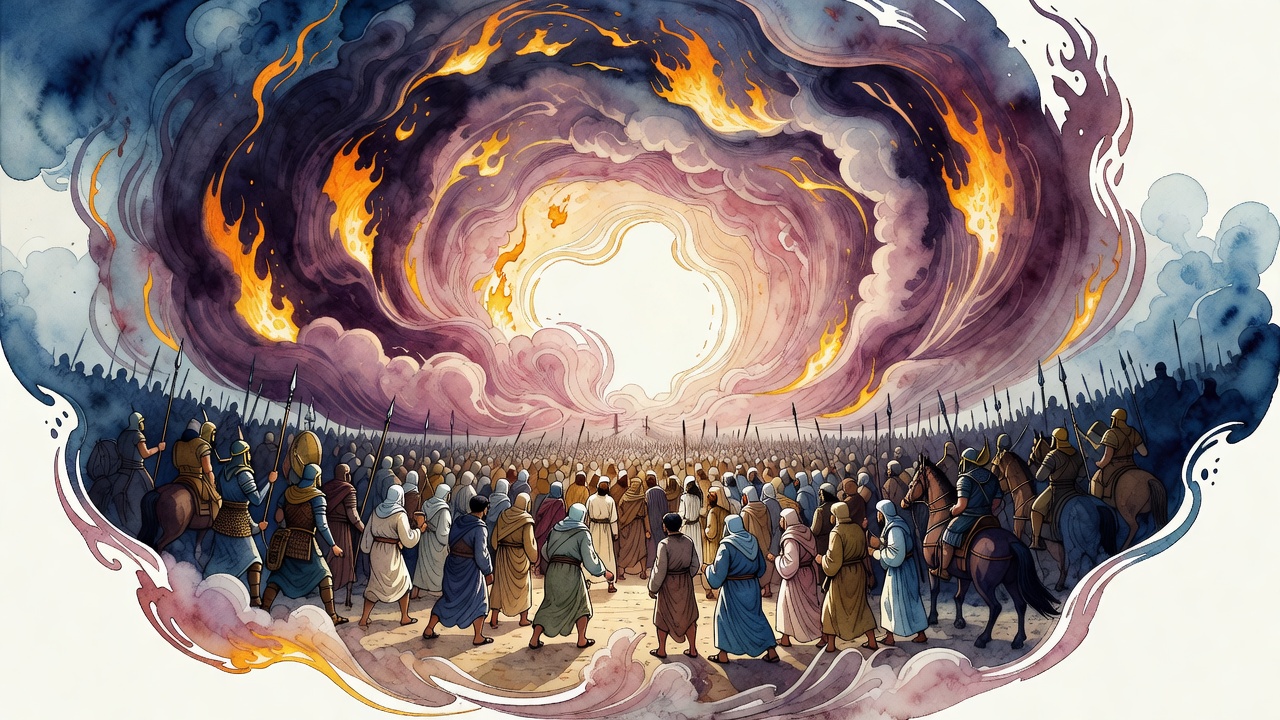
The Nile had turned to blood in Moses' hand. At the end, the sky itself bleeds. The moon goes red, fire and pillars of smoke stand in the heavens (Joel 3:4), and the first plague opens all over again on a scale that swallows a kingdom instead of a river.
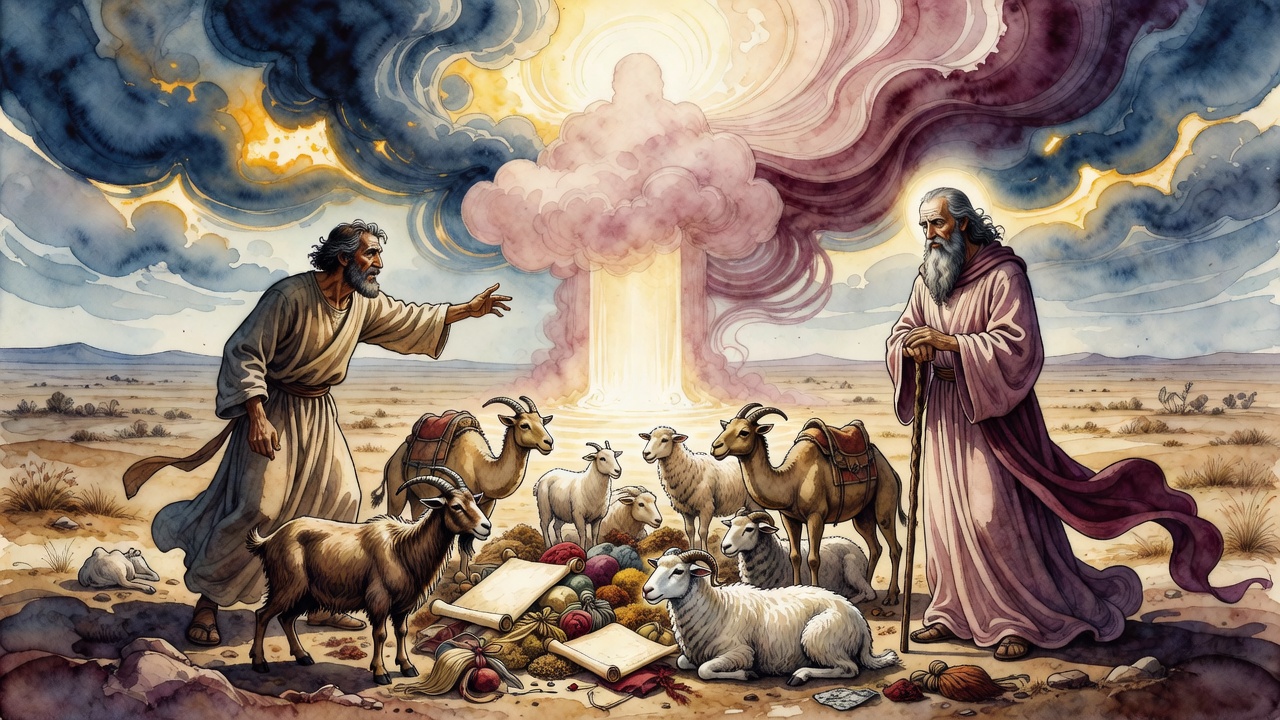
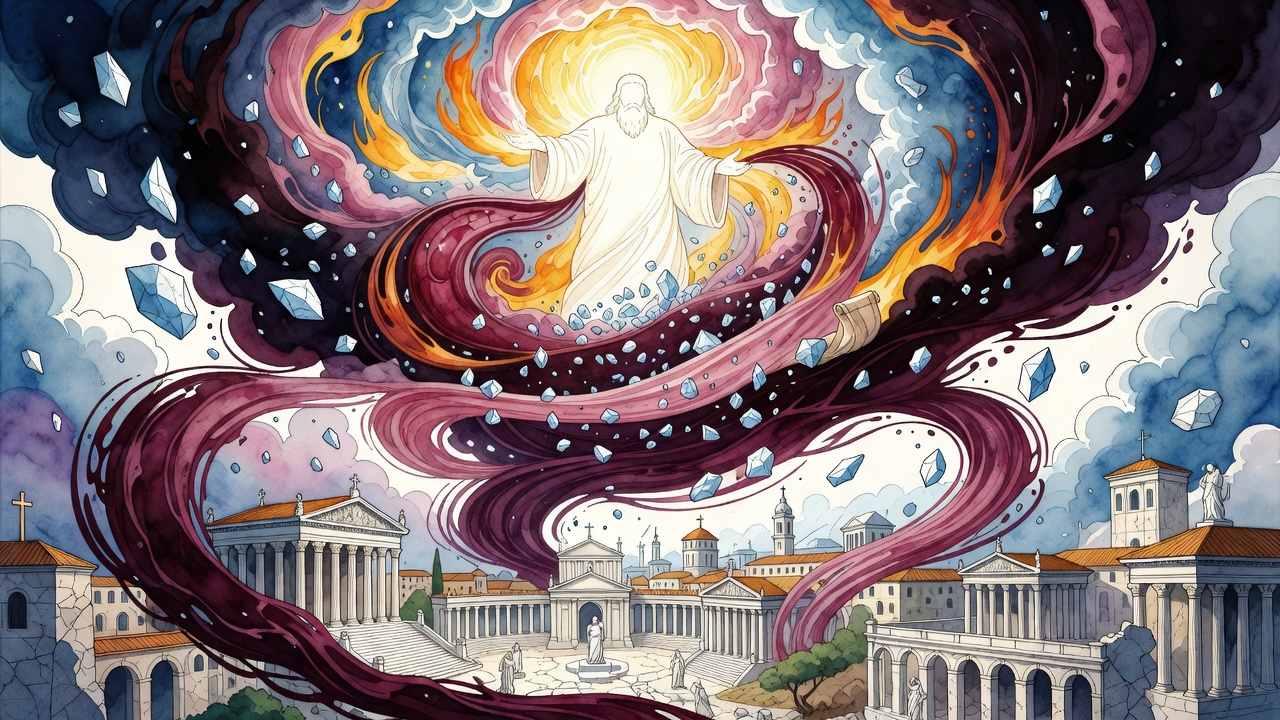
Then the noise. Frogs had once filled Pharaoh's bedchamber with a croaking no door could shut out, and a sound rises from the city of Rome the same way, a roar with no army behind it, uproar pouring out of the streets from everywhere at once. The dust that became lice in Egypt becomes brimstone in Edom, its streams running as pitch, the ground itself turned to poison. Owl and raven and pelican move into the palaces where emperors sat. Wild oxen come down into the ruin and graze in the throne rooms.
The boils were bad. This is worse. In Edom the flesh rots on men while they are still standing on their feet, the eyes going in the socket, the tongue in the mouth. Hail falls, overflowing rain and stones out of the sky. God calls every carrion bird and every beast of the field to a feast and names the meat, the flesh of fallen kings. Darkness had blinded Egypt for three days, and over Edom He stretches the line of chaos, the tohu, a builder's cord pulled taut across a house already condemned.
Last, the firstborn. One night in Egypt took the heir of Pharaoh and the captive at the mill together. In the last night, the princes of the north go down into the pit, and the guardian powers of the kingdom go down with them.
The Rivers of Edom Turn to Pitch
There are two rivers at the edge of Rome, the Tiber and the Ticinus, and the sages knew their names. Those are the streams that will run as pitch. The prophet said the burning would not stop by night or by day, and there is a reason the fire never rests. Rome kept Israel from the Torah, and Israel had labored in that Torah day and night, so the fire that answers now burns day and night and is never quenched.
The Fire That Remembers the Temple
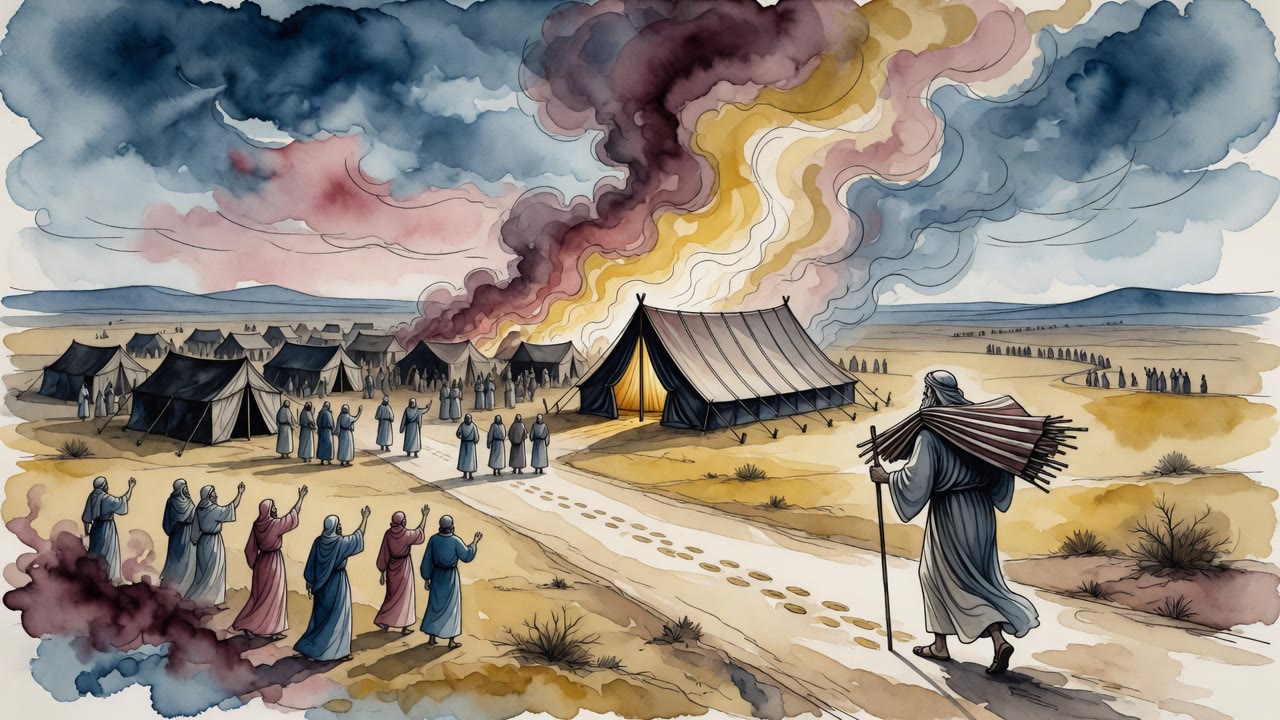
And the smoke rises forever. God had watched His house burn, watched the smoke of the sanctuary climb into the sky while Rome cheered, and He did not forget the shape of it. So the smoke of Edom climbs the same way and never thins, a column standing over the ruin for all time, because they burned the house where His name lived and its smoke went up.
The uproar from the city has an answer. When the roar breaks out of Rome, a voice comes back from the Temple, and it is the voice of God. "Remember what you did in this house," it says, the voice of the Lord paying His enemies what they are owed.
The Prince Falls Before the Kingdom
God does not begin with the kingdom. In Egypt He had struck the gods before He struck the people, and He keeps the order. Before Edom's soldiers fall, its power in heaven falls. On that day the Lord punishes the host of the height on high, and only then the kings of the earth upon the earth (Isaiah 24:21). The guardian prince of Rome comes down first, and the empire that leaned on him has nothing left to lean on.
And in the same hour the seal is pressed for the last time, Israel walks out from under it. The recompense of God is also the rescue of God. The voice that pays Rome its wages is the same voice that says, in that breath, "He Himself will come and save you." The smoke that once rose from a burning Temple rises now from Edom's rivers, and Israel comes home beneath it.
← All myths