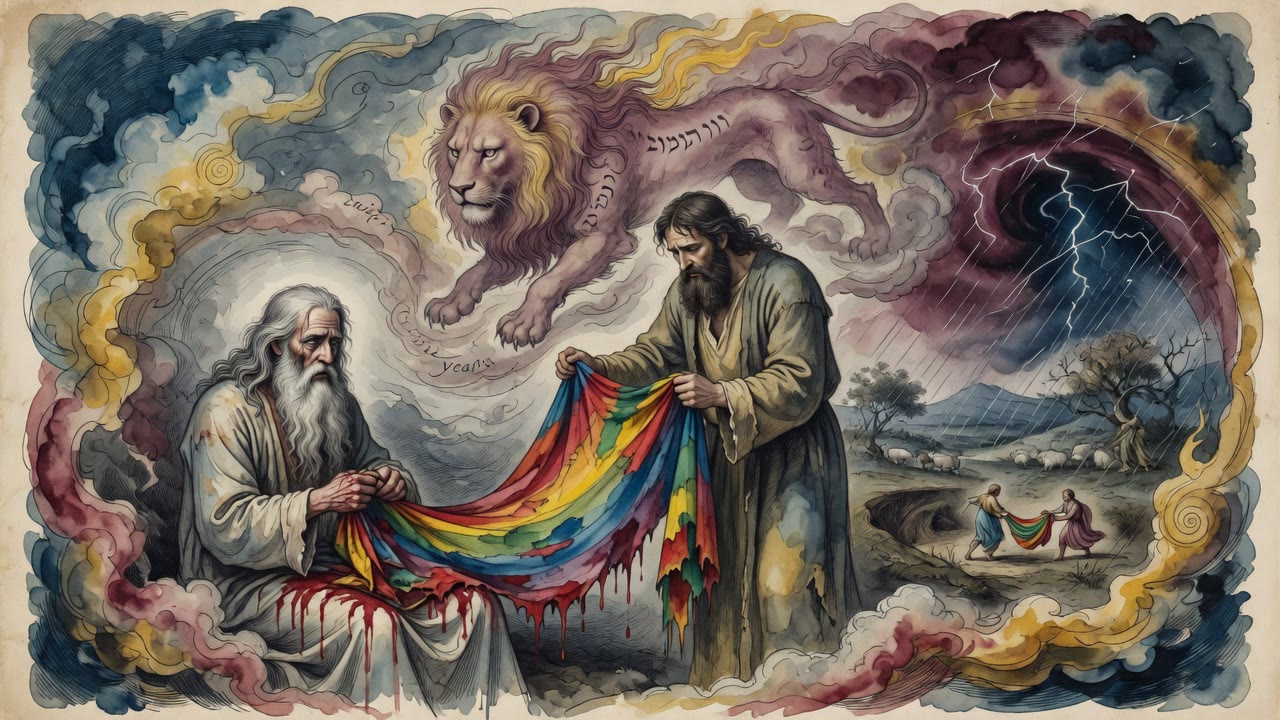
The Wine Bath-shua Poured for Judah at Adullam
His brothers took the crown off him and put him out of the family. A Canaanite king threw him a feast, and the king's daughter kept his cup full.
Table of Contents
 Click for full size
The Crown They Took Back
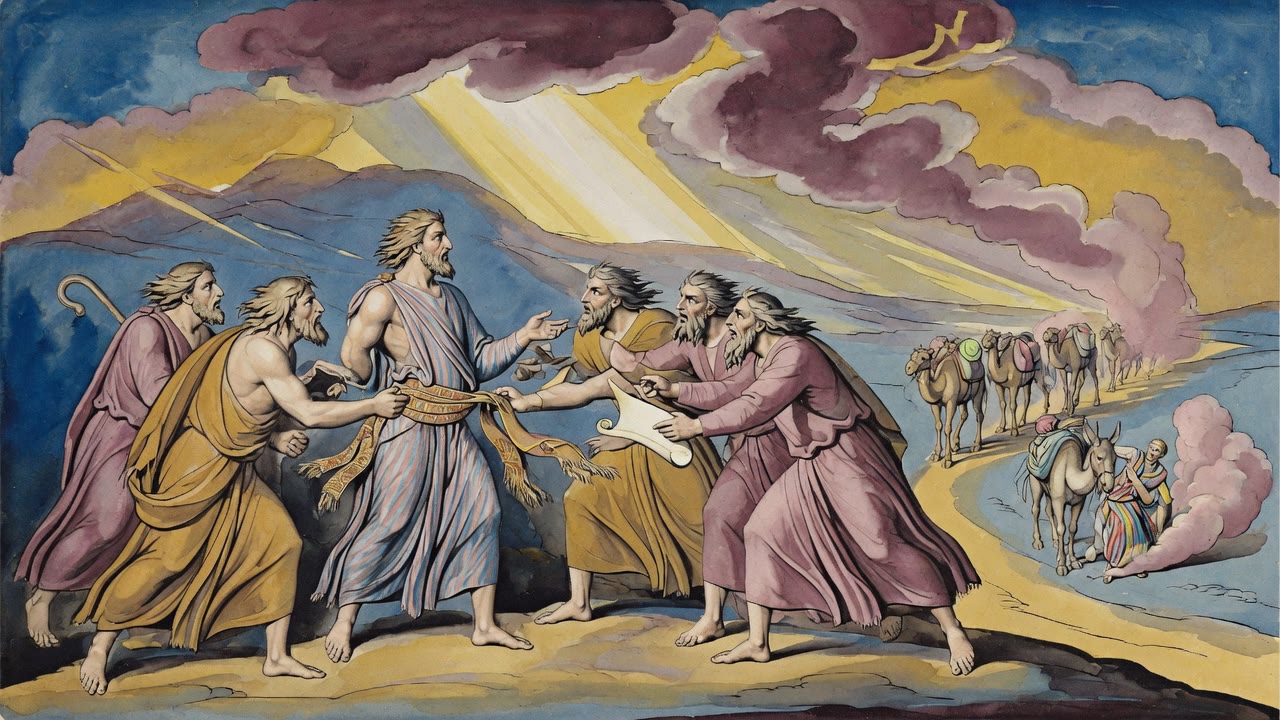
The caravan was still visible on the road to Egypt when the brothers turned around and looked at Judah.
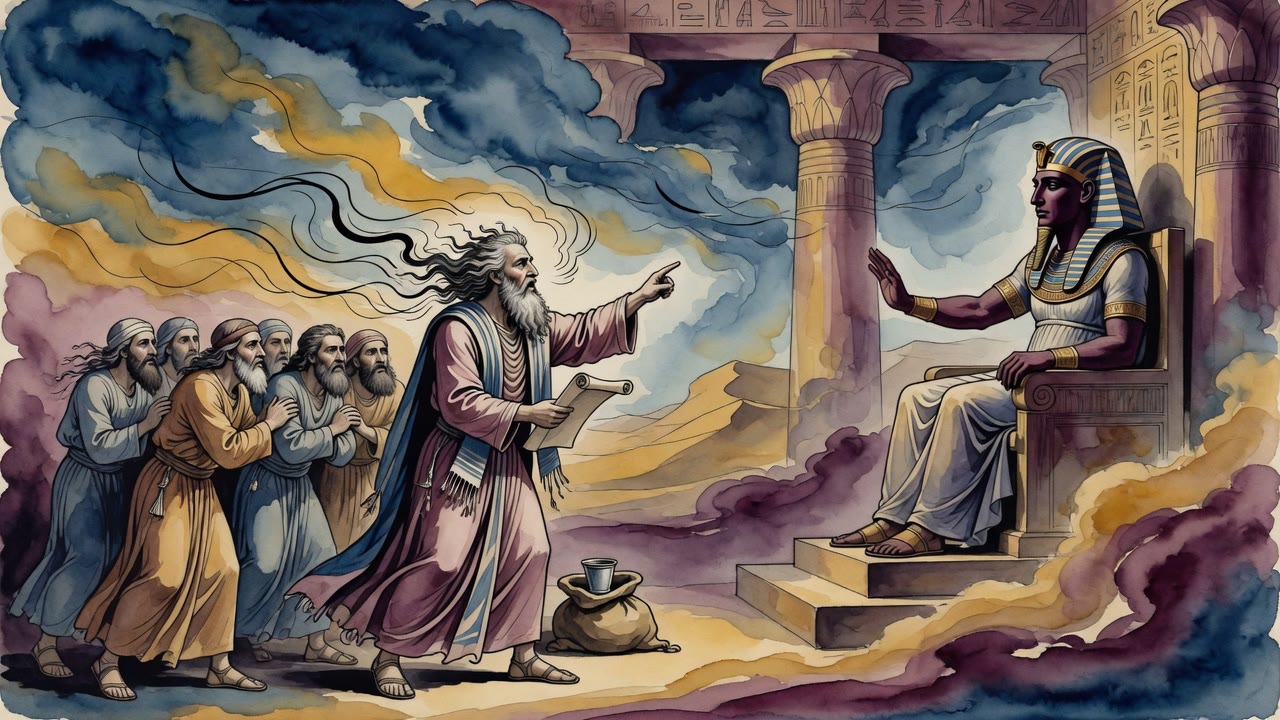
He had been their king. Not by birth, that was Reuben's, but by the plain fact that when Judah spoke the argument ended. At the pit he had spoken. What profit is it if we slay our brother and cover his blood, he said, and they had listened, and a bag of silver had changed hands, and Joseph had gone over the hill inside a stranger's caravan.
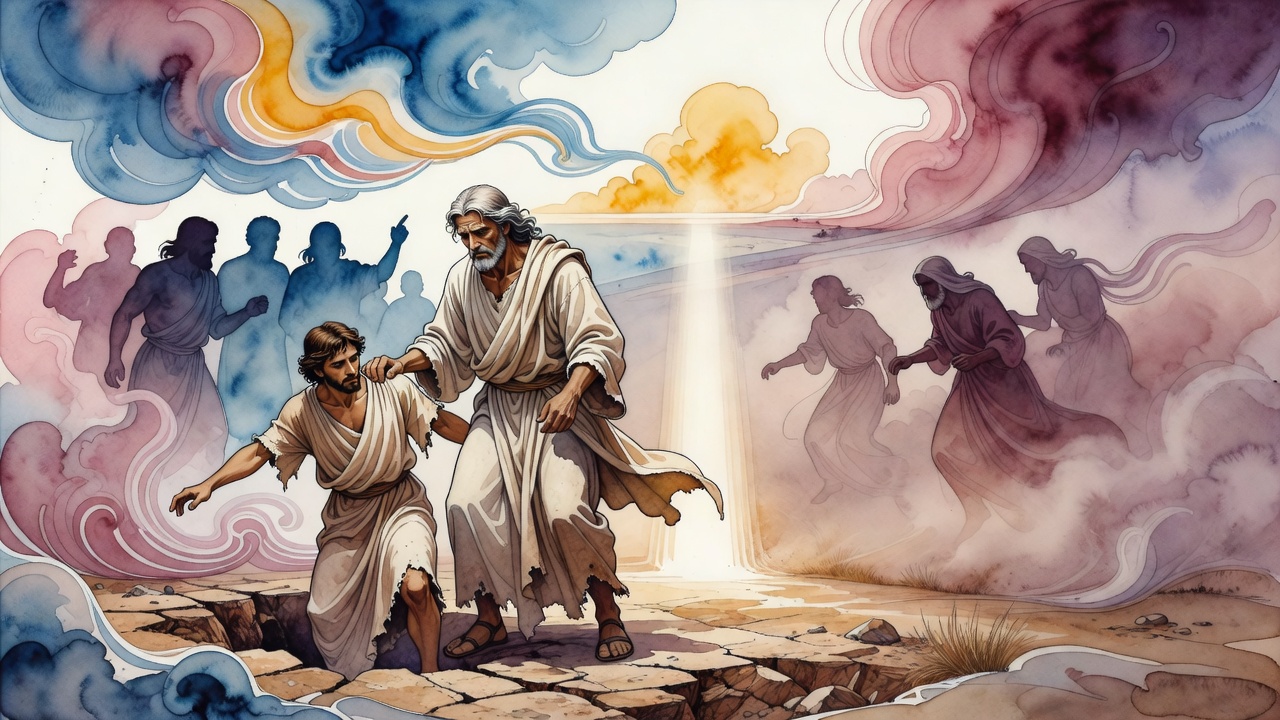
Now they stripped him of his dignity. They shut him out of their fellowship. They did it without ceremony and without an appeal, and Judah went out from his father's camp to find his own way in the world with nobody walking beside him.
The Shepherd Who Knew a King
Hirah, his chief shepherd, was the one who kept him company on the road down. Hirah had connections in the low country west of the hills. He knew the Canaanite who ruled at Adullam, a king named Barsan, and he brought Judah to his door.
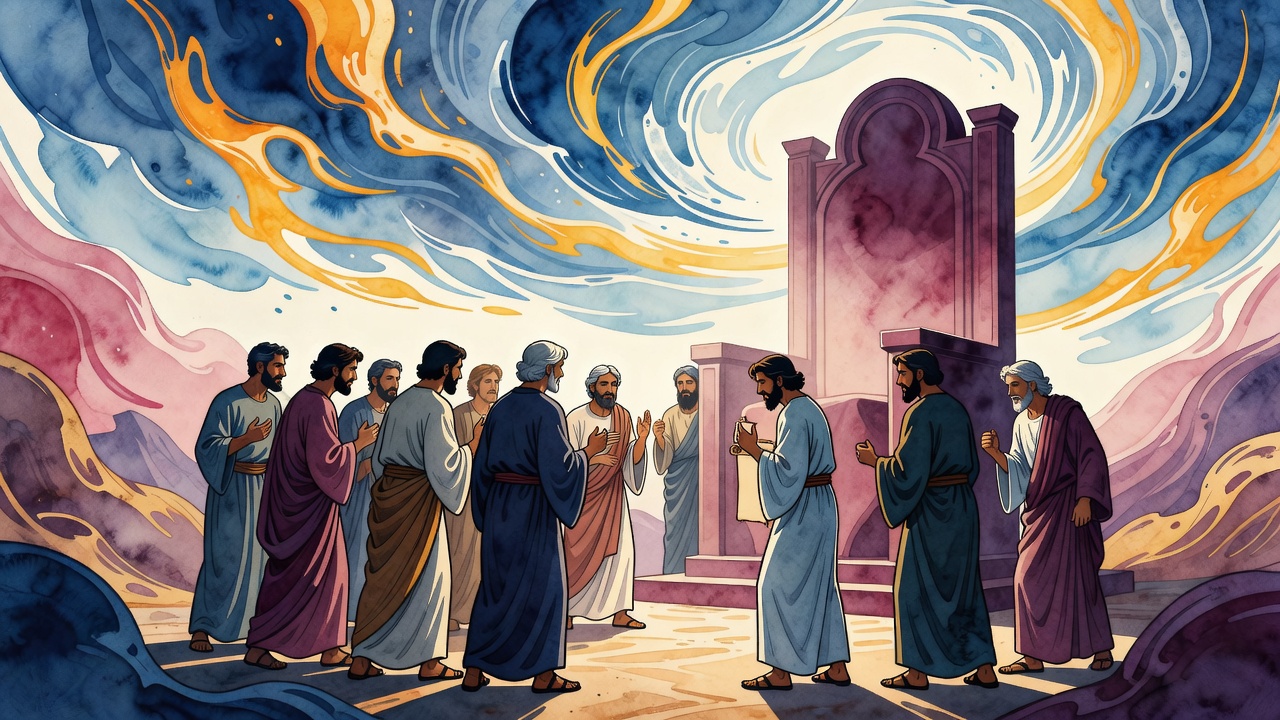
Barsan received the son of Jacob well. A patriarch's son at your table is worth something, even a disgraced one, and Adullam was a small kingdom that liked large guests. He announced a banquet in Judah's honor.
The Cup That Kept Coming Back Full
They laid the tables and lit the hall and Judah sat where a king's guest sits. The wine went around. And the hand that carried it to him, again, and then again, belonged to the king's daughter, Bath-shua.
She poured. He drank. She came back and poured again.
He had spent his whole life on hillsides among his brothers, and now his brothers had put him out, and there was music in a Canaanite hall and a girl at his elbow filling his cup, and the wine was good and the evening was long. Before it ended he had taken her and married her.
What the Lion Knew Before He Ate
He knew what he was doing. That is the part nobody softened afterward. Judah was well aware of what the generations of Canaan had become, aware of it the way every man in Jacob's house was aware of it, and he let the wine and the wanting run ahead of the knowledge and married her anyway.
His grandfather had made the same mistake and repented of it. Esau, who married where he pleased and cared nothing for anyone's opinion, had lived long enough to admit that the daughters of Canaan were wicked and that his own house had suffered for it. Esau worked it out. Judah, walking the same road a generation later, did not stop to.
Picture a dog trotting down a road ahead of a lion. The dog comes on a carcass, sniffs it, and walks away from it. The lion comes on the same carcass and eats. His father would call him a lion at the end, crouching over his prey, and no one would take the name back. But the dog had gone first and had refused.
The Voice Over Adullam
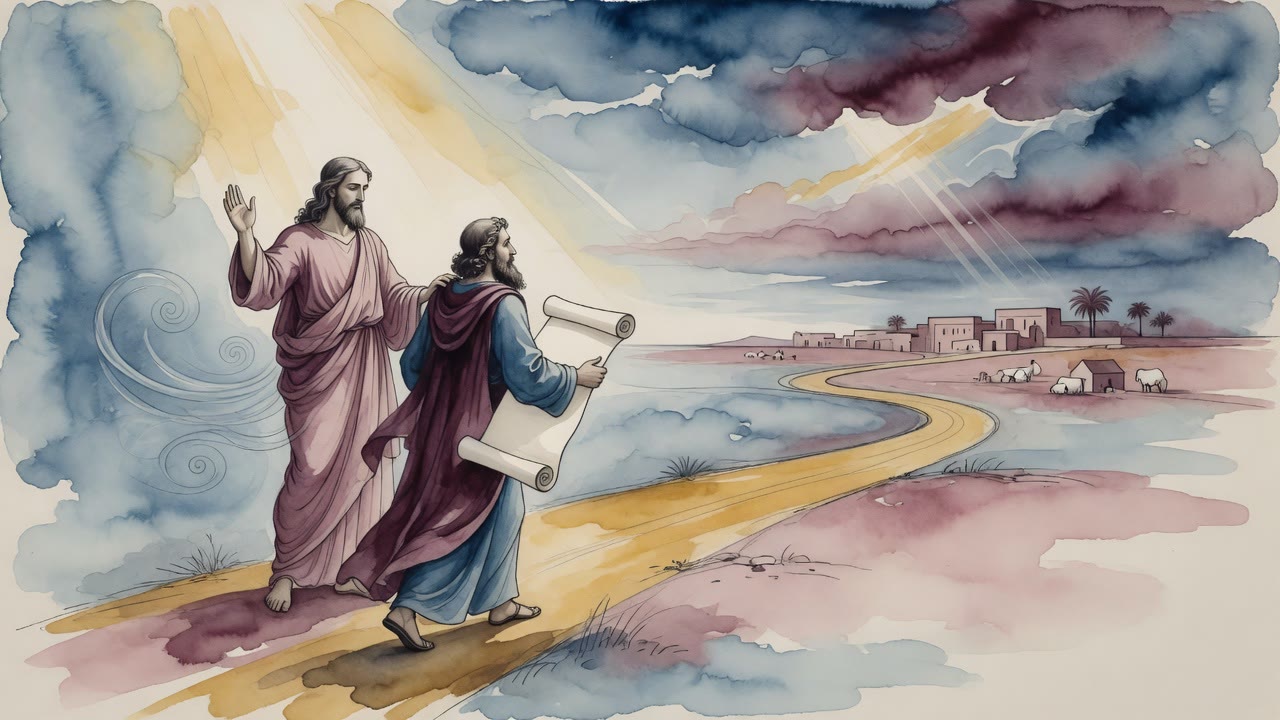
The holy spirit cried out over the wedding. Five words, and they were not a warning, because a warning comes before.
"The glory of Israel went down in Adullam."
What followed came slowly enough that a man could almost tell himself the two things were unrelated. Bath-shua bore him three sons. The oldest, Er, married a woman named Tamar and was dead within days of the wedding. The second, Onan, took her after him and was dead not long after that. Then Bath-shua herself died, and Judah was standing in a house at Adullam with one living son, a widowed daughter-in-law he was afraid to give the boy, and two fresh graves outside the town.
He had begun a good deed at the pit and had not carried it through. He had argued his brothers down from murder and then stopped, one sentence short of arguing them all the way home, and the caravan had taken Joseph, and the wages of a rescue left half finished were being counted out to him now in a Canaanite town, one funeral at a time.
← All myths