The Word Walked With Jacob Down Into Egypt
Pharaoh sent wagons for Jacob's house. God promised His Word would go down to Egypt and bring them up, while Judah went ahead to open study in Goshen.
Table of Contents
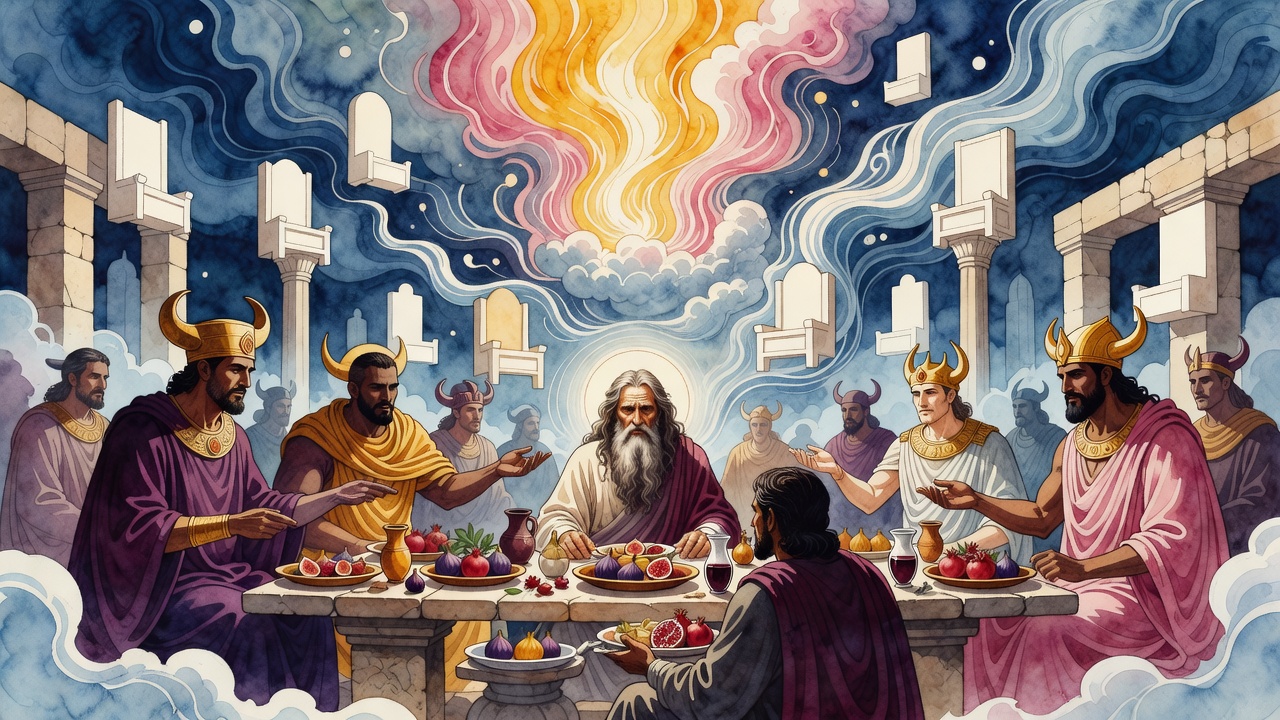
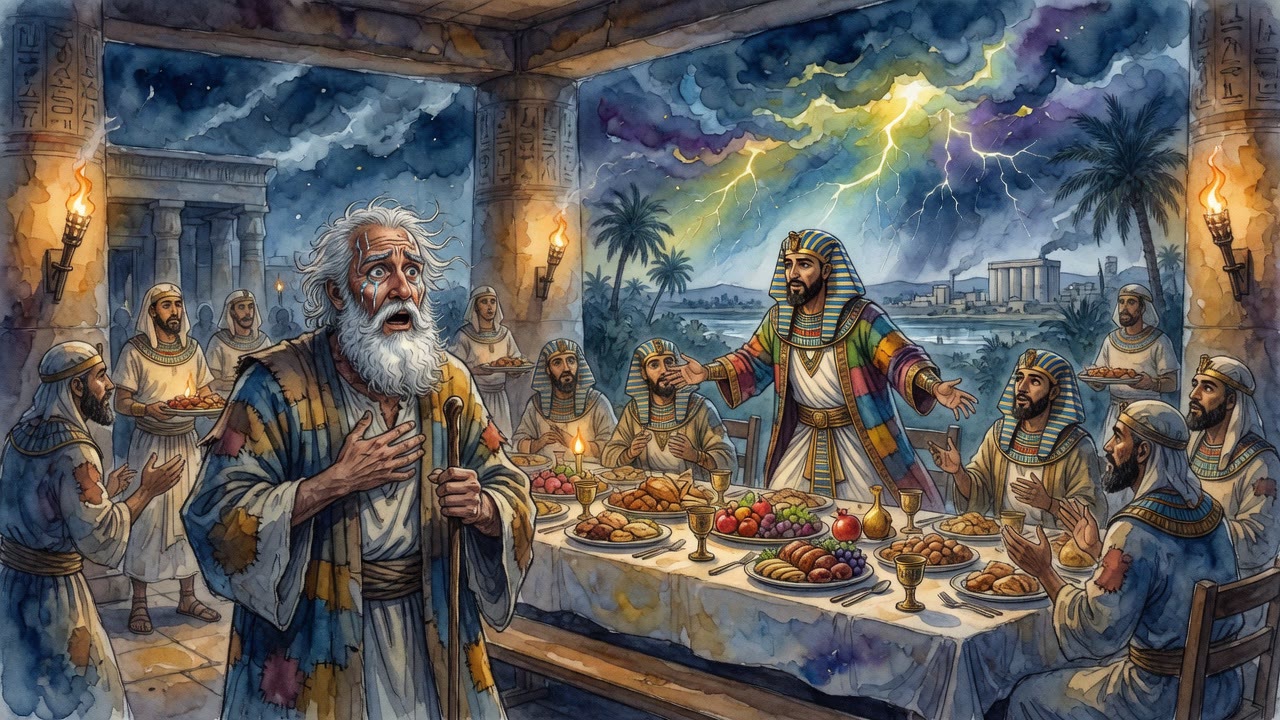
A voice ran through the royal house of Pharaoh: the brothers of Joseph have come. The report pleased Pharaoh and pleased his servants (Genesis 45:16). Egypt had feared, in quiet corners, that its genius of grain might be a runaway slave with a forged past. Brothers at the gate meant a house, a father, a people. The viceroy was not a ghost with a clever dream. He was a son with a name that could be checked against living mouths.
 Click for full size
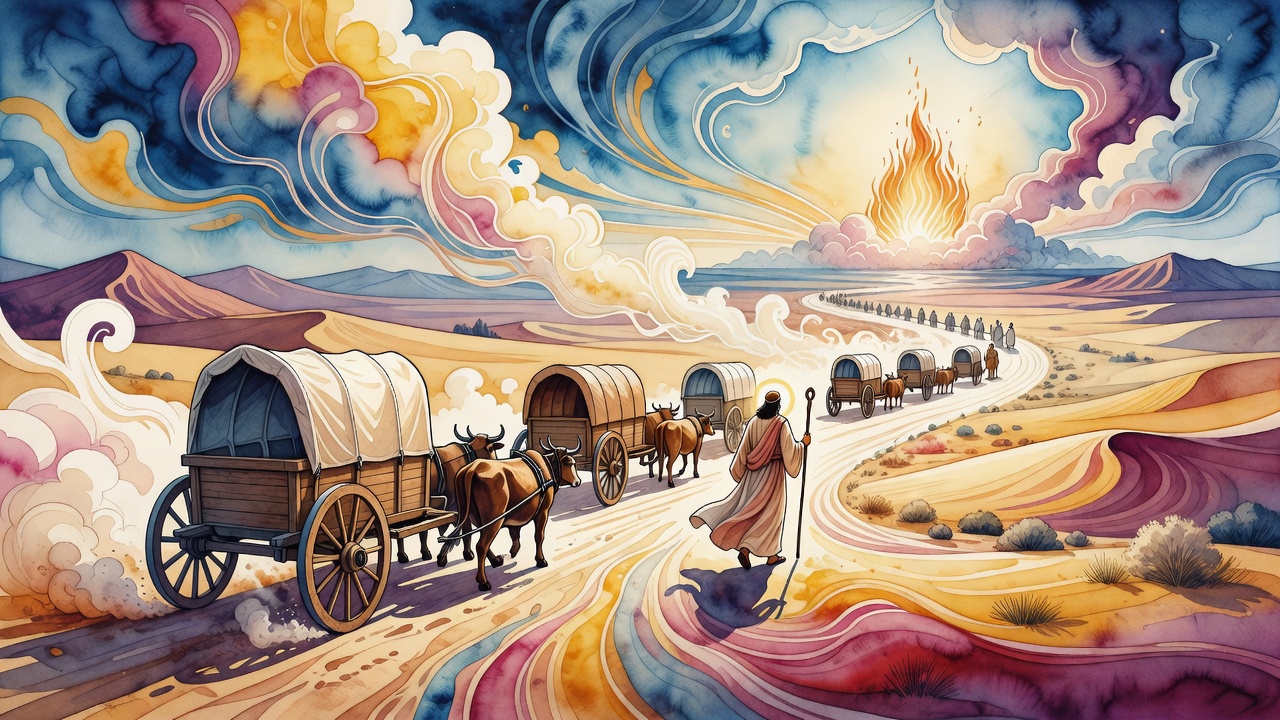
Pharaoh did not merely permit a visit. He funded a migration. "You, Joseph, shall appoint for the honor of your father," the command ran. "Take from Mizraim wagons drawn by oxen, in which to carry your children and your wives, and bring your father, and come" (Genesis 45:19). Oxen. Wagons. Room for the slow and the small. Honor measured in axle grease and road dust. Joseph sent more than vehicles. He sent proof that Egypt's throne wanted Jacob alive and moving south under royal protection.
The Promise at Beersheba
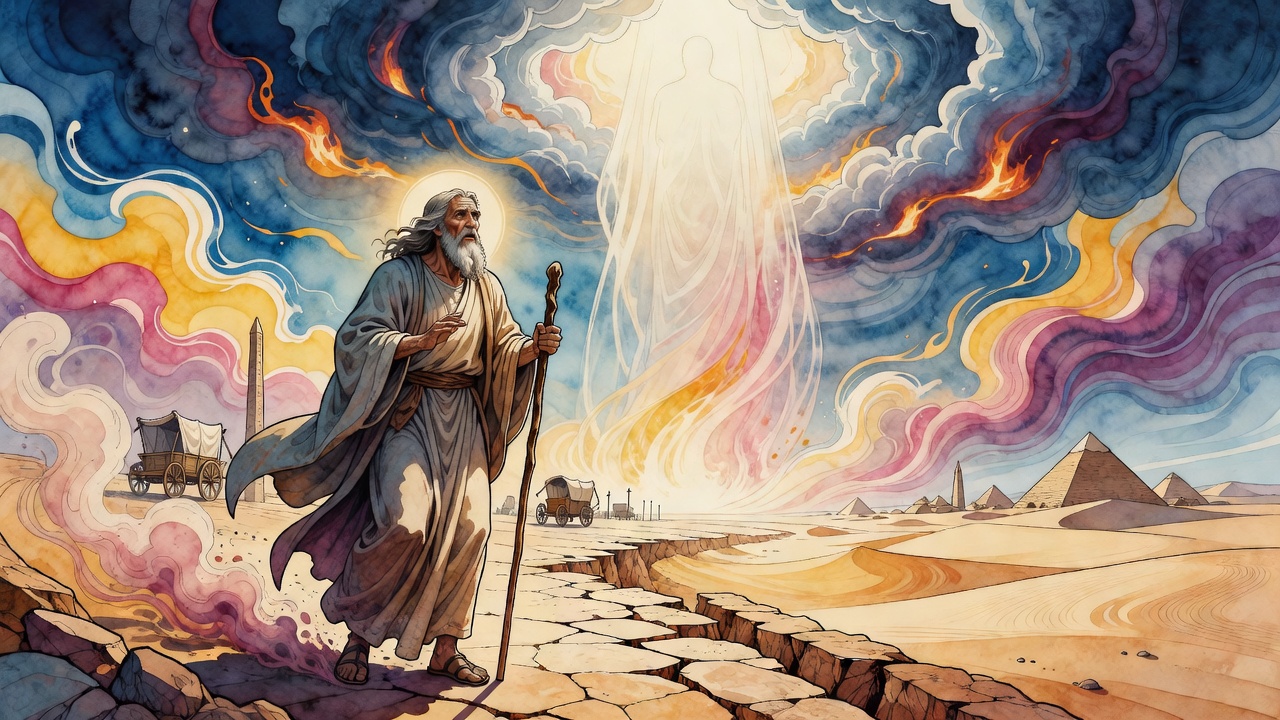
Jacob heard the news and still hesitated at the border of a land that had swallowed his favorite once. Offerings smoked. Night settled. Then the Voice that does not flatter old men spoke into the fear that wagons alone cannot cure. "I am He who in My Word will go down with you into Mizraim. I will regard the affliction of your children, and My Word shall bring you up from there. Joseph shall lay his hand upon your eyes" (Genesis 46:4).
The Word would walk the road. Not as a metaphor for comfort alone, but as company into a place where affliction was already scheduled in the decades ahead. Descent was not abandonment. Descent was an escorted exile with a return clause spoken before the first wagon creaked. Jacob rose. The family became a moving camp of names and animals and the particular silence of people who have just learned a dead boy is feeding an empire. Children rode. Old bones complained. The promise rode with them where eyes could not see it.
Judah Ahead of the Wagons
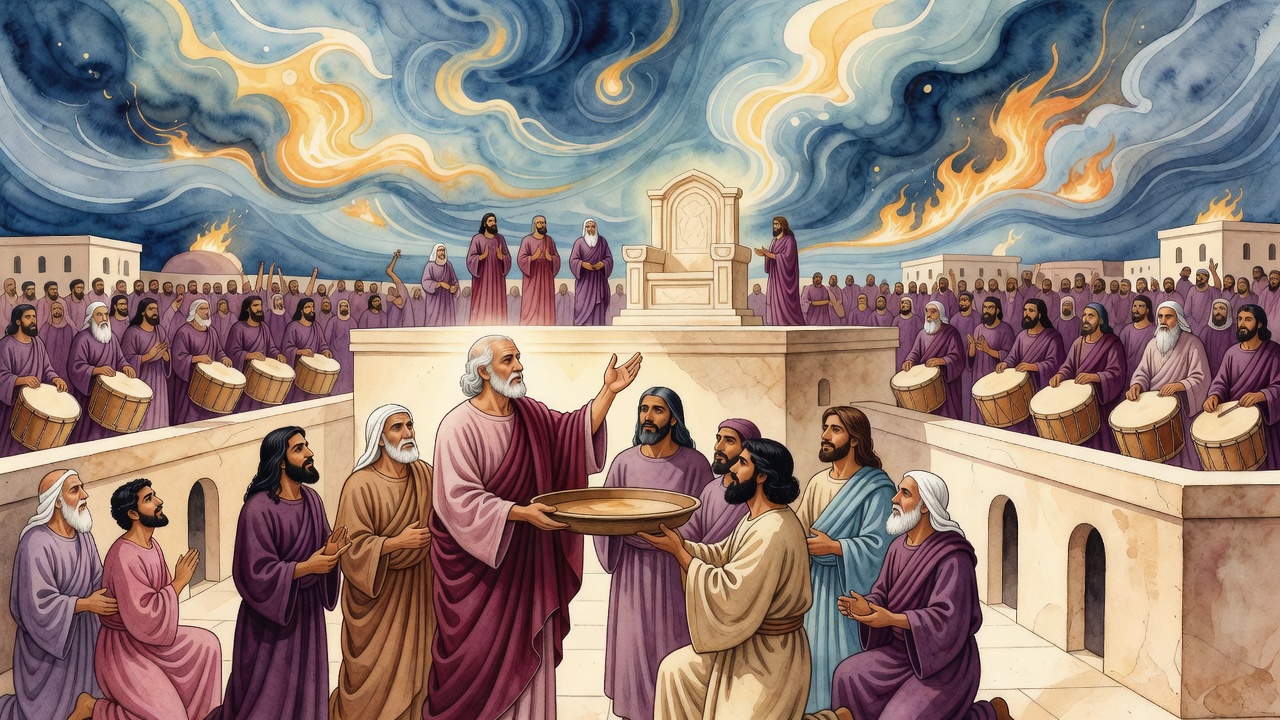
Jacob sent Judah before him to Joseph, to indicate the way, to subdue the pillars of the earth, and to provide a house of dwelling in Goshen (Genesis 46:28). The Targum's language is heavy on purpose. Judah does not only scout pasture. He opens a place where study can stand, a house that is not only tents and troughs. Before Israel becomes a slave nation, it becomes a learning camp on Egypt's edge.
Goshen received them like a pocket sewn into a foreign coat. Close enough for Joseph's protection. Far enough for sheep and for a different calendar of holiness. Judah, who had once proposed a sale, now prepared a dwelling. The same mouth that had talked silver over a brother now arranged rooms where Torah could later be spoken when bricks would try to silence it.
Egypt Rearranged for Brothers
Joseph did not stop at warm greetings and family weeping. He moved populations. The people of a province he removed to a city, and the people of a city to a province, for the sake of his brothers, that they might not be called wanderers. He made Egyptians migrate from one end of Mizraim to the other (Genesis 47:21).
If everyone has been relocated by famine policy, no one can sneer that the Hebrews alone are rootless. The policy was ruthless logistics with a family motive. Famine had already sold Egyptians their land for bread. Joseph used the same season of upheaval to blur the map so his brothers' foreignness would not glow like a target in a xenophobic year. Shepherds would still smell of flocks. They would not stand alone as the only people who had been moved.
What Went Down the Road
Wagons from Pharaoh. A Word from heaven. A brother ahead to plant a house of study. A viceroy reshaping cities so shepherds would not stand out as the only displaced. Jacob went down into Egypt with more than grief and relief. He went down with an escort that Egypt could not see and a political cover only Joseph could build. The affliction still waited in the decades ahead. The promise had already walked onto the road beside the oxen, and Joseph would one day close his father's eyes exactly as the Word had said.
When the camp finally entered Goshen, dust and children and livestock mixed into one long arrival. Joseph came out in his chariot not as a stranger with a beard this time, but as a son who could no longer hide. Jacob saw the wagons Pharaoh had ordered for honor and the grandson's land prepared ahead by Judah, and he knew the descent was real. He also knew, because the night at Beersheba had said so, that the Word had not stayed behind at the border. Egypt received a family. Heaven received a vow already spoken over their future exit.
← All myths