At the Sea They Sang of Children Not Themselves
Wet to the knees on the far shore, Israel sang of children who would be planted in the land, and only later heard the pronoun that left them outside.
Table of Contents
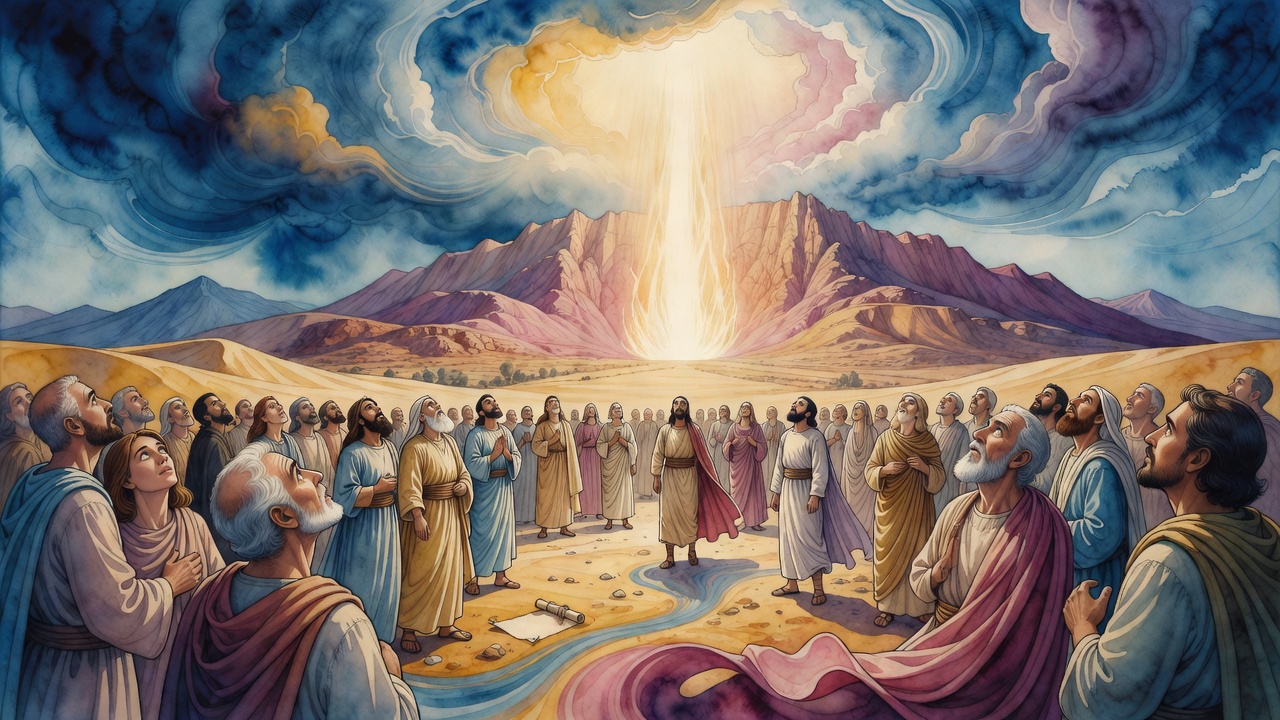
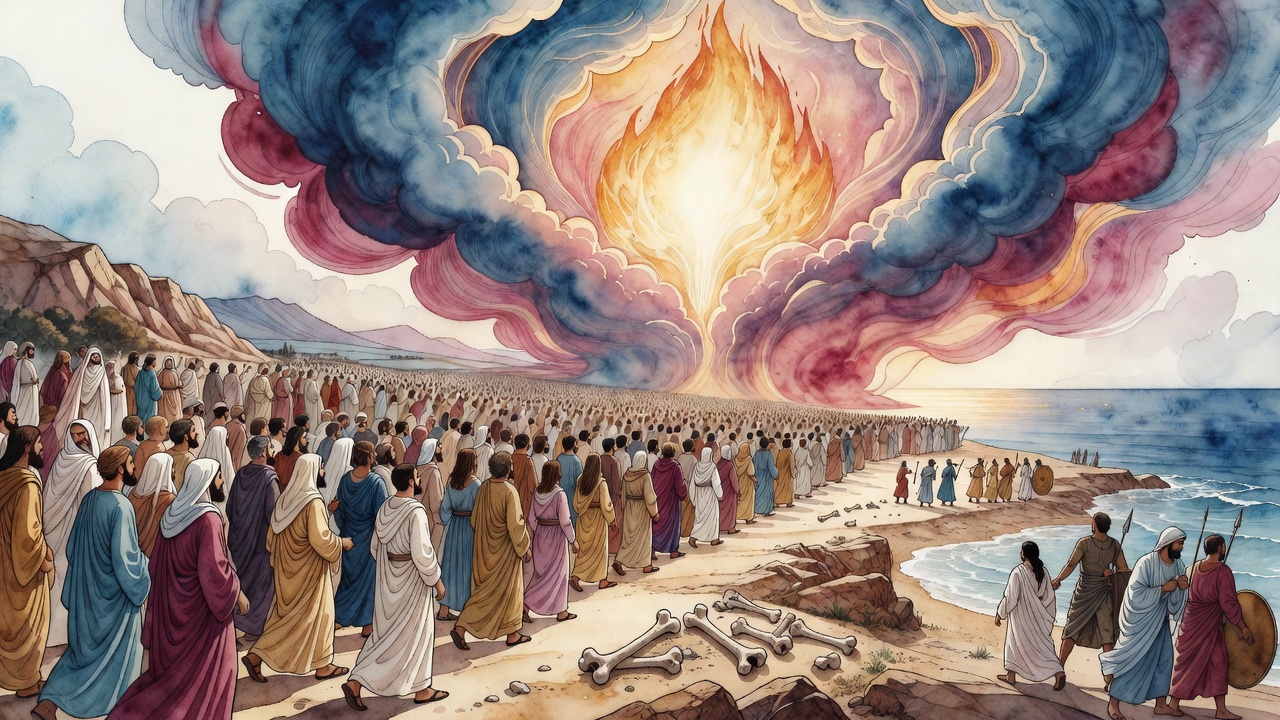
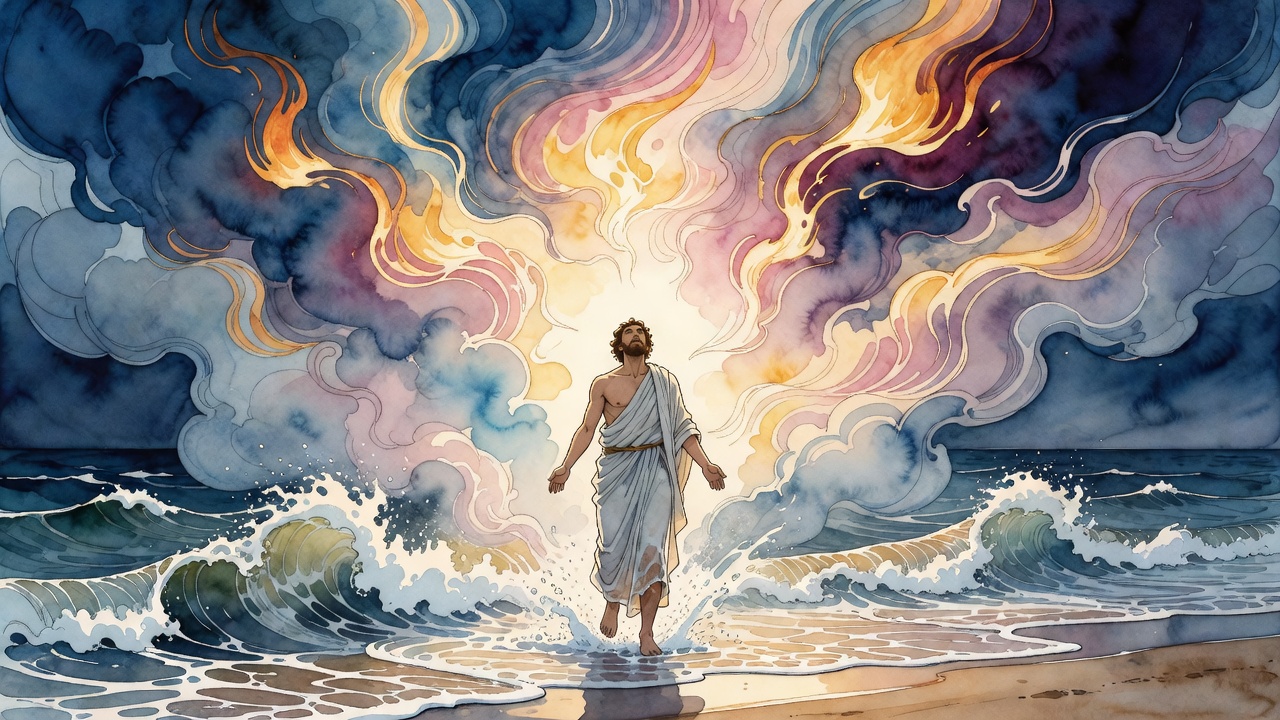
Salt water still ran from their clothes when the song rose. The sea behind them held the weight of what had chased them. The desert ahead held no map they trusted. Moses and the people sang anyway, and the words came faster than understanding: You will bring them and plant them on the mountain of Your inheritance.
 Click for full size
Them. Not us. The pronoun stood in the music like a stone under a bare foot, noticed only after the blood starts.
Prophecy Without Knowing
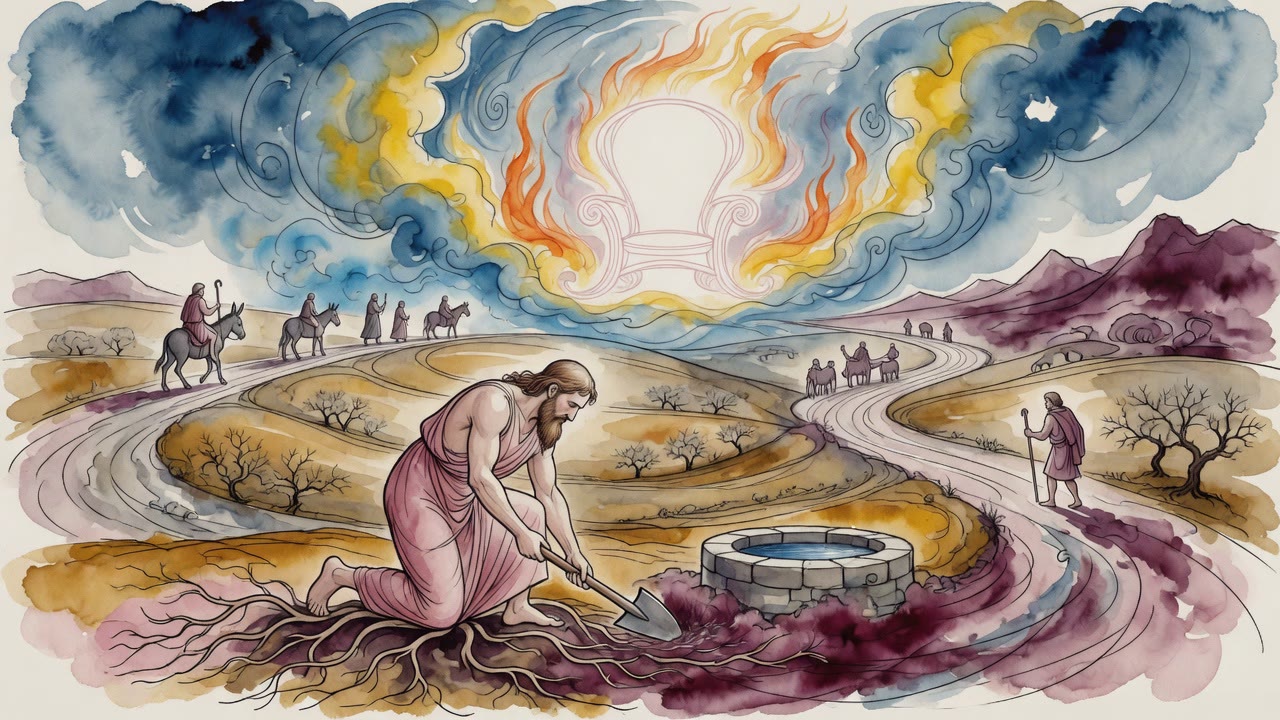
The Yalkut catches what the singers did not. The fathers prophesied and did not understand what they were prophesying. Out of their own mouths came the verdict that the children would enter while that generation would not. The midrash layers images. Young kids of the flock go in; old he-goats remain outside. Planting means rows like a vineyard, tribes set in order as Ezekiel later maps portions. The last reading is hope sharpened by loss: a planting with no uprooting, the kind Jeremiah heard when God promised to build and not tear down, plant and not pluck up.
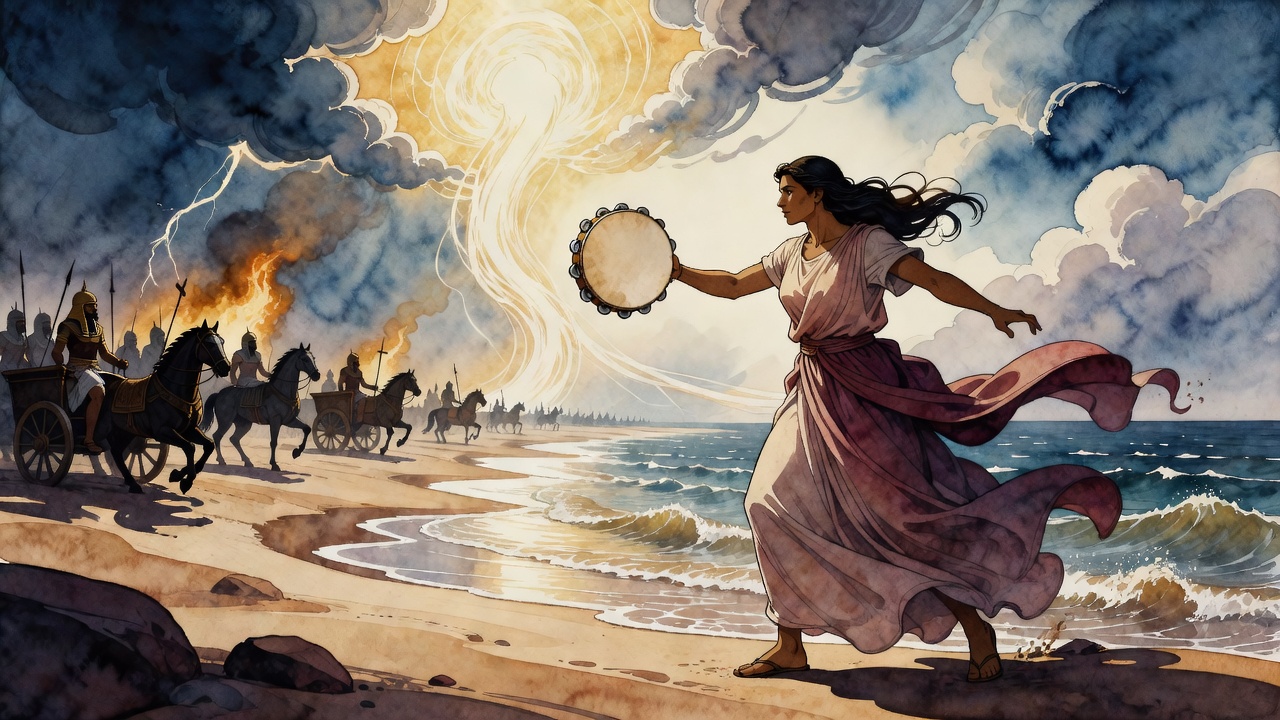
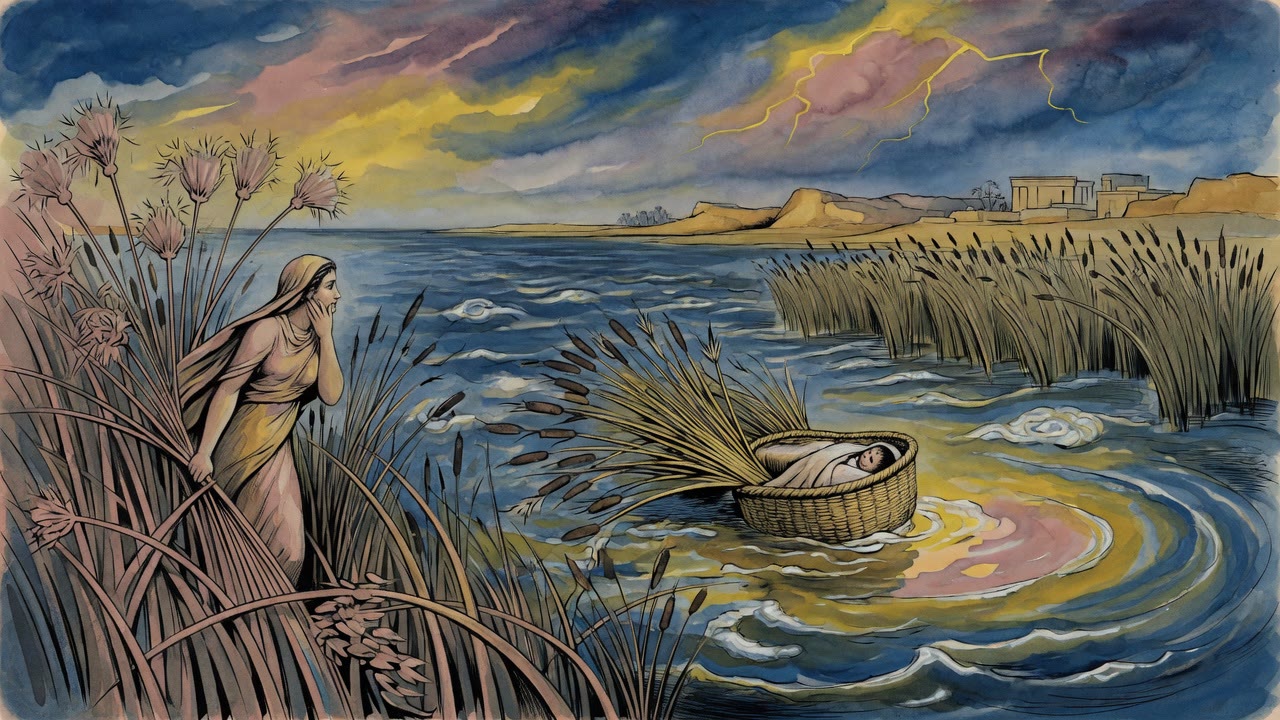
On the shore a woman stopped mid-line, mouth still open. She had thought the song was a deed to the land already in her fist. It was a deed written for hands not yet born.
They Believed Before the Plagues Finished
Earlier, in the brick yards, belief had begun without a dry path through water. Targum Pseudo-Jonathan remembers the first assembly: the people believed, heard that the Lord had remembered the sons of Israel, and that their bondage was manifest before Him, and they bowed and worshipped. Not first the serpent-rod, not first the leprous hand. They heard that they were remembered, and memory meant action about to begin.
Every whip, every quota, every drowned infant had been visible in the heavenly court. When slaves learn they are not forgotten, the most radical act is voluntary bowing to a God no taskmaster owns. Liberation starts in the spine that bends by choice.
That bow and this song bookend the same people: first faith without geography, then geography promised to other feet.
What Eliezer Asked For
Generations later, a different Eliezer would teach the measure of a worthy request. If he had asked for land, God could give land, for the earth is the Lord's. If he had asked for silver and gold, the silver and gold are His. He asked instead to be worthy to learn Torah only. Pirkei DeRabbi Eliezer preserves that humility as a rebuke to appetite dressed as prayer.
On the shore, some wanted land more than they wanted the Giver. The song, kinder and harsher than their appetite, gave the land to children and gave the singers a road of manna, graves, and teaching. Wanting the destination without wanting formation is how a generation becomes a bridge instead of a settler.
Night Fires in the First Wilderness Camp
That night fires dotted the sand. A father told his small son that the mountain in the song would one day hold the boy's grandchildren. The son asked why not them. The father had no soft answer. He had a wet cloak and a full stomach for the first time in days and a melody he could not forget. He said, "We walked out so they can walk in." It was not enough. It was true.
Moses sat apart with the pronoun. Leadership sometimes means hearing the future hide inside your own hymn. He did not cancel the song. Canceling would not plant a single vine. He let Israel keep singing what would outlive their sandals.
Planted Words
In the morning they moved. Some still argued the word "them" was only style. Style that matches a decree is not decoration. The wilderness would teach the rest with graves and rebellions and a view from a height that Moses himself would see without crossing.
The first bow in Egypt and the first song at the sea remain gifts. One says God remembers the living under lashes. The other says God plants beyond the lifespan of the singers. Between memory and planting stretches the long middle where a people learns to want Torah as Eliezer wanted it, more than acreage, even while acreage remains the promise for those who come after.
The woman who had stopped mid-line finished the song the next evening. Her voice cracked on "plant them." She sang it anyway, as one waters a field one will never harvest.
Years on, when the camp had learned the taste of complaint as well as manna, some still hummed the shore melody under their breath. The pronoun no longer shocked them. It had become a discipline. Sing for a planting you may only water with obedience. Bow because you were remembered in Egypt. Ask, as Eliezer later taught, for the worthiness to learn, so that even a bridge-generation carries fire and not only dust.
← All myths