Joseph Read Three Baskets as Three Long Exiles
Birds were already at the top basket. The baker waited for a kind reading. Joseph gave him three days, then a map of servitude the man would never live to see.
Table of Contents
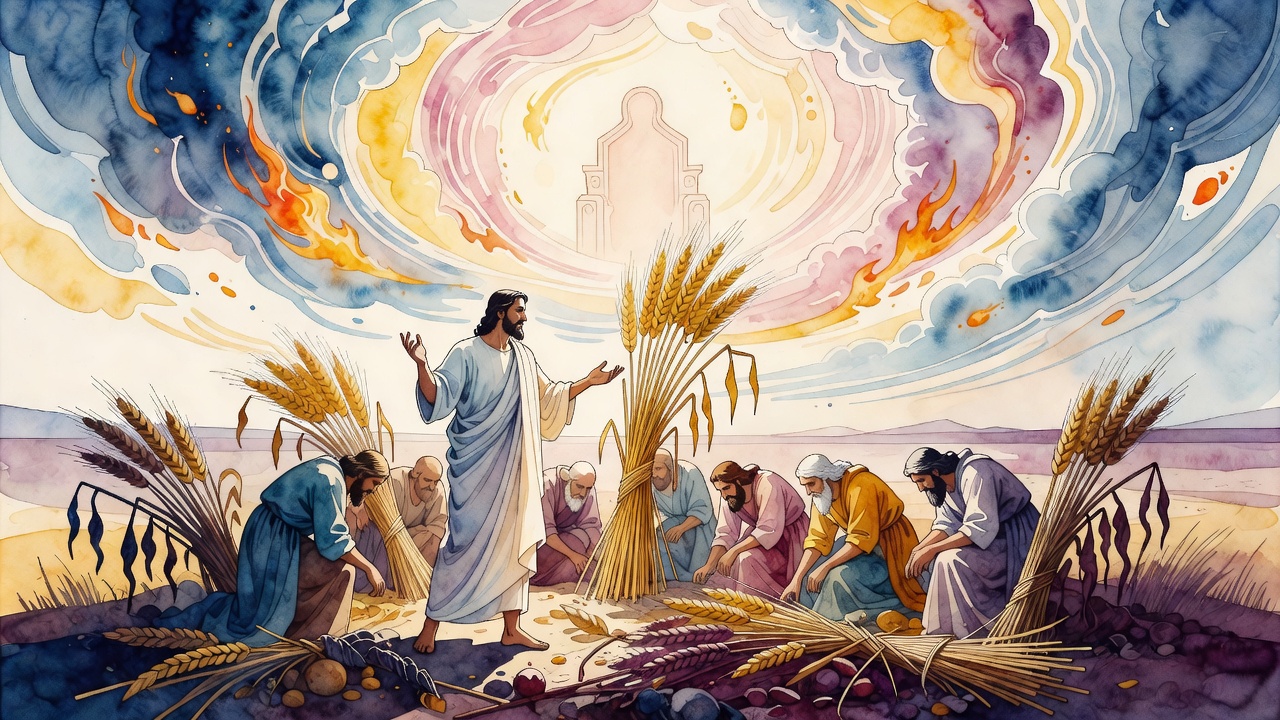
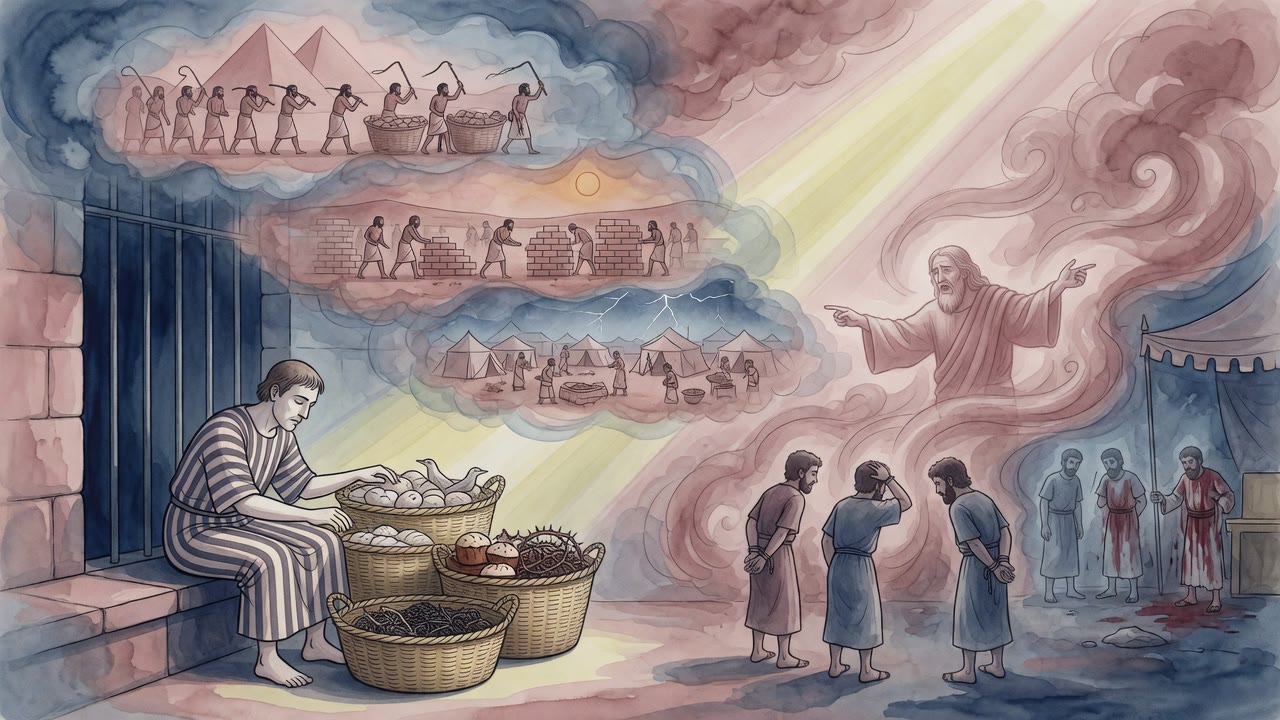
The chief baker's face was already the color of dough left too long. He told Joseph the dream of three baskets on his head, birds eating from the upper one, and waited for a soft answer.
 Click for full size
Joseph did not soften.
"This is its interpretation. The three baskets are the three enslavements with which the house of Israel are to be enslaved. But thou, the chief of the bakers, wilt receive an evil award by the dream which thou hast dreamed. The three baskets are three days until thy death."
Two Readings in One Mouth
Personal fate and national map arrived in a single sentence. Three days for the man. Three long servitudes for the people: Egypt, Babylon, and Edom. Baskets carried on the head, open to predators from above, are not vines rooted and pouring wine into a king's cup. The butler had received the rooted image. The baker received the burdened one.
Joseph told the hard truth the way he told the good. An interpreter who lies to comfort is not an interpreter. The baker had asked. Truth was not Joseph's to withhold.
He did not smile when the national reading left his mouth. A man about to die does not need a lecture on Edom. A dungeon sentence in Egypt was never only local. Every foreign house becomes a code. Every accurate hard word becomes a rehearsal for later honesty before kings.
The Butler Named a Hebrew Youth
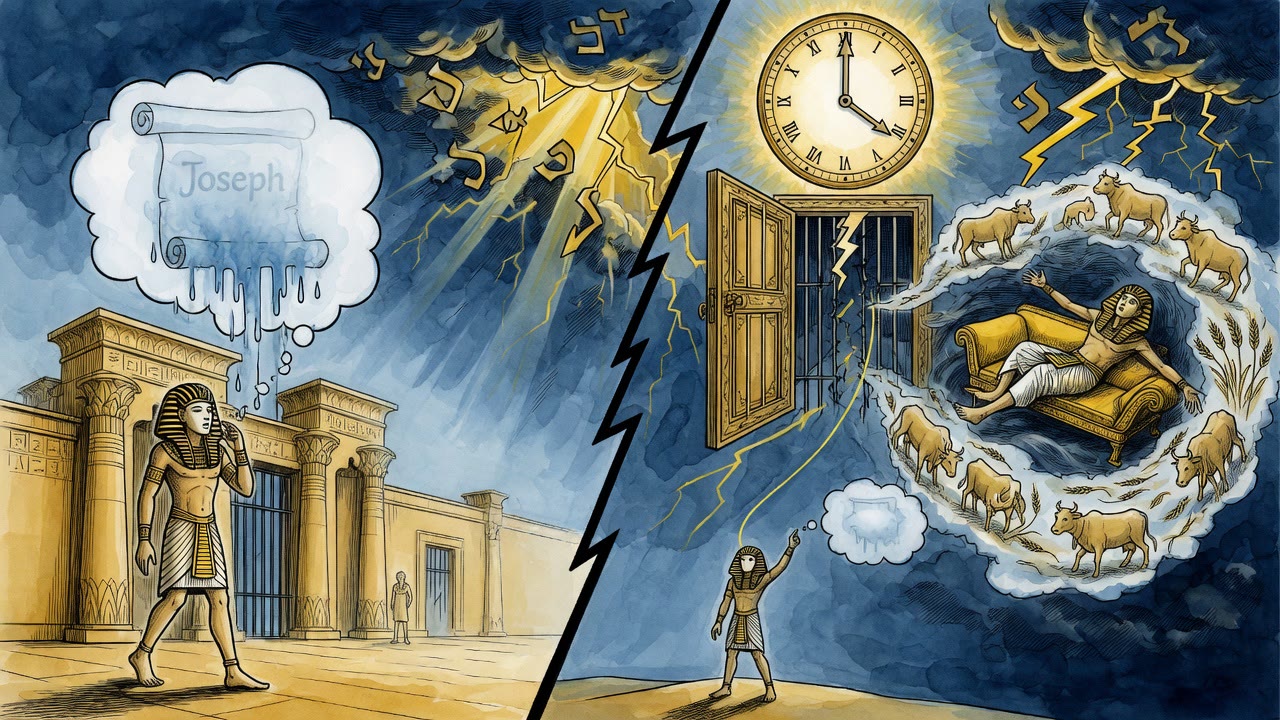
Three days later the baker died as spoken. The butler went back to the cup and forgot the man who had read both dreams. Years passed. Then Pharaoh's own dreams broke the palace sleep, and the butler finally spoke.
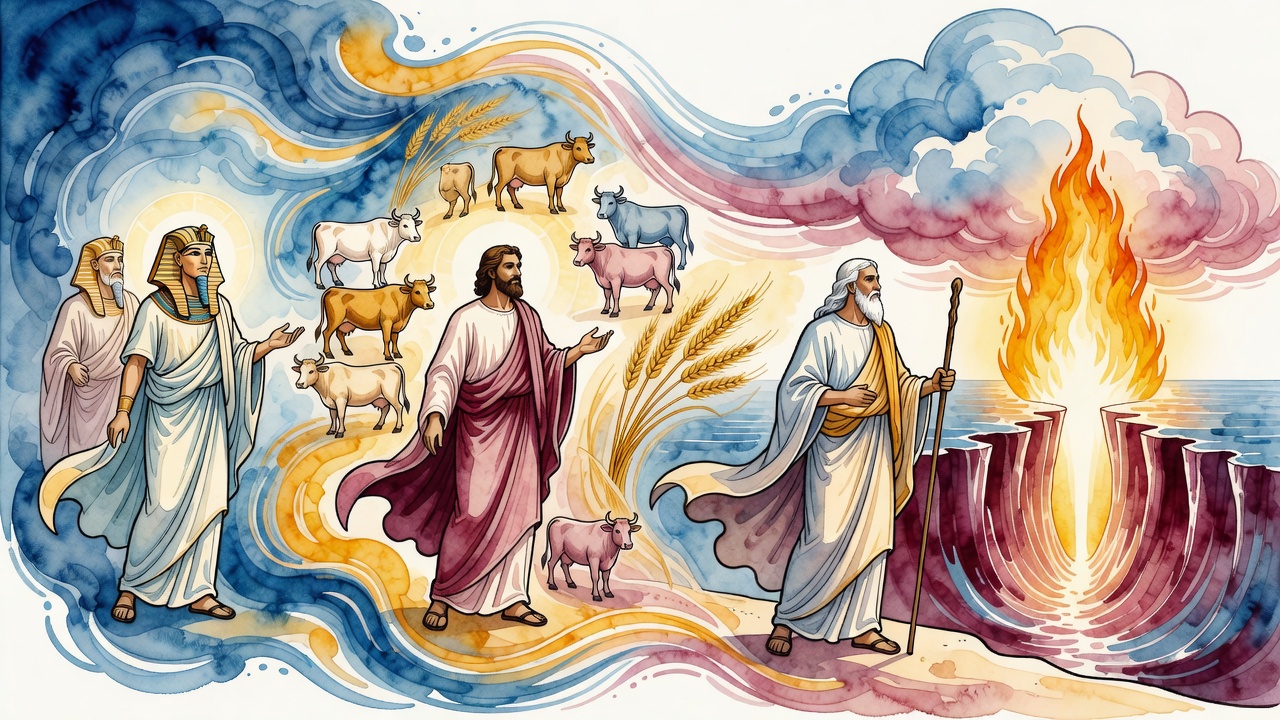
"There was with us a Hebrew youth, a servant of the chief executioner; and we recounted to him, and he explained the dream to us, to each man he explained the interpretation of his dream."
He did not say a man of astonishing insight. He said a Hebrew youth, a slave. Categories safe for a court. Gratitude as thin as a film of wine on a cup. Heaven used even that film. The butler mentioned Joseph. That was enough.
The accuracy still mattered. Joseph had read both dreams, good and bad. The baker's death stood as proof that this reader did not flatter. A king facing famine needed exactly that kind of honesty. A man who will not decorate a scaffold will not decorate a throne either, and Egypt would need that stubbornness when famine made flattery lethal.
Reuben Heard Blood Come Due
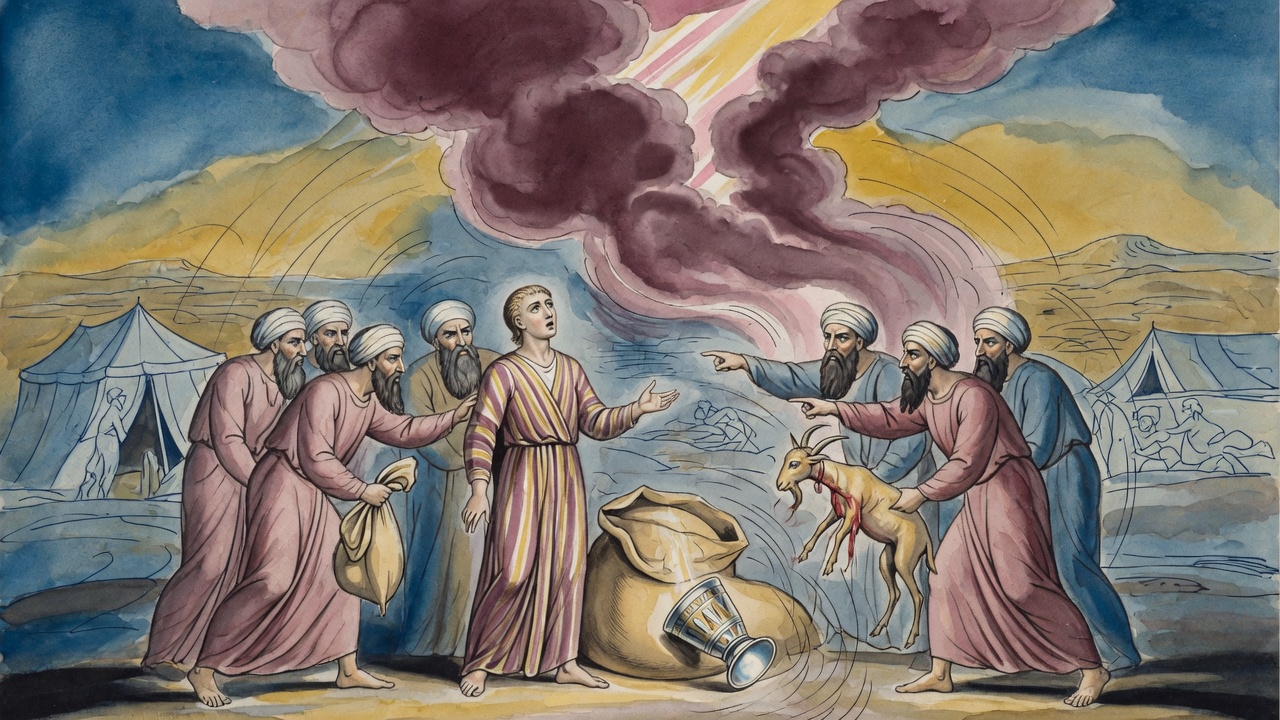
When the brothers later stood accused in Egypt, not knowing the man before them was the youth from the pit, Reuben found his rough vindication.
"Did I not tell you, saying, Do not sin against the youth? But you would not listen to me; and thus, behold, his blood is required of us."
At Dothan he had argued them down from murder, pushed for the pit, planned a later rescue. The plan failed when the caravan left with Joseph before he returned. Now, in a foreign prison's shadow, the old warning came back with interest. Blood required. The baskets' long reading of exile already had a first chapter written by brothers who would not hear.
Reuben had said the right thing early and been outvoted. Now the bill had come due in a language none of them yet understood. The man collecting it was the youth whose blood they thought was gone.
What the Prison Held
A dungeon in Egypt held more than two courtiers and one Hebrew slave. It held a map. Vines for blessing. Baskets for burden. A butler who forgets. A brother who remembers too late. Joseph sat between them and refused to make the future prettier than it was.
When Pharaoh finally lifted Joseph out, the three baskets still hung in the air of the prison. Personal dreams had been paid. National dreams were only beginning to charge interest. The Hebrew youth who would not flatter a baker would not flatter a king either. That was the gift Egypt did not know it needed.
In the yard outside the prison the baker's friends had waited for a softer prophecy and received a date of death instead. Some cursed Joseph for cruelty. Others noticed that the butler's good news had been just as plain. Cruelty would have been a lie shaped like comfort. Joseph refused that shape.
Reuben, replaying Dothan in his mind, finally understood that "do not sin against the youth" had been more than family ethics. It had been the first fork on a road of baskets and exiles. Blood required of us, he said, and the phrase held both the brother in the pit and the people who would one day carry history on their heads while birds circled. The dungeon had been a small room. The map inside it was not small.
← All myths