Three Prophets Refused Until God Would Not Turn
At the bush Moses asked God to send someone else. Let us see whose will shall stand, God answered. Jonah tried a ship the other way and came back by fish.
Table of Contents
 Click for full size
A Bush That Would Not Take No
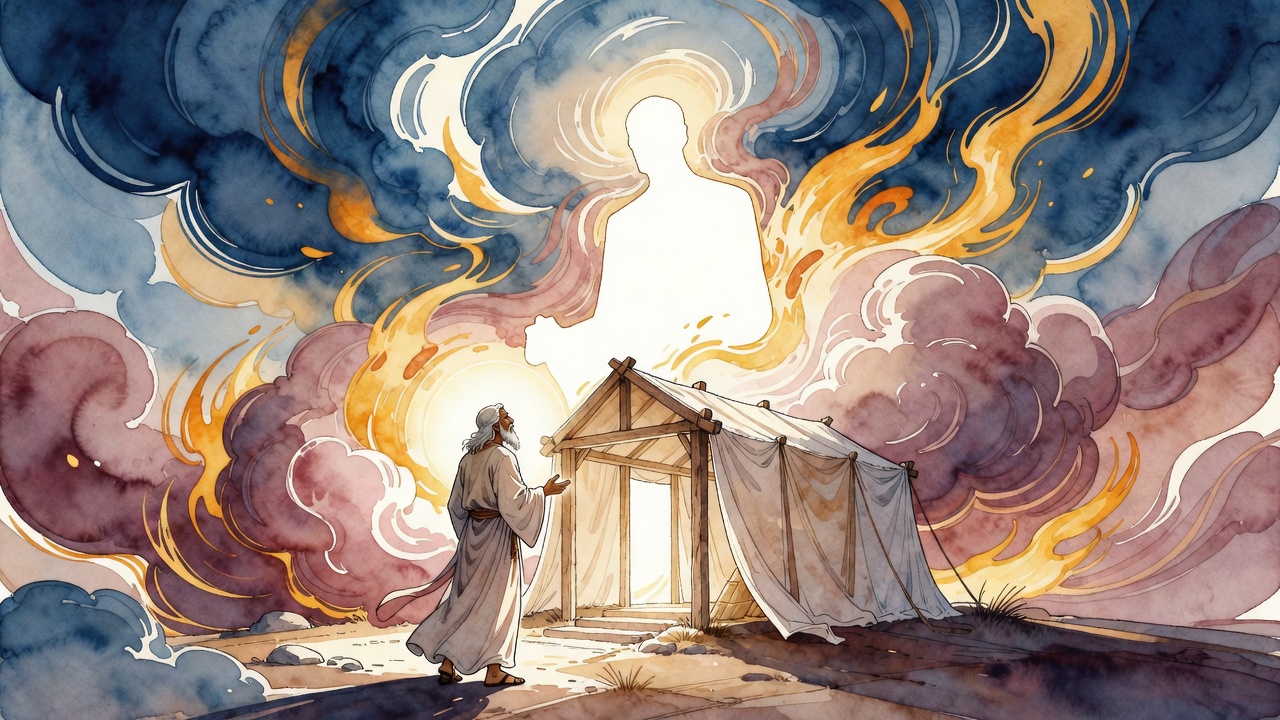
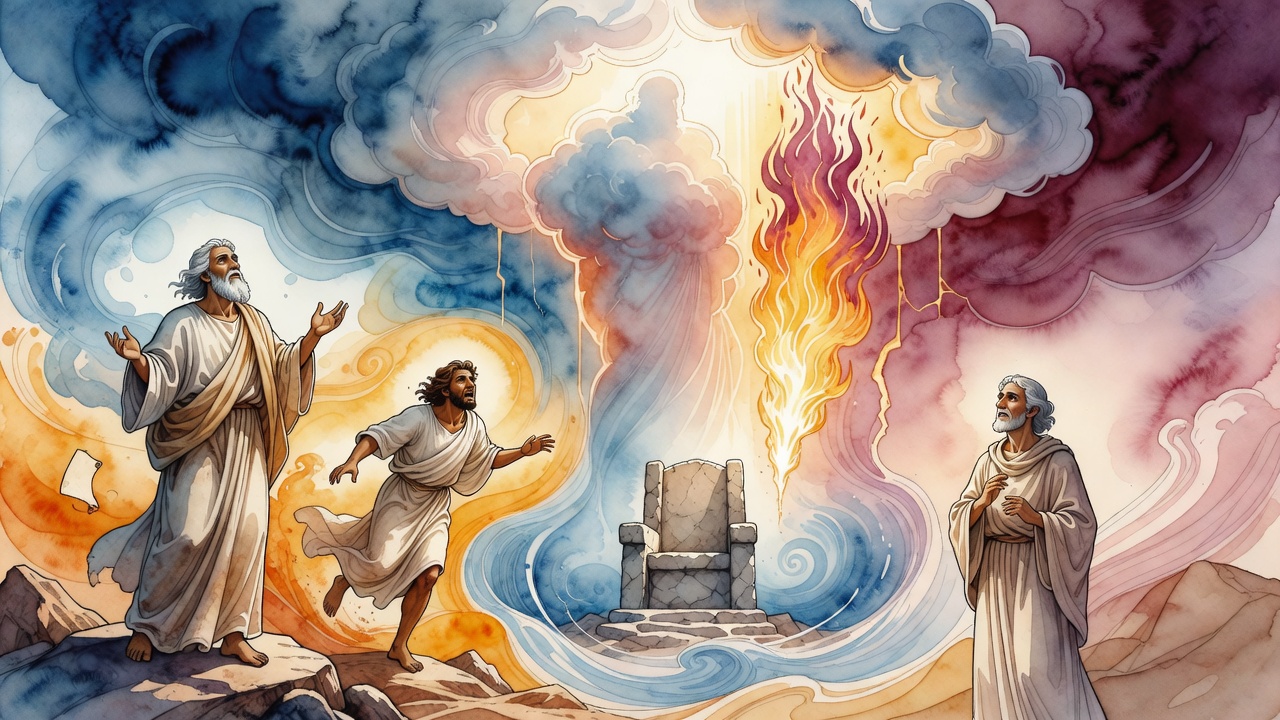
Moses stood before the flame that did not consume the bush and still tried to step backward. "Send, please, by the hand of another whom You will send." The Holy One answered with iron patience. I am telling you Come, and I will send you, and you say Send by another's hand. Let us see whose will shall stand.
Moses did not budge until he went. He returned to Yeter his father-in-law, packed the road to Egypt into his bones, and walked toward Pharaoh with a staff that would split seas. When the Master wills it, no servant's reluctance can turn Him back.
Jonah's Flight and Jeremiah's Youth
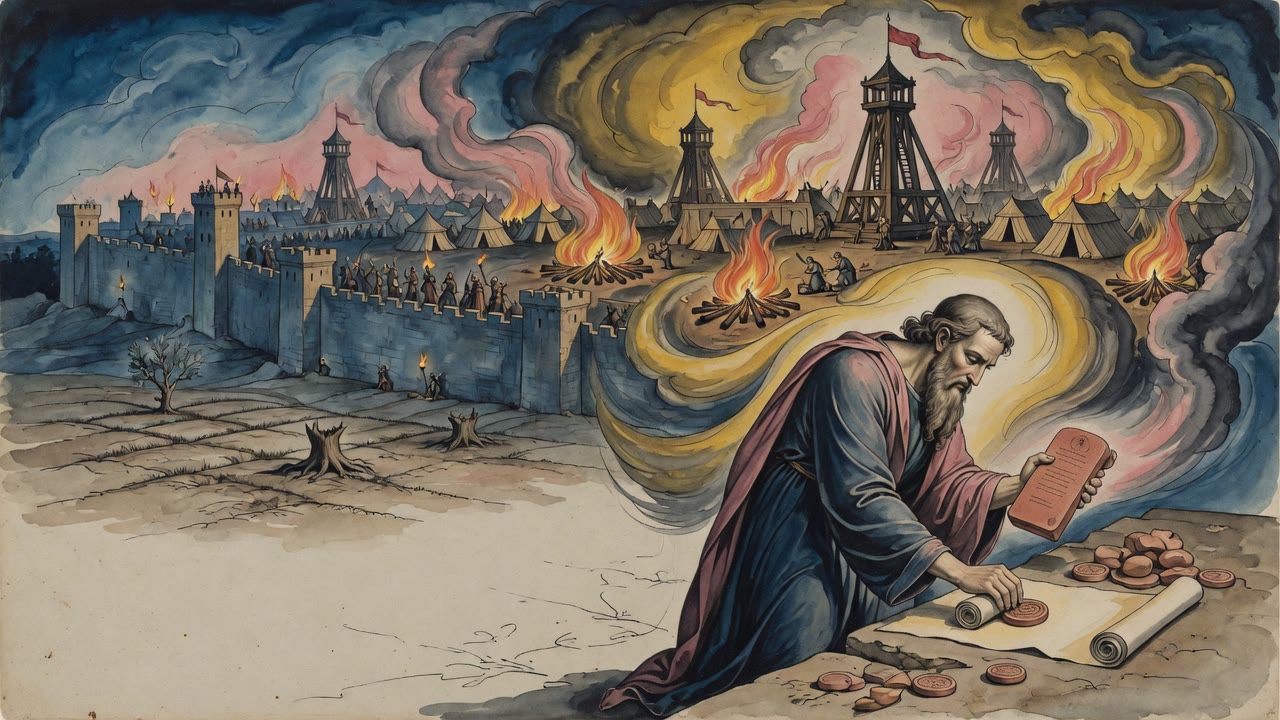
Jonah fled rather than go to Nineveh. The ship, the storm, the fish, the second command. In the end he arose and went according to the word of the LORD. Jeremiah pleaded, "I am but a lad." Do not say you are a lad, came the answer, for upon all that I send you, you shall go. He did not budge until he went on the mission.
Job's verse hangs over all three. He is One, and who can turn Him back? Whatever His soul desires, He does. Prophets may argue, bargain, hide in the hold of a ship. The sending remains.
A Priest of Midian Counts the Impossible
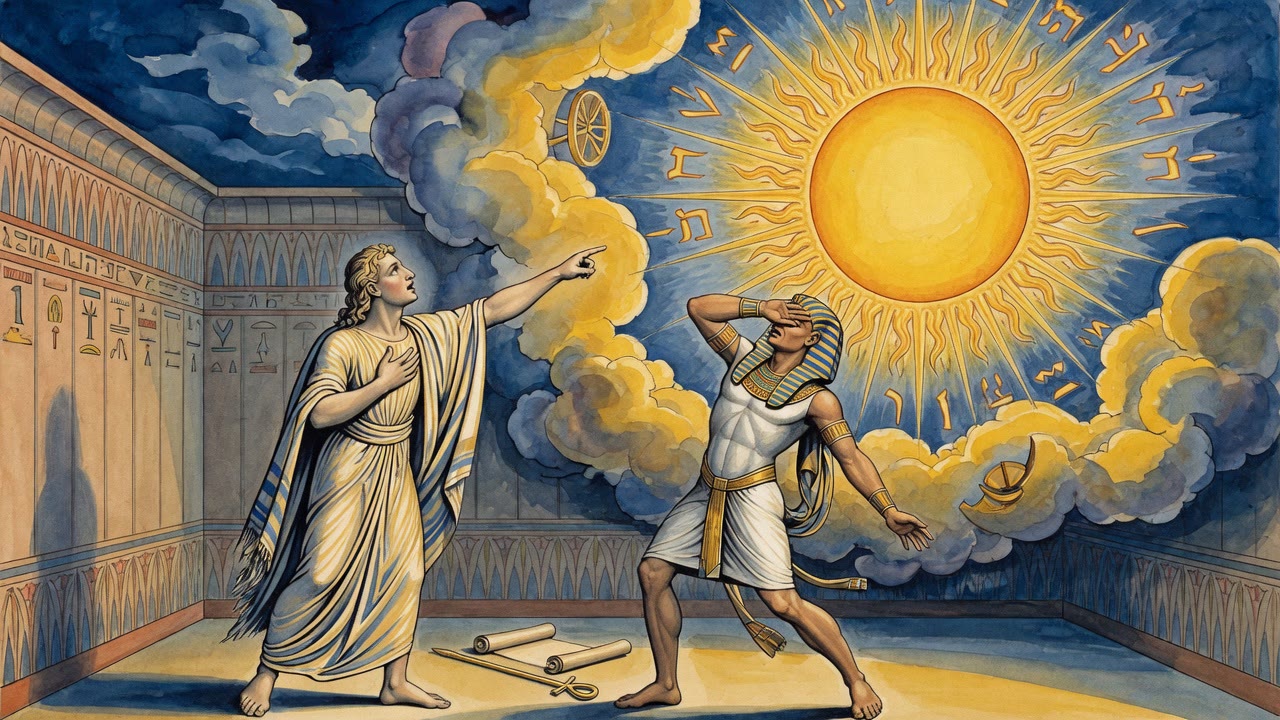
Jethro had seen the world. A slave, he knew, could never escape Egypt. Then God led out six hundred thousand. That arithmetic forced the words from his mouth. Now I know that the LORD is greater than all the gods.
The sages notice that four men once said things so bold that anyone else would have been laughed out of the room. Jethro's confession stands among them because he measured empire against exodus and found empire small. The reluctant Moses who left Jethro's tent returned as the man whose God Jethro finally named above every other power.
When Israel Became a People Who Hear
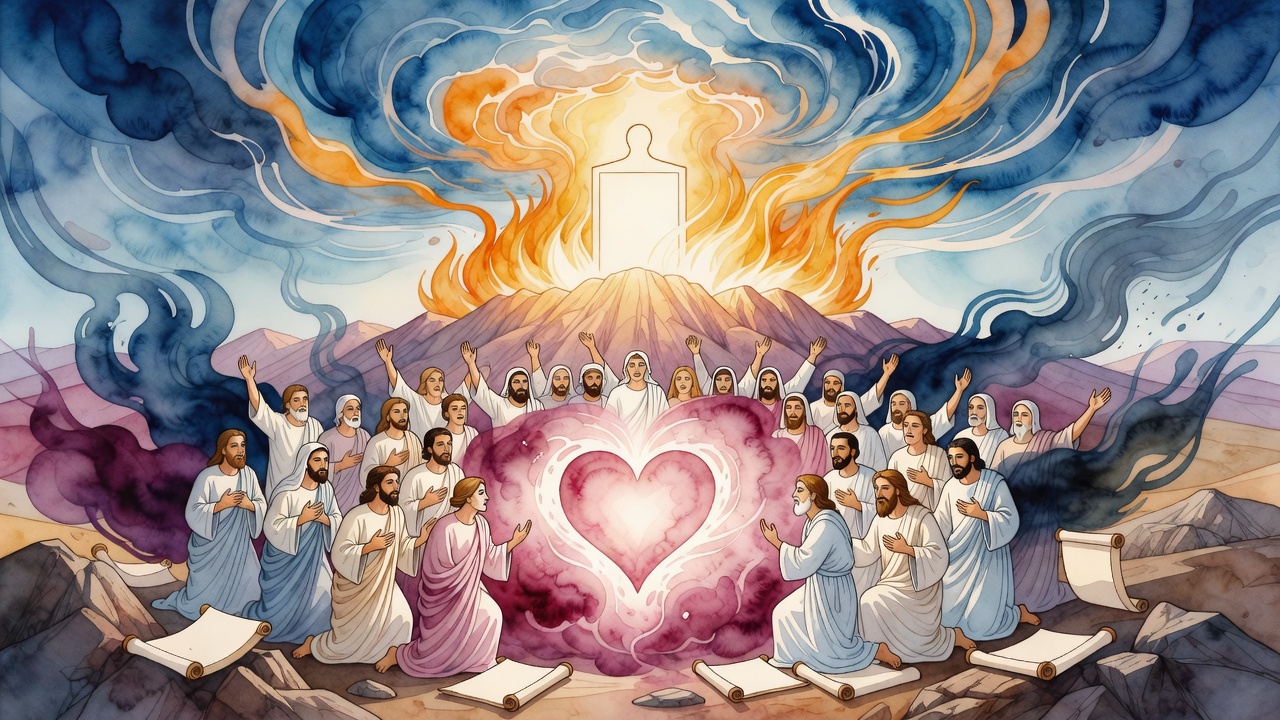
At Sinai the first word of the Ten Commandments opens a courtroom. "I am the LORD." Rabbi Pinchas the priest heard the Psalm behind it. Hear, O My people, and I will speak. Why must Israel hear? So that God would have, as it were, an opening of the mouth to argue Israel's case against the nations.
Elsewhere the midrash sets Israel beside an apple tree in the forest. Nations hurry past a tree that casts little shade. Israel sits in its shade and delights. They say "we will do" before "we will hear," blossom before leaf, action before full explanation. In Sivan the fruit of that choice ripens.
Moses who refused, Jonah who fled, Jeremiah who claimed youth, and Israel who answered first with deed, all meet the same One who will not be turned back. Reluctance is allowed a scene. It is not allowed the last word.
Reluctance is not treated as crime in these midrashim. It is treated as the human first draft of a mission. Moses, Jonah, and Jeremiah each get a scene of resistance so that obedience, when it comes, is chosen rather than mechanical. Jethro's "now I know" arrives only after the reluctant messenger has already done the impossible. Knowledge follows the deed that fear tried to cancel.
At the bush Moses lists objections like a man building a wall of reasons. Slow tongue, doubtful people, a stronger brother, a Pharaoh who will not listen. God answers each brick and then knocks the wall over with a single insistence. Go. The midrash loves the standoff because it shows that even the greatest prophet is not a puppet. Obedience arrives after argument, which makes the going heavier and more real.
Jonah's sea-road and Jeremiah's youth-plea widen the pattern. Flight and self-belittling are human drafts of mission. Nineveh still gets its warning. Judah still gets its tears. The One who cannot be turned back allows the prophet a scene of resistance so the mission is not mistaken for ease. Jethro, watching from Midian with a priest's practiced eye, does the arithmetic after the fact. Six hundred thousand out of a house of slaves. Now I know. Knowledge is late. The reluctant feet were already on the road.
Sinai gathers the nation into the same grammar. Hear, so that God may speak Israel's case. Sit in the thin shade of the apple tree when other nations hurry past. Say we will do before we will hear. The people who answer with deed first are the collective version of Moses finally packing for Egypt. Reluctance had its chapter. Covenant speech closes it without pretending the fear never happened.
Pharaoh will still harden. Nineveh will still repent in sackcloth. Judah will still weep. The midrash is not promising ease after obedience. It is promising that the refusal scene is not the end of the file. God keeps the mission open until the prophet's feet match the command.
← All myths