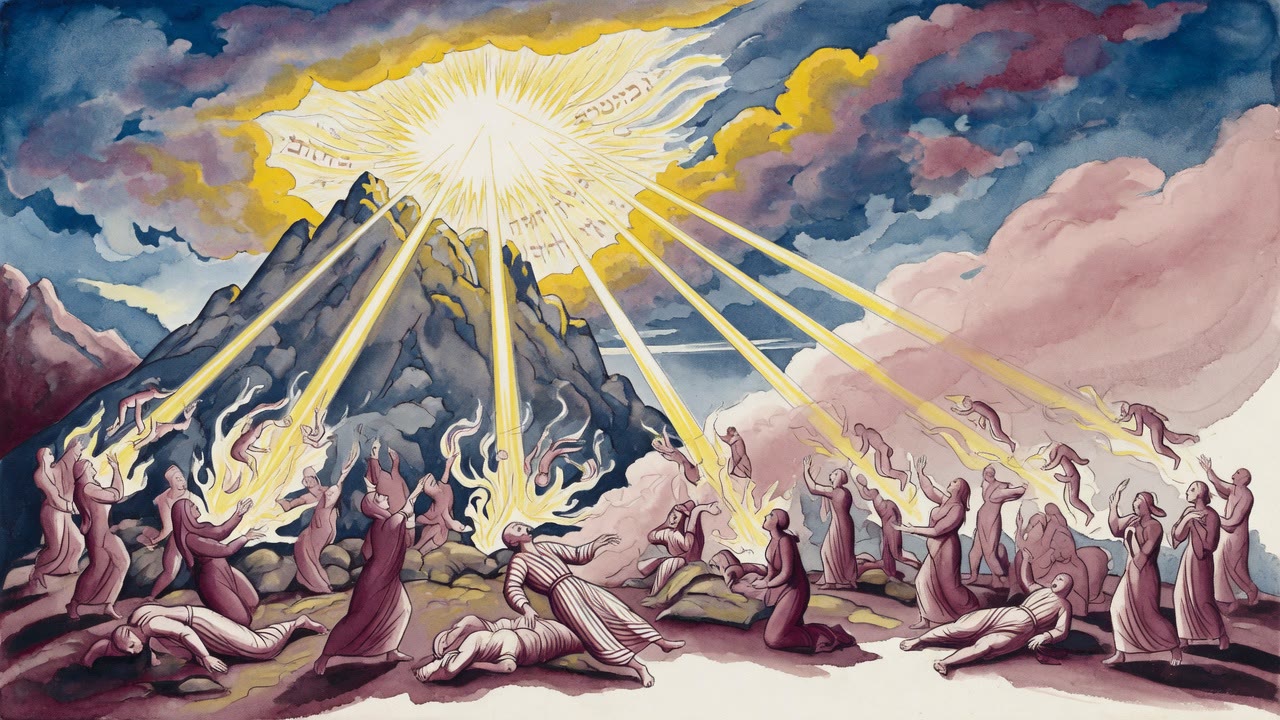
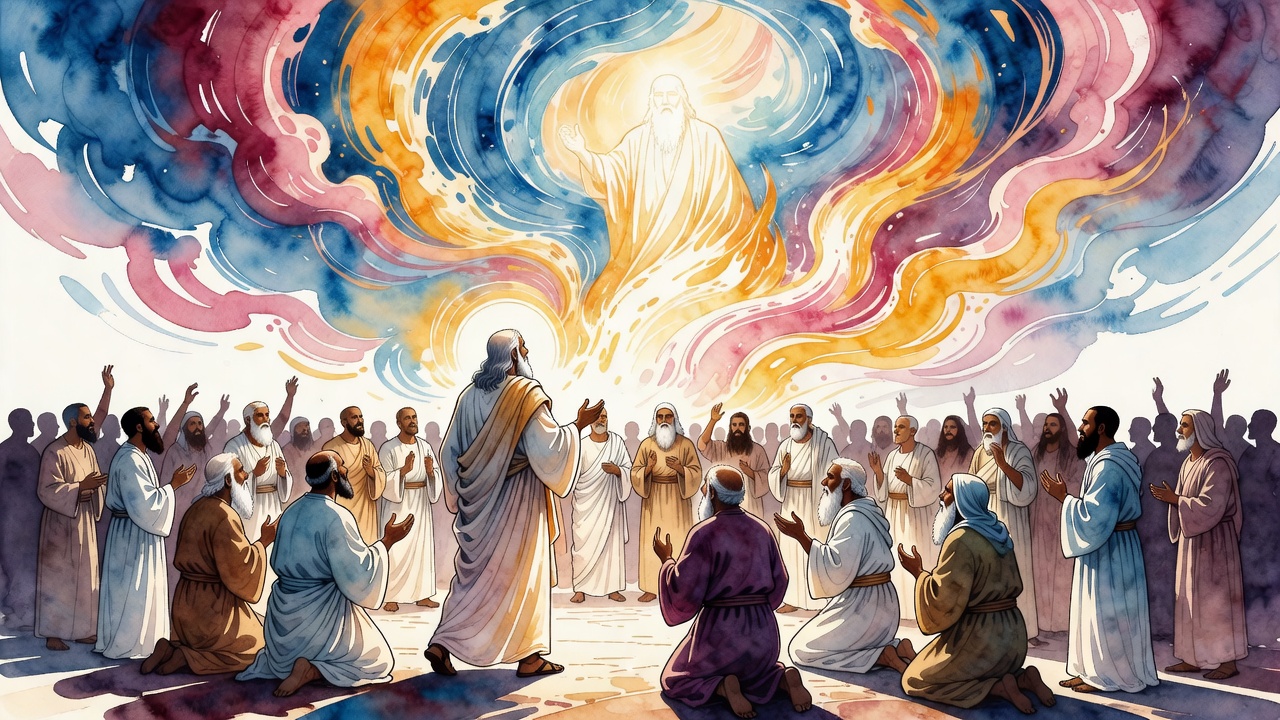
Torah Stood Near Israel Like a King's Daughter
A king kept his daughter hidden from every stranger. One friend saw her face. Moses wrote the betrothal and came down shining.
Table of Contents
 Click for full size
The Friend Who Saw Her Face
A king kept a daughter no stranger had seen. The palace doors stayed shut on her. One friend was always welcome in the royal rooms. Each time he entered, the princess stood there unveiled, as if she had been waiting in the room for him alone.
The king turned to that friend. "See how beloved you are to me. No creature knows my daughter, and she stands before you."
God said the same to Israel. "See how beloved you are to Me. There is no creature in My palace who knows the Torah, and I have given it to you." Wisdom is vanished from the eyes of all living (Job 28:21). For Israel the matter is not hidden (Deuteronomy 30:11). The matter is very near to you (Deuteronomy 30:14).
The Torah did not stay locked in a tower for angels alone. It stood in the open where a beloved friend could meet it without climbing a foreign wall. Other nations still hunt a wisdom that has vanished from living eyes. Israel opens a scroll that stands near, in the mouth and in the heart.
Moses Wrote the Betrothal
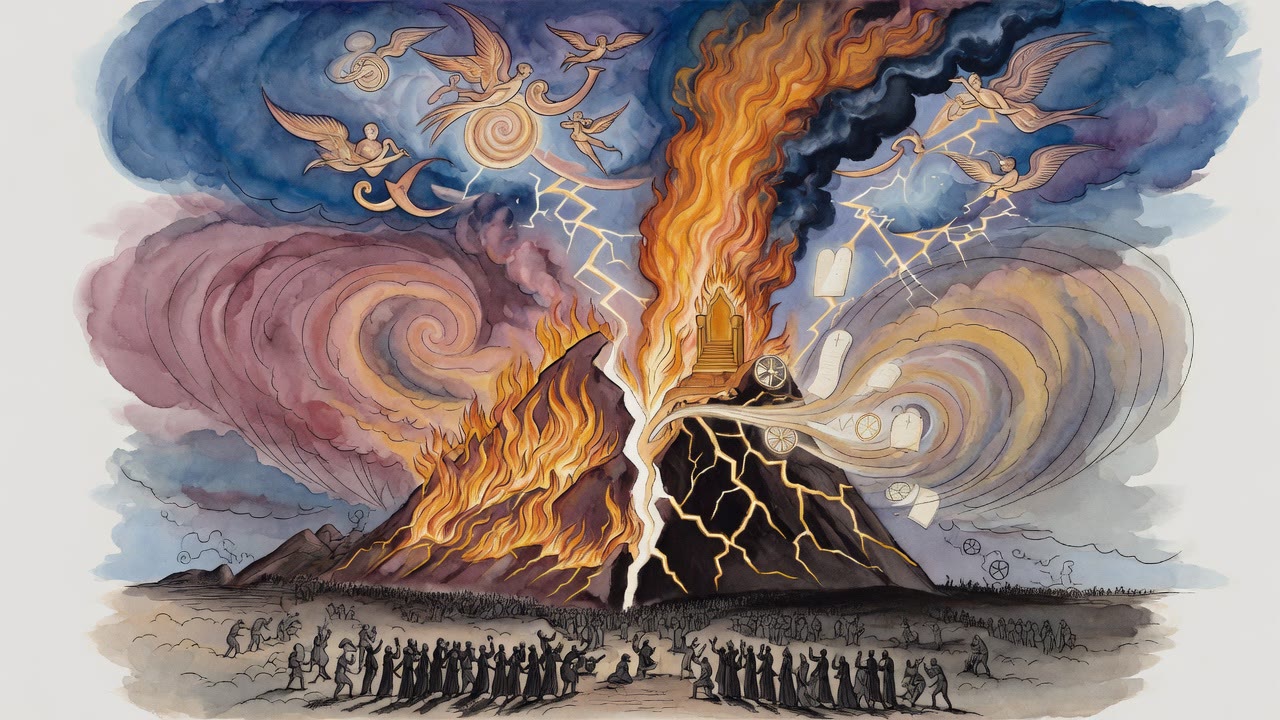
At that time the Lord said to Moses, Carve for yourself two tablets of stone like the first, and ascend to Me to the mountain, and make for yourself a wooden ark (Deuteronomy 10:1).
When a man betroths a woman, the groom pays the scribe, with the consent of both. Heaven was the groom. Israel was the bride. Moses was the scribe. He climbed with blank stone. He carved. The writing of this Torah (Deuteronomy 31:9) was the scribe's wage, paid in labor and in risk on the mountain. The document of sanctification at Sinai, Go to the people and sanctify them today and tomorrow (Exodus 19:10), came from his hand.
He did not steal a secret from heaven. Heaven unveiled a daughter and hired a scribe from among the redeemed. Moses paid that wage in full. Ascent. Carving. Writing. Night on the rock, and the second stone waiting under his chisel because the first pair had already broken.
His Face Shone and He Did Not Know
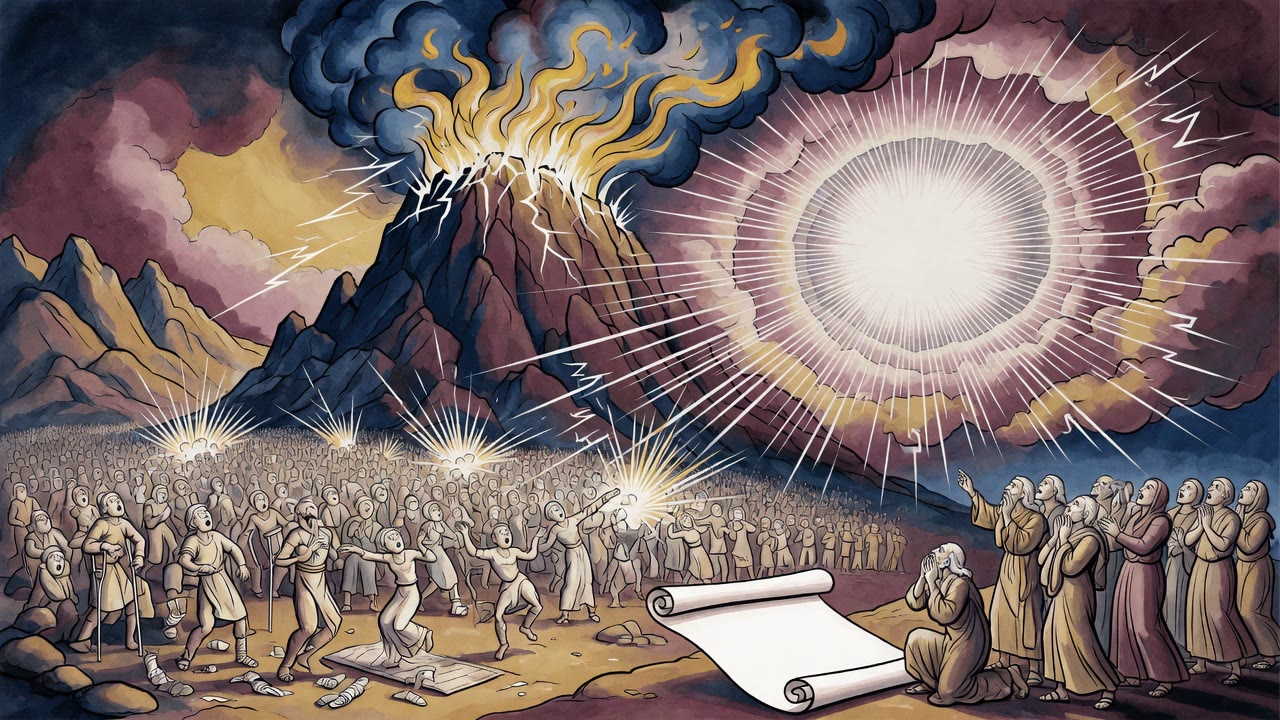
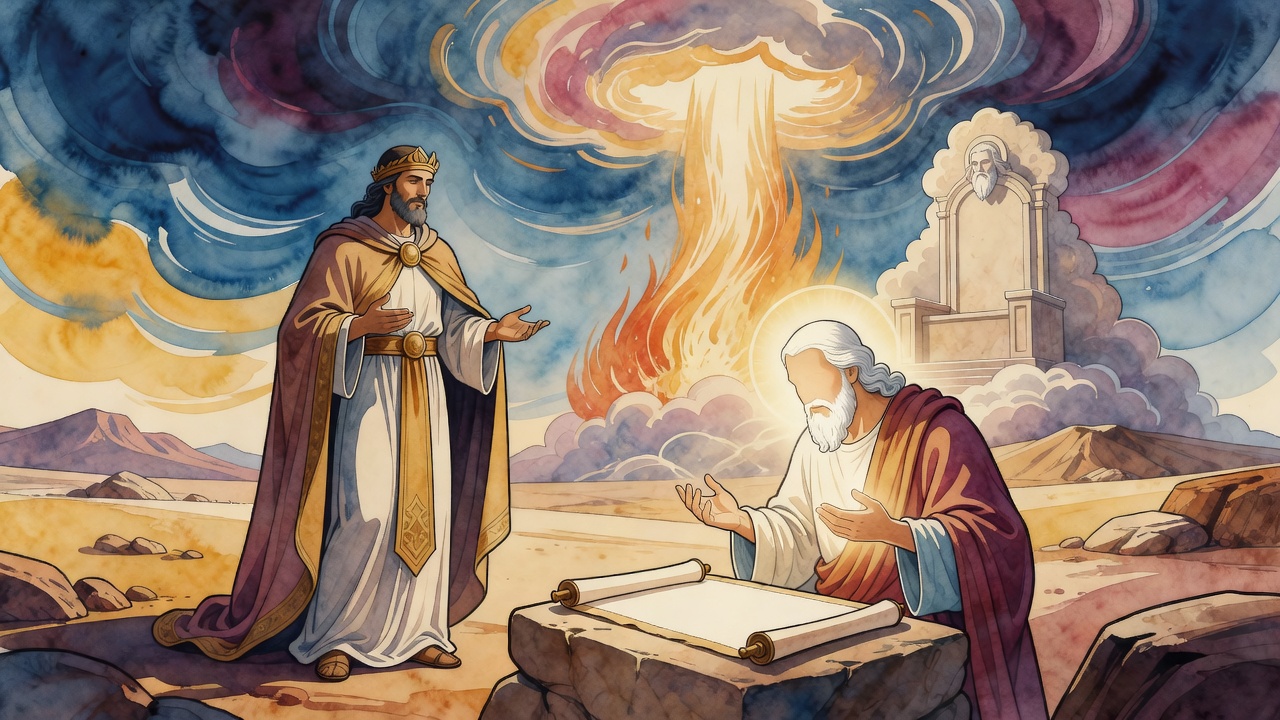
God paid Moses for that task with a face that shone. Moses did not know that the skin of his face was radiant (Exodus 34:29). Upon His speaking with him. When Moses wrote, the shine came. The ink and the light were one work.
He came down the mountain lit from within. Israel saw him first. They stepped back. Moses did not understand the recoil until he put a hand to his own skin and felt heat that was not sun. The ark he had been told to make would hold the words that had already lit his face.
The scribe could not see the receipt. The bride could. That was the strange economy of Sinai. Labor on the mountain, light on the descent, and a people who had to be told to come near again.
Wood for the Second Stone
Make for yourself a wooden ark. The second tablets needed a home. The first breaking still hung in the air. The new stone would travel in wood shaped by the same hands that had written the betrothal of a nation. Salvation here is not a battlefield slogan. It is a box that keeps the covenant from shattering a second time while the people walk.
The friend who sees the daughter also builds her a chamber that can move through desert sand. Nearness is carpentry and carrying poles and a face that glows because the writing burned clean through the scribe. Moses cut wood. He fitted poles. He made a room that could walk.
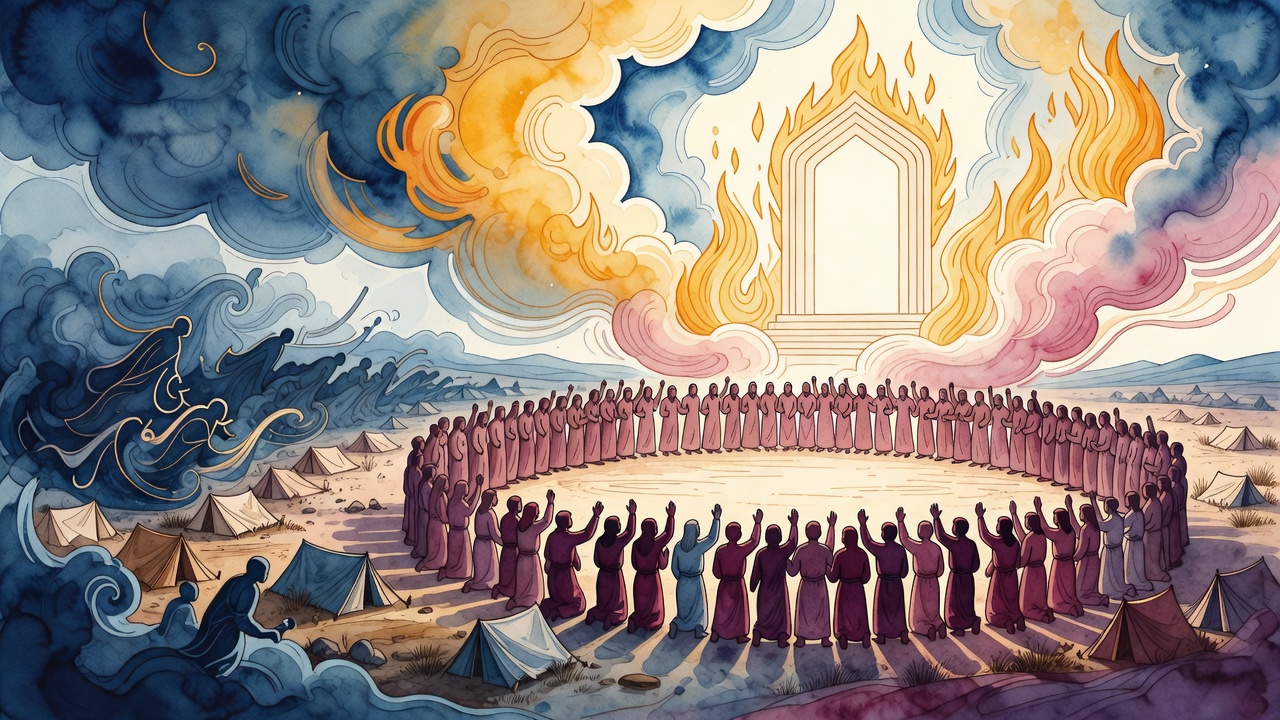
On the day Moses came down shining and the wooden ark waited for the second stone, the king's daughter was no longer hidden. She was near, written, and ready to walk. Angels, in other tellings, protest when the Torah leaves heaven for dust. Friendship answers them. The king does not lose a daughter by unveiling her to the one he loves. He proves the love.
Near means the word sits in mouth and heart, not that it costs nothing. Near means the princess is present in the friend's house, not that she is common property of every passerby. Israel carries her in wood and speech. The shine on Moses' skin remains the receipt for the writing.
← All myths