A Captive of War Bred a Rebel Son for David
Maacah was the daughter of Talmai, king of Geshur, and David wanted her while he was out at war. Her son was Absalom, who split the kingdom in two.
Table of Contents
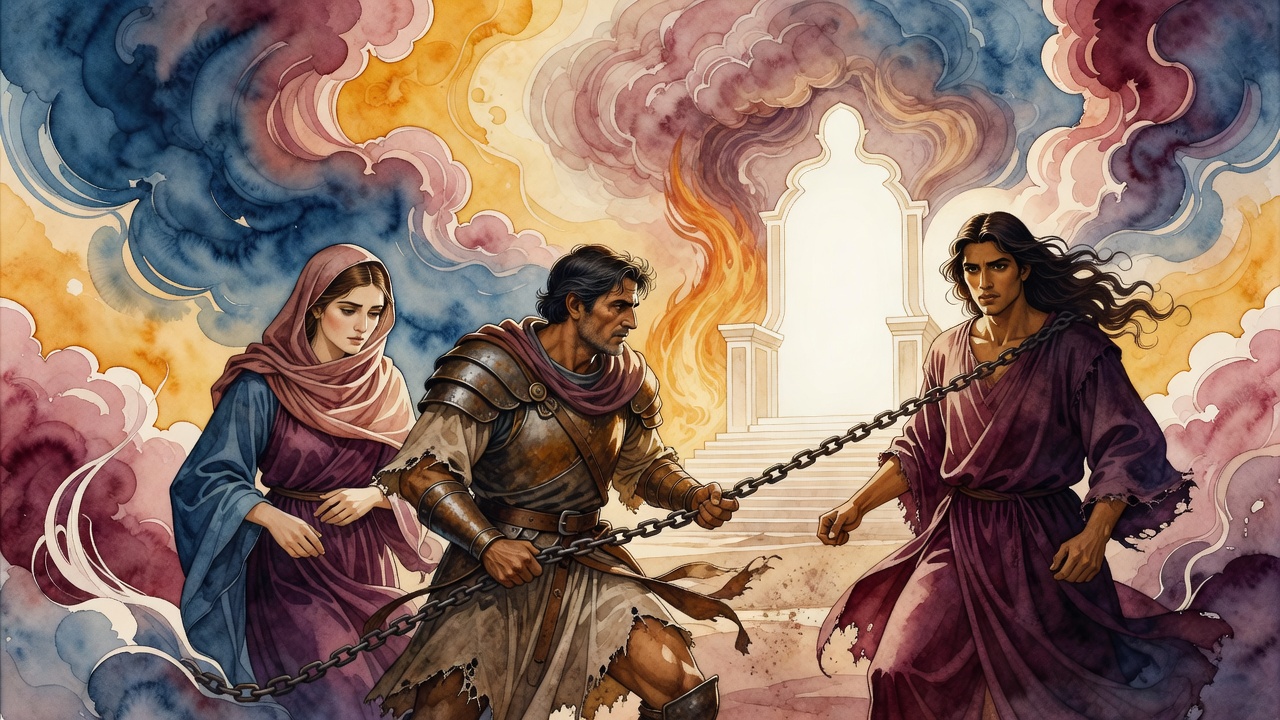
The soldier saw her among the captives and desire entered the camp with a permission slip still warm from battle. The Torah will later set the sequence in plain sight for anyone who reads past the first allowance. For now there is only a face, a war, and a man who tells himself the law will clean what heat began.
 Click for full size
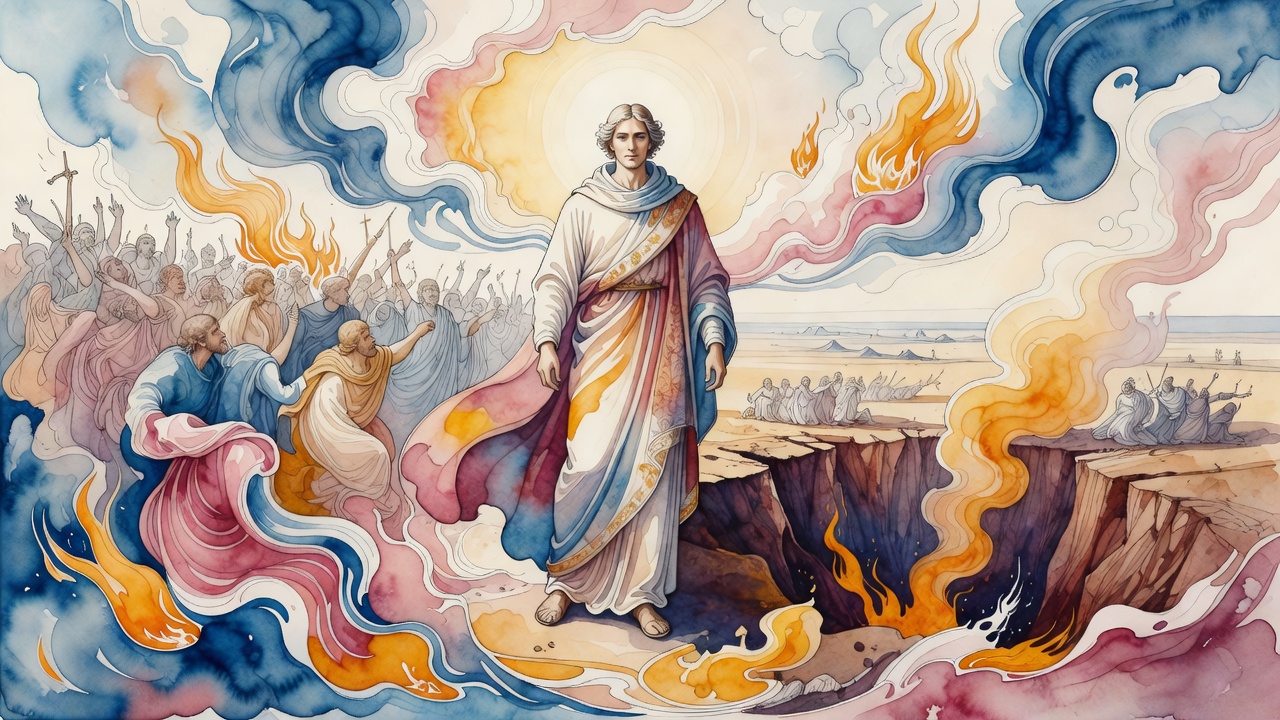
David desired Maacah, daughter of Talmai king of Geshur, when he went out to war. From that desire came Absalom, who sought his father's life, defiled his father's wives in daylight, split the kingdom, and pulled myriads of Israel into a ruin that still tastes of oak and hair.
Momentum Has a Direction
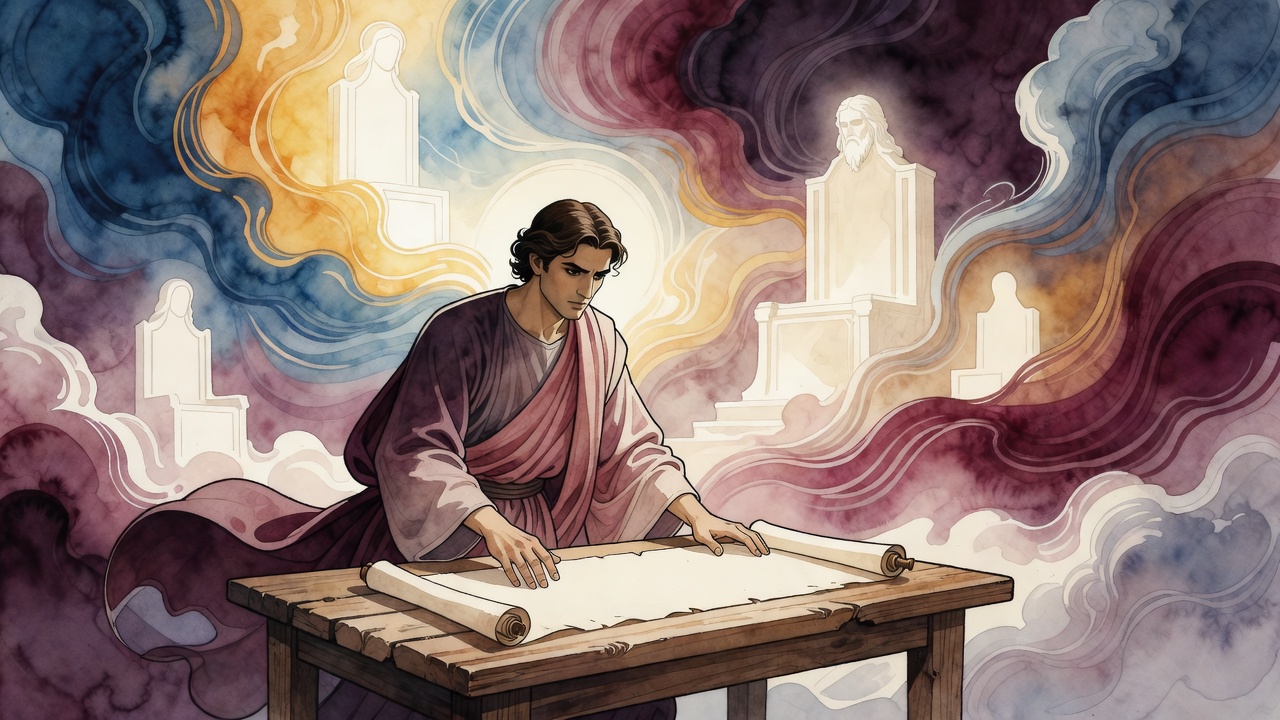
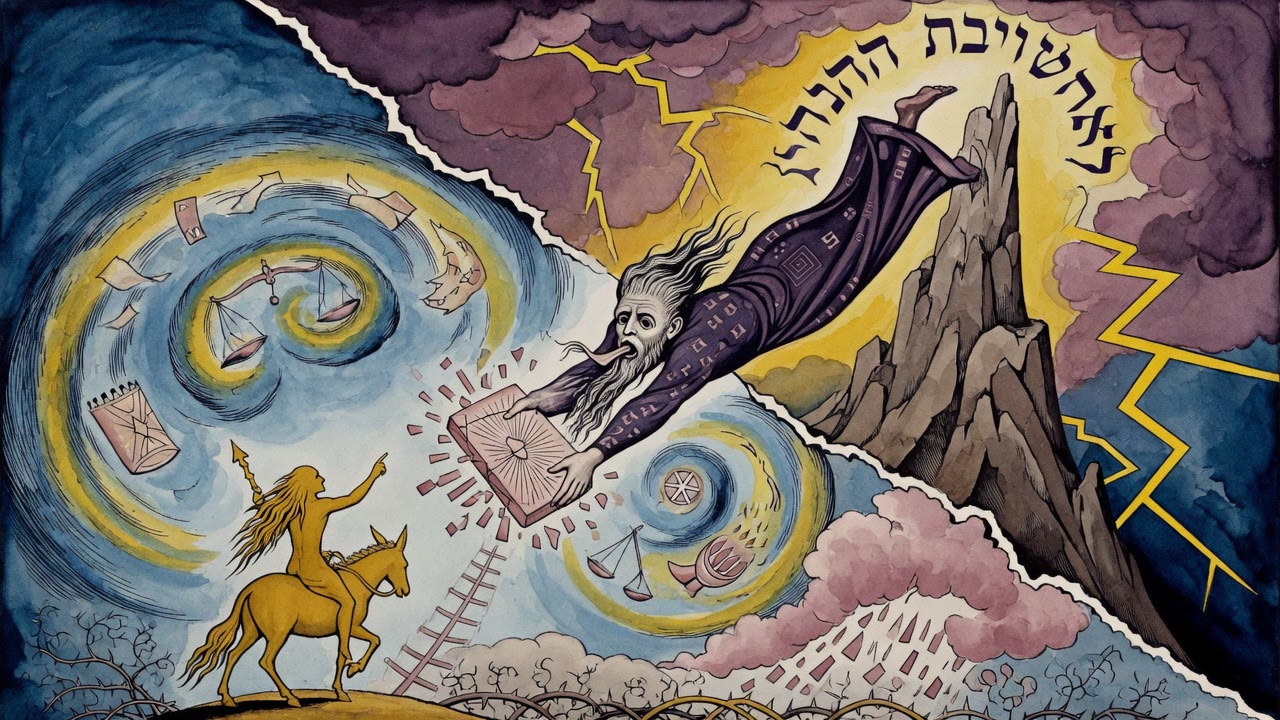
One deed drags another of its kind. Sin reaches for sin the way fire reaches for dry wood. "When you go out to war" and take a beautiful captive, the Maggid warns, watch the next passages as if they were already consequences. A house with two wives fills with love and hate under one roof. Then a defiant and rebellious son hardens his neck against father and court. Whoever seizes the captive breeds the rebel. The scroll of Ki Teitzei lays the sequence like a road map no one wants to read until the wheels are already turning and the dust is high.
The upward chain exists too, and the midrash will not let only disaster own momentum. Send the mother bird away, and blessing draws blessing: house, parapet, vineyard, honest harness, pure garments, tzitzit, marriage, children. Deeds call their own company. David learned the downward company by fire, by conspiracy, and by a son's ambition that wore charm like armor.
Permission is not the same as safety. The captive law fences desire; it does not erase the road desire opens.
Anger Without a Needle
Midrash weighs fathers and sons by their speech when the house shakes. When Jacob burned with anger at Laban after fleeing the house of idols and contracts, you might expect blows and loot carried off in the night. Look closely, said Rabbi Simon. There was nothing there but words of appeasement. In the ordinary way of the world a man leaving his father-in-law's house carries something off in his hand. Jacob took nothing, not a needle or a pin. Even his anger was clean. Severity without theft. Heat without plunder.
Now weigh the meekness of descendants. David, gentlest of men in the songs, flees and speaks softly to Jonathan, and still bloodshed rises in his pleading. The father rages and draws no blood. The son pleads and cannot keep blood from his mouth. So the severity of the patriarchs can outshine the softness of their children when softness still carries a sword in its vocabulary.
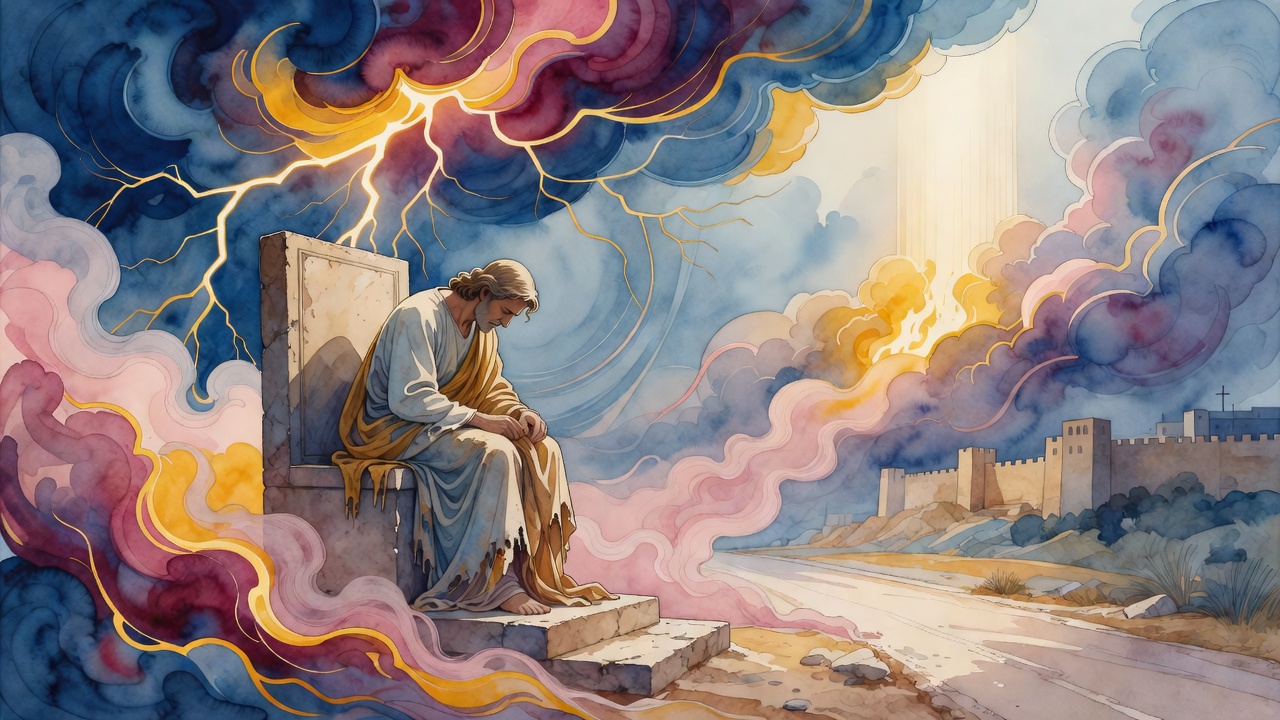
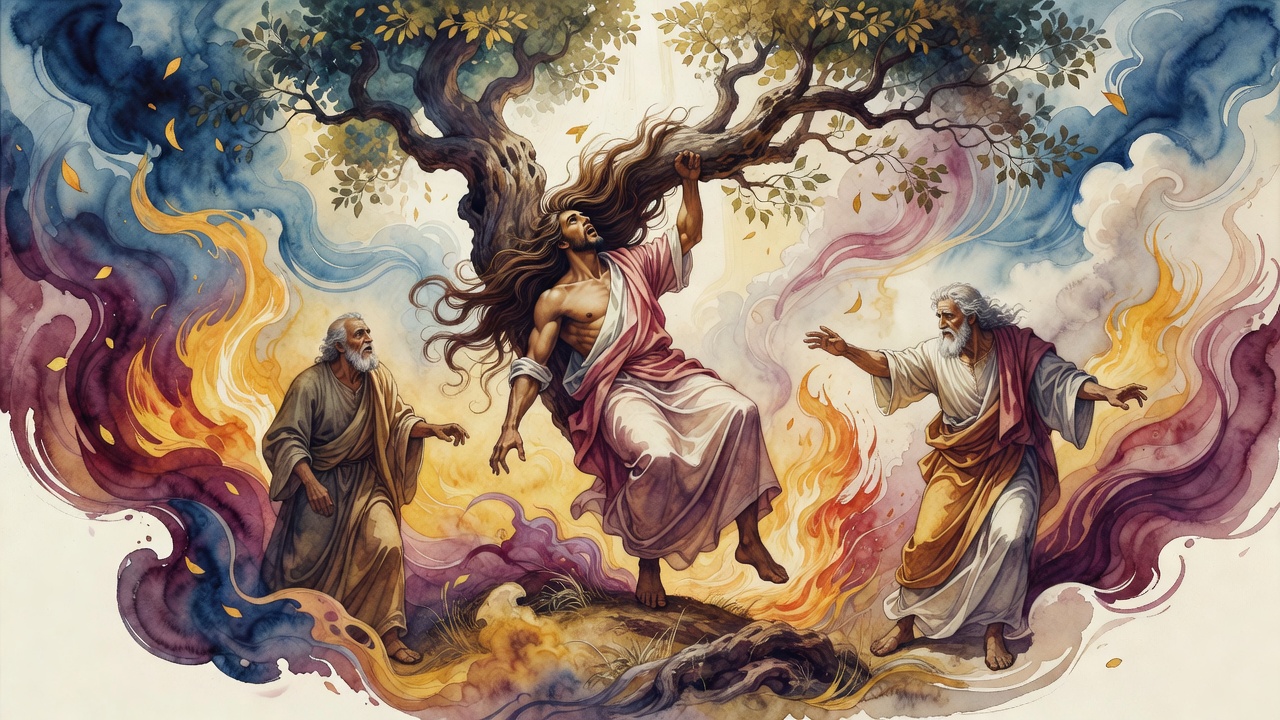
Absalom is the extreme of that fall. A household once joined by wartime desire ends in a wood where a son's hair becomes a noose for a kingdom's grief, and a father who once took what war offered weeps for the rebel that first heat helped breed.
The Clan Spared for a Name
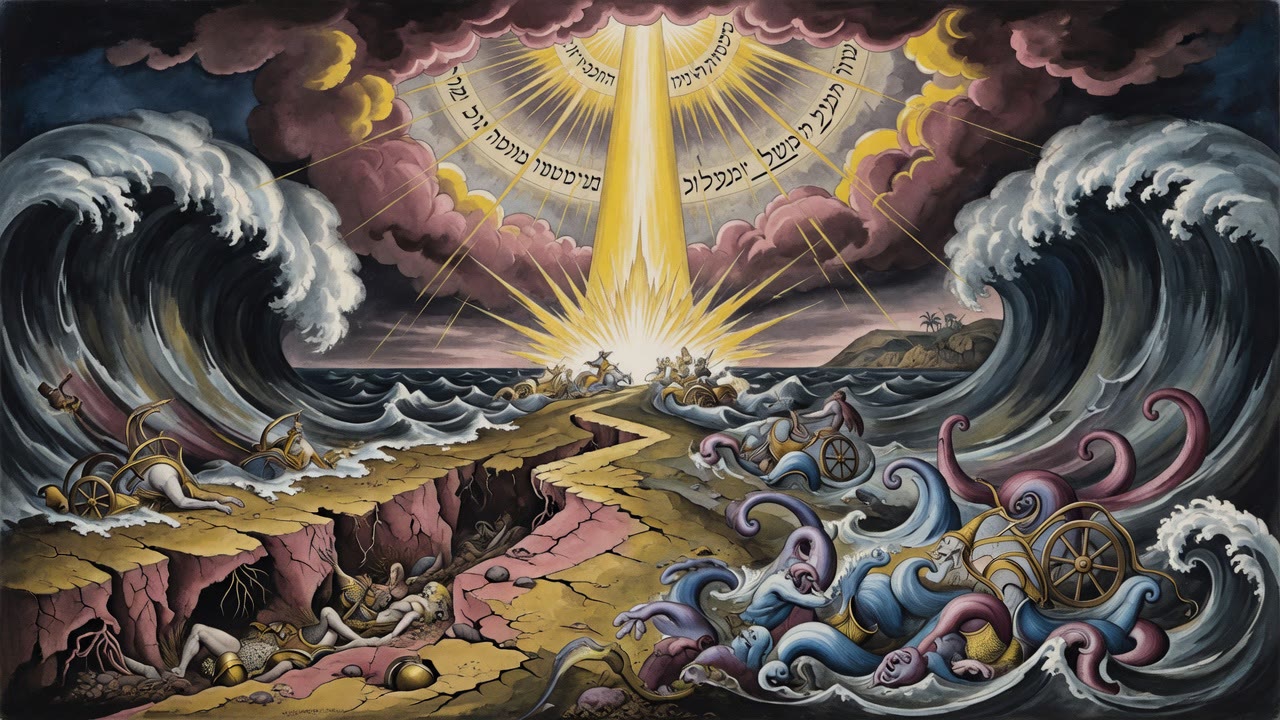
Another rebellion tested a different mercy, not in a king's bedroom but in the census of carriers. When the Kohathites were numbered, a warning came with the count: do not cut off the families of the Kohathite. Why the tenderness toward one clan? Because Korah, a son of Kohath, would rise against Moses and Aaron, and God refused to destroy the Levites for one man's quarrel over priesthood. For the sake of My name I will defer My anger, that I may not cut you off.
A king finds his beloved son among robbers when the gang is caught. If he executes the whole band at once, the prince dies with them. For the son's sake he holds back, not because the crime is small, but because the name and the blood inside the crime still matter. The Kohathites bore the holy vessels on their shoulders; no wagons were given them for that burden. Half the divine Name hides in "ha-Kohathi." How cut off the clan that carries Name and sanctuary on its own bones? Anger deferred is not blindness. It is protection of a service larger than the rebel who rose from inside it.
Korah opened the earth. The shoulders that carried holiness were not erased with him.
Desire, Speech, and Deferred Fire
David's war-born desire bred a son who tore the realm. Jacob's clean anger left no stolen pin on the road from Laban. Korah's fire was real, yet the Kohathite shoulders that carried holiness were not erased for his sake alone. Three pressures share one field: what you take in heat becomes household fate; how you speak in quarrel reveals whether severity is pure; whom heaven spares may be spared for a Name sewn into their work.
Absalom still rides through the story as the captive's long echo. The rope of consequence does not always wait for a gallows in a foreign square. Sometimes it grows in a son's hair under an oak, while the father who once saw a beautiful face among captives learns that war's permissions can father peacetime rebellions no army can put down with ease.
← All myths