63 myths · Page 2 of 3
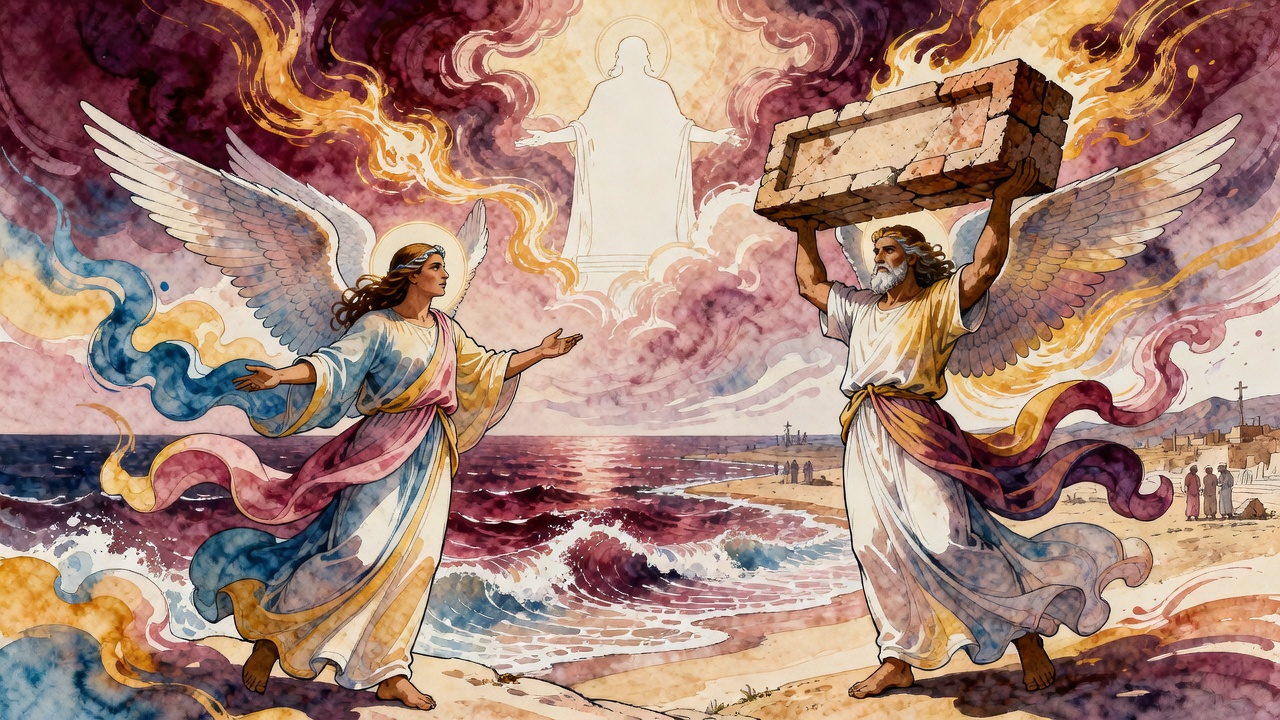
Egypt's angel said the slaves had already been paid in silver. Gabriel held up a brick-mold with straw still stuck in the corners.
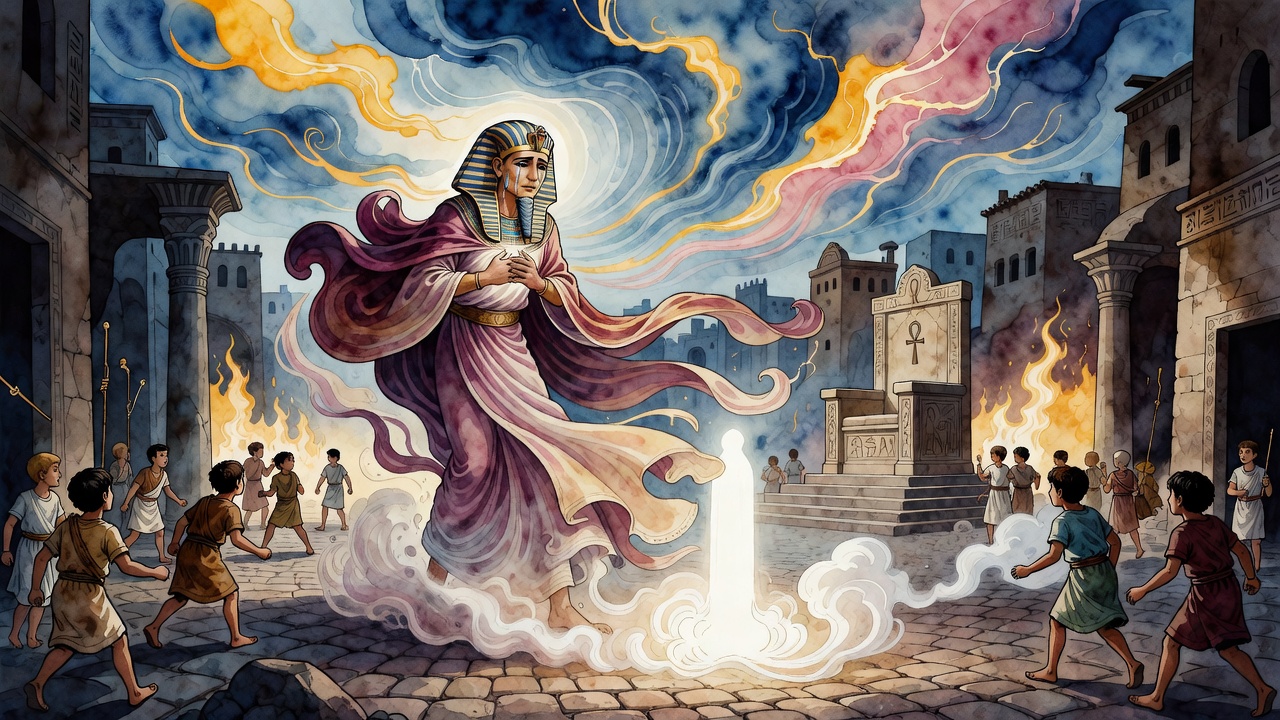
On the night death walked Egypt, Pharaoh wandered the streets weeping for Moses, while Hebrew boys misled the king who no longer knew where his slaves slept.
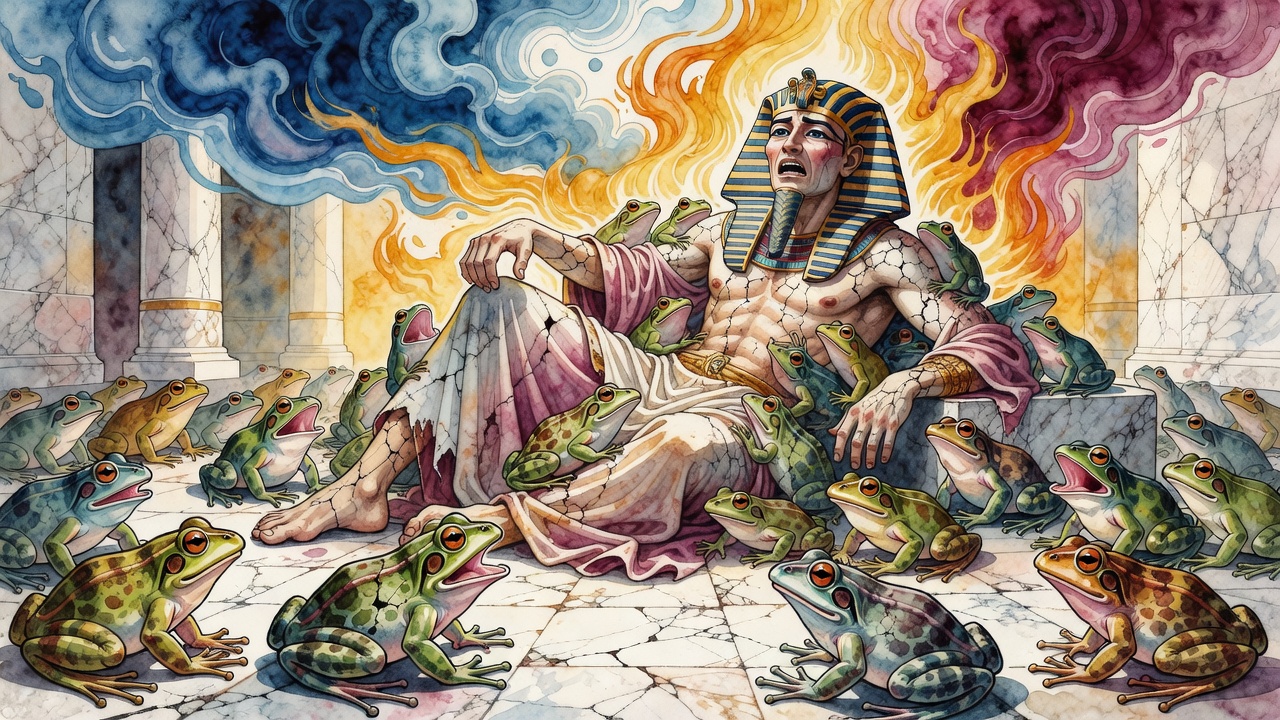
One frog croaked and an army answered, marble cracked on command, and Pharaoh finally suffered in his own body what blood in the Nile had left untouched.
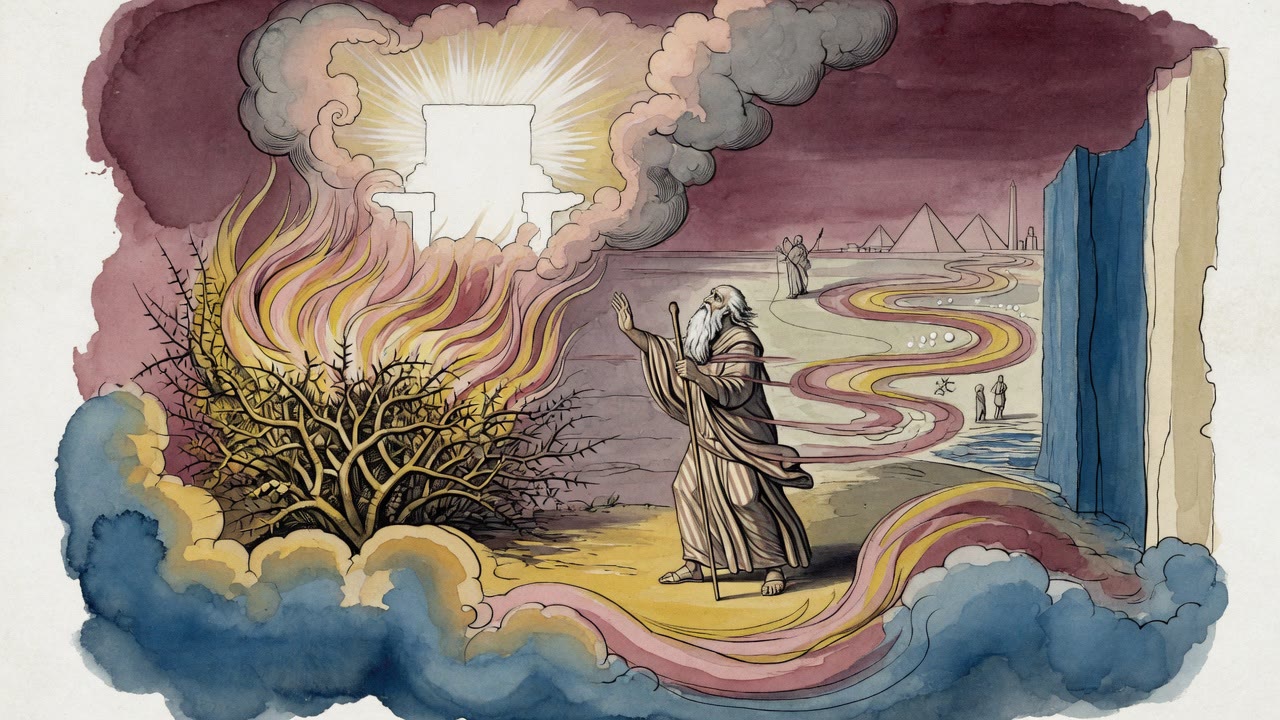
At the bush Moses asked God to send someone else. God sent him anyway, and eighty-year-old Moses walked Egypt into plagues and a split sea.
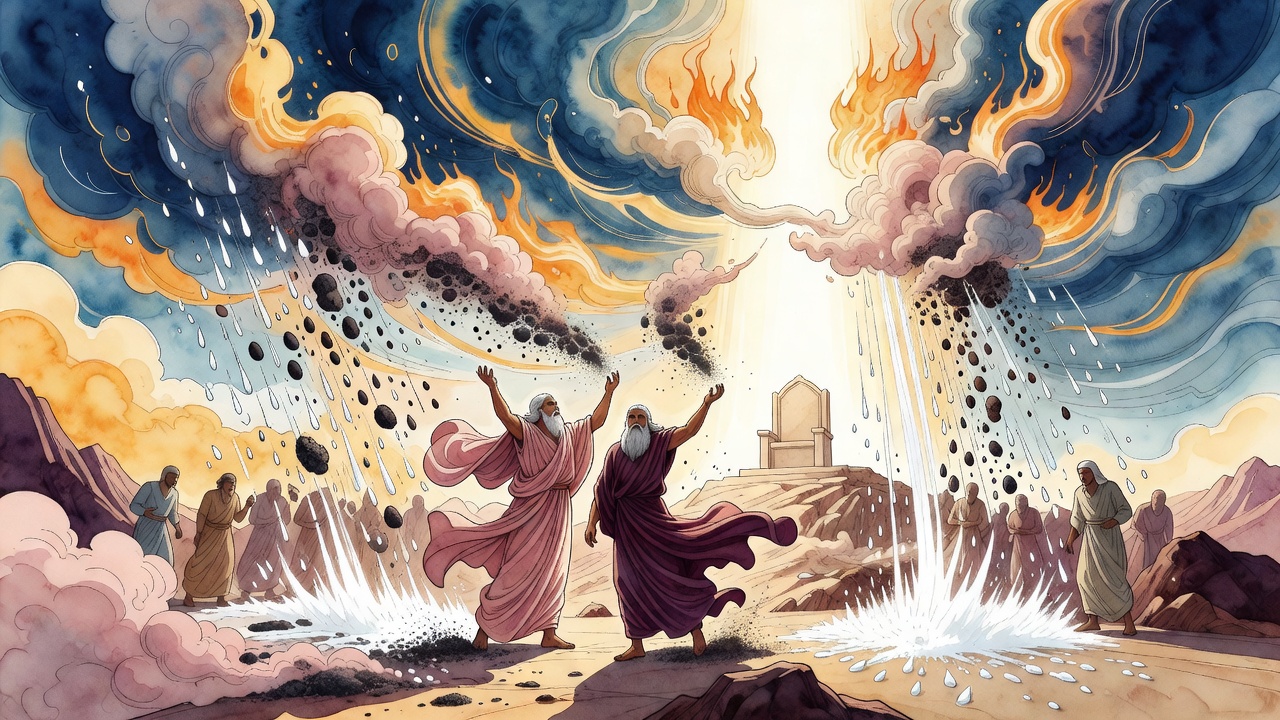
Moses and Aaron each scooped ash from the brick furnace. Moses held both handfuls in one palm and threw them at the sky.
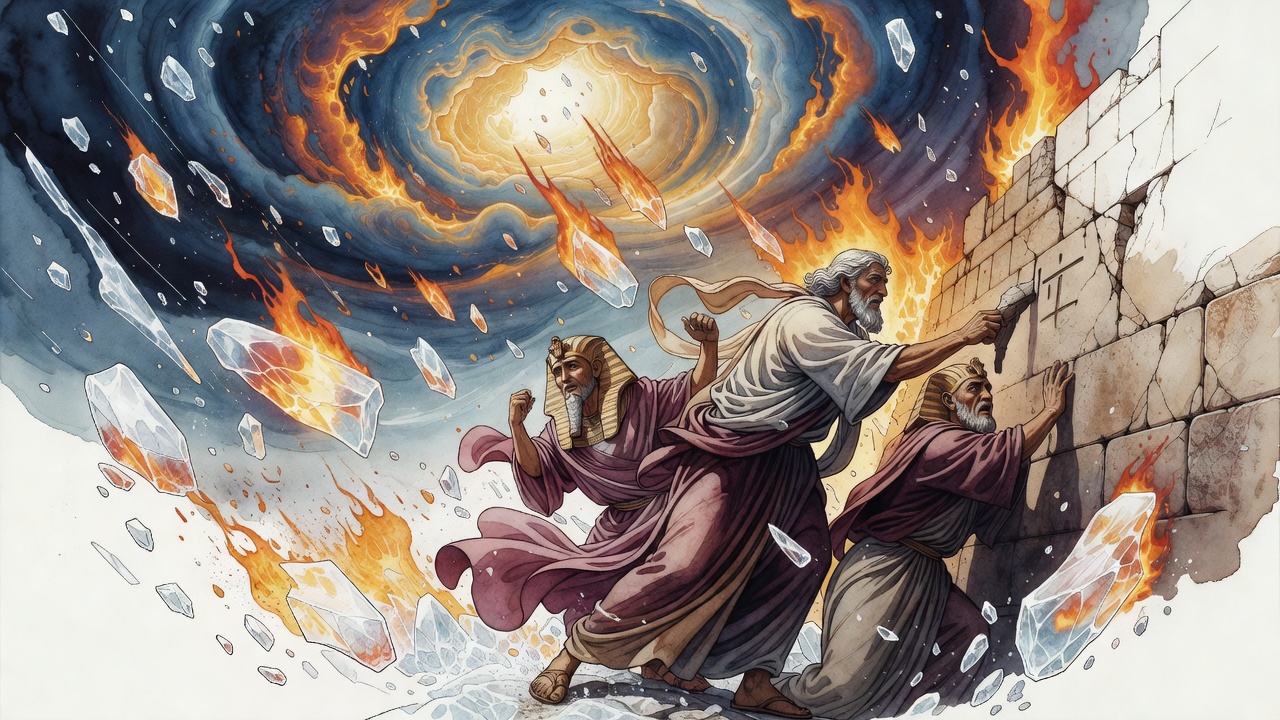
Moses scratched a line in Pharaoh's plaster and named the hour. When the sun reached it, ice fell with fire still burning inside.
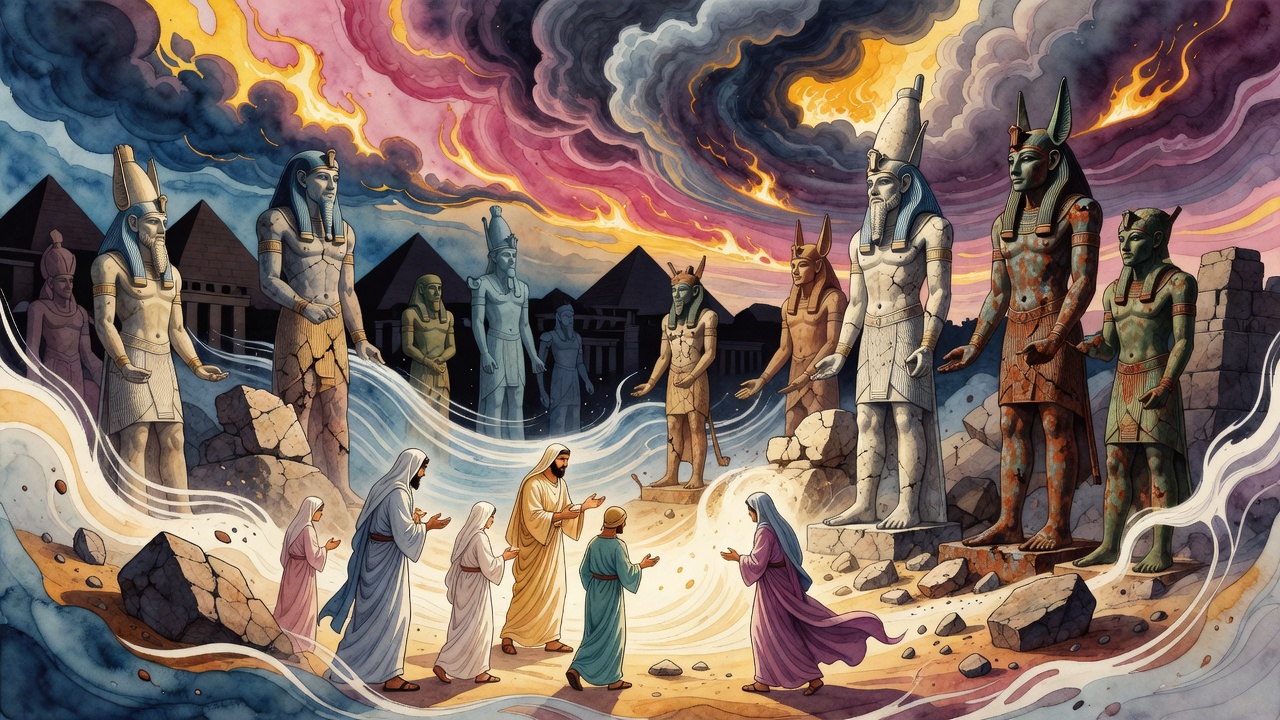
Priests put their hands on powder that had been a god. Houses next door were burying firstborn sons. One idol still stood by the sea.
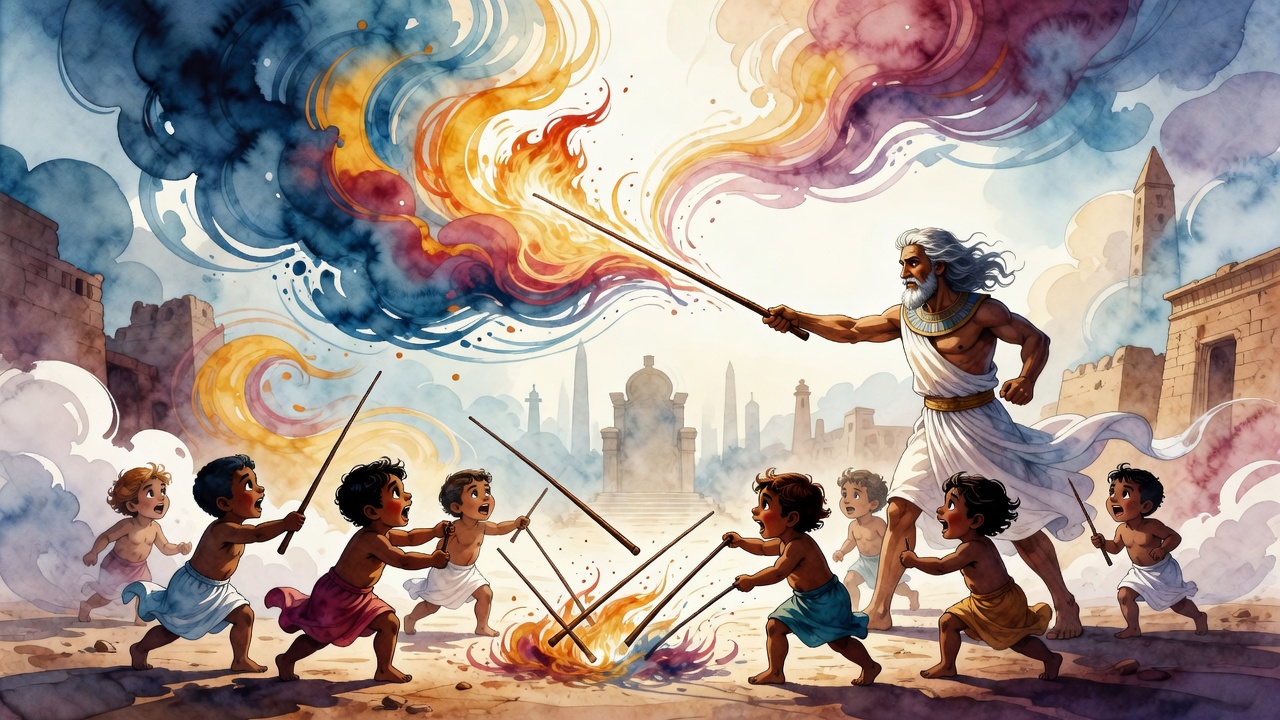
Pharaoh mocked God's wonder as street magic, then called toddlers to cast rods. Aaron's rod swallowed them all and stayed no thicker than before.
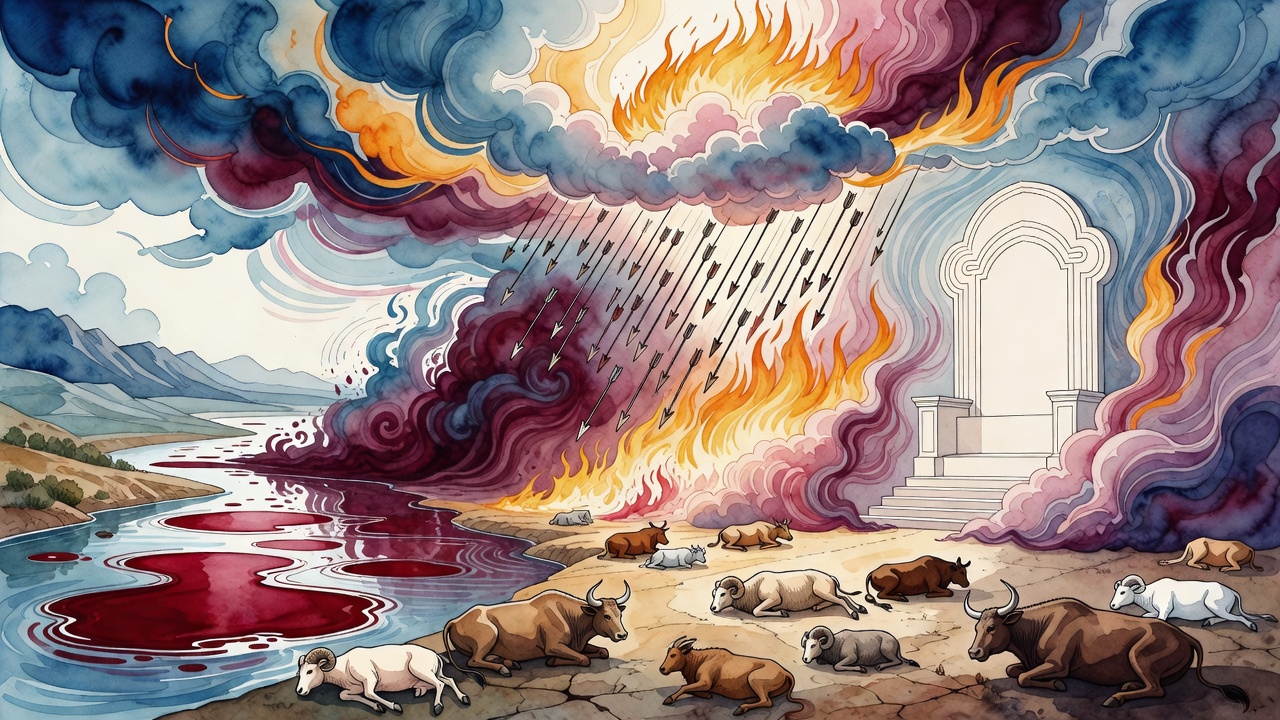
The Nile ran red first. Pharaoh did not bend. By midnight even the calves in the stalls were dead, and no idol could boast.
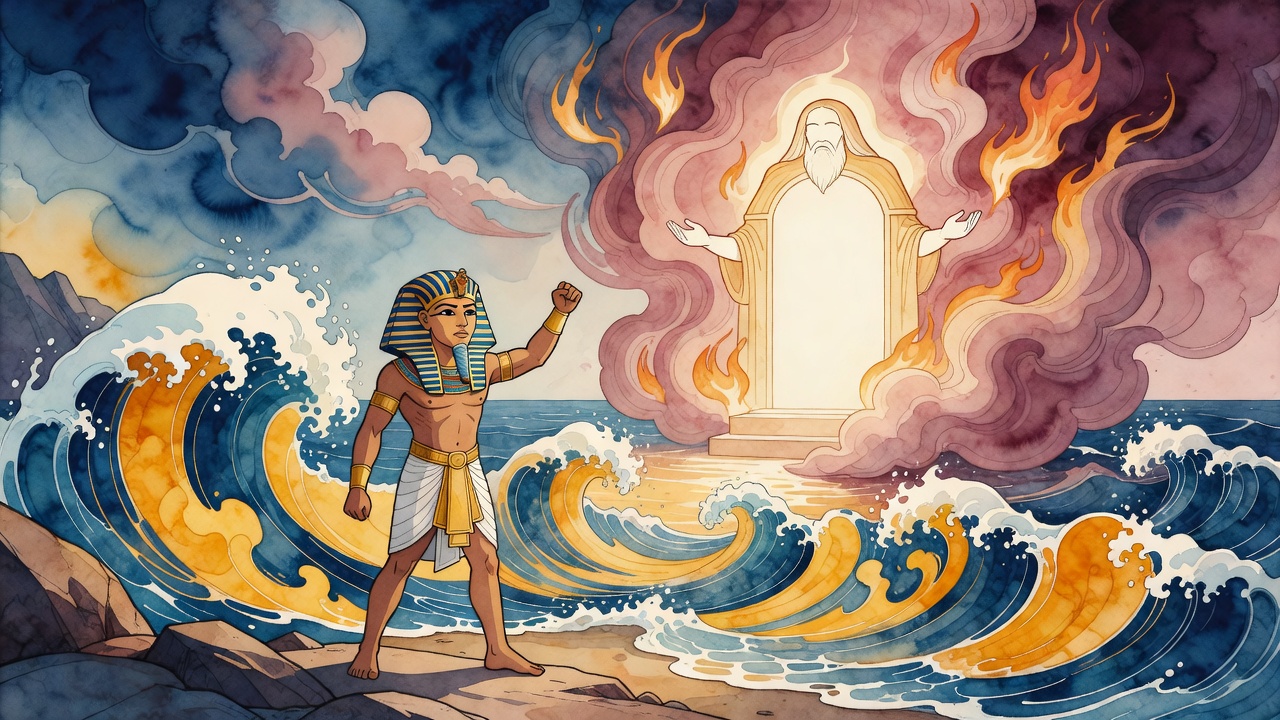
Aaron's rod hit the palace floor. Pharaoh laughed and called it straw brought to a city of magic. He asked who the Lord even was.
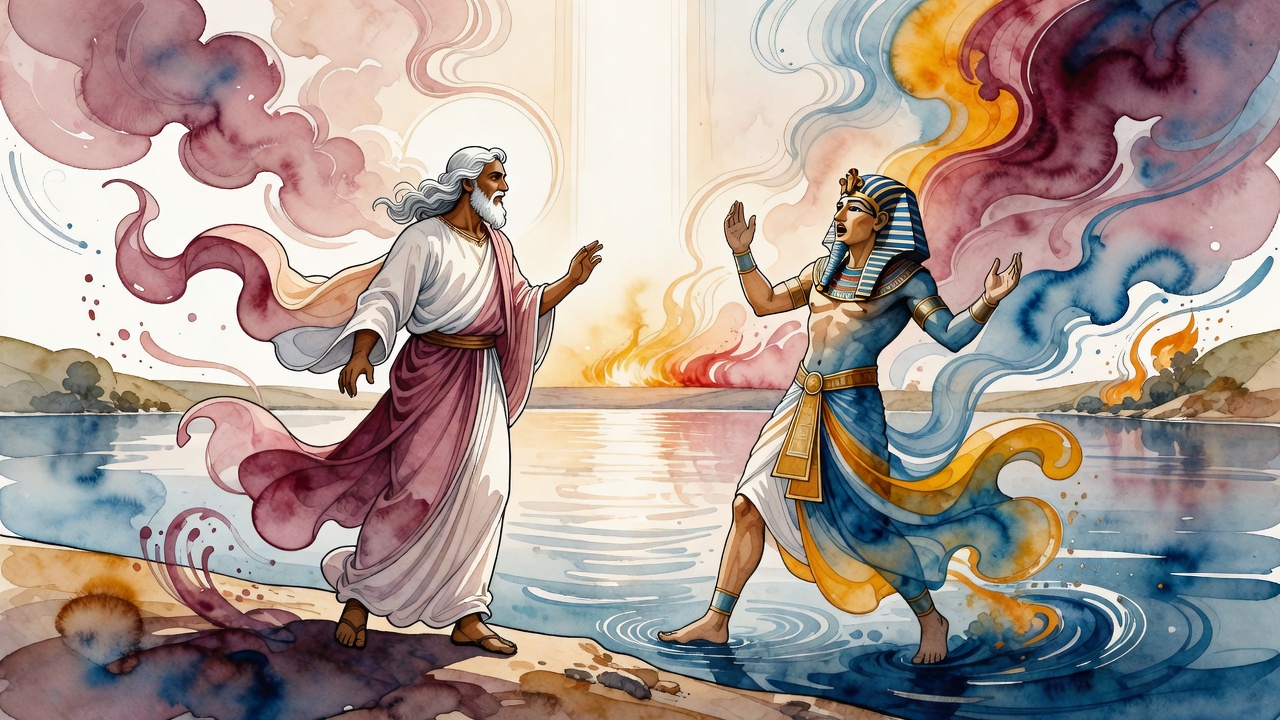
Every dawn Pharaoh slipped alone to the Nile. Moses seized him there and asked if any god must relieve himself.
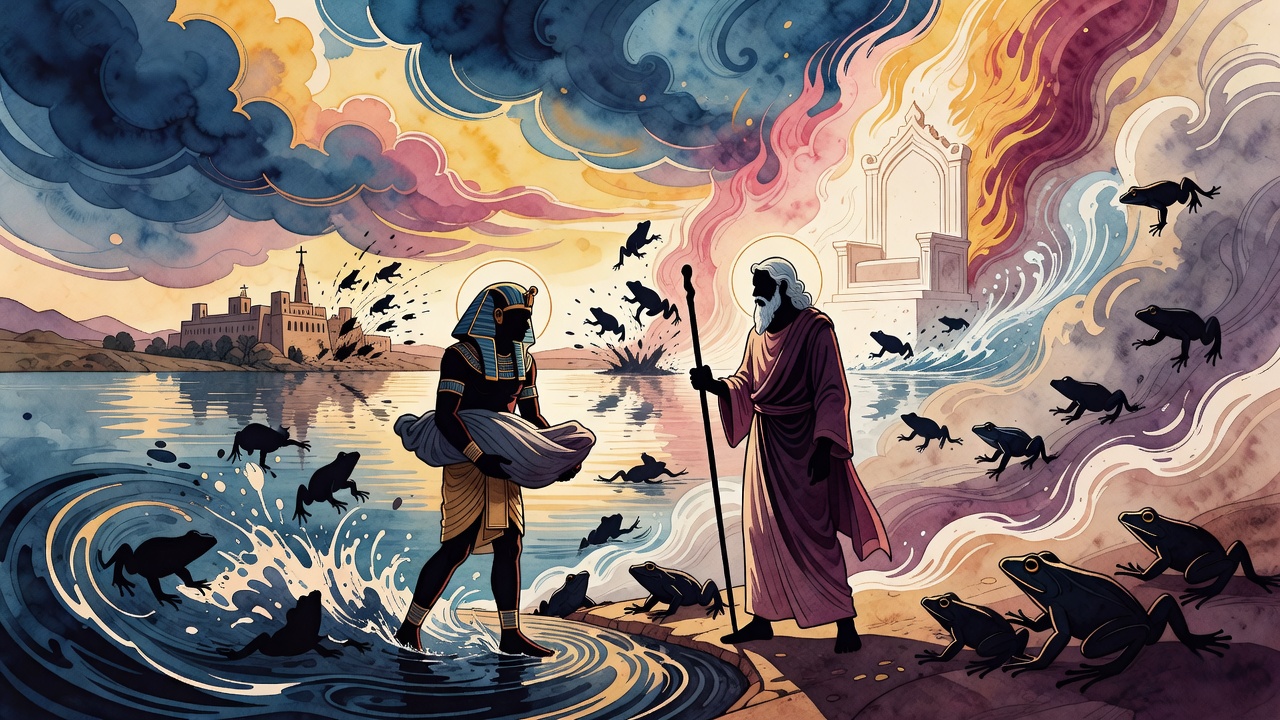
He called himself a god who never had to squat. Moses was already on the bank. Later a frog asked the palace marble for room.
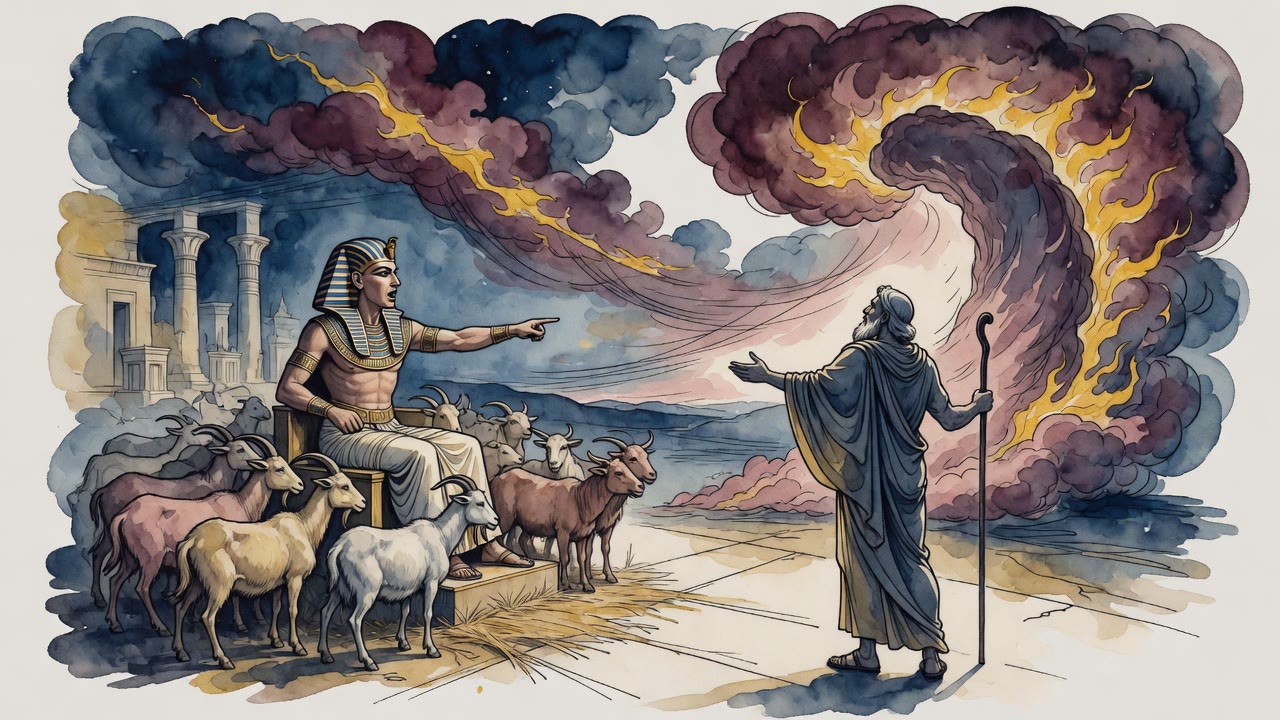
The hall still smelled of locust. Pharaoh offered the children and held the herds. Moses named the price: beasts given in Egypt's name.
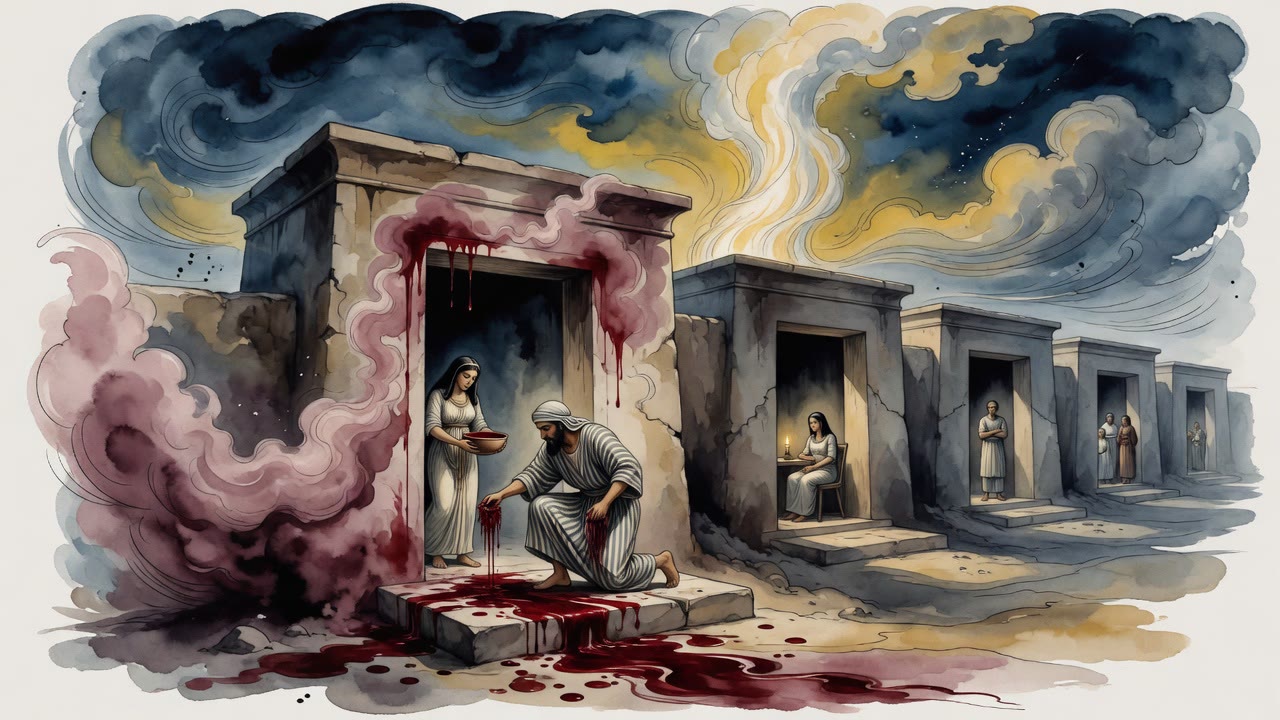
On the night of the tenth plague, Israel carves blood into the threshold while neighbors keep twelve months of silence and trust.
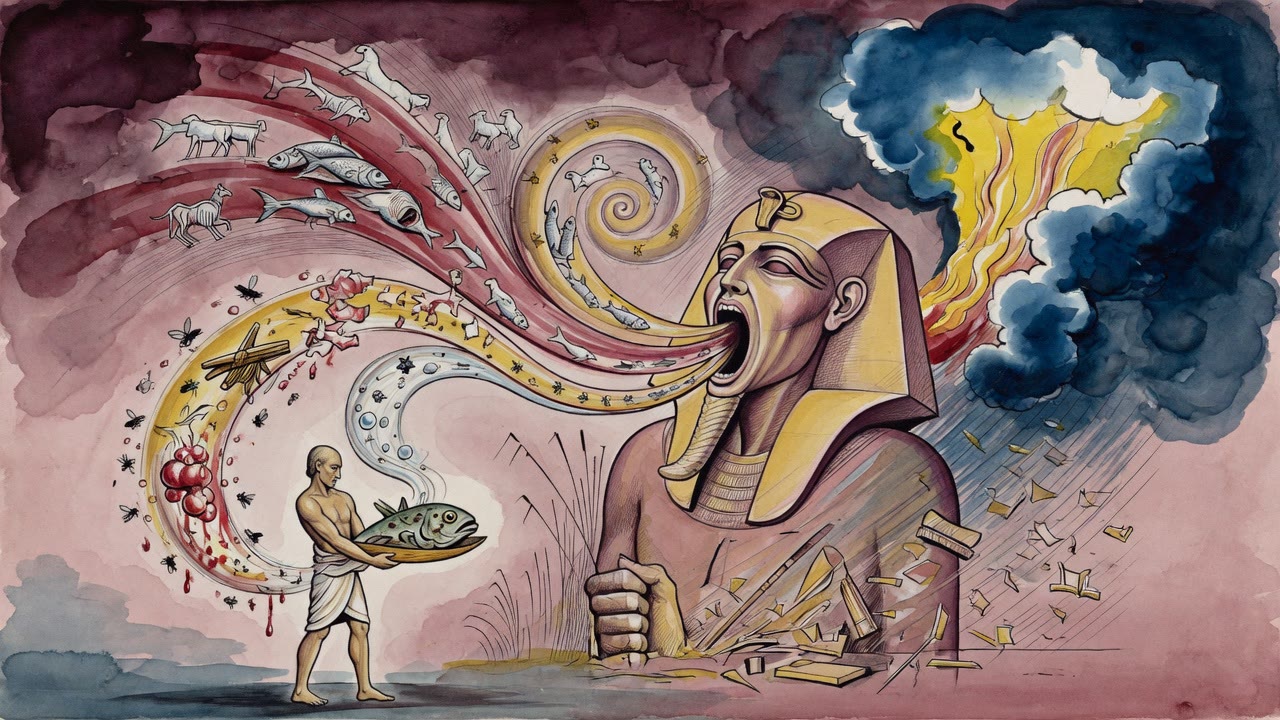
A servant picks the lightest penalty for a rotten fish and still pays all three. Pharaoh bargained the same way through every plague in Egypt.
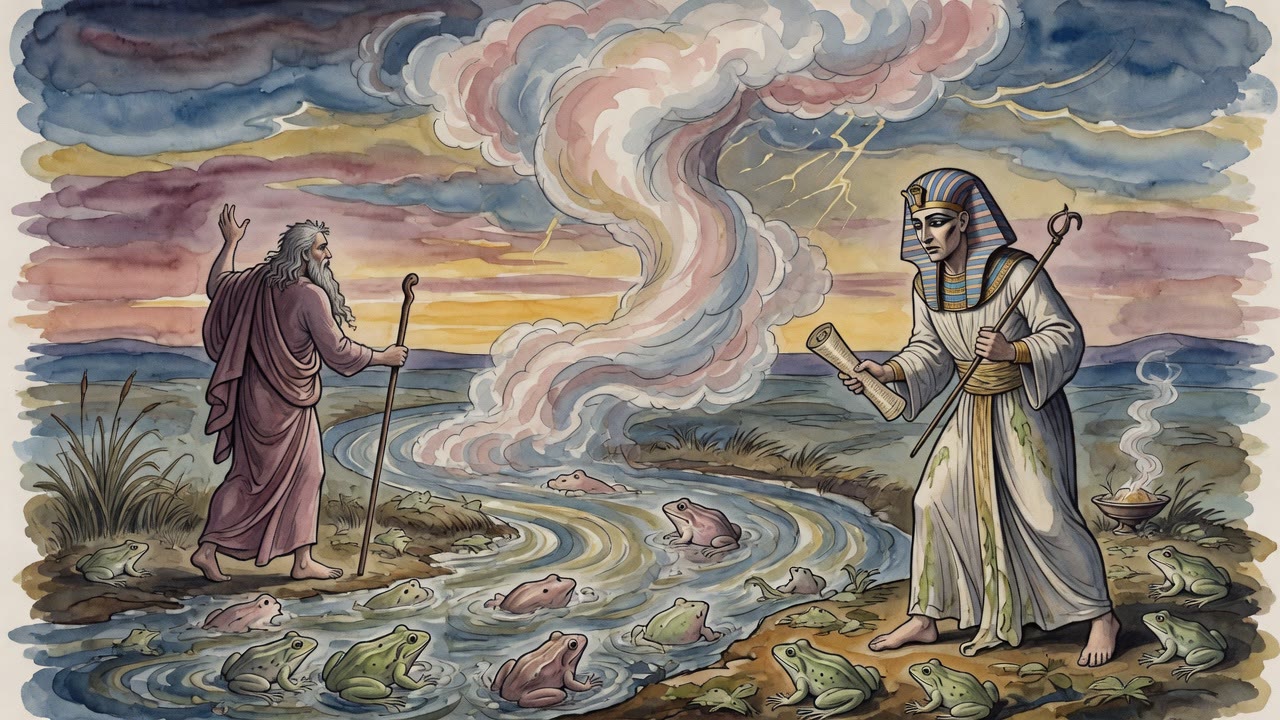
Frogs filled the beds and the ovens. Moses would not name the minute they would die. He handed the clock to the king who still called himself a god.
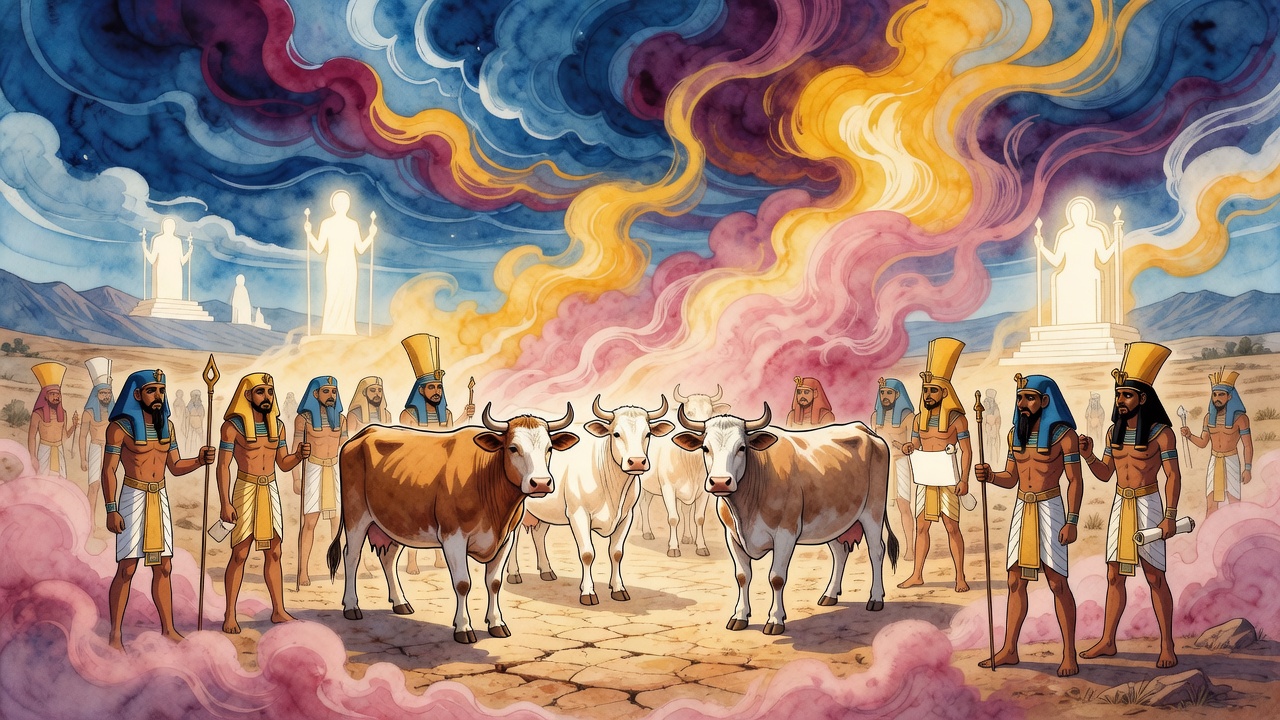
Egyptian fields already reeked of dead livestock. Riders went east to count Hebrew herds and came back with a number the king refused to use.
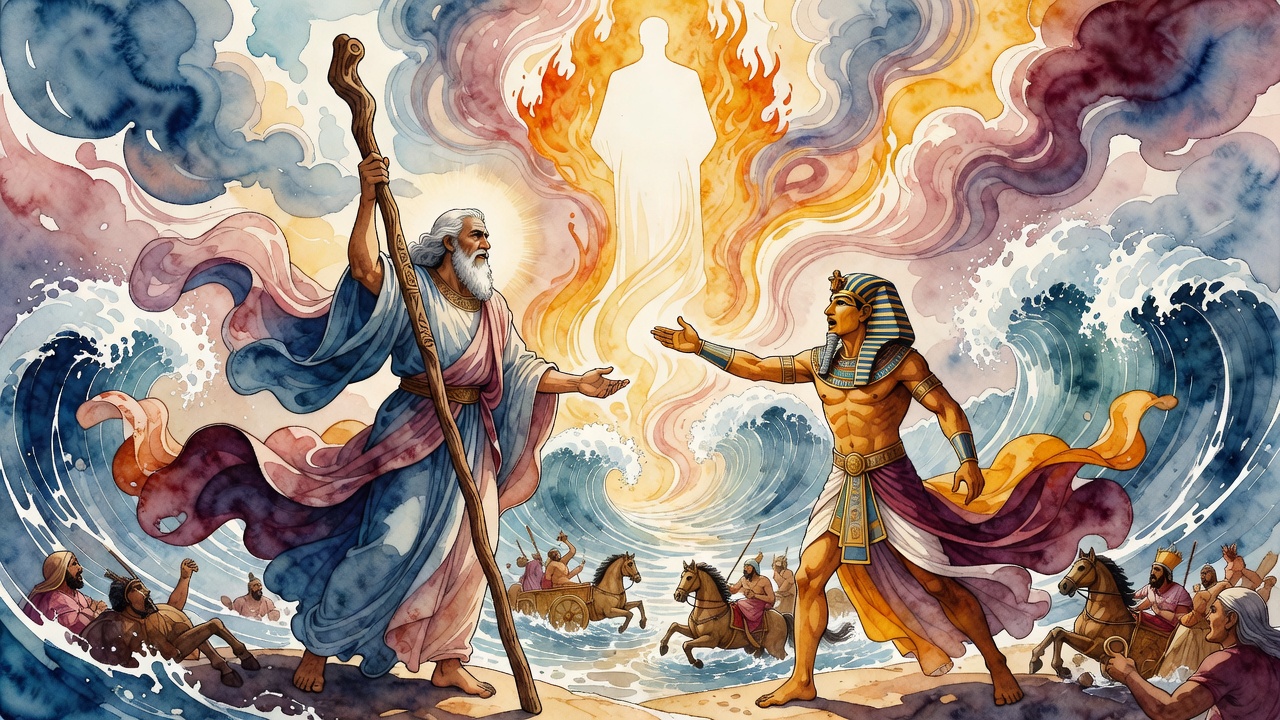
Sand in front. Chariots behind. They told Moses they had already chosen Egypt over a death in the open desert.
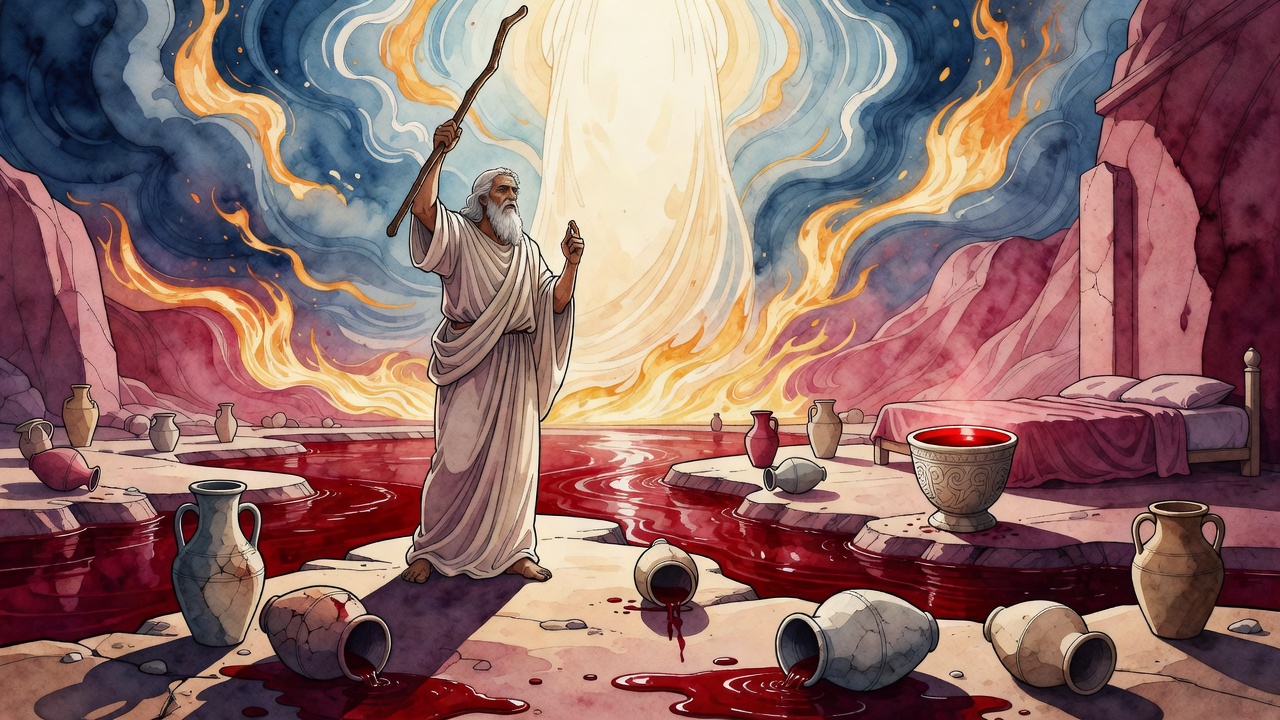
The wooden bucket by the door still held yesterday's water. Aaron lifted the rod. Even the stone jug by the master's bed went dark.
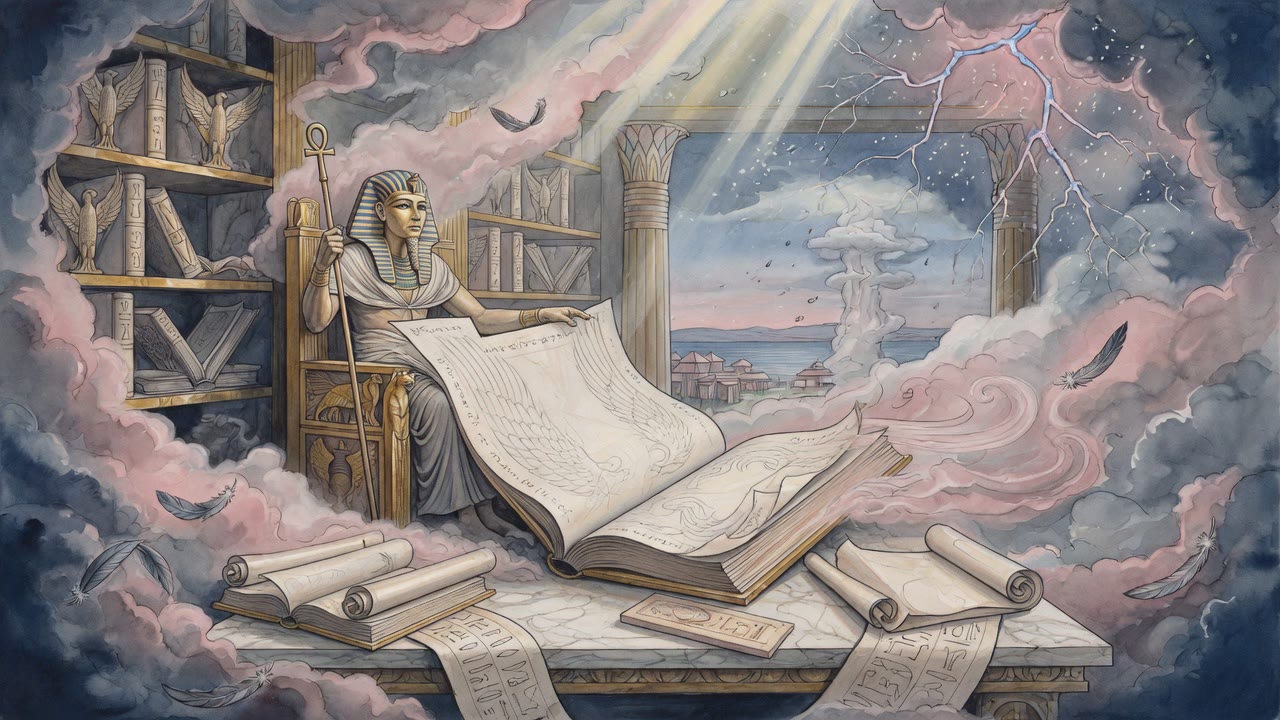
Pharaoh ran a finger down every name Egypt feared. The Name Moses carried was not written in the Book of the Angels.
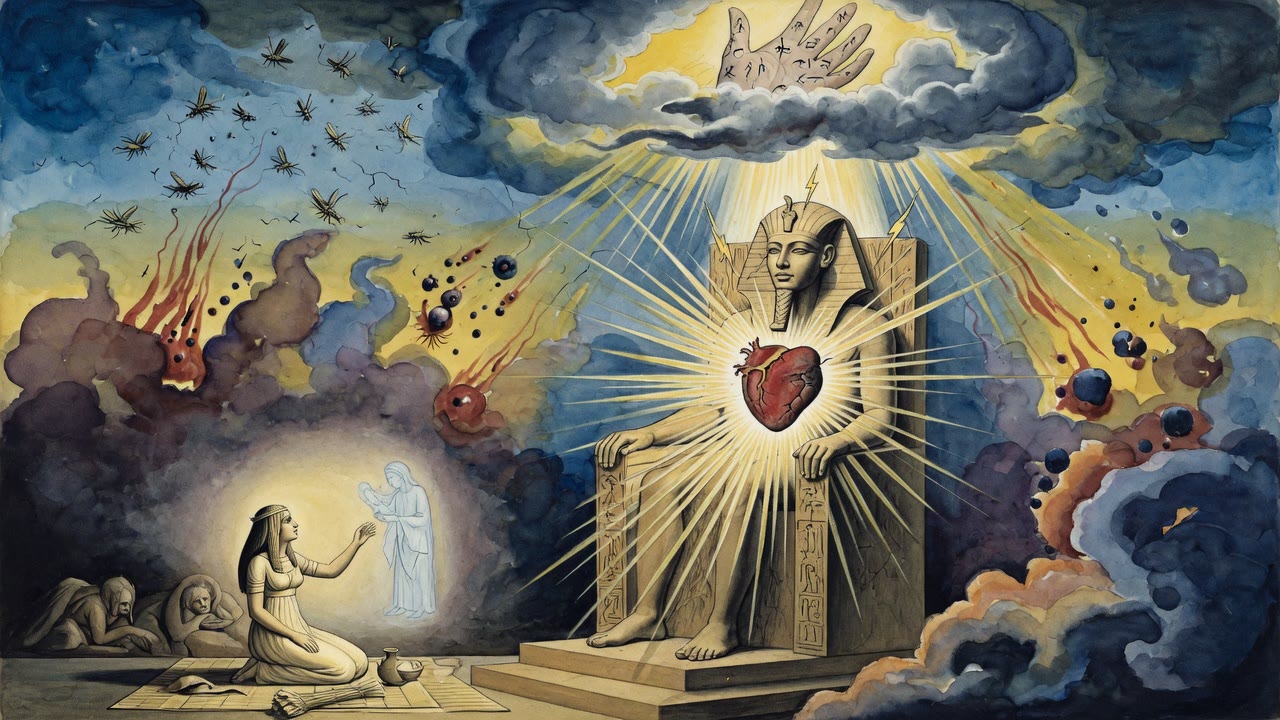
Warning after warning strikes Egypt, and Pharaoh hardens himself first. Heaven cooks his heart like twice-boiled liver, while Bitya lives by an old kindness.
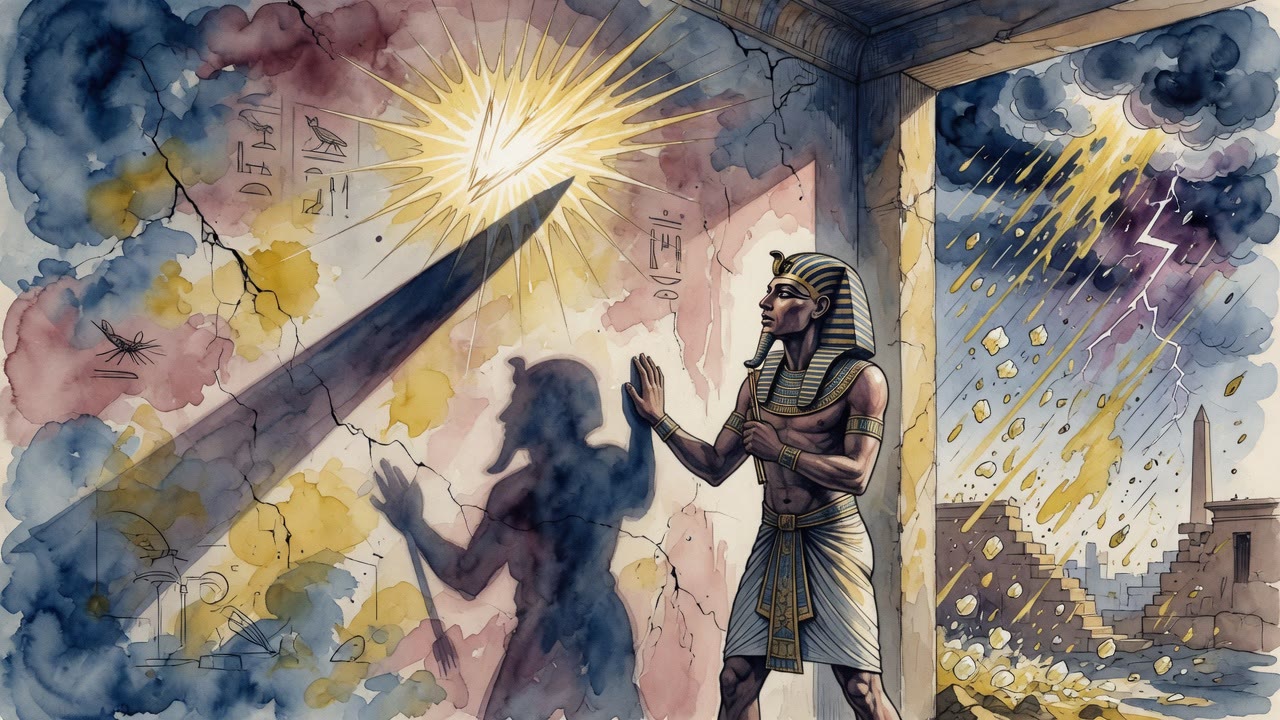
God scratches a mark on Pharaoh's wall and times the hail to a moving shadow. The stones that batter Egypt wait later for Sennacherib and the last war.
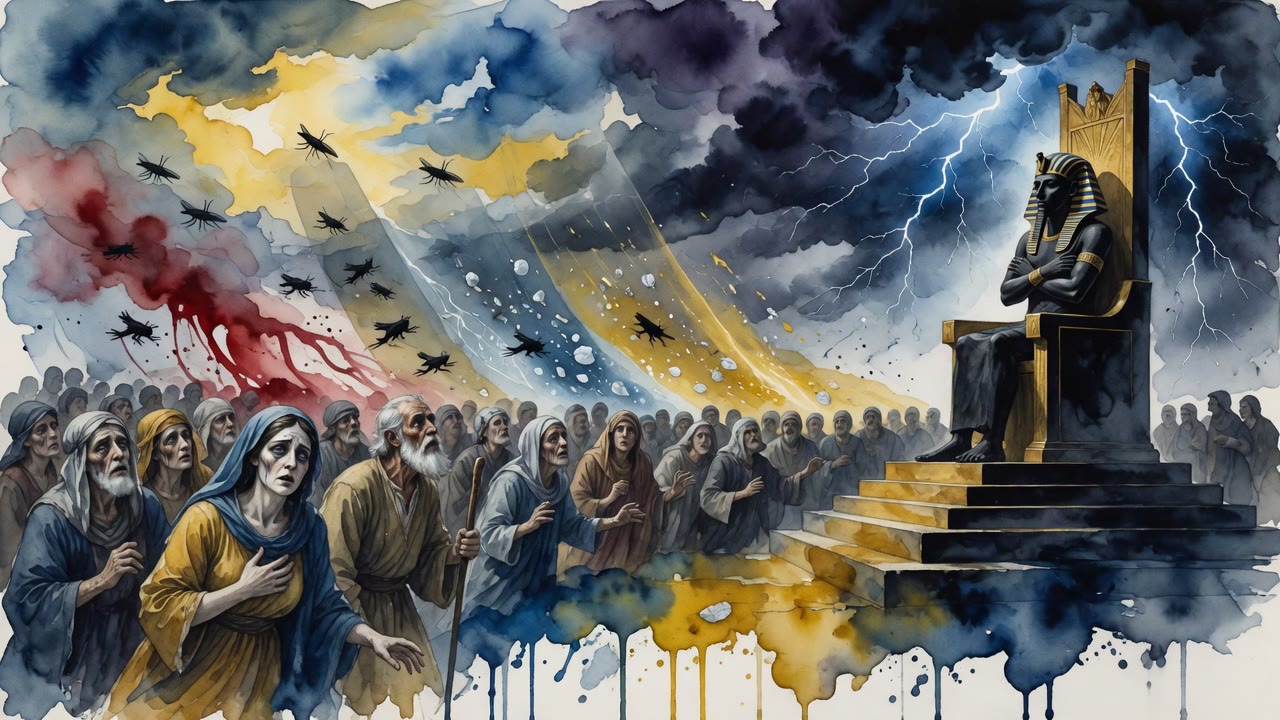
They knelt an arm's length apart. The Egyptian drank blood. The Israelite drank water from the same river, and Goshen believed it was over.
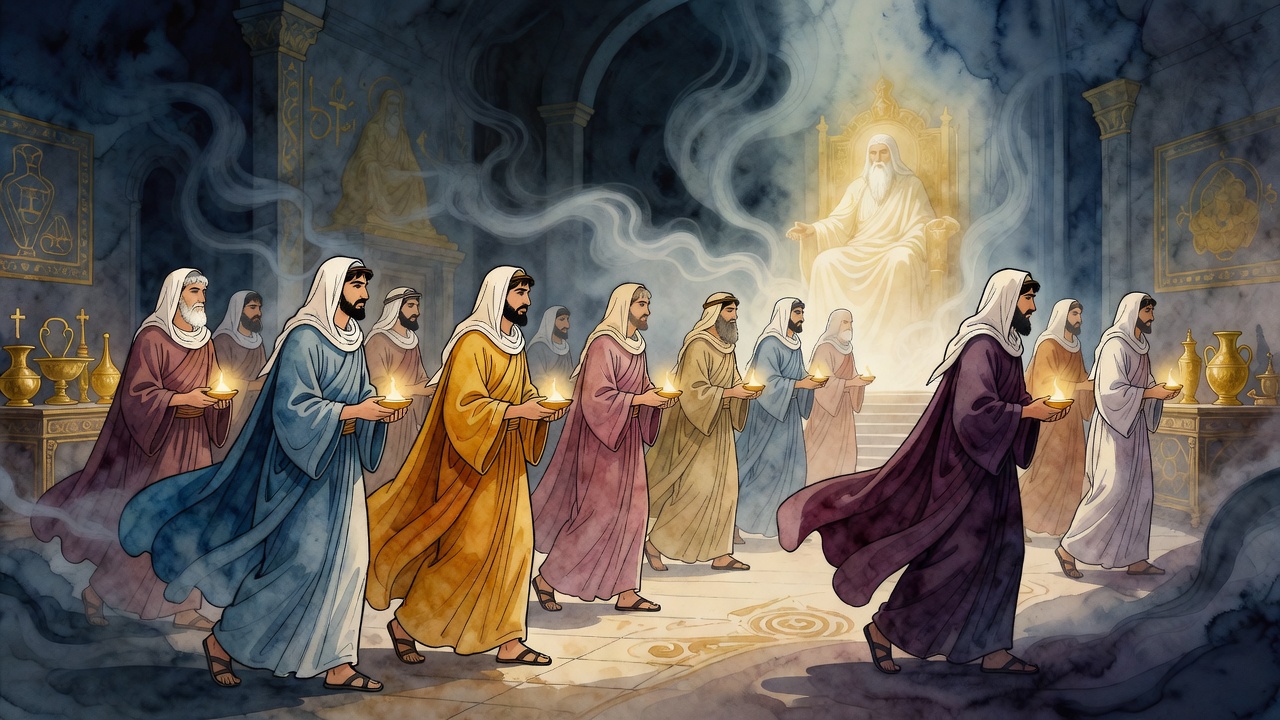
For three days an Egyptian could not find his own water jar. In the next room an Israelite stood over gold and left it on the table.
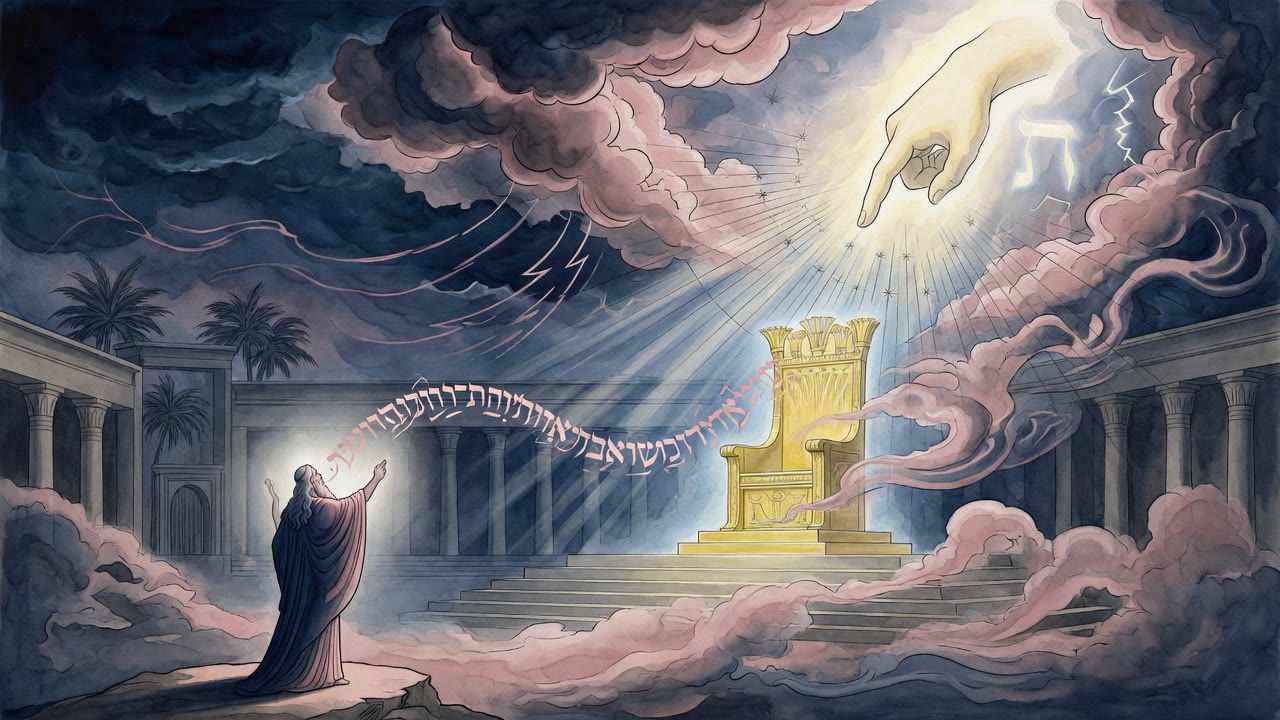
Moses told Pharaoh the blow would fall at about midnight, and God kept the servant's wording so the trusted messenger would not seem to lie.
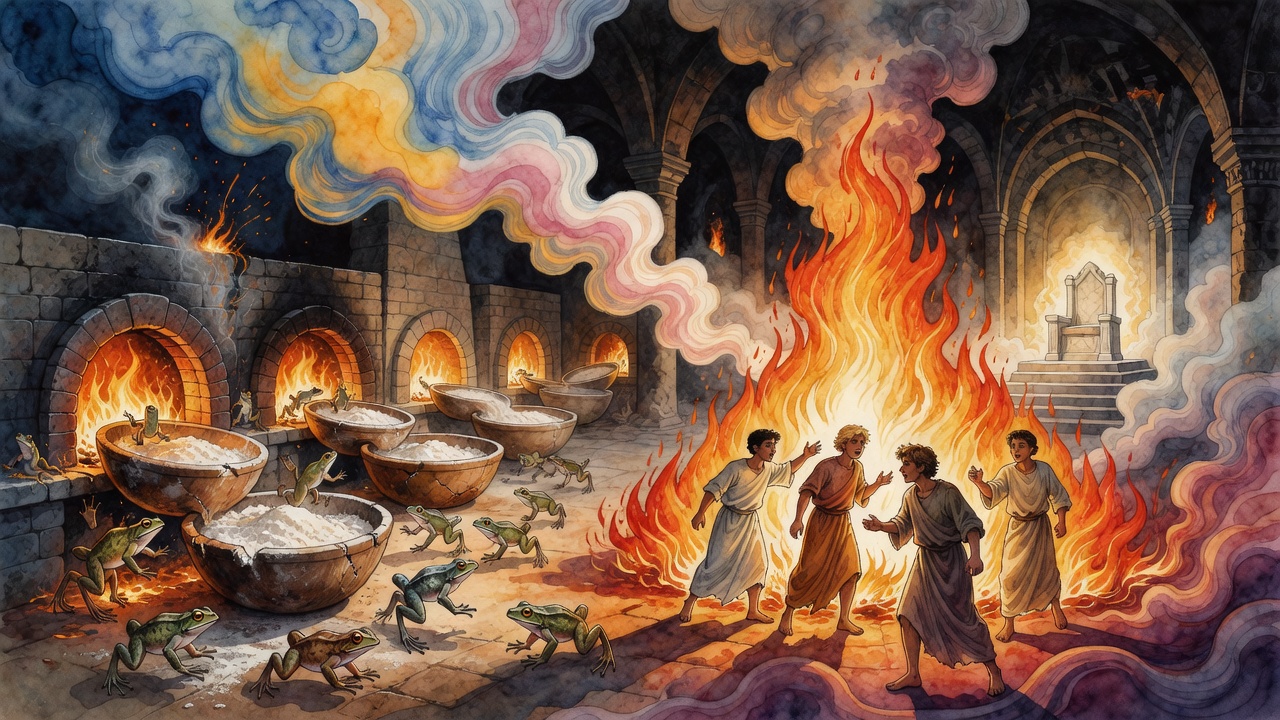
A kneading bowl only goes into an oven that is already hot. The frogs went in anyway, and centuries later three men in Babylon did the arithmetic.
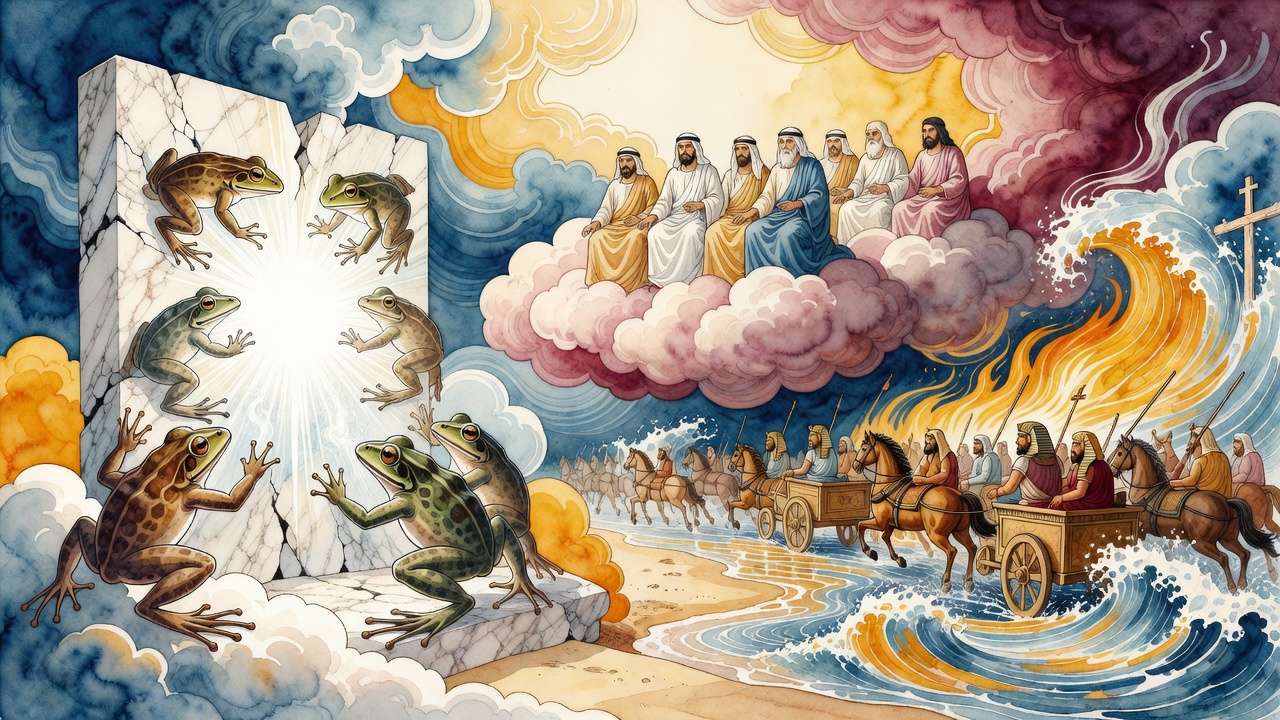
Pharaoh woke to stone cracking. A frog came up through the marble and named the One who had sent it. The king had called that river his own god.
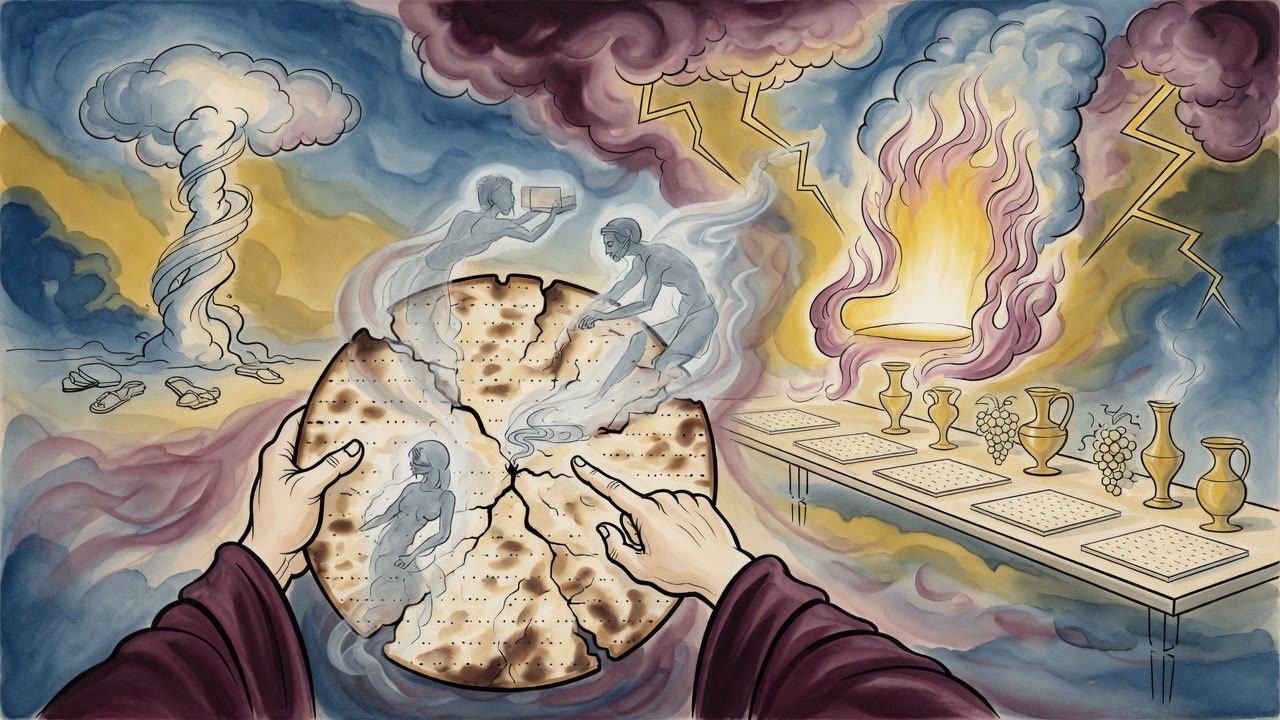
After soft words came hard bricks. On the night of dying, Egypt shoved Israel toward the door and still hoped for a three-day return.
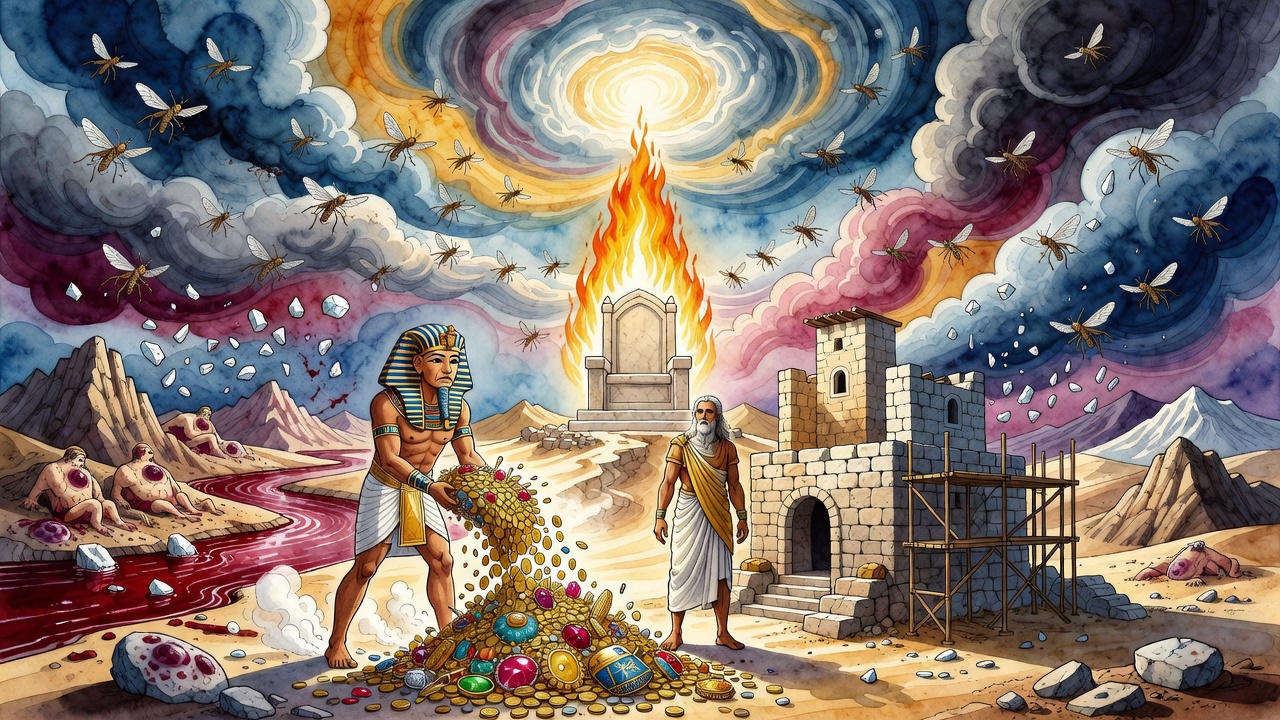
The seller stood in the market and could not swallow. His cheap field had become a palace, and the retinue now belonged to someone else.
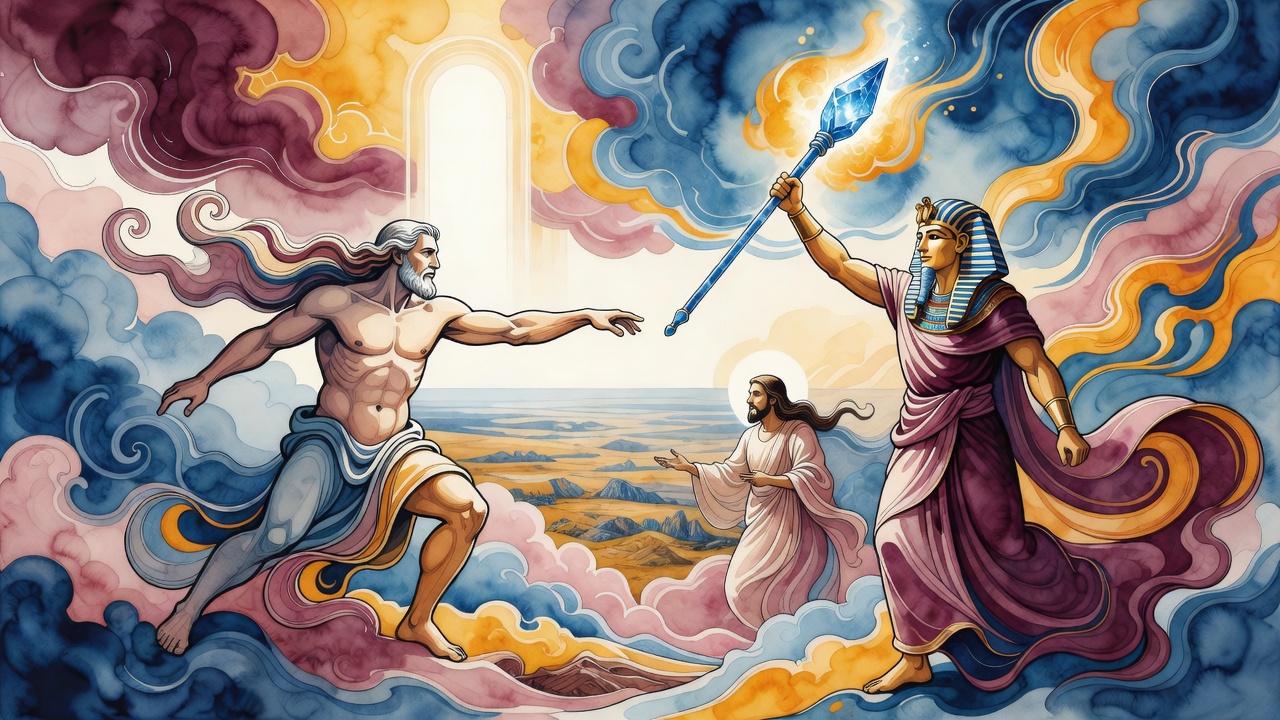
Adam ruled from end to end of the world, then fell by his own flesh. Pharaoh raised Moses, and the sapphire staff answered.
