David Rose at Midnight While Kings Still Slept
While kings of east and west slept until the third hour, David rose at midnight to praise God, then asked his teacher if his judgments were pure.
Table of Contents
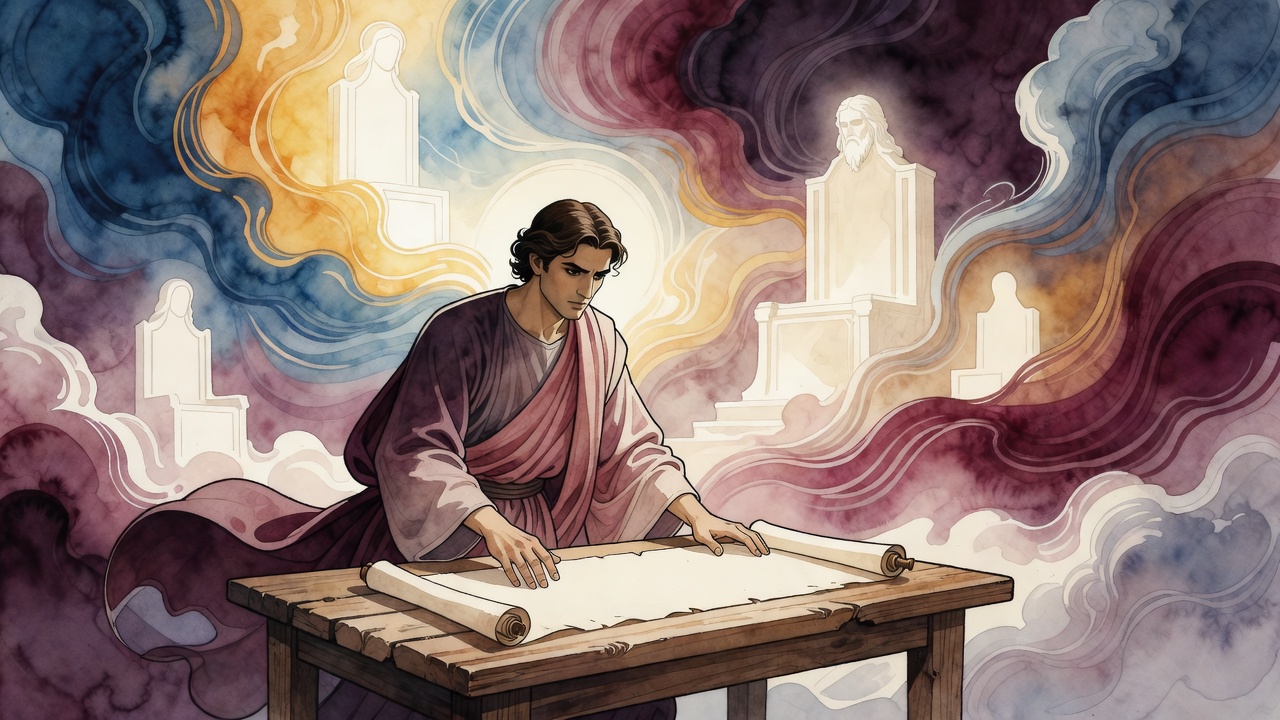
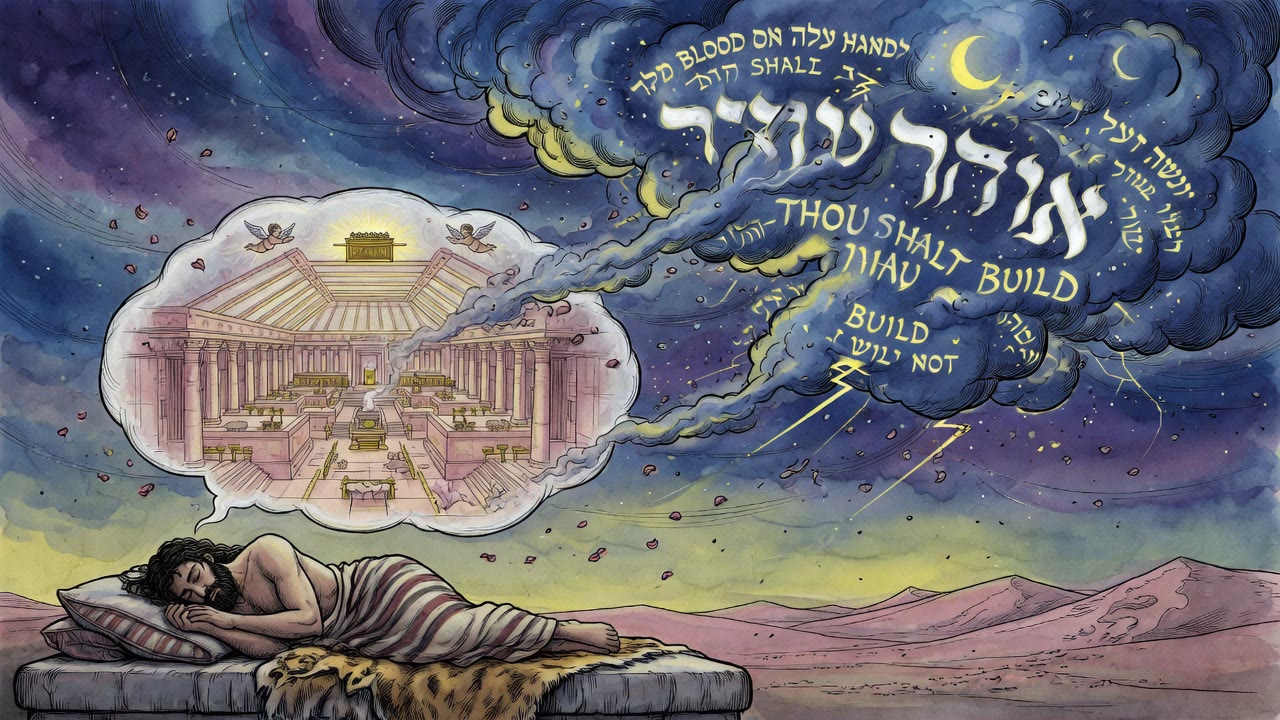
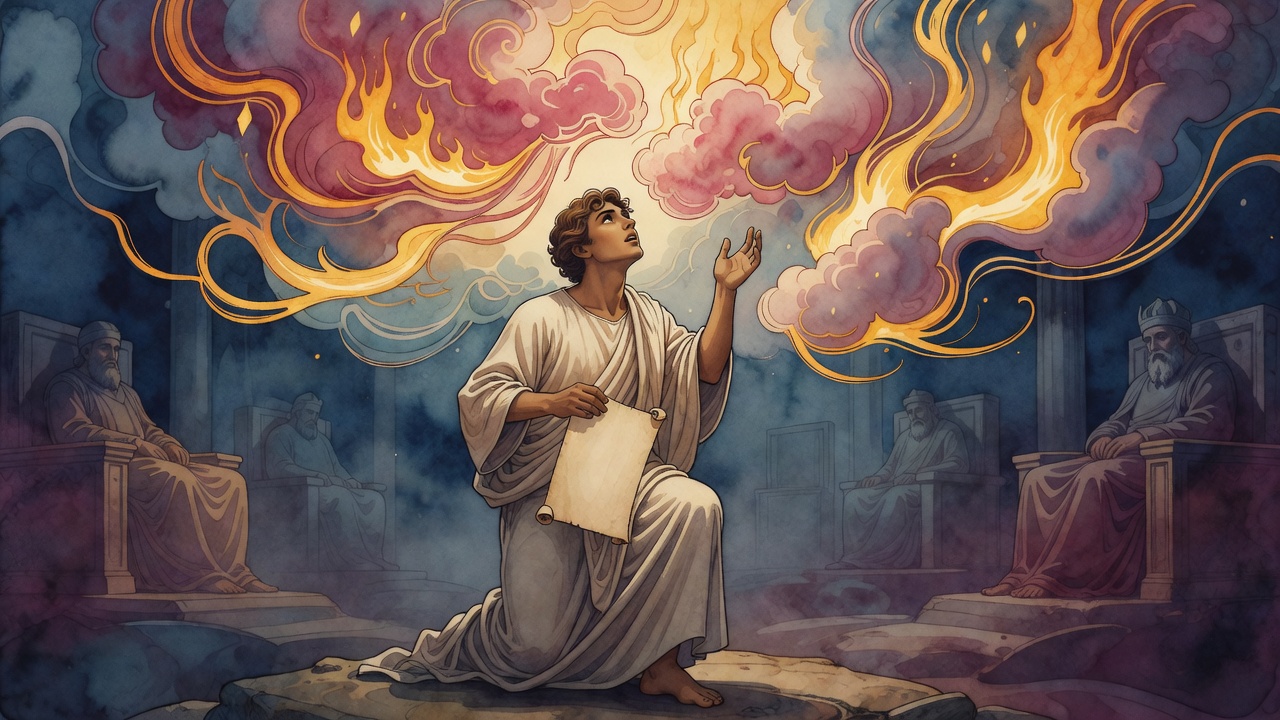
David rose while the palace was still dark and put his feet on cold stone.
 Click for full size
Outside, the kings of the east and the west were deep in the sleep of men who believe the third hour of morning is early enough for glory. David did not wait for glory. He went to praise. Midnight was his courtroom and his choir loft, the hour when a king can admit he is also a servant without an audience of flatterers.
"Sovereign of the universe," he said in the voice the sages later put in his mouth, "am I not pious? Whereas all the kings of the east and west sleep until the third hour of the day, I rise at midnight to praise Thee."
The harp waited where he had left it. A guard outside the door shifted and then went still, used by now to the king's odd hours and the soft scrape of a chair in the dark.
Hands Soiled With Judgment
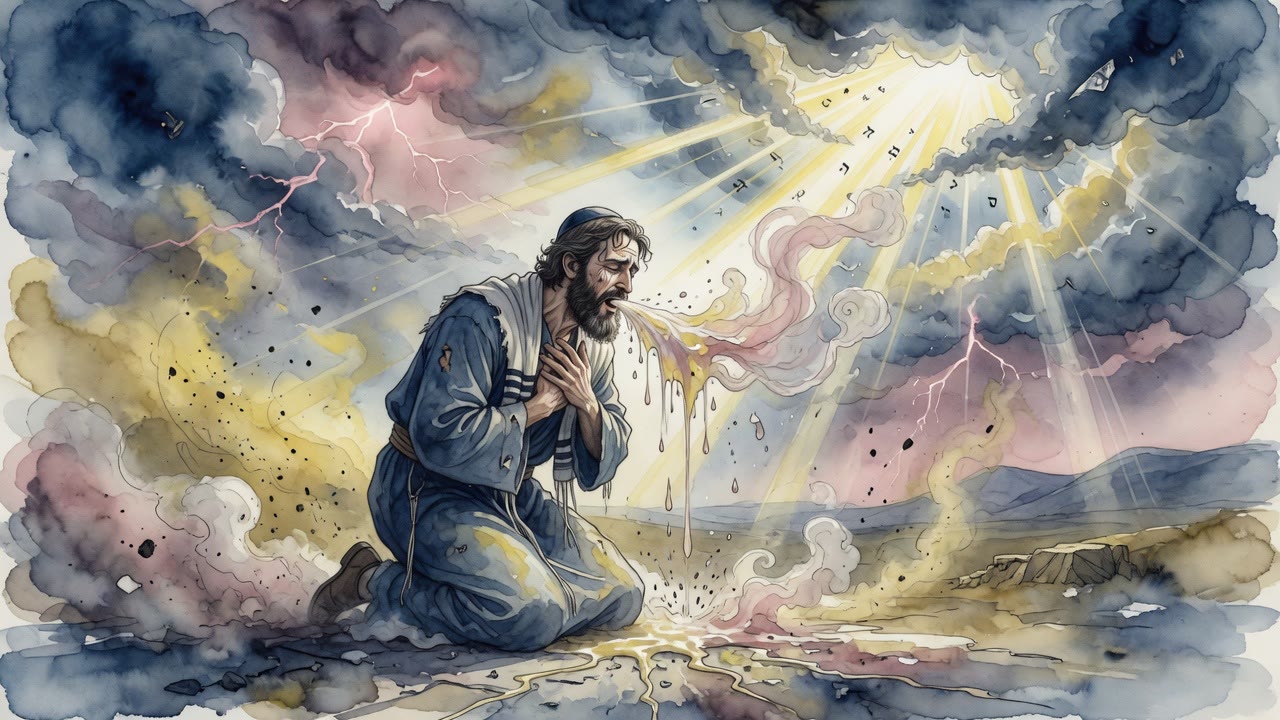
Another teacher heard a different claim of piety in the same king, and the two claims do not cancel. Other rulers sat in companies of glory, clean hands folded over wine. David's hands were soiled in blood and afterbirth, sorting the hard questions of family purity, life, and law that arrive at a throne whether the king wants them or not. He did not treat the work as beneath a crown.
Before he sealed a ruling he went to his teacher, the man one tradition calls Mephibosheth in this telling, and asked without shame before whoever stood near: Have I properly convicted? Have I properly acquitted? Have I declared pure what is pure and impure what is impure?
A king who can be corrected in public is rarer than a king who sings at midnight. David wanted both kinds of courage, the voice that rises in the dark and the neck that bends in the day.
The Son Who Reproached the Teacher
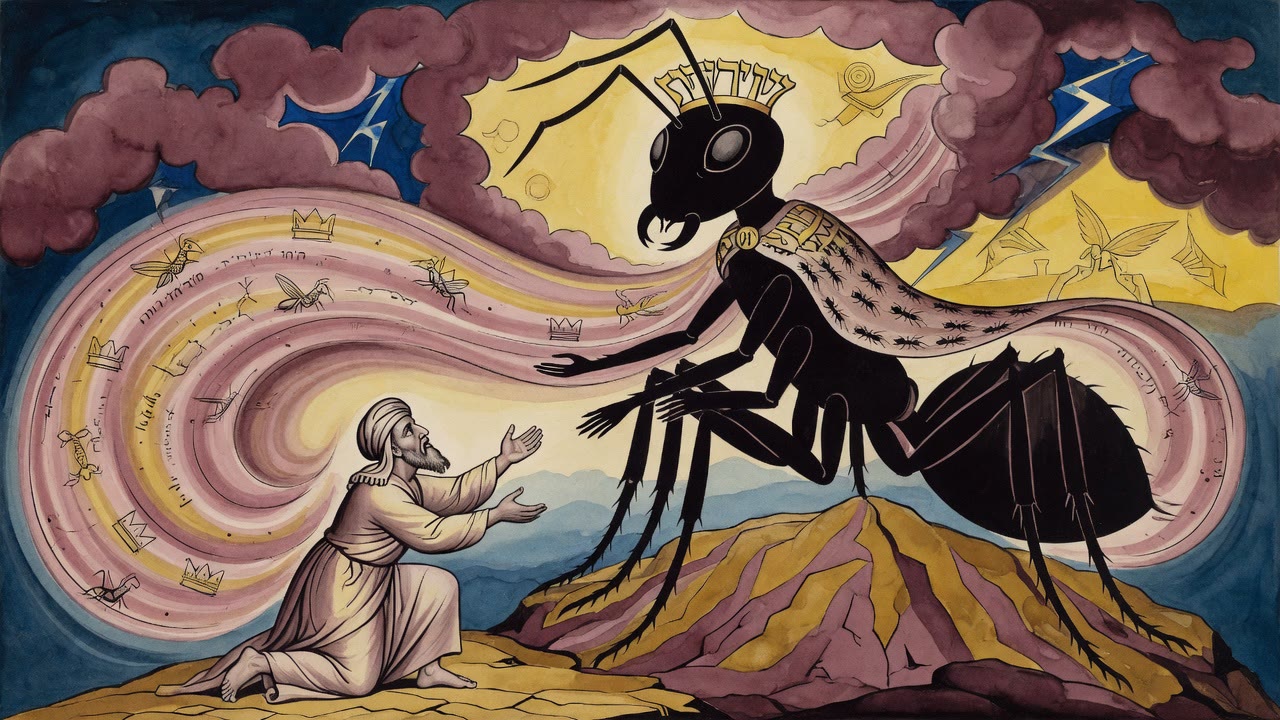
From that humility, the sages say, a son named Kilab came forth, also called Daniel in one reading, a child sharp enough to reproach the teacher in matters of law until the house rang with argument that still counted as love. Wisdom in the house of David was not a museum piece kept behind glass. It argued. It bruised pride. It still belonged to the song Solomon would later praise when a wise heart makes a father's heart rejoice.
David could call himself pious in one breath and still fear, in another, that he might miss the goodness of the Lord in the land of life. The dotted word in the psalm holds that fear like a pin in a map: trust without swagger, hope without a guaranteed share, piety that knows sin can still bar a door.
Jacob once feared the same way after a promise, wondering whether some fault would cancel protection. David stood in that stream of holy anxiety and did not pretend crowns cancel it.
Fifty Gates and One Held Back
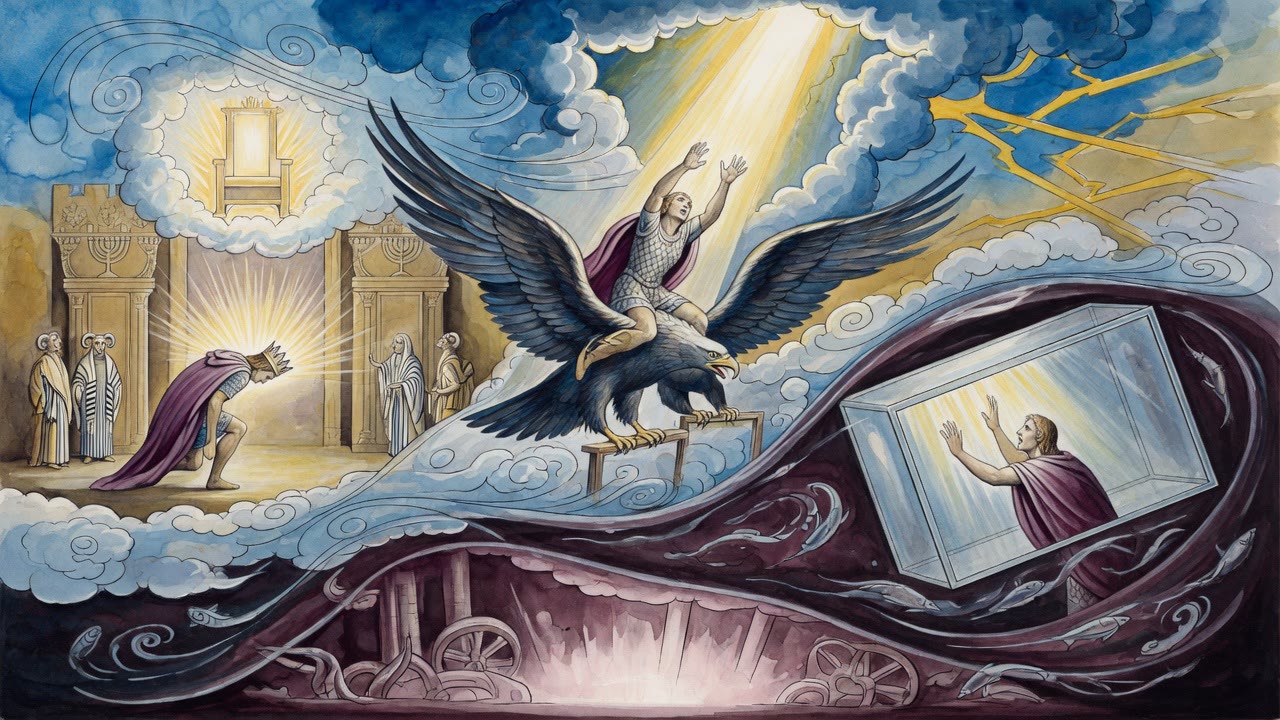
Elsewhere the sages measure how high a human mind may climb before the air runs out. Fifty gates of wisdom were created in the world, and all but one were given to Moses on Mount Sinai. Even Moses stood a little lower than the angels. Solomon later sought words that would match that height, acceptable words that might bend the world, and a heavenly voice answered that no prophet like Moses had arisen in Israel.
David's midnight praise sits under that same sky. The king who rises early is not pretending to hold the fiftieth gate. He is using the hours he has with the gates he was given. Sleep is the luxury of rulers who think history will wait for their comfort. David knew history does not wait, and neither does the Accuser who walks the earth by day looking for a case to bring upstairs.
Pure words, the psalm says, are like silver refined seven times. Refinement takes heat and repetition. Midnight is one of the furnaces.
Before the Third Hour
When the east finally lightened, other thrones would wake to banquets, decrees, and the slow theater of power. David's throat was already raw with psalms. His desk already held cases that could split families and stain a reign. The piety he claimed was not a title carved on a seal. It was a schedule kept when the bed was more persuasive than the harp.
Midnight still belongs to anyone willing to stand up when comfort says wait until the third hour. The kings of the east and west can keep their late mornings and their companies of glory. David kept the dark, the questions, and the teacher who was allowed to insult him in law until the insult made him better.
That is a kind of kingship the morning cannot counterfeit.
← All myths