Translation of the source text.Tanna debei Eliyahu Rabbah, Warsaw 1880 · Public Domain
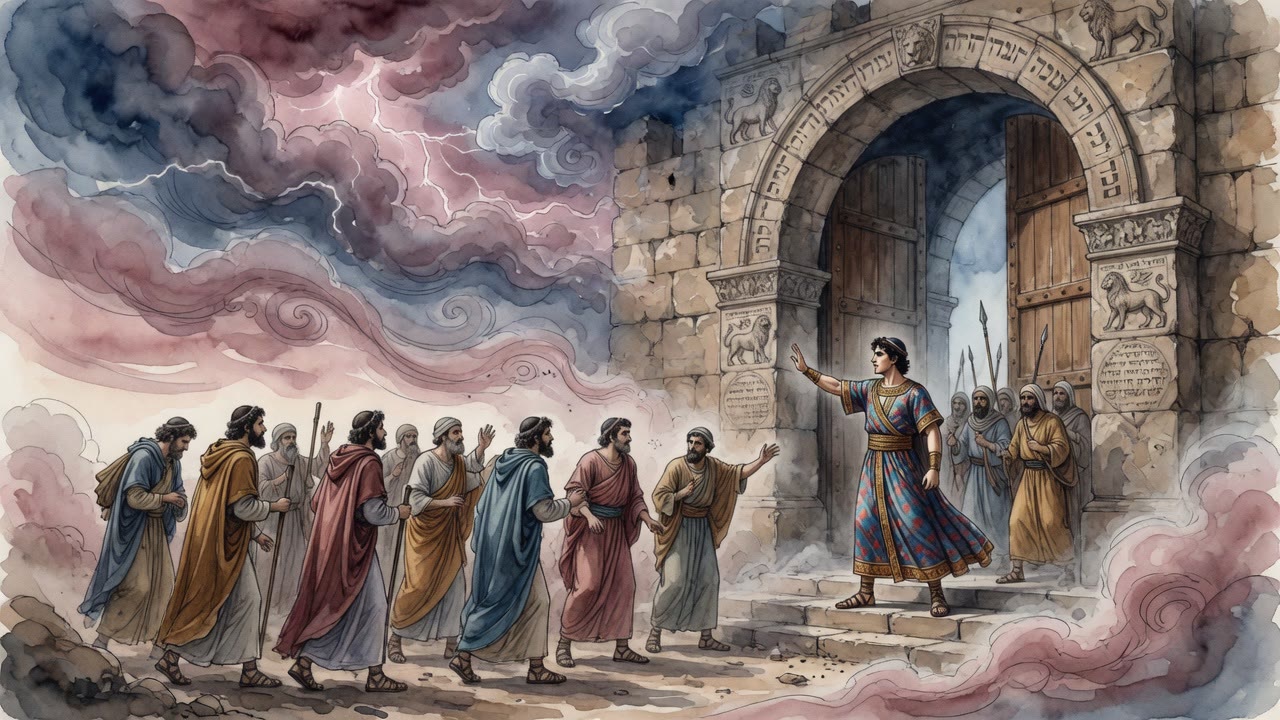
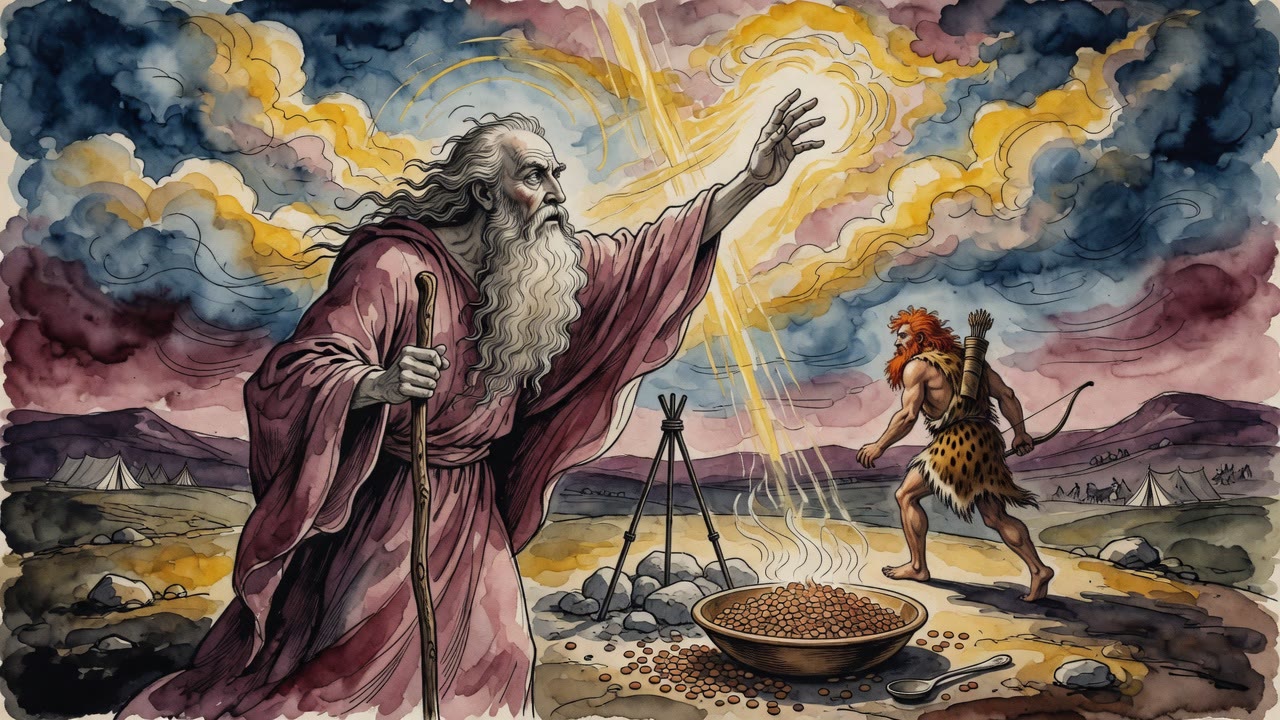
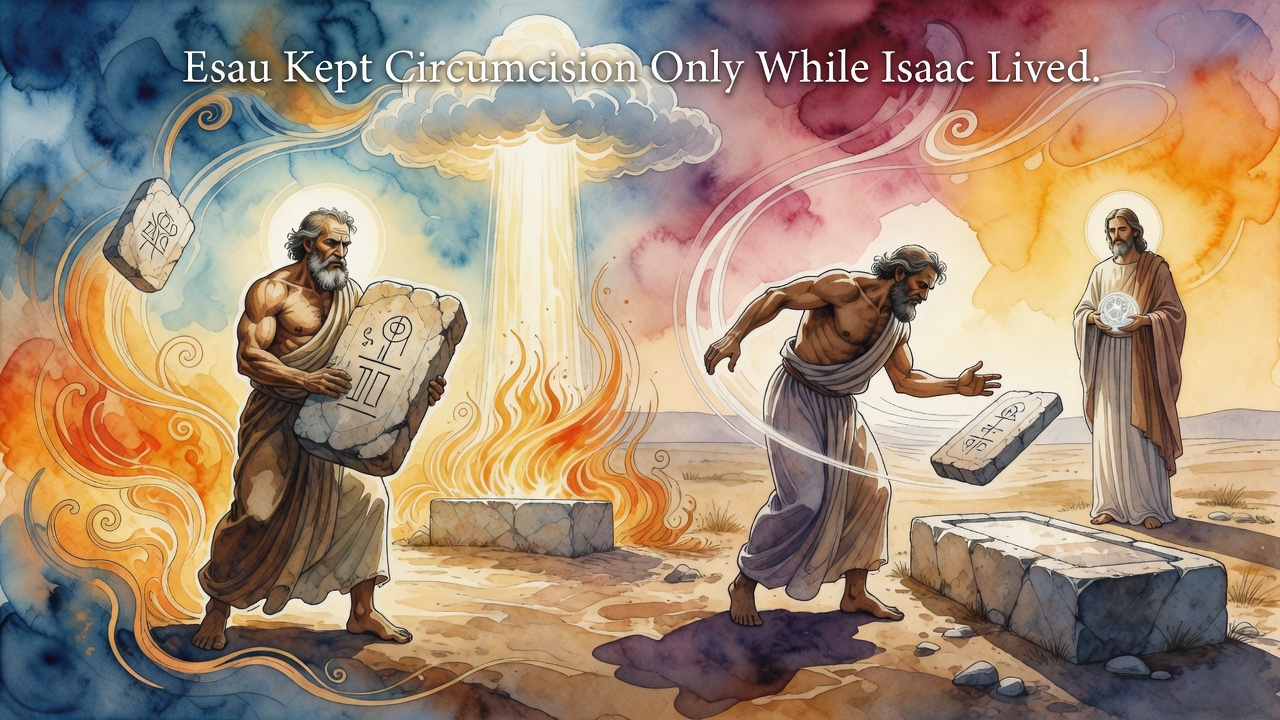
"Grant not, O LORD, the desires of the wicked; further not his evil device" (Psalms 140:9). Come and see the difference between those who came out of Egypt, who are of the seed of Jacob, and the idolaters, who are of the seed of Esau. Those who came out of Egypt had one commandment in their hand, and it was pleasing before the Holy One, blessed be He, far more than a hundred commandments. And what was that one commandment? That they all made one band and made a covenant to perform lovingkindness with one another, to keep the covenant of circumcision, not to abandon the language of the house of Jacob, and not to go and learn the language of Egypt because of the ways of idolatry. But the seed of Esau were not so. So long as Isaac was alive they upheld the covenant of circumcision, but as soon as Isaac died, they immediately annulled the covenant of circumcision, as it says (Proverbs 15:25): "The LORD will tear down the house of the proud" - this is the house of Esau - "but He will establish the boundary of the widow" - this is the house of Obadiah.
They told a parable. To what may this be compared? To a king who gives his crown to his beloved friend and says to him: Let this crown rest on your head and on the head of your son forever. His friend placed it on his head until the hour he entered his eternal home. In time, after he entered his eternal home, the king said in his heart: I will go and see my friend's son, whether my friend's crown rests on his head. The king went to his friend's son and found the crown cast on the refuse heap behind him at the far edge of the house's boundary. At once the king went off to the end of the boundary, as it says (Judges 5:4): "O LORD, when You went forth from Seir, when You marched from the field of Edom..."
To what were Esau and Eliphaz the Temanite likened, with his son Amalek, and Jeroboam son of Nebat, and Merodach with Nebuchadnezzar, and Agag with Haman the Agagite? To one who found a garment on the road near a city, seized it in his hand, and brought it into the city, and was known there, saying: Whose lost article is this? All the people of the city gathered and went out to meet him, saying to one another: Do you see this man, how righteous he is, how pious, how worthy? At once the people of the city stood and made him head and officer over the city. After two or three years he arose and destroyed all the provinces and all the land. So too were Esau and Eliphaz likened with his son Amalek, and Merodach with Nebuchadnezzar, and Jeroboam son of Nebat, and Agag with Haman.
Esau, as reward for three tears that he shed and that fell from his eyes, was given Mount Seir, from which the rains of blessing never cease. Eliphaz, as reward for honoring his father, had Amalek come forth from him into the world. Jeroboam, as reward for answering a matter before King Solomon, was given the ten tribes into his hand. The reward of Merodach, who honored our Father in Heaven, was that Nebuchadnezzar came forth from him into the world. The reward of Agag was that while he was imprisoned in the prison house he wept and groaned, saying, Woe is me, perhaps my seed will be lost from the world; and Haman came forth from him into the world. And what will be the end of Amalek? Thieves will come upon him and bands will strip him from outside, as Obadiah the prophet prophesied of him, as it says (Obadiah 1): "If thieves came to you, if robbers by night, how you are undone!"
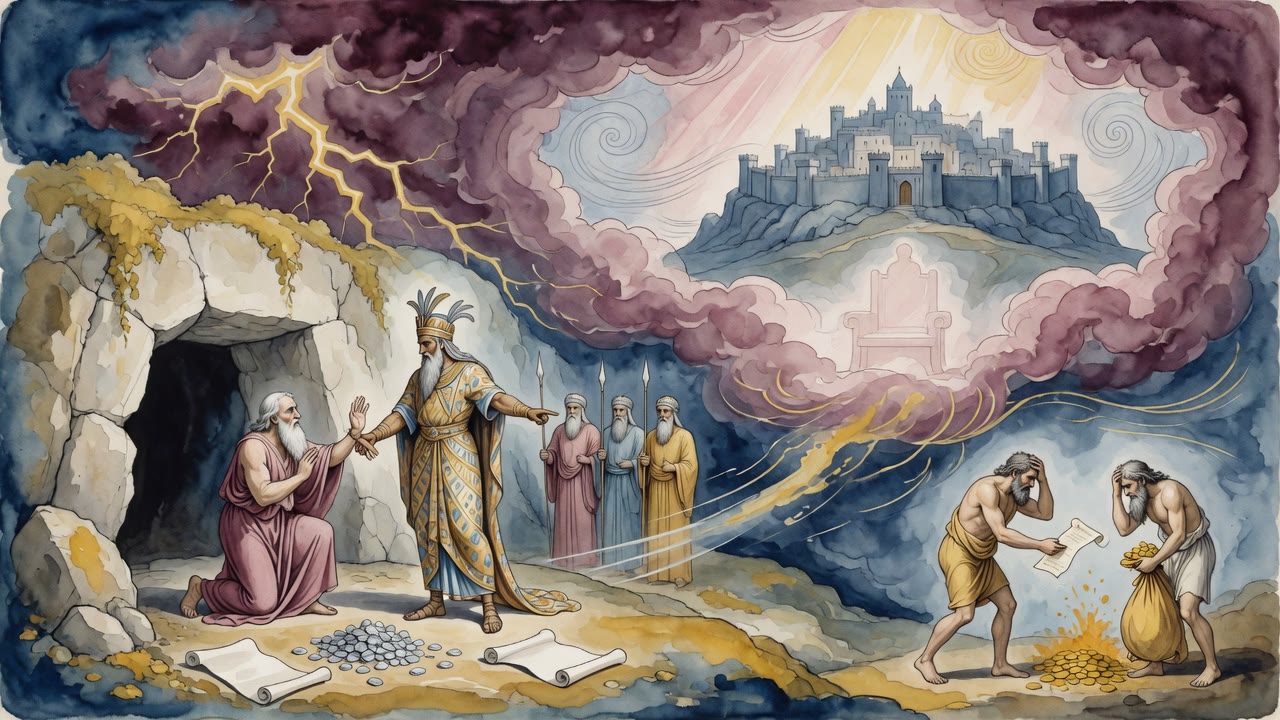
And why did Obadiah merit prophecy? Rabbi Yitzhak said: Because he hid a hundred prophets, as it says (I Kings 18:4): "And Obadiah took a hundred prophets and hid them, fifty men in a cave, and fed them with bread and water." Why fifty and fifty? Rabbi Elazar said: He learned from Jacob our father, as it says, "And the camp that is left shall escape." Rabbi Abahu said: Because the cave could not hold more than fifty men. Scripture says of Obadiah (I Kings 18:3): "And Ahab called Obadiah who was over the household, and Obadiah feared the LORD greatly." What did Ahab say to him? Rabbi Yitzhak said: Thus he said to him: Perhaps your deeds are not like the deeds of the pious. Through Jacob the house of Laban was blessed, as it says (Genesis 30:27): "I have observed the omens, and the LORD has blessed me on your account," and it says, "And the LORD blessed you at my coming." Through Joseph the house of Potiphar was blessed, as it says (Genesis 39:5): "And the LORD blessed the house of the Egyptian on Joseph's account." Why was my house not blessed on your account? Perhaps your deeds are not like the deeds of the early pious ones. Therefore it says, "And Ahab called Obadiah who was over the household"; a heavenly voice went out and said, "And Obadiah feared the LORD greatly," but the house of Ahab is not destined for blessing.
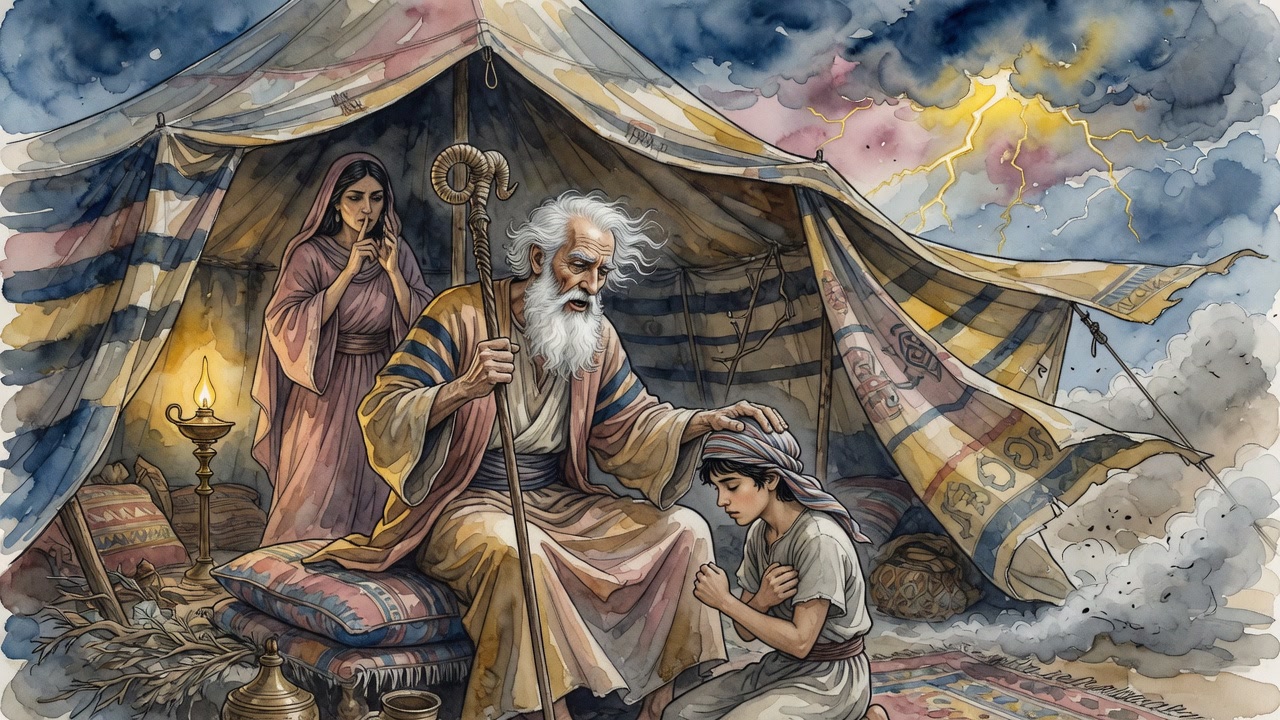
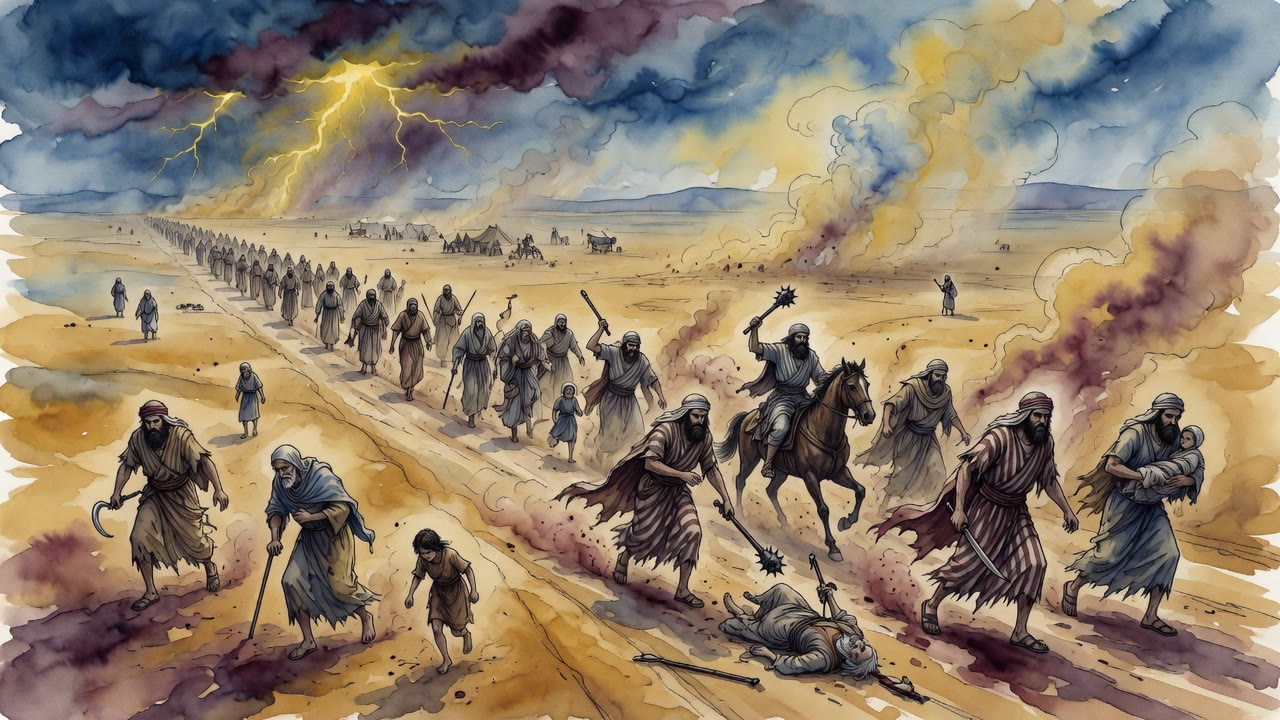
What of Eliphaz and Amalek? Amalek said to Eliphaz his father: Who will inherit this world and the world to come? Eliphaz said to Amalek: The children of Israel will inherit this world and the world to come. So now go and dig for them pits, ditches, and caves of water that they and their cattle may drink, and prepare roads for them; if you do so you will merit and inherit and possess and come to the world to come. But he did not do so; rather, as soon as the import of the matter was told him, Amalek went out at once to destroy the world, as it says (Exodus 17:8): "And Amalek came and fought with Israel in Rephidim." And why was the place called Rephidim? Because they slackened their hands from the commandments. And the Holy One, blessed be He, who searches hearts and minds, says to him: Fool of the world, did I not form you after seventy nations? Therefore you shall be the first and the last of all who descend to Gehinnom, as it says (Numbers 24:20): "And he looked on Amalek and took up his discourse and said, Amalek was the first of the nations, but his end is to perish forever." And it says (Deuteronomy 25:19): "And it shall be when the LORD your God gives you rest... you shall blot out the memory of Amalek from under heaven; you shall not forget." And it says (Exodus 17): "For I will utterly blot out the memory of Amalek from under heaven," and it says, "For a hand is upon the throne of the LORD; the LORD will have war with Amalek from generation to generation."
And not only this, but the seed of Esau, who annulled the covenant of circumcision from their flesh, transgressed the commandment of the Sabbath and all the commandments stated in the Torah, and gave the corpses of His righteous and pious servants as food to the birds of the sky and the beasts of the earth, as it says (Psalms 79:2): "They have given the corpses of Your servants as food to the birds of the sky, the flesh of Your pious ones to the beasts of the earth." Therefore the Holy One, blessed be He, who searches hearts and minds, said to him: Had the covenant of circumcision been in your flesh, I would not have judged you for every thought as for a deed, and for what you are destined to do as though it were already done. What is written afterward (Ezekiel 35:10): "Because you said, These two nations and these two lands shall be mine, and we will possess them, though the LORD was there." Who revealed the hidden things? Say: the Holy One, blessed be He. Therefore it says, "though the LORD was there." And it says (Obadiah 1:2): "Behold, I have made you small among the nations; you are greatly despised... Though you soar like the eagle..." And it says (Jeremiah 49:15-16): "For behold, I have made you small among the nations, despised among men. Your horror has deceived you... Though you make your nest high like the eagle, from there I will bring you down."
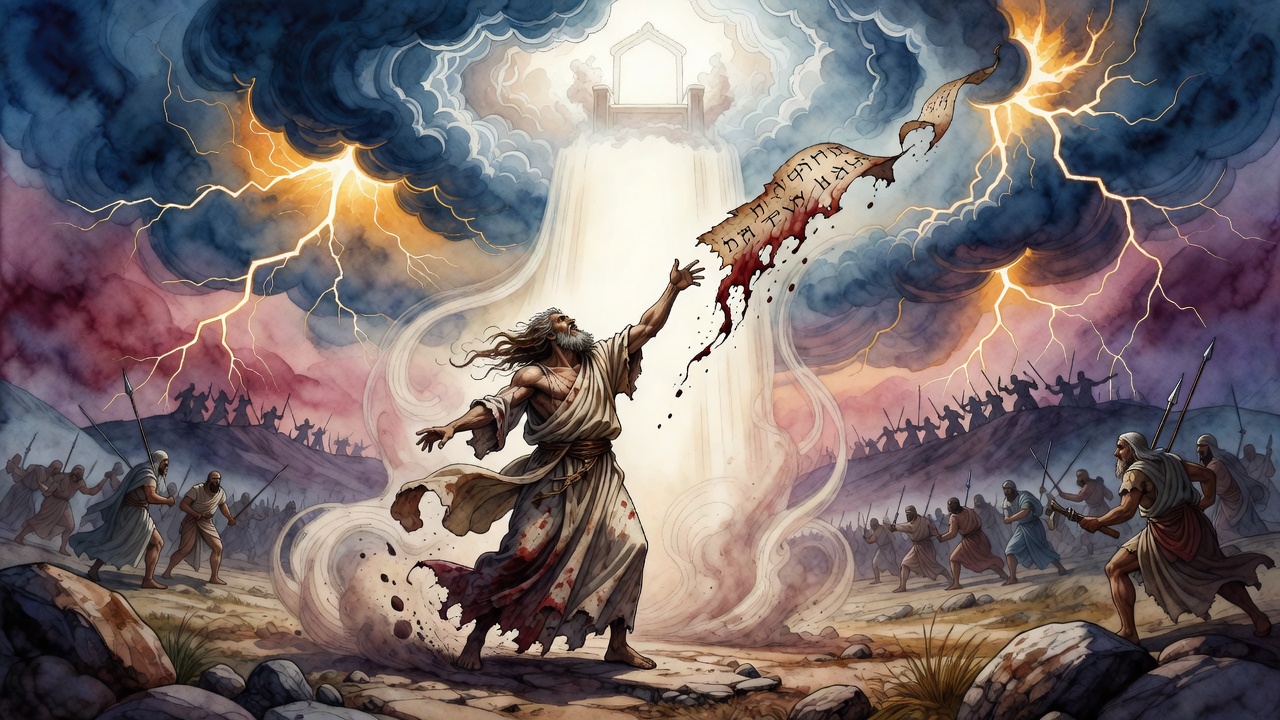
What is "your horror"? Vile and a scoffer. He said to him: The scoffing that was in you, it caused you to be removed from the world. And blessed is the Omnipresent, blessed be He, who exacts retribution from the enemies of Israel measure for measure, that just as it was in his intent, so the Holy One, blessed be He, uproots him and his seed from the world, as it says (Obadiah 1:18): "And the house of Jacob shall be a fire, and the house of Joseph a flame, and the house of Esau stubble, and they shall kindle in them and consume them, and there shall be no survivor of the house of Esau." And it says (Malachi 1:4): "Though Edom say, We are beaten down but we will return and build the ruins... they shall build but I will tear down." And it says (Obadiah 1): "For the violence done to your brother Jacob, shame shall cover you, and you shall be cut off forever." The Holy One, blessed be He, said to Esau: You wished to do violence to Jacob your brother; therefore shame shall cover you and you shall be cut off forever. And what was the violence he did to Jacob, that shame should cover him for it? That he did not wish to leave the Torah scroll in his hand; therefore shame shall cover him and he shall be cut off forever.
And not only this, but Shem the great, son of Noah, prophesied four hundred years to all the nations of the world, and they did not accept from him. And thus the great Shem said to them: Do not murder. Do not commit adultery. Do not steal. Do not bear false witness. And do not covet. They said to him: All these things are good, yet even so they did not accept your sovereignty upon them. But we, the children of Israel, Your people, the children of Your covenant, the children of Abraham, Isaac, and Jacob Your beloved who did Your will in the world, we accepted Your Torah; therefore do for us also a favor, and fulfill what You promised us and said to Your children, to be zealous and to avenge us of our enemies, as it says, "For He will avenge the blood of His servants and render vengeance to His foes" (Deuteronomy 32:43). And so David said (Psalms 7:7): "Arise, O LORD, in Your anger; lift Yourself up against the fury of my adversaries." And when Israel came out of Egypt, all Israel gathered with Moses among them and said before the Holy One, blessed be He: Master of the world, there is nothing between us and the nations of the world, as it says (Exodus 33:16): "For how then shall it be known that I have found favor in Your eyes, I and Your people? Is it not in that You go with us, so that we are distinguished, I and Your people, from all the people on the face of the earth? And the LORD said to Moses: This thing also that you have spoken I will do... and I know you by name." At that hour the Holy One, blessed be He, swore by His great name that a perfect Torah would be given through them, all ordered and arranged before them like goblets and cups full of water and wine, and tables full of all the delicacies of the world, as it says (Song of Songs 7): "Your navel is a round goblet, never lacking mixed wine." Therefore the Holy One, blessed be He, swore to His people that He would not exchange them for another nation, nor change them, nor substitute them for another people, nor destroy them, as it says (Hosea 11:9): "I will not execute the fierceness of My anger."

 Click for full size