Isaac's Name Carried Ten Trials and Ninety Years
The boy was named before he existed. Ishmael mocked the cut done on an infant. On Moriah, Isaac at thirty-seven laid his own life down.
Table of Contents
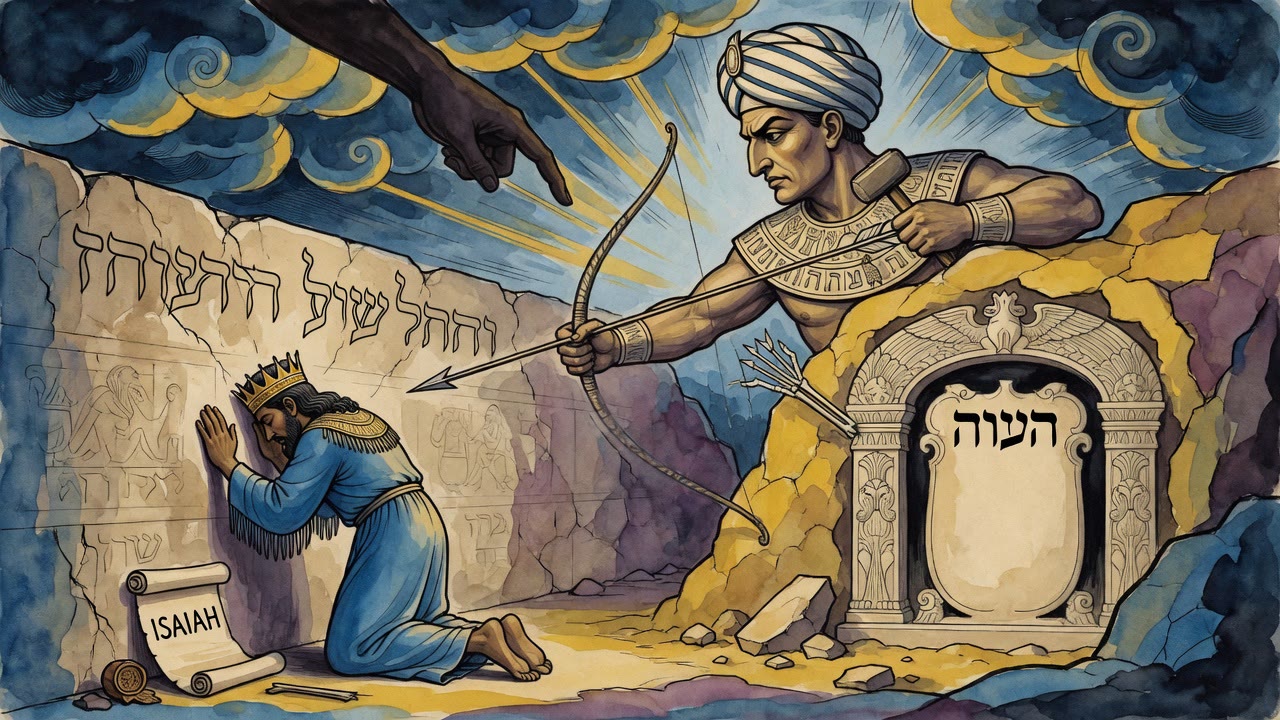
God spoke the name before the boy had a body. "Sarah thy wife shall bear thee a son, and thou shalt call his name Isaac" (Genesis 17:19). Abraham was still on his face in the dust. He had laughed. He was ninety-nine. The laugh sat in his ribs while the letters were locked.
 Click for full size
The child would be called Yitzchak (יצחק). Laughter on the tongue. Under the sound ran four counts that would not stay private. Abraham would live them first. The boy would have to grow tall enough to fill them.
Abraham Took the Name Off the Ground
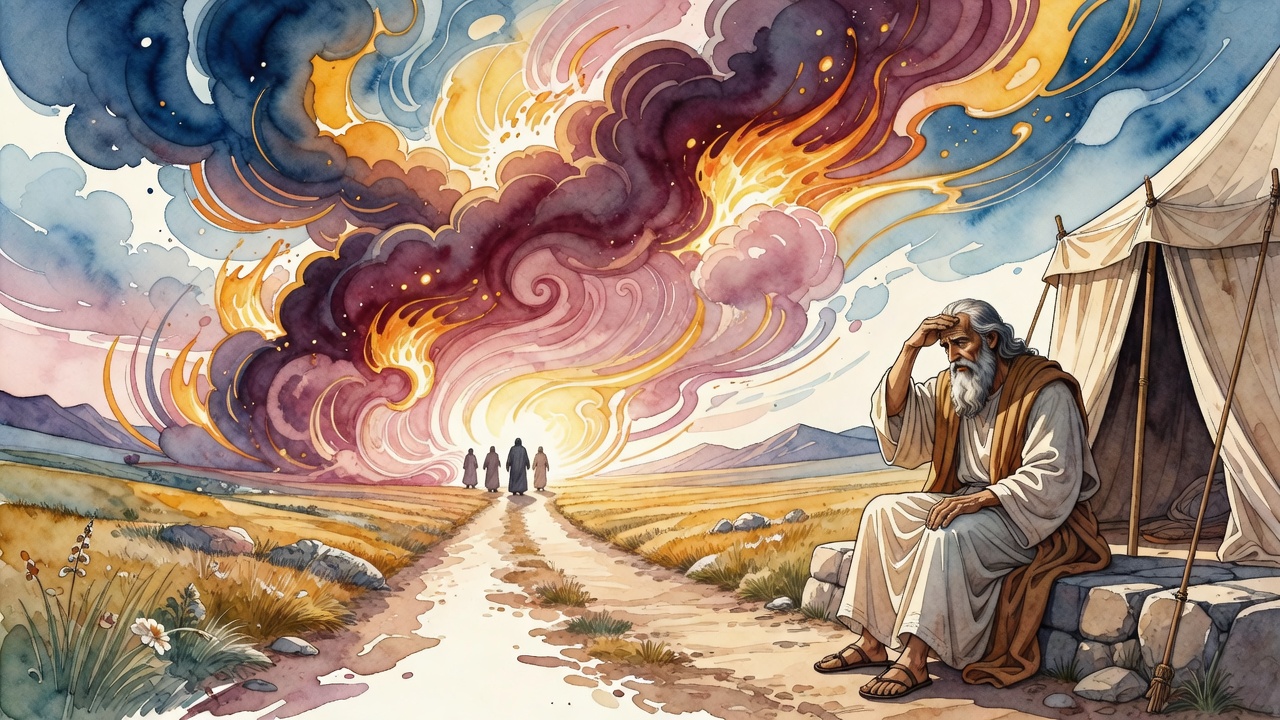
He rose. He went back to the tent. He did not shop for a fashionable name. He took the one God had already spoken. The first letter, yod, counts ten. Abraham had already walked through ten tests and had not broken. Before Isaac could cry, the father's tested life sat in the first stroke.
Neighbors still counted Sarah finished. Abraham walked among them with a name in his mouth that assumed a birth they had stopped expecting. He named the boy in advance the way a man names a road he has not yet reached.
Sarah Bore Him at Ninety
The second letter, tzadi, counts ninety. That is Sarah's age when the promise took flesh. "Shall Sarah, that is ninety years old, bear?" (Genesis 17:17). She asked it. Then her body answered. The women who had stopped bringing her news of births had to start over.
On the eighth day Abraham circumcised him (Genesis 21:4). The chet in the name holds that cut. The kuf holds one hundred, Abraham's age at the birth (Genesis 21:5). Father at a century. Mother at ninety. A child bound to the eighth-day sign. The household that had laughed in disbelief now laughed with a cradle in the room.
Isaac grew into Abraham's face. Beauty, wisdom, strength, wealth, noble deeds. To call him Abraham's son was as much honor for the father as for the child. Abraham stood ancestor to thirty nations. The world still named him Isaac's father, as if this one face outweighed the rest of the map.
Ishmael Mocked the Infant Cut
Ishmael would not let the eighth day rest. He had taken circumcision at thirteen, awake and willing. He sneered at a baby who could not refuse.
"You were cut in a cradle," he said. "I stood up and chose it."
The jibe sat in the camp for years. Isaac grew. The name still carried the eighth day, and Ishmael would not let him forget that an infant cannot volunteer.
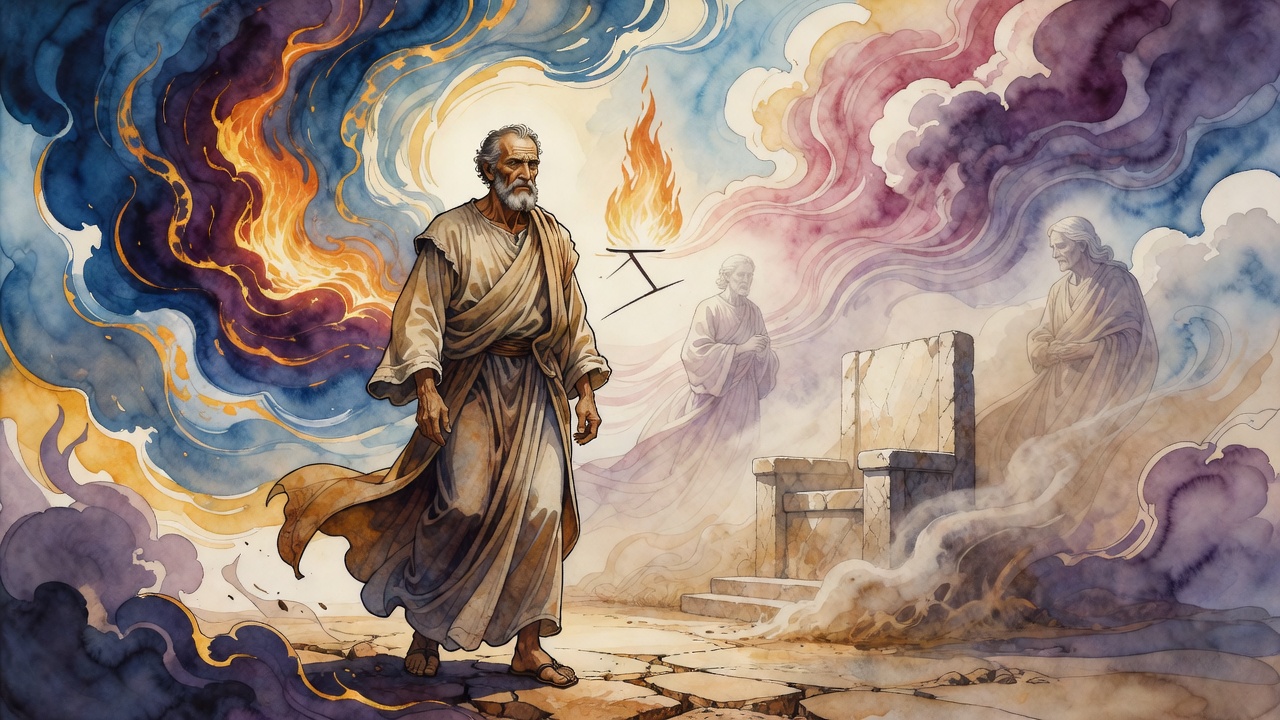
The answer waited until Isaac was thirty-seven. God asked for him on Moriah. Abraham saddled the ass. Isaac walked up with the wood on his back. He asked where the lamb was. Then he understood. He agreed to be offered. He held still under the knife.
A full life laid down silenced the jibe about an infant's blood. Only after that willingness was the son free to marry. The name that carried the eighth day also carried a later proof that the covenant was not a soft inheritance.
Three Years of Ash Before a Wife
Sarah died after the near-offering. Isaac sat in mourning three years before he took Rebekah. The house that had laughed at a promised birth now sat in ash. Heaven delayed the match until the grief had its years. The child of late joy became a man of long patience.
After Abraham's death, kings of east and west pressed at the tent for wisdom. A stone had hung at Abraham's throat. The sick who looked on it were healed. God took the stone and fixed it to the wheel of the sun, so the healing would keep circling the world. Isaac inherited more than flocks. He inherited a door that still drew nations, and a father Heaven refused to bury with the body.
The Inclination Found No Grip
The yetzer hara, the evil inclination, held no real power over Abraham, Isaac, and Jacob. They tasted in this life a freedom the world to come will make common. Isaac's name, loaded with trials and ages and a cut, fit a life that did not spend itself fighting private chaos. The laughter in the name was not mockery. It was the sound of a decree that had outlived every human reason to doubt.
Ishmael later repented and showed Isaac respect. Hagar even bore a daughter into that wider house. The rivalry did not get the last word. The center remained the son whose four letters still stored the miracle.
When later generations said Yitzchak, they said ten tests, ninety years, an eighth-day cut, and a hundred-year father. The boy of promise never escaped the arithmetic. He only grew tall enough to fill it.
← All myths