God Held Israel Like a Bird in His Palm at the Reed Sea
God cradles Israel like a bird in an open palm at the sea, then the song crowns Him king while Egypt lies dead on the shore.
Table of Contents
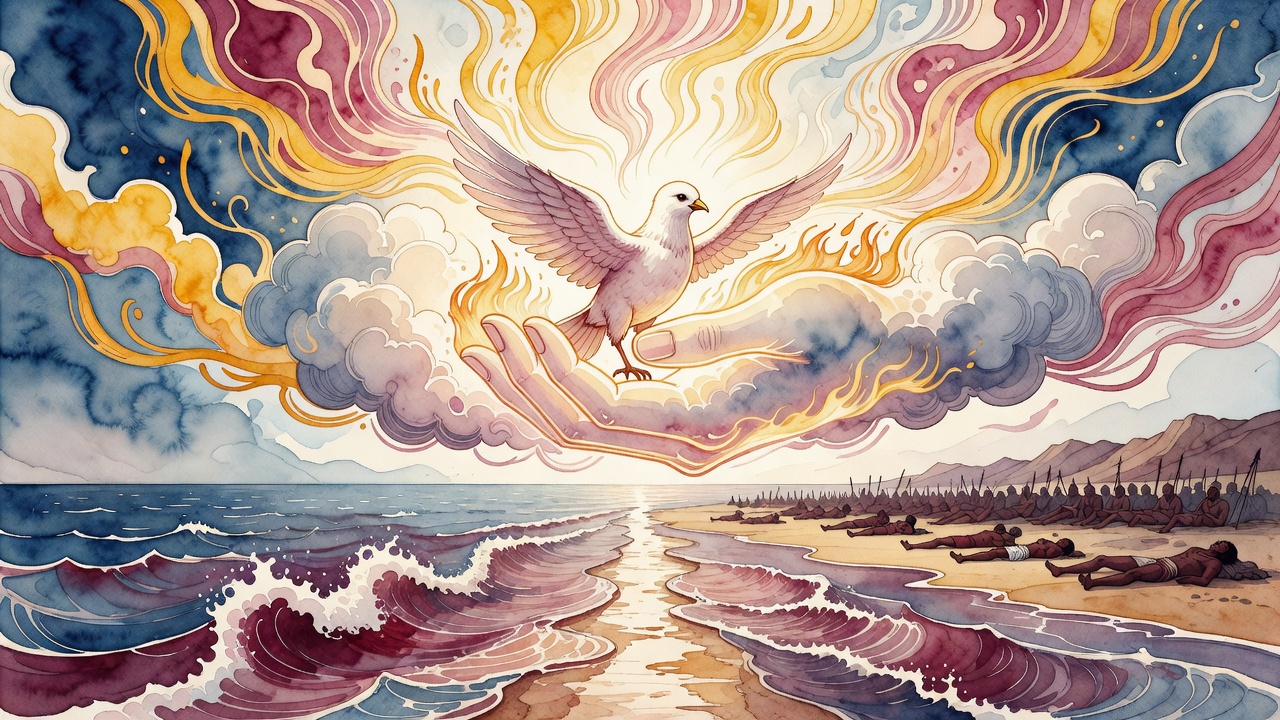
A hand opened over the water and held a bird so lightly the feathers barely bent. Close the fingers a little and the bird dies. That is how the midrash paints Israel at the edge of the sea: saved, and still crushable, carried by a grip that had to know its own strength.
 Click for full size
God drew them out of Egypt the way a midwife slips a calf from the womb, life pulled free from an iron furnace. The people did not walk out on the strength of their own legs. They were lifted.
The Snare Broke Behind Them
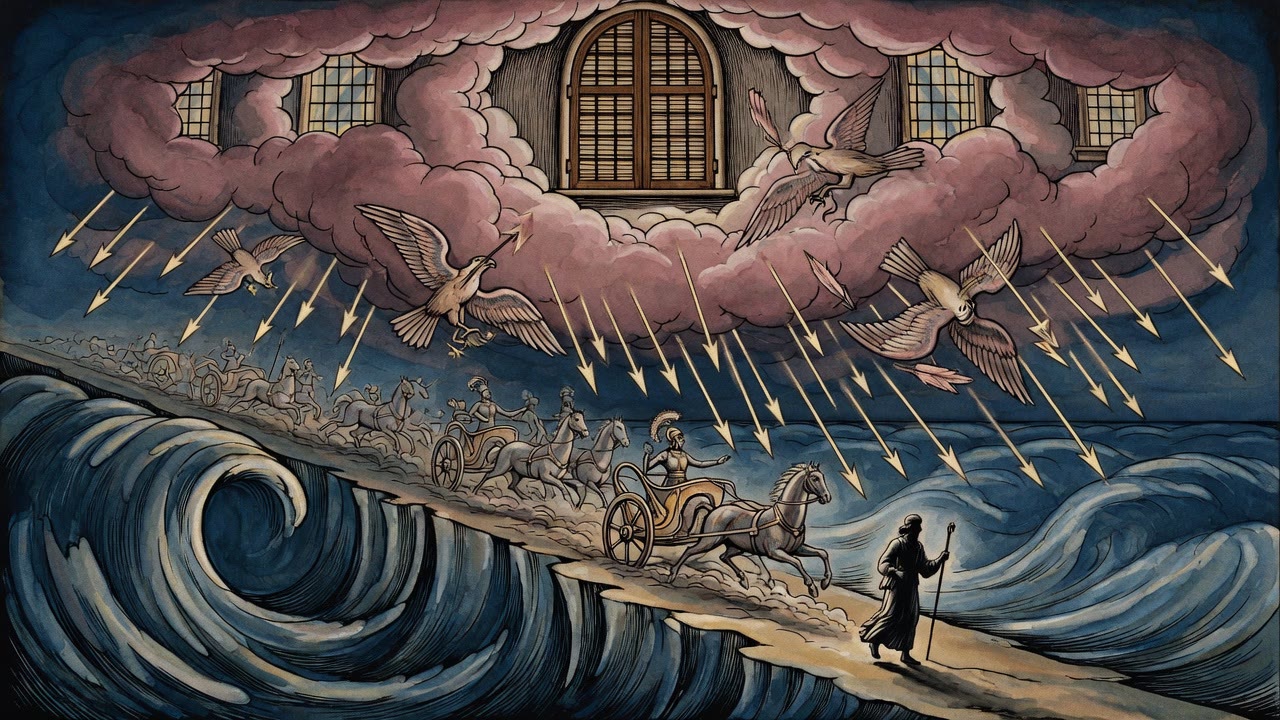
The fowler's snare lay broken. Israel stood free of it by no craft of their own. Behind them the land of bricks and quotas still smoked with memory. Ahead of them the water waited, a wall not yet split. Between those two threats they hung in the palm of a rescue that could still have squeezed shut.
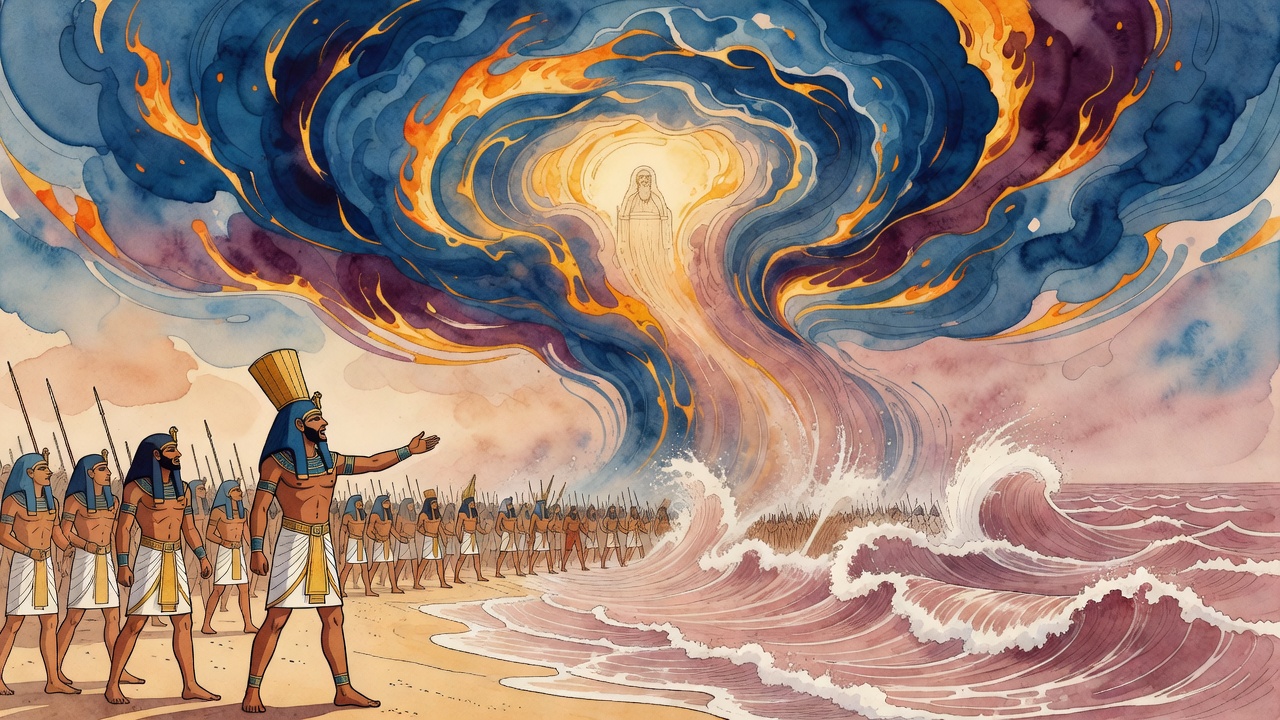
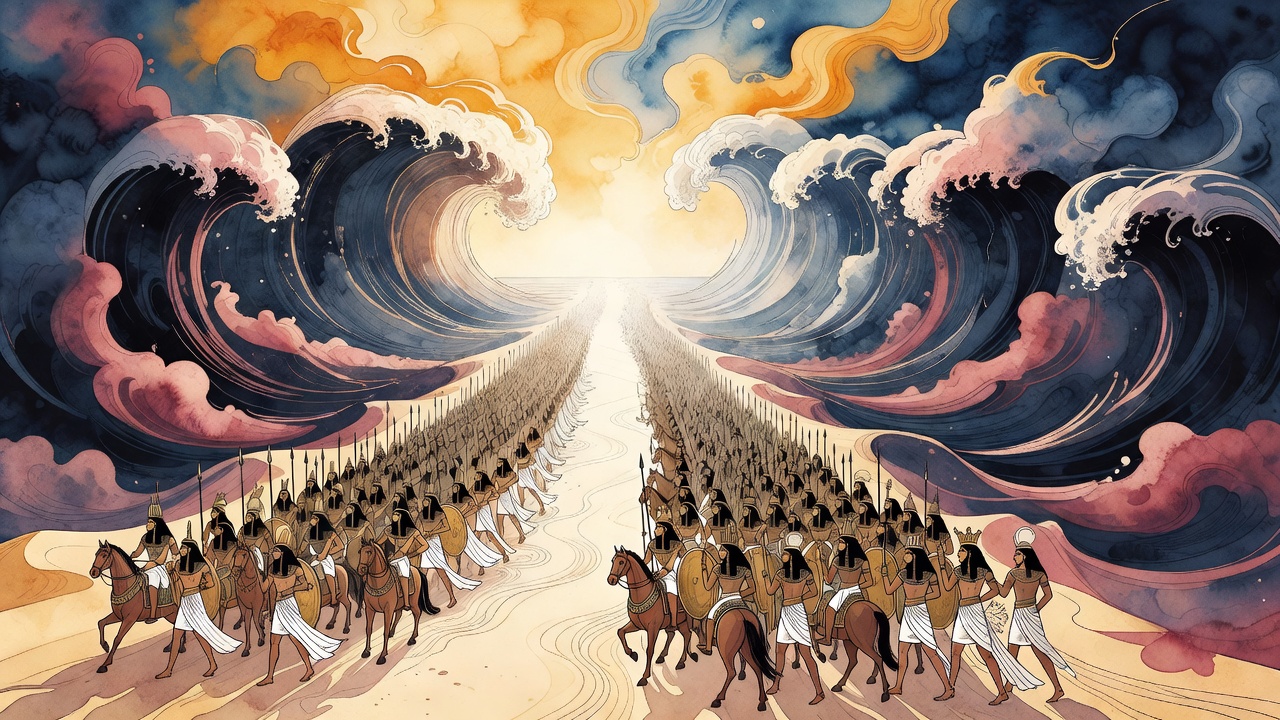
The grammar of the shore holds a second strangeness. Scripture says Israel saw Egypt "dead" in the singular, not the plural. Dead, and yet not finished dying. Dying slowly enough to be watched. The enemy did not vanish in a polite fog. The sea cast bodies onto dry land so the story could not be rewritten.
Four Reasons the Corpses Had to Be Seen
Why leave the Egyptians on the sand at all? The midrash gives four answers that all feel like the same mercy sharpened into proof.
So Israel would not fear that the enemy had fled by another road. So Egypt could not claim that Israel had drowned too and call the whole night a mutual accident. So the redeemed could gather the spoil of the ones who had stripped them for generations. So each former slave could look a former tormentor in the face and know the tyranny had ended in flesh, not in rumor.
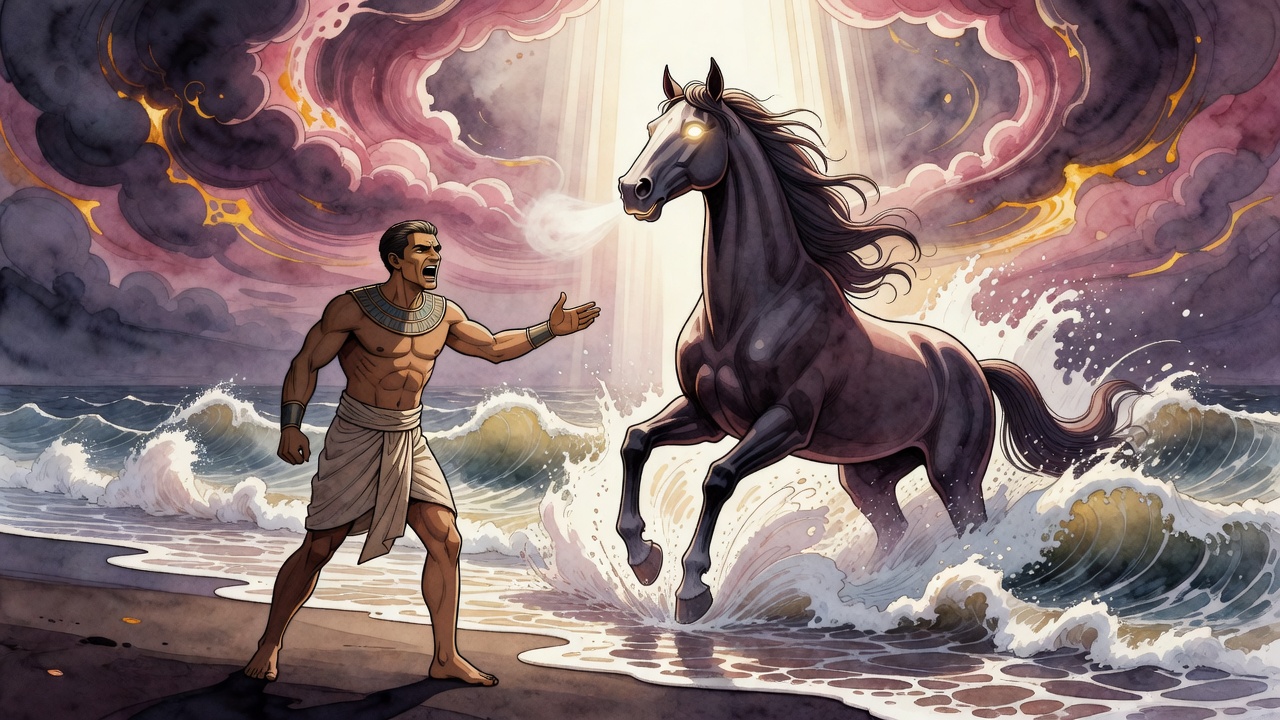
God hinted to the sea, and the sea obeyed. The ones who had trodden Israel down became the footstool under Israel's feet. A man led his dog to set a paw on an Egyptian neck and said, eat from the hand that once ordered me. The reversal was ugly and exact. Justice at the shore did not wear soft clothes.
Then Moses Sang
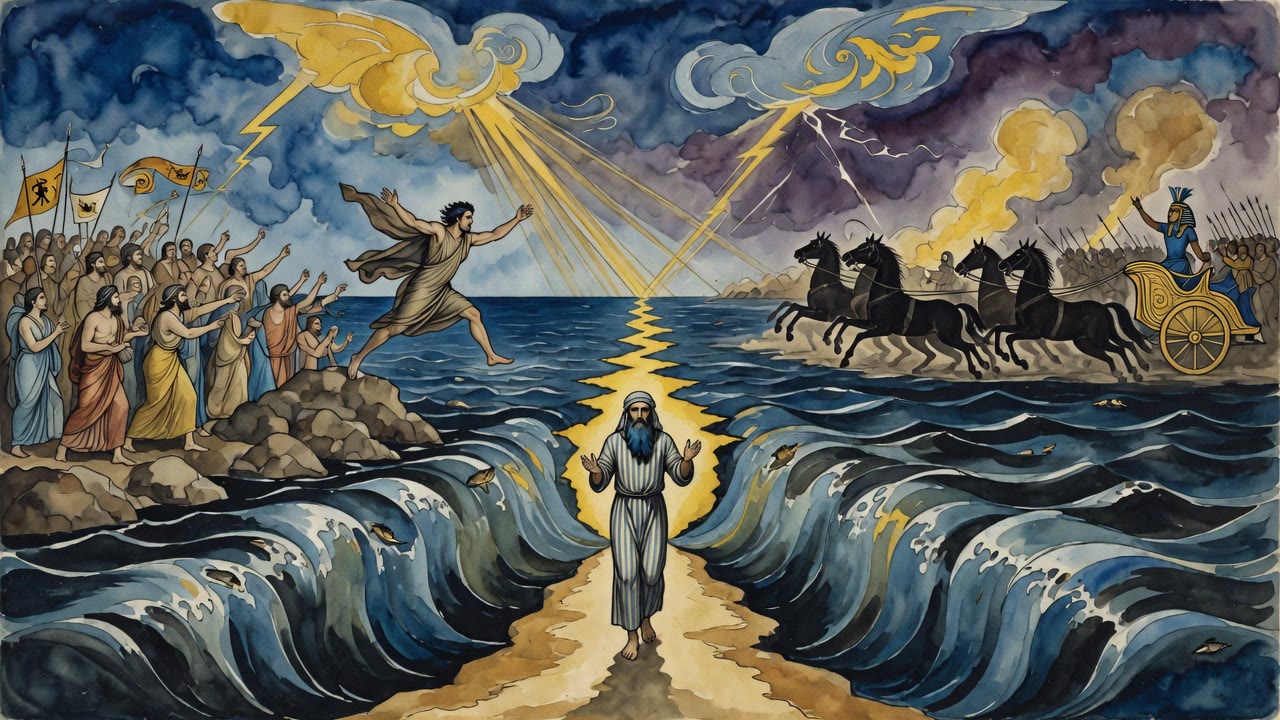
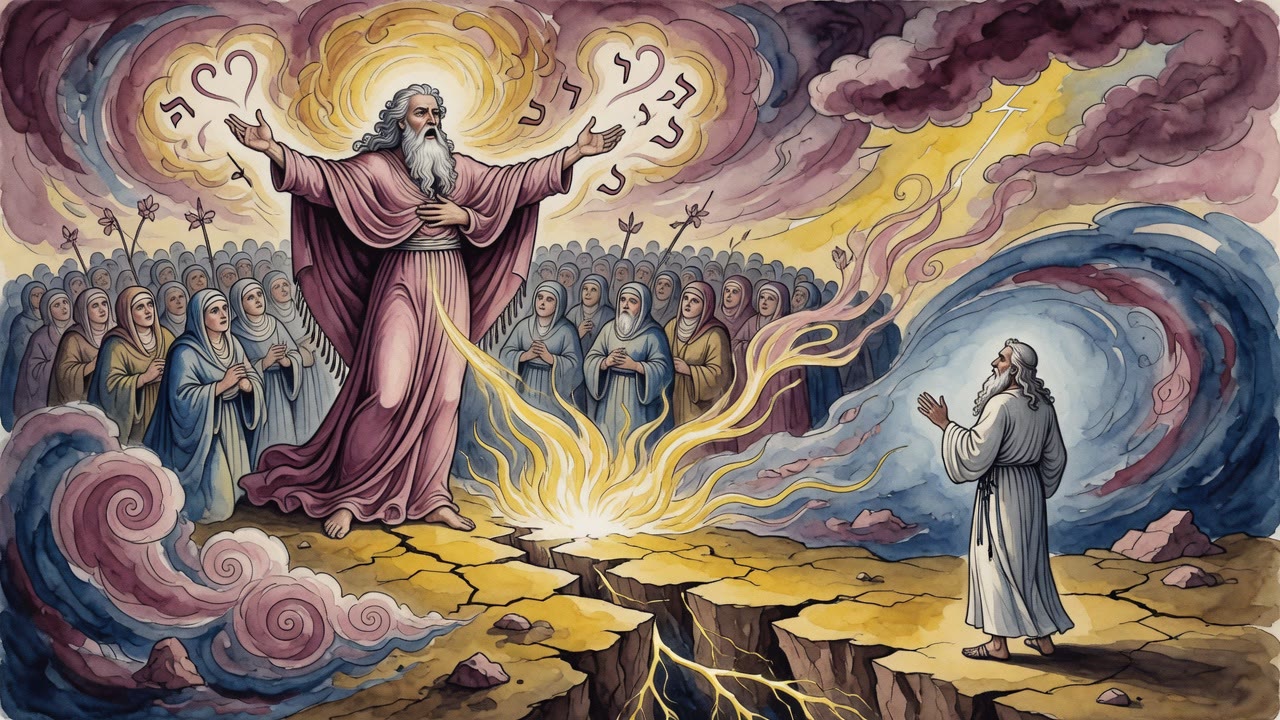
Out of that scene the song rose. Moses and the people did not first write a treaty. They sang. "Then Moses sang" is not a footnote to a military report. It is the first act of a free people naming who rules them now.
The word strength in the Song is not only muscle. The sages hear kingship in it. When Israel sings "the Lord is my strength," they are crowning the One who rules. A king rejoices in strength. Strength is given to a people. Strength is promised to an anointed ruler yet to come. Three verses braid the claim until the freed slaves are no longer merely escapees. They are subjects of a different throne.
The Coronation on Wet Sand
They had left a tyrant who called himself a god over the Nile. On the far bank they proclaimed a kingdom that does not drown. The Song is a coronation held with salt still drying on their clothes. The same word that elsewhere can mean Torah here means sovereignty: the recognition that the true throne is in heaven, and that any later king of Israel will draw power only as a gift from there.
Hold the two images together and the night refuses to shrink. A bird in an open palm. A people naming a King. Fragility and fealty in the same breath, because the One who could have crushed them chose instead to set them down singing.
Feel the palm again. The bird's heart beats against skin that could close. That is the theology of the night in one sensation. Rescue is not the same as self-rescue. The Song that follows is not pride in swimming skill. It is praise from a people who know how thin the margin was between being held and being crushed.
Egypt dead on the shore ends the argument of fear with evidence. Strength as kingship ends the argument of politics with a crown. Between evidence and crown stands a people still wet, still singing, still learning that the hand that opened for them is the same hand that rules them. The midrash will not separate those two claims. Fragile and free, subject and saved, in the same song line.
Years later, when Israel would crown human kings, the Song still sat under those crowns as a warning and a gift. Strength given to a people can be borrowed by a throne, never owned as if it rose from the Nile of a tyrant's boasting. The bird remembers the palm. The singers remember the King.
Dogs on necks, spoil on the sand, a song that crowns: the midrash stacks these until no one can call the night unfinished. The bird is free. The tyrant is dead. The King is named. That is the whole plot of the shore, told without a single claim that Israel saved itself.
← All myths