Twelve Dry Staffs Lay in the Tent and Only Aaron's Bloomed
Twelve princes each believed the priesthood should have been his. Moses cut all twelve staffs out of one beam so nobody could argue afterward.
Table of Contents
 Click for full size
The Chamber Where Quarrels Were Supposed to End
At the middle of the Temple, in the Chamber of Hewn Stone, seventy men sat in a curve like half a round threshing floor and gave judgment on the arguments of Israel.
They called that chamber the navel. Not as a compliment about location. A navel is the mark of a cord, and while a child lies in its mother the cord is the whole of its life, and if you cut it the body fails. Israel drew its living from the men in that room the same way. So the room was placed dead center, the way a navel sits at the center of a body.
They sat from the morning offering to the offering at dusk and nobody left to see to his own affairs. When a judge did need to step outside he counted heads first. Twenty-three still on the benches and he could go. Fewer, and he stayed where he was. A cup of wine is mixed one part wine to two parts water and it must never run thin, and neither could they.
Grain gets counted into a storehouse by measure because somebody values it. Straw and stubble nobody counts. Israel is counted, over and over, all the time.
Moses Cut One Beam Into Twelve
Then the count itself came under attack.
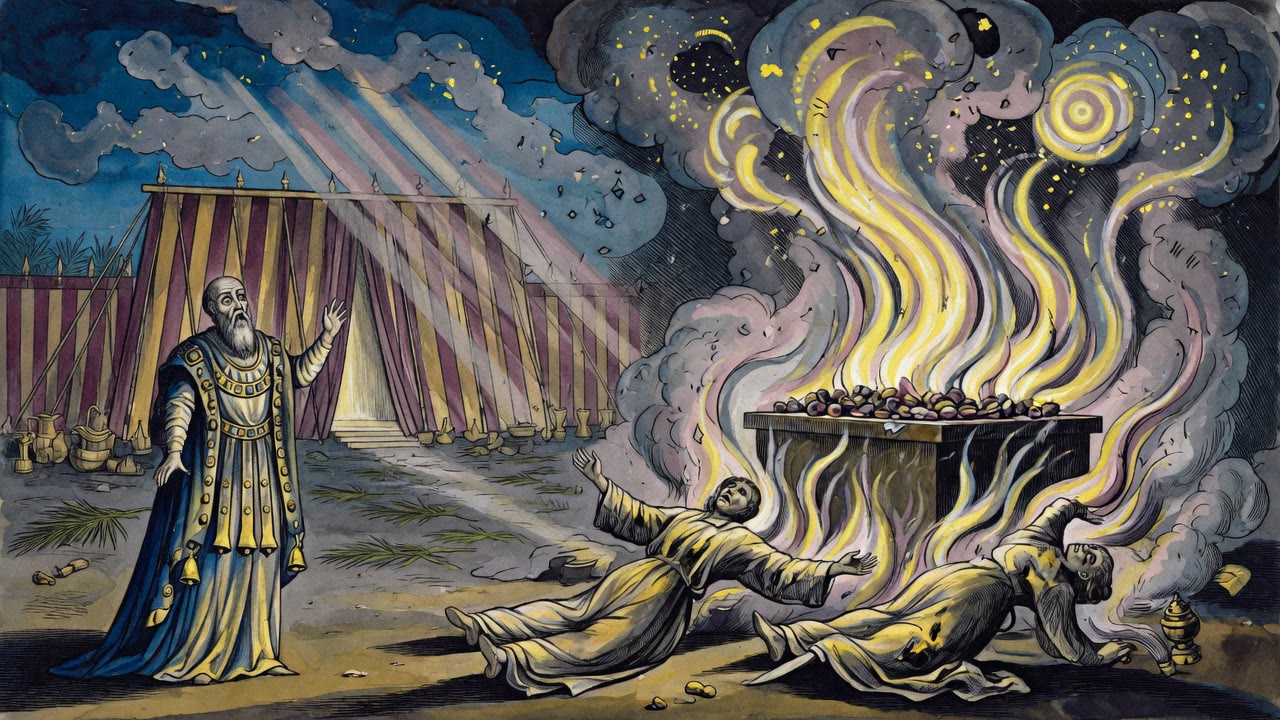
After the rebellion in the wilderness, twelve tribal princes each held the private conviction that the priesthood had been handed to the wrong family. Not one of them said it in those words. They did not have to. Aaron was serving at the altar and eleven other houses were watching him do it.
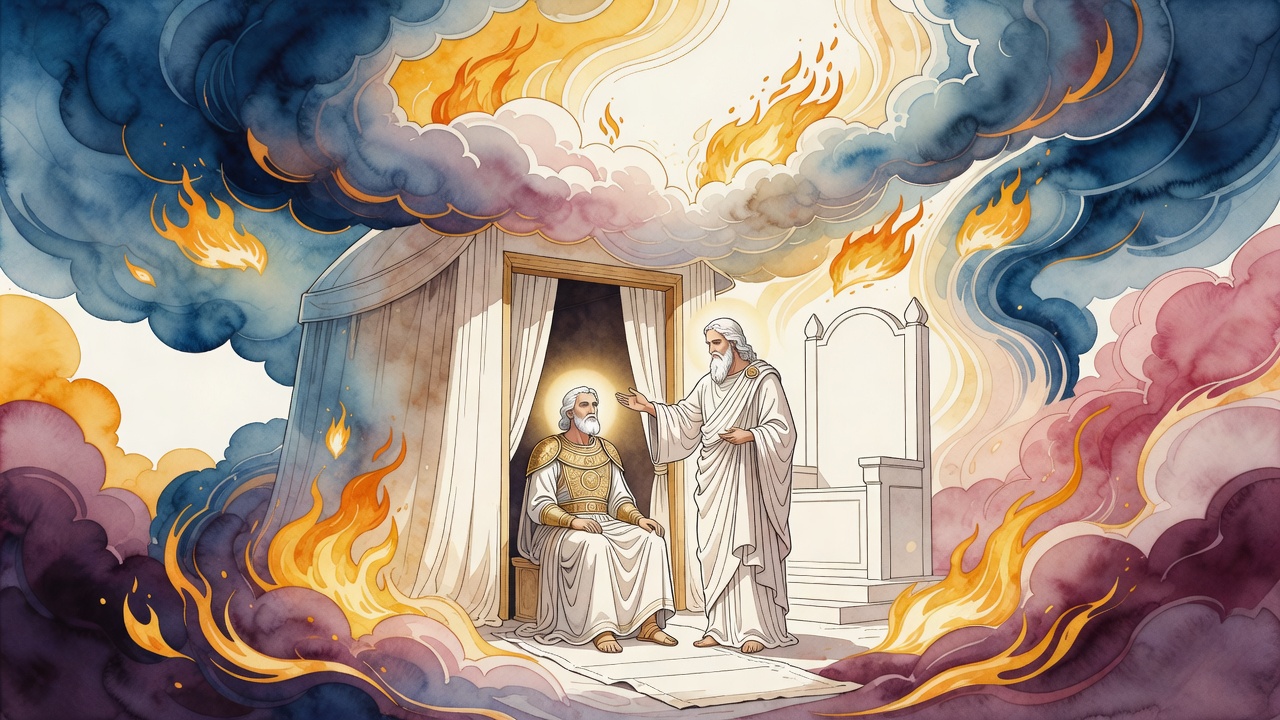
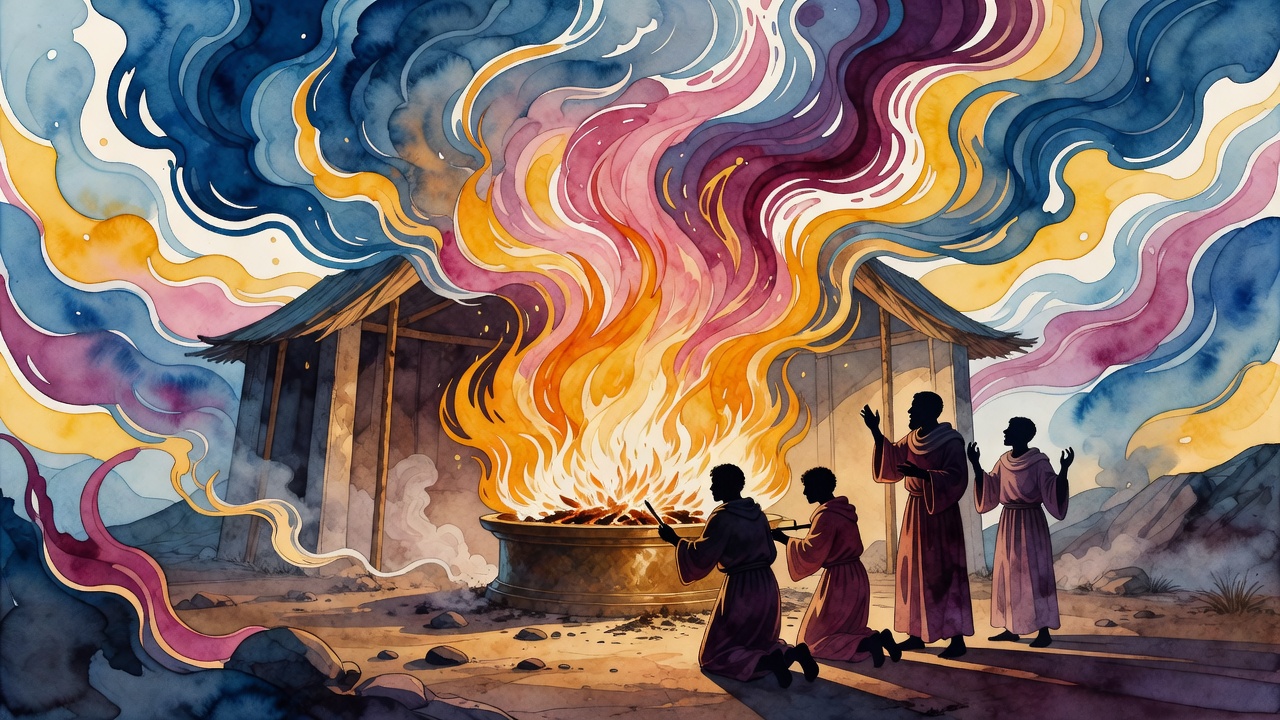
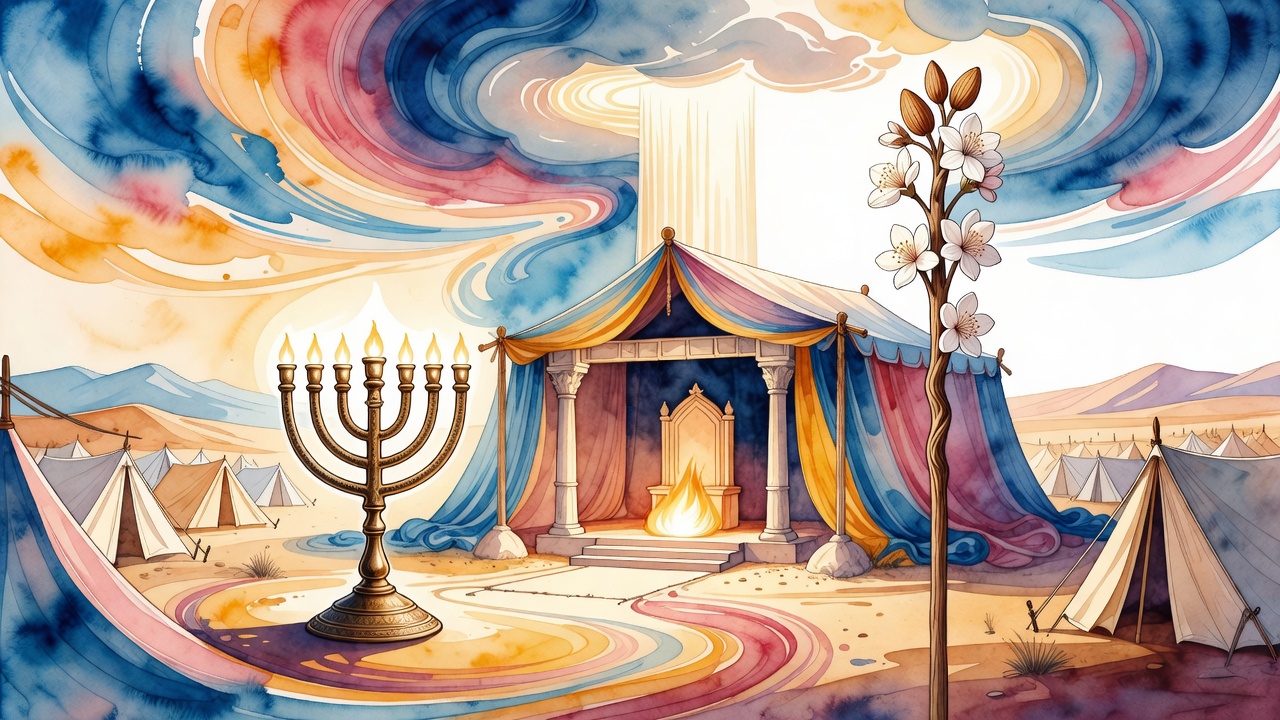
Moses was told to collect a staff from every prince and lay them all in the Tent of the Testimony overnight.
He went further than he was told. He took a single beam and cut it into twelve planks and handed them out, one to each man, and said take your staffs from this. Nobody was going to walk out of that tent in the morning saying the Levite's stick had been green wood while the rest of them brought dry. Refraining from a quarrel is an honor to a man, and Moses closed the argument before it could be made.
Twelve identical lengths of dead wood went in and the flap came down.
The Night in the Tent of the Testimony
In the morning Moses went in and picked them up one at a time.
Eleven were exactly as they had gone in. The twelfth had put out a blossom, and a bud, and ripe almonds, all of it at once, a whole season of an orchard compressed into one night in a dark tent. Aaron never opened his mouth. The wood argued for him.
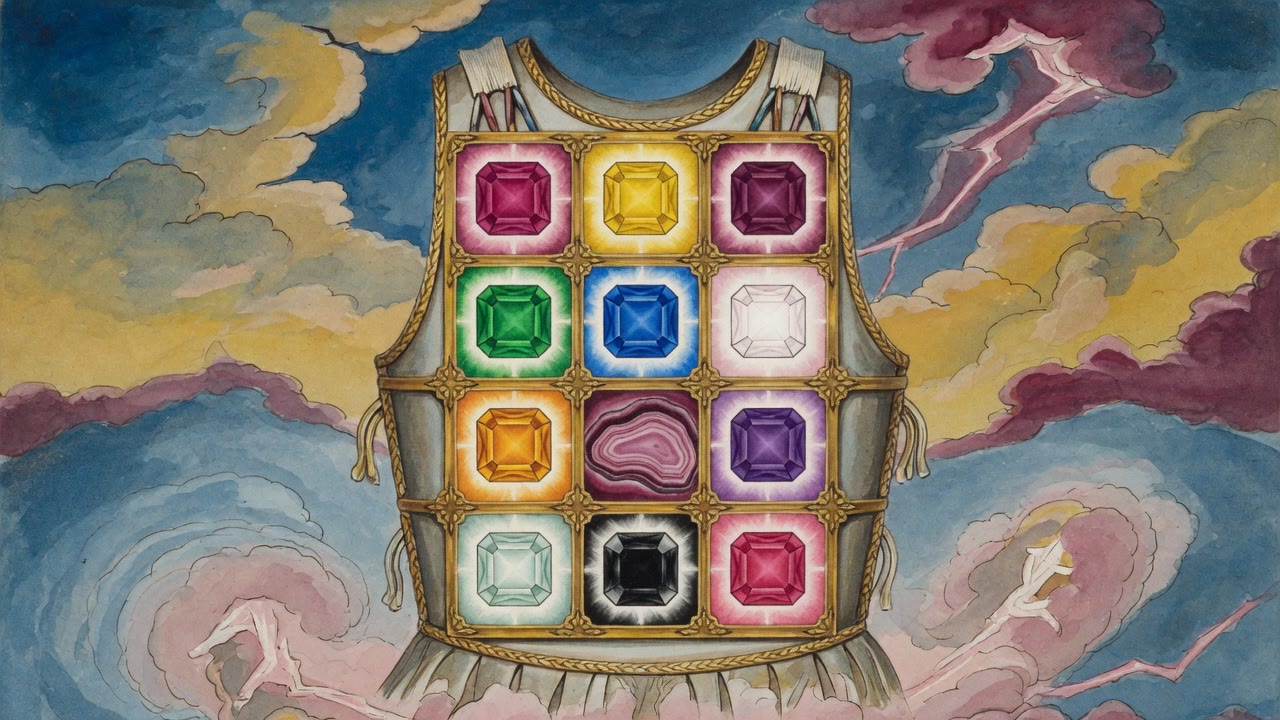
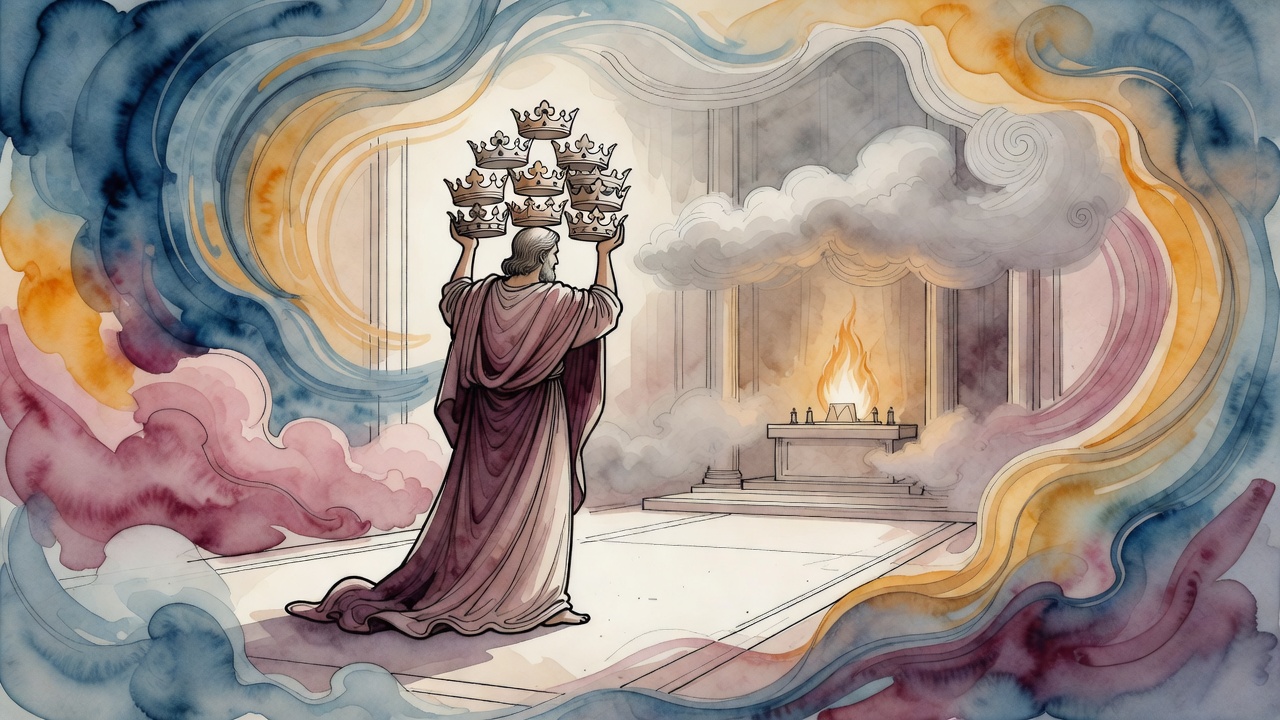
The Name that stood engraved on the priest's golden frontplate was found on that staff. And it bore almonds, which the ear catches, because the word for what it bore is the word for repaid and the word for almond is the word for those who had striven, and the staff paid back every man who had come at the house of Levi.
They put it inside the ark and kept it there. Anybody minded to reopen the question in a later generation would have to come and look at the almond blossoms first.
What the Centre Could Not Fix
Not everything that reached the middle of the camp could be settled there.
The children of Reuben and the children of Gad came to Moses with a proposal and put it in the wrong order. We will build sheep pens for our livestock here, they said, and cities for our little ones.
Moses heard the sentence and turned it around in front of them. Build the cities for your children, he said, and then the pens for your flocks. Put first things first. They had made the secondary thing primary and named it out loud in the presence of the man who had led them out of Egypt.
The verdict came down anyway. You valued your cattle above lives, they were told. As you live, there will be no blessing in it.
And some cases that arrived in the Chamber of Hewn Stone could not be mended at all. A thief returns what he took and the matter is closed. A robber pays and the matter is closed. But a man who goes to another man's wife has taken out a loan that no court on earth can make him repay, and he is counted out of the tally of the righteous, and nobody walks into that room in his right mind. A spirit of folly gets in first.
What Was Kept and What Was Passed On
When Solomon built the House he cut his windows backwards. Every builder narrows a window on the outside and widens it inward to catch as much light as the room can get. Solomon narrowed his on the inside and splayed them wide toward the street, so the light went out of the building instead of into it. The One inside is all light. He never needed the lamp. He asked for it so that the people who lit it would have something of their own to bring, and He said that if they were careful with those lamps He would light a great light for them later.
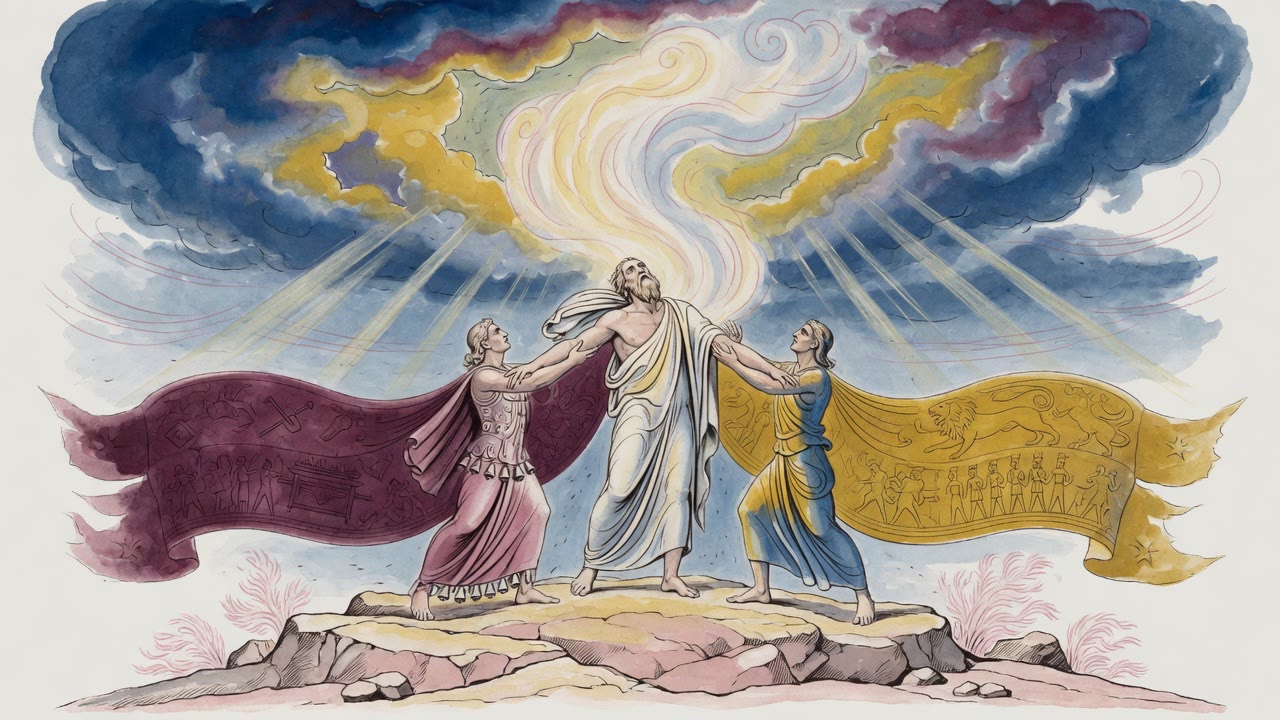
Nor did the men who did the work always get their names on it. Betzalel was filled with a divine spirit and wisdom and skill, and Betzalel built the Tabernacle with his own hands, and it is called by the name of Moses, who did not build it.
Two students came out to Pekiin to greet Rabbi Yehoshua, and he asked them what new thing had been taught in the study hall that day. We are your students, they said, we drink your water. He pressed them. There is no such thing as a study hall with nothing new in it. So they told him what Elazar ben Azarya had taught, that the men come to learn and the women come to listen, and the children come so that whoever brings them is rewarded. Rabbi Yehoshua looked at them. You had a pearl like that in your hands, he said, and you tried to keep it from me.
The staff kept blooming its way through history. It was in the hand of every king of Israel until the Temple came down, and then it was hidden. It is waiting for the king who is still coming.
← All myths