Judah Buried Two Sons for the Lie He Told About Joseph
Judah talked his brothers into selling Joseph and let his father identify the bloody coat. God told him what the price would be, and it was children.
Table of Contents
 Click for full size
Slaves on Horses and a Free Man Walking
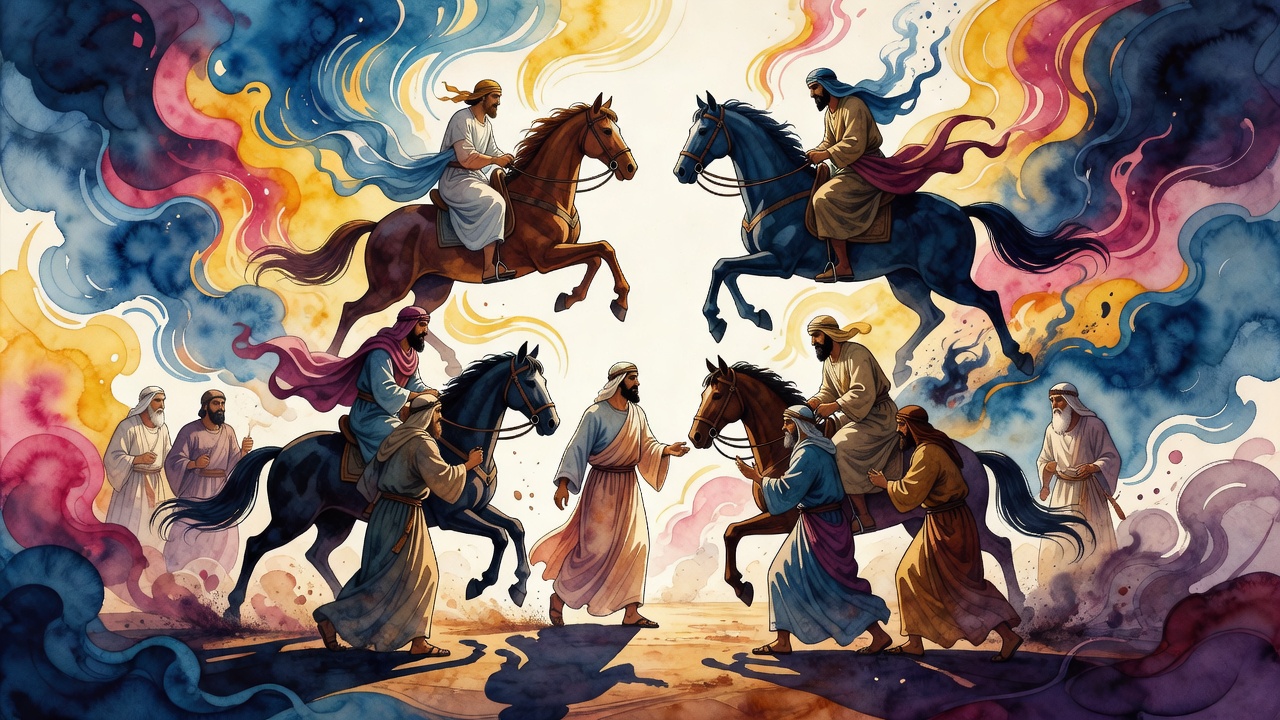
The Midianites had horses and Joseph did not.
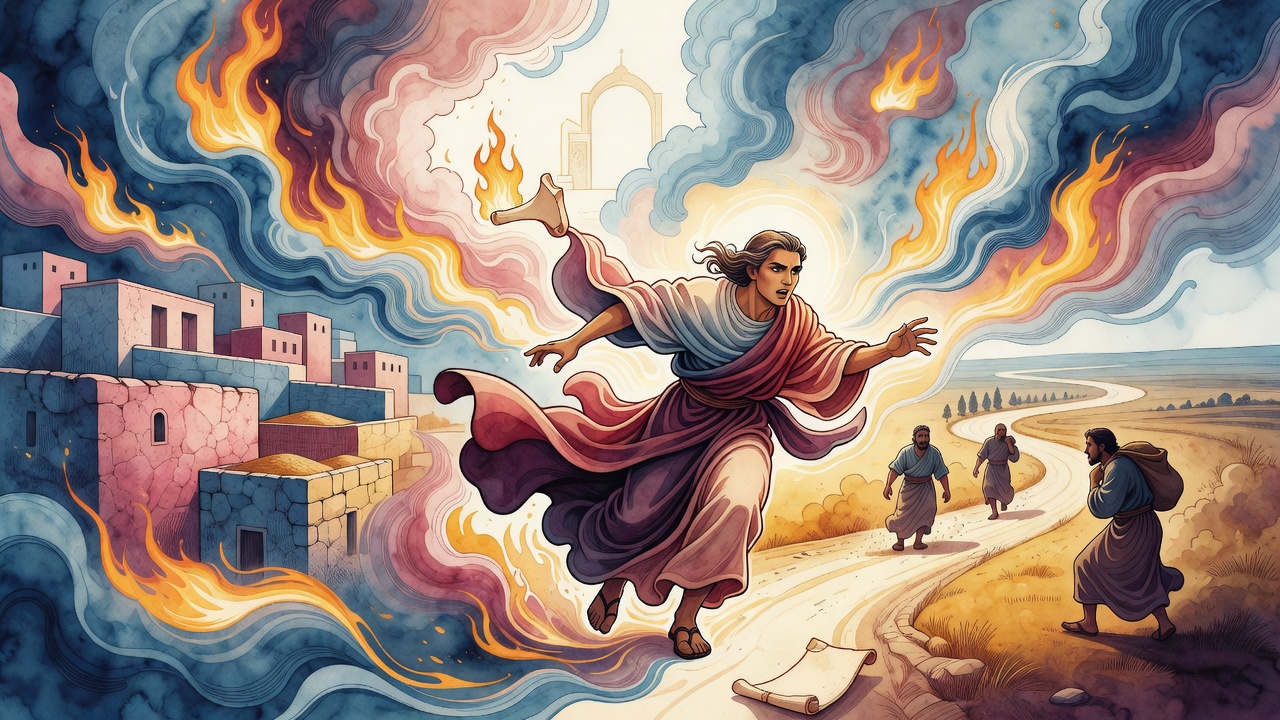
He went south along the caravan road on foot with his wrists tied while the men doing the selling rode above him and the men doing the buying came up the road to meet them, and the price got settled over his head in a language he was only starting to catch. The sellers were sons of a bondwoman. The buyers were sons of a bondman. Slaves on horses at both ends of the rope, and the free-born son of Jacob walking between them in the dust their animals kicked up.
A dreamer of dreams, his father's favorite, handed along by men whose own grandparents had been property, until the road ran out at Egypt and he was sold once more, to an officer of Pharaoh named Potiphar.
The Goat's Blood
Back in the hill country his brothers still had a problem to solve, and it was Judah who had proposed the sale in the first place. What profit is there if we kill him and cover his blood. Let us sell him to the Ishmaelites. His brothers listened to him, because he was persuasive and because it let all of them keep their hands clean.
They killed a young goat and soaked the coat in it.
They did not carry it home themselves. They sent it, and let their father do the identifying. Look at this. Is this your son's coat or not.
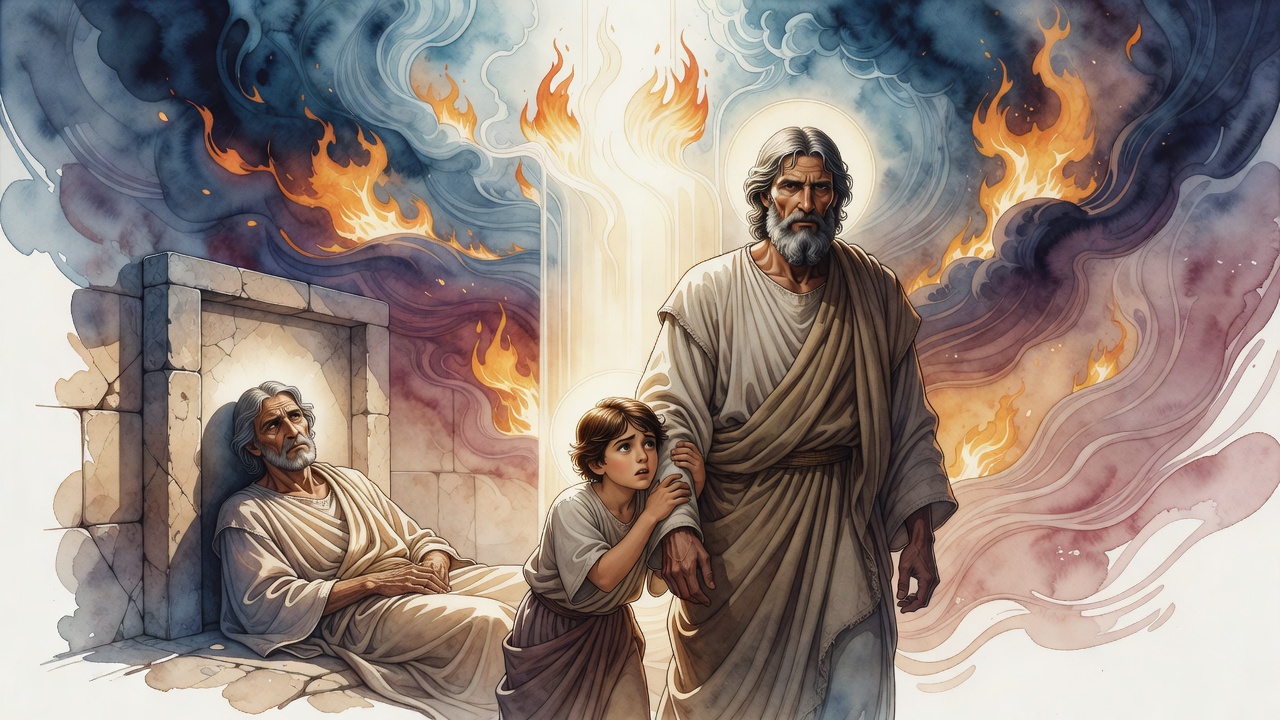
Jacob tore his clothes and put sackcloth on his hips and mourned for weeks, and when his sons came around to comfort him he refused every one of them. He said he would go down to the grave still mourning. He wept for the boy.
You Have No Children, So You Do Not Know
And while the old man was still weeping, God turned to Judah.
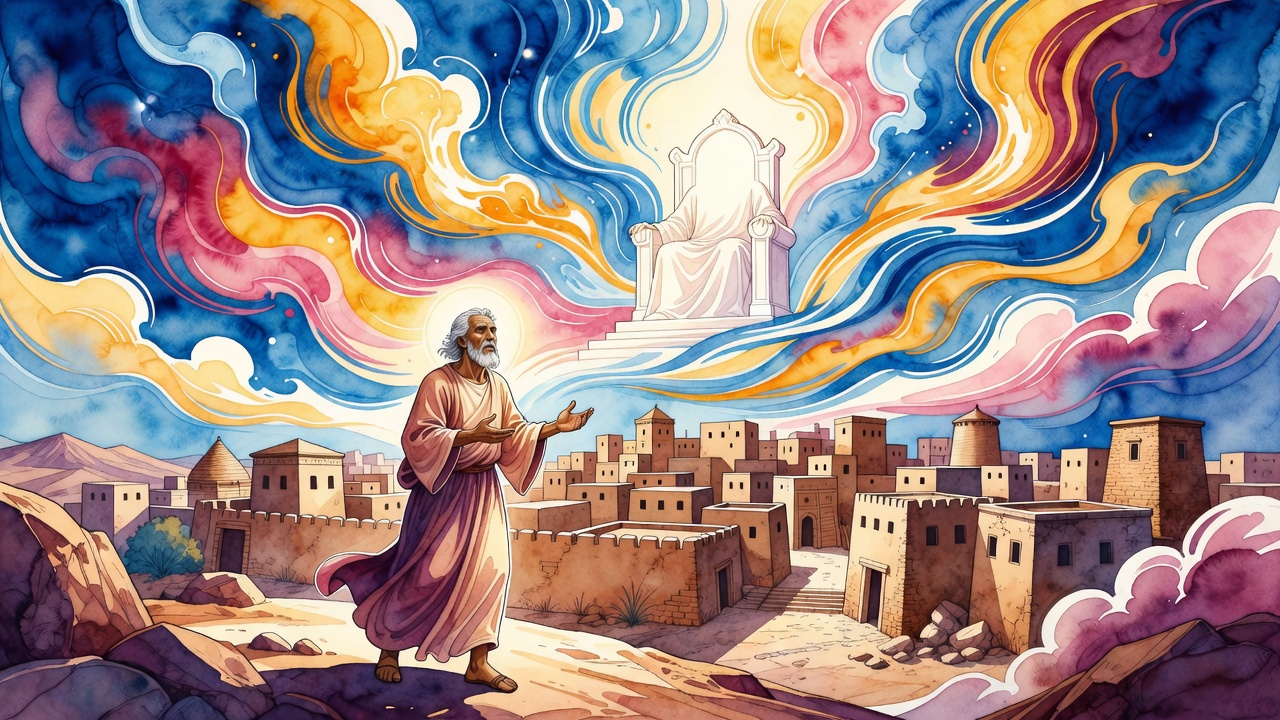
"You have no children. That is why you have no idea what grief over children is. You misled your father. You let him believe his son was dead. By your life, you will take a wife and you will bury your own sons, so that you find out what it tastes like."
Judah went down from his brothers after that.
He went to Adullam and married the daughter of a Canaanite named Shua, and she bore him Er, and then Onan, and then Shelah.
Two Graves in Canaan
Er was wicked in the sight of the LORD and the LORD killed him. Onan was given to his brother's widow and would not give her a child, and God killed him too.
Judah buried both of them in the land of Canaan.
Then he got frightened of the third one and sent Tamar back to her father's house in widow's clothes to wait for Shelah to grow up, which he had no intention of ever allowing. He was protecting a son from a woman. It did not occur to him what he was doing to her.
The grief he had arranged for his father had come home and sat down at his own table. And for all the years Joseph was missing, whenever Jacob raised his eyes at that table, the son he held responsible was Judah.
The Word He Held Back in the Viceroy's Hall
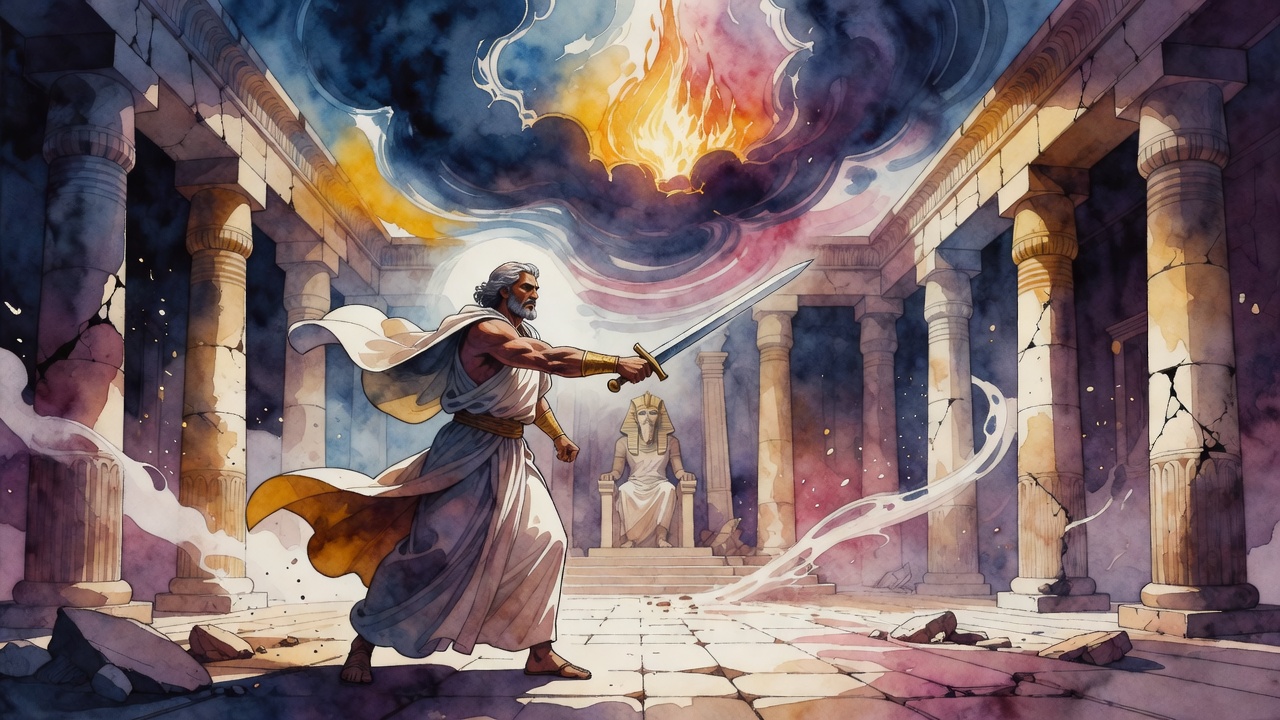
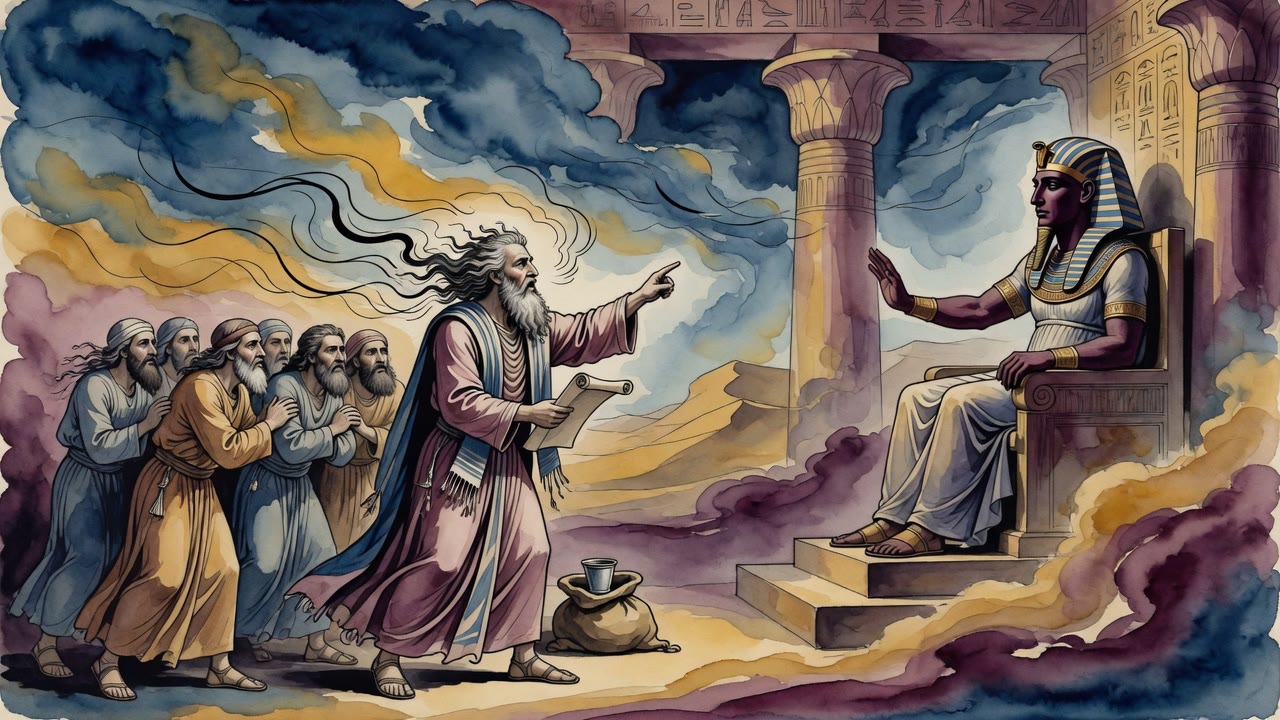
Twenty-odd years later Judah stood in an Egyptian hall in front of a man in fine linen who was holding Benjamin on a charge of stealing a silver cup. He did not beg.
He argued.
"By the way of the world," he said, "a man buys a slave, finds out he is a thief, and hands him back to the seller. You have found this one a thief and you want to keep him. That makes you the suspect one. If it is service you are after, I serve better than the boy. If it is war you are after, I fight better than the boy. Let your servant stay as a slave to my lord in place of the lad."
And in front of all of it, the most courteous sentence in the whole speech. "Let your servant please speak a word."
Word is davar. Plague is dever. And please is na, which is also the name of an Egyptian city, the No-Amon the prophet asks about. A foreigner in a foreign court was asking permission to open his mouth, and the permission was shaped like a threat. Let me speak, and Egypt gets the plague.
He had once sold a brother for silver on a road outside Dothan. He was now offering his own body for a brother and holding a disaster behind his teeth in case the offer got turned down.
The man in the linen broke. He cleared the room of Egyptians and told them who he was.
Judah had put himself up as surety for the boy and the pledge had held, and the old account closed on the spot. Which is why, when the family finally went down into Egypt, Jacob sent Judah on ahead of him. After all those years, the son he had blamed went first, to pick the ground.
← All myths