Messiah Promised While Torah Still Hesitates
Torah stopped at the world's door and would not go in. Humans would fail, it said. God answered by naming a redeemer already appointed.
Table of Contents
 Click for full size
A Teaching Stopped at the Door
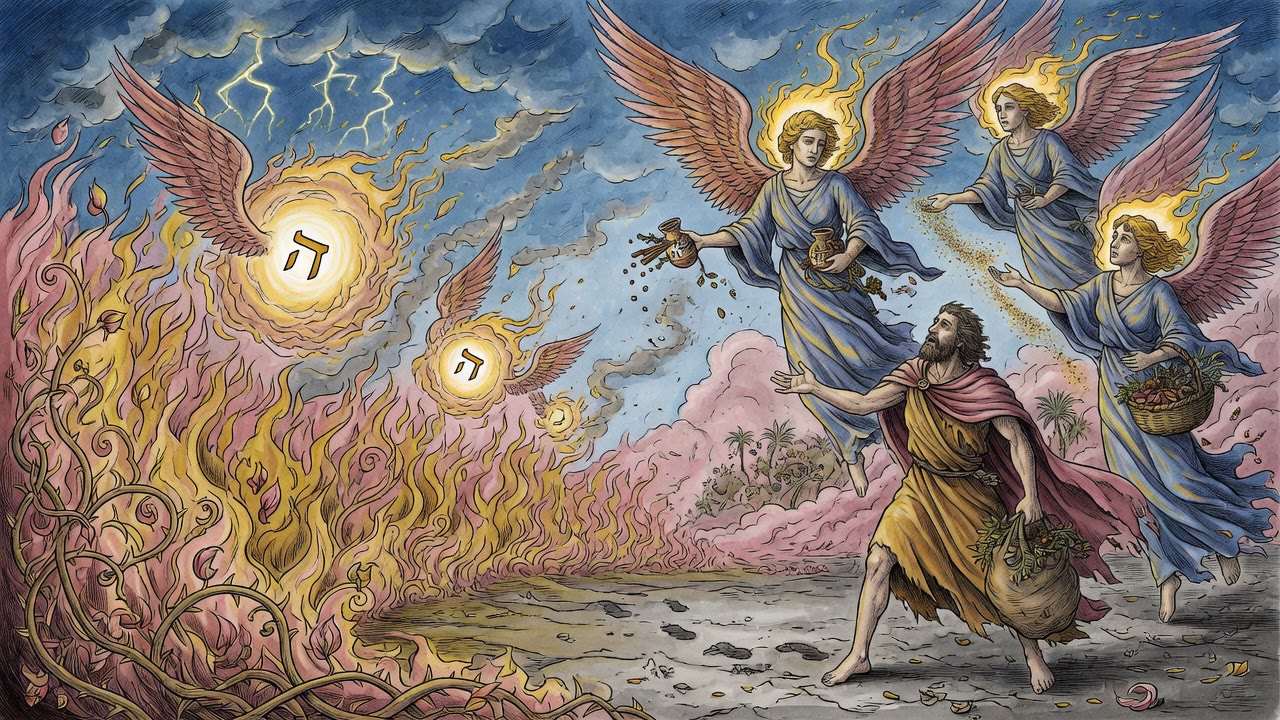
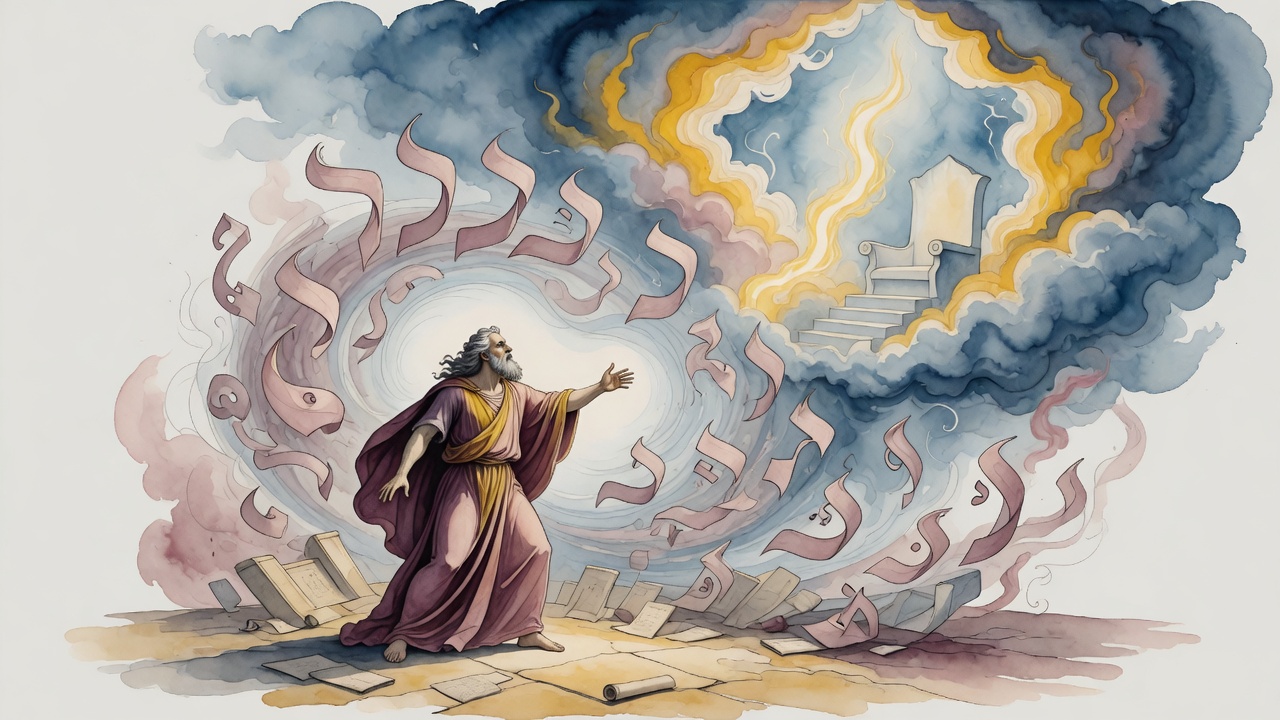
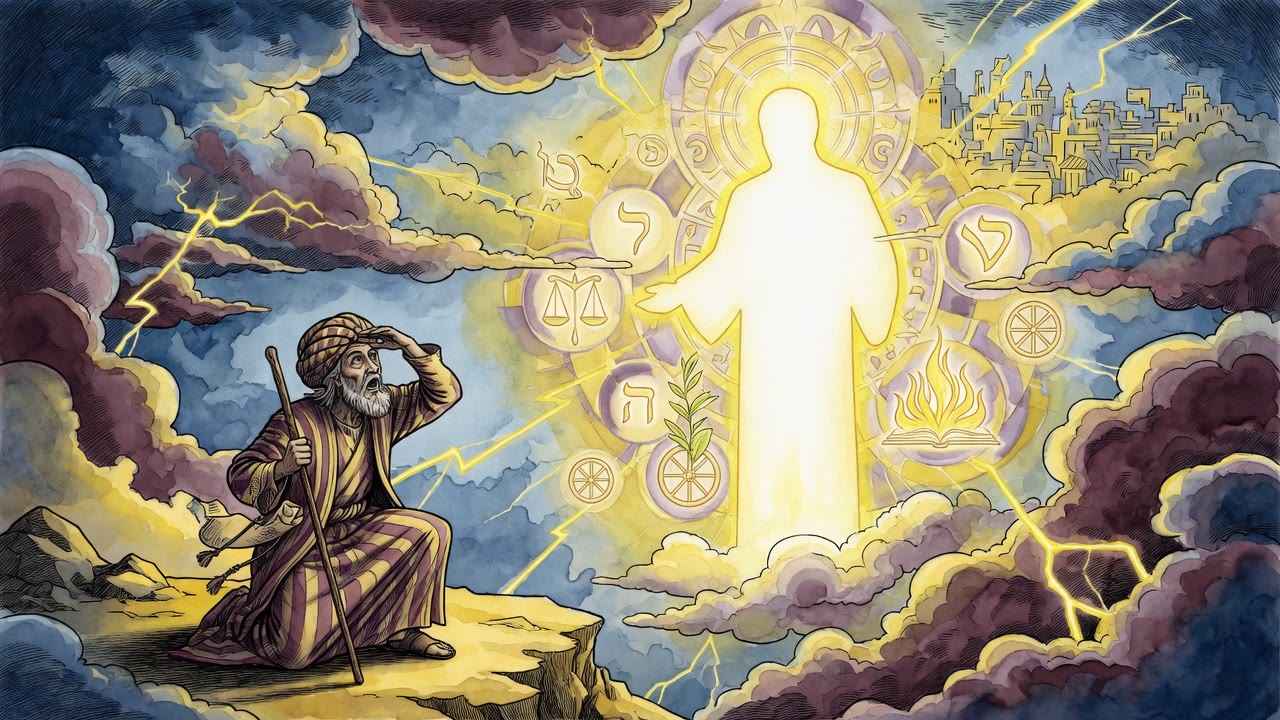
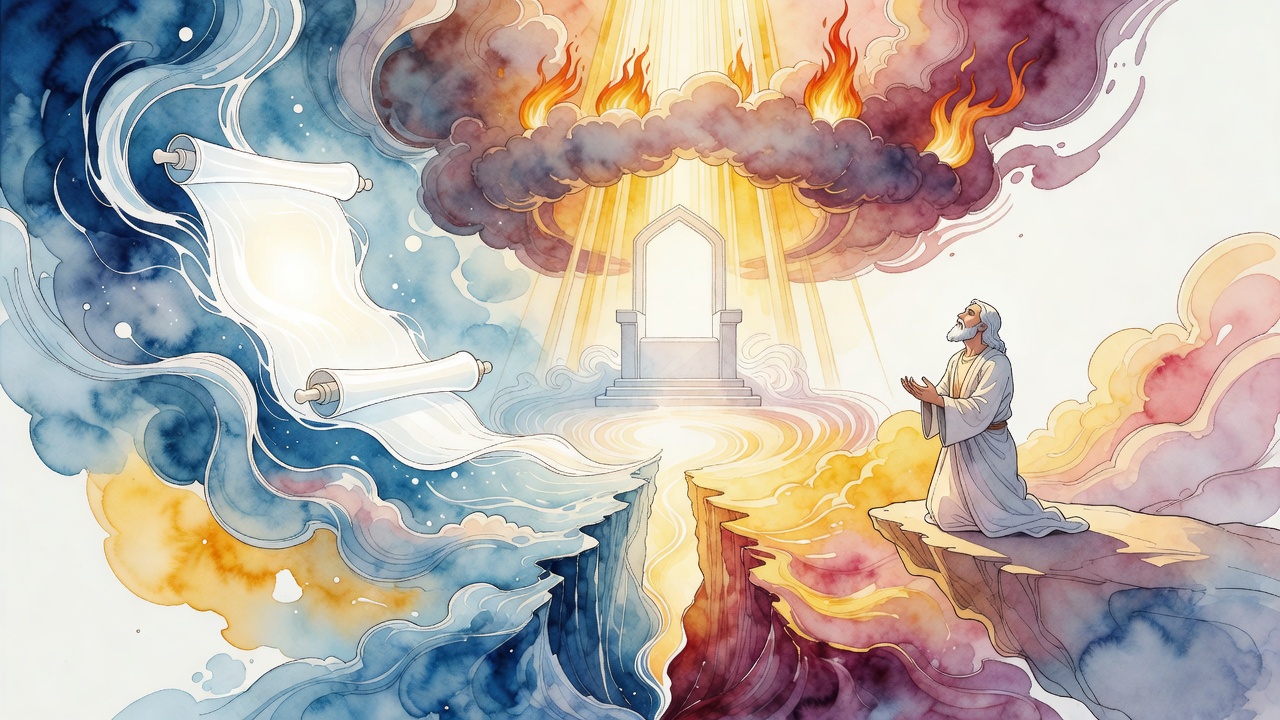
Before Adam drew a breath, a teaching stood at the world's door and would not go in. Humans would fail. Precepts would be treated like optional weather. The light hesitated on the threshold of a world that might spit it out.
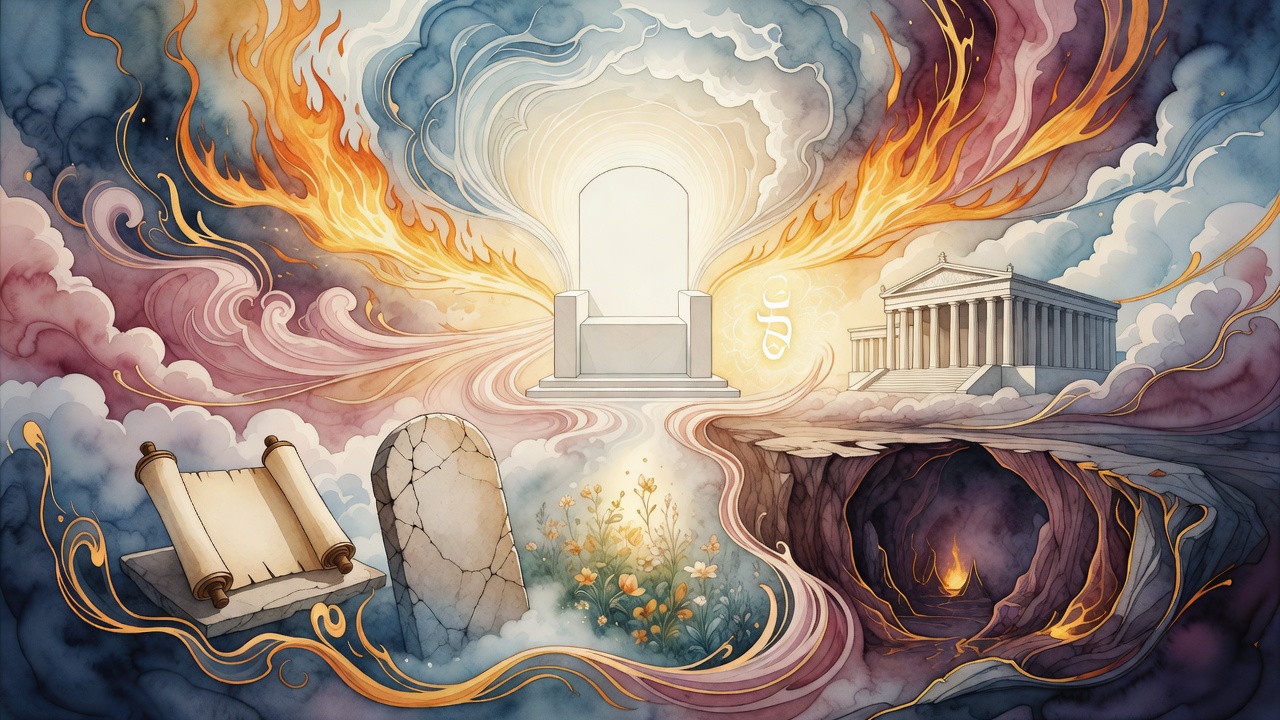
God did not argue the species into looking better. He named what He had already built. Teshuvah (תשובה), repentance, existed before creation as a path back. Temple service would atone. Gan Eden (גן עדן), the garden of reward, and Gehinnom (גיהנם), the place of punishment after death, would stand as garden and fire. And beyond stick and garden, a Messiah was already appointed to end the long career of sinfulness and heal what law alone cannot force.
Only then did the teaching consent to enter human time. It stepped across the sill carrying both its demands and heaven's advance mercy. The hesitation was not weakness. It was accuracy about the mouths that would receive it. Angels may have preferred a quieter universe. The teaching entered anyway, armed with return and a promised end.
A Redeemer Written Early
The promise of the Messiah sat among the first reassurances, peer to repentance and sacrificial service. Hope was not furniture dragged in after collapse. It was part of the original wall. The teaching still knew humans would break faith. It also knew breaking faith was not the last chapter. The Messiah's work was named as the end of sin's reign, not as permission to sin without cost. Comfort and severity arrived in the same speech.
The redeemer was promised while the teaching still stood on the threshold, before any flood, before any golden calf, before any Temple's fall. The future healing is older than the first wound. When later generations shout for a savior as if the idea were new, they forget this order. The appointment was already filed when the first human had not yet learned a name for shame.
Abraham Looks Down
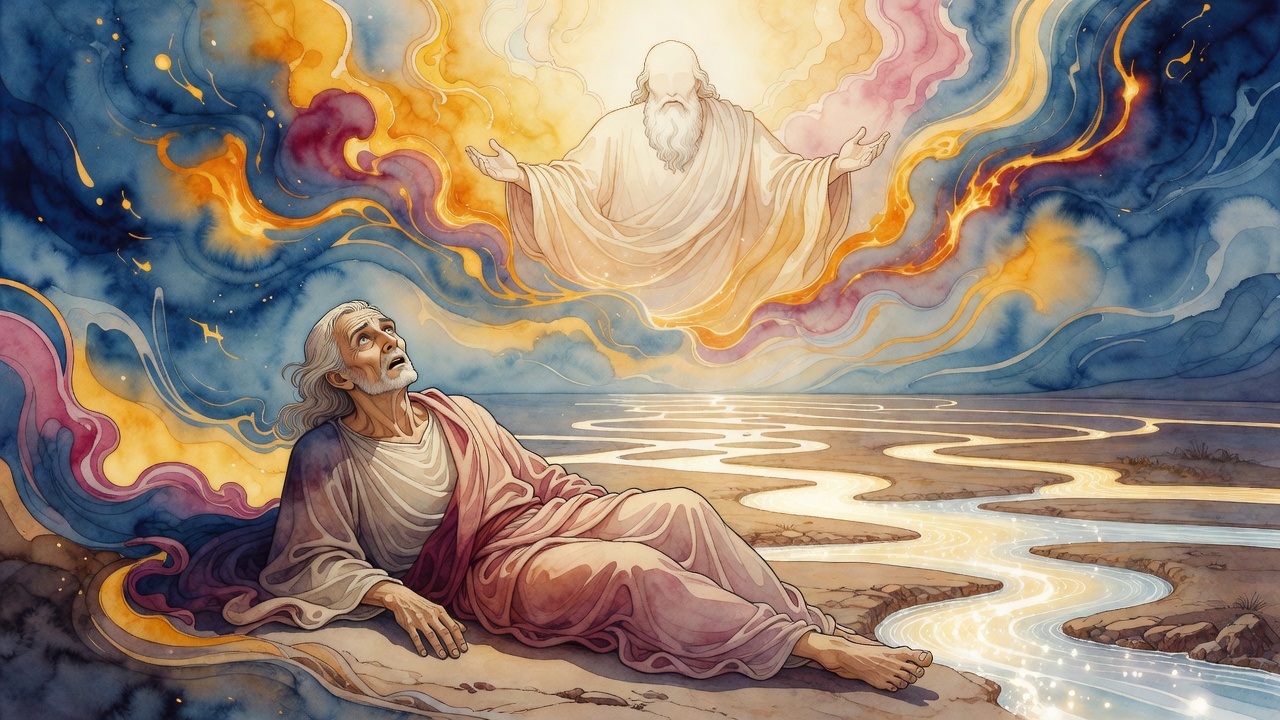
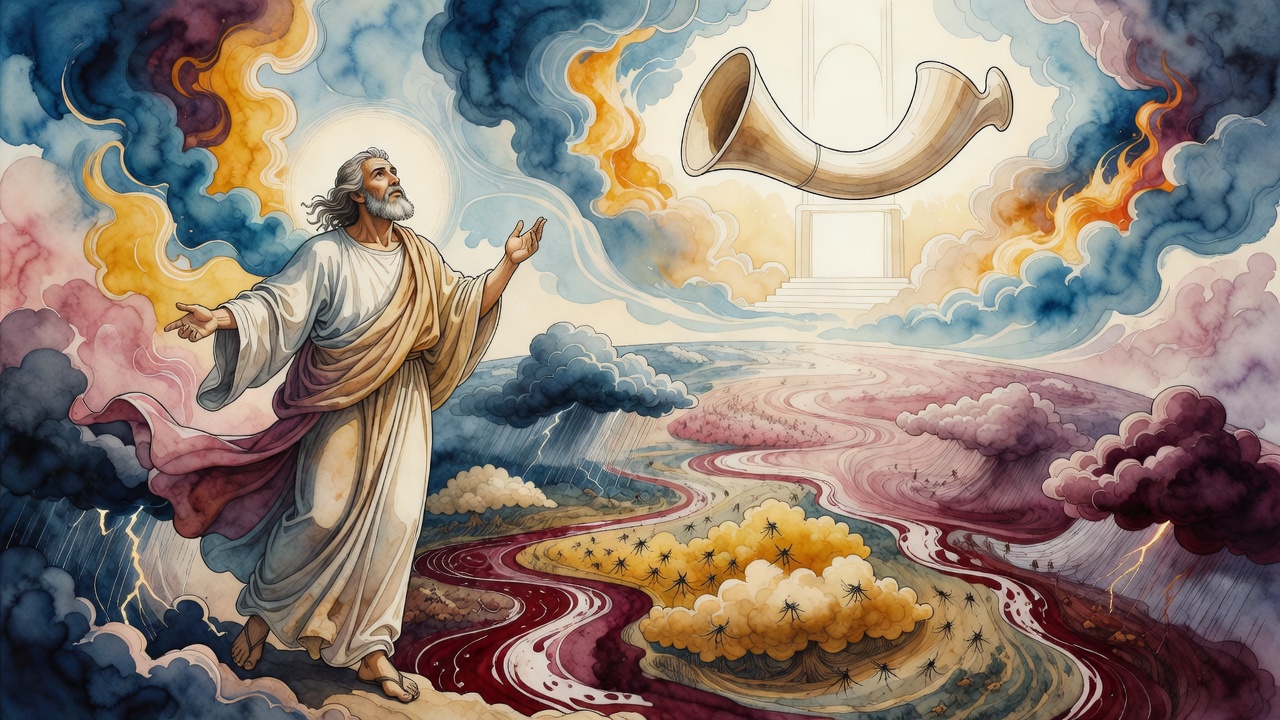
Ages later Abraham was told to look beneath his feet at the firmaments and understand the creation foreshadowed there. "Look now, beneath thy feet," God said. Six heavens opened. The earth opened. He saw fruits, creatures, the power of men, the ungodliness of souls, righteous deeds, beginnings of works. He saw lower regions and perdition, the abyss and its torments, the place of impure angels.
He saw the sea and its islands, monsters and fish, and Leviathan, whose camping-ground and caves held the world that lay upon him, whose movements could wreck what rested on his back. He saw streams winding. He saw the Garden of Eden, its source-stream, trees, blossoms, and the righteous eating in blessedness. Then a great multitude appeared, men, women, and children, half on the right and half on the left. The world divided while Abraham stood above the picture.
His knees weakened on nothing. Vision has no floor. Still he looked, because the command was to understand, not to glance. Leviathan shifted under the middle of things. Eden's fruit did not wither. The two crowds did not blend. Creation held opposites without apology.
Two Crowds Under One Promise
The split multitude was the human field the teaching had feared and God had refused to abandon. Right and left. Deed and ruin. Garden fruit and abyss heat. Leviathan moved under the middle of things, a reminder that chaos has a camping-ground even inside ordered creation.
Abraham did not yet see every name of the Messiah's hour. He saw the stakes. He saw why repentance had to be older than failure, and why a final healing was named before the first murder. The man who would argue for Sodom had already been shown a cosmos that needs more than clever bargaining.
Below him the two crowds stood. Above him the old reassurance still held. The teaching had entered the world because mercy was ready. The Messiah remained the long fuse on that mercy. Between them every generation chose a side of the picture Abraham saw, while heaven kept both the teaching and the promised end from leaving the field.
When the vision closed, Abraham returned to ordinary dust with ordinary feet. He would still wait for a son. He would still climb a mountain with a knife. The split crowds and the ancient promise traveled with him like a second pulse. He told no one the full width of what he saw. He could not describe Leviathan's heat to a household that needed water from a well. Abraham kept the vision the way he kept the first command to leave his father's house: as a private fire that still directed every public step.
Somewhere above the threshold where the teaching once hesitated, the Messiah's promise remains filed with repentance and Temple service as original equipment of the world. Abraham's eyes, once opened under the firmaments, never fully closed to that filing. Eden's fruit and the abyss's torment both stayed true. So did the long fuse of healing named before the first human mistake.
← All myths