Parshat Noach5 min read

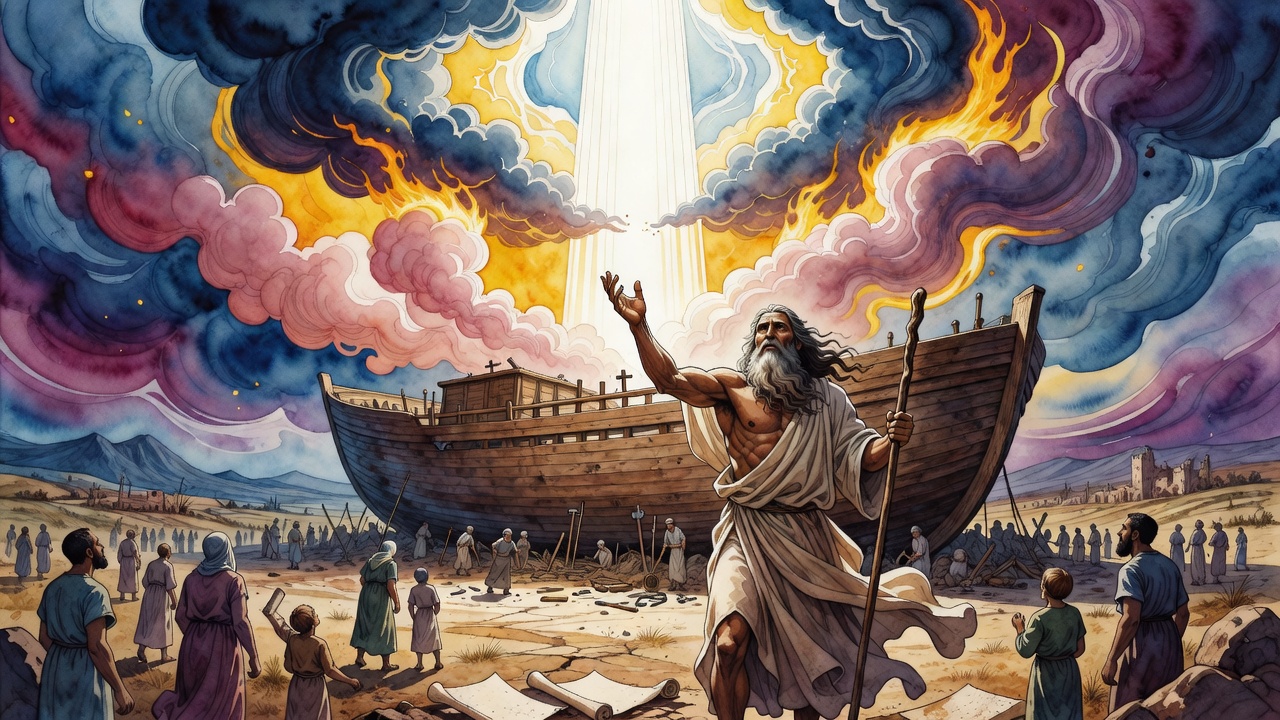
Noah Saved His Sons and Left the Town Unchanged

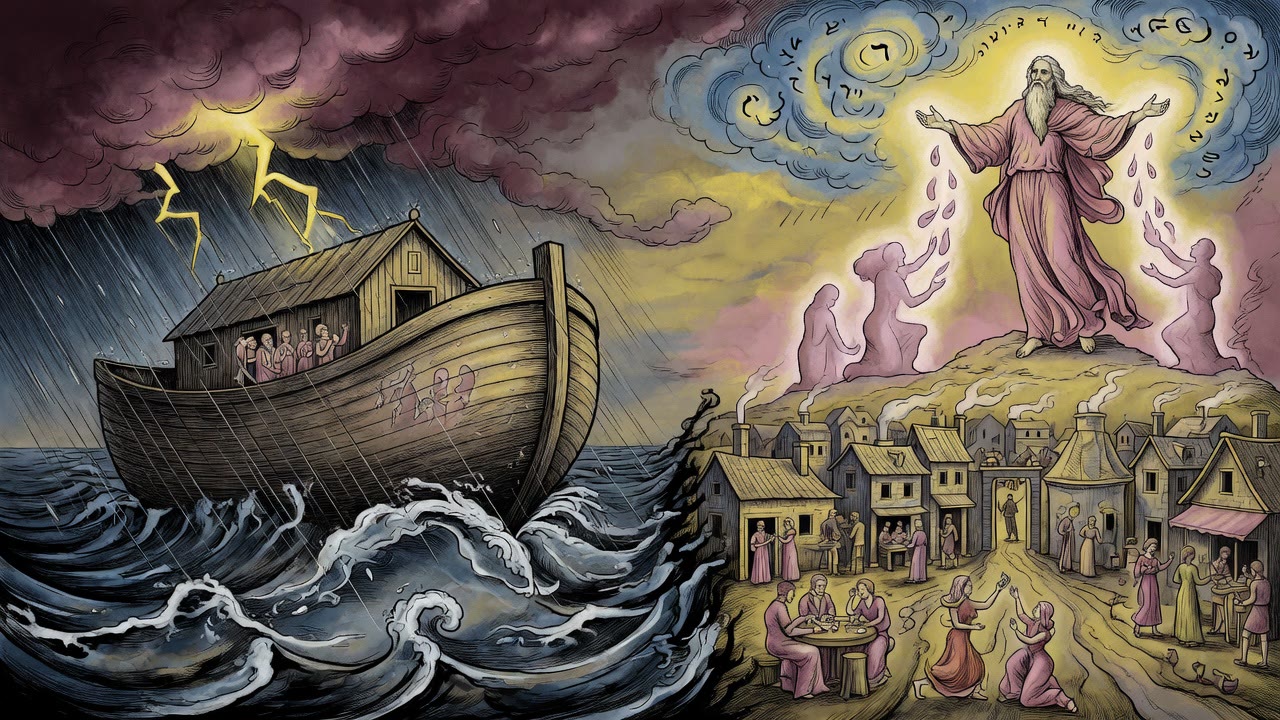
Three sons and their wives stood on the deck. Not one neighbor from the drowned streets stood beside them. Abraham left Haran with a caravan of converts.

Curated by Arthur · Told by Maggid ·
Table of Contents
  1. The Righteous Man Alone
  2. The Other Kind of Righteous
  3. How Ugly Is That Vessel
  4. If the Builder Is Perfect
  5. The Deck and the Road
Noah Saved His Sons and Left the Town Unchanged Click for full size

The Righteous Man Alone

Noah was righteous and wholehearted in his generation. He sealed pitch. He gathered animals. He entered with three sons and their wives when the rain began. When the water fell, the towns he had lived among were gone, and not one convert from those streets stood beside him on the deck. The rail was wet. The rail was empty of neighbors.

Rabbi Levi Yitzchak of Berditchev draws a hard line. There is a tzaddik (a righteous person) who serves God with fierce private devotion and never turns a sinner toward the Creator. Noah was that kind. The Torah limits his "generations" with the word eileh, "these," meaning these descendants and no more. Three sons. That was the list. The ark held what it held and nothing of the street that might have been taught.

The Other Kind of Righteous

Abraham left Haran with "the souls they had acquired," people he and Sarah had drawn toward the One God (Genesis 12:5). He was busy building souls, not only saving his own house. Tables in his tent had places for guests who arrived as strangers and left as people of the Name. The Talmud distinguishes a tzaddik righteous toward God from a tzaddik tov, good also toward people, who rebukes and teaches until other children become, in a real sense, his own.

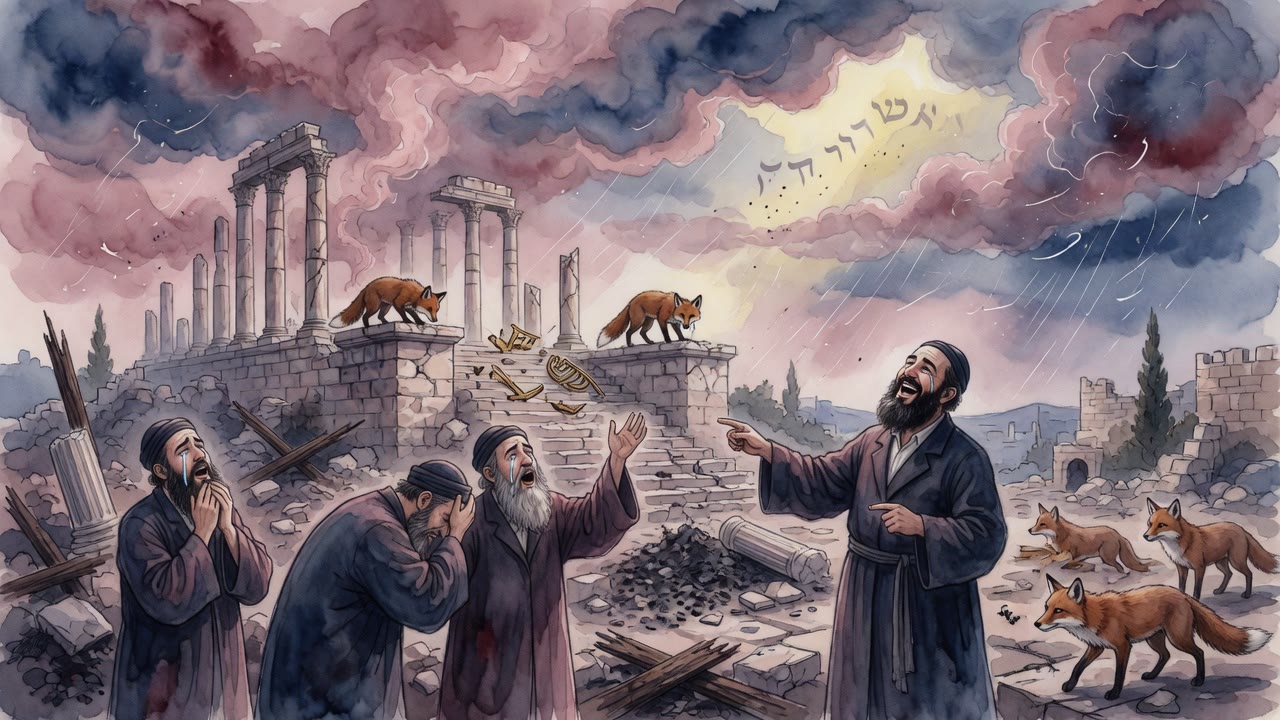
According to the Arizal's reading carried in this line, Noah was held to account for failing to rebuke the generation of the flood. Silence can be a kind of flood of its own, quiet until the rain starts, then sudden, then absolute. A sealed door can be mercy for a family and still be failure toward a town.

How Ugly Is That Vessel

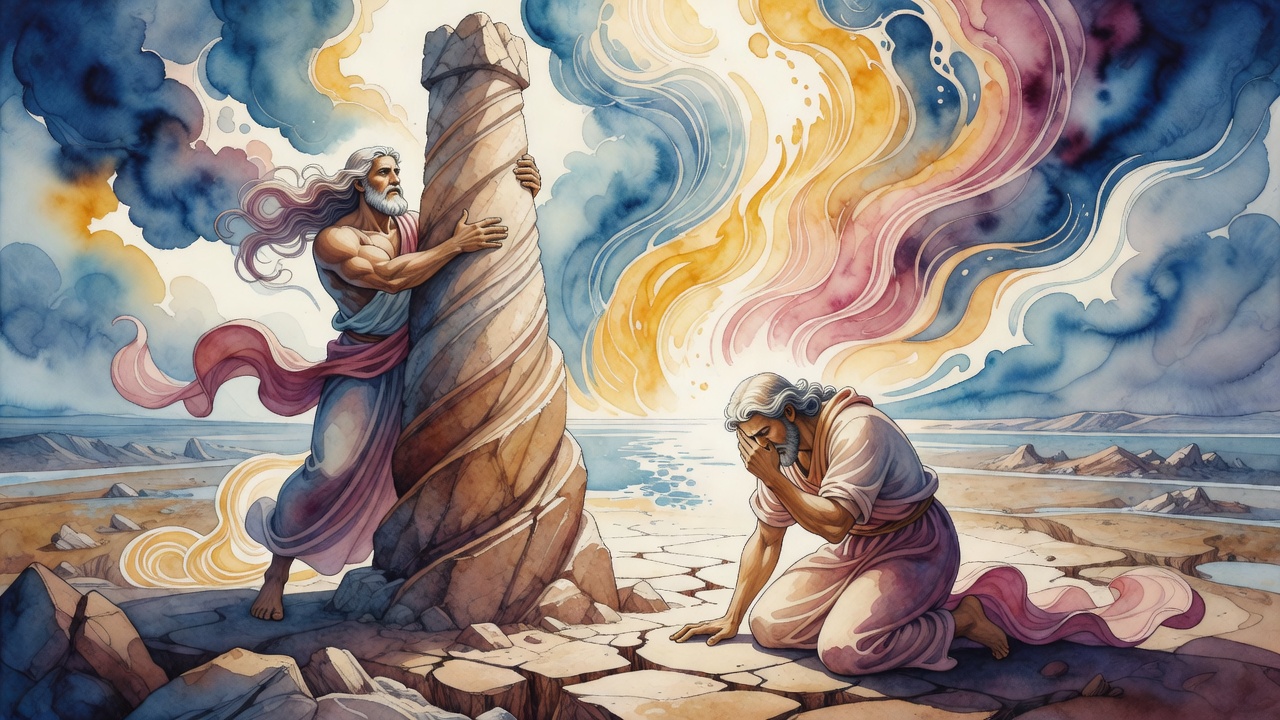
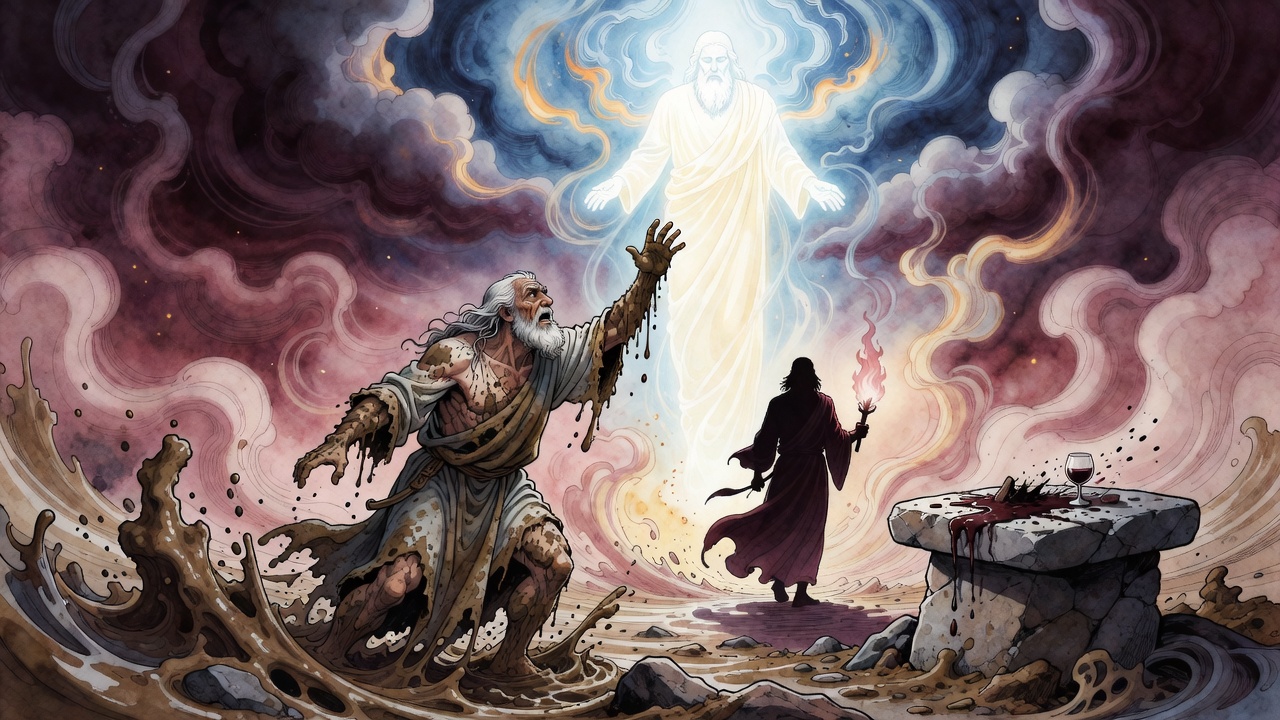
Centuries later Rabbi Elazar son of Rabbi Shimon met a man of striking ugliness on the road. Instead of a greeting he spat contempt. "Worthless person, how ugly is that man. Are all the people of your city as ugly as you?" The words hung between them like a second heat.

The man answered without raising a fist. Go tell the Craftsman who made me, he said, how ugly is the vessel You made. Rabbi Elazar understood at once that the insult had struck the Maker, not only the made. He begged forgiveness until the town forced reconciliation. A perfect craftsman is not mocked through His work without the mocker learning the cost. The road became a courtroom, and the sage lost.

If the Builder Is Perfect

Baal HaSulam presses the question that sits under both scenes. If God is the perfect designer of bodies and souls, how can creation be written off as a defective product the Maker walked away from? A flawed garment shames the tailor more than the cloth. Those who claim the Creator abandoned a botched world have not yet faced the ugly man's reply or the flood generation's unanswered streets.

Human beings look inward and see mess. They look upward and expect perfection to have issued only polish. The sources refuse both despair and arrogance. Defect is not proof of divine absence. It is the field in which rebuke, teaching, and repair still matter. A hands-off God is a story some people tell to excuse their own hands-off lives.

The Deck and the Road

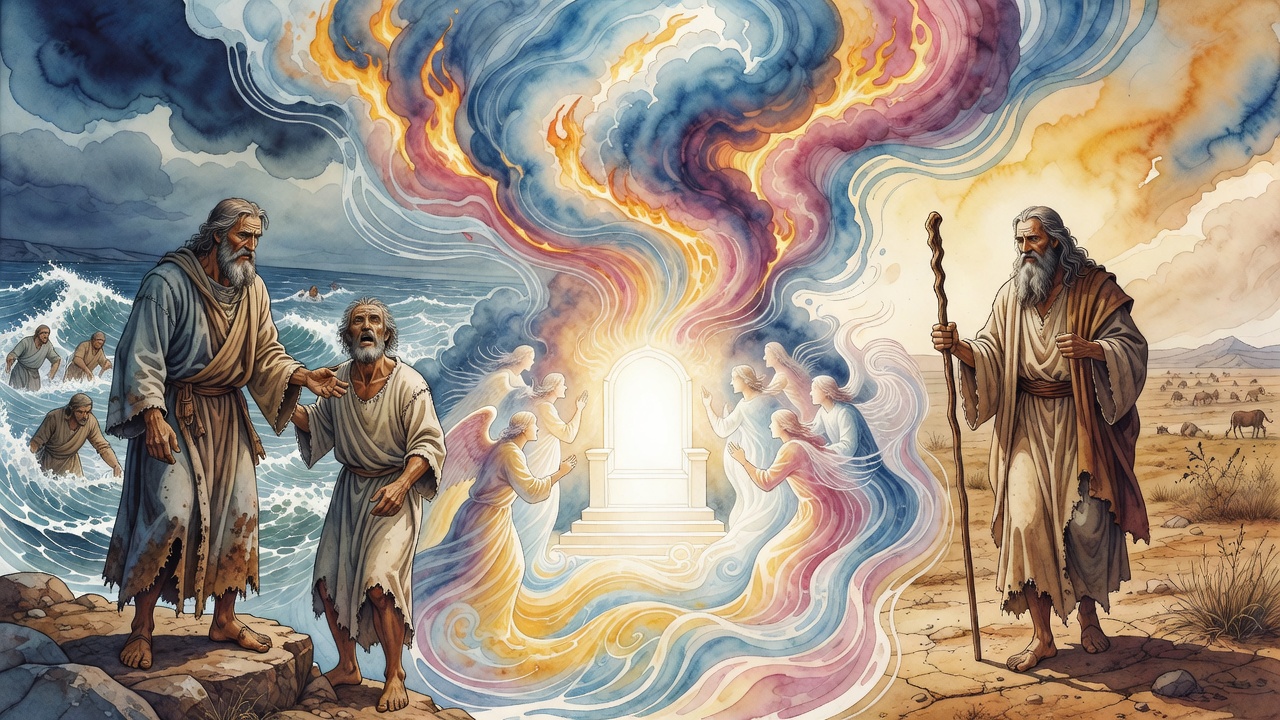
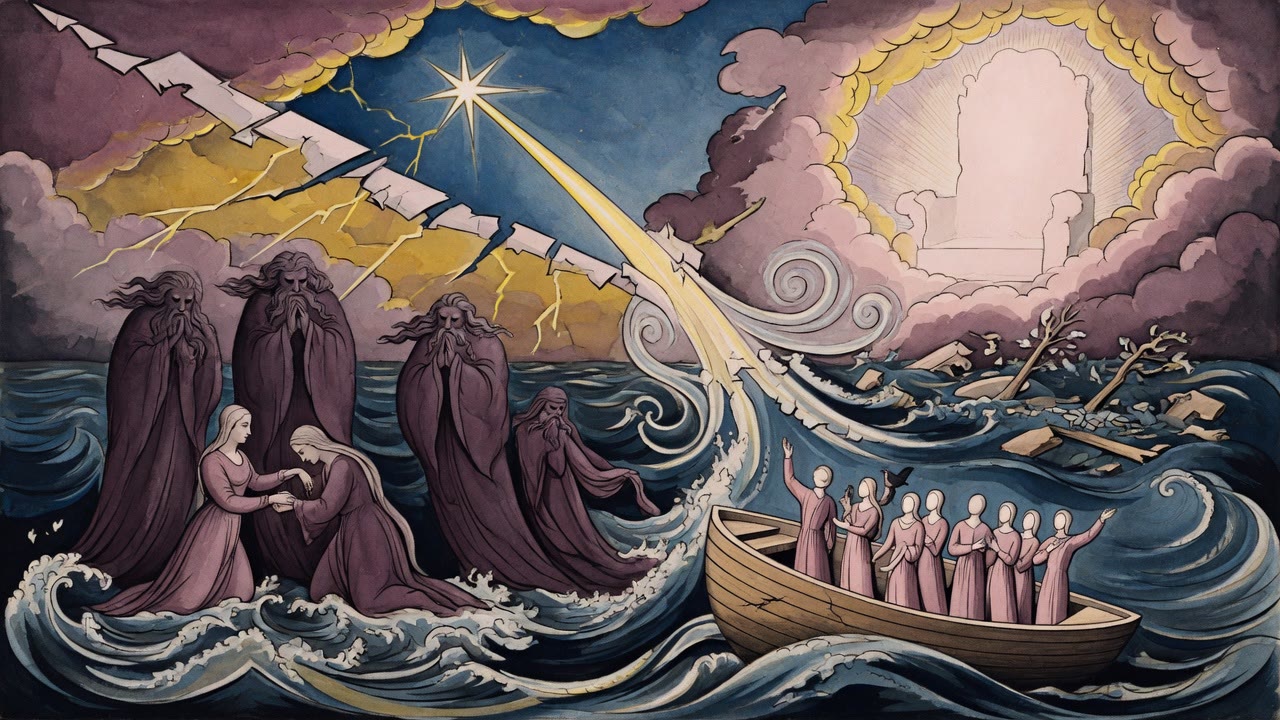
Noah's deck holds a saved family and an empty rail where neighbors might have stood. Rabbi Elazar's road holds a sage on his knees before a man he had treated as a bad joke. Abraham's caravan holds extra souls. The regret over humanity in the flood generation is not only cosmic weather. It is the measure of a righteous man who did not turn a town, set against the demand that no vessel of the Craftsman be despised.

Build the ark if you must. Also open the door while there is still a street. The rain is not the only judgment. Silence is another. Those who say God walked away from a defective world borrow Noah's silence and call it theology. The ugly man on the road will not allow it. The souls acquired in Haran will not allow it.

The midrashim and the Hasidic reading do not hate Noah. They refuse to let his seal of pitch be the only model of righteousness. A generation can drown beside a man who is technically innocent and still spiritually alone. Abraham's extra souls and Rabbi Elazar's apology on the road are the counterweights. The Craftsman is not mocked. The neighbor is not abandoned as if the ark were the only vessel that mattered in a world full of streets.

The deck may be dry, but if the rail is empty of all who might have been taught, the righteousness that boarded is thinner than the pitch that sealed the seams. Rain measures more than wood. It measures whether a holy life ever opened its door while the town was still breathing.


← All myths
From the tradition

Sources

3 sources

The texts behind this telling. Some cards carry a translation of the source; others are our own retelling of it, and each card says which. Every card links out to the original.

Kedushat Levi, NoachKedushat Levi (Rabbi Levi Yitzchak)

Retold in our words. Read the original at the link below.Sefaria-hosted English translation · CC-BY

Rabbi Levi Yitzchak of Berditchev, commenting on the Torah portion of Noach (Genesis 6:9), distinguishes between two types of righteous people, and the difference has cosmic consequences.

The first type of tzaddik (a righteous person) serves God with tremendous devotion, but only as an individual. He does not try to bring sinners closer to their Creator. Noah was this kind of tzaddik. The Torah calls him "righteous and wholehearted in his generation," a perfectly pious man. But he did not convert a single pagan. Not one. The Torah limits his legacy with the word eileh (אלה), "these," meaning these descendants and no others. His "generations" were his three biological sons. That was it.

The second type of tzaddik not only serves God personally but actively draws sinners back. Abraham was the supreme example. When he left for the Land of Israel, he took with him "the souls they had acquired in Haran" (Genesis 12:5), meaning the people he and Sarah had converted to monotheism. Abraham was busy building souls, not just saving his own.

The Talmud (Kiddushin 40) distinguishes between a tzaddik, who is "righteous toward God," and a tzaddik tov, a "good righteous person," who is righteous both toward God and toward other people. Being "good" to your peers includes admonishing them when they go astray and teaching their children Torah. According to Sanhedrin (the supreme rabbinic court) 99, teaching someone's child Torah is so significant that the teacher is considered as if he fathered that child.

According to the Arizal, Noah was punished for his failure to rebuke the people of his generation. His soul was reincarnated as Moses, who spent his life doing exactly what Noah had not: constantly challenging the Israelites to be better. The Torah says Noah "walked with God" (Genesis 6:9). Abraham, by contrast, "walked before God" (Genesis 17:1). Walking with God means you need divine support. Walking before God means you lead the way.

Full source
Baal HaSulam's Introduction to Zohar 4:2Baal HaSulam's Introduction to Zohar

Retold in our words. Read the original at the link below.Sefaria-hosted English translation · CC-BY

Some, particularly those who've distanced themselves from the yoke of Torah and mitzvot (commandments), argue that God created the universe and then, essentially, walked away. We're just too insignificant, too messy, for the Creator to bother with. Seems logical. But is it?

Rabbi Yehuda Leib Ashlag, known as Baal HaSulam (Master of the Ladder), a towering figure in 20th-century Kabbalah and commentator on the Zohar, challenges this very notion in his "Introduction to Zohar." He suggests this "hands-off" approach might make sense if we had created ourselves. If we were responsible for all the "distasteful and defective aspects" of our own nature, then maybe. But we didn’t.

In Baal HaSulam, we believe that God, the most perfect of beings, is the craftsman who created and designed our bodies – with all of their positive and, yes, defective traits. So, can a truly perfect builder produce something inherently flawed? He argues no. A flawed product reflects on the maker. You wouldn't blame a tattered garment for its poor quality; you'd blame the unskilled tailor who made it.

The Talmud, in Taanit 20a, illustrates this beautifully with a story. Rabbi Elazar, son of Rabbi Shimon, encounters a man of striking ugliness. Instead of a respectful greeting, Rabbi Elazar insults him, exclaiming, "Worthless [reika] person, how ugly is that man. Are all the people of your city as ugly as you?" Ouch.

The man's response? He tells Rabbi Elazar to go and tell the Craftsman Who made him: "How ugly is the vessel you made!" In that moment, Rabbi Elazar realizes the gravity of his sin. He understands that judging the man’s appearance is judging the Creator. Overcome with remorse, he dismounts his donkey, prostrates himself before the man, and begs forgiveness.

They are part of a creation crafted by a perfect being. To denigrate them is to denigrate the Creator. As Baal HaSulam suggests, every product, every person, "attests to the nature of its maker." Maybe instead of questioning God's involvement because of the world's imperfections, we should see those imperfections as a reflection, however distorted, of the Divine. And maybe, just maybe, that changes how we see ourselves, and each other.

Full source
Baal HaSulam's Introduction to Zohar 17:1Baal HaSulam's Introduction to Zohar

Retold in our words. Read the original at the link below.Sefaria-hosted English translation · CC-BY

You look inward and see flaws, imperfections, maybe even a bit of, well, ickiness. But then you look up, toward the divine, and think, "Wait a minute… shouldn't I be amazing? If a perfect being made me, shouldn’t I be, you know, perfect too?"

And it’s one that Baal HaSulam, in his profound “Introduction to Zohar,” tackles head-on.

He sets the stage by explaining something crucial: the interconnectedness of the three stages of the soul. It's not a random sequence. These stages are deeply linked. They flow, one from the other, almost as if each one anticipates the next.

So, how does this help us understand our perceived imperfections? this way. readers often judge ourselves harshly. We see our shortcomings, our failures, the moments we fall short of our own ideals. There's little more despicable than what we see in ourselves sometimes. Yet, when we consider the Creator, the source of all being, we expect something different. We expect, as creations, to be lofty, worthy of the highest praise.

Why? Because, as Baal HaSulam points out, it seems only natural that a perfect being would produce perfect creations. It’s a logical assumption. If the source is pure and flawless, shouldn’t the outflow be the same?

But here’s the rub. The reality we experience, the one where we confront our imperfections, suggests something more complex is at play. And perhaps the secret lies in understanding those very stages of the soul that Baal HaSulam outlines. Maybe our perceived "defects" aren't defects at all, but rather essential components of a larger, more intricate design. Maybe they're the very things that drive us to seek something more, to strive for that perfection we intuitively believe we should possess.

Perhaps the journey is the perfection.

Full source