One God Fought at Sea and Taught at Sinai
At the sea God came as a warrior. At Sinai He came as a merciful elder. The mountain wore six names so no nation could split Him in two.
Table of Contents
 Click for full size
Salt Wind and a Drawn Sword
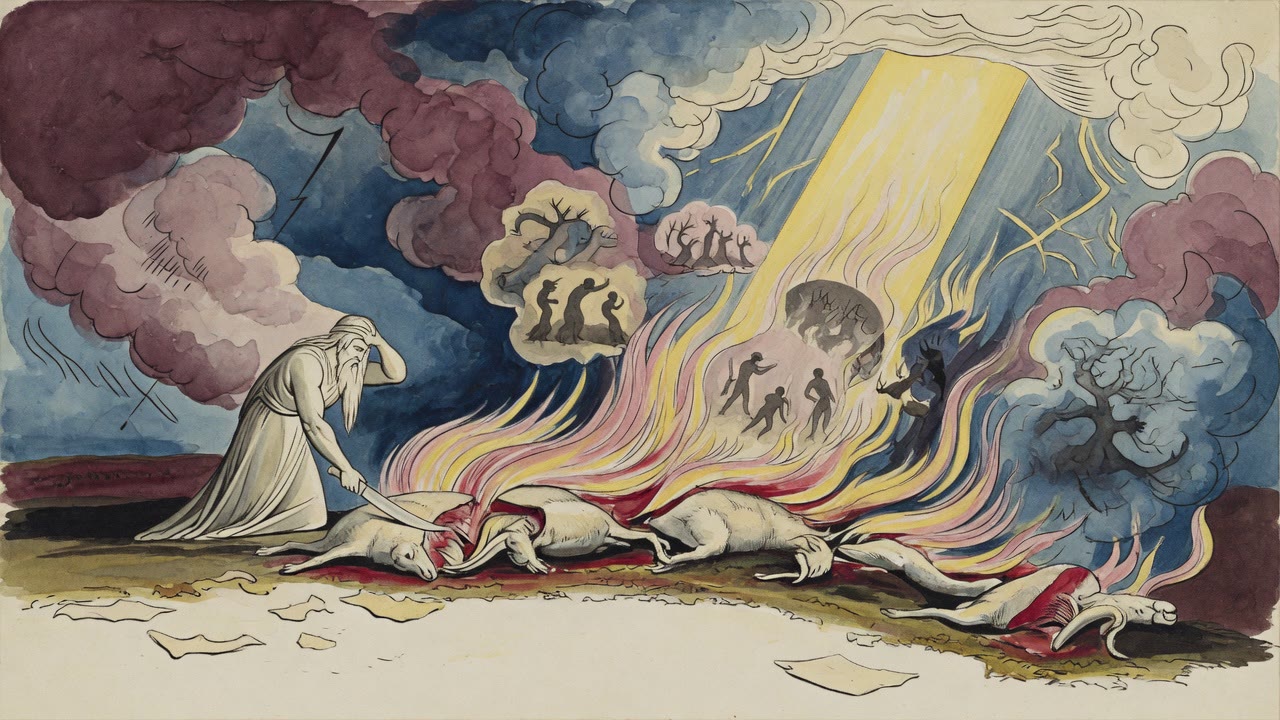
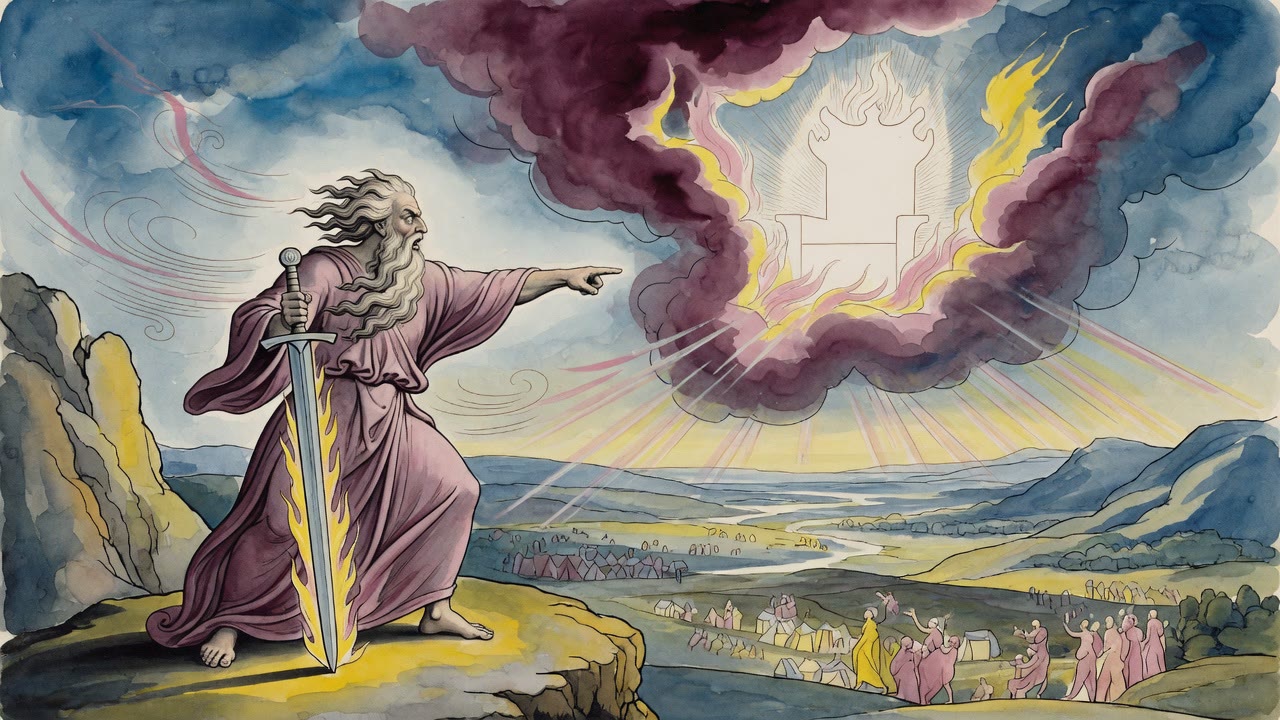
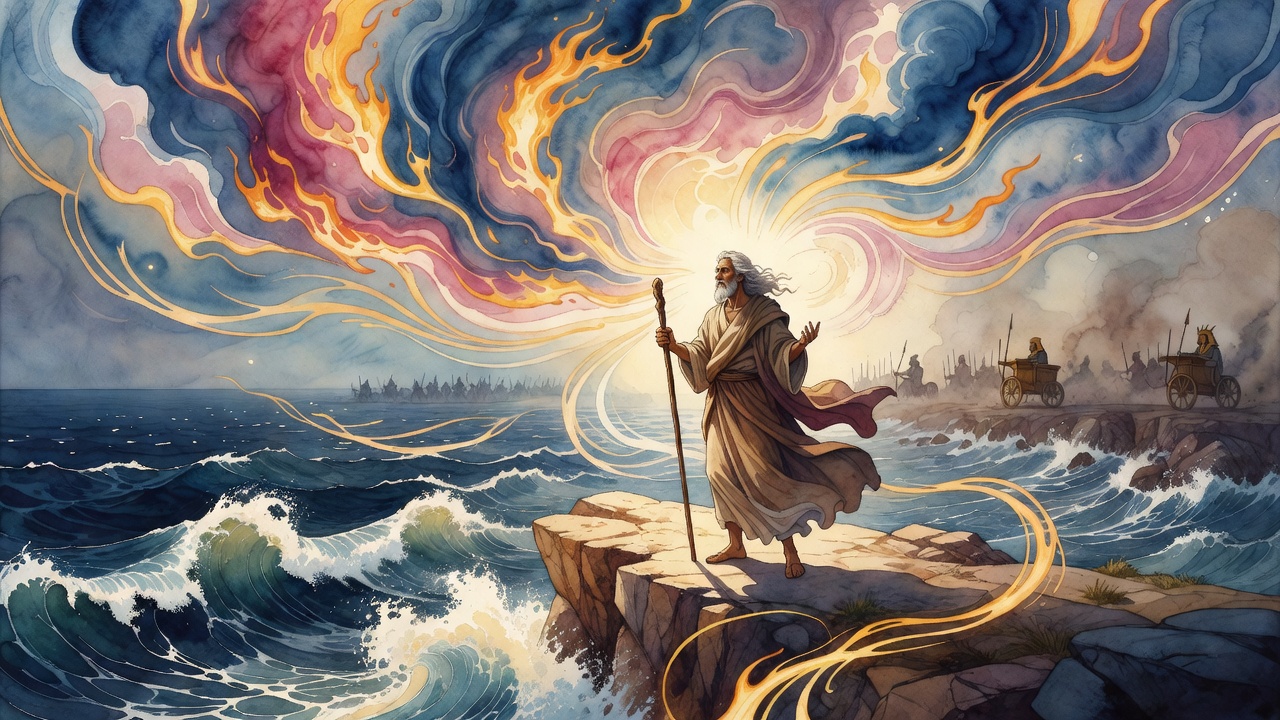
The sea stood in walls and the pursuing horses screamed where the path closed. Israel saw a fighter that morning, a hero wading through chariot wreckage with a name that tasted of war. "The Lord is a man of war," they sang when their feet found dry ground again (Exodus 15:3). Breath came hard. Children clung to soaked cloth. The image that burned into them was muscle and victory, not a quiet teacher on a slope.
Moses kept that song in his bones as the camp turned inland. The warrior had a face in their memory. When later thunder gathered over a desert mountain, some would be tempted to count two powers, one who kills kings in water and one who speaks mercy in smoke. Heaven moved first to close that crack.
An Elder on the Smoking Ridge
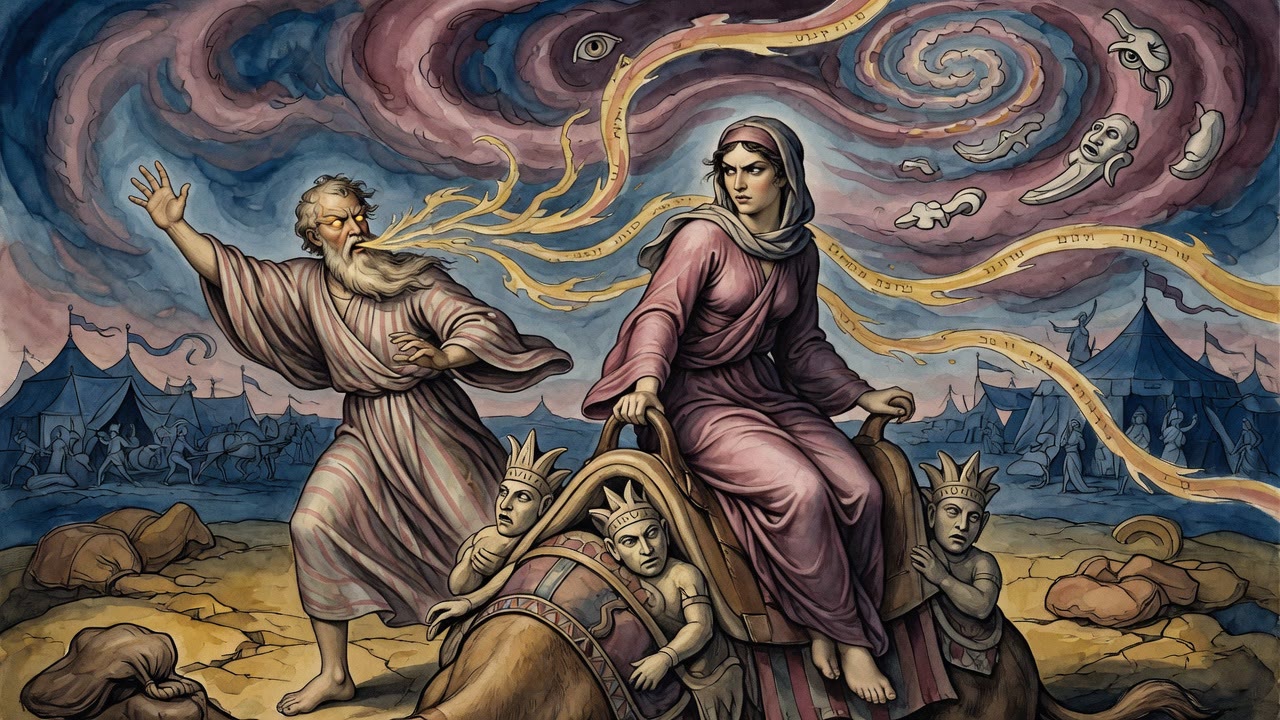
At Sinai the same Presence met them differently. Not a young champion this time, but an elder full of mercy, weight and patience braided into the voice that shook the range. The nations watching from their own stories might have said a war-god had been replaced by a kinder deity. The opening word of the Ten Commandments refused the split before it could harden.
"I am the Lord your God who took you out of the land of Egypt." I at the sea. I on the dry land. I in what was and I in what will be. I in this world and I in the world to come. Isaiah would later carry the same insistence: first and last, caller of generations, the One who remains when hair turns white (Isaiah 44:6; 46:4; 41:4). Deuteronomy would put the blade plain: see now that I, I am He (Deuteronomy 32:39).
Moses stood between a people who had seen blood in the surf and a mountain that now offered law. The voice did not apologize for either face. It claimed both as one will.
Six Names on One Slope
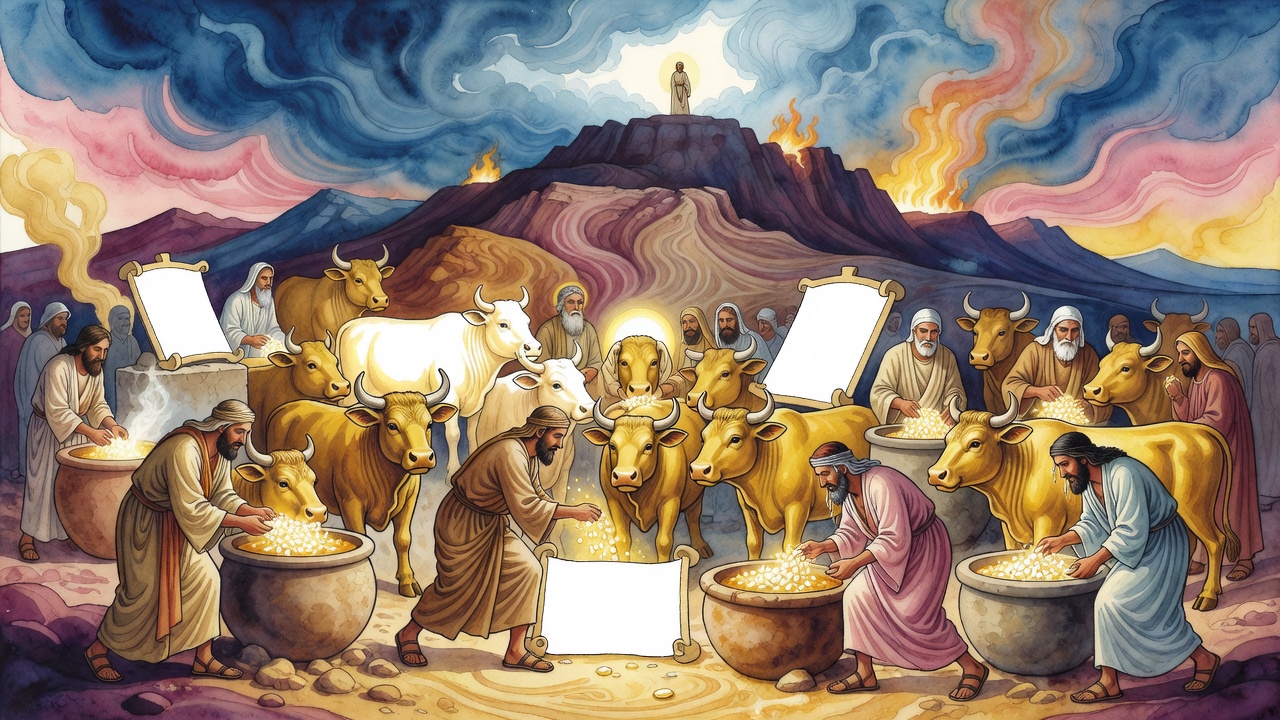
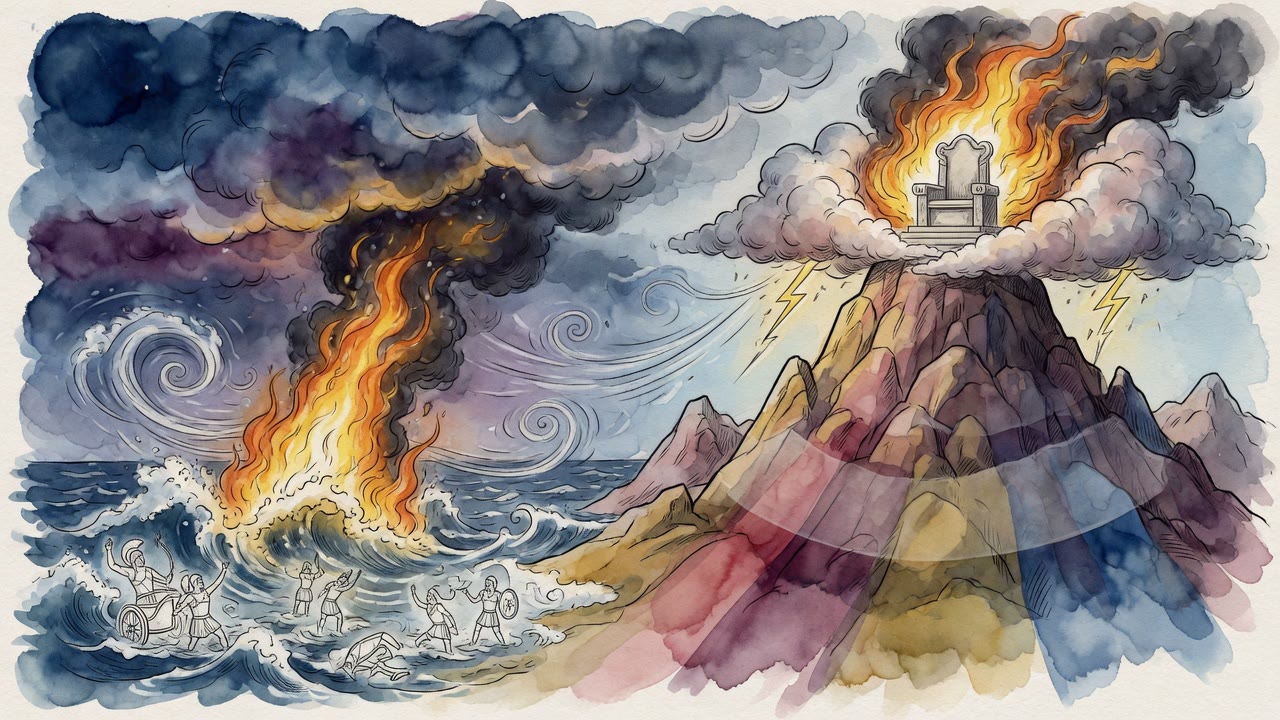
The place itself refused a single label. What the camp called Sinai also answered as the Mountain of God, as Bashan, as Gavnunim, as Hamad, as Horev. Each name was a door into the same ridge.
Mountain of God, because judgment sat there, mishpat thickened into stone tablets and ordinances that would govern flesh and field (Exodus 21:1). Bashan, because God "came there," ba sham, presence pressed into geography until the dust itself seemed addressed. Gavnunim, because this height disqualified every rival peak the way a hunch or a blemish keeps an animal from the altar (Leviticus 21:20-21). Other mountains wanted the glory. This one alone was fit.
Hamad means desired. The Holy One wanted this seat, as the psalm says of the mountain God desired for His abode (Psalms 68:17). Desire is not weakness here. It is election with heat. Horev carries the sound of herev, sword. Adultery and murder meet their sentences in the shadow of that name (Leviticus 20:10; Numbers 35:16). Mercy on the ridge did not cancel the edge. The elder who spoke still held the warrior's metal inside the teaching.
Sinai, the name the wilderness of speech prefers, gathers the rest without erasing them. Moses heard the Lord in that wilderness under a stack of titles, each one a facet, none a second god.
Why the Names Matter After the Sea
A people fresh from a war-vision could have turned the mountain into a softer cult and left the fighter in the water behind them. A people dazzled only by sword-names could have refused the elder's patience. The six names and the single "I am" braid the danger shut. Judgment and desire, sword and welcome, disqualification of proud peaks and the memory of Egypt's road, all sit on one slope under one speaker.
When the camp later argued, some would still reach for simpler gods, specialists in rage or in comfort. The mountain's ledger was already written against them. Bashan for arrival. Horev for the blade of law. Hamad for divine wanting. Gavnunim for the refusal of blemished rivals. Mountain of God for the court. Sinai for the speech that binds them.
Moses came down with light on his face and law in his arms. The warrior of the sea had not been replaced. He had taken a seat.
What the Nations Were Not Allowed to Say
The Mekhilta frames the fear with cold clarity. If the faces diverged without a claiming word, the nations would invent two deities and laugh. So the first commandment is not only theology. It is border control over imagination. The same One who shattered wheels in the deep now teaches servants how to live with neighbors and altars and parents.
Israel left the mountain with ears still ringing. Some looked back at the sea and forward at the tablets and finally understood they were looking at one trajectory. Rescue without law would have been a raid. Law without rescue would have been a lecture. Together they were a covenant with a pulse.
The ridge kept its many names. The Voice kept one signature.
← All myths