The Dogs of Egypt Held Their Tongues All Night
On the night Egypt broke, no dog sharpened its tongue. Israel walked out under a silence Heaven later paid back in full.
Table of Contents
 Click for full size
Midnight Without a Bark
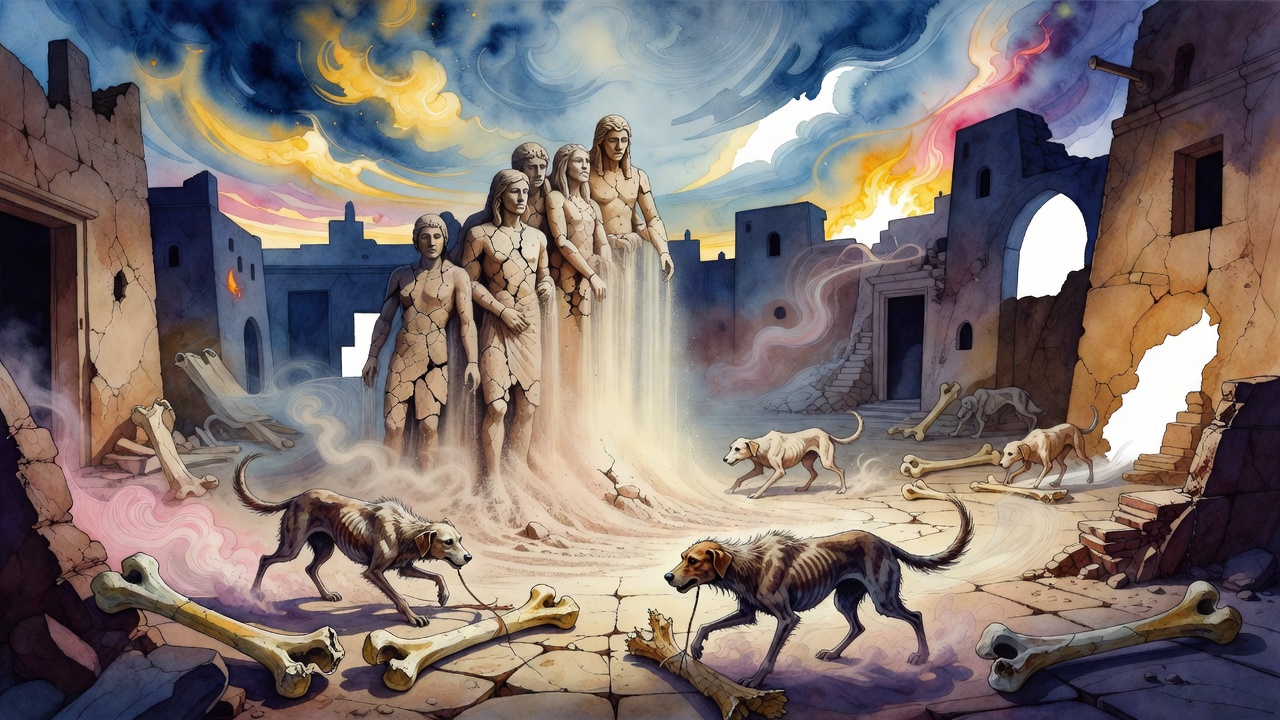
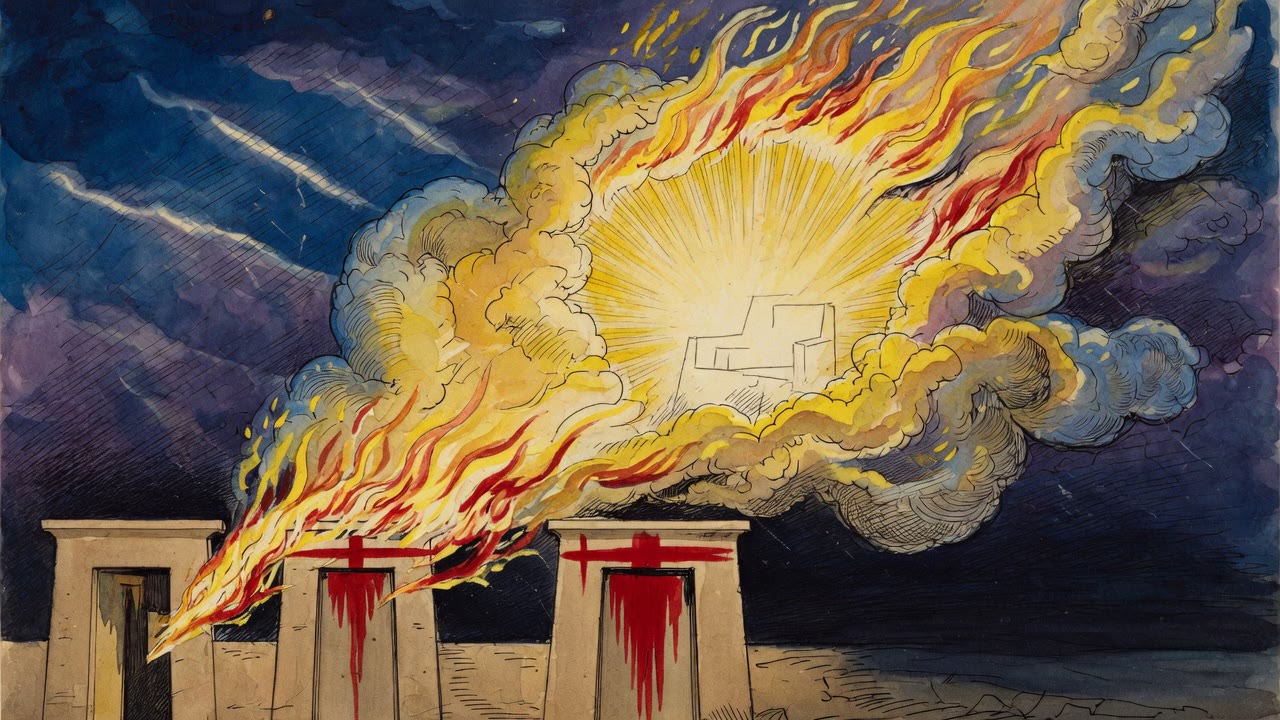
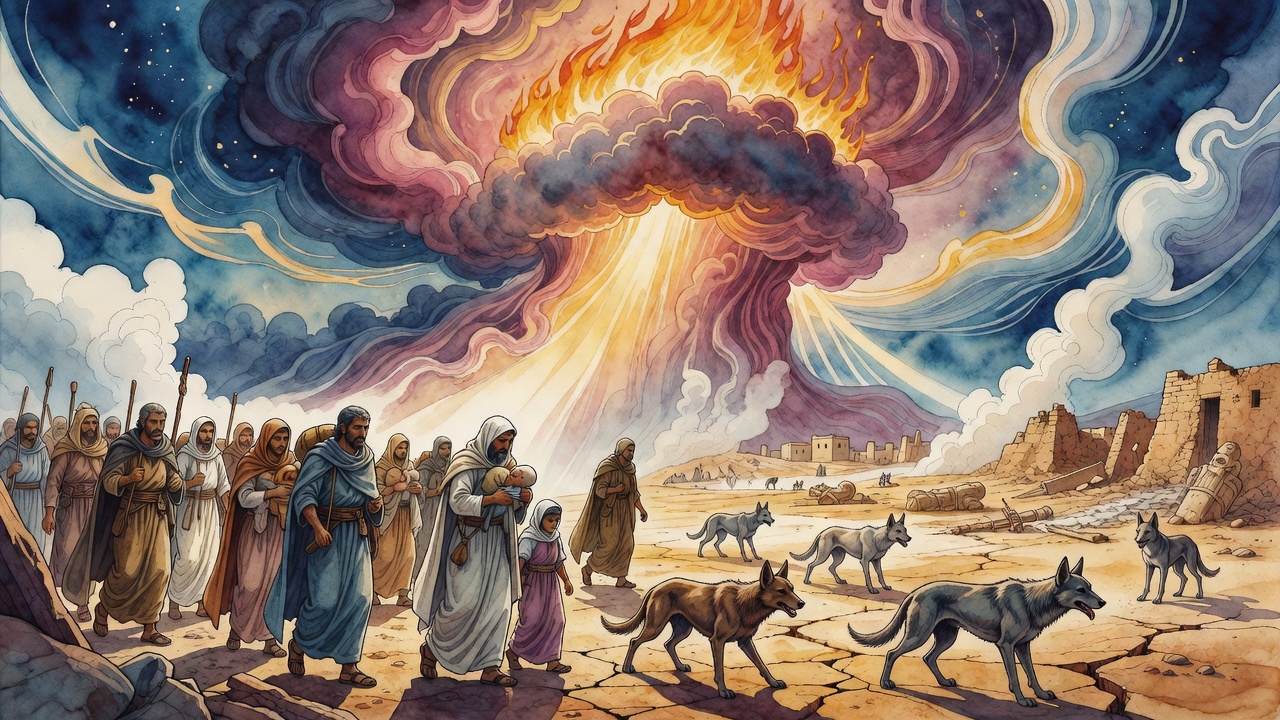
The firstborn of Egypt died, and the city should have howled. Dogs lined the alleys of every slave district. Dogs knew blood before men named it. Dogs had barked at Hebrew heels for years under Egyptian night. On that night they did not sharpen their tongues against the children of Israel (Exodus 11:7).
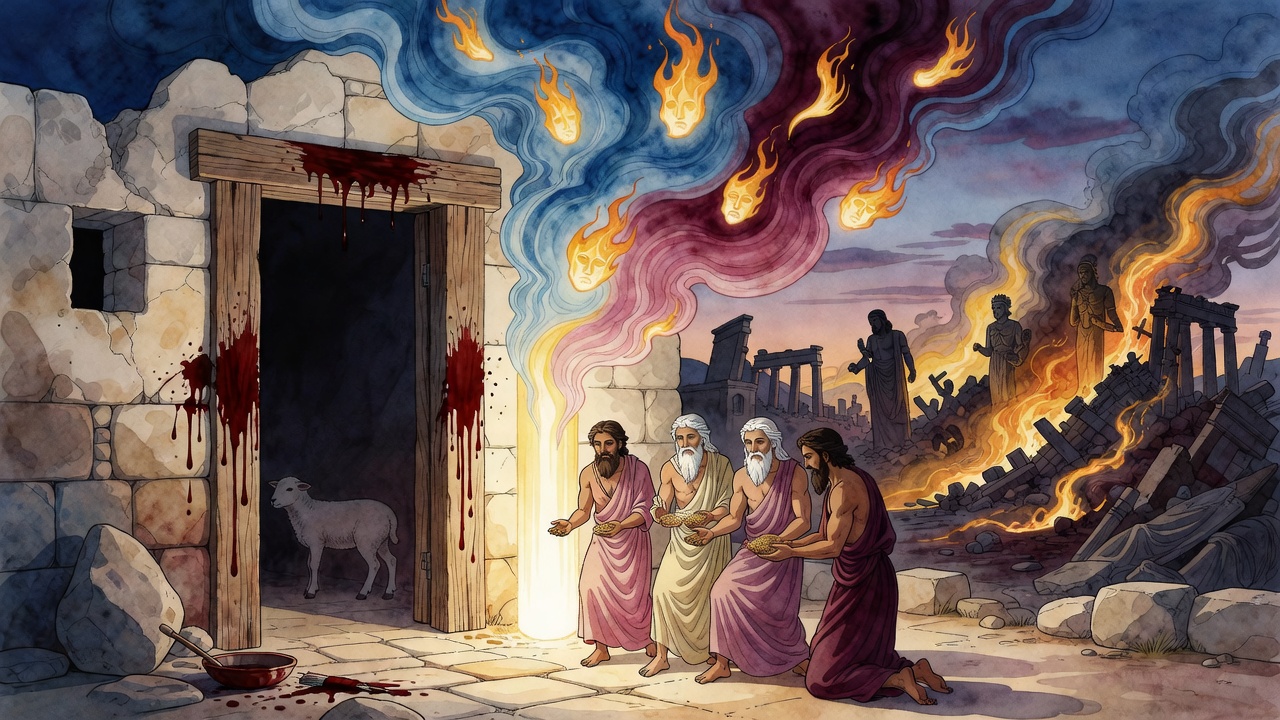
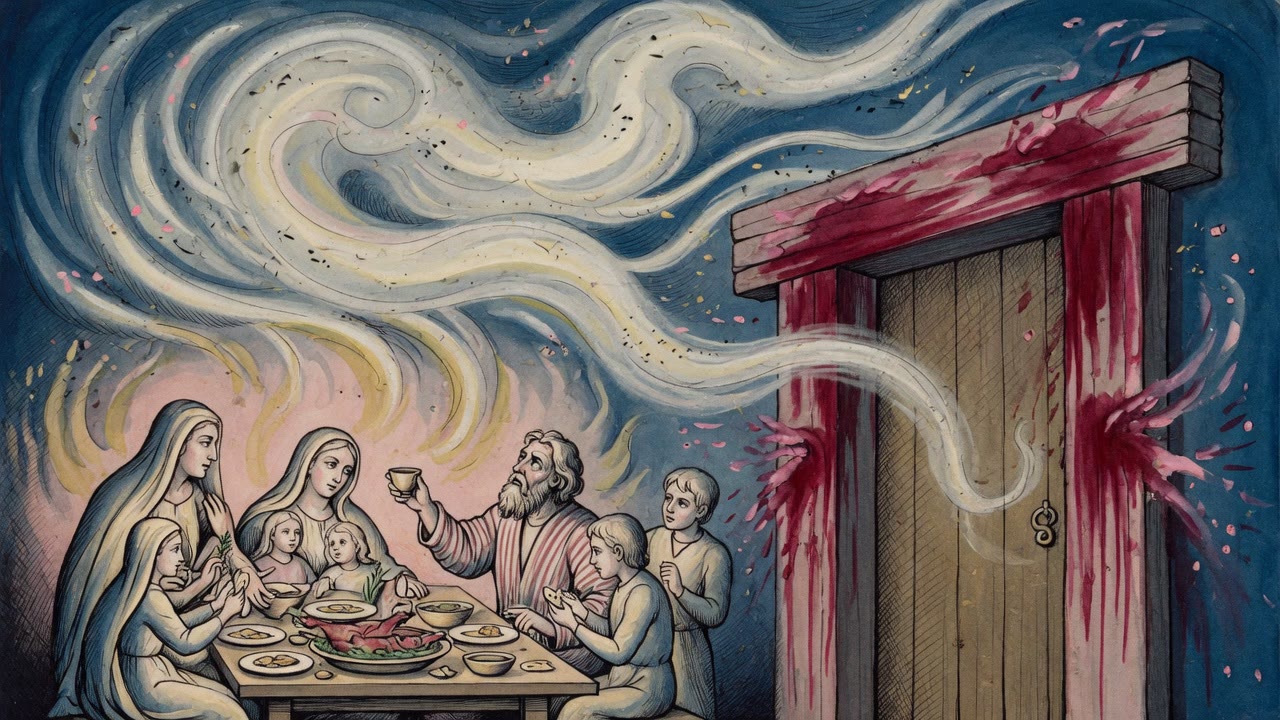
Israel walked out under a silence so complete it felt like a second plague, a plague of held breath. No bark. No chase. No warning to the masters still reeling in their doorways. Lamb blood marked the posts. Kneading bowls rode on shoulders still sore from brick. Children stumbled half awake. Through all of it the dogs of Egypt kept their mouths closed as if an invisible hand rested on every muzzle.
The Holy One measured even the restraint of animals, and that night the measuring was exact.
Payment for One Night
Heaven does not erase the service of any creature. Later, when the Torah said torn flesh should be thrown to the dog, the old readers heard payment for Egypt's mute pack. One night of silence bought an everlasting wage at the edge of the law. The street animal that once seemed only noise became a creditor of holiness.
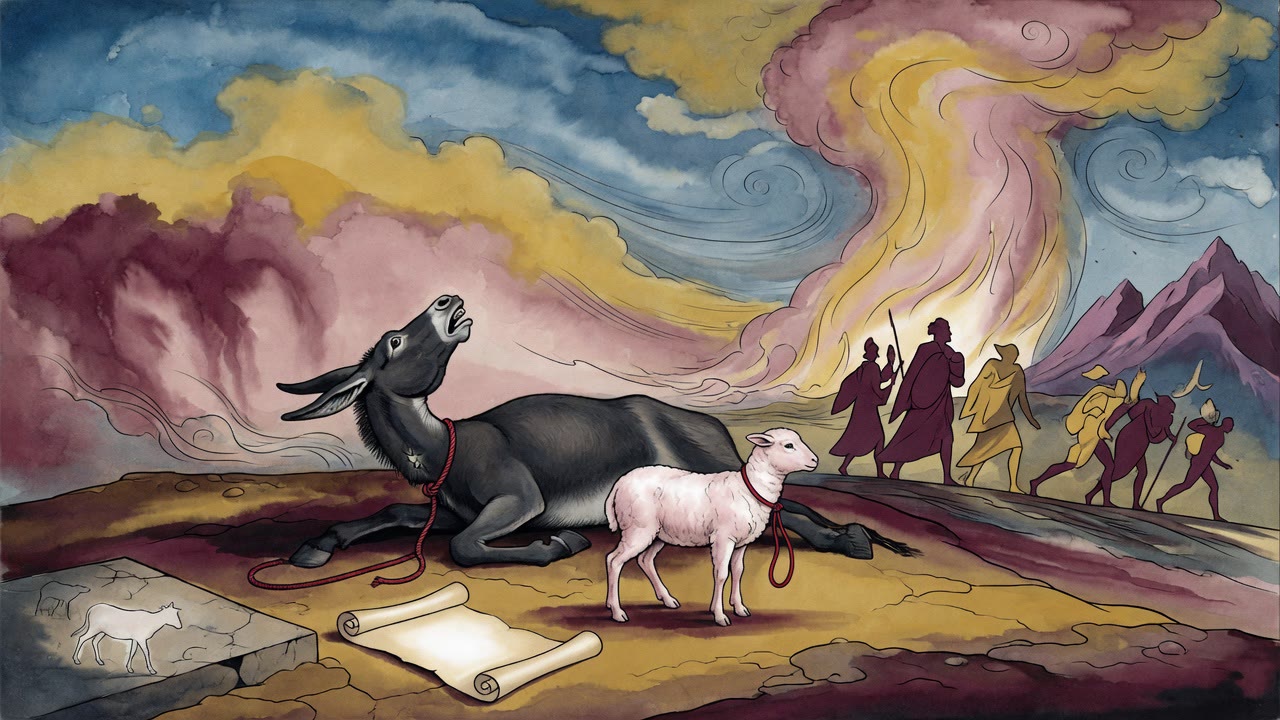
If a dog is paid for holding its tongue, a human mouth has no cheap excuses. Rabbi Yeshaya, student of Rabbi Hanina ben Dosa, fasted eighty-five fasts over a stranger question: how could dogs, called fierce of soul in Isaiah's language, merit to sing, "Come, let us worship and bow down" (Psalms 95:6)? An angel came and told him to stop. The secret had slept since Habakkuk. For the sake of that student, heaven gave this much: the dogs kept silent in Egypt, and even their skins would serve holiness, prepared for Torah scrolls, tefillin, and mezuzot (doorpost scrolls).
The angel left a proverb behind like a latch on the door: "Whoever guards his mouth and his tongue guards his soul from troubles" (Proverbs 21:23). Speech is never free in this economy. Silence can be wages. Noise can be debt.
They Did Before They Did
Before the blood hit the doorposts, the people already stood inside the command. Moses and Aaron had spoken the Passover orders into a camp still learning how to be free. The night of the plague had not yet arrived. Scripture still said of Israel, "and they did."
The sages of the early midrash on Exodus refused the easy calendar. Had they done it yet? Not with hands. Not with hyssop. Not with roasted meat. They had taken the work upon themselves. The moment of acceptance counted as the deed. Intent, held without flinching, rose as action before the lamb was chosen, watched, and killed.
"As the Lord commanded," the verse adds. Exactly as spoken. No shortcuts. No clever additions. No private improvements on the ritual. On the eve of leaving Egypt, the camp earned its freedom twice: once by promising, once by performing. The dogs held still. The people held their yes.
Four Mouths at the Table
Years turn that night into a table. Four sons sit where the silence once sat. The wise son asks for testimonies, statutes, and judgments, and the house opens the laws of Pesach to him, down to the last crumb after the afikoman. The simple son asks, "What is this?" and receives the strong hand that broke the house of bondage. The one who does not know how to ask is opened for, because silence can be holy or empty, and a parent must know which kind sits across the matzah.
The wicked son leans back from the circle. "What is this service to you?" To you, not to him. He sets himself outside the congregation that walked under the quiet dogs. The answer blunts his teeth: "Because of this the Lord wrought for me when I went out of Egypt." For me, not for you. Had you been there with that mouth, you would not have been redeemed.
Speech decides belonging. The dogs knew when to be still. The wicked son never learned the price of a tongue that cuts the people out of their own story.
Who Hurries and Who Speaks
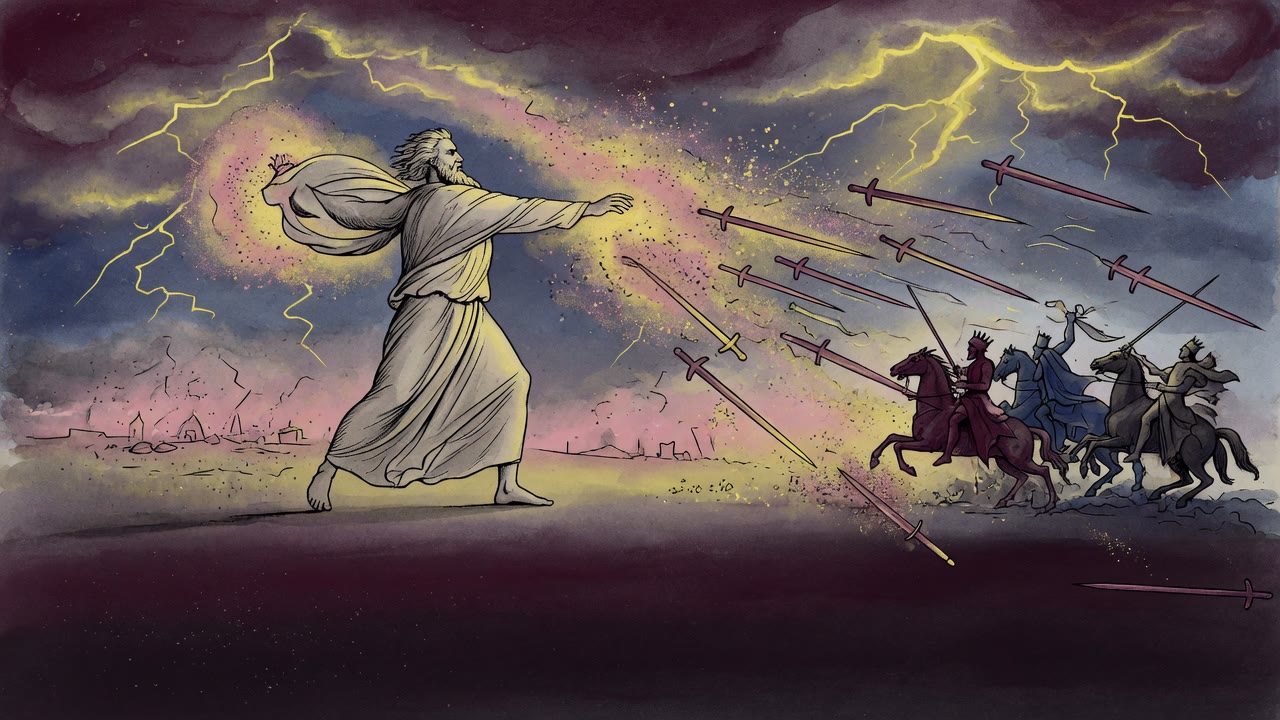
Israel did not flee in panic. Egypt was the one in haste, pushing them out with gifts and fear. Moses still spoke to Pharaoh with royal restraint even as judgment fell. Later Elijah would run before Ahab, but the pattern stays: even before wicked rulers, the mouth must know when to bark and when to close.
On the night the dogs held their tongues, the people held their promise. The road out of Rameses began in that double silence, animal and human, paid and remembered. Every later Seder table that guards its words is still walking under that quiet, still deciding whether the mouth will join the redeemed or stand outside and call the service someone else's.
← All myths