The Soul Sent Back to Hunt the Rest of Himself
He asked for the fire. The ledger would not take him. They lifted two parts of him off like a coat and sent the rest into a new cry.
Table of Contents
 Click for full size
He Asked for the Fire
He had rehearsed the fire the whole way up. Forty days of it, seventy if the accounting went badly.
"You are going back," said the one with the ledgers.
He argued. Fire was clean and quick. "Send me down," he said. "I have earned down."
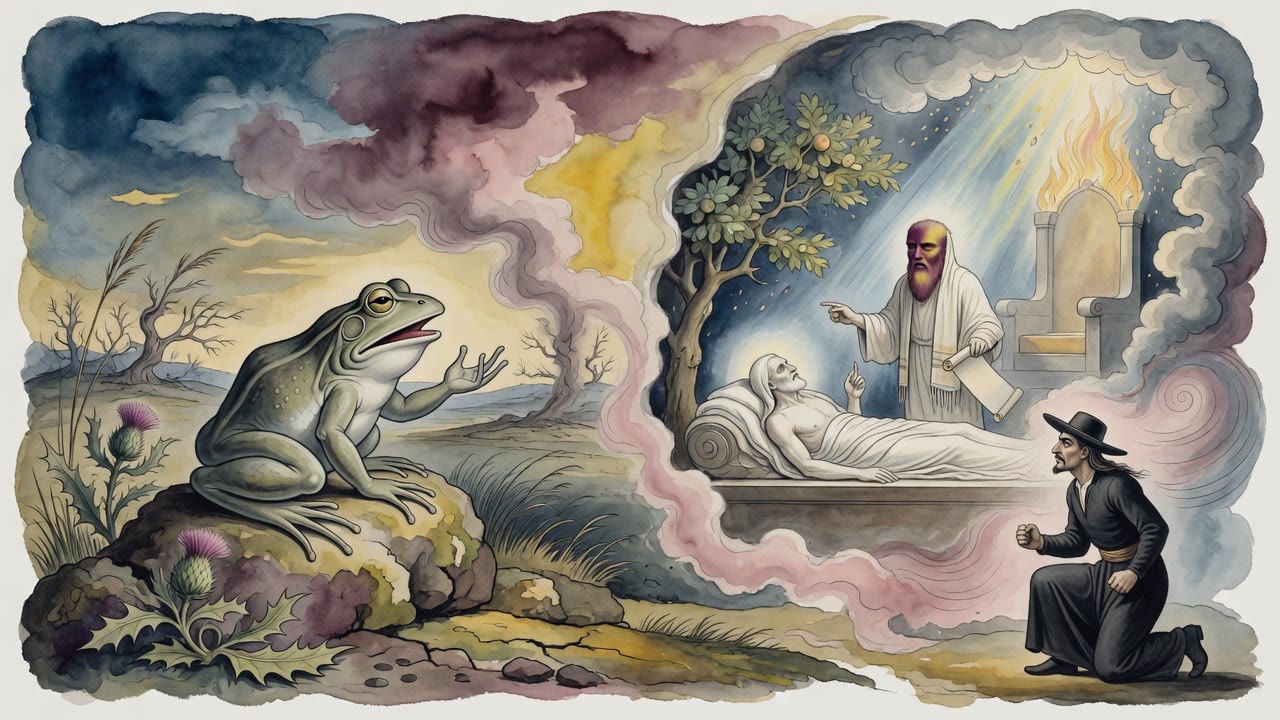
"Down burns off what you did. It cannot pay for what you left undone. Nobody trades in Gehinnom (the fire below, where sin is burned off). No one there lends a coin or lifts a fallen ox out of a ditch. You spoiled it in a world where hands work, and it gets mended there or nowhere."
Behind him a second man was led toward the heat without argument. "Why does he get the short road?"
"Because God counted what that one would add to the pile next time. He would ruin more than he would mend. Better to burn off what he carries and keep the little he earned. For He desires lovingkindness (Micah 7:18), and lovingkindness sometimes wears a furnace."
The ledger turned toward him. His merits stood higher than his sins, though not by much. "The road, then. Its hardships will do your burning, and every good deed you manage stays in your hand. You go down short of yourself and hunt the rest of yourself home one level at a time."
They Lifted Two Parts Off Him
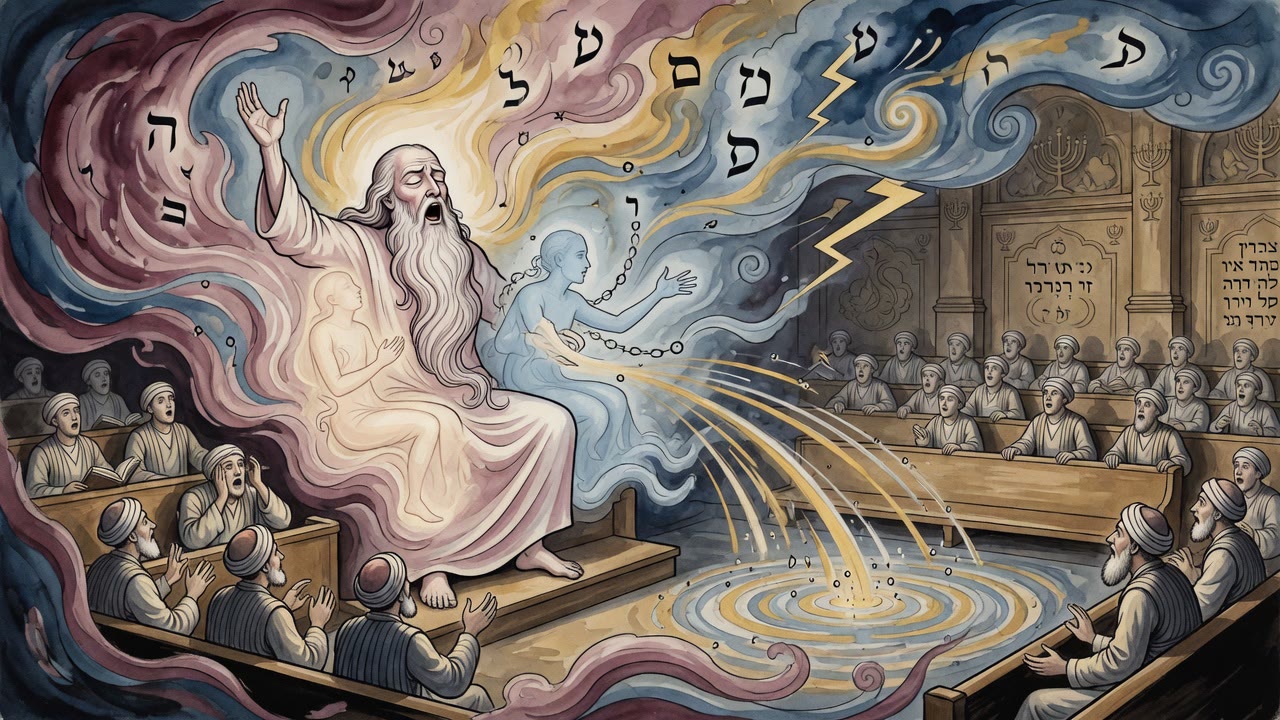
Three had come down with him at his first birth. The Nefesh (נפש), the animal life that keeps blood moving and hunger honest. The Ruach (רוח), where temper and moral nerve sit. The Neshama (נשמה), the part that had once known things without being taught. He had scratched all three.
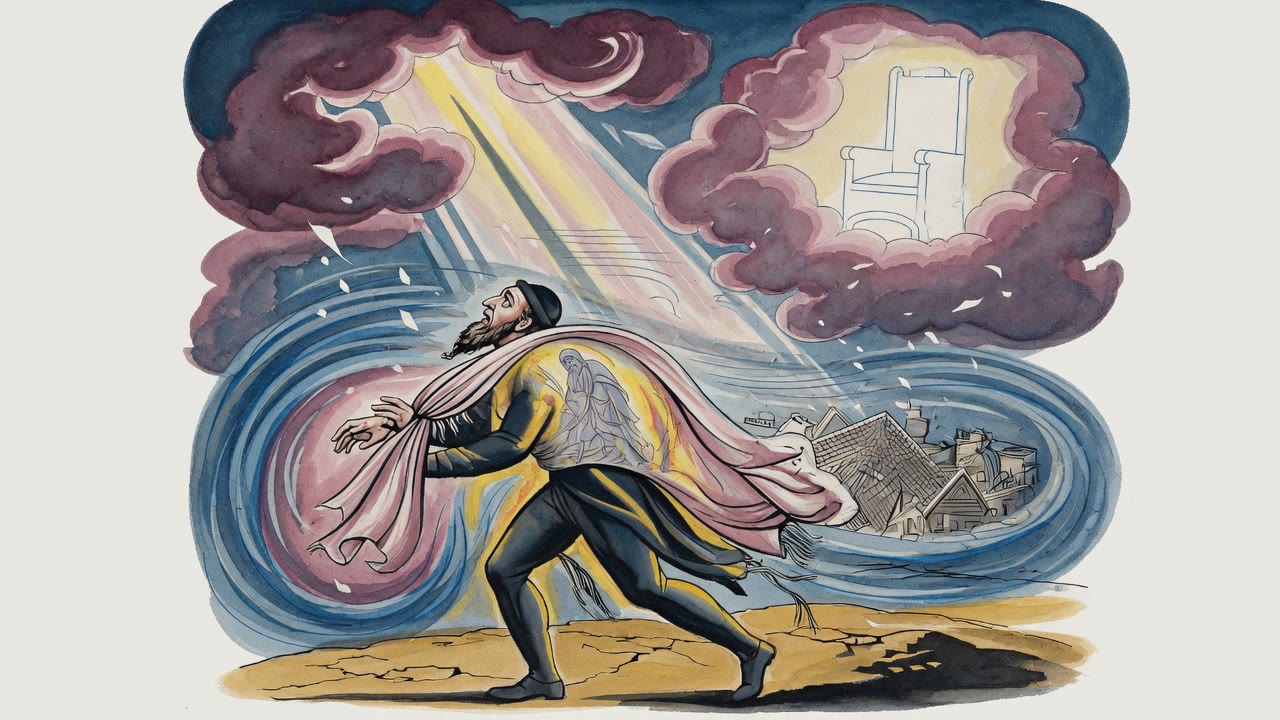
They lifted the upper two off him the way a coat is lifted off a sleeping man.
"All of me broke. Send all of me to fix it."
"A Ruach can rest nowhere except on a Nefesh, and yours is the thing under repair. Pour silt into a well you have just finished cleaning and you have ruined both."
He knew there was another door. A man dies with no son, his brother takes the widow, and the child of that bed is a new building, the first life standing as though it never stood. All three can come to such a child in one lifetime, the Nefesh at birth, the Ruach when his deeds earn it, the Neshama later still. Even Adam took three turns to gather his.
He had no brother.
His Temper Went East on a Stranger
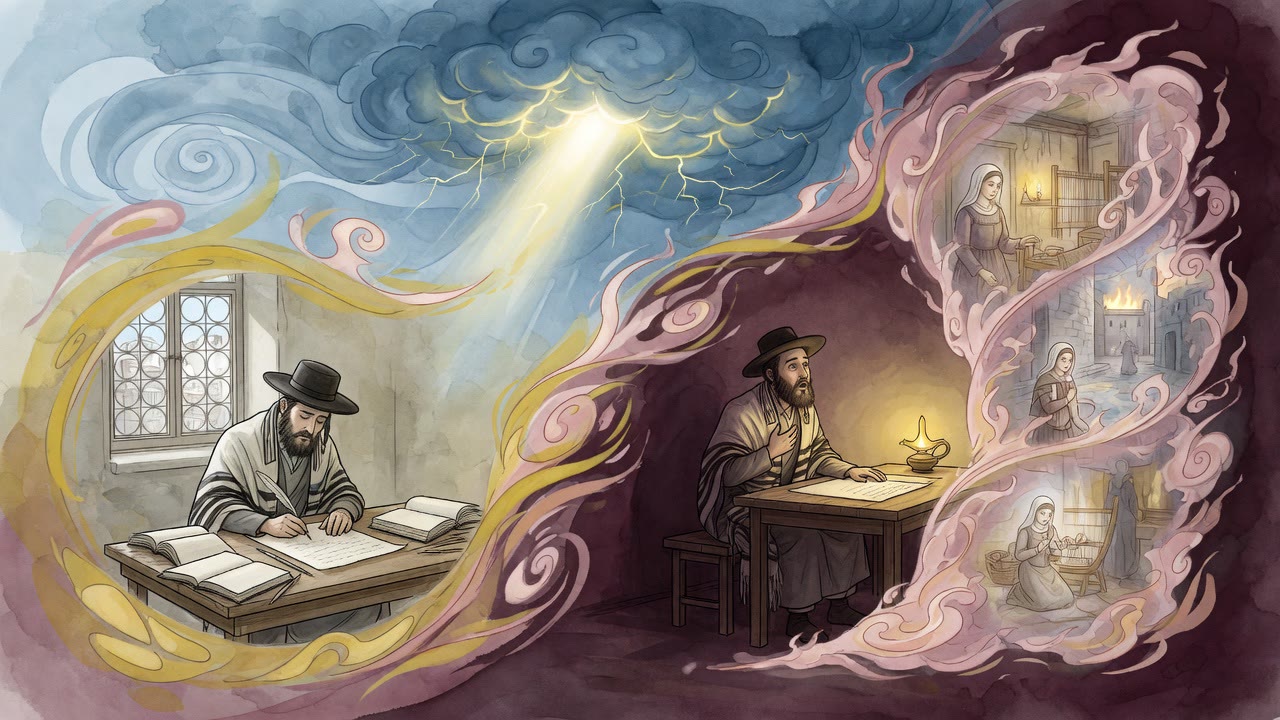
They did not leave his Ruach idle. He watched them carry it east and set it down on a woman walking toward a court of three men, toward the water she would go under and come up from with a Nefesh nobody had ever used. It settled onto her the way a hawk settles onto a glove.
"She will wear it and mend it and never know she is doing it. A clean Nefesh is the only ground a scarred Ruach can stand on. Your Neshama goes further still, to another like her."
Four Riders in One Small Body
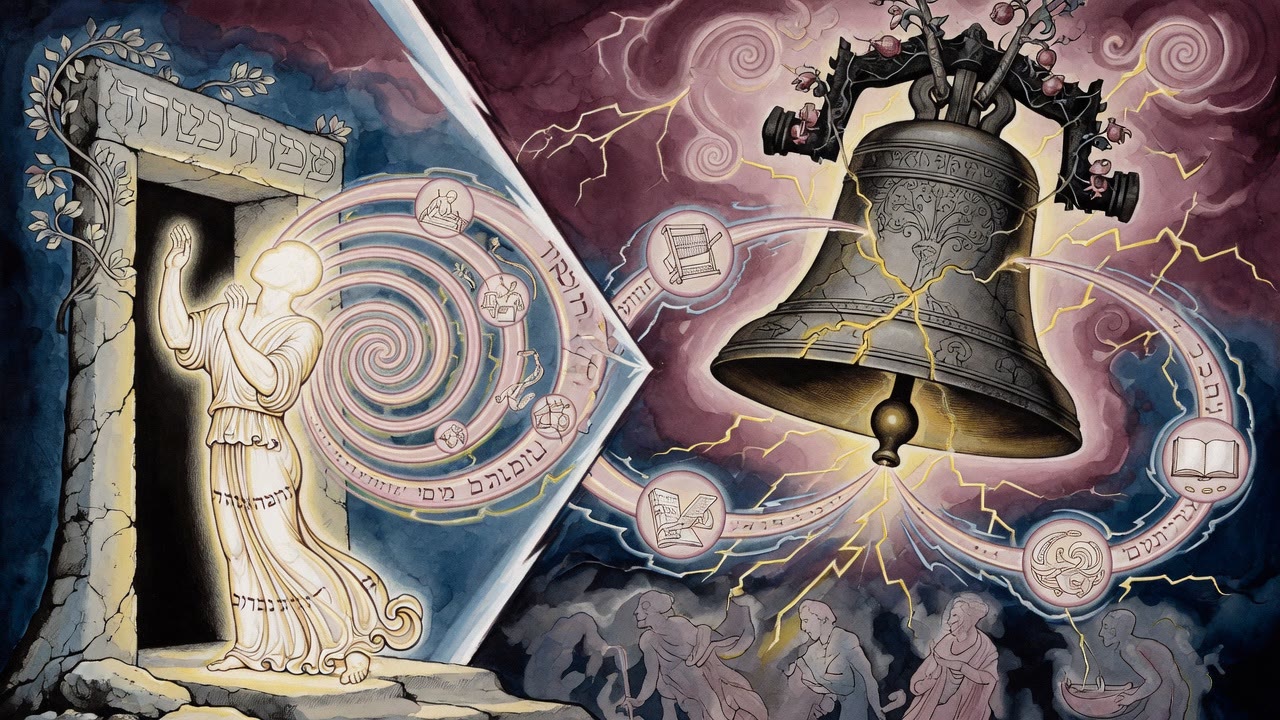
He was born screaming in the ordinary way, and three others came in with him at that birth, no more than three. One had a small sin left to scrub. One had missed a commandment in a life it could no longer name. The third was a whole return traveling under the papers of an ibur (a temporary soul attachment). Four in one small body, and only one with a name the neighbors used.
They never spoke to him. They pressed. When he moved to walk past a beggar his feet refused the step, and he stood arguing with his own legs, and lost.
The Verse He Said on a Night in Shevat
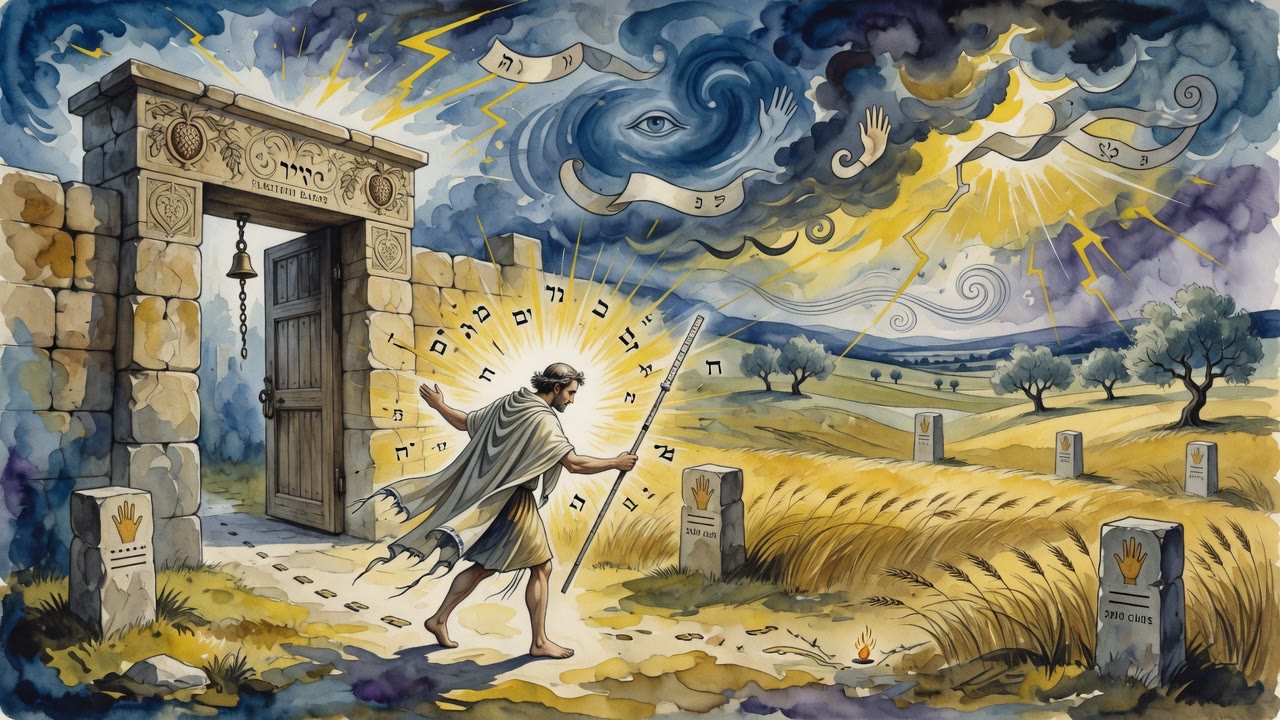
He grew up hungry for something he could not name. At forty he sat beside an old man who wrote three letters in the dust. Bet. Alef. Resh.
"Be'er," the old man said. "A well. Take the words in the night, and my spirit, and read only their heads. Every night while you sleep the Nefashot climb it. They rise as Mayin Nukvin, the waters from below that wake the union above, and at dawn they come back down."
"Mine comes back?"
"Every night so far. Say into Your hand I entrust my spirit (Psalm 31:6) and you have made a deposit. That verse never names the Nefesh. A deposit comes back in the morning."
The old man rubbed the letters out with his heel. "There is another verse. My soul yearns for You in the night; my spirit within me seeks You at dawn (Isaiah 26:9). Say that one the way it is meant and your Nefesh climbs and clings and does not turn around. Something else has to come down at dawn to fill the place it left. Be careful with it. A man who says it before the lower work is done has asked heaven for goods he never paid for."
It took him eleven more years. He fed people who could not feed him back. He swallowed answers he had already sharpened. He buried a wife and did not curse the sky. One by one the three riders finished their errands and left him.
On a cold night in Shevat he lay down and said the verse with the whole intention behind it. His Nefesh went up the well and did not turn around.
At dawn something else came down.
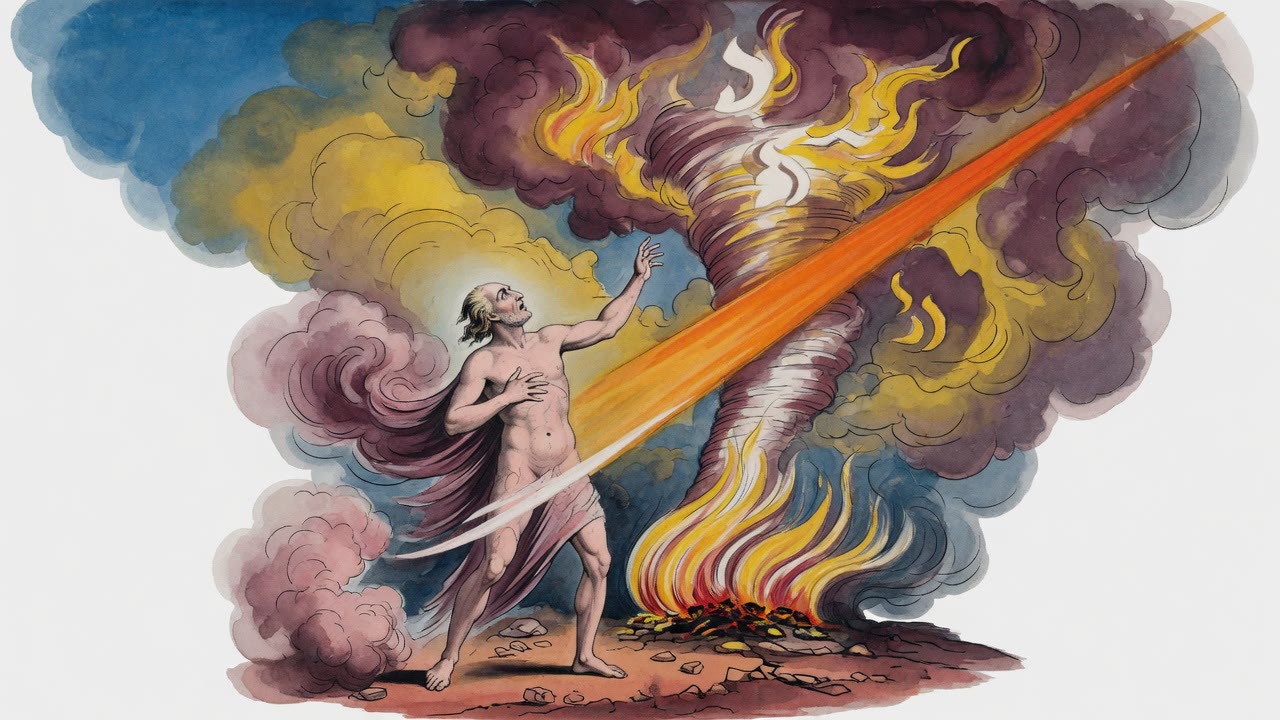
He woke with a heat under his ribs that had no cause in the room, the exact temper they had lifted off him on the stairs, scoured clean on a stranger's ground far to the east. He lay still and would not move his hands. Above the roof, past the mouth of the well, the last part of himself waited on another stranger, still to be earned.
← All myths