5 min read

God Closed Every Other Altar Once the Tabernacle Stood

Before the Tabernacle, sacrifice wandered any high place. Once the Tent stood, God demanded one door, then came loaded with blessings like Jacob to Pharaoh.

Curated by Arthur · Told by Maggid ·
Table of Contents
  1. A House Without a Wife
  2. Only at the Entrance
  3. Loaded with Blessings
  4. David's Name on Solomon's Stones
  5. One Door, Full Hands
God Closed Every Other Altar Once the Tabernacle Stood Click for full size

A House Without a Wife

A rich man had no wife. When tenants brought gifts he waved them off. Rest somewhere else. This is not yet a house. He married, and the rule flipped. Whatever you bring, bring it up to the house. The door became the only honest mouth for gifts.

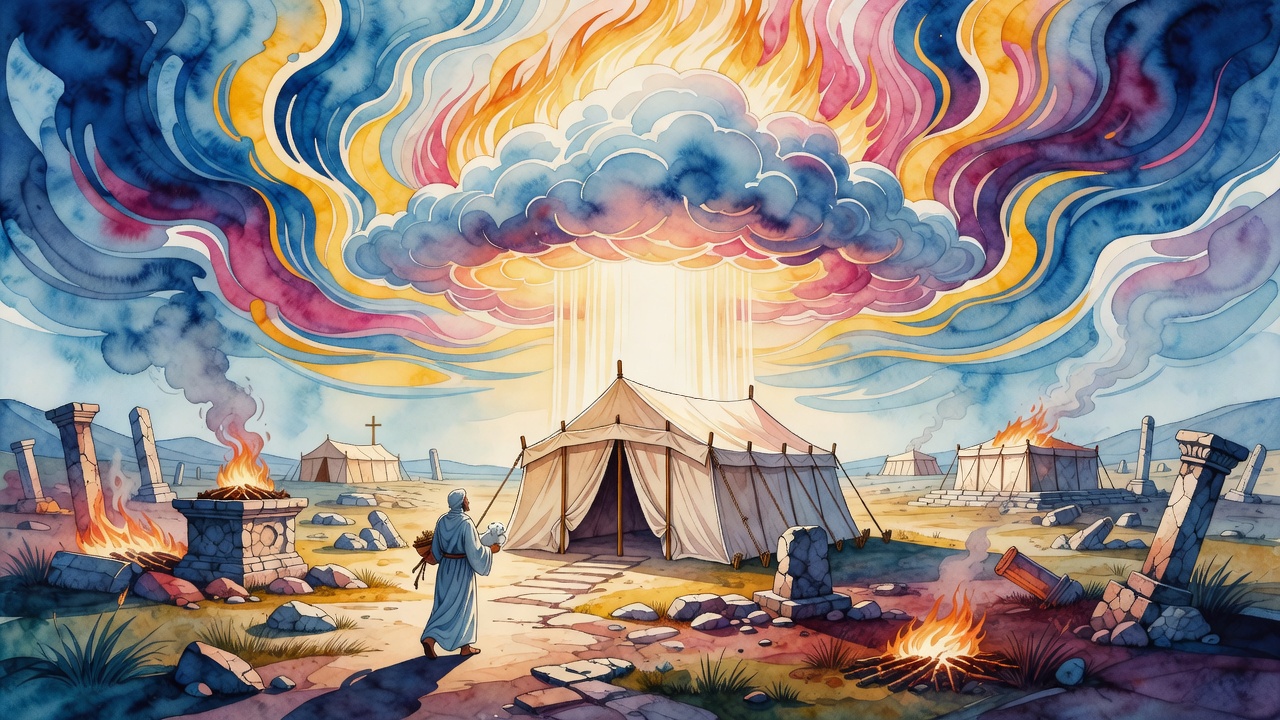
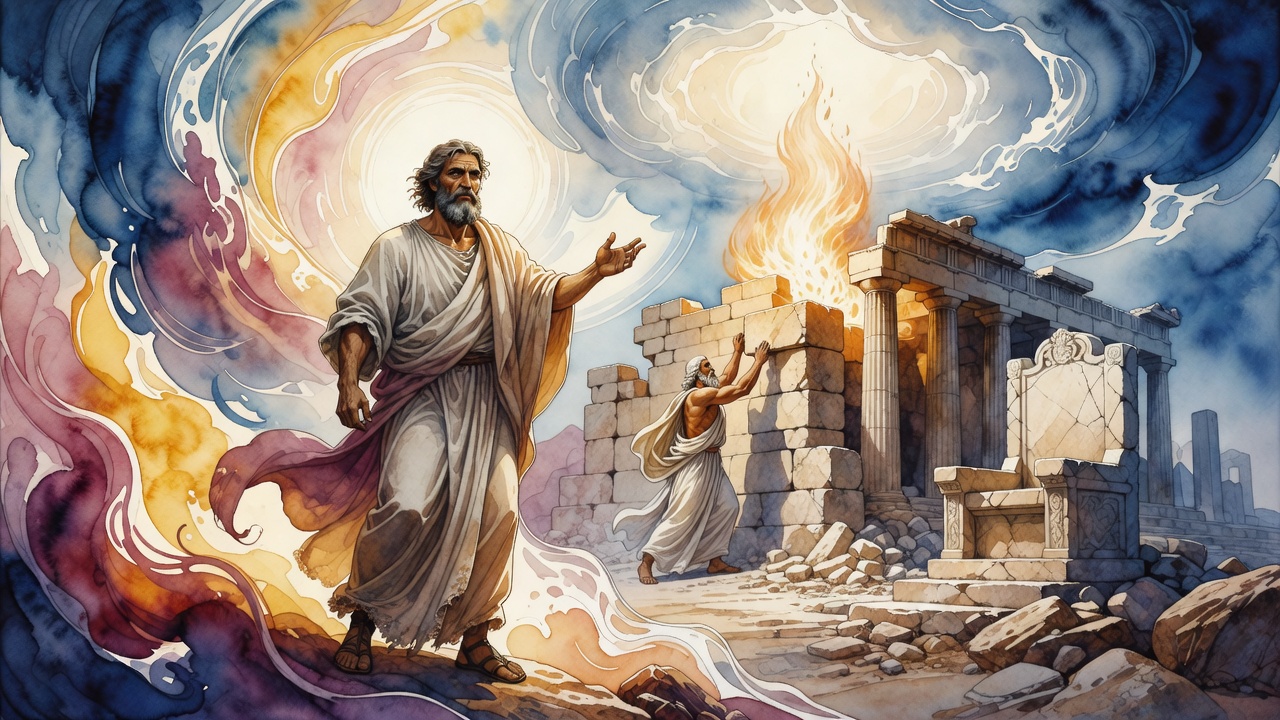
So before Moses raised the Tent of Meeting, Israel offered in open places. Youths sent by Moses sacrificed burnt offerings (Exodus 24:5). Even the request in Egypt had been a three-day journey into the wilderness to sacrifice (Exodus 8:23). Holiness wandered with the camp like smoke without a chimney.

Then the boards stood, the curtains hung, and the free range of blood ended. A portable house with a wife of Presence finally had a right to say where gifts may land.

Only at the Entrance

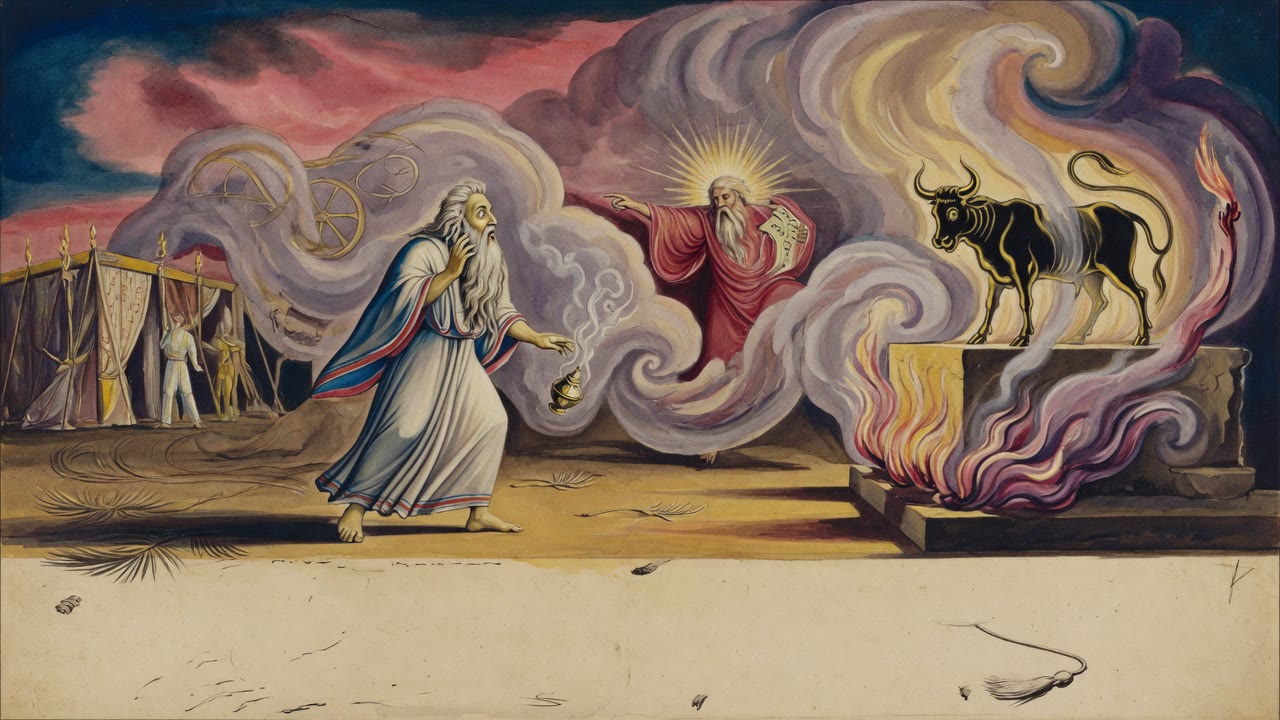
God said to Moses, from now on you may offer only in the Tent of Meeting. "Take heed to thyself that thou offer not thy burnt offerings in every place that thou seest: But in the place which the Lord shall choose" (Deuteronomy 12:13-14). Zion is named later as the desire of God for a dwelling (Psalms 132:13). The law in Leviticus already draws the line tight. Slaughter an ox, lamb, or goat in the camp and fail to bring it to the entrance, and bloodguilt sticks to the person (Leviticus 17:3-4).

Centralization is not bureaucracy for its own pride. It is a marriage consummated. The Presence has an address. Gifts that ignore the address become theft dressed as piety. Private high places look free and become rival thrones.

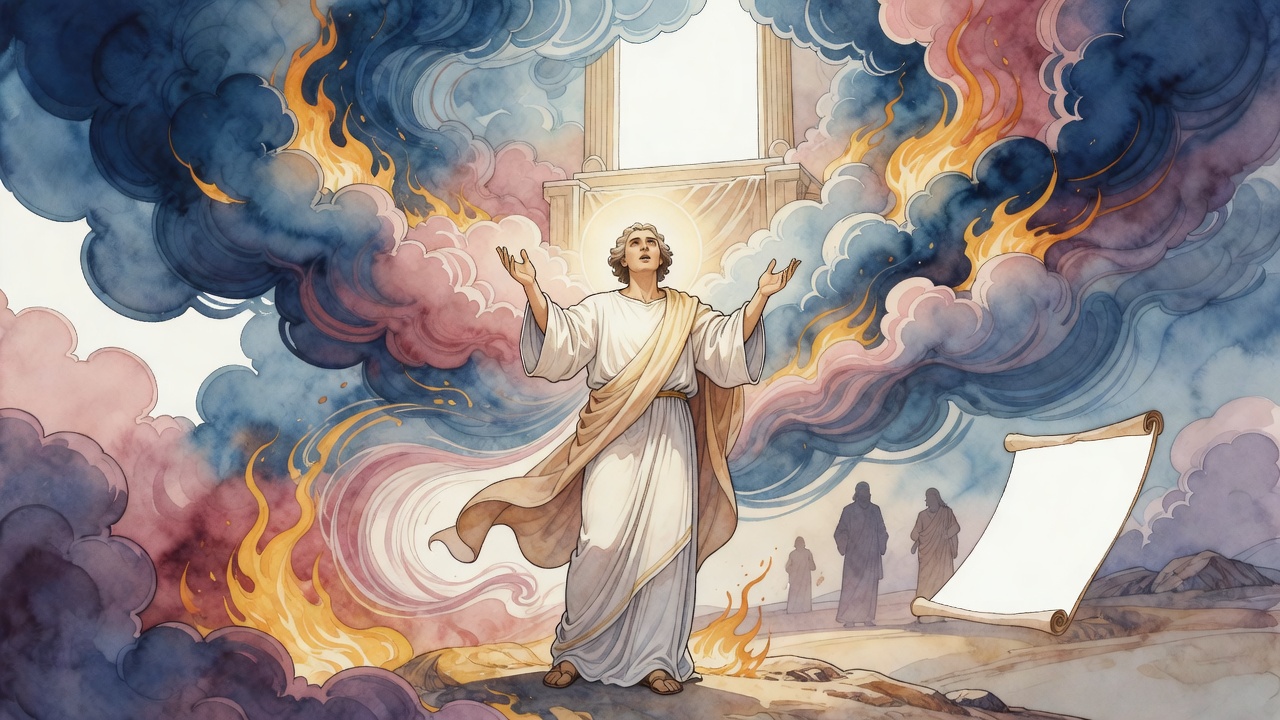
God foresaw a day when that house would fall. While it stands, sacrifice inside it. When it does not stand, occupy yourselves with words of Torah, for they are comparable to offerings and will atone. The chimney can become a page. The door can become study. Exile will need that hinge more than any generation wants to admit.

Loaded with Blessings

"And it came to pass on the day that Moses had finished" (Numbers 7:1). Before the Tabernacle rose, at Sinai, God had already hinted. When I come to you, I will come loaded with blessings. Jacob did not leave Pharaoh without a blessing; the Nile rose to the king's foot in the midrash's memory of that scene (Genesis 47:7). Shall a human outdo God in righteousness? When the Presence arrives, it arrives carrying gifts, not empty hands.

The day of finishing is the day the load can be set down among them. Blessing is not a mood. It is cargo. Israel stood at the mountain and heard the promise of a guest who does not come poor.

Finishing is also a claim on labor. The camp built. Moses checked pattern against mountain vision until the day could be written under his care. The blessings ride that finished work the way a caravan rides a cleared road.

David's Name on Solomon's Stones

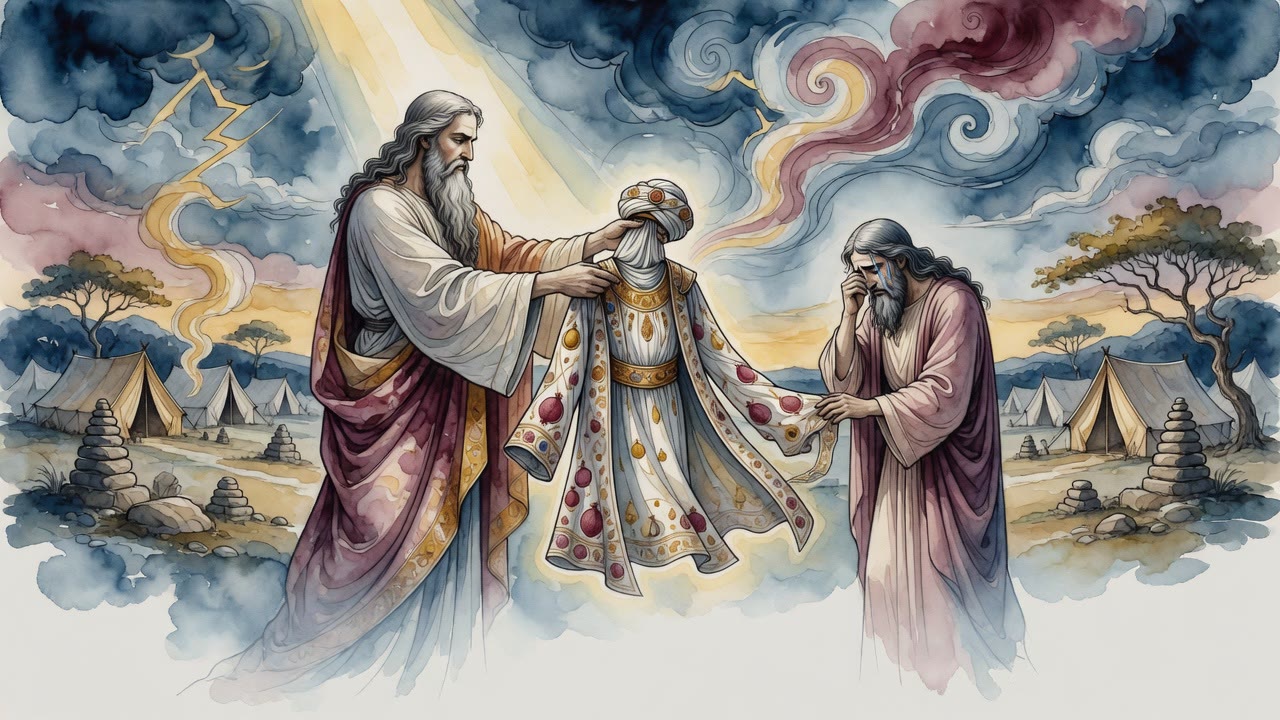
Later a greater house would rise. Solomon built the Temple (I Kings 6:14). The psalm still sings of the inauguration of the House of David (Psalms 30:1). Why David's name on Solomon's walls? Because David devoted his life to finding the place. He swore not to enter the rest of his own bed until he found a habitation for the Strength of Jacob (Psalms 132:1-5).

Heaven writes the house on the toil that hunted the site, not only on the last beam. Moses' finished Tent and David's unfinished hunger rhyme. Credit follows the one who carried the pattern through nights without sleep.

The altar has one address. The name on the house may belong to the one who never saw the final gold. That injustice is justice of a different ledger, the ledger of devotion measured in years rather than in hammers.

One Door, Full Hands

Close the random altars. Open the Tent. Receive a Presence that arrives loaded. Remember David when Solomon's hammers stop. When stones fall in a later century, open the scroll and let words weigh as much as bulls.

The rich man's house became a home only when a wife gave it a center. Israel's camp became a sanctuary only when sacrifice learned a single entrance. Everything after that, blessing, naming, and even atonement in exile, follows from the day the wandering knife was told where to stop.

Bring the gift to the door. Do not invent a private mountain because the walk is shorter. The Presence chose an address, and the people who love that address learn how to carry it when the boards are gone.


← All myths
From the tradition

Sources

3 sources

The texts behind this telling. Some cards carry a translation of the source; others are our own retelling of it, and each card says which. Every card links out to the original.

Midrash Tanchuma, Achrei Mot 10Midrash Tanchuma

Retold in our words. Read the original at the link below.Townsend 1989 translation of Midrash Tanhuma, S. Buber Recension · CC-BY

(Lev. 17:3:) “If any single person from the House of Israel.” This text is related (to Ps. 51:20–21), “Make Zion prosper in Your good pleasure; rebuild the walls of Jerusalem. Then You shall delight in sacrifices of righteousness, burnt offerings, and whole offerings….” To what is the matter comparable? To a rich and noble man, who has no wife. His house was not [really] a house. Why? When the tenants came, he said to them, “Go rest in another place.” Why? Because he had neither house nor wife. He took a wife. He said to them, “Whatever you bring me, from now on bring them up to the house.” Thus all the days before Moses erected the tent of meeting, they offered sacrifices [in] any place, as stated (in Exod. 24:5), “Then he sent youths of the Children of Israel, and they offered burnt offerings….” And so it says (in Exod. 8:23), “Let us go a distance of three days into the wilderness and sacrifice to the Lord our God.” When the tabernacle was raised, the [Holy One, blessed be He,] said to Moses, “From now on you are only permitted to offer sacrifice in the tent of meeting”; and there they offered up the [gift] to the Holy One, blessed be He. It is so stated (in Deut. 12:13-14), “Take heed that you do not offer up your burnt offerings in any place that you see. But only in the place that the Lord will choose.” And where did the Holy One, blessed be He, choose? Jerusalem, as stated (in Ps. 132:13), “For the Lord has chosen Zion; He has desired it for His dwelling.” Moses therefore warns Israel, saying (in Lev. 17:3-4), “If any single person from the House of Israel [slaughters an ox, a lamb, or a goat in the camp]…. And does not bring it unto the entrance of the tent of meeting to offer it as a sacrifice… [bloodguilt shall be imputed to that person].“ The Holy One, blessed be He, foresaw that the Temple was going to be destroyed; so the Holy One, blessed be He, said, “As long as the Temple exists, you shall sacrifice within it, [and] there will be atonement for you; but when the Temple does not exist, how will there be atonement for you? Occupy yourselves with the words of Torah, because they are comparable with offerings, and they will atone for you.” Thus it is stated (ibid.), “This is the thing (literally: word).” So also the prophet says (in Hos. 14:3), “Take words with you, and return unto the Lord.” The words of Torah resemble all the offerings. One offers wine as a libation upon the altar, as stated (in Numb. 15:5), “And a quarter hin of wine for a libation”; and Torah resembles wine, as stated (in Prov. 9:5, where wisdom says), “and drink of the wine I have mixed.” One offers bread upon the altar, as stated (in Numb. 28:2), “My offering, My bread for My fire offering; and so it says (in Exod. 25:30), “And you shall set the [show]bread upon the table before Me always”; and Torah resembles bread, as stated (in Prov. 9:5, where wisdom says), “Come and eat of my bread.” One offers oil upon the altar, as stated (in Lev. 2:5), “fine flour mixed with oil”; and Torah resembles oil, as stated (in Eccl. 9:8), “Always let your clothes be white, and let there be no lack of oil upon your head.”

Full source
Midrash Tanchuma, Nasso 26Midrash Tanchuma

Retold in our words. Read the original at the link below.Townsend 1989 translation of Midrash Tanhuma, S. Buber Recension · CC-BY

(Numb. 7:1:) “So it came to pass on the day that Moses had finished.” R. Berekhyah the Priest Berabbi said, “Before the Tabernacle was erected, when Israel stood before Mount Sinai, the Holy One, blessed be He, gave them an intimation that when His Divine Presence would dwell among them, He would then bless them. The Holy One, blessed be He, said to them, ‘When I come unto you, I will come loaded with blessings.’” R. Berekhyah Berabbi [also] said (citing (Job 4:1)7), “’Shall a human be more righteous than God […]?’ When Jacob went to Pharaoh, he did not depart from him until he had blessed him. And how did he bless him? He said to him [that] the Nile would rise to his foot. Where is it shown? Where it is stated (in Gen. 47:7), ‘and Jacob blessed Pharaoh.’ The Holy One, blessed be He, said, ‘Also when I come unto you, I shall come loaded with blessings.’” And where did they have an intimation of [such blessings]? At Sinai, since it is stated (in Exod. 20:21), “An altar of earth you shall make for Me… I will come unto you and bless you.” Then when He came unto them He blessed them, as stated (in Numb. 6:24), “The Lord bless you […].” When? On the day that the Tabernacle was erected. (Numb. 7:1:) “So it came to pass on the day that Moses had finished (kallot).” Kallat (which means "bride of") is [what is really] written. [Thus the passage would allude] to the day that [the] bride (kallah) entered the wedding canopy.

Full source
Mekhilta Tractate Shirah 1:5Mekhilta DeRabbi Yishmael

Retold in our words. Read the original at the link below.Mechilta, translated by Rabbi Shraga Silverstein · CC-BY

The eighth, that of Solomon, viz. (Psalms 30:1) "A psalm, a song of the inauguration of the Temple of David." Now did David built it? Did not Solomon build it? viz. (I Kings 6:14) "And Solomon built the Temple." Why, then, is it written "A psalm, a song of the inauguration of the Temple of David? But because David devoted his life to building it, it was called by his name. Similarly, (Psalms 132:1-6) "Remember, O L–rd, unto David, al of his tribulation (in seeking a place for Your sanctuary), which, (to find the place,) he swore to the L–rd, vowed to the Strength of Jacob: Forefend that I came to the test of my habitation (my palace), that I go up on the bed spread out before me, that I give (superfluous) sleep to my eyes or slumber to my lids, before I find the (fore-ordained) place for (the Temple of) the L–rd, the habitation of the Strength of Jacob. We had heard it (that place) to be in Efrat (the most select of places), and, lo, we have found it in the fields of the forest (in the boundary of Benjamin, who is likened to a beast of the forest" [viz. (Genesis 49:27)]). And what is written afterwards? (I Kings 12:16) "See your house, O David." Because David devoted his life to it, it was called by his name. And thus you find that whatever a man devotes his life to is called by his name.

Full source