Translation of the source text.Otzar Midrashim, New York 1915, Public Domain · CC-BY-SA
Midrash Vayosha
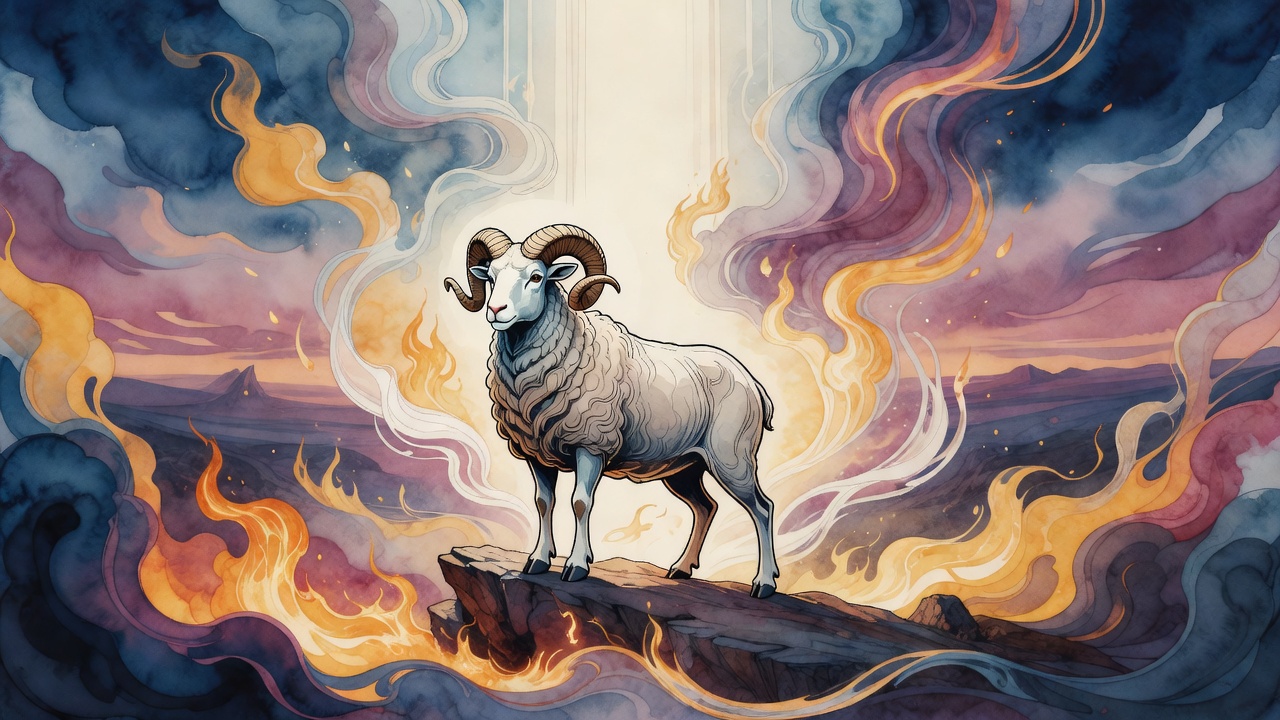
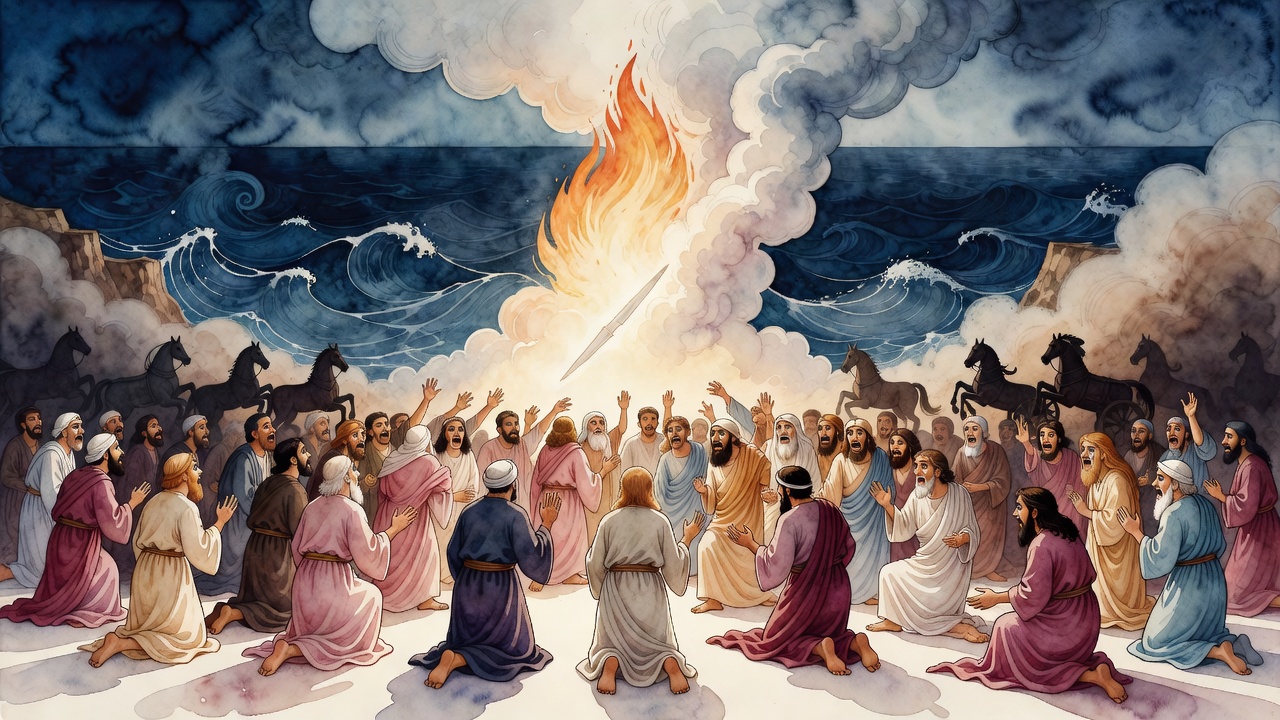
"And the Lord saved." Our Sages of blessed memory said: At the hour when the Egyptians pursued the Children of Israel, and Israel saw them, terror and trembling seized them. Then Israel were likened to a dove that flees from the hawk, and when it comes to its nest it finds a serpent there. So Israel, when they saw the Egyptians, said to Moses: "Moses our teacher! Where shall we go? Behold, Egypt is behind us and the sea is before us!" Then they raised their voice in weeping, and Moses too wept with them. Immediately the mercies of the Holy One, blessed be He, were stirred, and He said to Moses: "Moses! I already remember the prayer that Abraham, the one who loves Me, prayed at the hour when I said to him, 'Go slaughter Isaac your son.' Immediately he accepted it with love, and on the morrow he rose early to do My will, as it is said: 'And Abraham rose early in the morning and saddled his donkey and took his two young men with him and Isaac his son.'"
And who were these young men? Eliezer the servant of Abraham, and Ishmael. Isaac said to his father: "Where are we going?" To bless him. His father said to him: "Up to here, to a place that is near." And it is written: "And Abraham took the wood of the burnt offering and laid it upon Isaac his son, and he took in his hand the fire and the knife, and the two of them went together." Isaac said to his father: "Father, where are we going alone?" He said to him: "My son, to offer a sacrifice." He said to him: "Behold, there is One there who is the High Priest, and He will offer the burnt offering."
Immediately great terror fell upon Isaac, because he saw nothing in his hand for the burnt offering. "And Isaac spoke to Abraham his father and said, 'My father,' and he said, 'Here am I, my son,' and he said, 'Behold the fire and the wood, but where is the lamb for the burnt offering?'" Immediately Isaac shuddered and his limbs trembled, for he recognized and knew the thought of his father, that there was nothing in his hand. Yet even so he strengthened himself and said to his father: "If it is true that the Holy One, blessed be He, has chosen me, behold my soul is given over to Him." And Isaac was reconciled to his death in order to fulfill the commandment of his Maker. And Abraham said to him: "I know of you, my son, that you do not delay the command of your Maker and my command." Isaac answered his father: "My father! Hurry, do the will of your Owner, and He will do your will."
While they were walking on the way, Satan came before Abraham and appeared to him as an old man, and said to him: "Where are you going?" He said to him: "To pray." He said to him: "If to pray, why do you need to carry wood upon your shoulder and fire and a knife in your hand?" He said to him: "Perhaps we shall tarry a day or two, and we shall slaughter and bake and eat." He said to him: "Old man, was I not there when the Accuser said to you, 'Take now your son, your only one, and offer him up to Me for a burnt offering'? And an old man like you would destroy such a precious son, a youth whom the Holy One, blessed be He, gave you at a hundred years?" Abraham said to him: "It was not an accuser, but the Holy One, blessed be He, in His glory and Himself, said to me: 'Take now your son, your only one, whom you love, Isaac, and make him before Me a burnt offering.'" Satan said to him: "Is not your fear your folly, your hope and the integrity of your ways?" (Job 4:6). Abraham said to him: "Who that was innocent ever perished, and where were the upright cut off?" When Satan saw that Abraham did not accept his words, he said to him: "Know, Abraham, I tell you good tidings: you will make the lamb a burnt offering and not Isaac." He said to him: "Such is the punishment of a liar, that even when he speaks the truth he is not heeded, and I do not believe you; rather the Holy One, blessed be He, will do what is good in His eyes."
Satan came and stood before Isaac and appeared to him as a youth like himself. He said to him: "Where are you going?" He said to him: "To study Torah." He said to him: "In your life or in your death?" He said to him: "And is there a man who studies Torah after his death?" He said to him: "O wretched son! Where are the days of your youth, and you do not know that your father is leading you on this road to slaughter you!" He said to him: "I myself know, and behold my soul is delivered into the hand of the Holy One, blessed be He, and into the hand of my father; whatever He wishes to do with me, He will do." Again Satan went to Sarah and appeared to her as an old man. He said to her: "Where has Abraham your husband gone?" She said to him: "He has gone to his work." "And Isaac your son, where has he gone?" She said to him: "He went with him to study Torah." He said to her: "Wretched old woman! How your teeth will be set on edge over your son, for you do not know that he led him on the road to slaughter him!" At that hour her loins shuddered and her limbs grew faint, and she was no longer in the world. Yet even so she strengthened herself and said: "What the Holy One, blessed be He, said to him, let Him do, for peace and for life."
And when Satan saw that the thought he had and the desire of his heart, to annul the sacrifice of Abraham, had not succeeded in his hand, what did he do? He went and made himself into a great river. And when they reached that river, Abraham said to Isaac: "Wait for me a little, and I will enter the river first and see whether it is deep." And so he did: he went down into the river up to the middle of the river, and the water did not reach his knees. He said to Isaac: "Come down after me, do not fear, for the water does not reach my knees." And Isaac came down after him. And they had not managed to descend to the middle of the river before the water grew strong and reached up to their necks. At that hour he raised his eyes to heaven and said: "Master of the universe, it is revealed and known before the Throne of Your glory that You are God in the upper worlds and the lower worlds, and You revealed Yourself to me and said to me: I am one and there is none like Me in the world, and you are unique, that there is none like you, a righteous one in the world. Make My name known in the world, and offer up Isaac your son as a burnt offering before Me. And I hurried to say 'Ishmael,' for You said to me about Isaac, 'For in Isaac shall your seed be called.' And now, if we are drowned in the river, who will declare Your name one in the world!" Immediately the Holy One, blessed be He, rebuked Satan, and the waters dried up upon the ground, and they found themselves on dry land.
While Abraham and Isaac were walking on the way, a quarrel entered between Ishmael and Eliezer the servant of Abraham, who were guarding the vessels and their cattle. Ishmael said: "Now my father will offer up Isaac, and I will inherit all the property that remains from my father." Eliezer said to him: "He already drove you out like a woman divorced from her husband, and he sent you into the wilderness; but I am his servant, faithful of his house by day and by night." And the Holy Spirit answered and said to them: "Neither this one will inherit, nor will this one inherit."
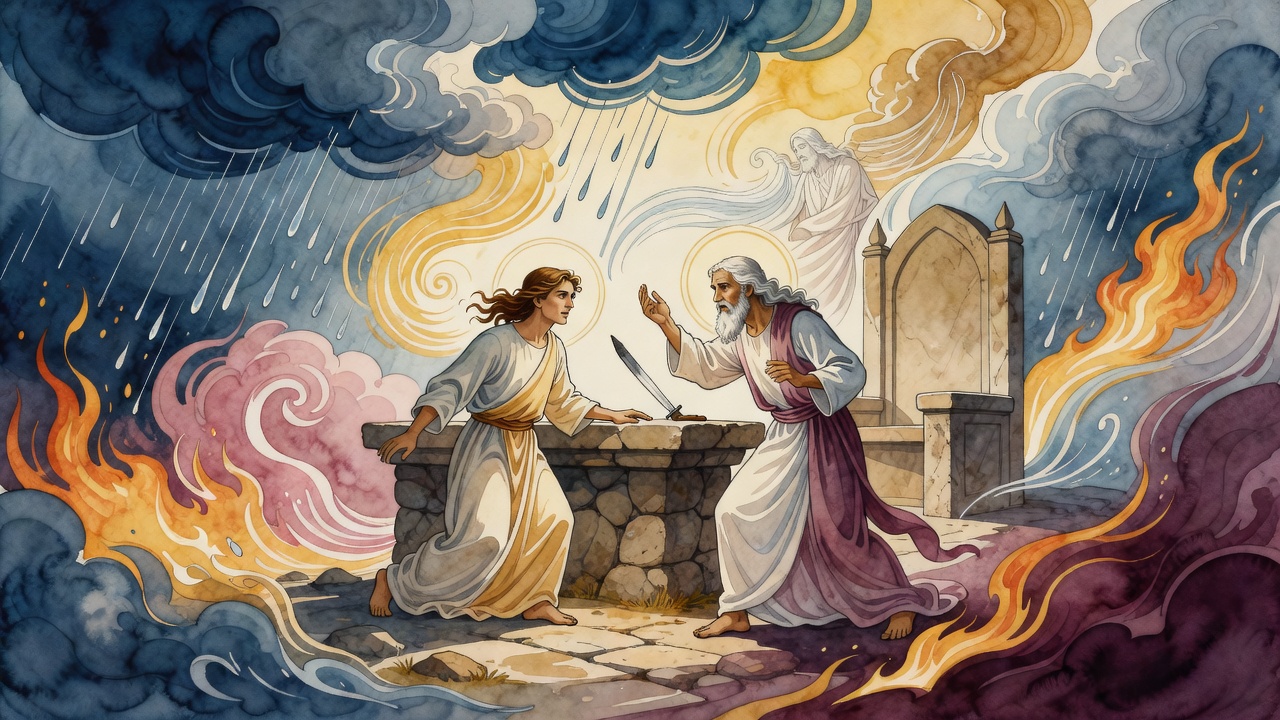
It is written: "And they came to the place which God had told him, and Abraham built there the altar and arranged the wood and bound Isaac his son and laid him on the altar above the wood." Abraham was building the altar, and Isaac was handing him the wood and the stones; Abraham was like a man who builds a wedding house for his son, and Isaac was like a man who prepares a wedding canopy for himself, which he made with joy. And Isaac said to his father: "Father, hurry yourself and bare your arm and bind my hands and my feet well, well, for I am a youth, thirty-seven years old, and you are old, and when I see the knife I may kick you out of fear of the knife, for the soul is bold (impudent), and perhaps I will make a blemish in myself and be disqualified from the sacrifice. Rather, I beg of you, father, hurry and do your will, and do not delay; roll up your garments and gird your loins. And burn me well, well, and take my ashes and carry them to Sarah my mother, and place them in a chest in her room; and at every hour that she enters her room, she will remember Isaac her son with weeping." And Isaac further said to his father, more than this: "When you slaughter me and separate from me and go to Sarah my mother, if she asks of you, 'Where is Isaac my son,' what will you say to her, and what will you do in your old age?" Abraham said to him: "We know that after you our days will be few; He who comforted us before you were born, He will comfort us from this day onward."
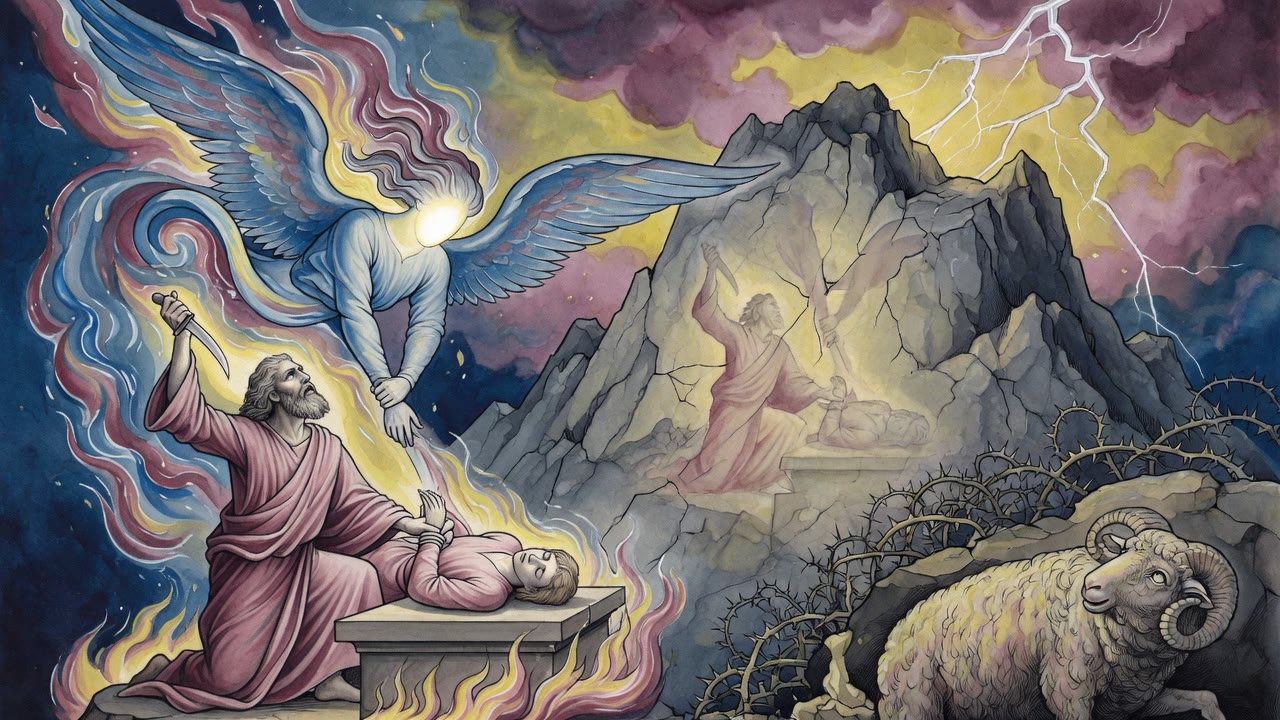
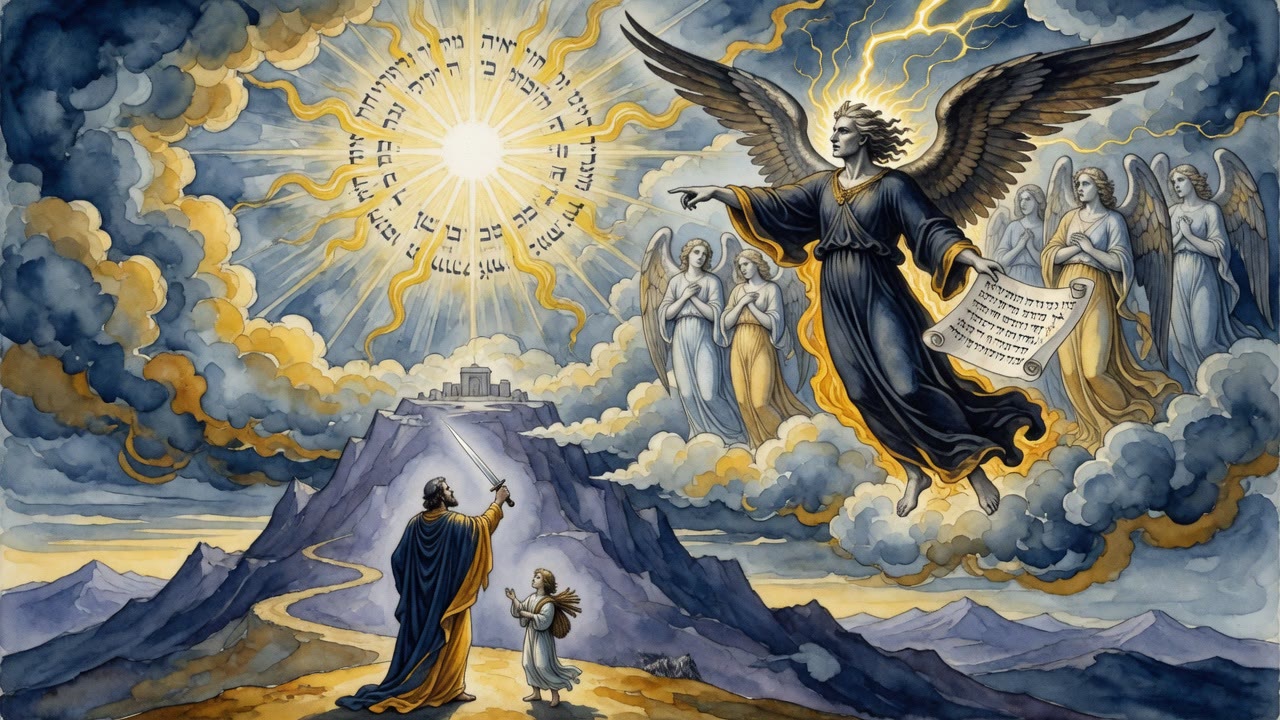
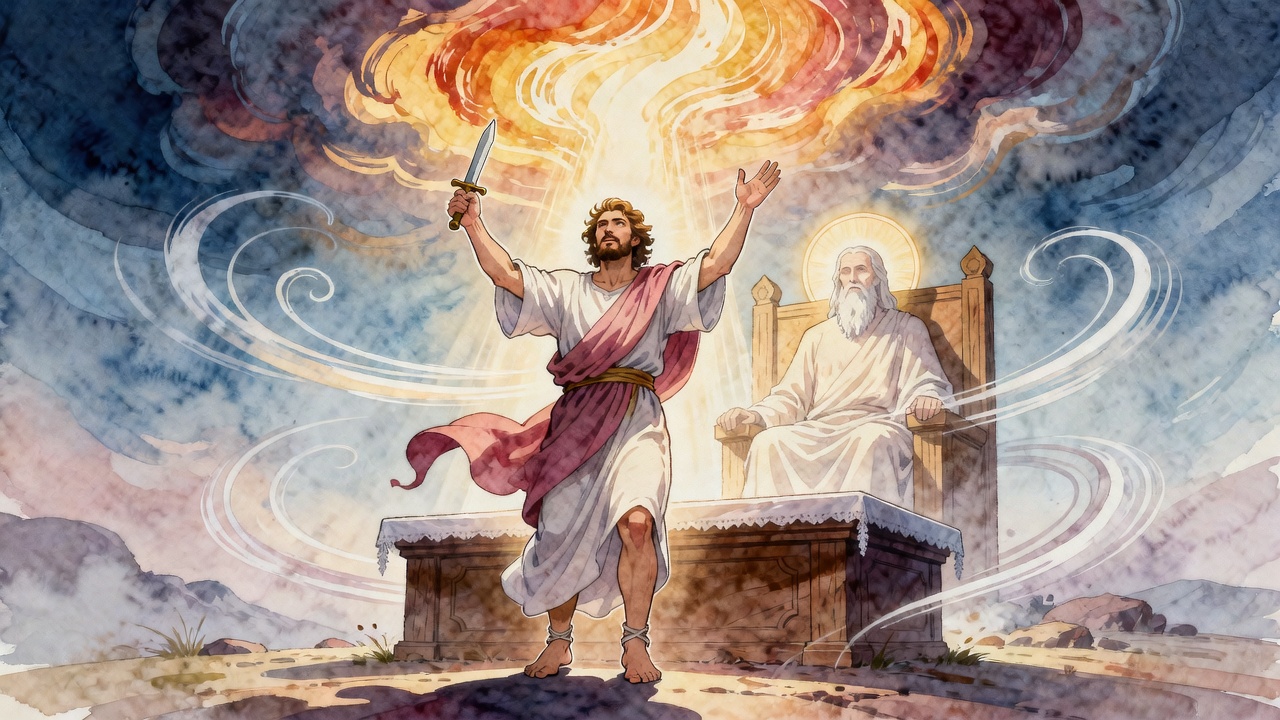
Immediately he arranged the wood and bound him upon the altar above the wood. He braced his arms and rolled up his garments and set his two knees upon him with great force. And the Holy One, blessed be He, sitting upon a high and exalted throne, saw how the heart of the two of them (Abraham and Isaac) was as one, and the tears of Abraham were dropping and falling upon Isaac, and from Isaac they fell upon the wood, and the knife was being dipped in tears. Immediately, "And Abraham stretched out his hand and took the knife to slaughter his son." The Holy One, blessed be He, said to the ministering angels: "Have you seen Abraham, the one who loves Me, how he has declared My name one in this world? If I had listened to you at the hour when you said, at the creation of My world, 'What is man that You should remember him, and the son of man that You should be mindful of him,' who would have declared My name one in this world like Abraham?"
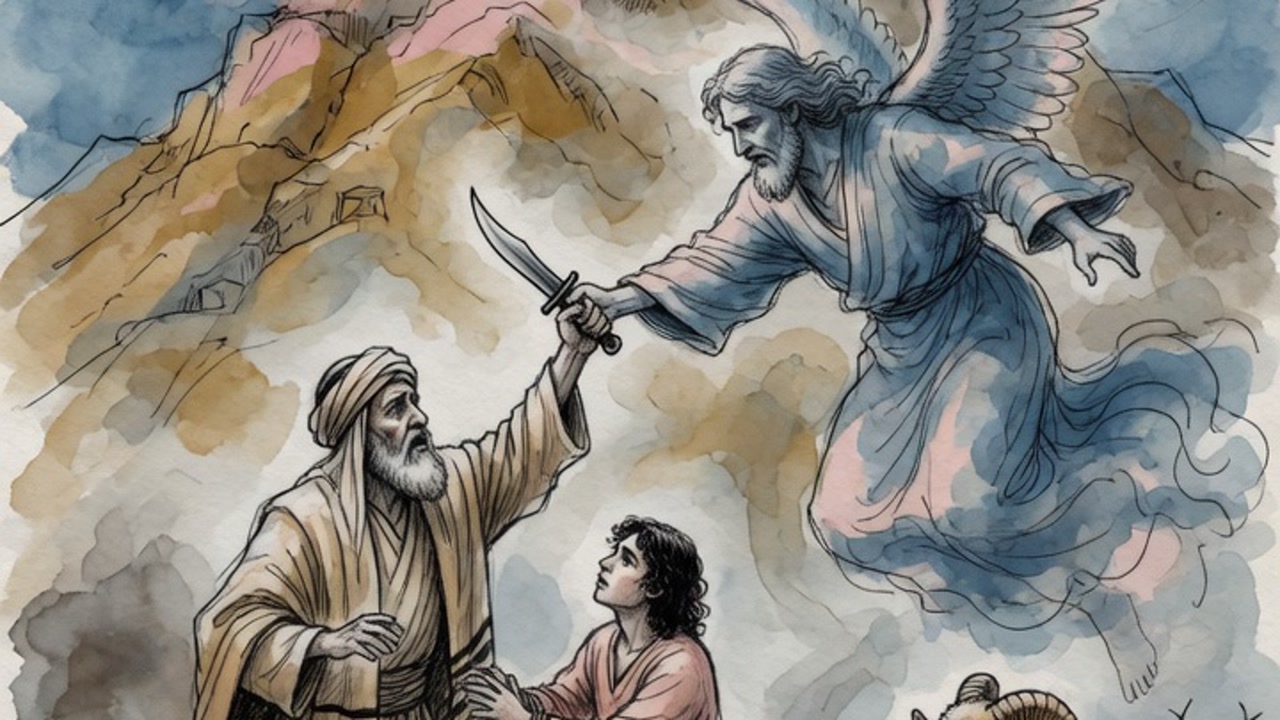
At that hour the ministering angels wept with bitterness of soul. And what did they say? "The highways are desolate, the wayfaring man has ceased, He has broken the covenant" (Isaiah 33:8). Where is the reward of those who welcome guests? The guests who would come from every place, our father Abraham would bring them into his house and feed them and give them drink and escort them on their ways, where is the reward that Abraham received? "He has broken the covenant", that covenant has been annulled that You said to him, "For in Isaac shall your seed be called," and "I will establish My covenant with Isaac", and behold the knife is on his neck! And the ministering angels wept, and their tears fell upon the knife, and the knife stood and did not have power over the neck of Isaac. Immediately his soul flew off. The Holy One, blessed be He, said to Michael: "Why are you standing? Do not let him slaughter him!" Immediately Michael called out and said: "Abraham, Abraham!" "And he said to him, 'Here am I.'" And why did he call him twice? Because Abraham was hurrying, and the angel cried out like a man who cries out and says, "So-and-so, so-and-so, what are you doing?" "Do not stretch out your hand against the lad!"
Abraham said to the angel: "Shall I not slaughter him, but rather strangle him?" He said to him: "And do not do anything to him." Abraham said to the angel: "The Holy One, blessed be He, said to me to slaughter him, and you said, 'Do not slaughter him.' The words of the master and the words of the disciple, the words of whom does one heed?" Immediately, "And the angel of the Lord called to Abraham a second time, 'By Myself I have sworn,' says the Lord, 'for because you have done this thing and have not withheld your son, your only one, that I will surely bless you and surely multiply your seed,'" and so forth. Immediately he set him down, and his soul returned to him, and he stood upon his feet and blessed: "Blessed is He who revives the dead." At that hour Abraham raised his eyes to heaven and said: "Master of the universe, at the hour when my children stand in distress, remember for them this hour that I am standing before You."

 Click for full size