Jacob Withholds His Name from Simeon and Levi
Jacob still calls Reuben firstborn despite the bed. He, not Esau, summons sons to bless. He bars his name from Simeon and Levi's future sins.
Table of Contents
 Click for full size
My Firstborn Still
Two voices weighed the words Jacob spoke over his eldest. One heard rebuke. Another heard praise and lingered on "excelling in power," for what is power if not kingship? As Scripture says, "He shall give power to His king." The crown had once been fitting for Reuben, firstborn of his father.
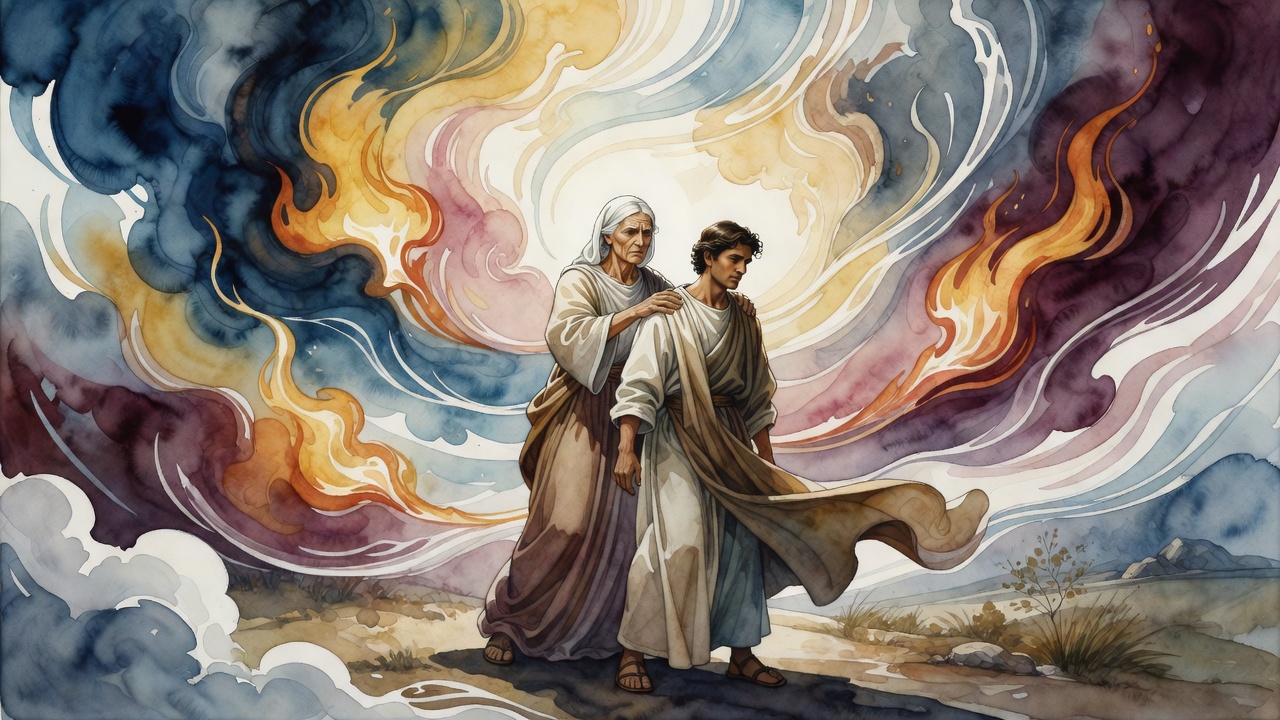
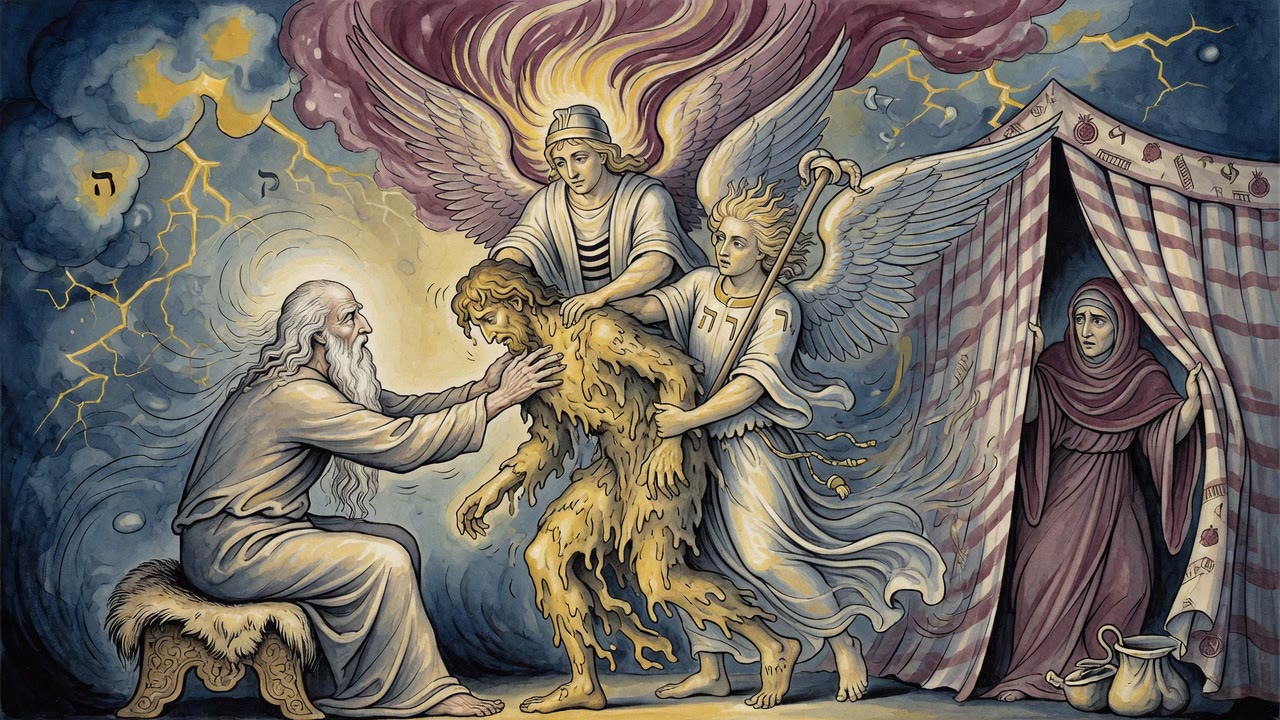
"You are my firstborn," Jacob said, fitting for the birthright, even though you profaned it. The sages told why he stumbled. While Rachel lived, Jacob's bed stood always beside hers. When she died, Jacob moved his bed to the tent of Bilhah, Rachel's handmaid. Reuben burned with zeal for his own mother, Leah, who once again sat overlooked. So he disturbed that bed, making himself as one asleep upon it, that his father would carry the bed instead to Leah's tent.
For this very zeal, clumsy, presumptuous, born of love for his mother's honor, Jacob praised him still. "Reuben, you are my firstborn, my might and the first of my strength. You were the first drop that came forth from me." The birthright was lost. The bond of the firstborn was not erased. A father can strip office and still refuse to strip name.
The Living Call Their Sons
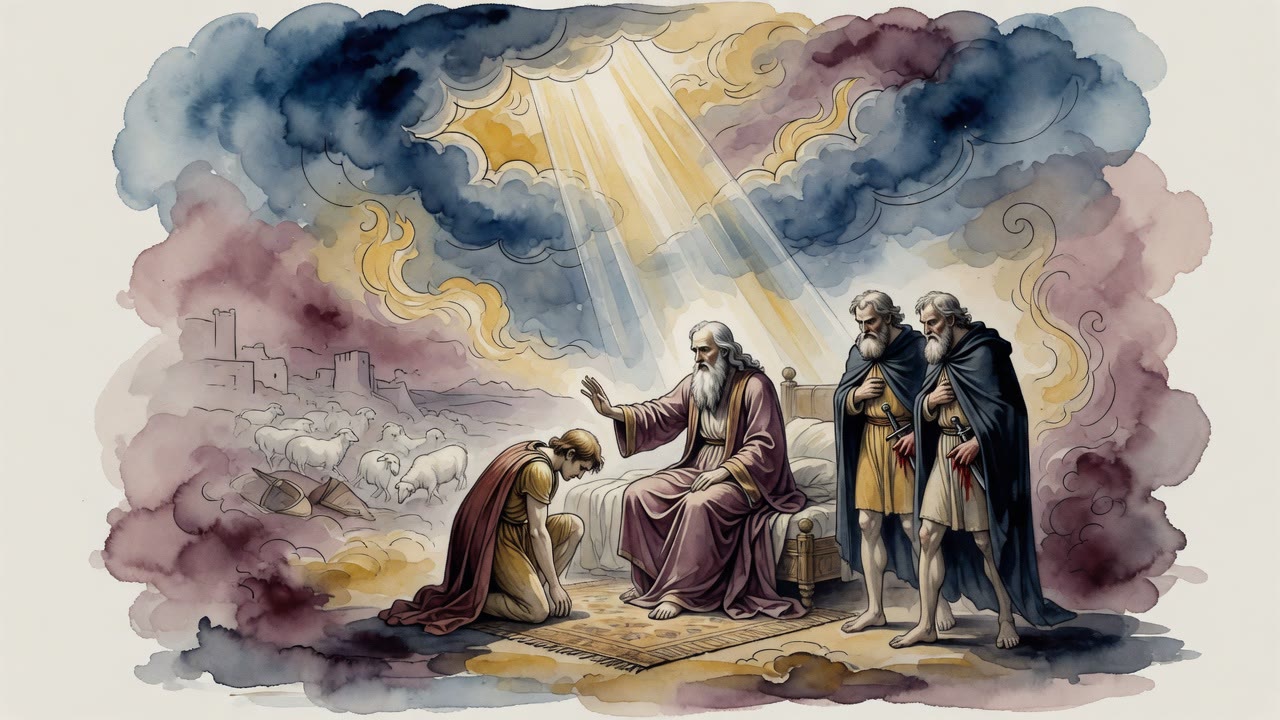
Read the verse closely. "And Jacob called to his sons" (Genesis 49:1). By right it might have said Esau called his sons, for Esau was the elder, and the firstborn leads. Why is it Jacob who gathers children to bless them and order his house?
Because Scripture declares of Sheol (the grave, where the dead lie silent), "For Sheol does not thank You; death does not praise You" (Isaiah 38:18). Who gives thanks? Only one who is truly alive, who bends the knee before the living God. "The living, the living, he shall thank You, as I do today." The wicked, even while they walk and breathe, are counted among the dead, for no song of gratitude rises from their lips.
So it was with Esau the wicked. He did not die upon his bed in peace, and he left no dayyetiki, no last arrangement setting his sons in order. Who left a testament, summoning children to receive blessing and command? Jacob, the one who lived rightly. "And Jacob called to his sons." The living man names his heirs. The wicked man passes without a word that binds a house to God.
Blessing is not a prize for birth order alone. It is work for a mouth that still thanks.
Not in Their Council
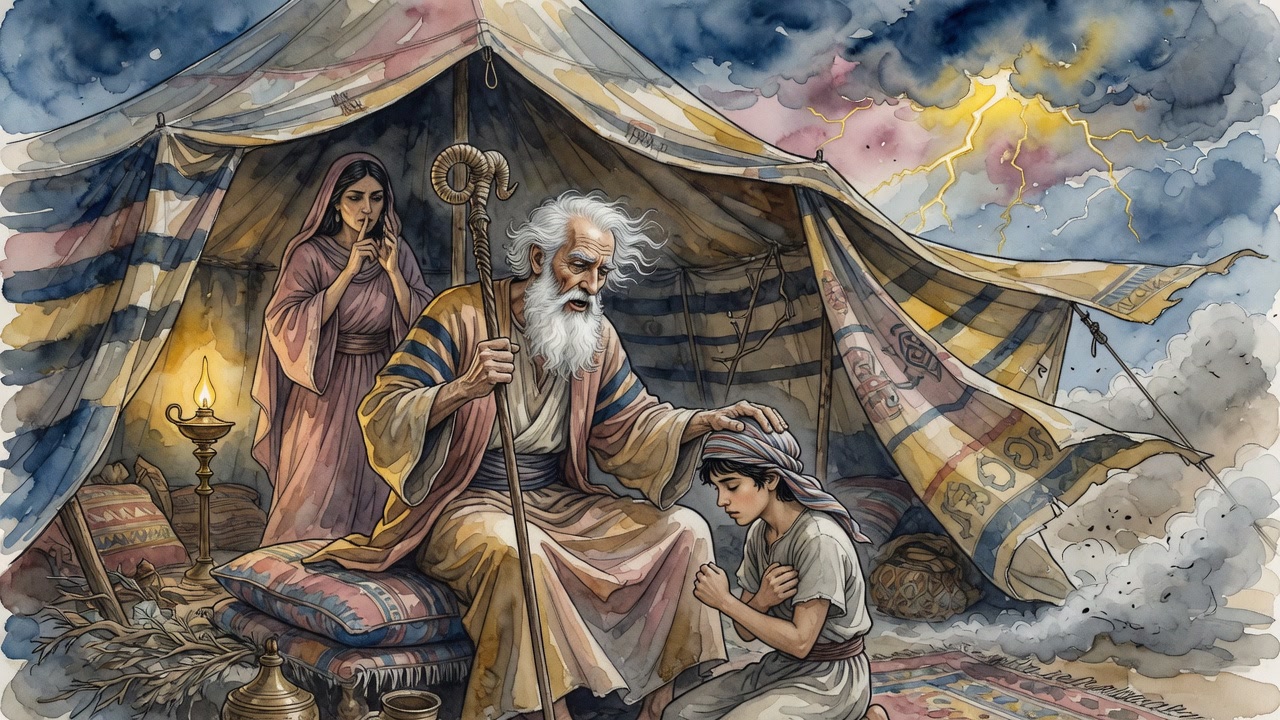
On his deathbed Jacob gathered his sons to bless them, but over Simeon and Levi his words turned to warning. "Into their council let my soul not come, and with their assembly let my glory not be united."
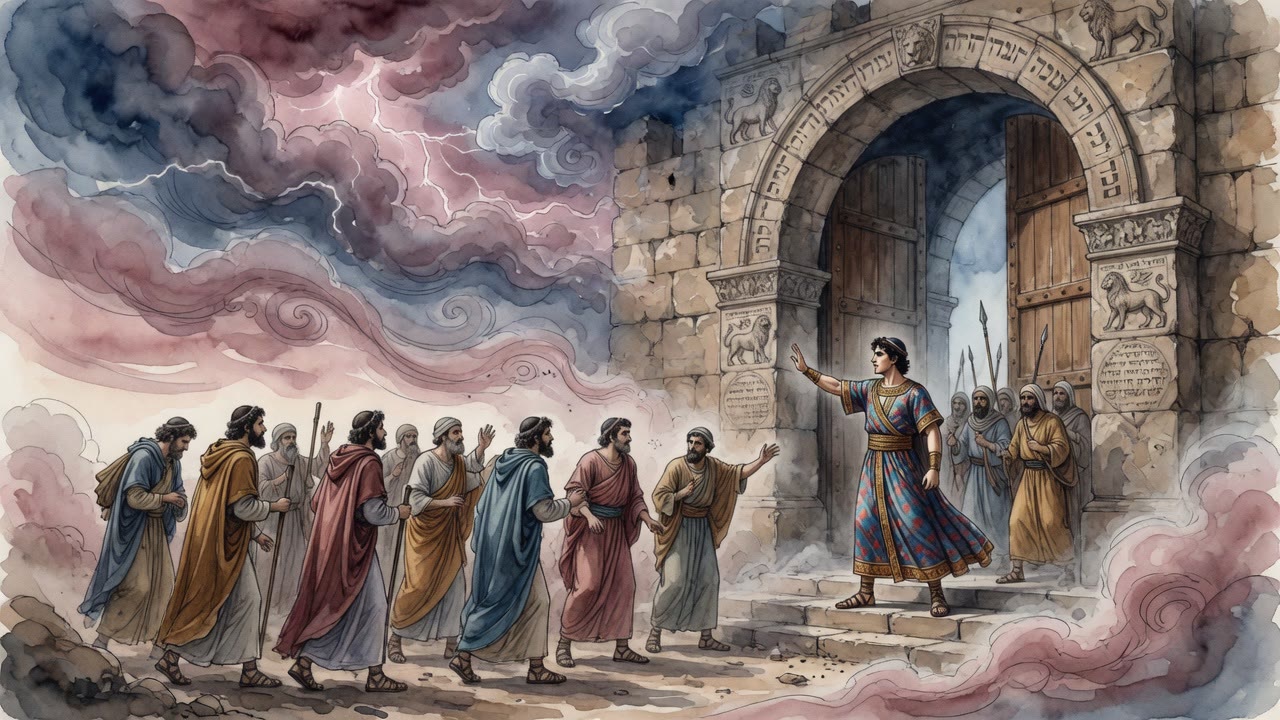
The sages heard more than a rebuke for the violence at Shechem. Jacob was peering down the corridor of generations, watching what these two tribes would one day do. Whenever their descendants gather to do wrong, he pleads, let my name not be spoken there.
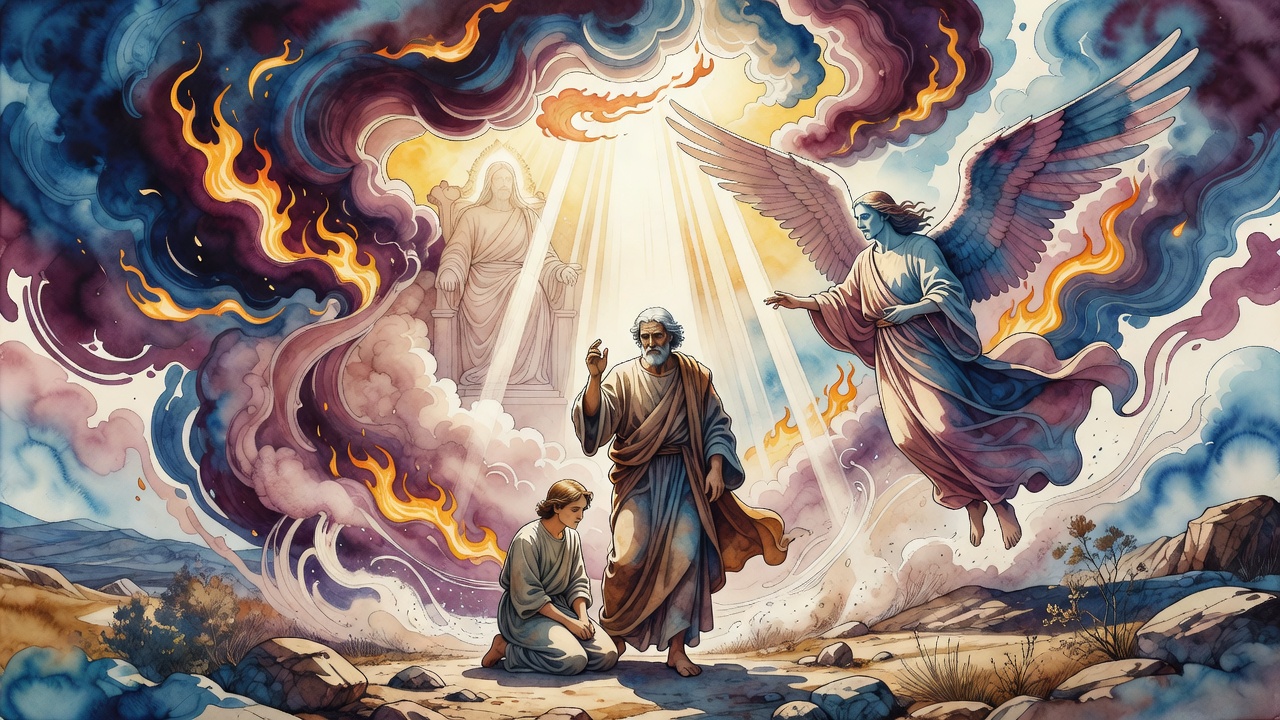
He sees Zimri ben Salu, a prince of the Simeonites, rise in shameless sin before all Israel, and he says, let not my glory be joined to him. He sees Korah, son of Izhar, son of Kohath, son of Levi, assemble the people against Moses and Aaron in rebellion, and again he says, with their assembly let my glory not be united.
A father, dying, reaches forward through time to disown the worst deeds of his children's children. The name of Jacob will not be stamped upon a prince's disgrace, nor upon a rebel's mutiny. His glory he reserves for what is holy, and withholds it from every gathering bent on sin.
Three Verdicts at One Bedside
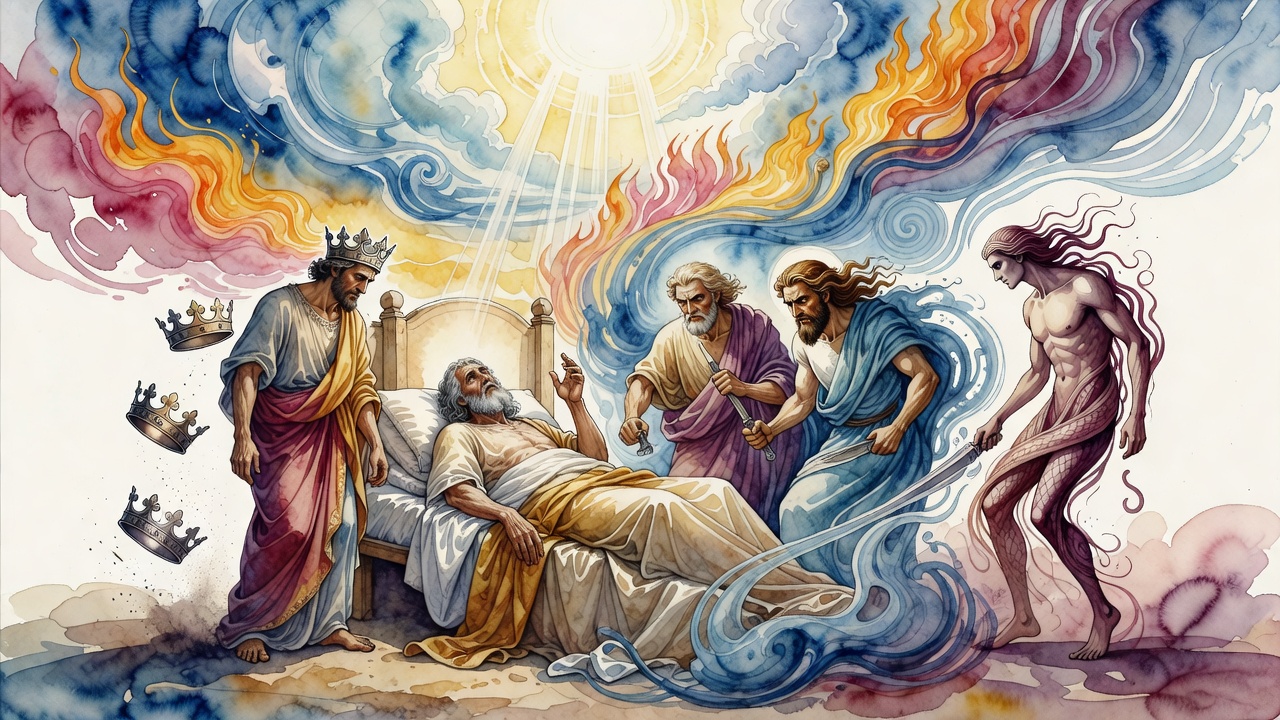
Reuben keeps the title firstborn after a bed is moved in zeal. Esau loses the right to summon sons because a life without thanks is already a kind of death. Simeon and Levi keep their tribes but lose the right to paste Jacob's name on future crimes.
The deathbed is a court. Love still speaks over a flawed eldest. Life still outranks primogeniture when gratitude is the measure. Prophecy still draws a line through future assemblies and says, not with my glory.
Jacob does not die as a soft old man scattering equal honey. He dies as a man who sorts power, life, and name with a precision that will outlast his breath. The sons leave the tent carrying both blessing and bar, both firstborn praise and a veto on the councils that will one day try to borrow a patriarch's honor for shame.
The room of dying is crowded with futures. Reuben's zeal for Leah still smells of a moved bed. Esau's absence is loud because no summons of his will ever order sons toward thanks. Simeon and Levi's grandchildren already flicker in Jacob's sight as Zimri and Korah, and he spends his last strength drawing a boundary around his own name.
This is how a house of twelve is saved from becoming a house of excuses. Firstborn can fail and still be called firstborn. Elder twins can lose the right to bless. Tribal founders can be told their worst assemblies will not get to wear the word Israel as a costume. The midrash lets a dying man be exact, because vague love would leave the next centuries with no map.
← All myths