Jethro Watched Amalek Fall and Drew Near
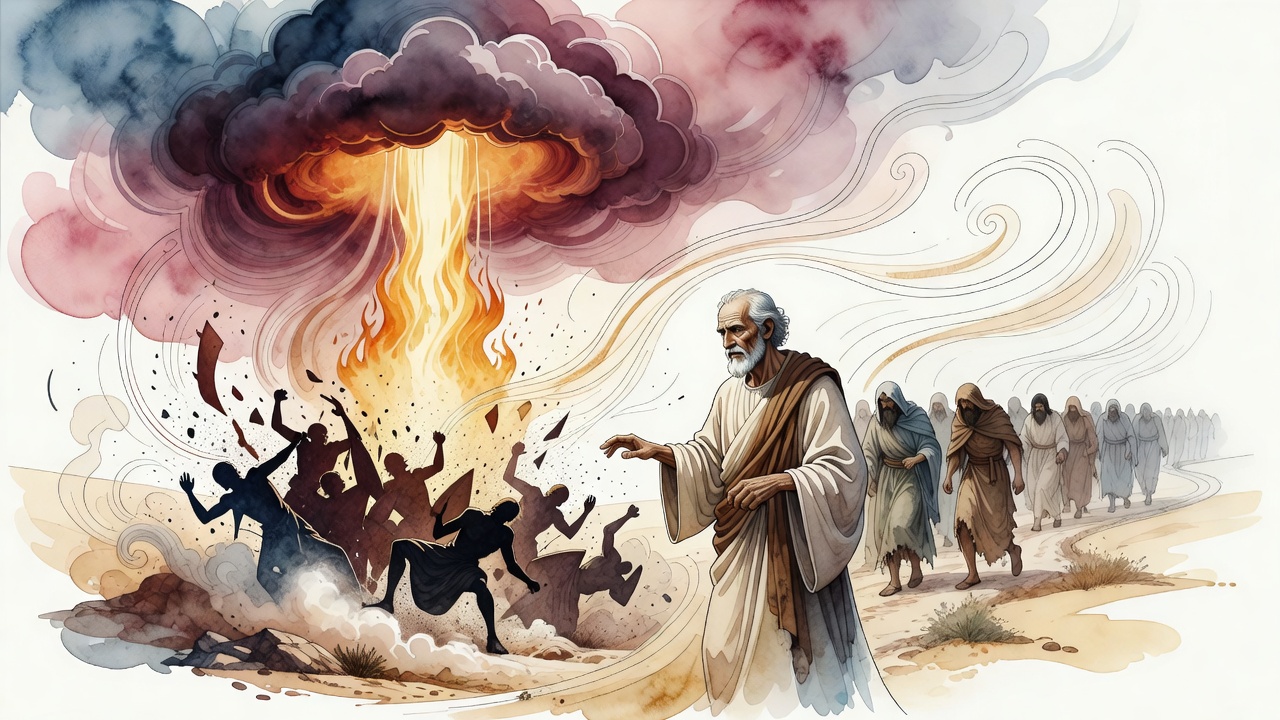
Some in the camp tested God without saying a word: if He knows what we are thinking, we will serve Him. The answer that walked in was Amalek.
Table of Contents
 Click for full size
Slack Hands at Rephidim
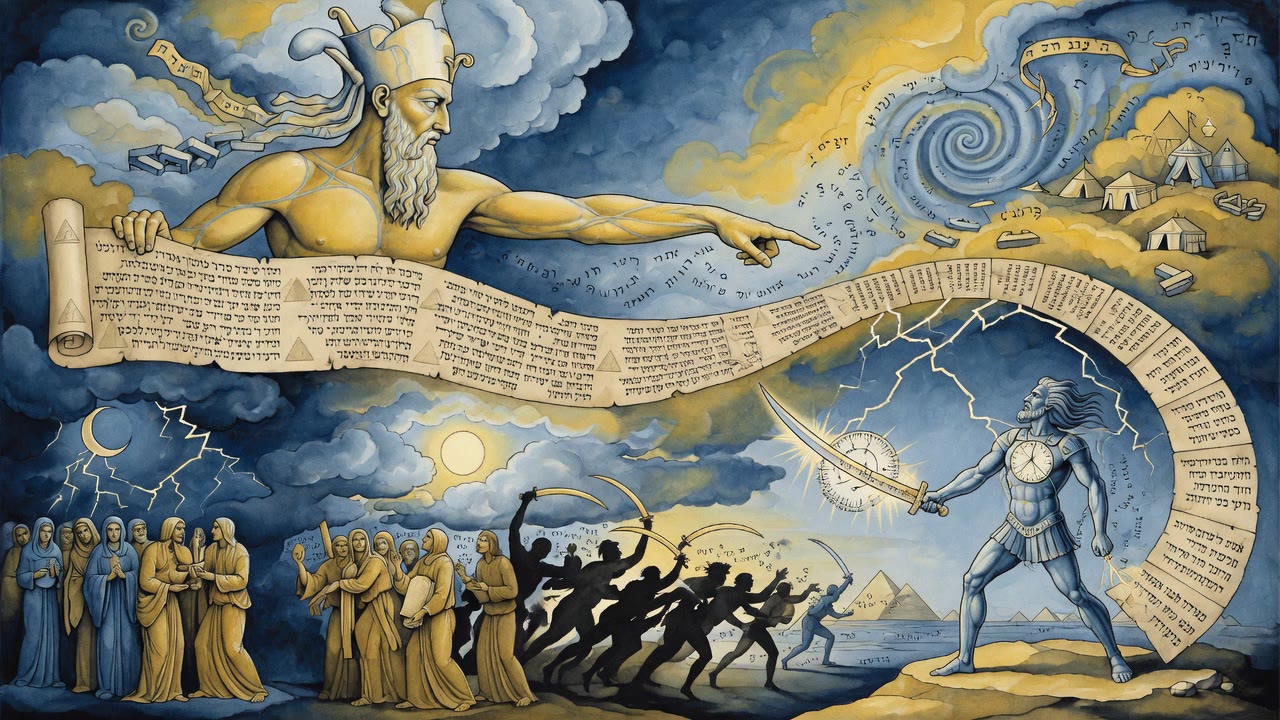
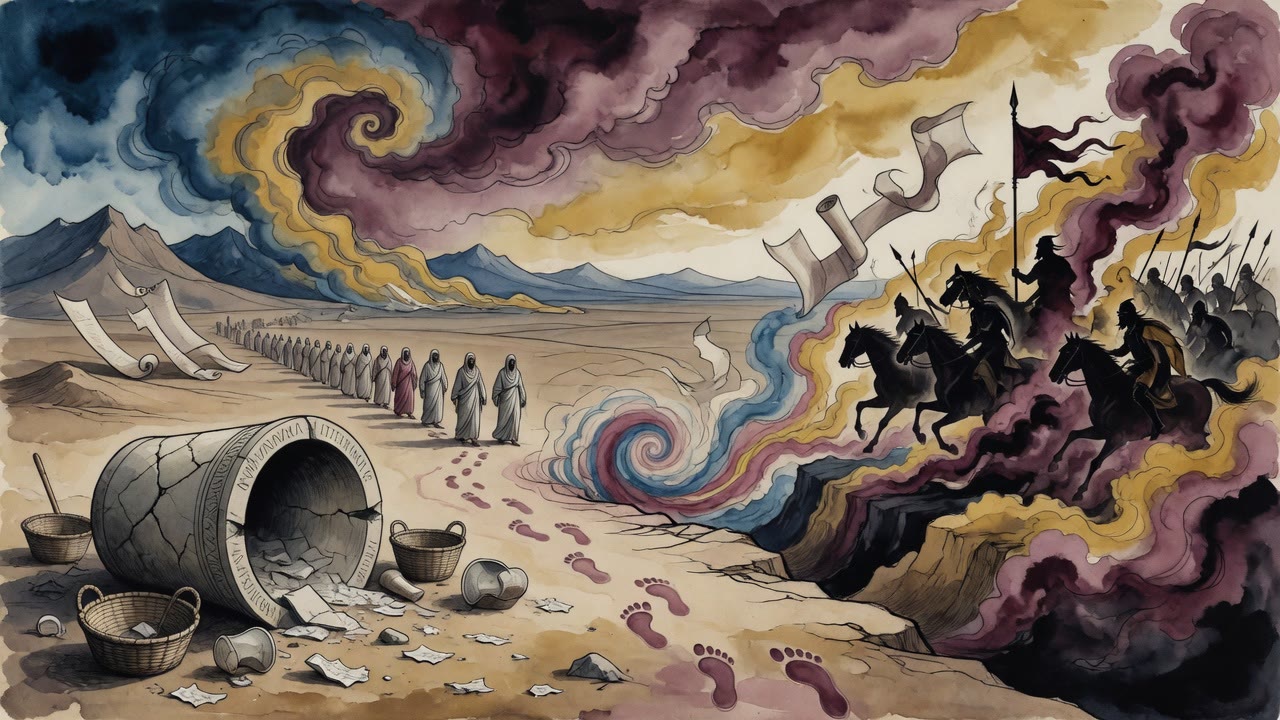
Israel's hands went slack at a place the sages heard as rafu yadayim, hands that loosened their grip on the commandments. The map said Rephidim. The midrash heard a spiritual sprain, fingers opening when they should have stayed closed around the work of heaven.
At Massah and Meribah they had already tested and quarreled. Some said they would serve God only if He fed them like a king feeding a province on schedule. Others demanded every need met before they would bow. The boldest tested in silence: if He knows what we are thinking, we will serve Him; if not, not. The heart's dare did not need a mouth.
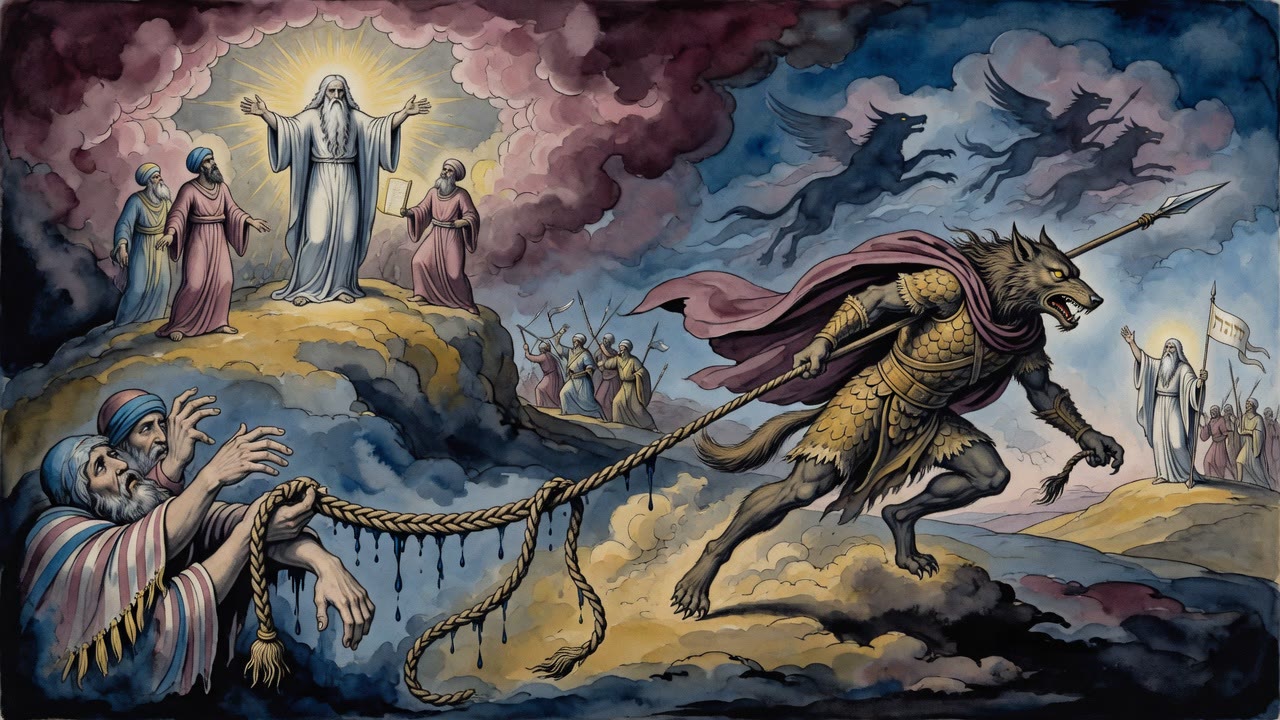
Heaven heard even the mute challenge. Food came until they were sated and the complaint about hunger lost its edge. Then the deeper answer arrived with a name that still chills Jewish memory. Amalek stood before them on the open ground. You asked whether I am in your midst? Look what walks into a camp with slack hands and unguarded rear lines.
Strike the Scoffer
The Torah places Jethro's arrival right after the war. The proverb explains the order without softening either side. Strike the scoffer and the simple one grows wise. Amalek is the scoffer who cools the road and mocks the weary. Jethro is the simple one who watches the blow fall and draws near with flocks, family, and a mind already turning.
He does not come as a tourist of miracles. He comes as a priest of Midian who has heard that the God of Israel shattered a predator nation in daylight. The smoke of that battle is still in the air when he speaks blessing and offers counsel about courts and judges who can share Moses' impossible queue.
Moses receives him. Aaron eats bread with him. The family of the wilderness becomes a school for administration because a Midianite read the war correctly and refused to stay home with old loyalties.
The Older Road of Esau
A rarer midrash, Levanat HaSapir, preserved only in citations scattered through later books, threads the same enemy through an earlier path. When Jacob delayed the full building of his house in Laban's country, matching in some measure the long Egyptian wait for a people to grow complete, Esau met him on the way with four hundred men and an old grievance.
The pattern repeats: when Israel is on the road, Amalek comes, the one who cooled you on the way. Esau's strength weakens in the struggle at the ford. Later, Joshua's hands weaken in the fight and the enemy is not finished in a single afternoon. From poison to poison, the remembered line runs across generations. The road itself becomes the place where an old hatred tests a people still between homes.
Jethro's arrival after Rephidim is therefore not a random calendar accident. It is the counter-move to the road attack. Amalek cools faith. Jethro warms toward the covenant he has only heard about from a distance, and he brings practical wisdom as his gift.
What Slack Hands Invite
The Maggid keeps the moral inside the bodies. Hands that drop the commandments do not only fail a quiz in a study hall. They open a gap in the line where the sick and the stragglers walk. Amalek does not need an invitation card written in formal Hebrew. Slack fingers and a testing heart are enough to draw him like blood draws a scavenger.
Jethro's wisdom is not abstract ethics for a banquet speech. It is the decision of a man who saw a scoffer struck and chose the camp that could strike him. He rearranges Moses' endless line of petitioners into ranks of judges so the people can live under law without crushing their leader. War clears the field. Counsel builds the camp.
After the Battle Smoke
Rephidim will not be the last time Amalek returns in Jewish memory. The same midrashic stream even links later enemies to waiting periods and mourning days, as when Haman is said to have learned timing from the days of mourning around Methuselah and Moses. But this hour is simpler. Hands had loosened. A predator came. A priest from Midian watched and stepped closer with his eyes open.
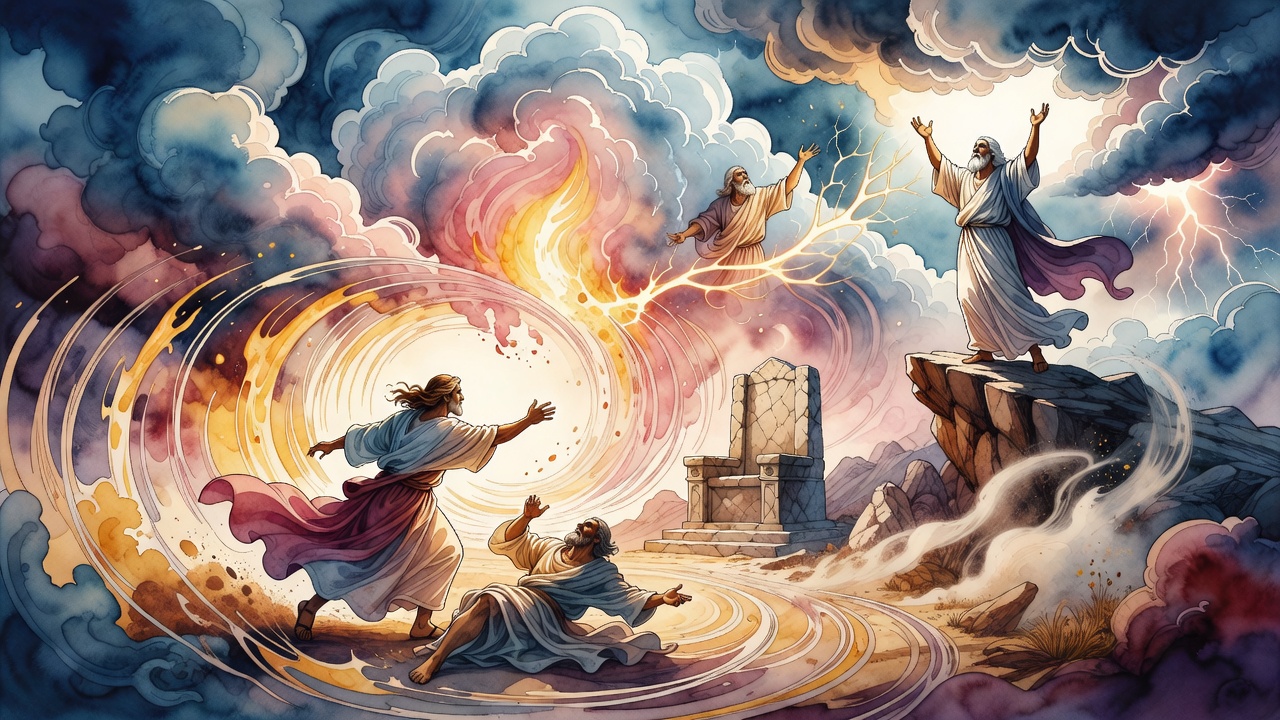
Somewhere between the raised staff of Moses on the hill and the arriving tents of Jethro, Israel learns that war and wisdom can share a single stretch of wilderness road, and that the cure for slack hands is both a fight and a father-in-law who knows how to organize a people. Dust still hangs over Rephidim when the first counsel about judges is spoken, and the camp that almost lost its rear lines begins to grow a spine of courts.
← All myths