Parshat Bereshit6 min read

The Torah Danced at Creation and Ended Up in Sackcloth

She danced before the Throne on the sixth day and was betrothed to the soul of Moses. Centuries later she stood in sackcloth while men picked at her.

Curated by Arthur · Told by Maggid ·
Table of Contents
  1. The Sixth Day Ended With a Wedding
  2. God Reached Under the Throne and Lifted Out a Soul
  3. Sealed With Aleph and Ayin Against the Wrong Hands
  4. The Bride Came Back Dressed for a Funeral
  5. The Cup They Held Steady at His Mouth
The Torah Danced at Creation and Ended Up in Sackcloth Click for full size

The Sixth Day Ended With a Wedding

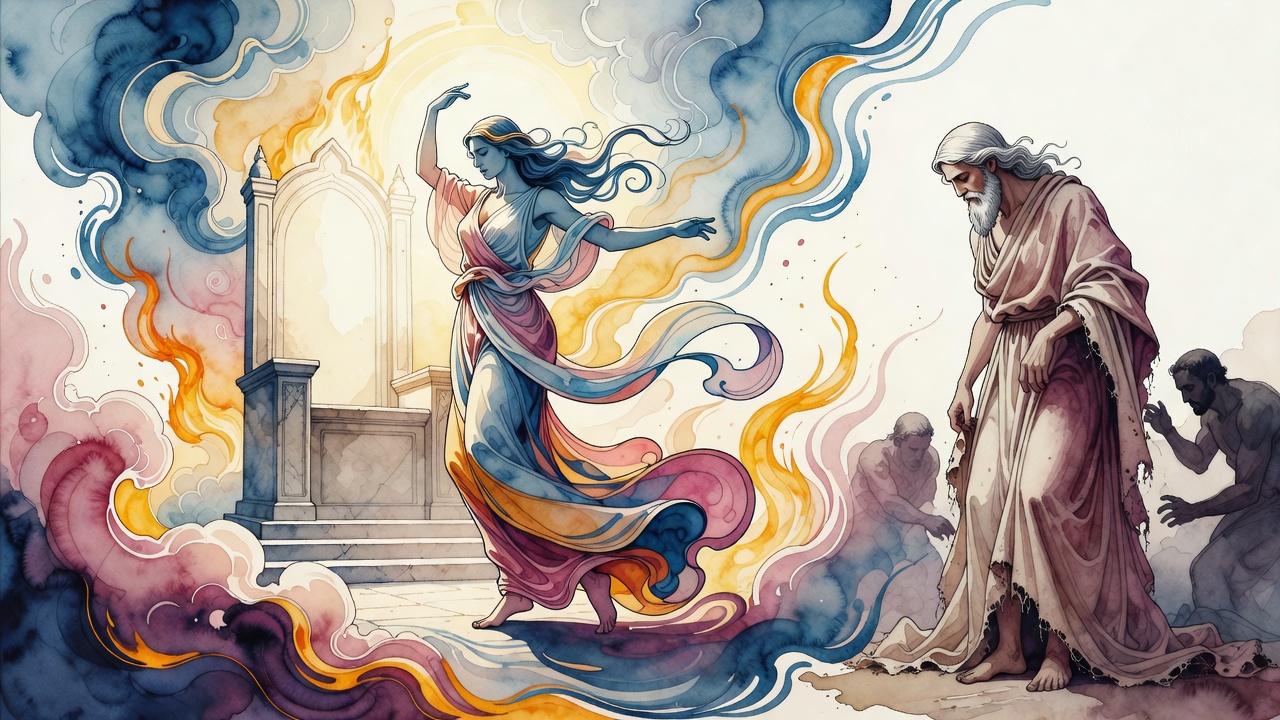
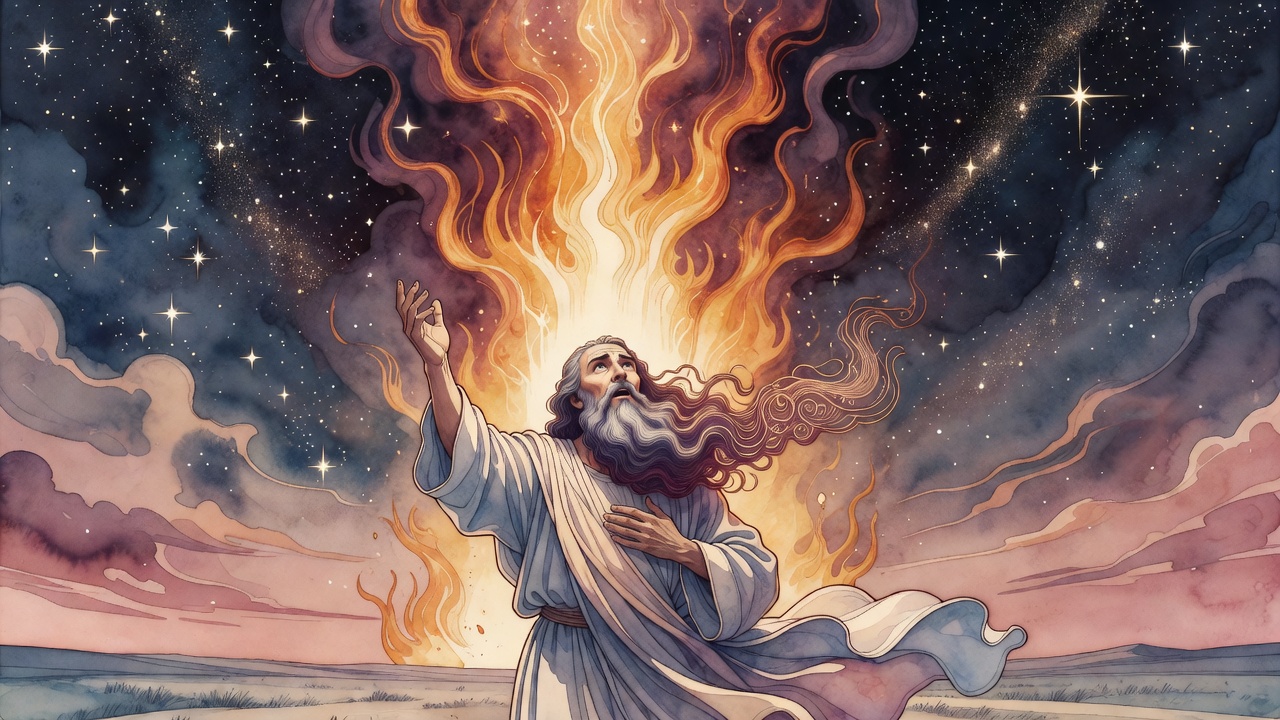
God looked over everything He had made on the sixth day and called it very good (Genesis 1:31), and while the words were still in the air the Torah came out to dance.

Not a scroll. A woman, crowned, ornaments and rings moving with her as she circled in front of the Throne, singing while she went. Praise came out of her mouth in a language that had not been given to anyone yet.

"Show Me your face," God said.

She lifted the veil. The brightness that came off her filled the whole height of heaven, and the angels standing in their ranks lost their place in the song.

"Let Me hear your voice."

She sang. A voice answered her from somewhere above the singing: "The teaching of the Lord is perfect, renewing life" (Psalm 19:8).

God Reached Under the Throne and Lifted Out a Soul

He showed her the Throne of Glory next, so she would know the house she was marrying into. Then He brought the souls out to meet her.

Abraham first. Isaac and Jacob behind him. Behind those three, the whole unborn crowd of Israel, every soul that would one day stand and take her, filing past the bride thousands of years before any of them had a body.

Last, God put His hand beneath the Throne and lifted out the soul of Moses.

"Rejoice, daughter. Here is your bridegroom. He will take you, and love you, and open you in front of the multitudes at Mount Sinai."

She looked at the small soul held up in front of her. "How long until the day of my rejoicing?"

"From the day I made you until a thousand generations are finished."

So she waited. Sinai came, and the mountain smoked, and Moses carried her down into the camp exactly as promised, and after that the generations kept arriving and nobody thought to ask whether the bride had finished rejoicing.

Sealed With Aleph and Ayin Against the Wrong Hands

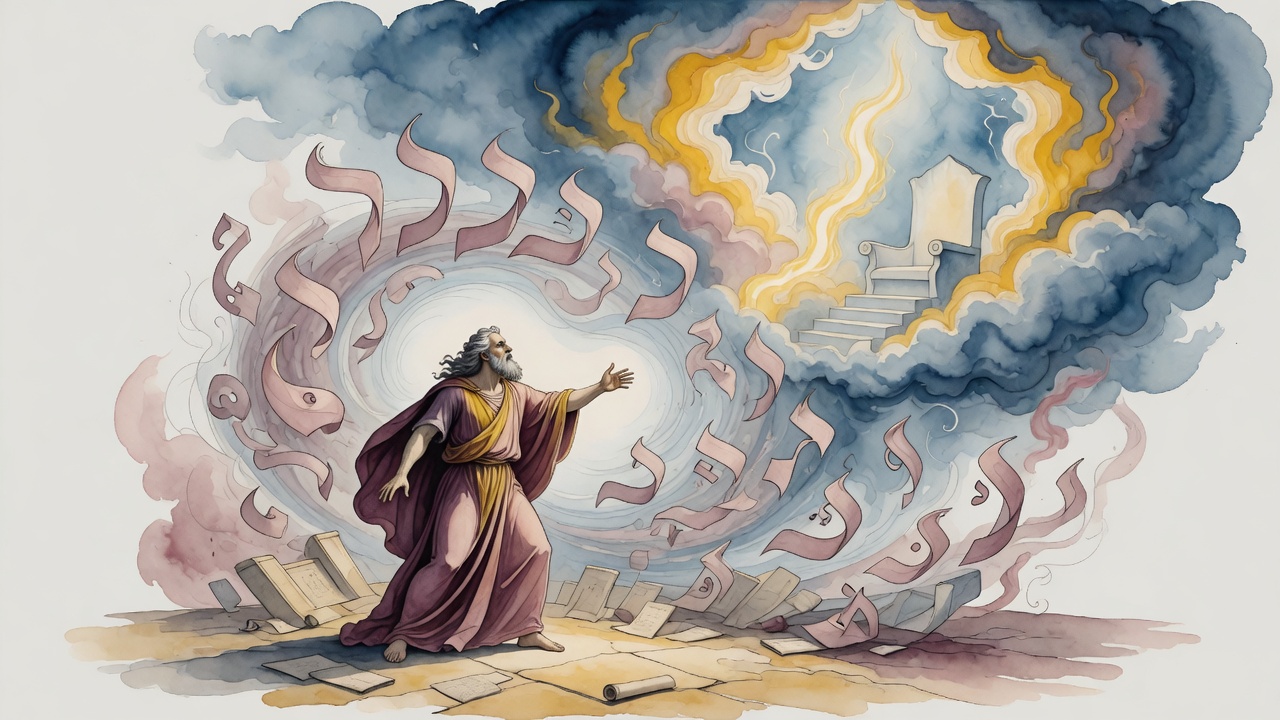
Her deepest secrets went into a book. Riddles, hints, whole rooms of the Torah locked behind letters that stand for other letters, concealed and sealed with Aleph-Ayin, so that the words of the King of the World could not be handled by men with no holy spirit in them to handle those words with.

They handled them anyway.

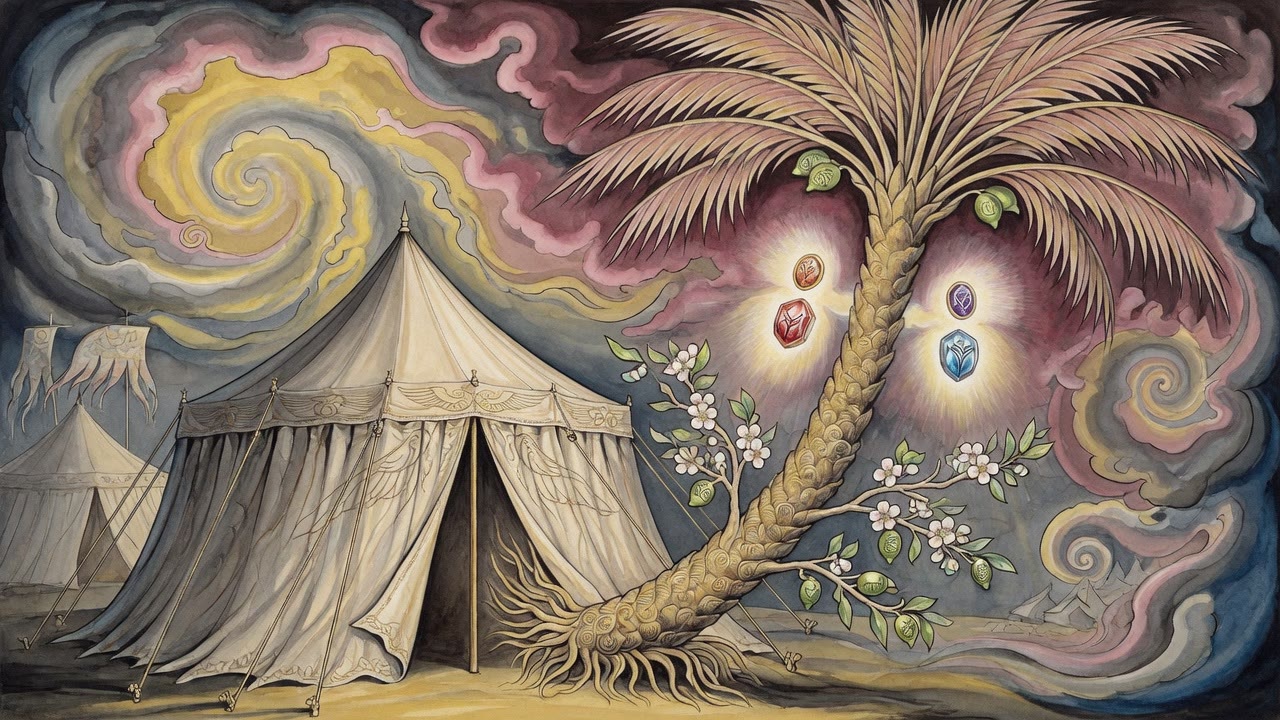
Sinners walked into that book and stumbled inside it. Pure stones went impure under their fingers, and the same stones turned into stones of plague for the stubborn ones chasing vanity. They lowered a bucket into a bitter well, carried the water up, and called it sweet. They cut a sharp sword out of cedar wood and went out with it to bring the cedars down. Ruin reached Zion along that road.

The loudest of them wore a crown. Sabbatai Zevi stood up in the seventeenth century and let the crowds call him messiah, a false priest with a bold face and a mouth full of prophecy nobody in heaven had given him, an evil shepherd. He rebelled against the whole world from a foreign land, a mighty hunter who kept his followers even after he broke, and they went on quoting him to each other in rooms where the Zohar lay open on the table.

The Bride Came Back Dressed for a Funeral

In Altona, more than a lifetime later, Jacob Emden sat up at night with that same book open and saw her again.

The assembly of Israel sat between two forces pressing in from either side, all of it built on her, all of it made out of her children. And she stood in the middle of it in sackcloth. The rough cloth of a woman in mourning, a widow's clothing, her face covered so that nothing of it showed.

The men who came to her did not come the way a bridegroom comes.

They approached her in ways that are not fitting, the way men approach a woman of the streets, and then they went over her inch by inch as though she were a bride at her unveiling and they had been appointed to inspect her. They lifted the cloth to find fault. They found it. They set her down among the household servants, a maidservant in disgrace, taking orders from the slaves of deception.

The veil that had once filled heaven with light stayed where it was. Nobody in the room asked her to lift it.

The Cup They Held Steady at His Mouth

Emden pushed back from the table. "Why should I go on grieving and mourning, mixing myself in among strangers?"

He had swallowed enough by then. Mockery from the arrogant, scorn from the jeering, years of it, and his soul had gone bitter from the swallowing. They had put a cup in his hands and held it firm there so that he would drink, and what was in it was wine pressed from the venom of serpents. He went through his days like a man drunk on that wine, carrying it past wicked men who despised him and swallowed him whole as he passed.

Four words at the end of it, and he set them down like a verdict: they have rejected knowledge.

Not misread. Refused, the way a man refuses to look at a face he has already decided is worth nothing.

The candle went on burning in Altona. Somewhere behind the sackcloth, the bride who had once been asked to sing kept her face covered, and the thousand generations went on running out.


← All myths
From the tradition

Sources

3 sources

The texts behind this telling. Some cards carry a translation of the source; others are our own retelling of it, and each card says which. Every card links out to the original.

Zohar II:99bZohar

Retold in our words. Read the original at the link below.Sefaria-hosted English translation · CC-BY

One of my favorites involves nothing less than the Torah itself, envisioned as a radiant bride.

The sixth day of Creation is wrapping up. God surveys everything He has made and declares it "very good" (Genesis 1:31). But the story doesn't end there. According to Tree of Souls by Howard Schwartz, at that very moment, the Torah emerges, not as a book, but as a radiant figure, a bride adorned with jewels and ornaments. She dances before God, her voice filled with wisdom and praise.

It gets even more intimate. God asks her to reveal herself. She lifts her veil, and the splendor of her face illuminates all of heaven. He asks to hear her voice, and she sings. A heavenly voice proclaims, "The teaching of the LORD is perfect, renewing life" (Psalm 19:8).

This is more than just a beautiful image; it's a profound statement about the relationship between God and the Torah. But the story doesn't stop there. It deepens.

God then reveals the Throne of Glory to the Torah. He brings forth the souls of the righteous – Abraham, Isaac, and Jacob – and all the souls of Israel destined to accept the Torah. He parades them before her. Talk about a momentous introduction!

Then comes the truly pivotal moment. God brings forth the soul of Moses from beneath His throne. He presents him to the Torah, saying, "My daughter, rejoice, for this Moses is destined to become your bridegroom. He will accept you, love you, and reveal you to the myriads of Israel at Mount Sinai."

The Torah, the very embodiment of divine wisdom, is being betrothed. The stakes are cosmic, and the love story is about to unfold on a grand scale.

The Torah, understandably eager, asks, "How long until the time of my rejoicing arrives?" God replies, "From the day that I created you until a thousand generations have been fulfilled." timeframe. A thousand generations! According to this tradition, the Torah's anticipation, her yearning for connection with Moses and ultimately with the people of Israel, spans millennia. This isn't just a wedding; it's a cosmic partnership ages in the making.

What does this story tell us? Perhaps it's about the deep, abiding love at the heart of creation. Maybe it's about the personal, intimate relationship God desires to have with us through the Torah. Or maybe, it's simply a reminder that even the most sacred texts can be understood as part of a beautiful, ongoing story – a love story, in fact – that continues to unfold with each generation that embraces its wisdom. And that, my friends, is something truly worth celebrating.

Full source
Mitpachat Sefarim 1:30Mitpachat Sefarim

Retold in our words. Read the original at the link below.Sefaria Community Translation · CC-BY

That’s a feeling that echoes through the ages, and it’s captured with raw emotion in the ancient text, Mitpachat Sefarim.

The scene: The Knesset Yisrael, the assembly of Israel, sits between two opposing forces. But this assembly, this heart, is built upon something truly sacred: the Torah.

The Torah, in this vision, wears sackcloth, the rough fabric of mourning. She's like a widow, grieving. Why? Because she's treated like… well, like a harlot.

Strong words. The text says her face is covered, unseen. Those who approach her don't do so with reverence or understanding. Instead, they treat her like a woman of the streets, approaching her "in ways that are not fitting." They subject her to intense scrutiny, picking her apart as if she were a bride being unveiled, judged, and found wanting. They see her as a disgraced maidservant, subservient to the "slaves of deception."

Ouch.

The author, wrestling with this image, cries out, "Why should I continue to grieve and mourn, to mingle with strangers?" It’s a cry of anguish, a plea born from profound disappointment. "I have already had my fill of mockery and scorn from the arrogant and the jeering, who have caused my soul much bitterness." Can you feel the weight of that? The burden of constant criticism, the sting of being misunderstood.

The writer feels like they've been forced to drink a bitter cup, "like a cup held firmly by the hands of those who give me." The image intensifies: "I have been like a drunken man who has passed wine made from the venom of serpents before wicked people who despise me and swallow me." That's powerful imagery. Poison passed off as sustenance, given to those who hate you and eagerly consume it.

The final, devastating line: "They have rejected knowledge." It’s not just about misunderstanding. It’s about a willful rejection of wisdom, of the very essence of what the Torah offers. They don’t just disagree; they refuse to even see.

This passage from Mitpachat Sefarim isn’t just some ancient complaint. It resonates today. How often do we see sacred things, ideas, traditions, even people, treated with disrespect and misunderstanding? How often do we feel that same sting of mockery and scorn? It challenges us to ask ourselves: How do we approach the sacred? With reverence, with a desire to understand, or with the critical eye of someone looking for flaws? And perhaps more importantly, how can we ensure that the Torah, in all its forms, is seen, understood, and cherished, rather than hidden, disgraced, and rejected?

Full source
Mitpachat Sefarim 1:1Mitpachat Sefarim

Retold in our words. Read the original at the link below.Sefaria Community Translation · CC-BY

The Mitpachat Sefarim, a text offering guidance on interpreting sacred works, certainly thinks so. It describes the Zohar, that foundational book of Jewish mysticism, as possessing an essence as holy as heaven itself. Its words, it claims, are crystal clear..but only to those with the discernment to truly see.

Here's the thing: where the Zohar explores the deepest secrets of the Torah, couching them in riddles and hints of sublime mysteries, its language becomes deliberately obscured. It's "concealed and sealed with Aleph-Ayin," the Mitpachat Sefarim tells us, referencing a Kabbalistic technique of abbreviation and allusion, and "no person The first reading of the earth can dare to speculate" about these words of the King of the World. Only those imbued with a holy spirit can truly grasp them.

Why the secrecy? Why the deliberate obfuscation? Well, the Mitpachat Sefarim suggests a potential danger. What happens when those lacking that "holy spirit," those with less than pure intentions, try to interpret such powerful texts?

It paints a stark picture: "Sinners stumbled in it, and pure stones turned into impure ones." It speaks of "stones of plague to the obstinate sinners who pursue vanity." In other words, those who approach the Zohar with impure motives, with a desire to twist its teachings for their own purposes, will find not enlightenment but corruption. They'll draw "false waters from the bitter well," and fashion "a sharp sword to cut down the cedar trees."

The stakes, according to the Mitpachat Sefarim, are incredibly high. Misinterpreting these sacred texts can lead to spiritual ruin, a twisted understanding of good and evil, and ultimately, a "ruin in Zion." It's a warning about the responsibility that comes with engaging with profound spiritual teachings.

And then, the text takes a sharp, pointed turn, zeroing in on a specific example: Sabbatai Zevi. Sabbatai Zevi! The name itself carries a weight of shattered dreams and theological controversy. This 17th-century figure, initially hailed by many as the Messiah, ultimately converted to Islam, leaving his followers in profound disillusionment.

The Mitpachat Sefarim pulls no punches, labeling him a "false priest," a "bold-faced liar," and "an evil shepherd" who has returned to them. His words, it claims, are filled with his false prophecy. It's a condemnation, plain and simple. He is "a mighty hunter in a foreign land..who rebelled against the whole world."

Why this sudden, intense focus on Sabbatai Zevi? Because, the Mitpachat Sefarim implies, he represents the ultimate example of someone who misused sacred texts, who twisted their meaning to serve his own ego and ambition, leading countless others astray. He embodies the danger of approaching profound wisdom without the necessary humility and spiritual grounding.

So, what do we take away from this? Perhaps it's a reminder that engaging with sacred texts, with any form of profound wisdom, is a delicate and potentially dangerous undertaking. It requires not just intellectual curiosity, but also humility, a willingness to be challenged, and a deep commitment to truth. Otherwise, we risk drawing "false waters from the bitter well" and becoming, ourselves, stones of stumbling for others.

Full source