117 myths · Page 3 of 4
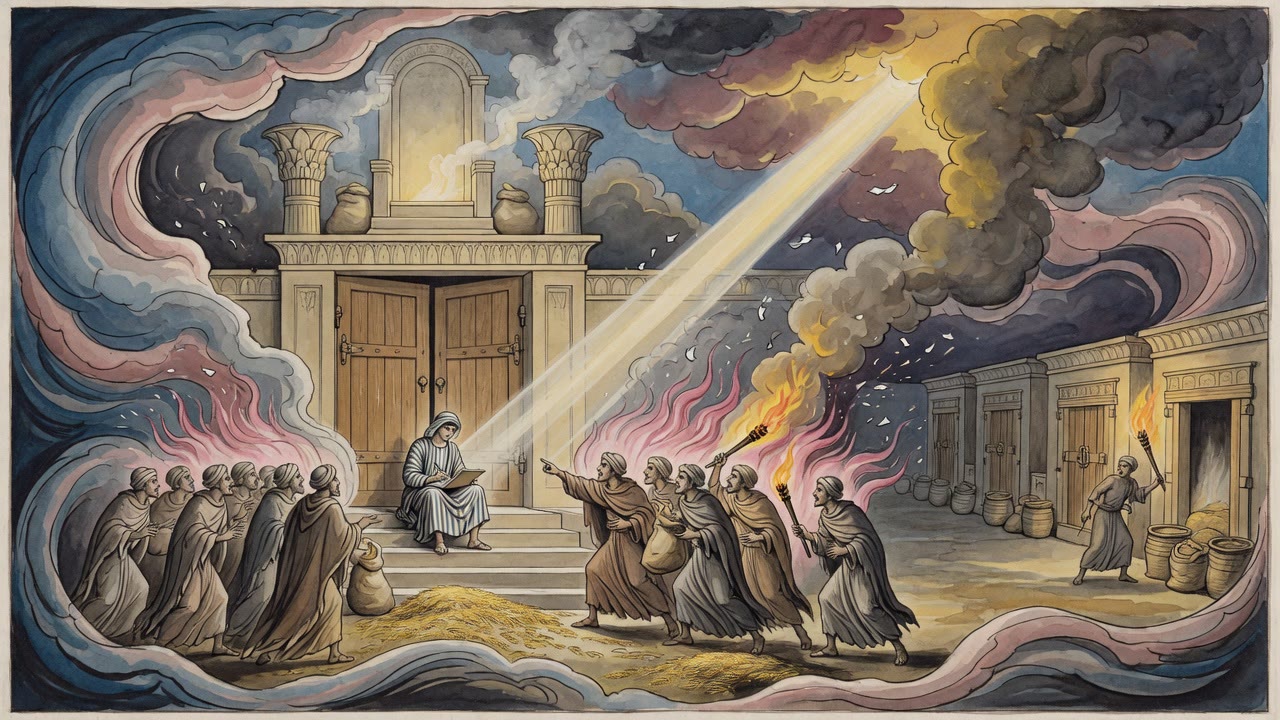
Joseph planted his own son at the palace gate to record the brothers' names, then closed every grain station but one and goaded them toward war.
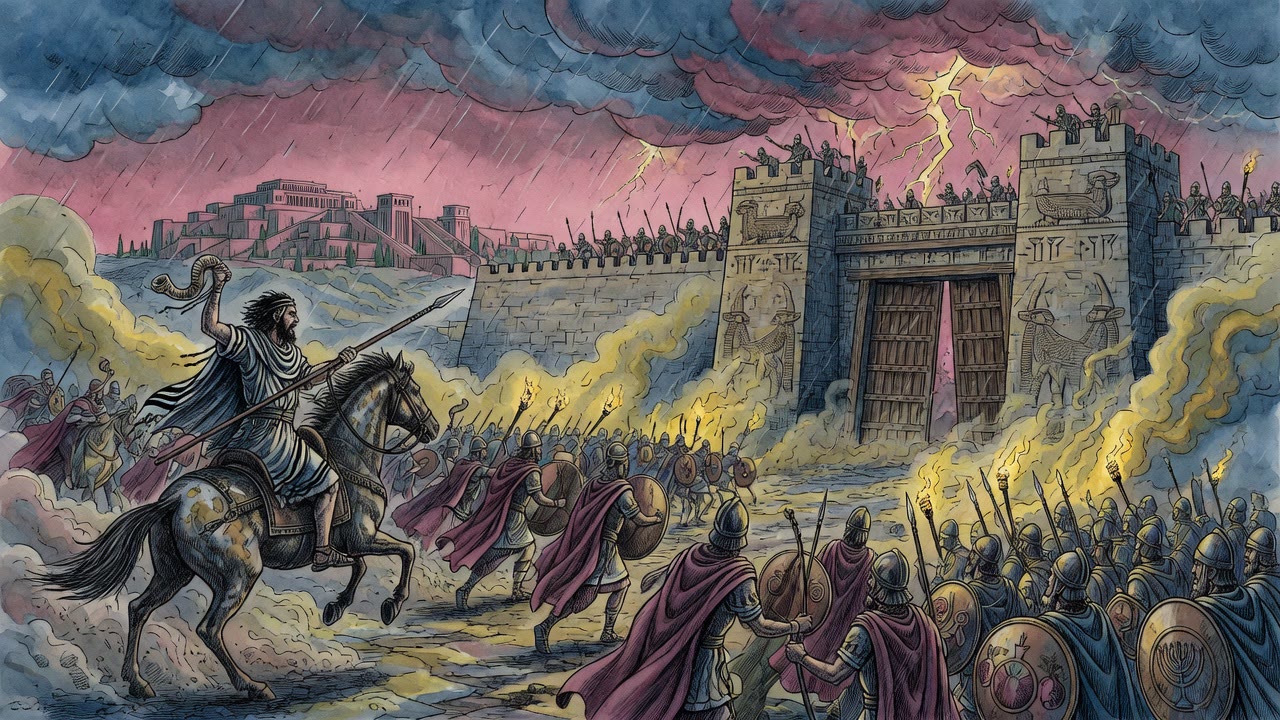
After two brothers razed Shechem, an army from Nineveh cut off Jacob's road, and the old patriarch and his twelve sons fought it like a nation.
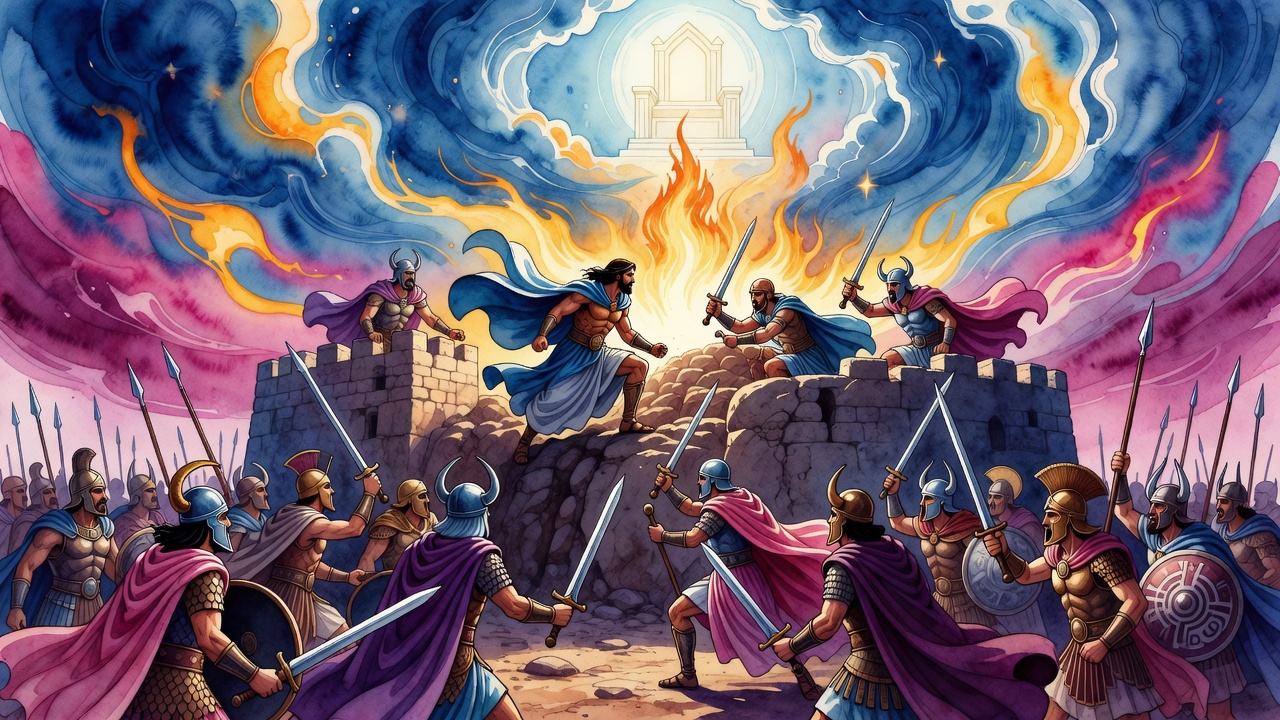
Their own advisors told the kings to remember what two of Jacob's sons did to Shechem. They marched anyway, and old Jacob killed twelve thousand.
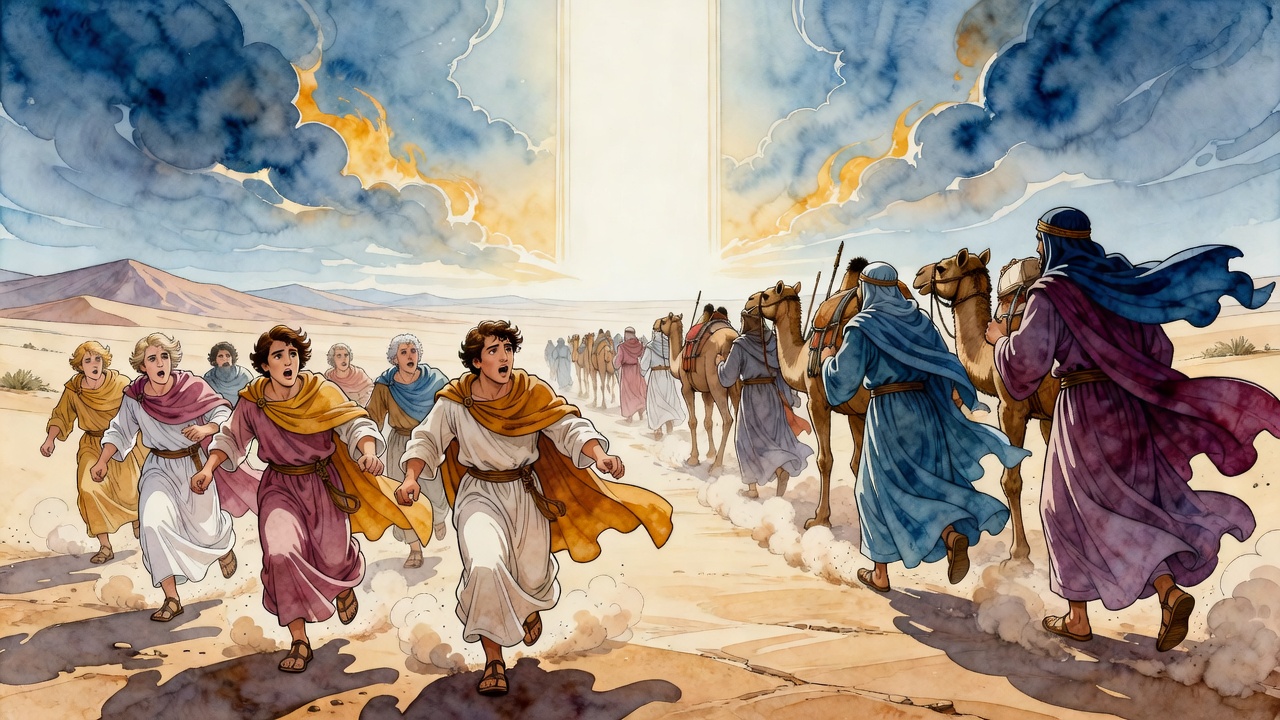
After twenty pounds of silver changed hands, Jacob's sons ran after the Midianites to reverse the sale. The caravan was faster than their regret.
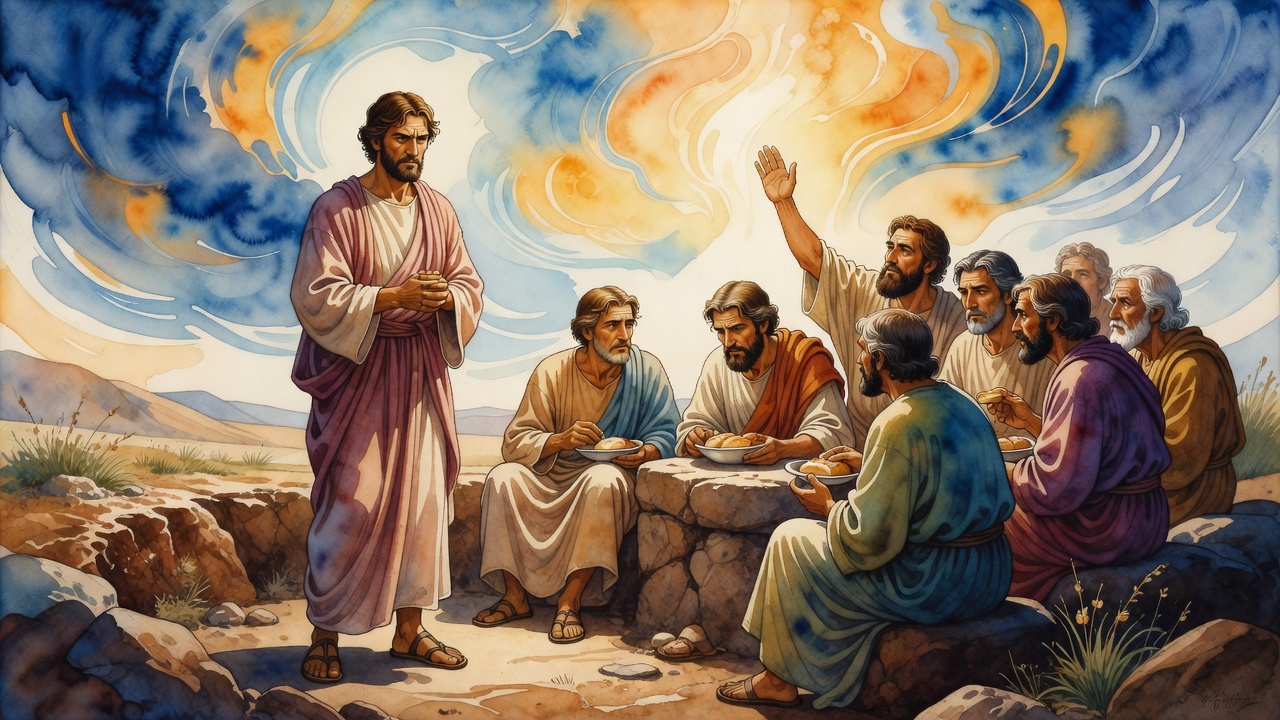
After they threw Joseph in the pit, the brothers sat down to eat. Only Zebulon refused food and kept watch, while Judah blocked a blessing over murder.
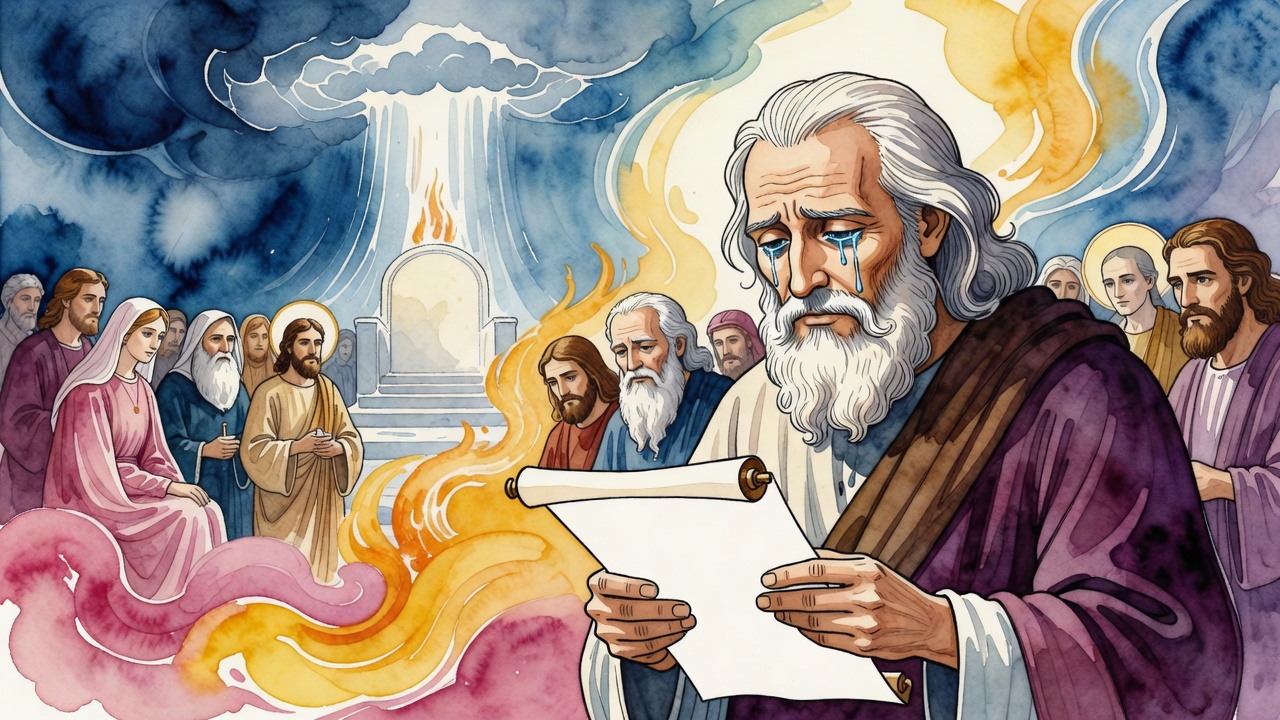
Blind with tears for Joseph, Jacob wrote to Egypt's ruler and prayed for two lost sons, never guessing the viceroy was the first.
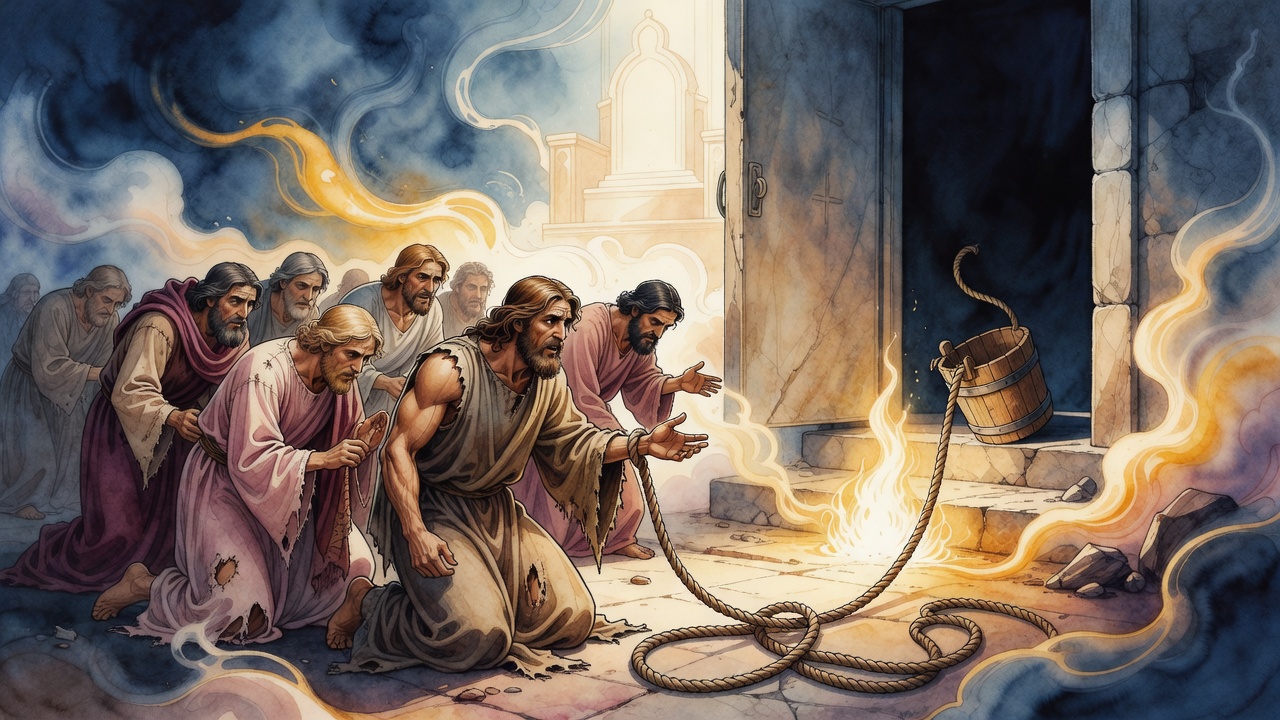
Simon came out of prison looking like a leather bottle. Judah pled for Benjamin while the man on the throne still wore Egypt's face.
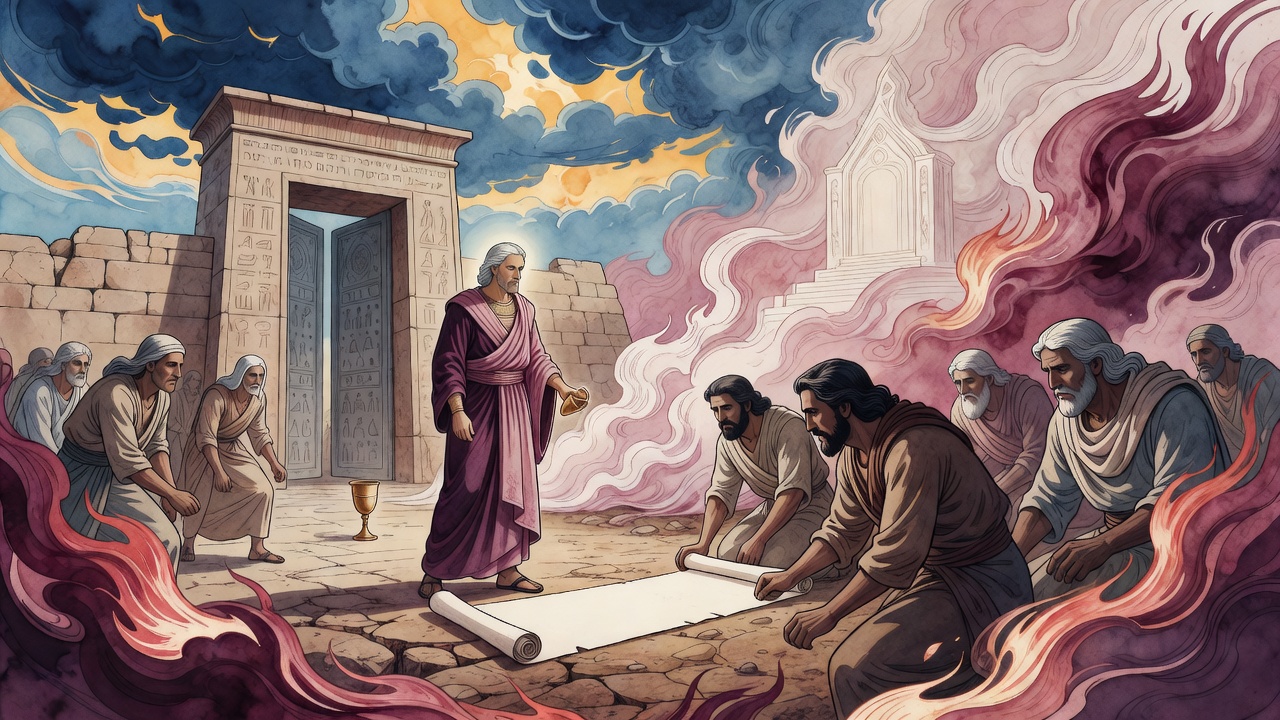
Guards at the grain gates wrote down every buyer's father and grandfather. Joseph read the lists, waiting for ten names from Canaan to show up.
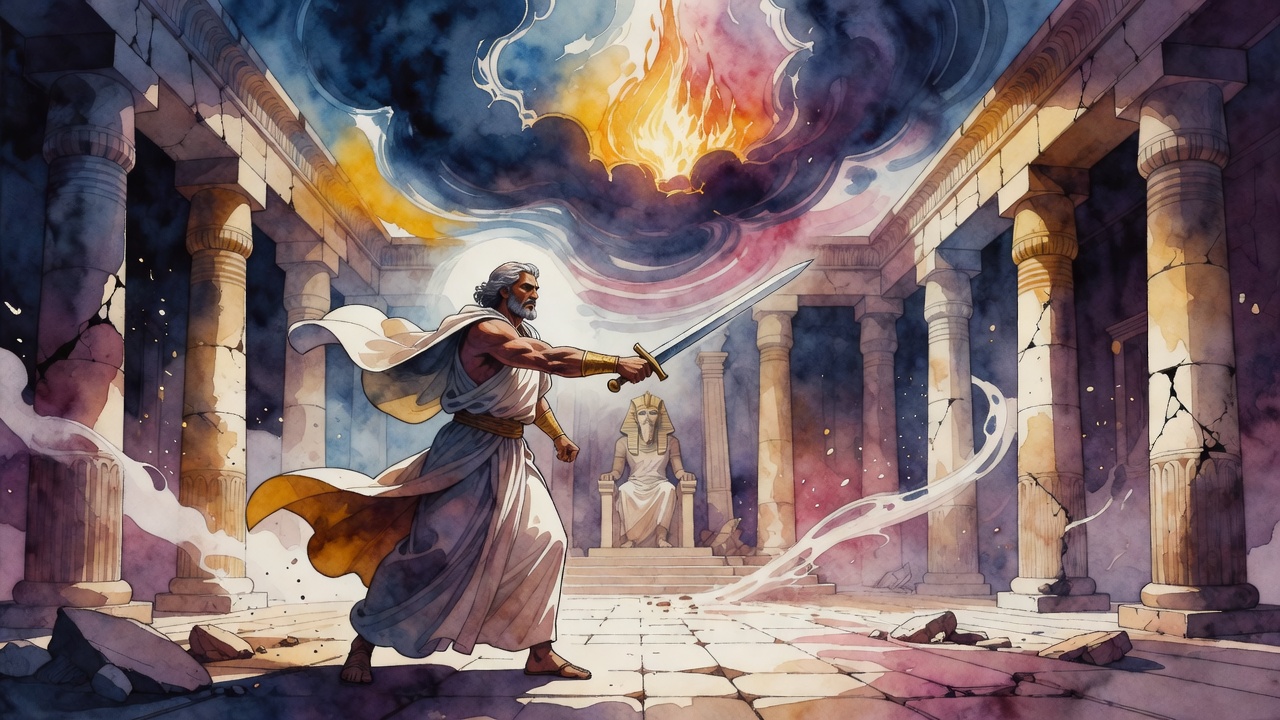
The cup rose out of Benjamin's sack, planted the night before. Back in the hall, Manasseh stamped his foot once and the whole palace shook.
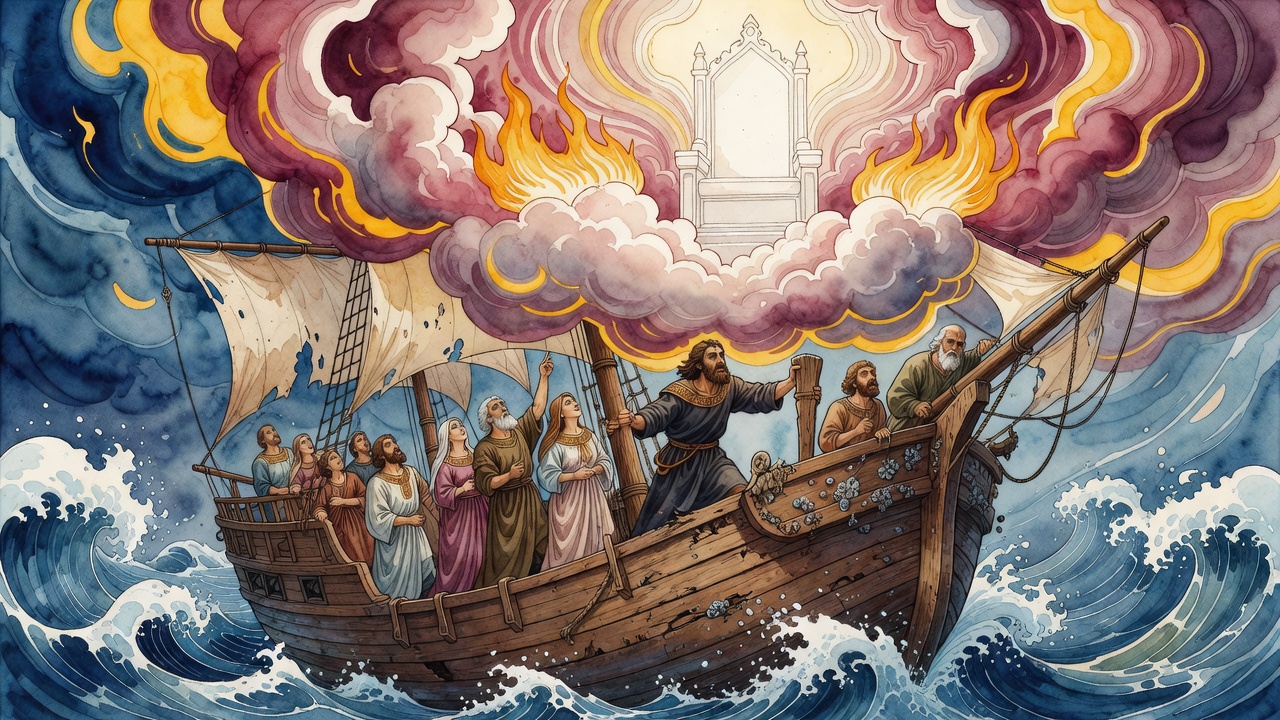
Joseph took both rudders after his father vanished. Judah named the course. After the wreck, only the masts showed above the water.
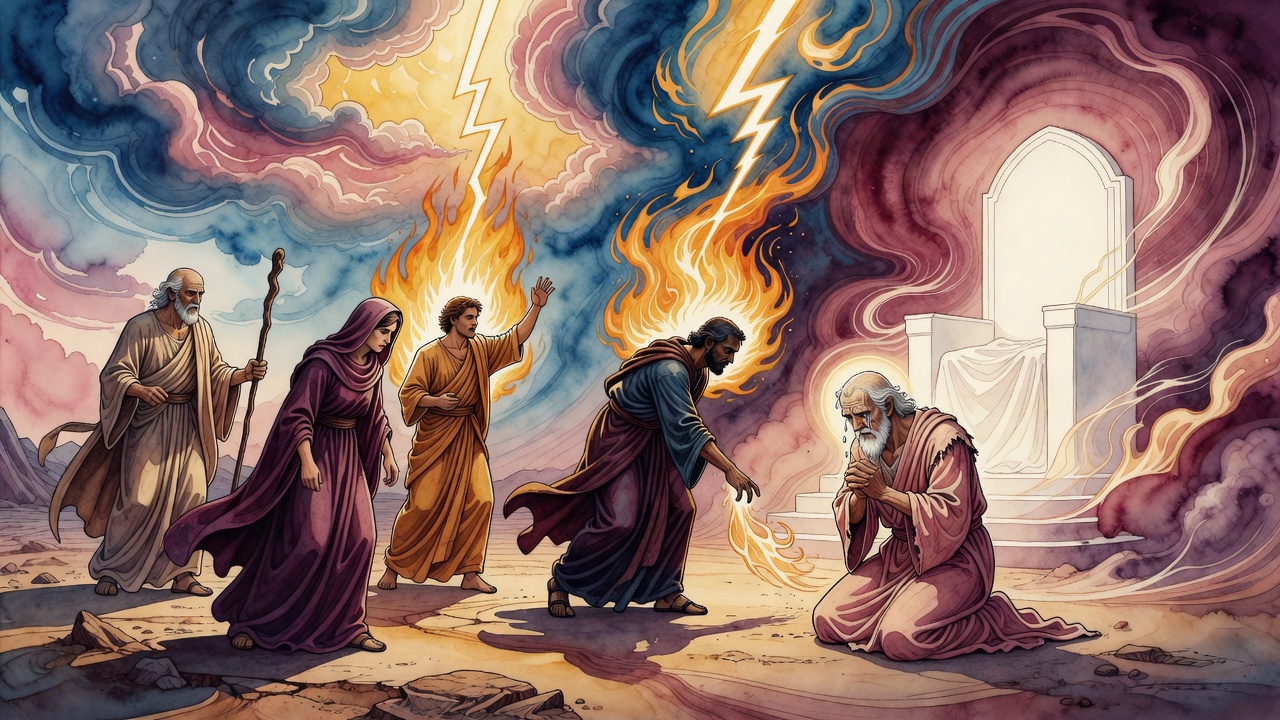
Judah gave Tamar to Er, then Onan. Heaven struck both sons, and later a dream told a broken man his earnest tears had been heard.
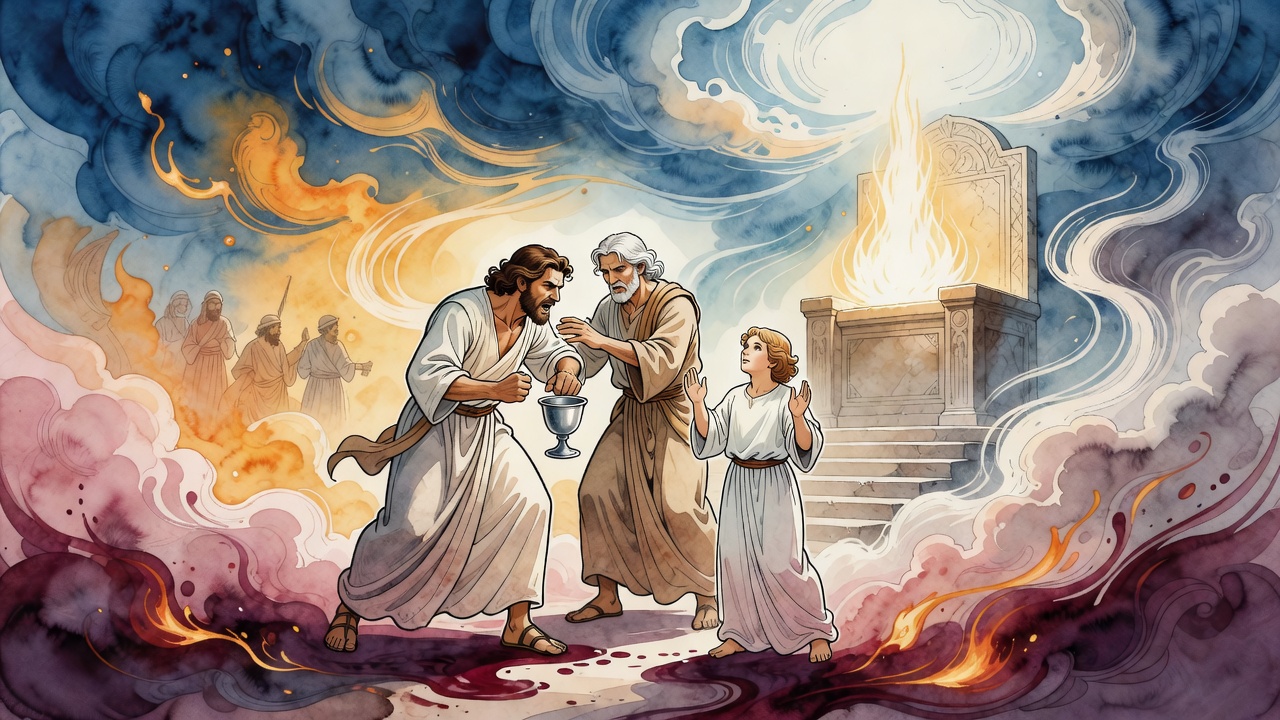
Judah's rage filled the hall until Manasseh's hand found his shoulder. Benjamin swore on the coat, the sale, and the blood in the pit.
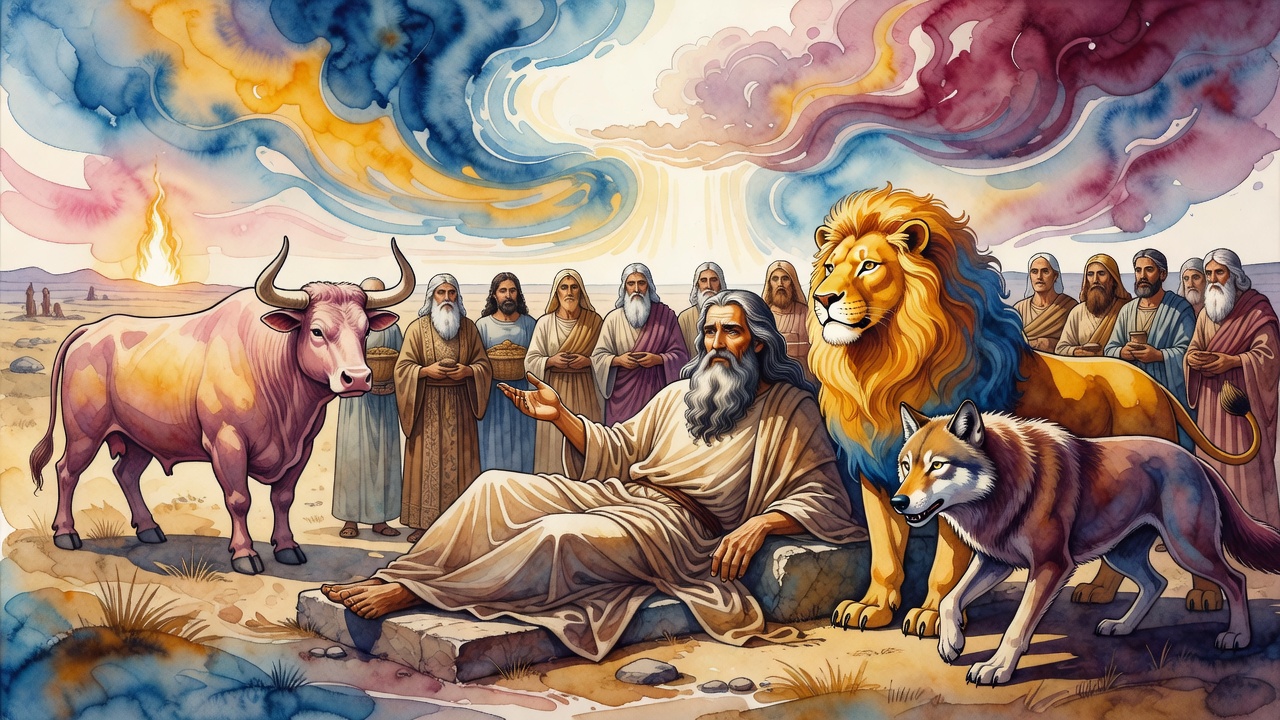
The sons standing in the tent still smelled of flocks. Their father named animals, and the animals were kingdoms that had not been built yet.
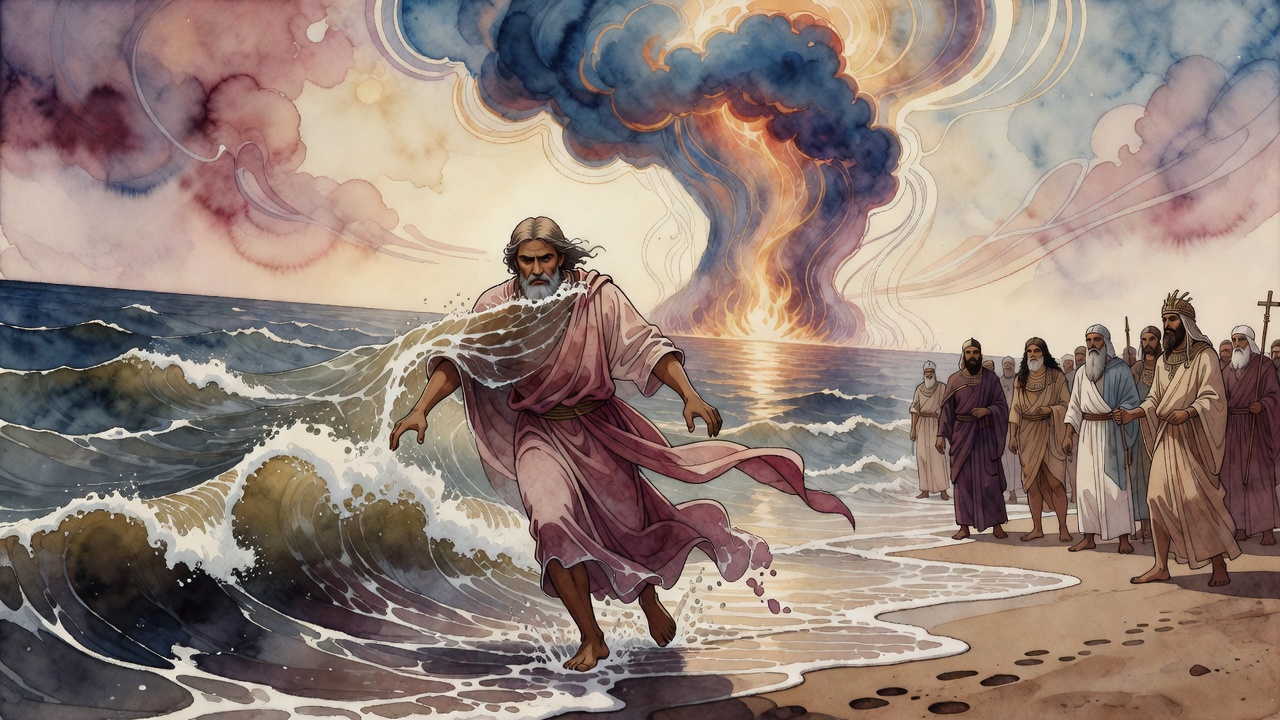
Tribal princes raced to dedicate the Mishkan, Nahshon of Judah went first because he had plunged into the Reed Sea up to his nostrils.
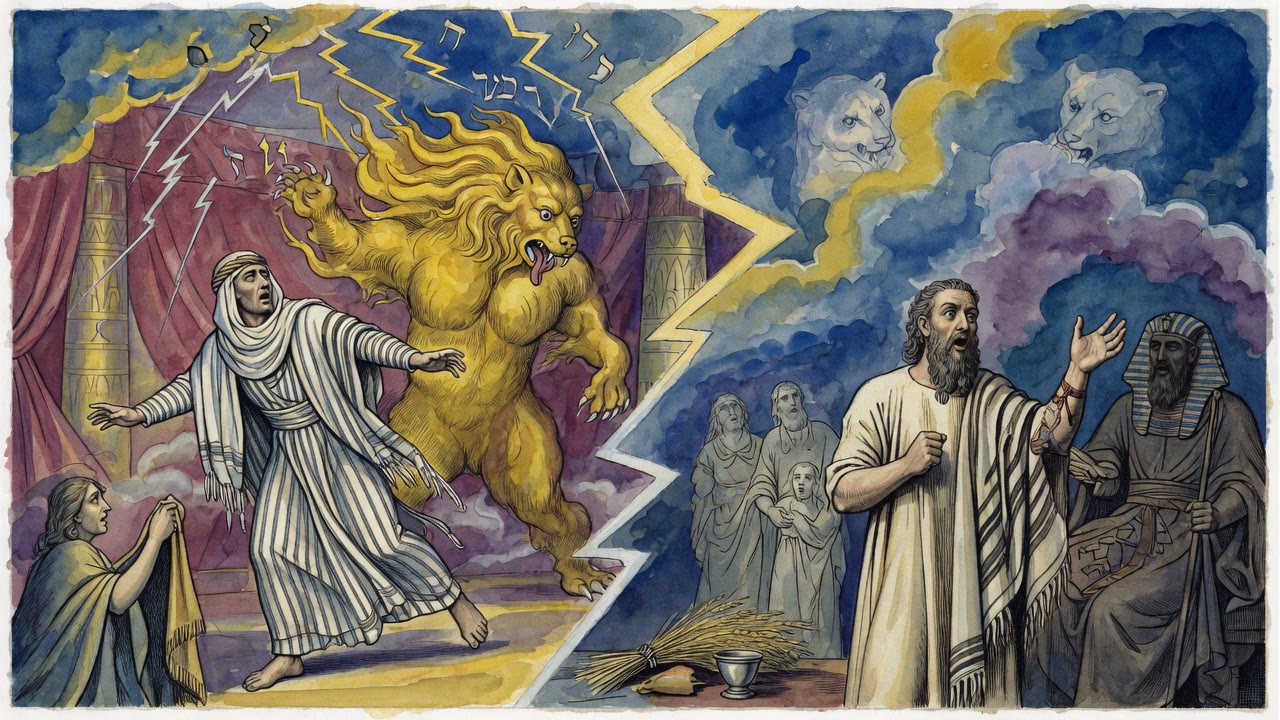
Joseph locked the storeroom, counted his comfort, and thanked God for the relief. Heaven answered that it was about to set a she-bear on him.
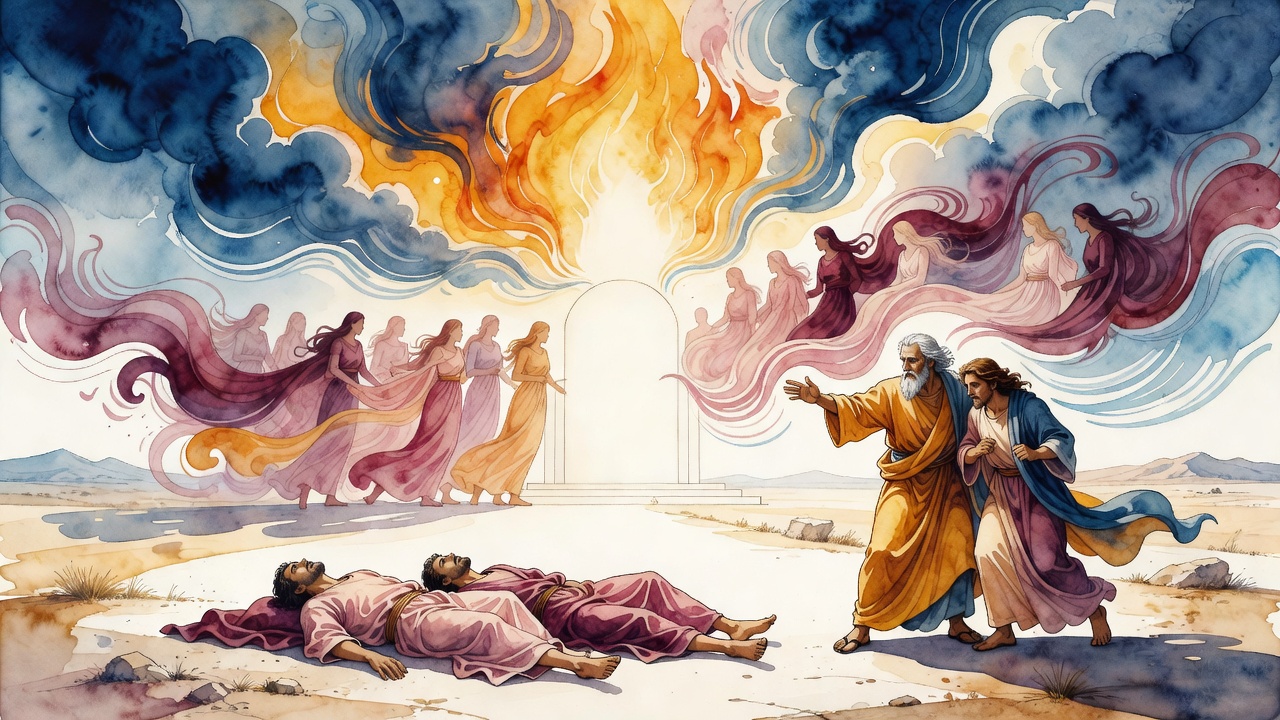
Judah walked past two graves in Canaan and did not slow the wagons. Seventy souls went down to Egypt. Two names stayed in the dirt.
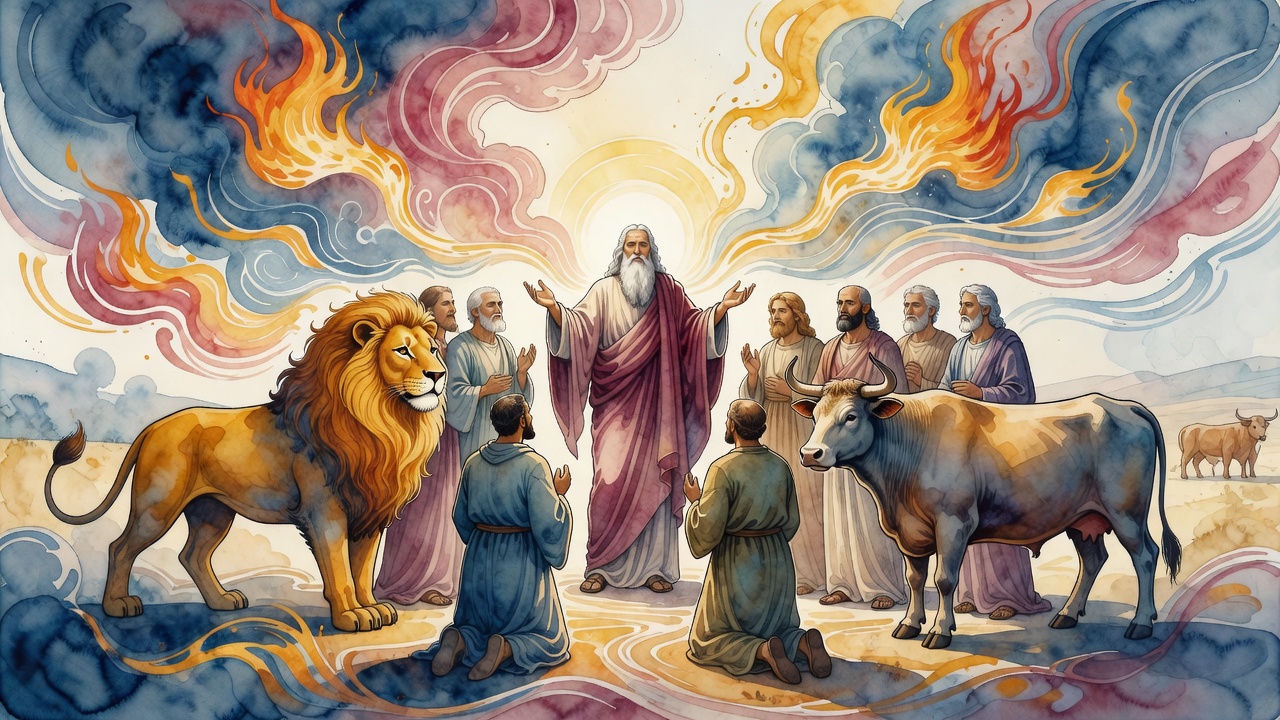
Jacob called his sons, gave Judah a lion and Joseph an ox, then blessed them together so no tribe owned the ending. Moses later took up the same word.
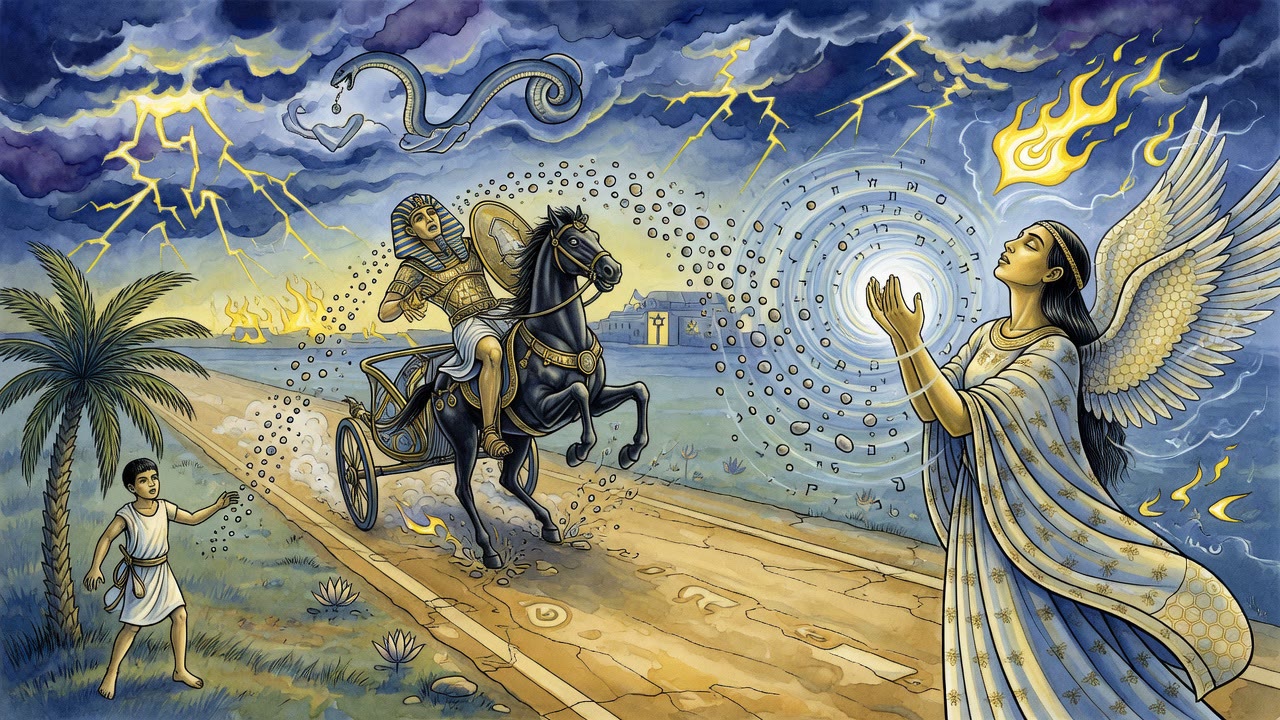
Asa had already watched God smash a Cushite host. Then he stripped the Temple chests and sent the gold north to rent a foreign spear.
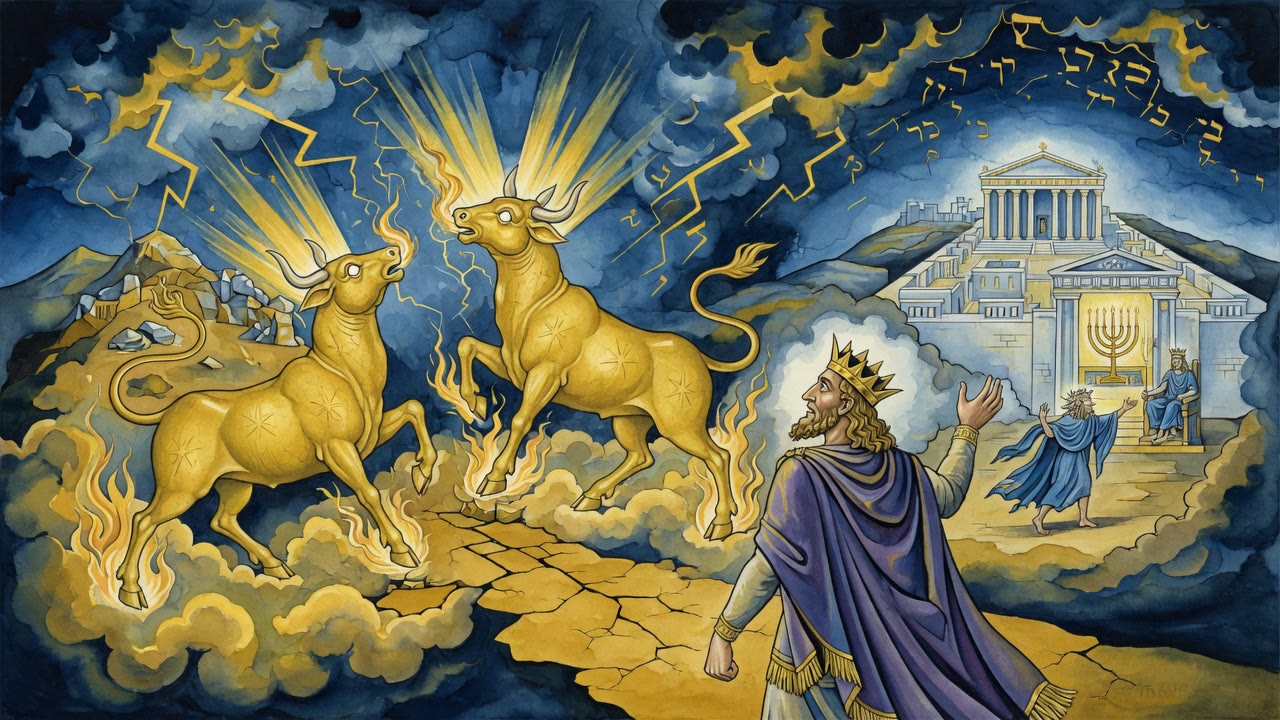
Jeroboam closed the road to Jerusalem and set guards on it, with death for anyone who passed. A second Abijah, his son, took them away and went up himself.
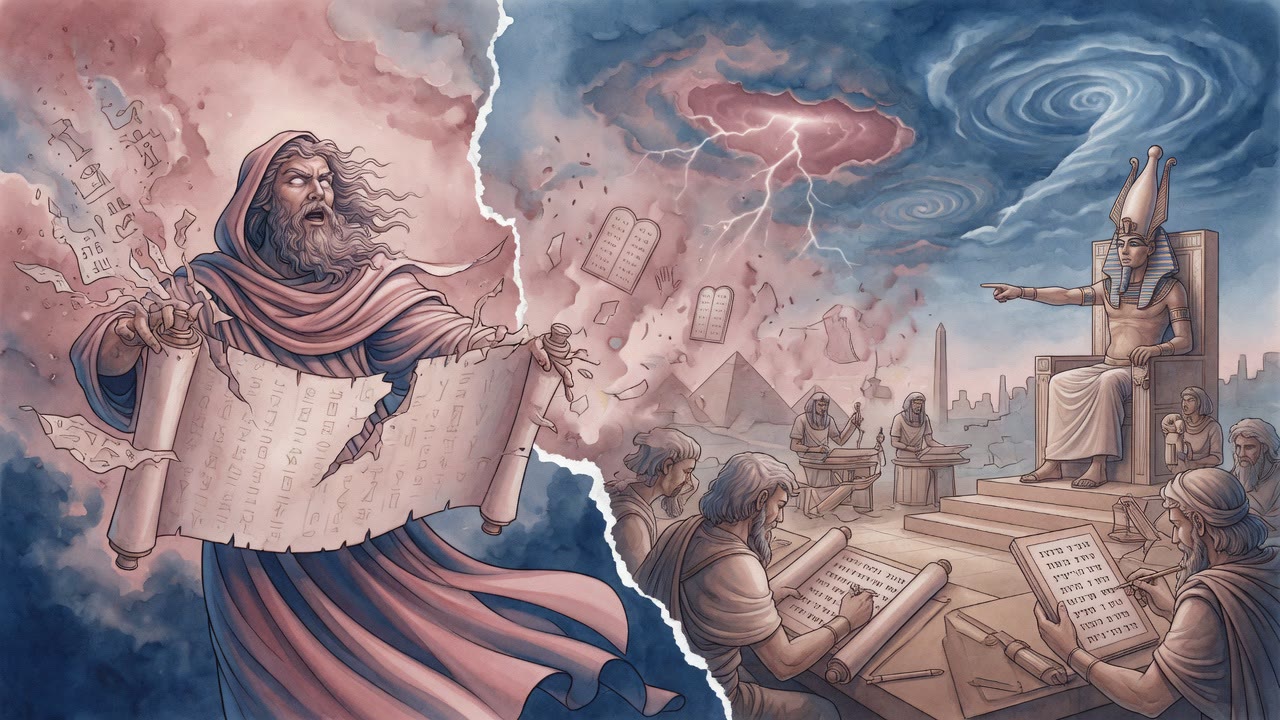
King Amon swore he would revel young and repent old like his father. He burned the Torah, then death cut him off mid-crime with no return.
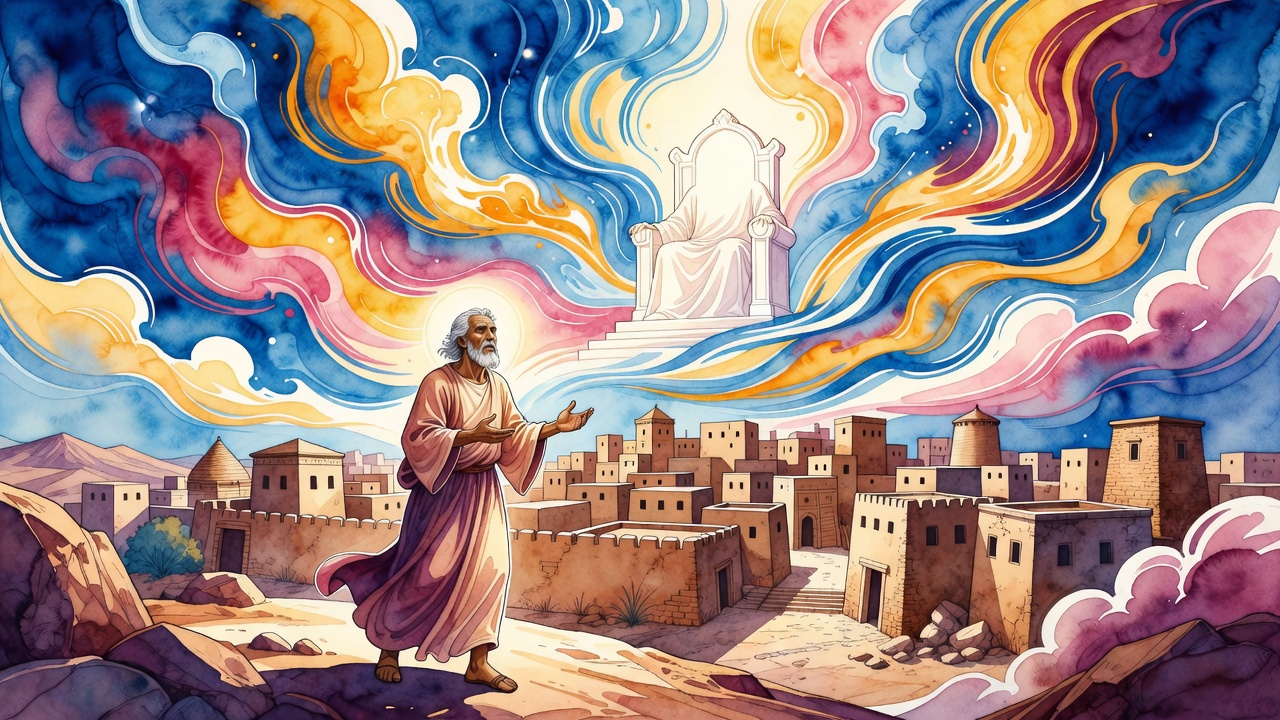
No slaves through the border. Nobody entering with two donkeys. Every traveler documenting his lineage. The rules were written to make ten men walk in.
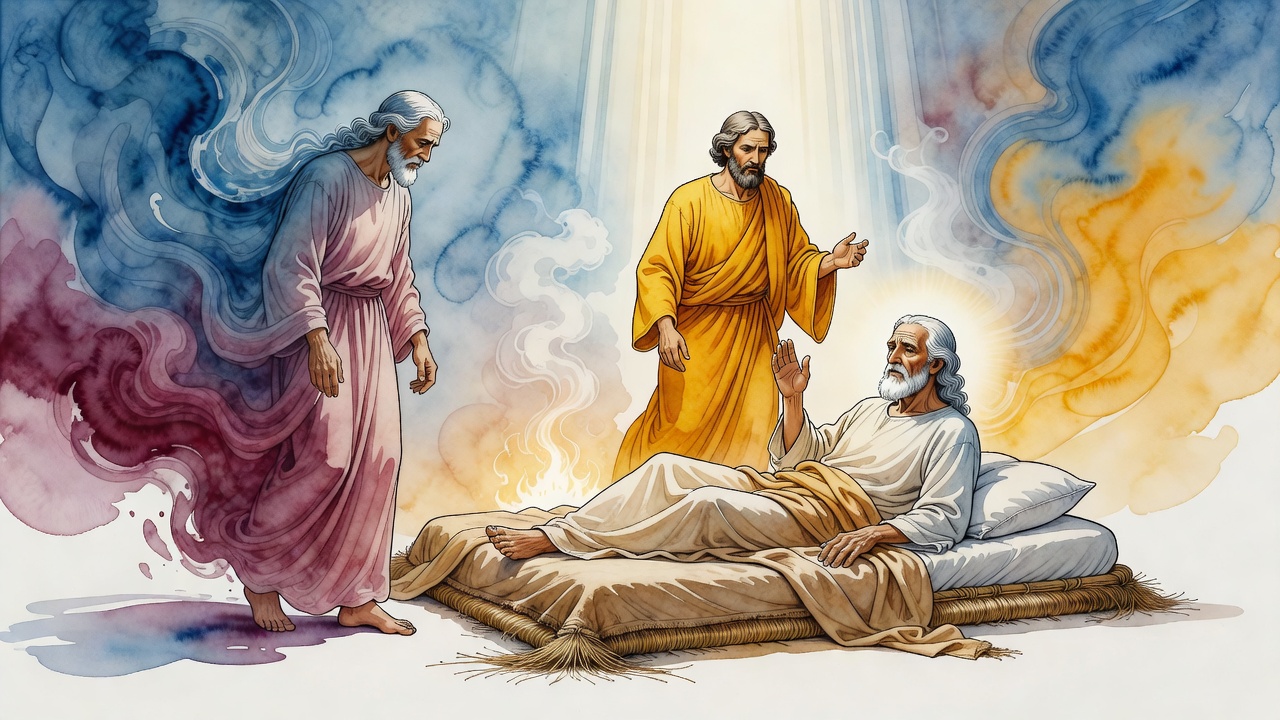
The firstborn stood closest to the bed. Jacob looked past him and asked for the son who could get a coffin across the border.
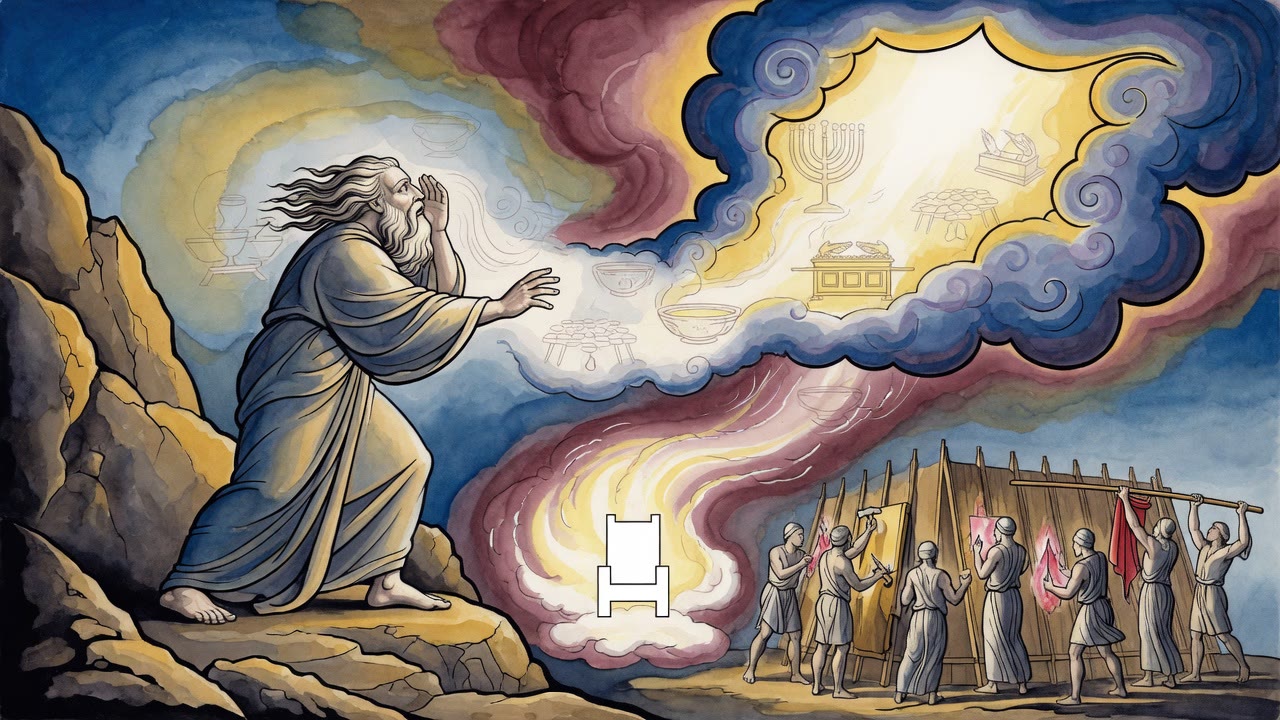
The camp said Moses had given the Sanctuary to his own blood. He opened the words from the mountain and showed them Bezalel's name already written.
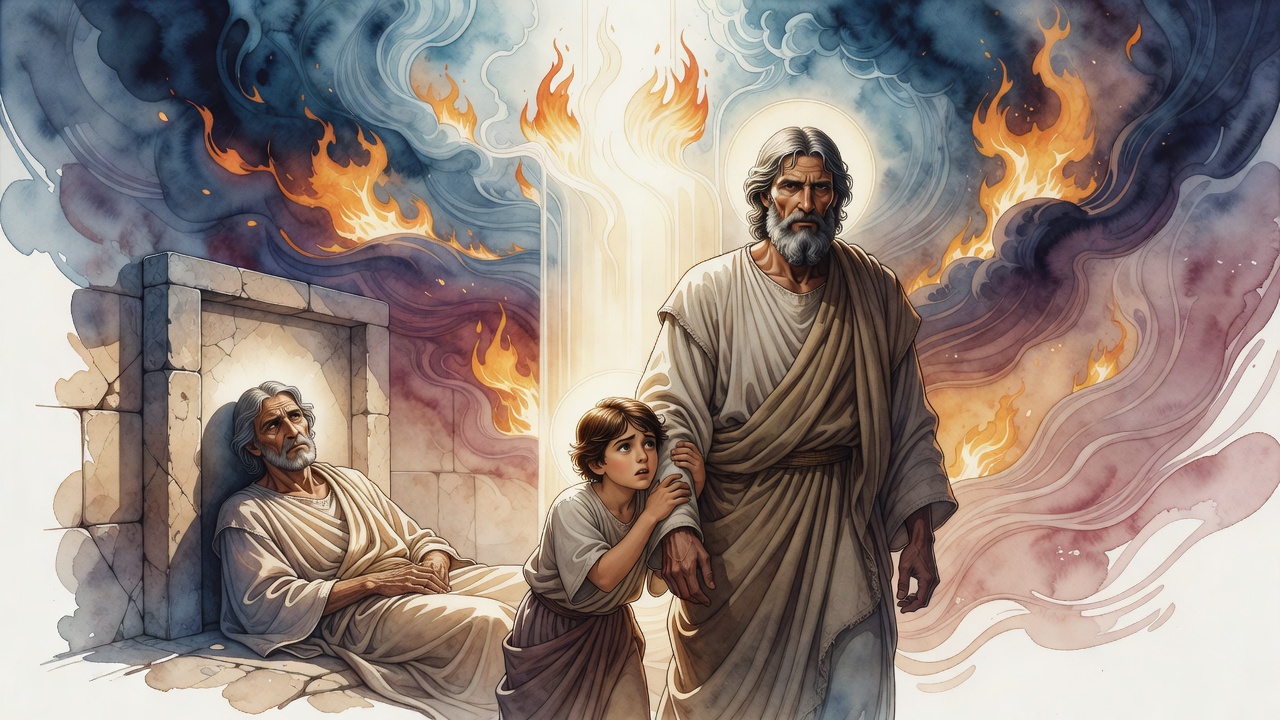
Simeon sat in an Egyptian cell. Benjamin clung to Jacob's sleeve. Hunger pressed the house until Judah forced the choice.
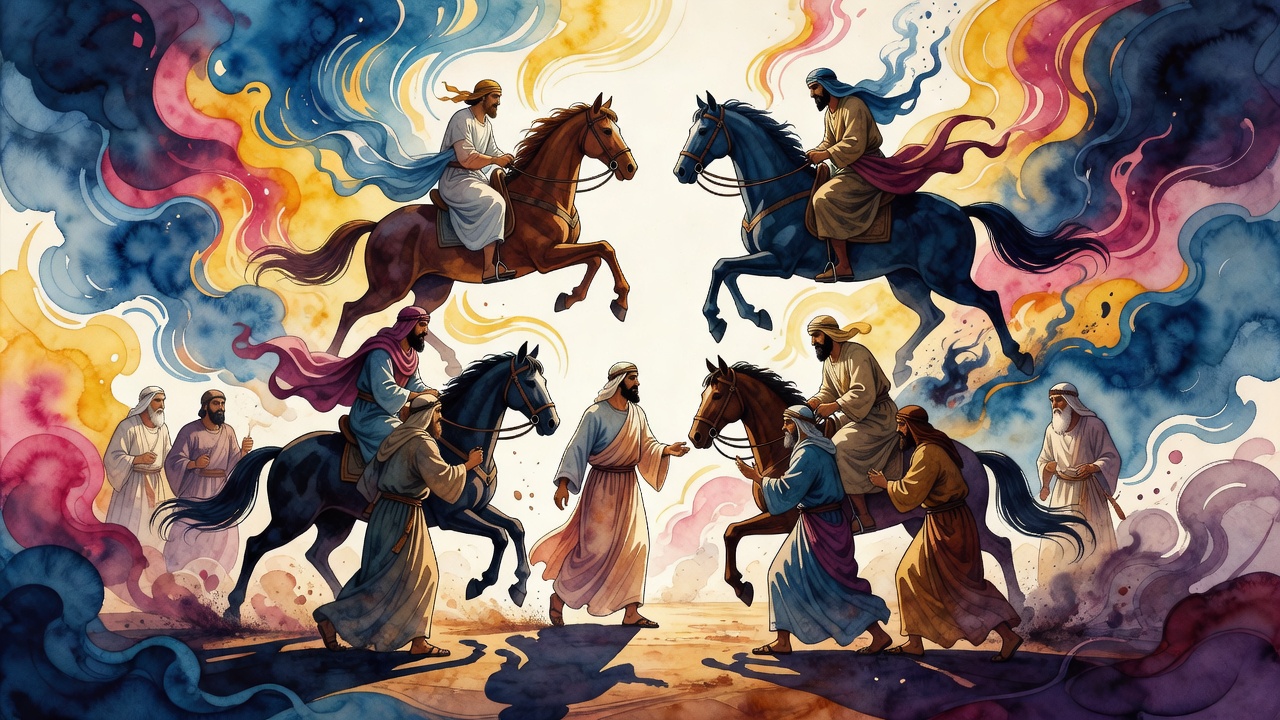
Judah talked his brothers into selling Joseph and let his father identify the bloody coat. God told him what the price would be, and it was children.
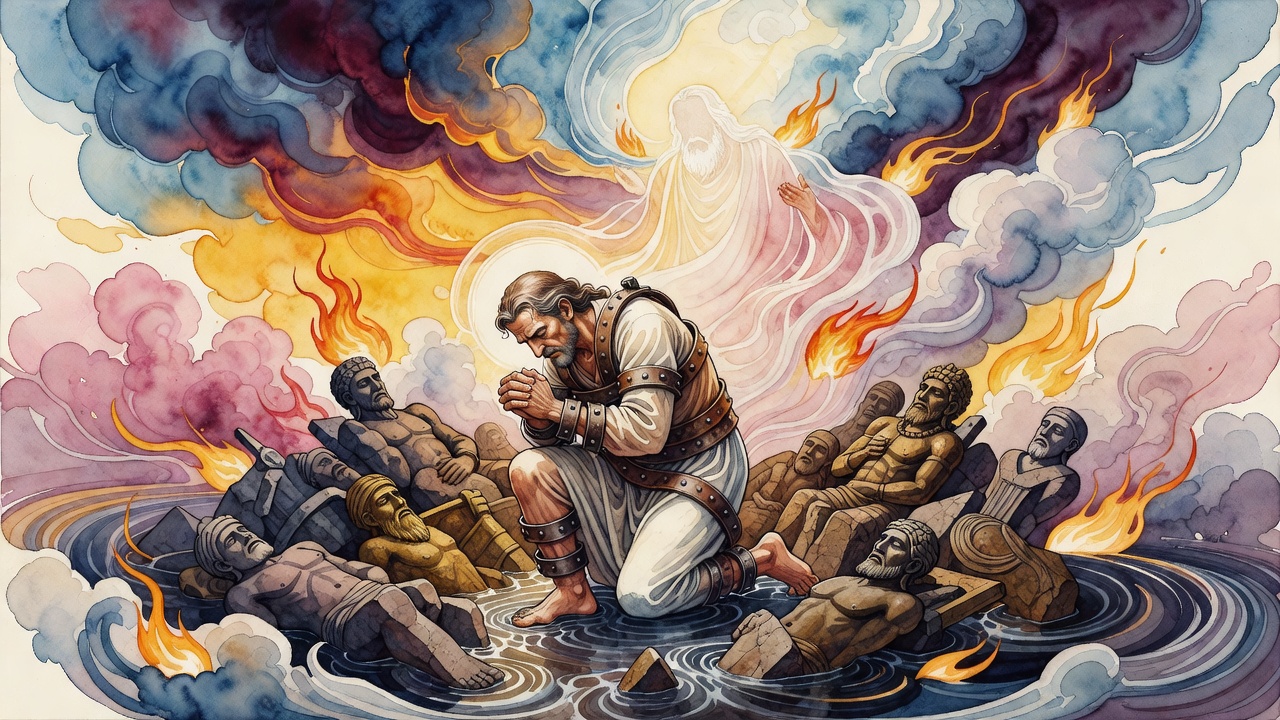
The king of Judah could not lift his head. Iron bit his neck in a foreign jail. He asked God not to let him die bent.
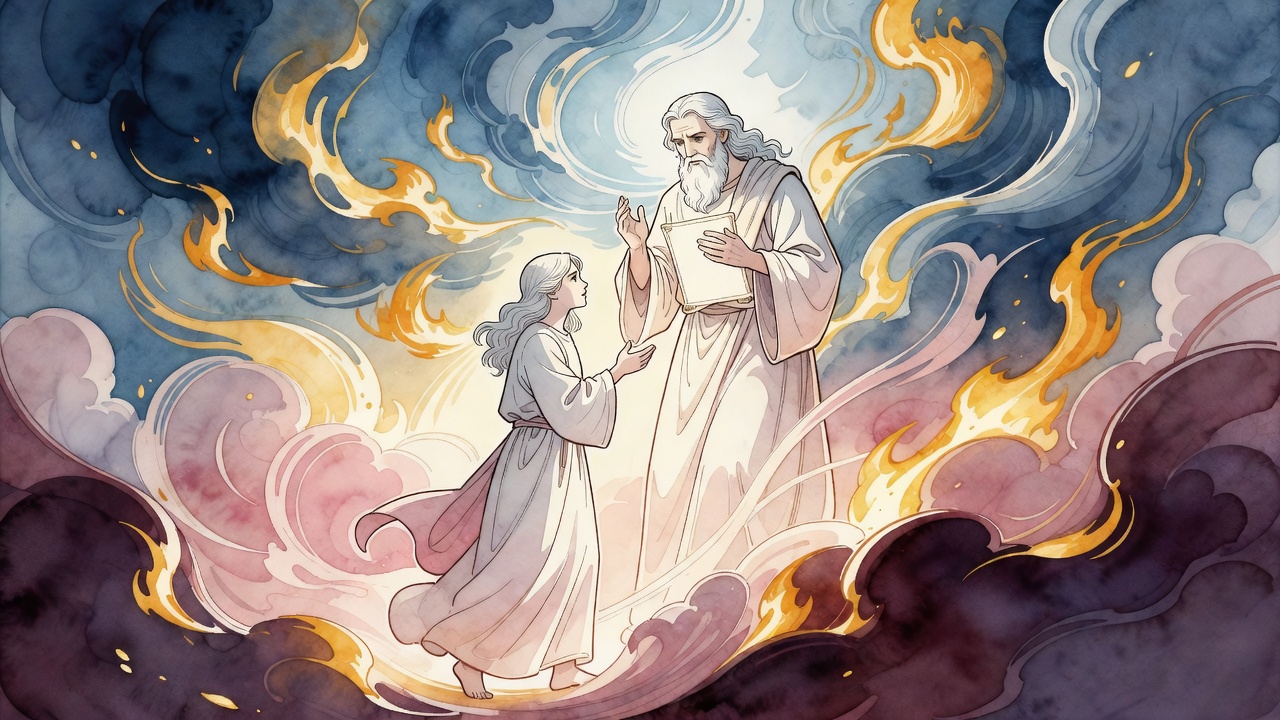
Judah pledges his share in the world to come so Benjamin may go to Egypt, while Jacob demands purity before the last blessing.
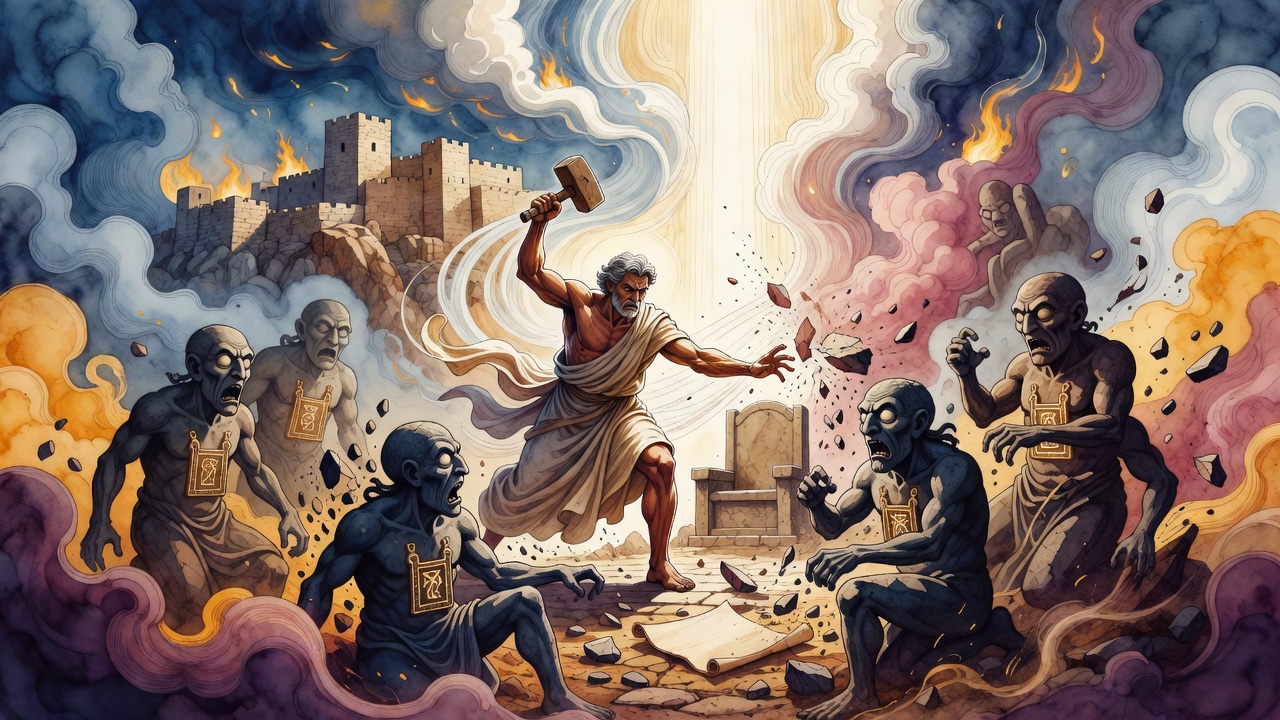
Jebusite idols wear Abraham's covenant mark as a lock on Jerusalem until David smashes the blind and lame gods and takes the stronghold.
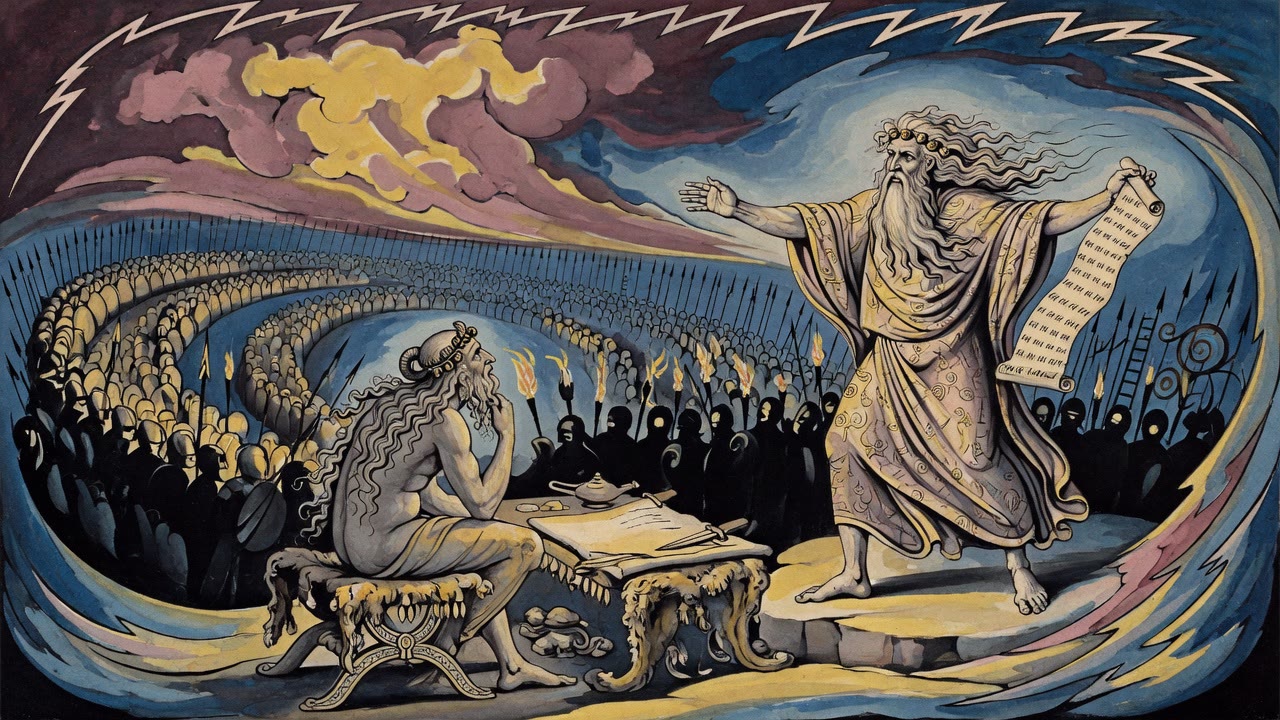
David leaned toward a counselor younger than the throne. Bathsheba was that man's granddaughter. The plans arrived already sewn.
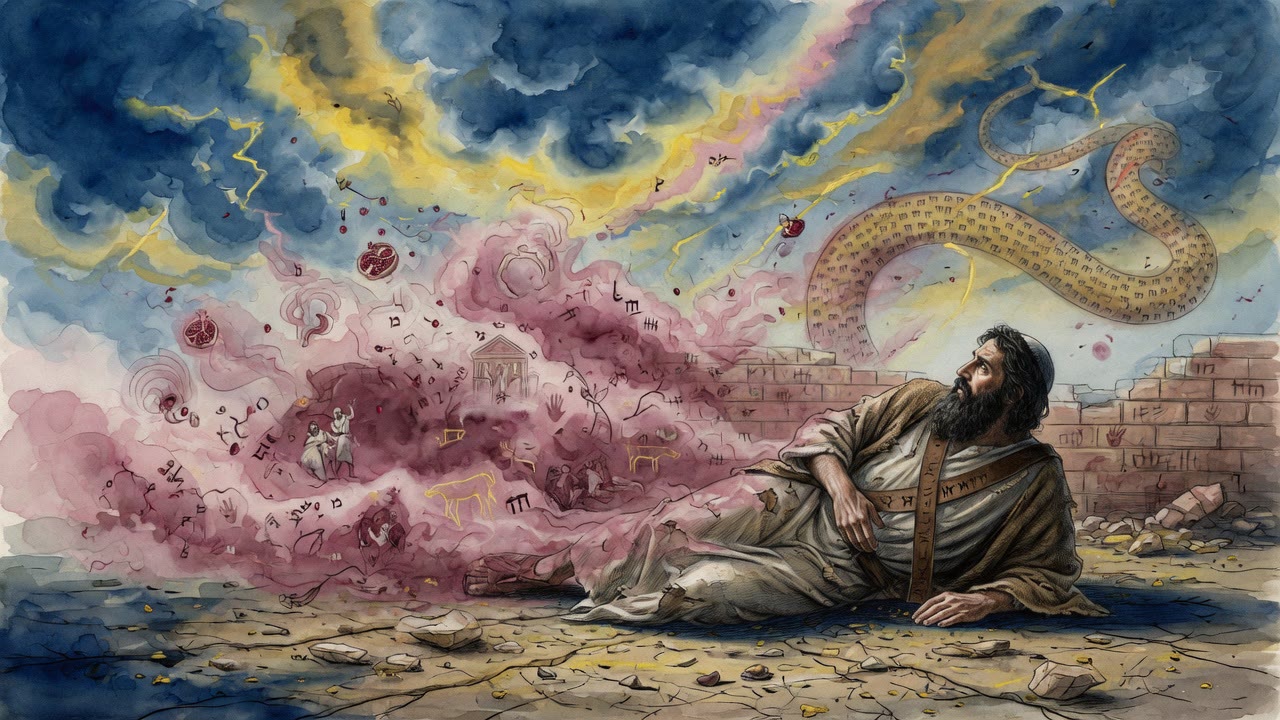
God orders Ezekiel to lie on his left side, then his right, until the prophet's body becomes a bed for the guilt of Israel and Judah.
