117 myths · Page 2 of 4
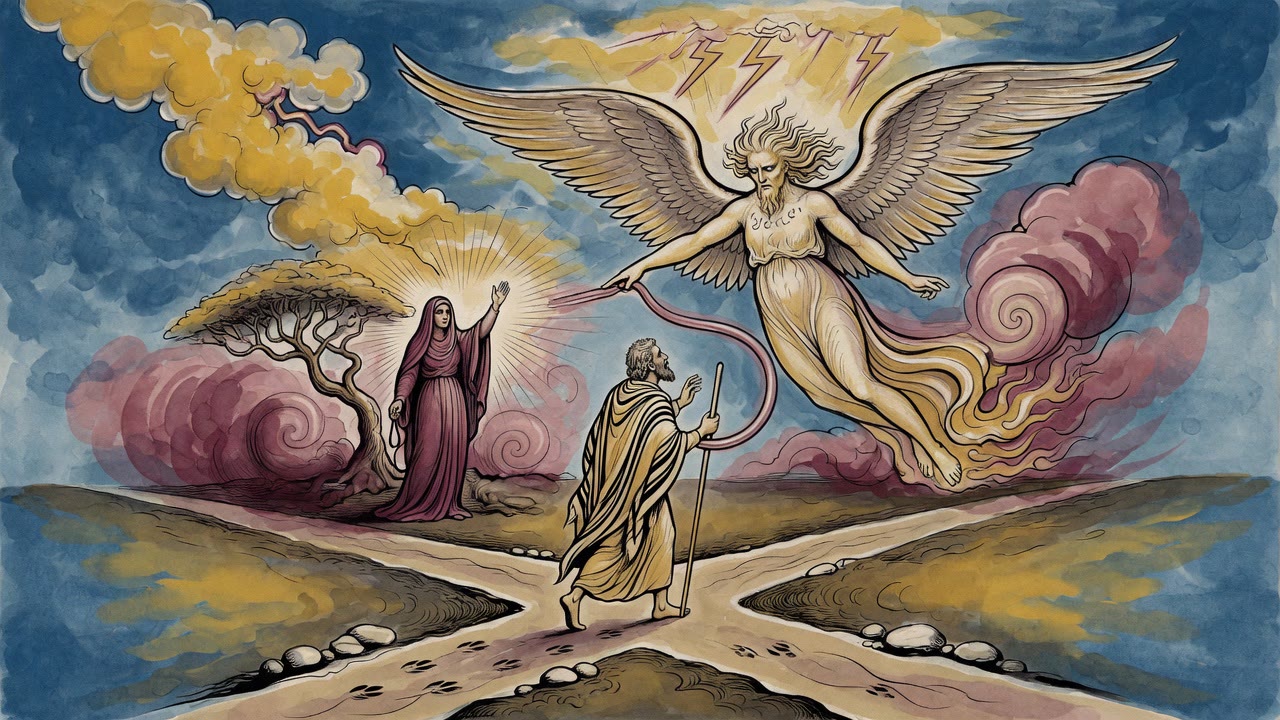
Judah looked at the covered woman sitting by the road, decided she was nothing to do with him, and walked on. Then Tamar lifted her eyes.
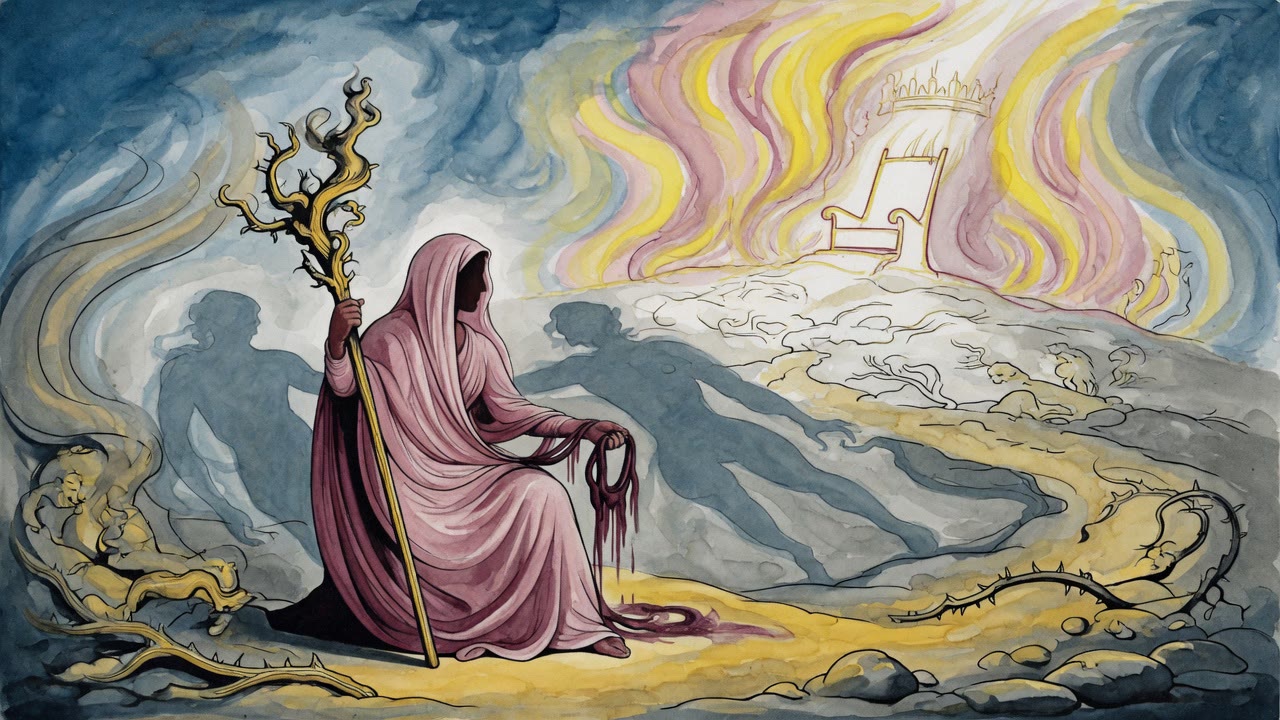
When Tamar was brought before the judges, Isaac sat on the bench. So did Jacob. So did Judah, who had to speak first and already knew what he had done.
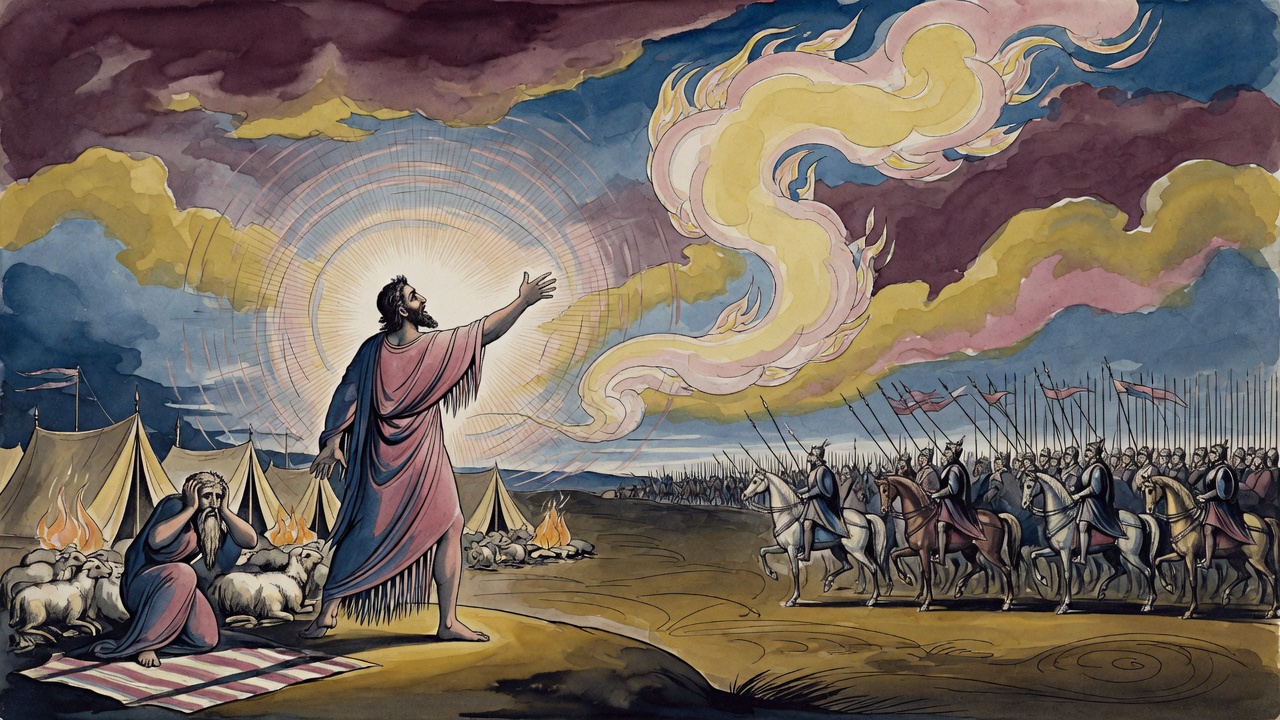
With fire prepared and the pledges gone, Tamar prayed instead of speaking. She trusted God to turn Judah's heart. An angel brought the pledges back in time.
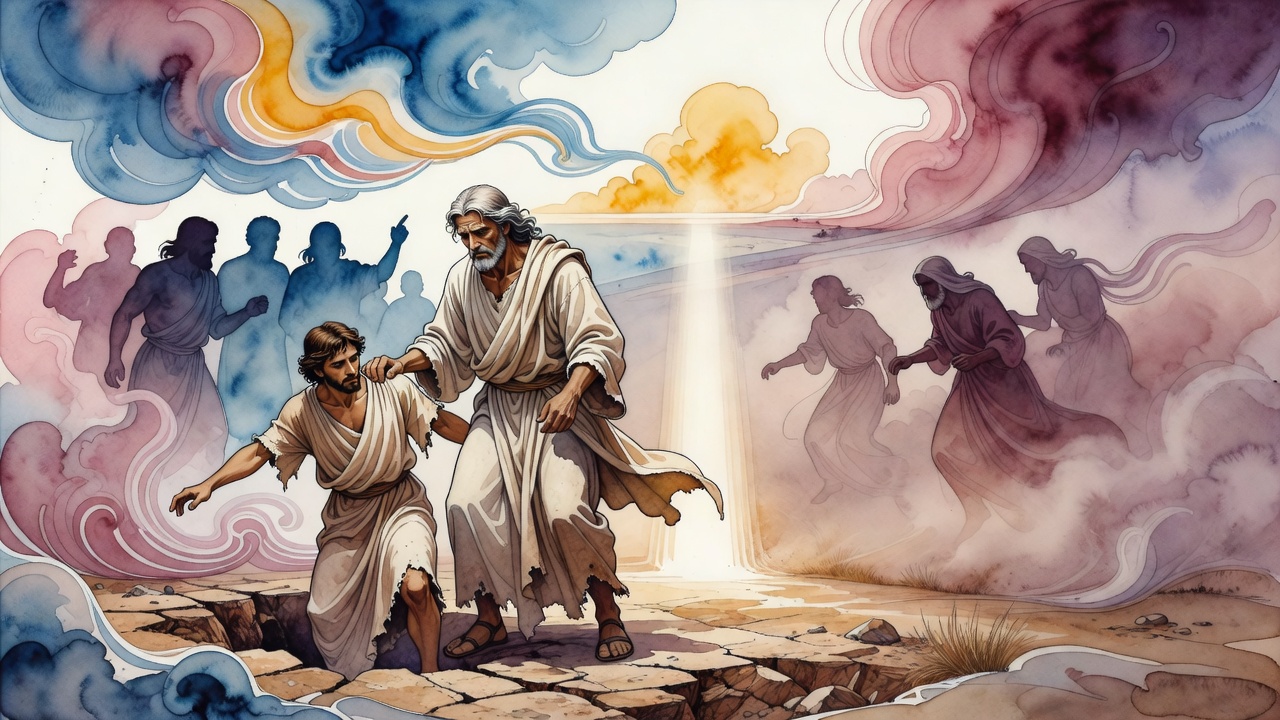
Judah saved Joseph from murder but sold him into slavery. His years in Adullam, with dead sons and a dead wife, were the price of a half-done rescue.
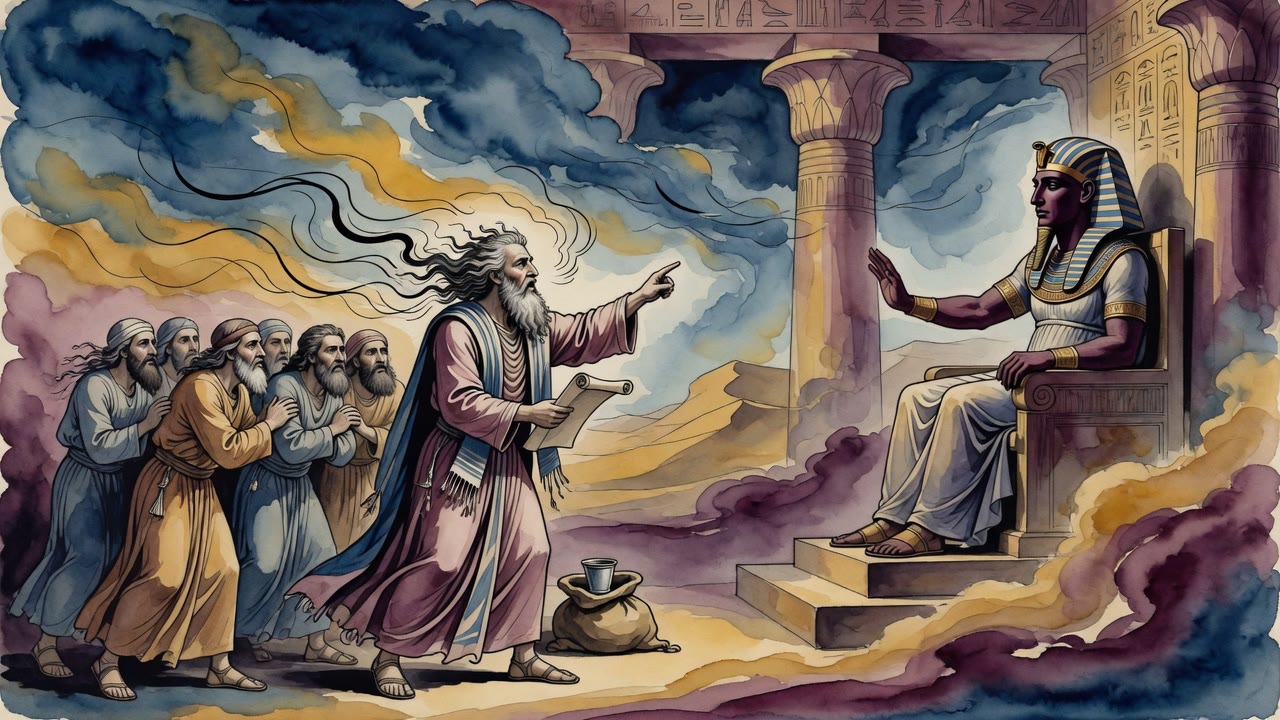
Standing before Egypt's Viceroy, Judah invoked the law of companions taken together. Joseph answered that only the one who stole should remain.
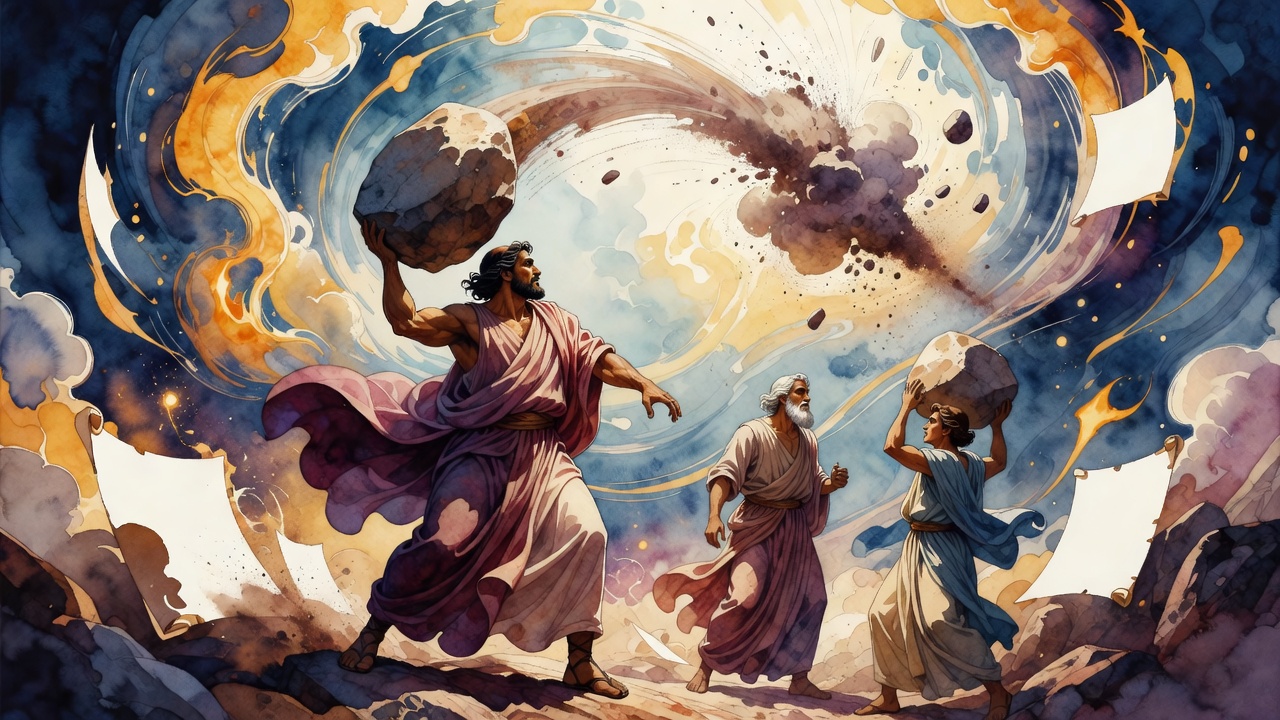
The viceroy would not give Benjamin back. Judah's mouth was empty. He reached for a stone that weighed four hundred shekels.
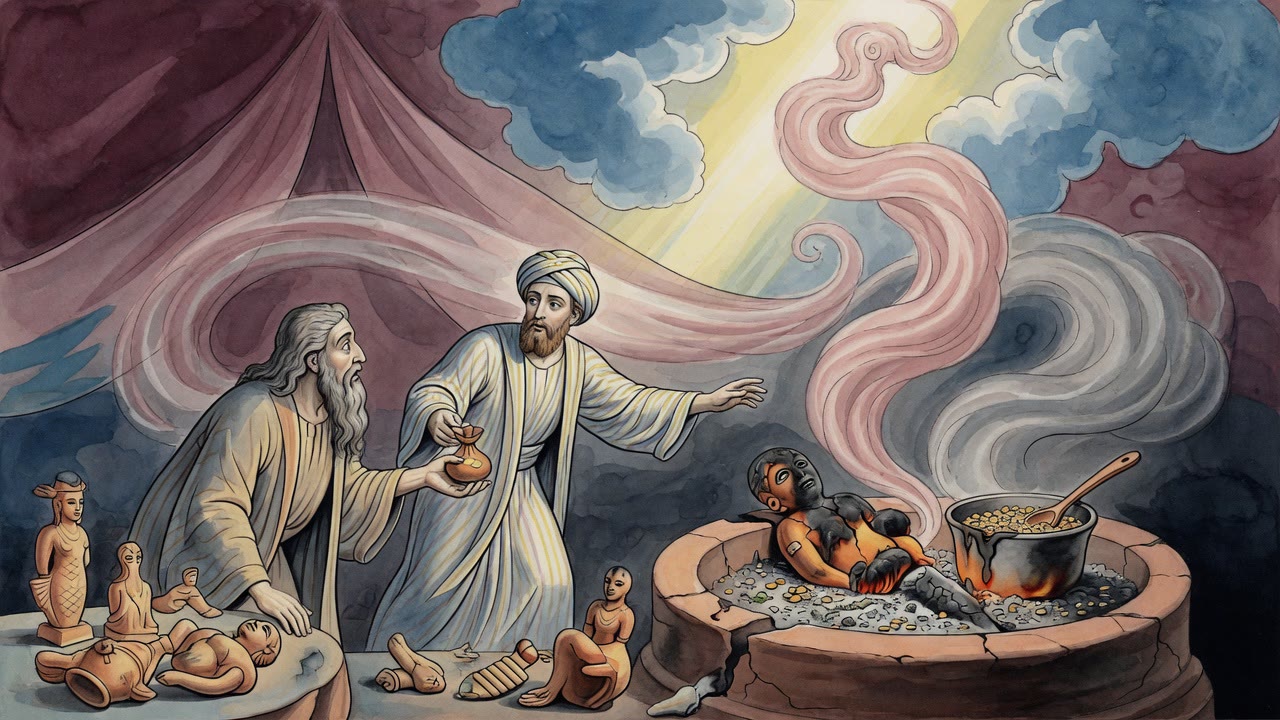
They would not believe he was dying. Naphtali told them Levi rode the sun, and a ship with no sailors ran onto a rock.
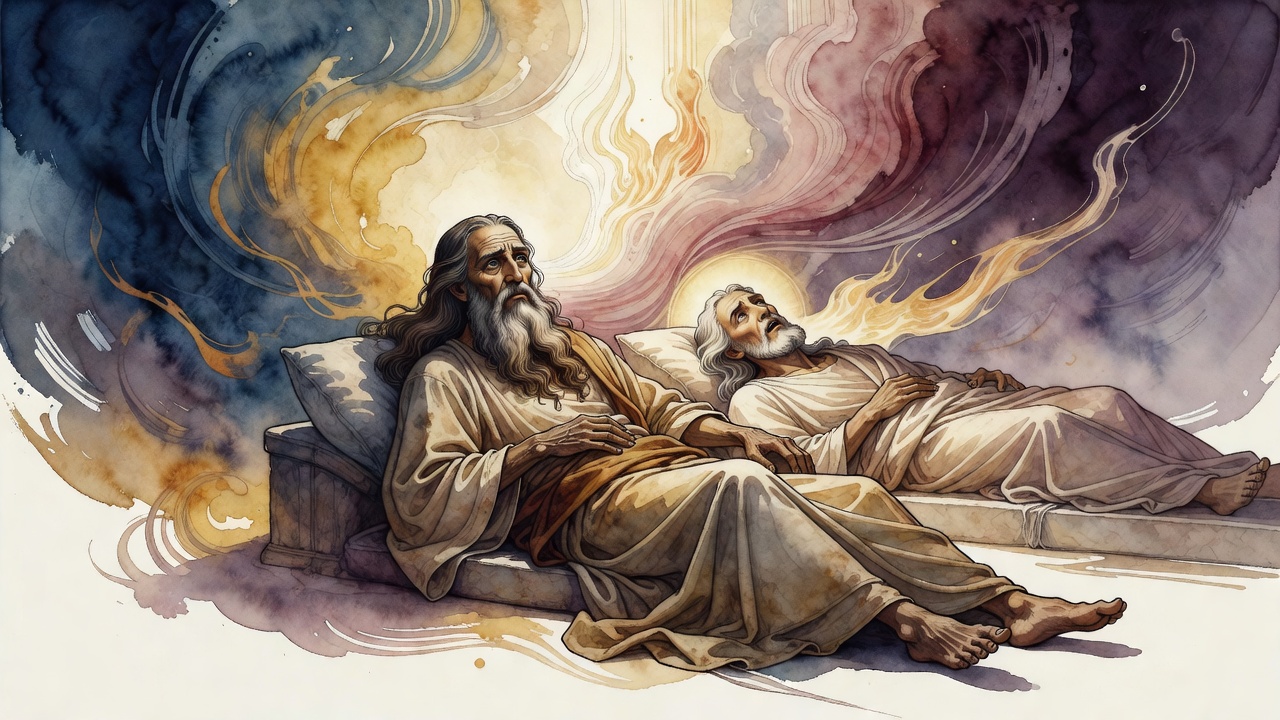
Judah's last words listed the lion he killed barehanded and the bear he flung off a cliff. Levi told his sons to teach their children to read the Torah.
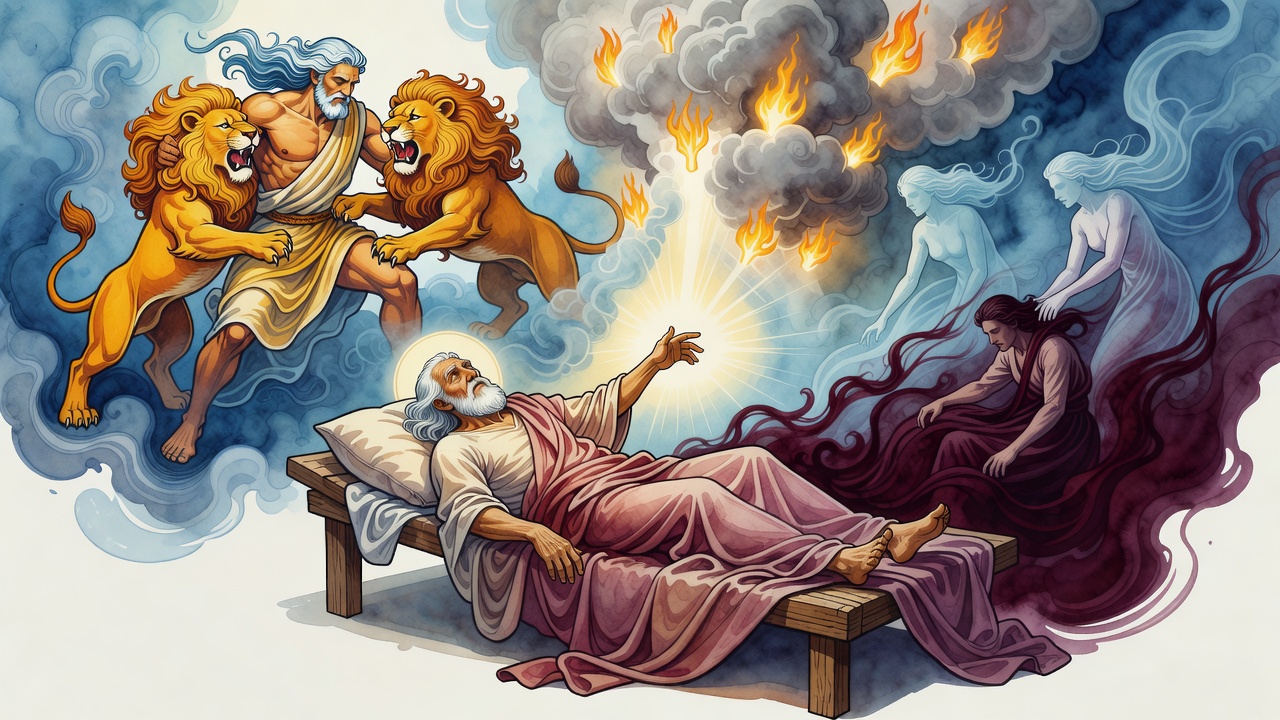
Judah killed lions bare-handed. Wine and beauty brought him low twice. On his deathbed he named both failures so his children could see the terrain.
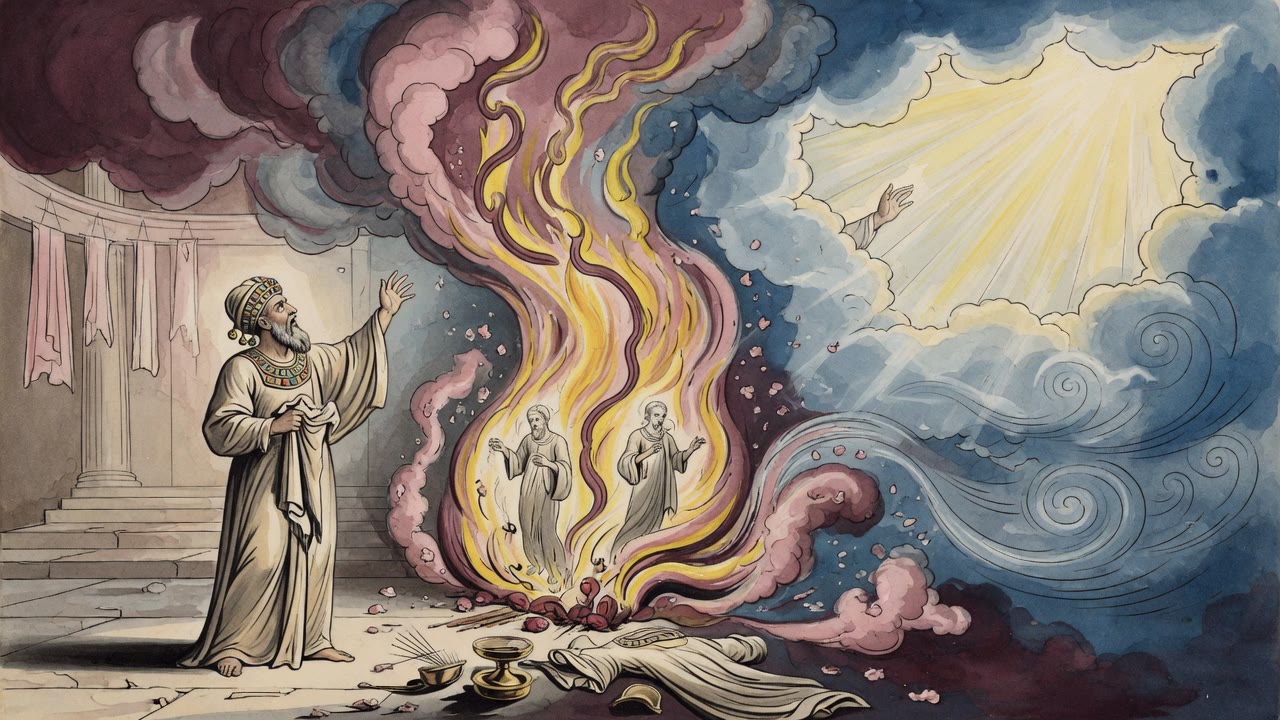
At the Golden Calf the Levites would come forward with swords. Judah's banner would lead every march. Neither had happened yet when Moses' arms went up.
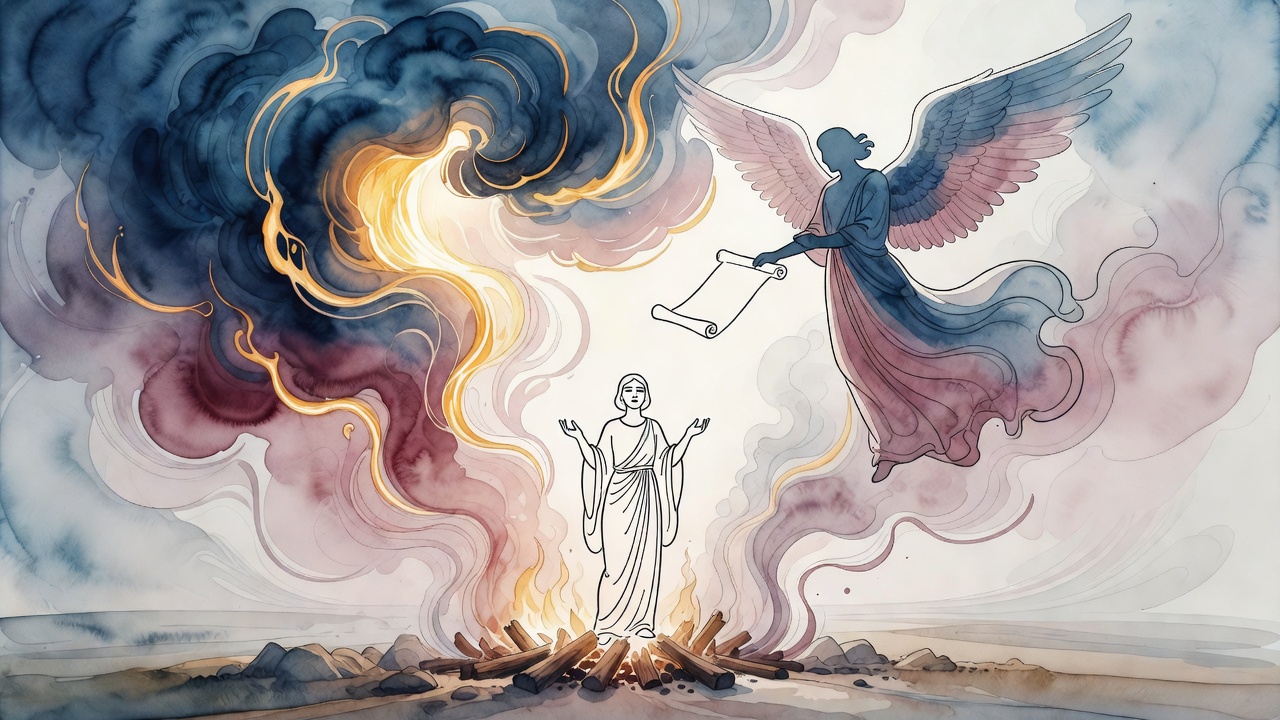
Tamar was about to be burned alive when her evidence vanished. She prayed, and God sent Michael to recover what had been lost before the sentence could fall.
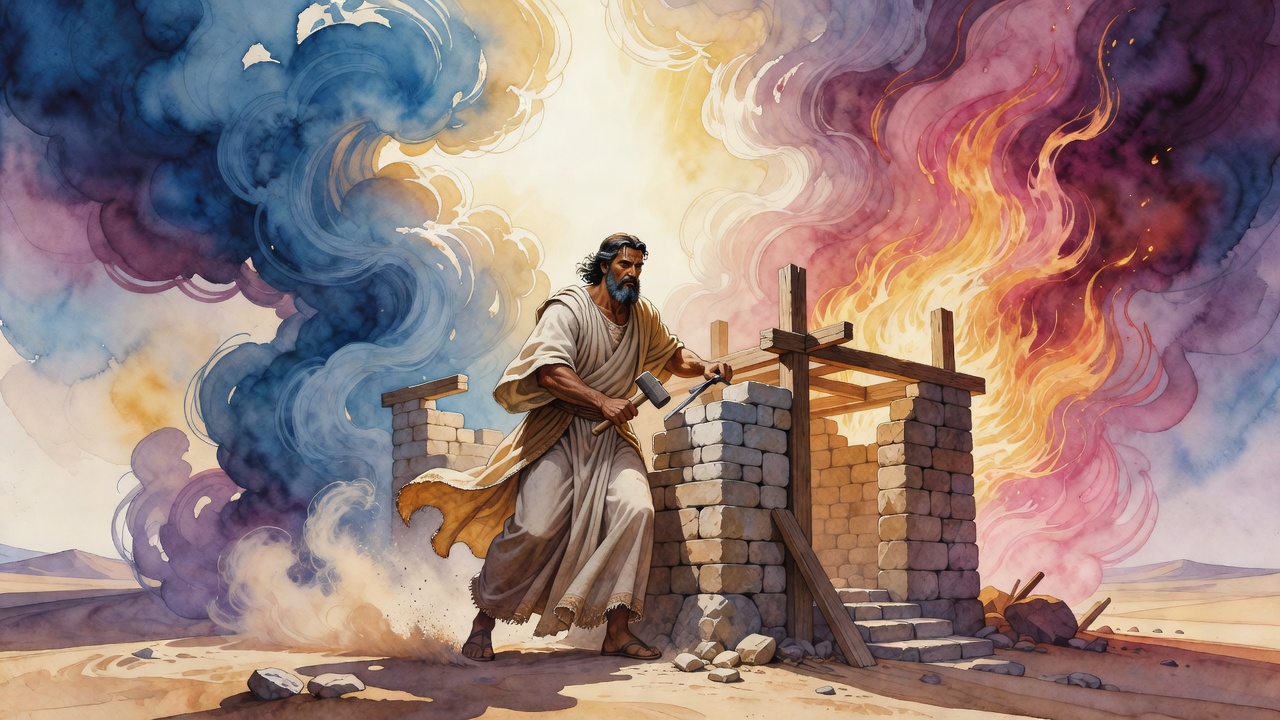
Jacob sent Judah ahead to Egypt before the family settled. Not to scout, not to cook. To build a house of Torah study before anyone else arrived.
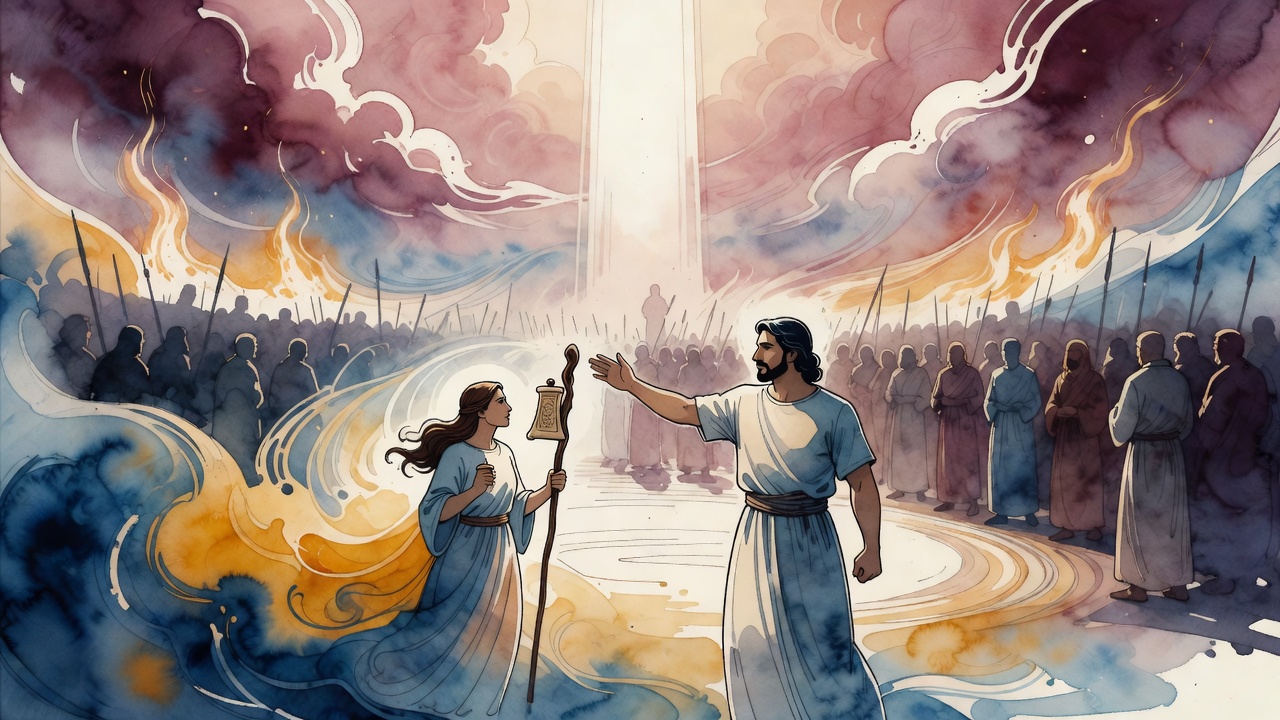
His roar carried four hundred parsangs. Hushim son of Dan heard it in Canaan and jumped. Egypt came close to turning over that afternoon.
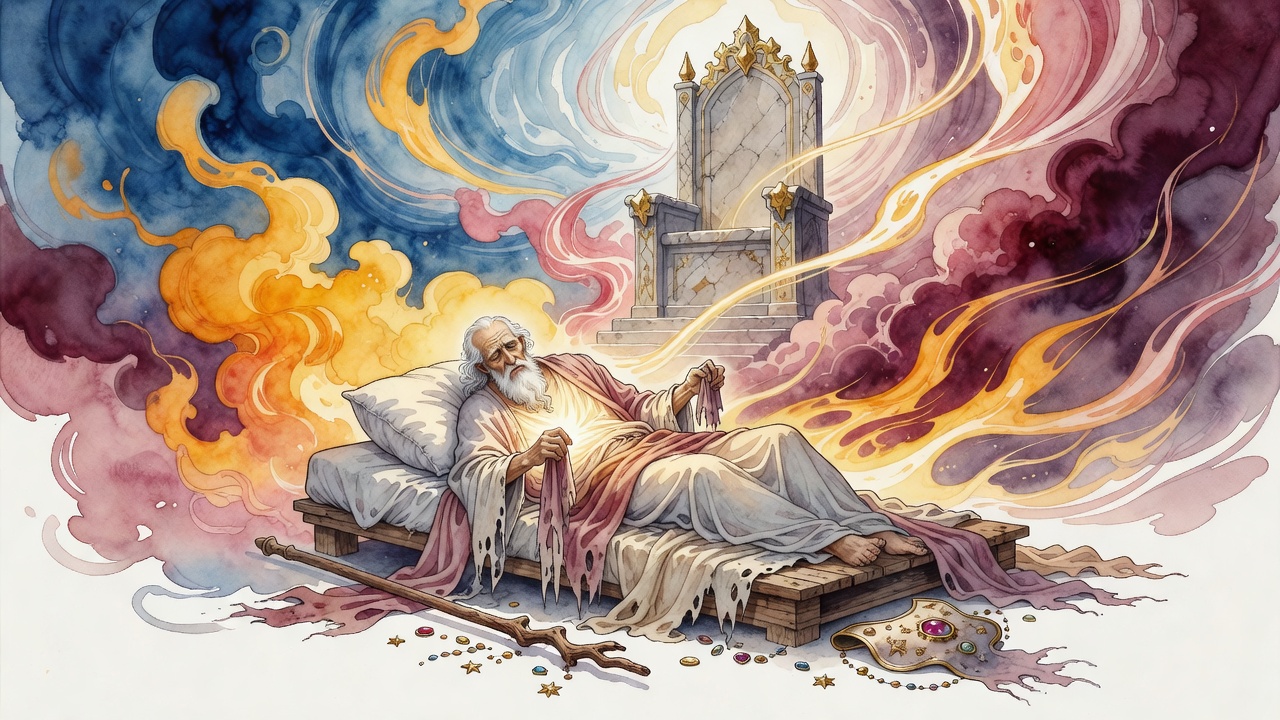
Reuben held the birthright, kingship, and priesthood for one year before a single night took all three. On his deathbed he named exactly what had done it.
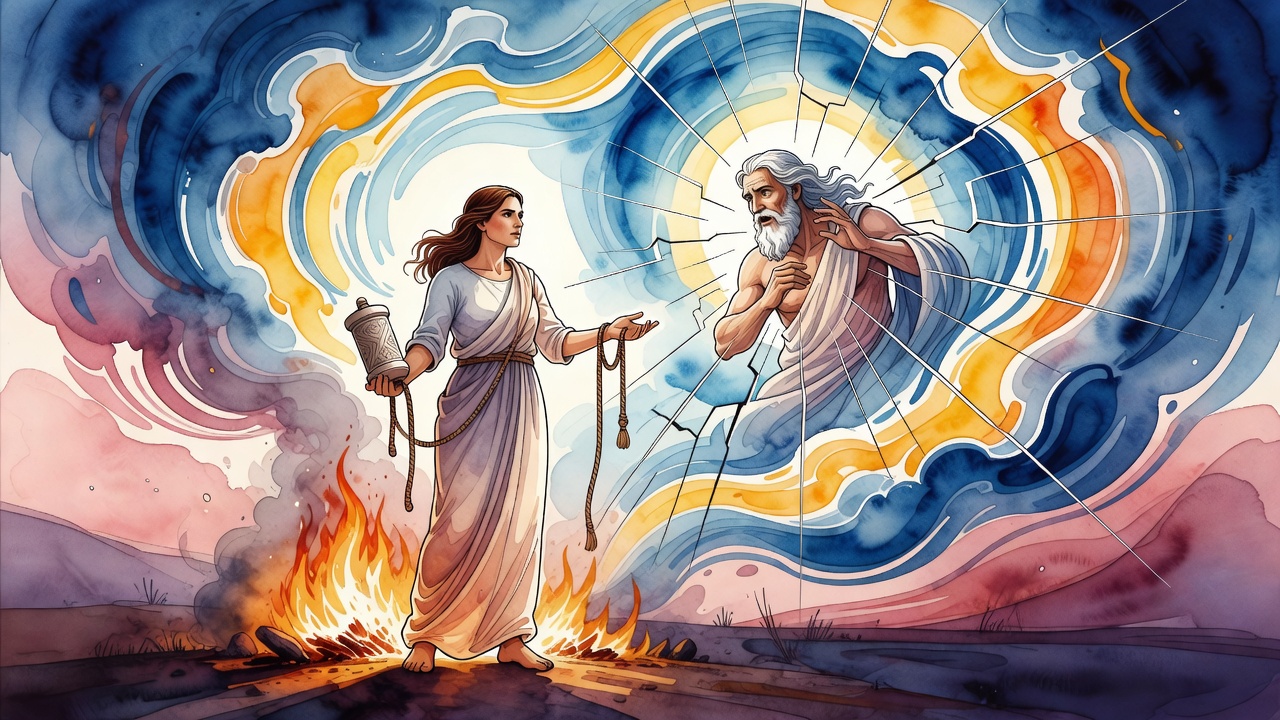
Tamar stood by the stacked wood with Judah's seal in her sleeve. She sent it privately. She did not shout his name into the fire.
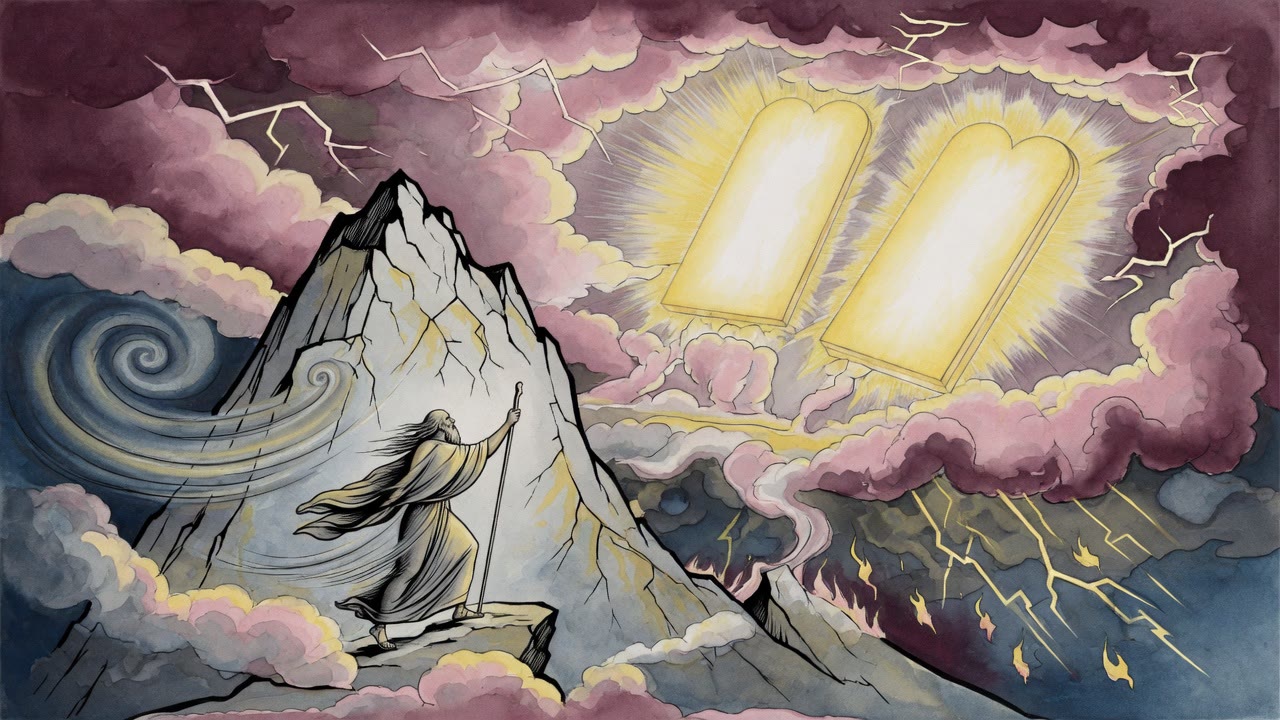
Moses walked the firmament to seize the Torah. When the angels demanded to know why a mortal deserved it, the answer went back to Judah at the fire.
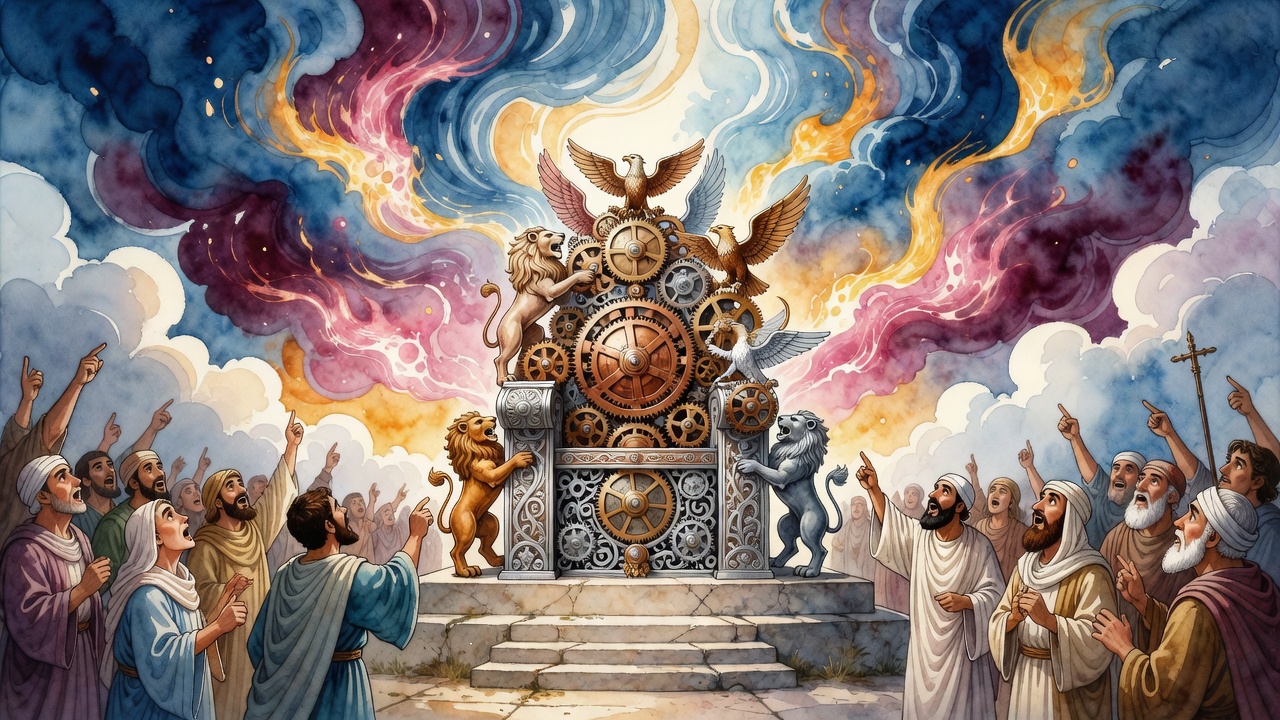
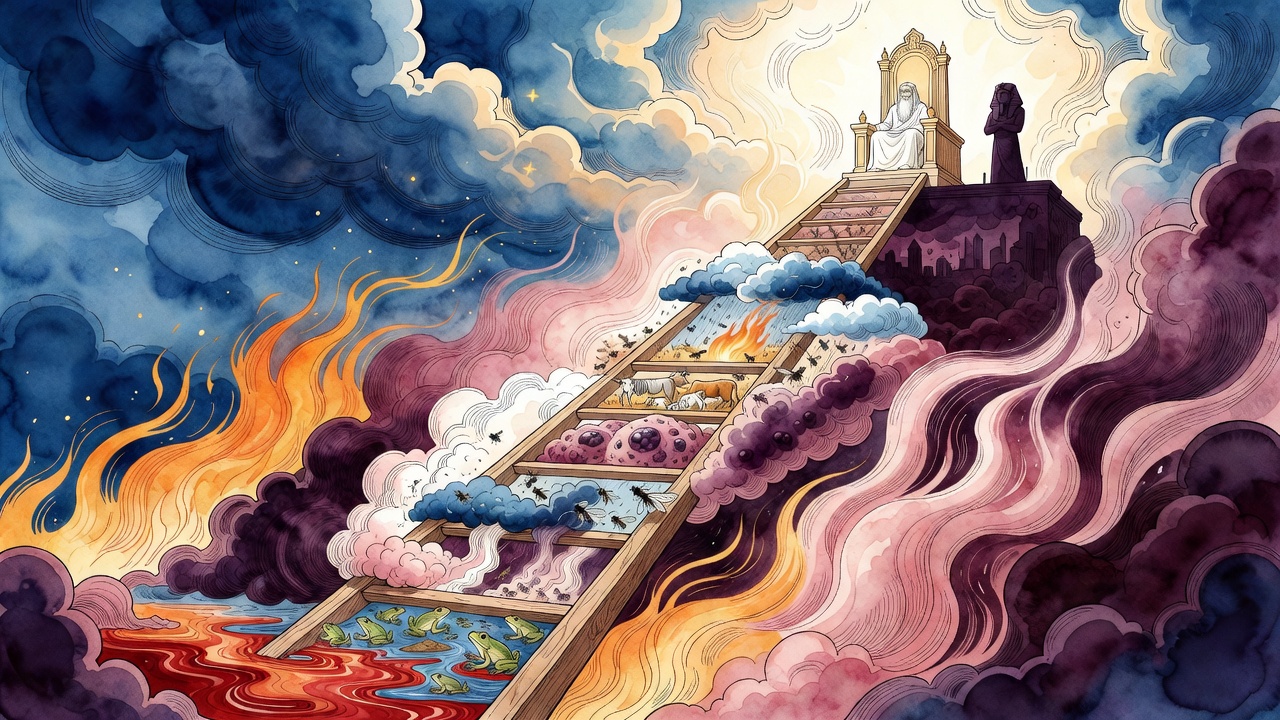
The drawing kept collapsing. Nothing held until God made repentance and set it down beside the Throne, before there was any light to see it by.
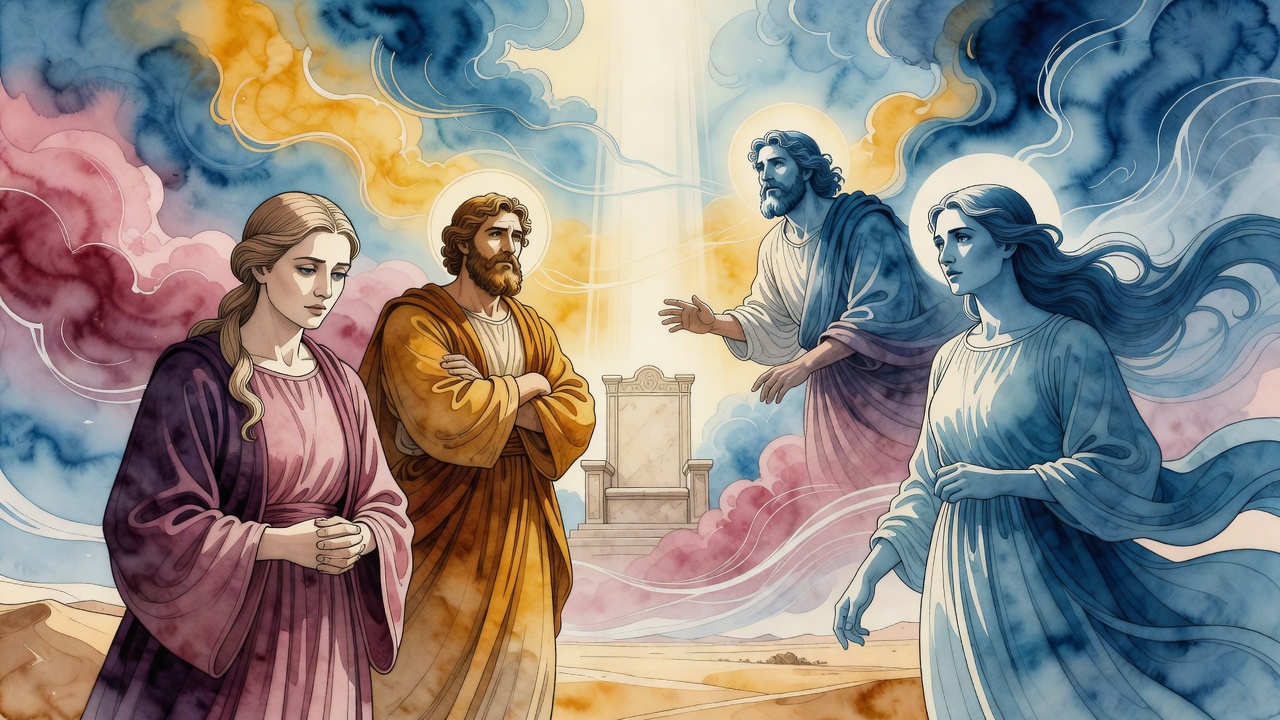
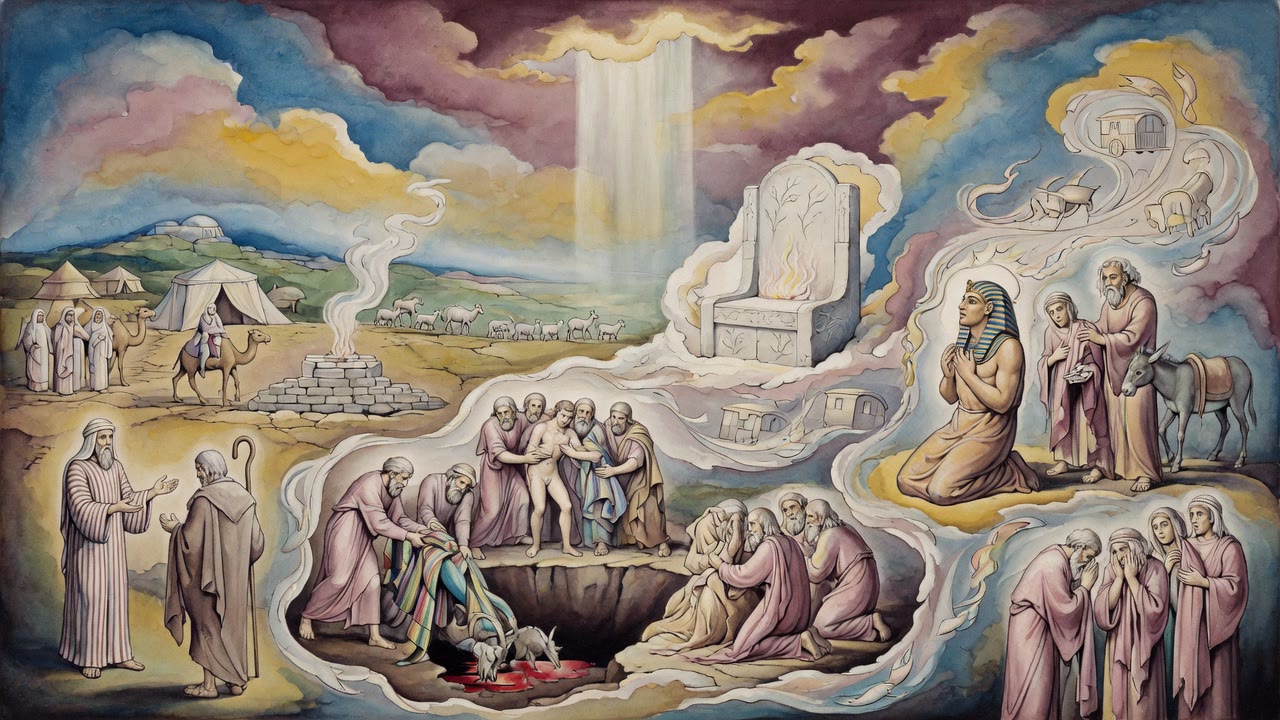
The conflict between Joseph and his brothers had nothing to do with a coat. It was about two mothers, two marriages, and which one Jacob loved.
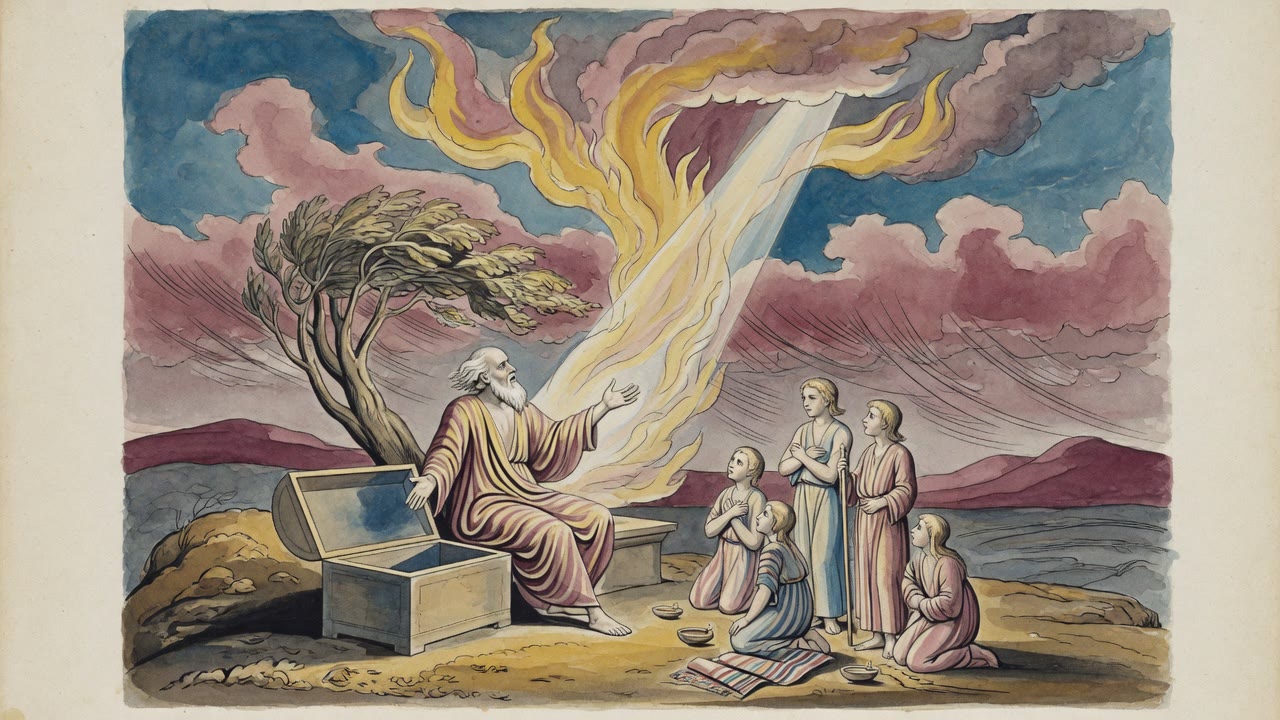
He fed his sons, then told them he was dying. They did not believe him because he still looked strong. Then he told them about the sun and the broken ship.
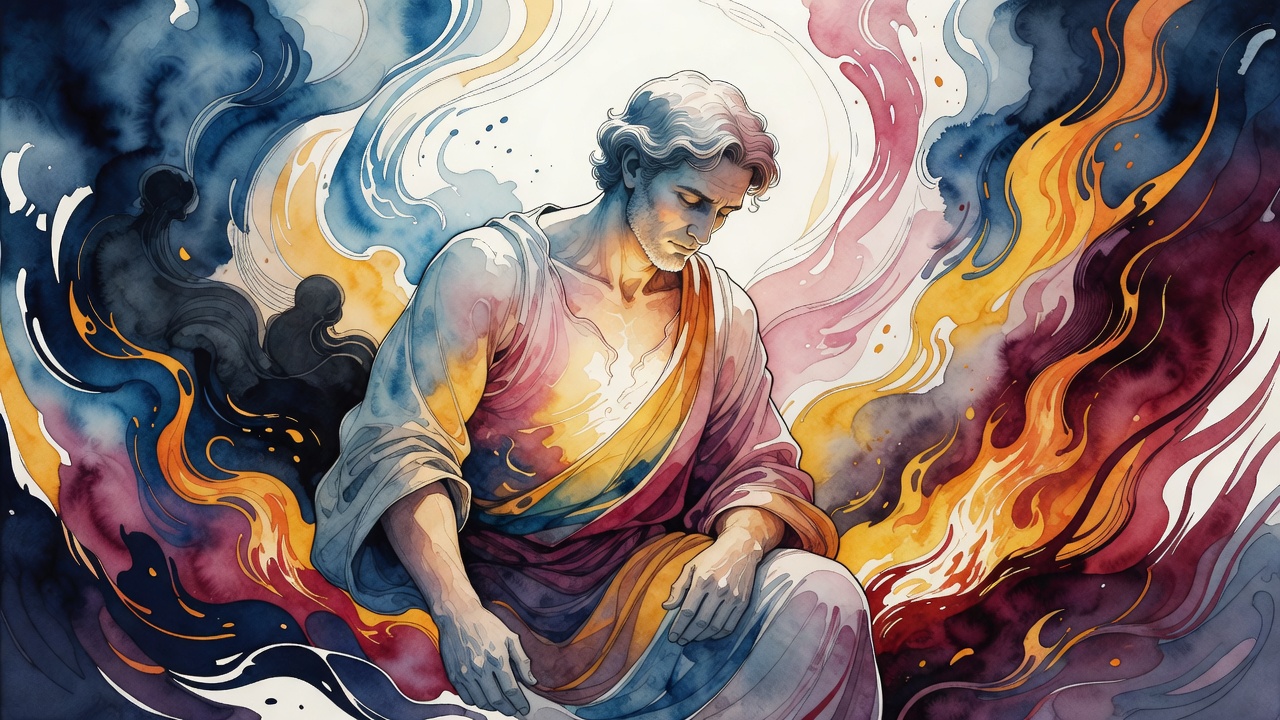
Reuben lost it. Simeon and Levi burned through it. When the blessing reached Judah it arrived at a man already broken open by what he had done.
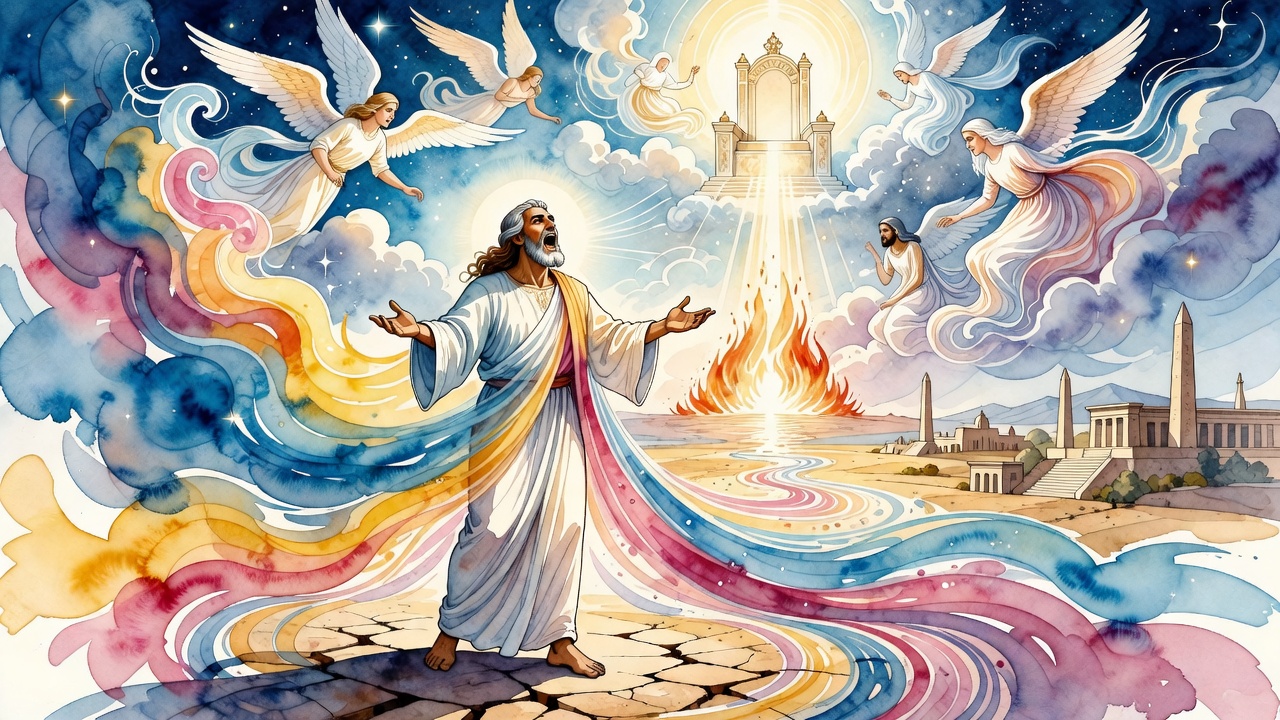
When Judah raised his voice in Egypt demanding Benjamin's release, the rabbis said his cry shook the earth and made the angels tremble in heaven.
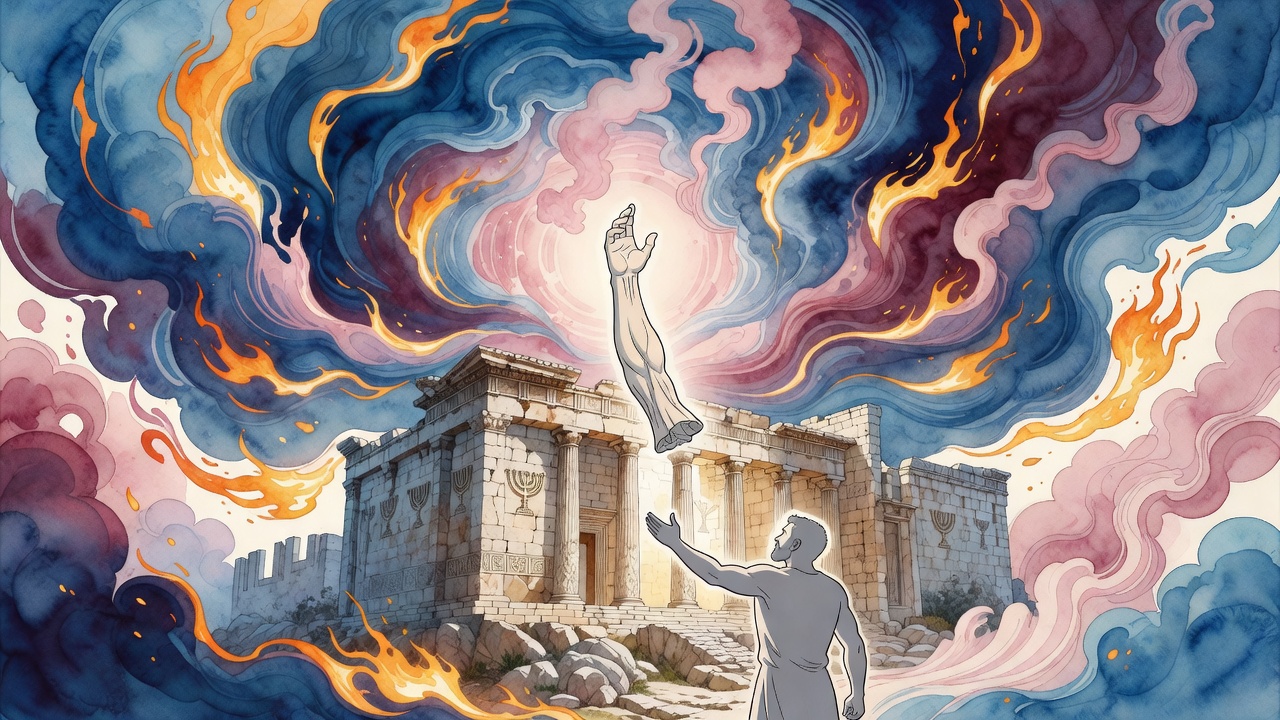
He spat toward the Temple and bared his right arm. The priests cried between the porch and the altar. Judah promised that arm a new place to hang.
Jacob had deceived his father to take the firstborn's blessing. In Laban's house he got the wrong daughter on his wedding night and ten changes of wages.
Isaac asked God for suffering and went blind on purpose. His grandsons inherited the blindness and walked in and out of Egypt without seeing Joseph.
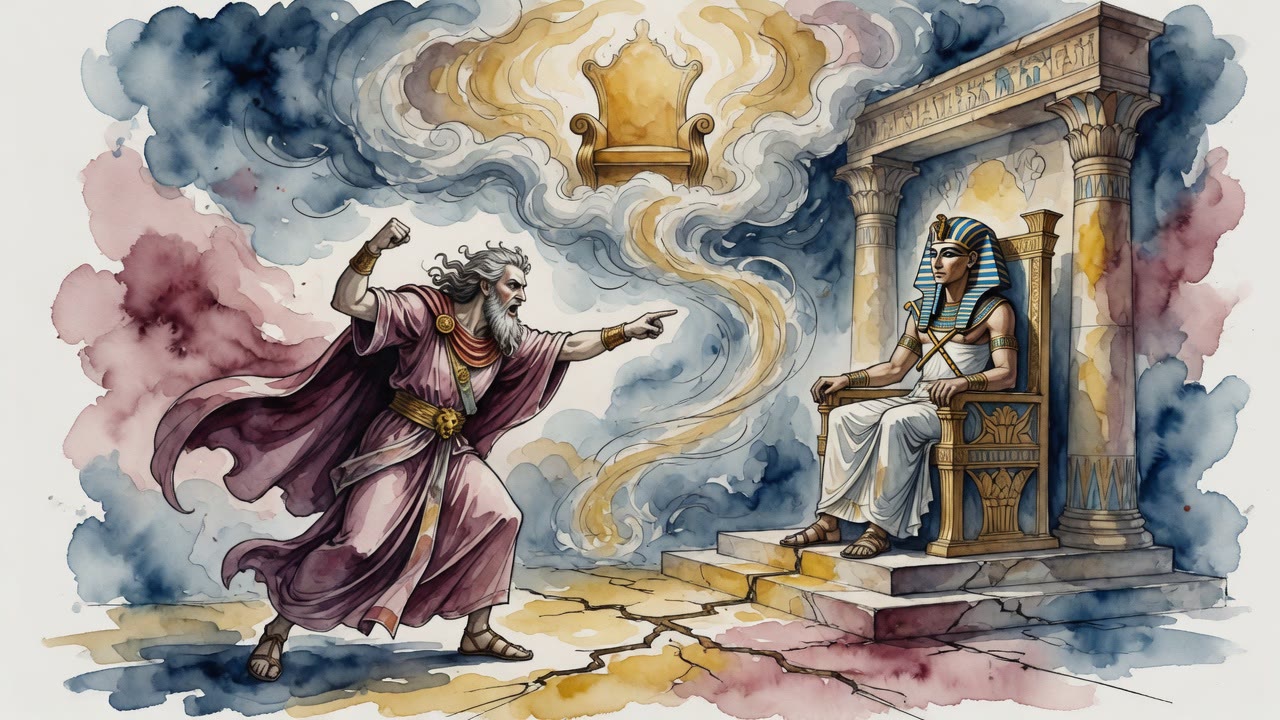
Judah stood in an Egyptian throne room and reminded the man on the chair what happened to the last Pharaoh who kept a woman of this family.
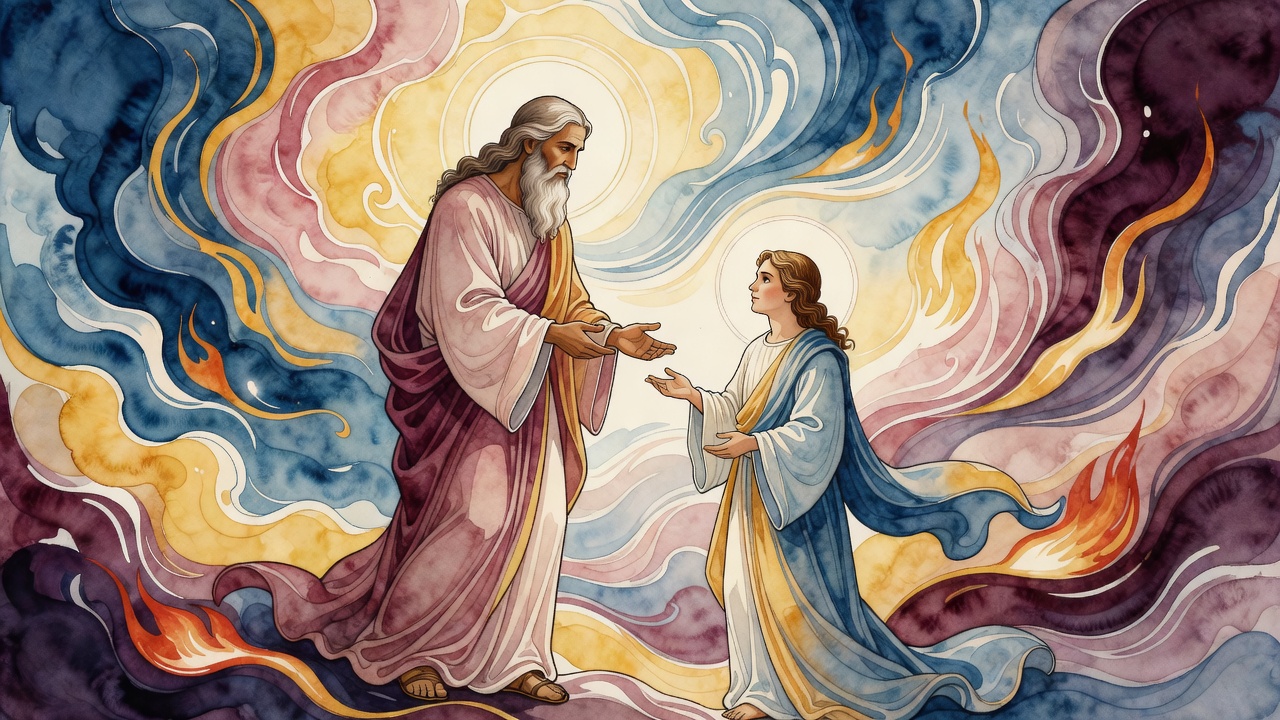
Abraham gave everything to Isaac after mourning ended. Bereshit Rabbah reads both Abraham's and Judah's transitions as dynasty built from loss.
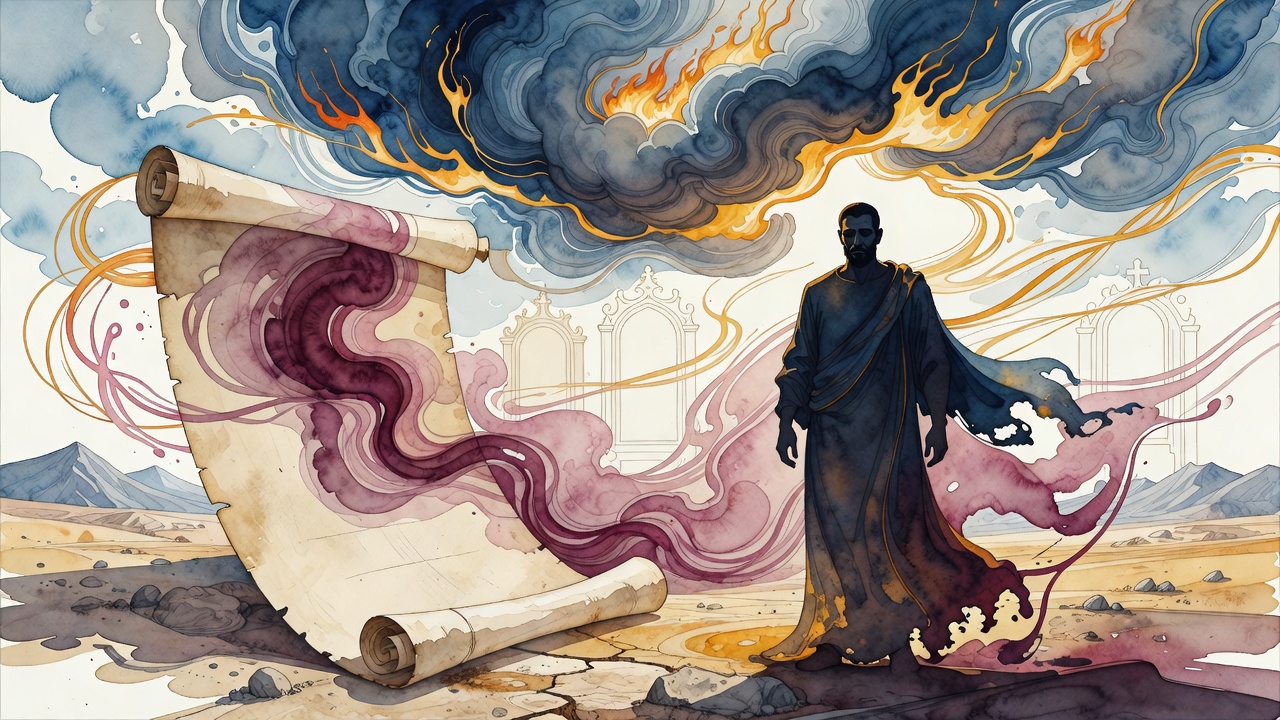
Ishmael's obituary hides Jacob's age at his greatest moment. Judah's return to his father's blessing hides what repentance actually costs a proud man.
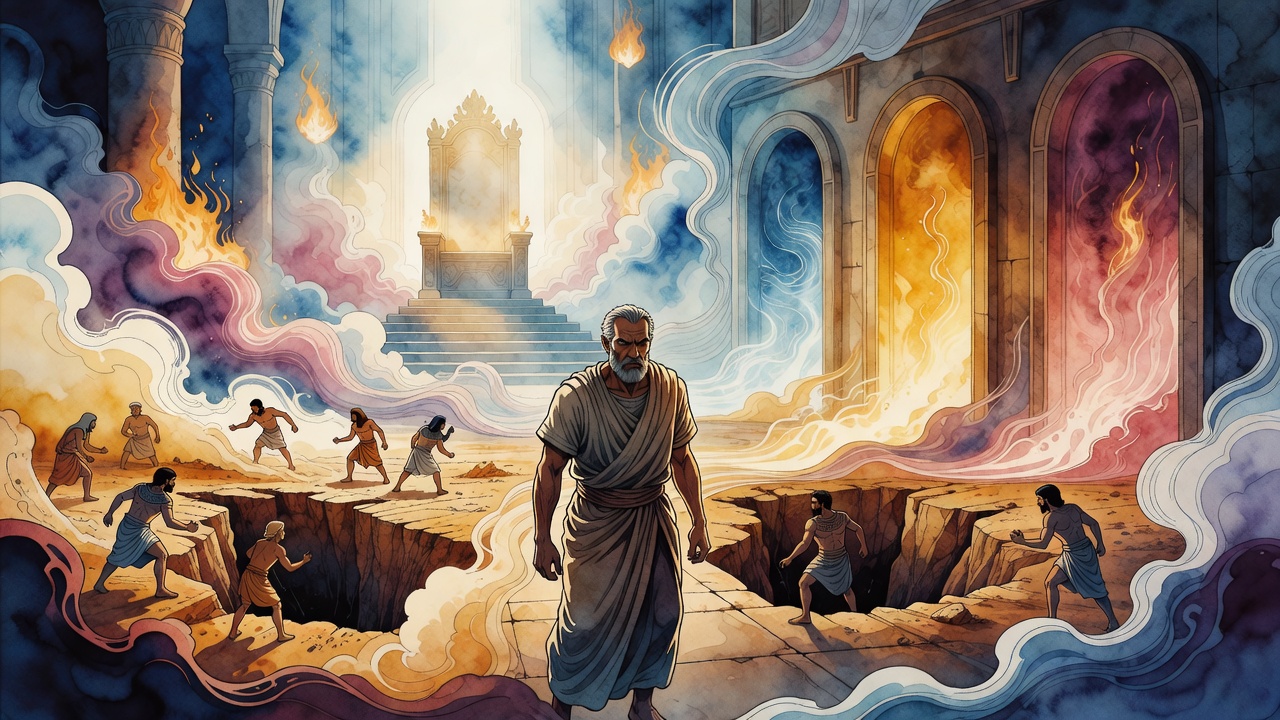
A viceroy in Egypt reached for Benjamin. Judah had sold a brother at a pit in Dothan. This time he stepped between them and stayed.
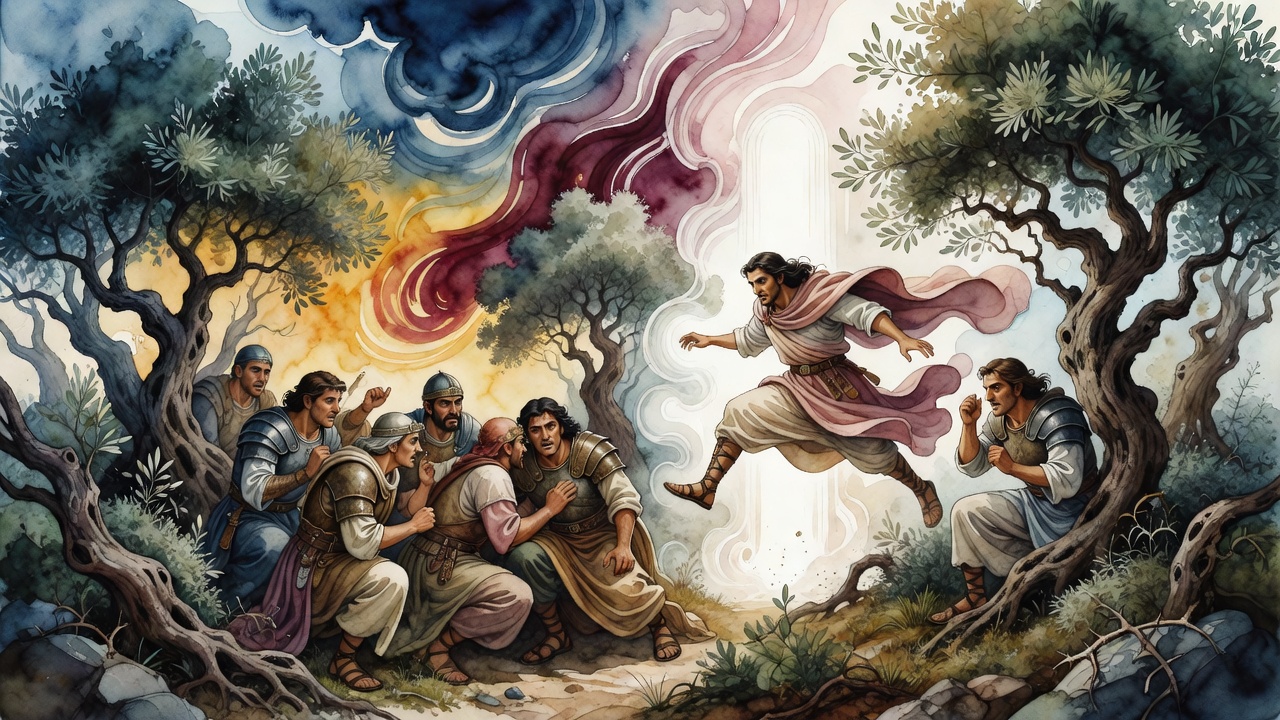
Seven Amorite kings crouch in the woods of Canaan plotting slaughter, until Judah leaps the battle line and the war the Torah left silent begins.
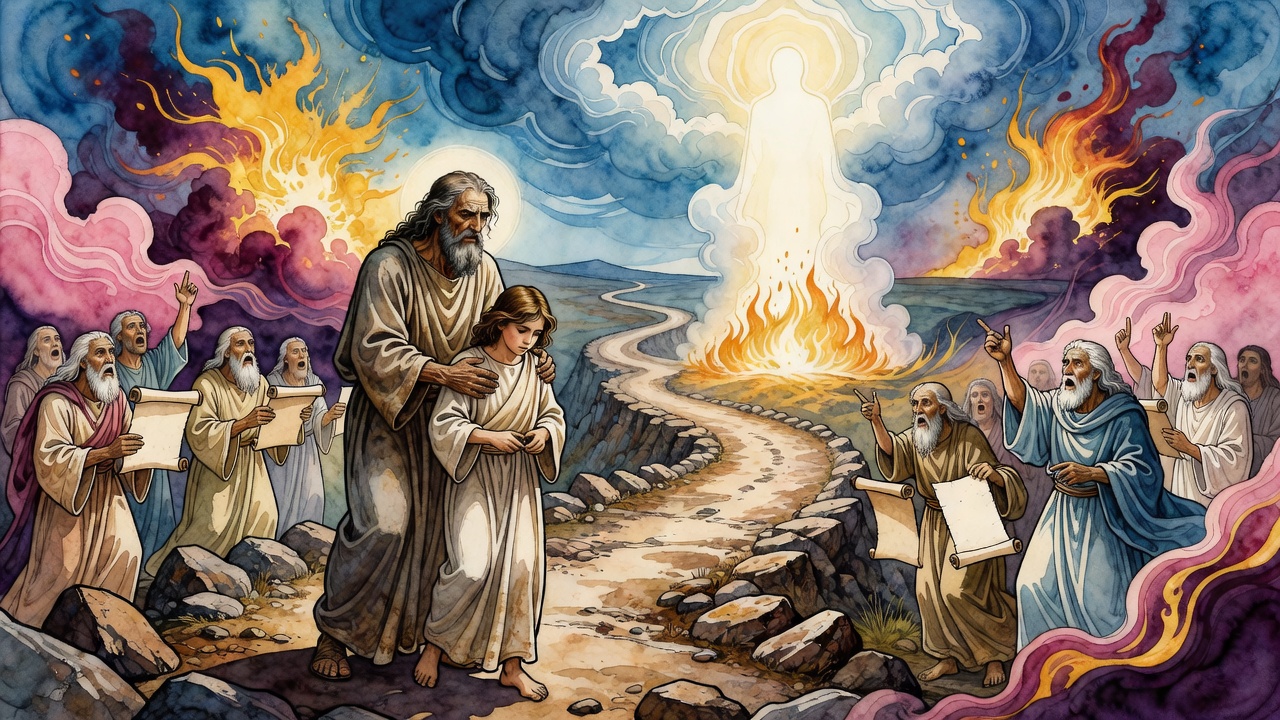
Jacob counted it out loud. Joseph gone, Simeon gone, and now Benjamin. His sons waited in the doorway with the grain sacks already roped to the donkeys.
