117 myths · Page 4 of 4
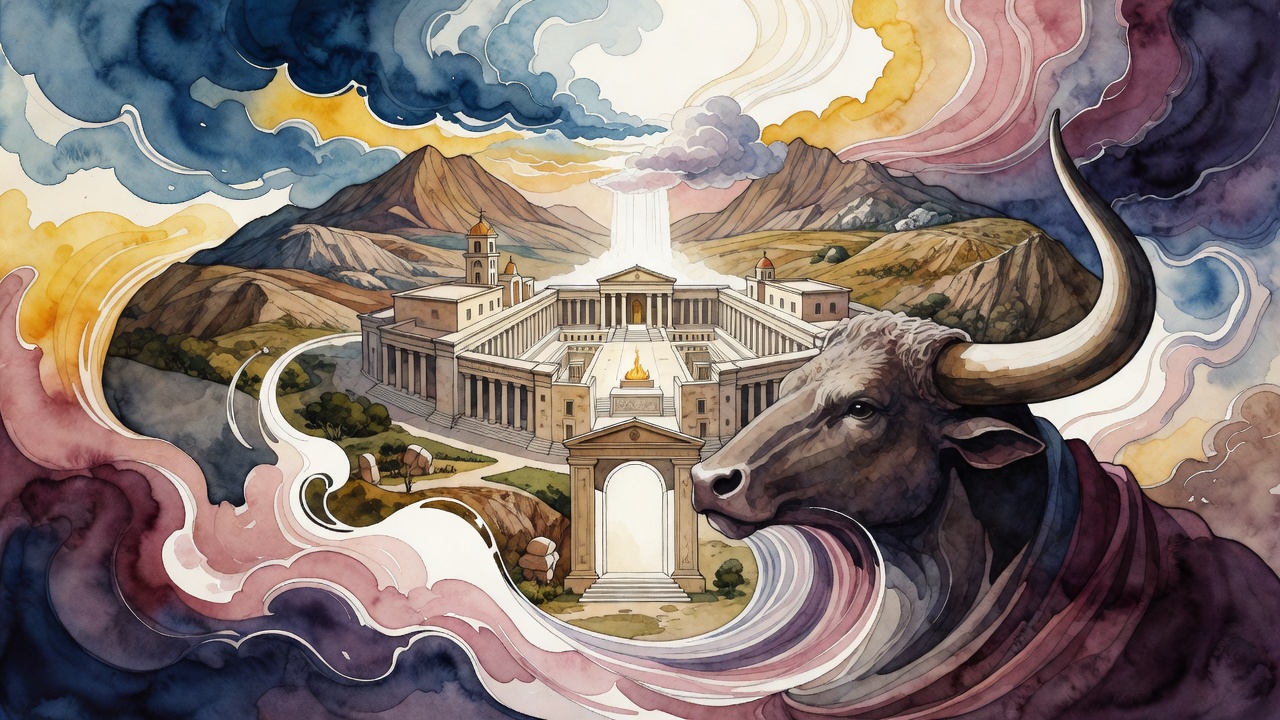
The sanctuary nested in Benjamin's land like a head between shoulders, while Judah's portion pressed the courts like an ox's horn.
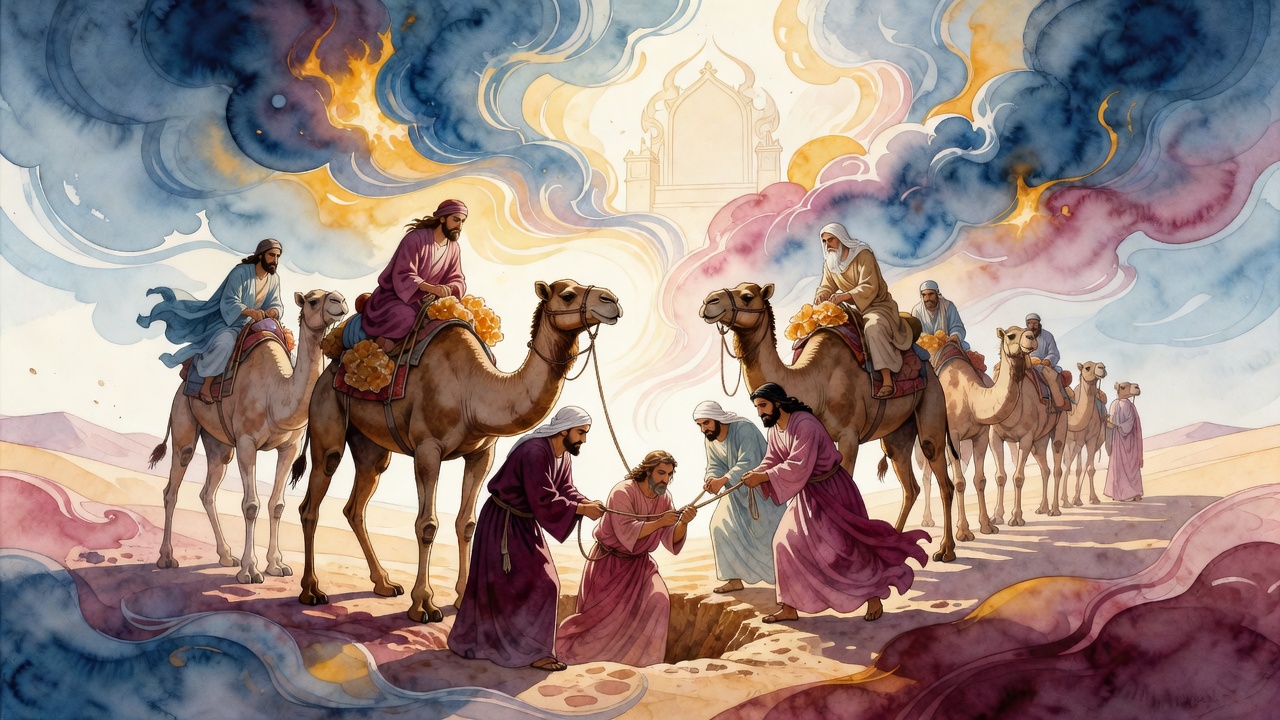
The camels on that road usually carried tar. Joseph rode south in balsam. Years later Jacob saw him and learned he would die only once.
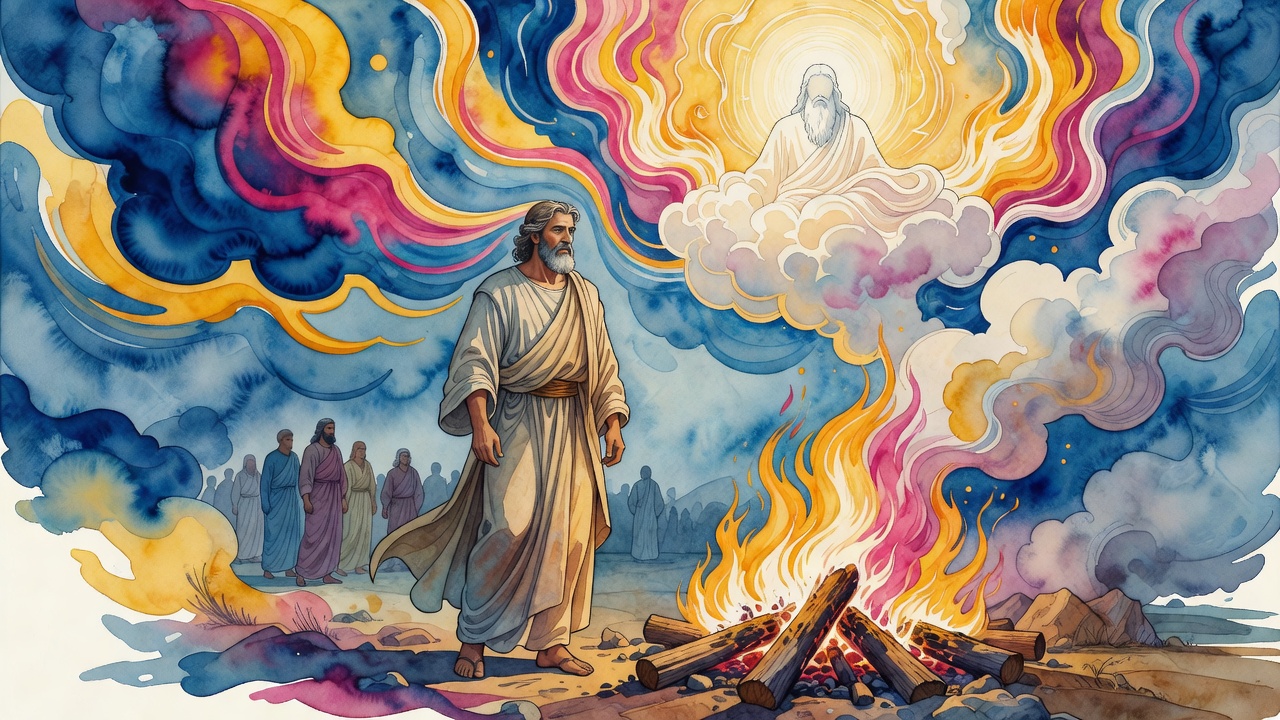
Judah left his brothers after Joseph's sale. At Tamar's pyre he said she was more righteous. That confession bought the tribe its crown and lion name.
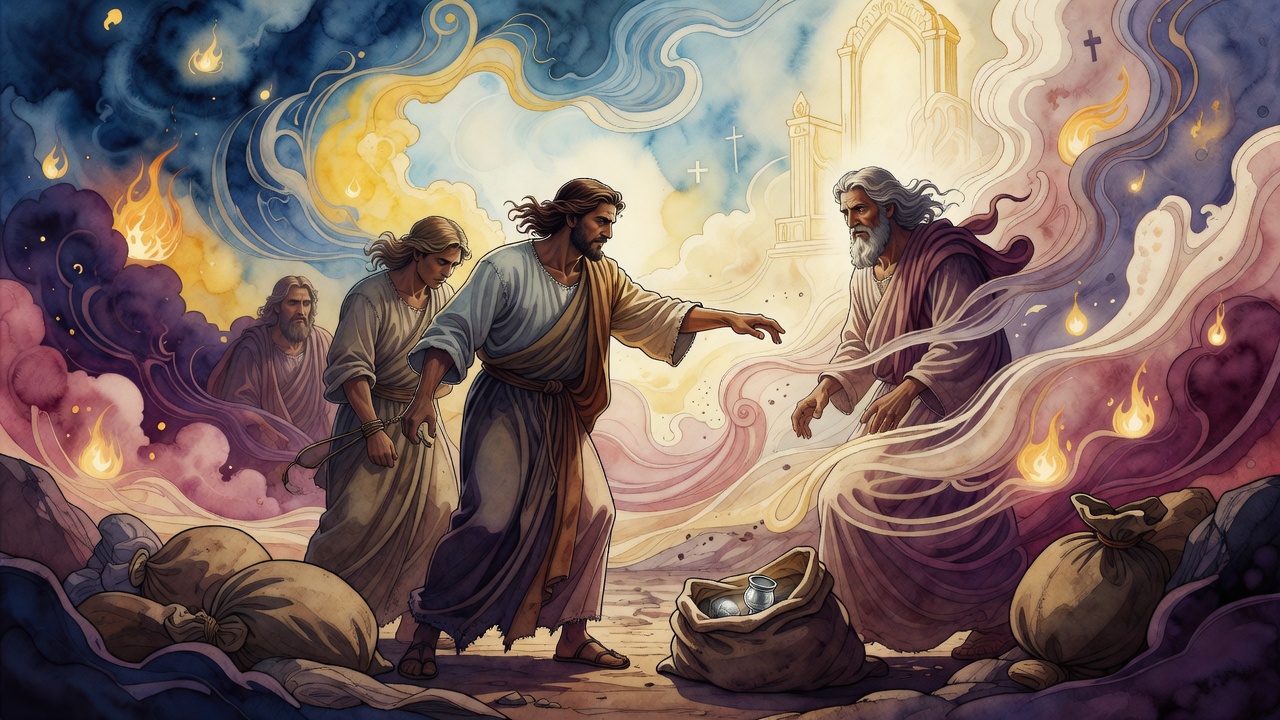
Joseph planted his silver cup in Benjamin's sack, offered the rest peace, and watched Judah refuse a road home that left Rachel's last son in chains.
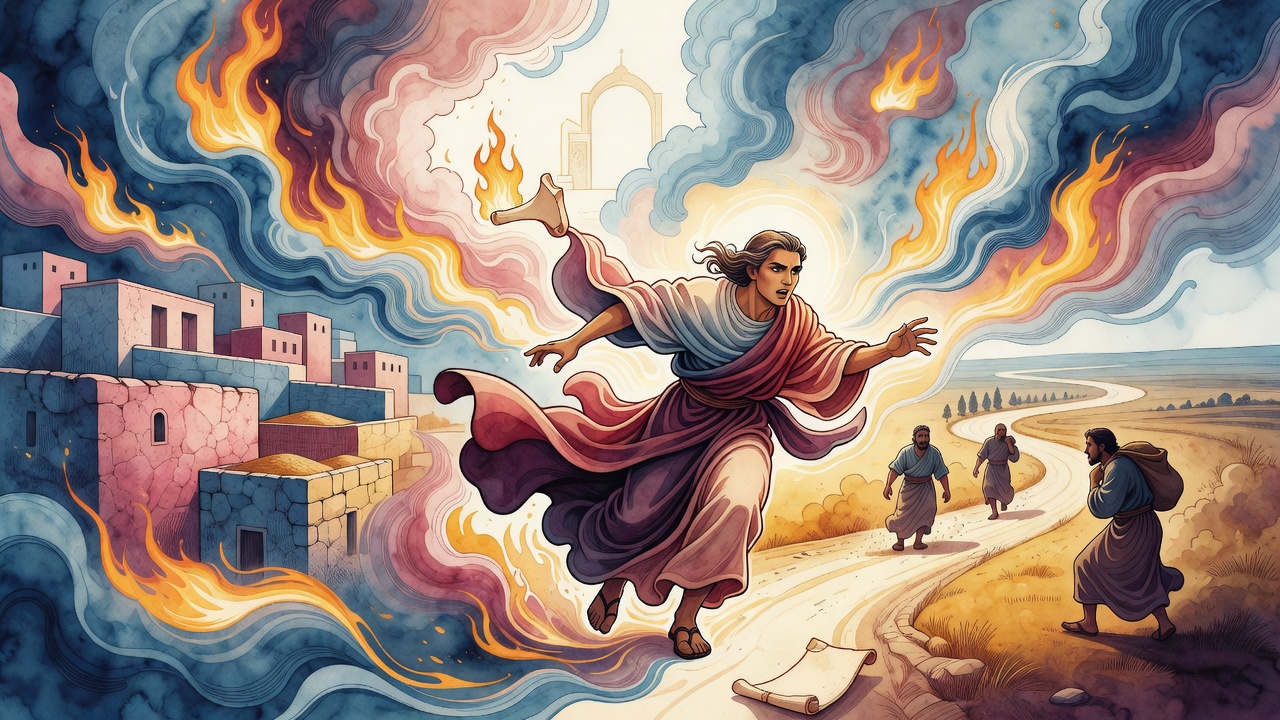
Simeon walked out of the back room alive and his brothers breathed again. They were barely clear of the city when the steward came up the road behind them.
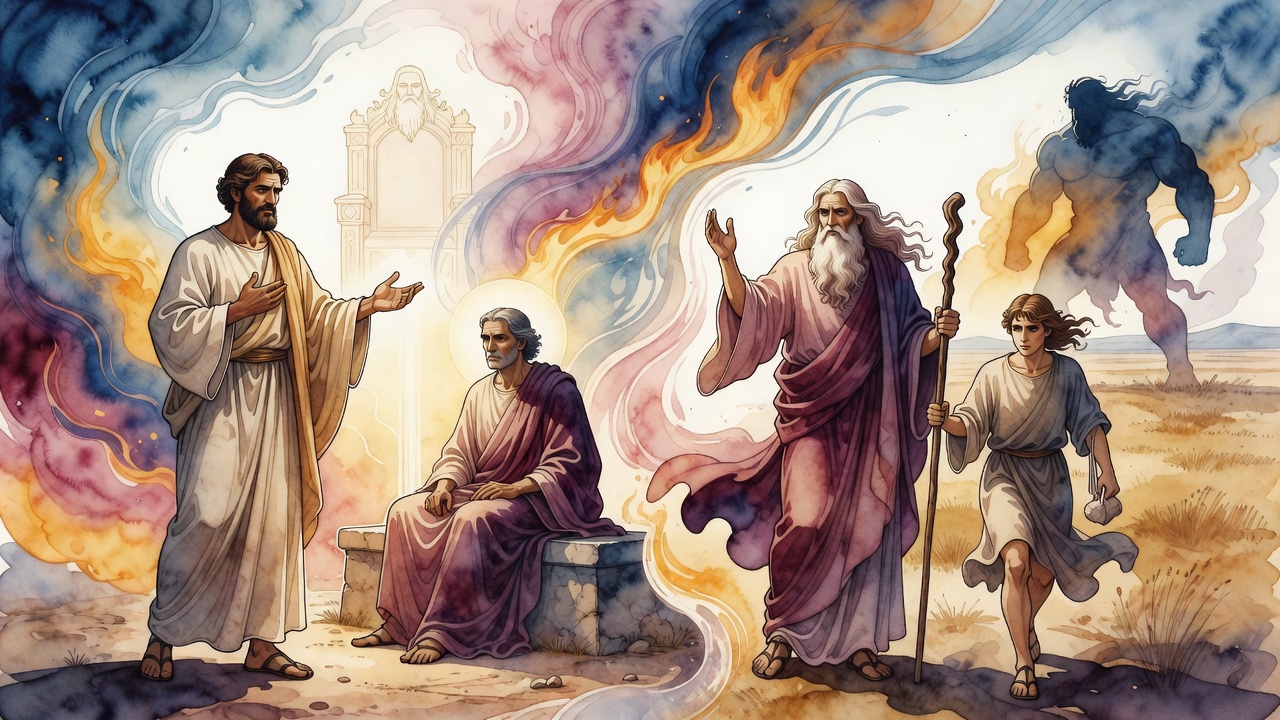
Judah offered his body for Benjamin in a foreign court. Years later Jesse looked at his youngest and said the old pledge was due.
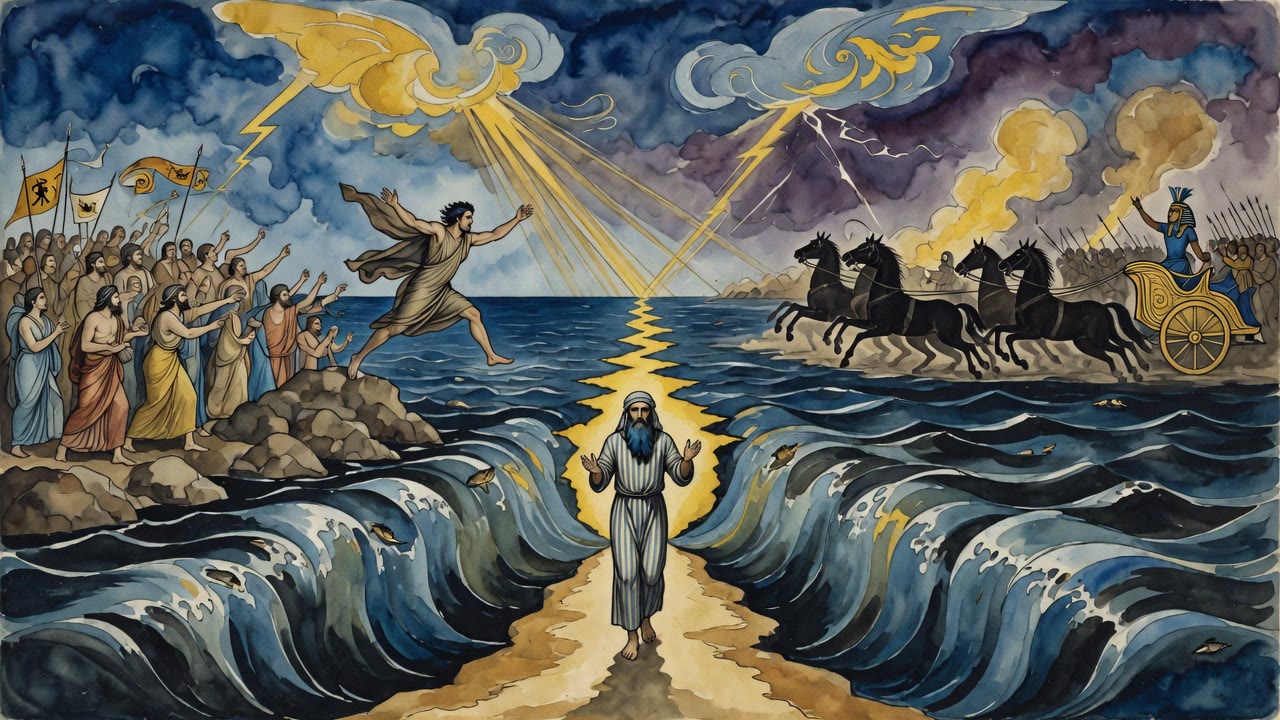
The sea still looked like a wall. Judah's princes had stones in their fists. One man from Judah walked until salt sat on his mouth.
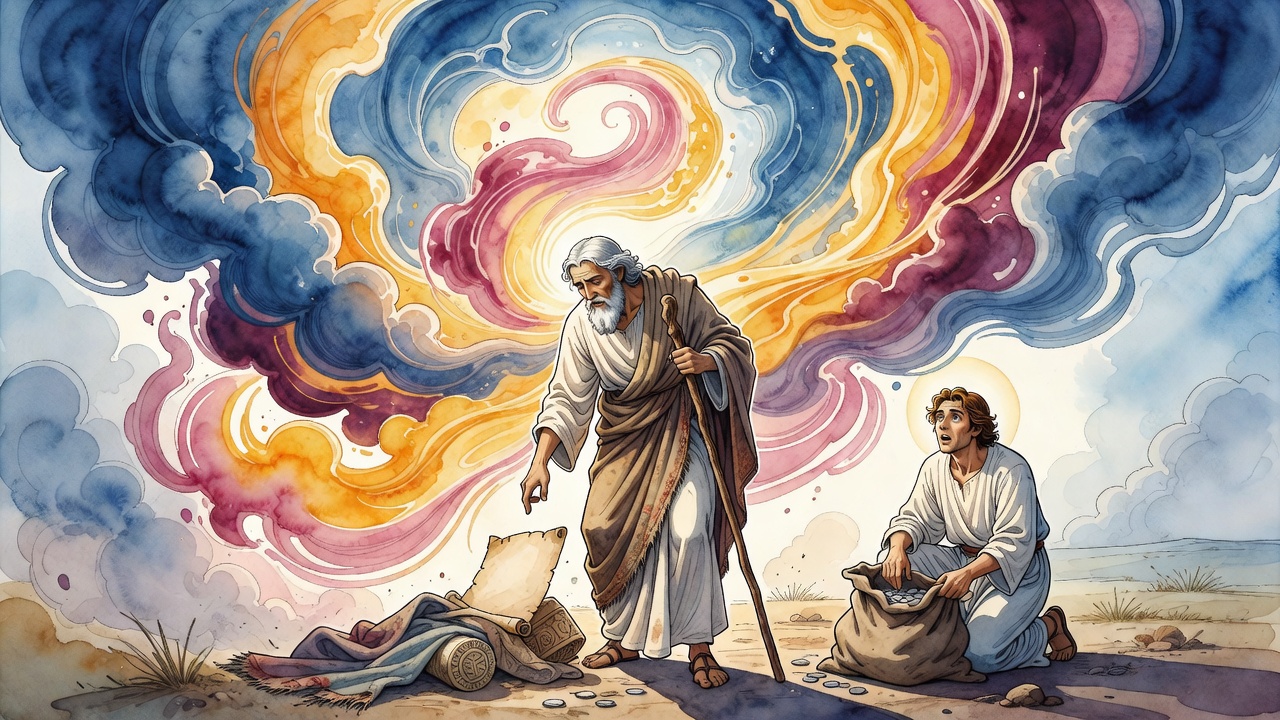
Tamar stood ready for the fire with Judah's staff on the table. He had a speech that could save his name. He did not give it.
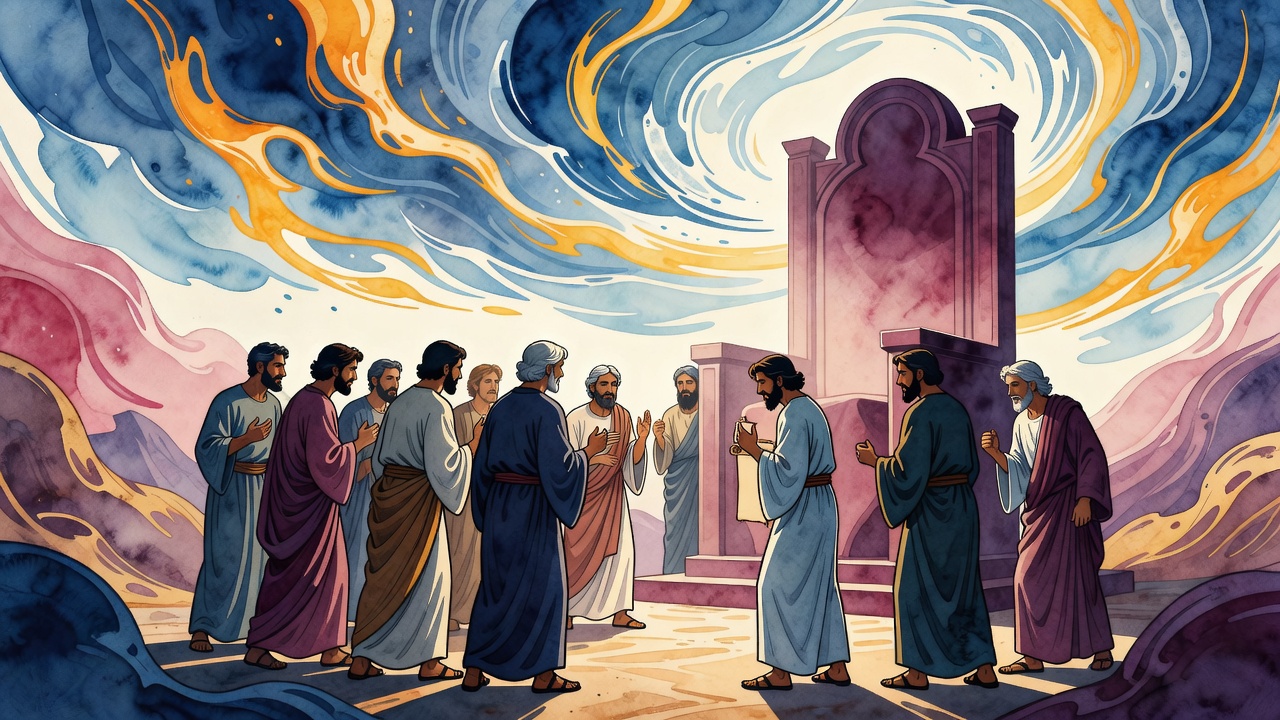
Ten men stand before Egypt's ruler and say one brother simply went from them, while Joseph hears his own sale cleaned into passive grammar.
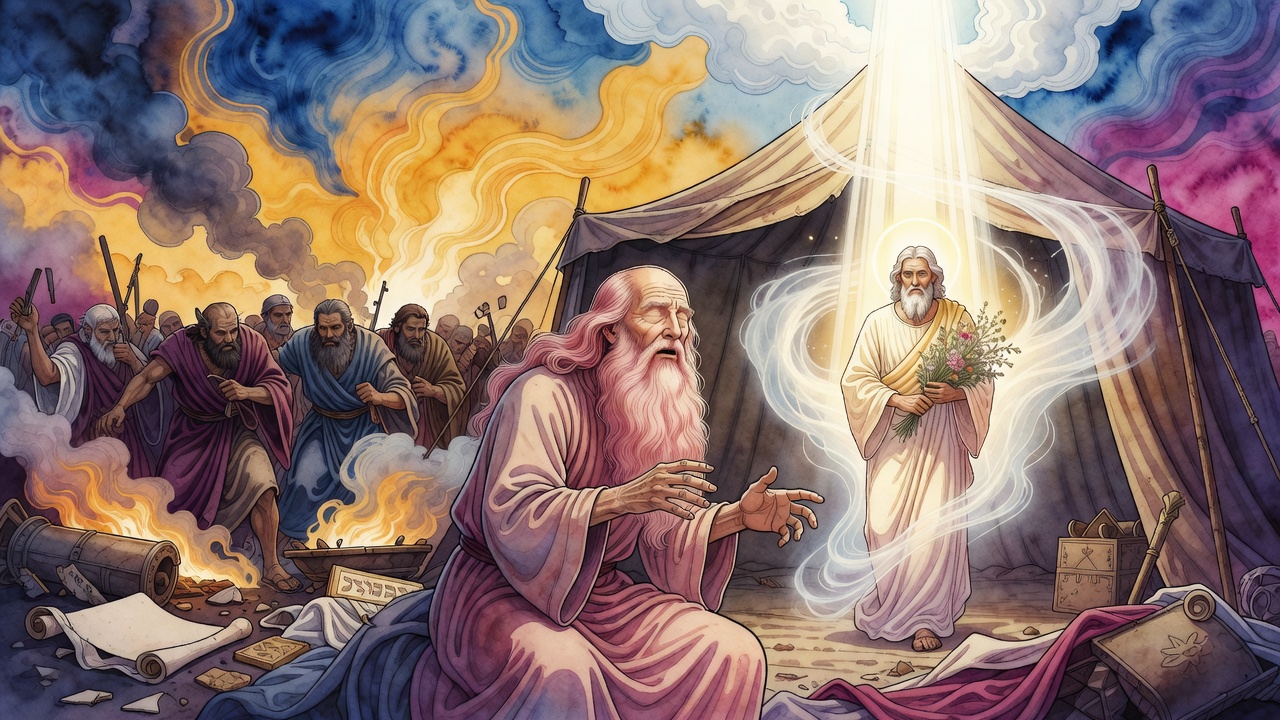
Blind Isaac held his hands above the wool and would not set them down. He had just watched a man walk out of the Temple with the lampstand.
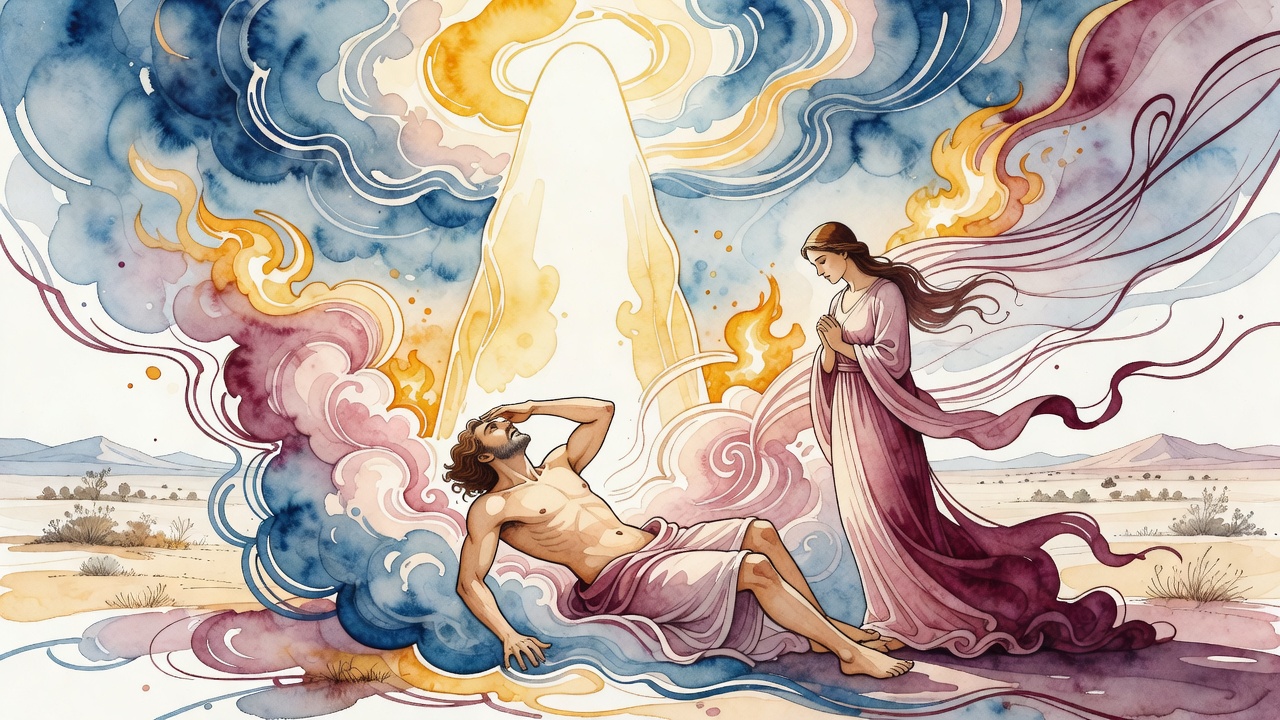
Judah's firstborn wanted Tamar's face left unchanged by a child. He kept his seed from her. By morning the Lord had closed his life.
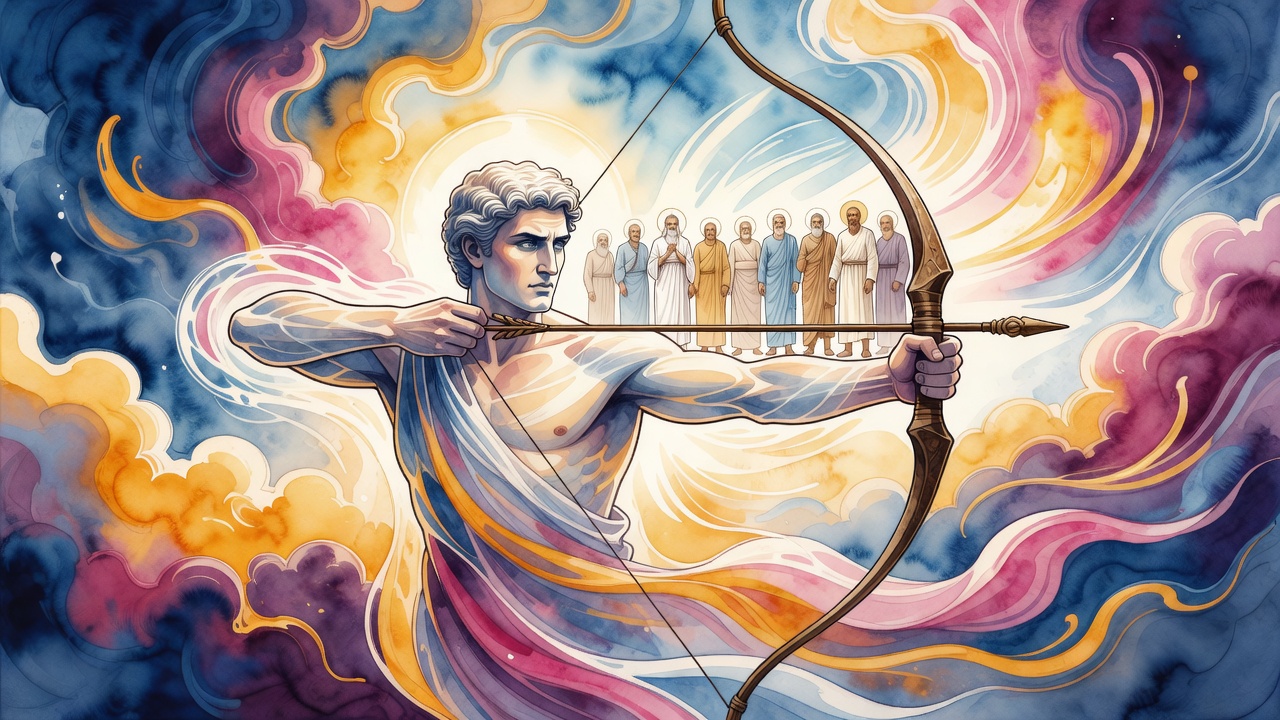
He loosed the arrow and the camp heard a king who could shoot. David heard a ledger of names standing behind the shot.
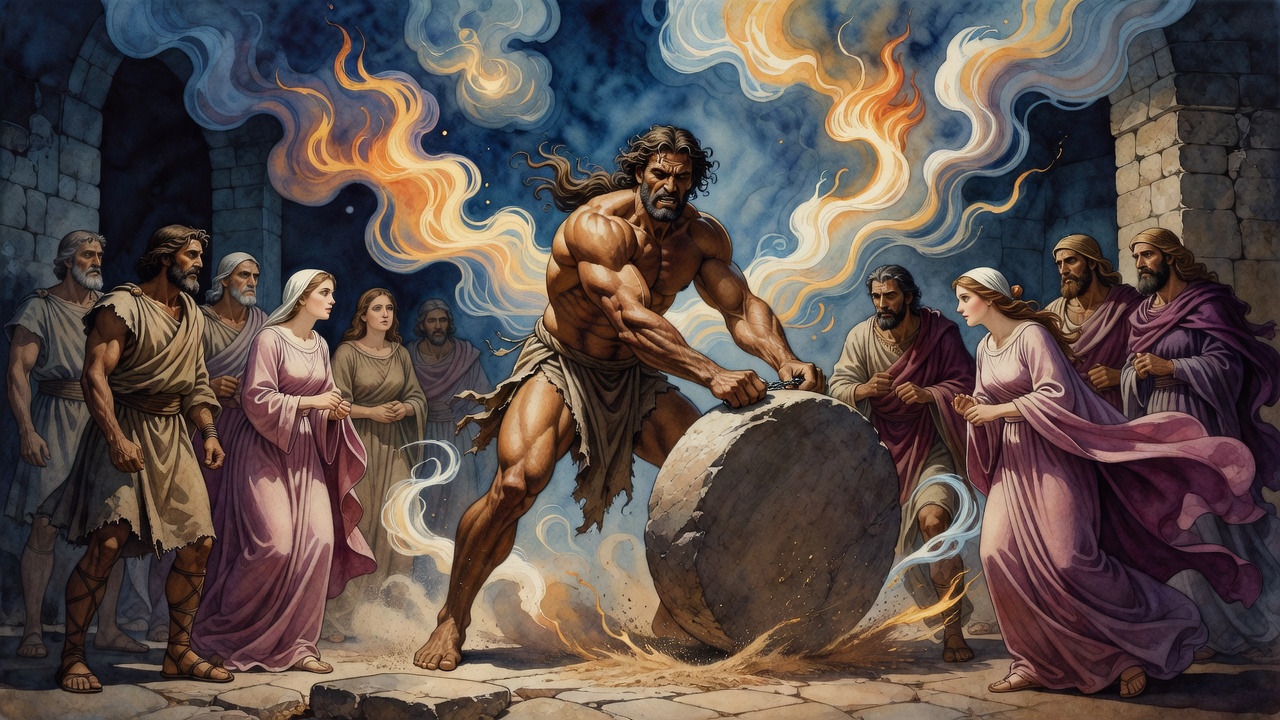
Blind Samson turned the millstone in prison. His captors brought their wives to him, hoping to breed his strength into Philistine sons.
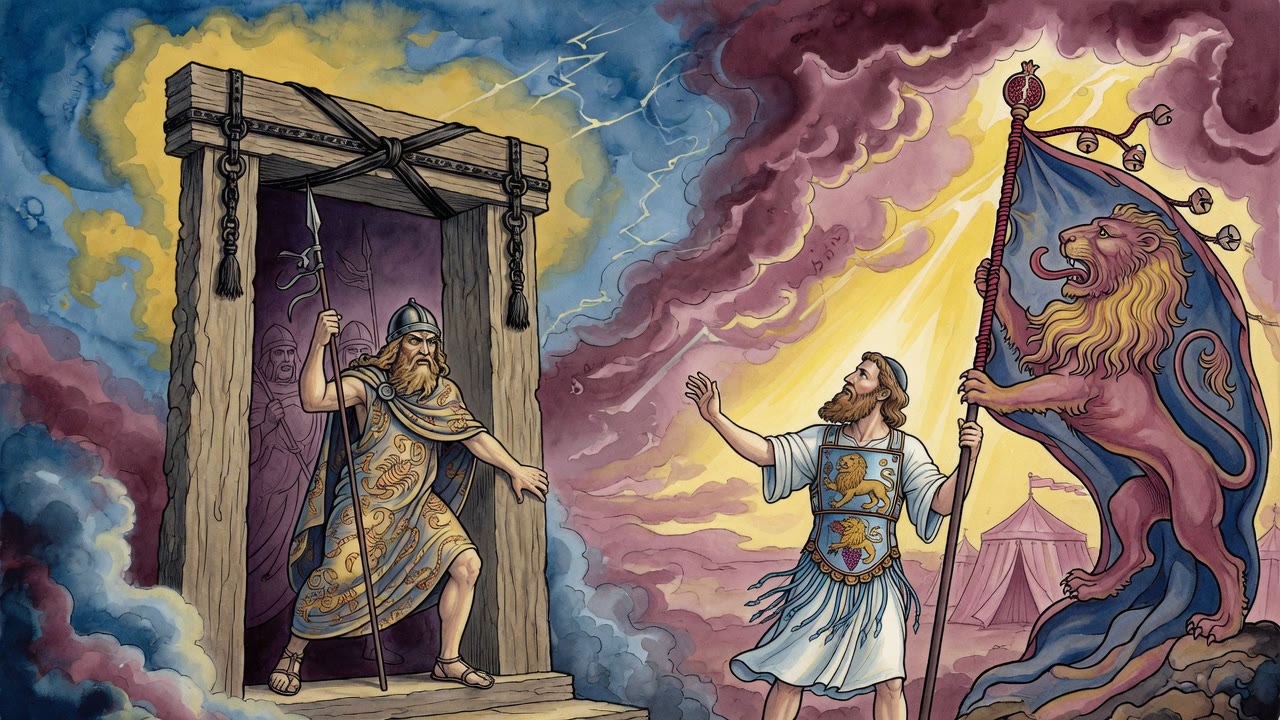
Amalek sat at the door of the Land. The spies said his name first. Across the camp, Judah slept facing the east under Nahshon's banner.
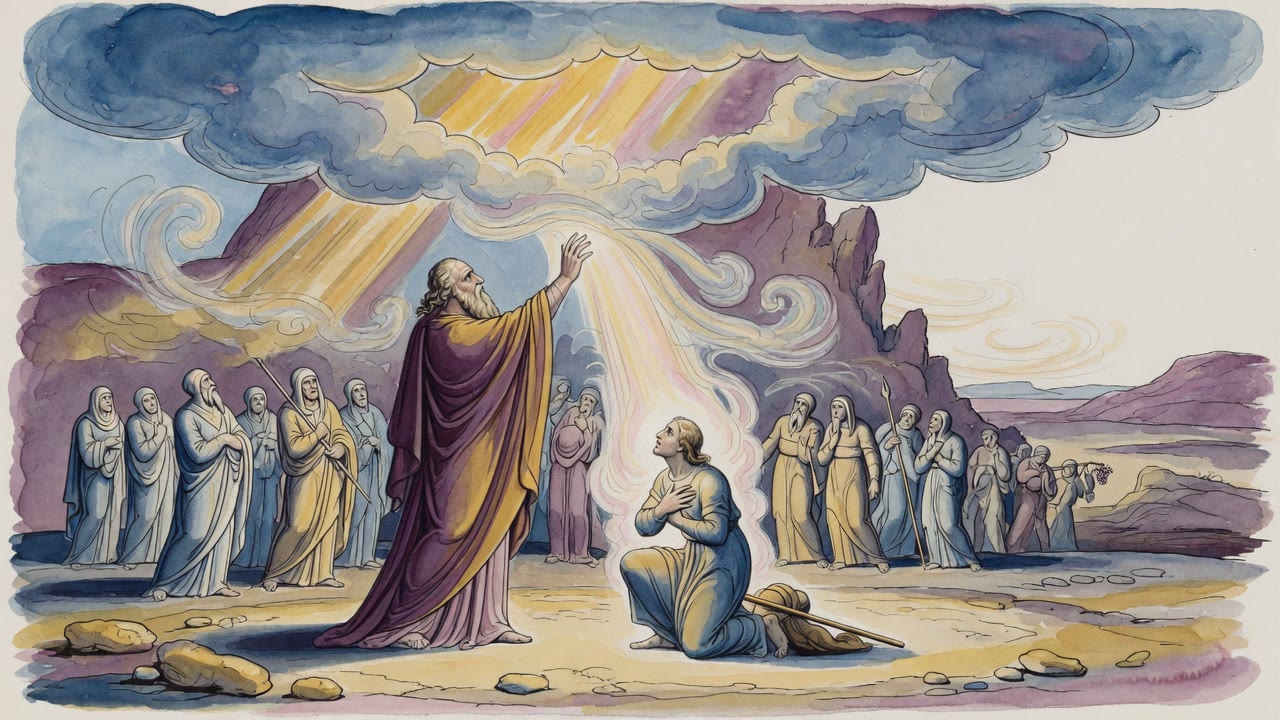
Reuben had his father's bed in the record. Simeon had Shechem. The files came back one at a time, until only the tribe with no land was left.
The midwife tied scarlet thread to a wrist that came out first. The wrist vanished. The boy who shoved past was named Breach.
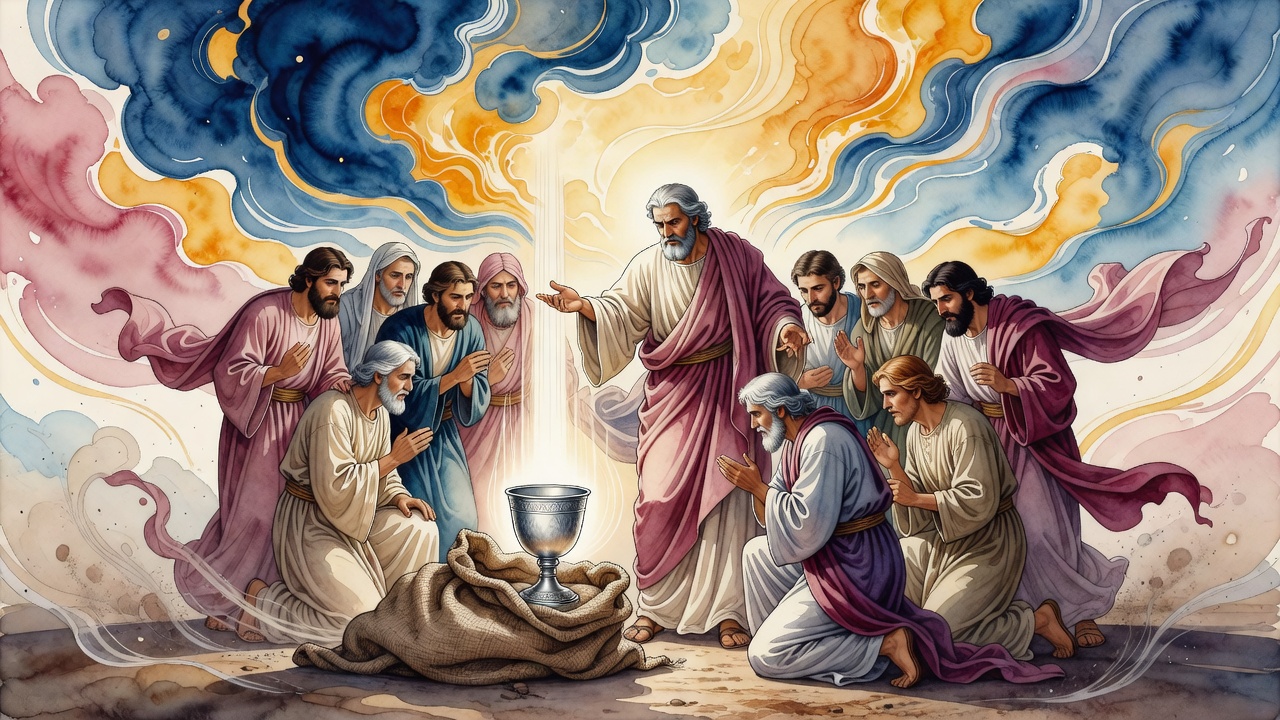
Grain spilled. The vizier's cup rang on a stone at Benjamin's feet. Judah had sold a brother once. He would not walk home in peace again.
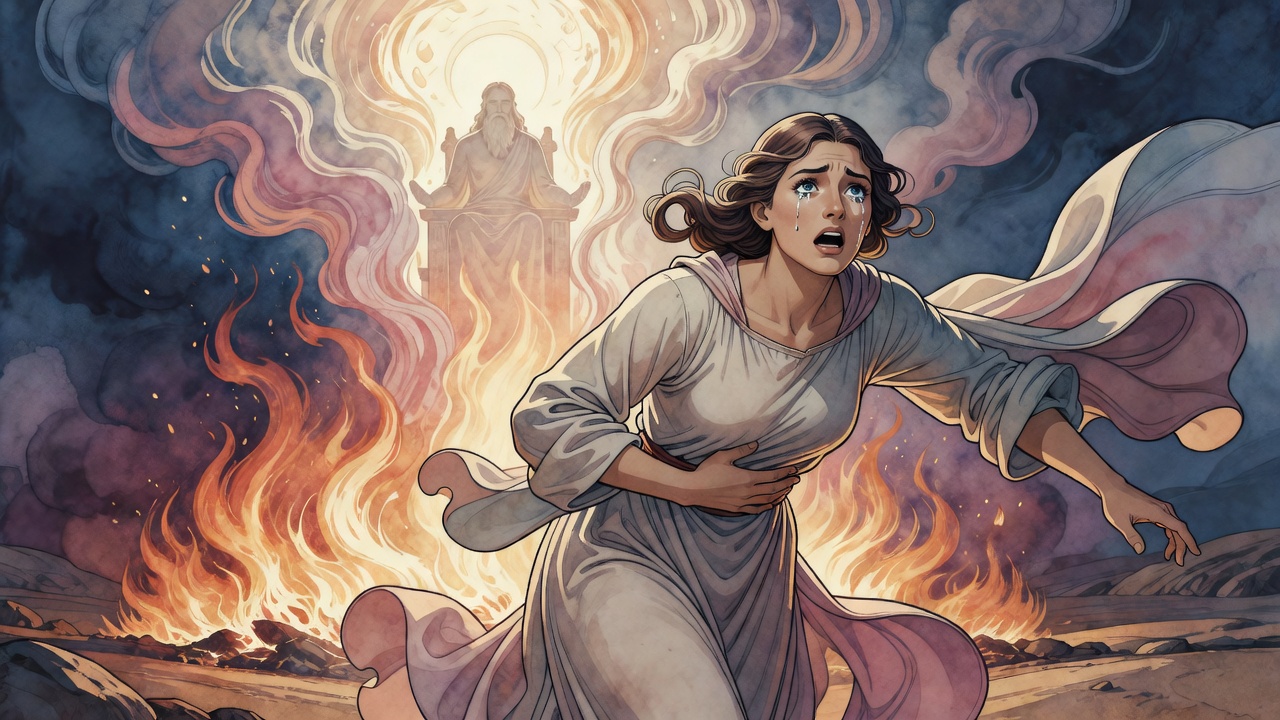
Dragged toward the fire as a priest's daughter, Tamar strikes her womb and cries that she carries kings and redeemers, not shame.
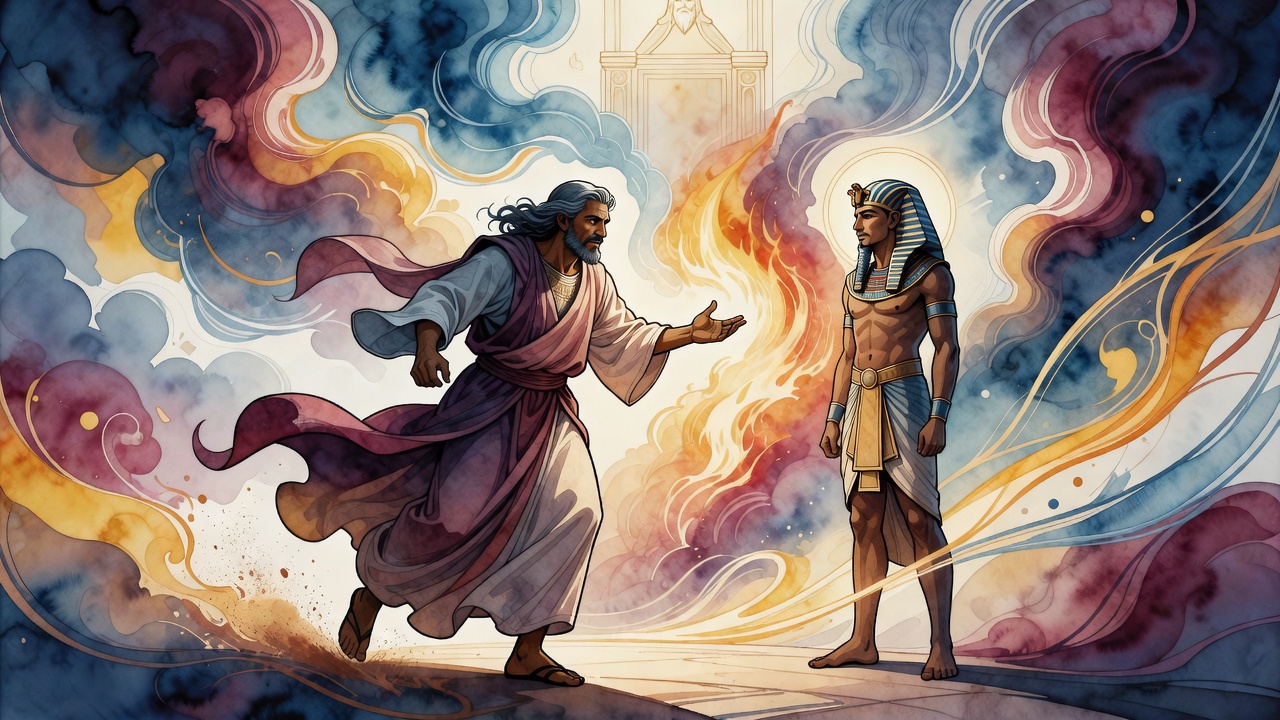
Judah stepped toward the Egyptian lord with Benjamin's life in his throat, ready to wreck markets or die before he returned to Jacob without the boy.
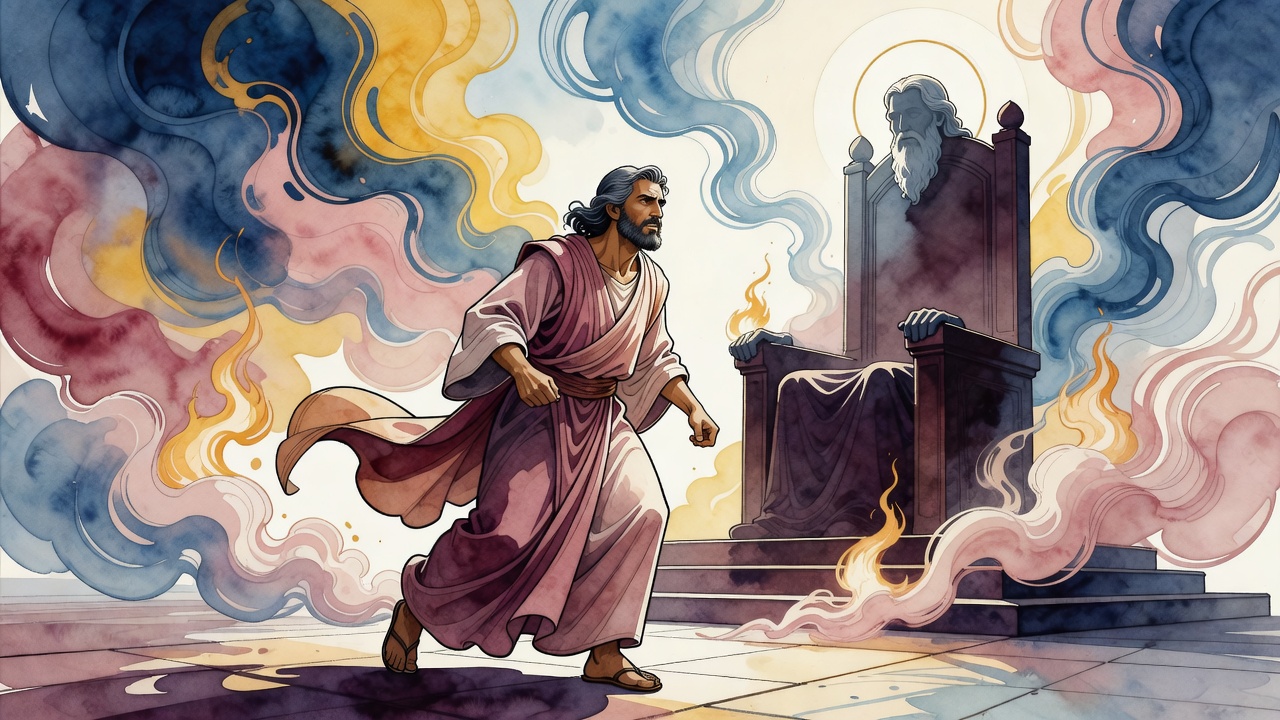
The cup was in the youngest sack. Their father was waiting in Canaan for Rachel's last son. Judah moved closer to the chair.
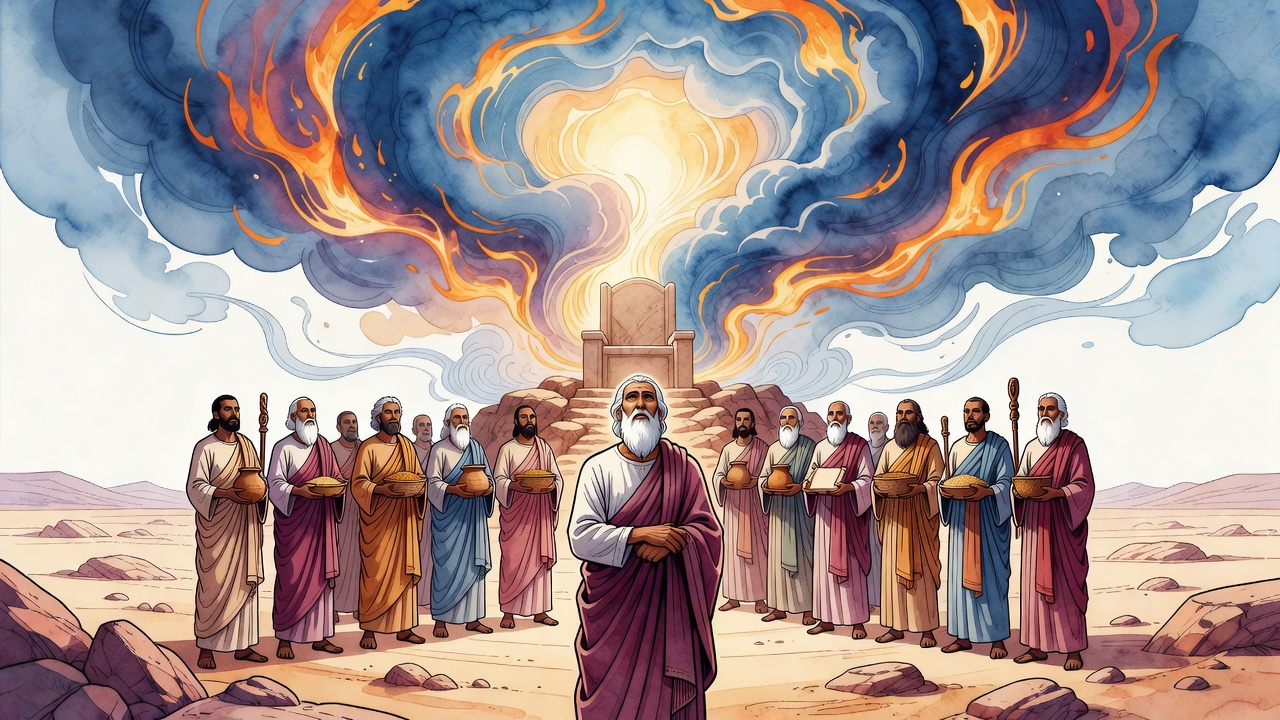
Twelve chiefs stood with silver and animals and nowhere to set them down. Moses would not take a gift until heaven spoke the order of the road.
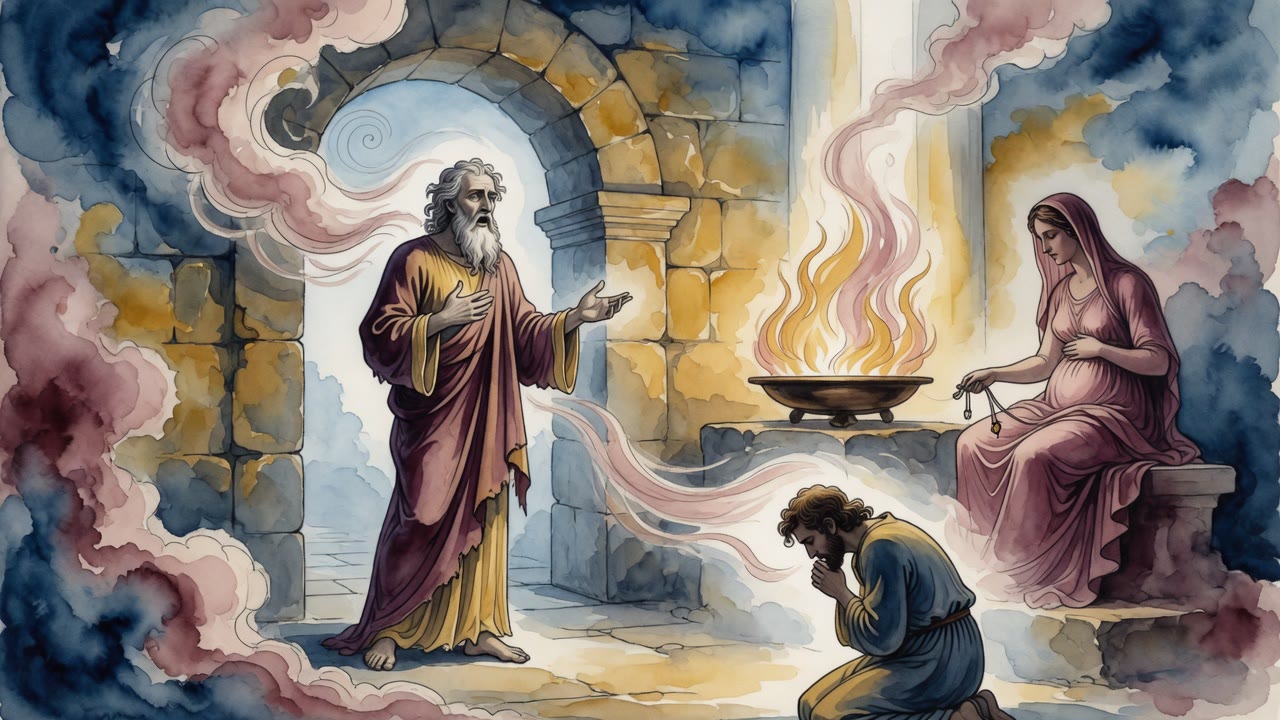
Judah named his shame in the gate while Tamar waited for fire. That public mouth taught Reuben how to confess, and the blessing said he would live.
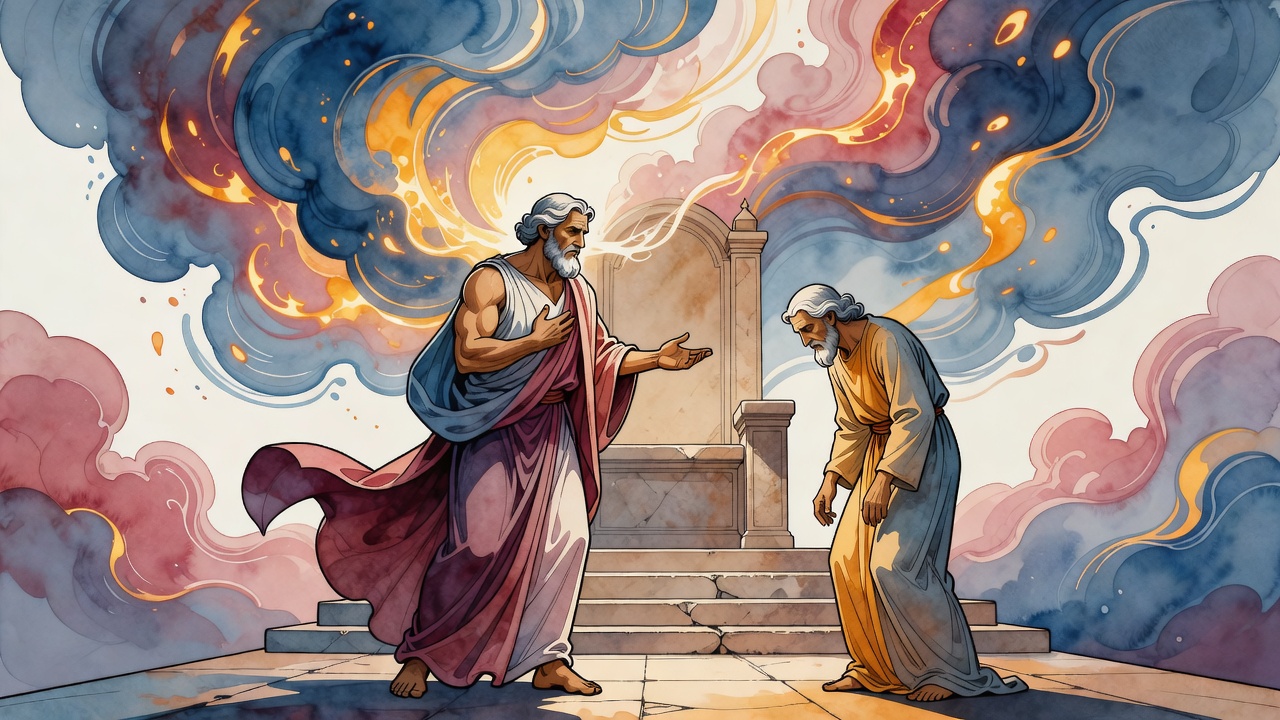
Judah told Jacob the Egyptian face was locked, then pledged guilt for all days. In the court he offered his body so Rachel's last son could walk free.
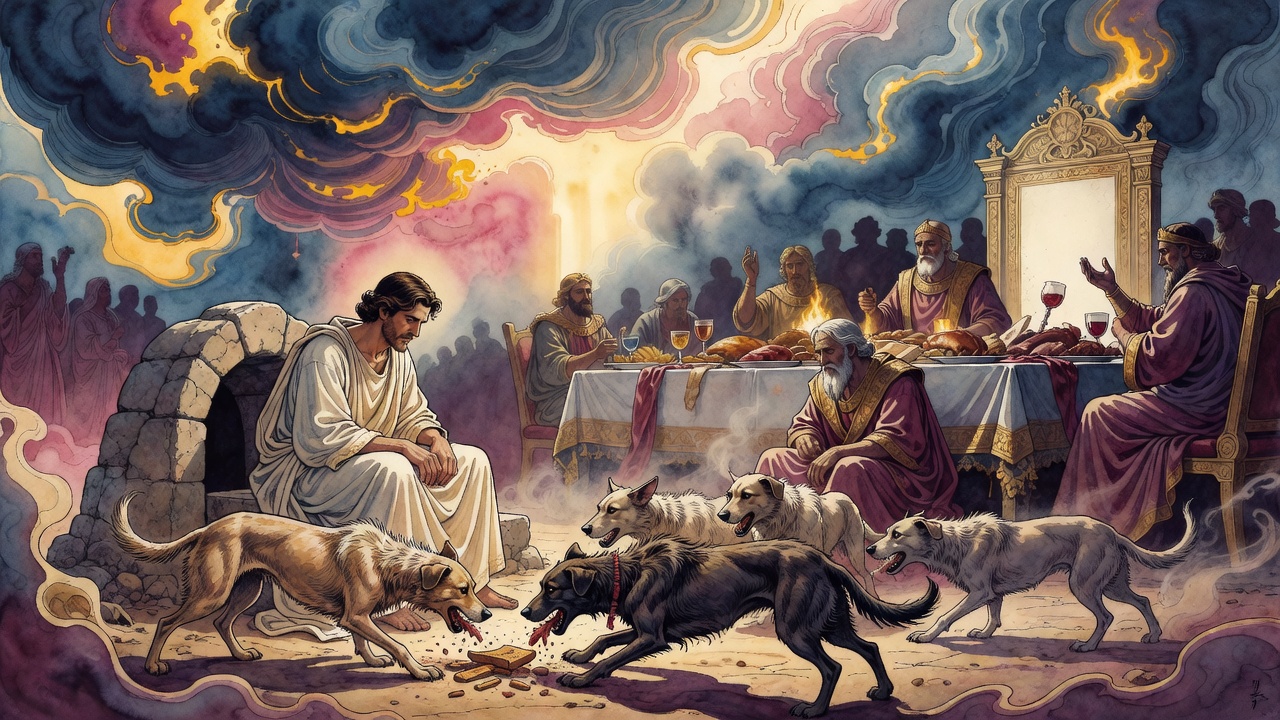
Seated by the kennel at a king's feast, Israel watches nations chew the world's peace, then learns joy from the dogs' portion and waits for Messiah's sun.
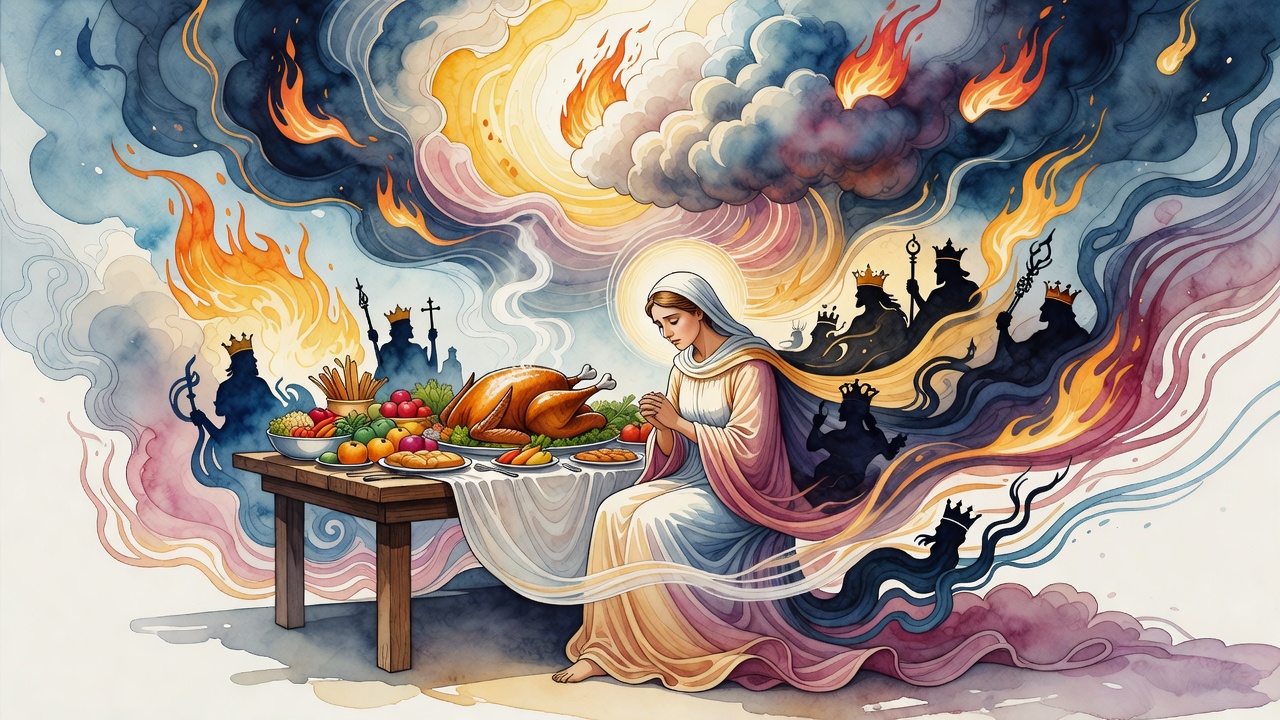
God saw Leah hated and opened her womb, but she gave clean thanks only at Judah, unaware seven wicked kings already hid inside that praise.
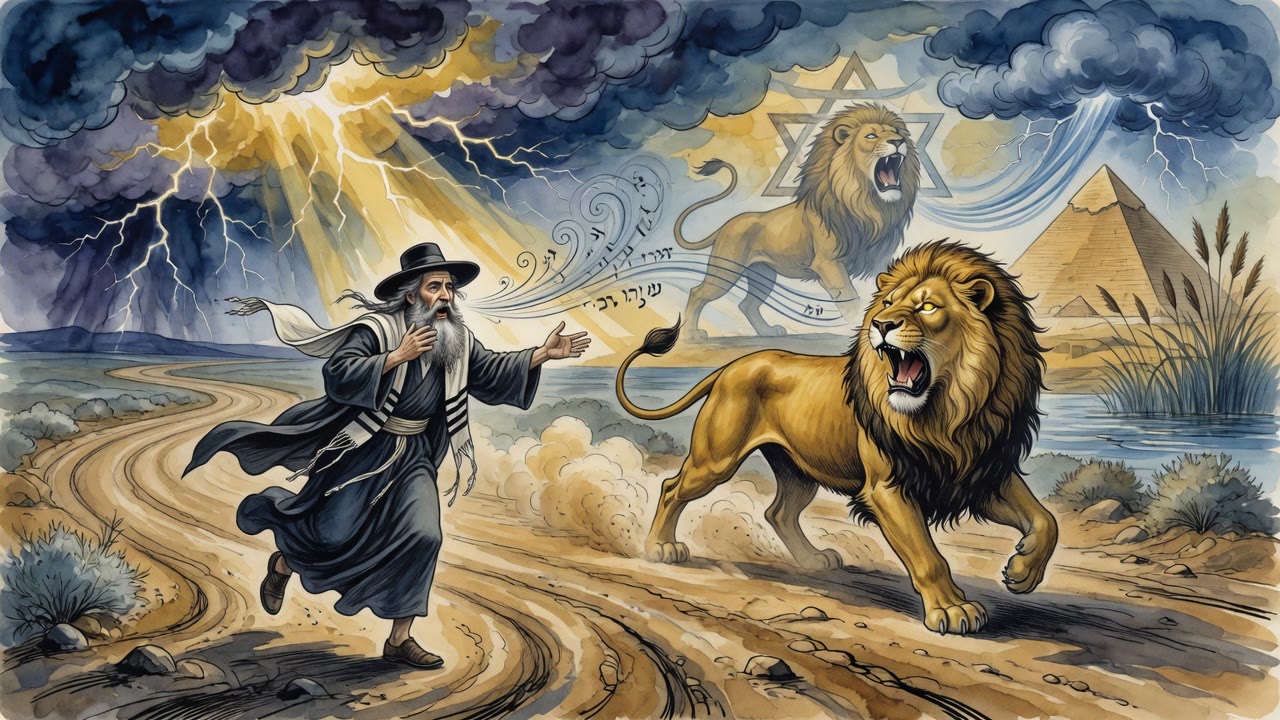
Rabbi Hanina shouted a lion off the road and then chased it down to take the insult back, and the same roar rose in Judah before Egypt.
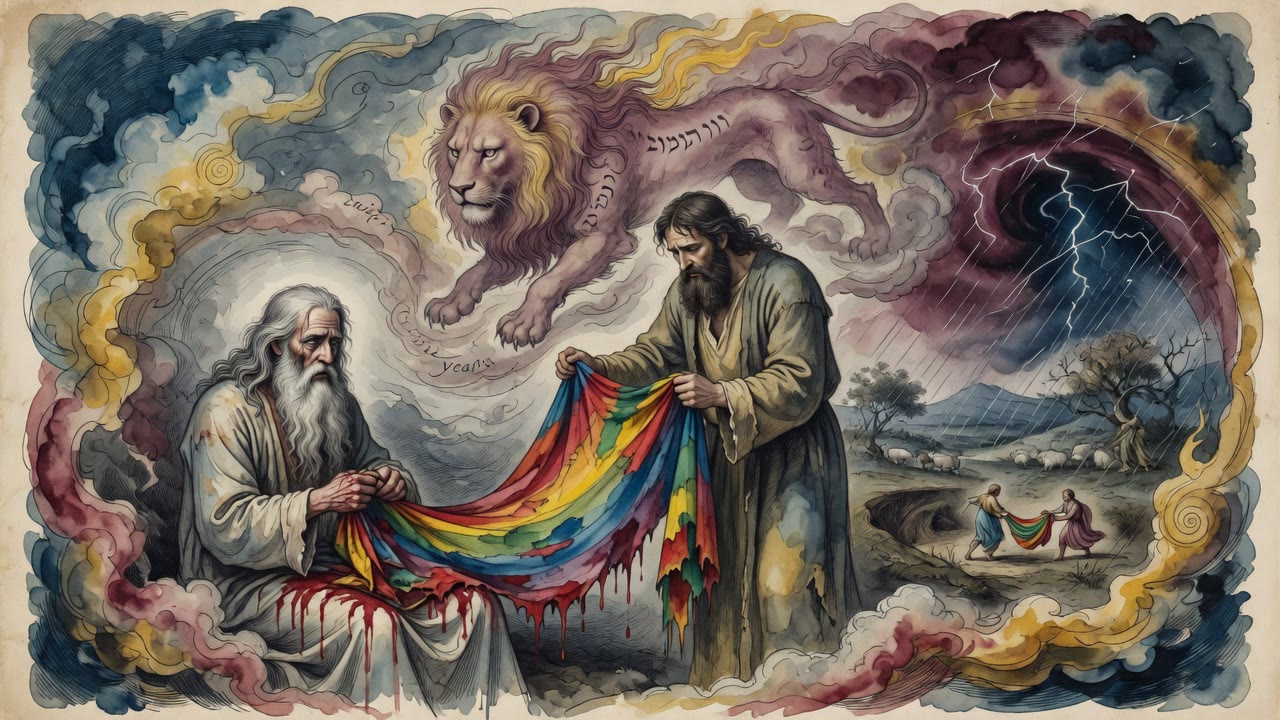
Judah stood in the tent with a goat-stained coat. Jacob named an evil beast, then looked at the son he would later bless as a lion.
