448 myths · Page 14 of 15
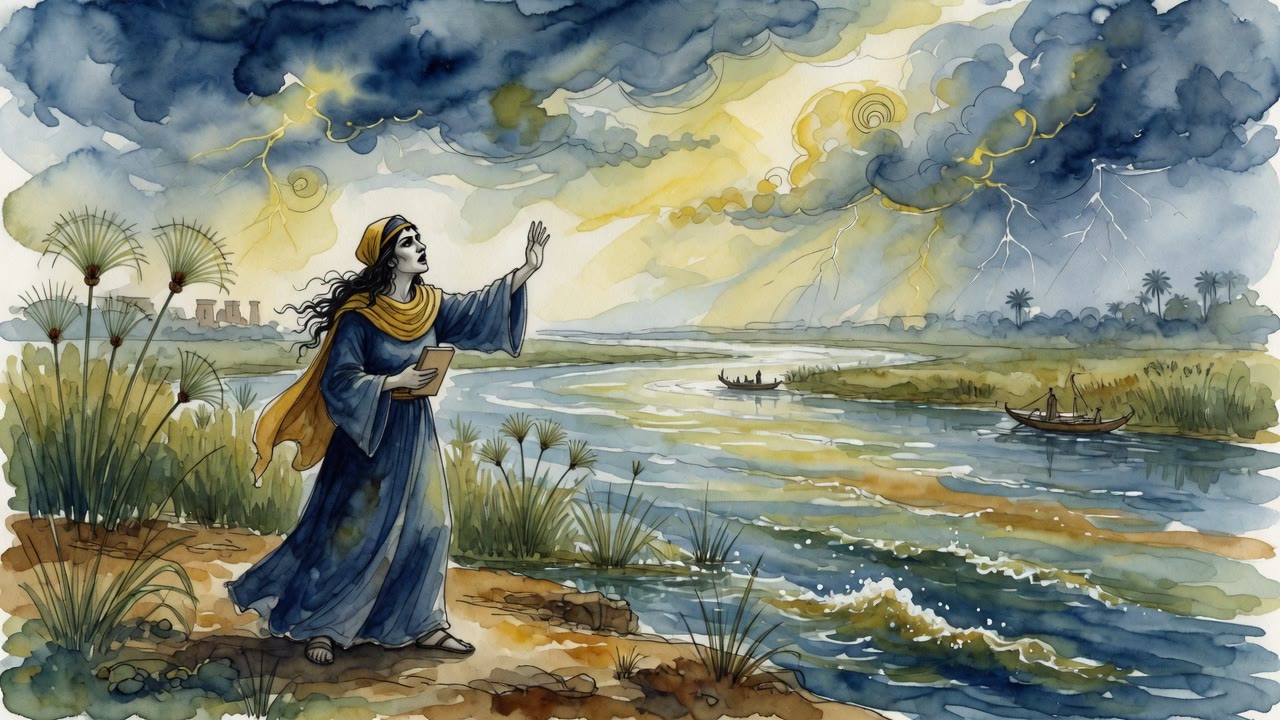
Light filled the house when Moses was born. Then the basket hit the Nile. Jochebed struck Miriam's head. The girl walked to the reeds and kept her prophecy.
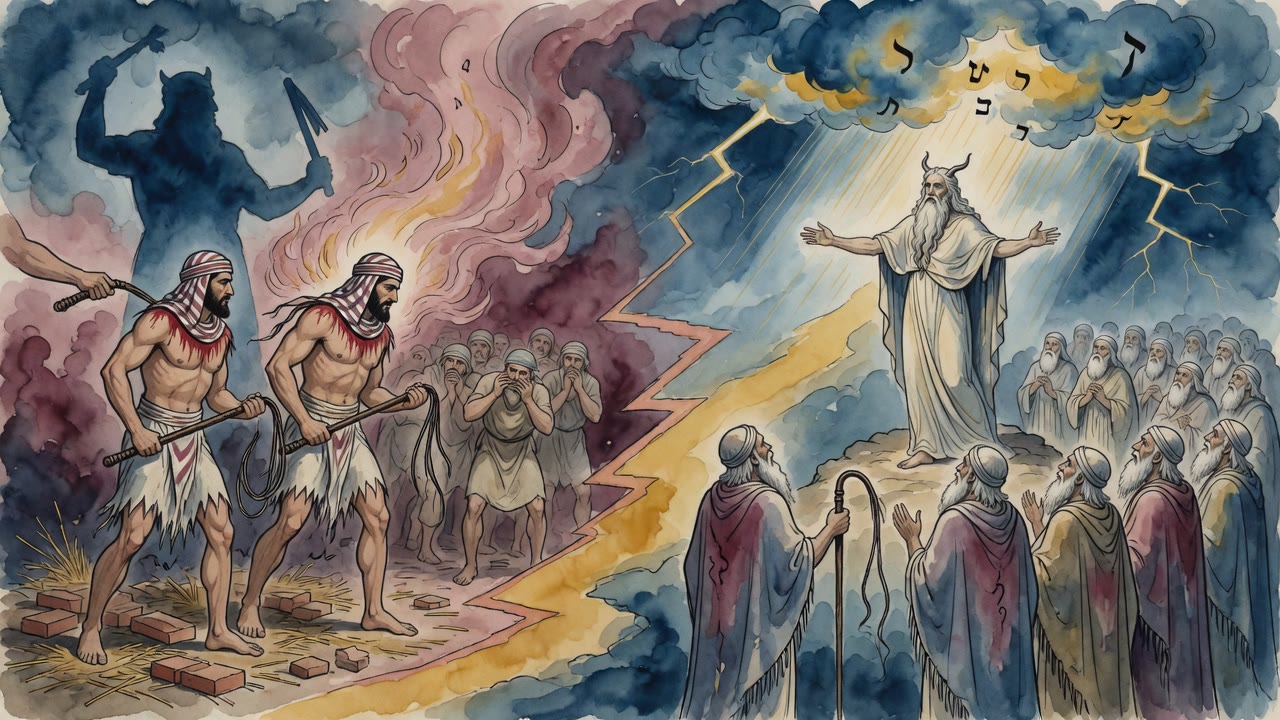
In Egypt the Israelite officers took the whip so the people would not. In the wilderness God told Moses to gather those same men as seventy elders.
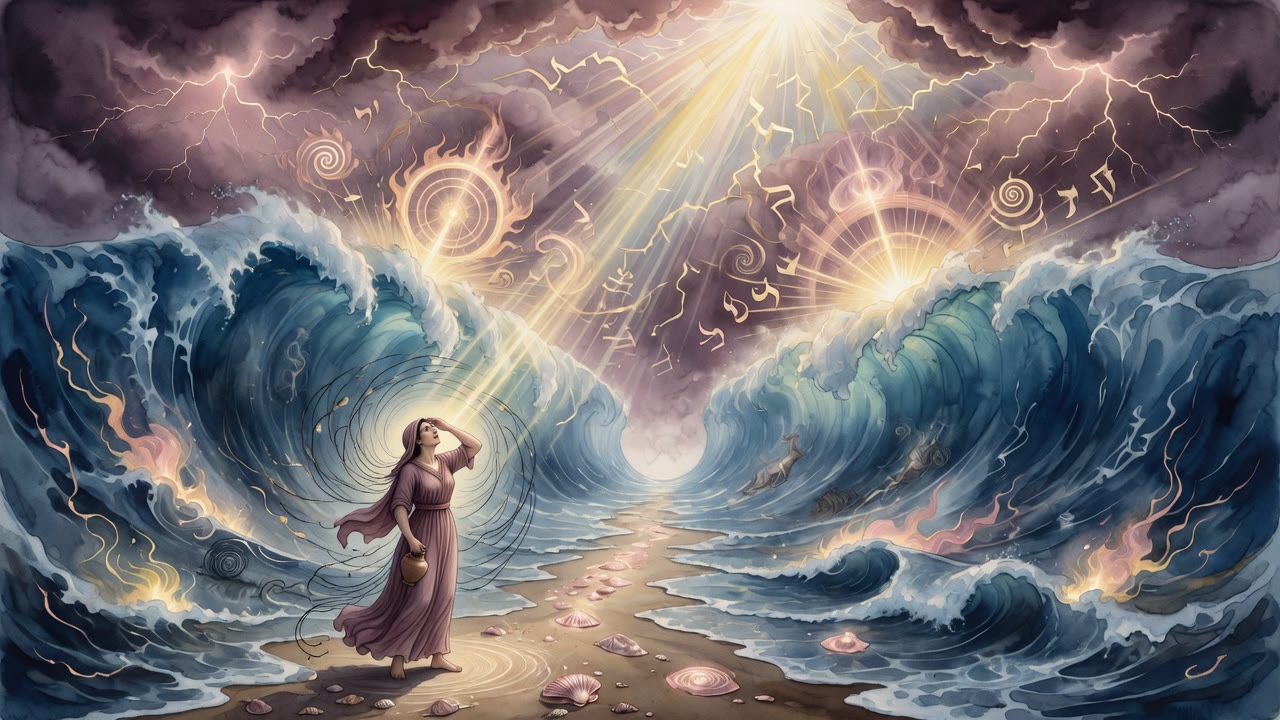
Salt water dried on her ankles. She pointed at the standing sea and named God, and no one in the camp had to ask which figure He was.
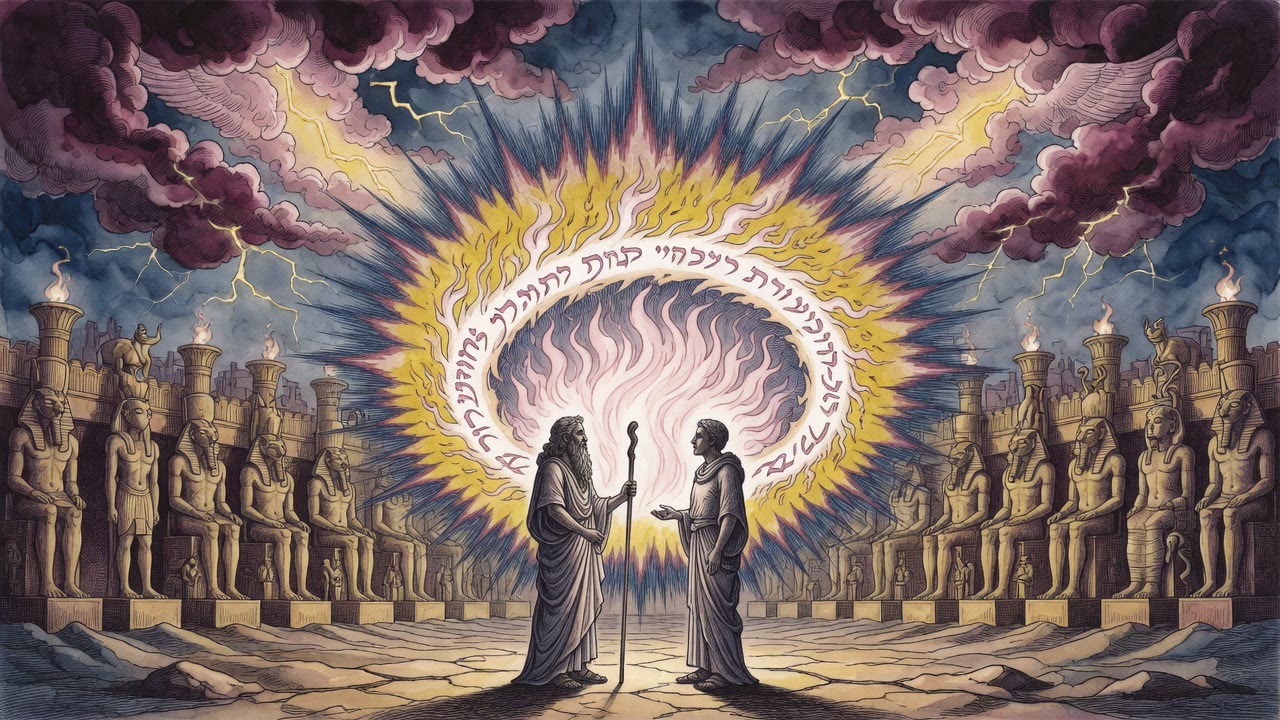
Outside a city thick with idols, God spoke to Moses and Aaron as equals, and the quieter brother learned prophecy would not leave him in shadow.
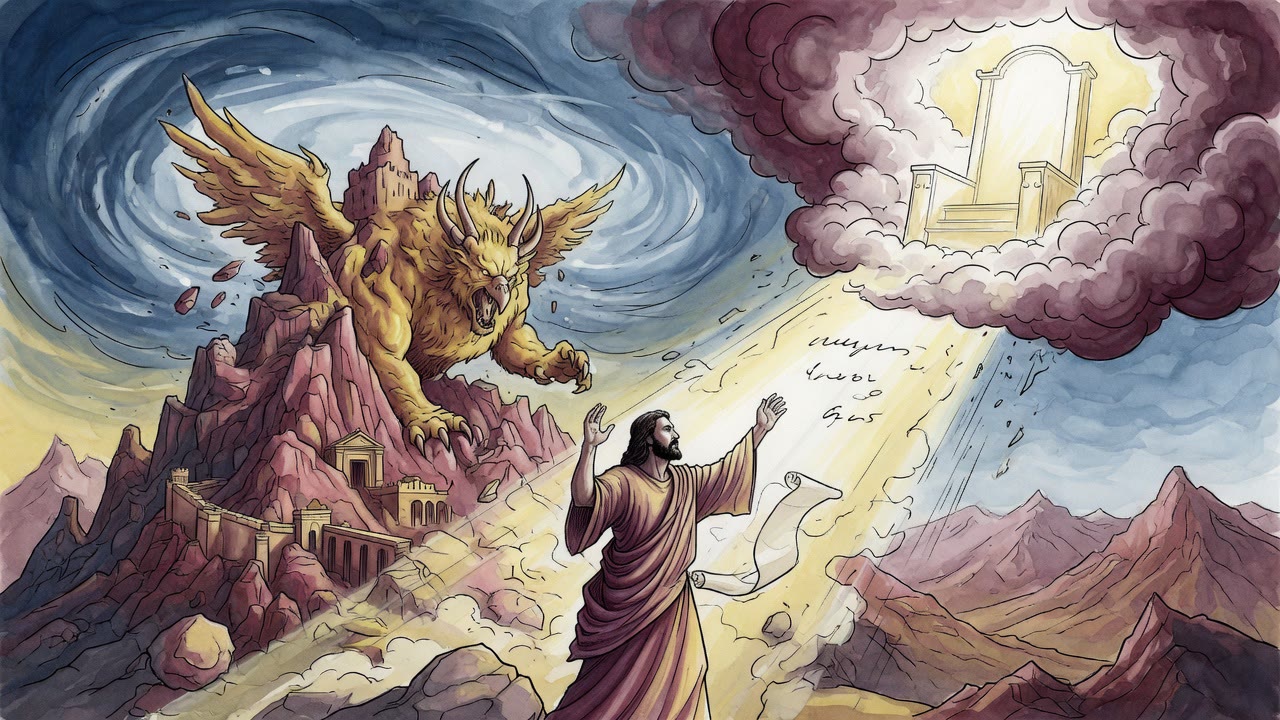
Jonah prepaid his fare to Tarshish in the joy of escape, while Habakkuk stood watch on the rampart demanding God explain how long mercy would wait.
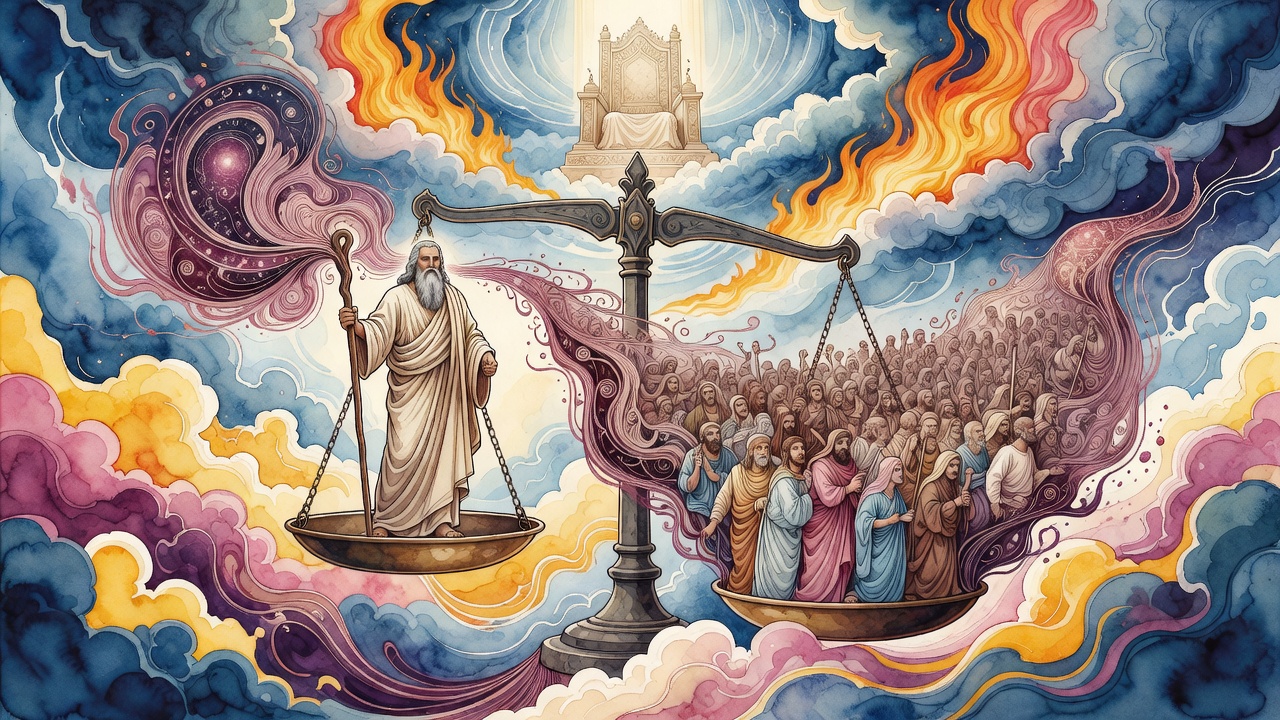
Heaven set Moses on one pan and Israel on the other. Six hundred thousand on their feet. One tired man balanced them.
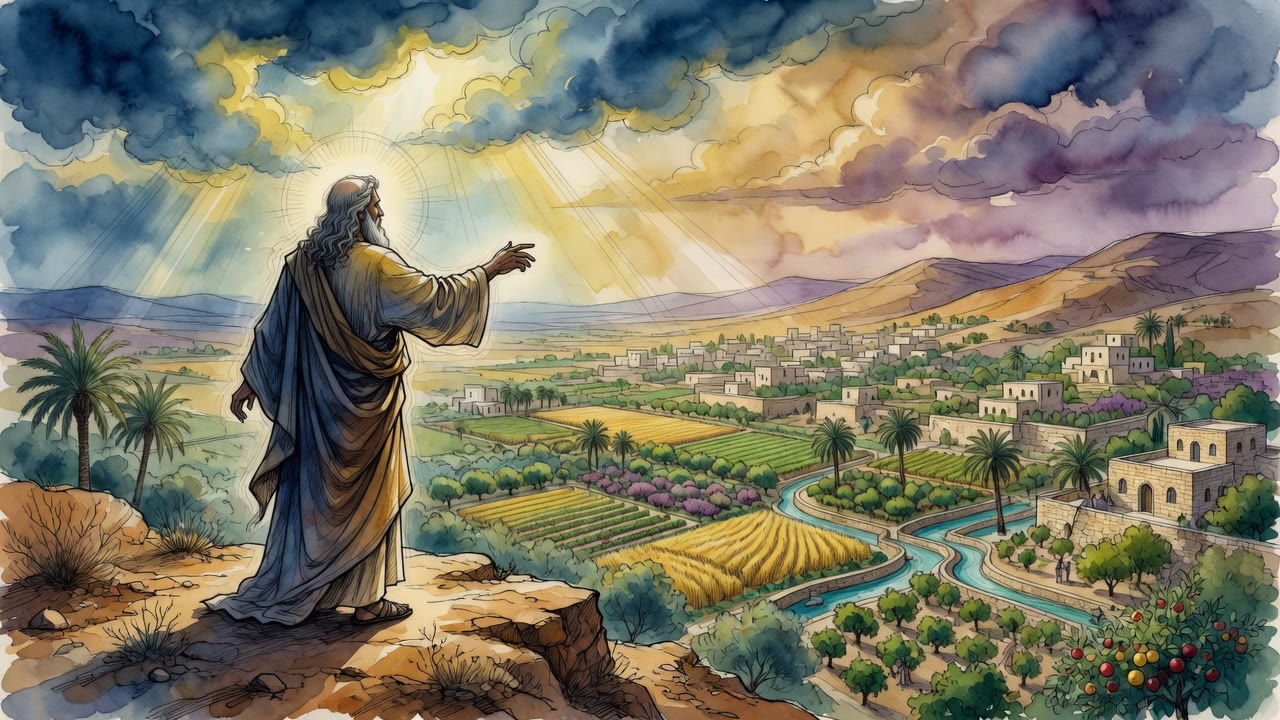
From Nebo Moses did not scan empty hills. God stretched the low Jericho plain into fields already planted, wheat and barley ordered before any plow arrived.
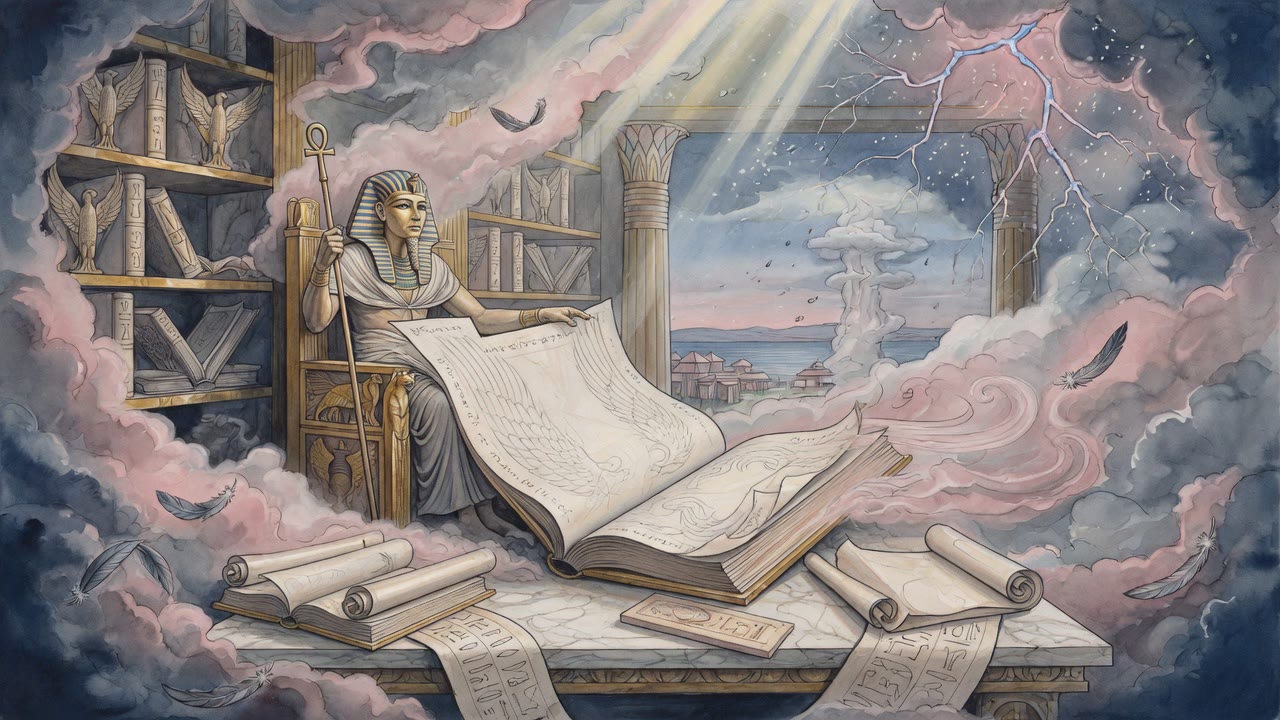
Pharaoh ran a finger down every name Egypt feared. The Name Moses carried was not written in the Book of the Angels.
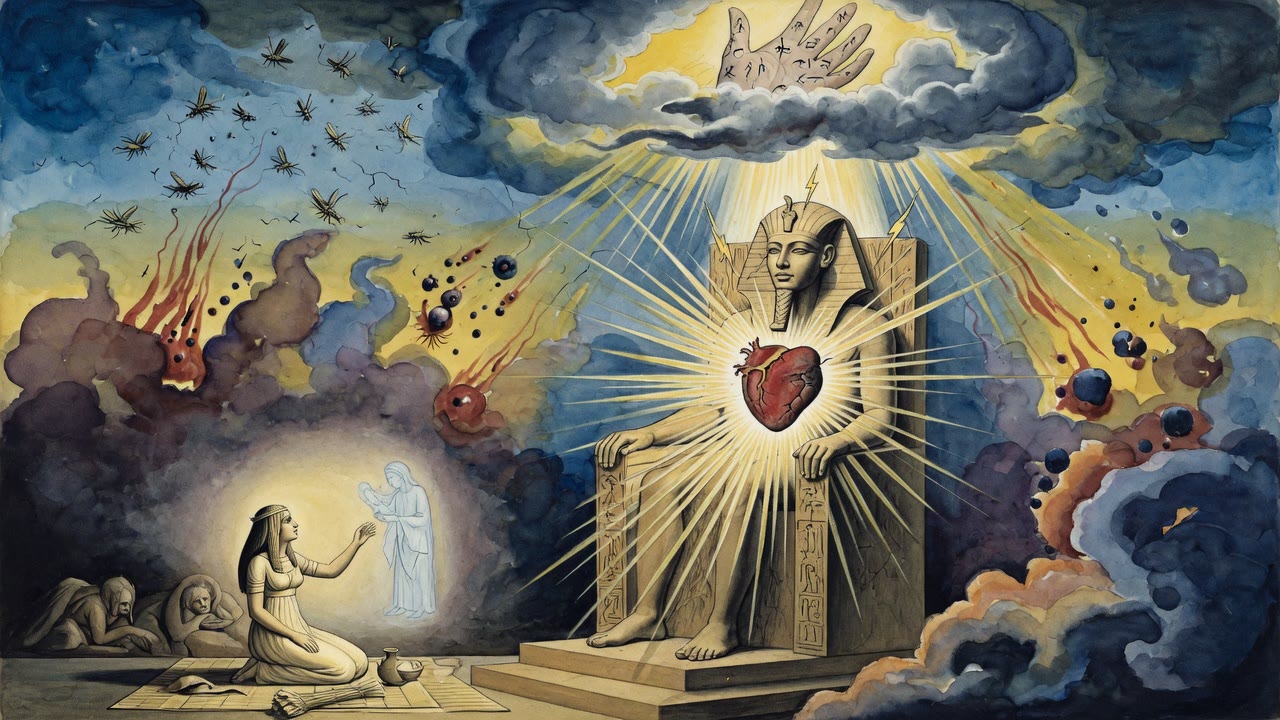
Warning after warning strikes Egypt, and Pharaoh hardens himself first. Heaven cooks his heart like twice-boiled liver, while Bitya lives by an old kindness.
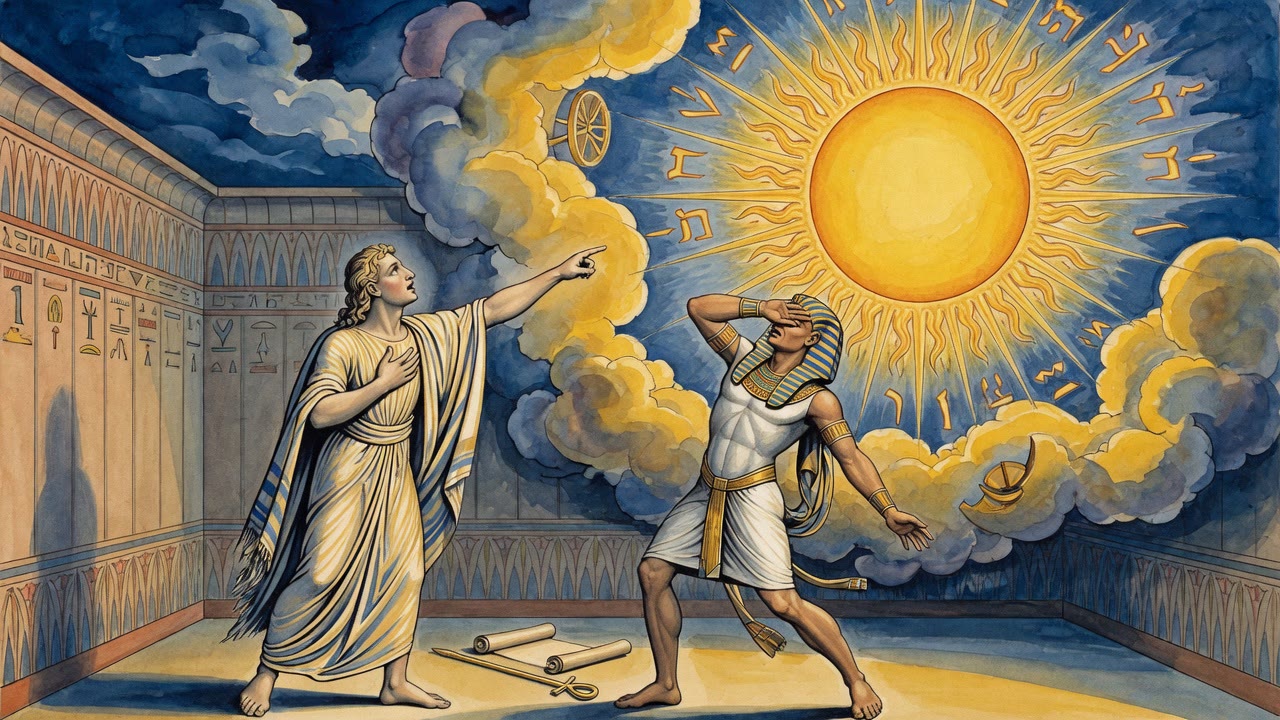
The calf was still cold metal behind him. Moses would not march the people on a rumor of protection. He asked Heaven for a name.
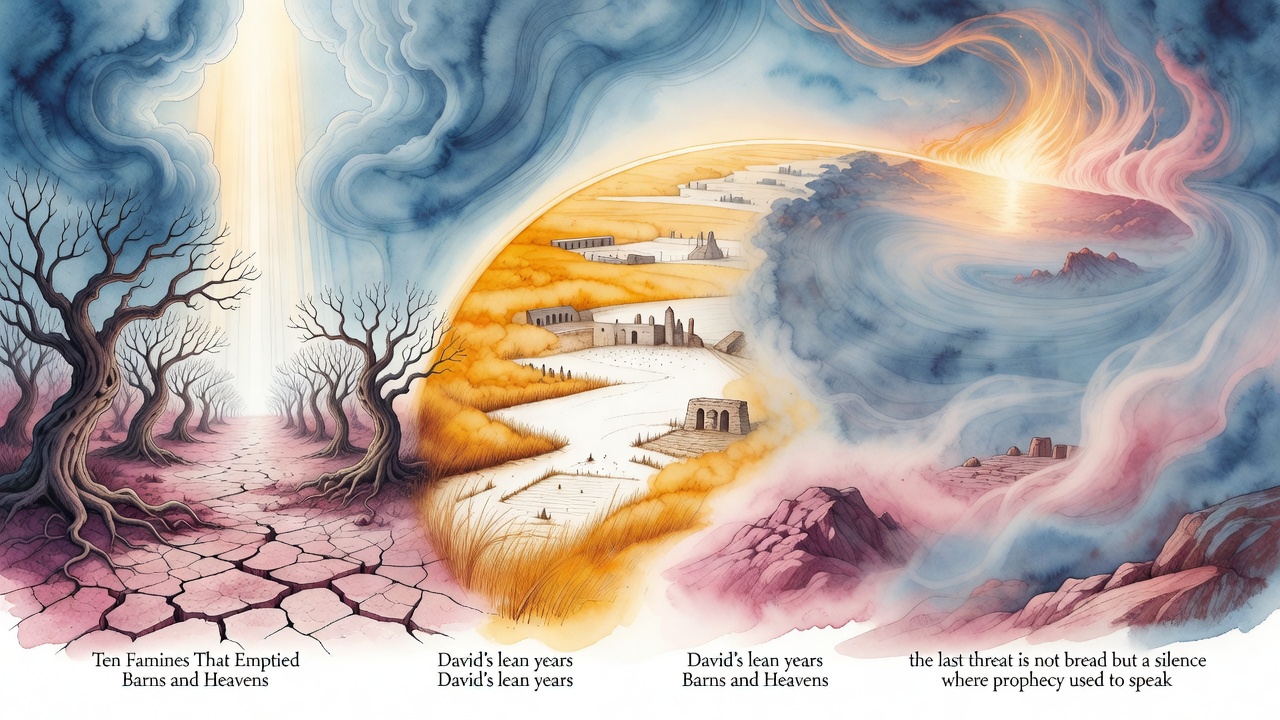
From Eden's cursed ground to David's lean years, the midrash counts ten famines. The last threat is not bread but a silence where prophecy used to speak.
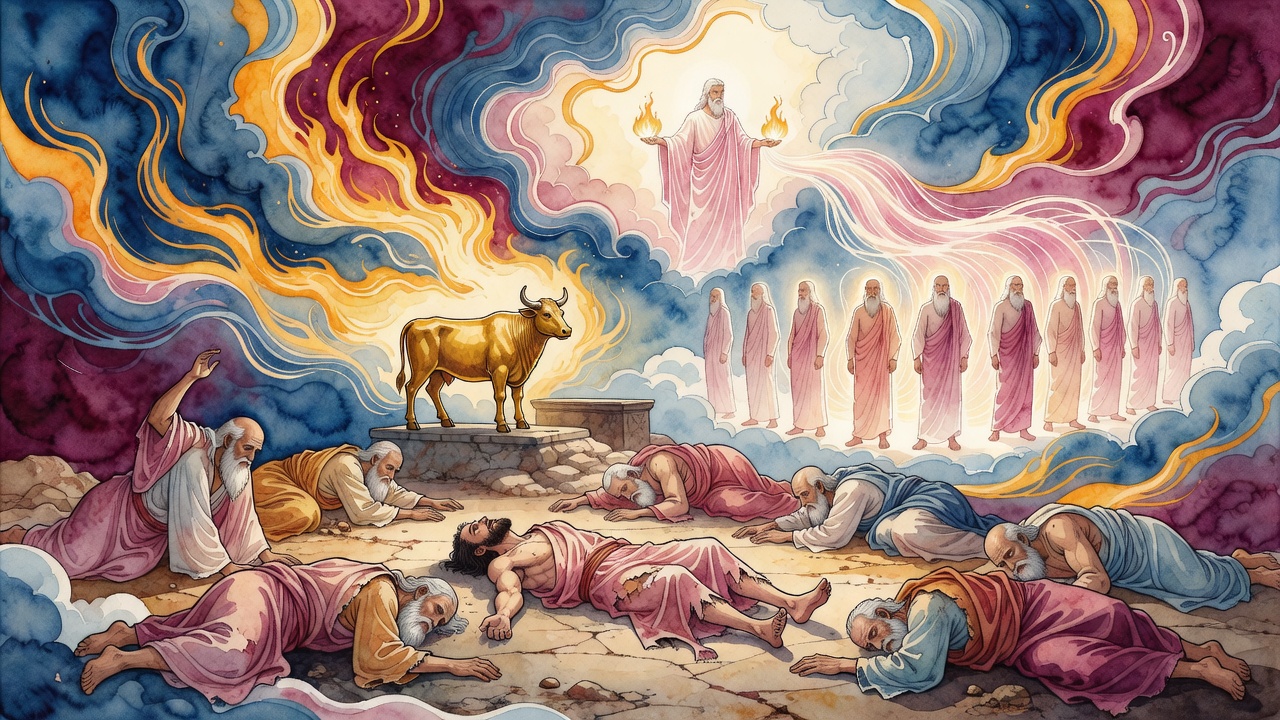
Seventy elders refuse the calf and die for it. Hur is killed for hard words. Moses later kindles a new seventy from his spirit and loses not a spark.
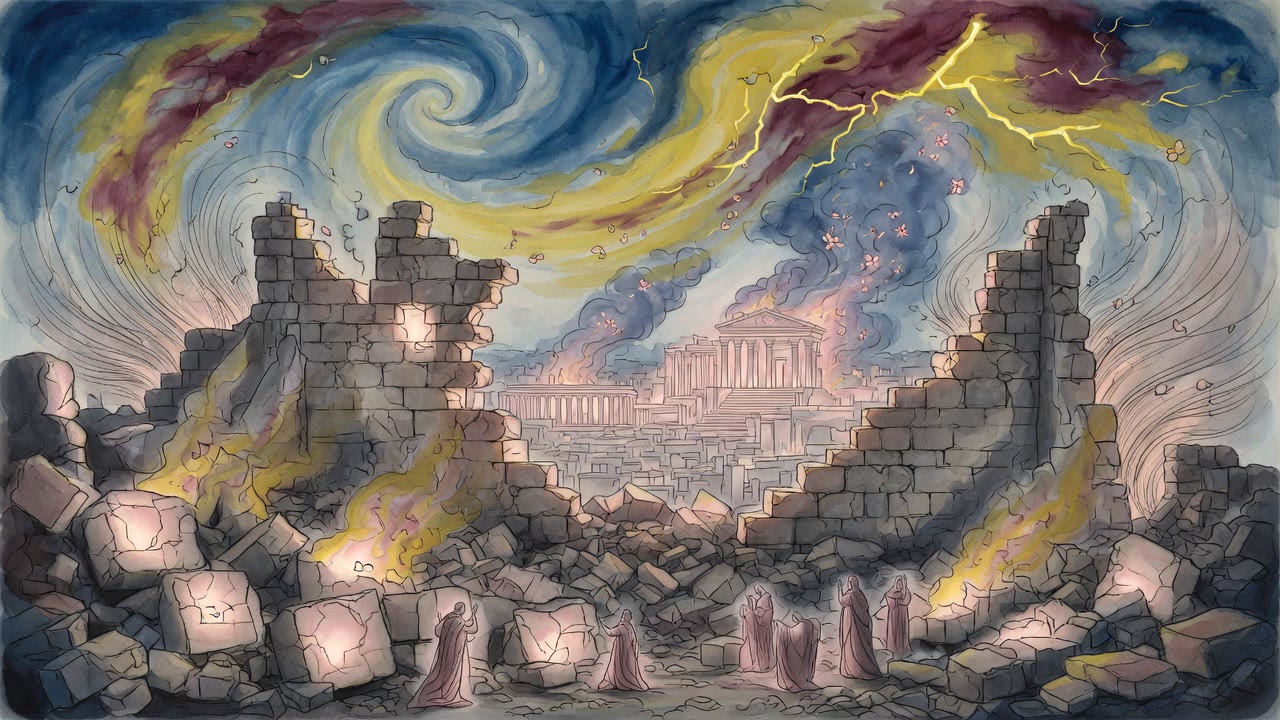
Moses stood on the last ridge and called the sky to hear him. He was about to die, and a human jury would not last long enough.
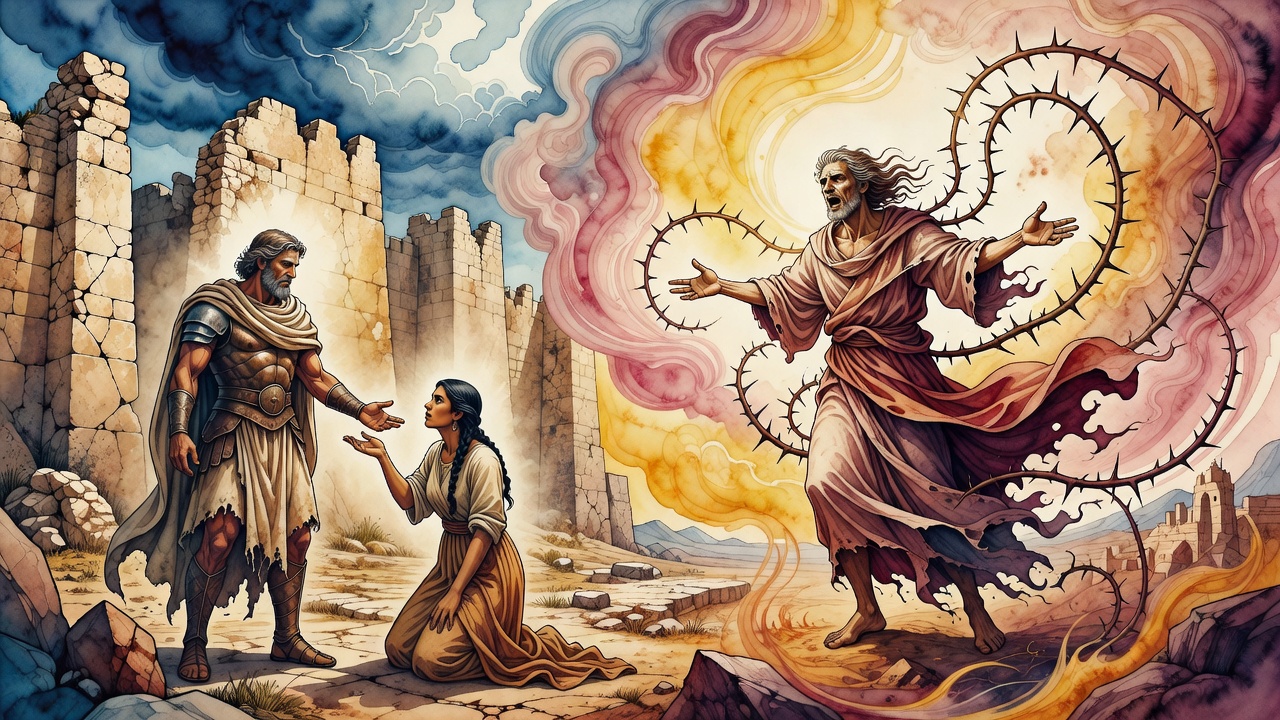
A scarlet cord hung in a window while Jericho's walls still smoked. Rahab's household walked out past soldiers ordered to leave no survivor.
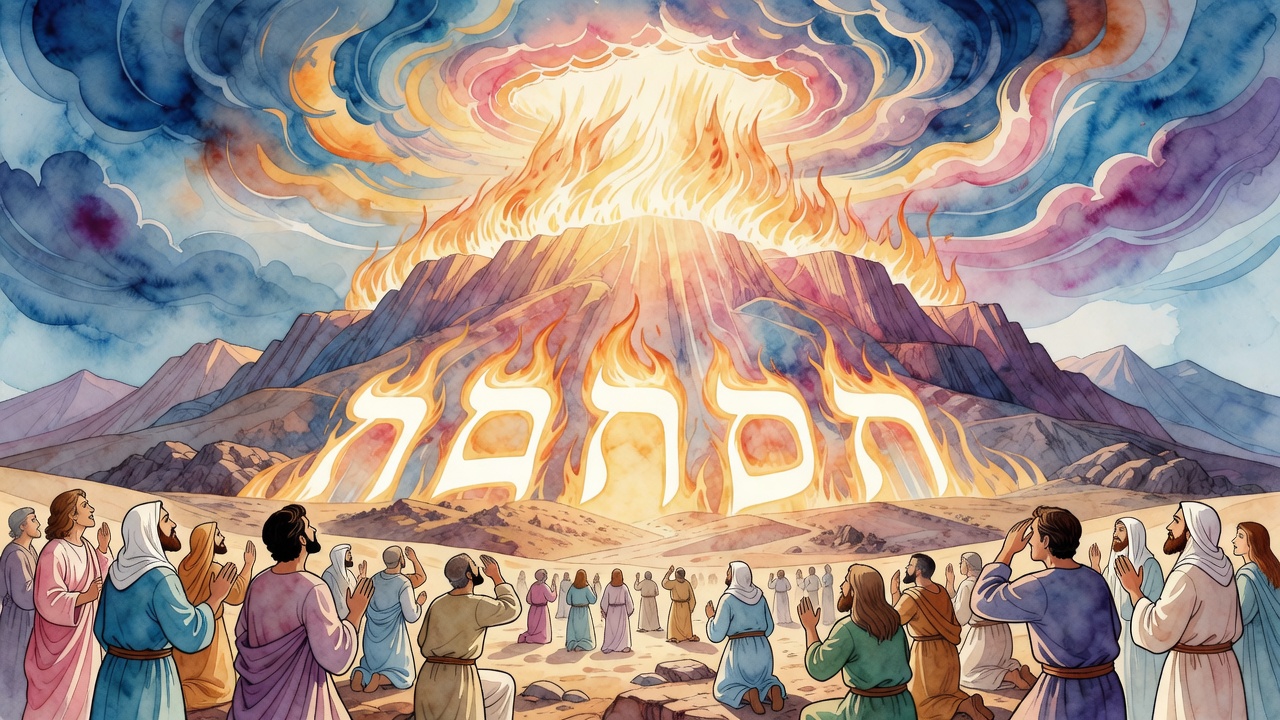
At Sinai the people saw sounds and lightnings unlike any storm, each voice calibrated to every heart while fire hewed words into stone before their eyes.
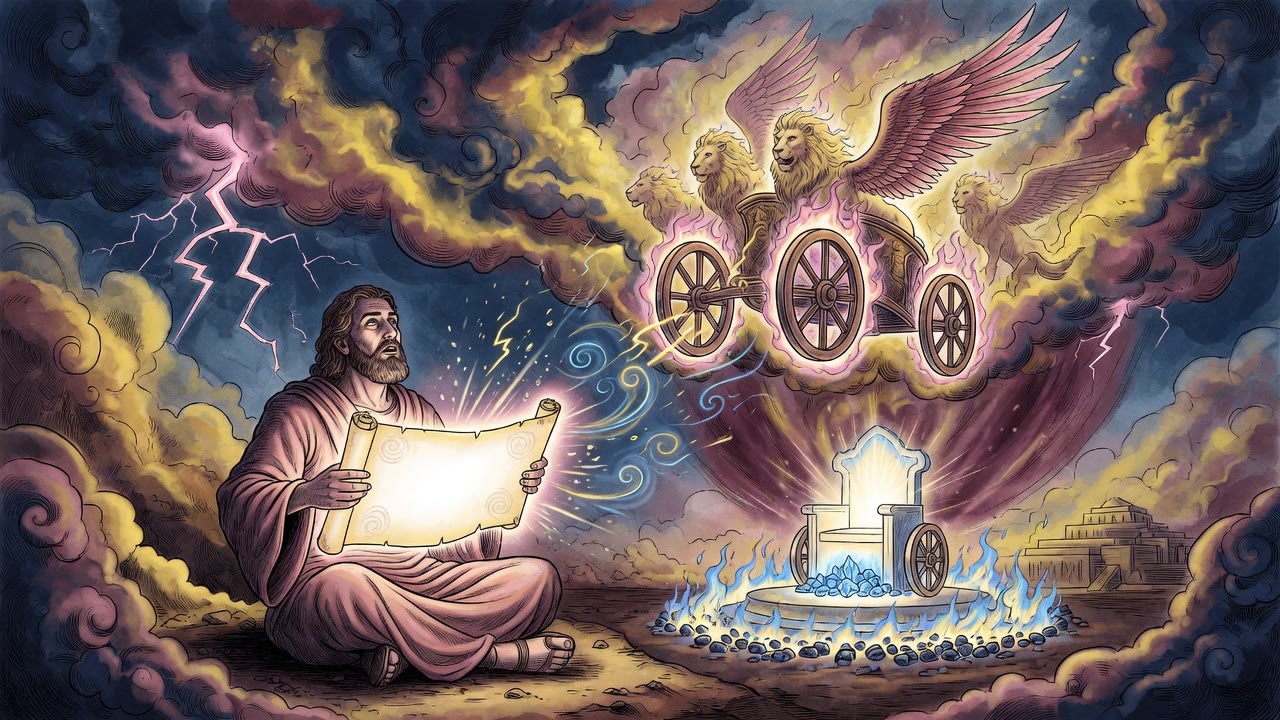
The neck still took numbers, myriads stacked on myriads. Then the head rose, and Rabbi Yishmael's mouth found no word.
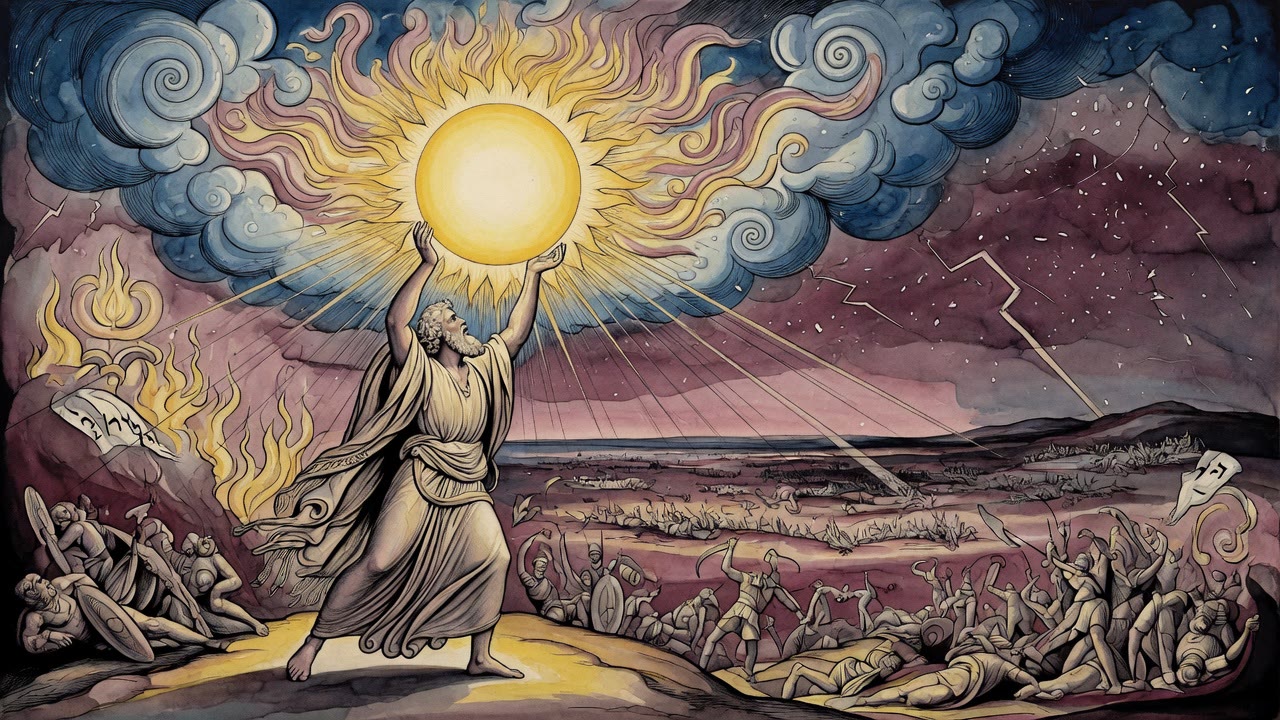
Joshua ordered sun and moon to stand, and the midrash says the righteous rule the lights, holding day open until Israel's battle was done.
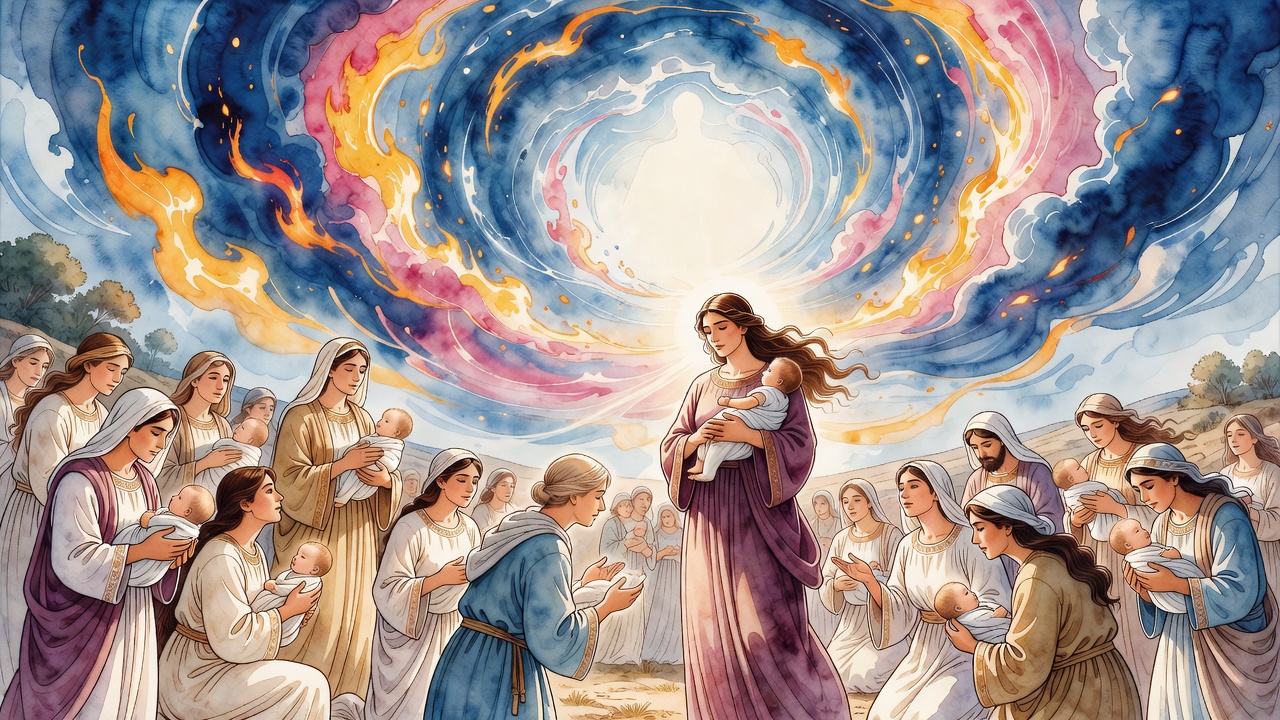
A bat kol (a heavenly voice) rang daily promising a righteous man named Shmuel. Mothers tried the name, returned it, until Hannah's son finally kept it.
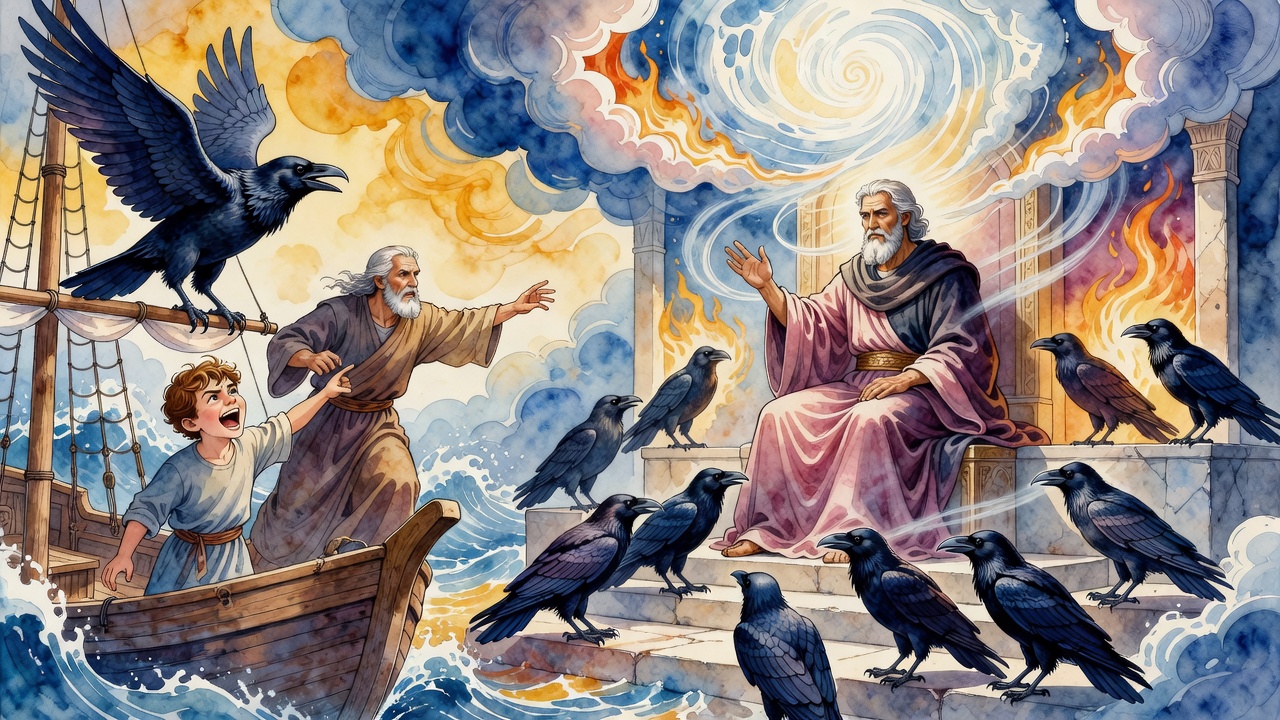
A raven landed on the gunwale and croaked. Only the son understood. His father heard mockery and called for the sea.
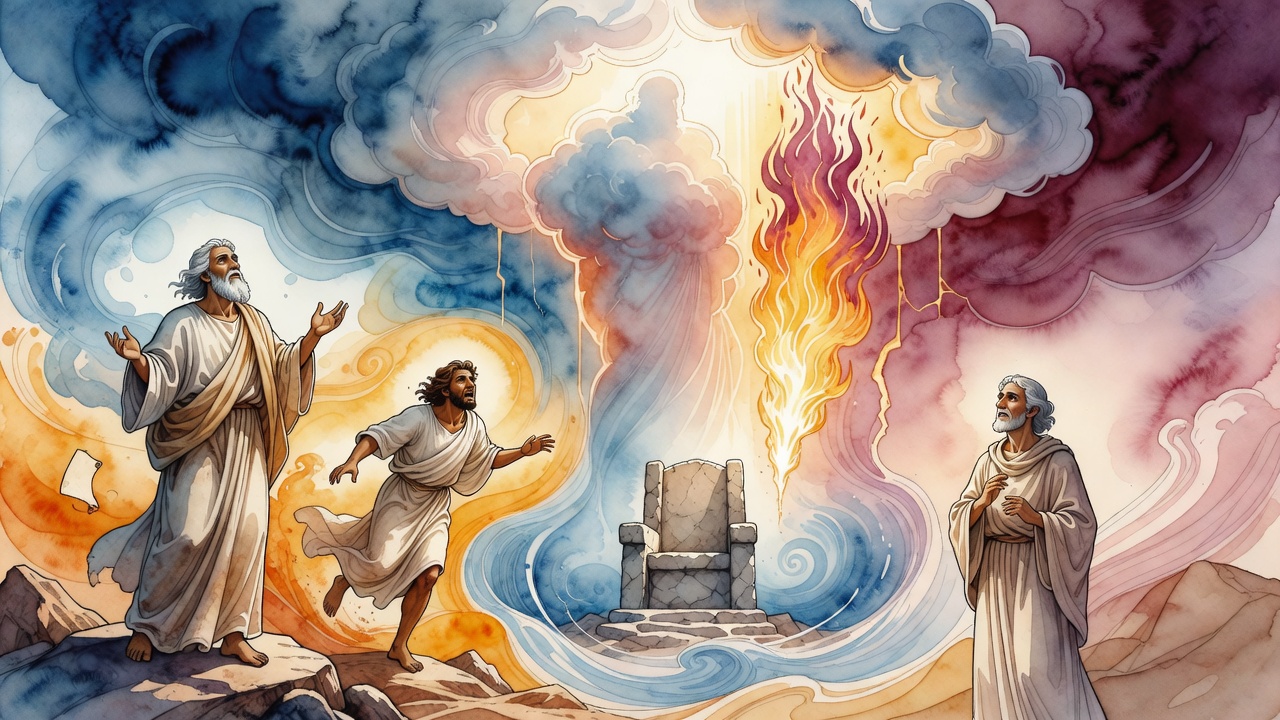
At the bush Moses asked God to send someone else. Let us see whose will shall stand, God answered. Jonah tried a ship the other way and came back by fish.
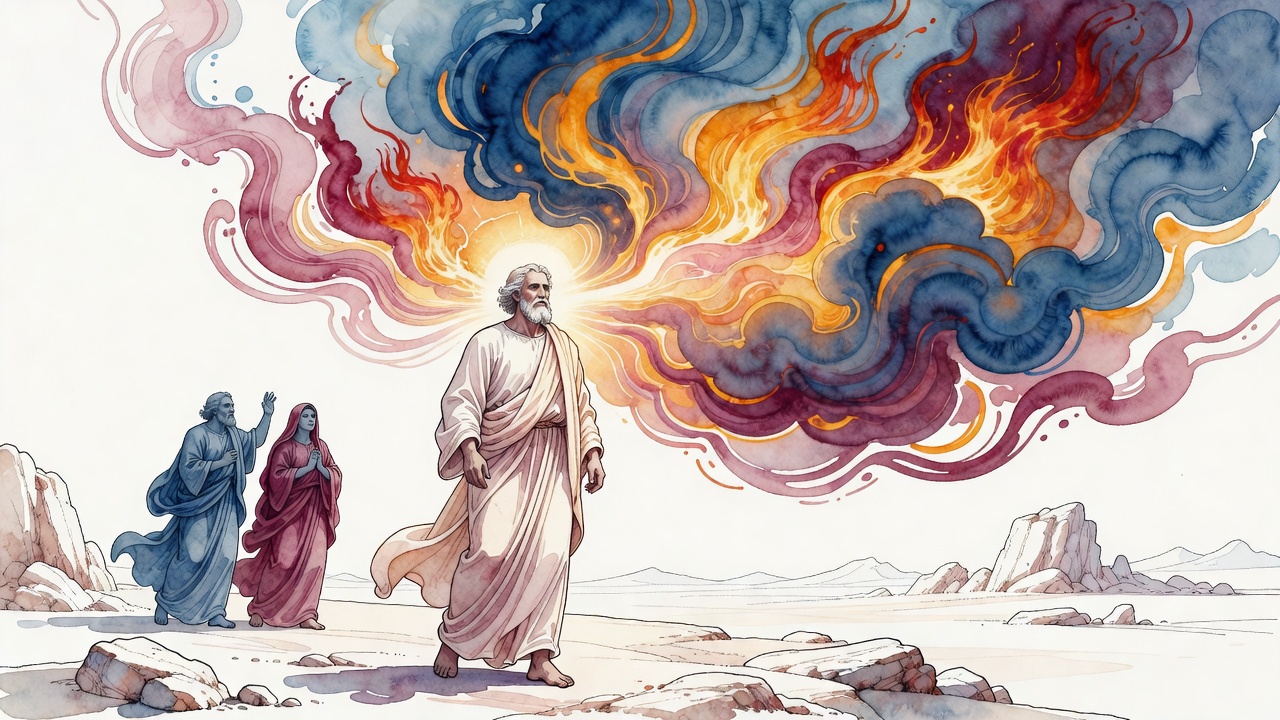
Aaron and Miriam spoke against Moses over his wife. Heaven answered that he alone was ordered to stand apart, mouth to mouth with God.
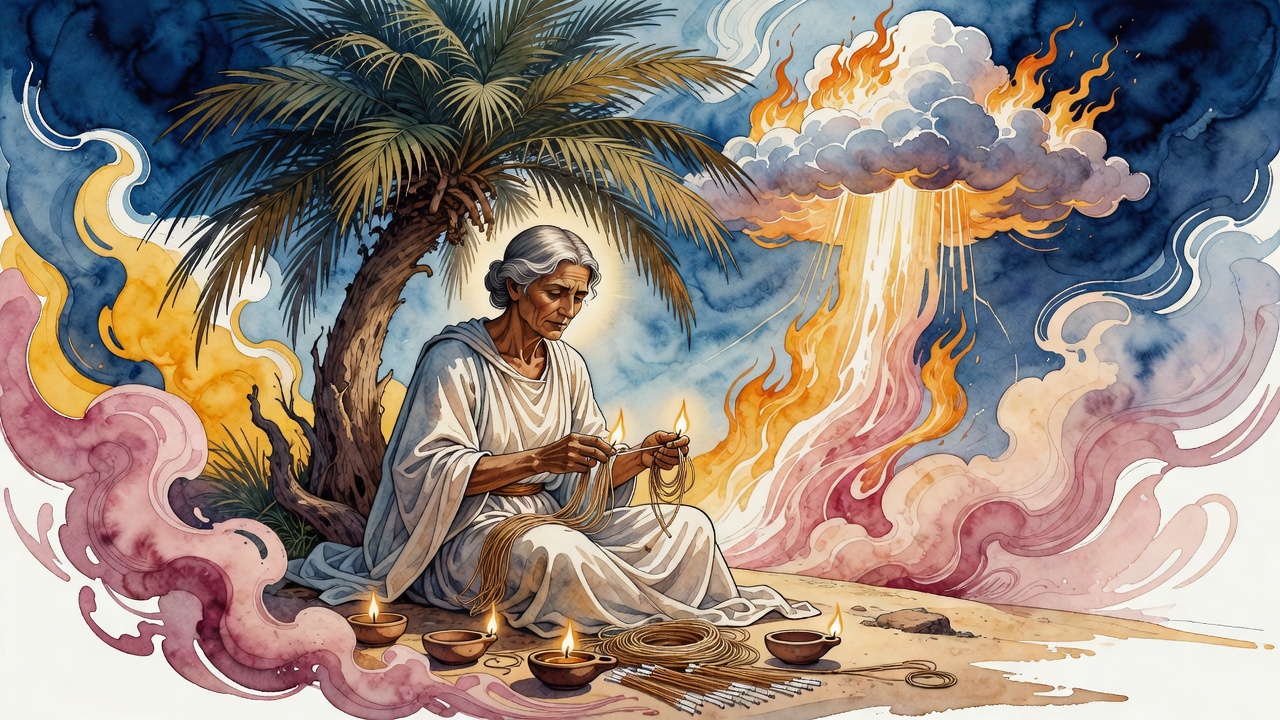
Before Deborah sat under the palm, she twisted wicks so the Sanctuary lamps would not go dark. The same hands later called Barak to war.
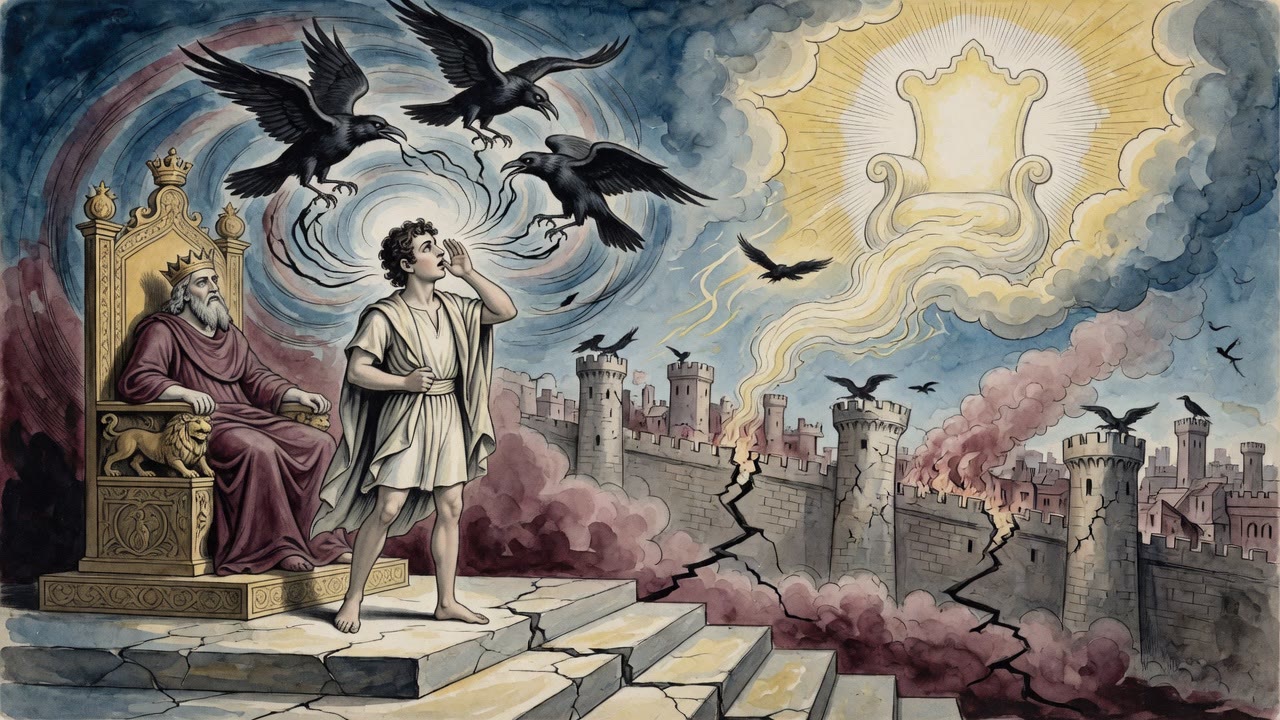
A youth who understood bird speech told a king his throne would fall, then learned that one lie can crack a city built on truth.
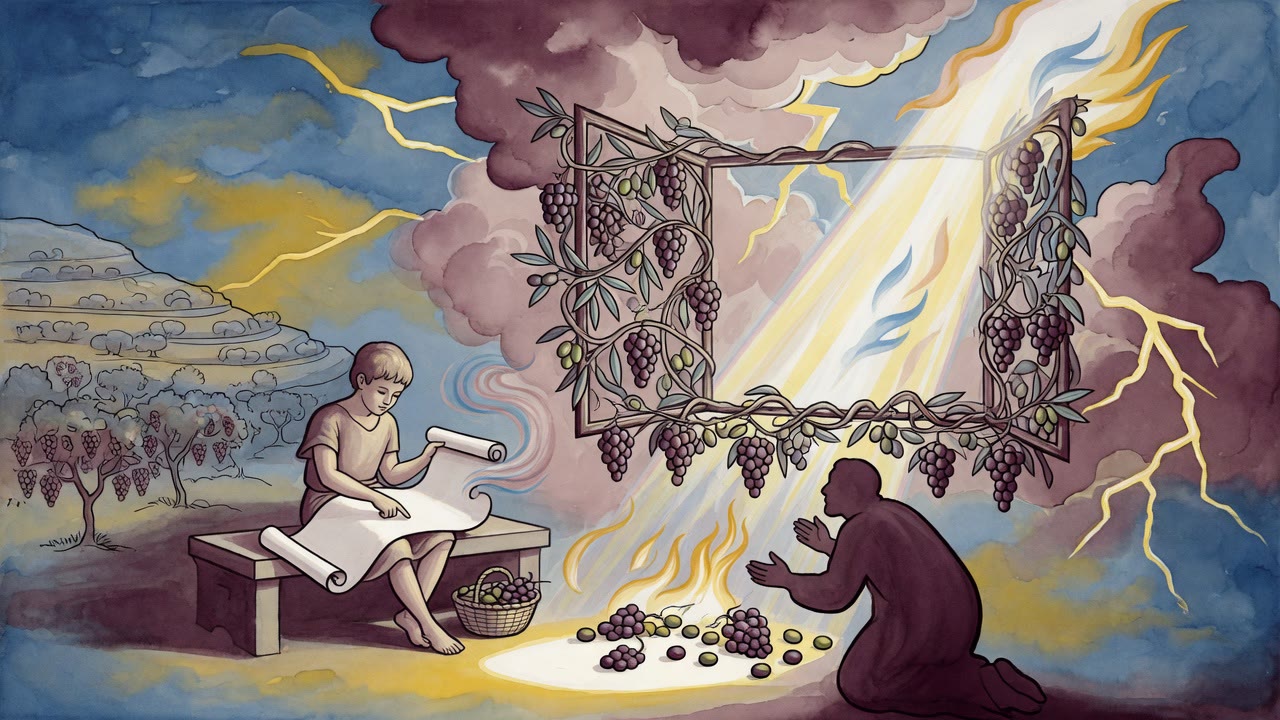
A philosopher mocked Malachi, saying Edom still builds. Rabbi Eliezer said the verse targets schemes, while Israel remains a fourfold inheritance.
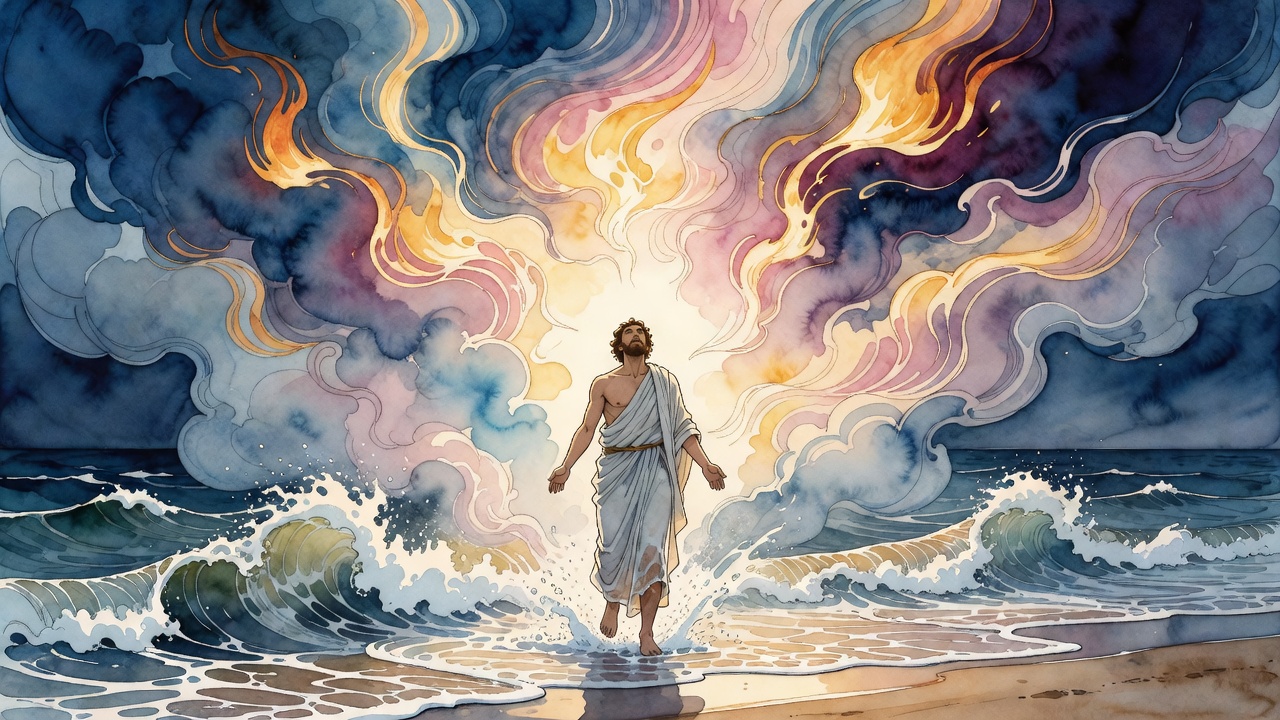
Wet to the knees on the far shore, Israel sang of children who would be planted in the land, and only later heard the pronoun that left them outside.
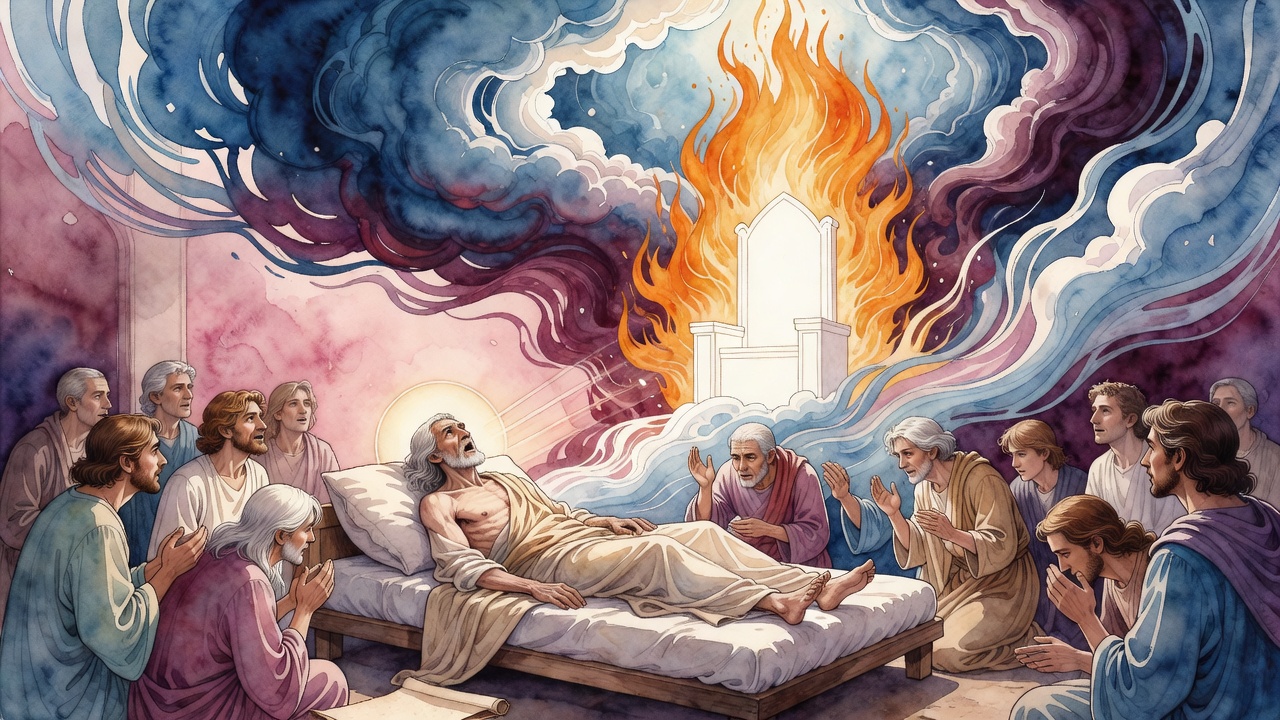
Joseph leaned closer, waiting for a date from his father. Jacob's eyes were clear. The hour of the End sat on his tongue and would not move.
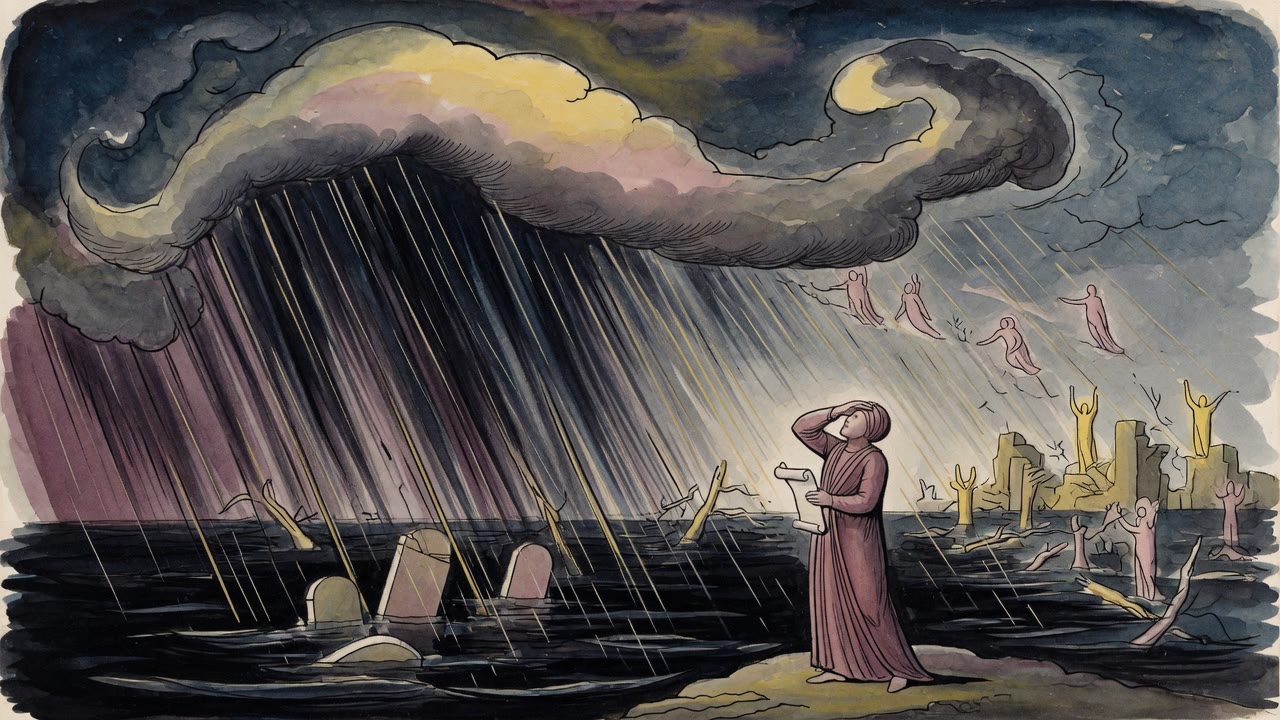
Amos was still among the sycamores when the roar hit. His knees folded in the dust. The quiet trade was over before he found a word.
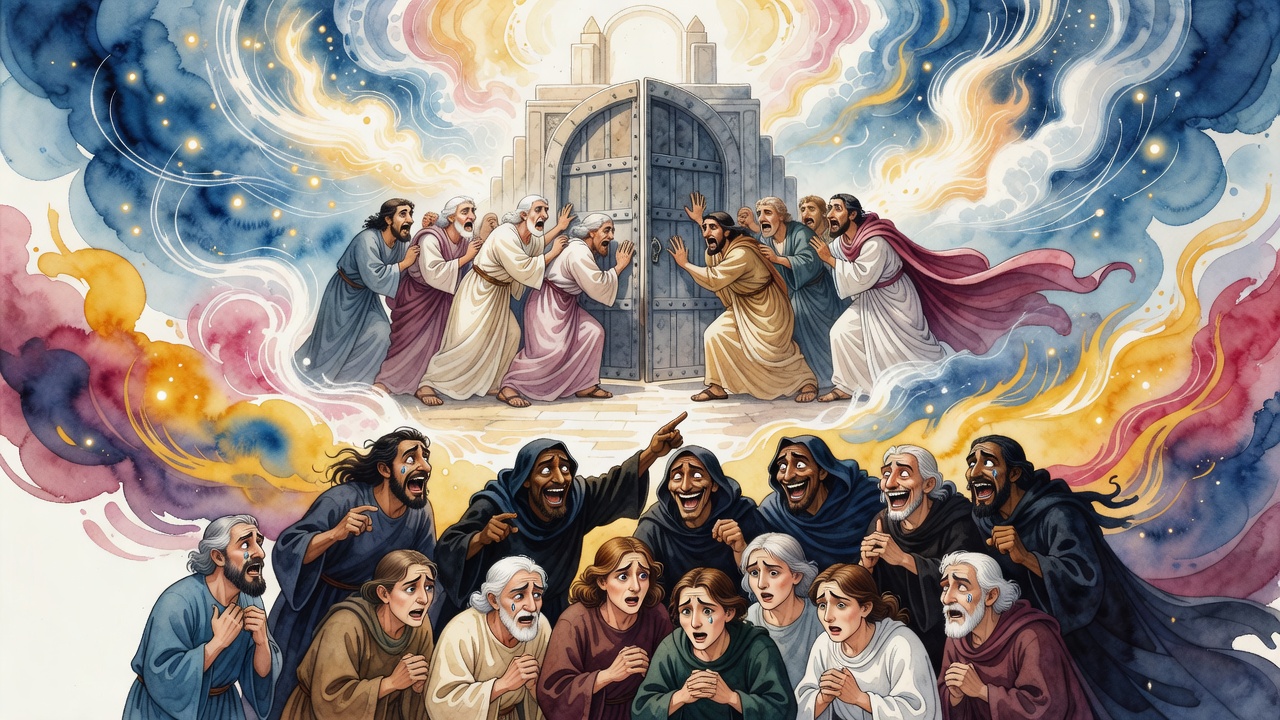
Sagron did not step aside. Knuckles hit the chamber wood. In the street a wicked man laughed, and a psalm stuck in Israel's throat.
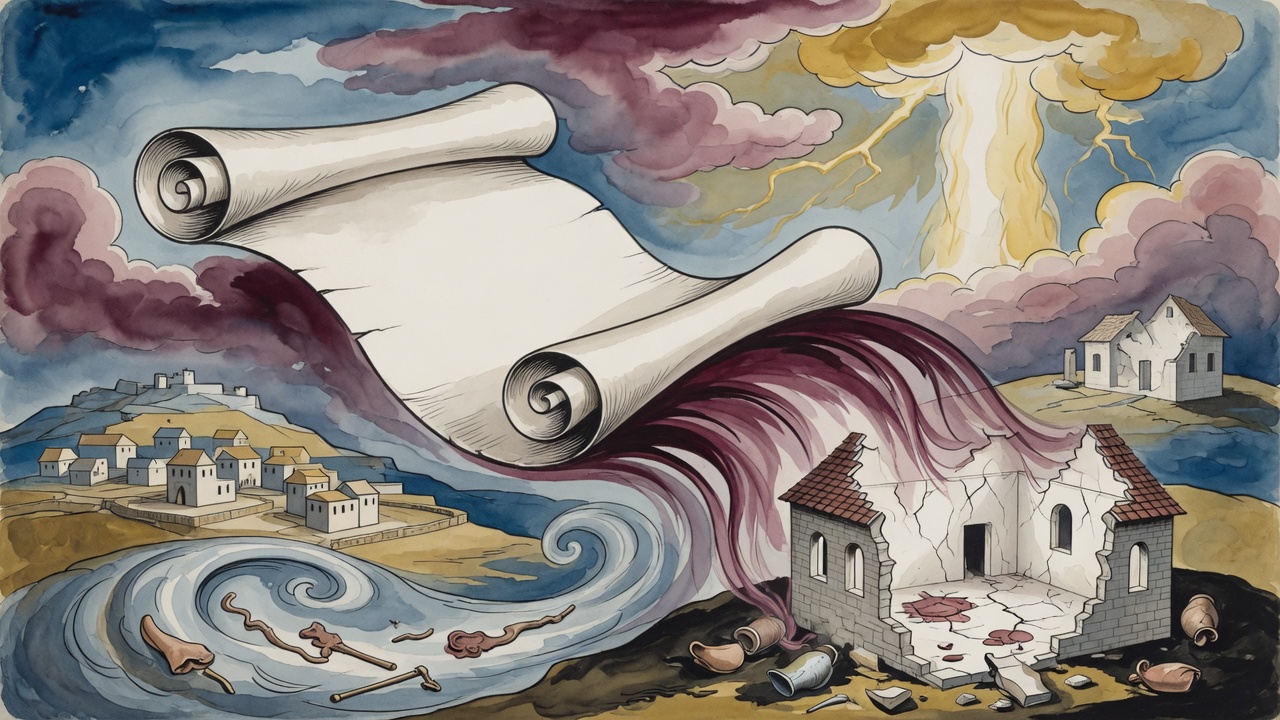
Zechariah saw a huge curse flying over the land, and the rabbis say a false oath can empty a house the way a jug once full of wine is left hollow and dry.
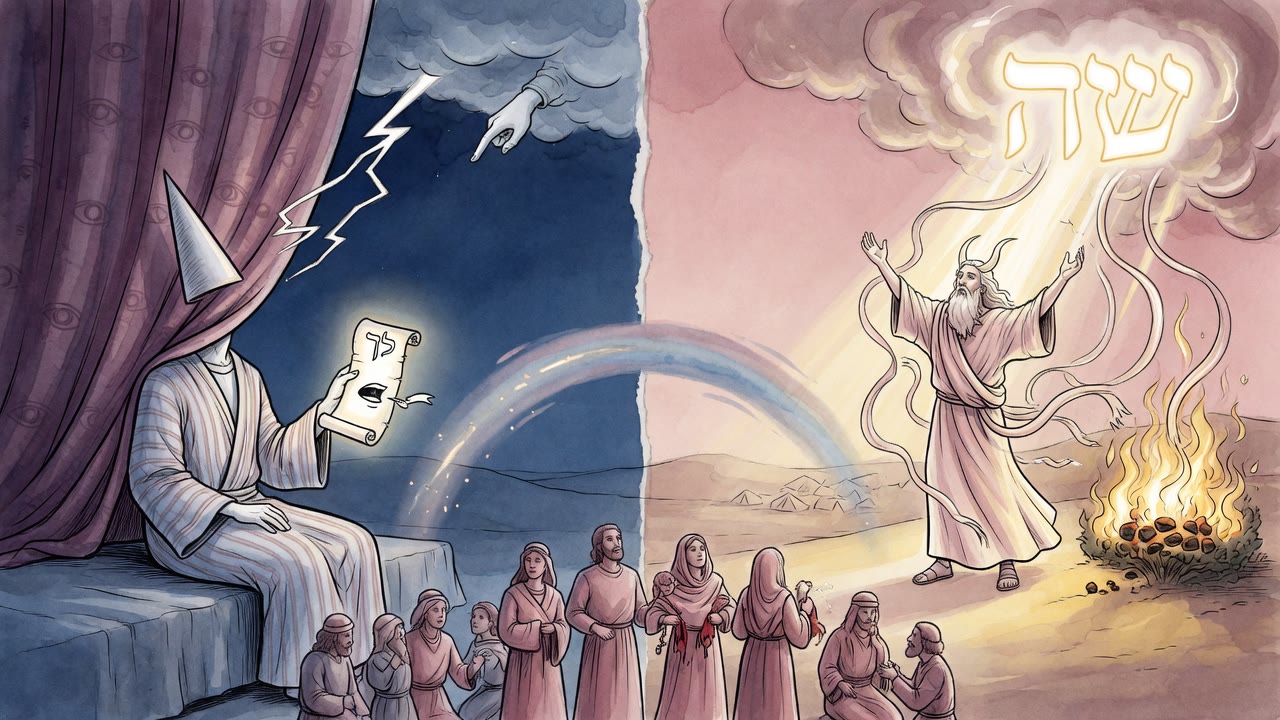
At night behind a curtain Bilam receives a clipped encounter, while Moses is called by day, and Israel learns which redemption ends shame.
