448 myths · Page 13 of 15
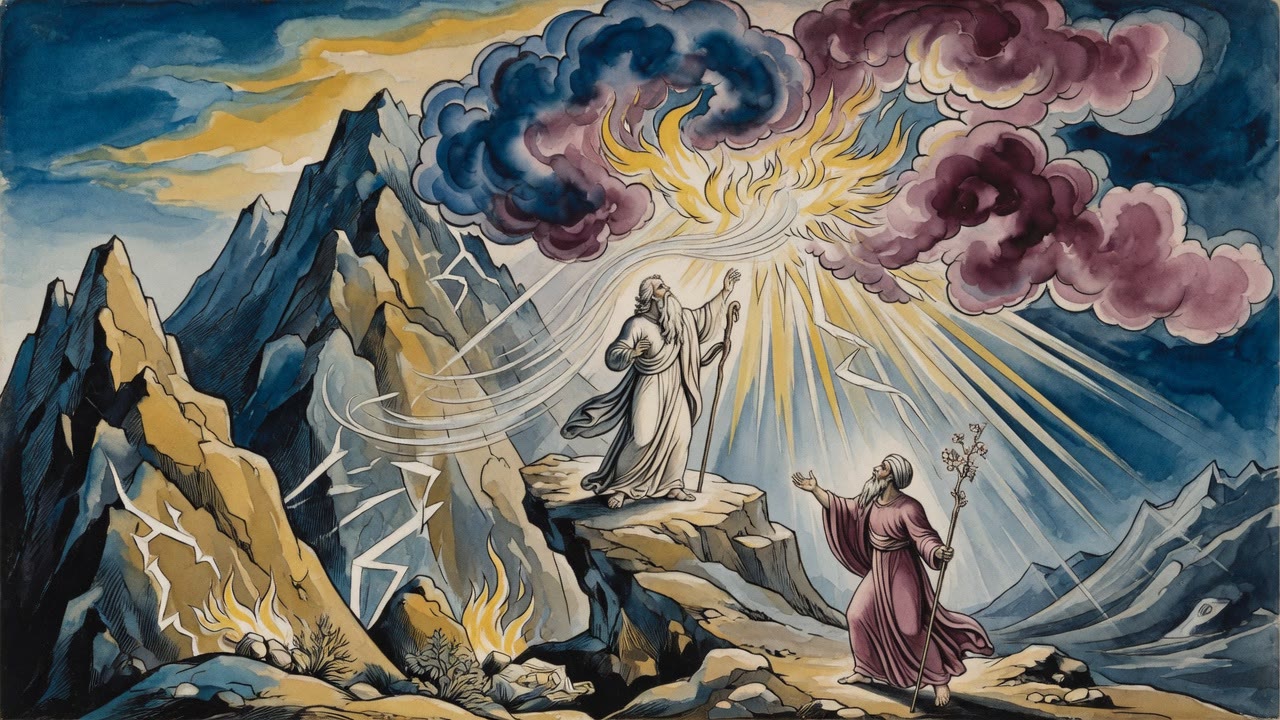
At the burning bush Moses said no for seven days running. God told him there would be a bill for that, and it came due at the door of the Tabernacle.
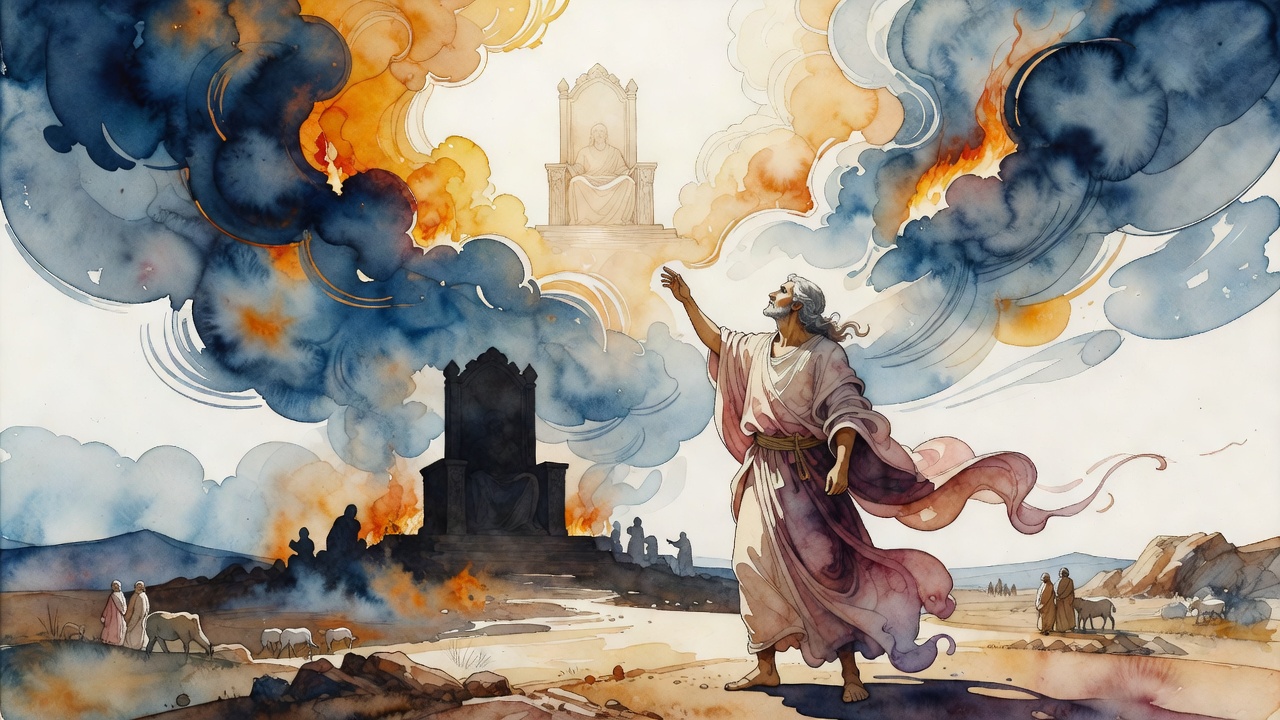
While shepherding at Abel-Meholah, Levi saw injustice enthroned and heaven open. Tanchuma places his tribe among God's chosen like Sabbath and the land.
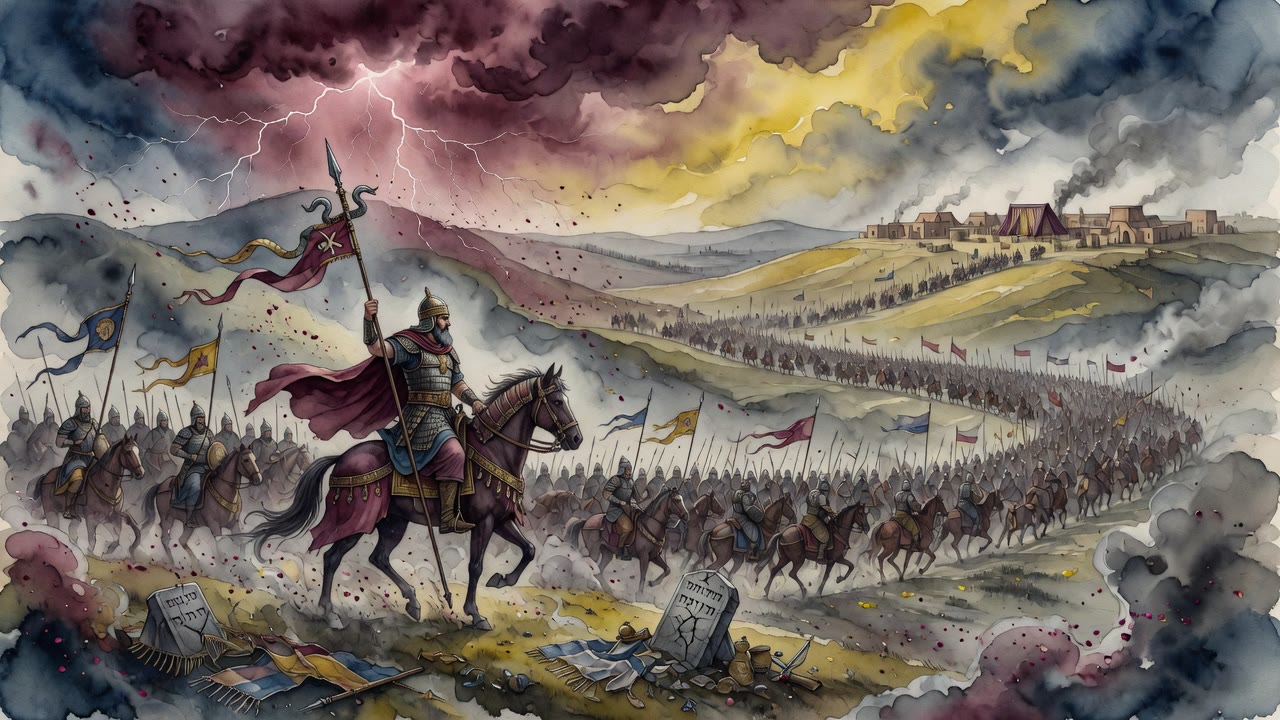
No one walked out. They asked to hear the words of their King from Himself, not from a messenger, and were given two days to purify.
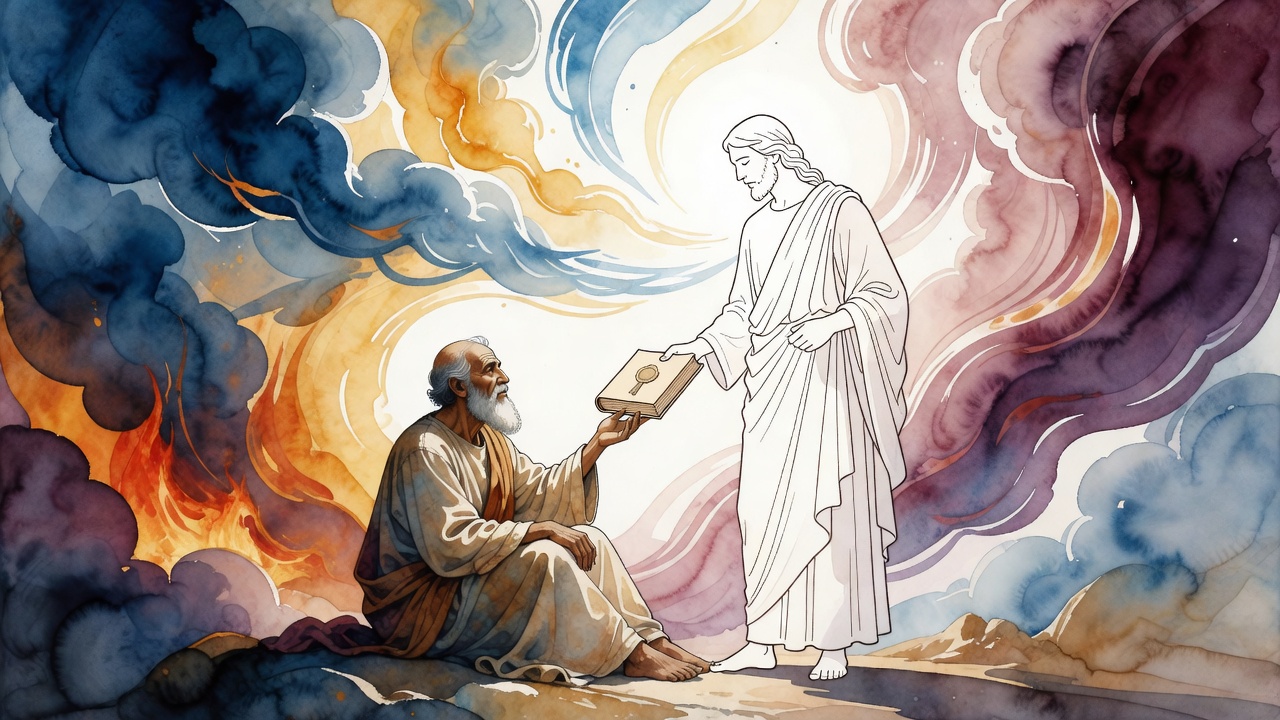
They found Moses standing with his hands folded. Joshua sat in the teacher's place. Then the wisdom left the older mouth.
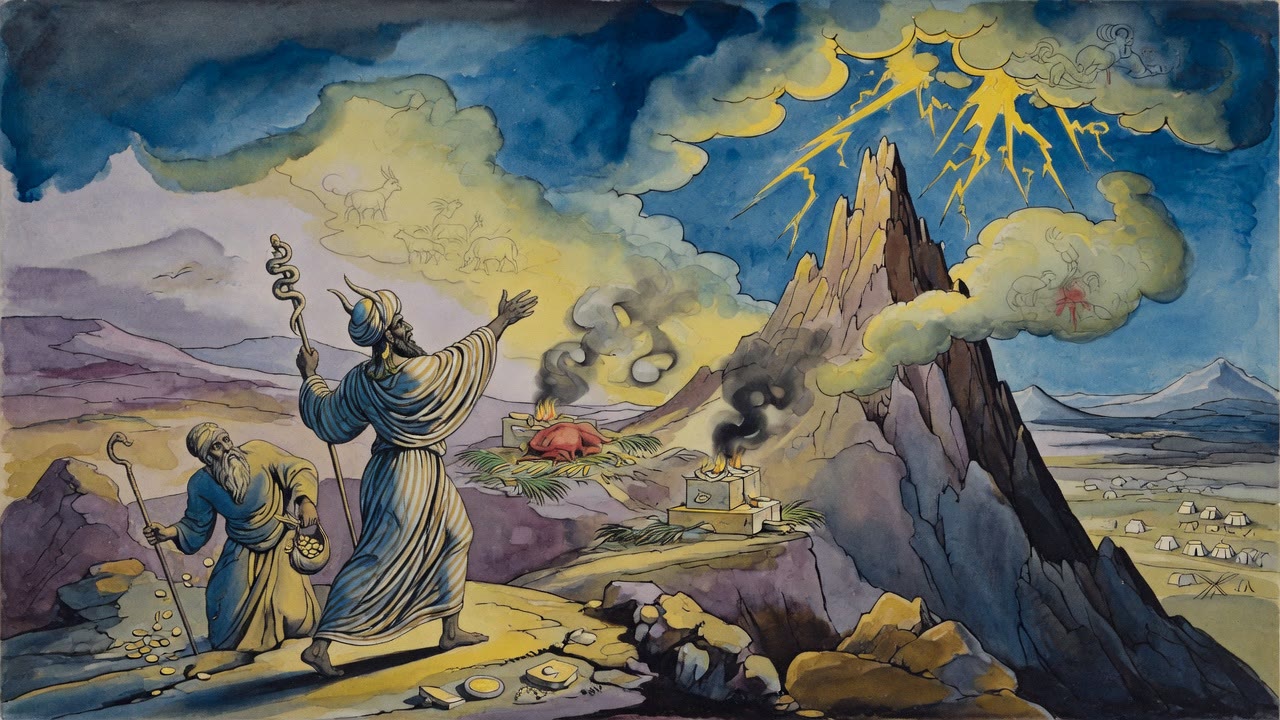
Bilam swore no house of silver and gold could move him. Then he stayed another night anyway, hoping God would change the answer.
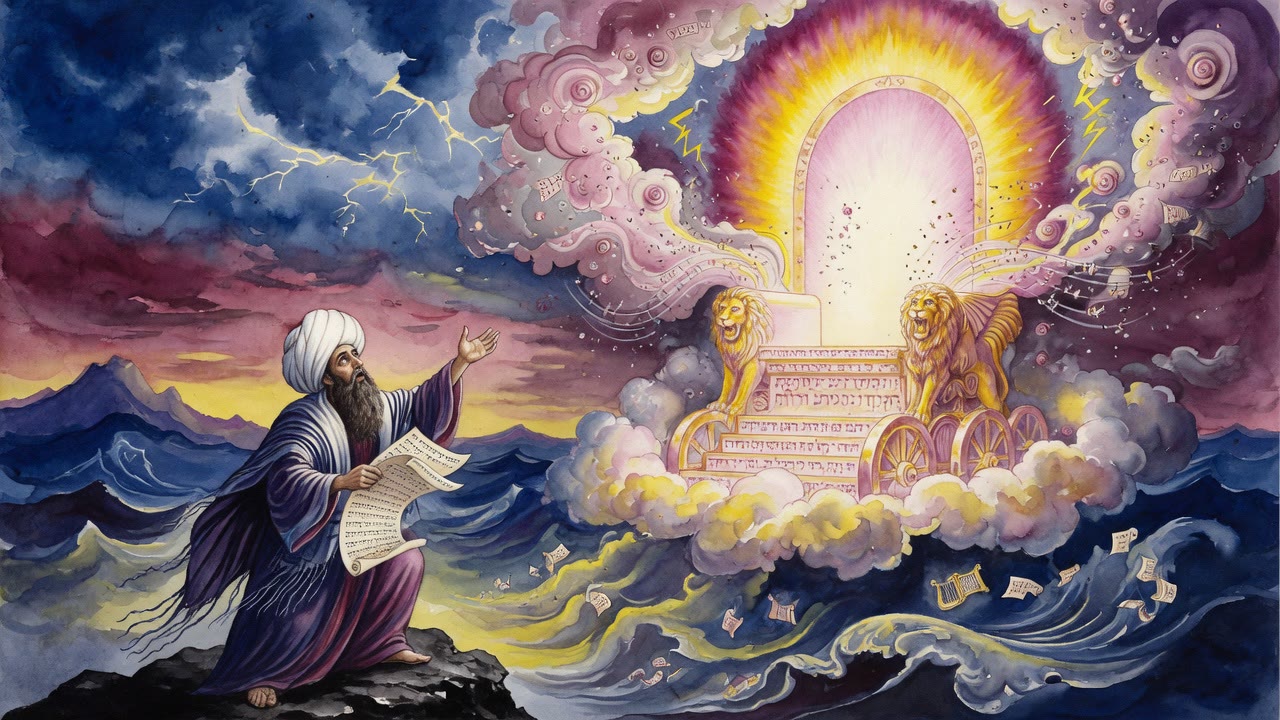
Ezekiel opens with a stutter, hayoh hayah, the word of the Lord was, was. The first marks prophecy in Israel, the second in Babylonia among the exiles.
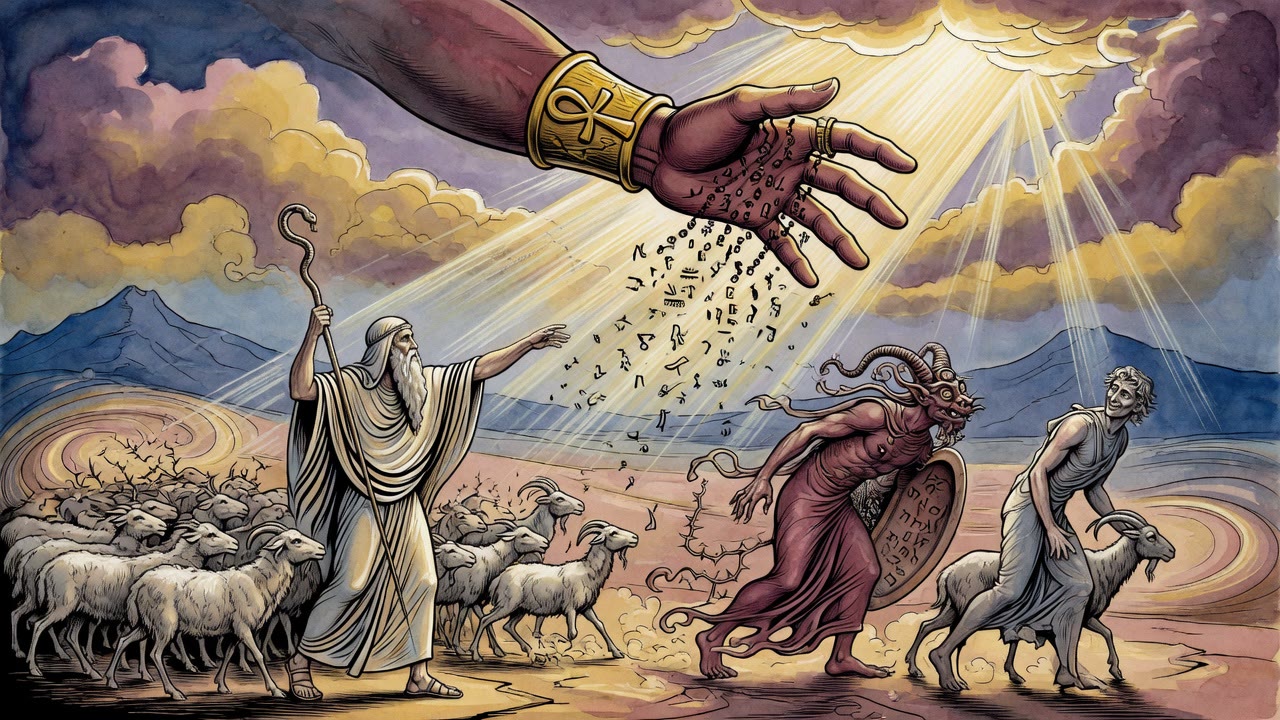
At the sea Moses kindled each phrase and Israel completed it. The Name warred without weapons, and faithfulness turned left hand into right.
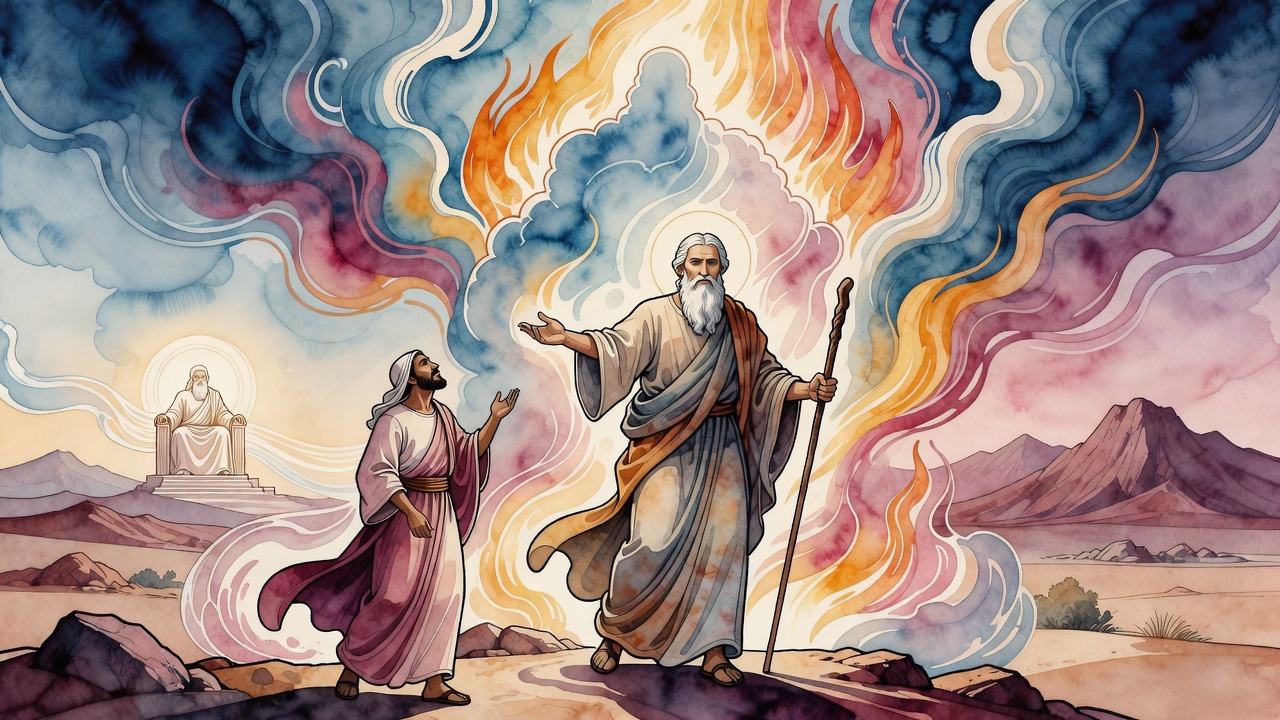
There are two ways to say goodbye in Hebrew. David used one on Avshalom, who never came home. Moses got the other at his father-in-law's door in Midian.
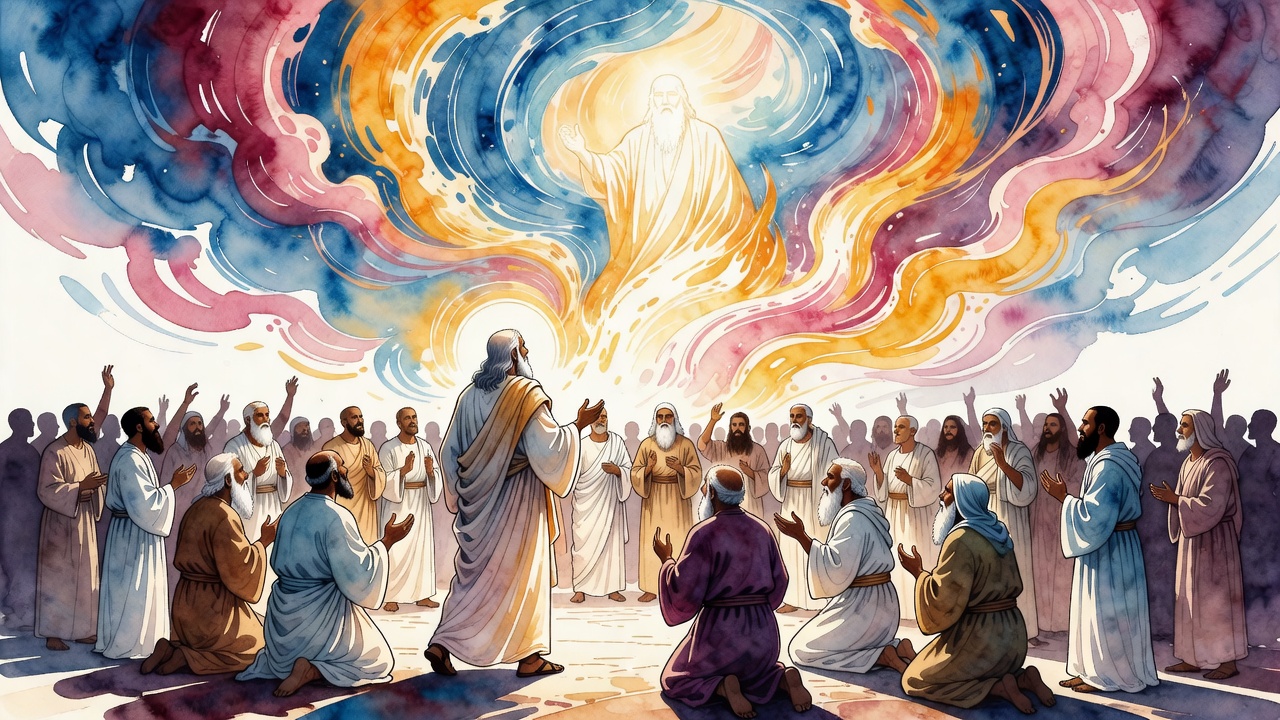
He could have climbed a rock and shouted the terms to the whole camp. The old men heard them first, and he stayed until they understood every word.
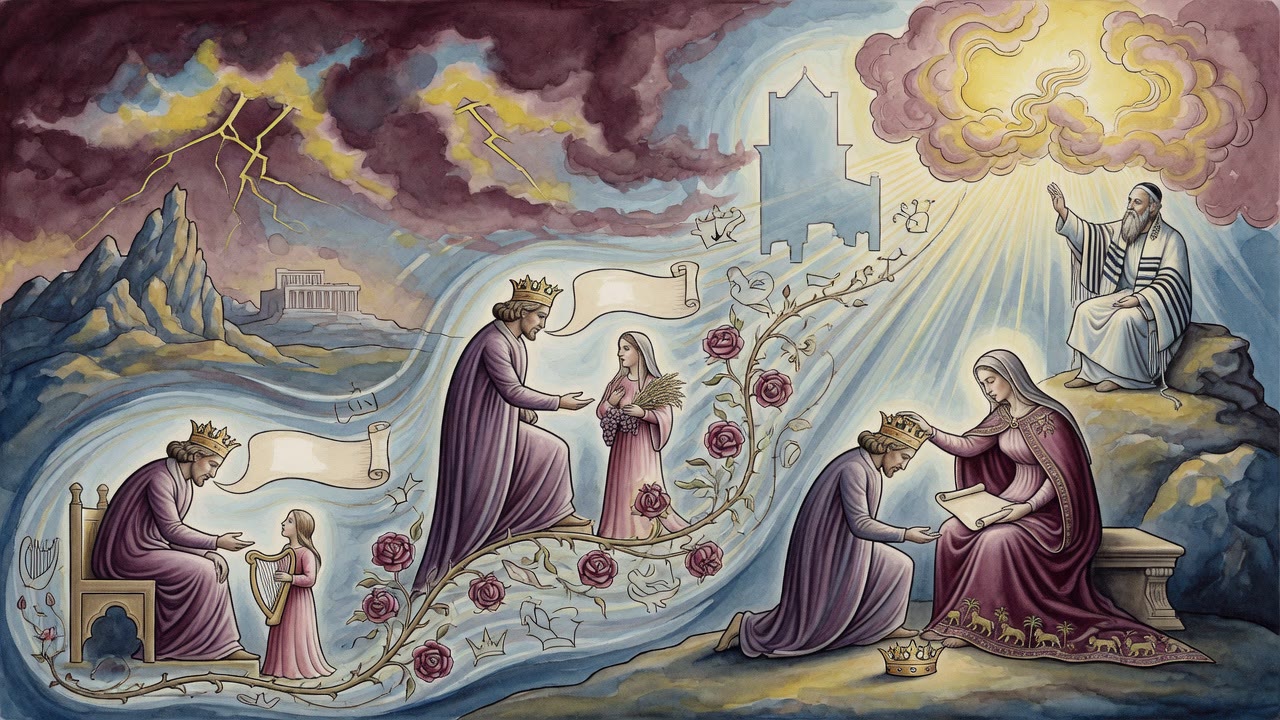
The army leaked into the hills on the seventh day. Saul put fire on the altar where no king belonged, and Samuel walked in on the smoke.
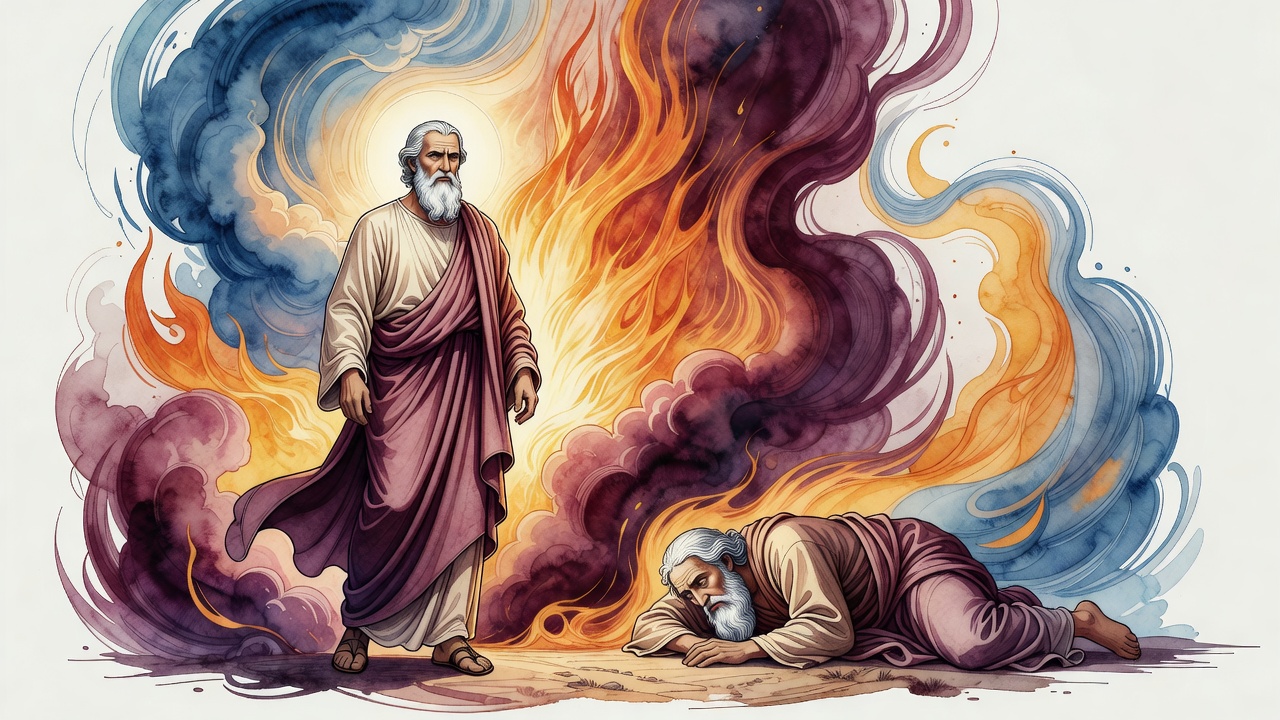
Balak had paid for three curses. Each one came back a blessing. Bilam wiped the dust from his mouth and pointed at the road into camp.
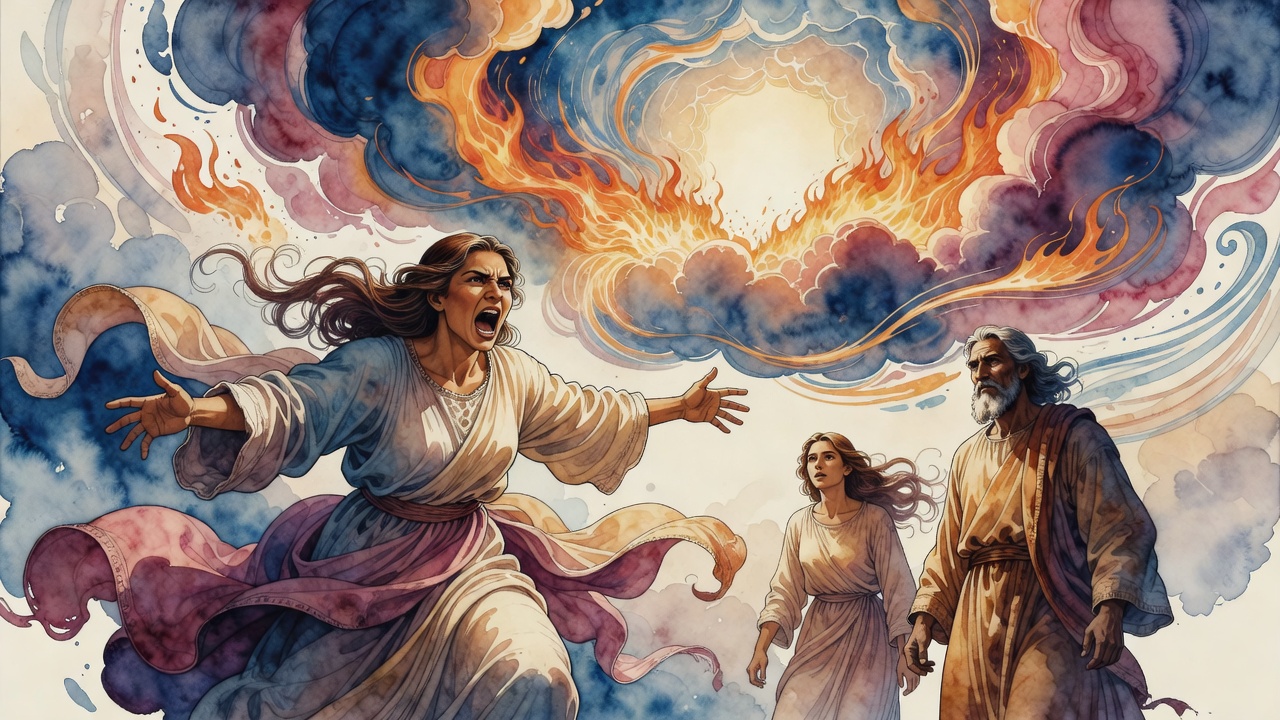
Tzipporah walked the camp with a bare neck. Miriam asked why the prophet's wife looked like a widow while he still breathed.
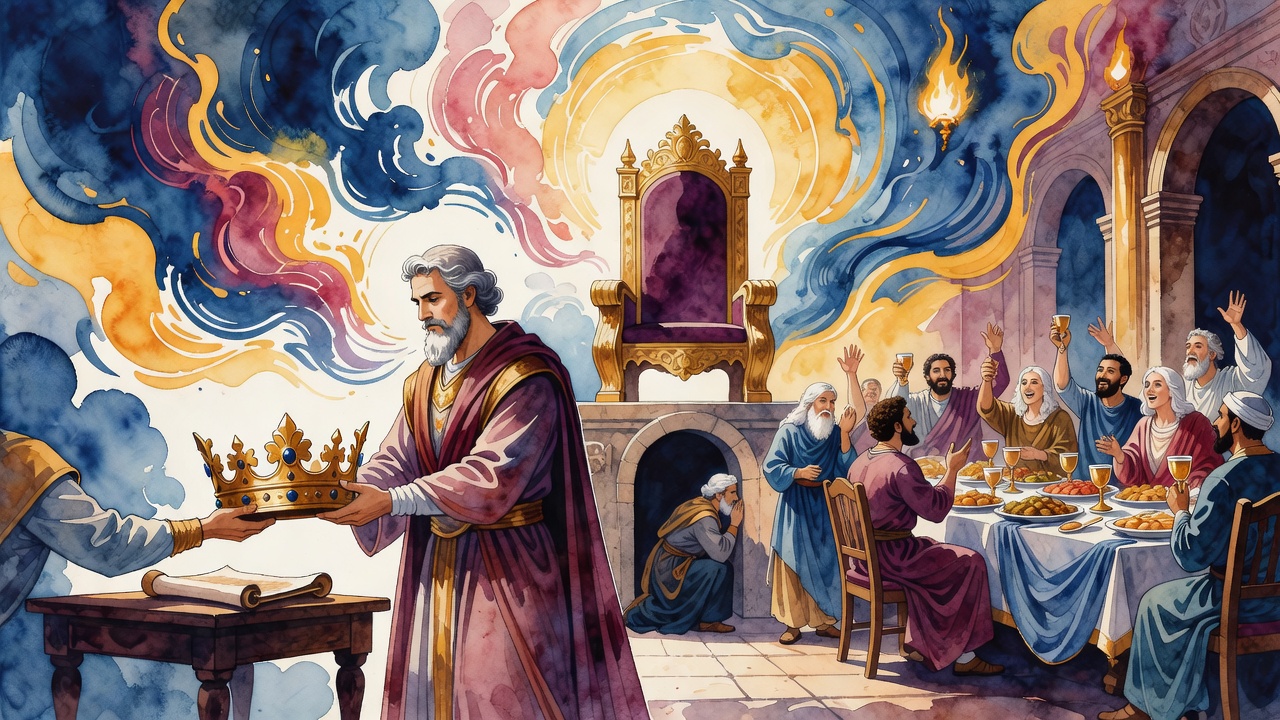
Bigthan and Teresh mixed the poison in Tarsian, sure the Jew at the door would hear only noise. Mordecai knew seventy languages.
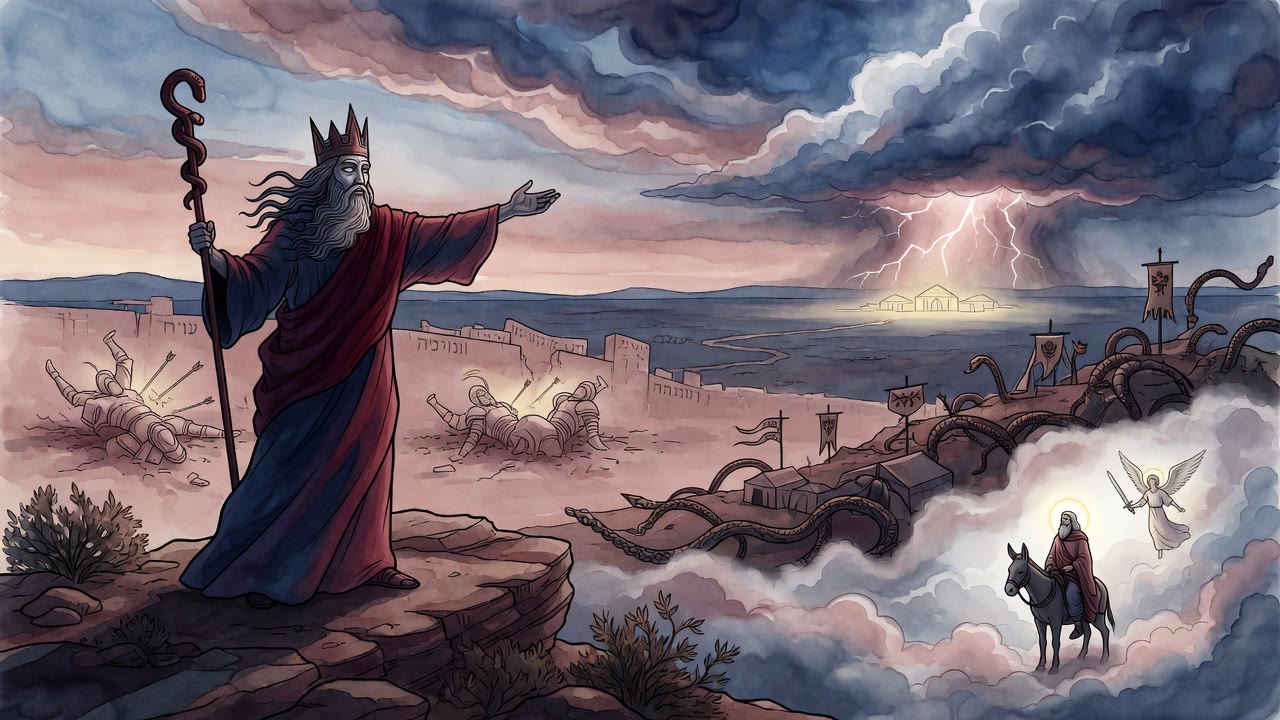
Below the ridge, children chased goats between tents and elders argued about grazing rights. None of them knew silver was already riding toward Bilam's house.
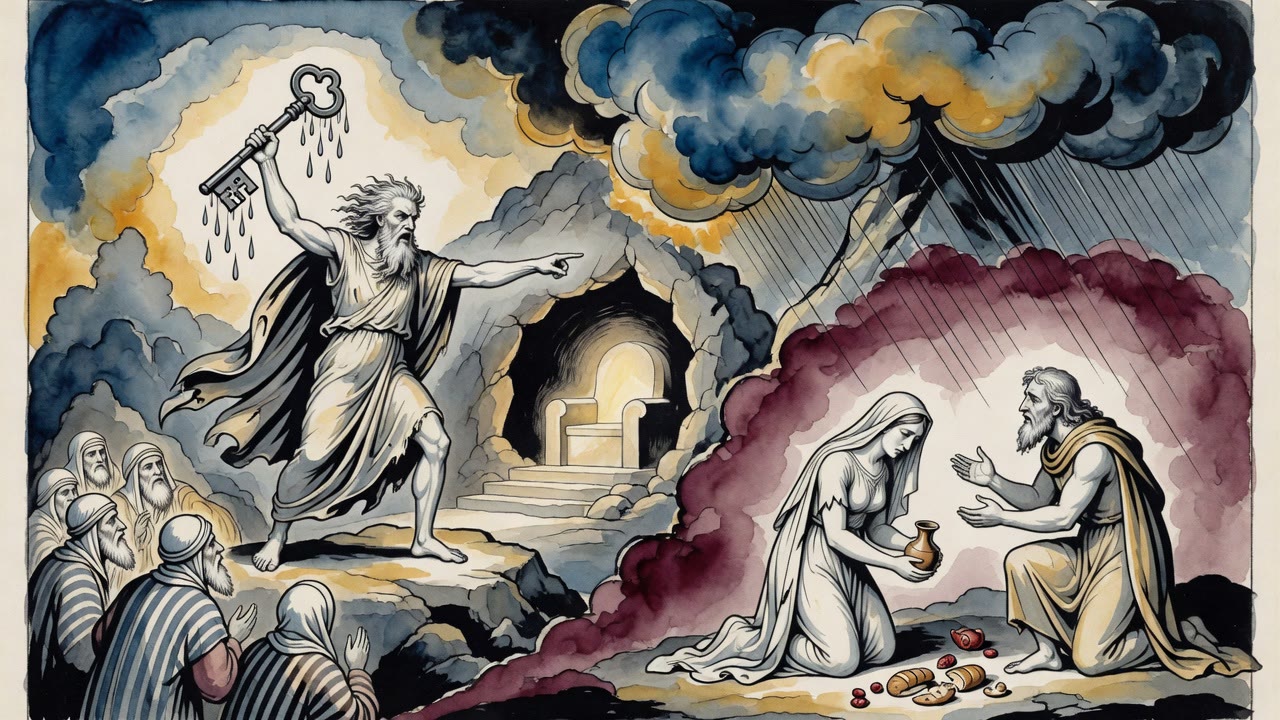
Elijah seizes the key of rain and accuses Israel at Horeb, while Hosea learns on his own marriage why a prophet must plead before he condemns.
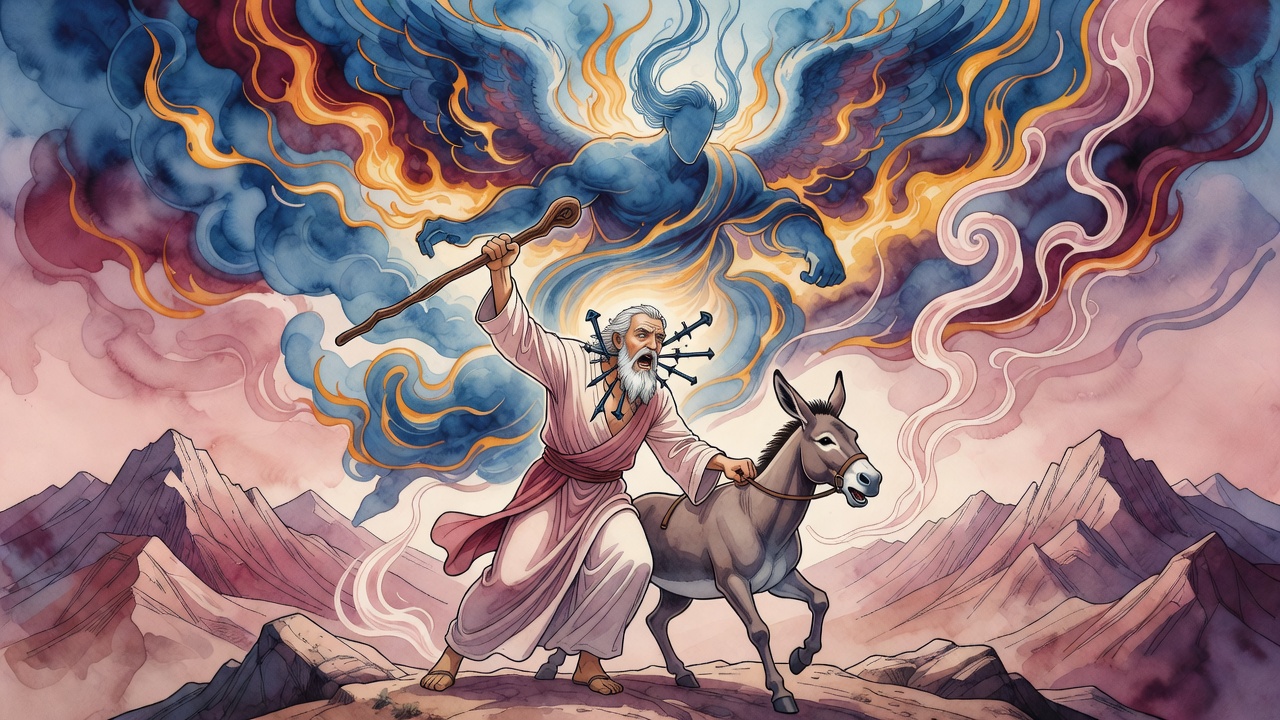
The donkey turned her head and spoke. On the heights Balaam pushed a curse and felt metal stop it. Balak's silver sat unused.
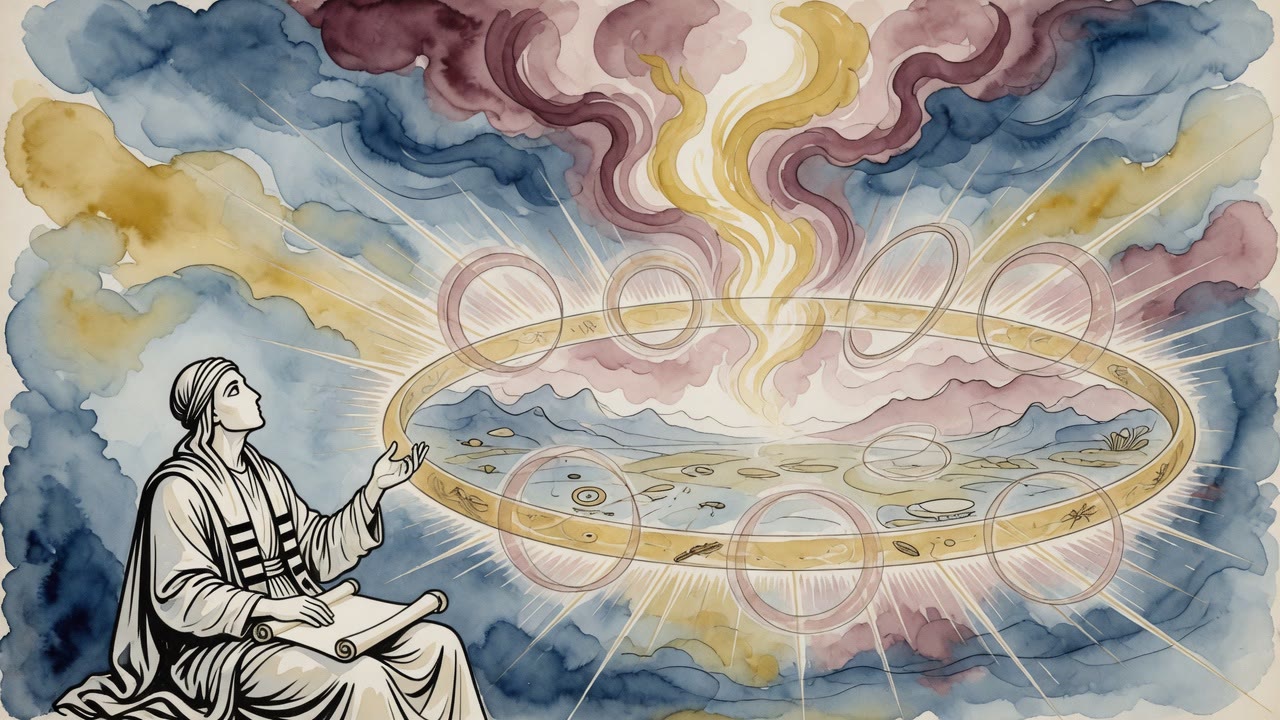
"Show me Your glory," he said. The last vessel would not move. He fell in the cleft and tasted dust that still belonged to her.
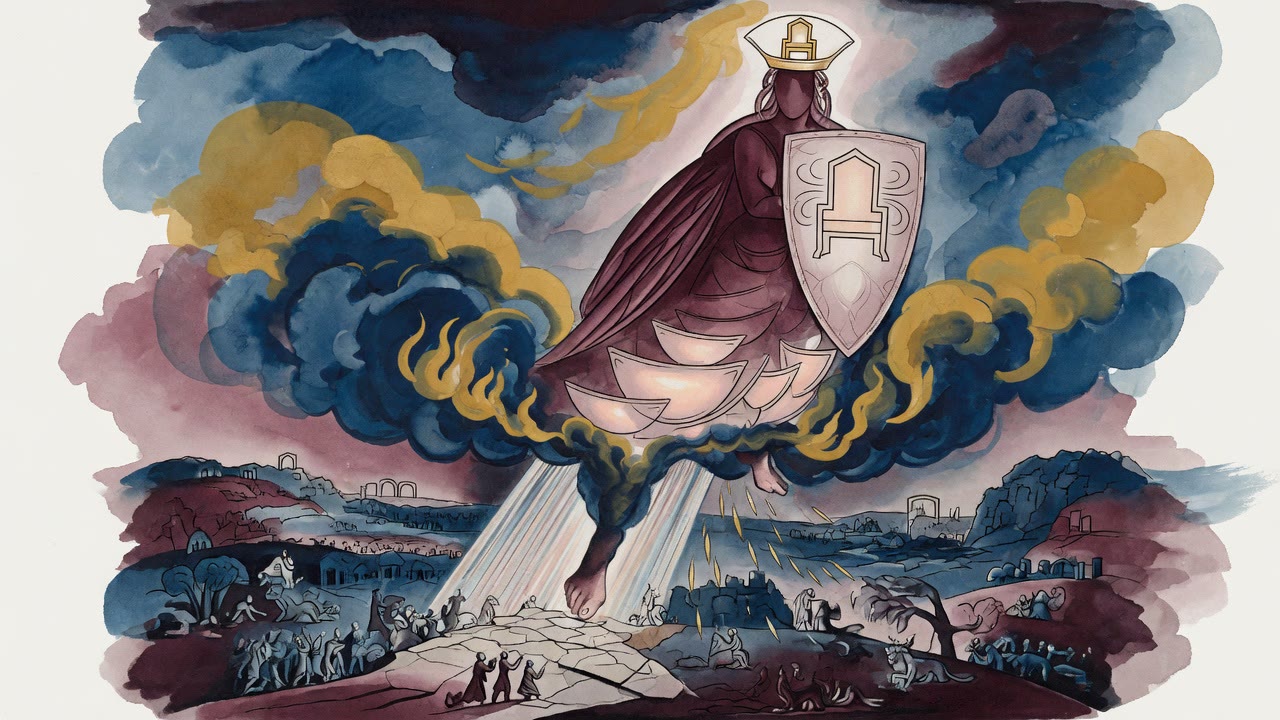
He reached for a line of light and touched meaning instead of metal. In the town below, a birth and a funeral shared the same night.
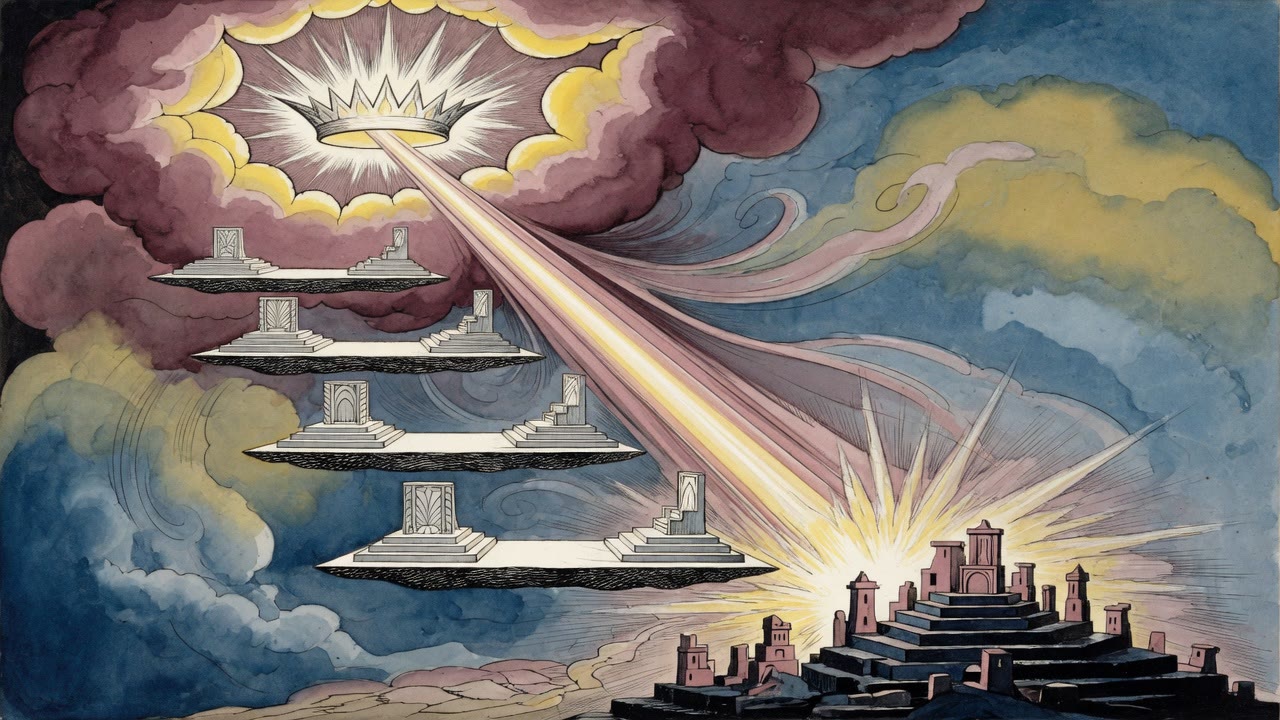
By the Chebar the prophet's knees went. Lightning shot one way, then reversed, and the floor under him stayed when the flash climbed off it.
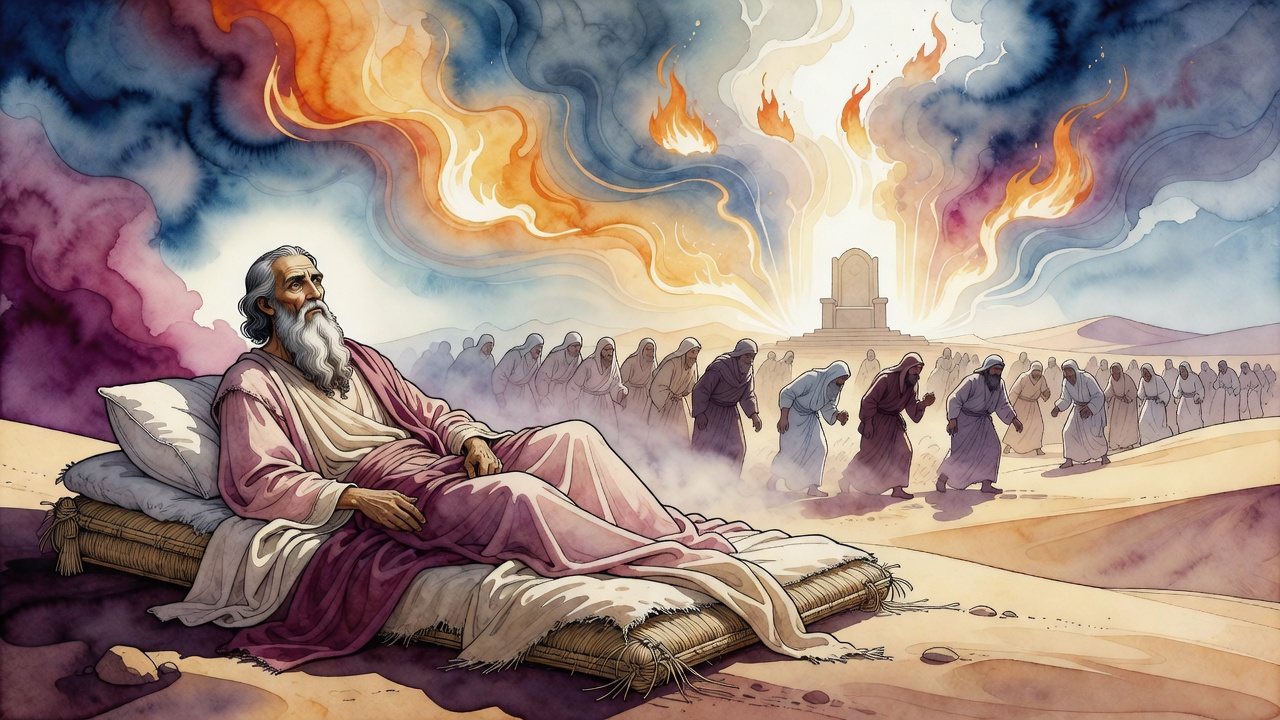
Grain filled Joseph's storehouses. On the bed in Goshen, Jacob watched roads of exile his grandsons would never walk. He did not tell them.
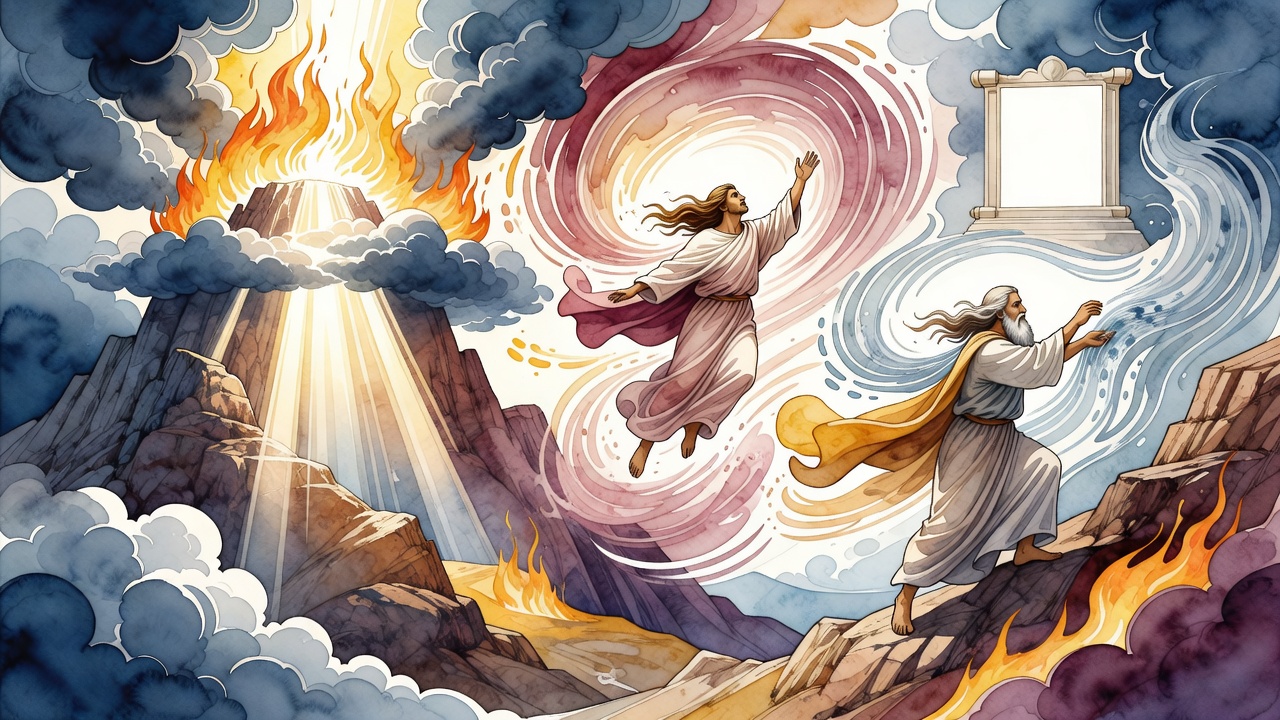
Israel stood at the fence around Sinai and could not climb. Moses went up into the smoke. The tablets in his arms were the only way back.
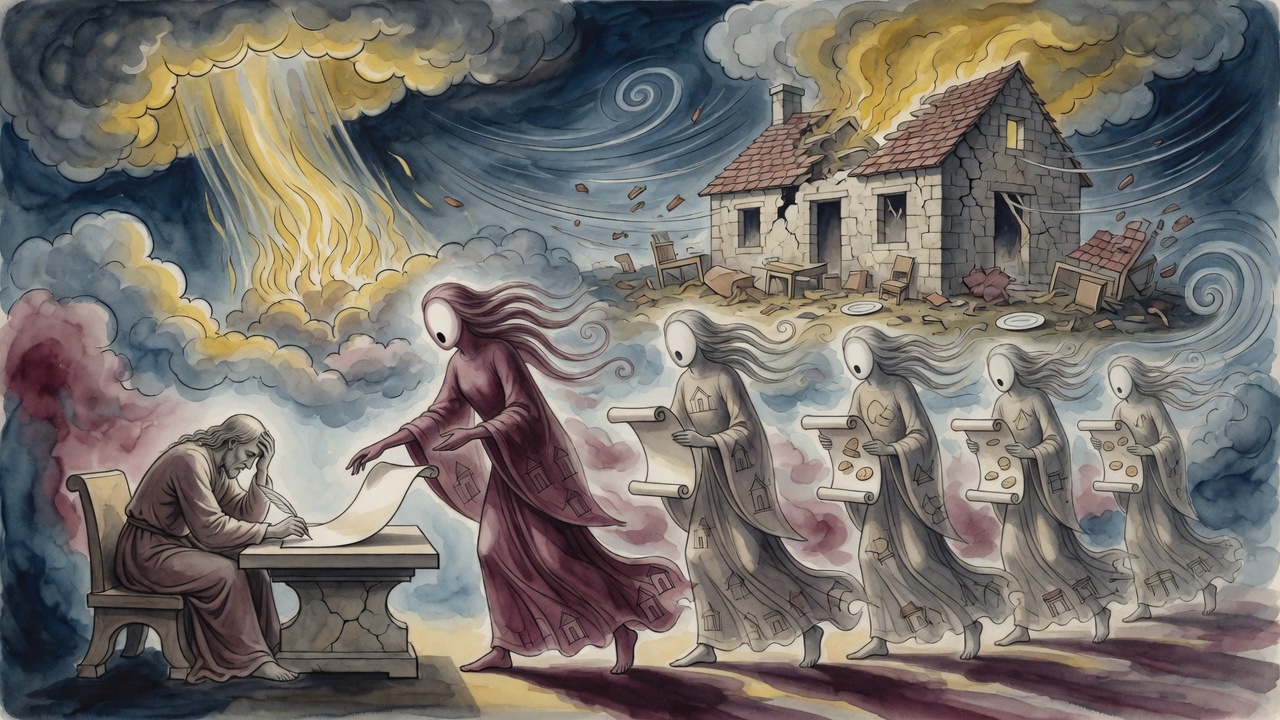
Joseph held the foundation of life-force in Egypt while a great fish of decrees closed its jaw, and prophecy poured into him from sun, moon, and stars.
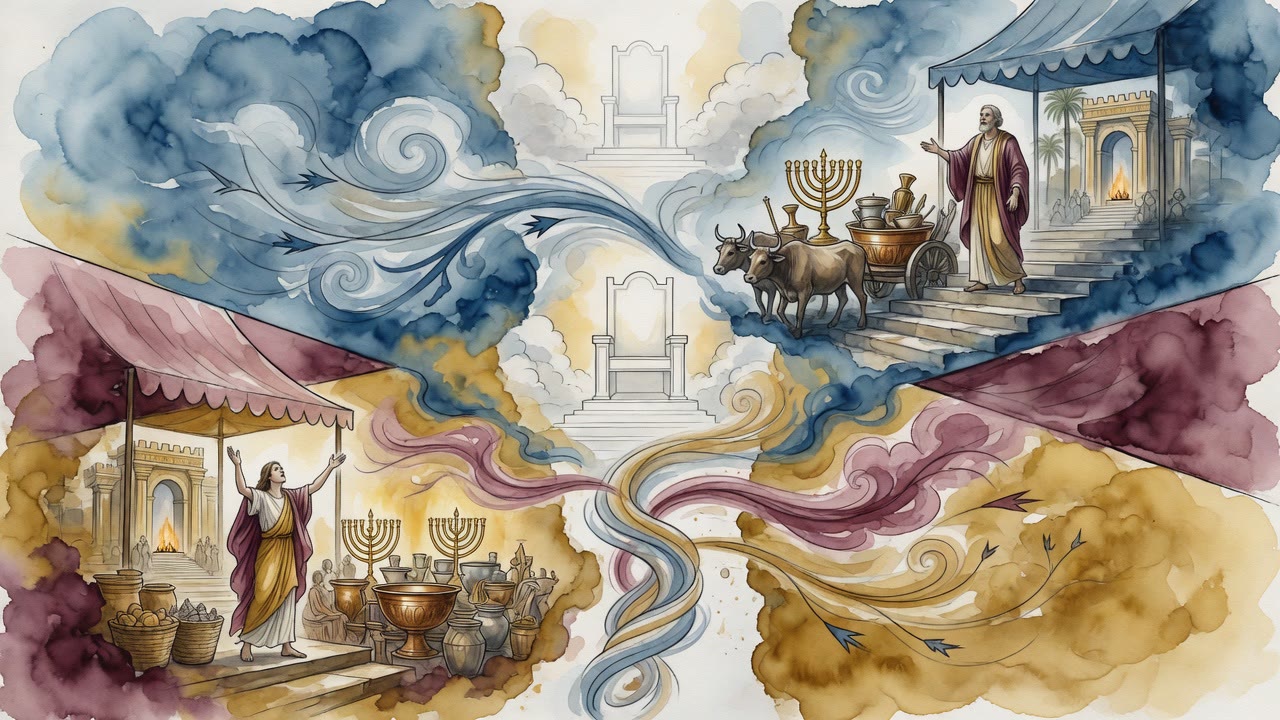
In the upper market Jeremiah says the Temple vessels go to Bavel. In the lower market Chananiah promises their return. Time must choose the true mouth.
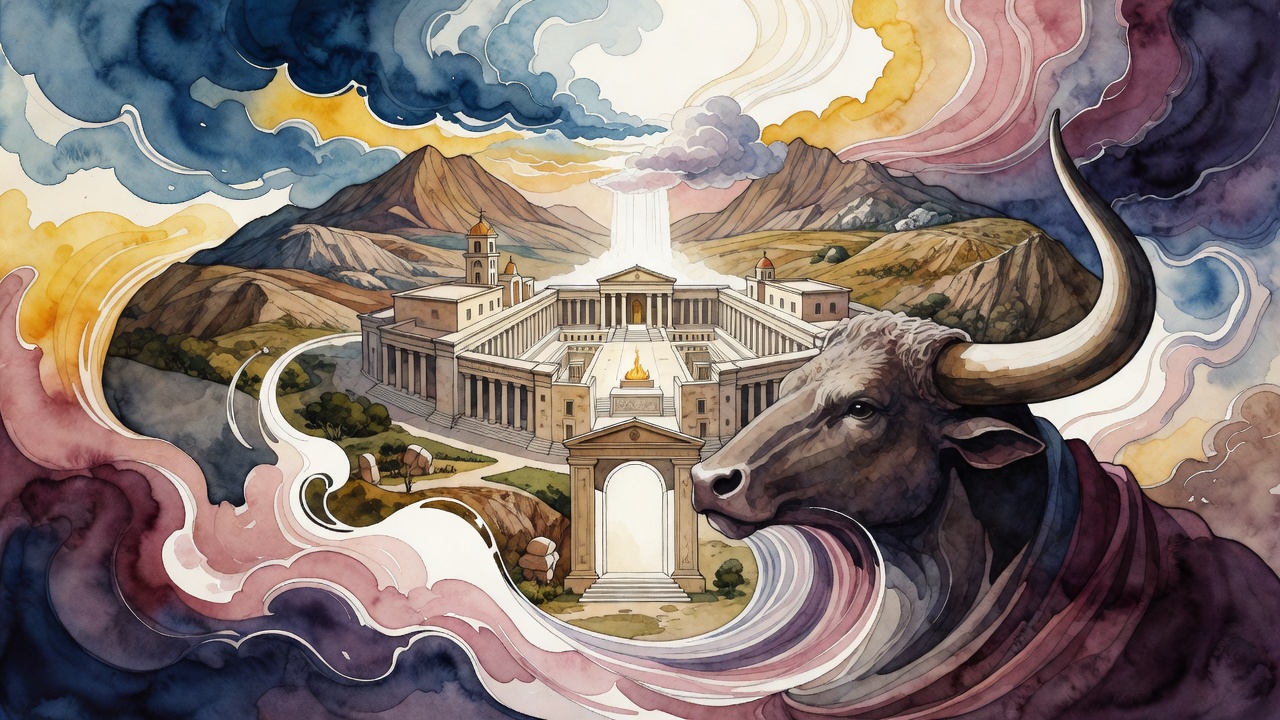
The sanctuary nested in Benjamin's land like a head between shoulders, while Judah's portion pressed the courts like an ox's horn.
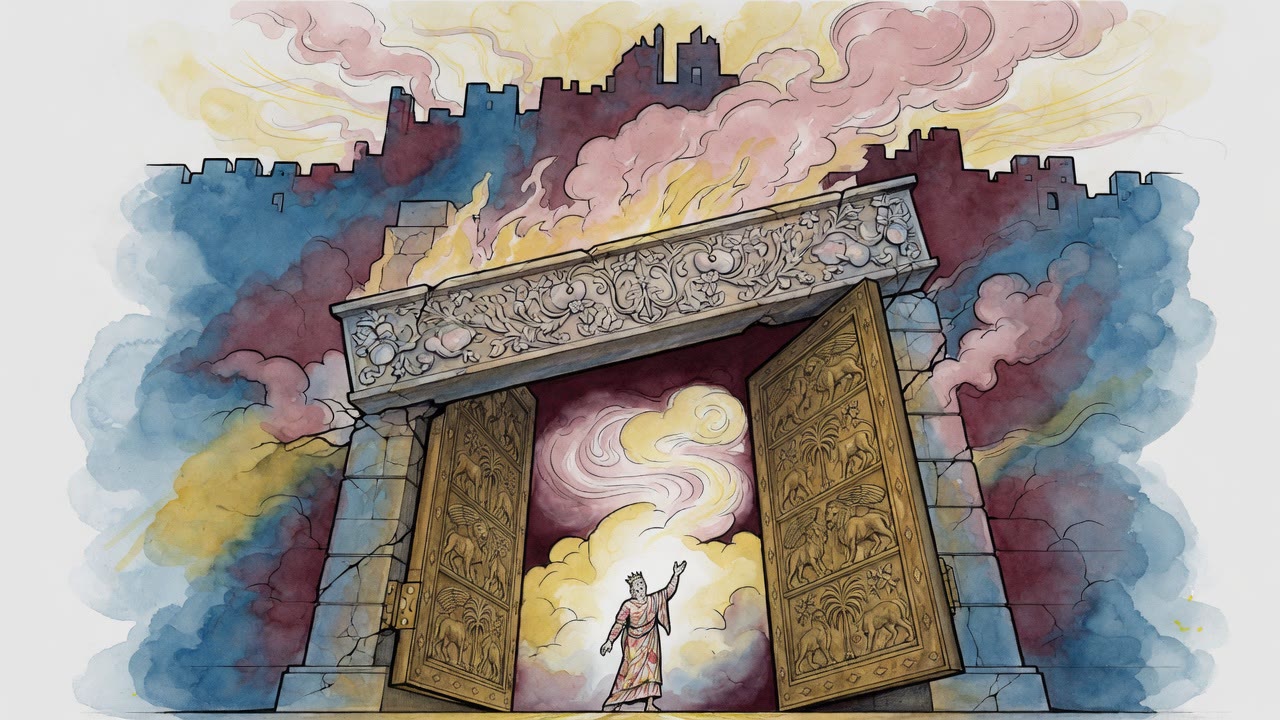
The lintels started down toward Solomon's crown. He had named the wrong king, and the new doors meant to kill him for it.
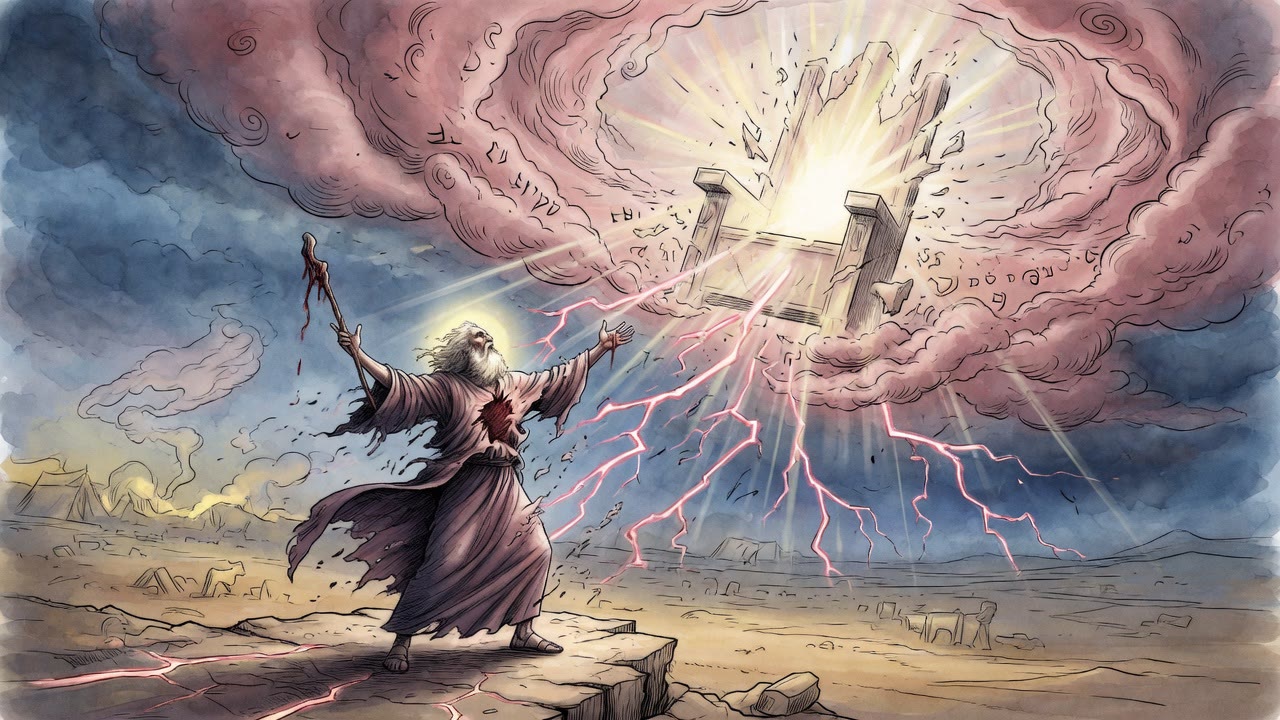
Twice Moses wagered his own life so Heaven's fire would not mark Israel. Spirit shared like lamp from lamp, and a shepherd stepped into the burn.
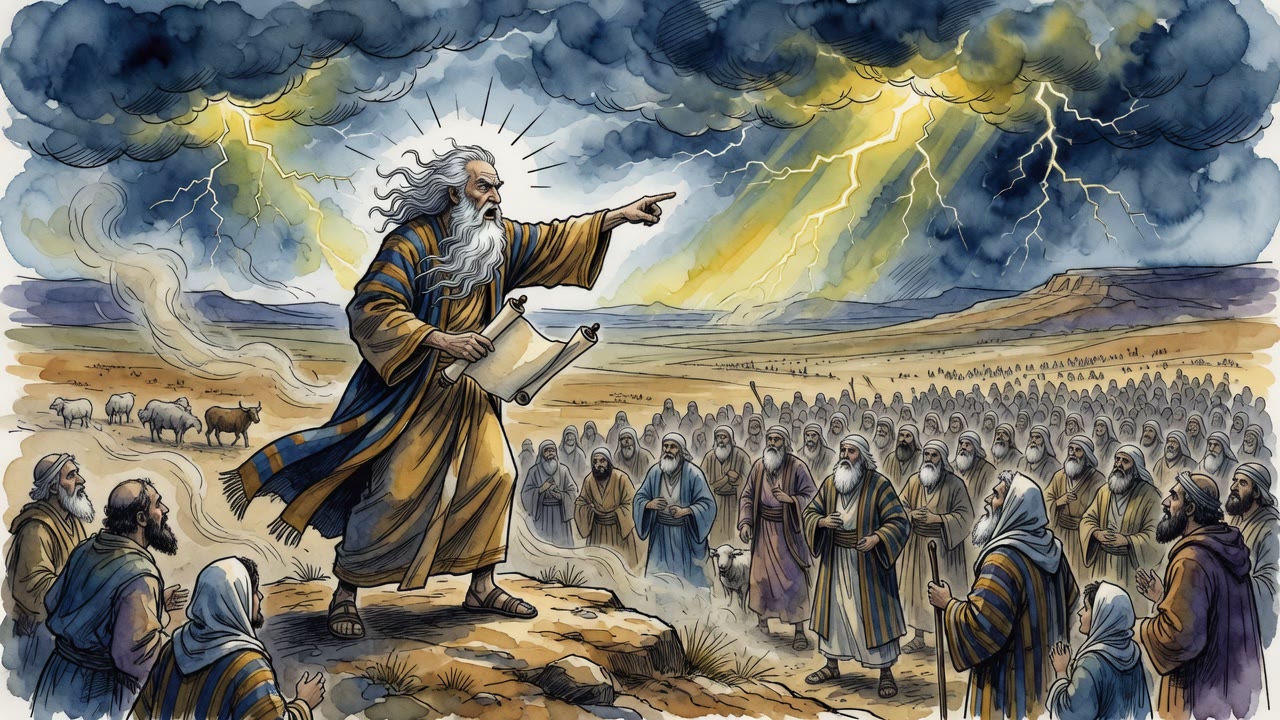
The Jordan was in sight. Moses did not open with the road. He named the places they had already failed, one by one.
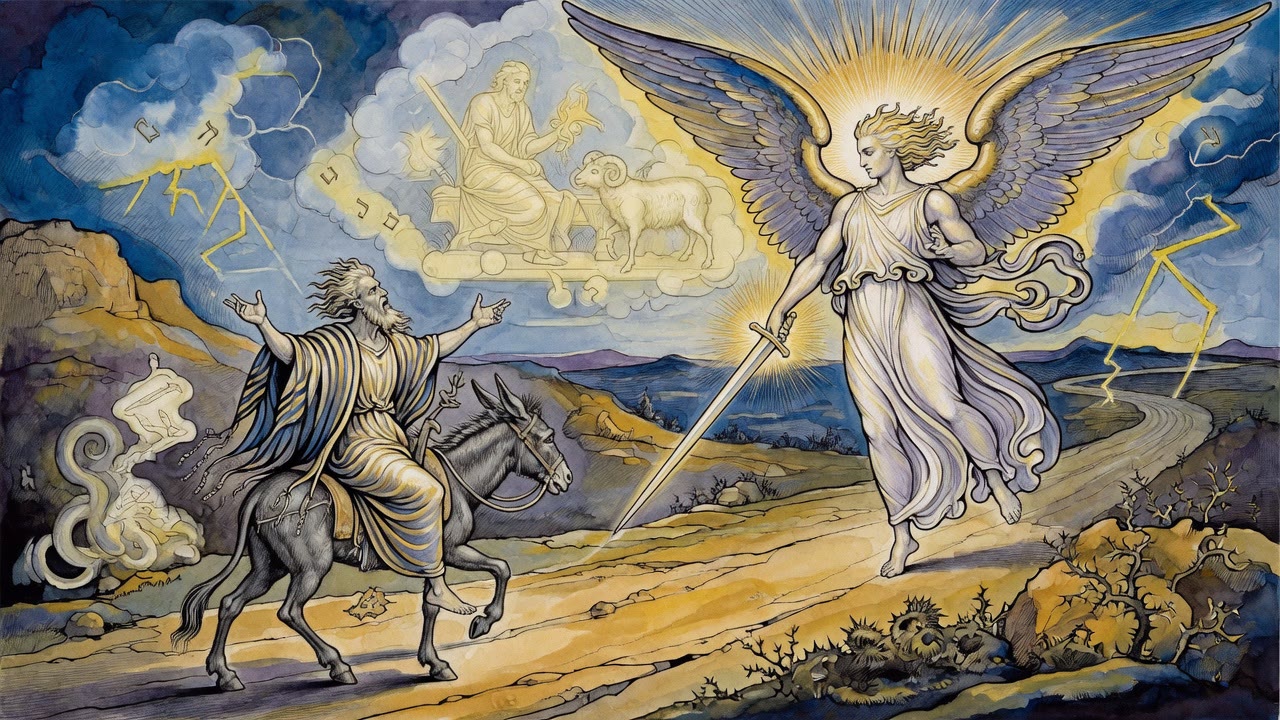
An angel blocked Balaam with a drawn sword. He twisted guilt into theology, comparing Gods command and the angels stop to Abrahams knife over Isaac.
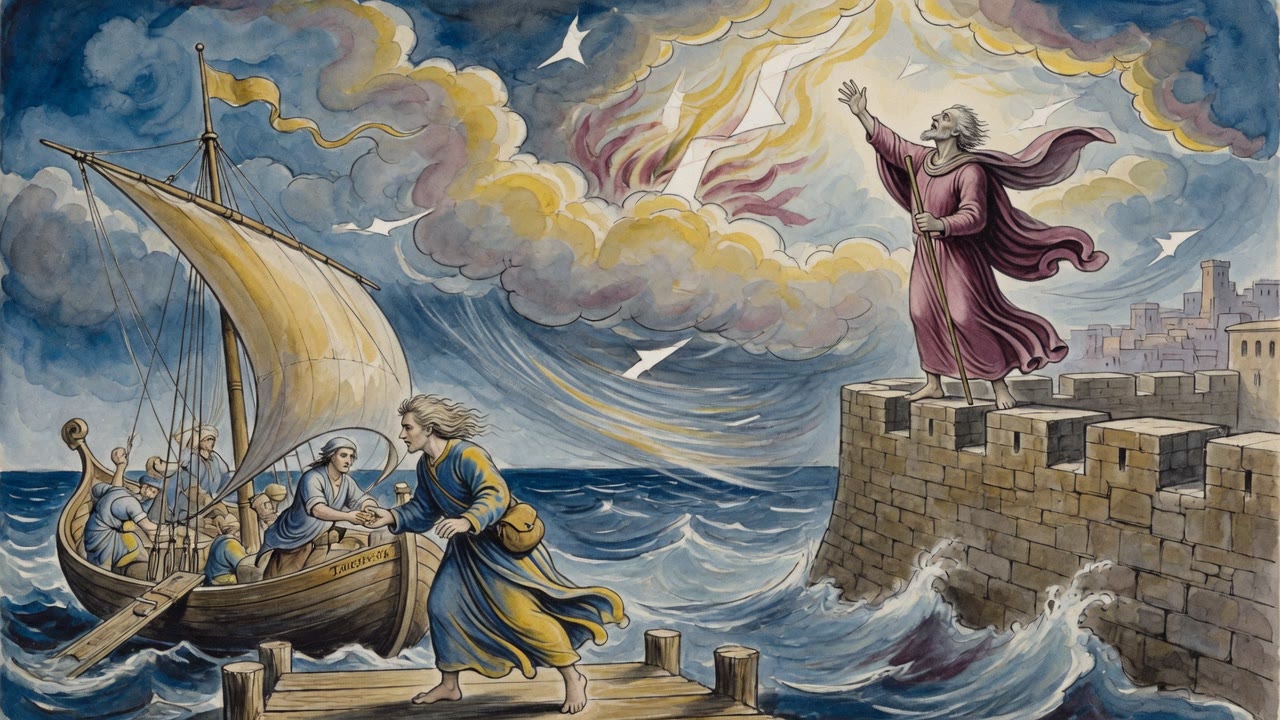
Edom rose as the terrible beast of Habakkuk and Daniel. From Edoms own ranks God raised Obadiah the convert, whose single oracle turned terror into verdict.
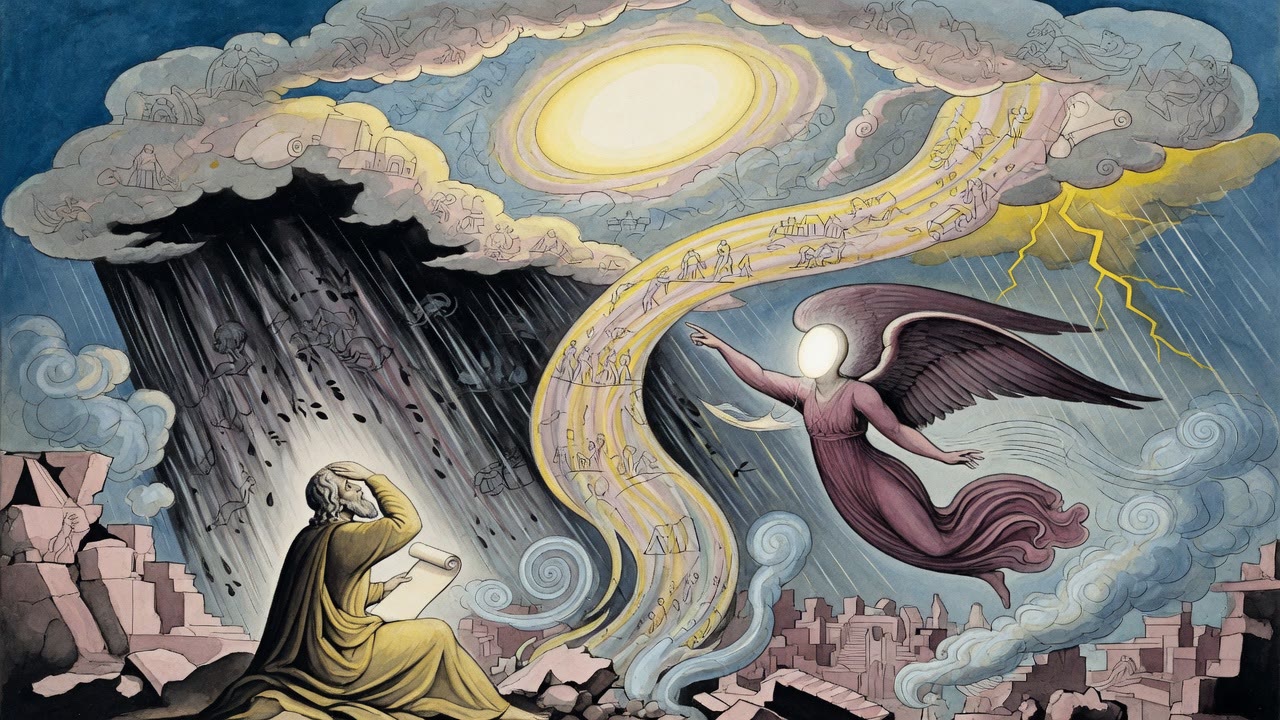
After Jerusalem falls, Baruch sees a cloud pour Adam's black waters and Abraham's bright ones. Ramiel names each flood until history itself becomes weather.
