448 myths · Page 12 of 15
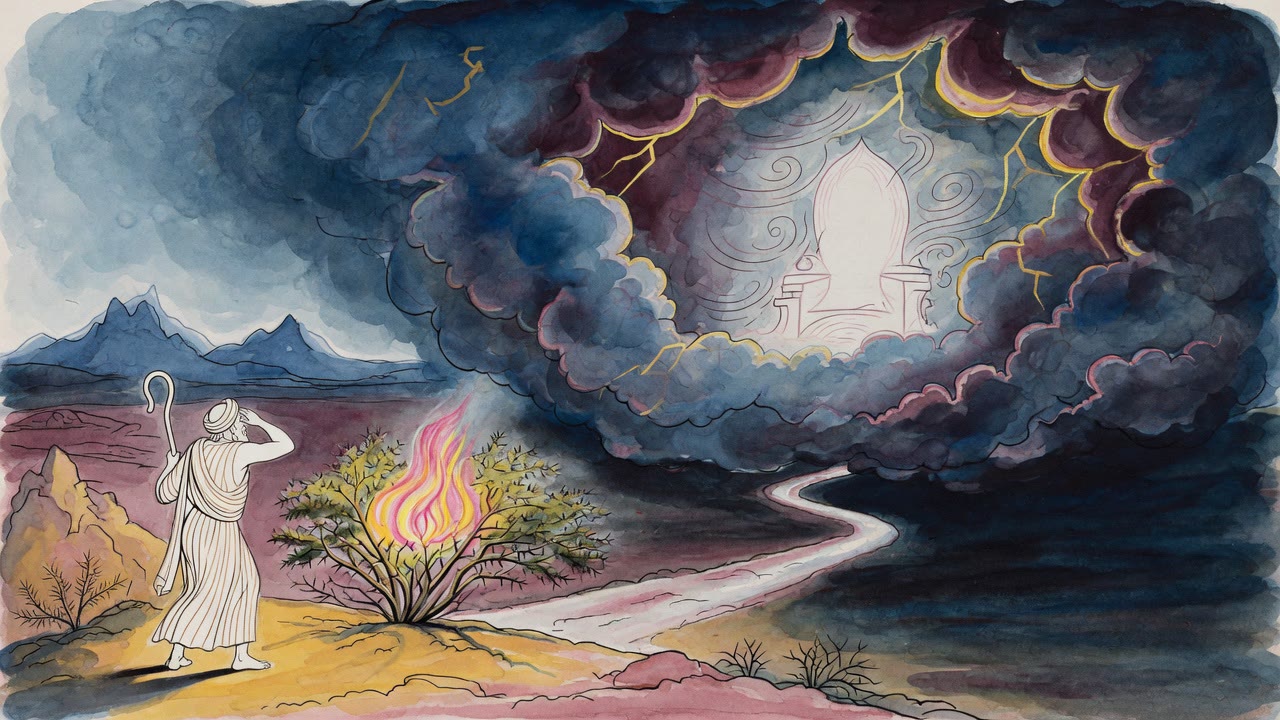
God gave the shepherd a fire that ate nothing, so the mountain would not frighten him. At the last threshold two angels had to carry him in.
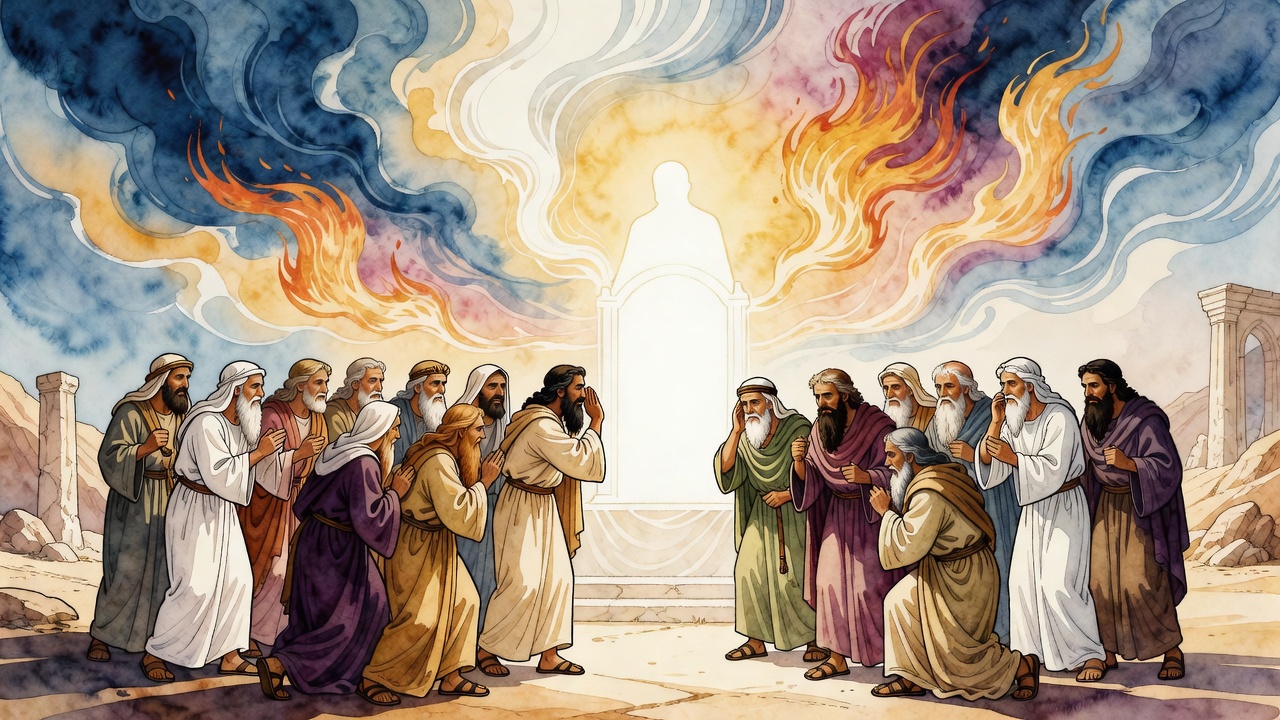
Amos said God never moves without warning his prophets first. The sages took that one line and built a roll call of everyone who heard the secret early.
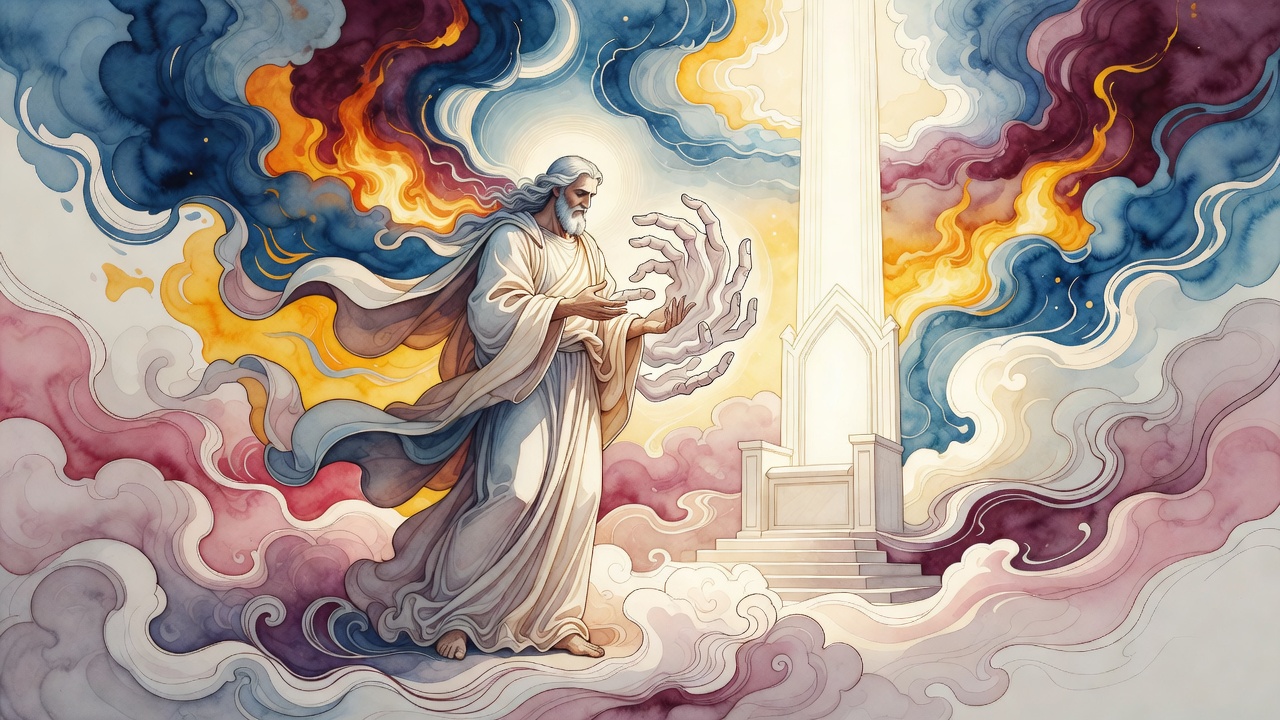
Nebuzaradan had orders to keep the prophet safe. He kept finding him in the road with his own hand pushed into a prisoner's iron collar.
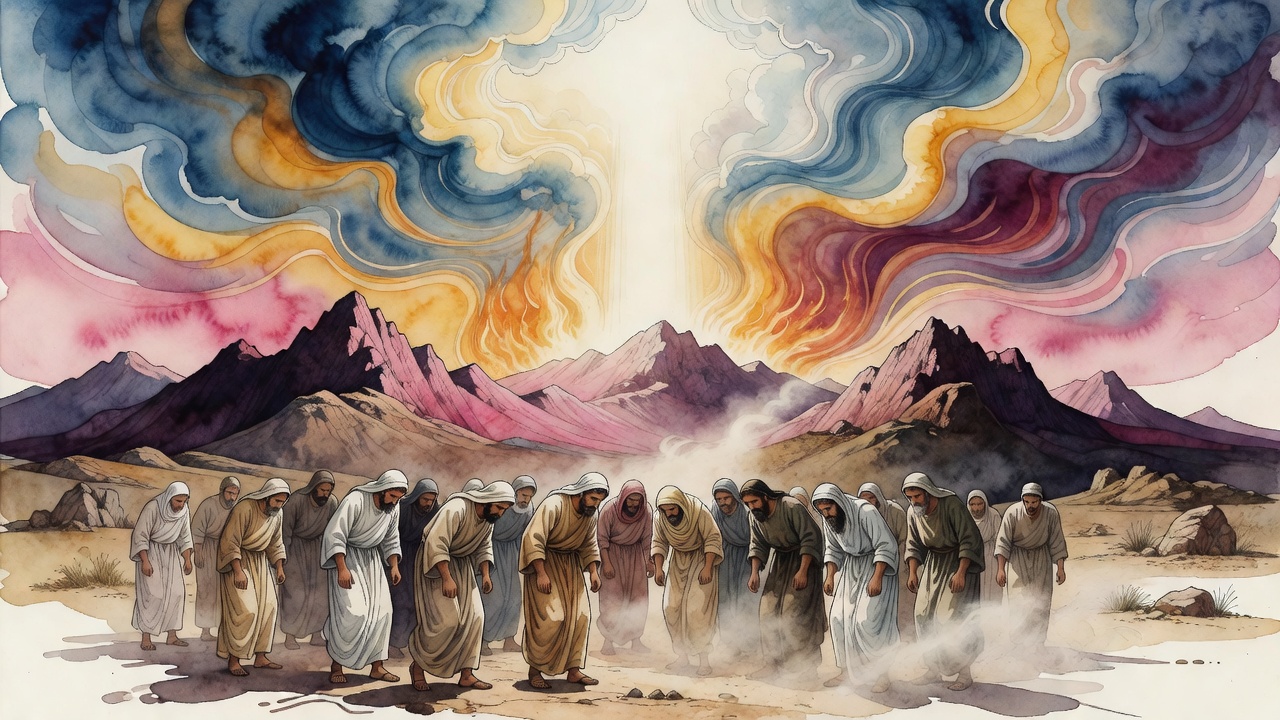
The mountains where they had burned offerings still stood every morning. Jeremiah brought that shame upstairs. God did not wait for them to climb.
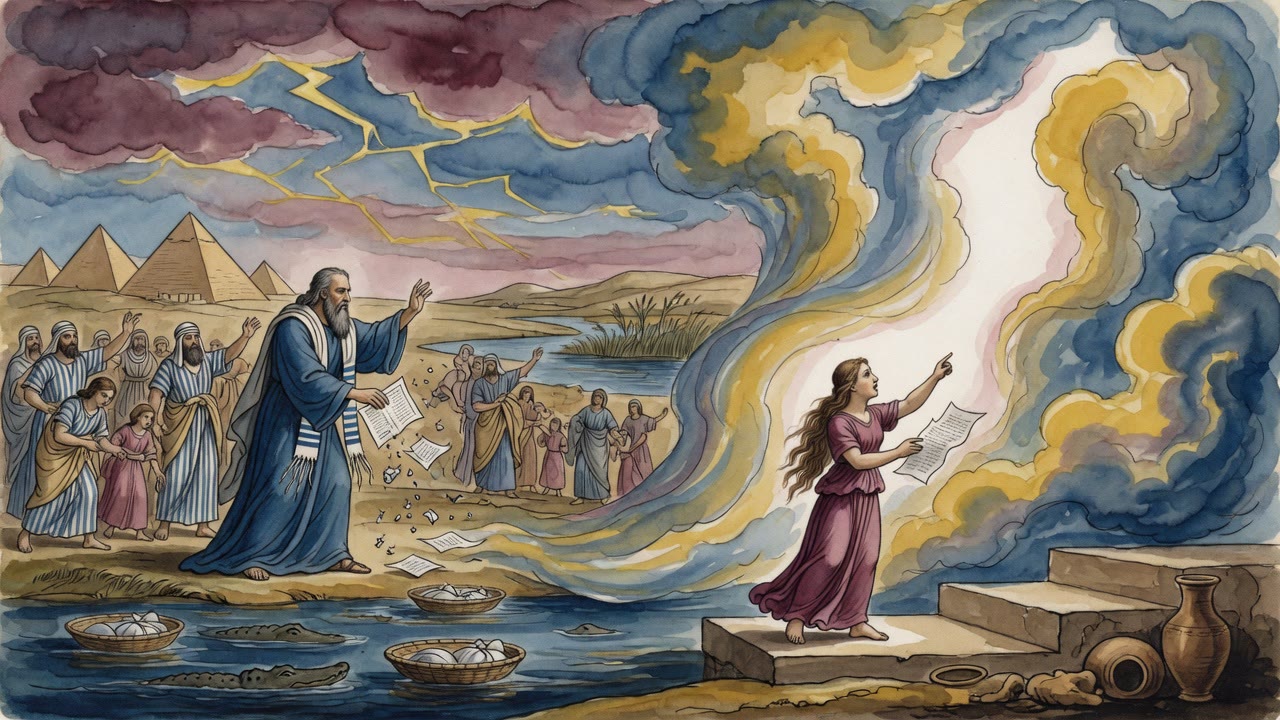
Amram sent Jochebed away so no more sons would drown. His daughter stood up and prosecuted him in front of the house.
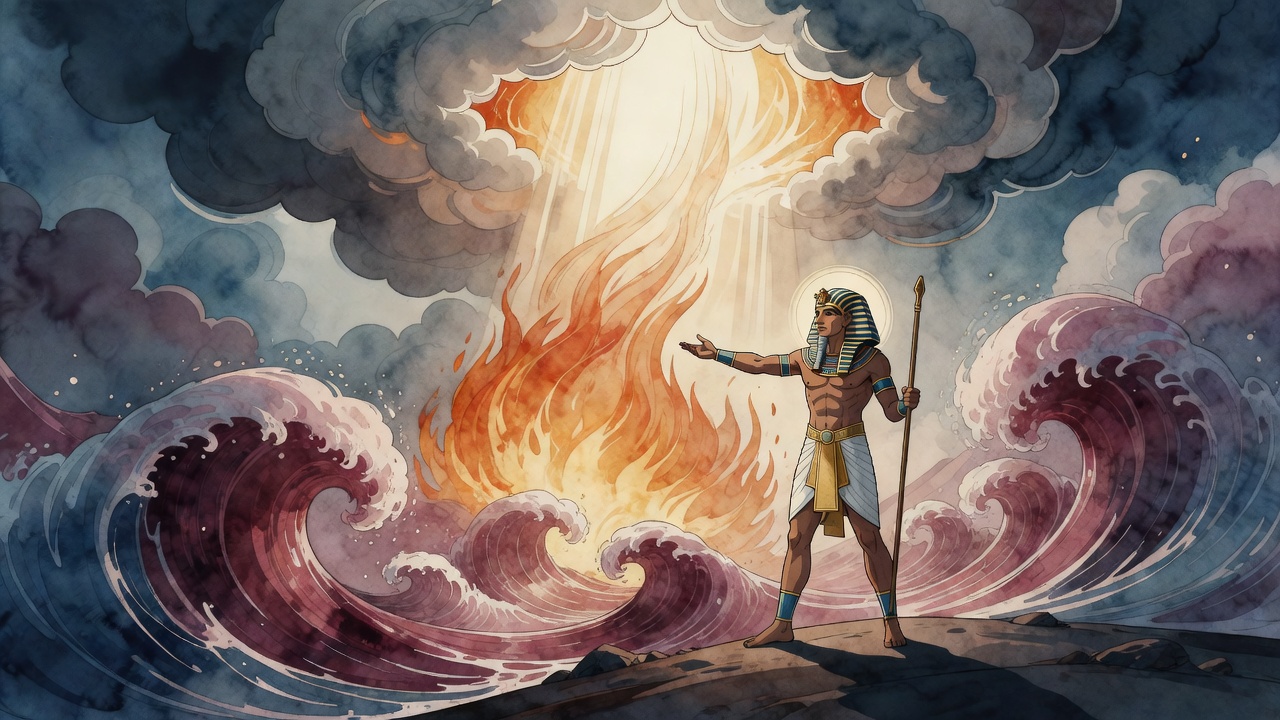
Pharaoh declared he would pursue and overtake and divide the spoil. The Yalkut Shimoni shows how each boast became the sentence he pronounced against himself.
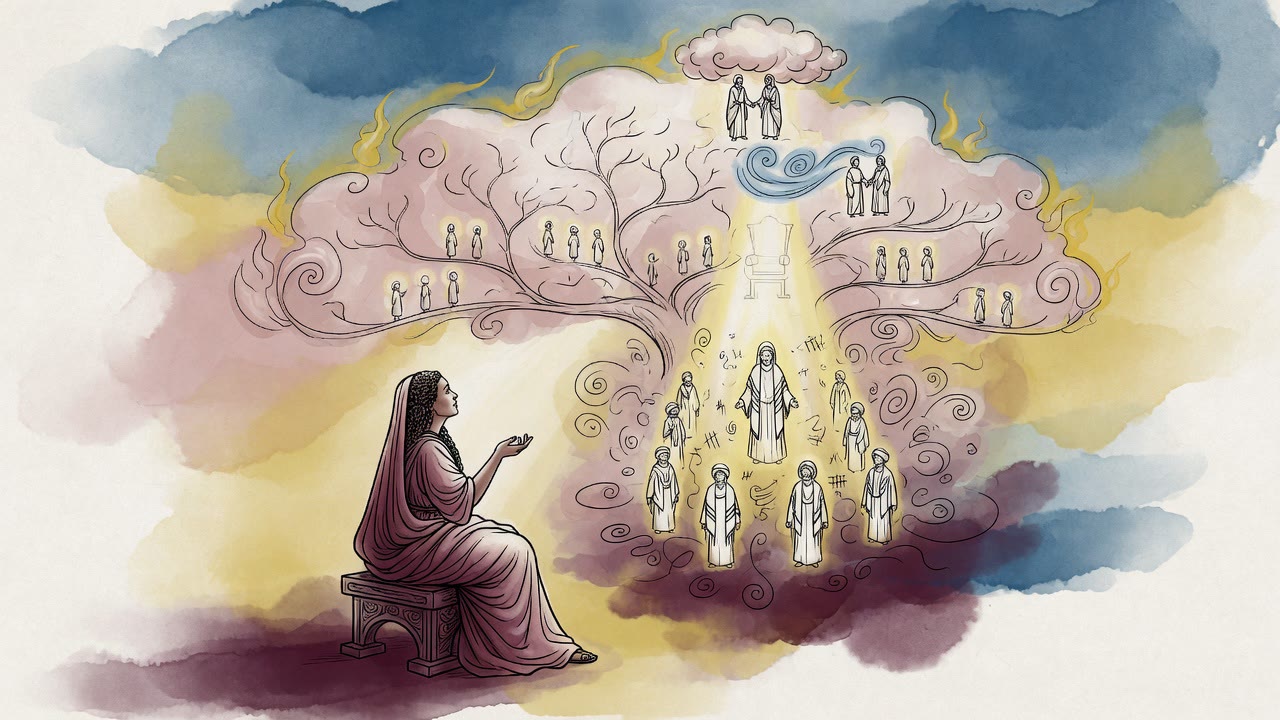
All Israel lined the path when Moses walked to the Tent. Then God told him to go back to the camp, and he said no.
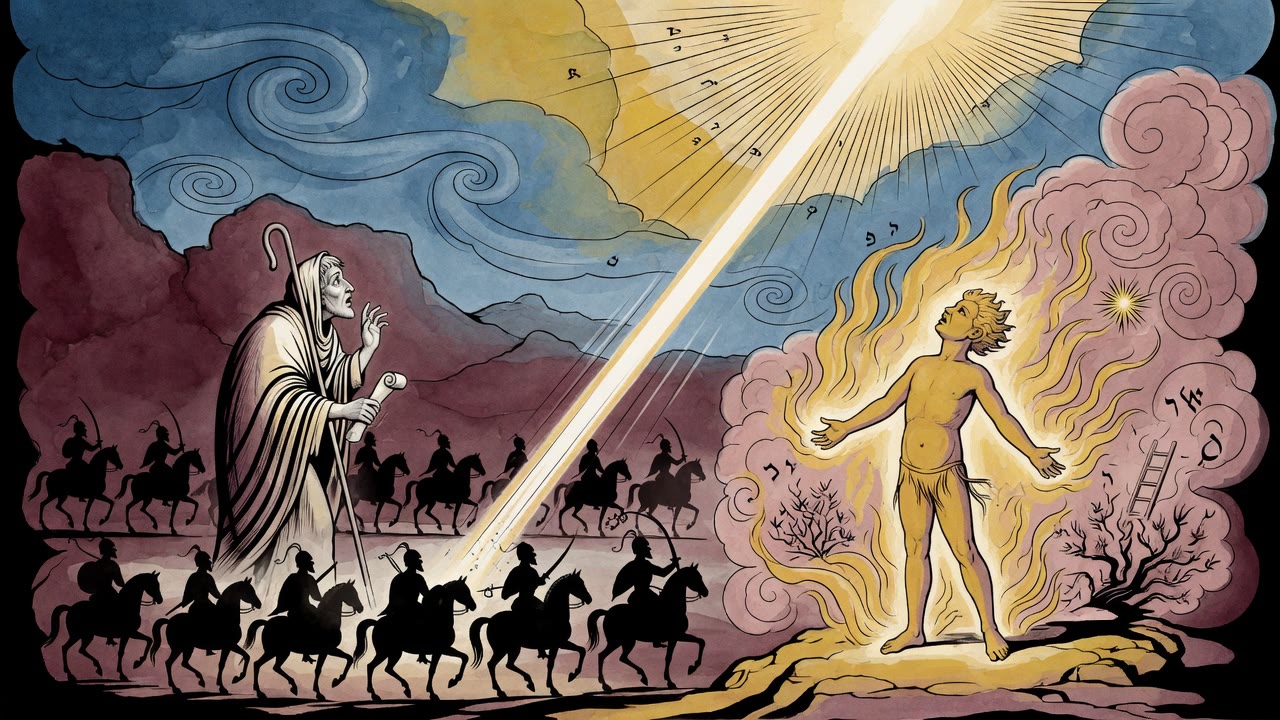
Jacob counted the warlords of Esau and went cold. God answered him with a single name, the boy who would burn them all to ash.
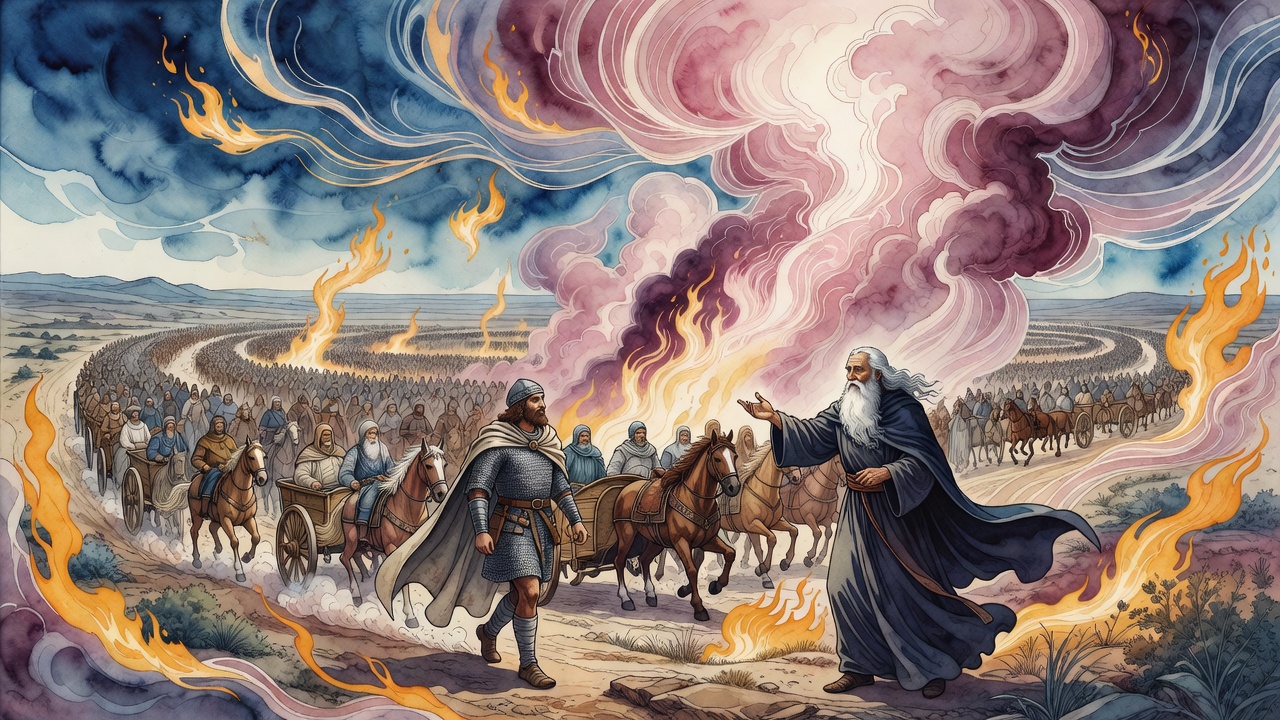
Godfrey de Bouillon marched east with a hundred thousand chariots, and an old rabbi told him he would reign three days and ride home with three horses.
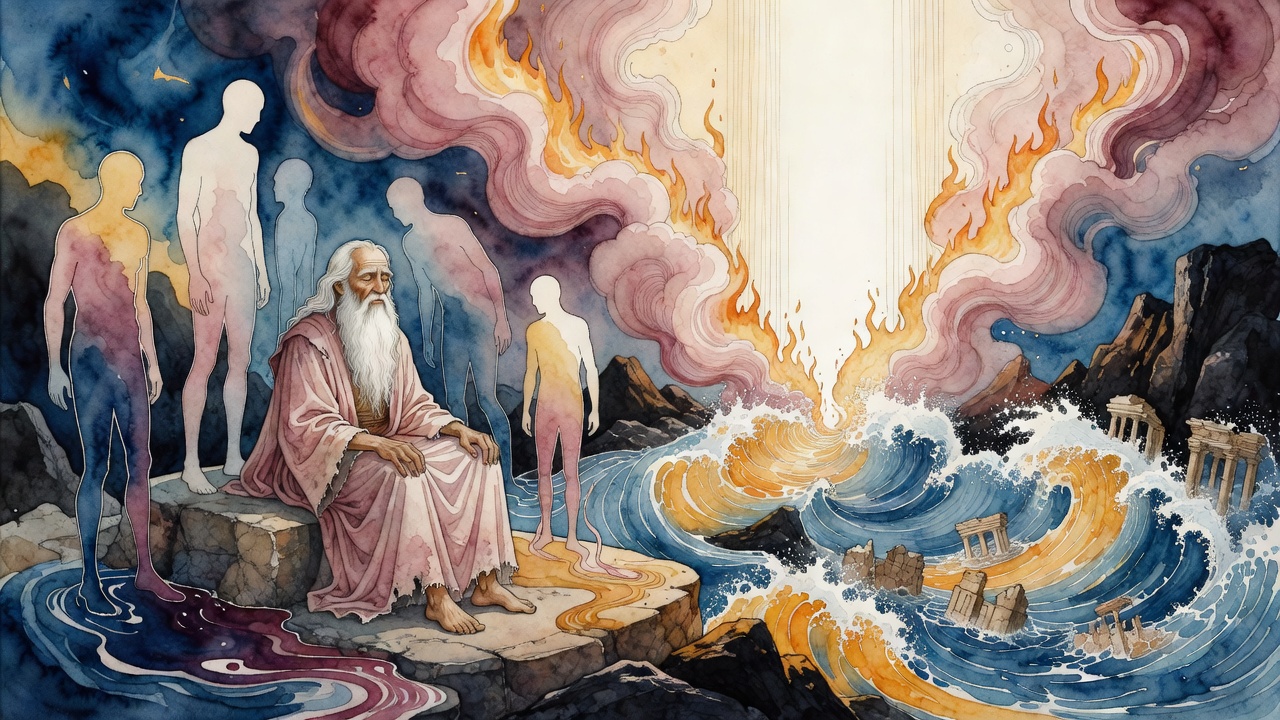
An old man dreams the centuries draining out of human bodies until a life of seventy years is called long, and a drowned world answers back.
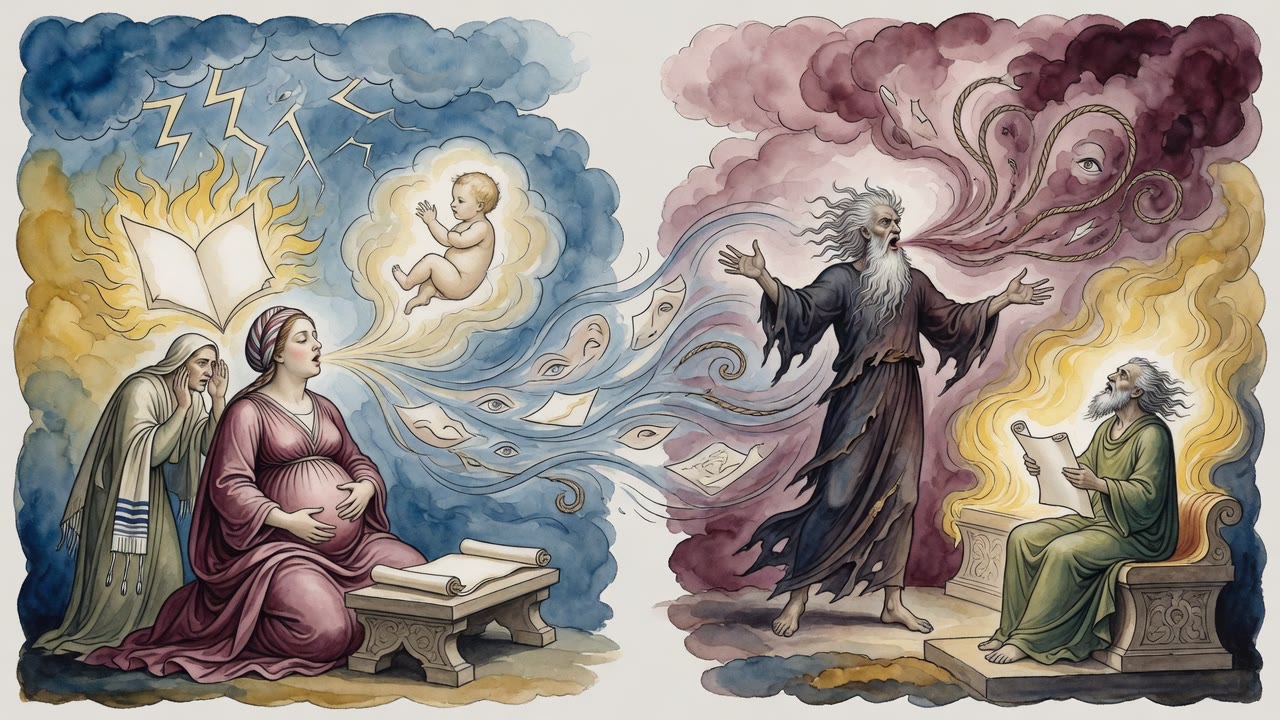
A woman brought her dream to one sage and bore a son, then a heretic brought his to another and was read aloud as a confession.
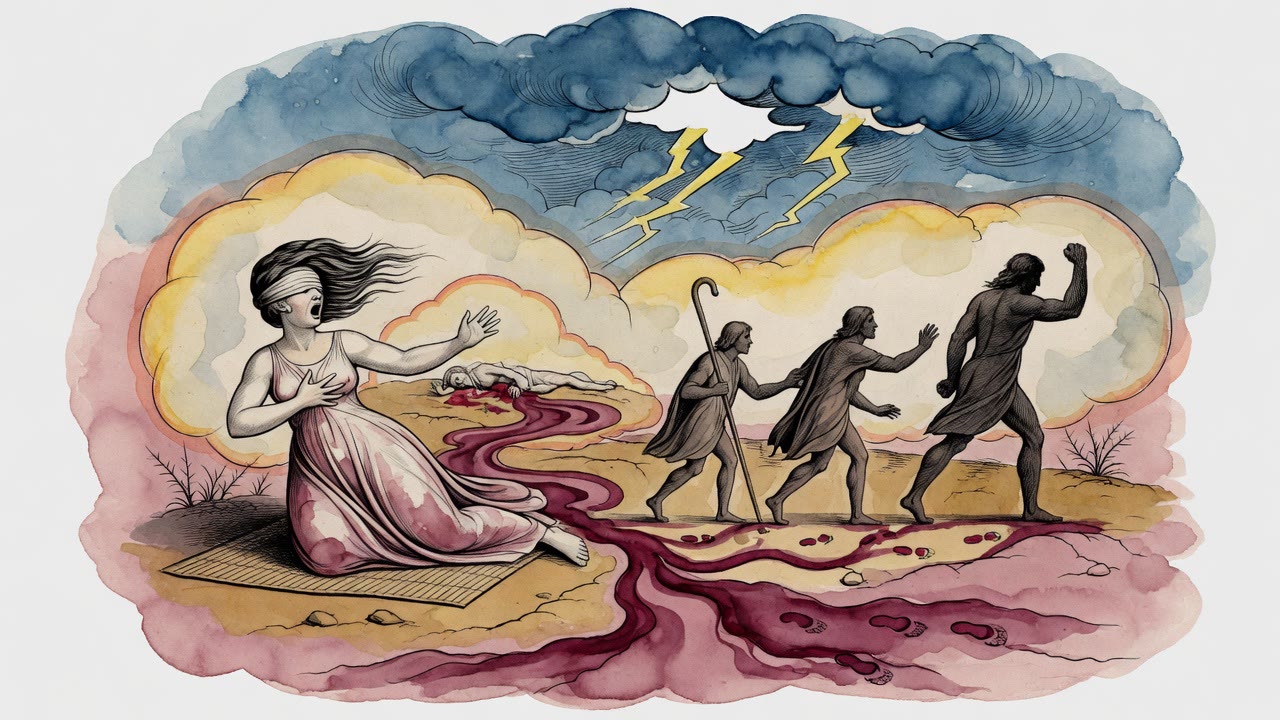
Eve wakes screaming from a dream of Abel's blood, and every step Adam takes to keep his sons apart only walks them toward the first murder.
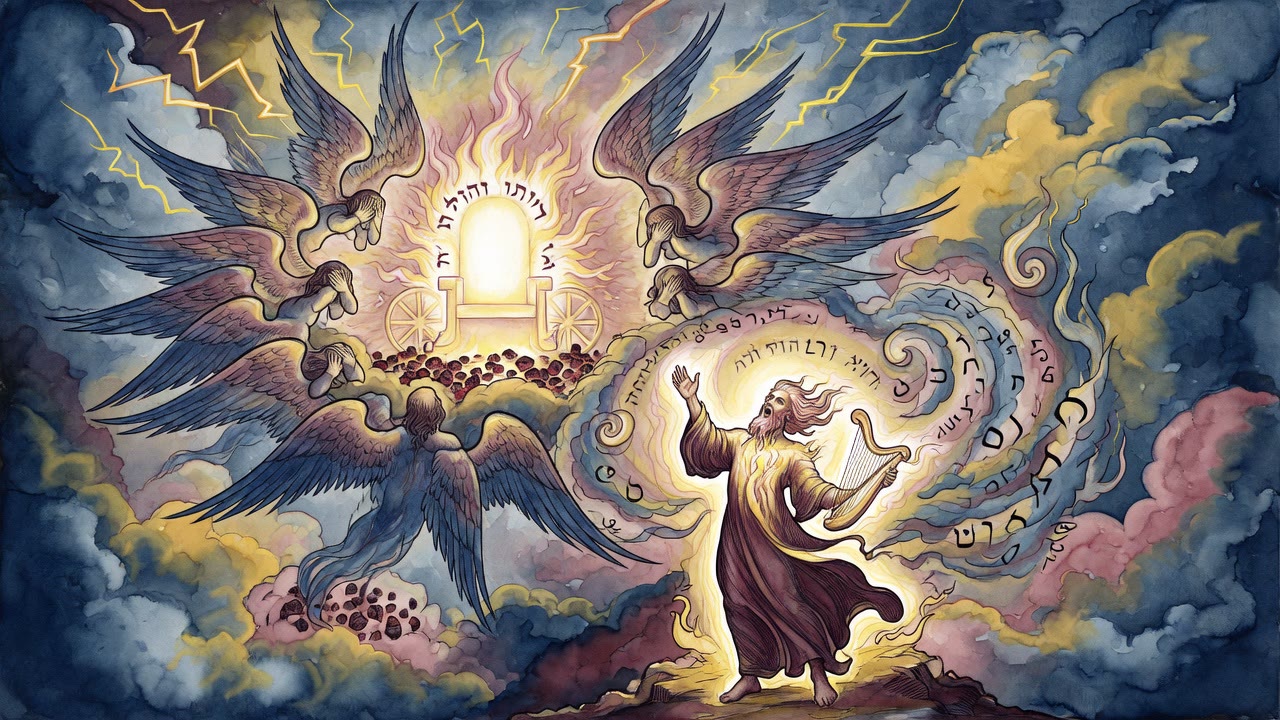
She had been told to look at the floor. Between two walls of standing water she pointed at the glory and named God as hers.
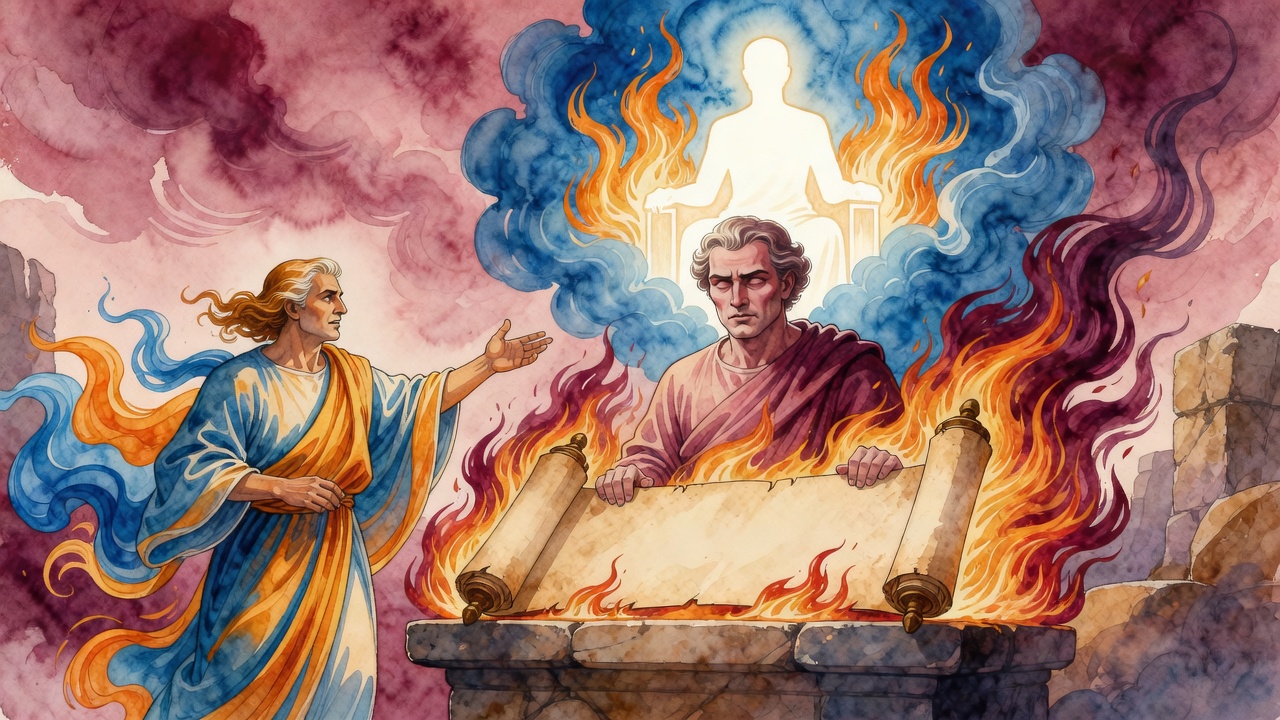
Hezekiah carried his two small sons toward the study house. Above his head they argued whether his bald scalp suited frying fish or offerings to idols.
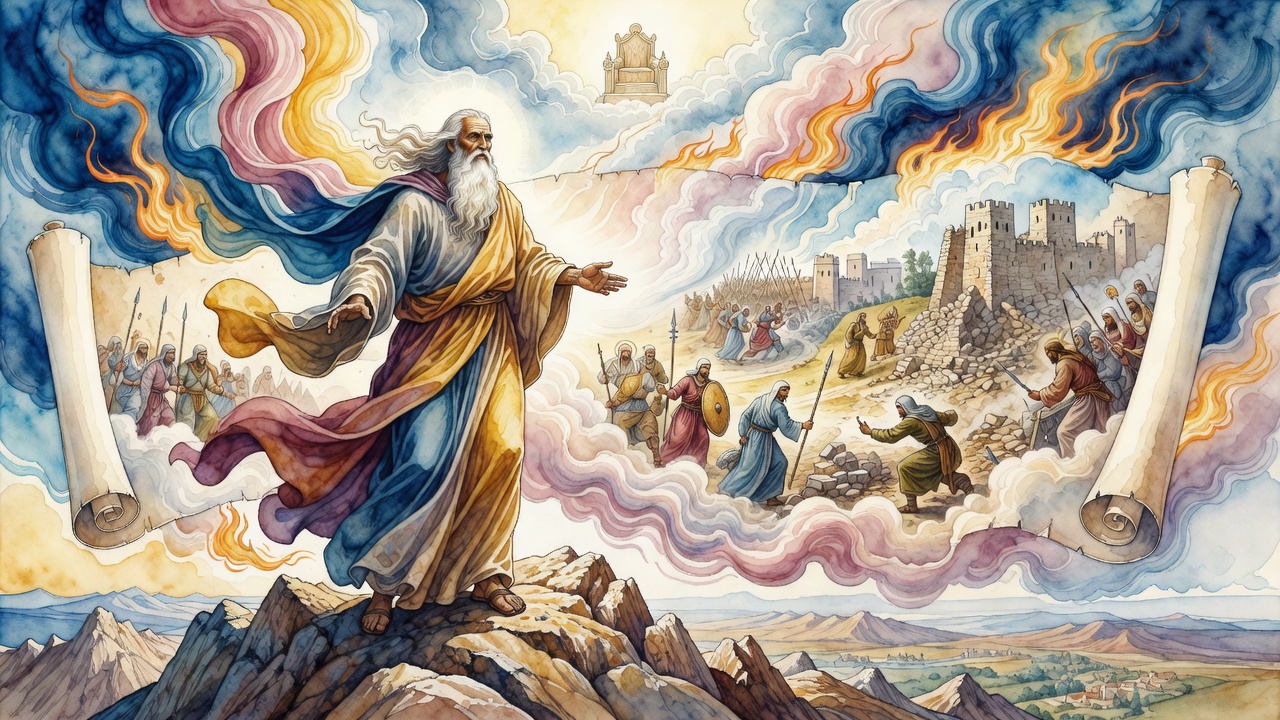
On the last day of his life, atop Mount Nebo, Moses is shown not a map of the land but the centuries of war and rescue that will sweep across it.
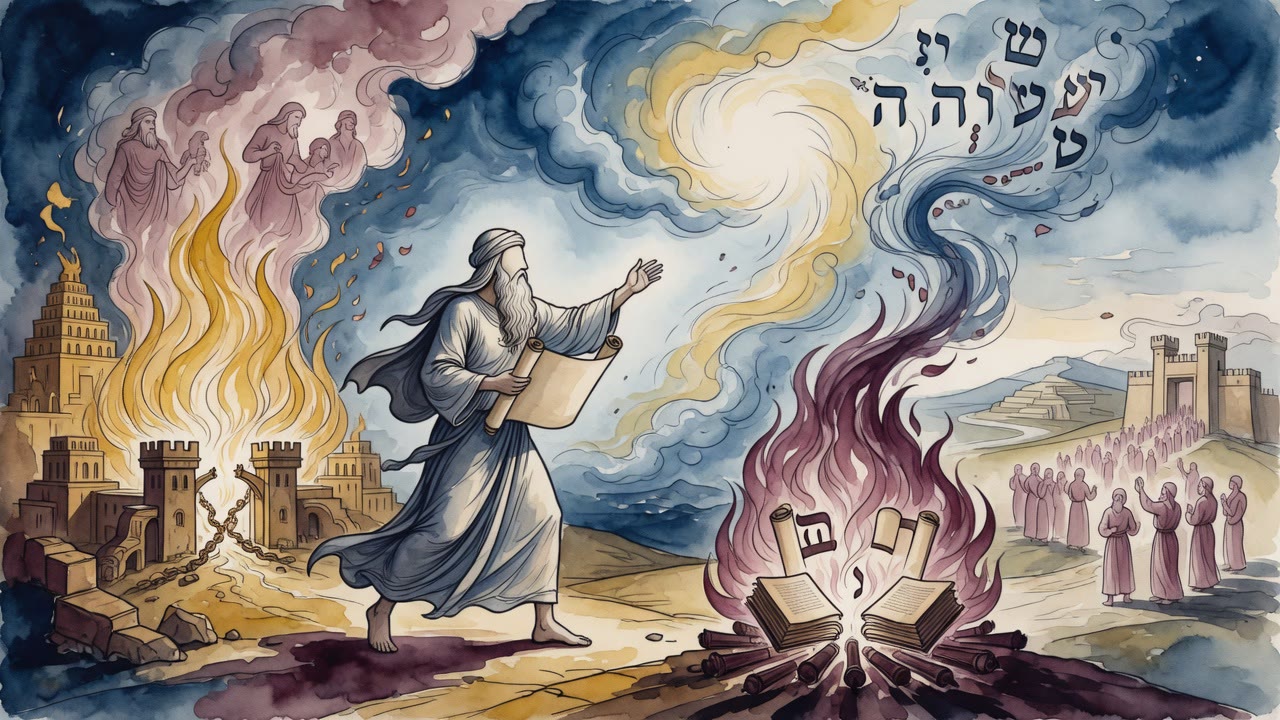
Two fires drove Ezra home from exile, a hunger for the bloodline and a hunger for Torah, into a country that answered his summons in a whisper.
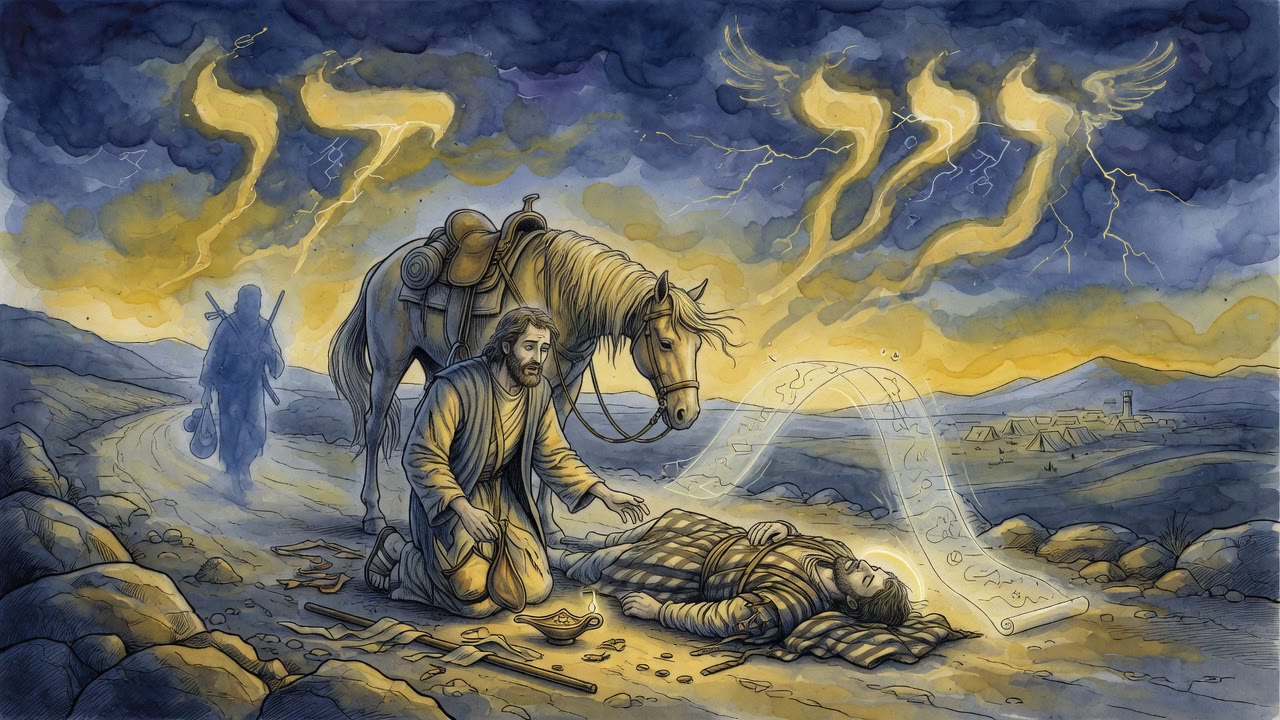
No messenger told Rebecca. Her prophecy cut a furrow inside a furrow and read the murder Esau had sworn only in his own silent heart.
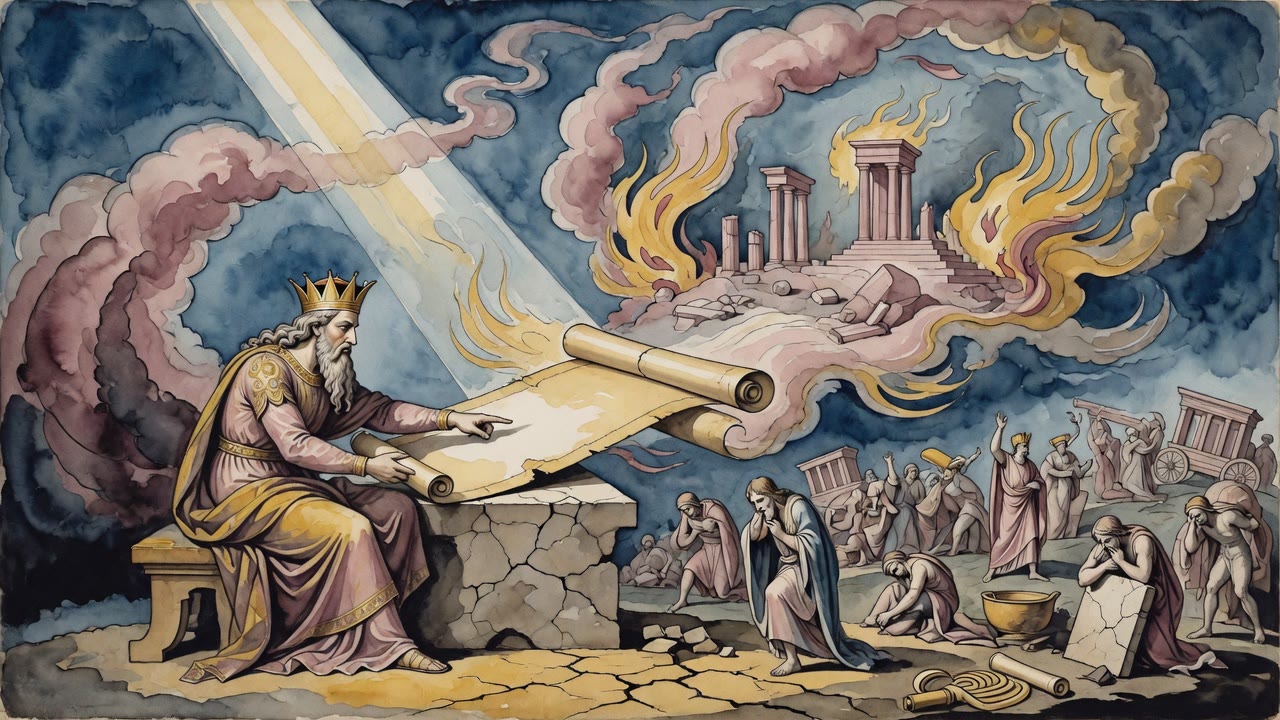
A Persian king read his own name in an old scroll and freed a nation, but the return home curdled into sabotage and weeping over a forgotten Law.
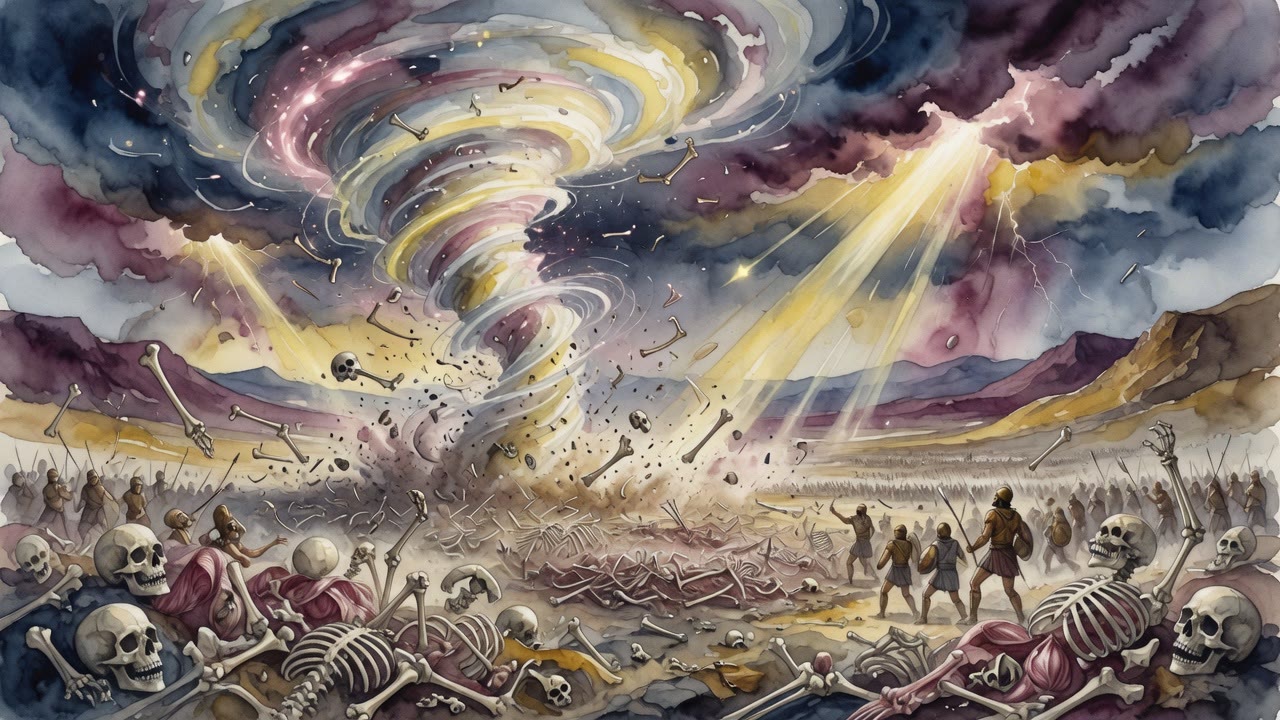
In exile beside a Babylonian canal, Ezekiel is shown a Temple no hand will build, and a river from its threshold that wakes the dead salt sea.
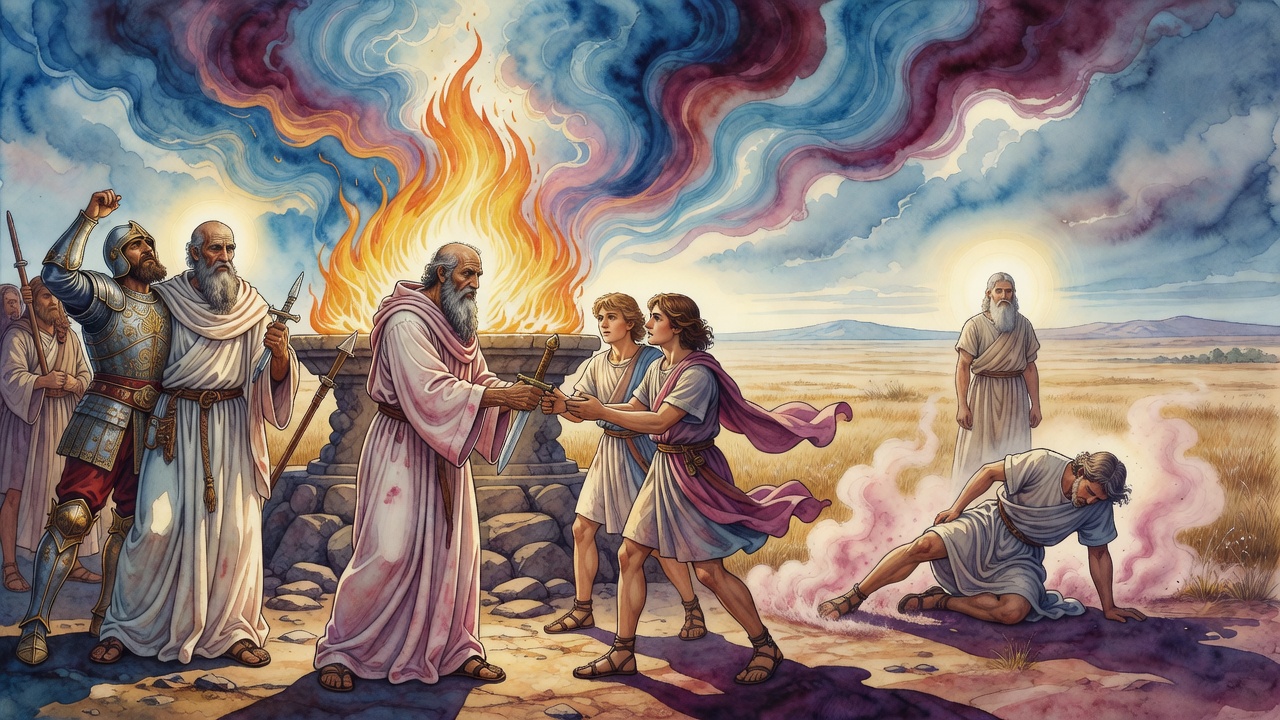
An old priest strikes the king's officer at Modin and hands his sons a war no army can win, and one son frees Judea only to fall on a deserted field.
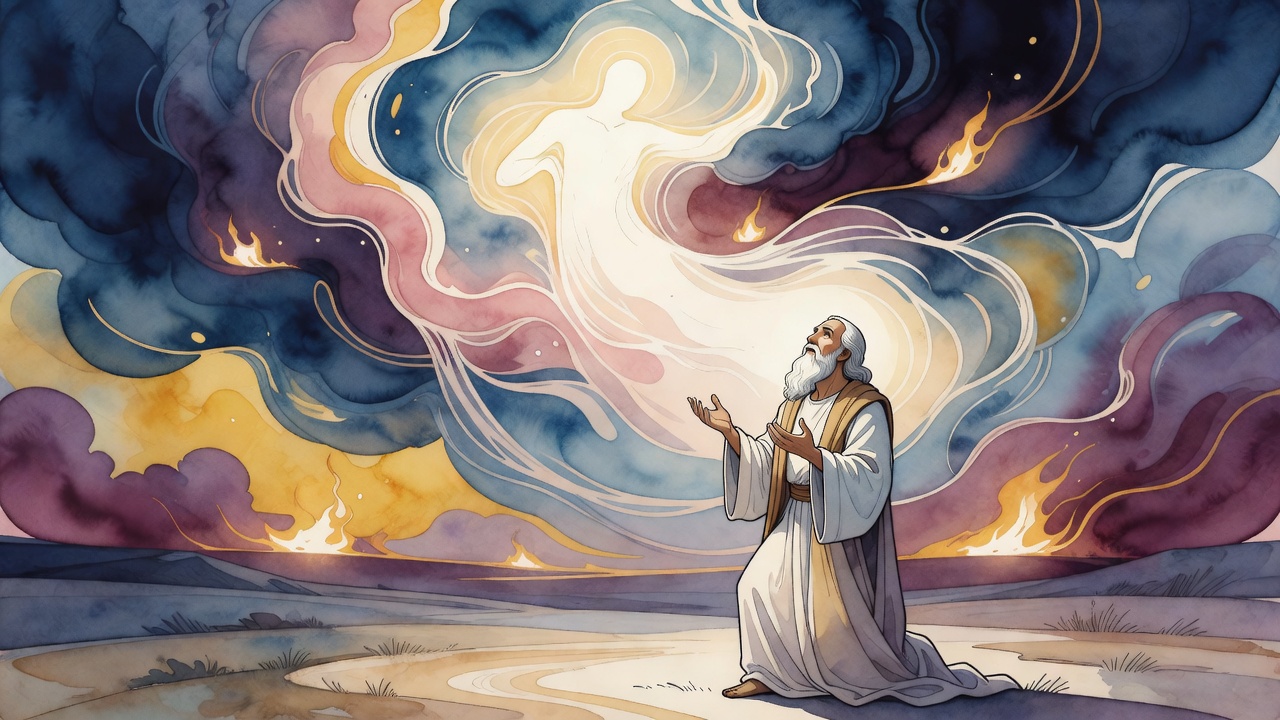
Sarah was still inside the tent when the promise landed. The cry from the plain came second. Abraham spent that hour on other people's houses.
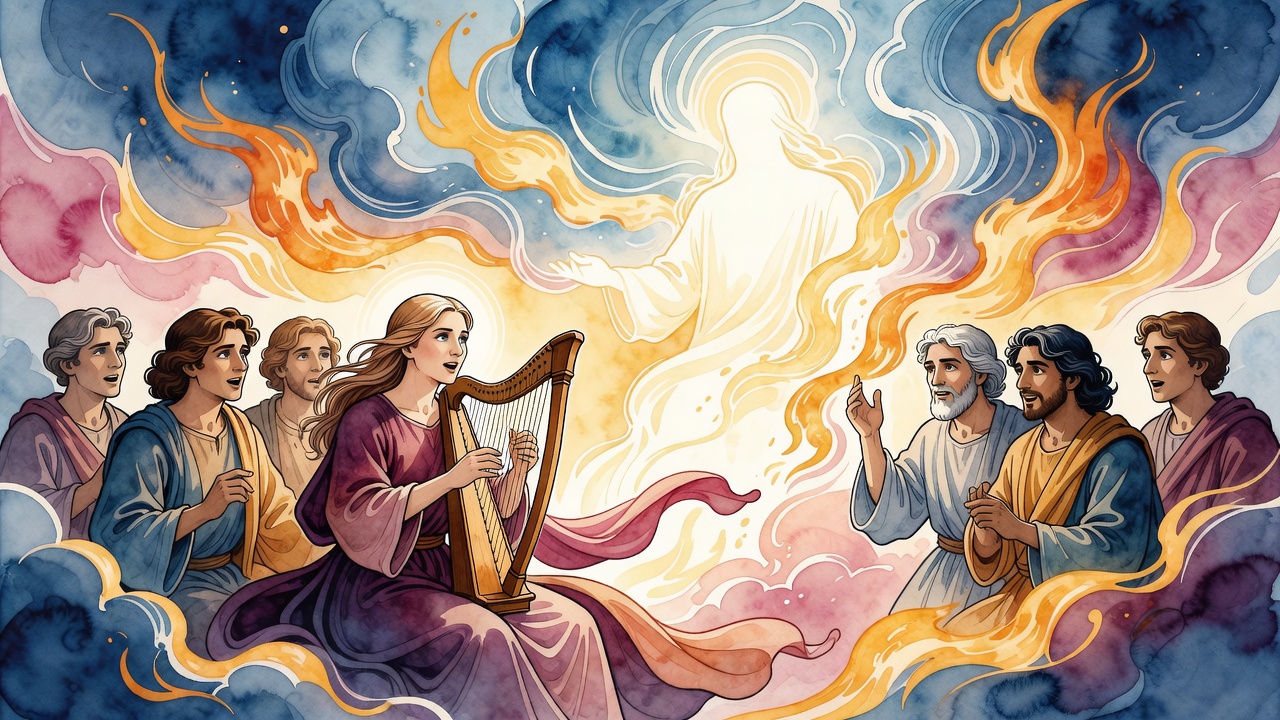
Afraid the shock would kill their father, the brothers gave Serah a harp and one line of song. Joy woke the holy spirit that grief had choked for years.
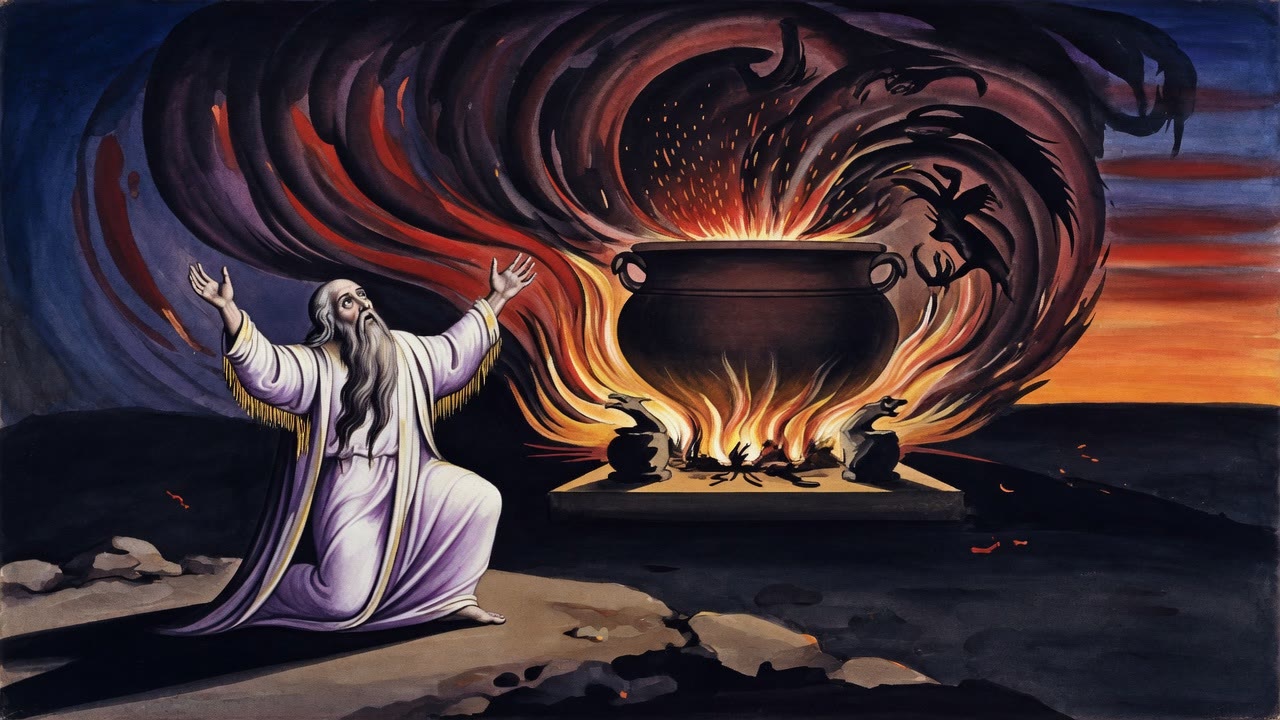
Heifer, goat, and ram lay cut in halves, and the birds of prey came down for them. Abraham drove the birds off and sat with the meat until sundown.
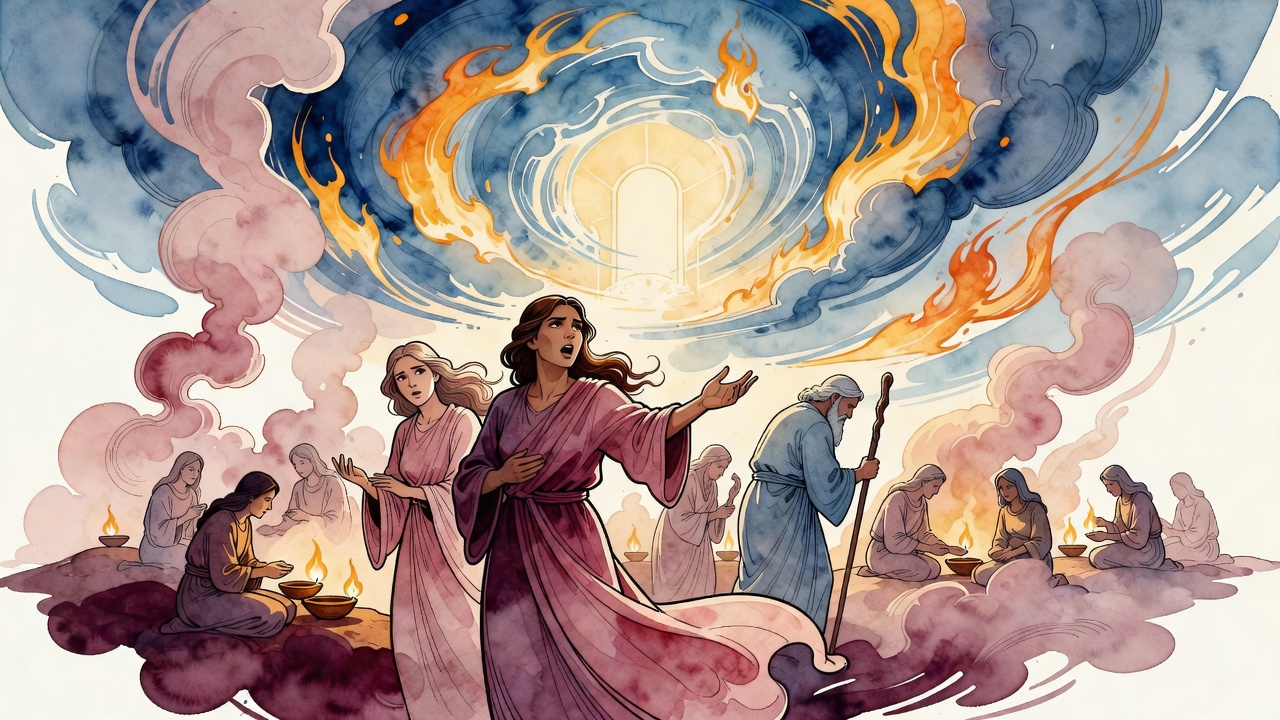
Women lit lamps for new prophets. Zipporah told Miriam to bless the wives with woe. Moses heard the charge and kept his mouth shut.
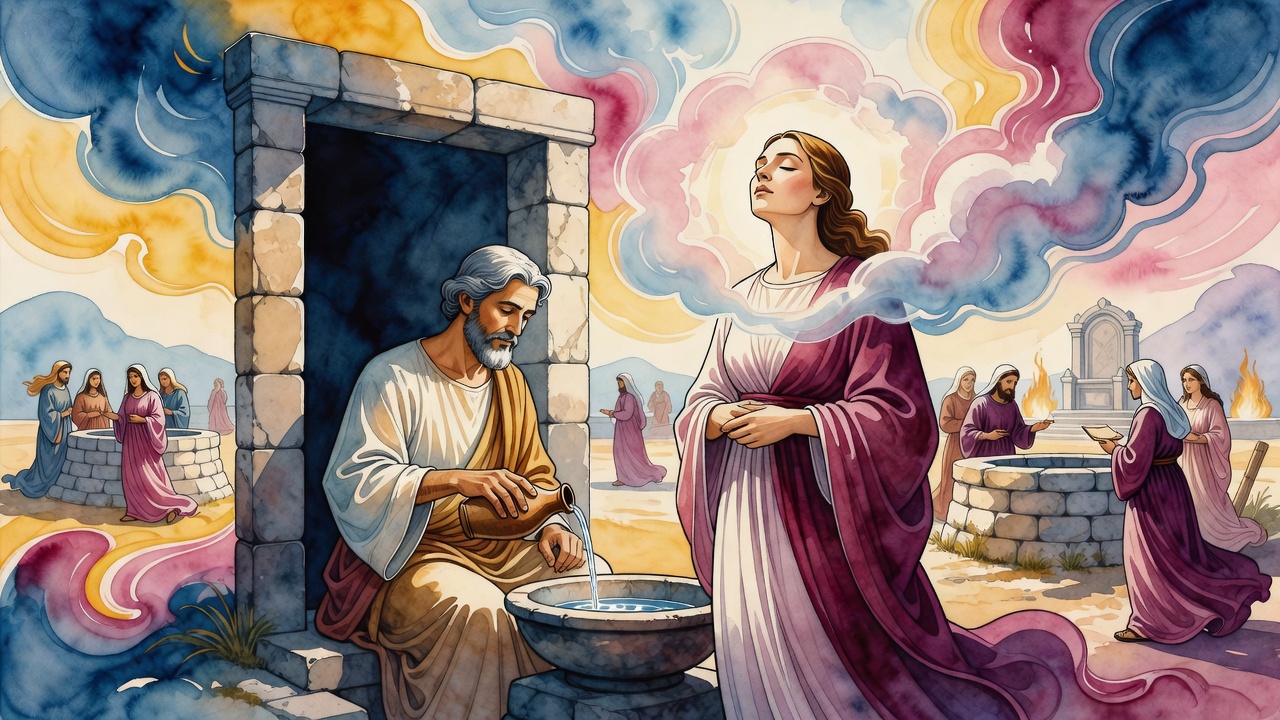
Travelers arrived with dust in their throats. Shallum sat at the city gate with a full bottle. He was not selling anything.
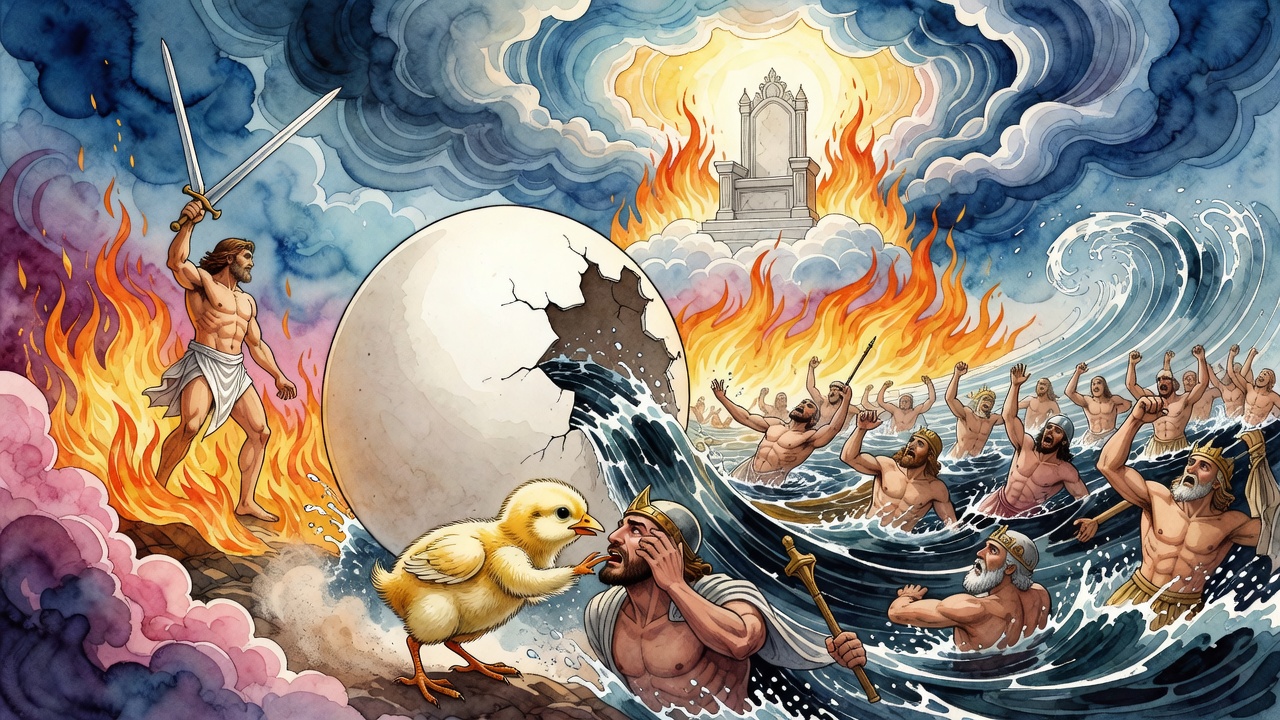
Two years after Abraham walked out of the furnace, Nimrod woke from a dream with a chick on his head. It had already taken one eye.
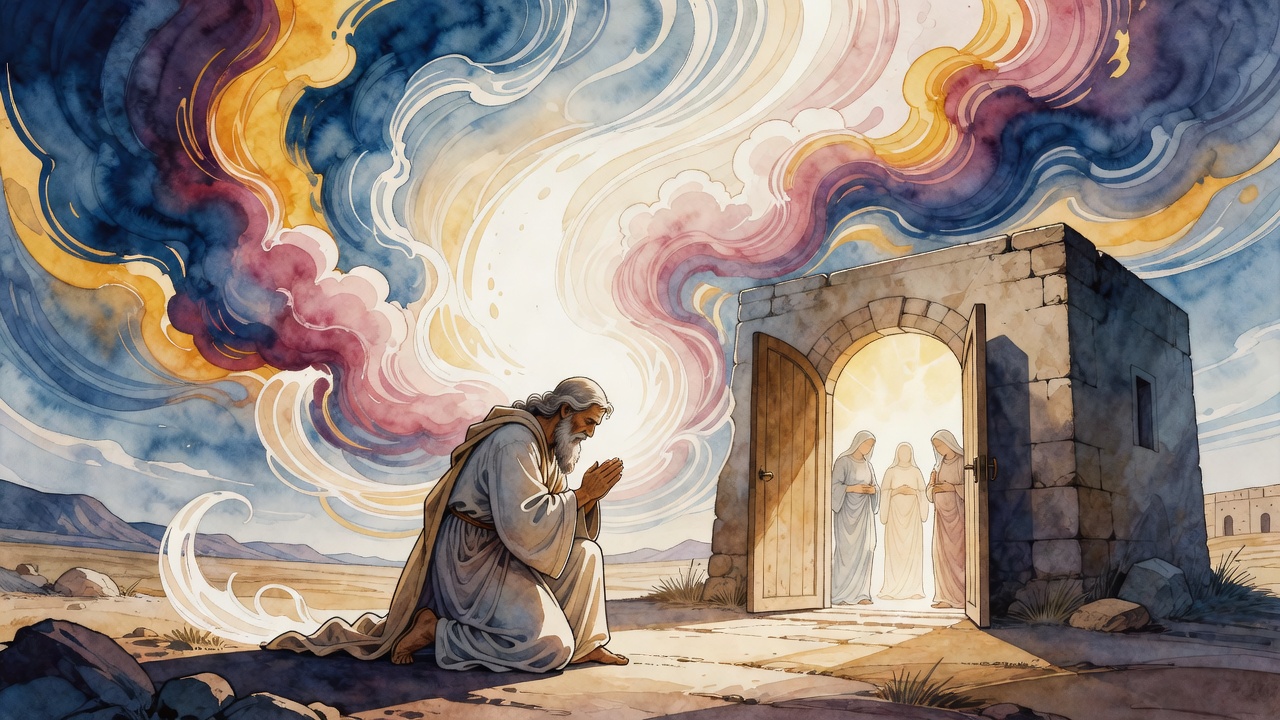
Gerar's king had taken Sarah, and every womb in his house shut. Abraham asked God to let them multiply instead. Abimelech's barren wife bore a child.
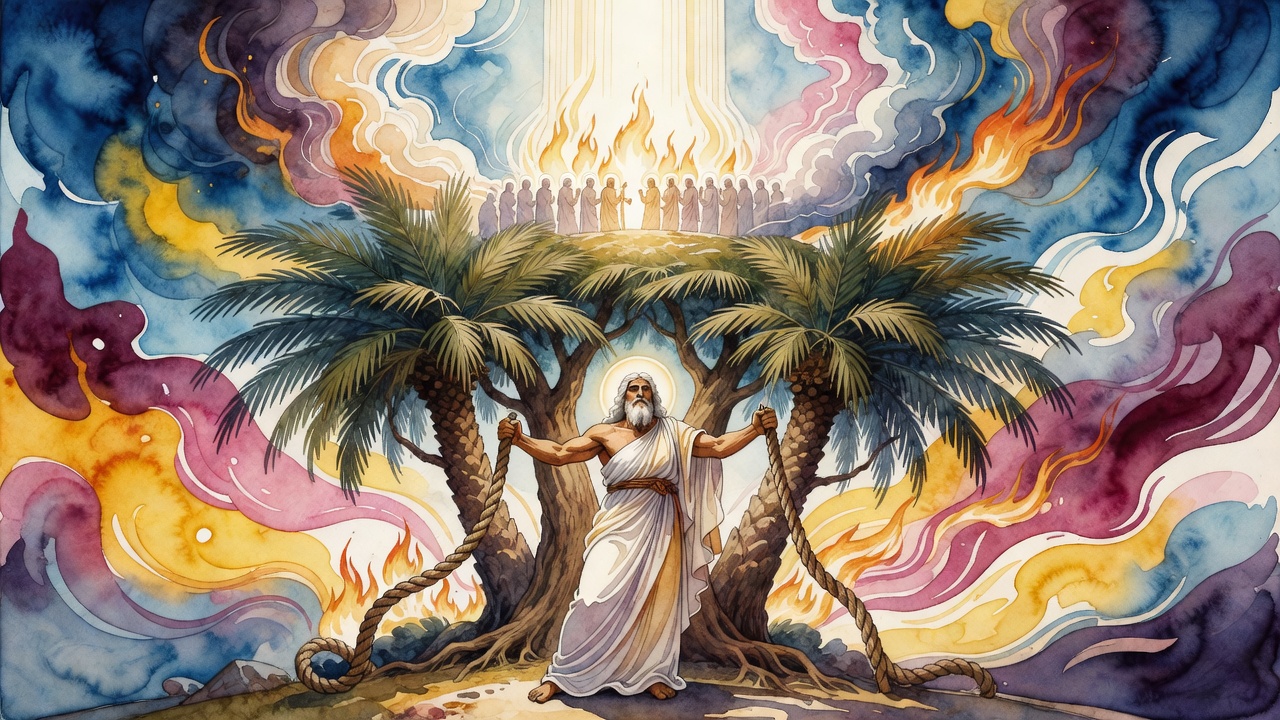
Her husband could not sit in the study house. She twisted flax for the lamps at Shiloh. Heaven named her judge over the tribes.
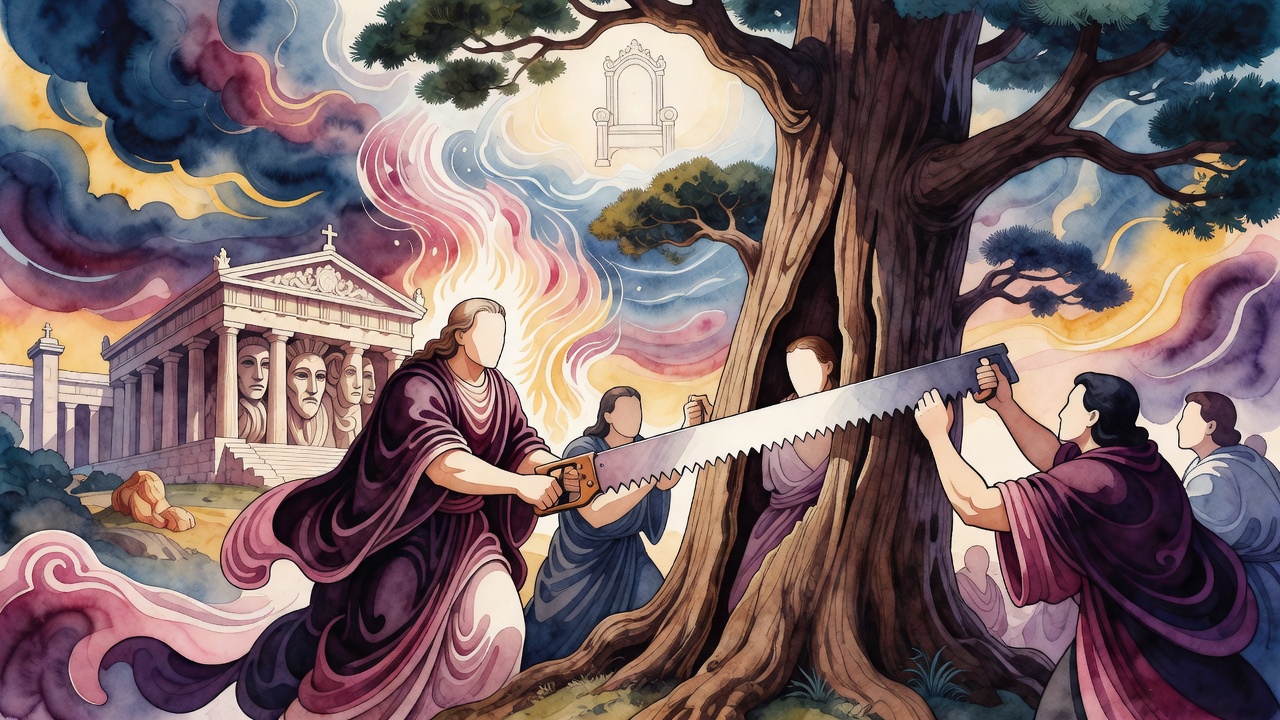
Manasseh filled the Temple with a four-faced idol and chased Isaiah into a tree. They sawed the cedar until the blade reached the prophet's mouth.
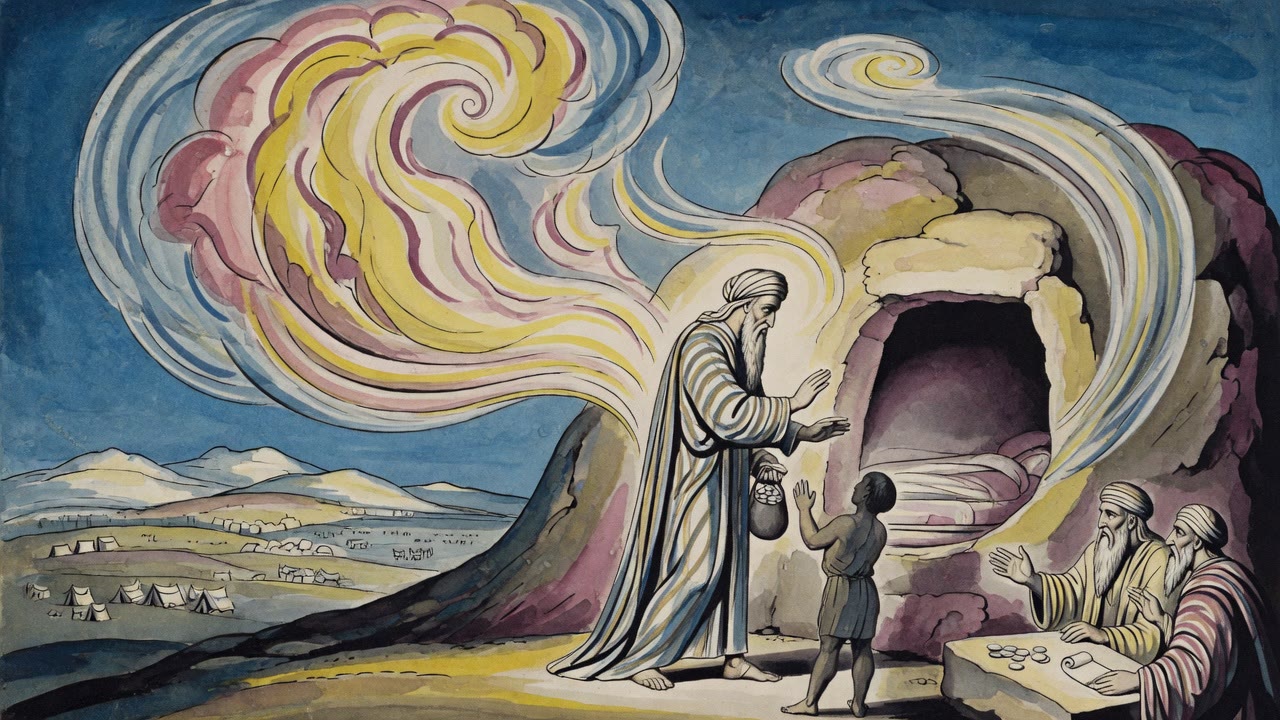
Moses broke under Israel's complaints. God took spirit from him like light from a menorah lamp and set it on seventy elders.
