448 myths · Page 11 of 15
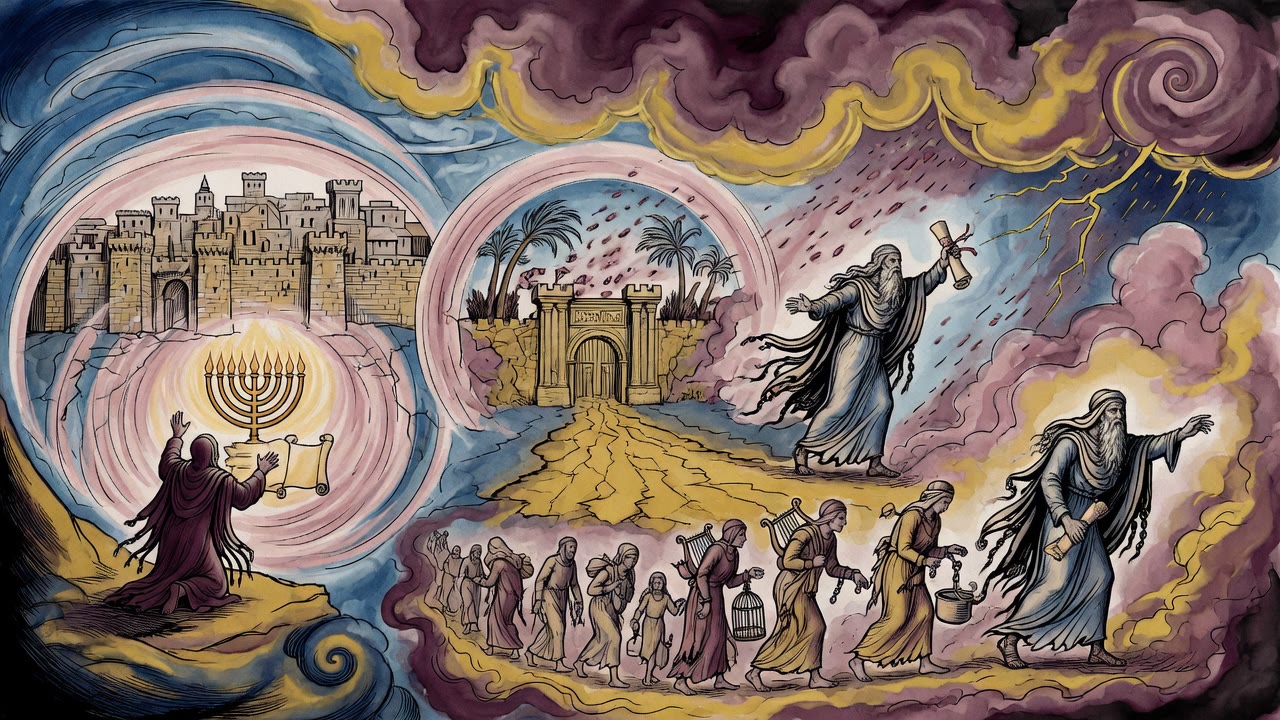
The high priest put on his ephod and walked into the fire. Captives hauled Temple vessels with iron on their necks. Jeremiah found them on the road.
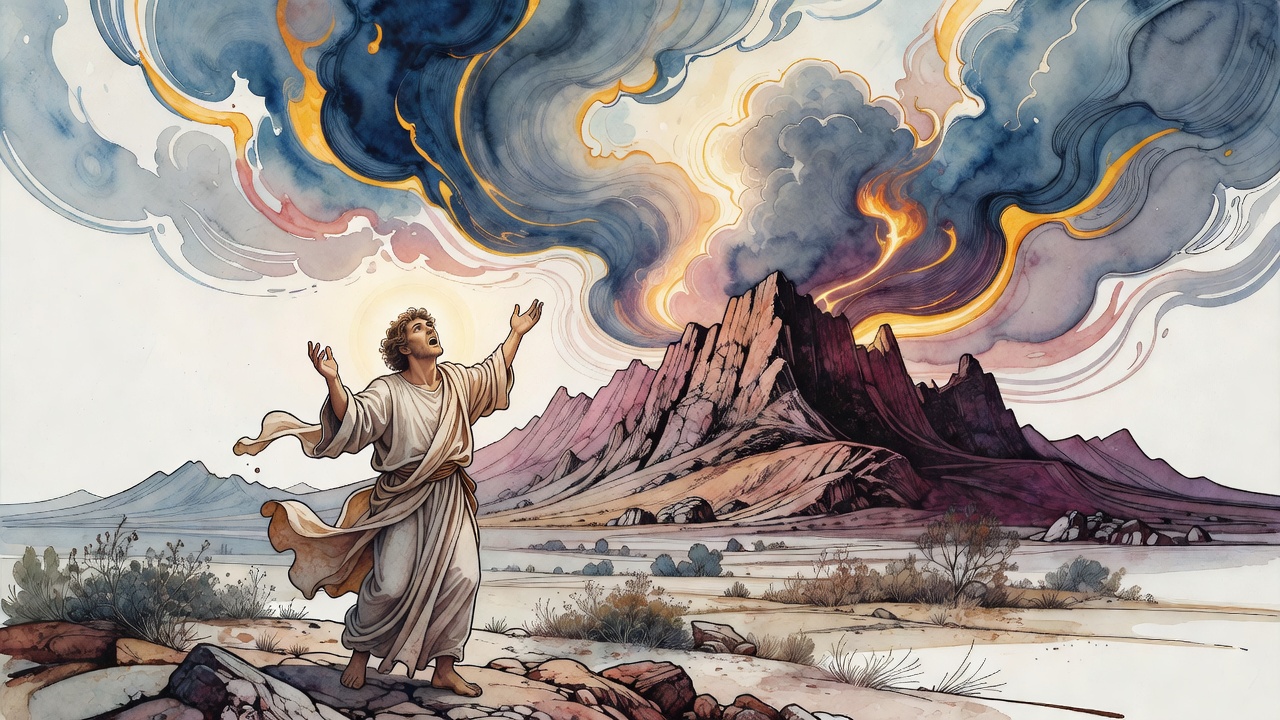
David wanted his own name in the blessing beside Abraham's. God told him what Abraham had gone through to get it there. David said, test me too.
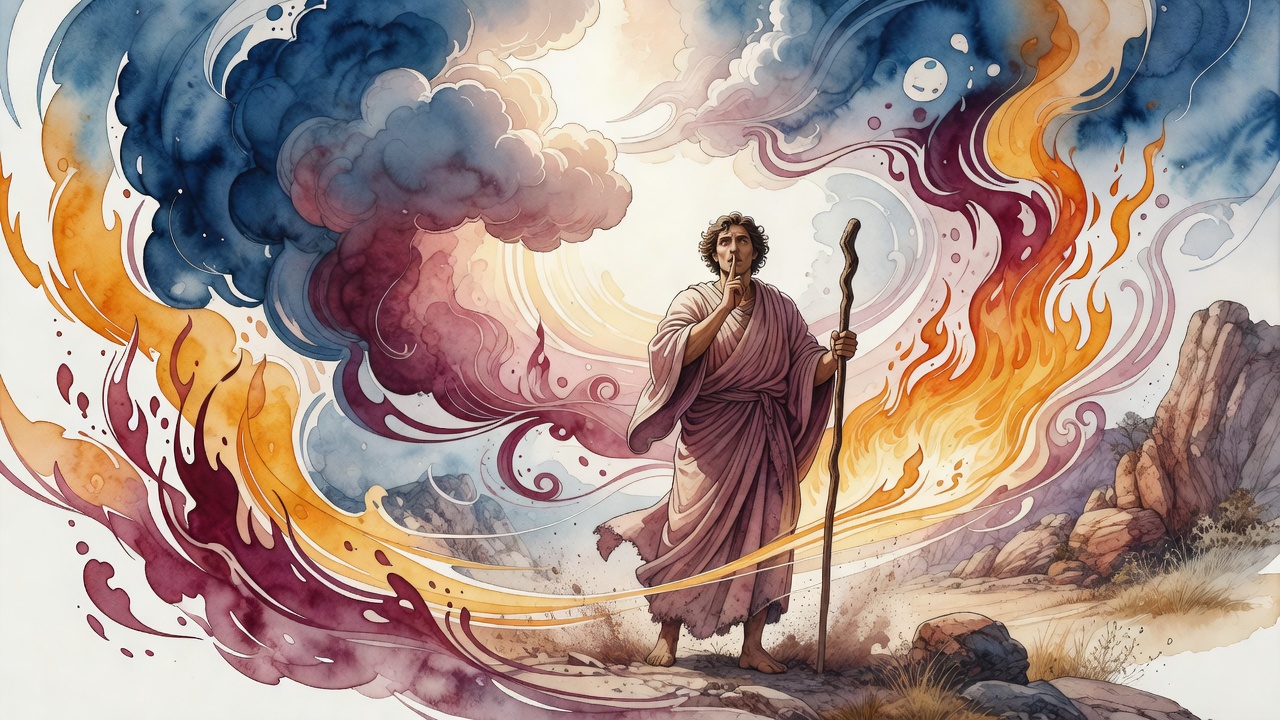
Saul's men watched the house all night and waited for morning. By then David was over the sill and gone, and there was goat's hair on the pillow.
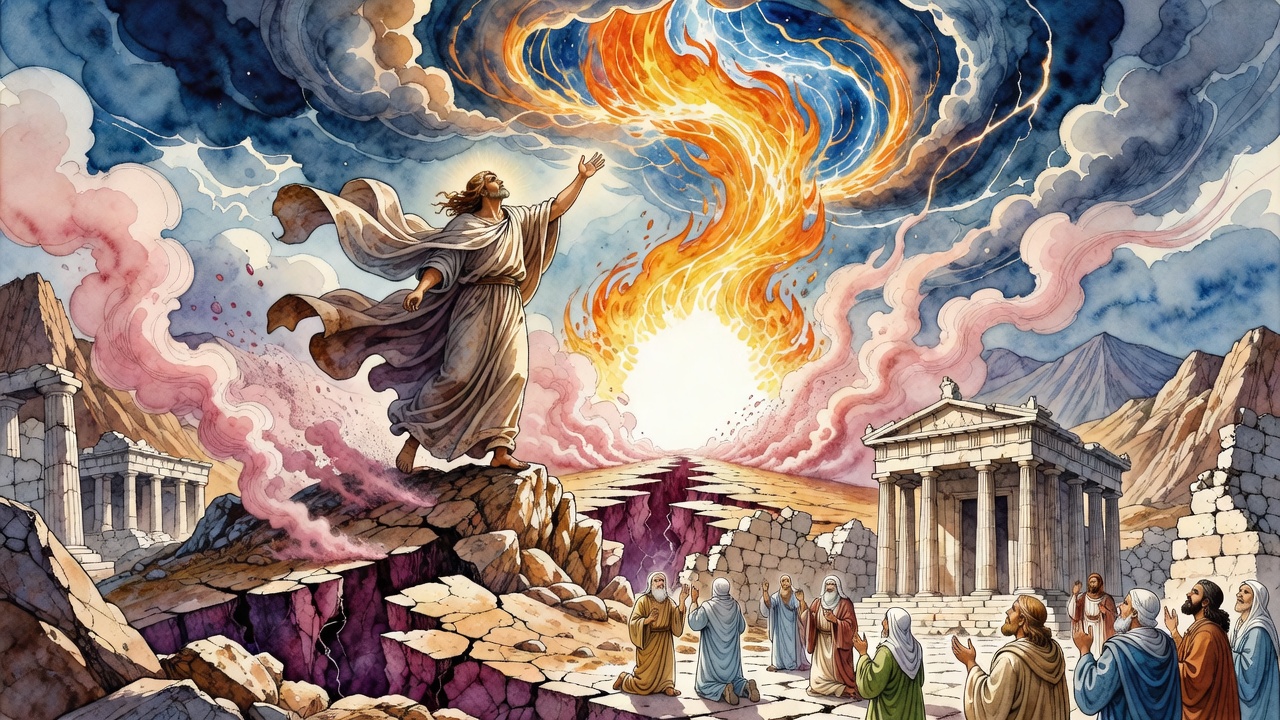
The floor moved under the study house. Rabbi Nehorai blamed unseparated tithes. Elijah told him the real reason, and the real reason was worse.
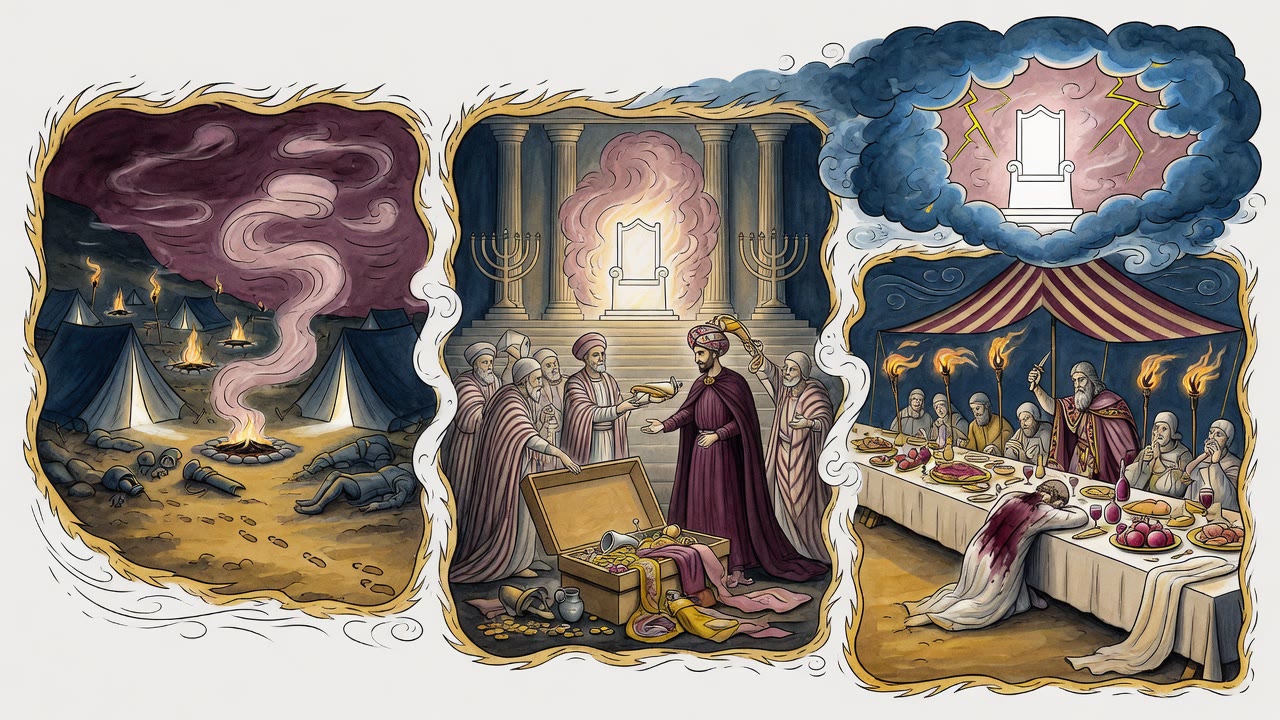
Ptolemy had married Simon's daughter and held the plain of Jericho. He invited his father-in-law to dinner and put armed men in the inner room.
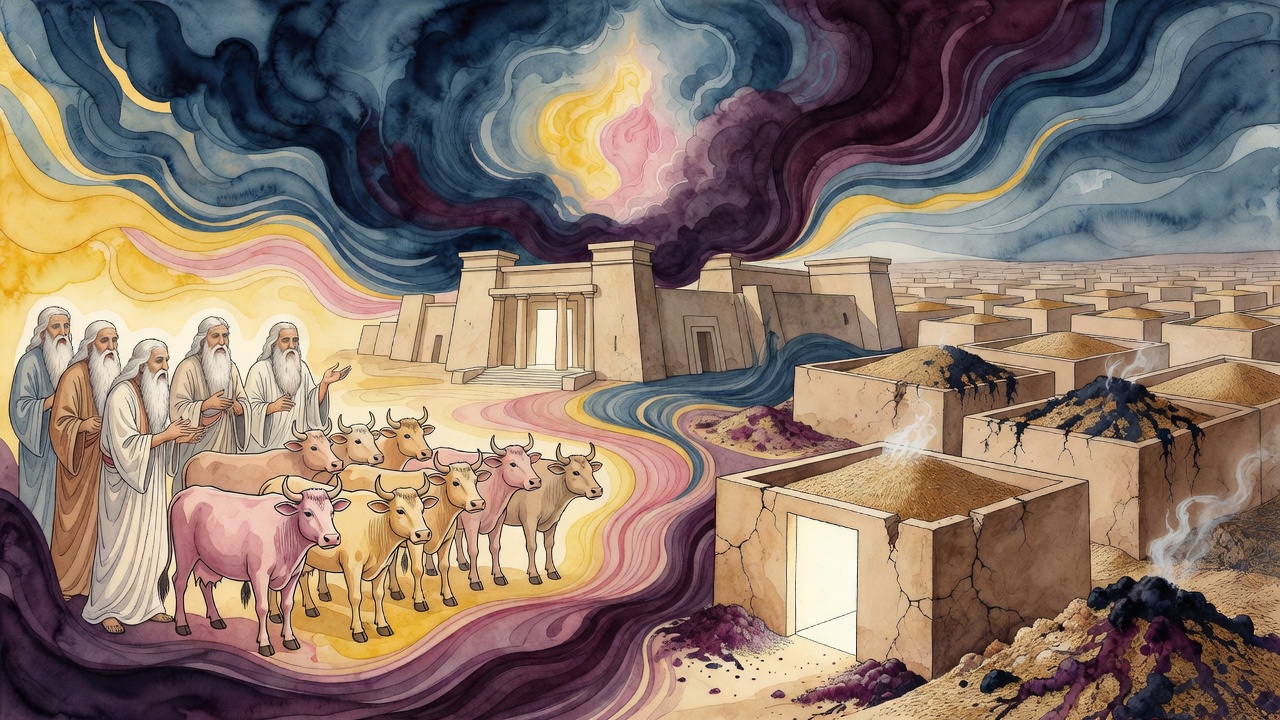
Egypt's wise men misread seven cows as daughters, Pharaoh's firstborn dies the day Joseph is freed, and grain rots in every storehouse except one.
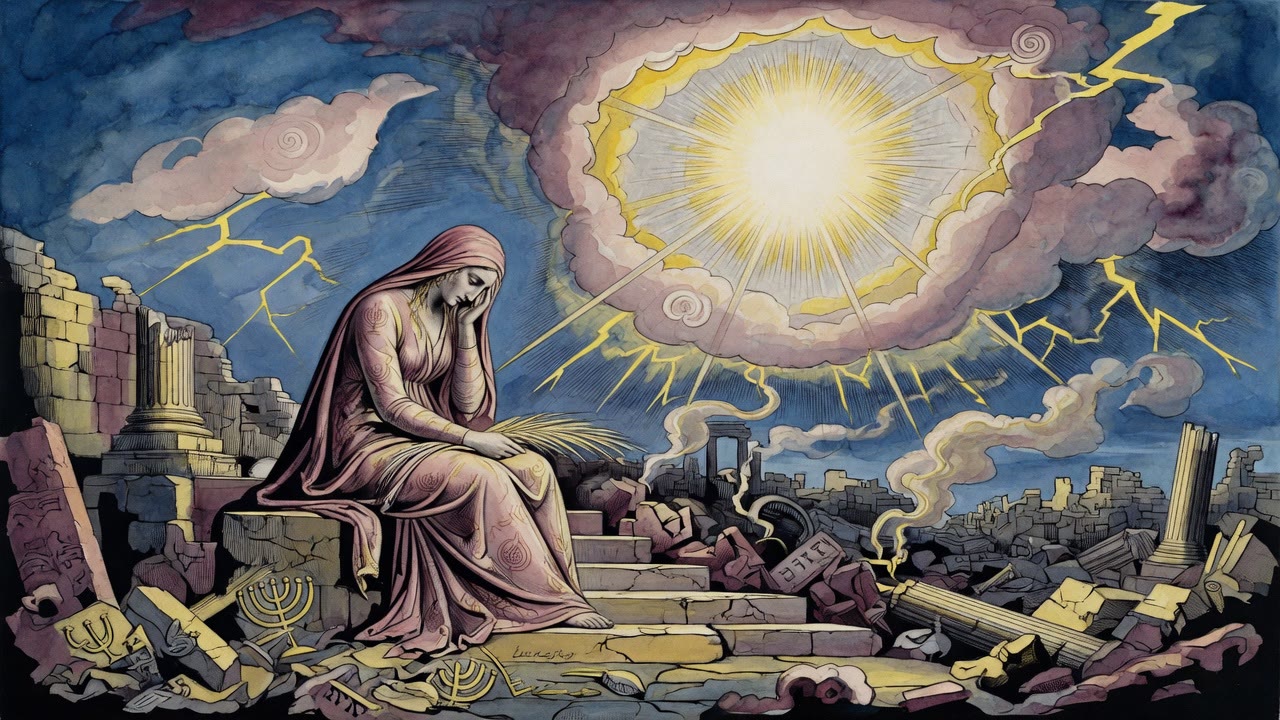
One man swore he would wall the city with water. They called the old angel names, and a stranger's voice said the work was no longer his.
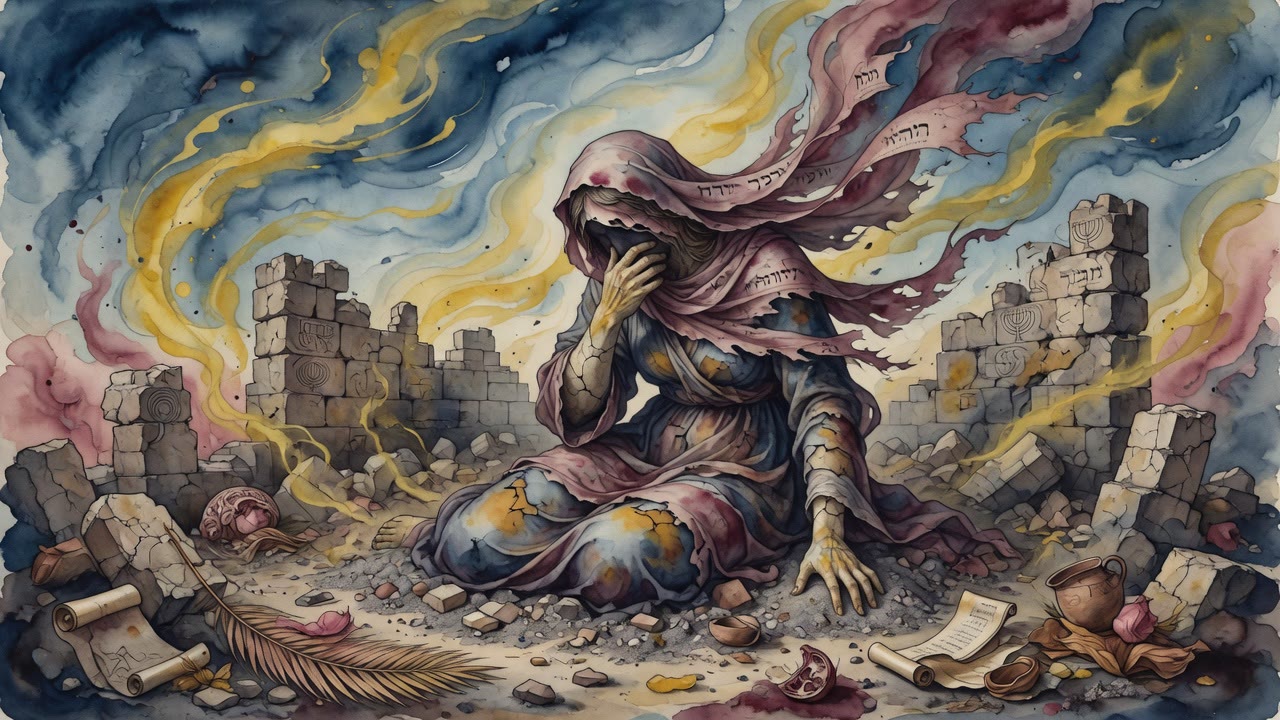
They heard Rome from a hundred and twenty mil and wept. Akiva laughed then too, long before a fox walked out of the Holy of Holies.
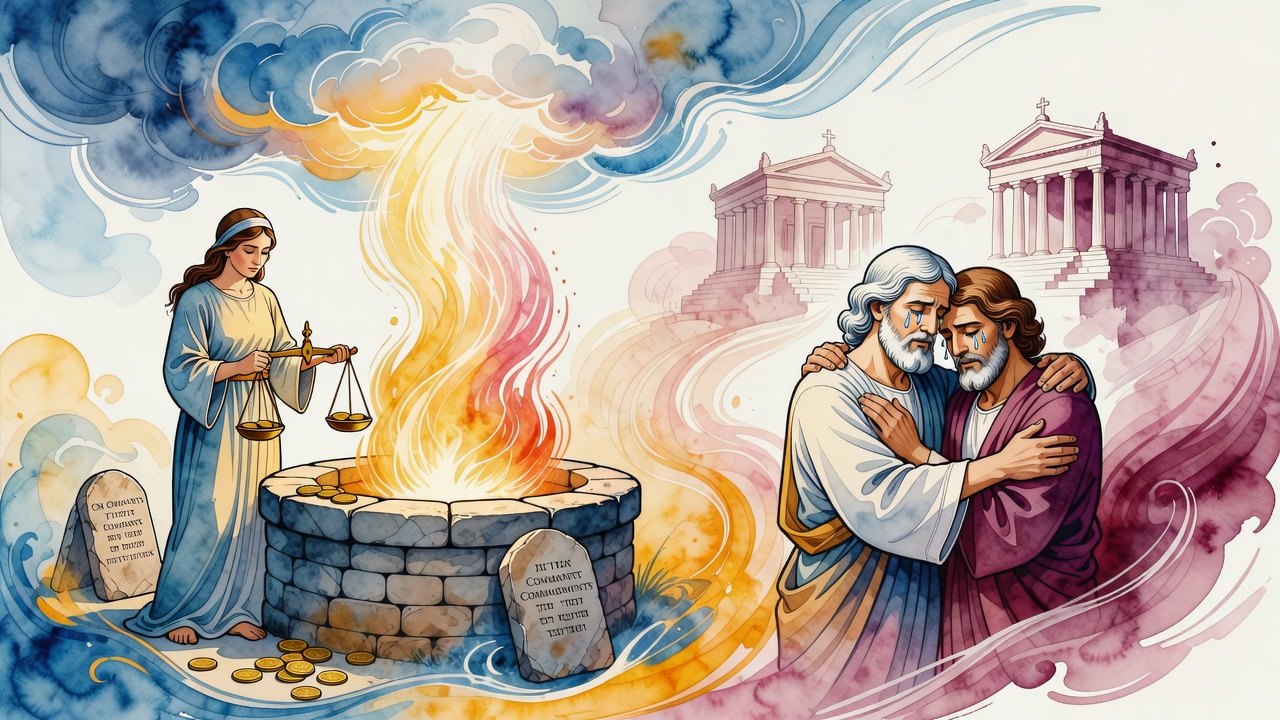
The servant would not touch the meal until he had said his errand. He talked half the night. By morning Rebekah's father was dead in the house.
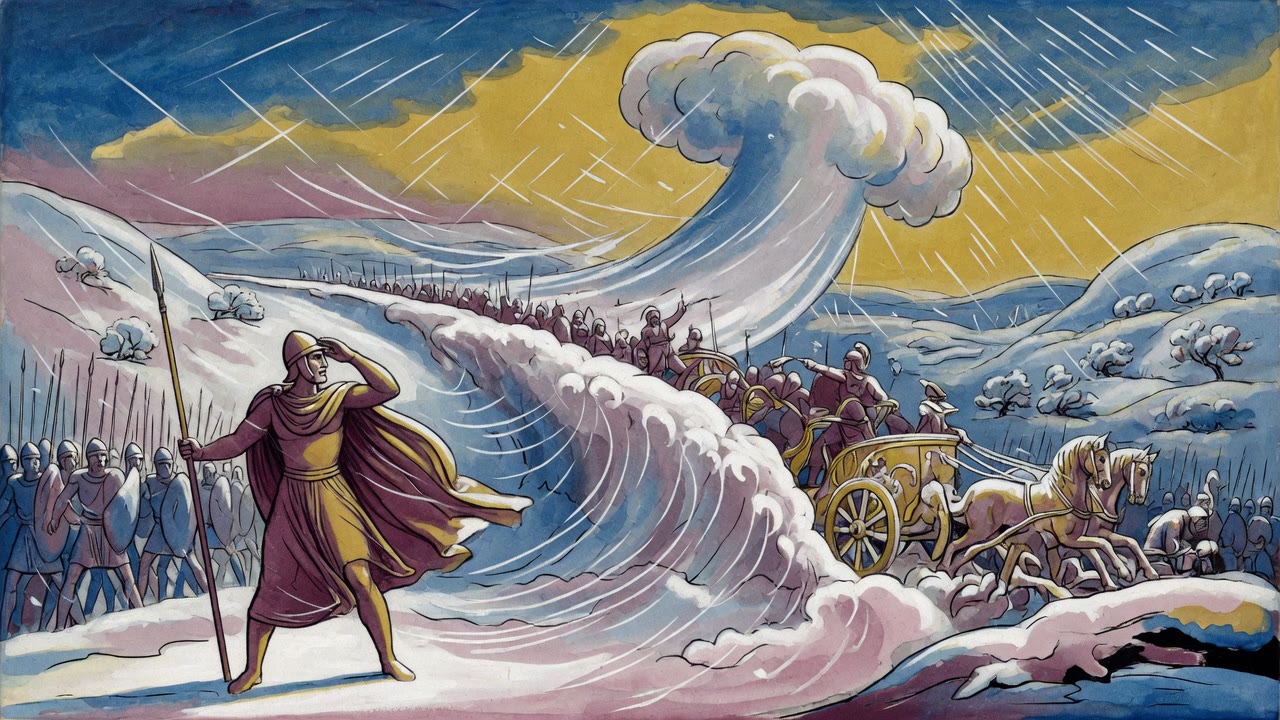
Jonathan was still alive in Tryphon's camp when the price arrived. Simon paid anyway. Snow, not swords, shut the last road to Jerusalem.
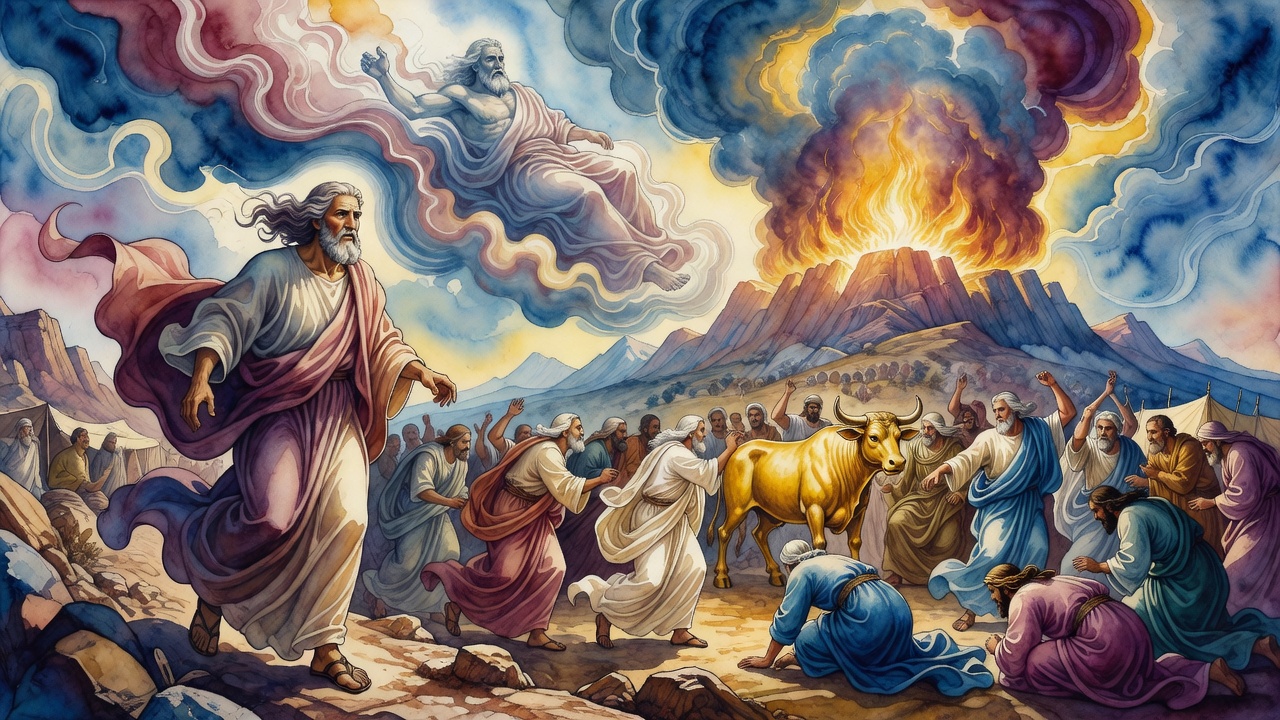
Joshua called it war. Moses listened longer and heard merriment. Then he came around the ridge and saw the calf, and the Accuser dancing in front of it.
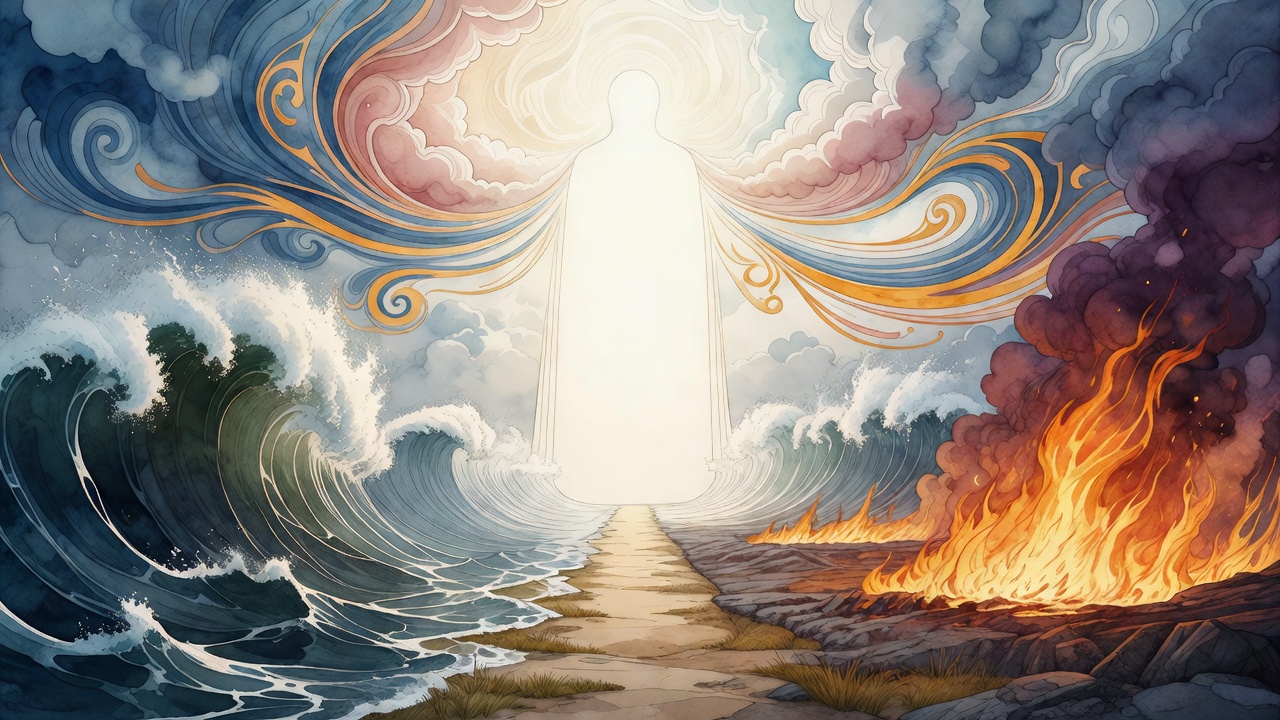
One wind blew all night at the sea. It dried a road for Israel and drowned Egypt in the same water. The rabbis called that one act, seen twice.
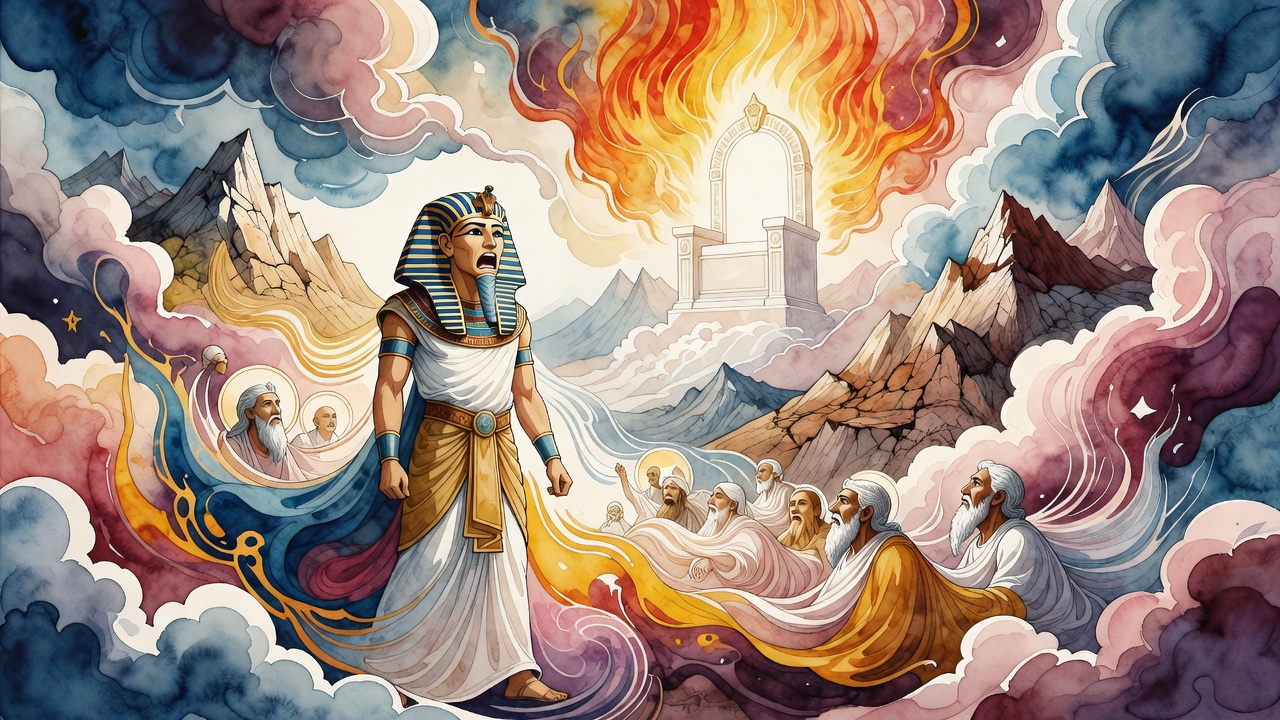
Pharaoh had said he did not know the Lord. At the sea his own men were shouting that the Lord was fighting for Israel, and fleeing as the water came back.
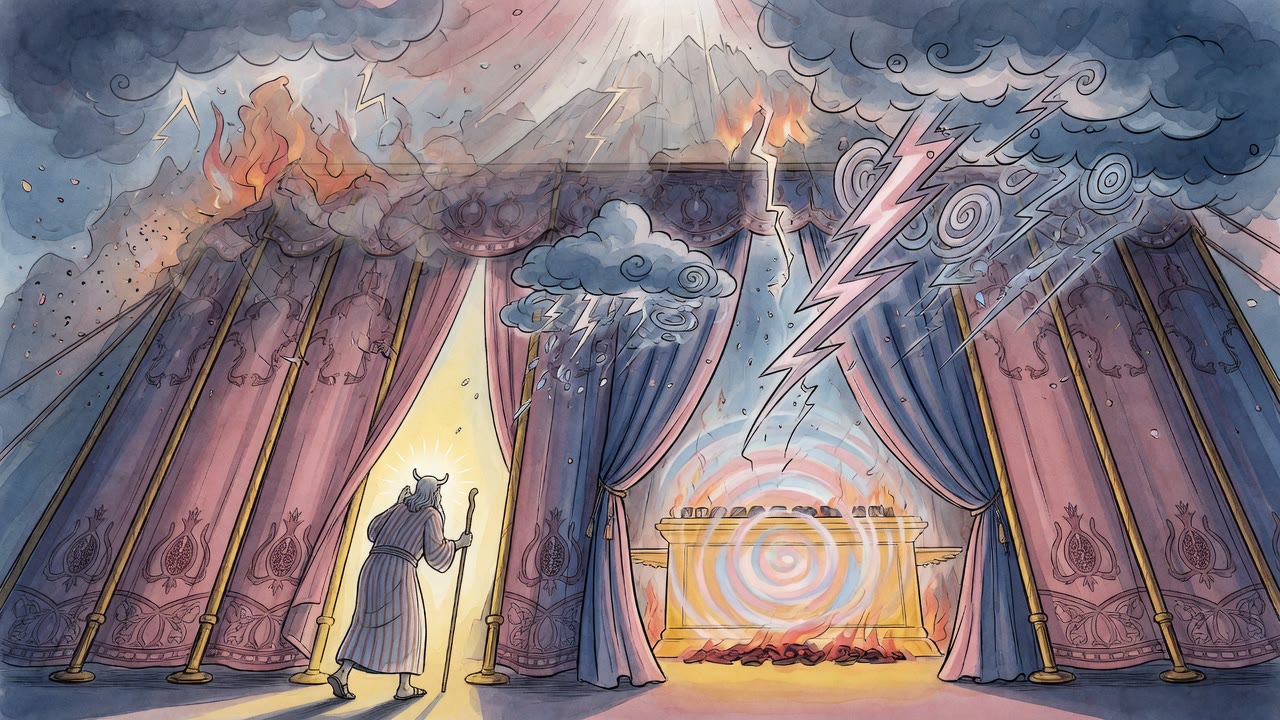
Moses enters the Mishkan and hears the divine voice pressed through holy space, from Sinai's thunder down to the Temple's last fire.
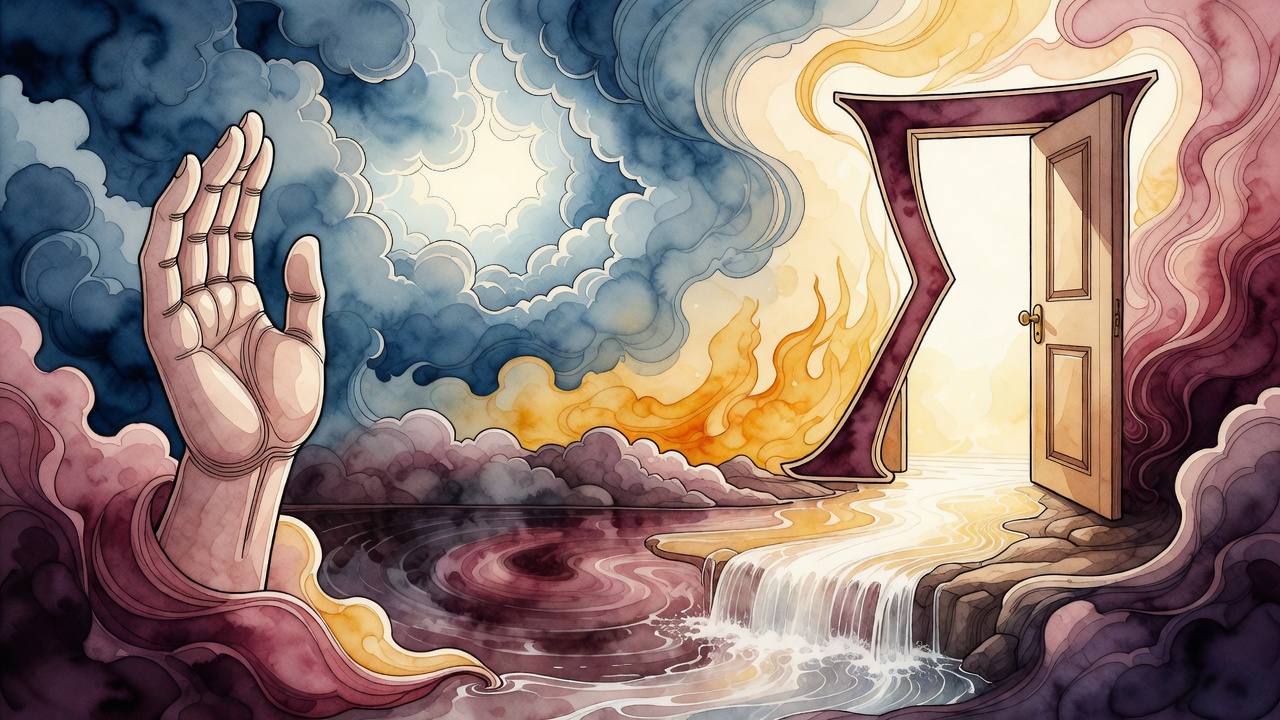
Israel had walked three days without water. At Marah the pool was bitter. Moses stood over it with a tree in his hand and a people at his back.
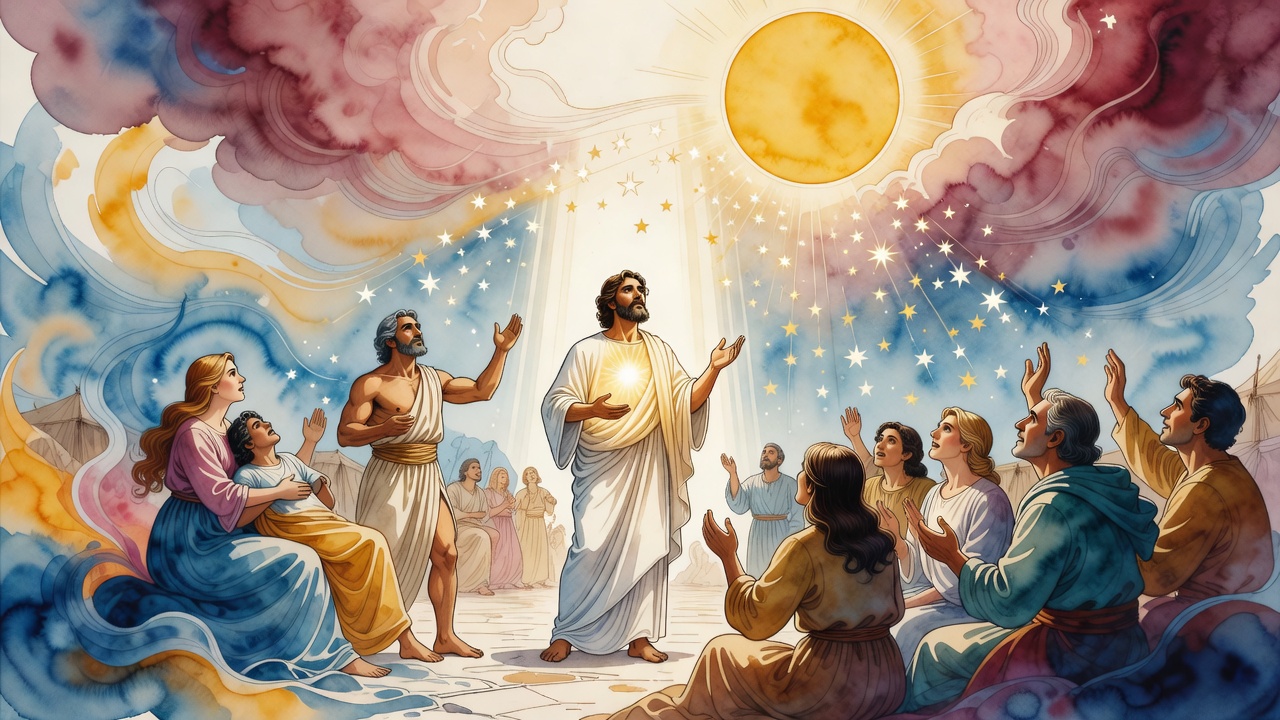
The moment Rachel bears Joseph, Jacob finds courage to leave Laban. Then Joseph dreams of sun and stars bowing, and no one in the family forgets it.
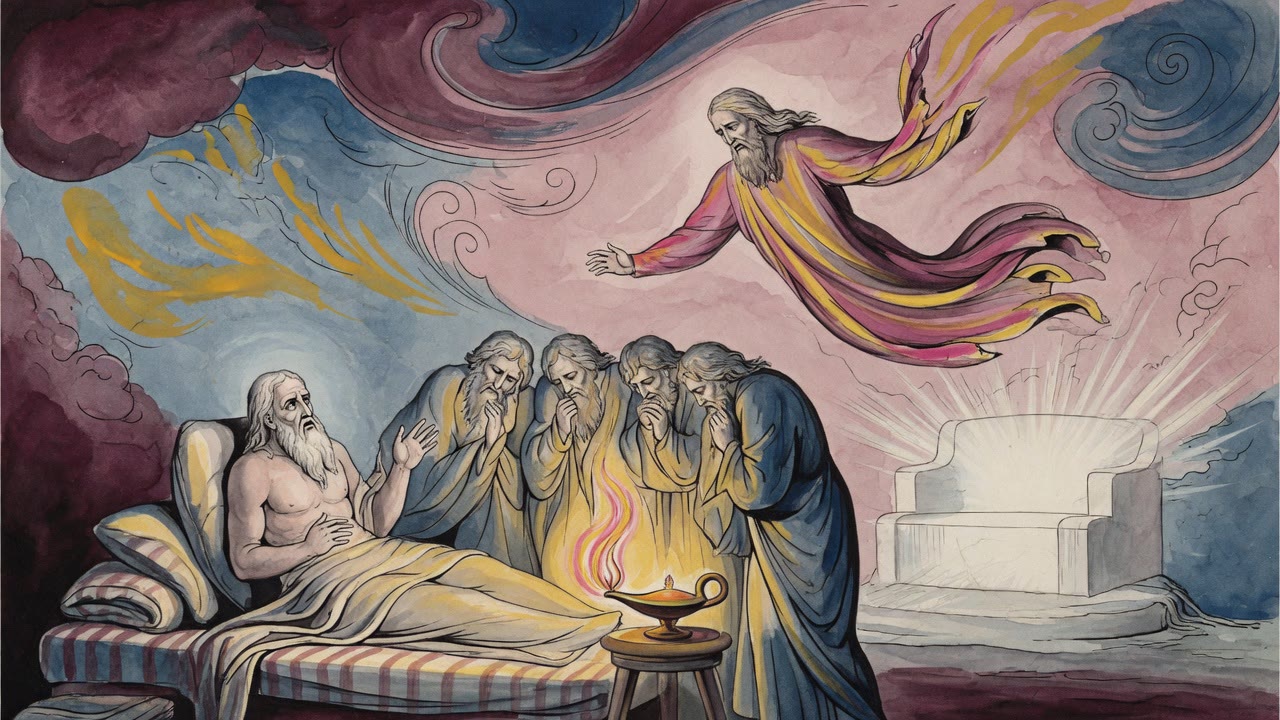
Rabbi Yehoshua found him among the wounded at Rome. One bandage was off. The rest stayed bound, in case the call came before night.
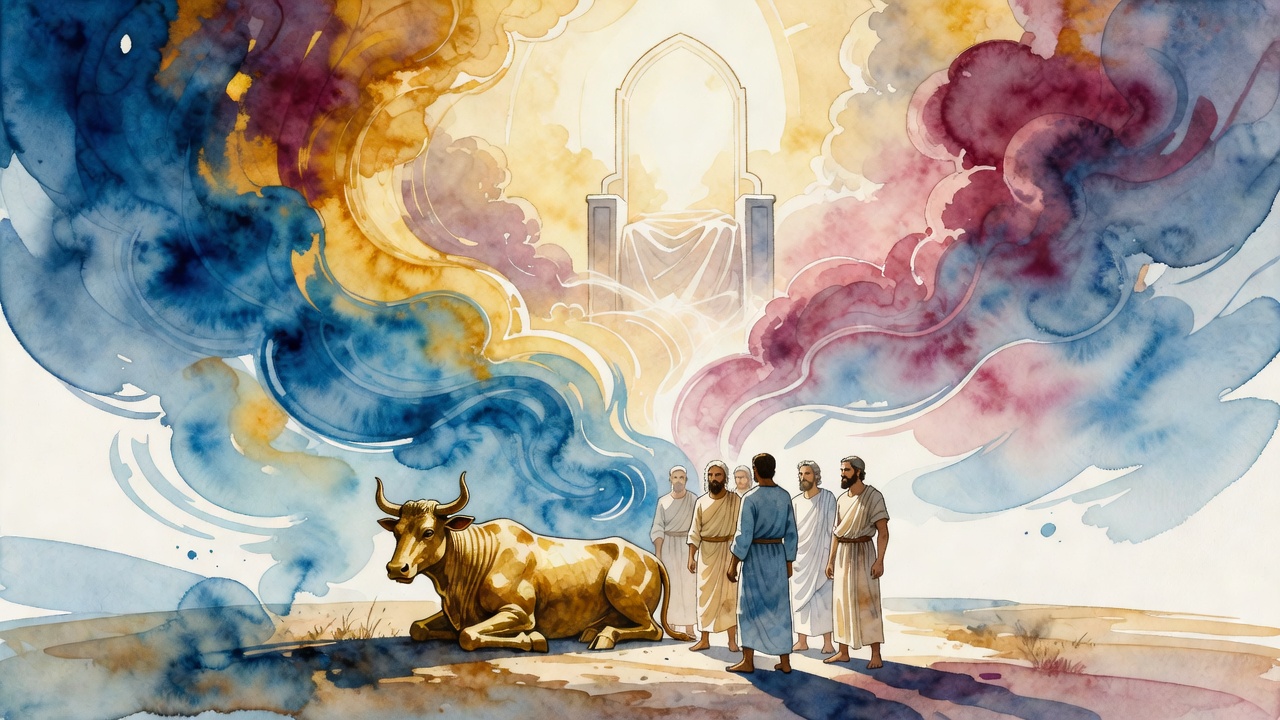
Everyone in the camp would have said they were loyal. Moses asked a narrower question, and only the men who had kept their gold could answer it.
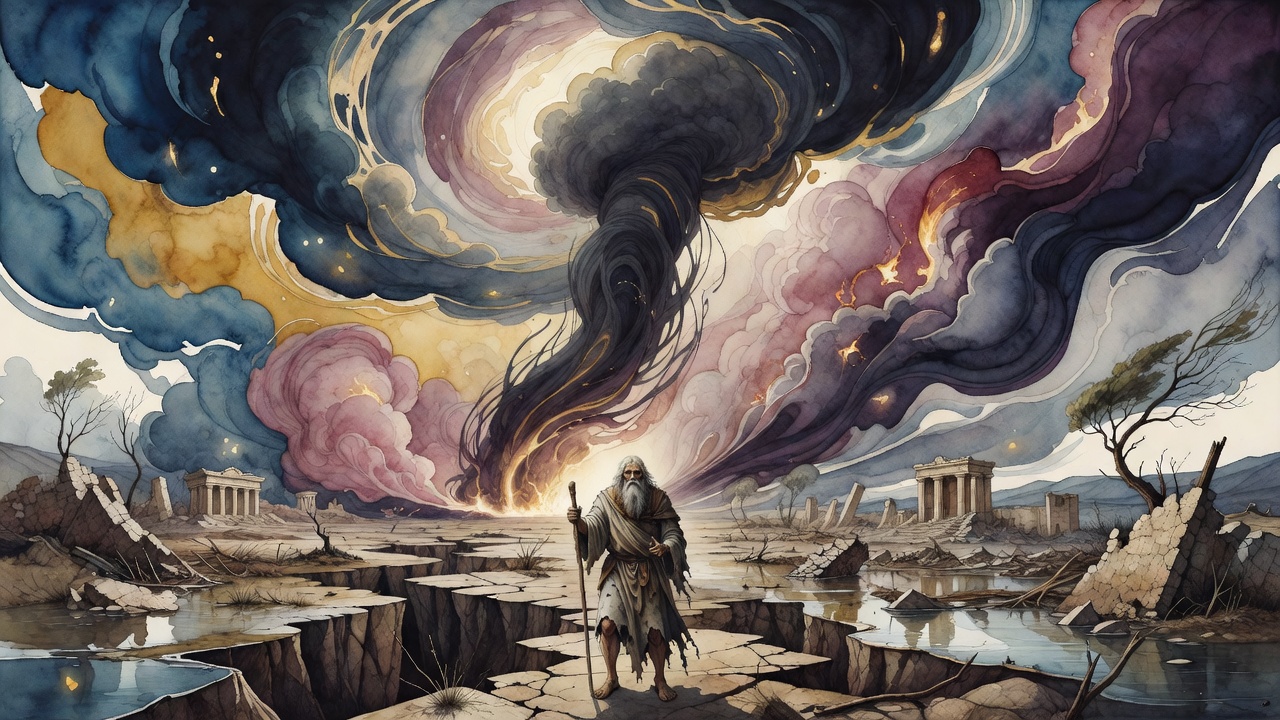
Noah stands at the edge of a ruined world while God names what broke it, injustice so thick it became the rod that struck creation down.
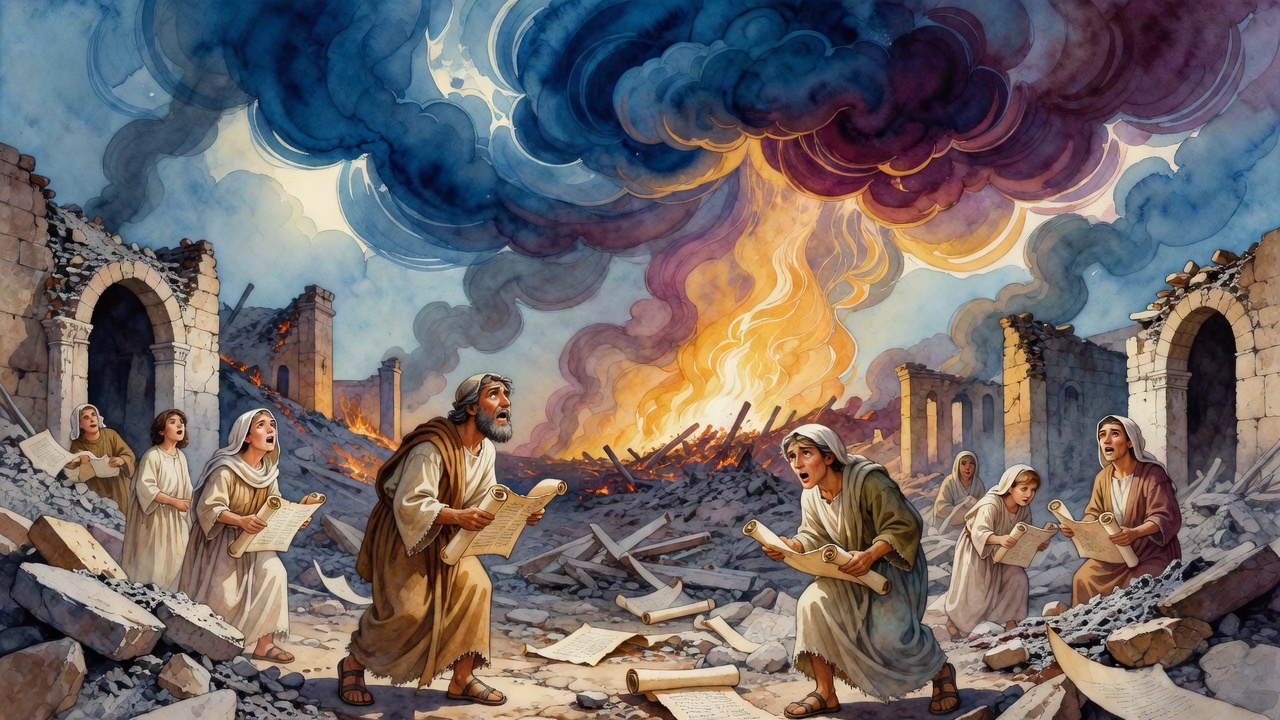
The small sanctuaries were chopped to kindling. No prophet could say how long. The prayer that was left accused heaven of doing nothing.
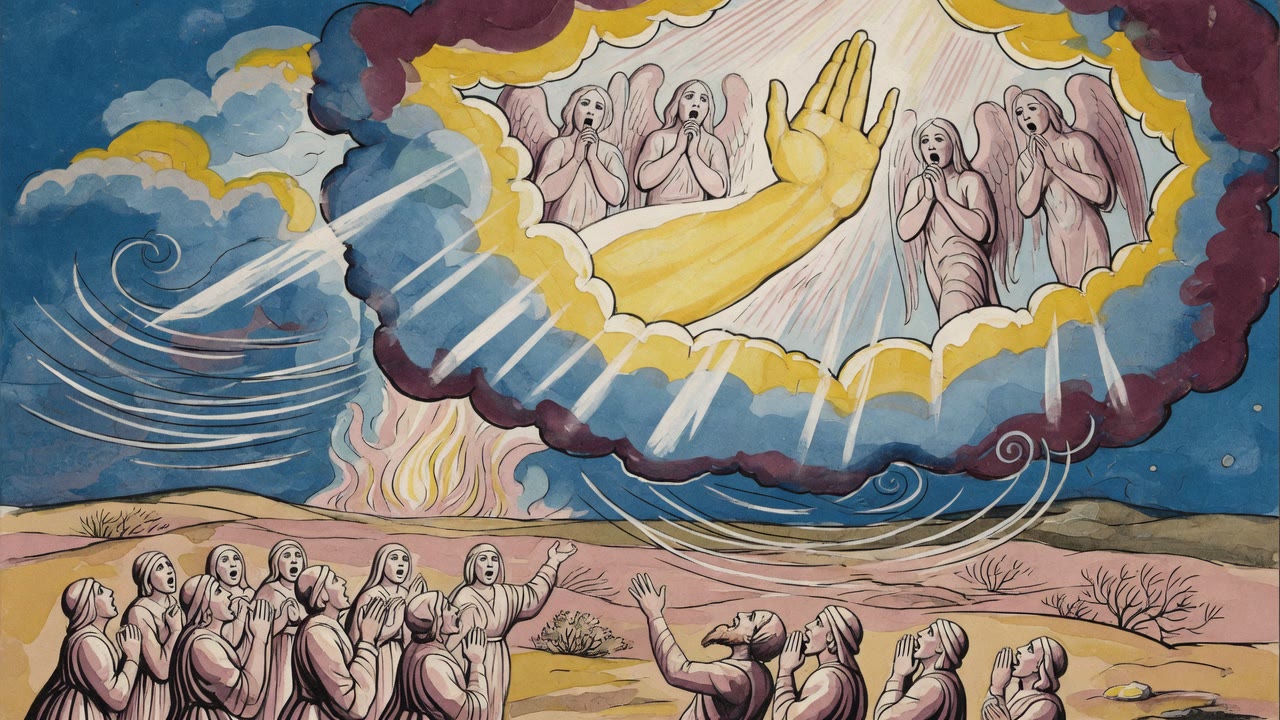
Miriam stood at the Nile waiting to see if her prophecy was true. Moses opened the Song with the same word he had used to accuse God of abandoning Israel.
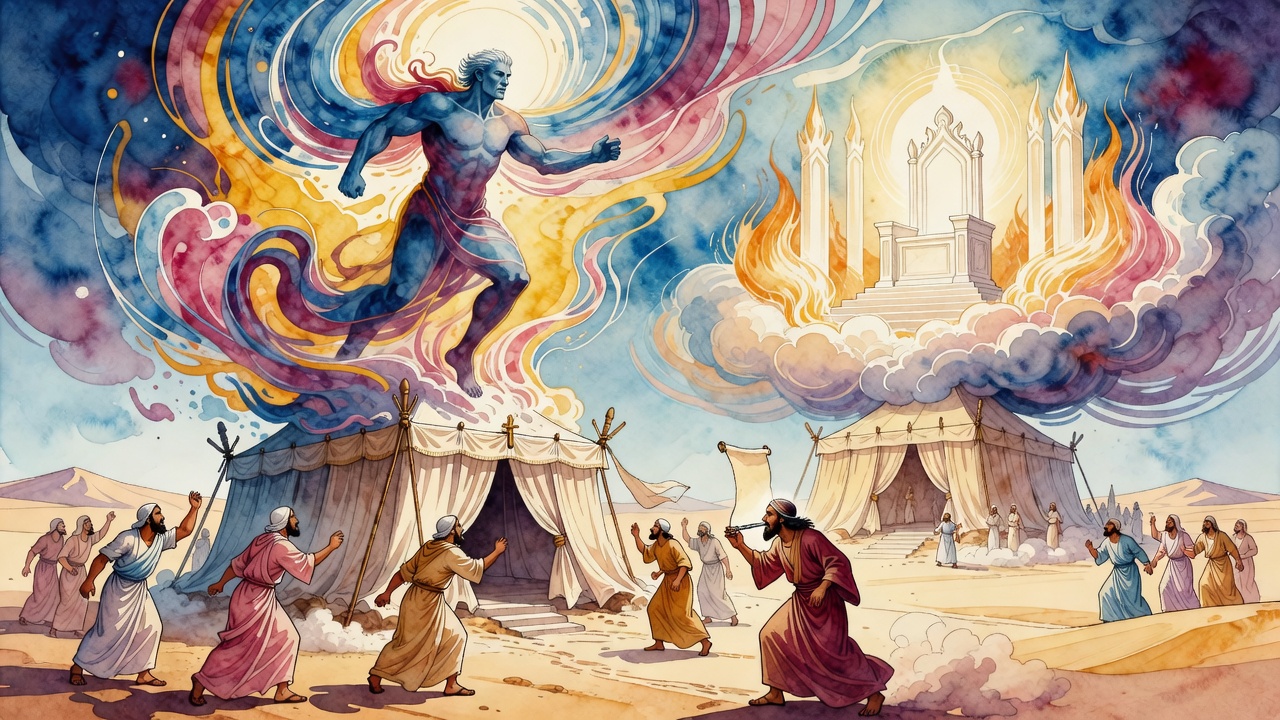
The moment the desert Tabernacle rose, a mirrored sanctuary locked into place above it. Metatron runs the upper one. Bilam ran his mouth with iron in it.
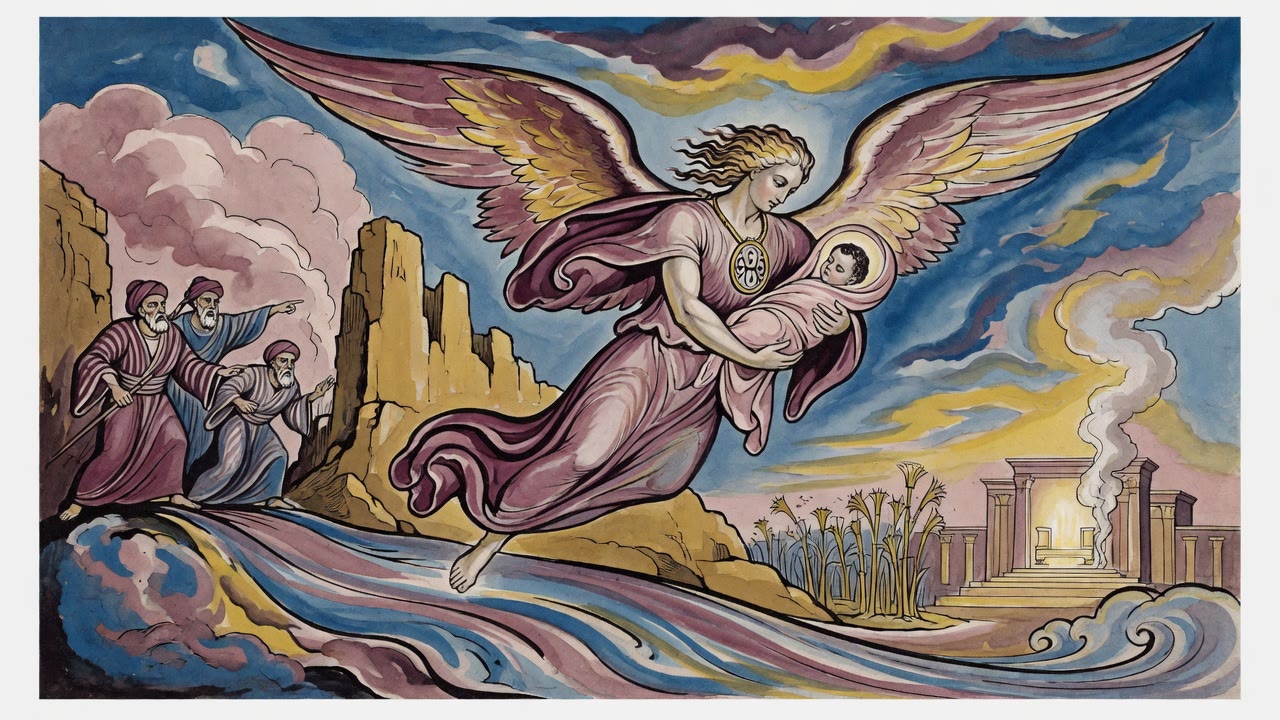
The spies named a valley for its grapes, but Abraham's ally already had that name. The rabbis said God declared the ending before anyone reached the beginning.
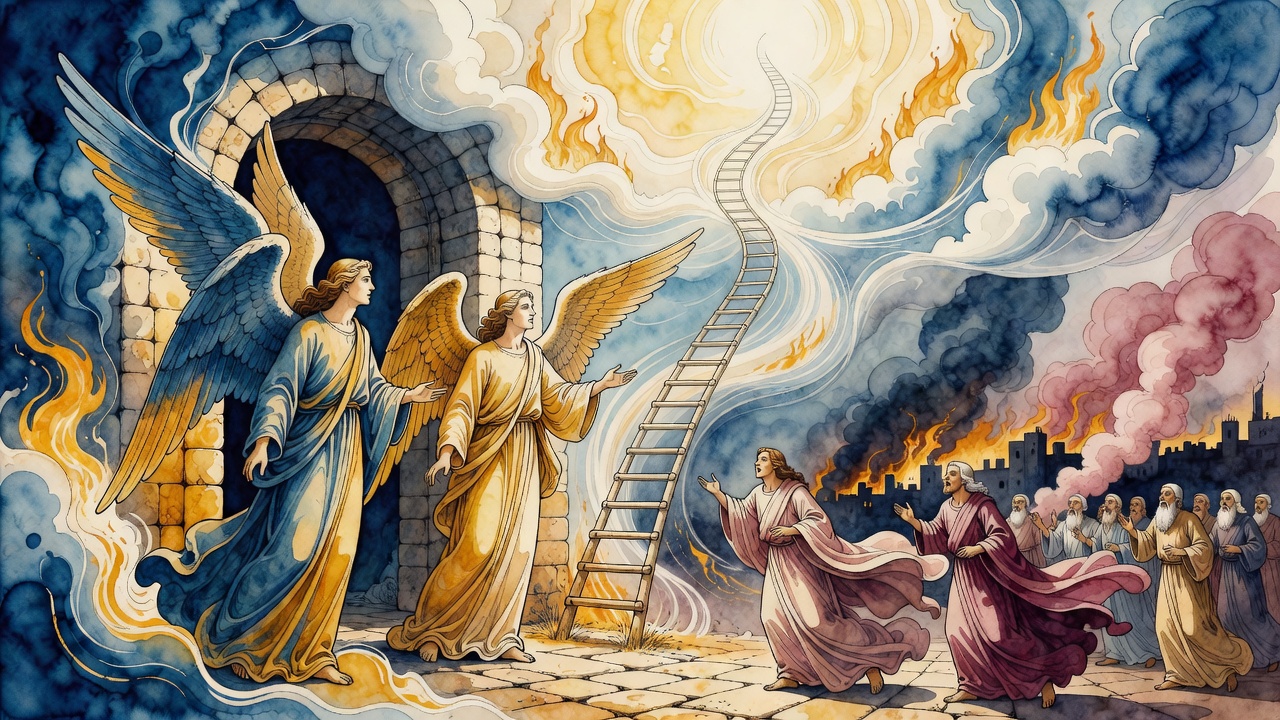
The men of Sodom had Lot's door in their hands. At dawn, inside the house, a guest said we are destroying this place.
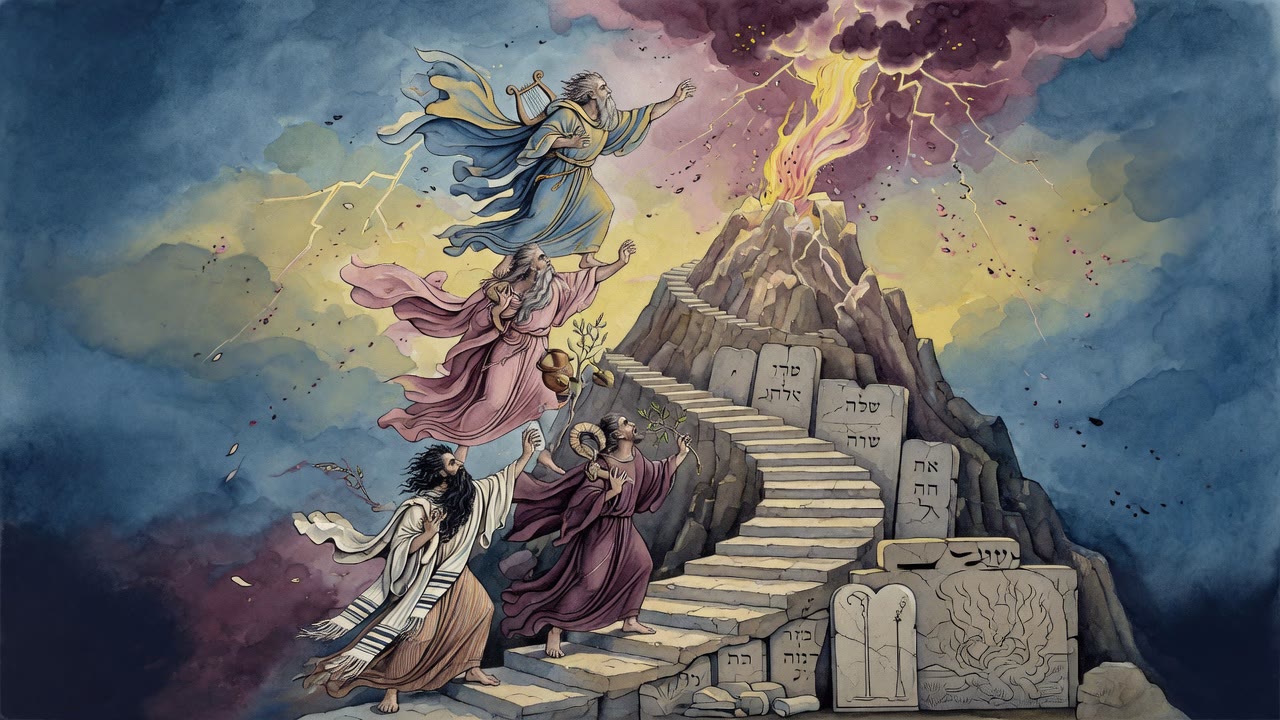
One more word from the mountain would have killed them. They sent Moses in. God agreed to speak through prophets after that.
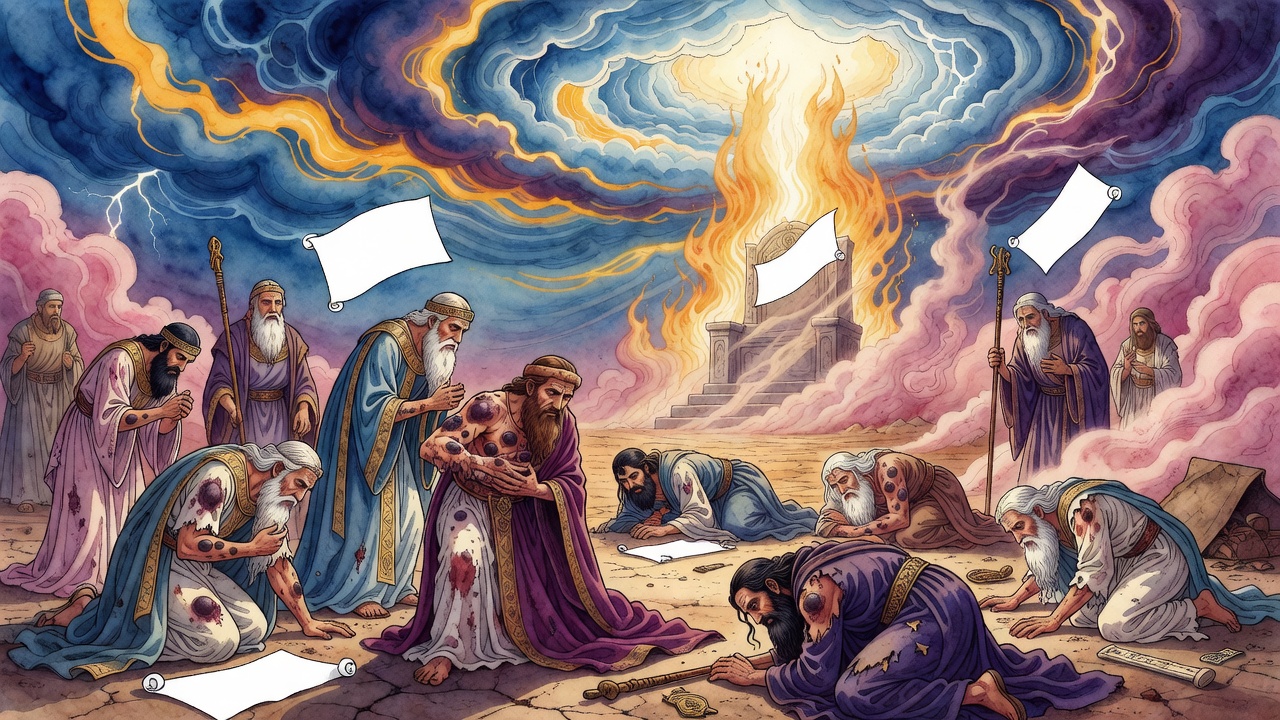
Balaam's sons copied the blood and the frogs. Dust would not become lice for them. When the boils came they could not even stand in the hall.
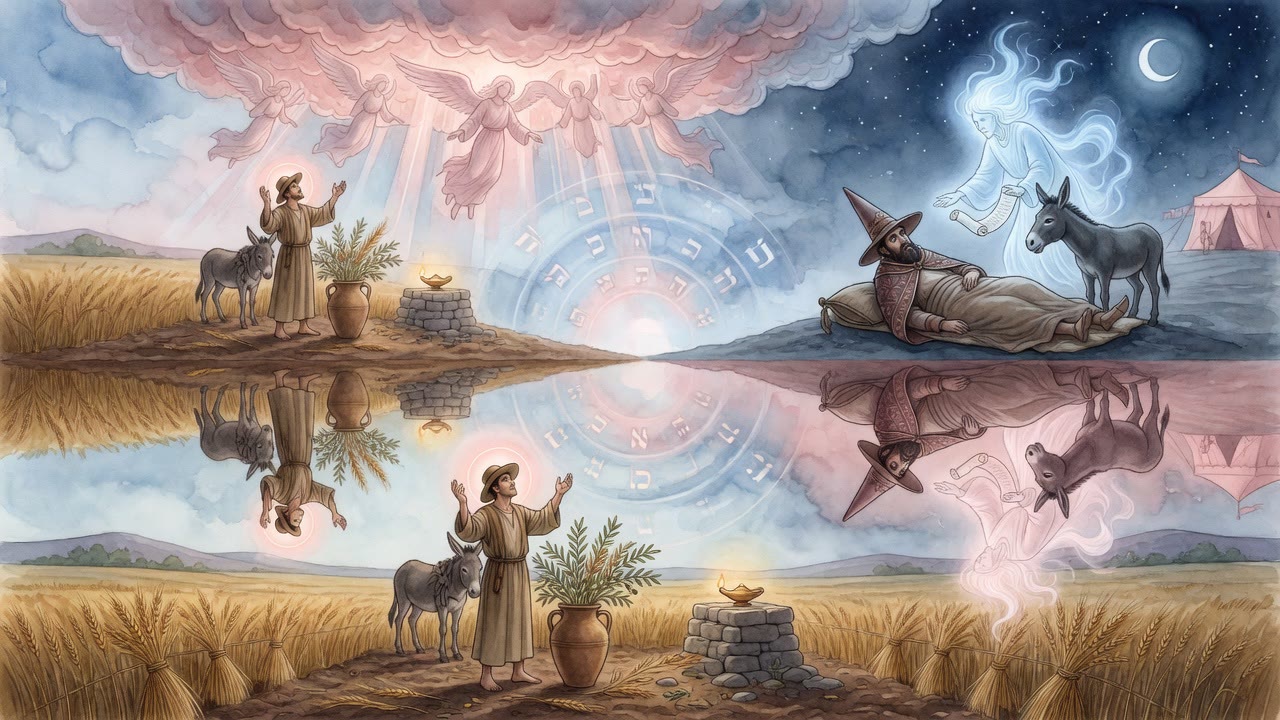
Heaven calibrates to the vessel you build. A farmer who vows away wine gets treated like a High Priest. Bilam, hired to curse, gets God only at night.
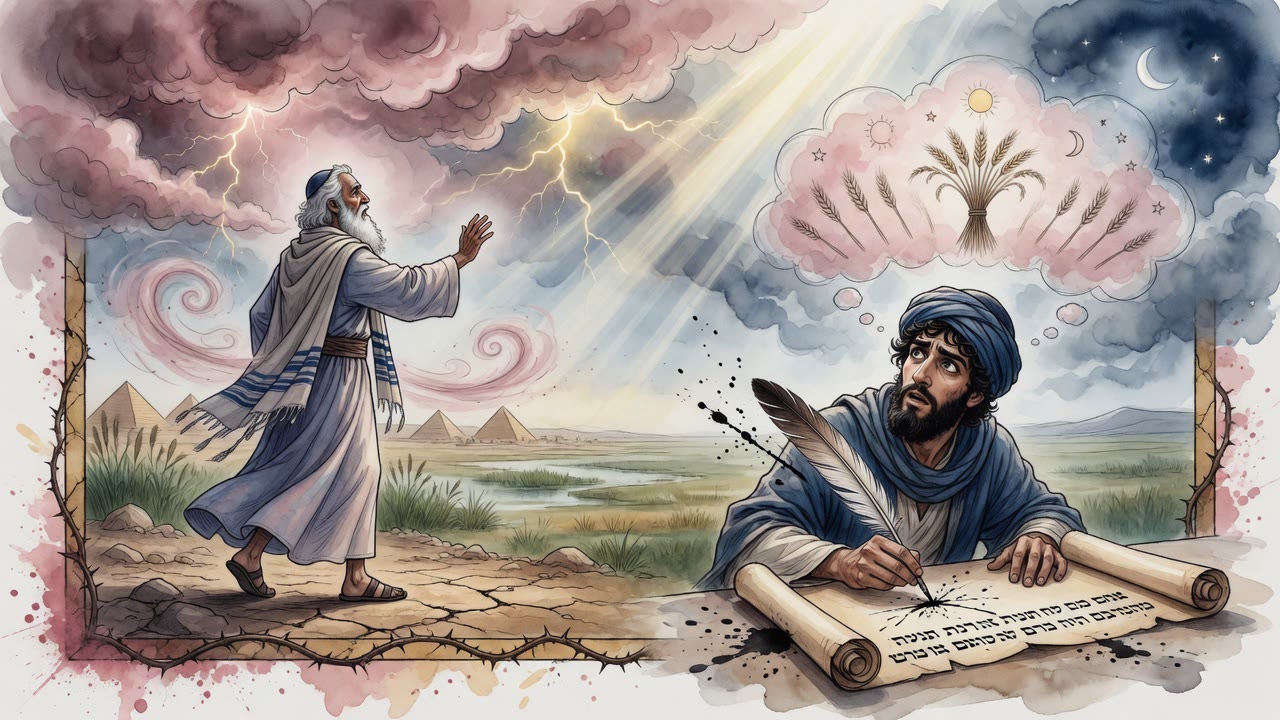
Joseph told the dream at the table. Jacob scolded him while the brothers watched. Then he wrote down the hour and the place.
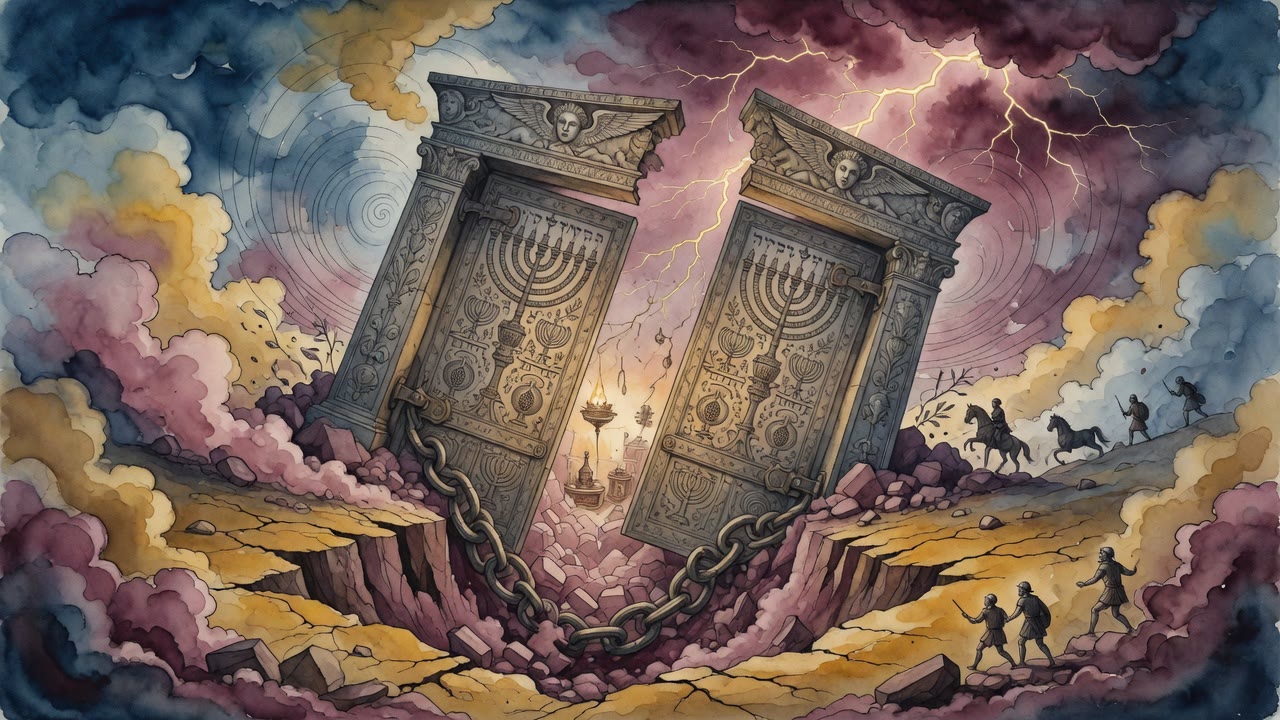
Eikhah Rabbah reads the Temple's ruin through a garden without water, gates that sank rather than be captured, and a wound as vast as the sea.
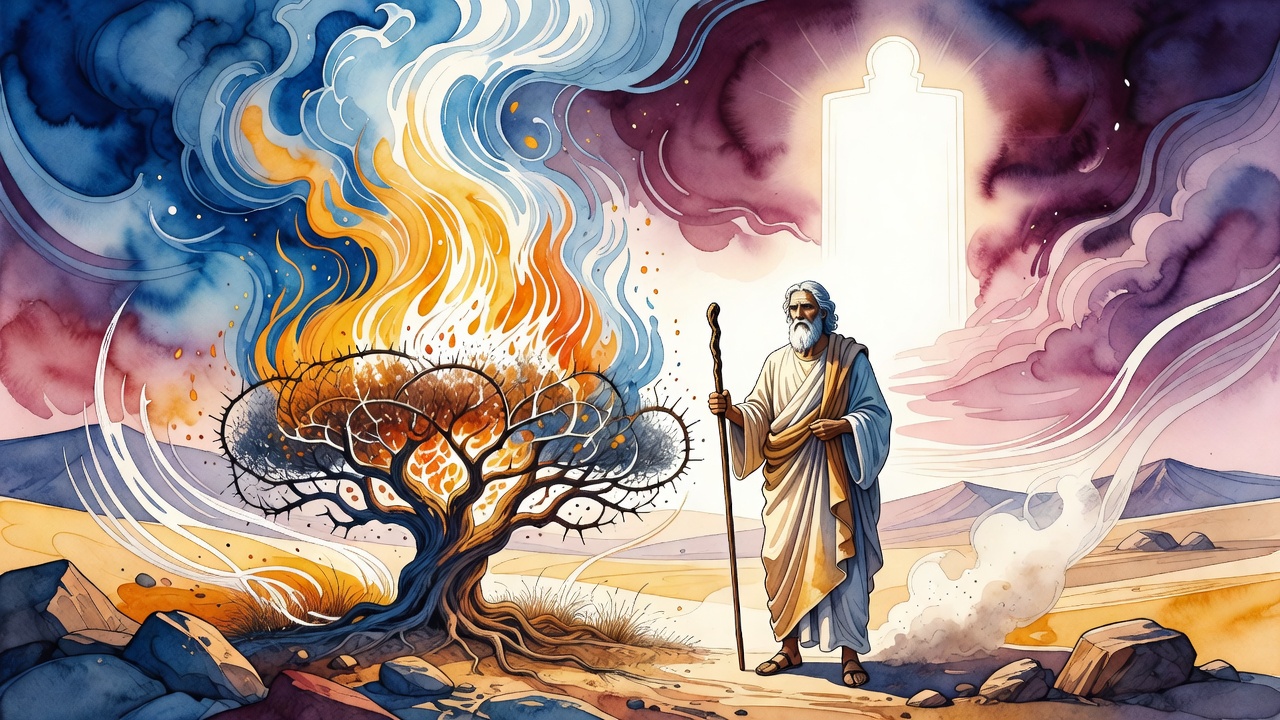
Aaron had been prophesying in Egypt for eighty years when his younger brother was chosen. He felt no envy, and so he wore the breastplate over his heart.
