448 myths · Page 10 of 15
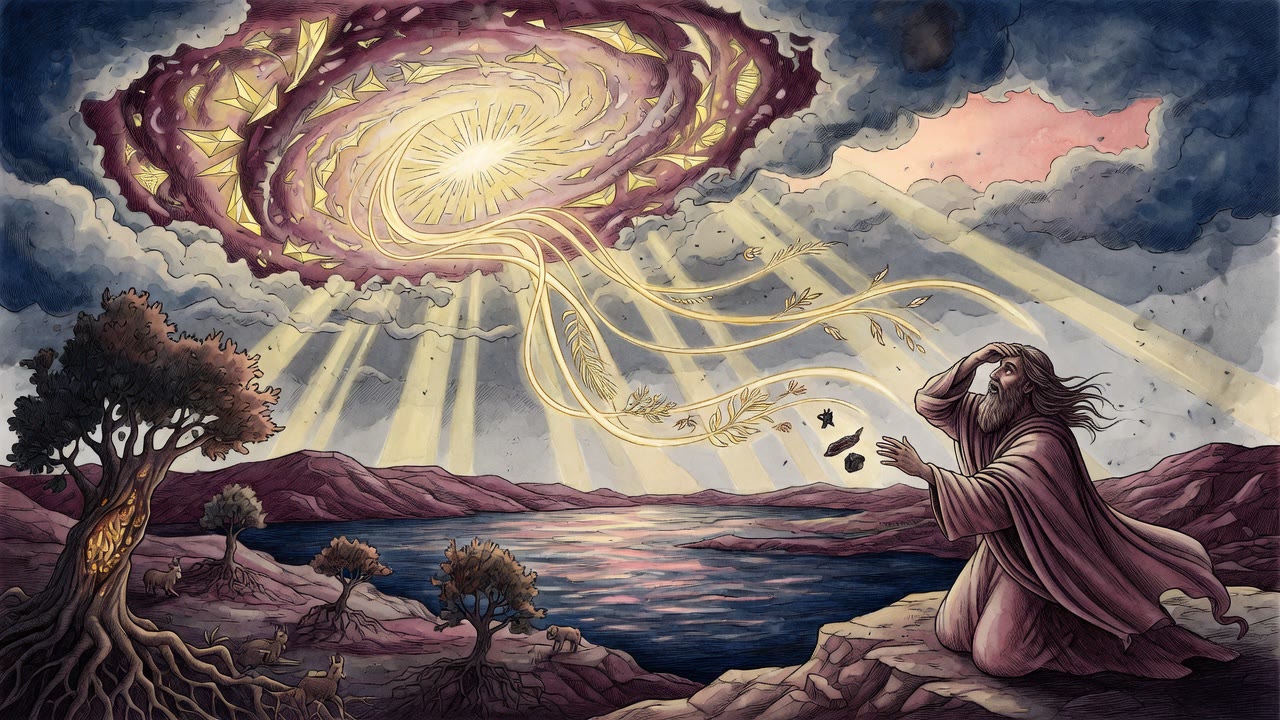
When Isaiah saw the divine throne and the seraphim singing, he did not sing with them. He spent years believing that silence had cost him everything.
A golden lion put out its paw with a law cut into it, and Solomon could not reach the second step until he read it. In Babylon the lions were alive.
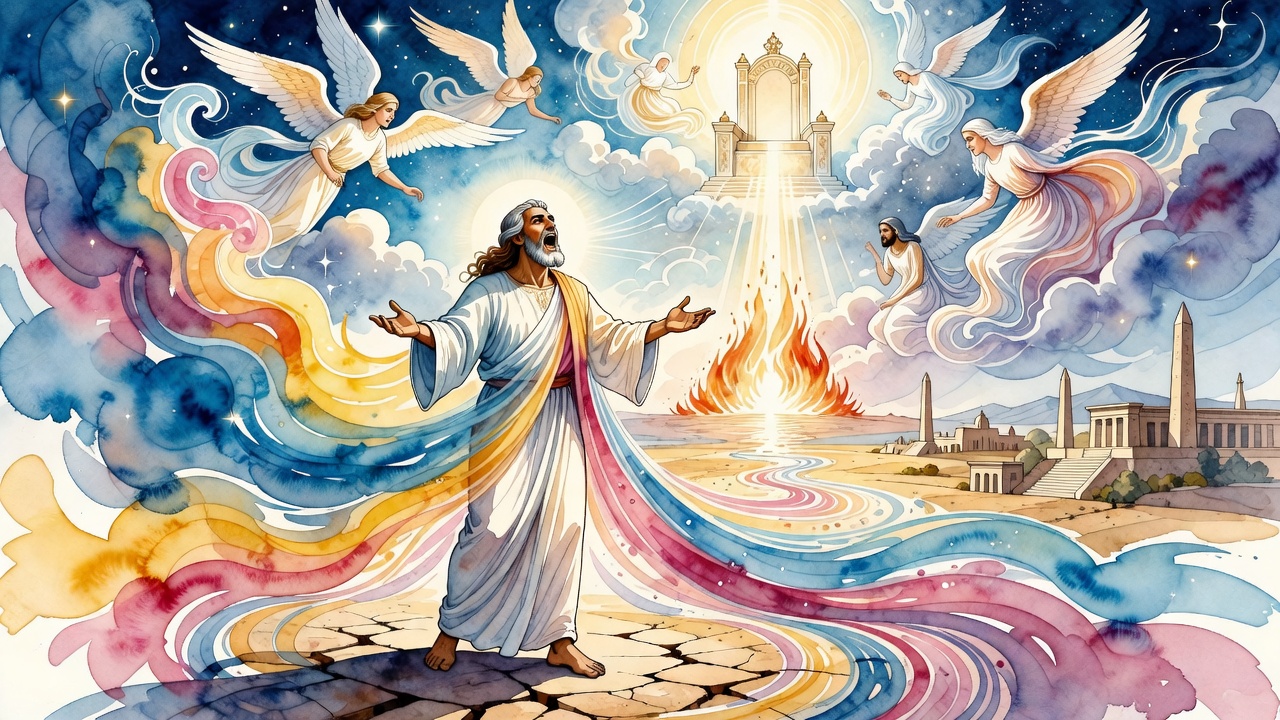
When Judah raised his voice in Egypt demanding Benjamin's release, the rabbis said his cry shook the earth and made the angels tremble in heaven.
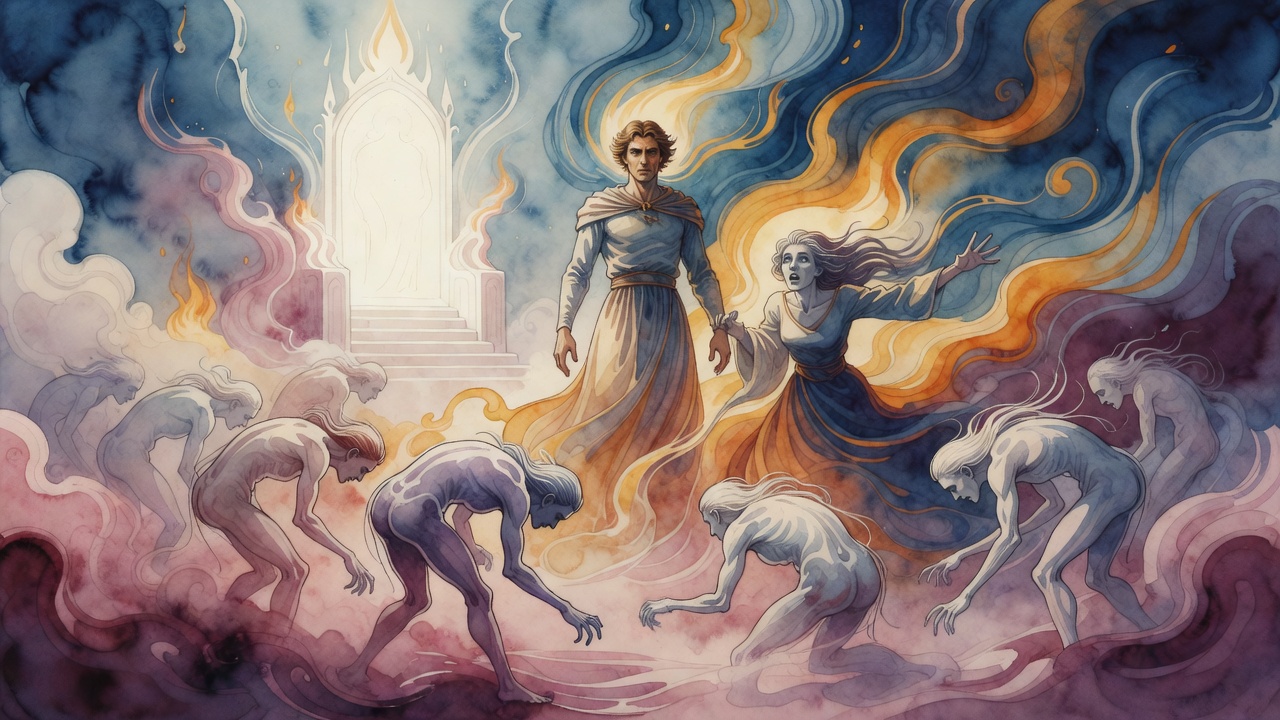
She screamed before she spoke a word to Saul. The man in the cloak was standing. The dead she knew how to raise never stood like that.
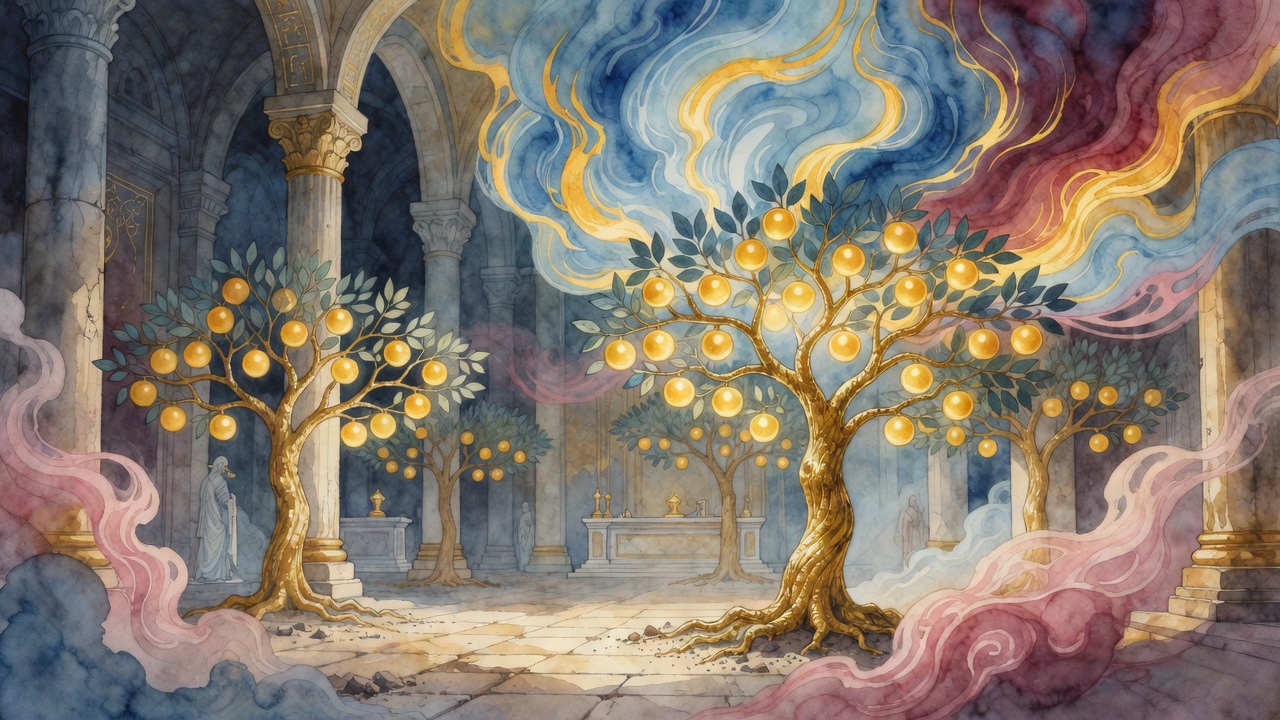
The Torah never asked for trees inside the Temple. Solomon planted them in gold anyway, and they bore fruit until Babylon burned the Temple down.
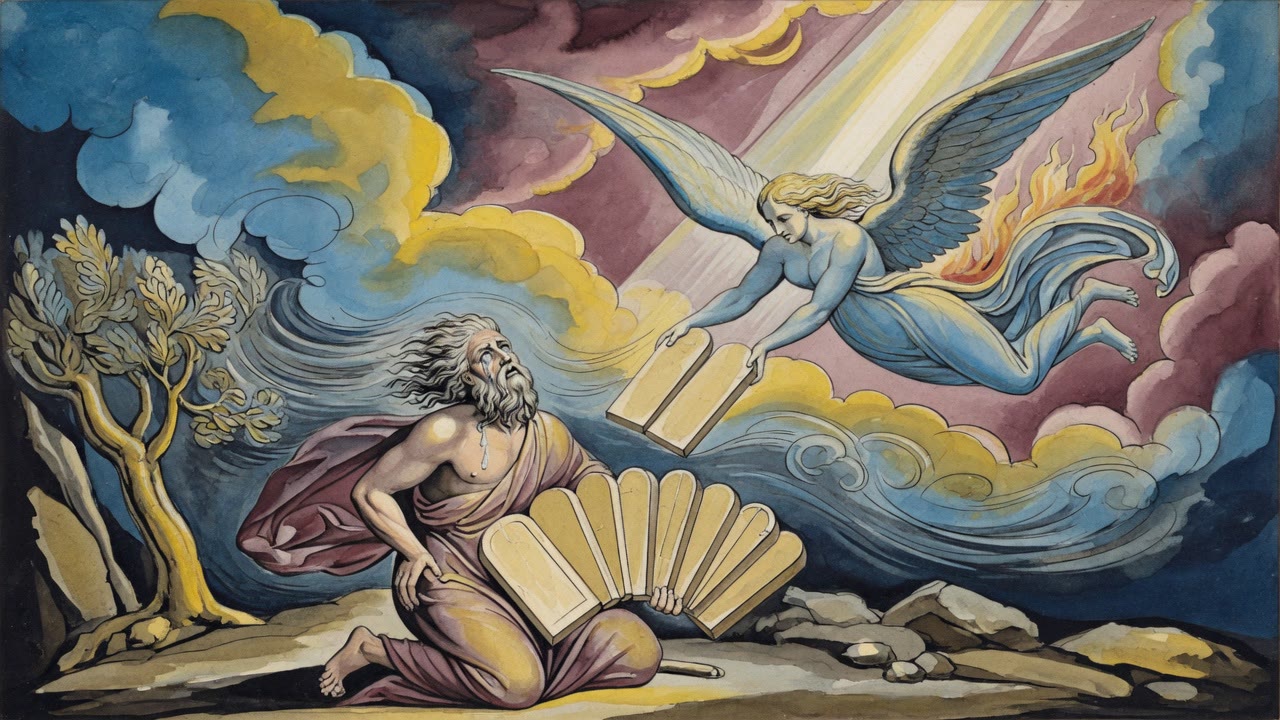
He had already put up the altar and planned the wall. Then an angel handed him everything that would happen to his sons, and told him to leave.
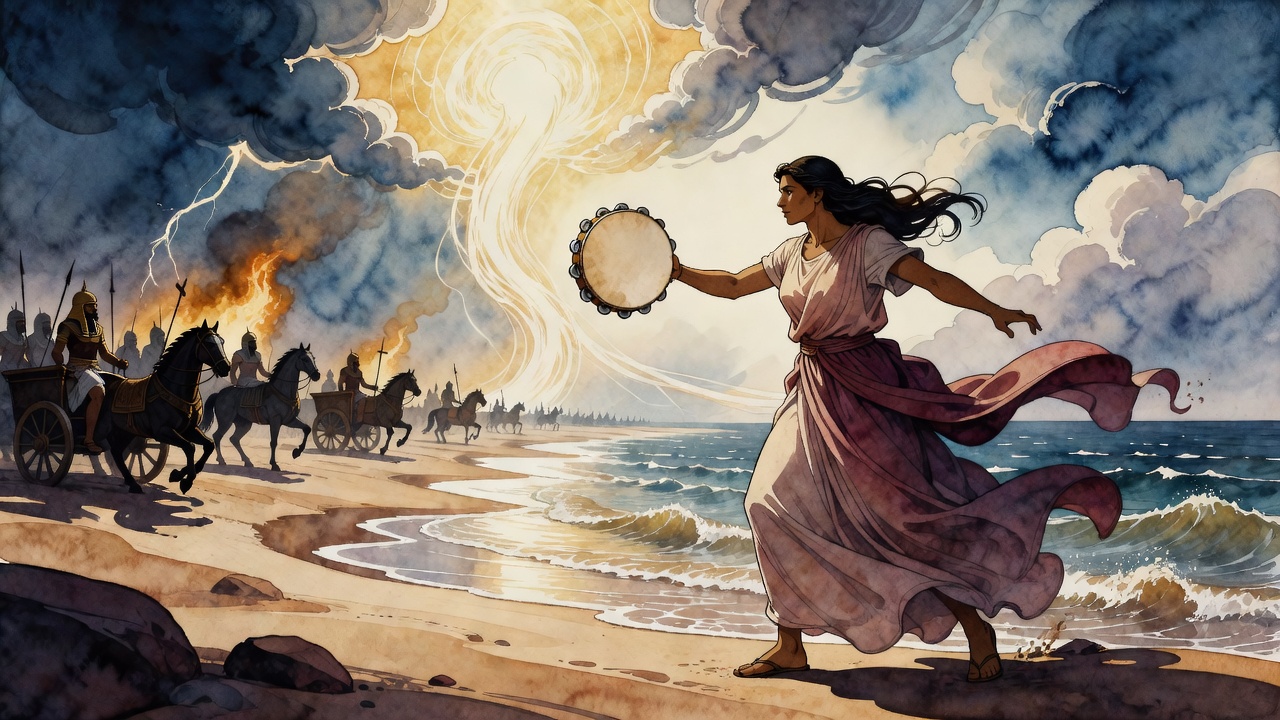
When Miriam led the women at the Red Sea, she had a tambourine ready. She packed it in Egypt while Pharaoh's army lived and the plagues were still running.
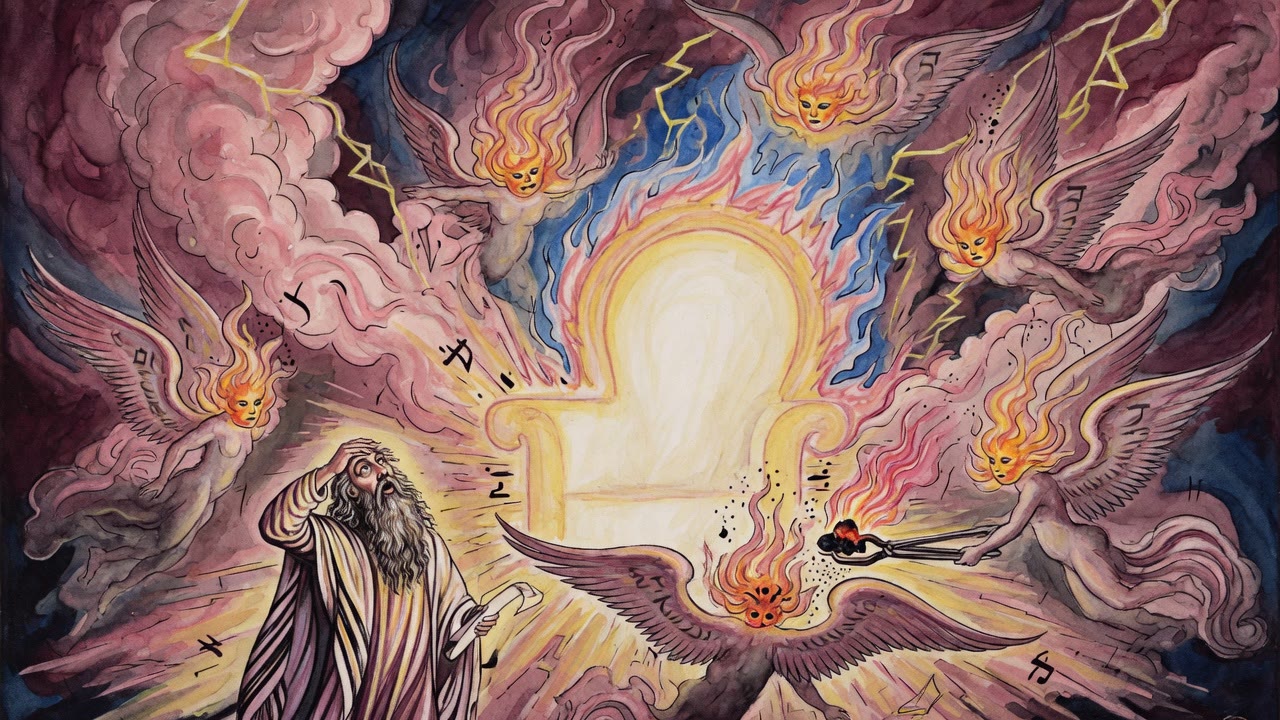
Isaiah stood before the divine throne as the seraphim sang, but guilt sealed his lips. What he failed to do in that moment nearly cost him everything.
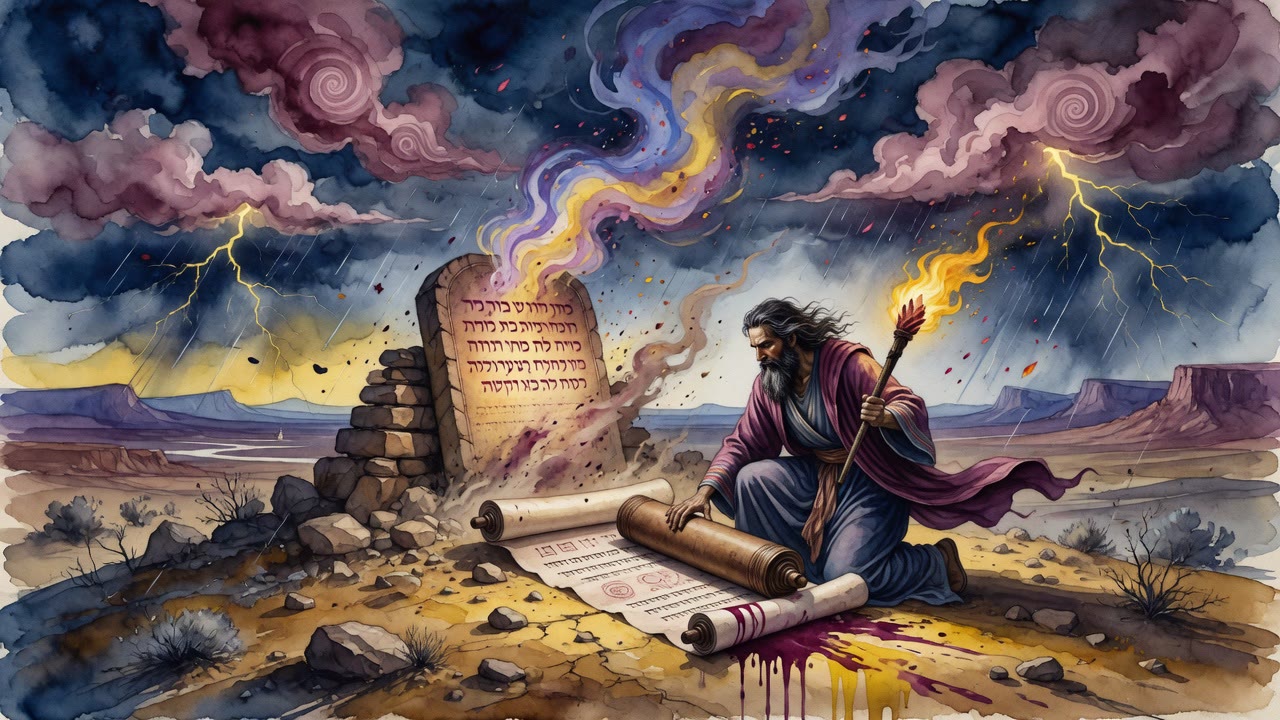
Vayikra Rabbah says a prophet sees God the way a candle is seen through a window. Abraham got nine clouded panes. Moses got one clear one.
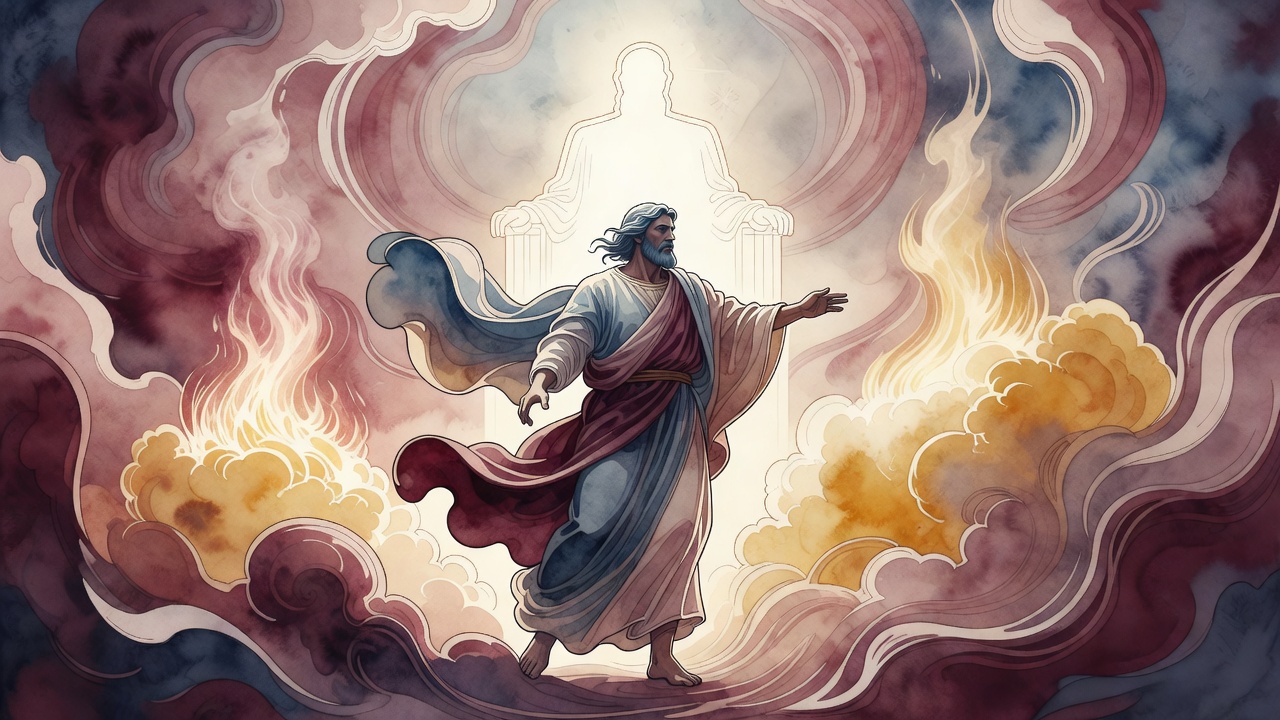
In the Prayer of Joseph, Jacob says he was an angel before the world was made. The man he wrestled at the Jabbok was Uriel, arguing over who descended first.
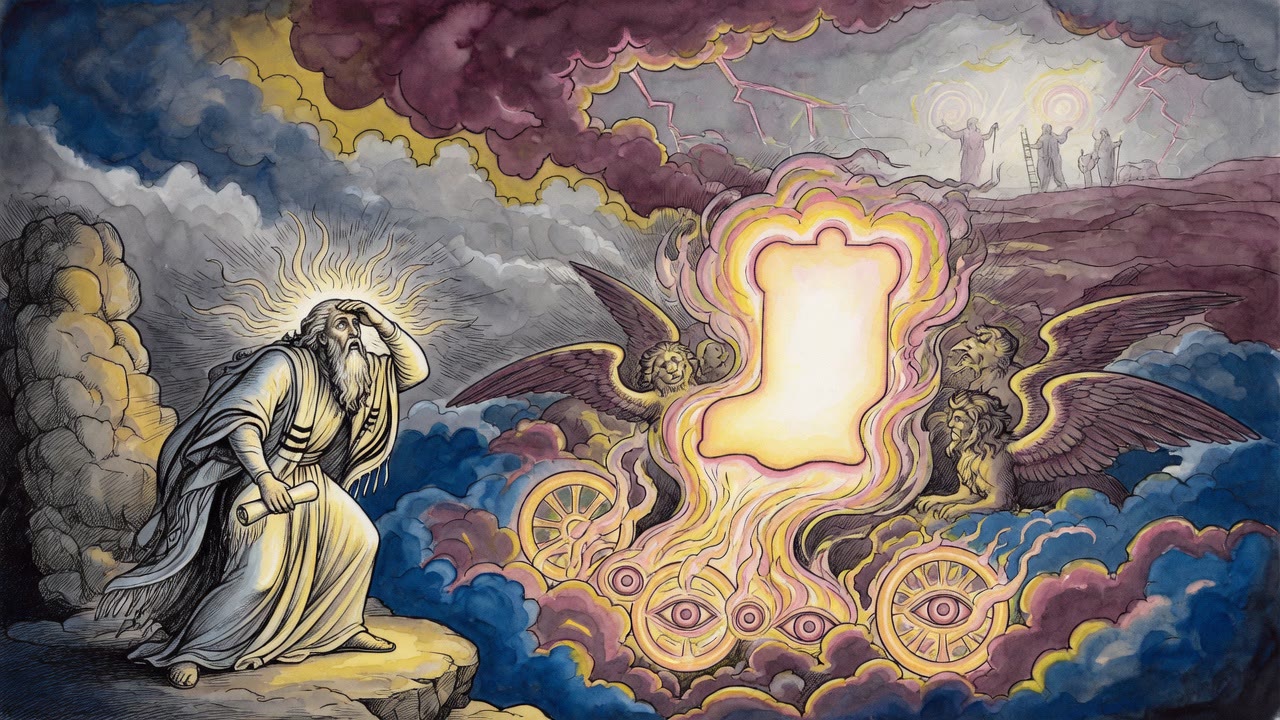
Moses sang about divine arrows drunk with blood on the edge of Canaan. Six centuries later, Ezekiel announced that the day Moses described had finally arrived.
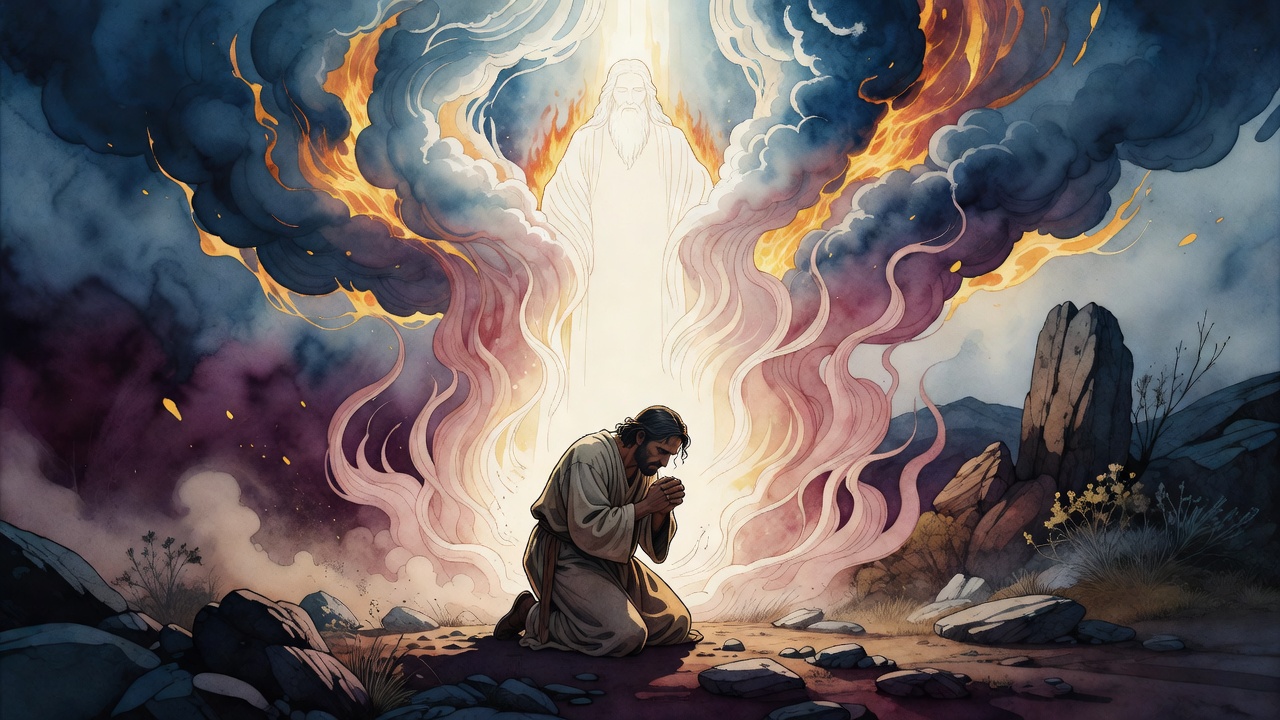
God told Jacob at Bethel: I will bring you back, not one promise will fail. Then Jacob spent twenty years in exile praying for what he already had been given.
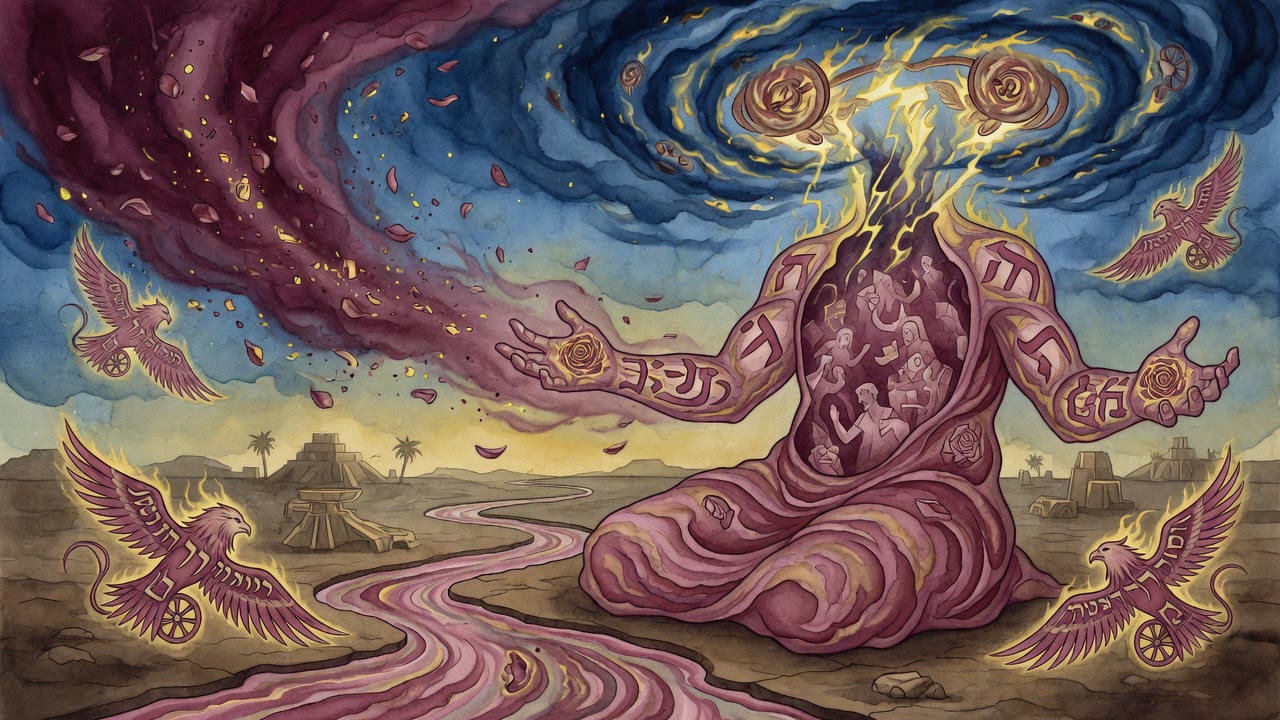
Moses saw God most clearly of all the prophets. Ezekiel saw through nine clouded panes. So why is Ezekiel's vision so much stranger and more detailed?
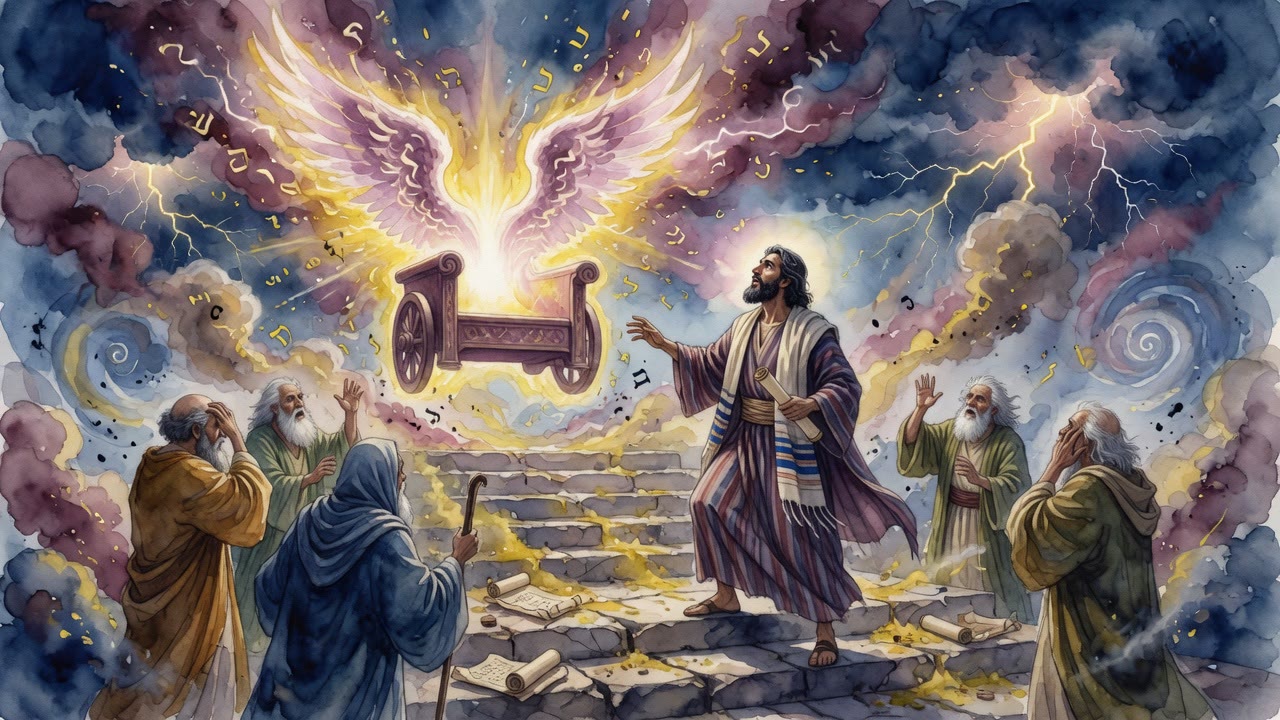
Micah came home with a rod mark across his cheek. They turned Amos into a joke. The call went out again, and Isaiah stood up anyway.
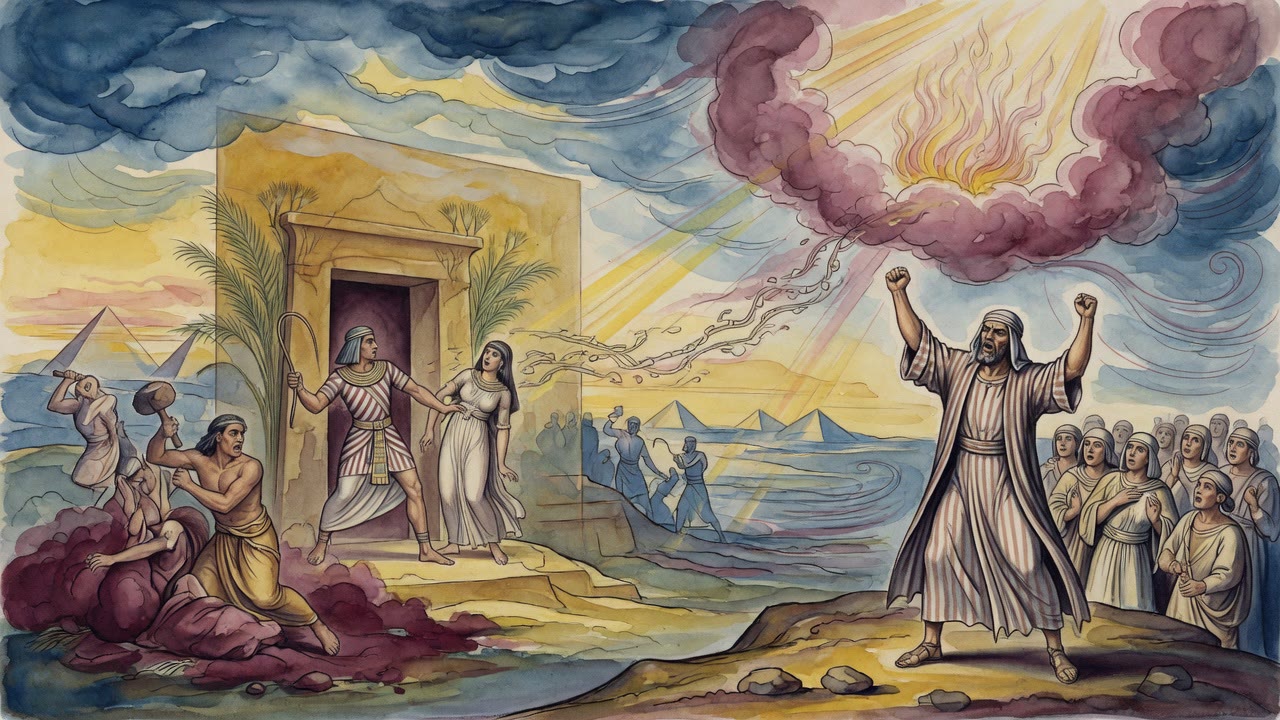
An Egyptian hid behind a ladder in Goshen before the husband left. Years later that woman's son stood in the camp and cursed the Name.
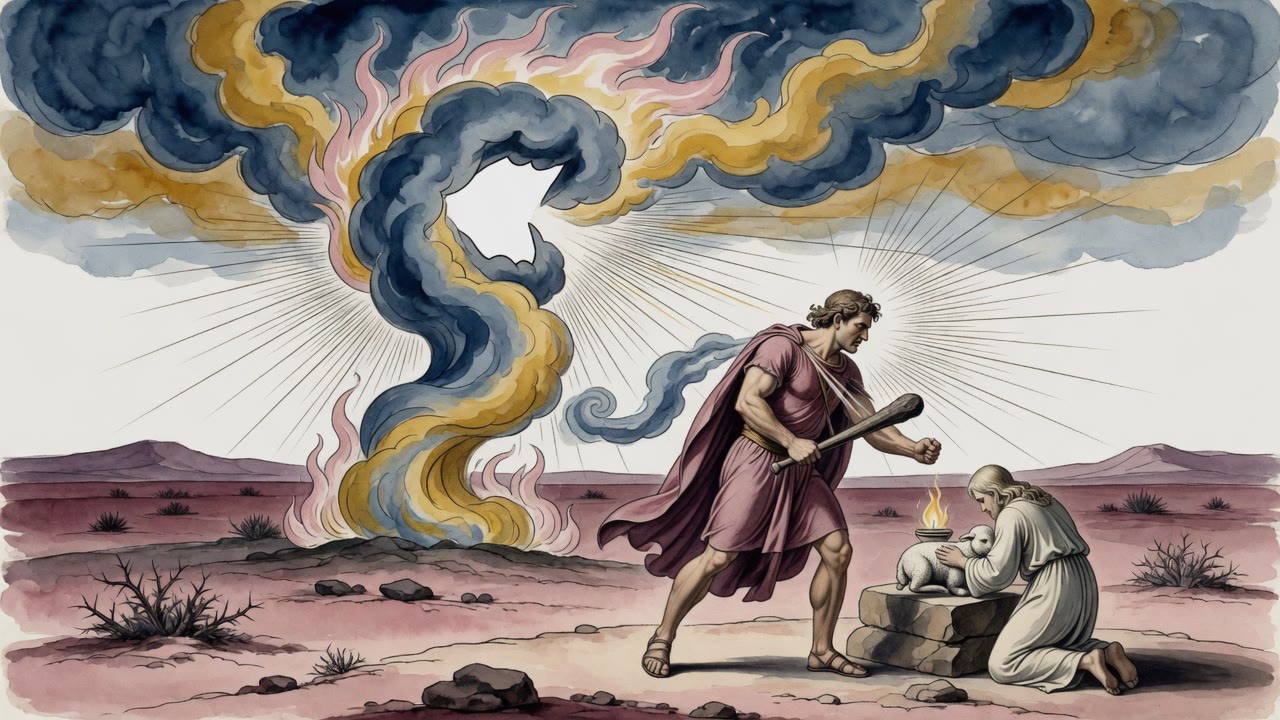
The princes of Moab were still asleep under his roof. Balaam was out in the cold before dawn, tightening the girth with his own hands.
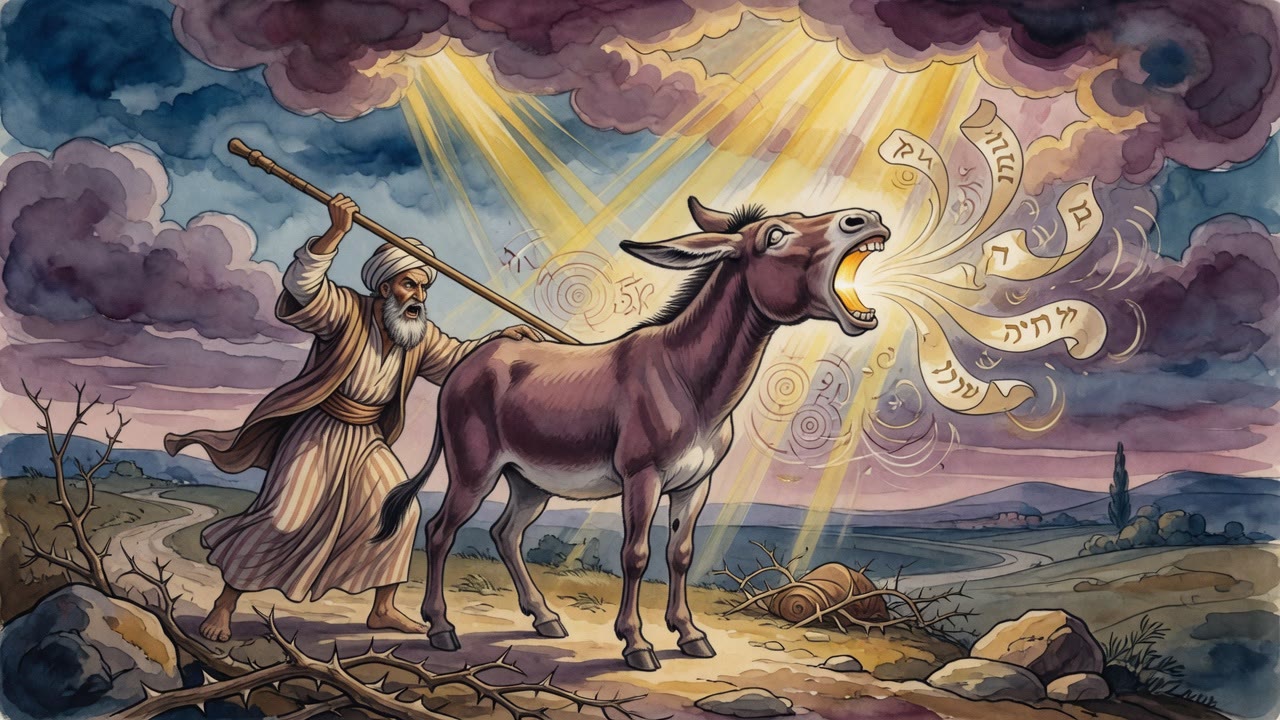
Balaam beat her three times for stopping in the road, then told her he would kill her if he had a sword. The angel in front of them already had one.
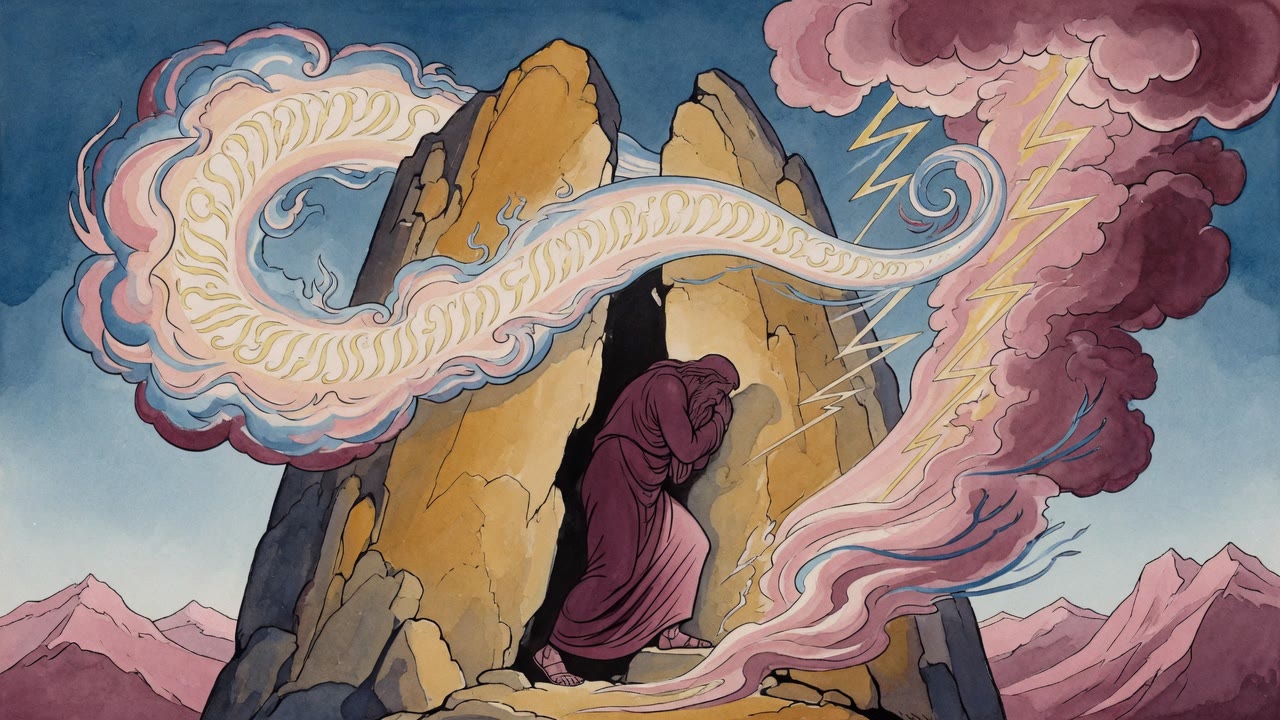
Thirty thousand angels escorted Moses upward, and he was terrified. Qemuel met him at the first gate and told him he came from a place of defilement.
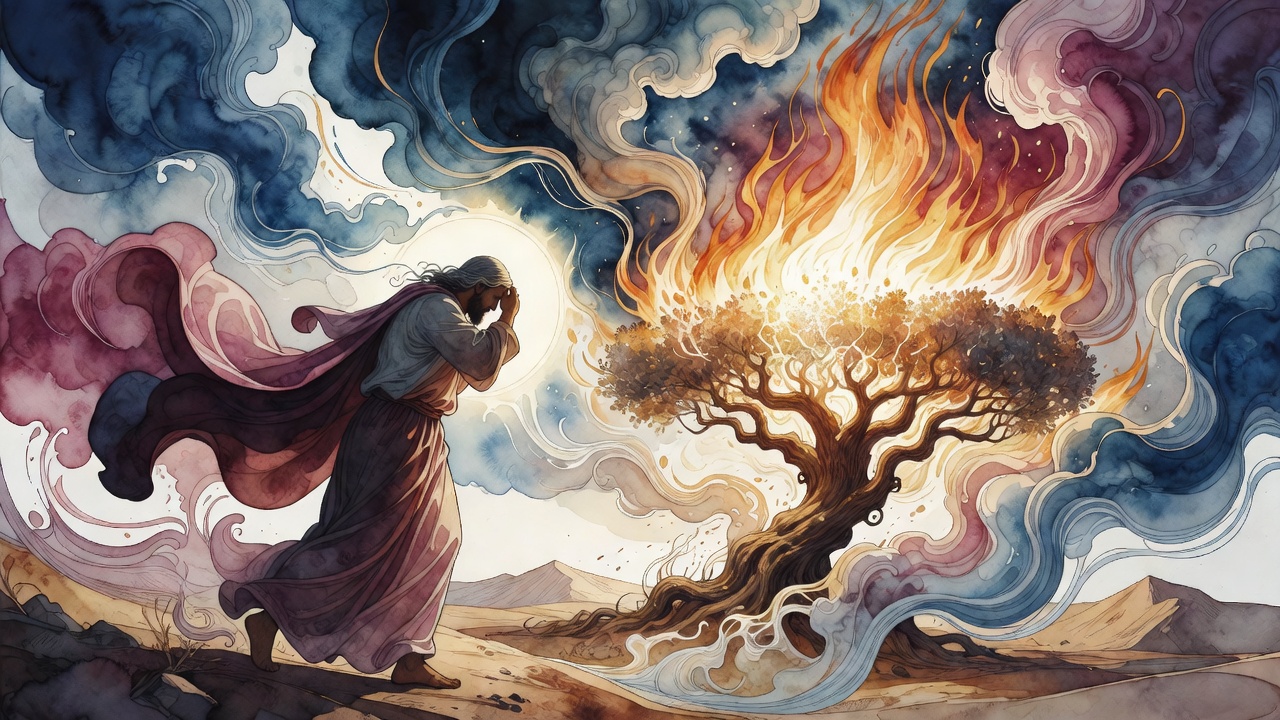
The voice that called him out of the fire was his father's voice, and Amram had been dead for years. Moses answered it before he knew who was speaking.
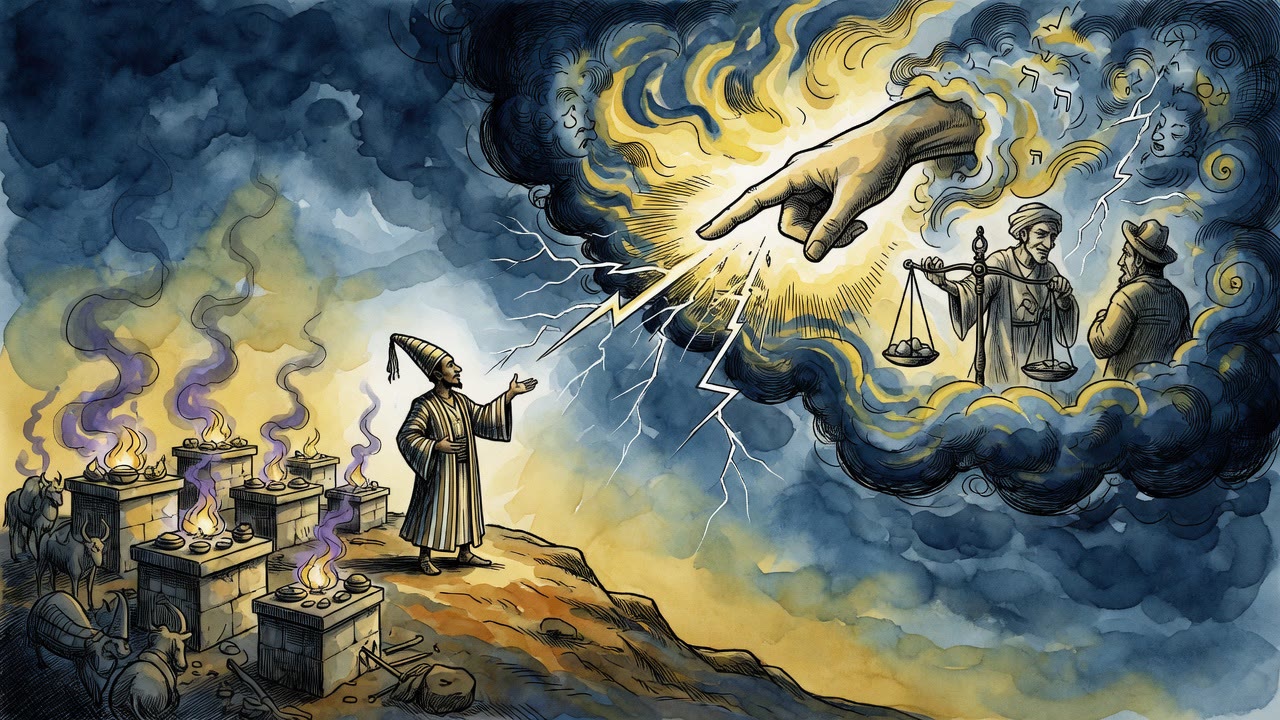
Balak's ministers waited beside the burning offerings while Balaam went off alone to meet God. What met him opened by calling him an evil man.
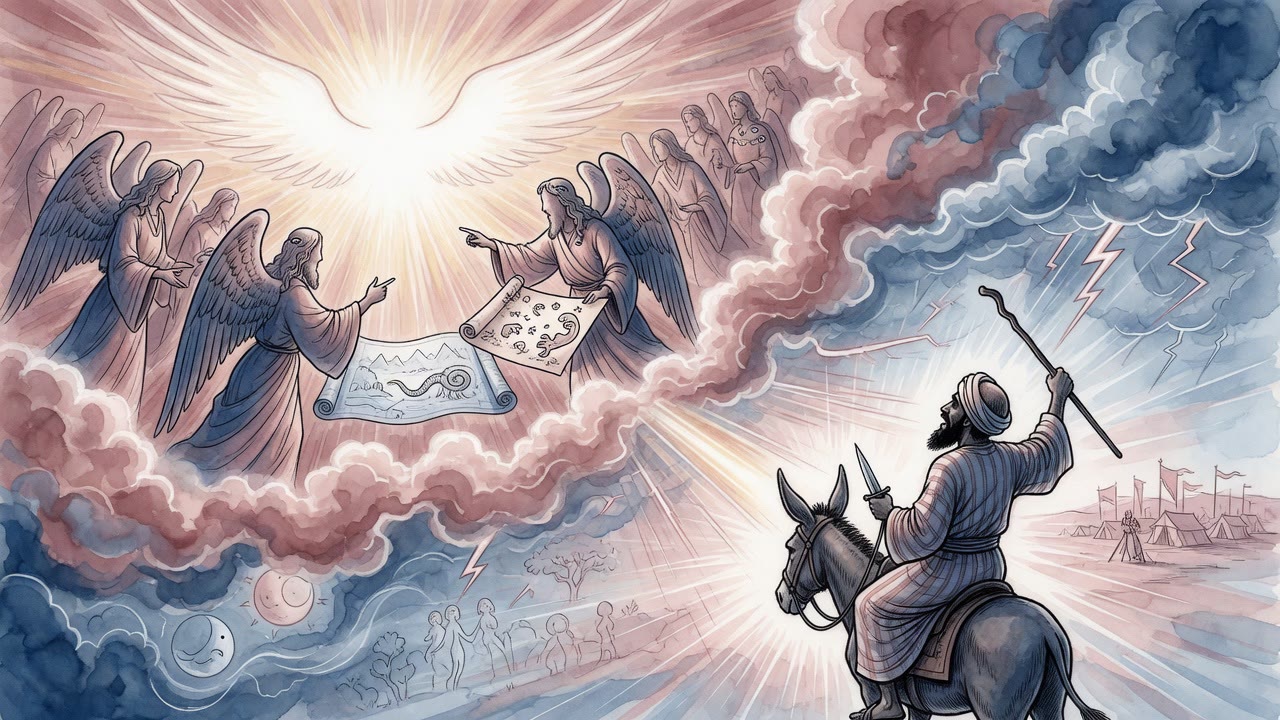
Balaam used divination at Pisgah to find where Moses would die, believing he had finally found the pressure point that three hilltops had not revealed.
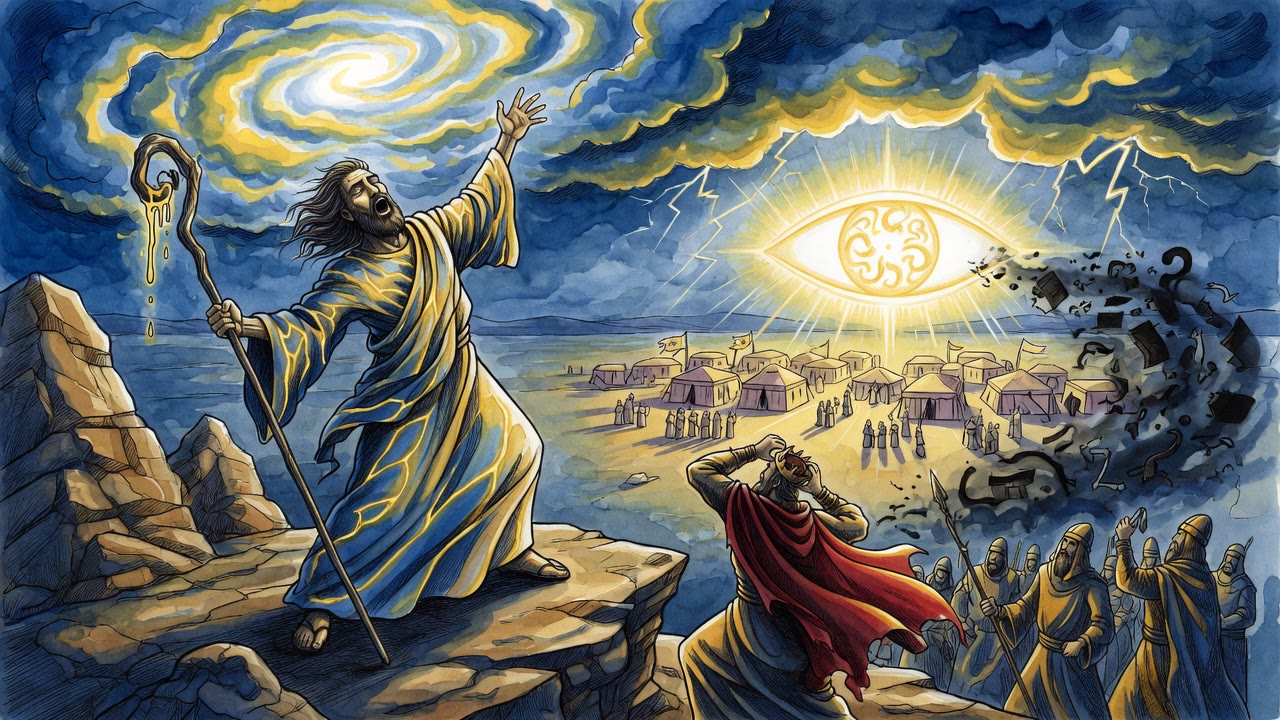
An orchard whose keeper falls asleep can be emptied before dawn. Balak had paid a man to find that hour. Balaam hunted for it from three hilltops.
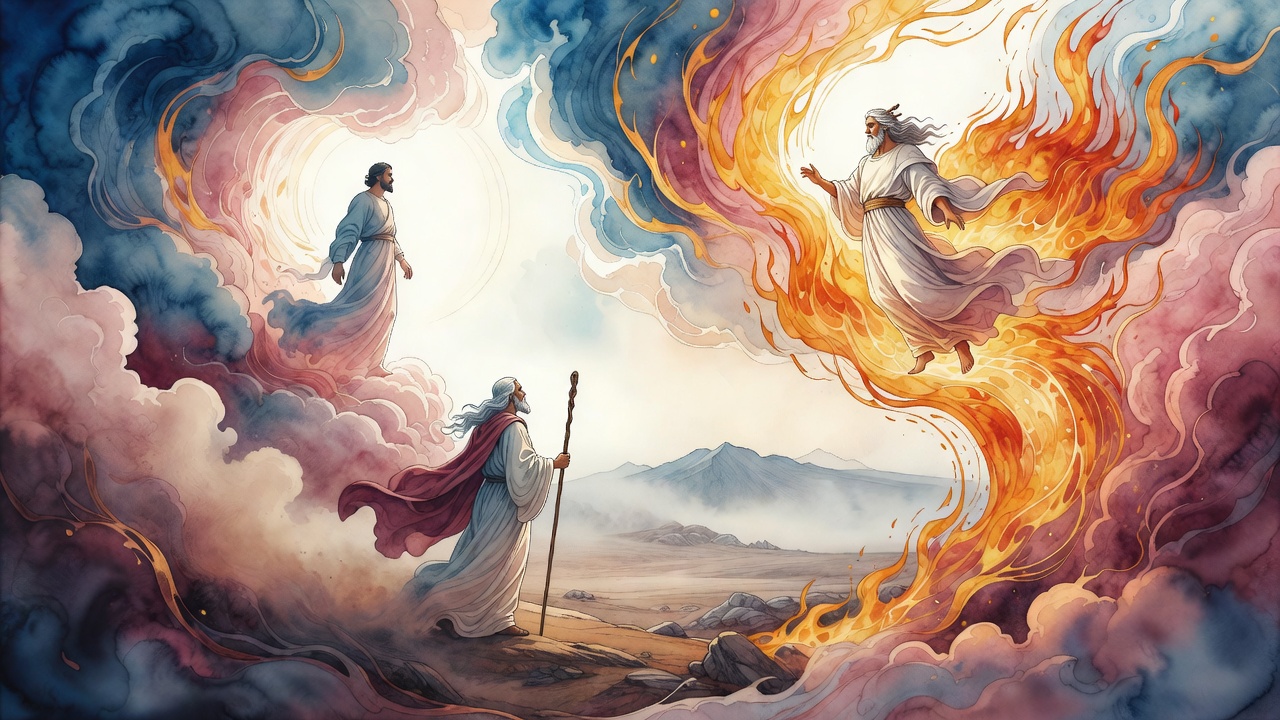
They searched the fields for Enoch and came back empty-handed. The man who walked with God had been taken, and there was nothing to bury.
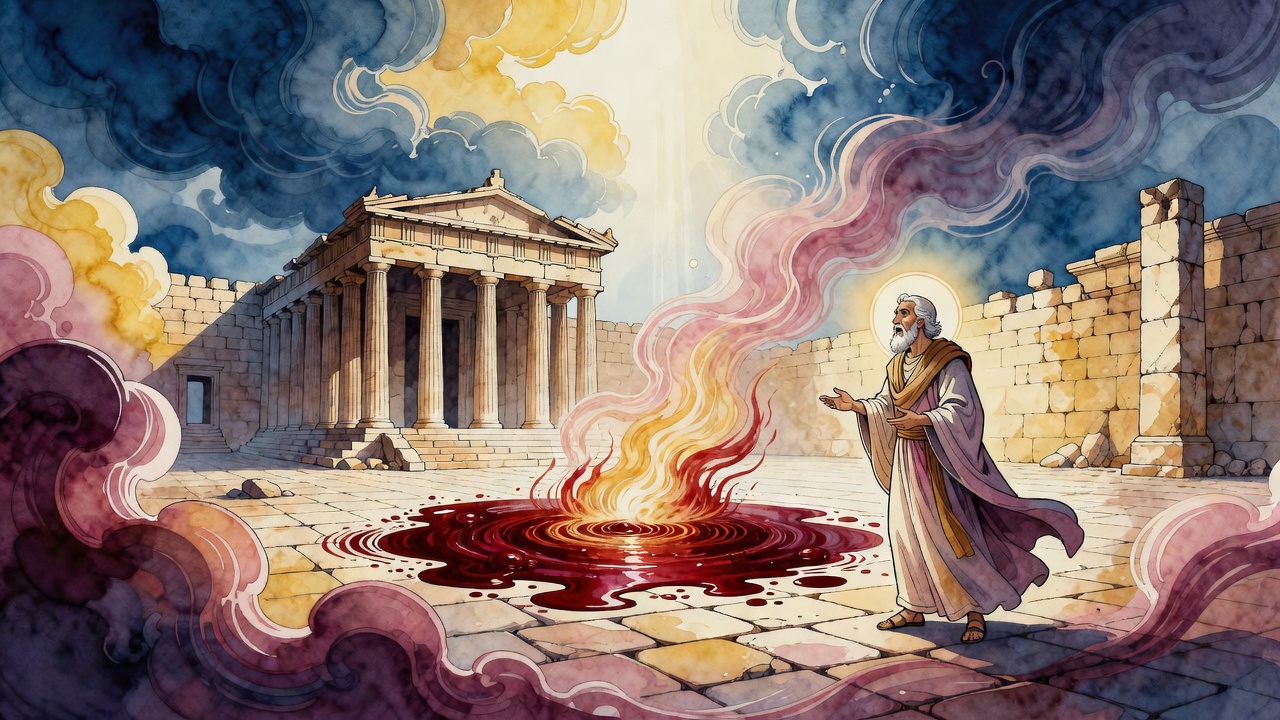
Nebuzaradan found blood moving on the Temple floor. The priests said it was cattle. He killed cattle on it, and the old blood kept churning.
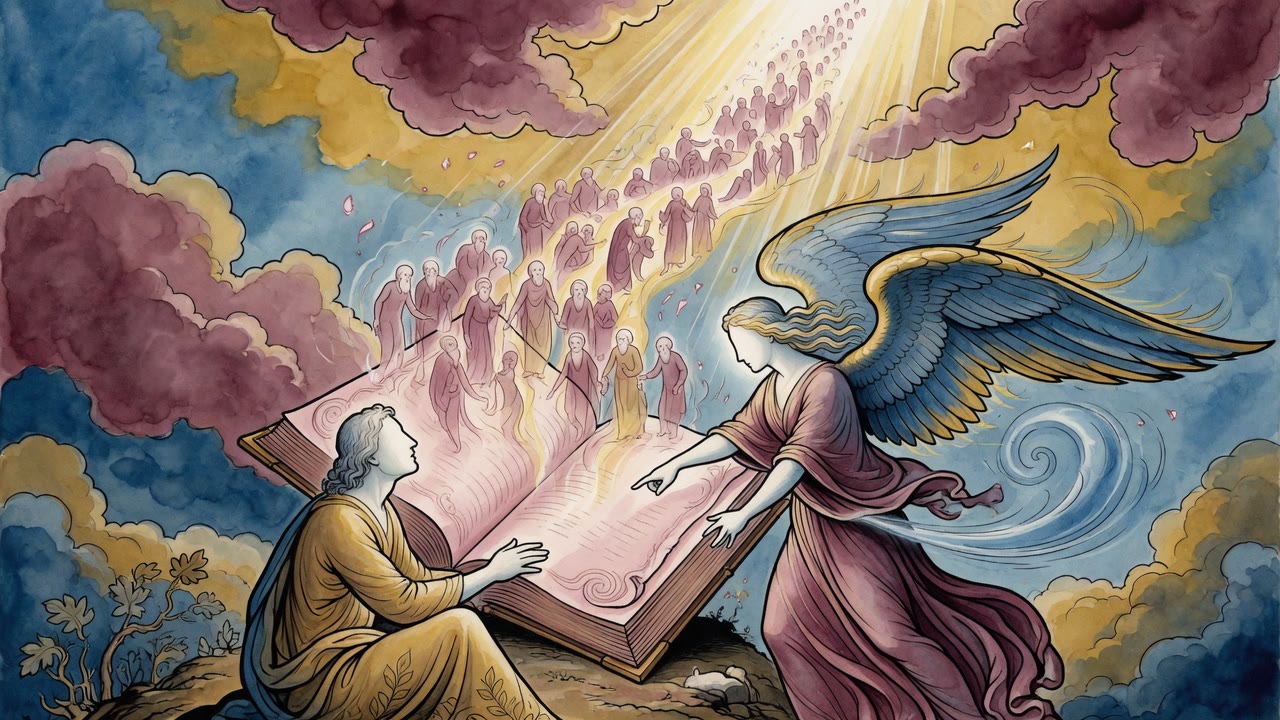
The plough stuck. The ox looked at him as at any other animal. Adam put his face in the dust and asked for his children's future.
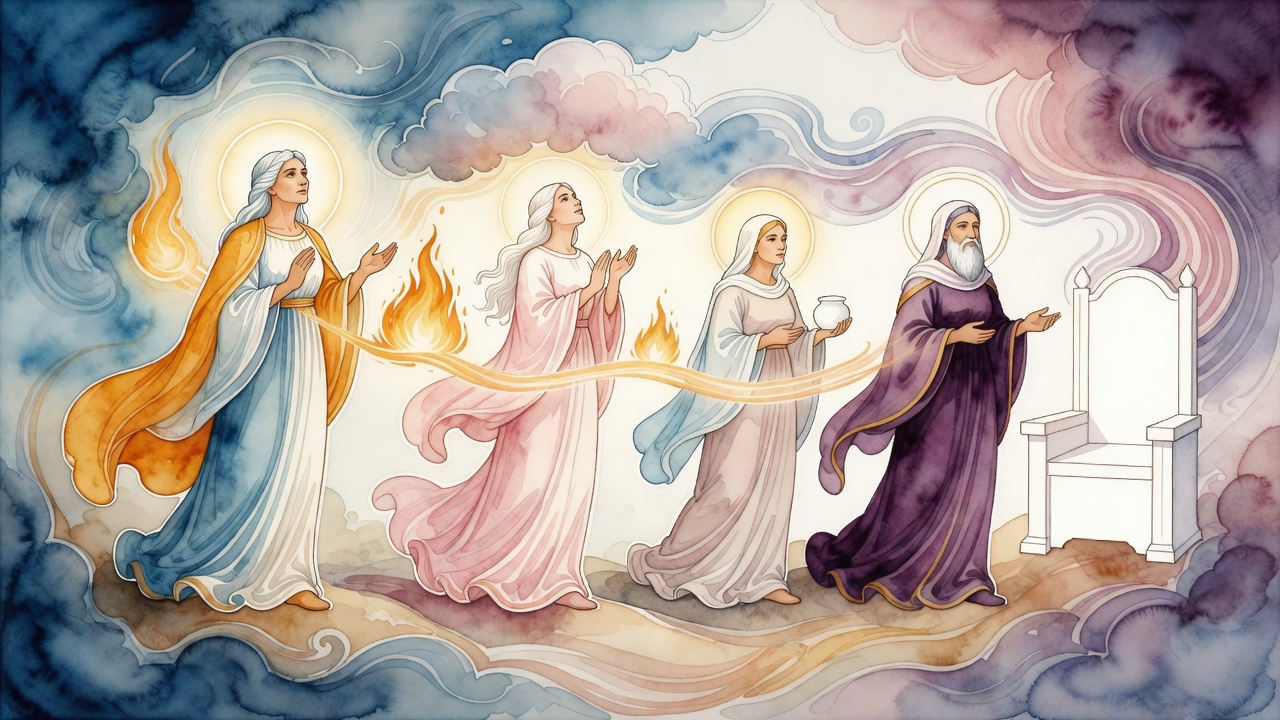
Eli watched Hannah's lips move at Shiloh without a sound and decided she was drunk. She told him she was a woman of sorrowful spirit.
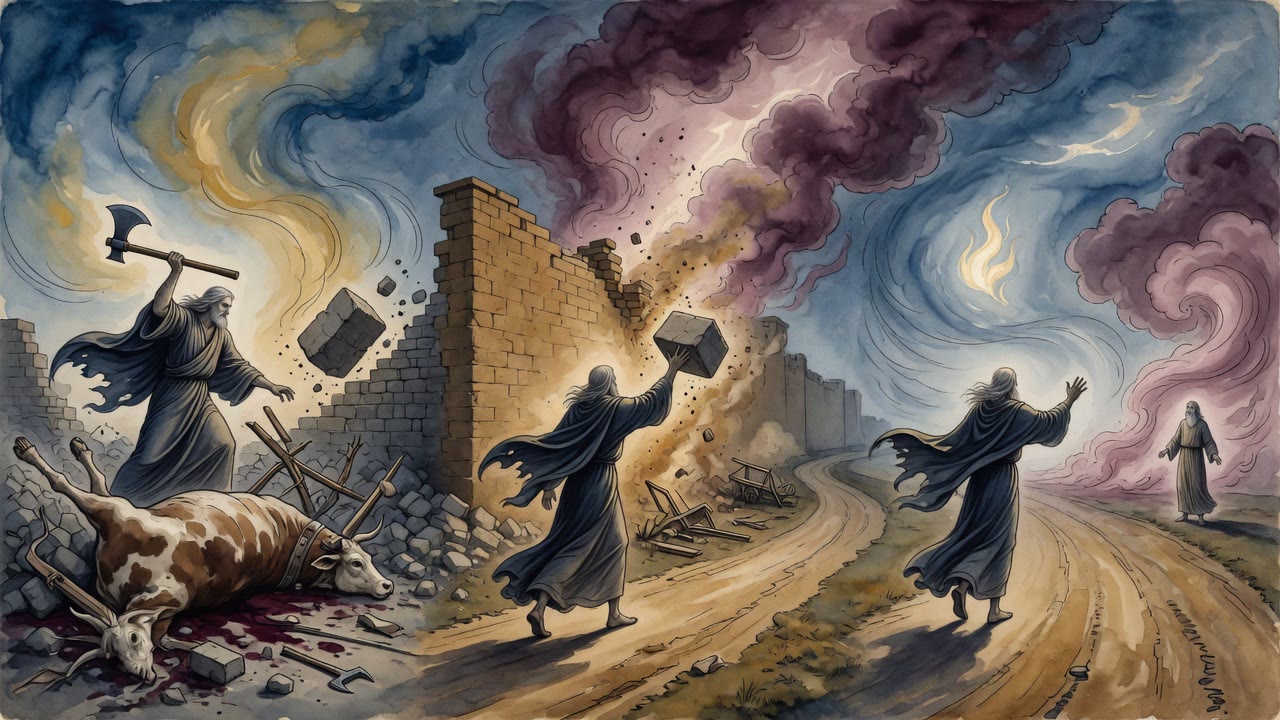
Rabbi Joshua ben Levi could travel with Elijah on one condition: never ask why. Their third host gave them his best food. In the morning his only son was dead.
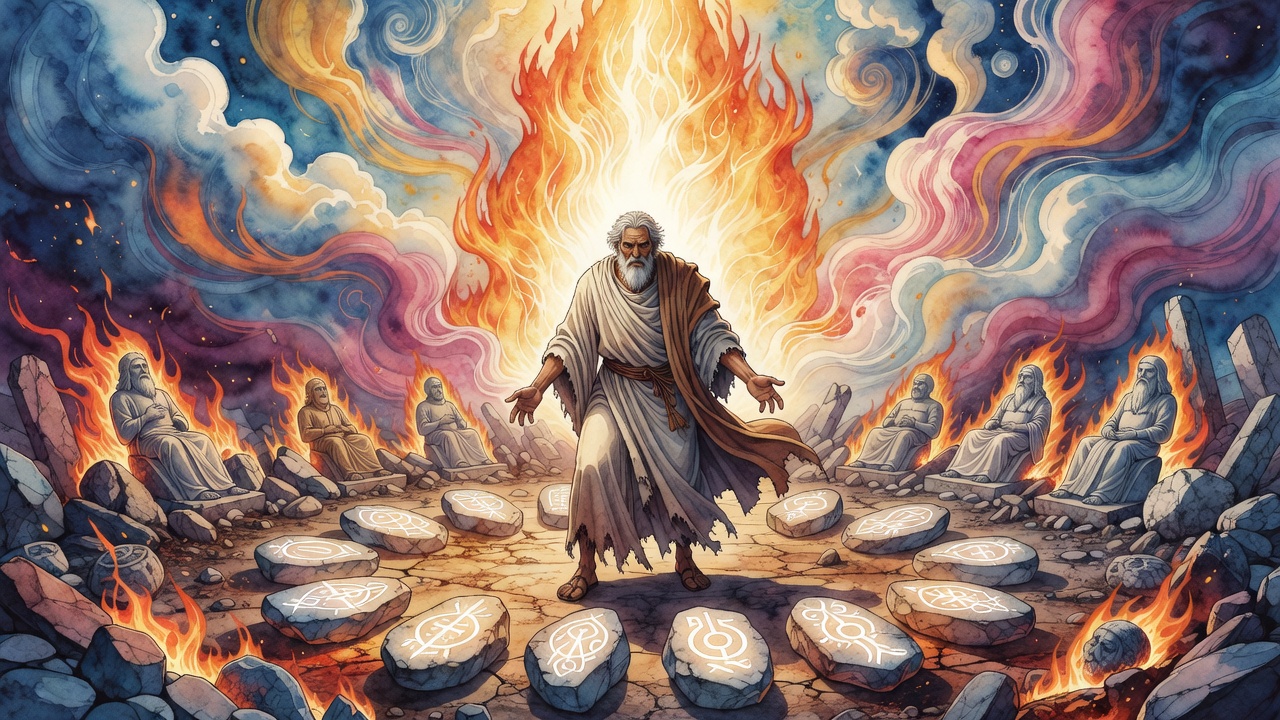
A guilty man told Kenaz to question the tribes one at a time so the confessions would be honest. The Amorite books turned up in his own tent.
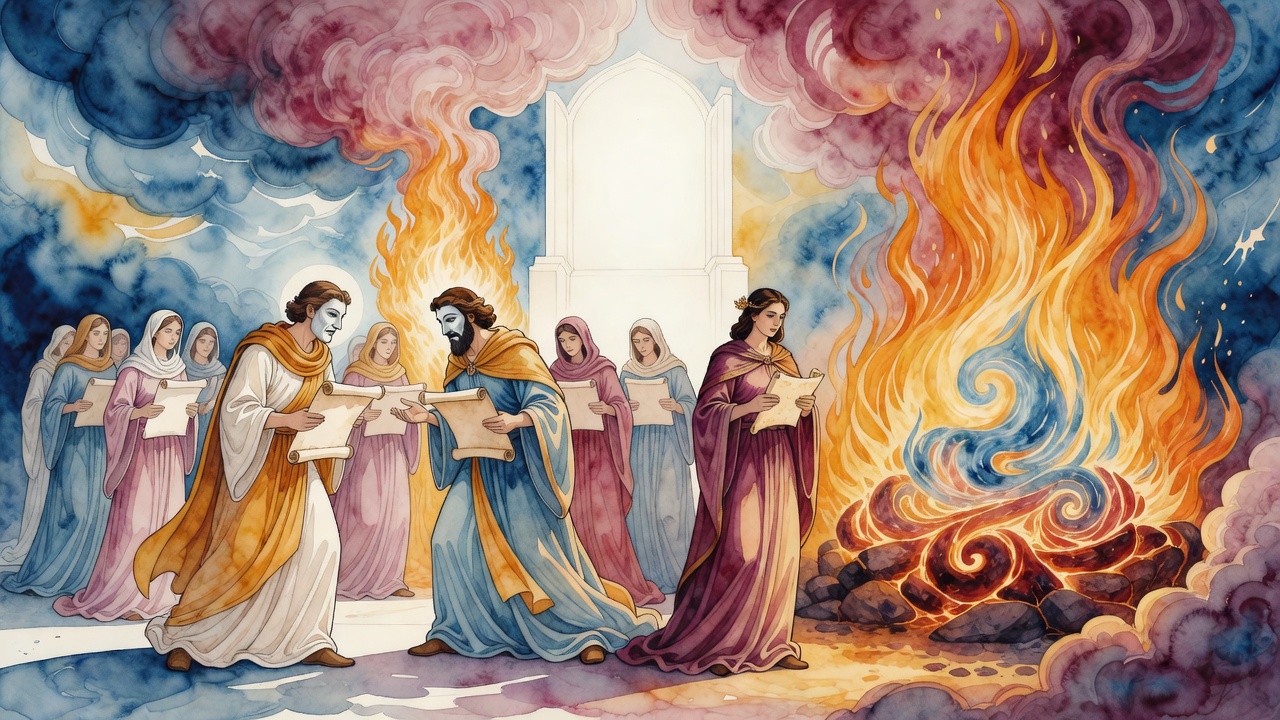
Two false prophets use matched lies to seduce women in exile. When they try the scheme on Nebuchadnezzar's wife, the furnace becomes their verdict.
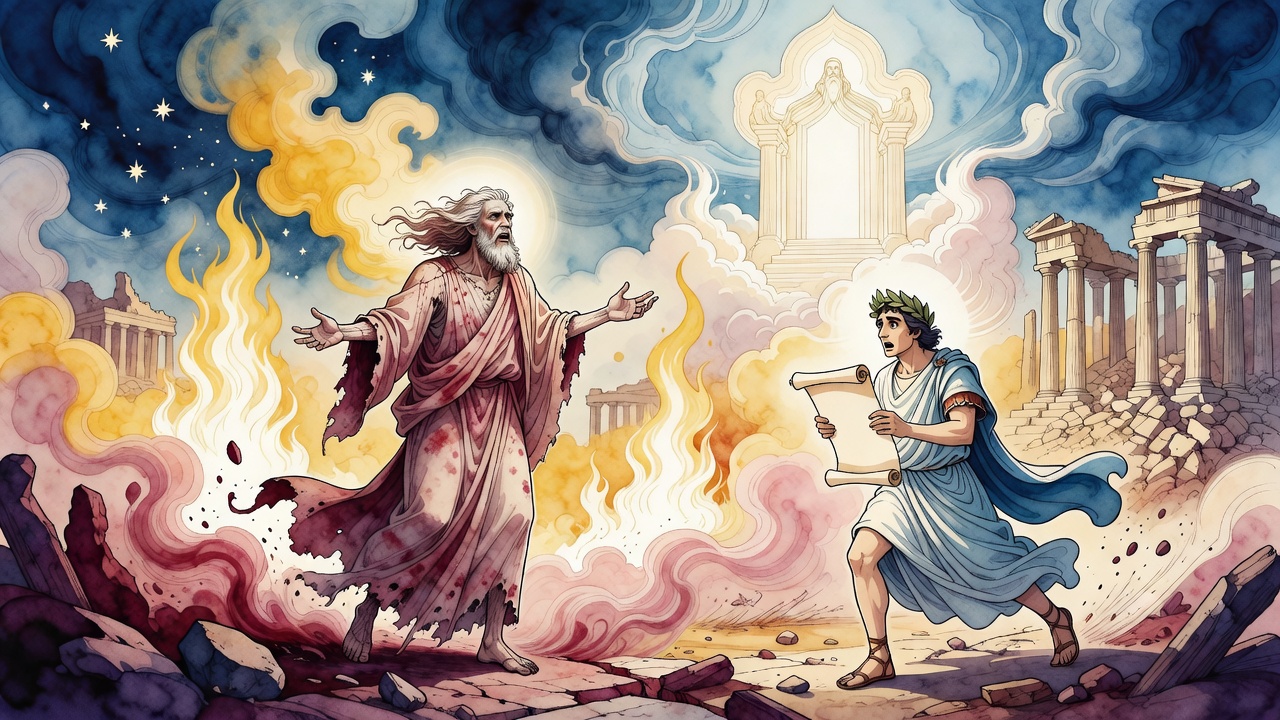
Forty years of omens precede the Temple's fall, a prophet's blood boils for centuries naming its killers, and Nero reads his own verdict and runs.
