448 myths · Page 15 of 15
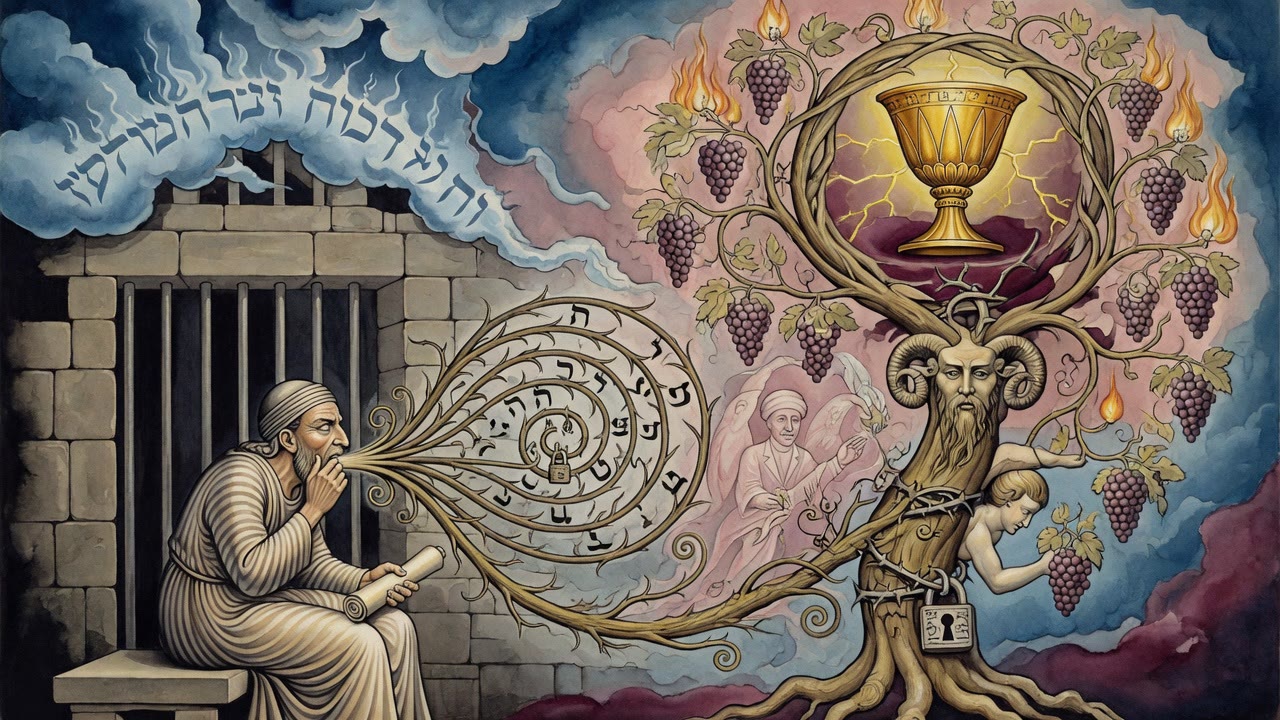
Water dripped in the cell. The butler spoke of grapes. Joseph saw patriarchs in the branches and kept Egypt's wrath in his jaw.
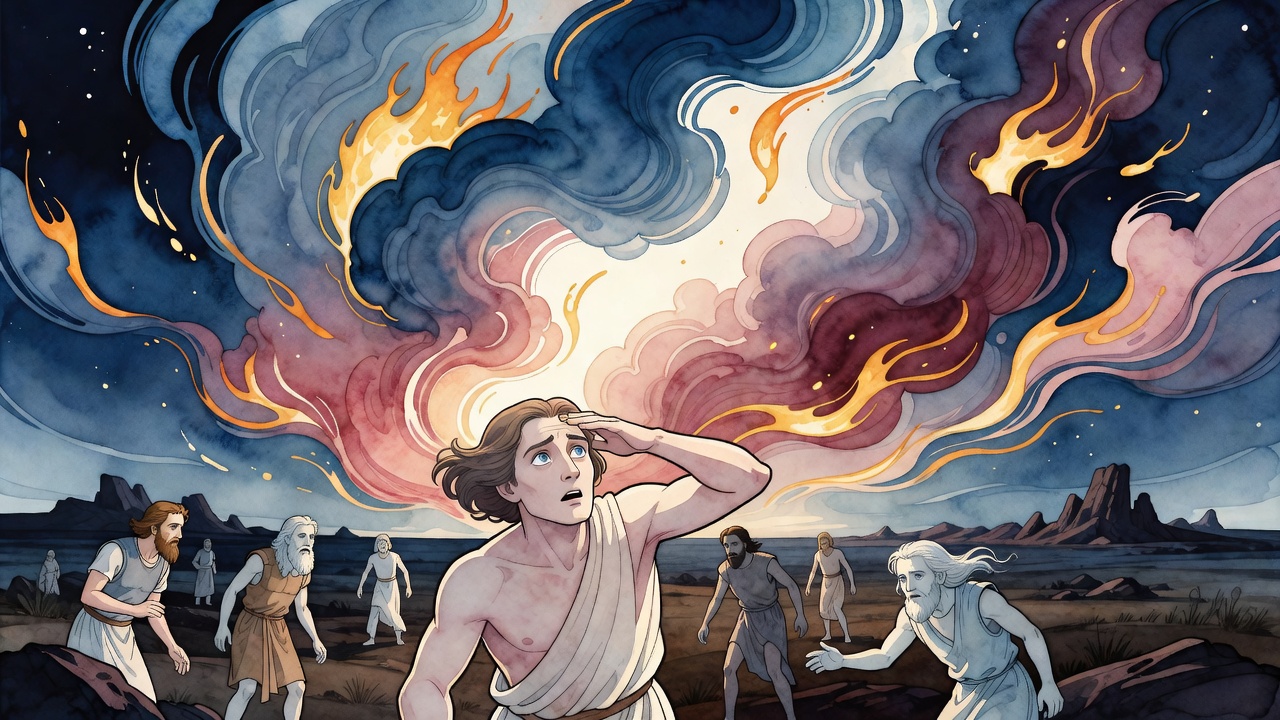
After the kings fled with Lot, Abram mustered pale disciples for a night war, then stood empty and afraid until God named himself a shield.
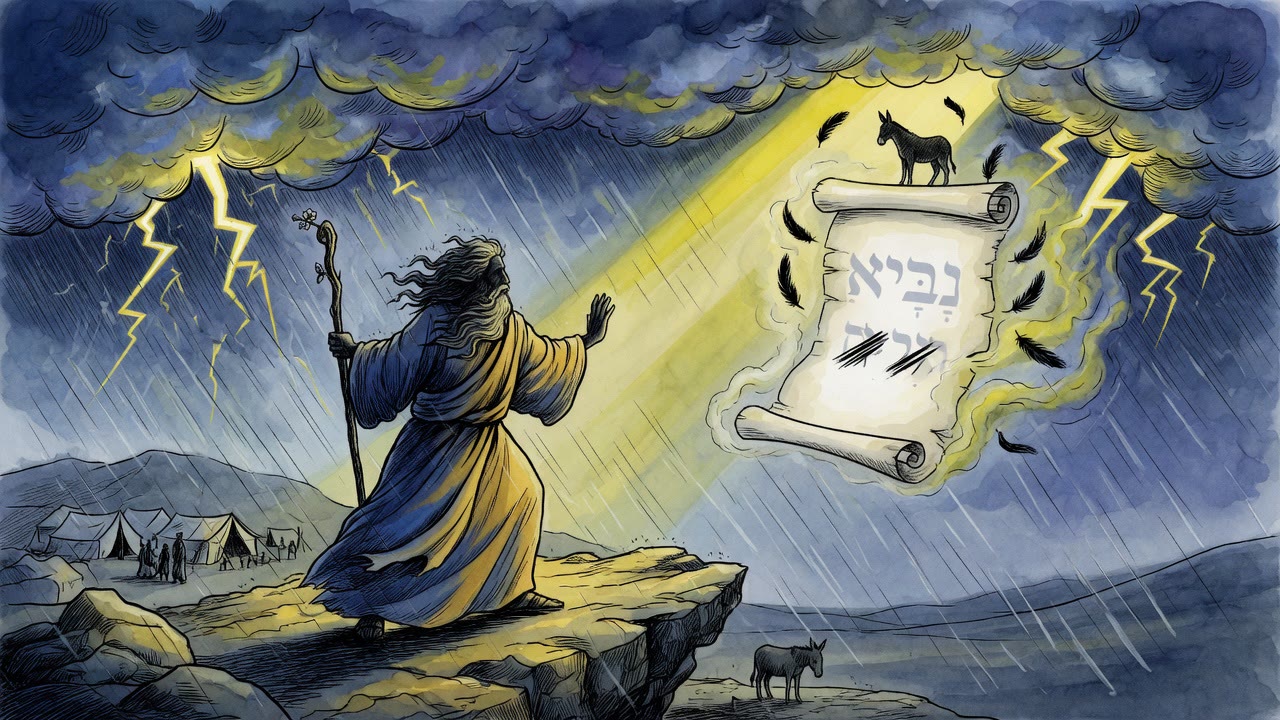
Both men were called prophets. Moses looked at that shared name and wondered whether Torah had bought him anything death would not erase.
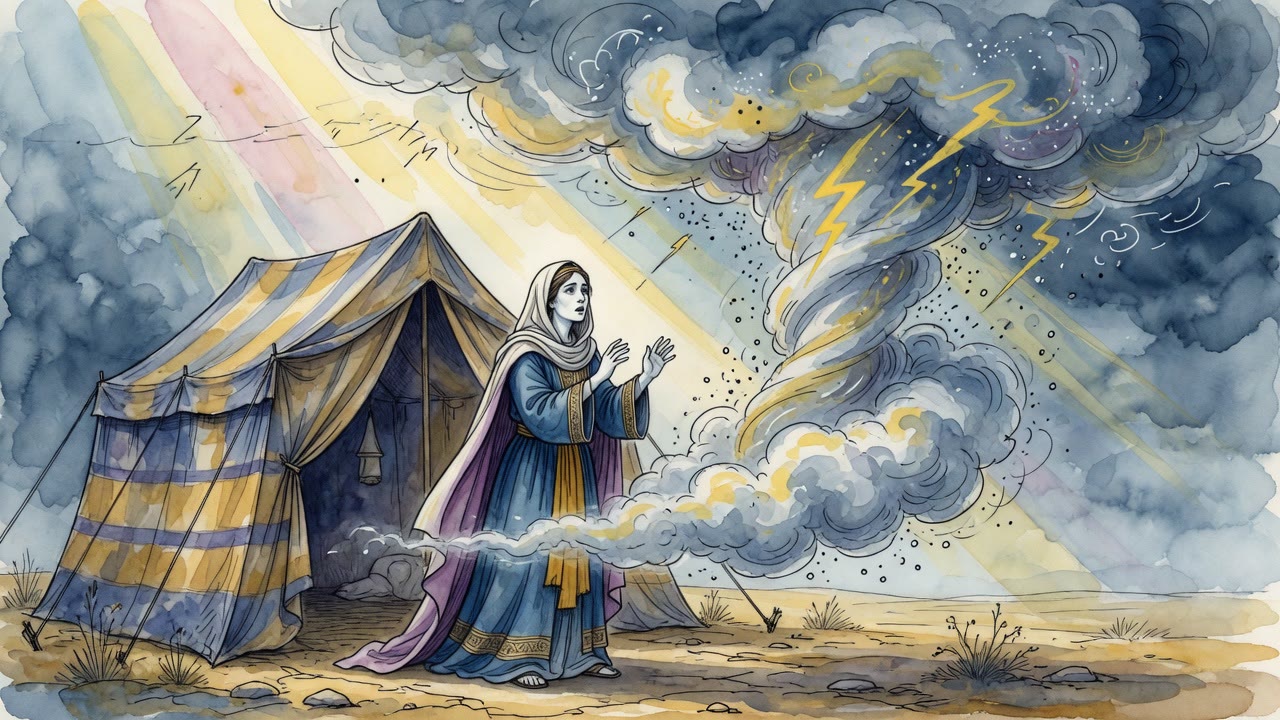
After Miriam and Aaron spoke against Moses, the cloud lifted from the tent. Miriam stood white as snow. Aaron turned, saw his sister, and begged for mercy.
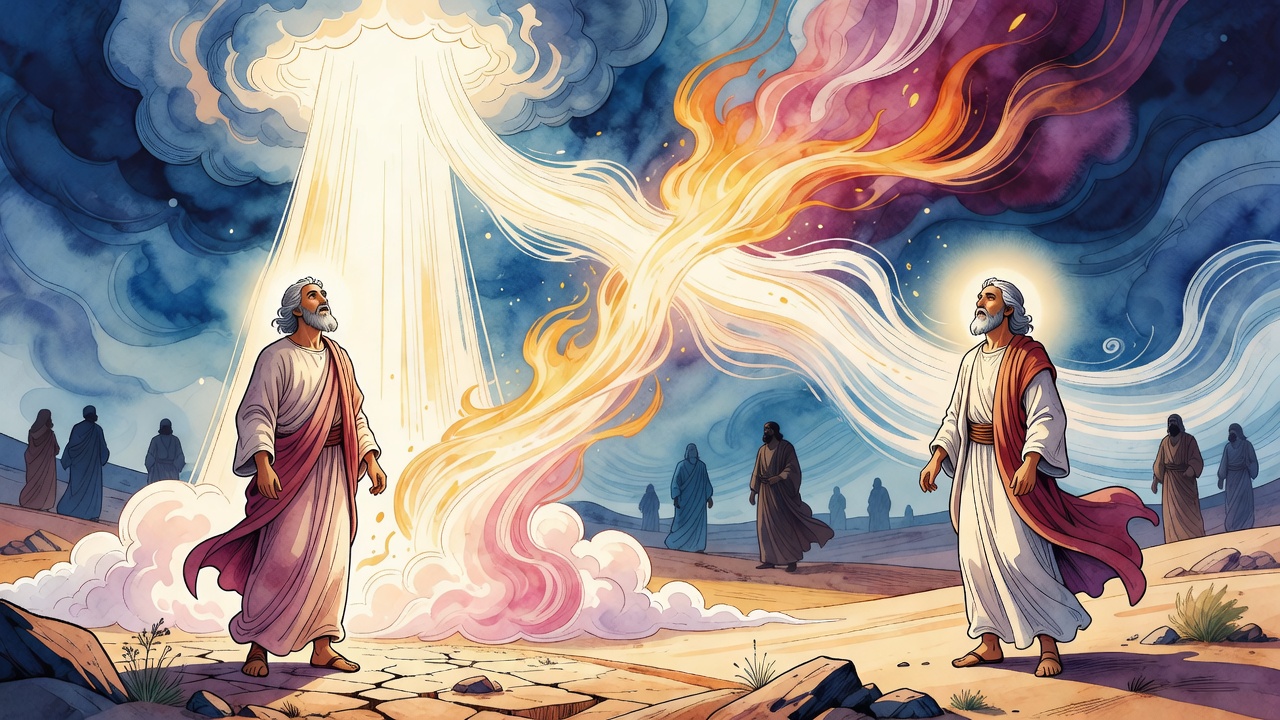
A single divine utterance splits in two. Moses hears return to Egypt. Aaron hears go meet him. Other prophets get only night and dream.
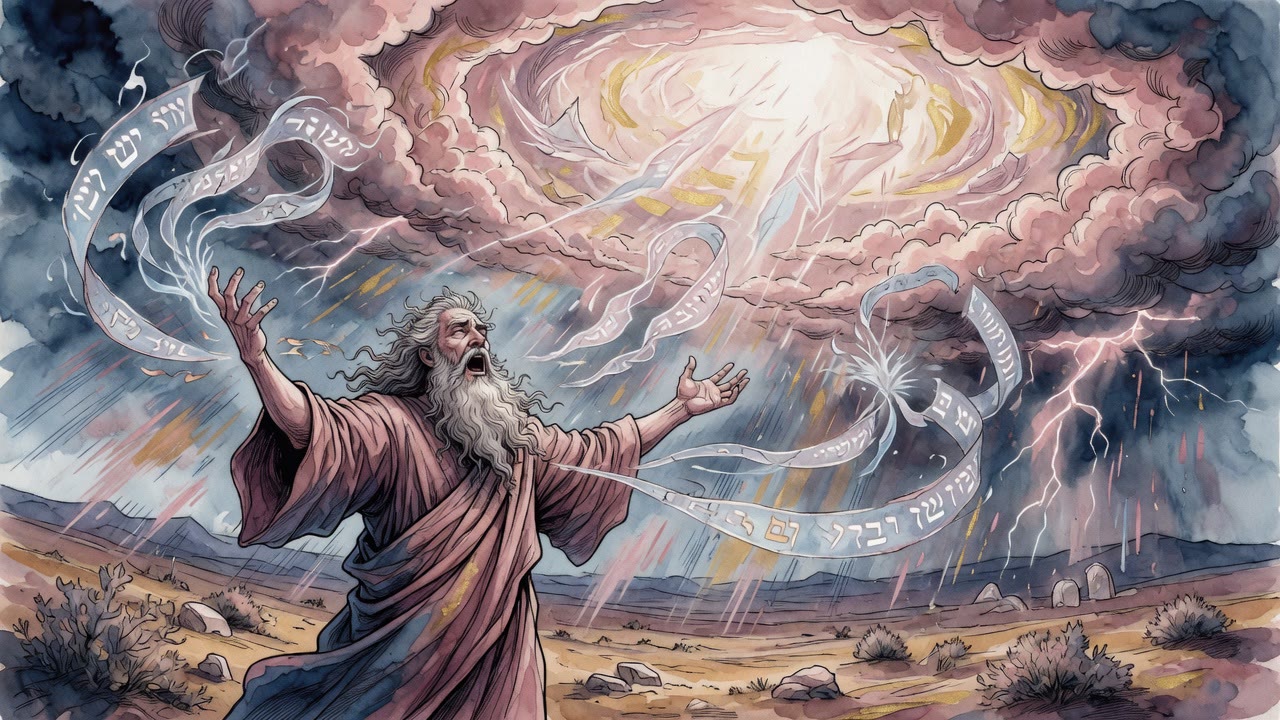
The tablets were already broken. Moses hit the ground with dust in his teeth and would not stand until the sentence on the camp softened.
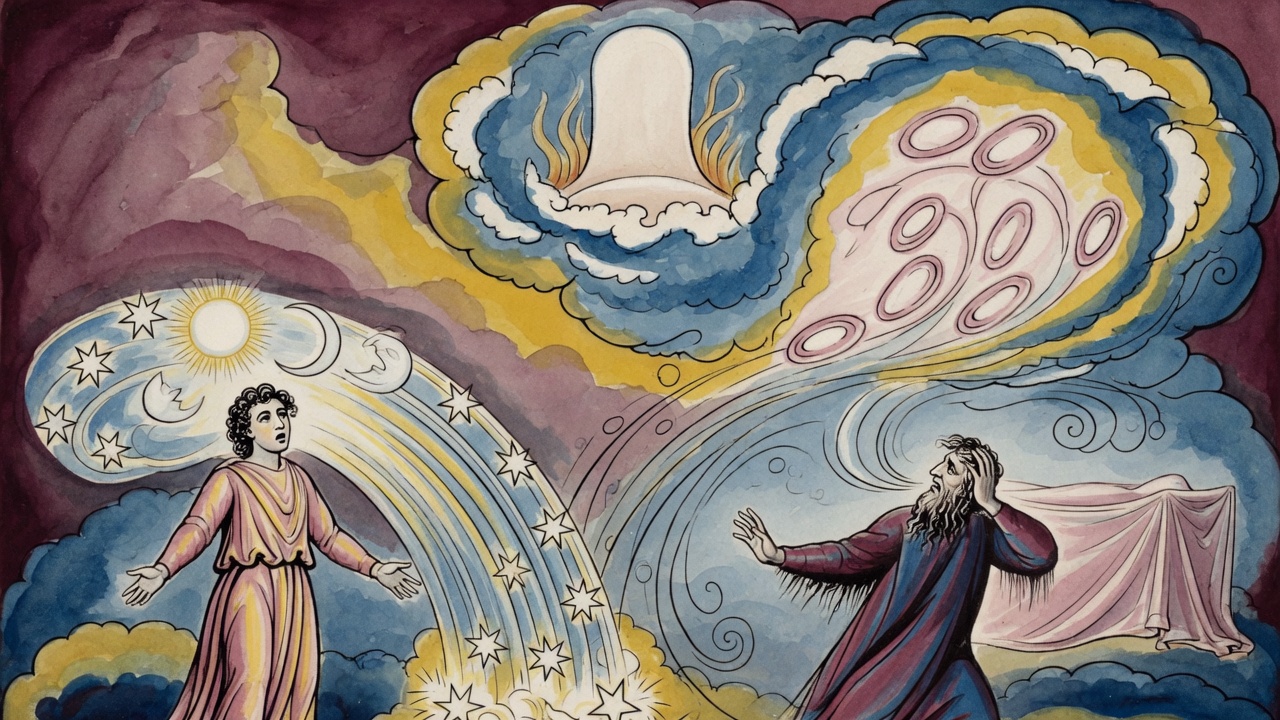
Joseph told of sun, moon, and stars bowing. Jacob rebuked him because Rachel was dead. Heaven answered that soft prophecy breeds later mouths that silence…
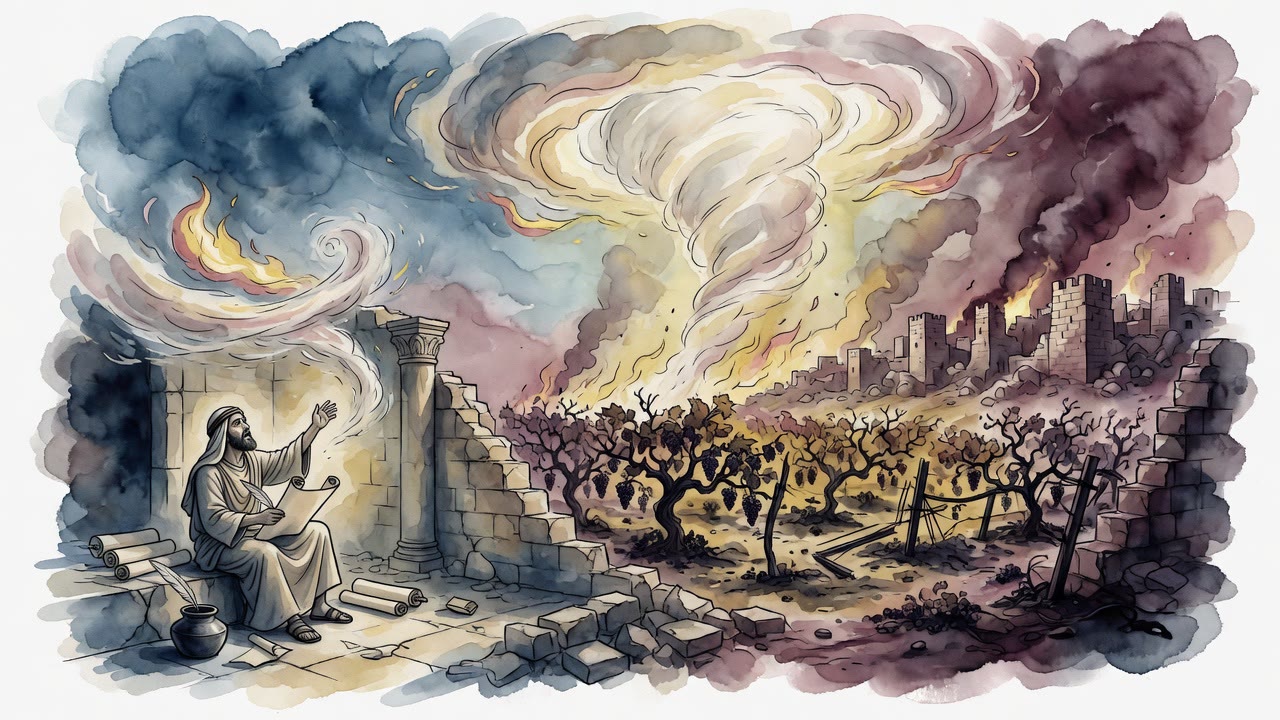
Jeremiah's scribe wants the spirit that rested on Joshua and Elisha. God answers that a ruined vineyard needs no fence, and prophecy is not for him.
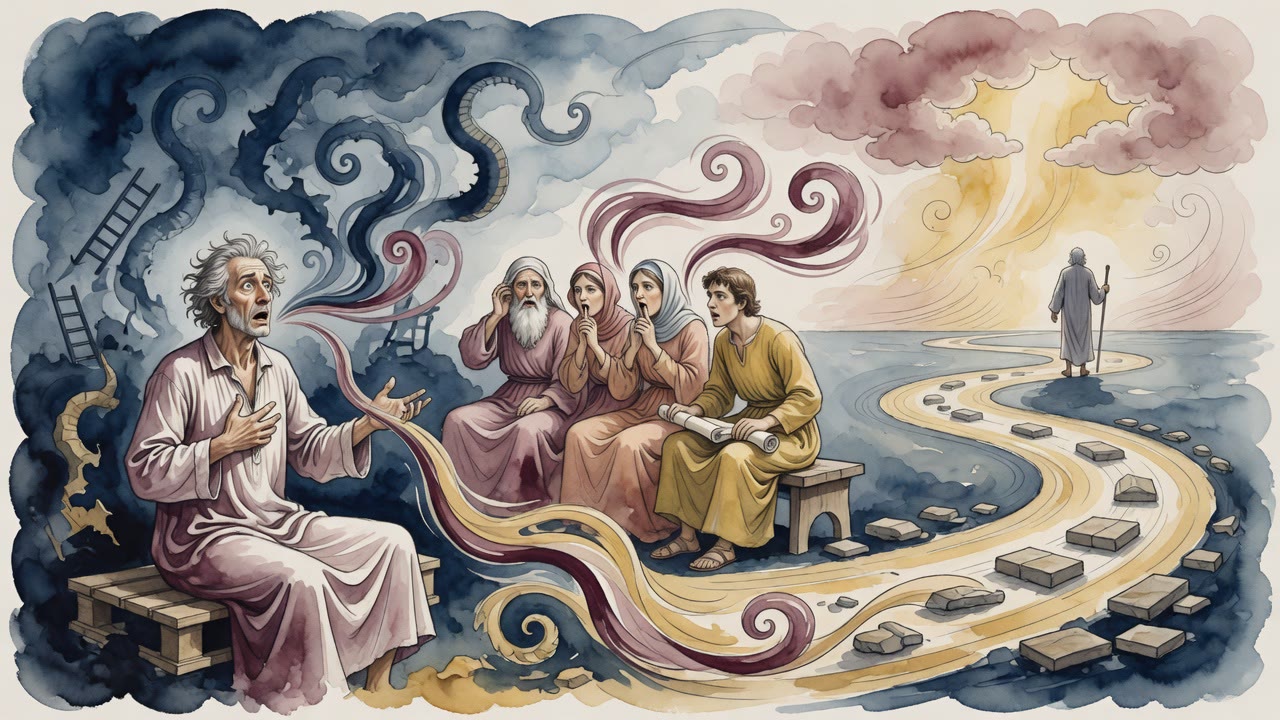
He woke with iron on his tongue and a silent king in the doorway. Three men by the study door spoke the night into a shape he could walk.
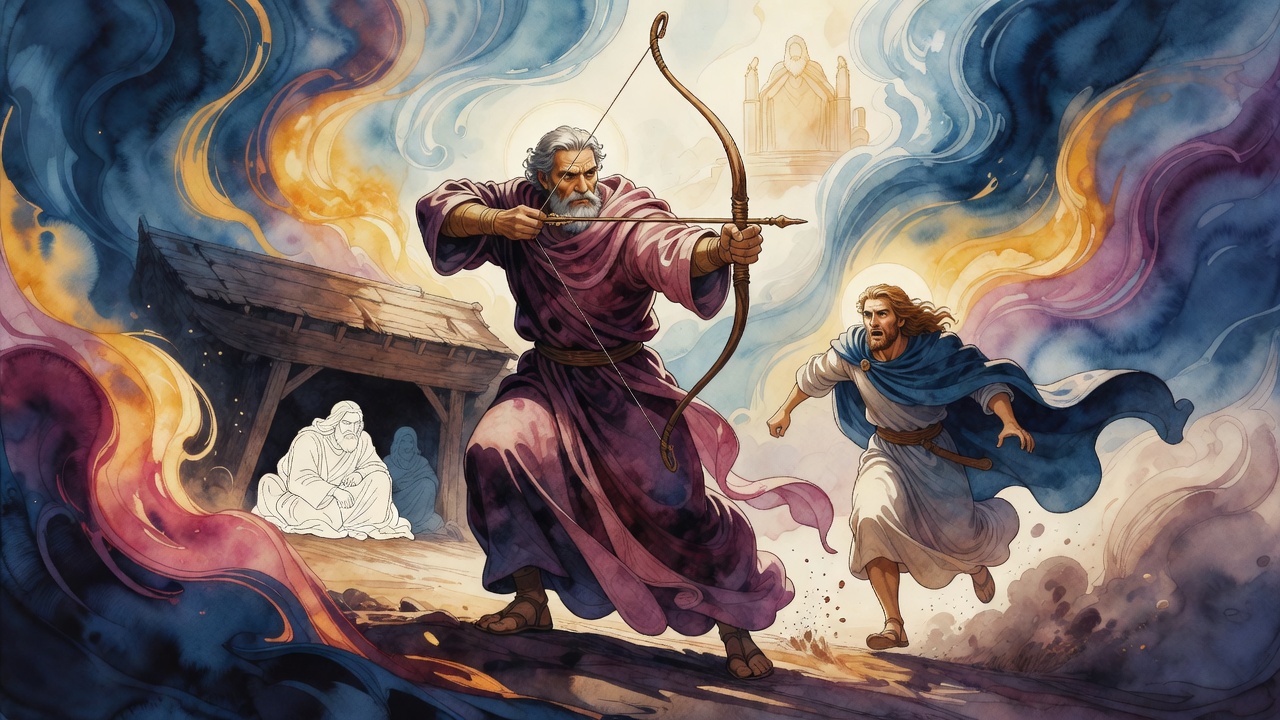
Anoko read the dream without softening it. The stars had named Abraham at birth, and while he lived no crown would sit still.
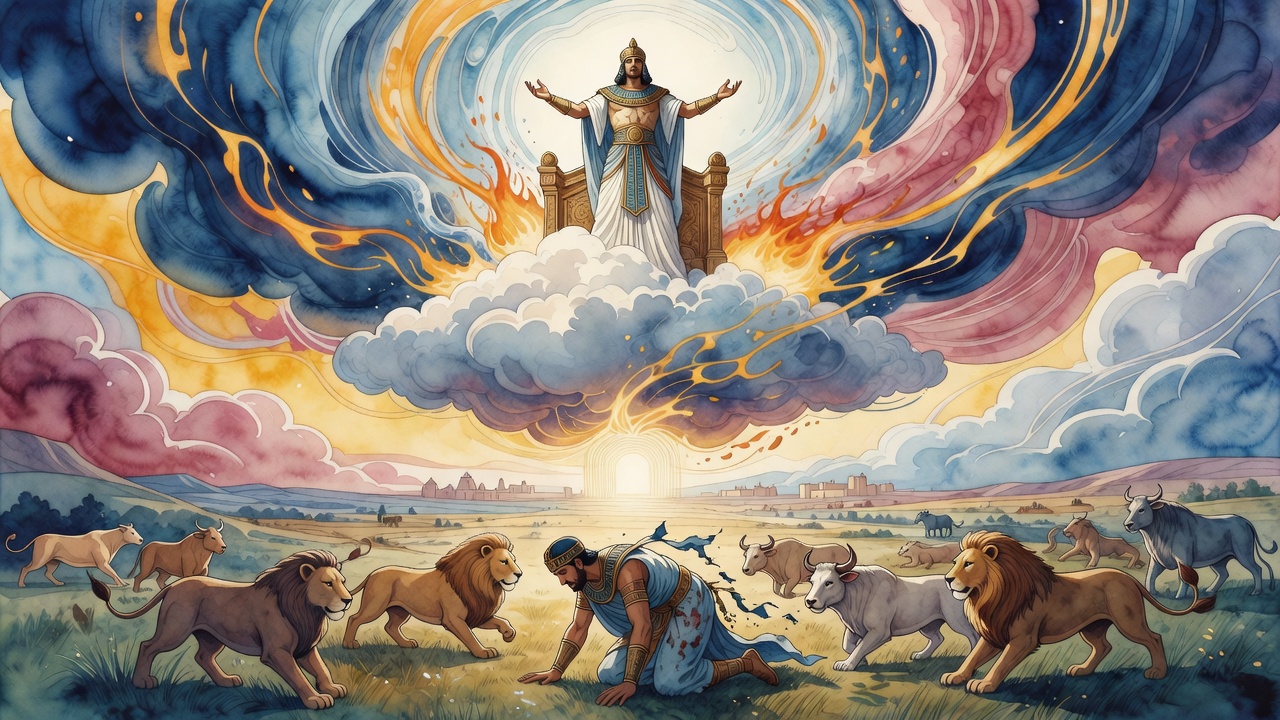
The king of Babylon planned to live inside a cloud above every nation. God answered by driving him down to grass, dew, and the company of beasts.
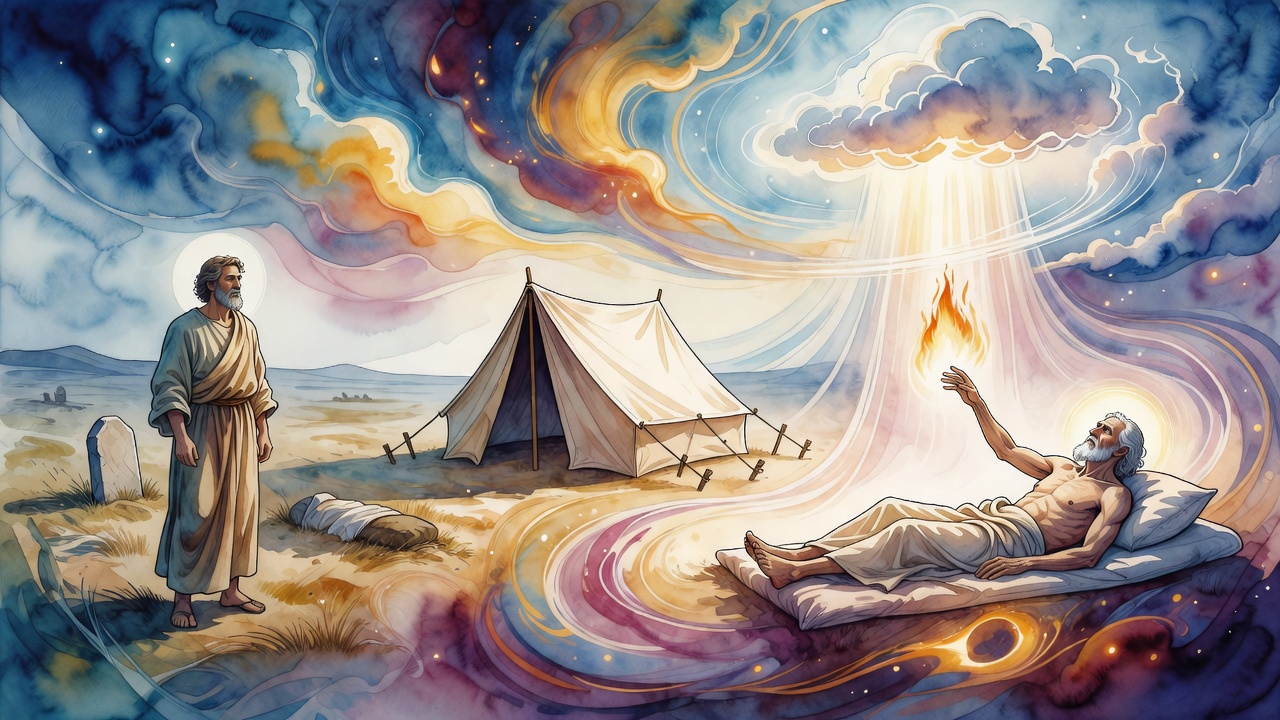
Jacob buried Rachel by the road and pitched his tent at a shepherds tower. Dying, he was shown Gideon and Samson, and he asked for someone else.
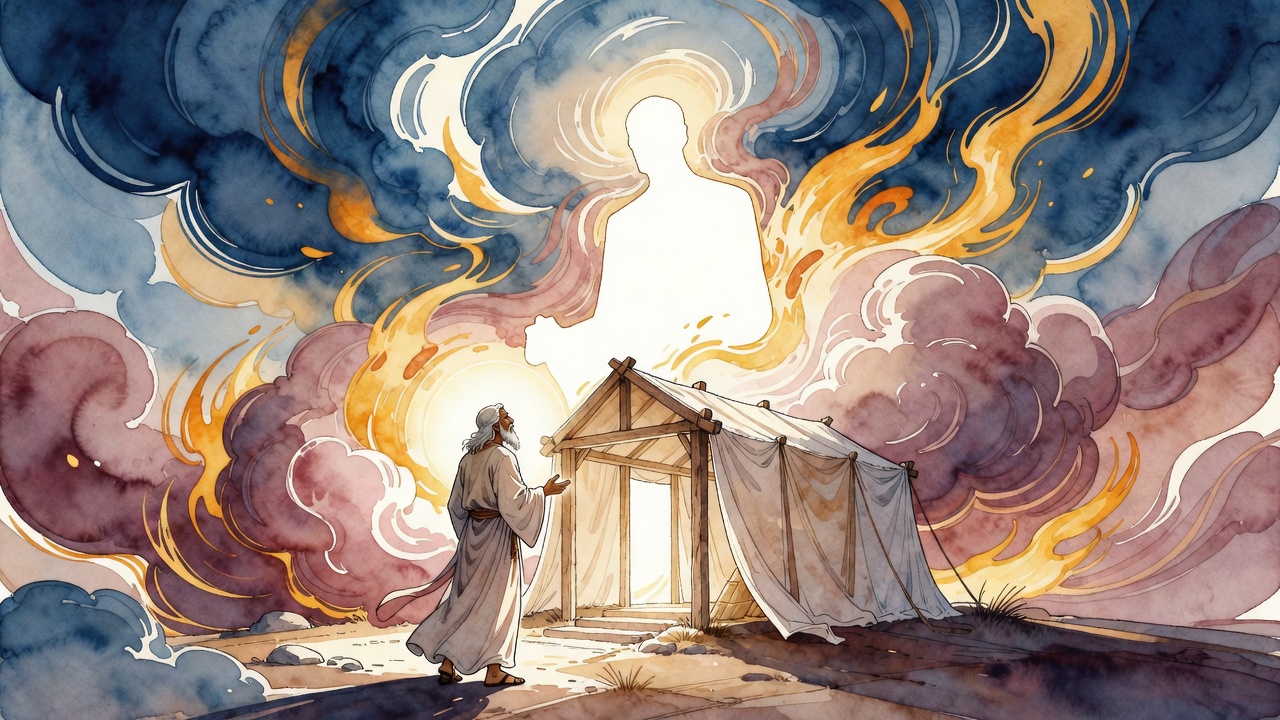
Moses built the Mishkan beam by beam as the Lord commanded, then stood outside while the Name filled the house. Heaven refused to leave him at the door.
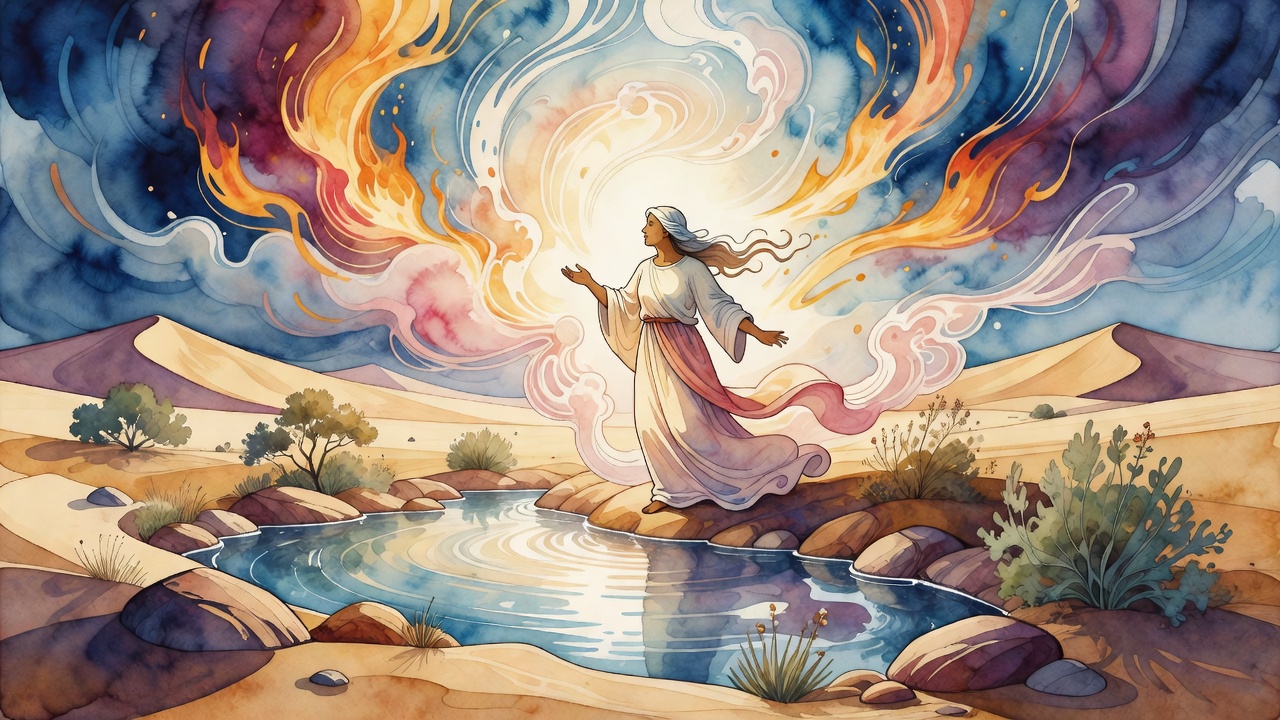
The child kicked hard enough to stop her. Dust on her tongue. Then a voice in empty air named the boy before she had a midwife.
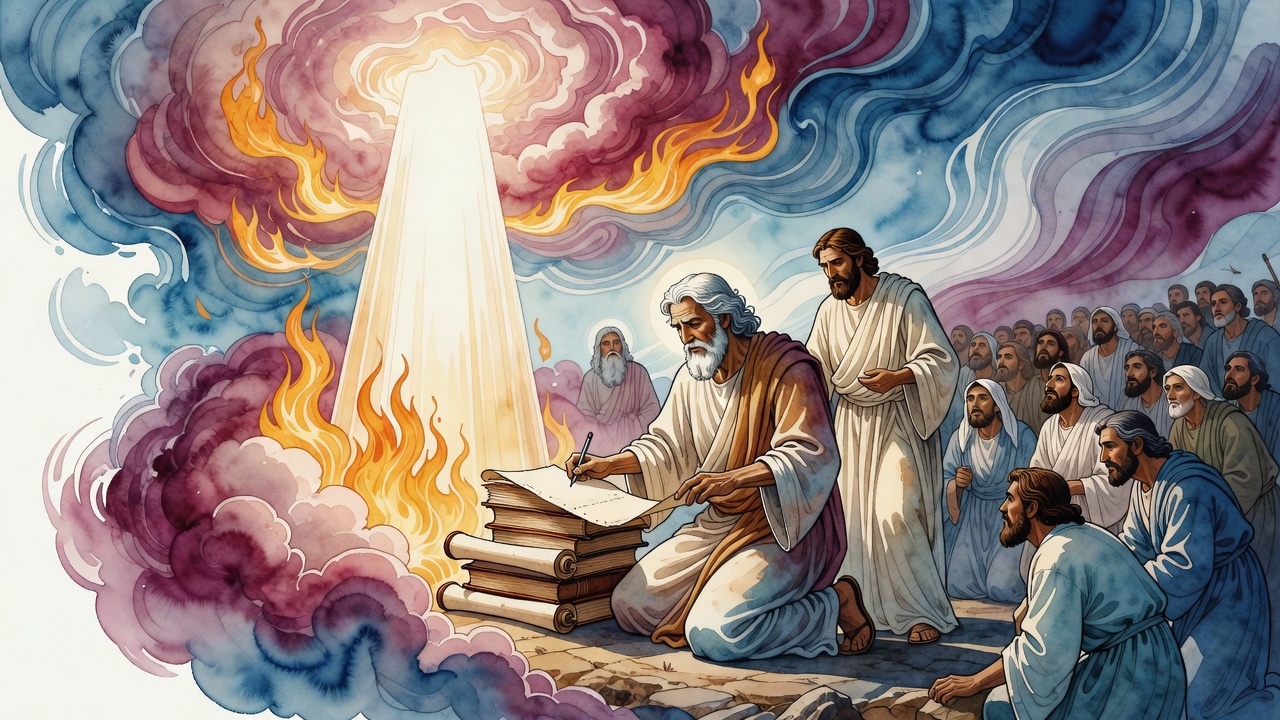
On his last day Moses tells Joshua he was made before the world to kneel between God and Israel, then seals the books of every age to come.
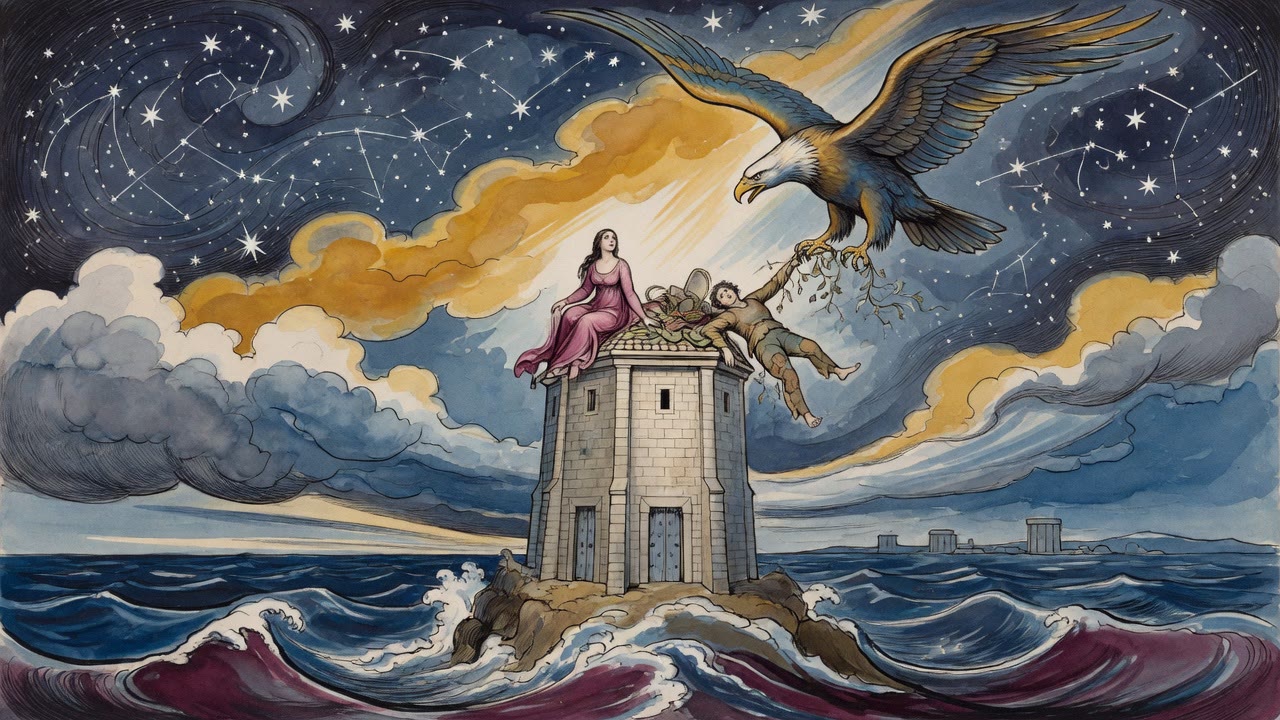
A bird dropped a torn ox on the tower roof. Solomon's daughter climbed up at dawn, and a young man stood up out of the carcass.
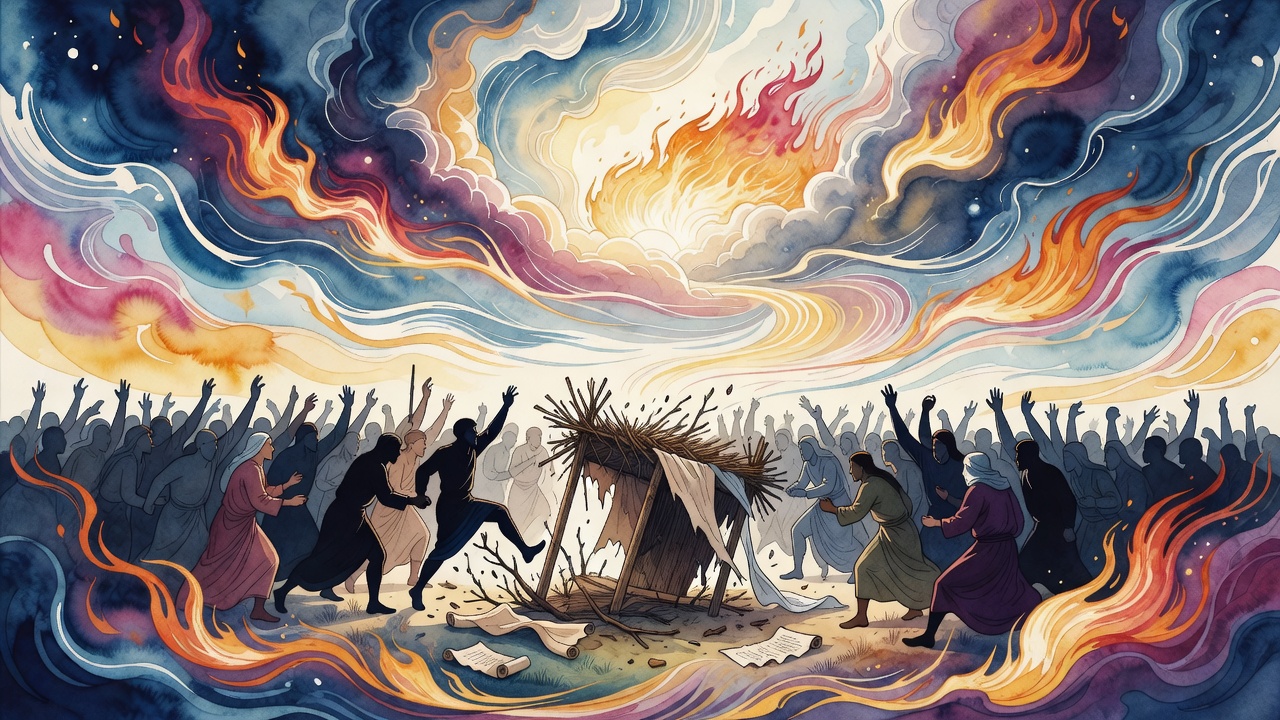
At the final reckoning the nations crowd in for Torah's wages, kick apart the one booth God grants them, and the whole account falls to a single line.
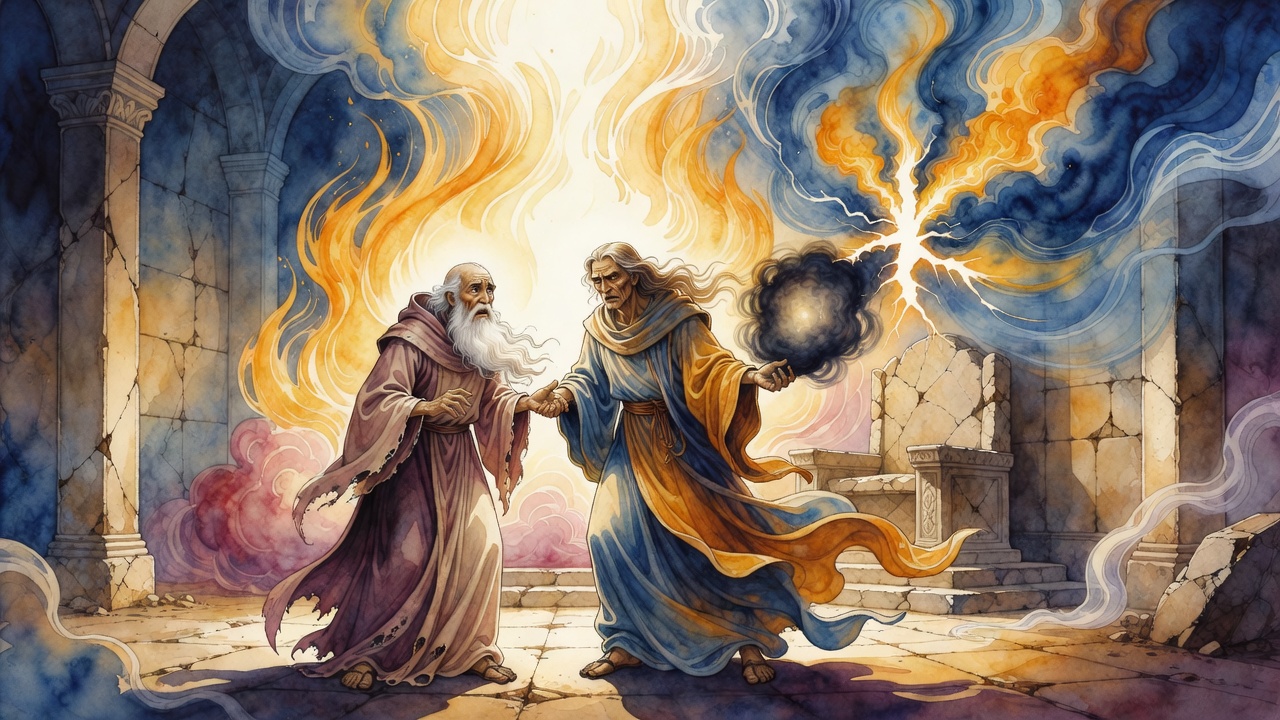
A man of God brings old Eli a curse shaped like a memory, and a sign so exact that one day takes both his sons and exiles the glory.
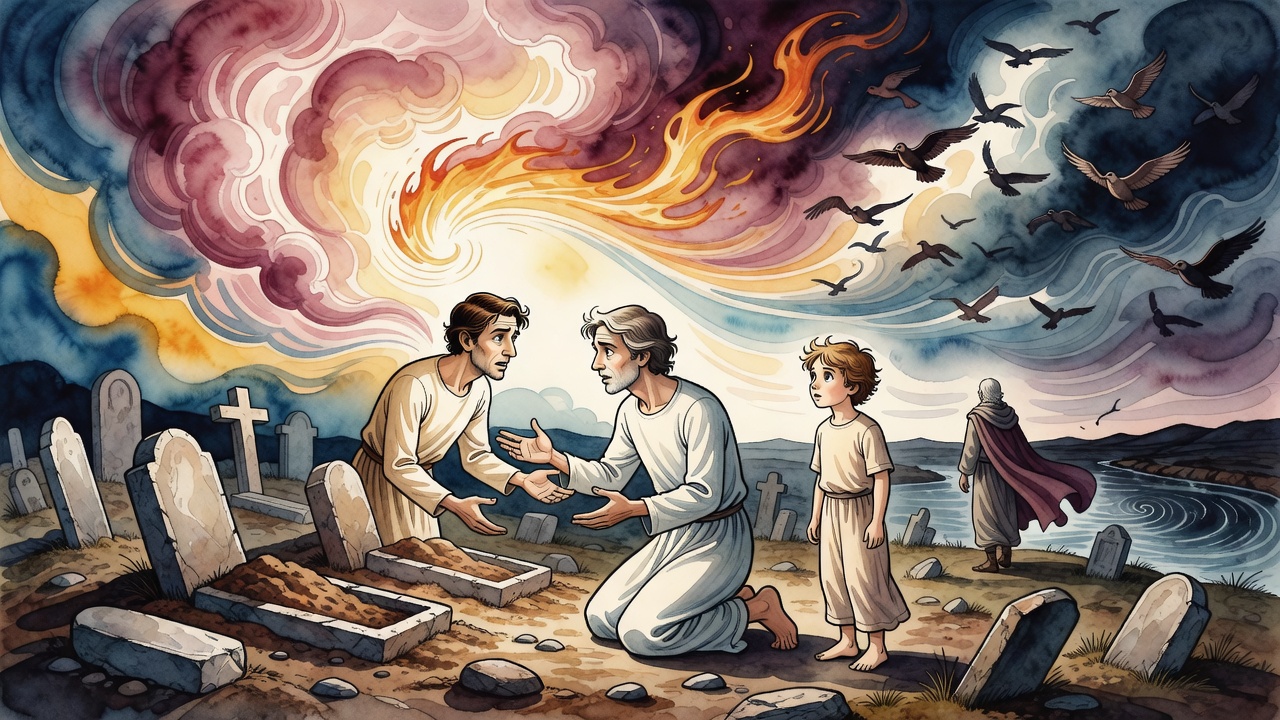
A childless man bargains at the graves for a son who understands birds, and what the birds foretell drives the father to the river.
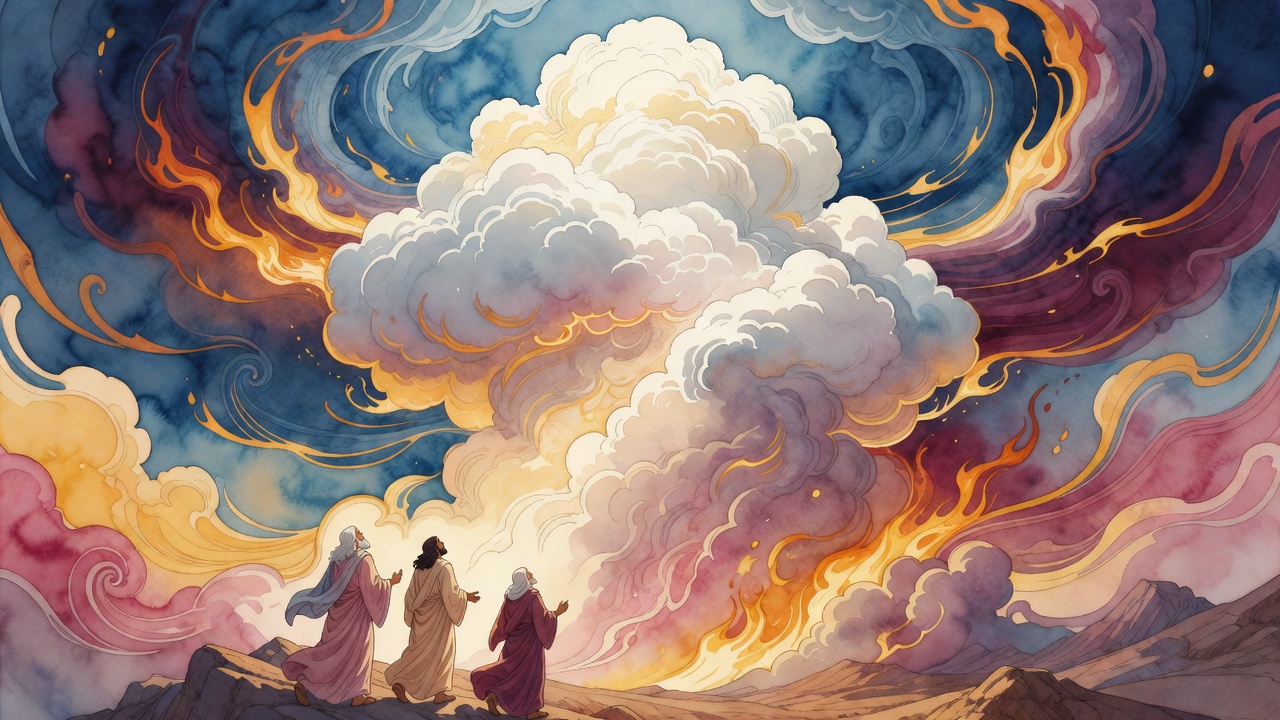
At Sinai the man spoke first and heaven answered out loud, and the same voice came down from the cloud for Aaron and for Samuel too.
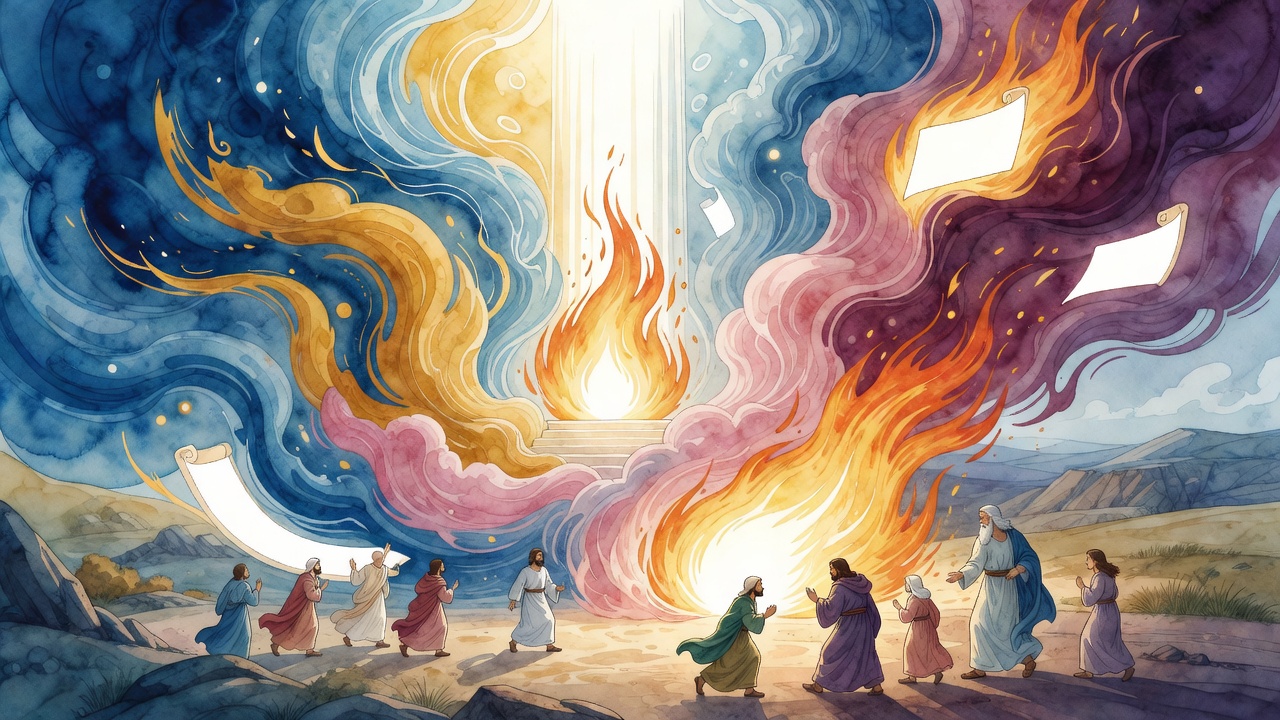
When Joseph was born the Holy Spirit fell on Jacob and showed him a flame to burn Esau, and that same fire drove his frightened house down to Egypt.
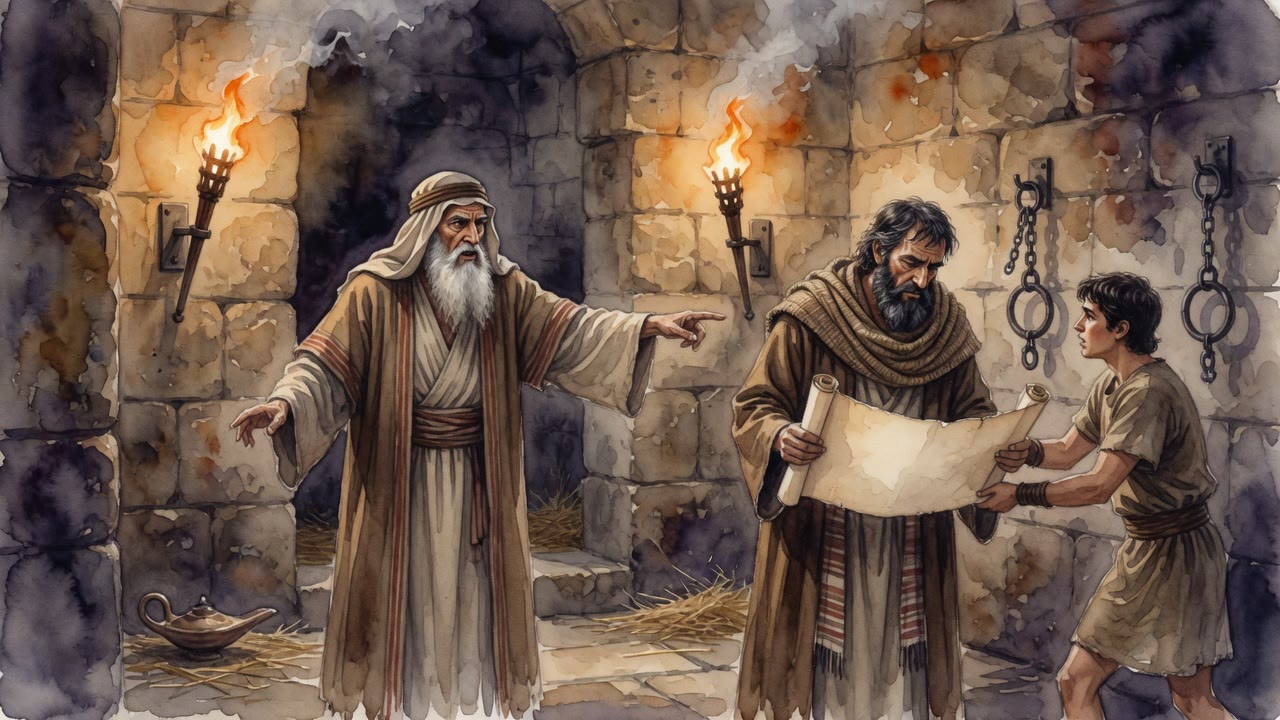
Hananiah promised the exiles would be home in two years. Jeremiah gave him one year to live, and Hananiah's sons hid the body for two days.
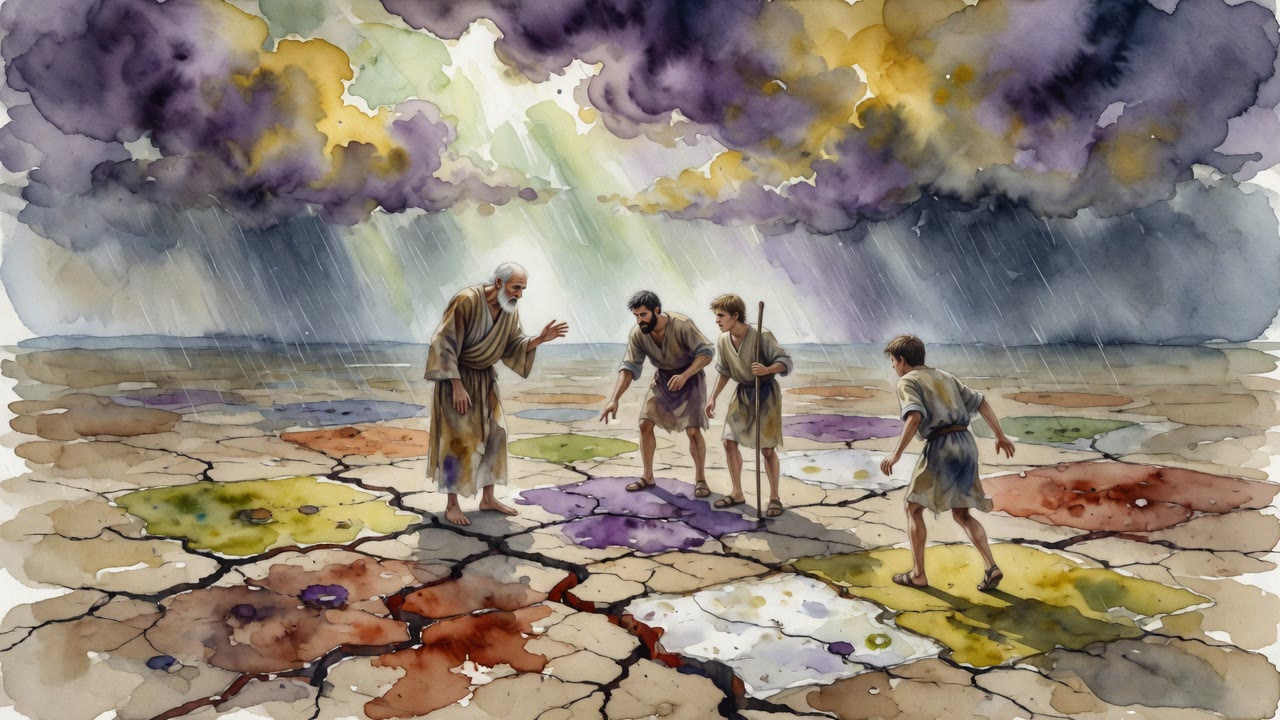
Noah drew the drained earth into lots and bound his sons with a curse. The first man to break that oath did it out of distaste for cold water.
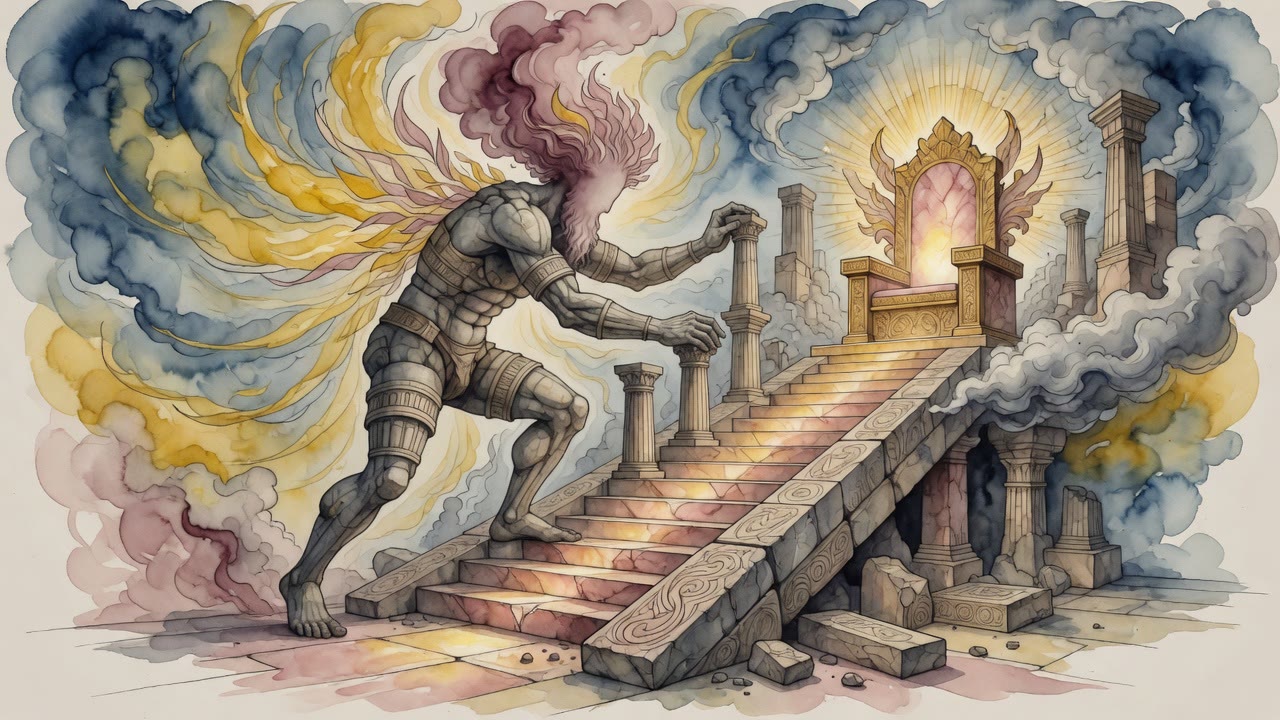
One of the delegates at the gate held a boy by the wrist. Rams, jars of oil, a firstborn son if that was the price. The boy was looking at the fire.
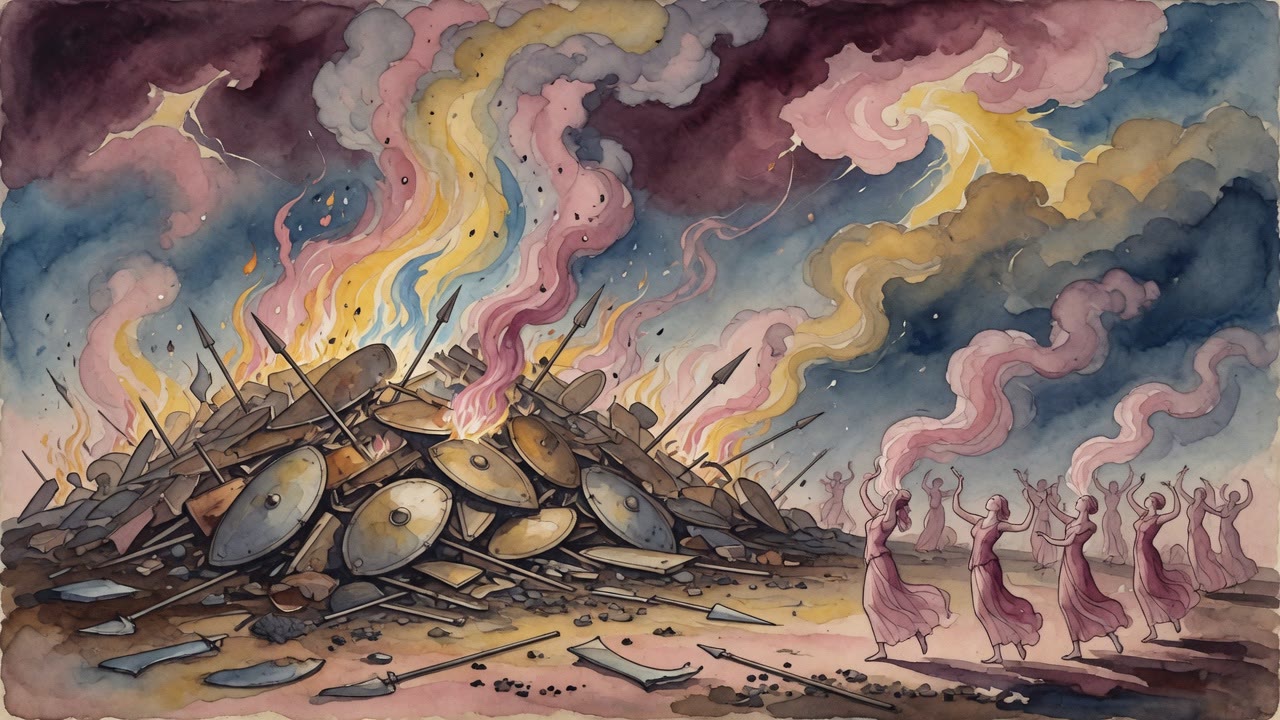
The world aged into ruin, Gog came up against Jerusalem, and the survivors burned his spears for seven winters before the dancing started.
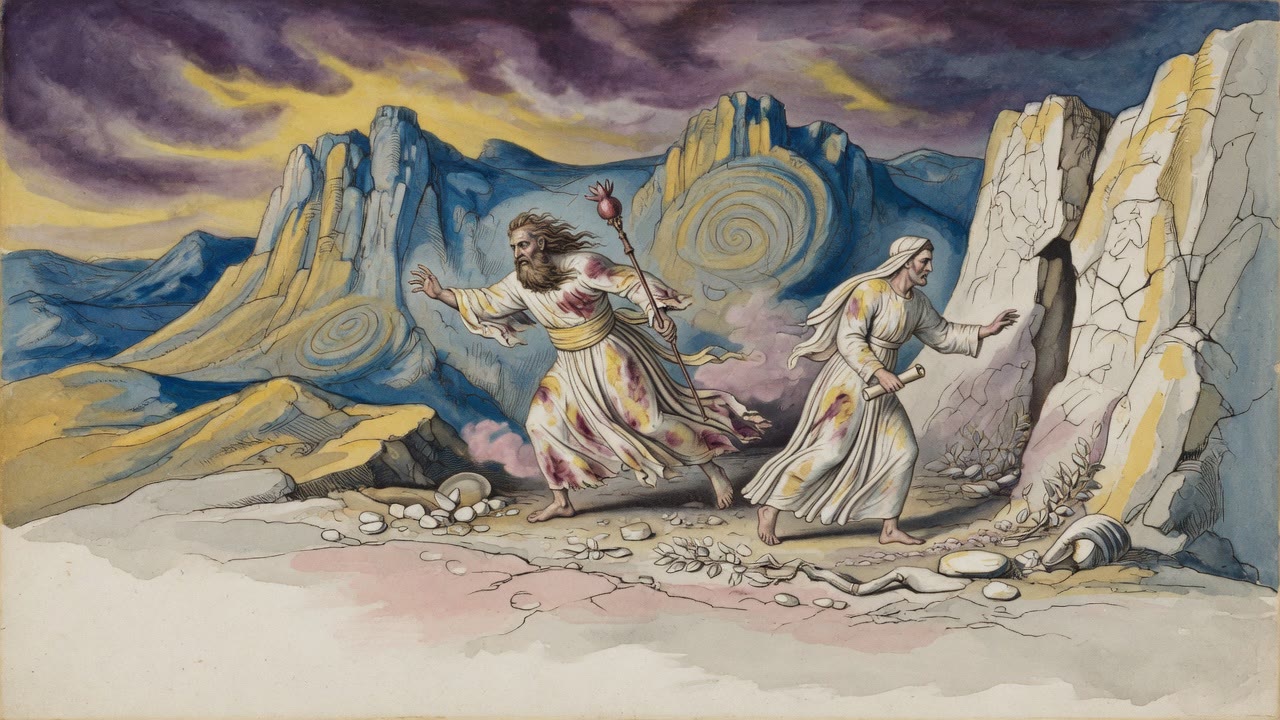
Driven into exile by the Dead Sea, the Teacher of Righteousness held the key to Habakkuk. The high priest rode out on the fast day to break him.
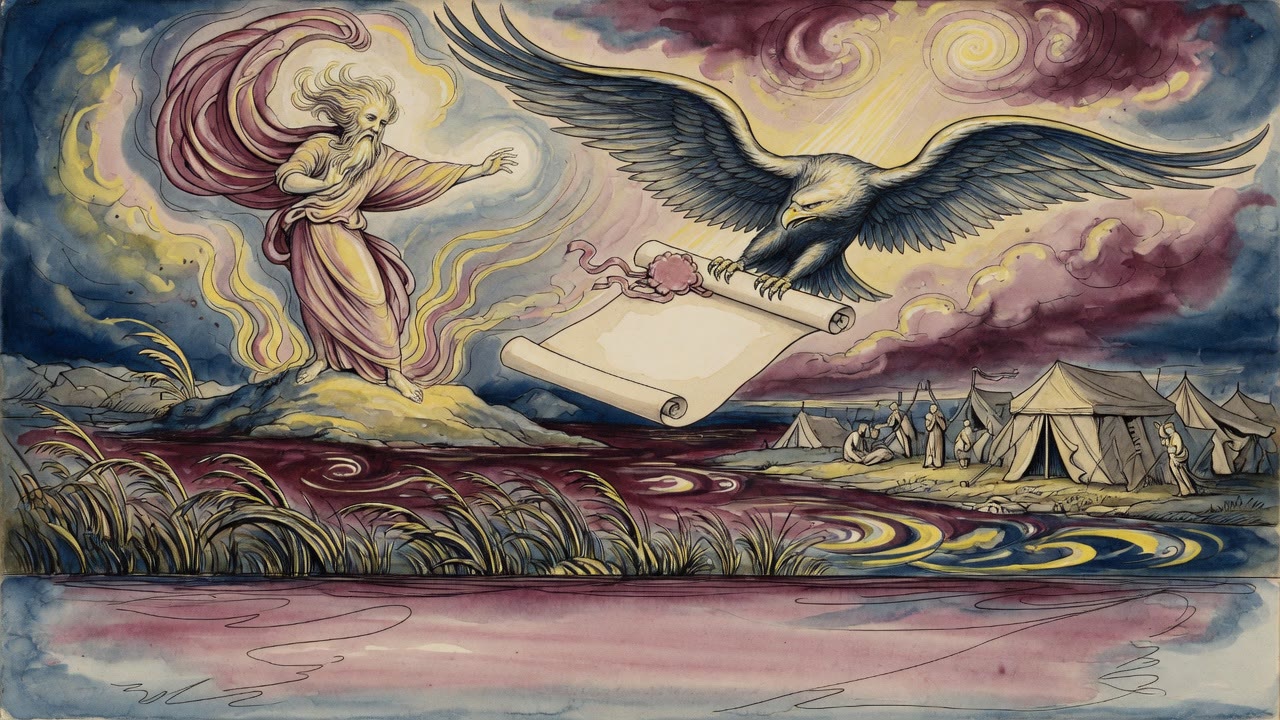
God told Baruch the city was already finished. He begged to die first, watched angels bury the vessels, then wrote to the tribes across the river.
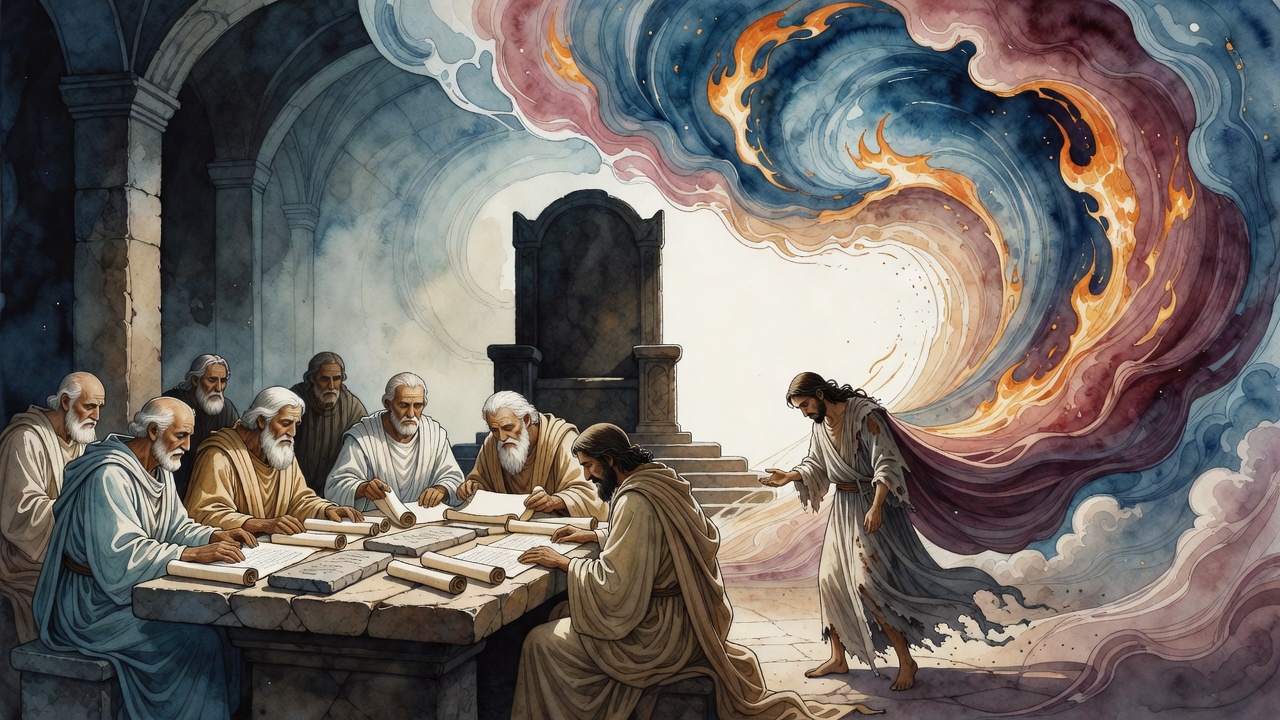
They sat with the death penalties written out and picked the heaviest one on purpose, and then the injured party asked to be charged first.
