220 myths · Page 2 of 8
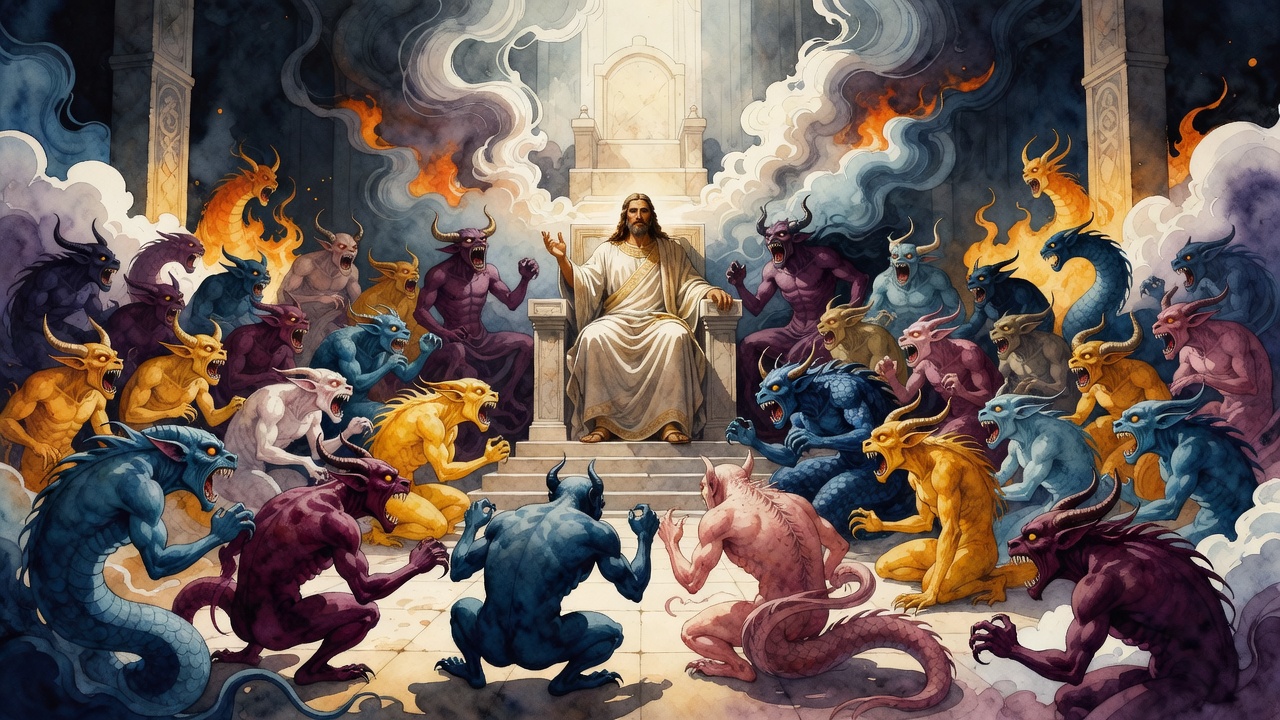
A ring dragged them in one at a time. Ornias strangled men in their sleep. A headless spirit ate heads. Each said which angel could stop it.
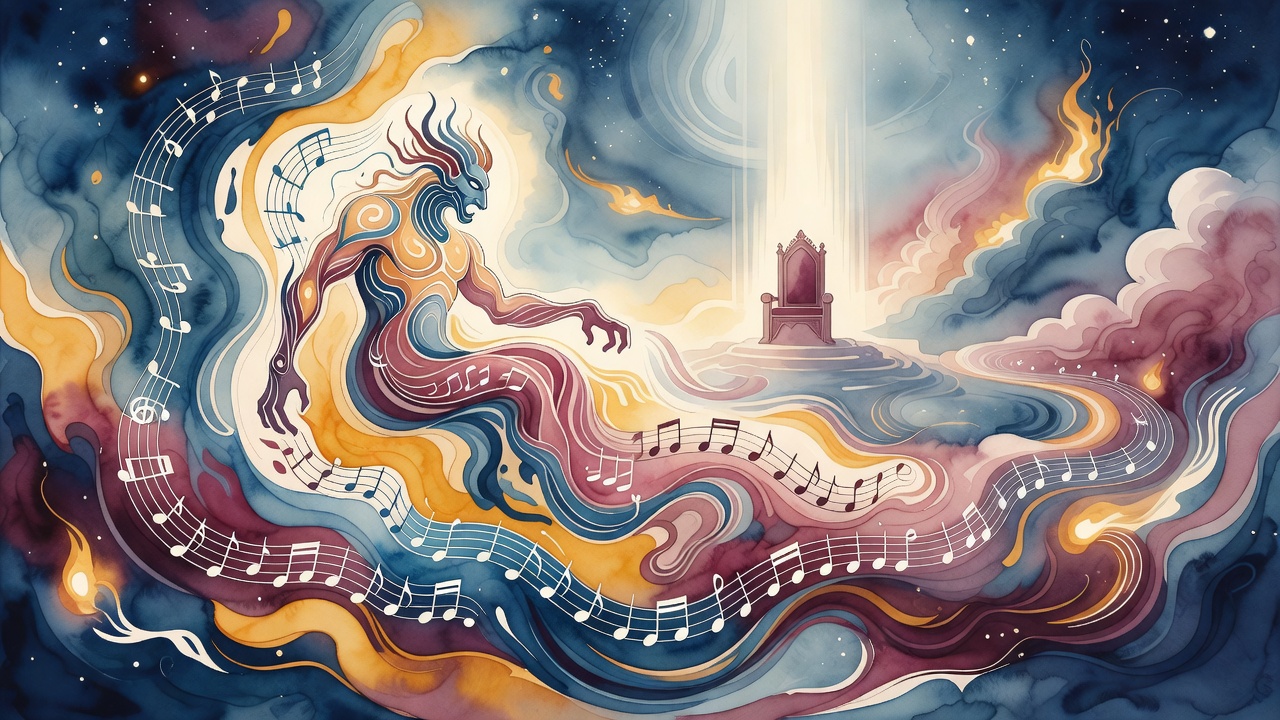
Samael was not just a tempter. The Kabbalists found him embedded in the cantillation marks of Torah itself, present before any human being existed.
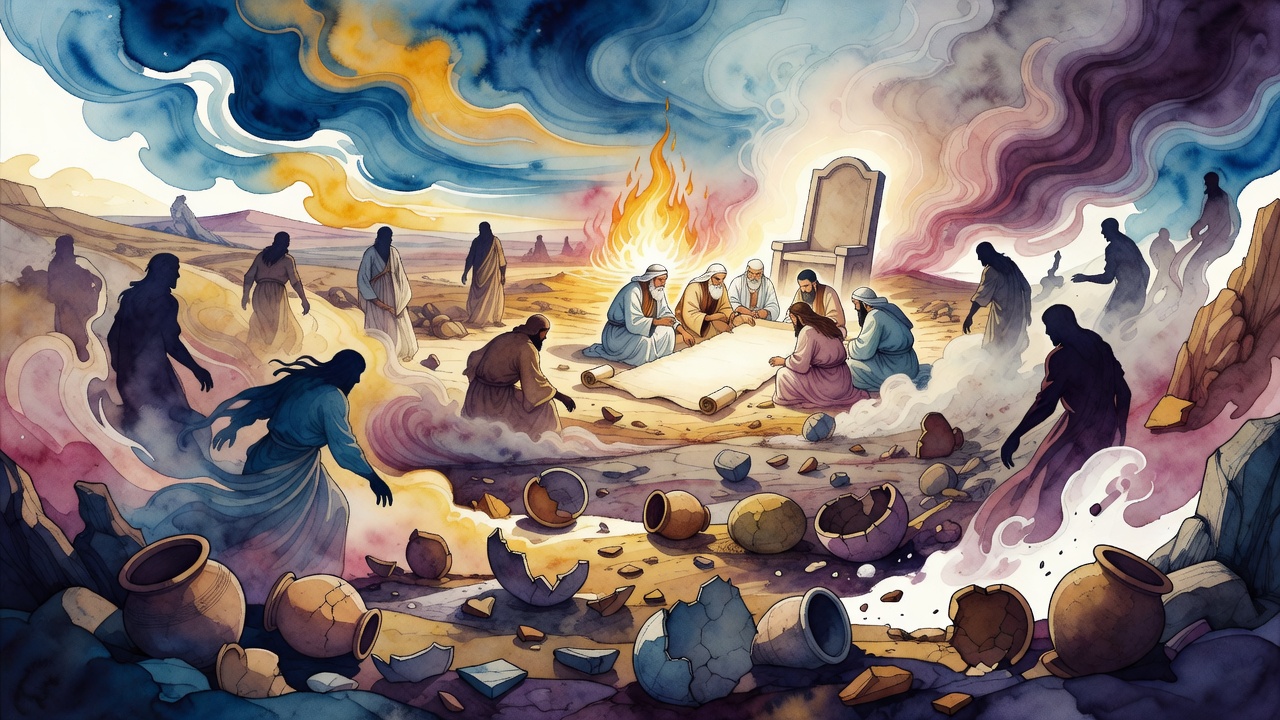
Bela sat in Dinhabah and died. The next king was not his son. Eight times the chair of Edom filled, and eight times it emptied.
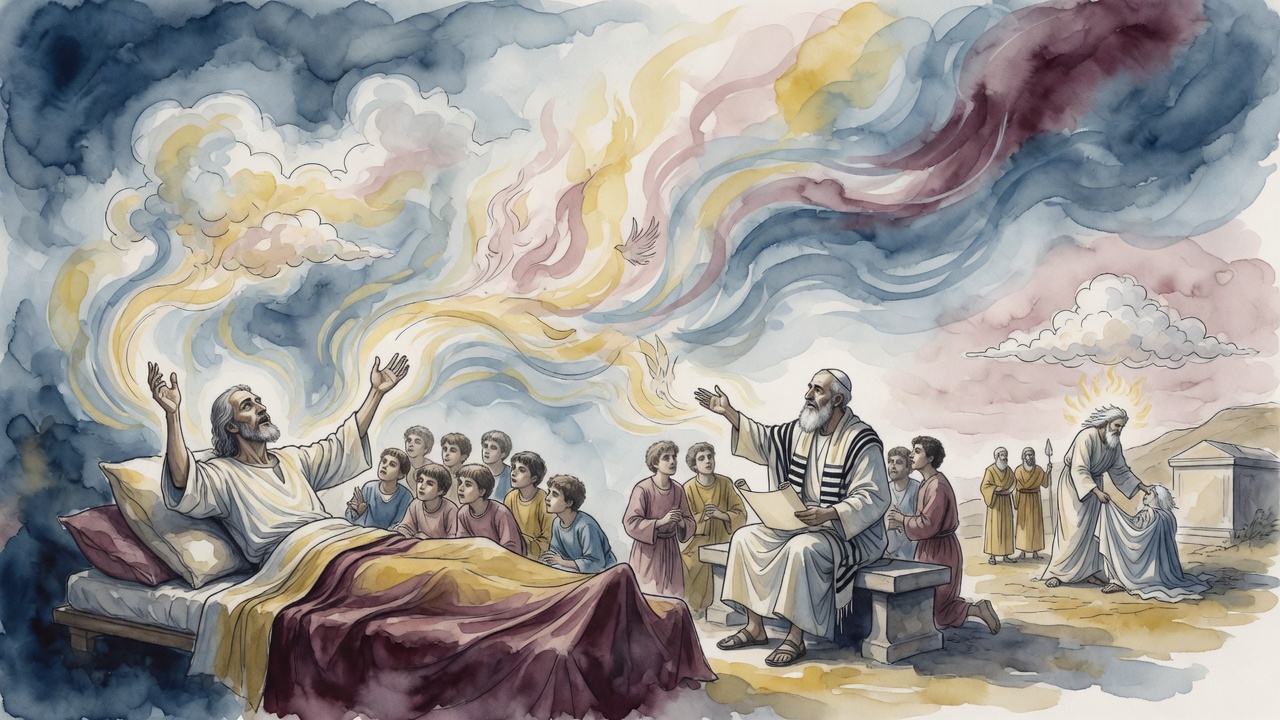
After Abel's blood soaked the ground, Adam fled Eve for 130 years. Female spirits found him there, and grief took on bodies.
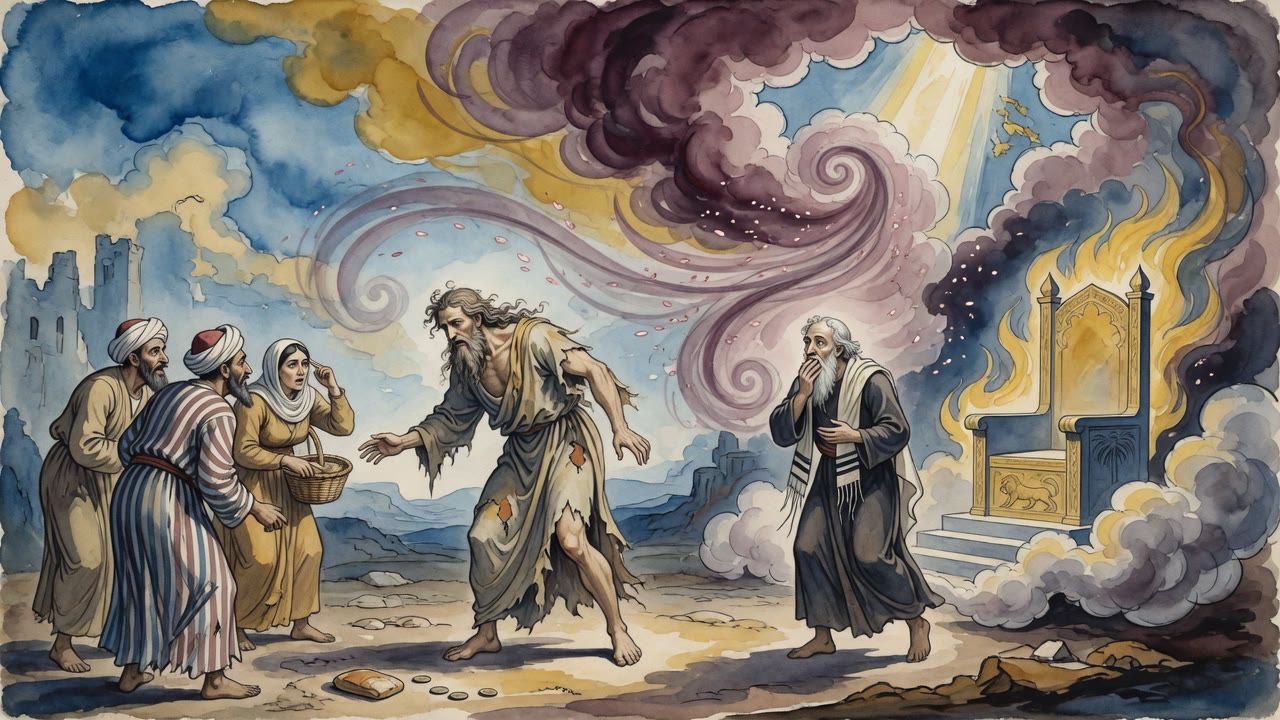
He held out his hand in a market that did not know him. The worst day was not the blank stares. It was the face that went pale.
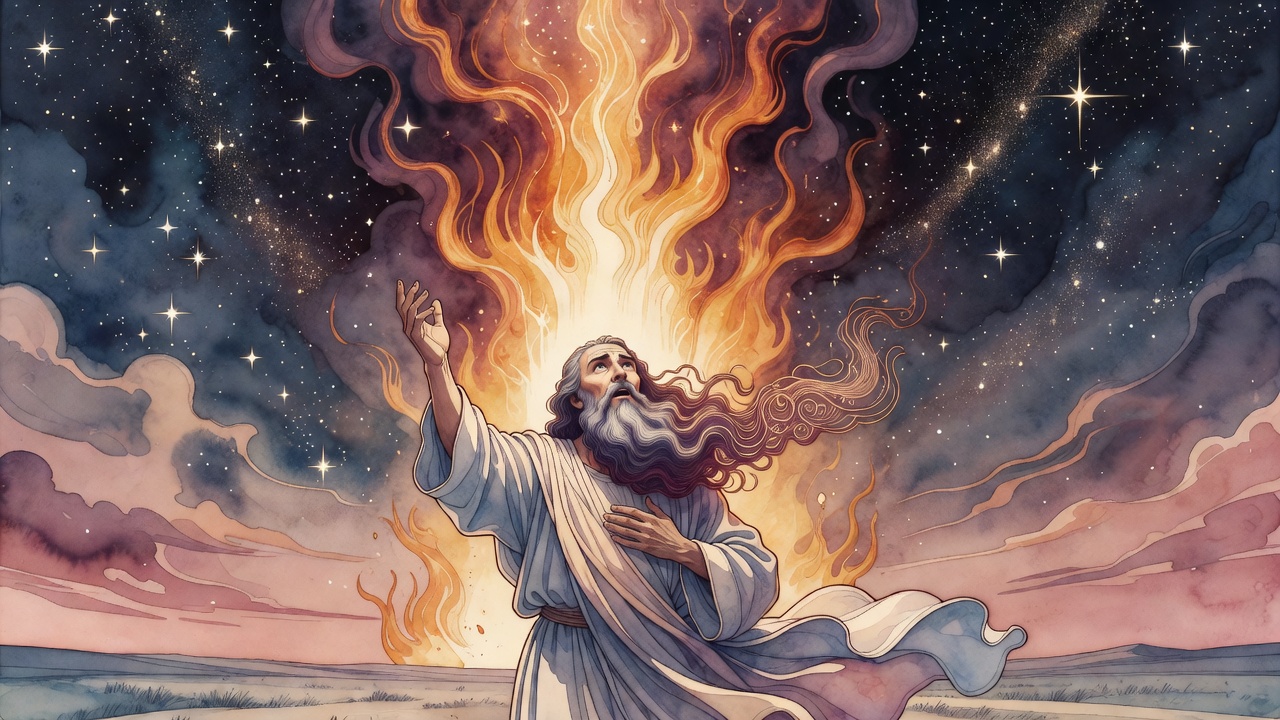
God took him outside on Passover night and told him to count the stars. Abraham looked up, then asked if heaven's troops had a limit.
A heretic found one extra word in the verse at Sinai and used it to prove there were two powers in heaven. Rav Idit answered him by naming the angel.
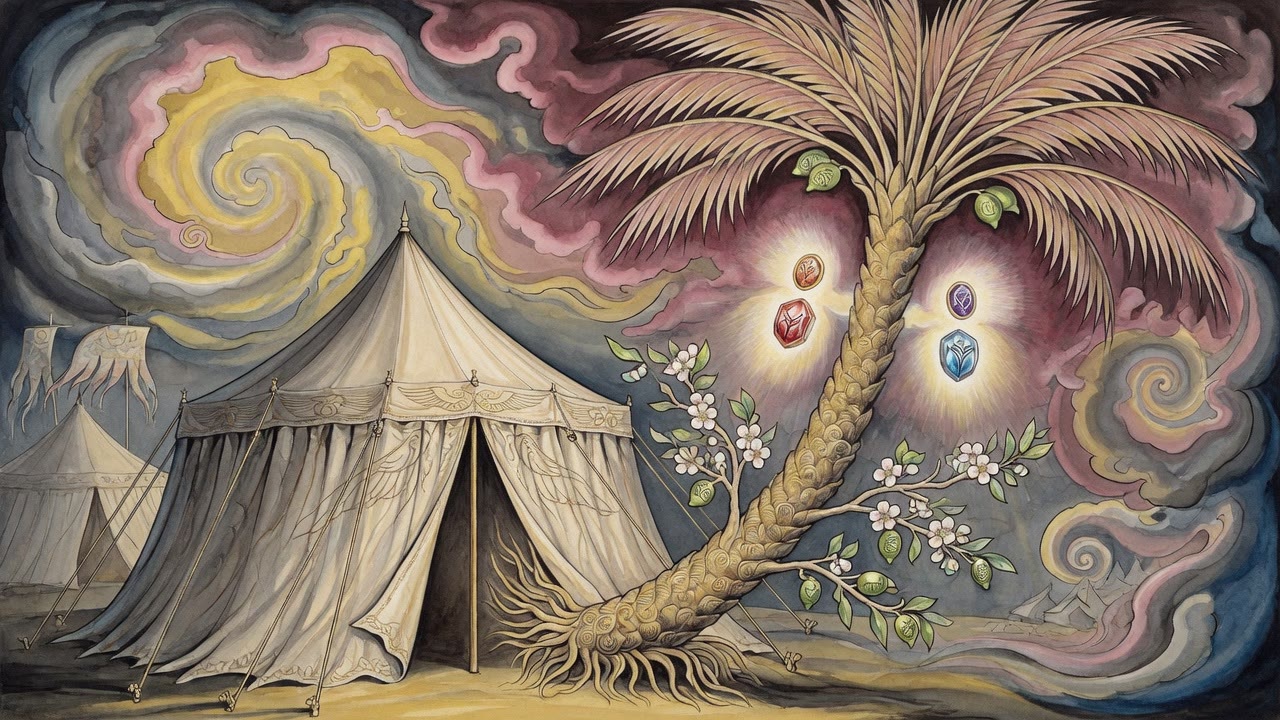
The letters fled the tablets when Moses came down and saw the calf, and the stone went heavy in his hands. Rise from your slumber, the Zohar calls to Aaron.
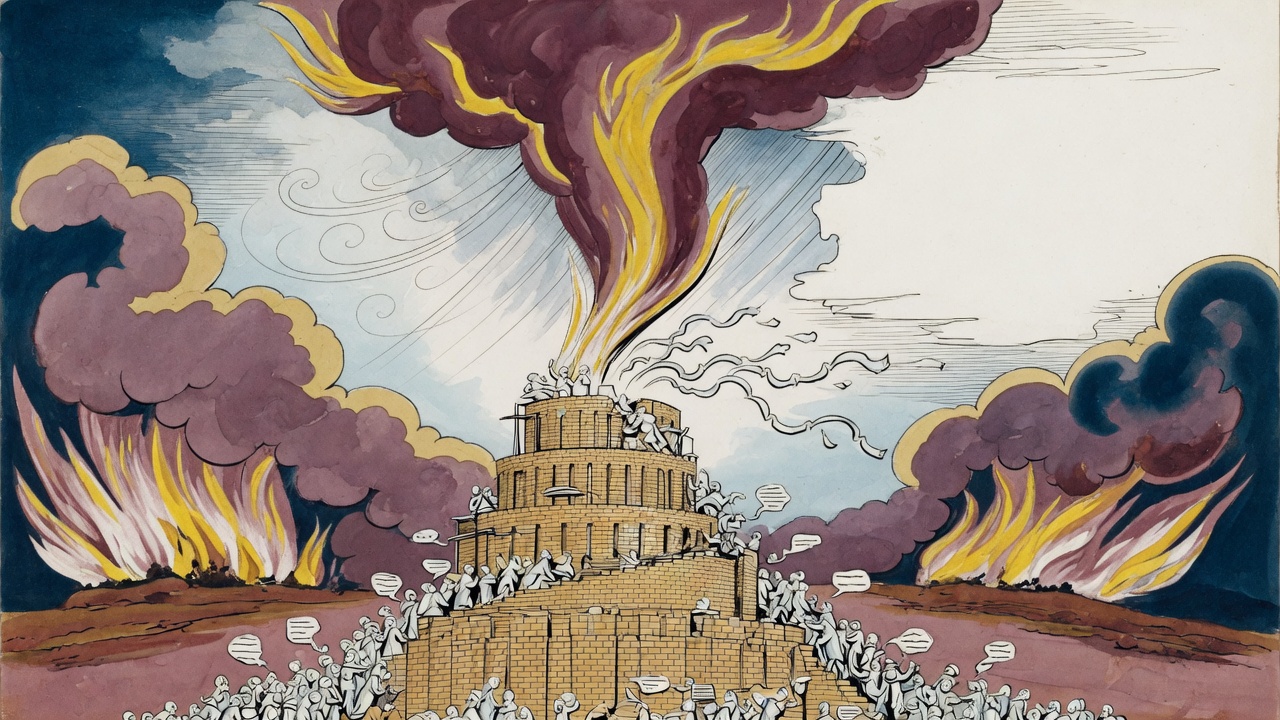
The mountain had gone quiet. Israel had tablets and no way to live them. Moses walked into the Tent, and God called him by name.
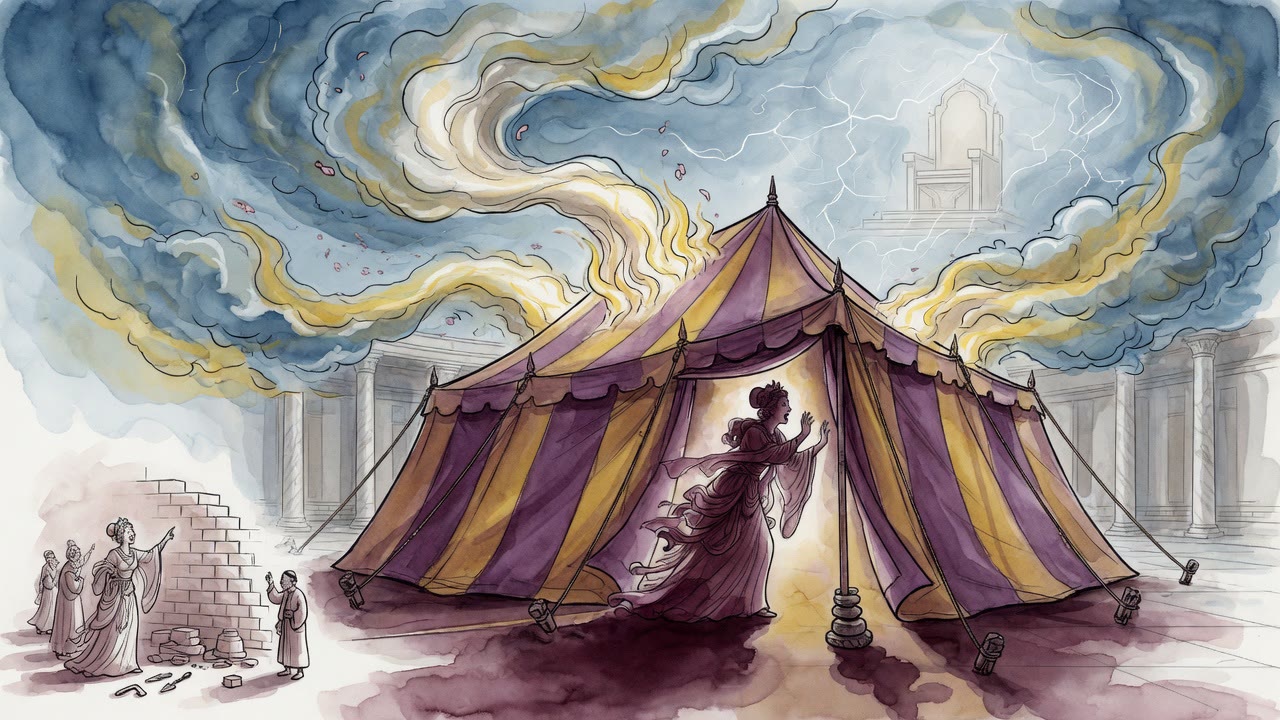
The sea split and Moses sang, but the Torah wrote will sing. From one future verb, an ancient proof that the dead will rise.
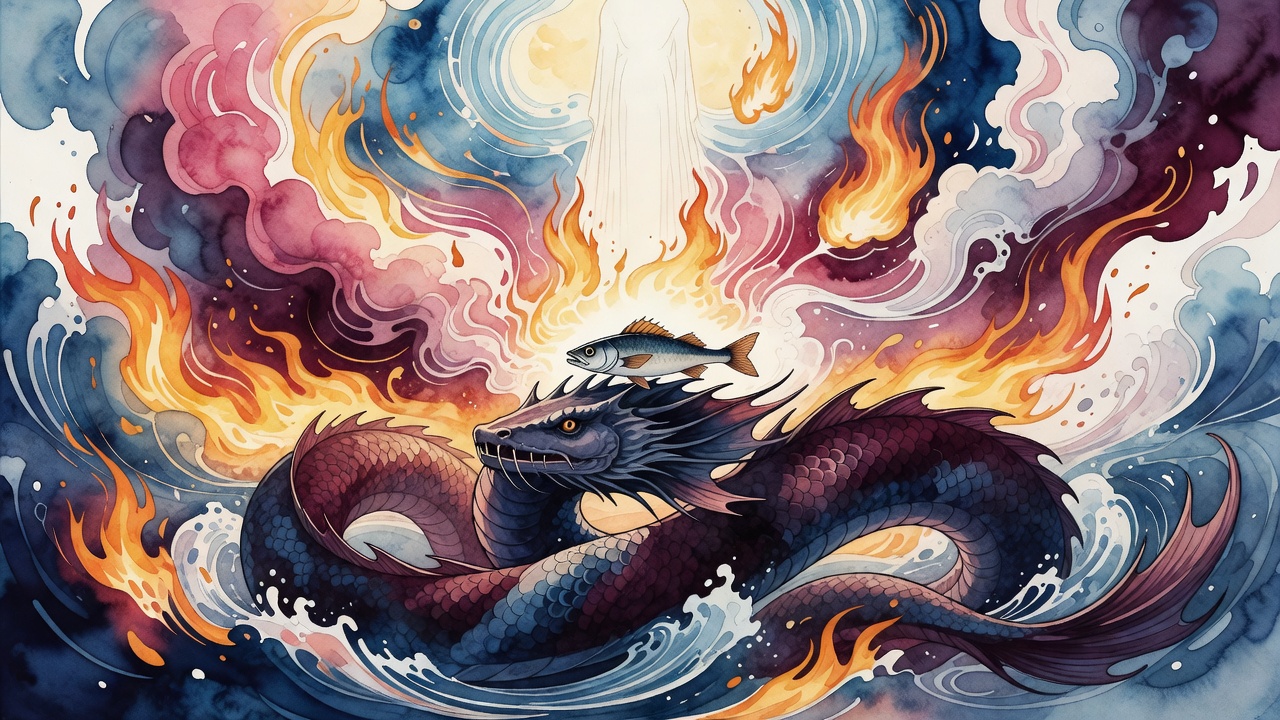
God made the sea from fire and water, then set one tiny fish over Leviathan so creation would not drown beneath its own power.
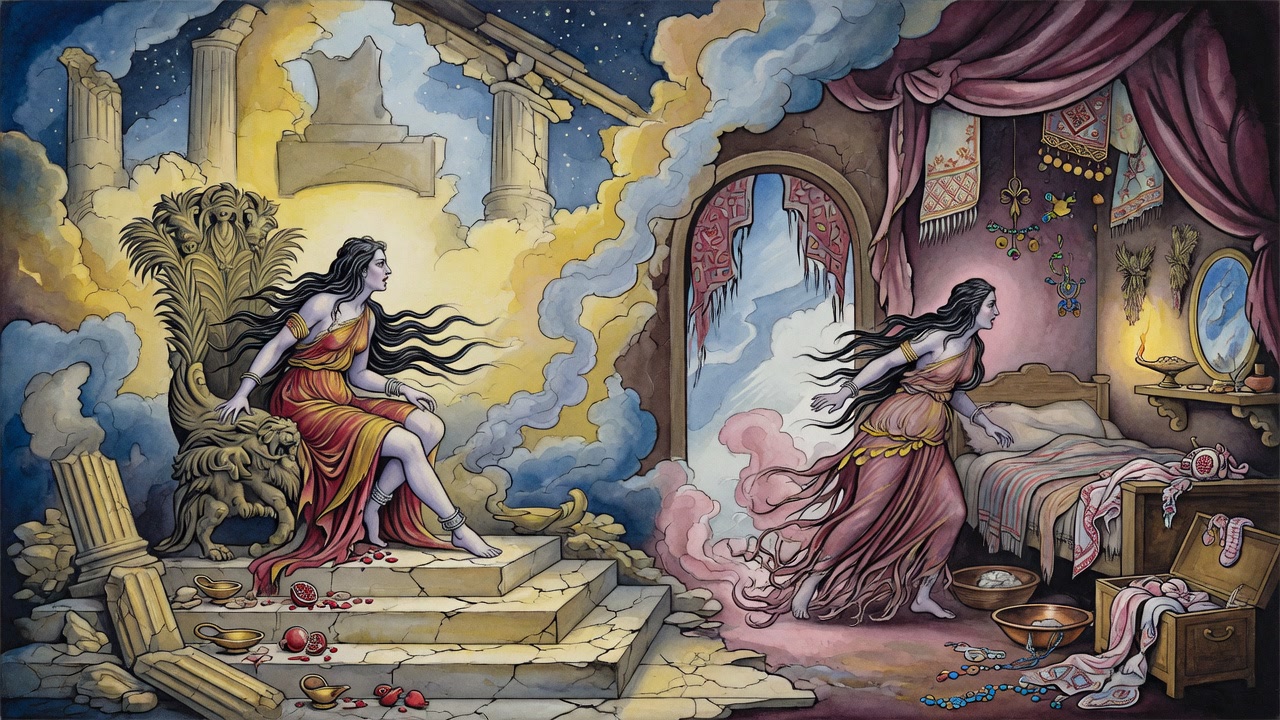
The Temple had burned. Lilith sat down in the empty chair. In a birth room a midwife poured a hair out of the milk and sealed the jug.
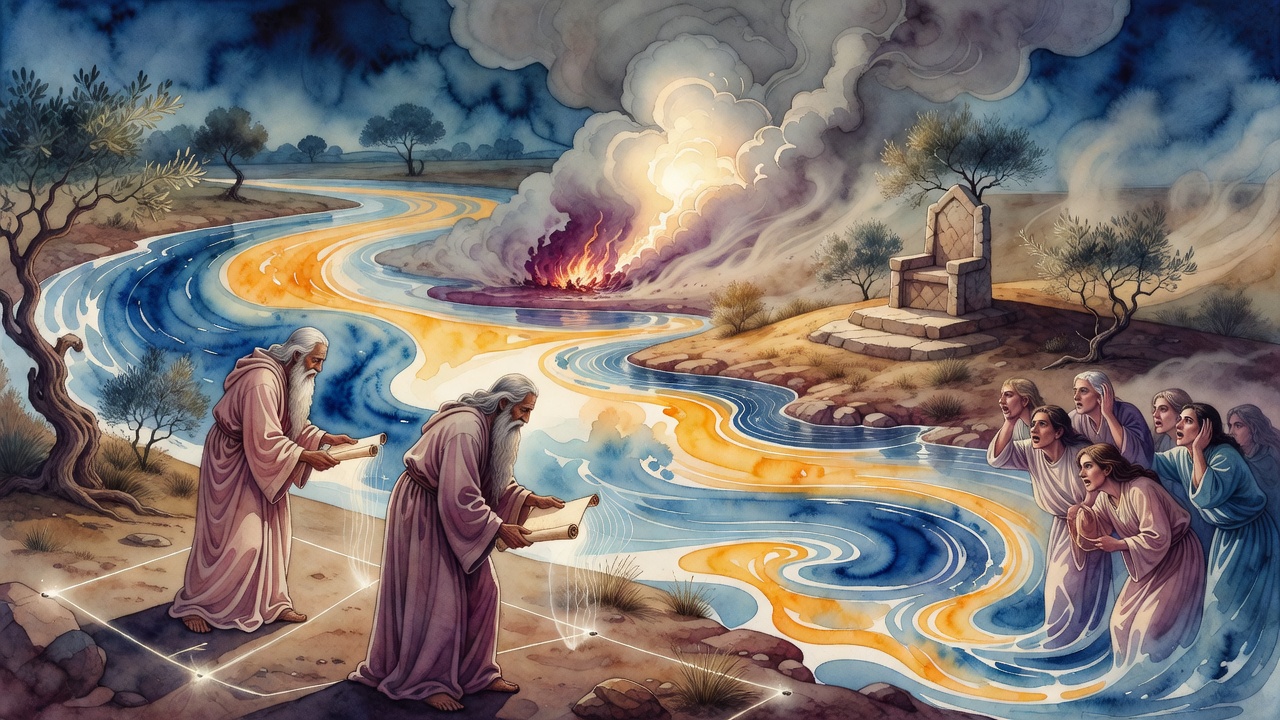
Two sages measured Eden with verses and field units, while the mystics heard a hidden river carrying wisdom into the garden.
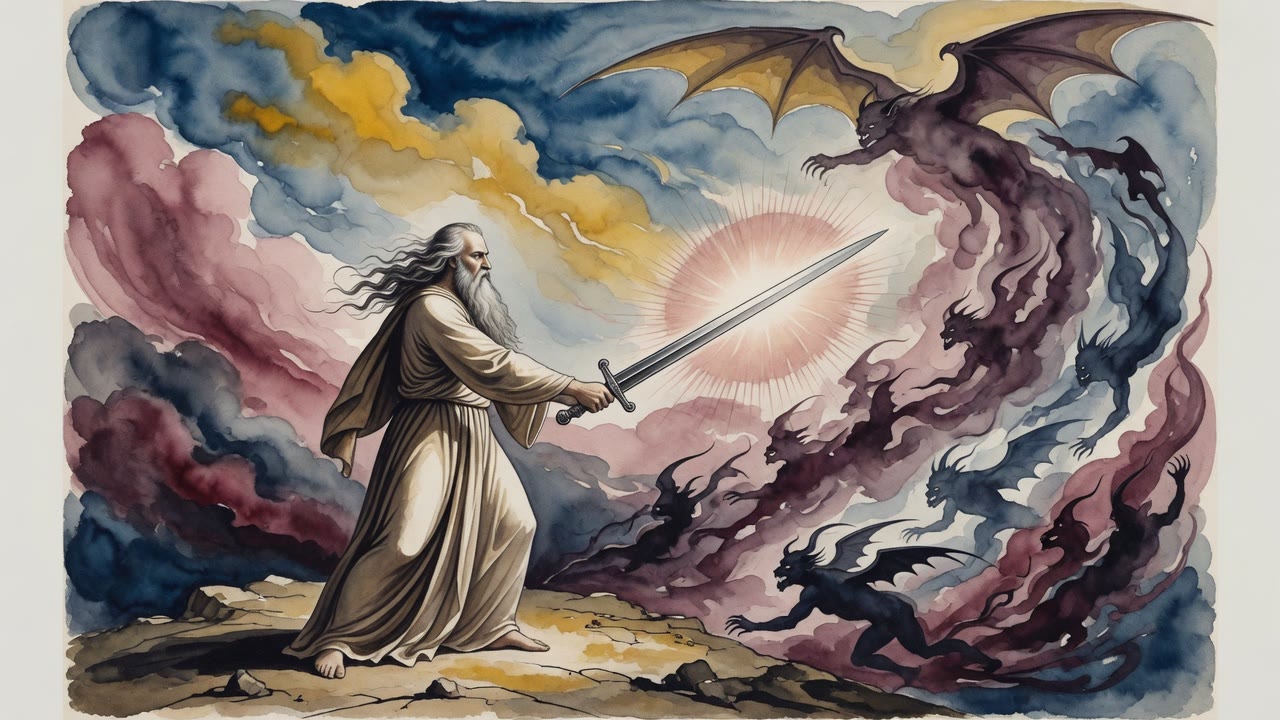
Earrings swung at her face. The traveler drank from the cup she held. Then the drink turned bitter, and the woman at the fork of the road drew a sword.
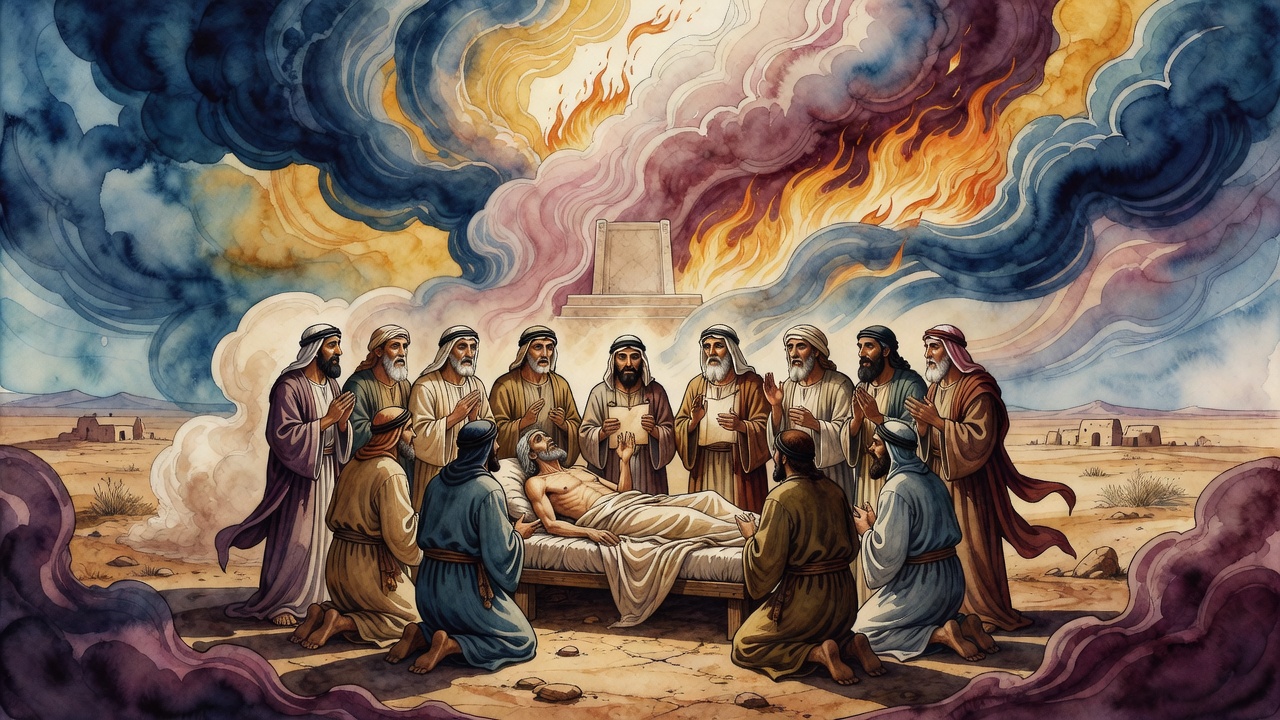
Will you bow down to another god when I am gone? All twelve sons answered in one voice: the Lord is our God, the Lord is one.
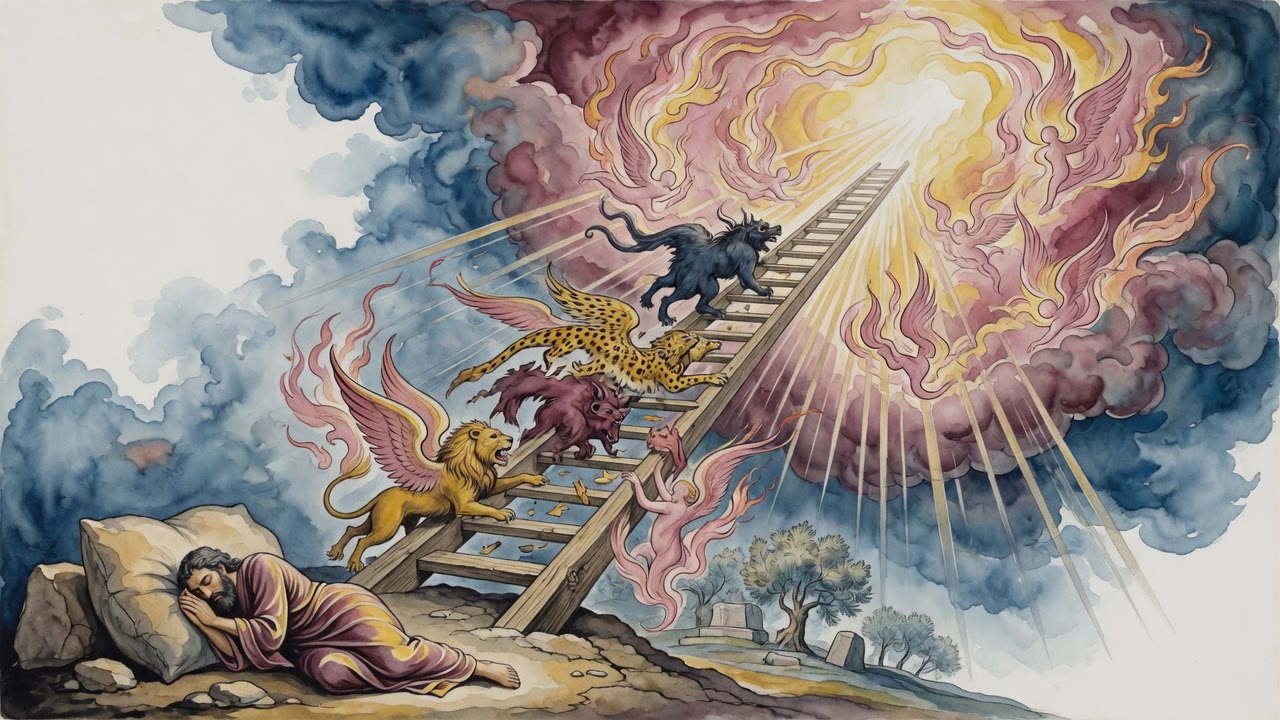
Jacob slept on a stone with Esau's threat behind him. The thing in the dream was gold, sixty cubits high, and three men would not bow.
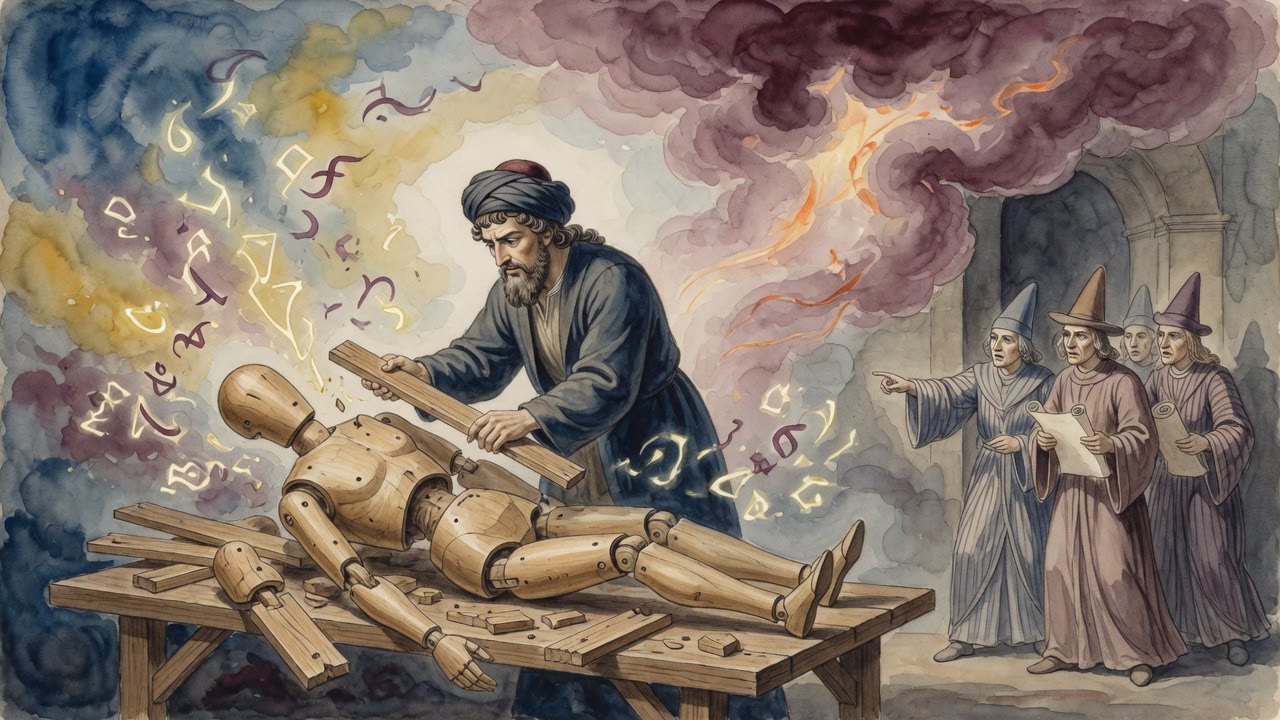
Solomon ibn Gabirol shaped a female servant from wood and letter combinations. When authorities came to investigate, he disassembled her before their eyes.
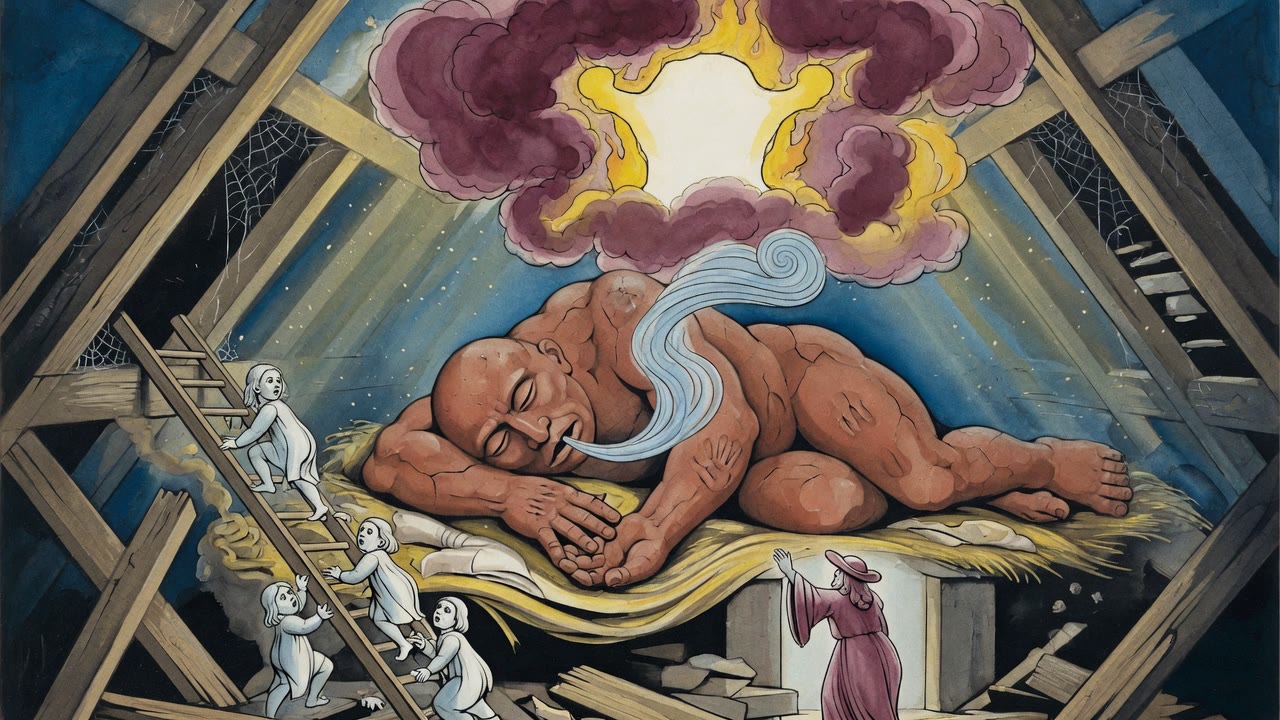
The Maharal put the clay body in the synagogue attic with a single promise: wait here until the Messiah. Children who climbed up to look could not come down.
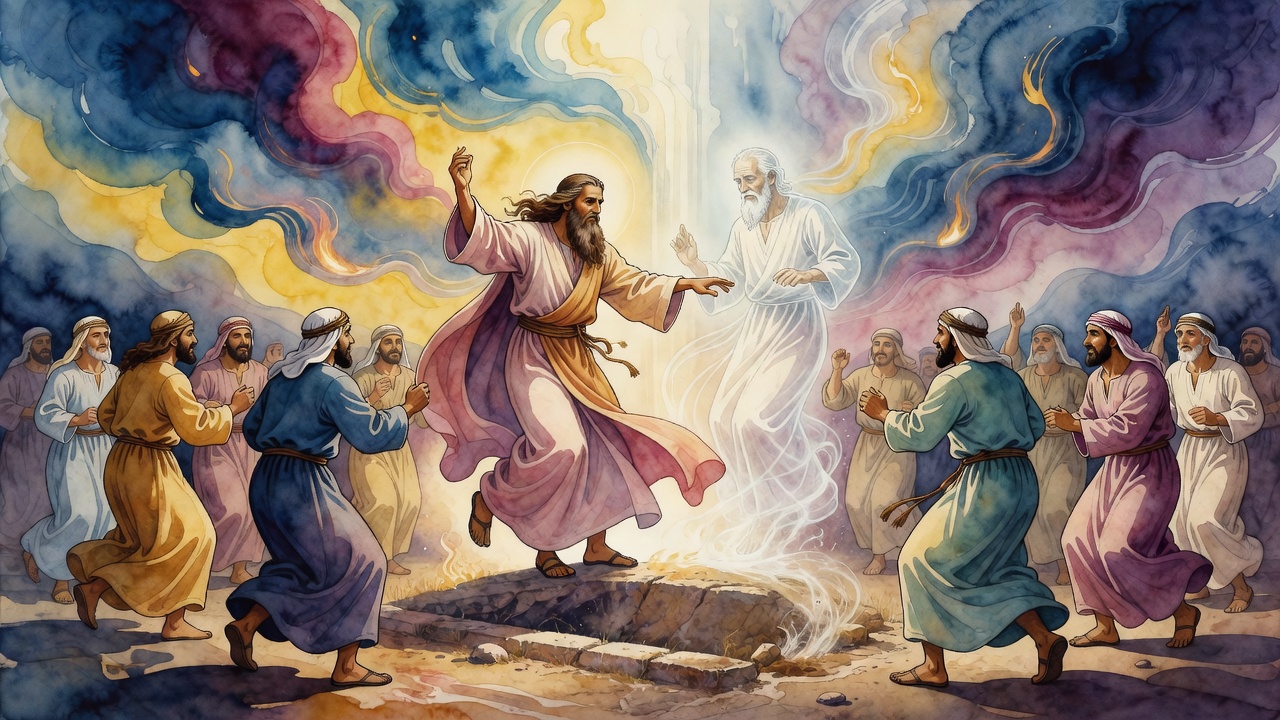
Every Lag ba-Omer, Isaac Luria led students to Shimon bar Yohai's grave to dance. One year an old man in white joined. Only the Ari recognized him.
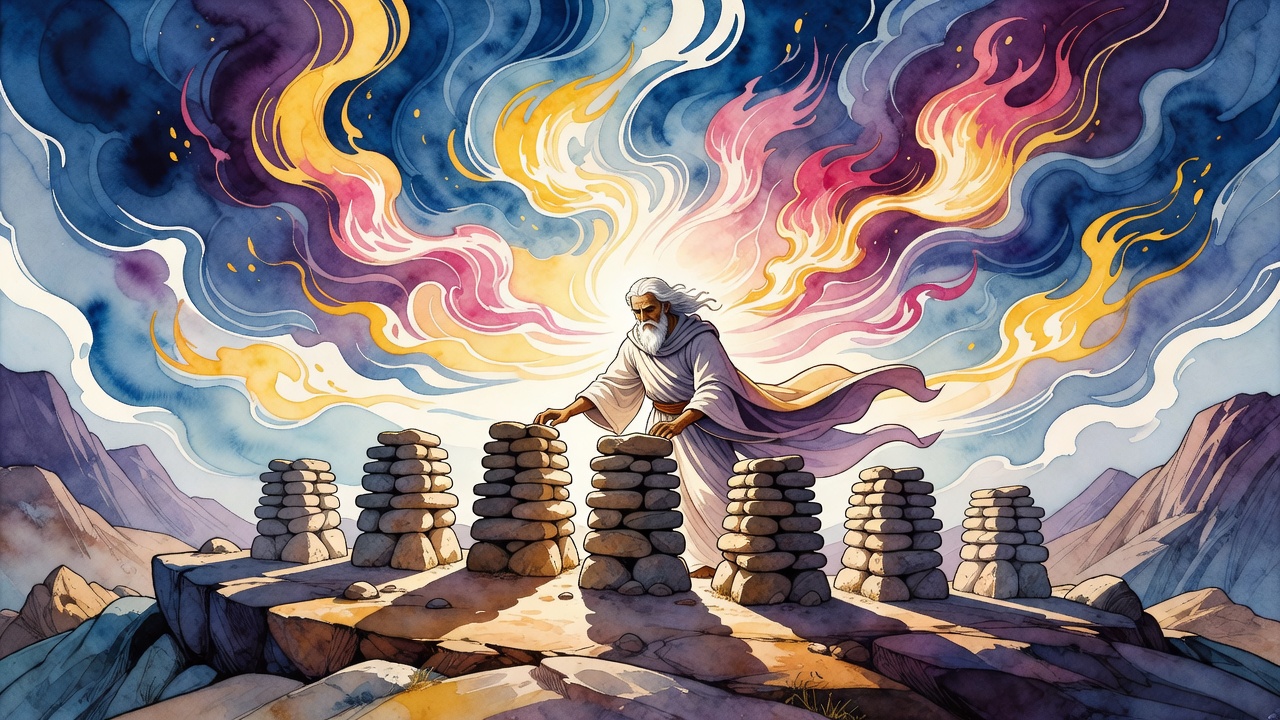
Balaam counted every altar the patriarchs had ever built, then built the same number to match their merit. God answered with a single verse about dry bread.
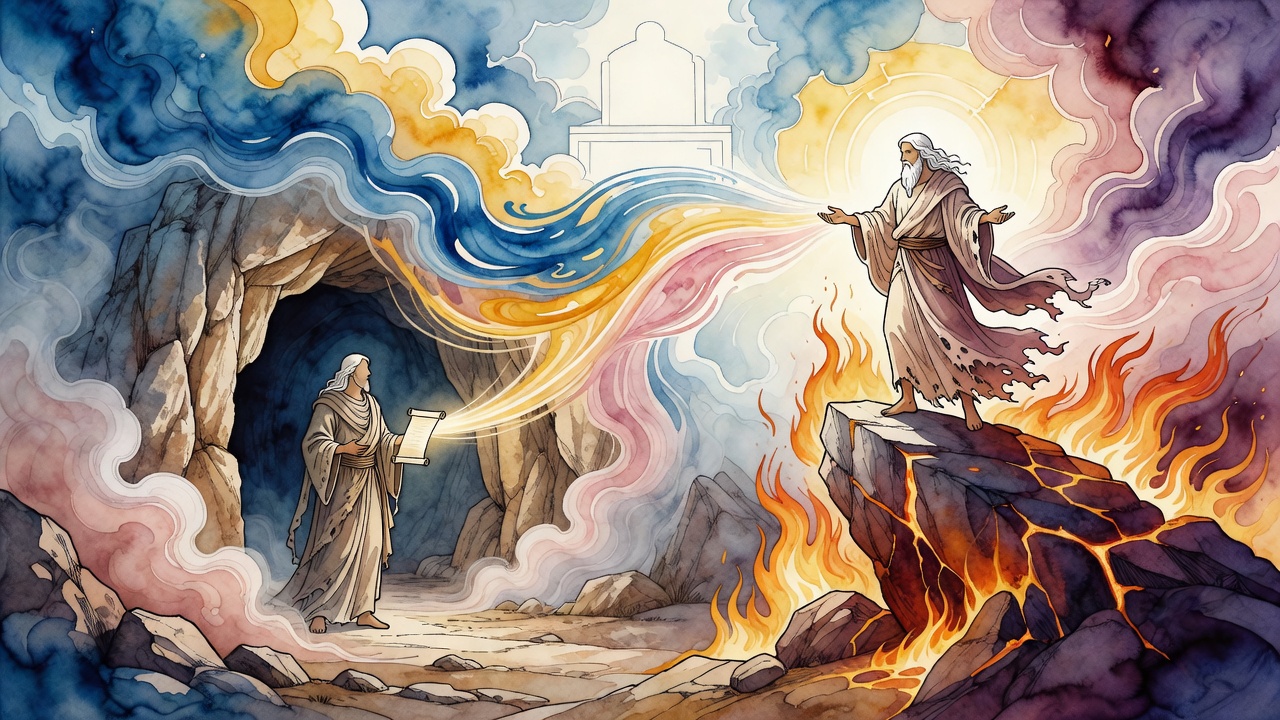
From a cave in Roman Judea to a fiery rock in medieval Spain, Elijah carried Jewish mysticism across a thousand years.
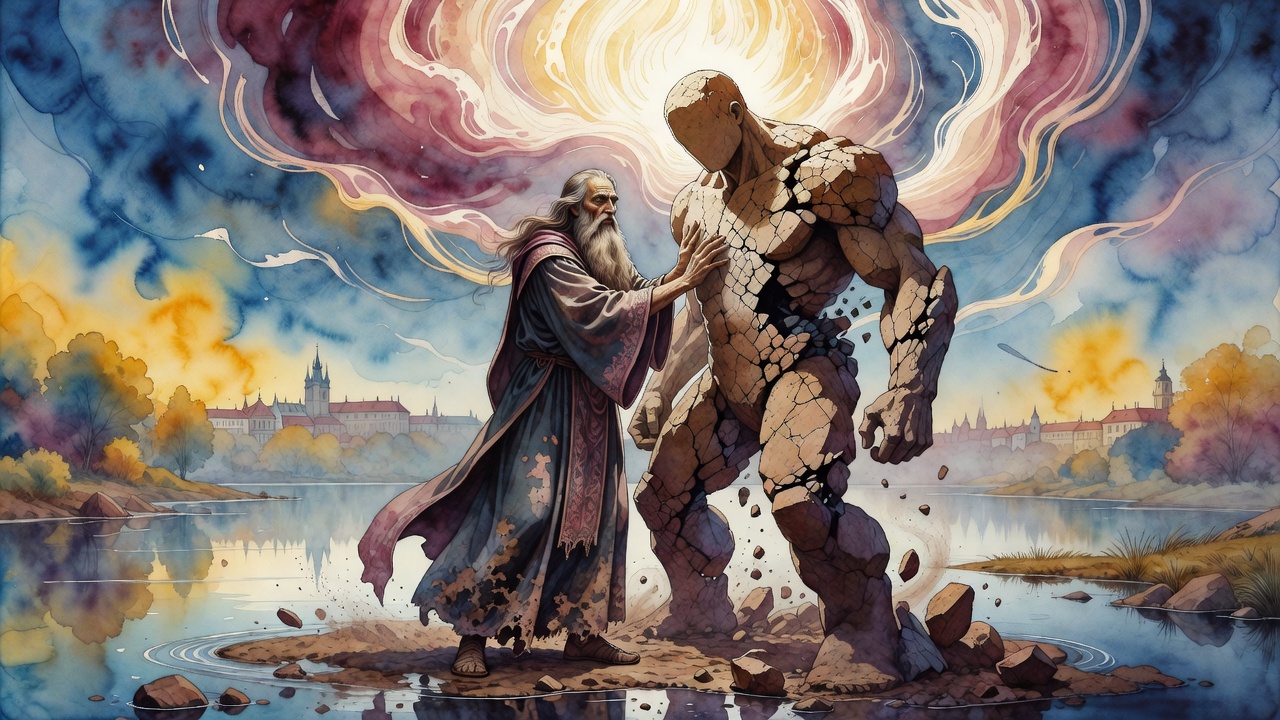
At two in the morning they climbed to the attic of the Old-New Synagogue. The clay still had a man's shape. They walked the other way around it.
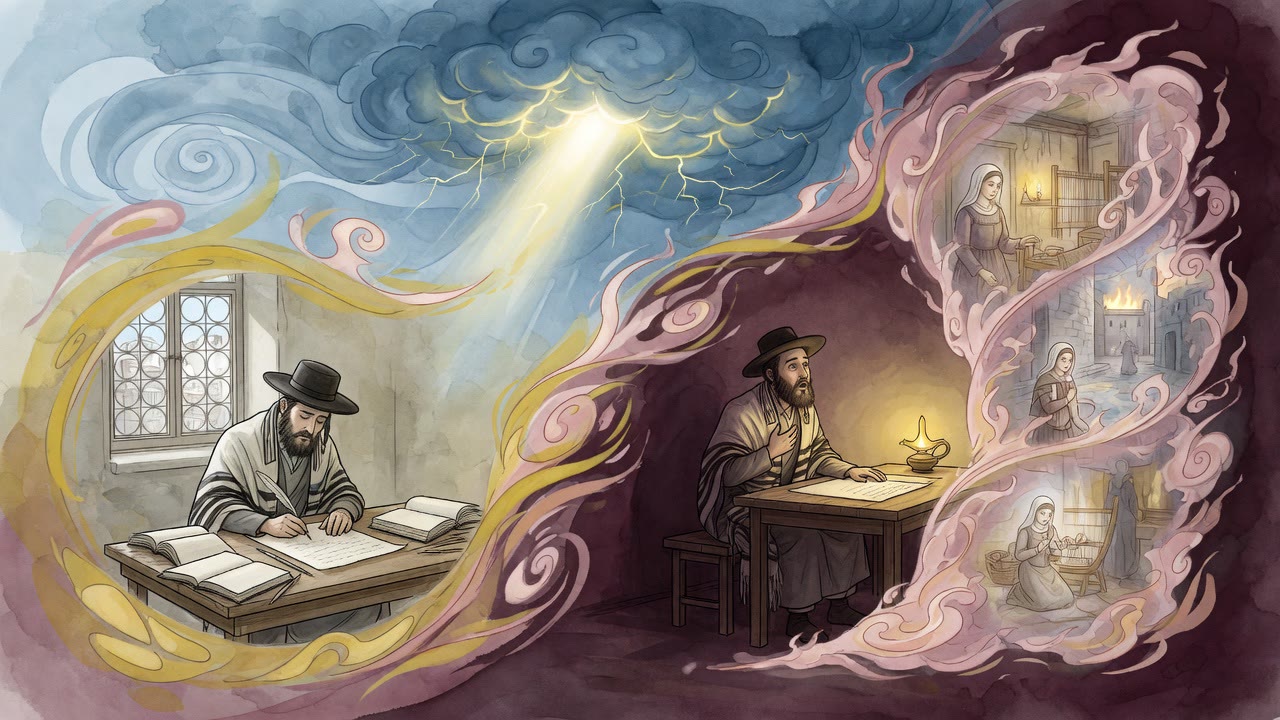
Rabbi Joseph Karo wrote the Shulchan Aruch by day and received a heavenly visitor by night. One night the maggid explained his wife's past life to him.
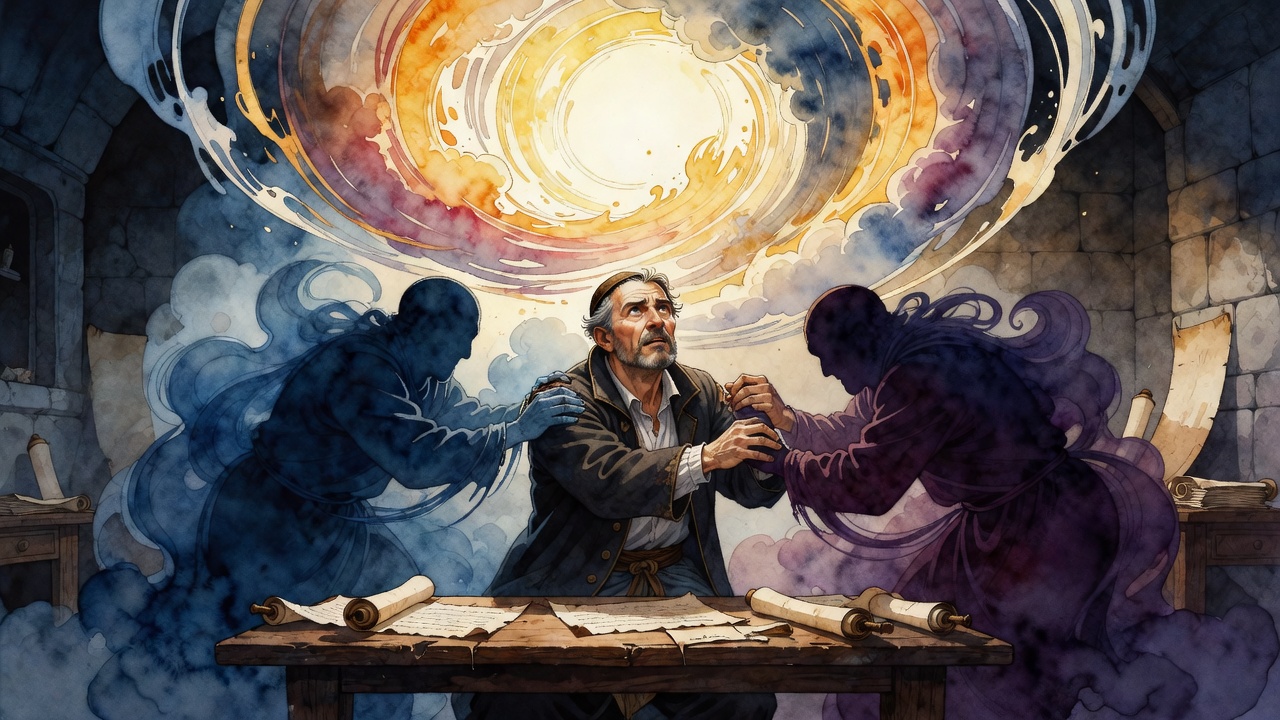
A Polish scholar compared his battle to Jacob's night fight with the angel. His enemy was not Esau but men who wanted to destroy the tradition from within.
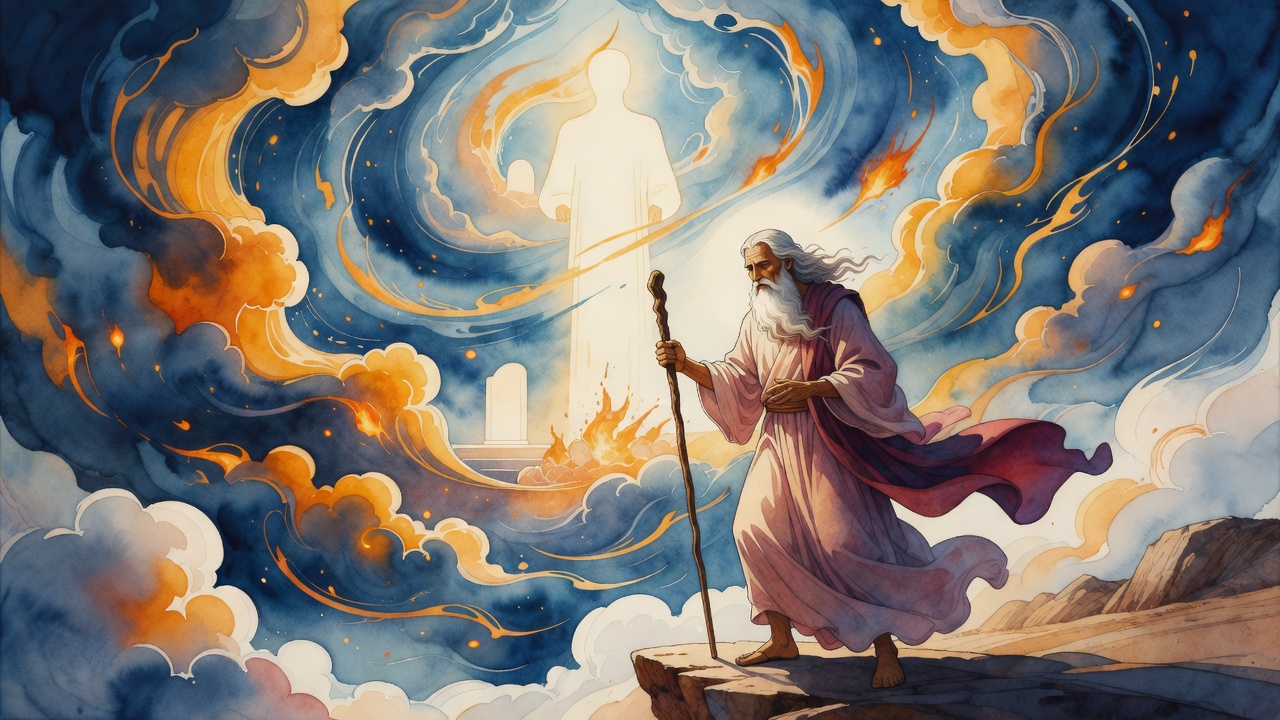
God told him to make the lampstand and Moses could not do it. God built a model out of four fires. Moses looked at it and still could not do it.
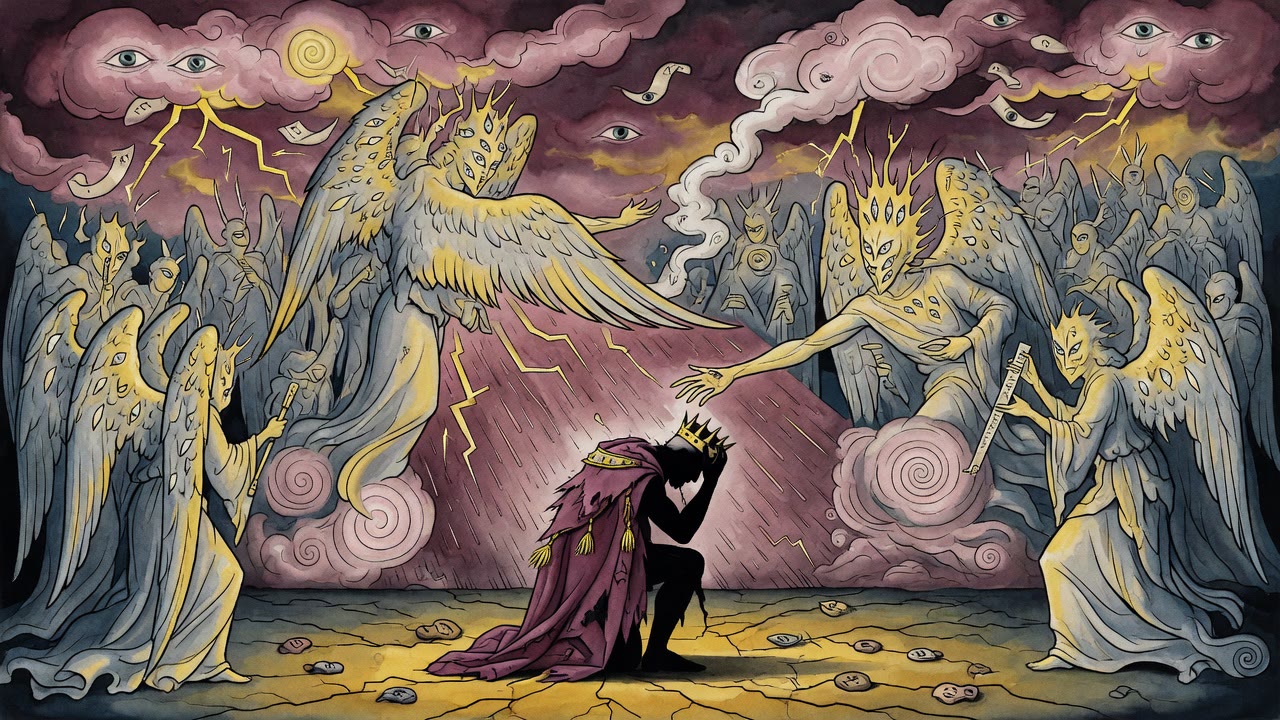
When Saul lost divine favor, the watcher angels shifted roles. Their change from observers to enforcers was the first sign that his protection was gone.
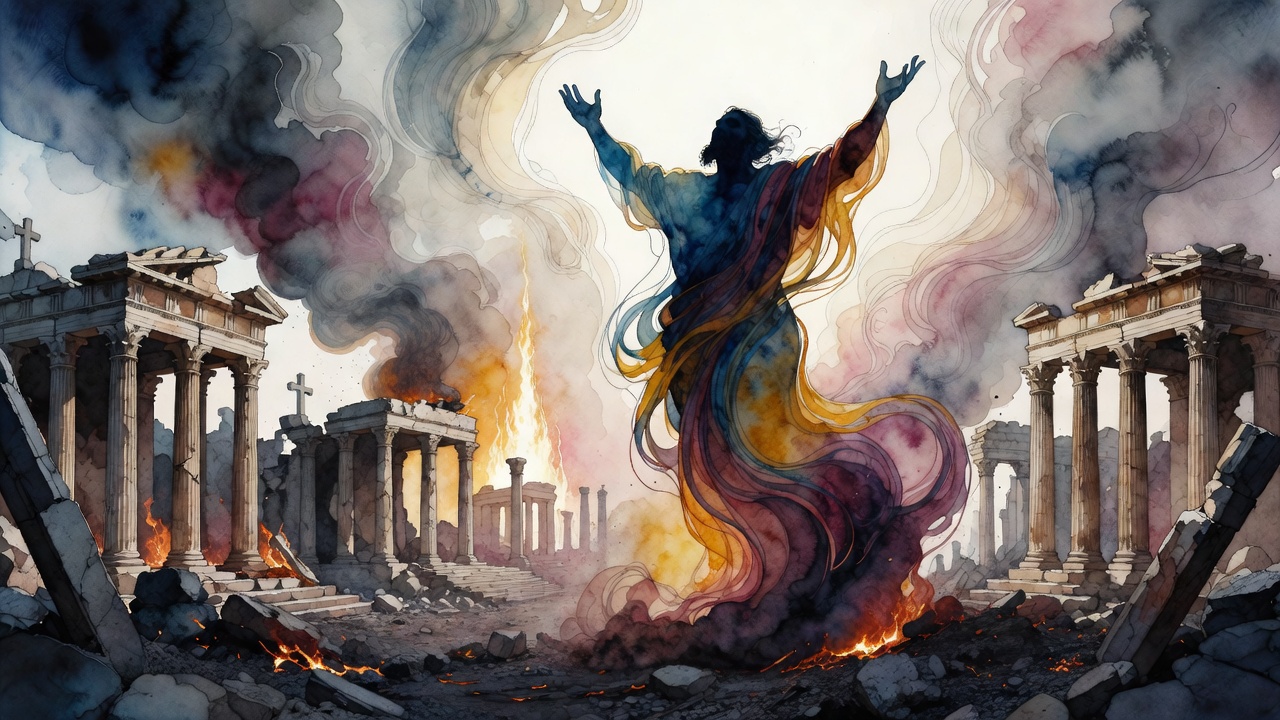
When the Temples burned, Samael celebrated. The Tikkunei Zohar says he did not cause the destruction but moved into the space that human failure opened.
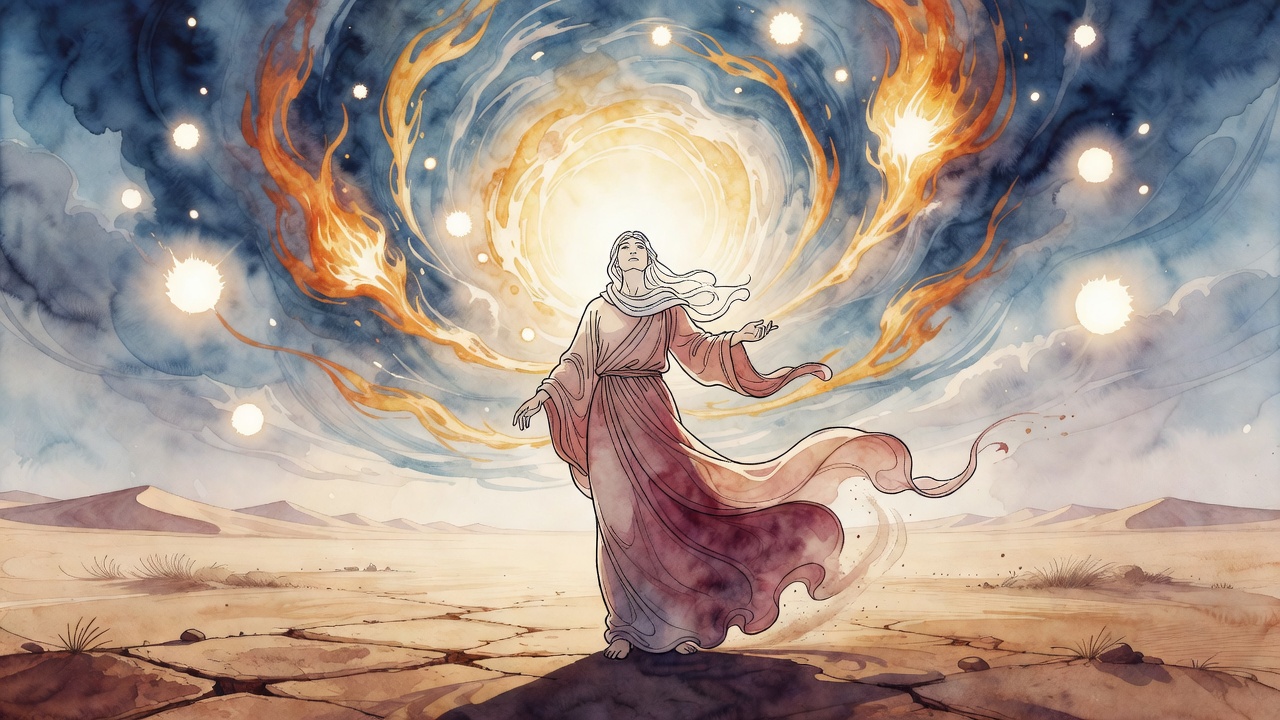
Pharaoh handed his own daughter over to Sarah as a slave. He would rather see her carrying water in a tent than crowned in another man's harem.
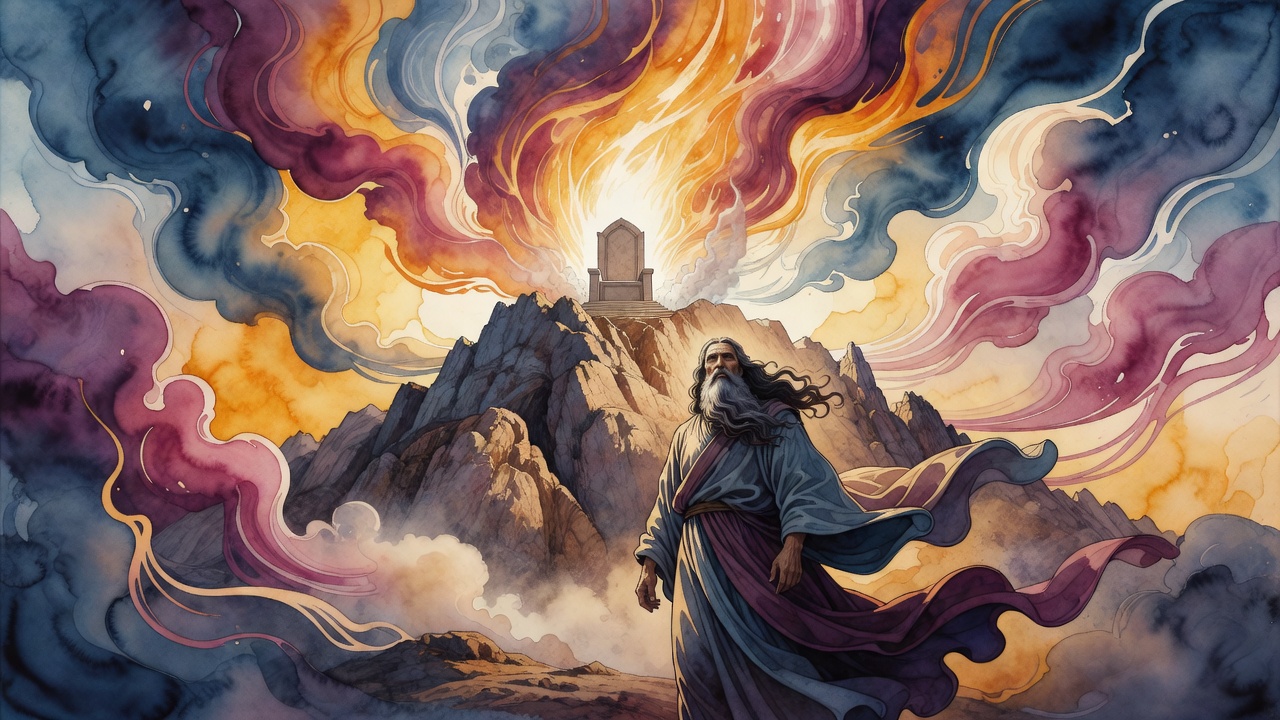
Noah came off the ark and built an altar on the ridge. Shem later called the place Shalem. Abraham, knife still in hand, gave it another name.
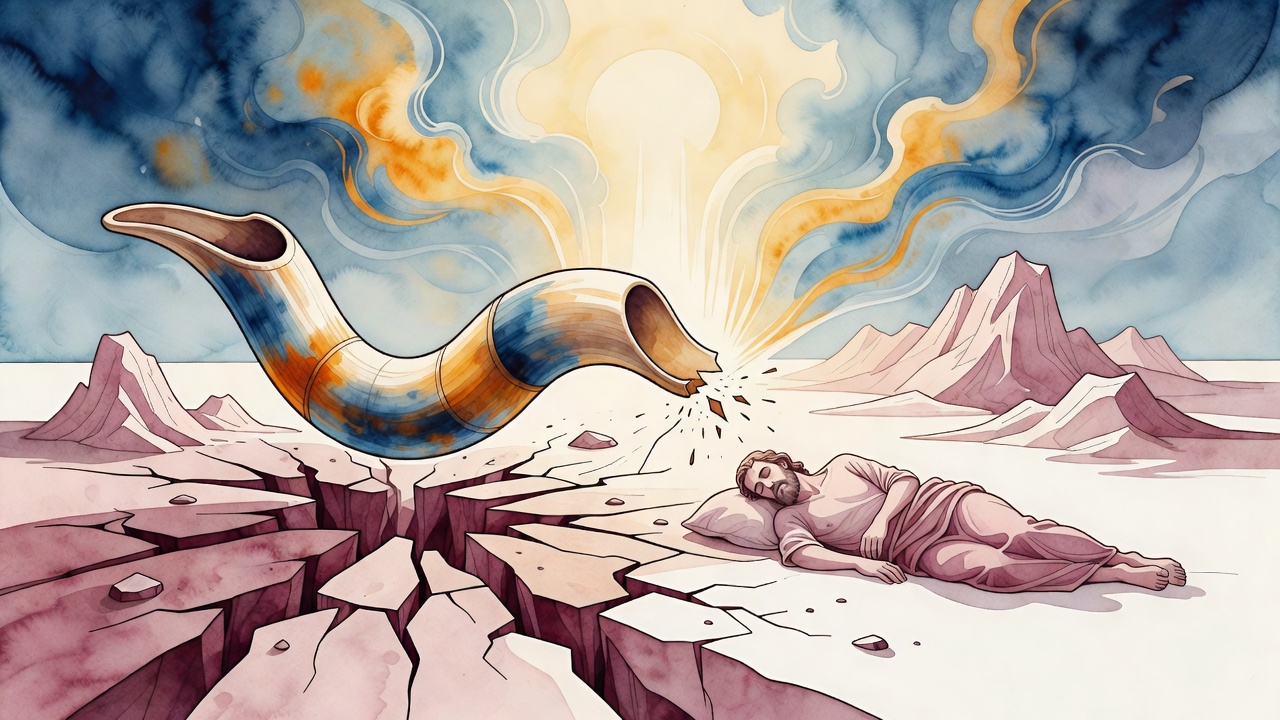
Three shofar (a ram's horn) blasts will shatter and remake the earth at the end of days. The broken teruah blast is aimed at Abraham, asleep in the world to.
