1,018 myths · Page 14 of 34
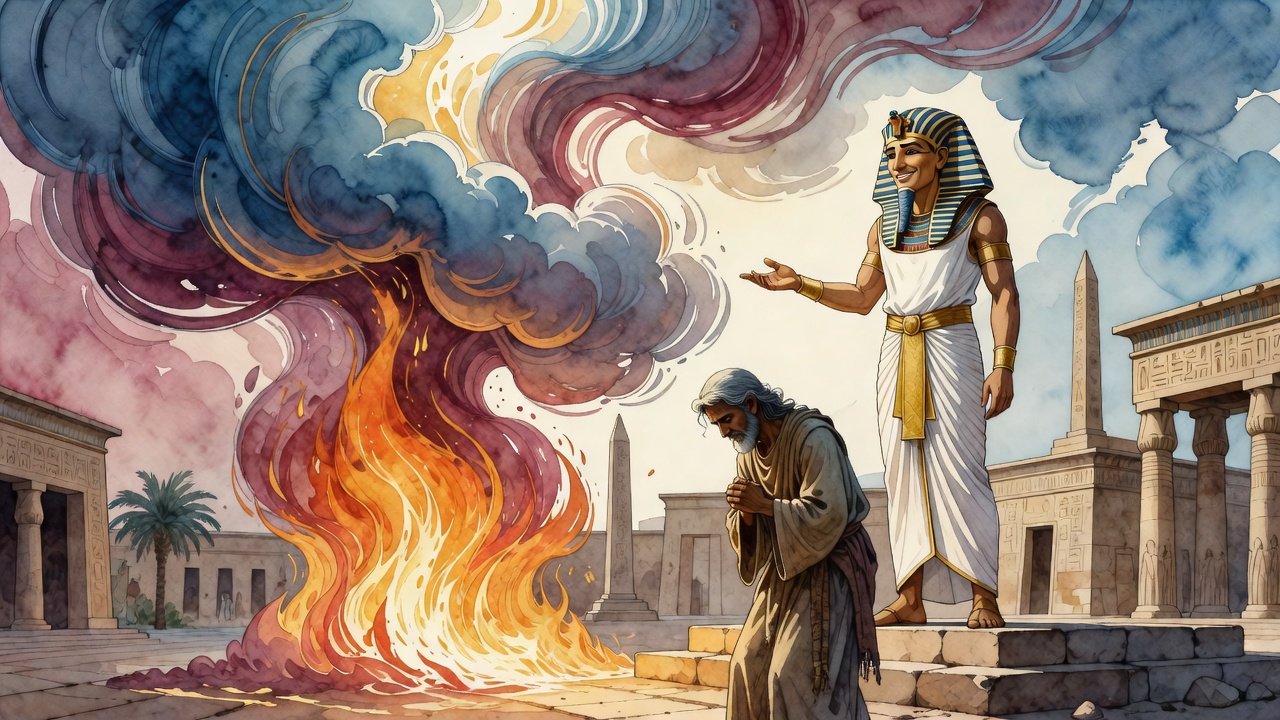
Pharaoh mocks the messenger God sent him. Shemot Rabbah says that insult forced God to enter Egypt personally rather than let His emissary be disgraced.
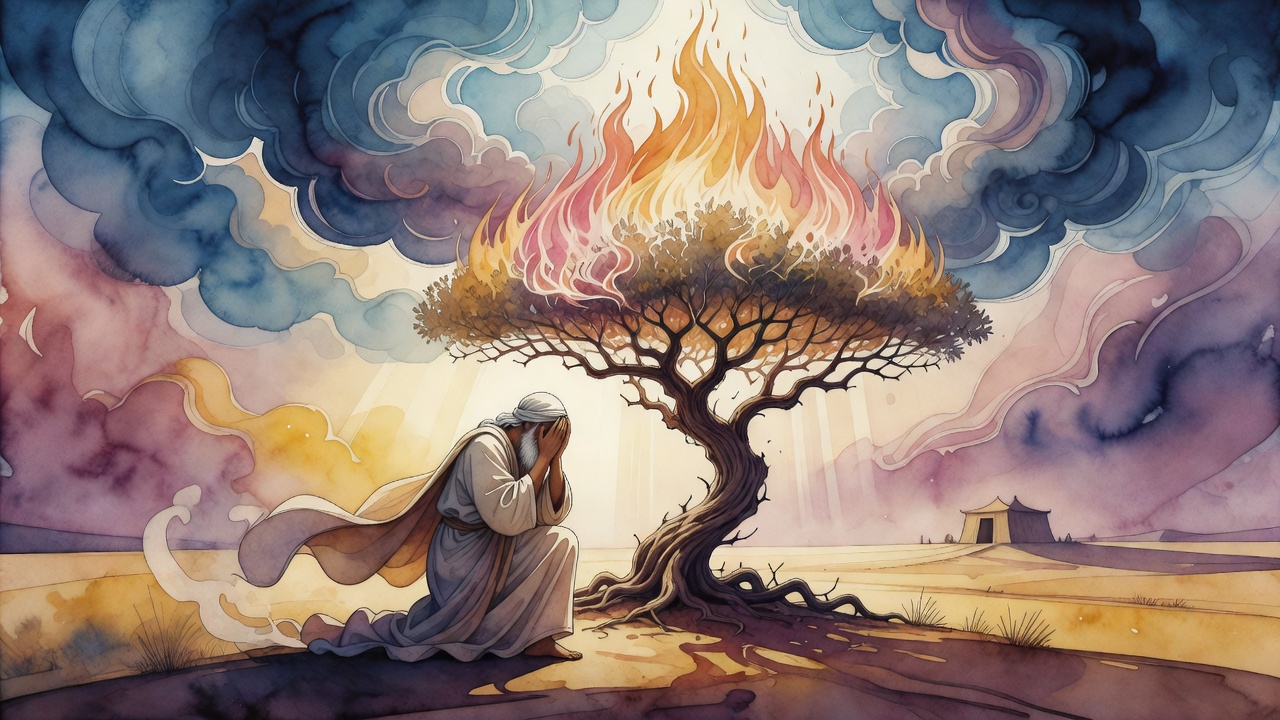
The flame used his father's voice. Moses came closer. Decades later the Tabernacle still would not rise for the craftsmen.
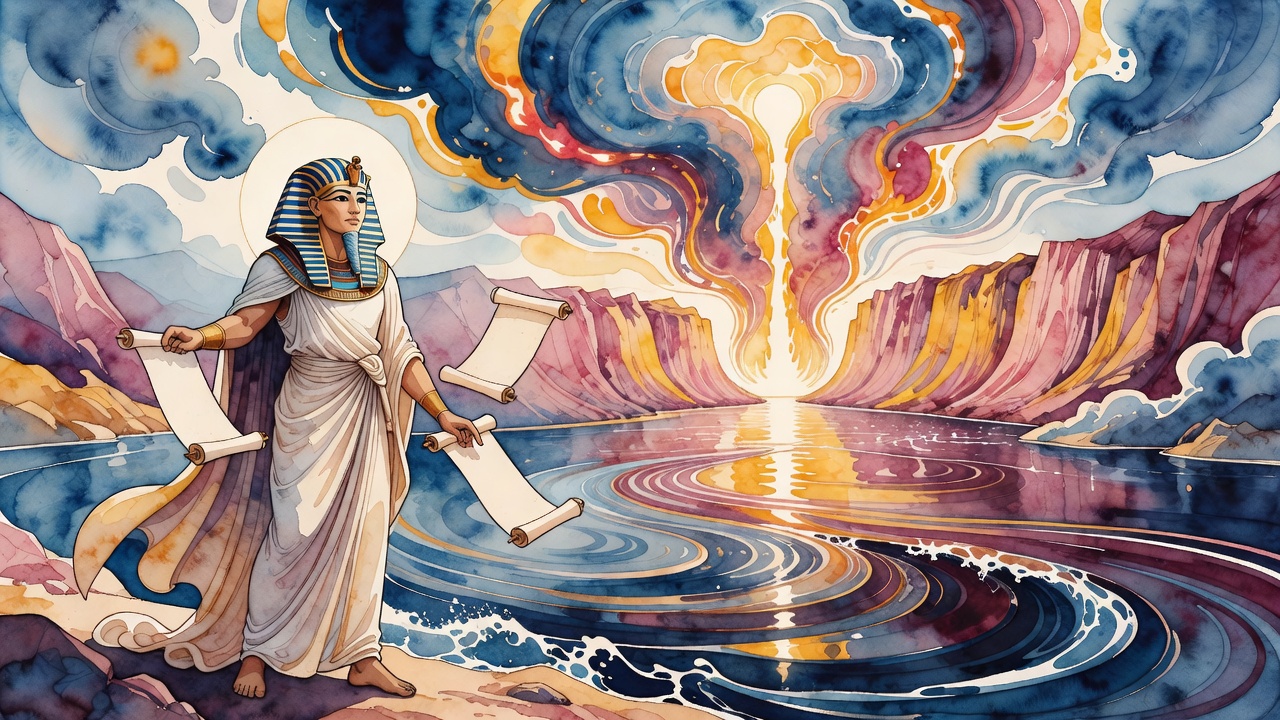
Pharaoh would not use the sword. God had already claimed that weapon. He sent the Hebrew boys into the Nile, sure the oath after Noah would keep heaven quiet.
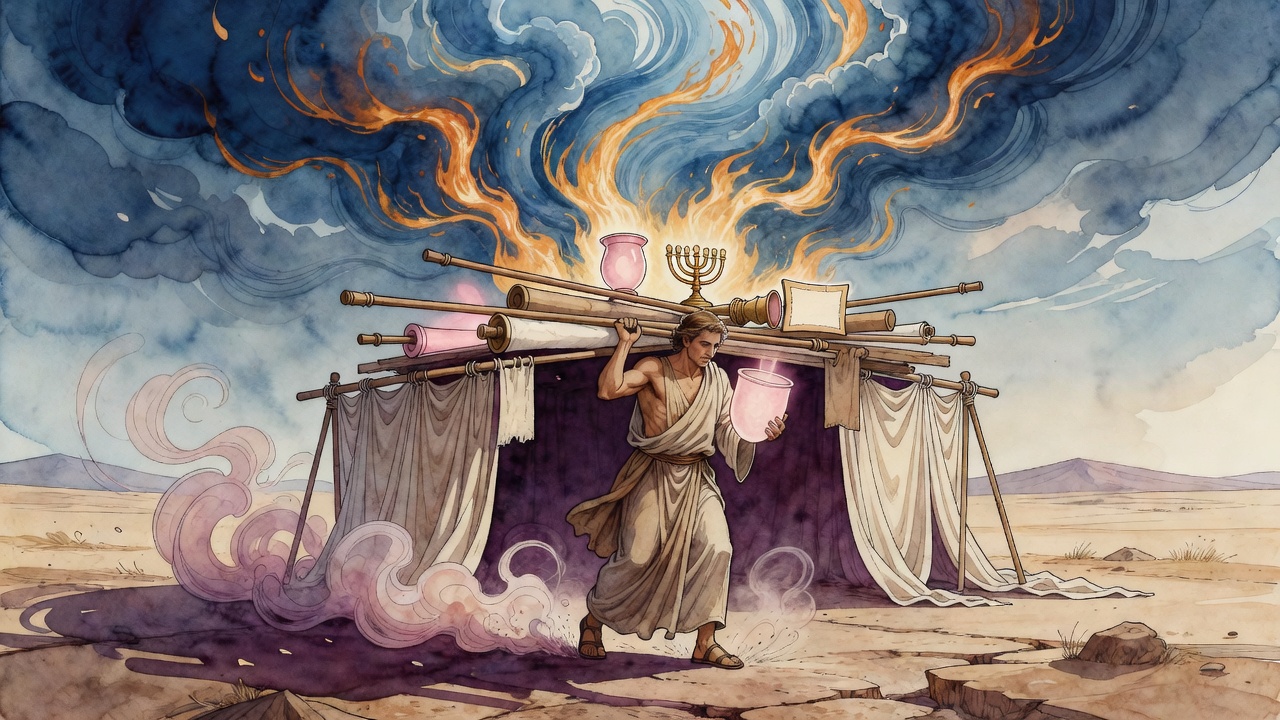
He had never been taught to read a line of it, so he waited in the synagogue for the one sentence he was allowed to say, and then he roared it.
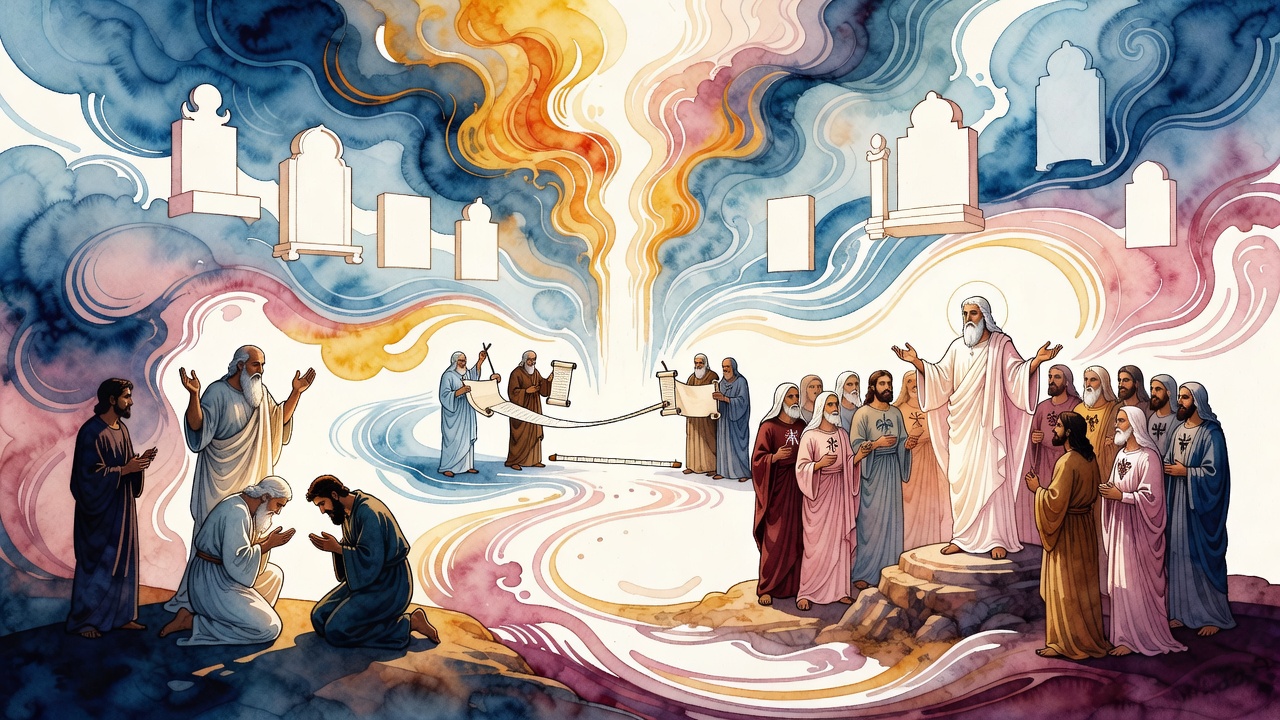
Noah blessed two of his sons and cursed a third. Moses blessed all twelve tribes. The rabbis measure the distance between the two blessings and find a world.
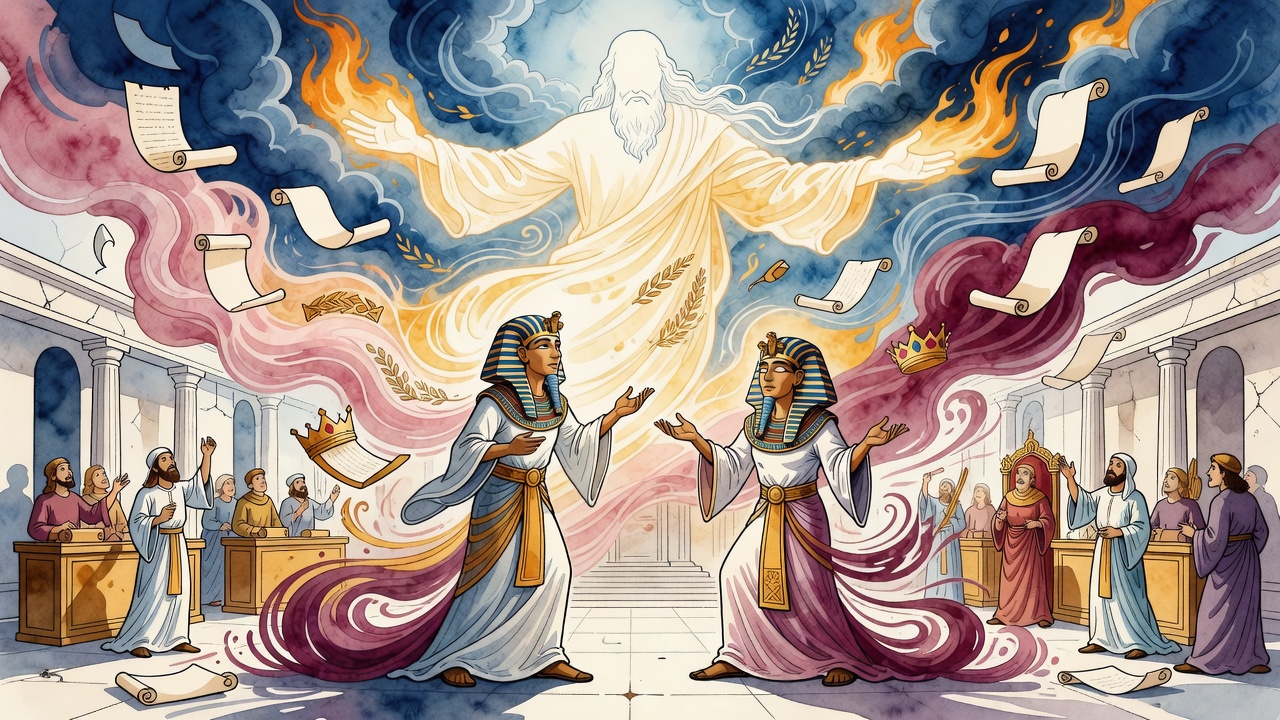
The magicians guessed at seven fat cows until Pharaoh ordered them killed. Hangmen waited. Then a Hebrew cry knocked him off the throne.
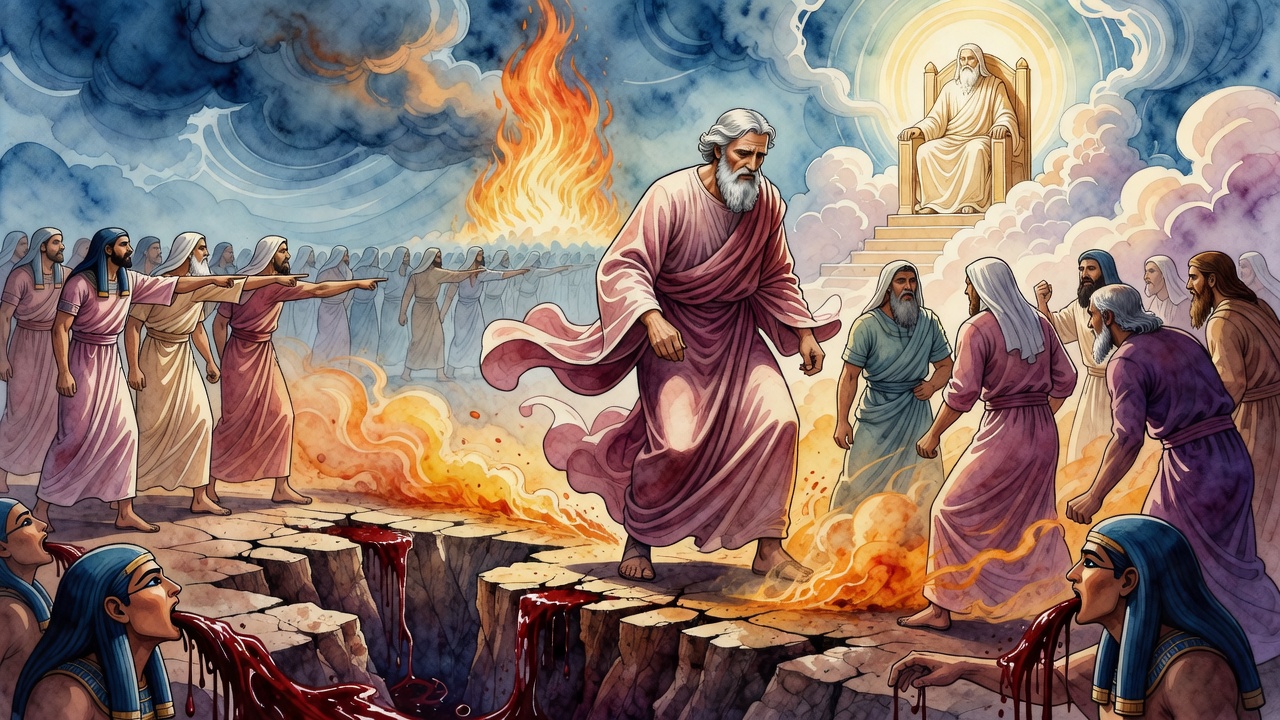
Moses summoned Dathan and Abiram to be heard. Their answer came back: we will not come up. The ground opened and swallowed them and their households.
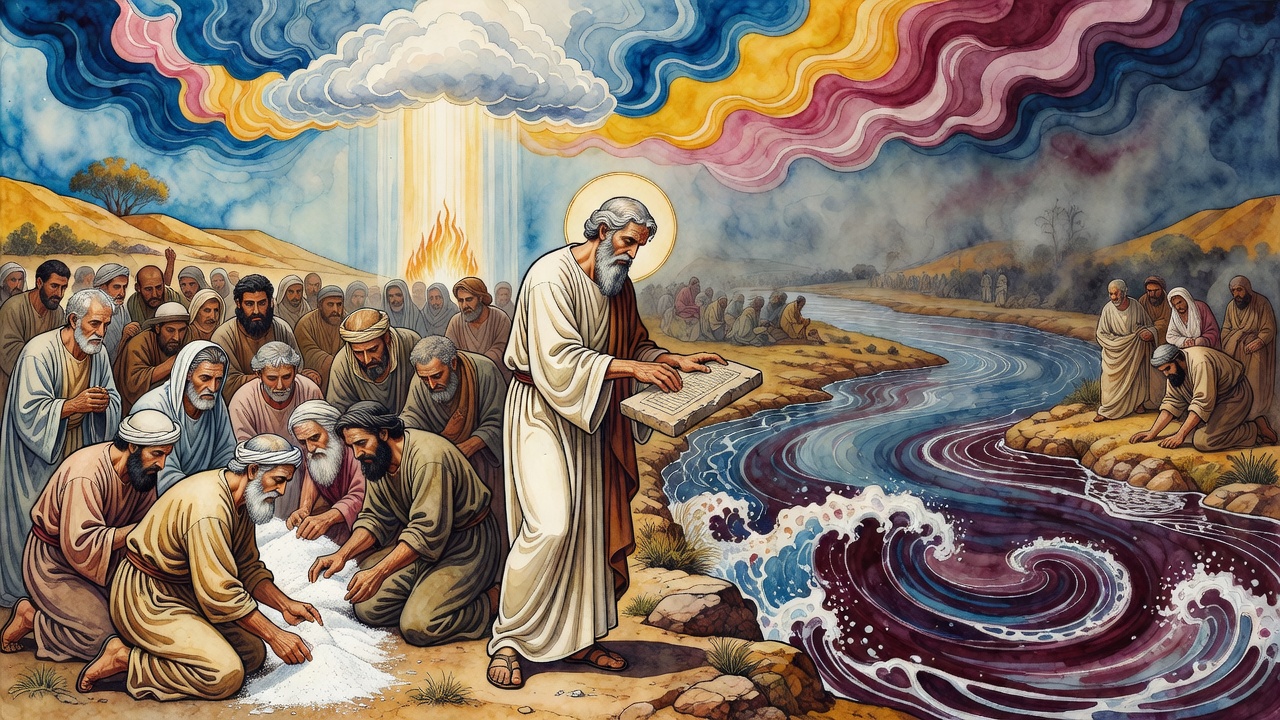
A man was caught gathering wood on the Sabbath. They held him in custody because Moses, who had received the law at Sinai, did not know the ruling.
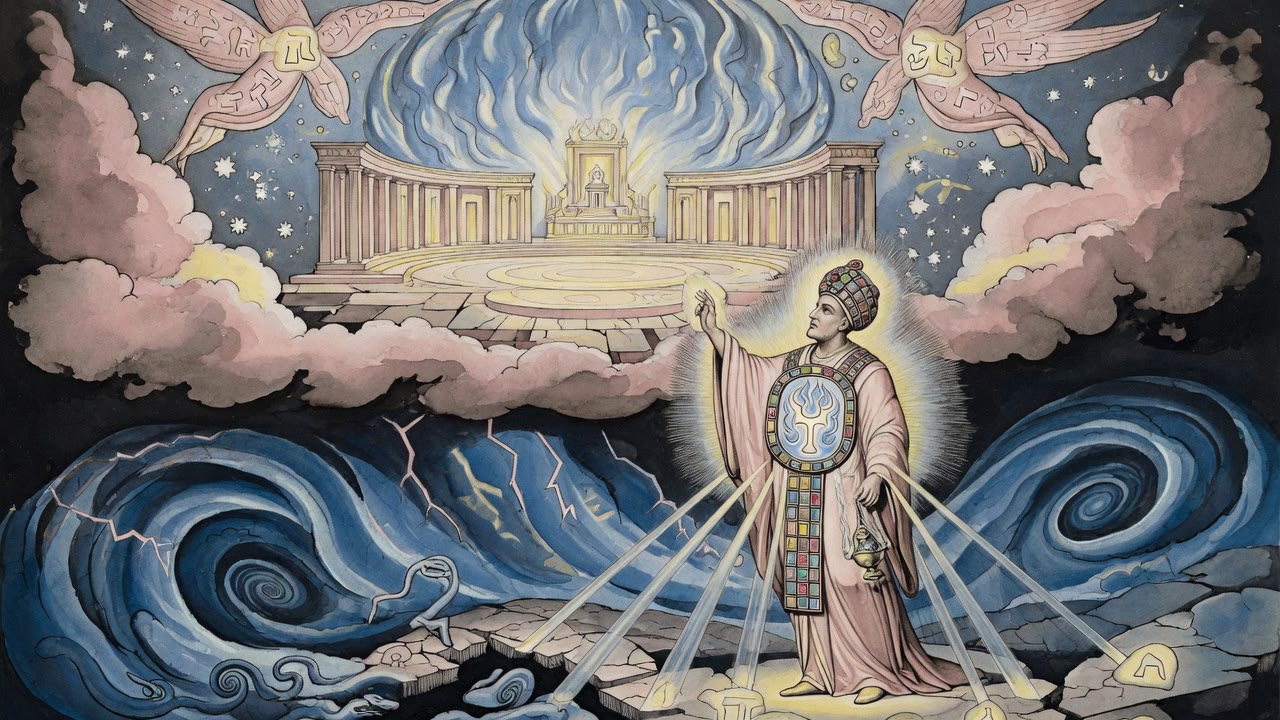
Joseph rises in Egypt and needs his father's arrival to silence whispers. Moses kills with the Name, Amalek attacks, and Korah opens the earth.
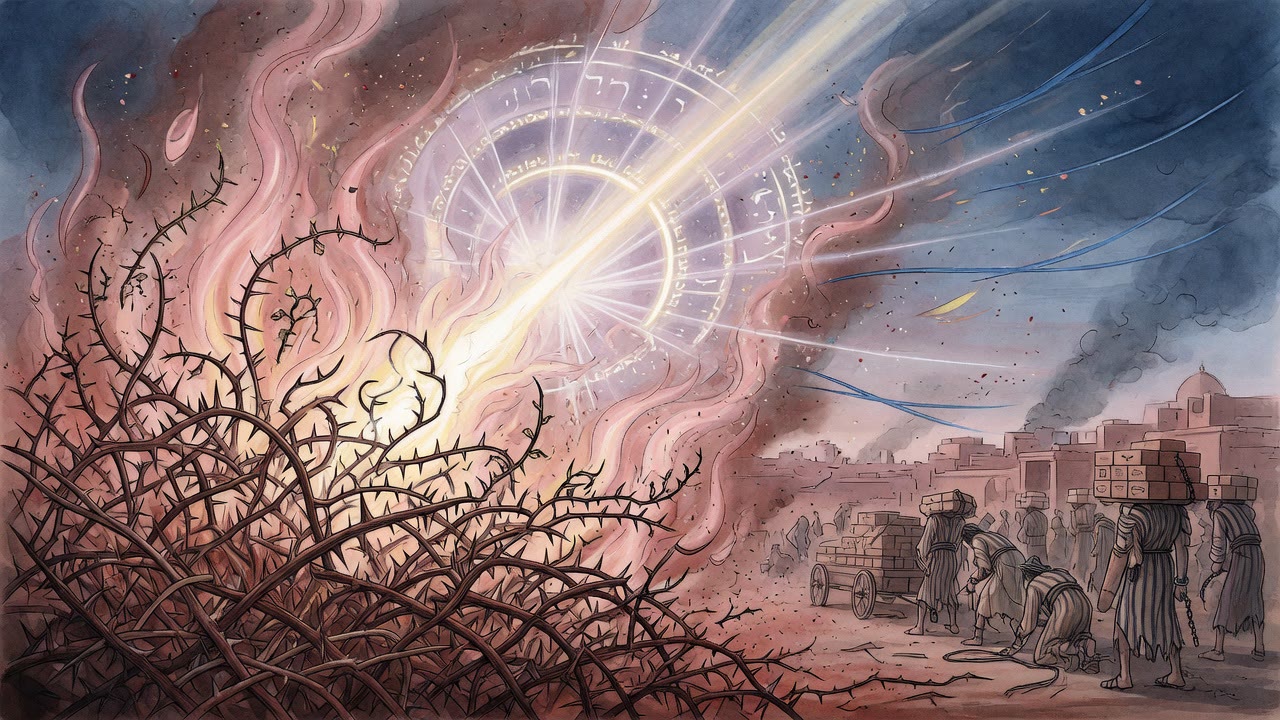
Moses sees fire in a thornbush that does not consume the branches. Shemot Rabbah hears God choosing to stand inside Israel's suffering before speaking.
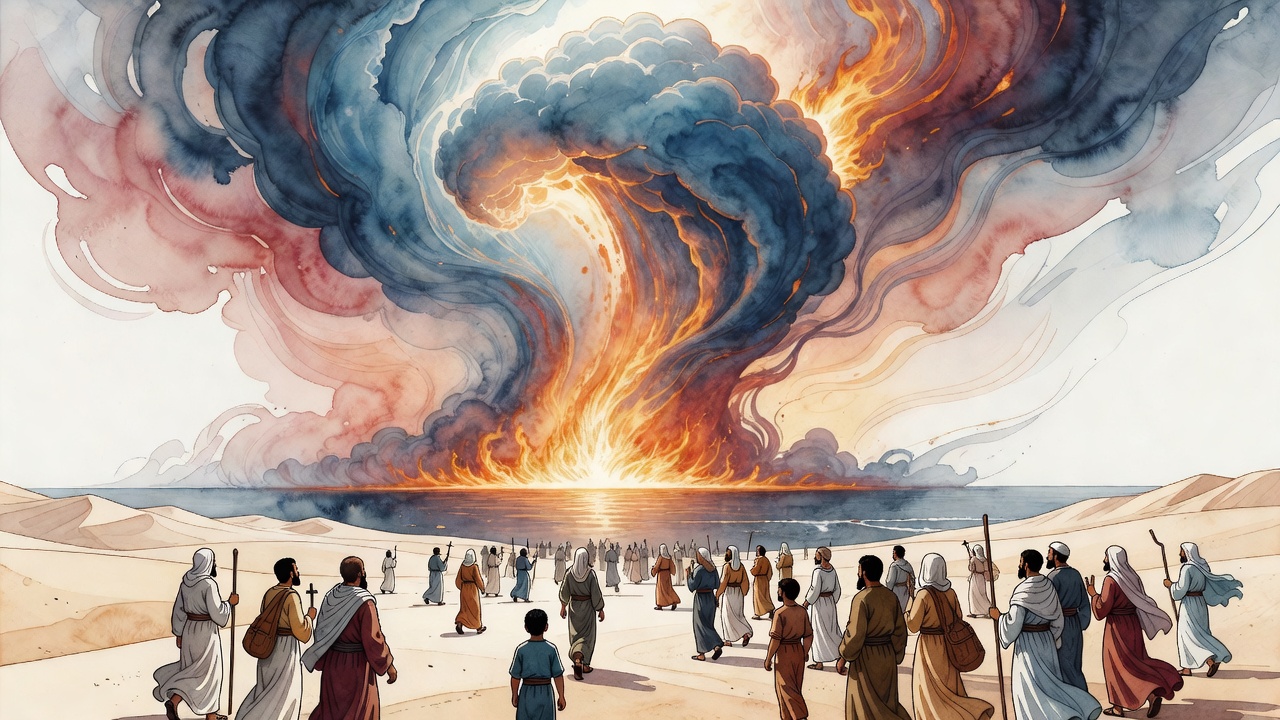
Moses told the people to stand firm and watch. God was telling Moses something else: stop crying out to Me and get them moving toward the water.
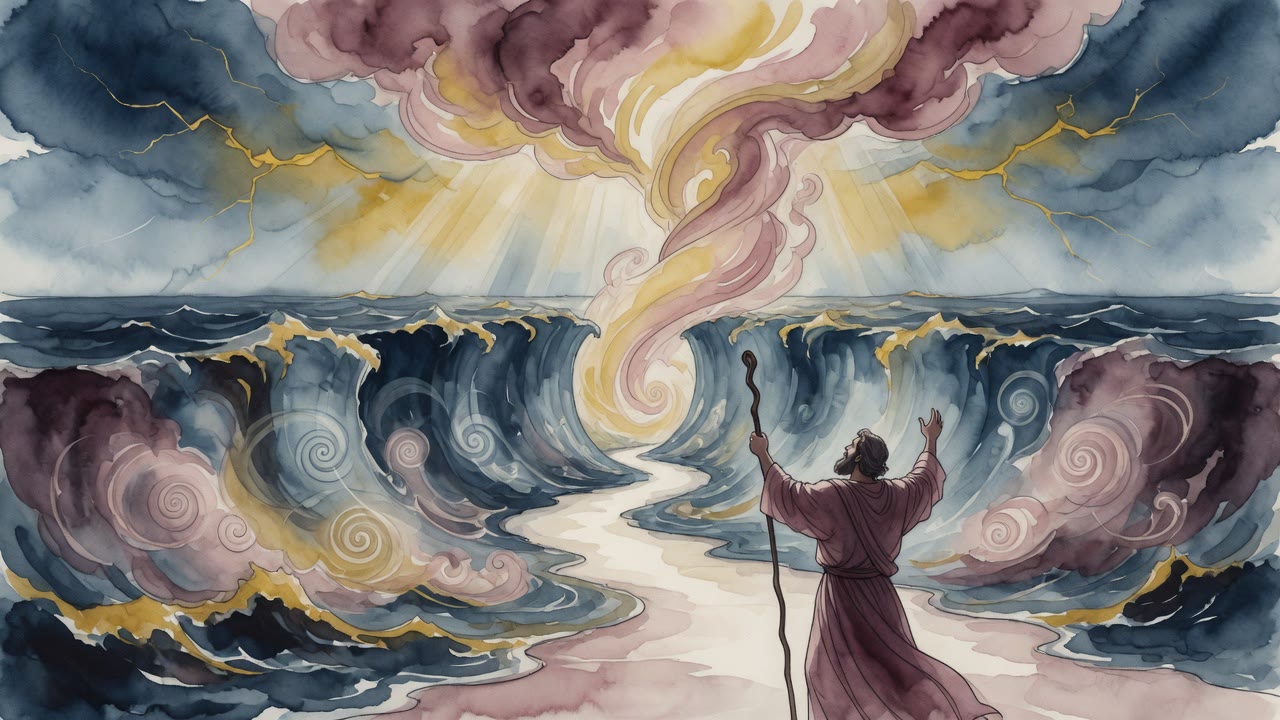
Before Moses lifts his staff at the sea, the sea already knows. God built a condition into creation the day the waters were gathered, and this is the day.
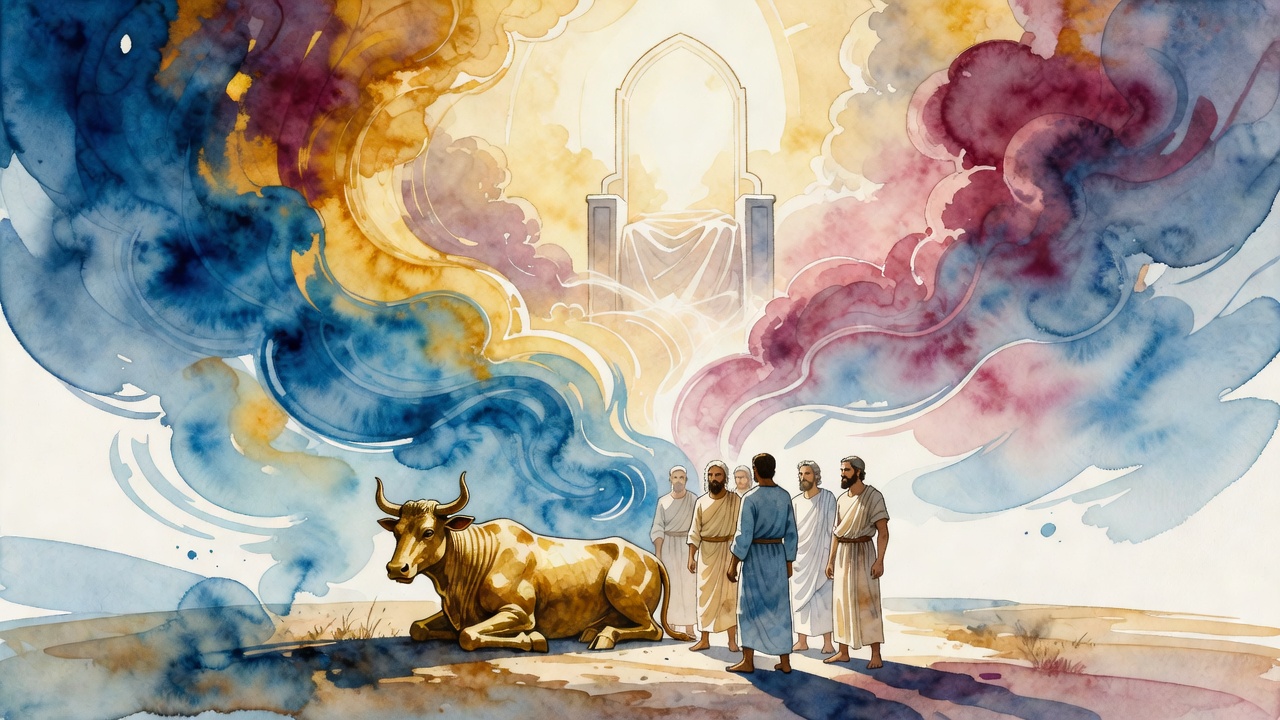
Everyone in the camp would have said they were loyal. Moses asked a narrower question, and only the men who had kept their gold could answer it.
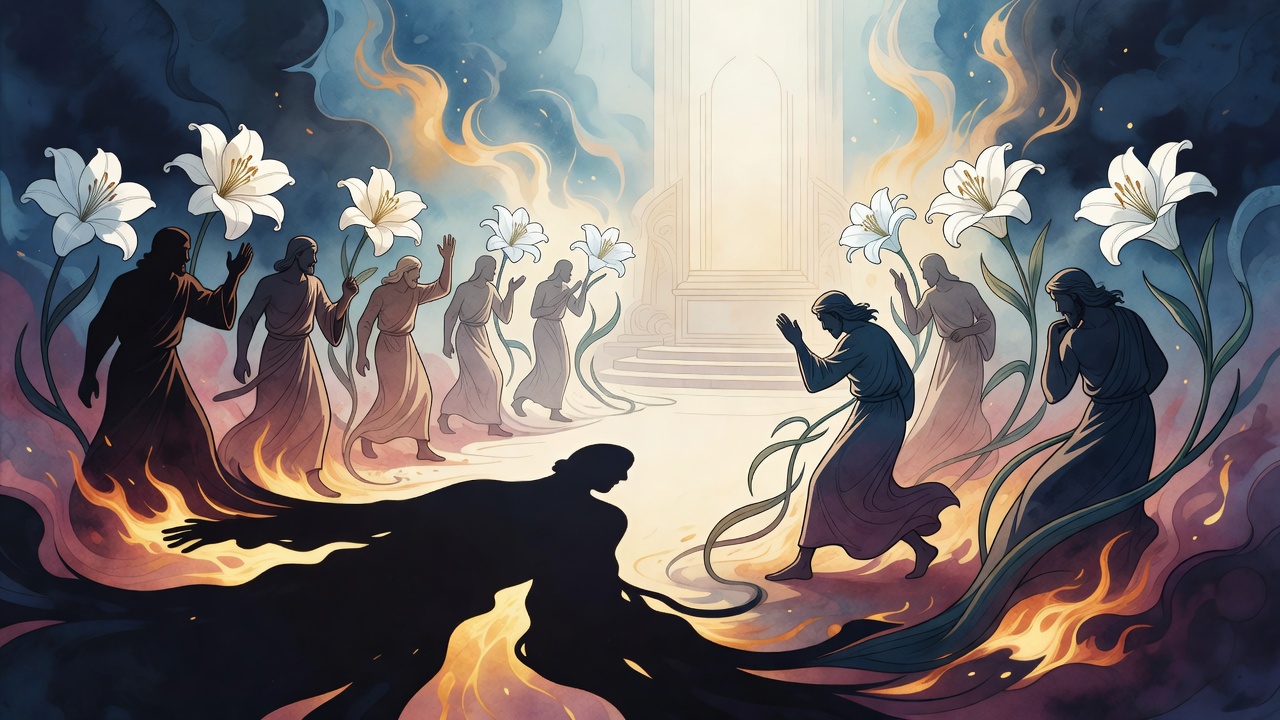
The camp called them thorns, the same as their father. When the fire came they named themselves lilies, and the ground left them a ledge.
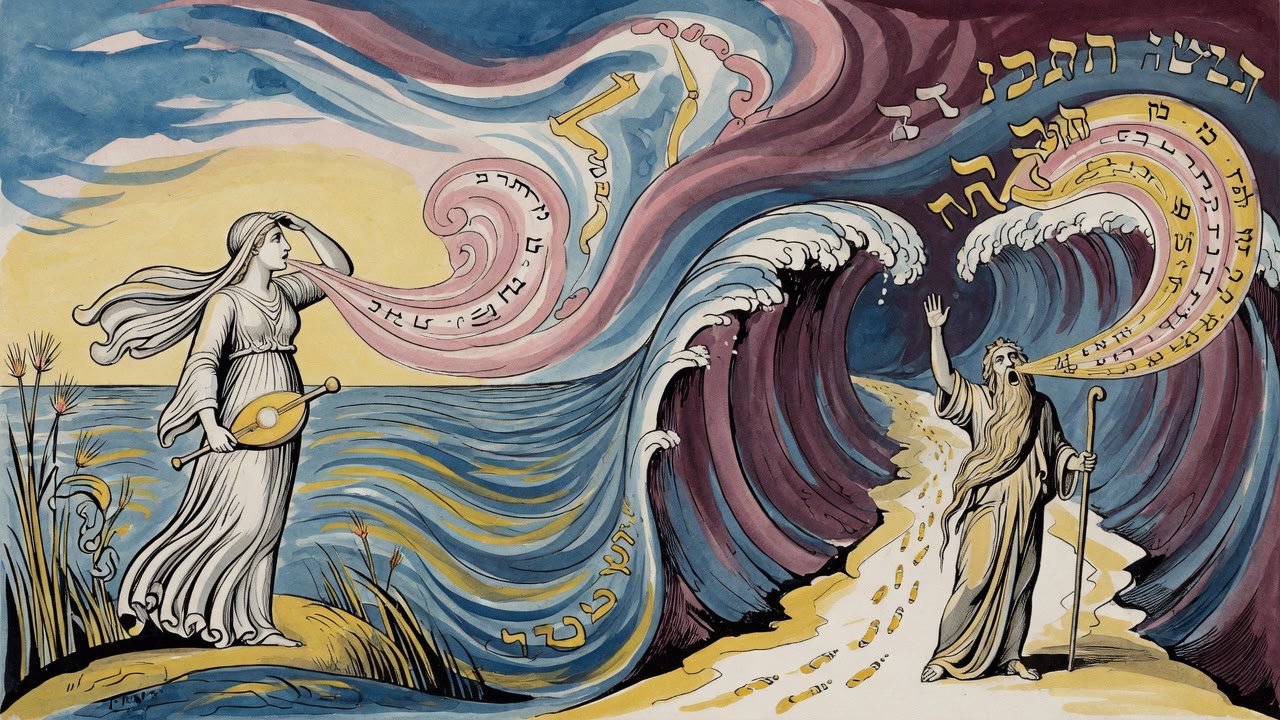
The choir of fire stood ready. On the far bank, escaped slaves were still finding their voices, and God would not let heaven start first.
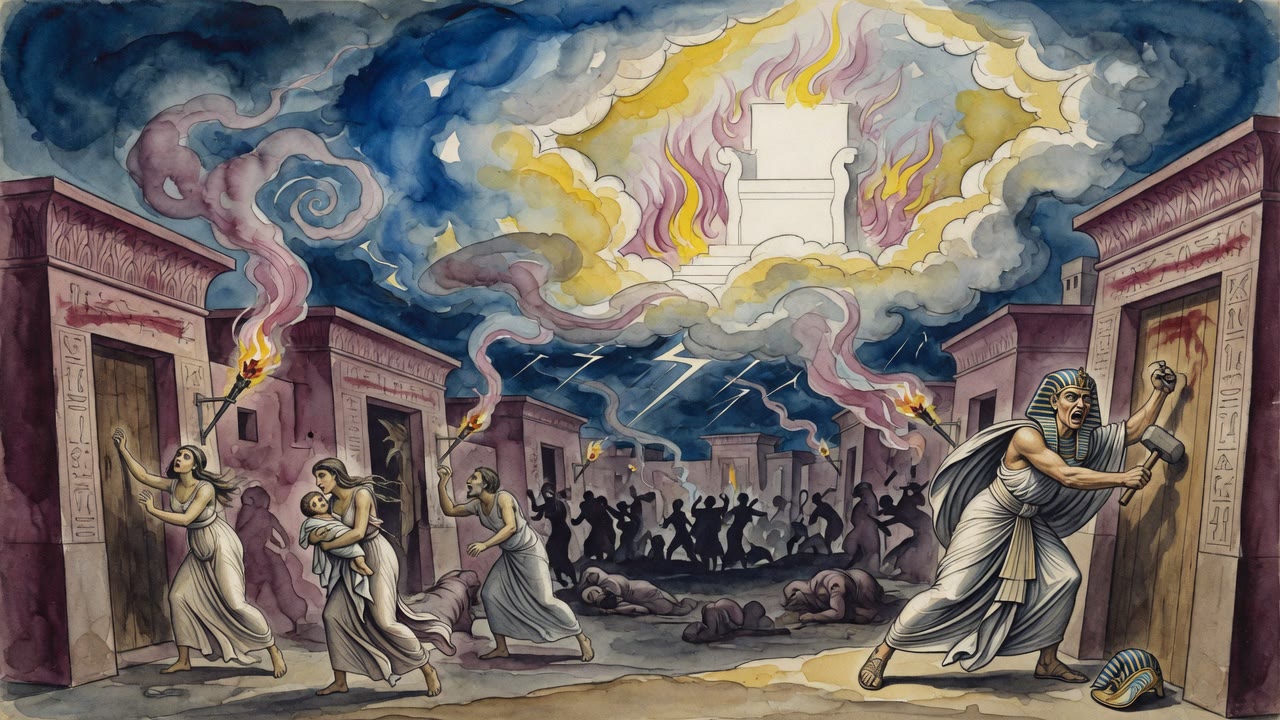
The elders started for the palace with Moses. One by one they slipped off the road. At Sinai they were told to stop at the same mark.
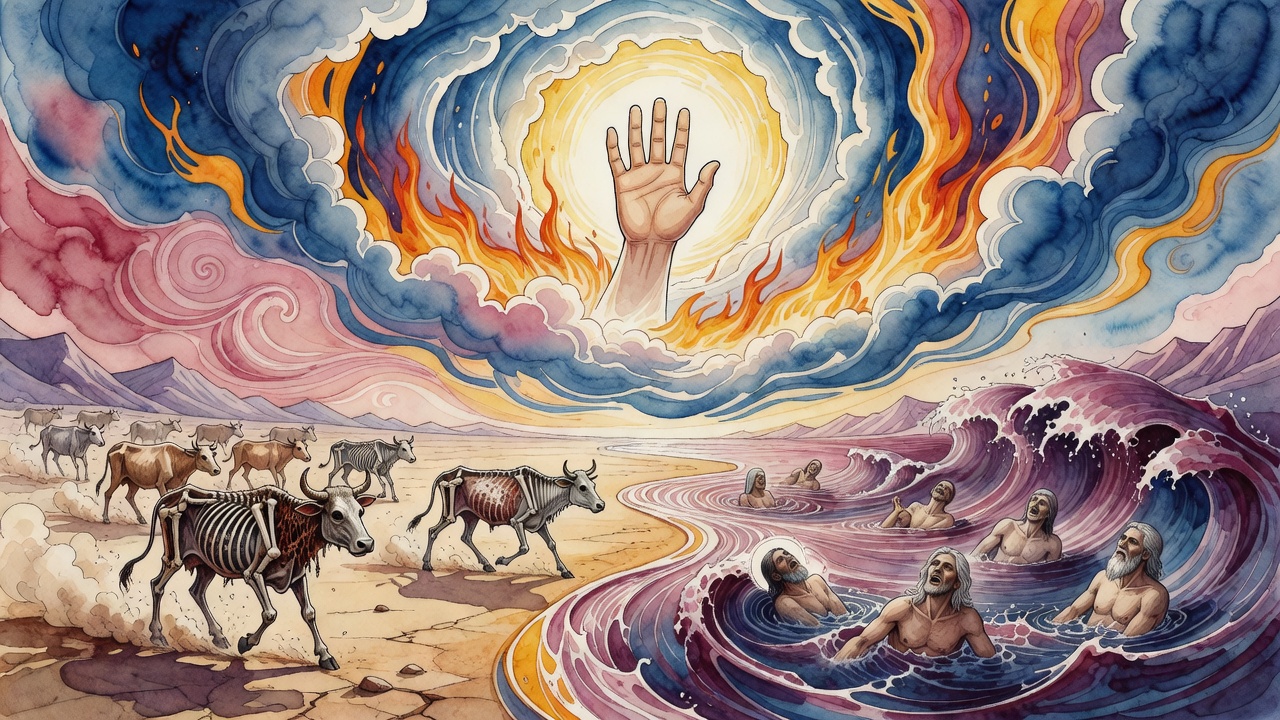
The courtyards stank of fly-killed cattle. Egyptians cut them for the hides. By dawn those carcasses were on their feet, walking north.
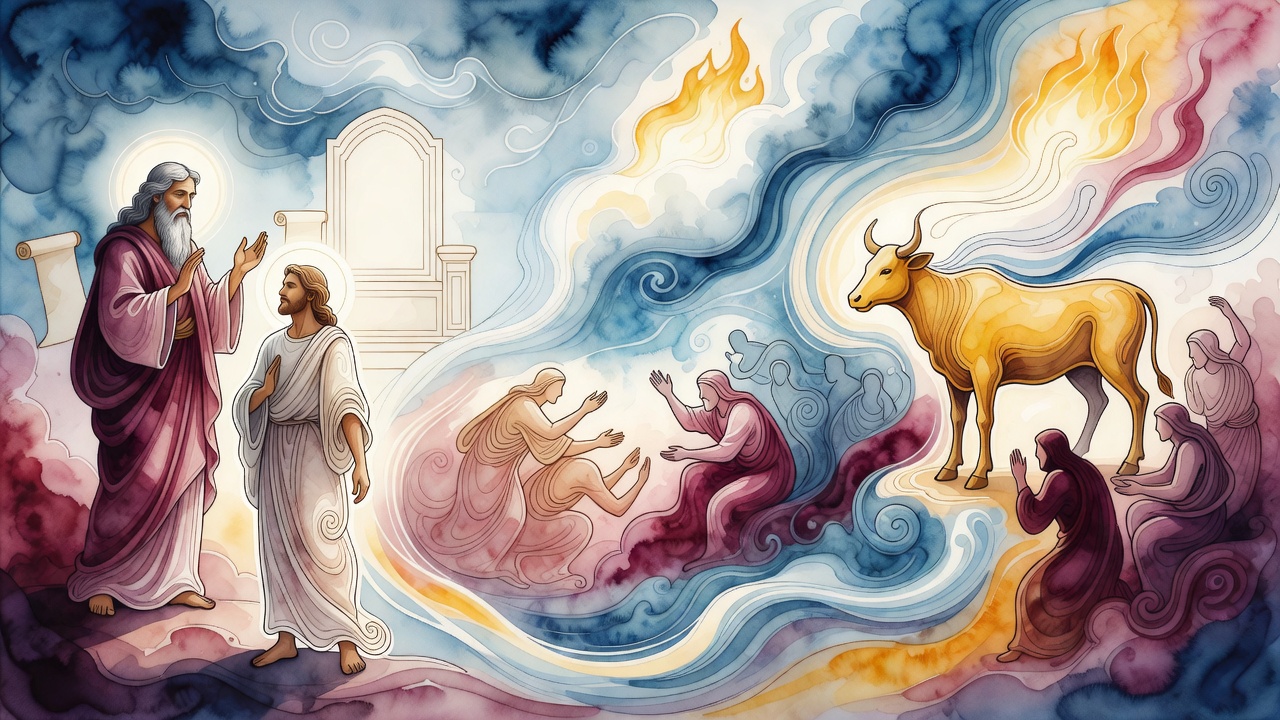
Princesses on the rooftops threw bracelets down to make Joseph look up. He kept his eyes on the road. His family later threw their gold into a fire.
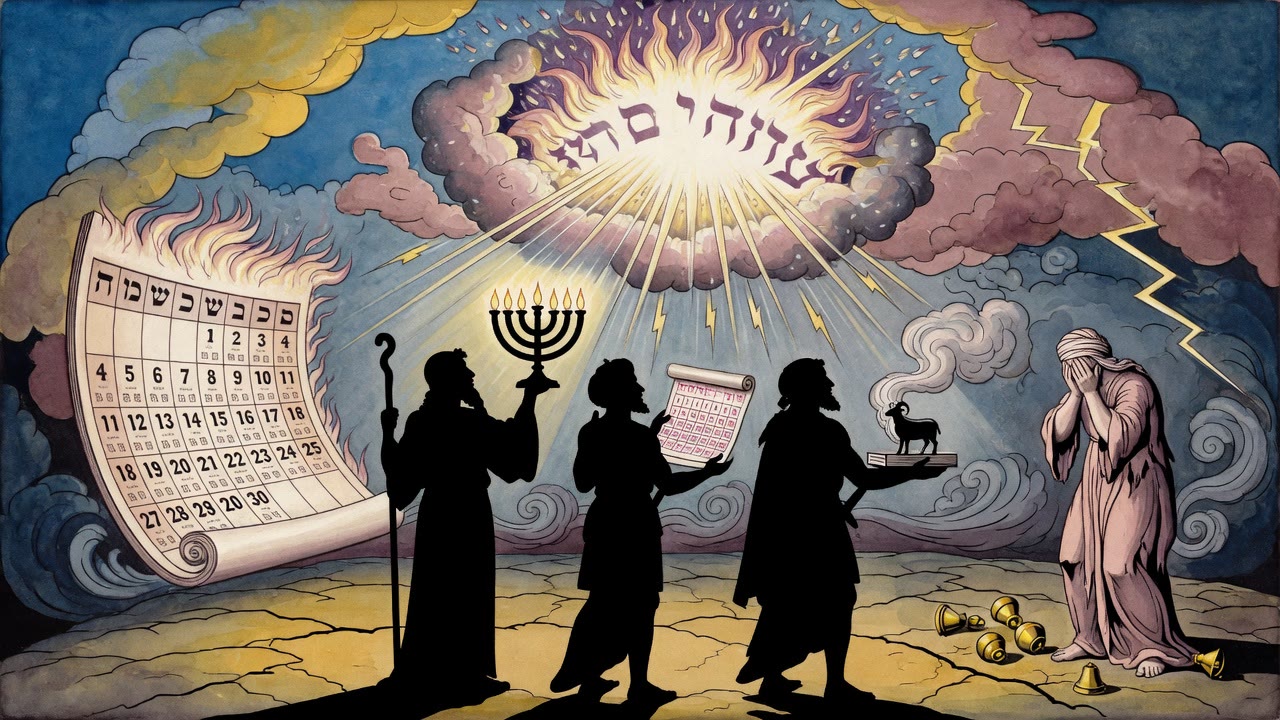
God shook the sea so Moses could see the crocodile, and shook the fire so he could see the salamander. Four things needed a finger pointed at them.
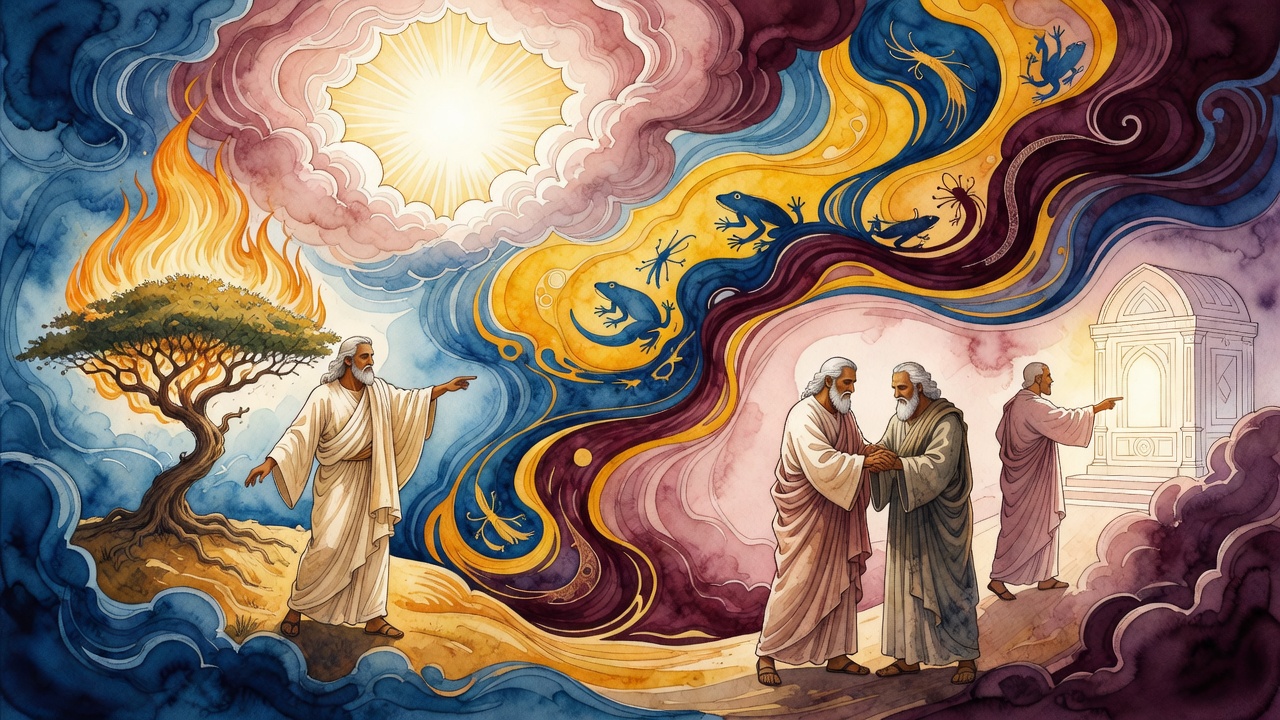
God had already told him the elders would listen. Moses said they would not. The staff hit the sand and became a serpent, and he ran from it.
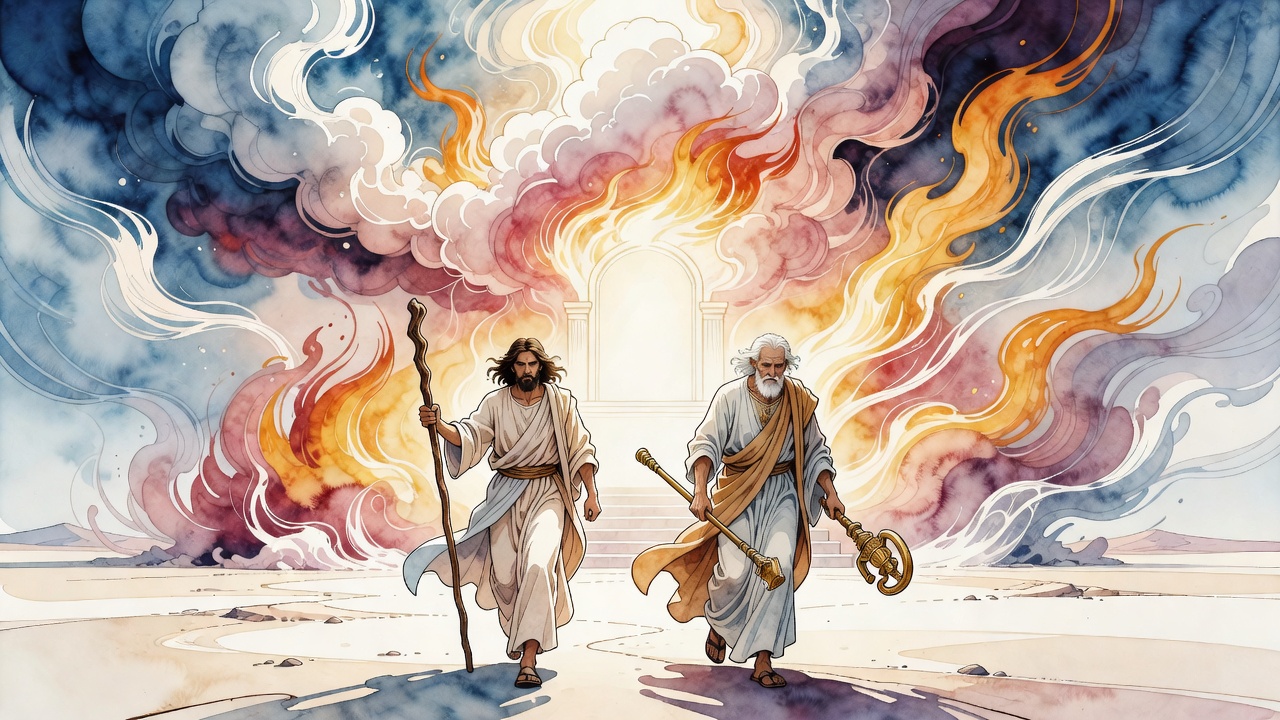
Moses the younger walked in front of Aaron the elder. A shepherd's staff outranked a scepter. God spent the Exodus tearing up every rule of rank.
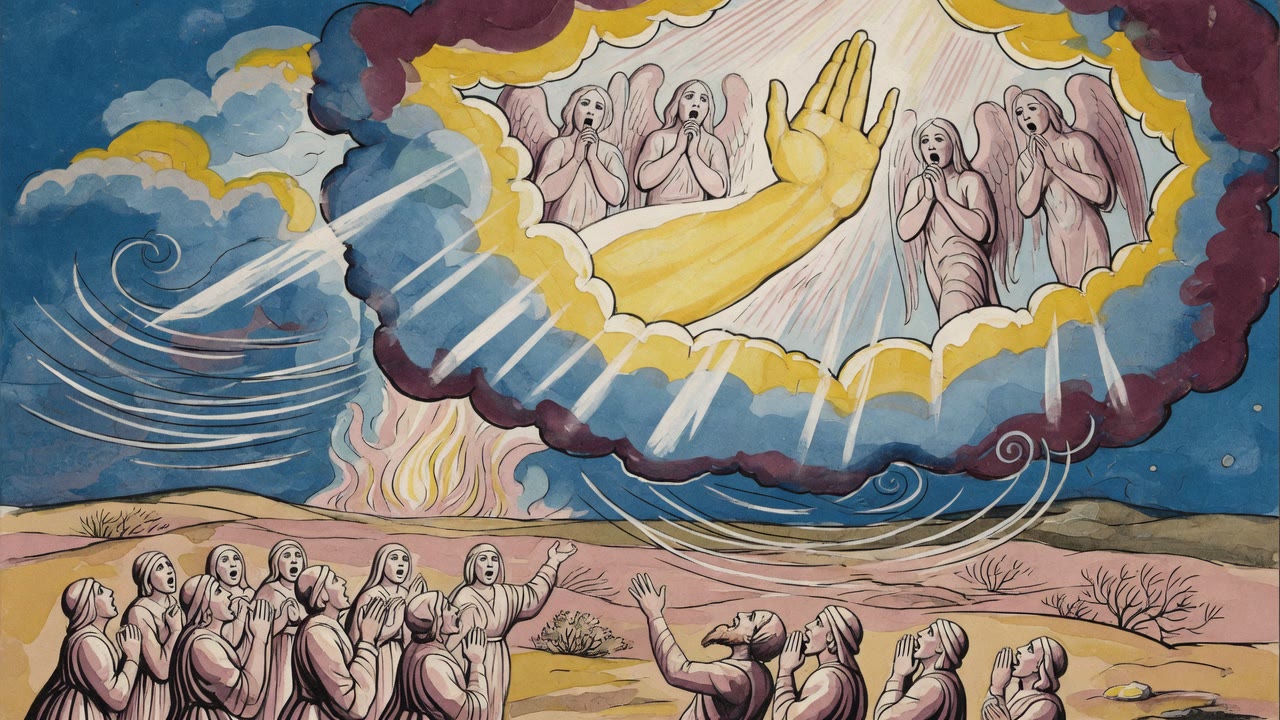
Miriam stood at the Nile waiting to see if her prophecy was true. Moses opened the Song with the same word he had used to accuse God of abandoning Israel.
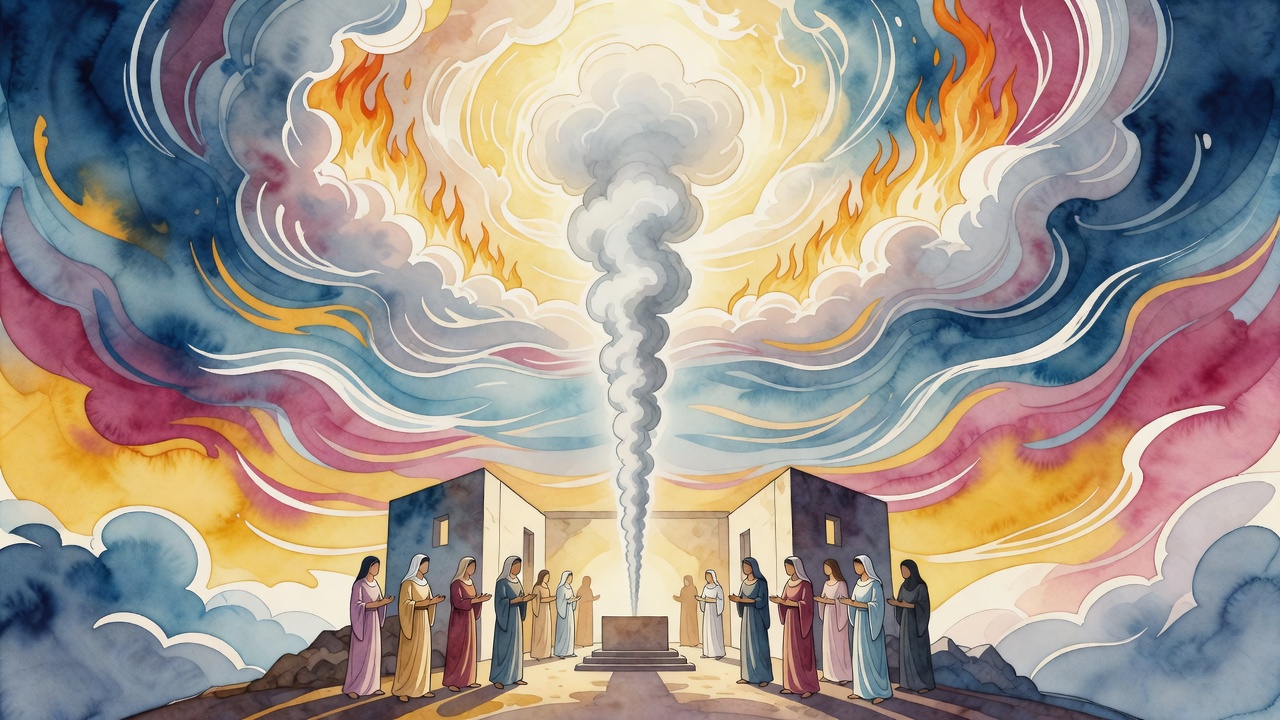
The House of Avtinas knew how to make incense smoke rise as one pillar. They guarded the secret so fiercely that their women never wore perfume.
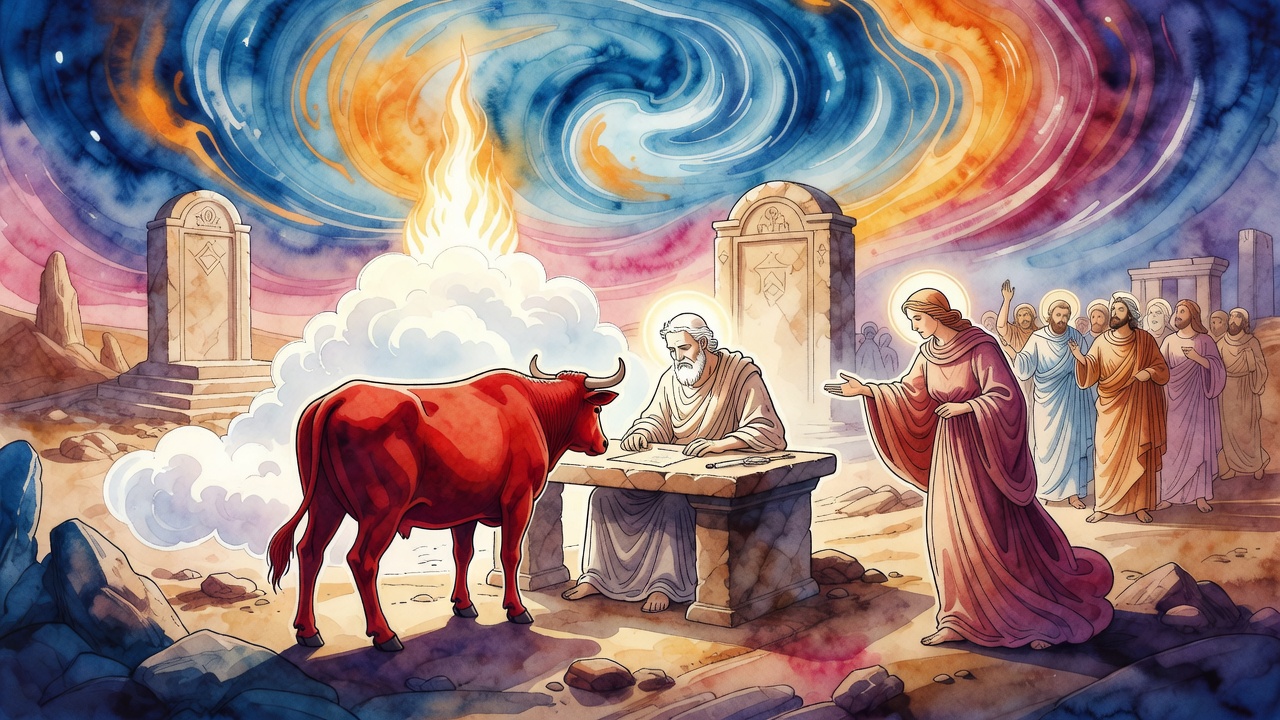
Solomon cracked every riddle and set down his pen before the red heifer. A noblewoman tried matchmaking. Israel refused to believe Aaron could die.
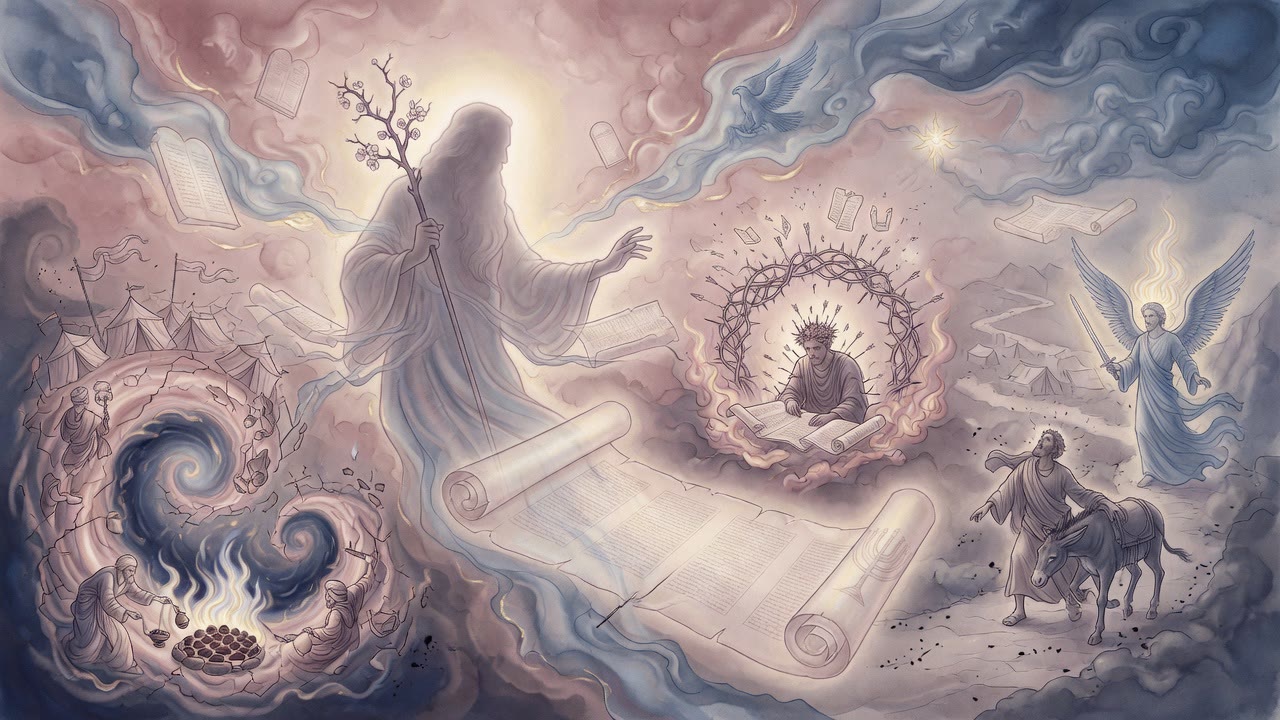
Korach came with empty hands. Moses still wanted Midian with his own eyes, and he would not climb until the air was empty of Bilam.
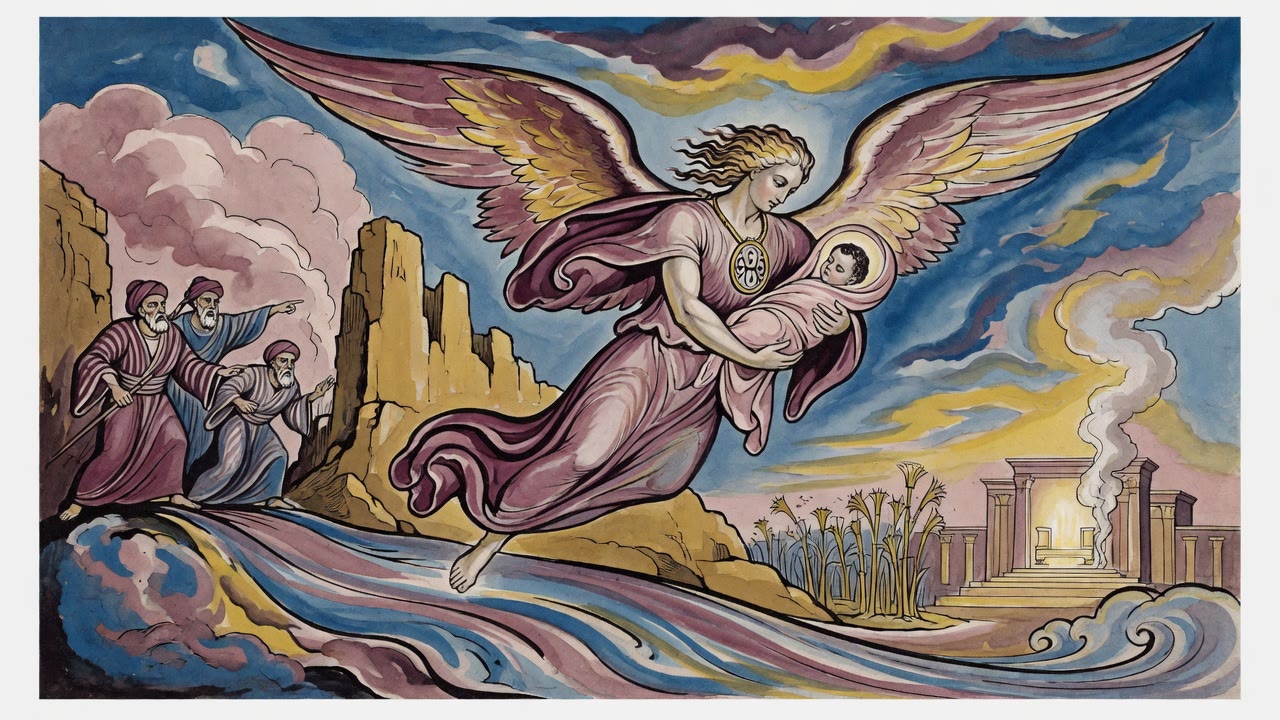
The spies named a valley for its grapes, but Abraham's ally already had that name. The rabbis said God declared the ending before anyone reached the beginning.
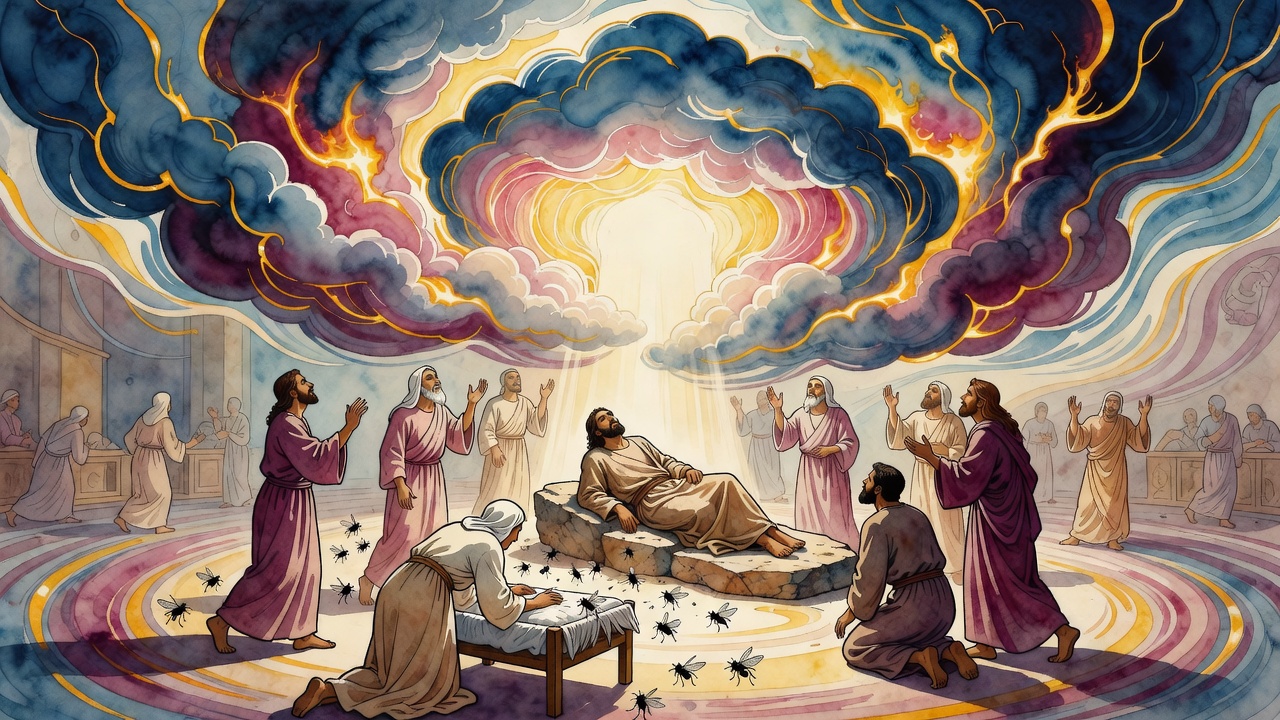
Flies scatter when a nurse bends over a cradle. That is what happened the night Jacob slept on a stone. Heaven arrived, and everything else cleared the room.
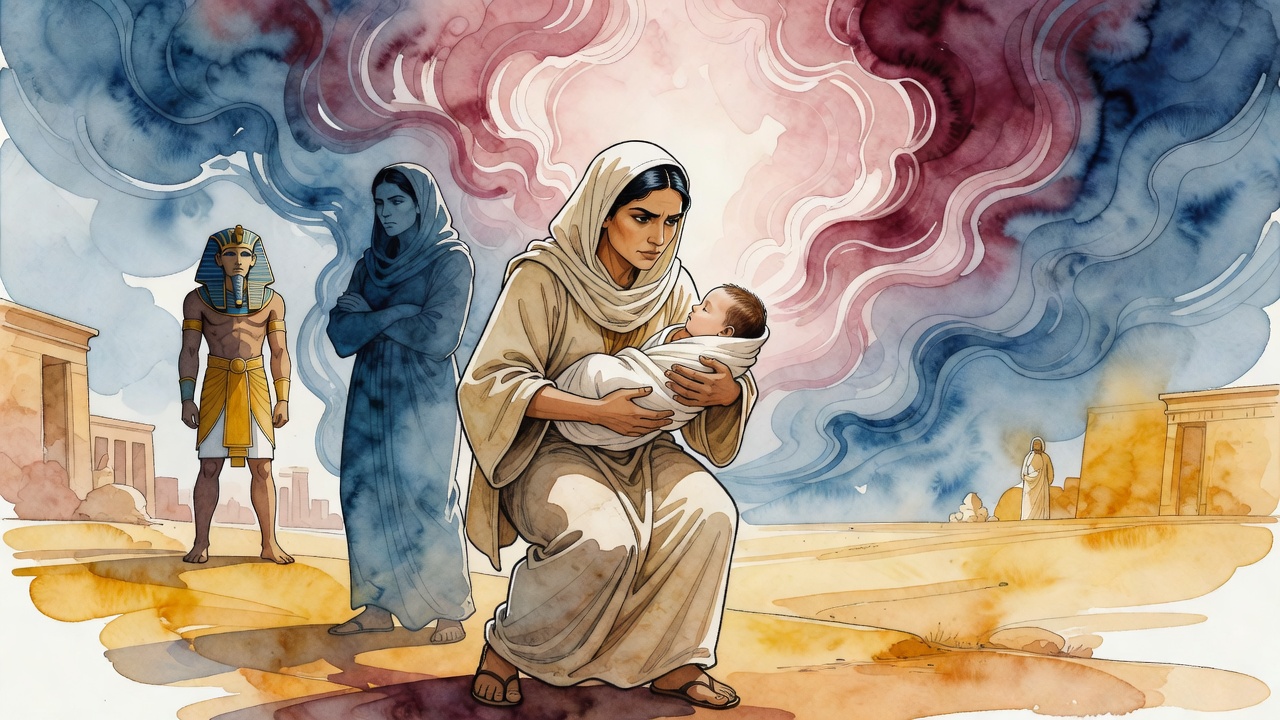
Pharaoh ordered two midwives to drown every Hebrew boy. They refused, lied to his face, and one of them later cradled the child his family renamed ten times.
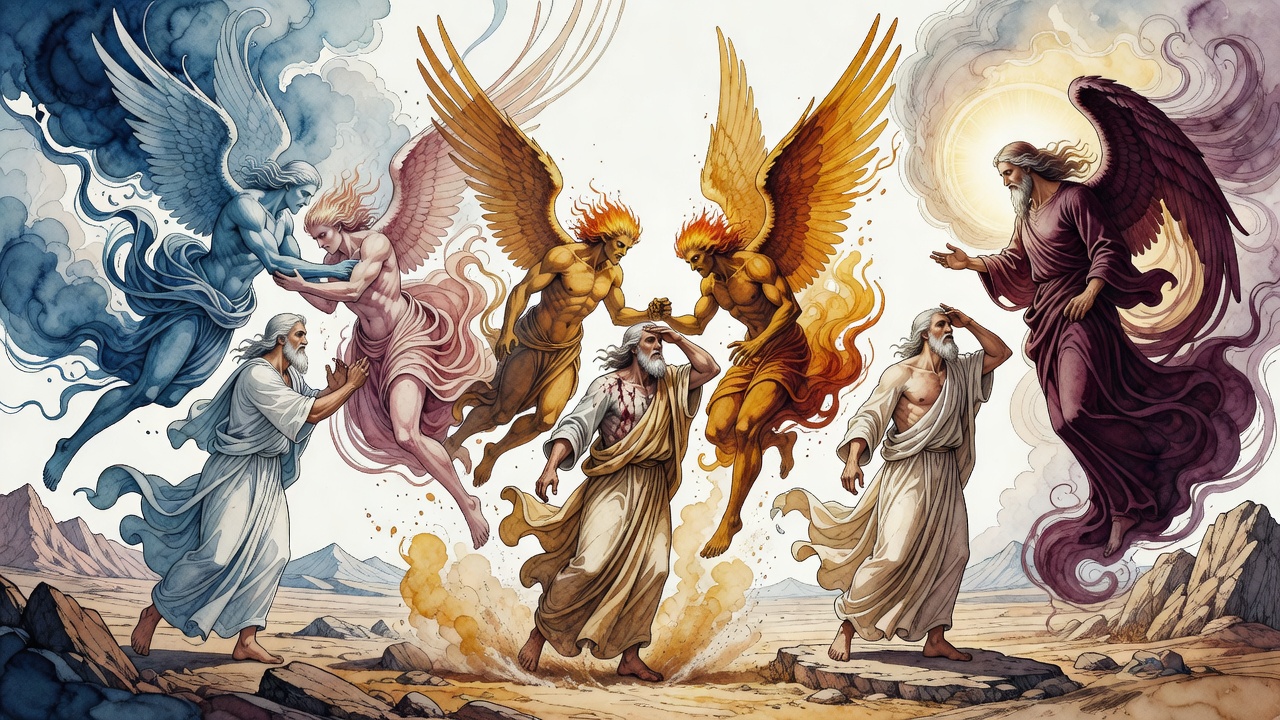
Moses asked the Angel of the Face to pray that he not die. The angel had been standing behind the curtain. He already knew the answer.
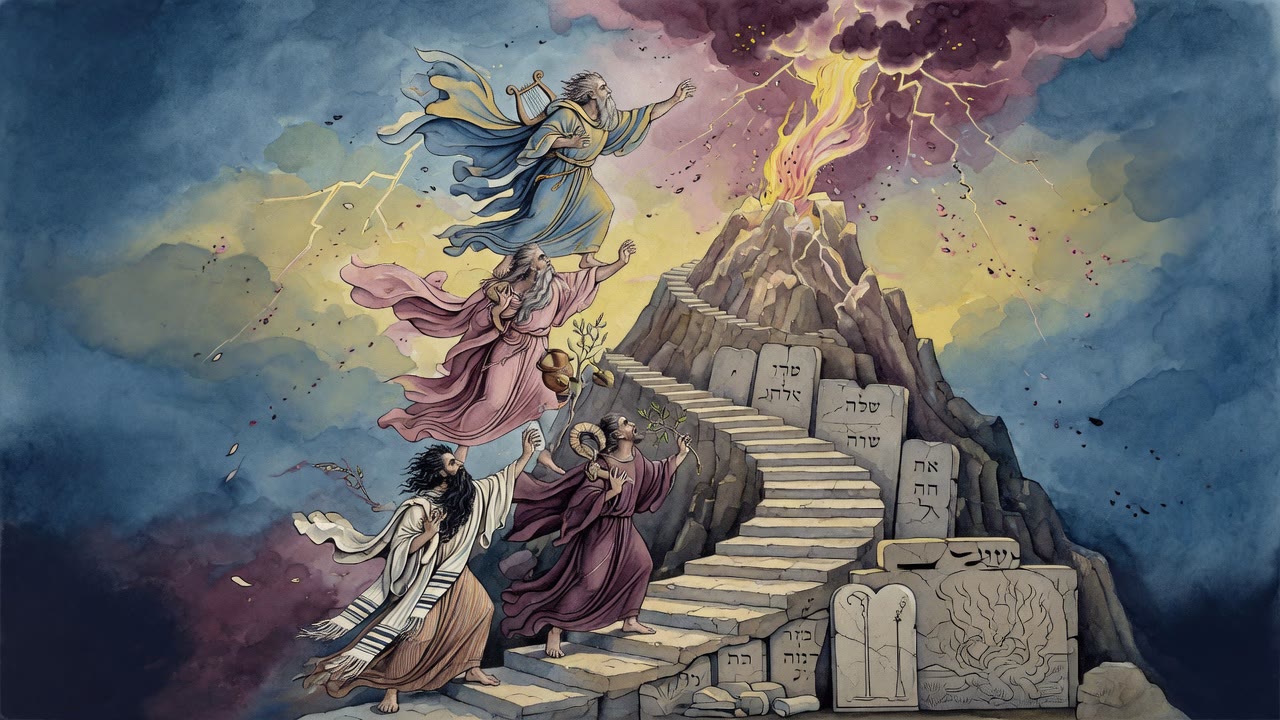
One more word from the mountain would have killed them. They sent Moses in. God agreed to speak through prophets after that.
