1,018 myths · Page 21 of 34
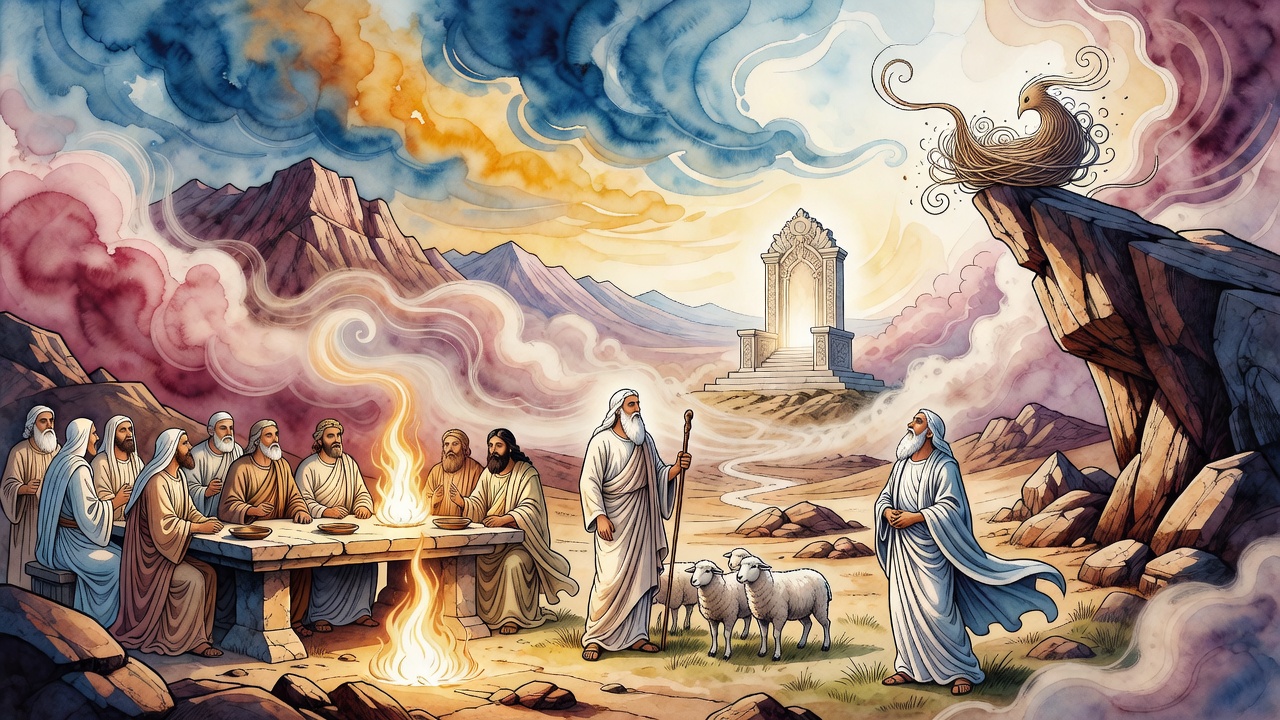
Yitro stood up while the decree was still being written. Bilam stayed in his chair. The river would take the infants.
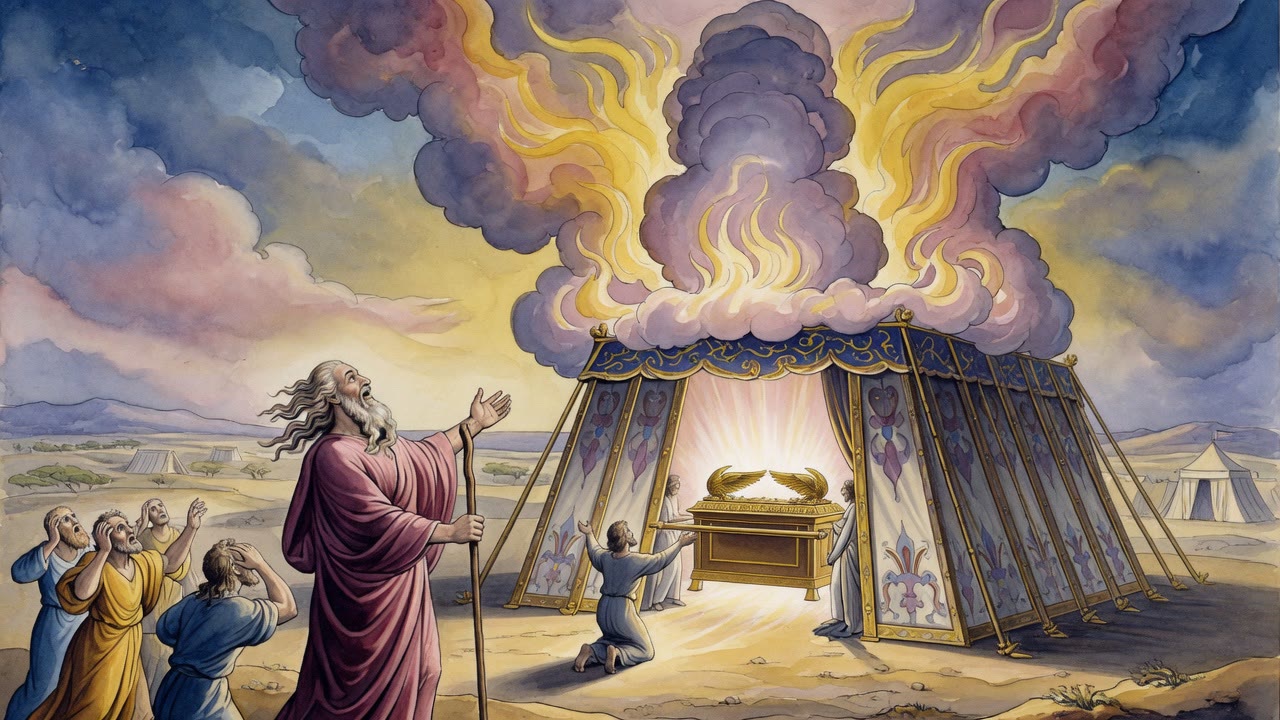
Scoffers mocked Moses until the Shekhinah, the Divine Presence, rested. Bezalel began with the Ark of light, and the dwelling rose alone.
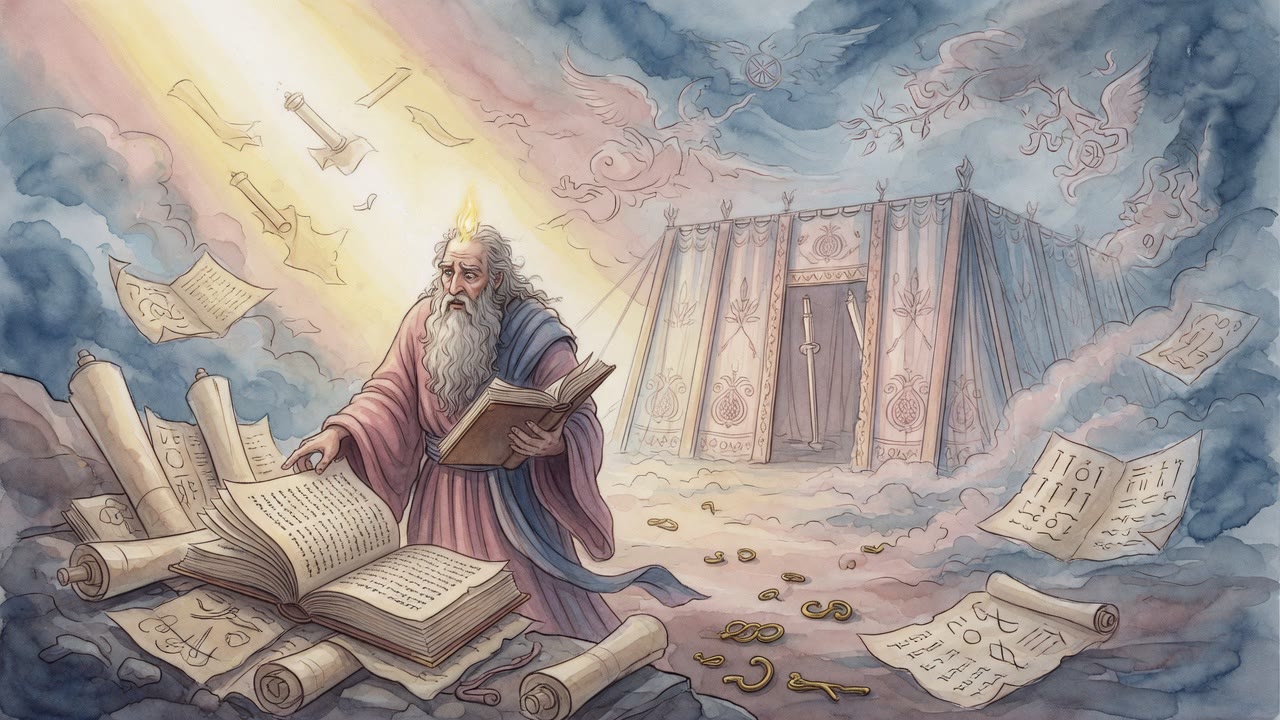
Cynics watched the nape of his neck and called him rich. One thousand seven hundred seventy-five shekels sat blank in the ledger.
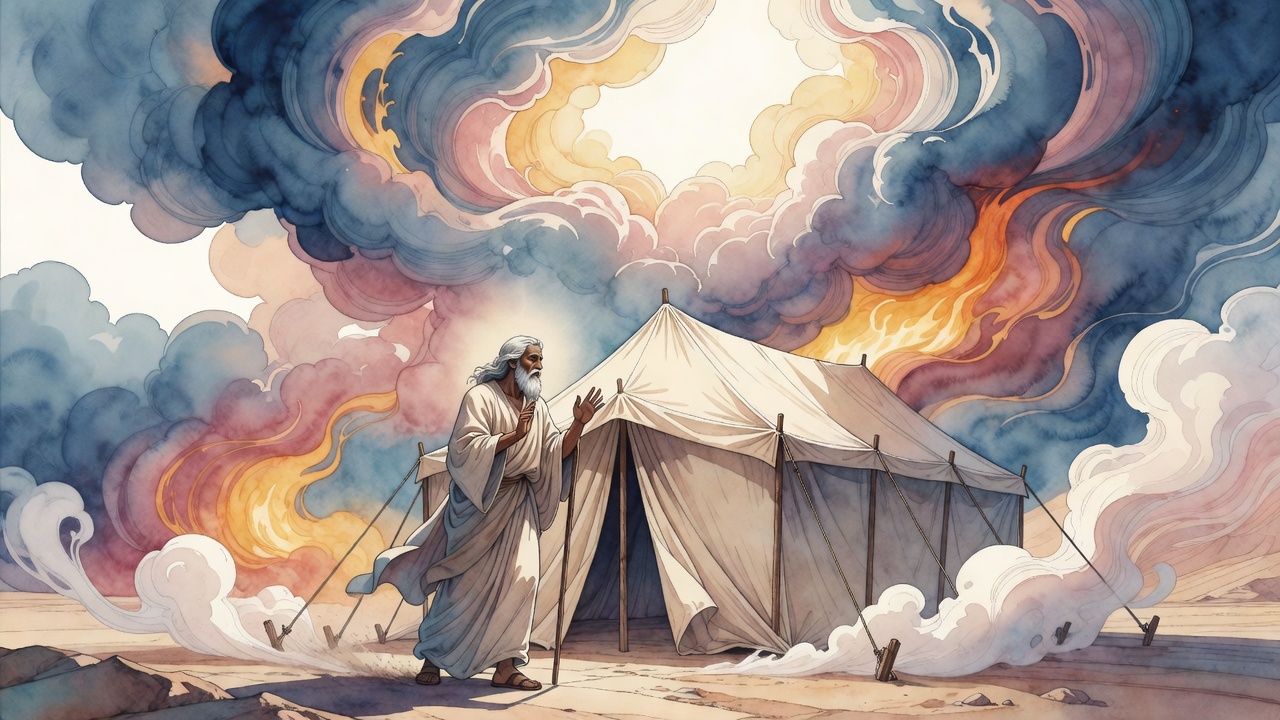
After Sinai Moses stood outside the finished Tent, afraid of the cloud, until the Holy One called him alone by name.
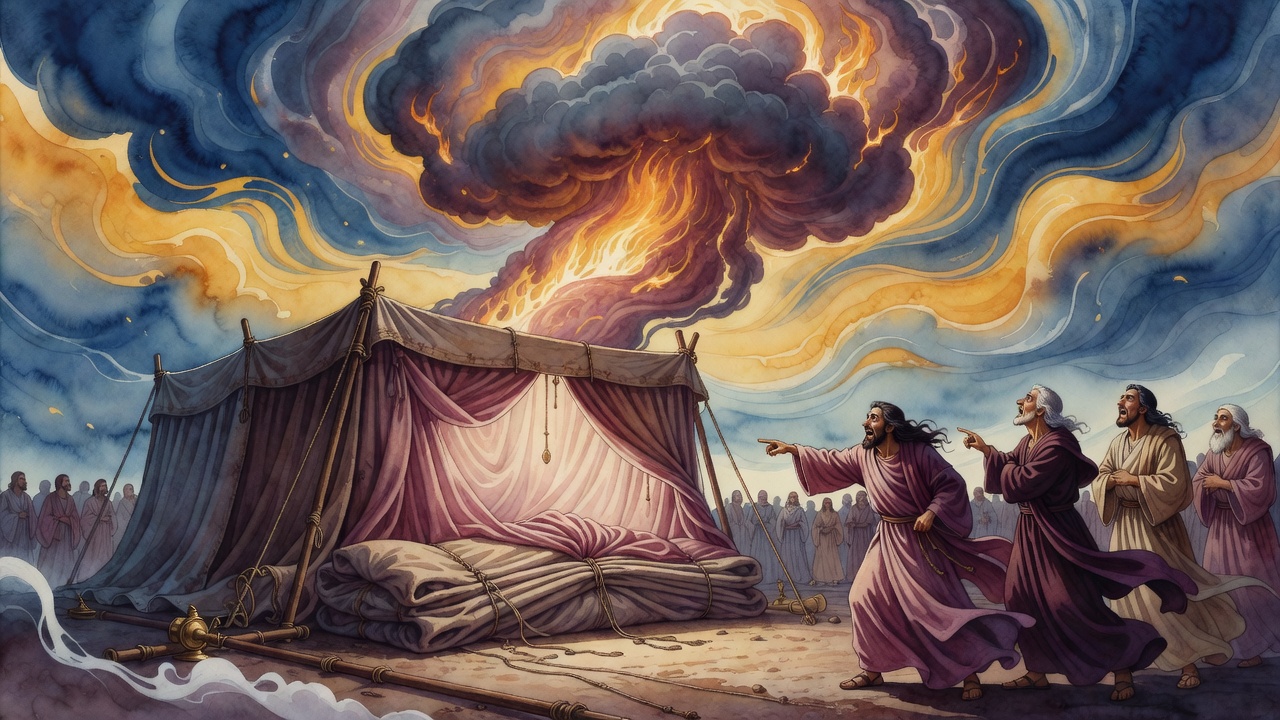
The boards were finished. Moses still left them stacked. Mockers counted the folds until Abraham's month of good news arrived.
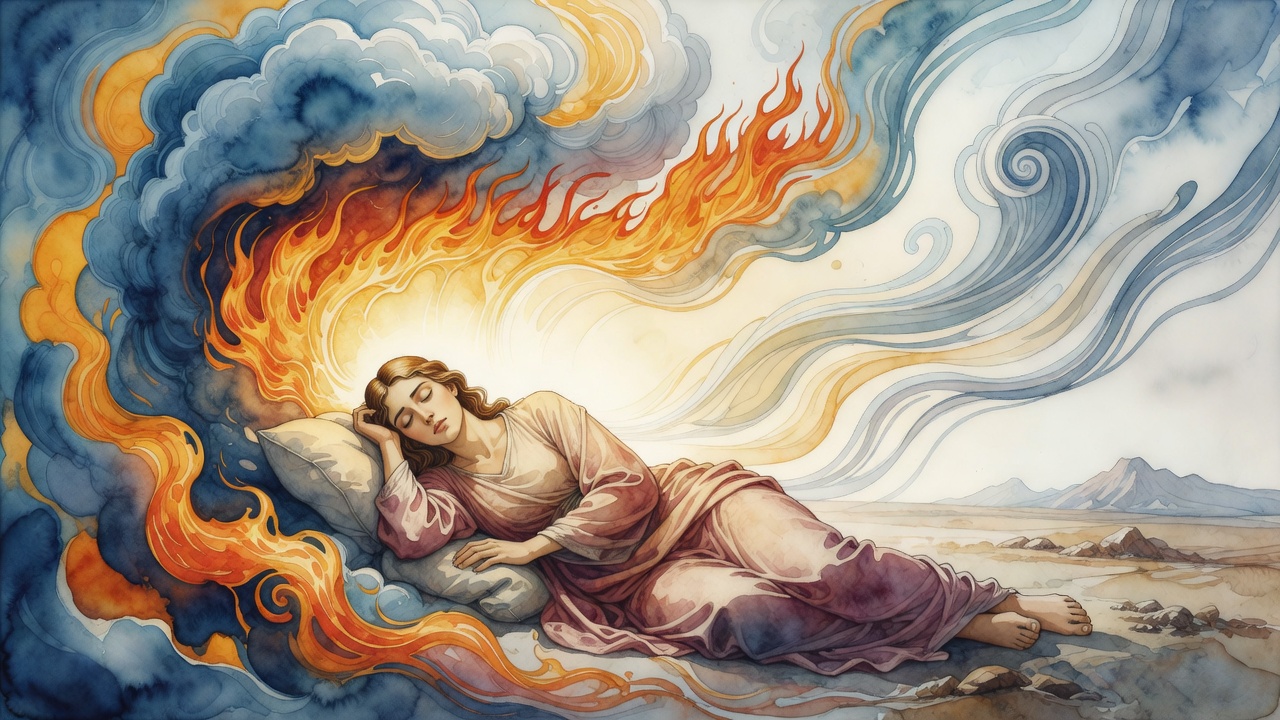
Love climbed past every title. God named Israel daughter, then sister, then mother, while Israel's heart stayed awake in exile's sleep.
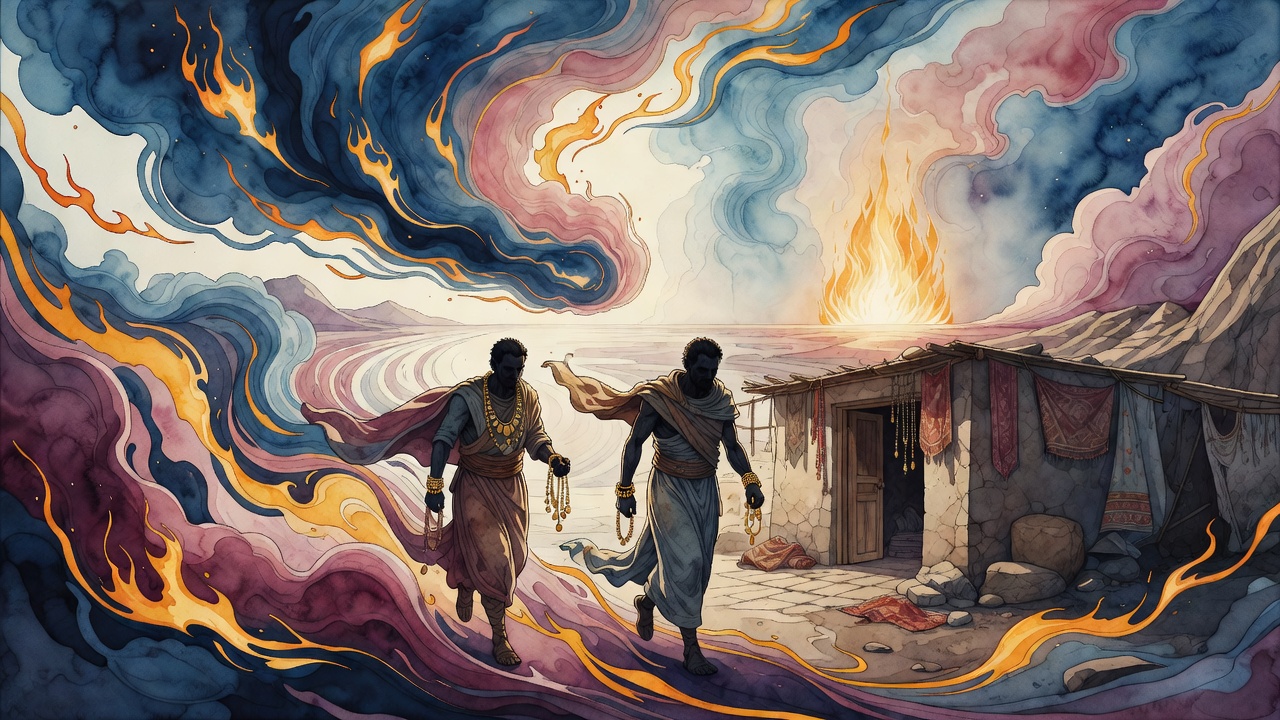
Israel had bowed to Baal Peor, and a plague killed the guilty. When the war with Midian came, soldiers blackened women's faces and took their jewelry.
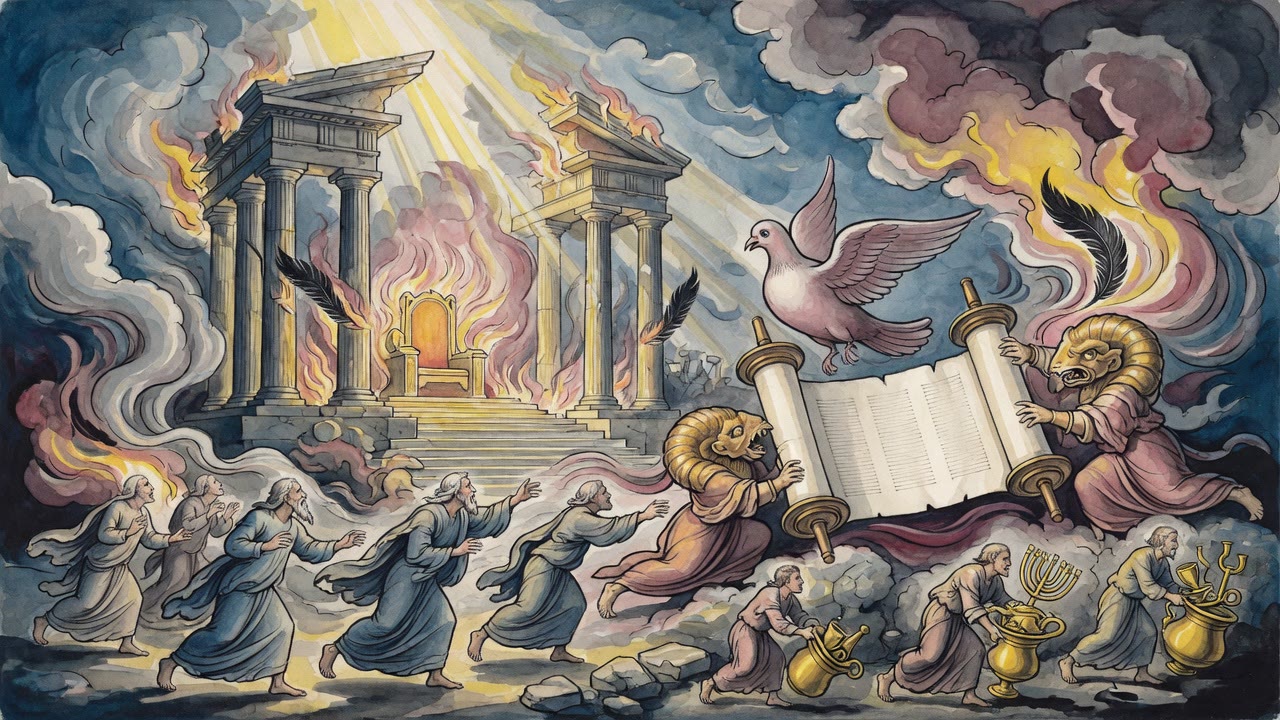
The foremen came out of Pharaoh's house with their backs opened and cursed Moses in the road. Moses turned around and said the same thing to God.
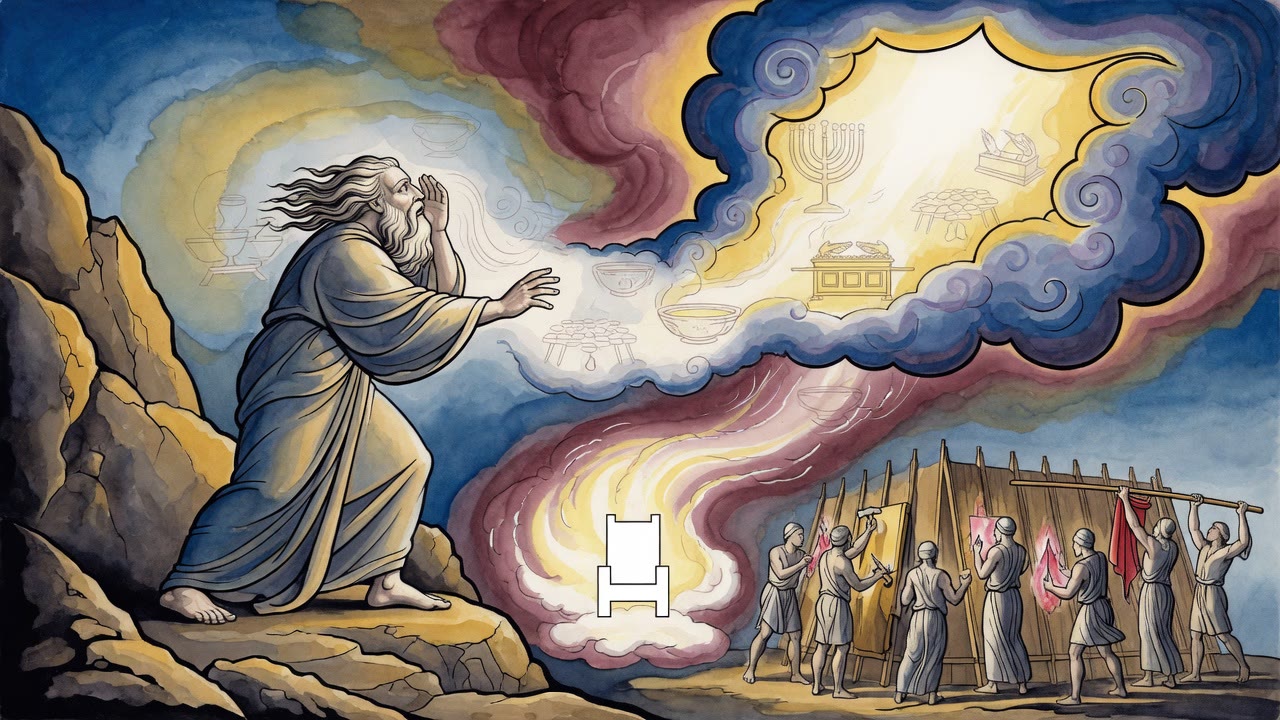
The camp said Moses had given the Sanctuary to his own blood. He opened the words from the mountain and showed them Bezalel's name already written.
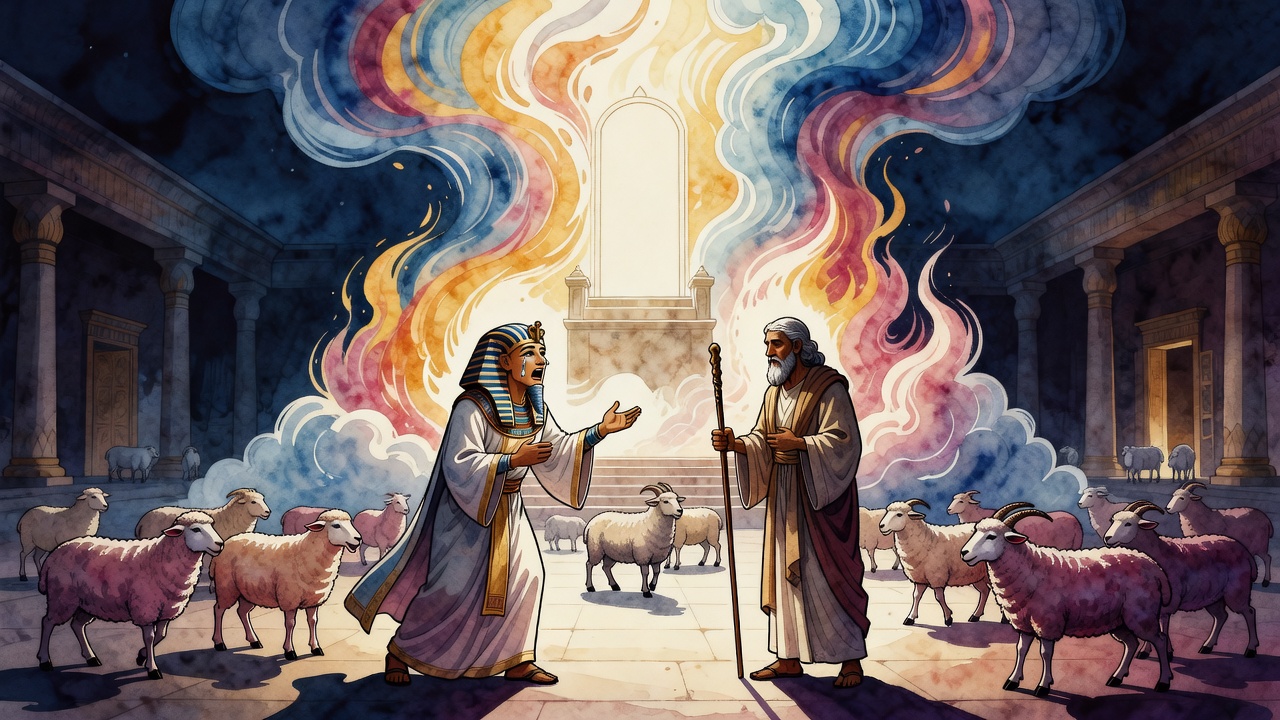
After the locusts he still wanted the herds left as chains. By midnight every firstborn was dead, and he sent for Moses in the dark.
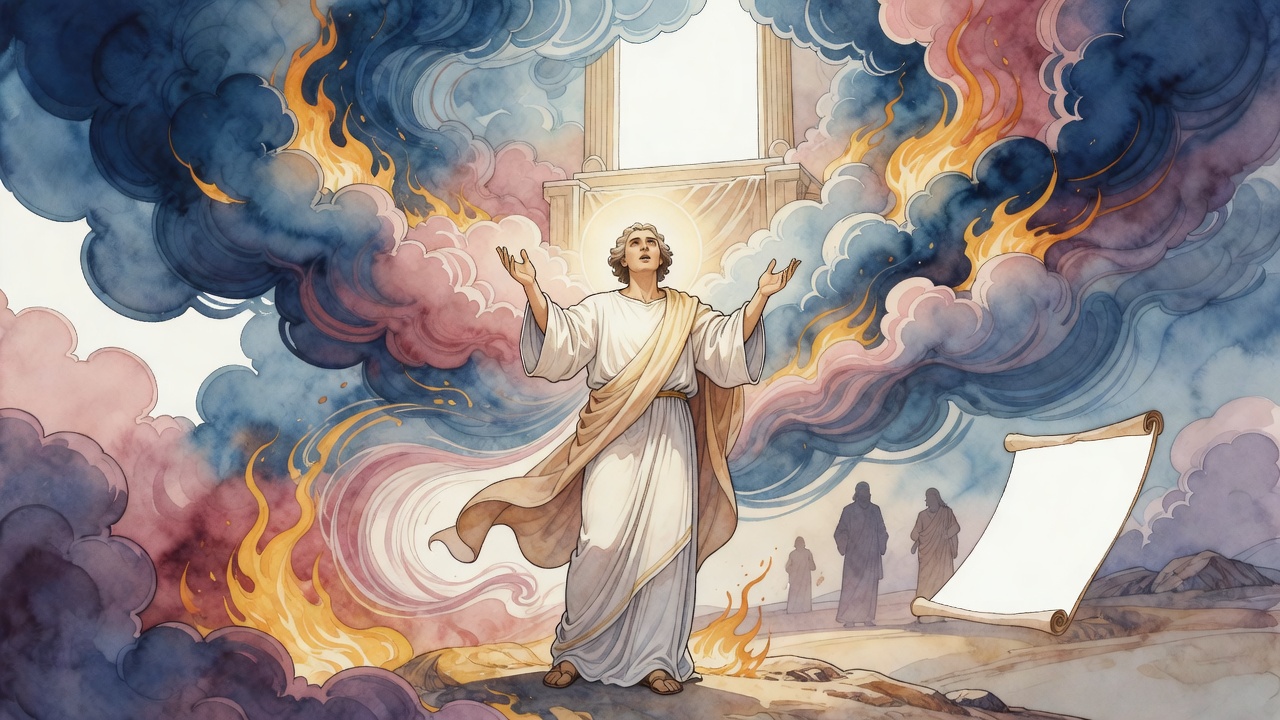
Moses put the vestments on his brother. Aaron had not asked for them. The lamps stood on the wrong side of the table.
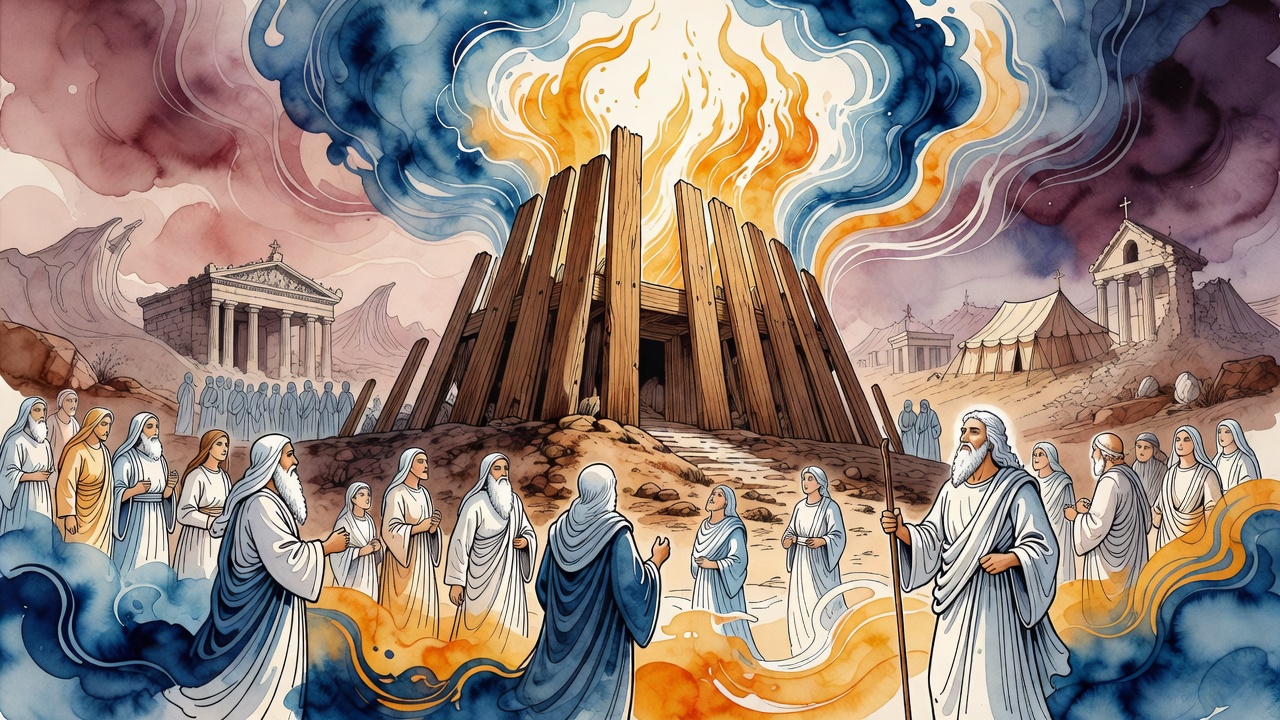
Acacia boards rose as a pledge Heaven could seize. When Temple and Tent are gone, the righteous become the collateral, and Moses still sees his plan built.
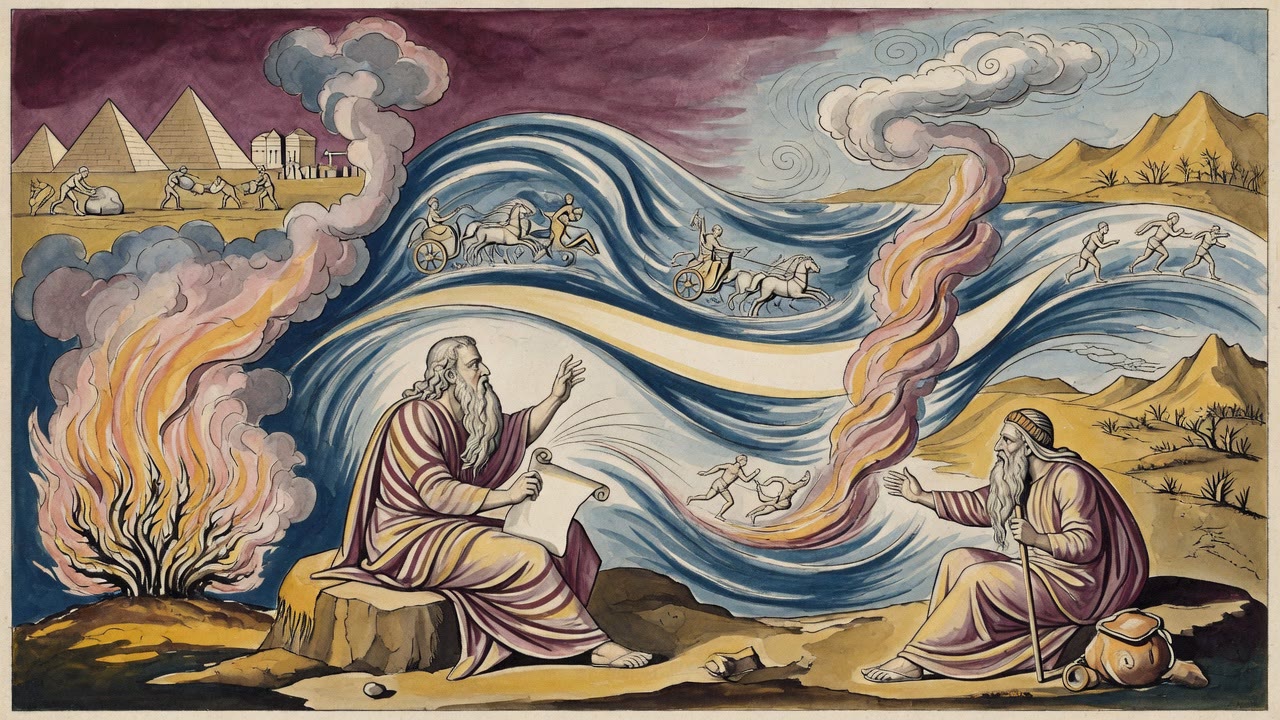
Twelve thousand came home from Midian with no man dead and no man accused. Then they set gold in front of Moses, and he asked what it was for.
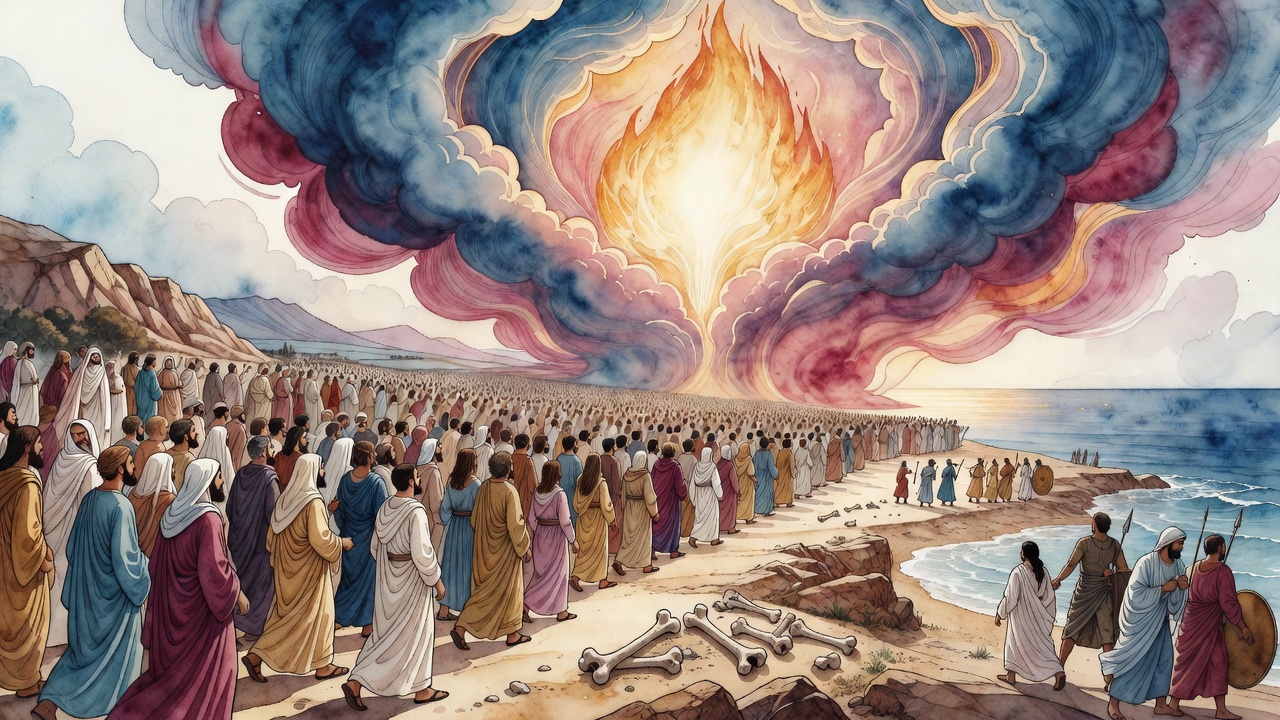
The coastal road was shorter. Along it lay Philistine war and Ephraimite bones. God took the people the long way so they would not turn back.
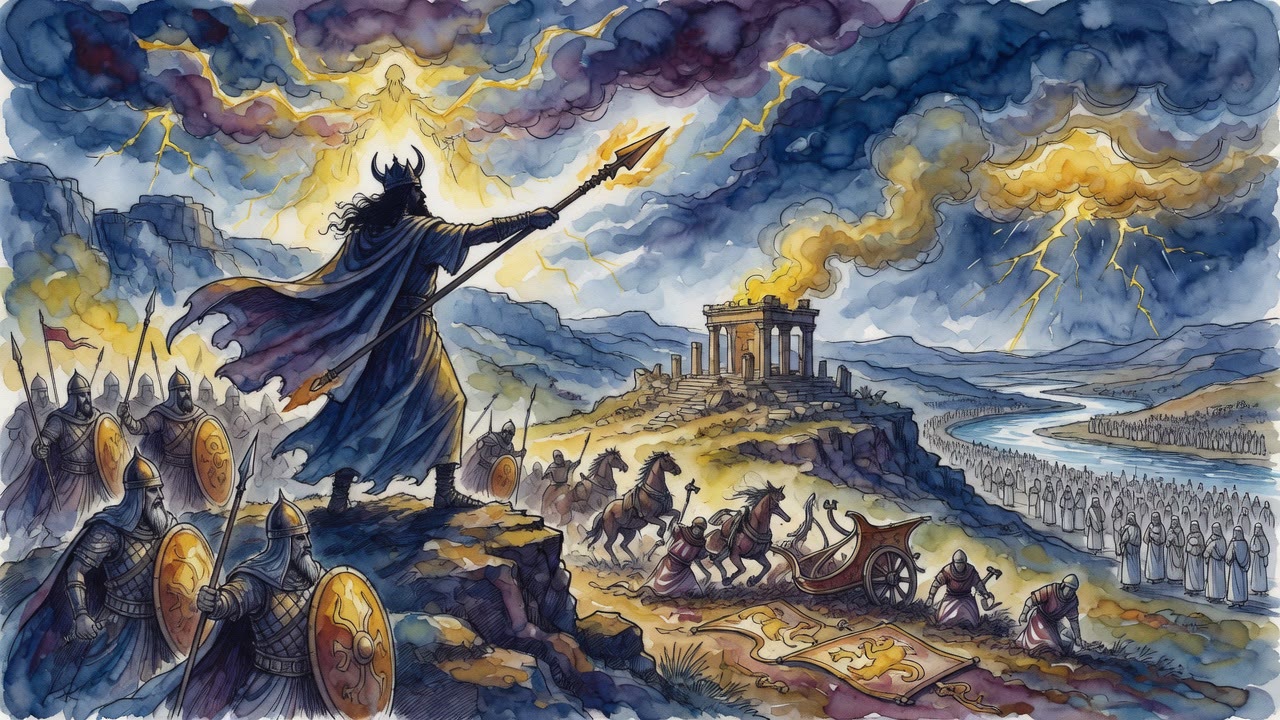
Moses offered to buy every drop of water his people drank. Sihon refused and formed his line, and his own soldiers died of thirst in the Arnon.
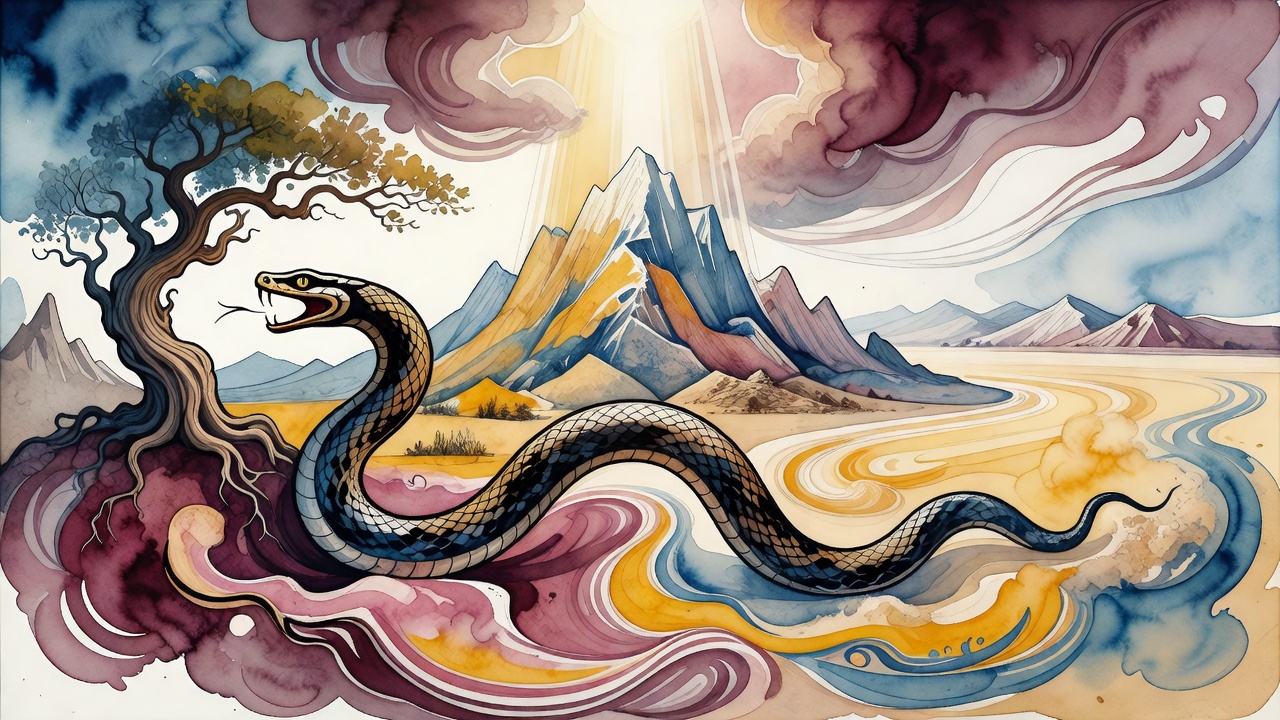
The serpent asked tree, mountain, and desert for Moses son of Amram. Each answered with the last work Moses had done to them, then fell silent.
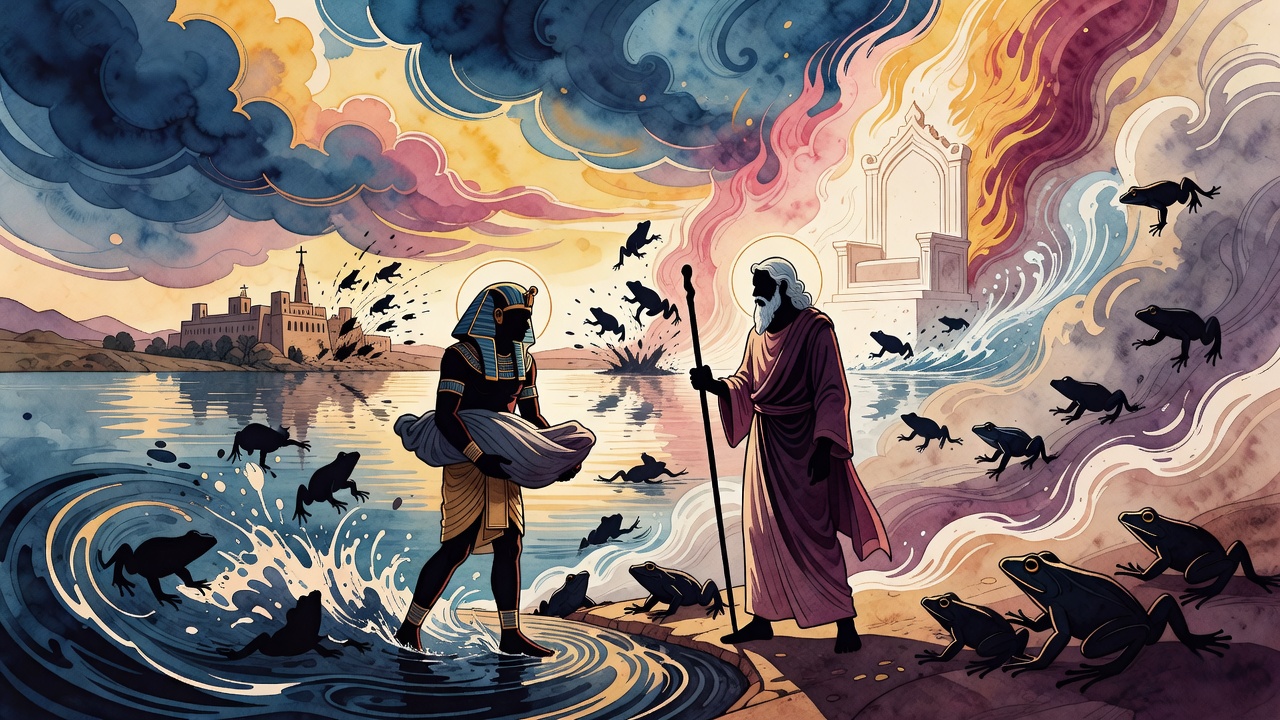
He called himself a god who never had to squat. Moses was already on the bank. Later a frog asked the palace marble for room.
A wind from the first garden reached Moses' roasting lamb. Mouths watered all the way across Egypt. He would not let an uncut man taste it.
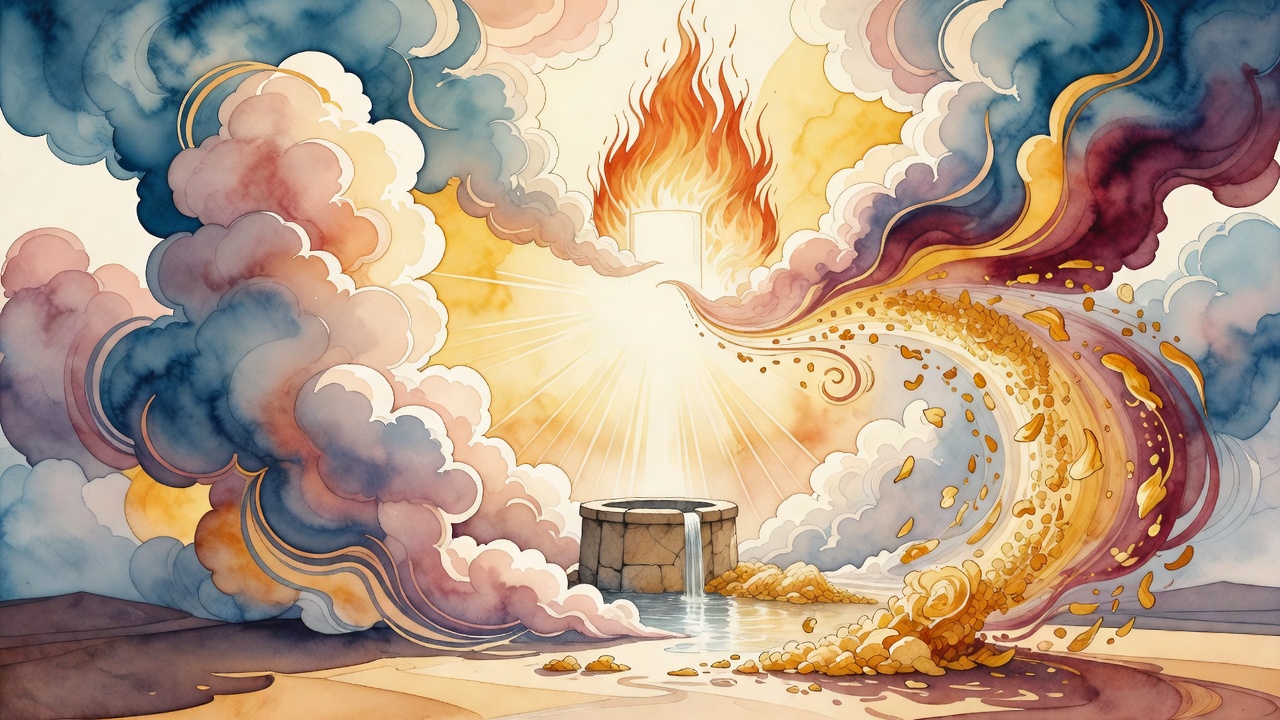
Israel called the wilderness a death trap. God answered with beds of cloud, manna, and a well that walked with Miriam.
Balak had paid for three curses. Each one came back a blessing. Bilam wiped the dust from his mouth and pointed at the road into camp.
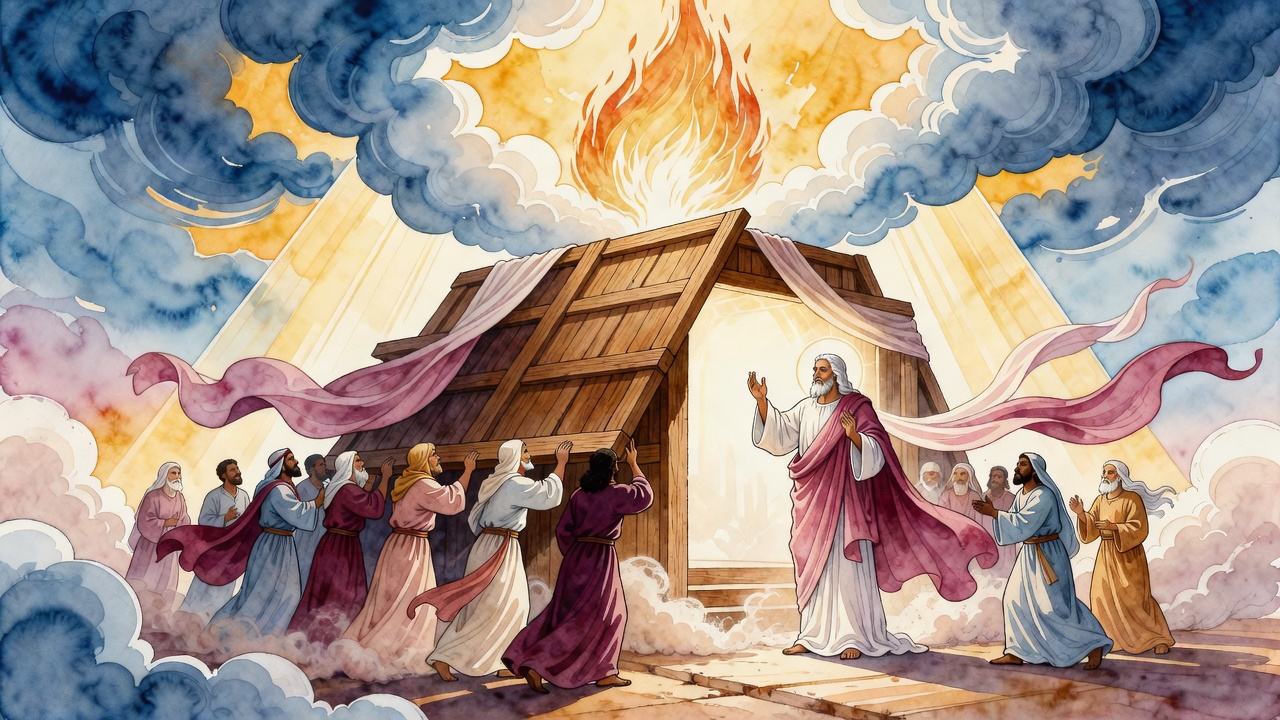
On the eighth day the people set the last board. Heaven used creation's own words again, and Moses blessed the work of their hands.
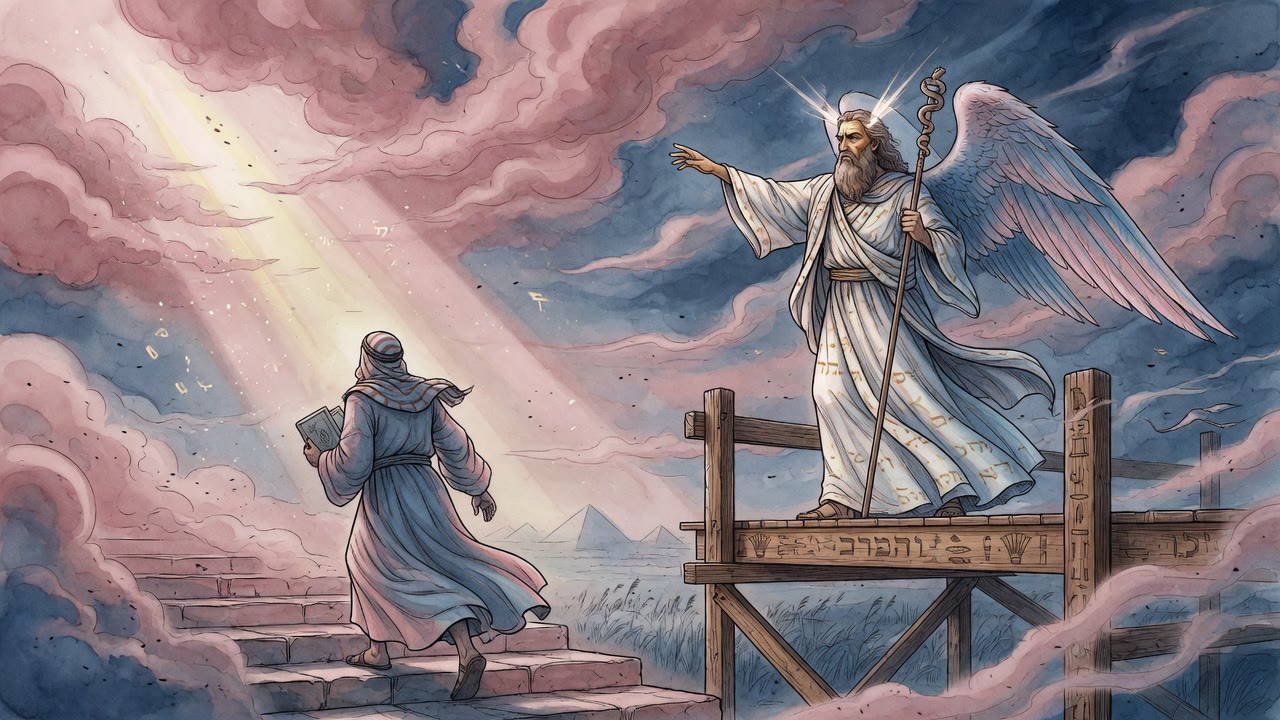
Pharaoh's men set a knife on Moses's neck. An angel took his face, the blade found the wrong body, and Eliezer's name kept the rescue forever.
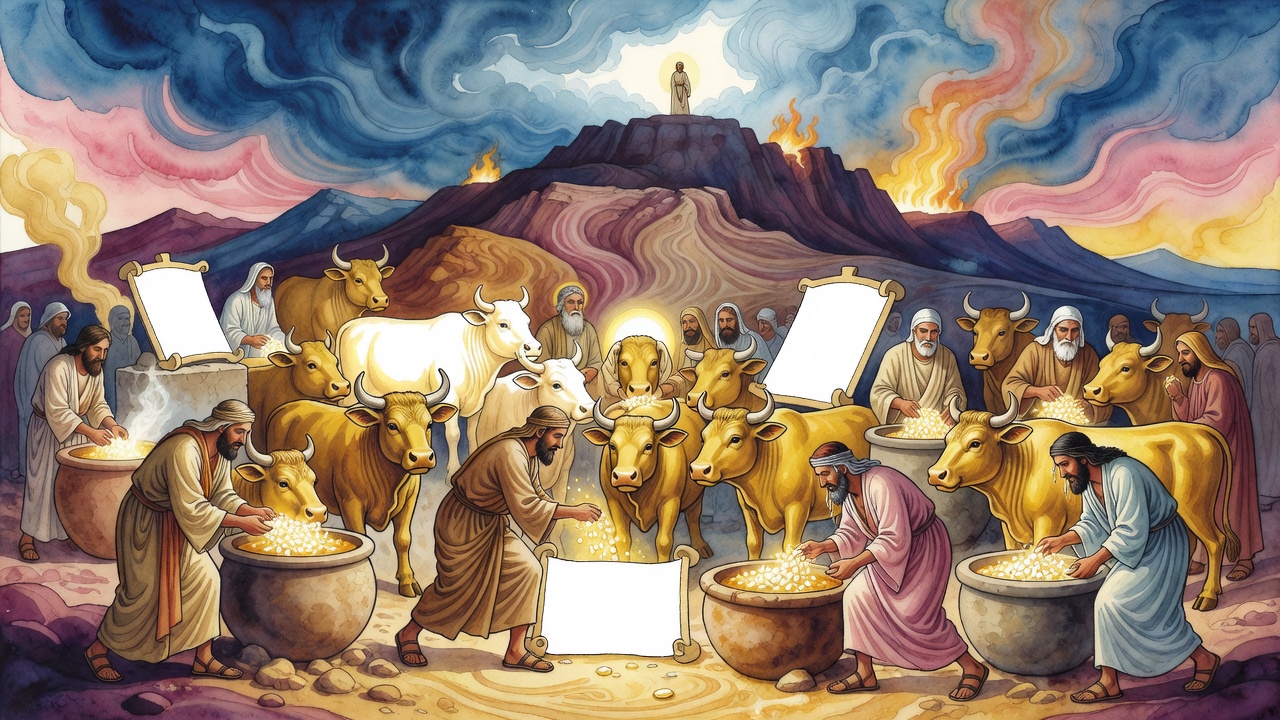
The mountain smoked. Moses was gone too long. Gold left their ears as thirteen calves, and they laid the morning's manna at the horns.
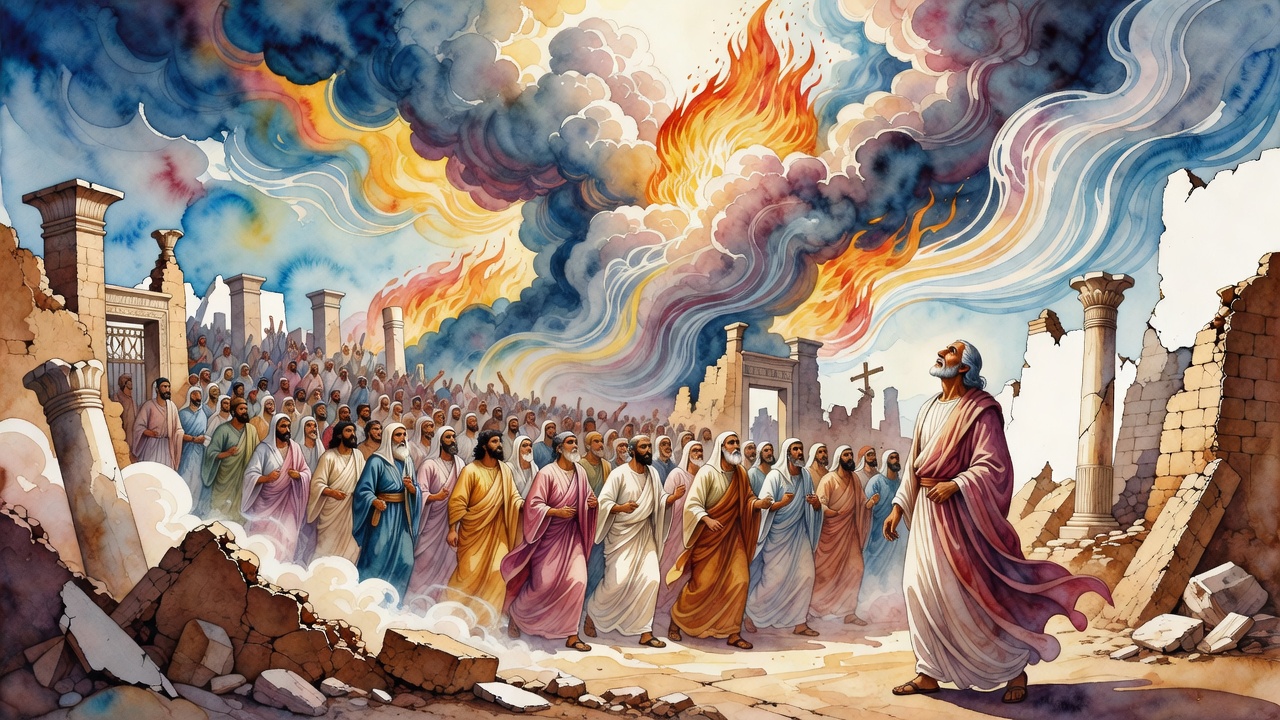
No slave had ever walked out of Egypt. Then six hundred thousand men took the road in daylight, and a priest in Midian finally said now.
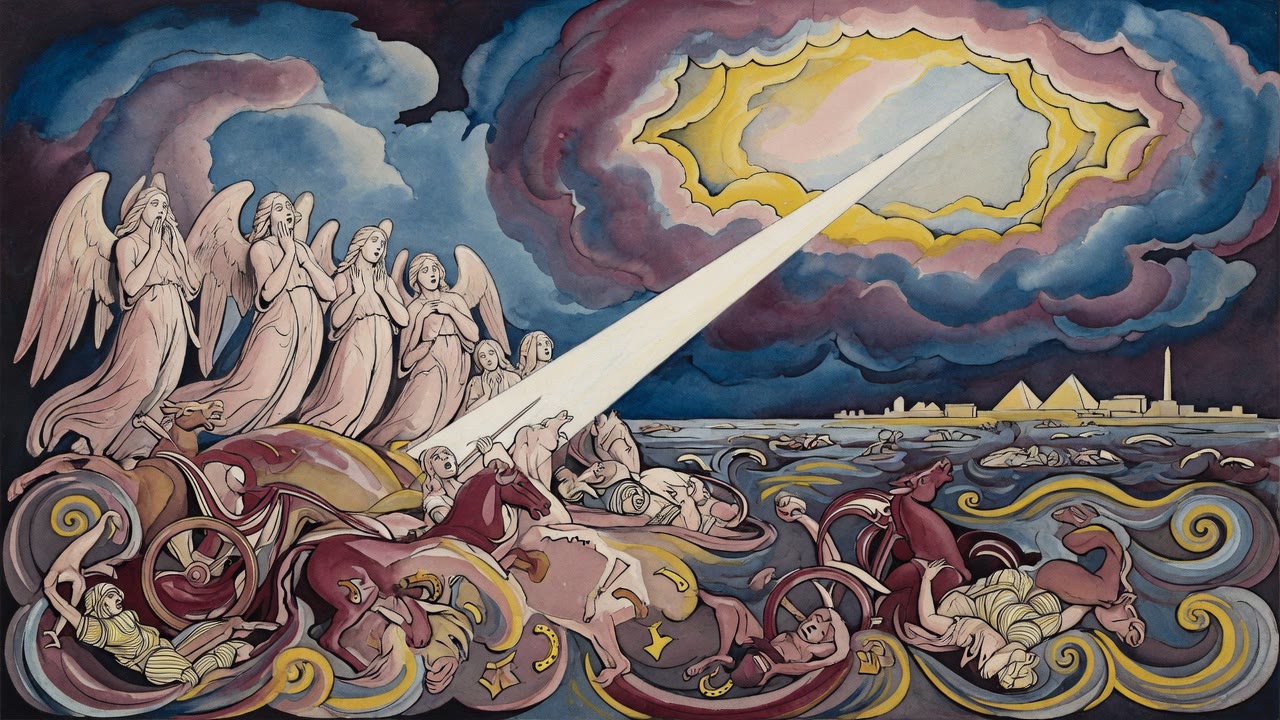
At Sinai every word leaves God's mouth at once. Death and life, wound and healing, sea and staff reverse in the same undivided speech.
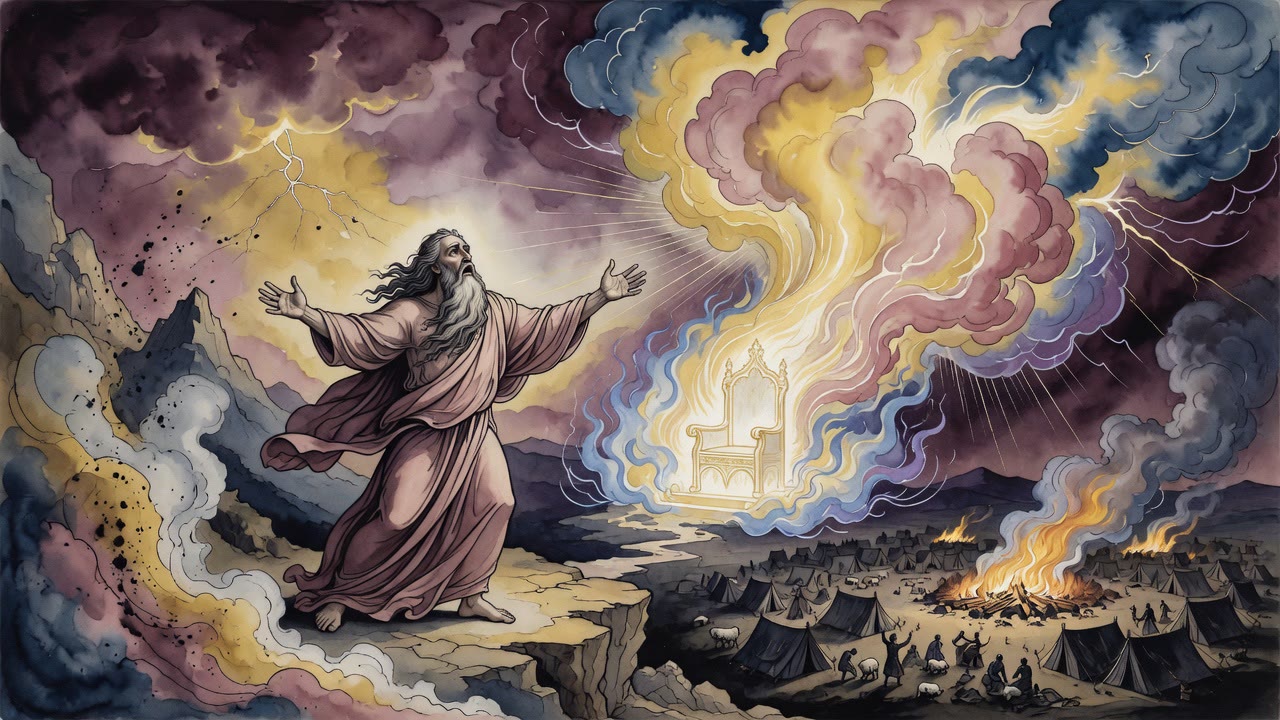
God would break one vow, not two. Live, and the people fall. Moses looked at both ends of the rope and left his own life on the table.
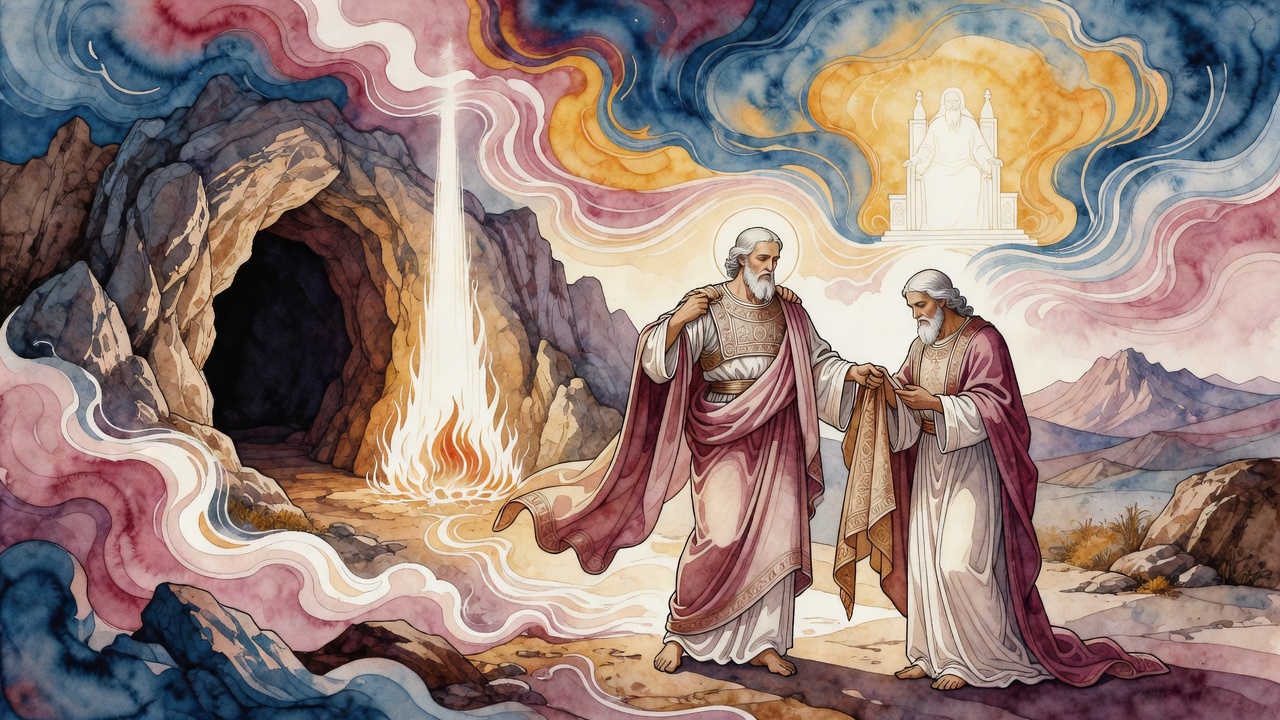
The cave on Mount Hor was cool. Aaron raised his arms so Moses could take the priestly clothes. He still trusted him.
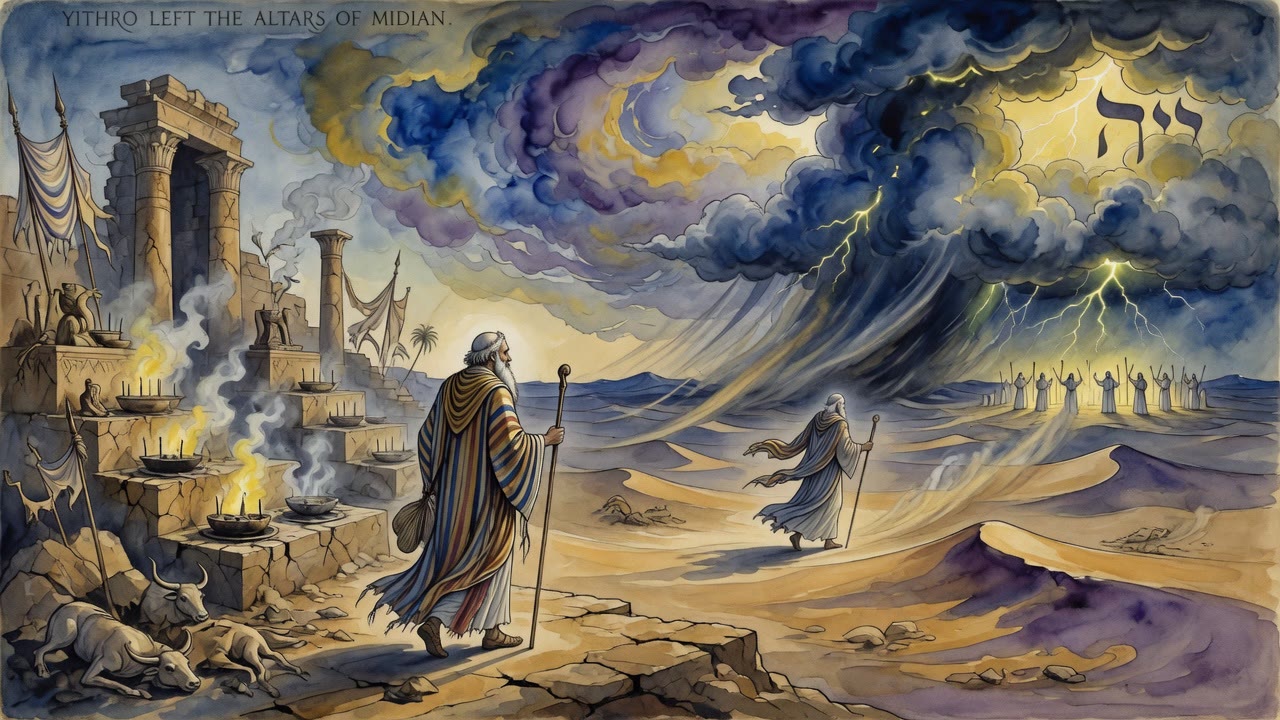
Yithro, called Cohein of Midian, heard what God did for Moses and Israel. He left rank behind and rode toward the camp at the mountain of God.
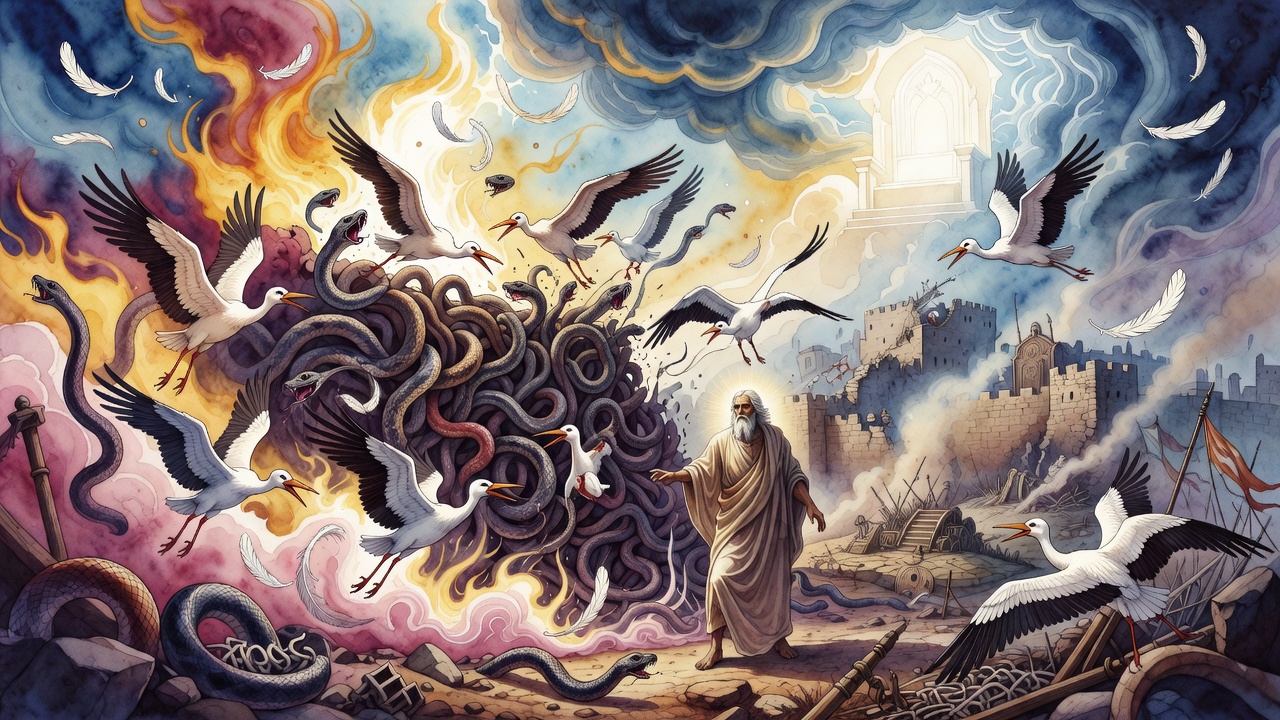
The city had a wall of snakes. Moses starved young storks three days, and hunger did what ladders and rafts could not. Not one soldier fell.
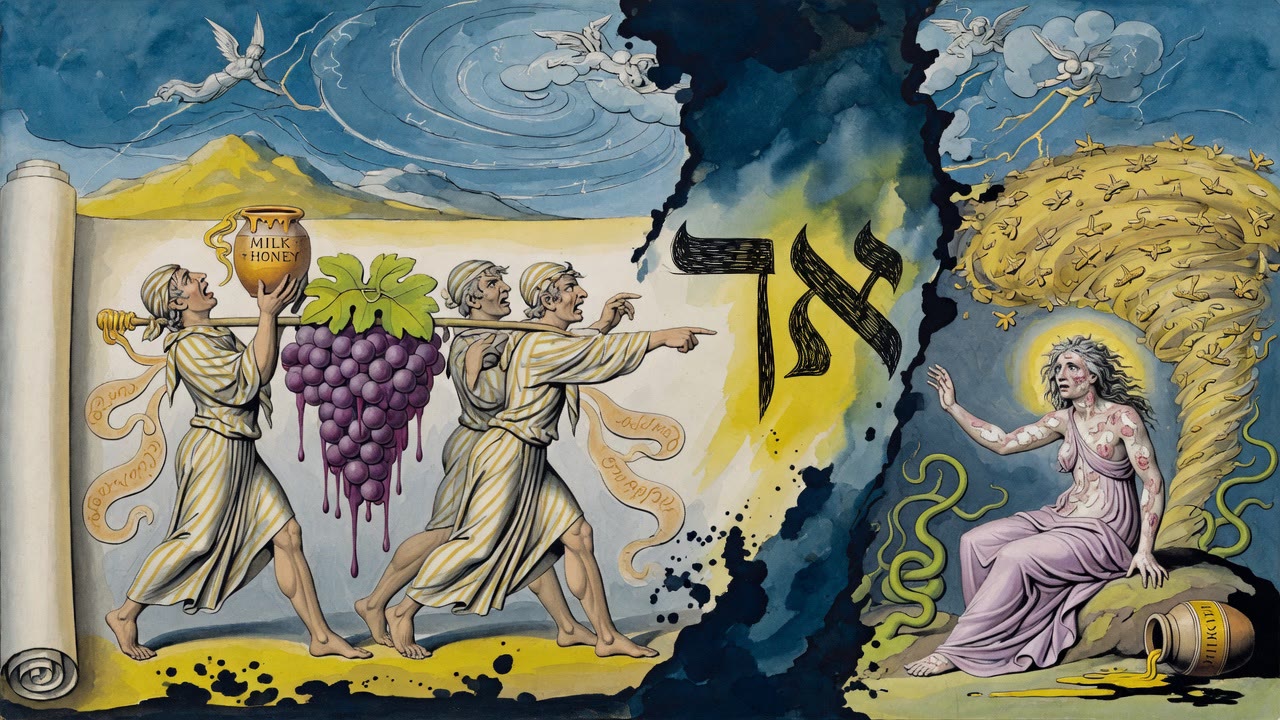
Moses sent the twelve south through poor country first, like a merchant hiding his best cloth, until Hebron still outshone Egypt's finest field.
