1,018 myths · Page 22 of 34
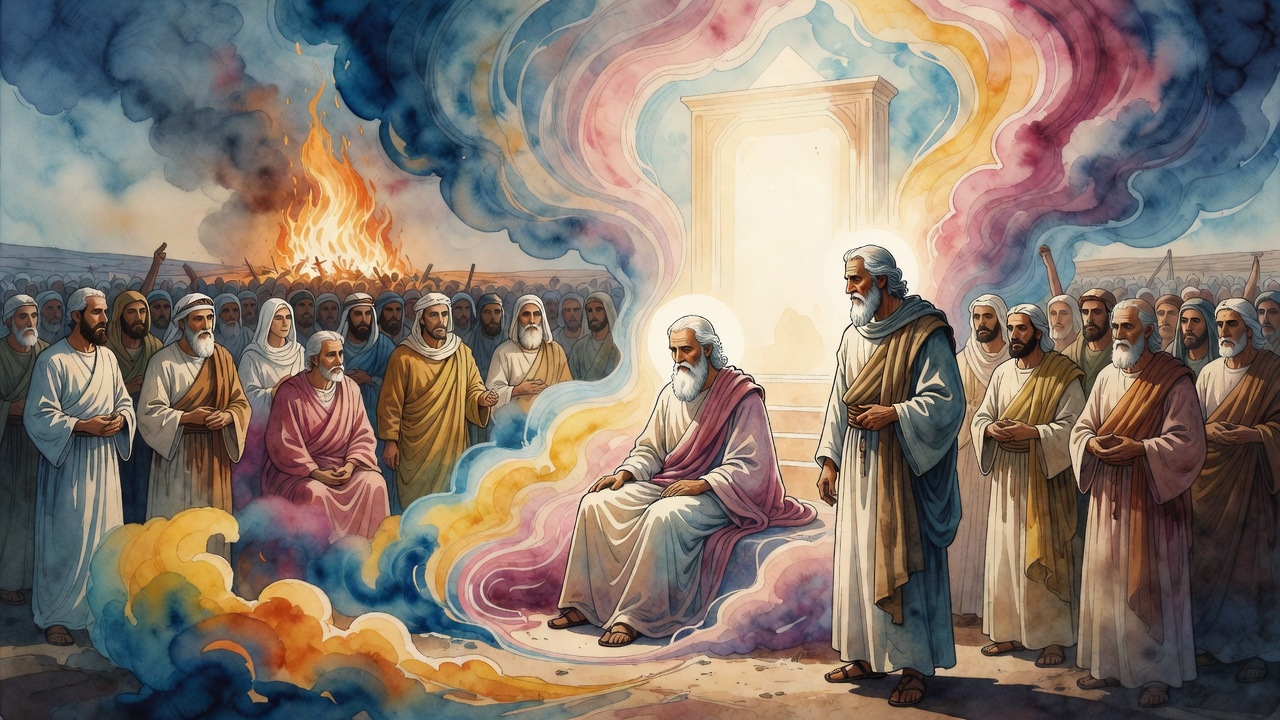
Jethro watched Moses judge alone from morning until night, then forced a new bench chosen by prophetic sight, wealth that cannot be bought, and fear of God.
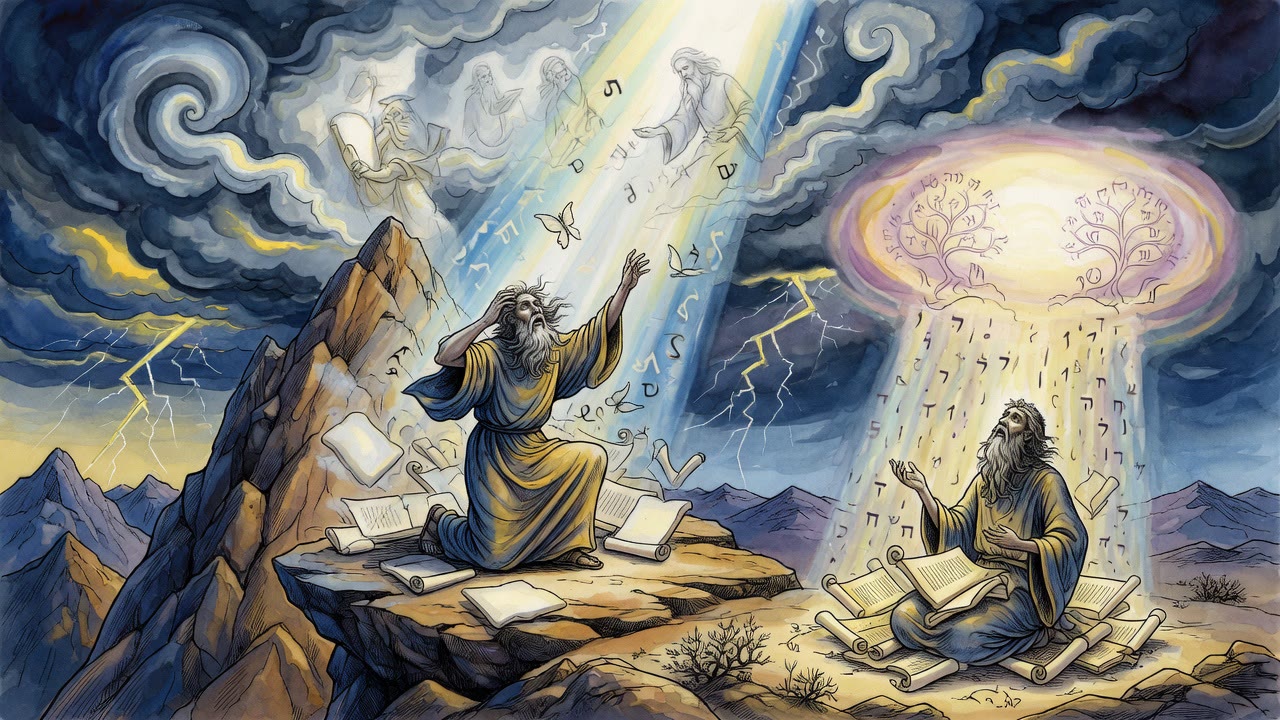
For forty days Moses learned Torah and forgot it. God poured it into him as a gift, and Ha-Satan (the Accuser) hunted the treasure across earth, sea, and death.
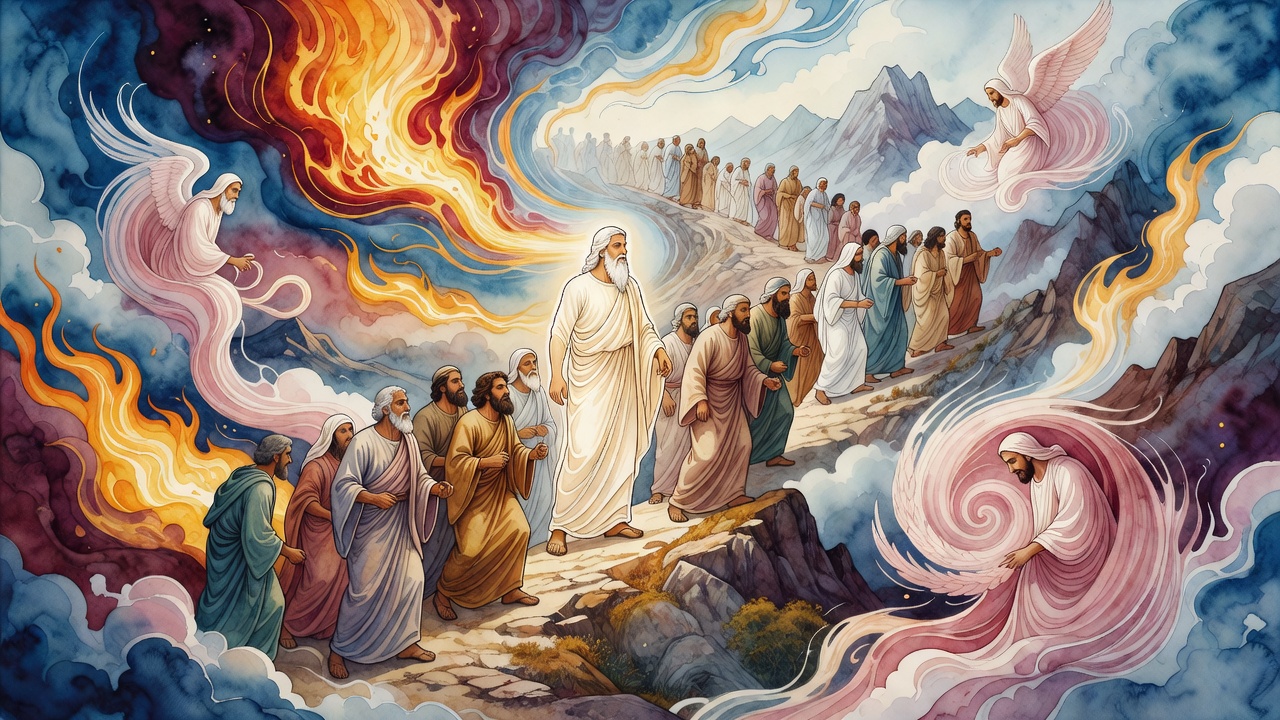
On his last day Moses did the arithmetic and it frightened him. Bilam was called a prophet too. Both of them were going to die.
The hall still smelled of locust. Pharaoh offered the children and held the herds. Moses named the price: beasts given in Egypt's name.
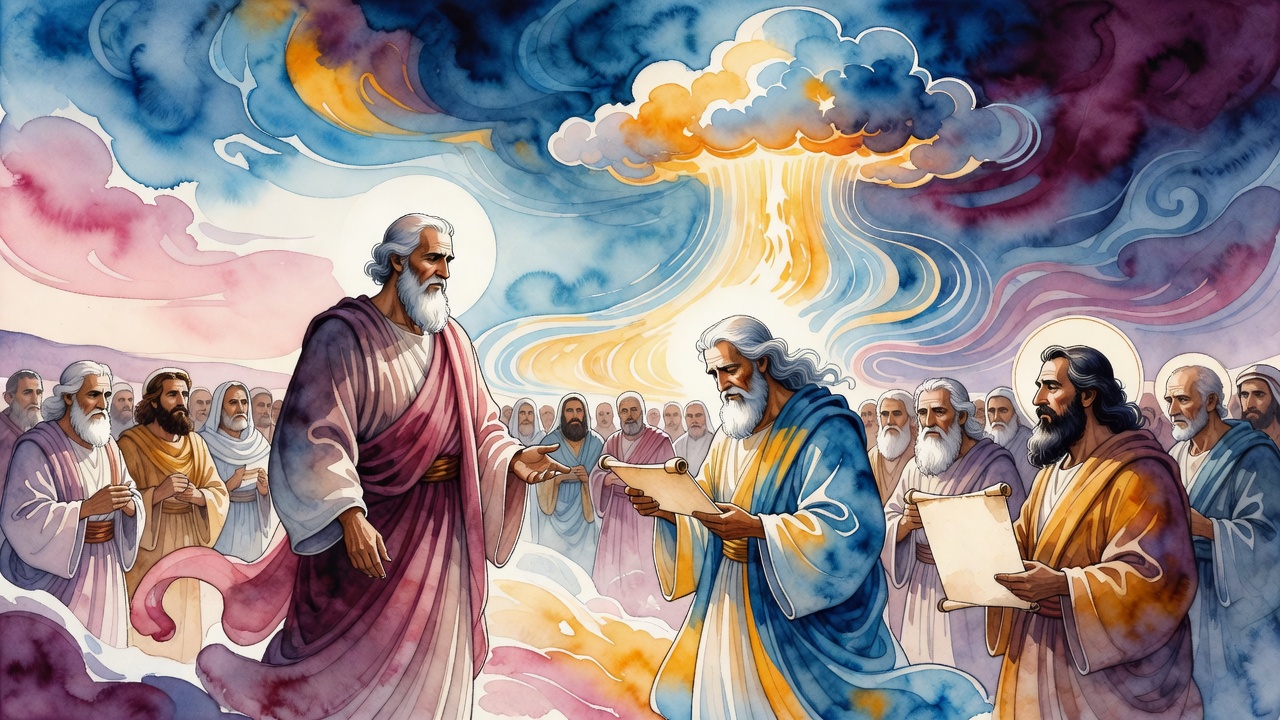
Jethro watched Moses judge from dawn to dark, then demanded a system of officers and God's consent before any reform.
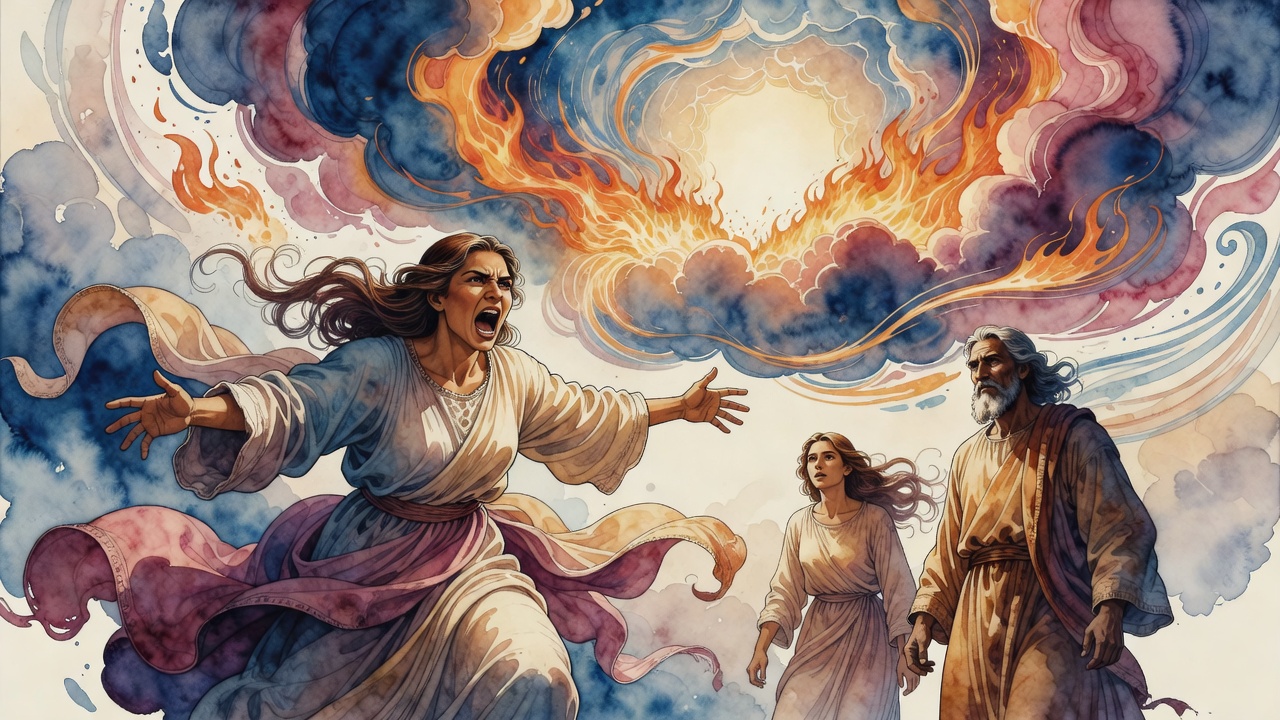
Tzipporah walked the camp with a bare neck. Miriam asked why the prophet's wife looked like a widow while he still breathed.
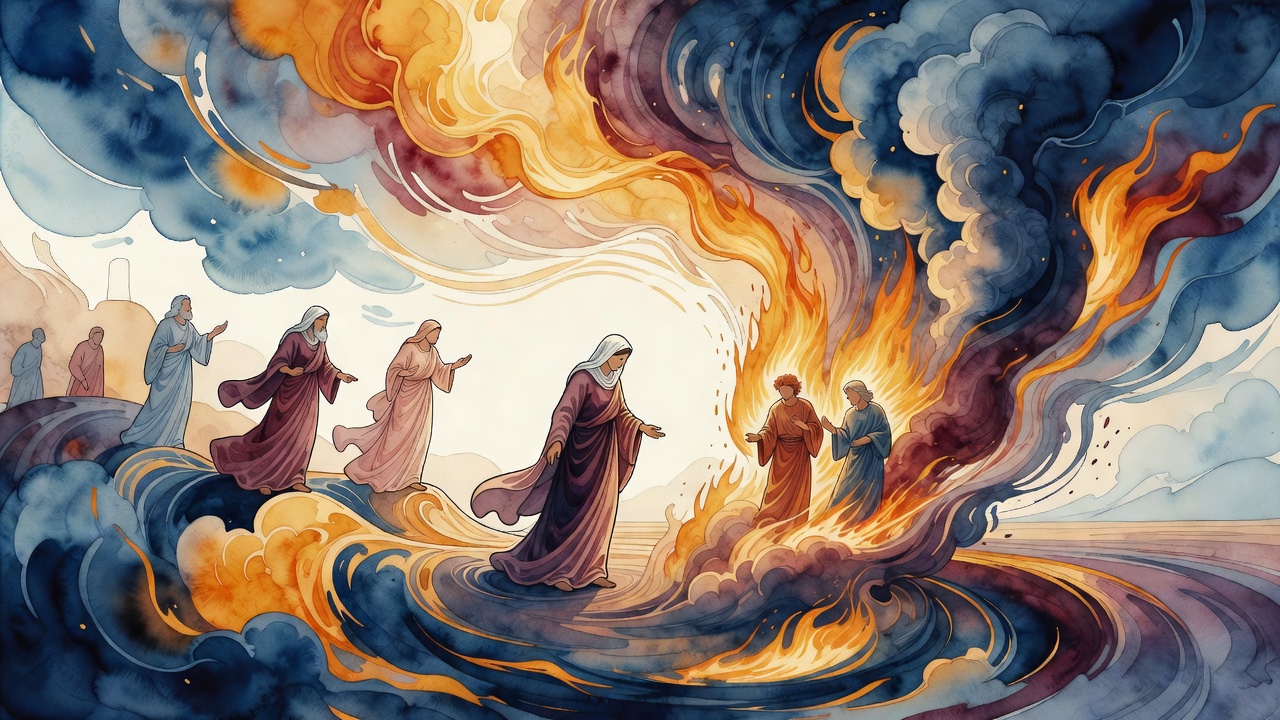
Oil still shone in Aaron's hair. By afternoon two of Elisheva's sons were carried out burnt, and the five honors stayed.
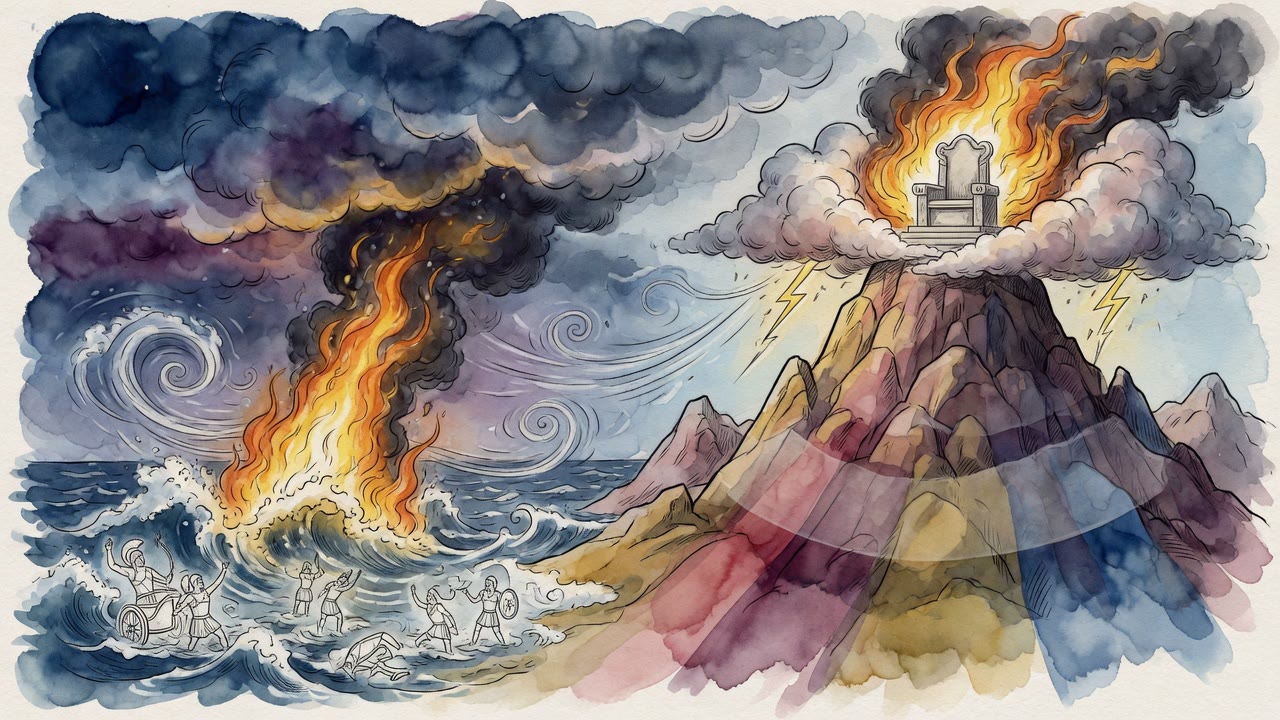
At the sea God came as a warrior. At Sinai He came as a merciful elder. The mountain wore six names so no nation could split Him in two.
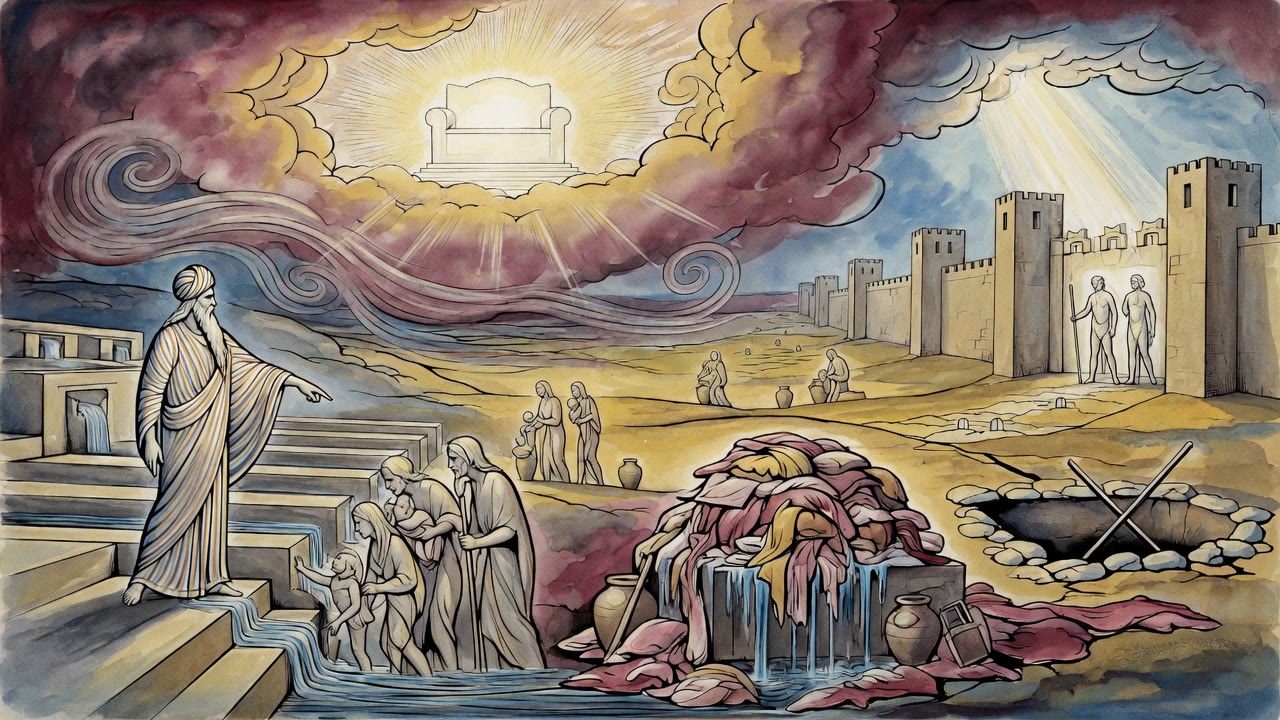
A spring at a Levite gate ran cold enough to hurt the teeth. Women with wet cloth argued with a traveler whose child could not drink.
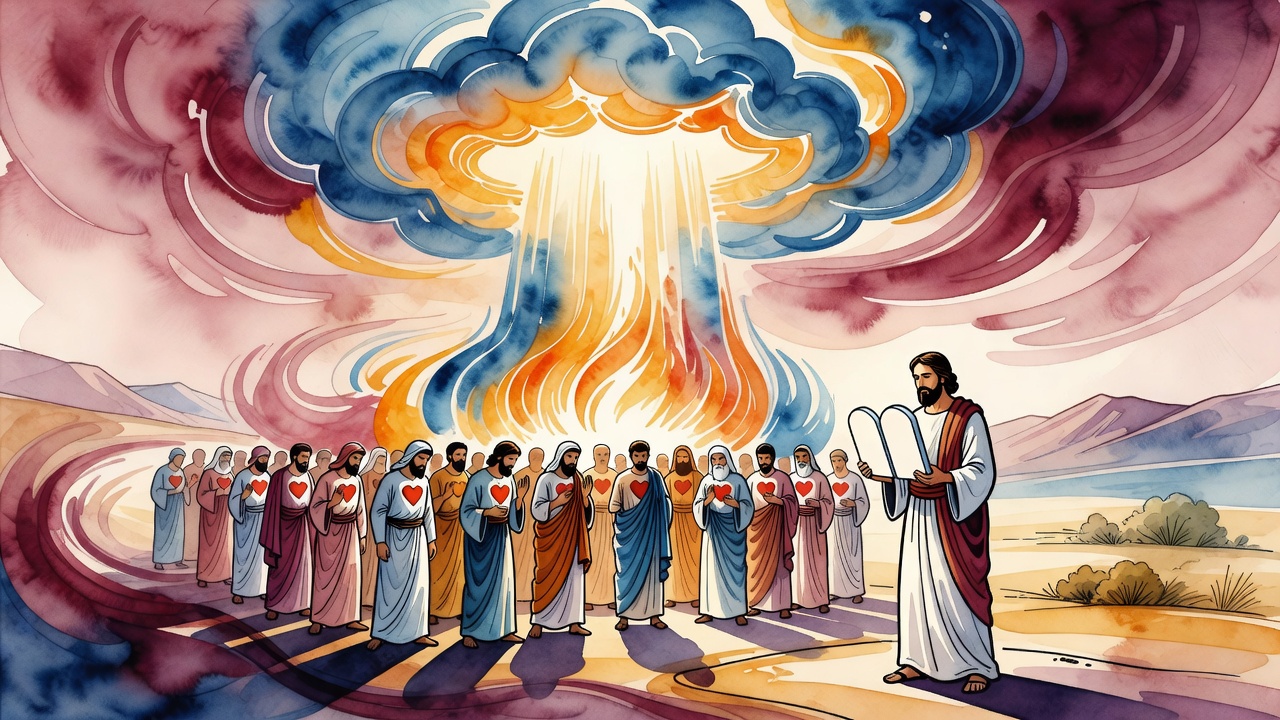
God asked for a heart that would last. The people who had just vowed to do and hear kept still. On the plains Moses dated the delay.
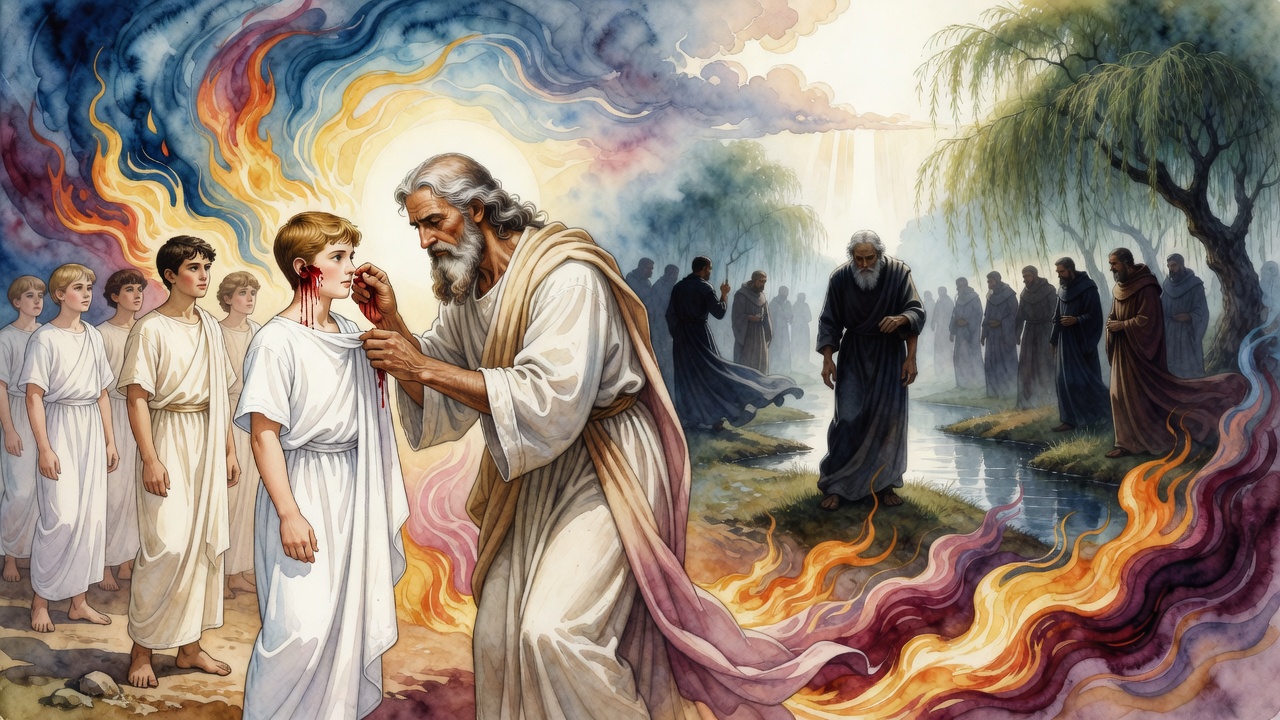
Moses bent to tunic each son of Aaron, painted blood on ear and thumb, and centuries later Simon still stood ringed by priests like willows at the brook.
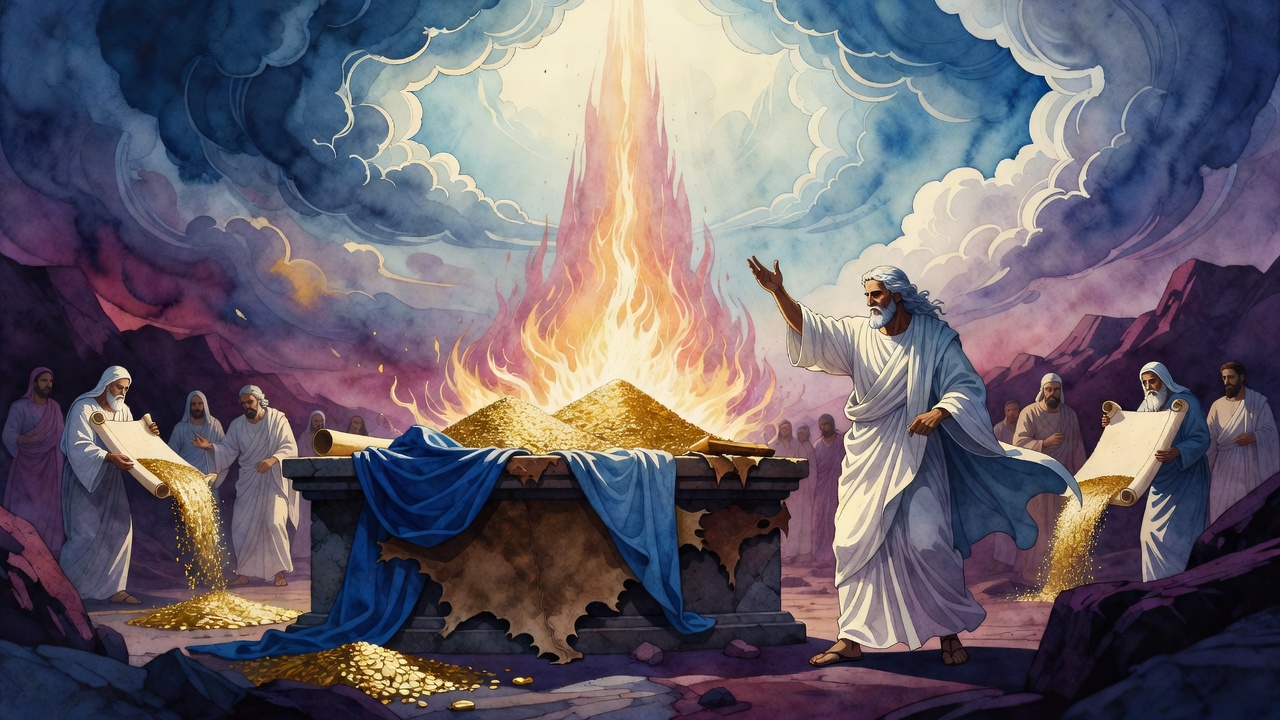
Weeks after the calf, so much gold came in that Bezalel reported more than the work could use. Moses raised both hands and shouted for the giving to stop.
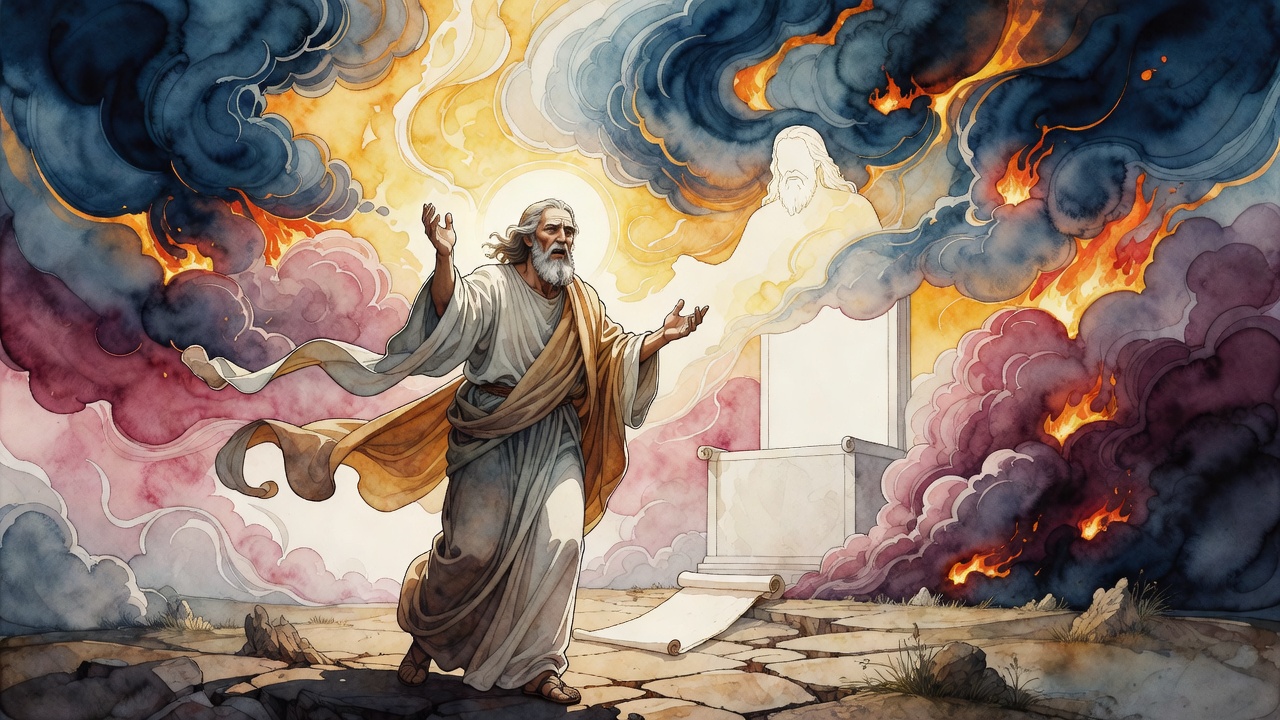
At Meribah an oath of death settled on Moses. He begged for the mercy he had won for sixty myriads and heard that fate was no longer his.
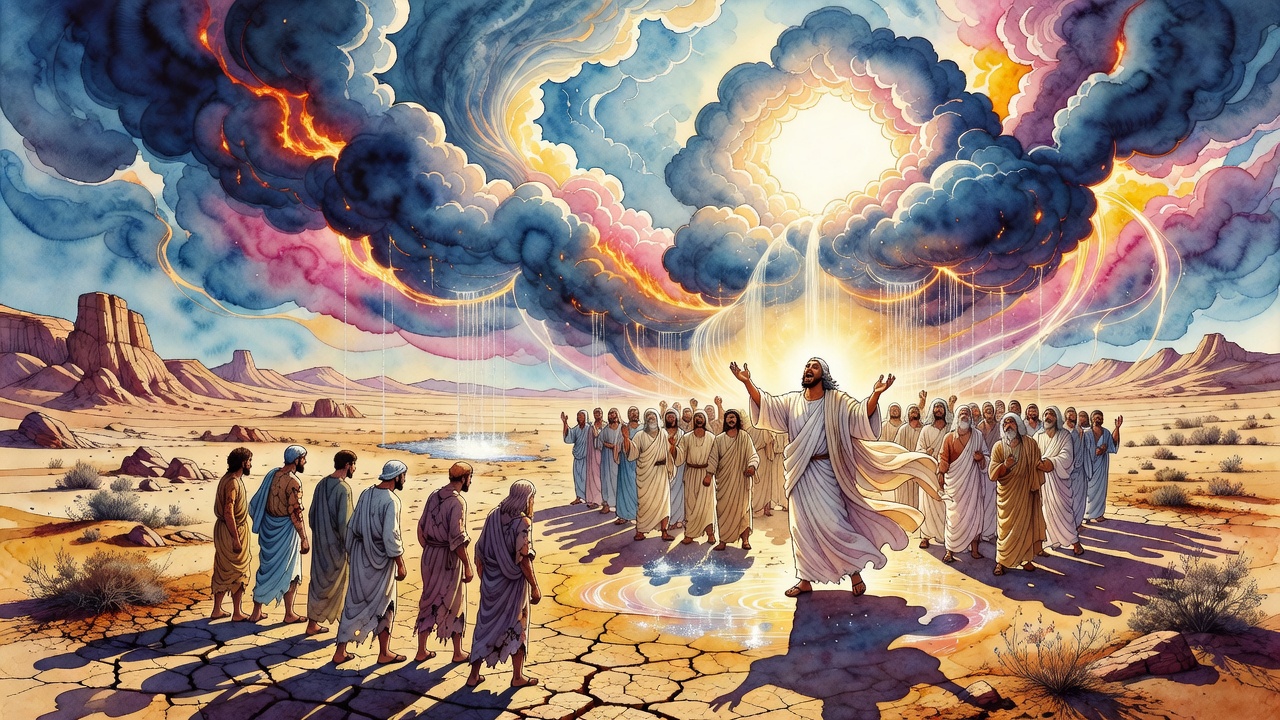
There was no shade at the foot of the mountain, and every neck was burning. Then God told the clouds to let go, and cool water hit the whole camp at once.
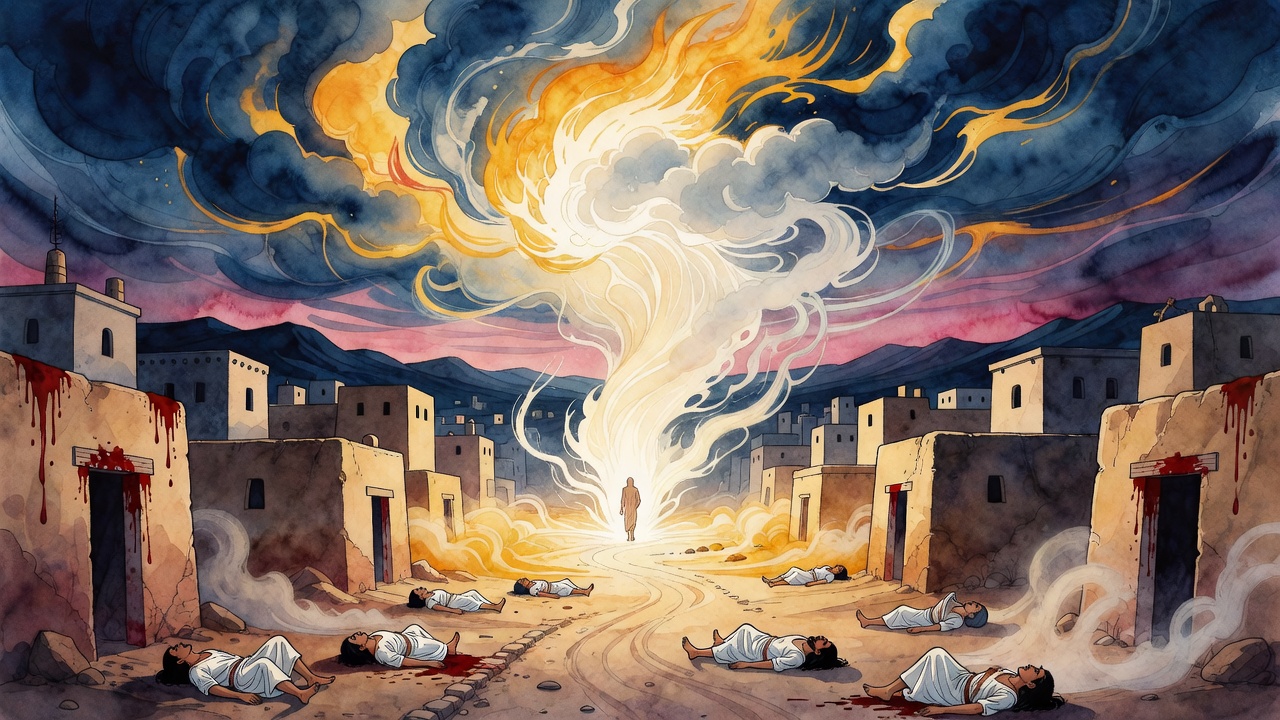
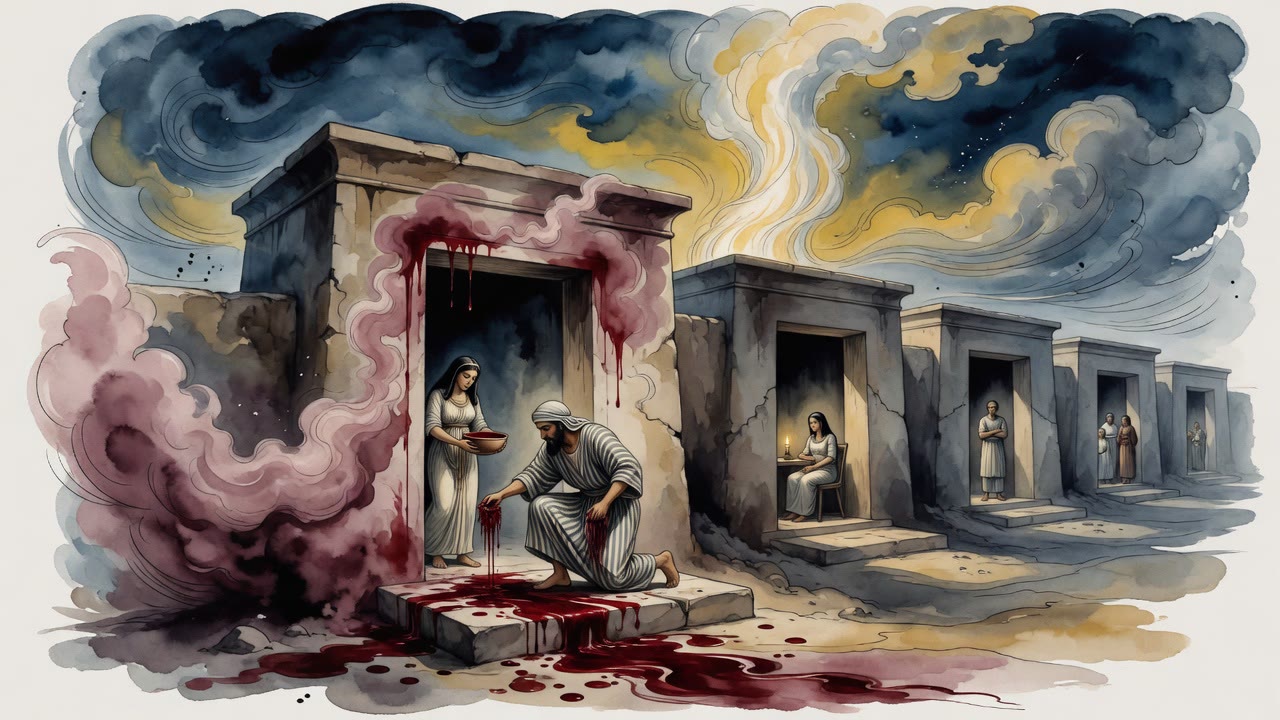
At the hairsbreadth of midnight, no angel takes the blow. God walks Egypt alone while firstborn fall and blood marks the doors.
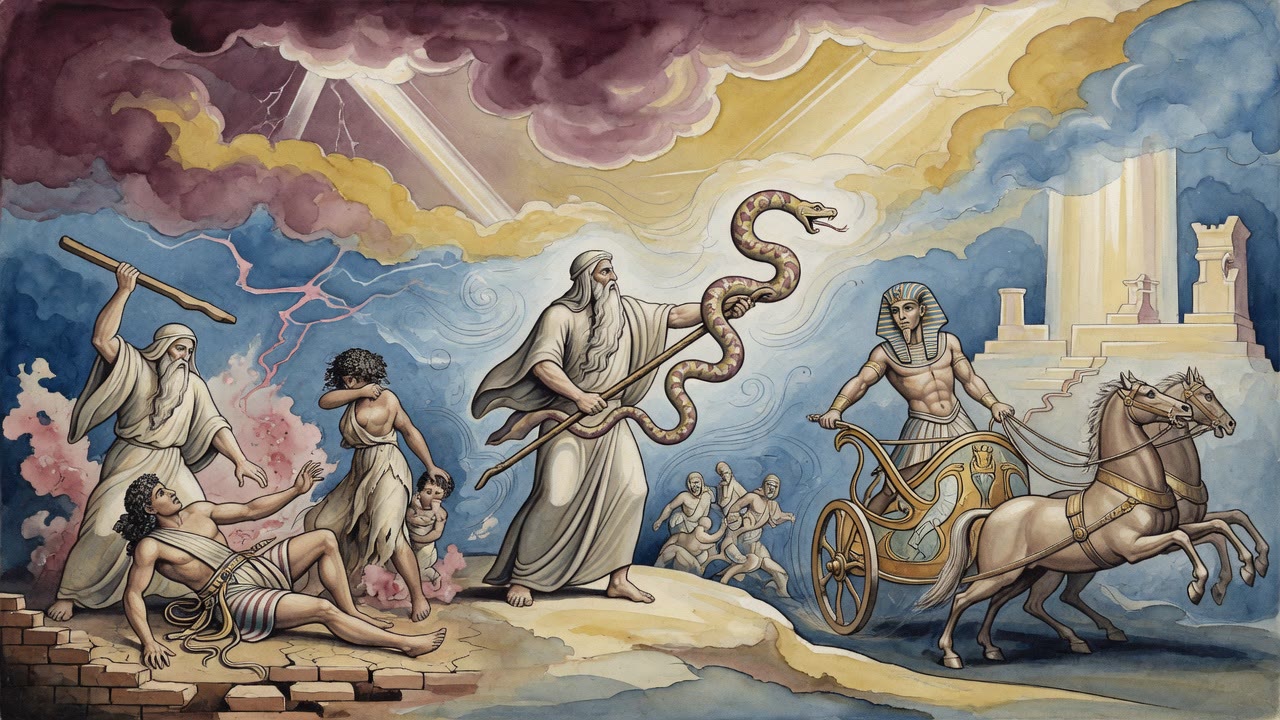
Gold keeps coming until Bezalel and Aholiab tell Moses to stop. The desert Mishkan rises from too much love, not too little.
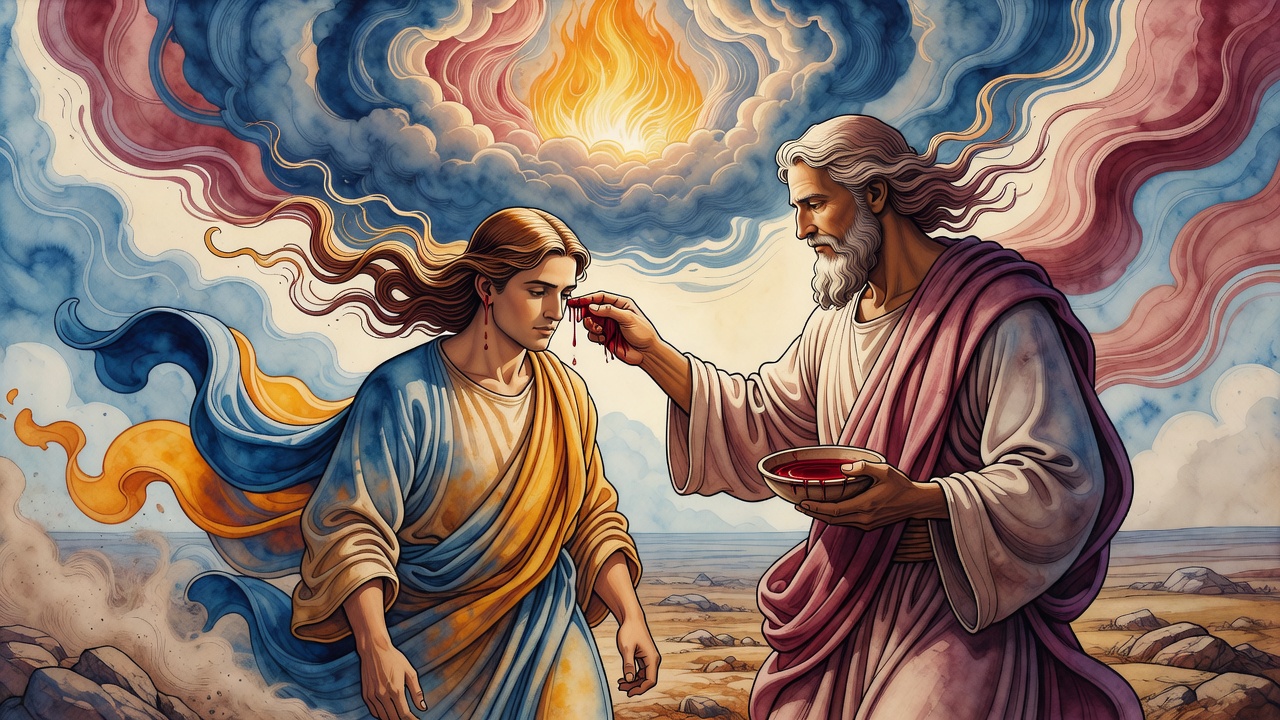
Moses takes ram's blood to Aaron's right ear, thumb, and toe. Three bloods, three measures, one brother made high priest.
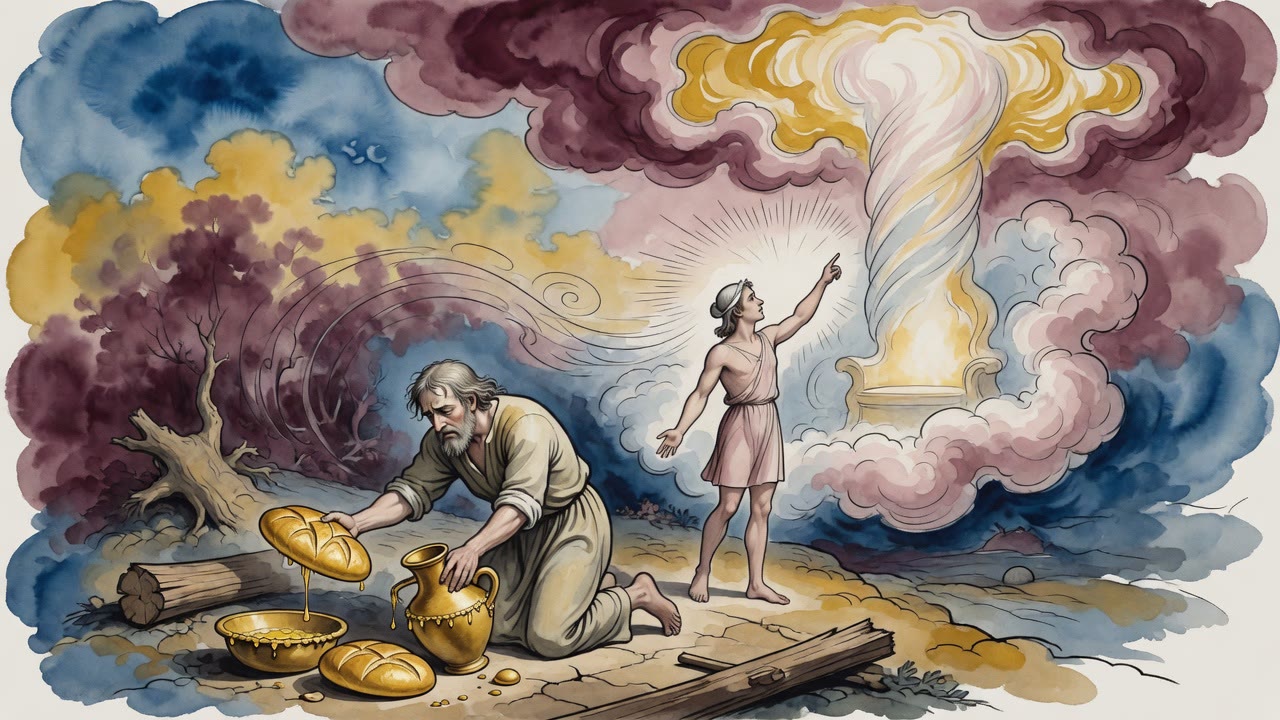
After the calf, God asks for gold again, the same metal of betrayal funding a sanctuary so the nations see Israel forgiven.
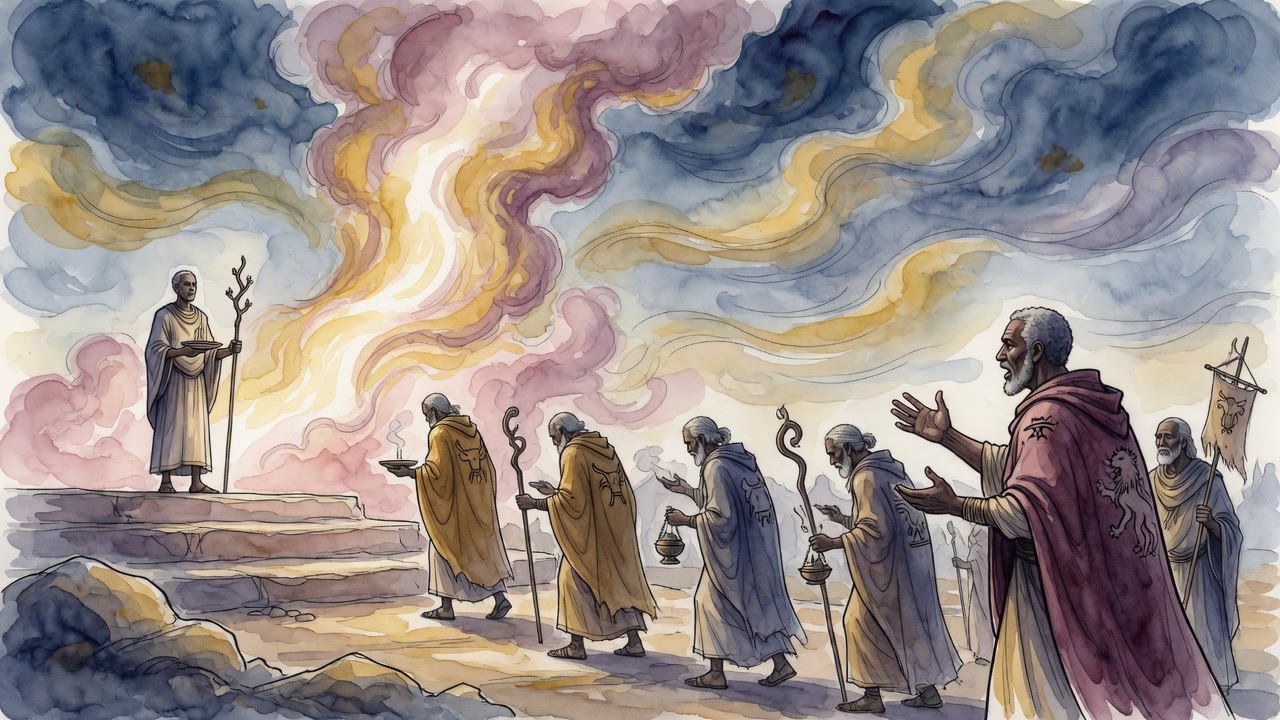
The other ten adjusted their straps. Joshua stood saying the new syllables under his breath, testing whether they would hold.
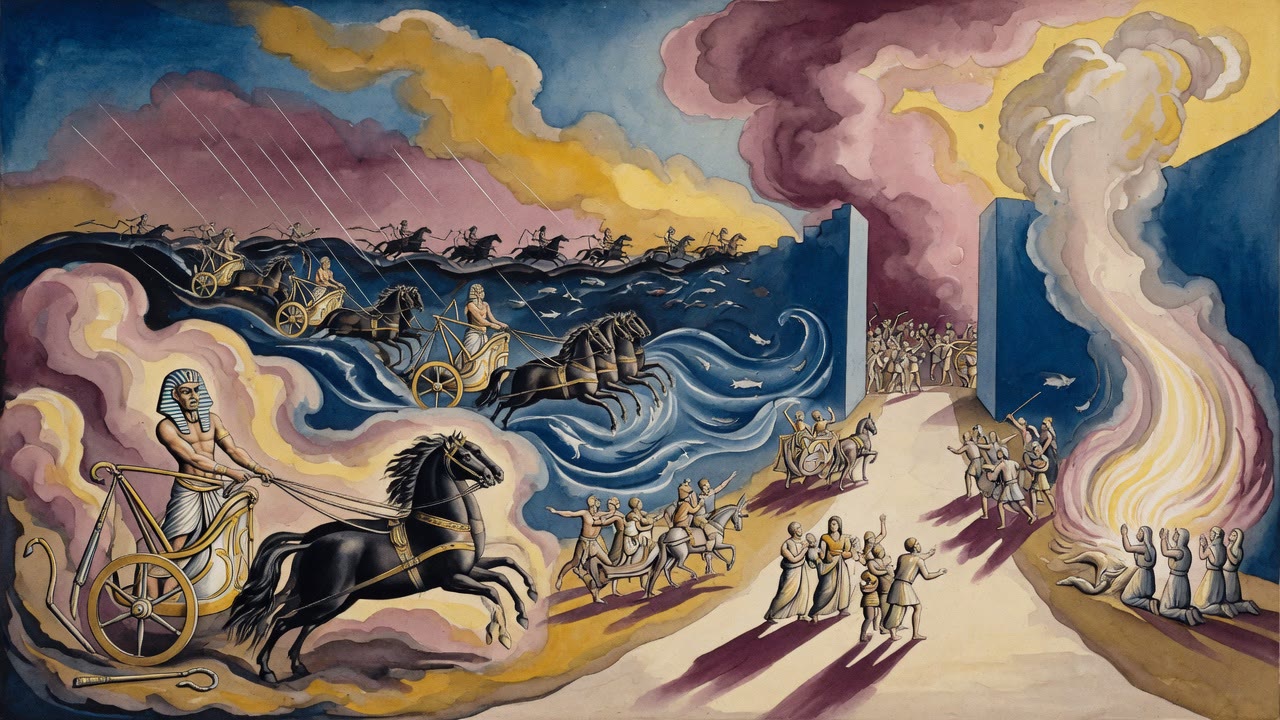
At the sea, fire burns chariot wheels while heavy labor returns on Egypt; clouds of glory still shelter the people who walk free.
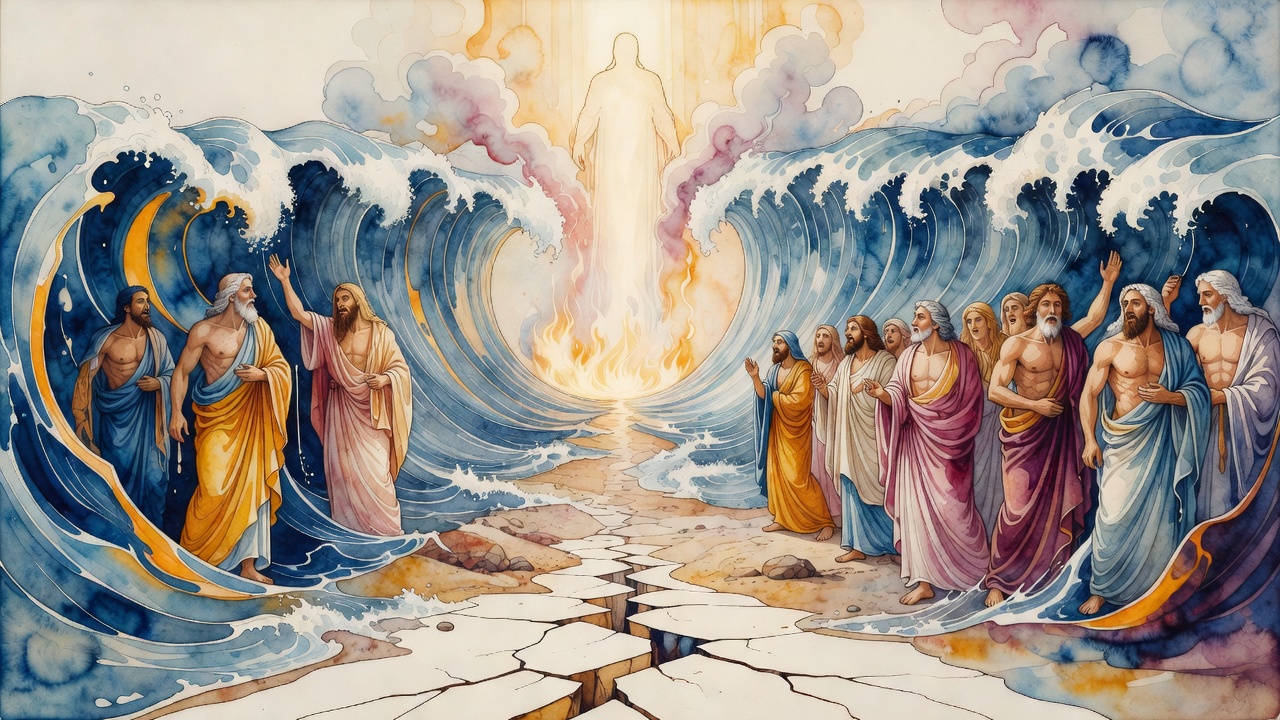
Serah bat Asher stood at the edge of the water and saw angels massed above the crossing. Everyone else saw walls of water and a dry path.
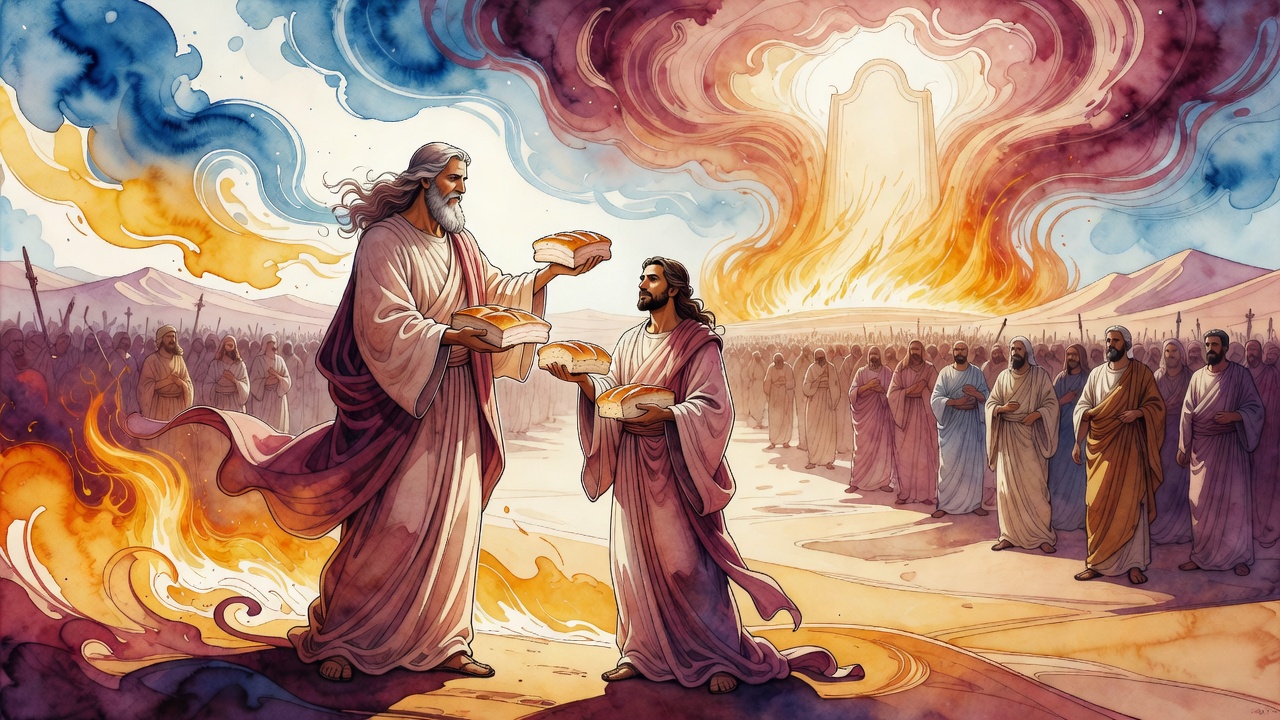
The courtyard filled until children sat on shoulders. Fat and bread sat on Aaron's palms. Moses swung them, then took them back for the fire.
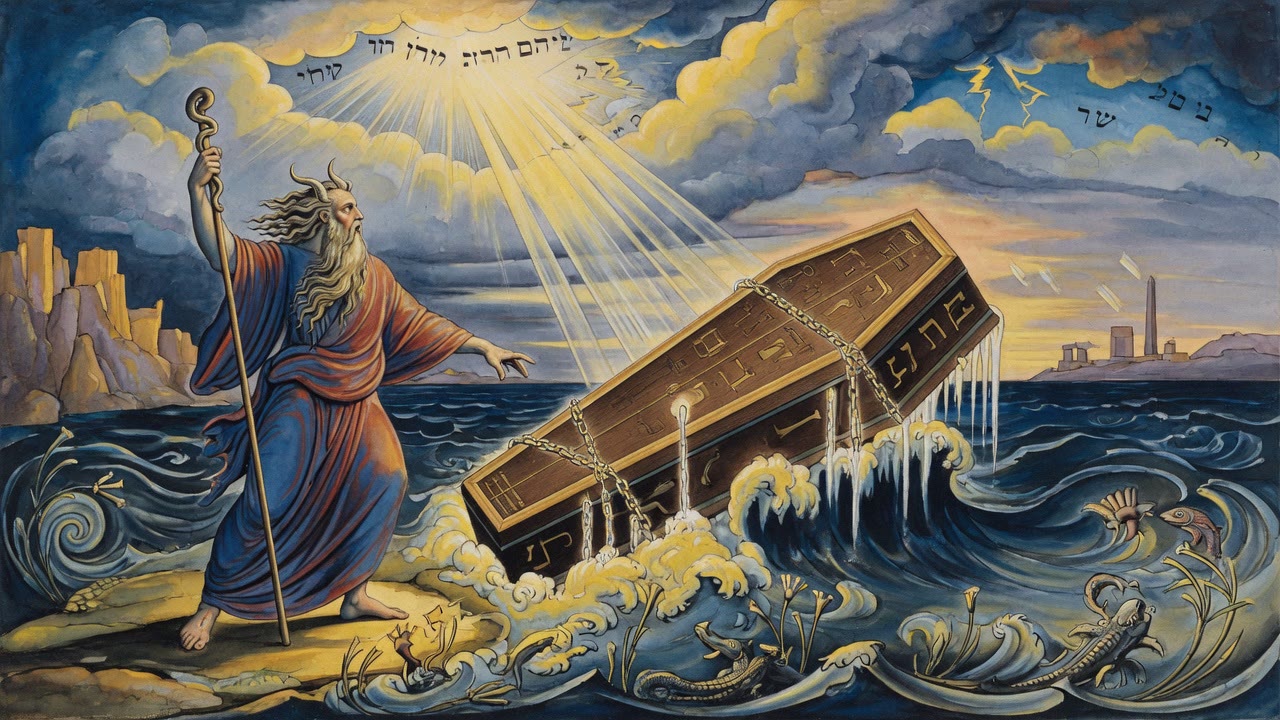
While Israel grabbed Egyptian gold, Moses spent three days hunting Joseph's sunken coffin until Serah bat Asher led him to the river's secret.
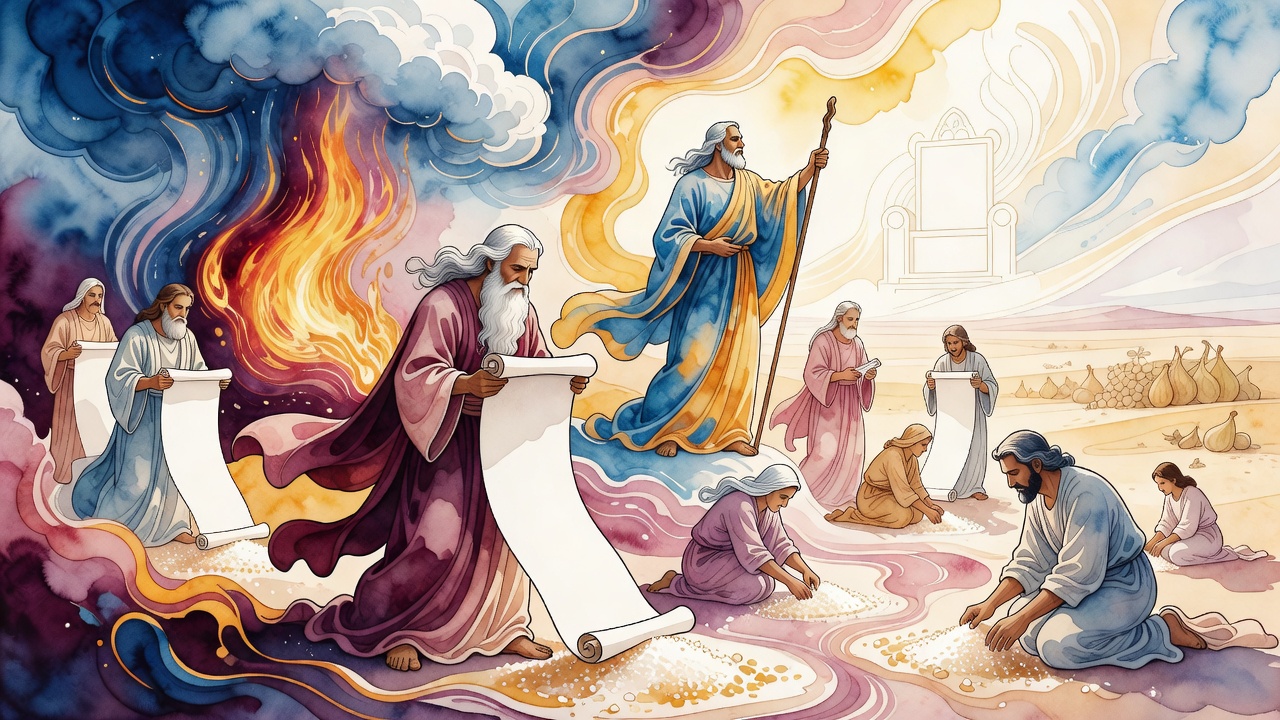
R. Yossi counts forty years of manna under Moses and fourteen more after his death, until Canaan's produce fully replaced heaven's bread.
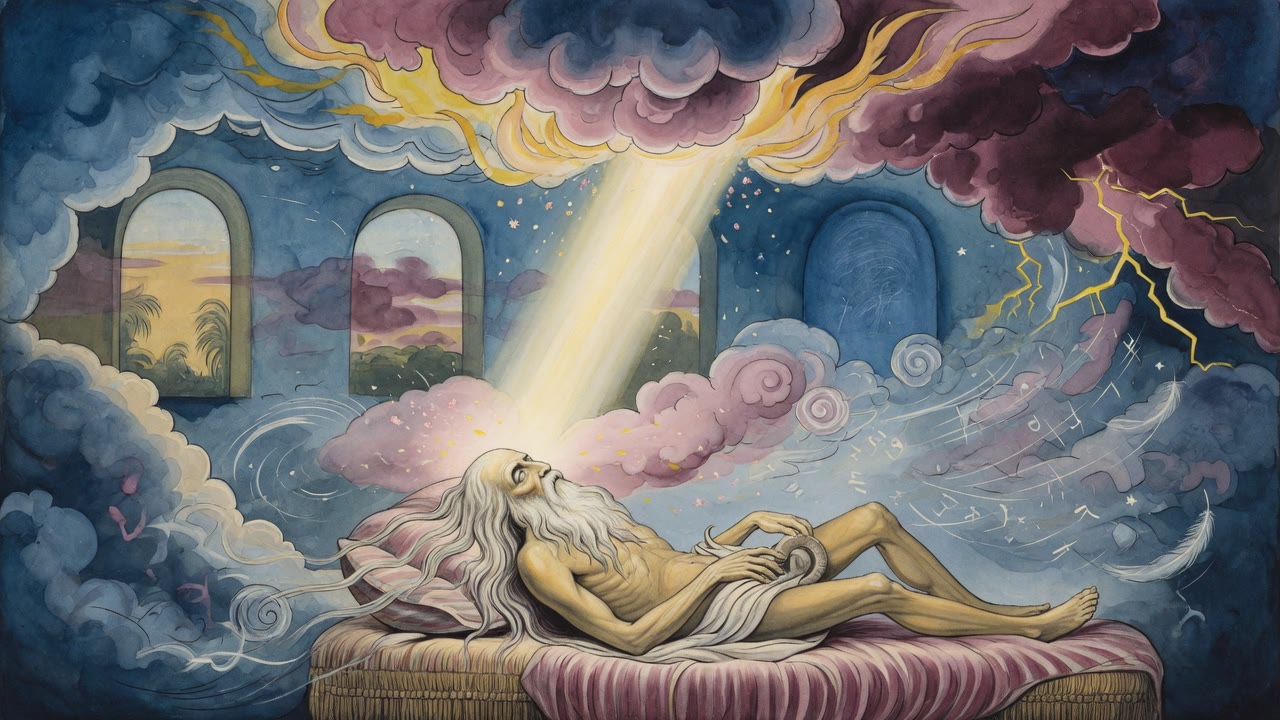
Old age shuts Abraham's windows and doors one by one. When death comes, it arrives as the kiss of the Shekhinah, the Divine Presence, not as decay's claim.
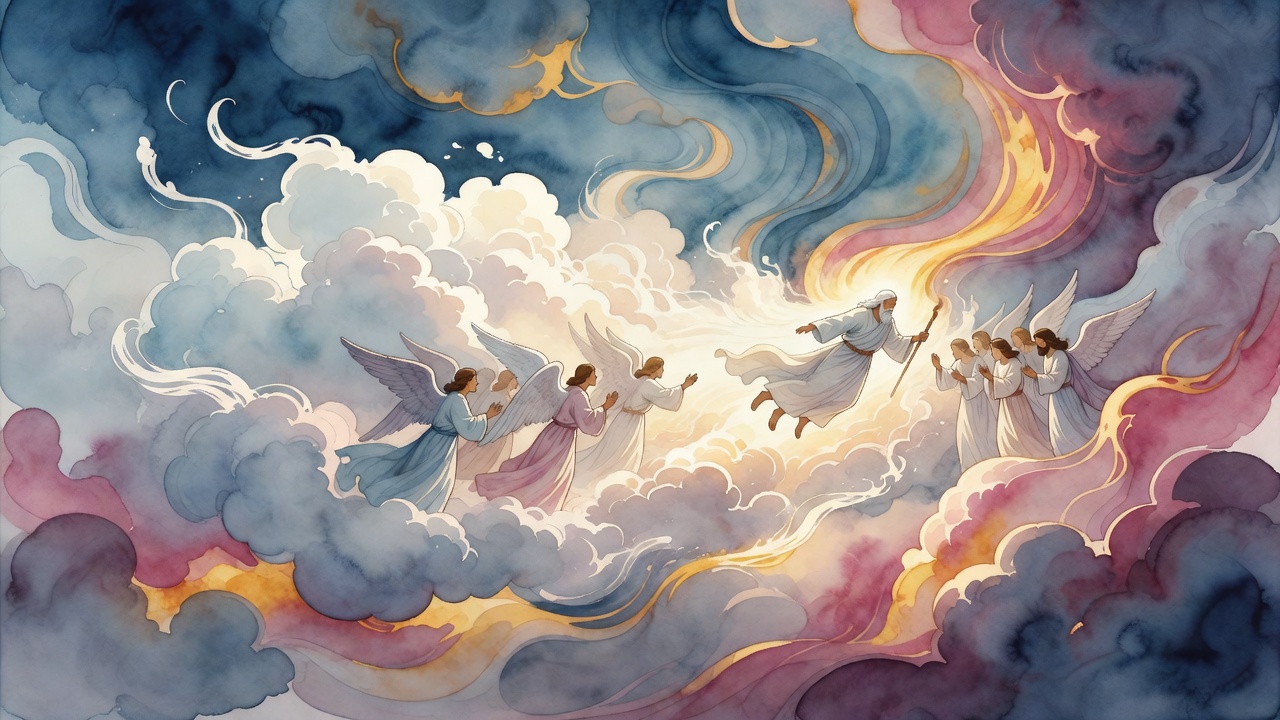
Seraphim stopped at the outer dark. Moses went in like a fish through water. Inside, God taught him the words that would keep Israel alive.
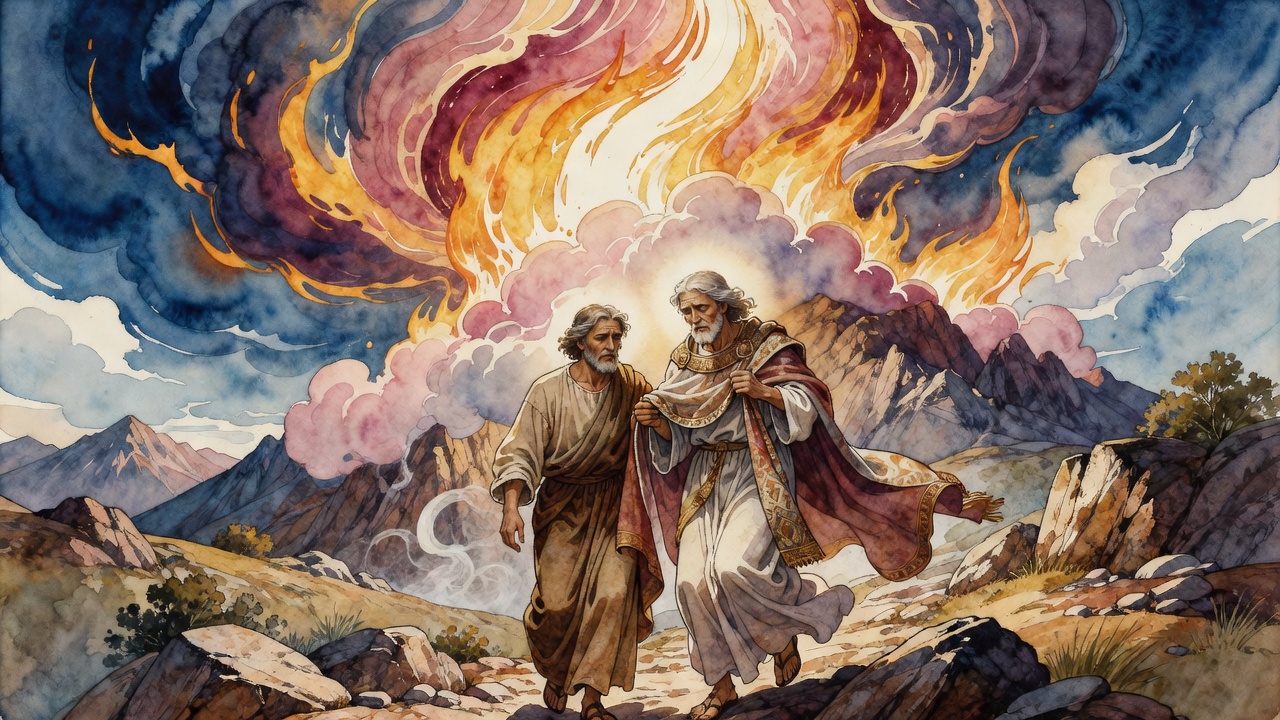
God tells Moses that Aaron will die for Meribah, so Moses leads his brother up the ridge with quiet words and a transfer of garments.
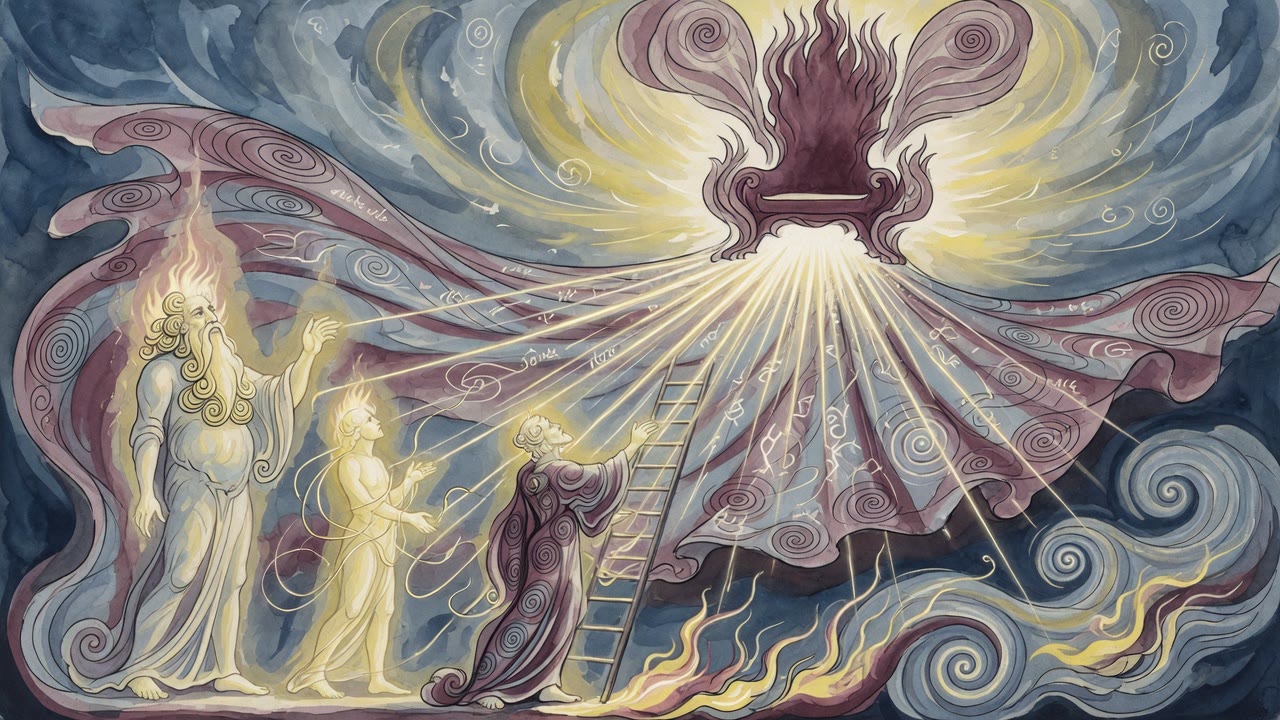
Moses came to the burning bush for a mission and left with a script. Abraham, Isaac, Jacob: the names God gave him there still open the standing prayer.
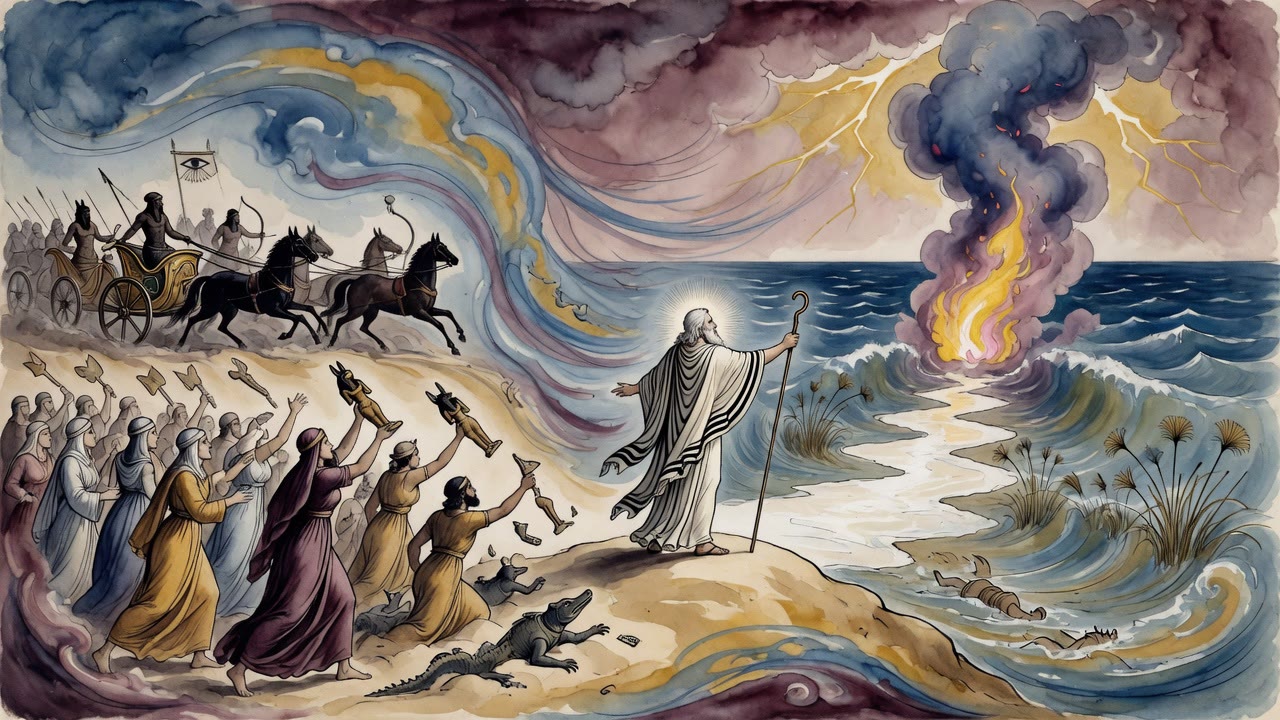
Pinned between Pharaoh's chariots and the Reed Sea, Israel flings Egyptian idols into the sand, then Moses is told only to go forward.
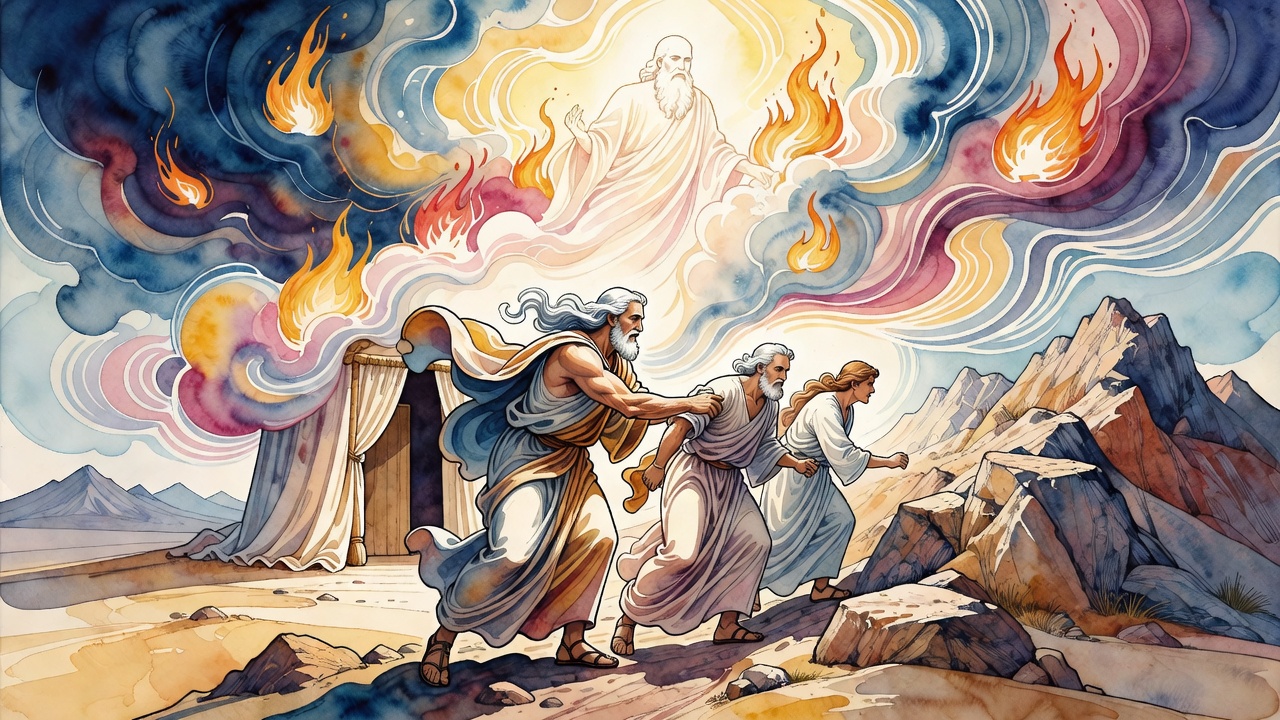
Curtains, new wood, oil. Aaron wanted the first service under his own feet. Moses walked him past the door and out of the camp.
