195 myths · Page 2 of 7
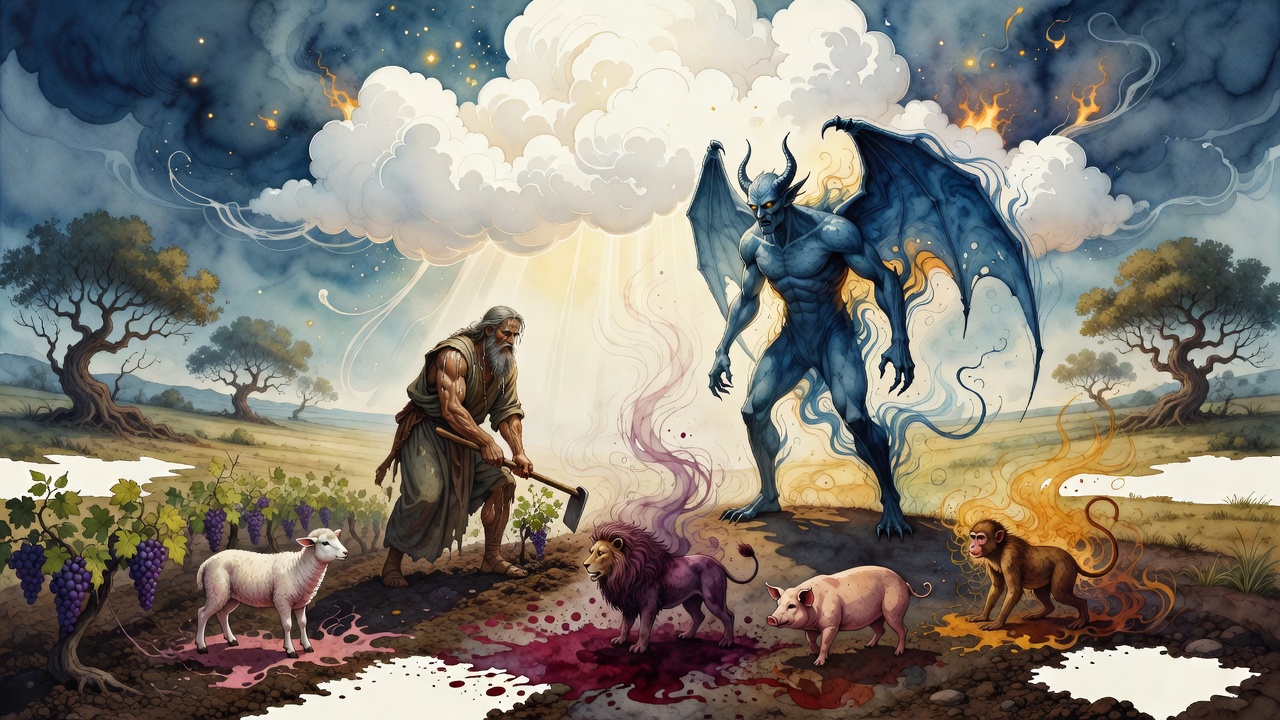
The soil was still wet from the flood. Noah set a vine in it. A partner arrived with a lamb, a lion, a pig, and a monkey.
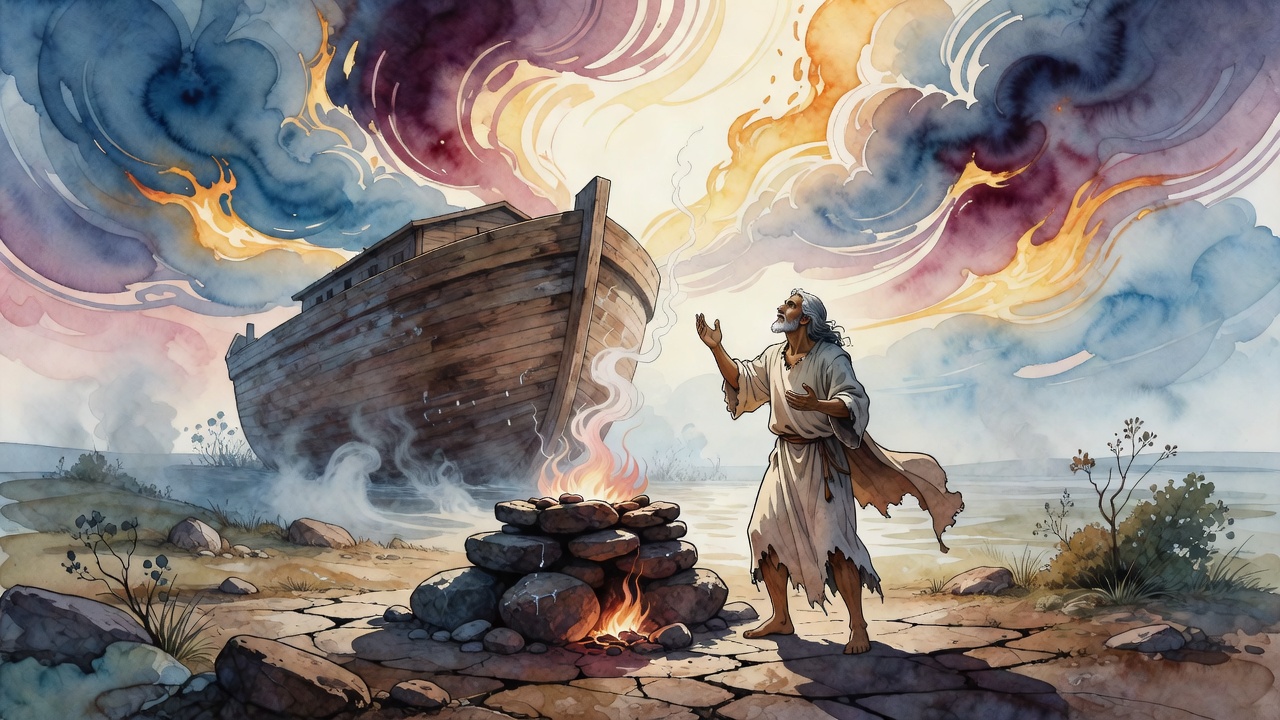
After a year on the water, Noah's first act on dry ground was to build an altar. Before shelter, before planting, before anything else, he made atonement.
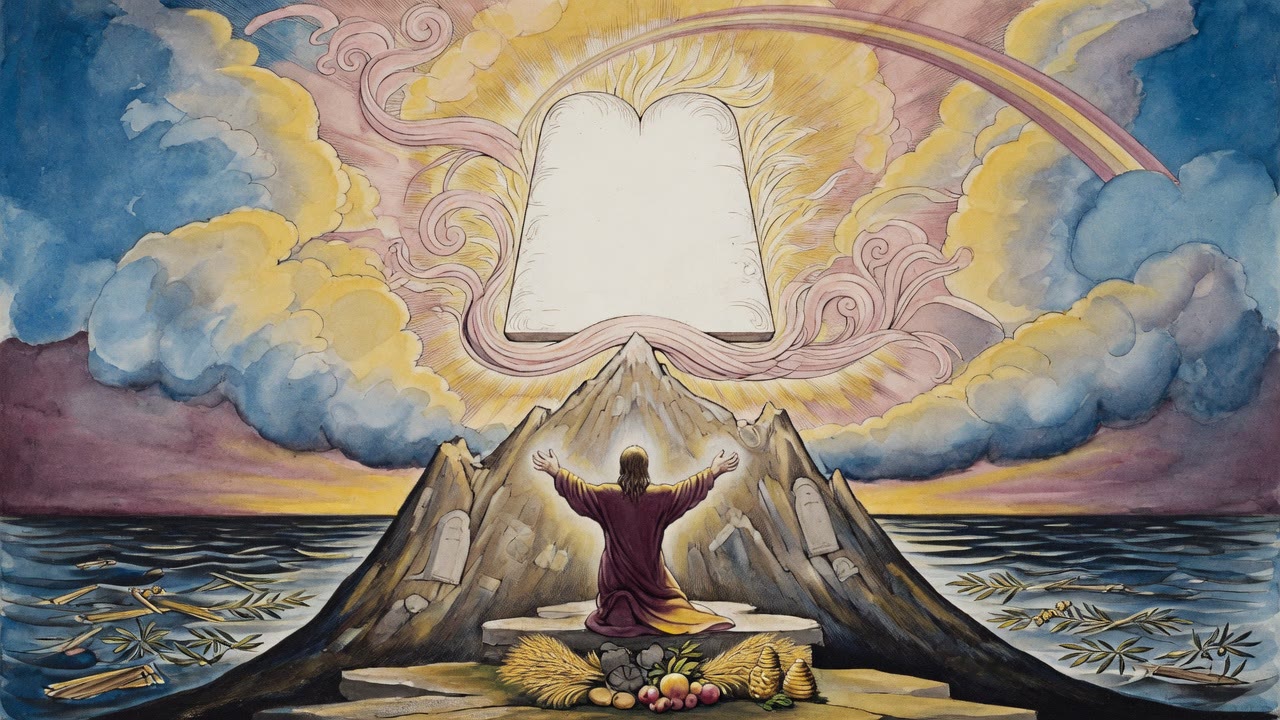
Noah built an altar on mud that had just become land. The feast he kept already had a slot in the year. Moses climbed later only to hear its name.
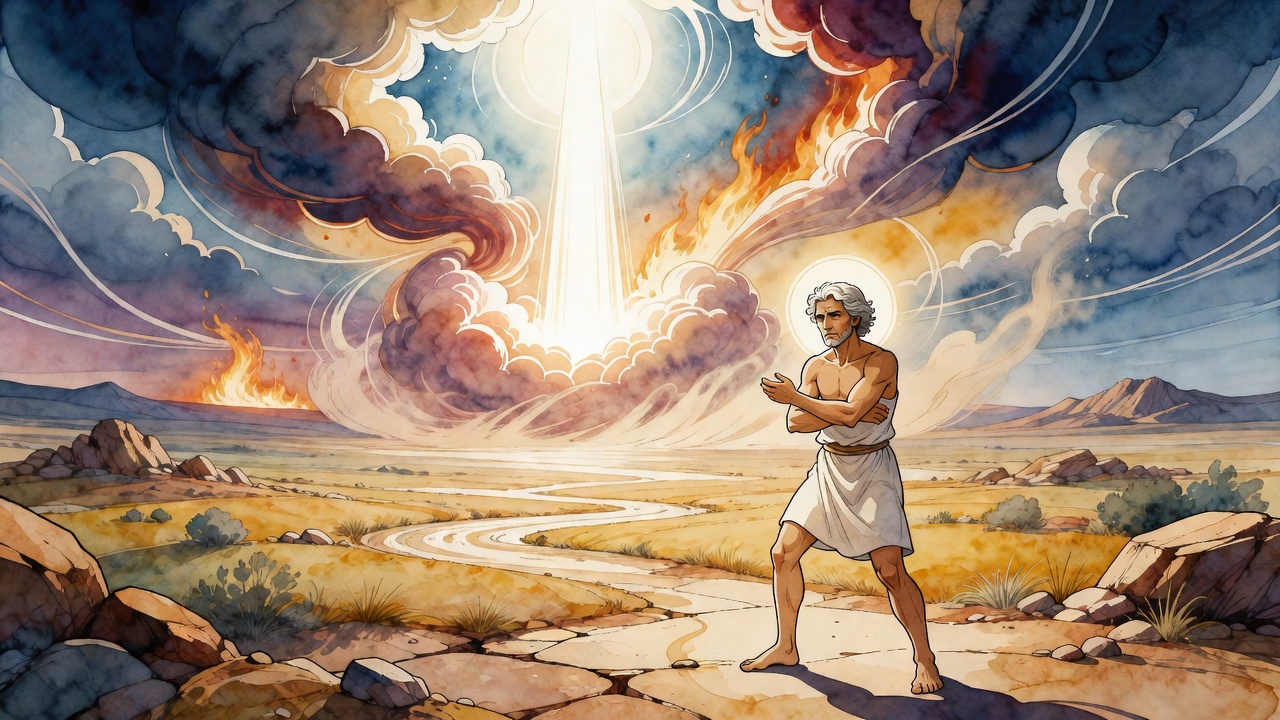
The lots assigned the holy land to Shem. Ham's son Canaan crossed the border anyway, defying an oath sealed before angels, and refused to leave.
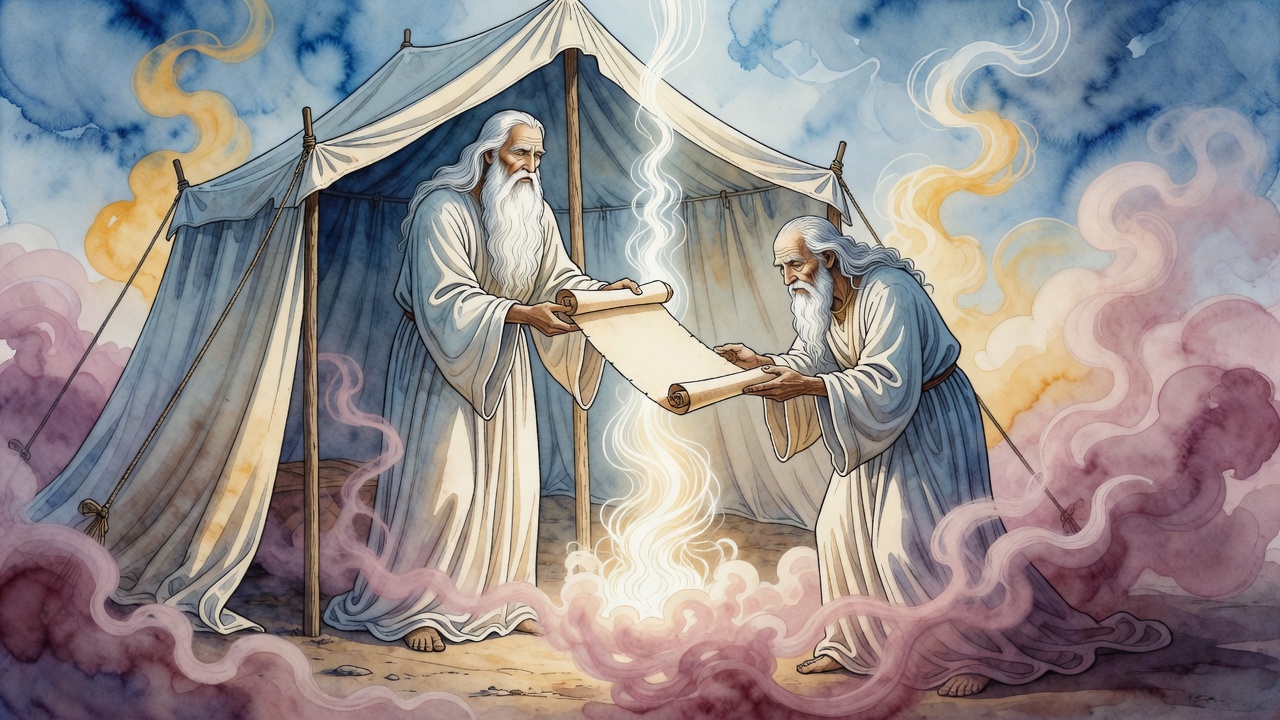
The angels showed Enoch the year. He wrote it down. Before he vanished he pressed the book into Methuselah's hands and told him not to trust memory.
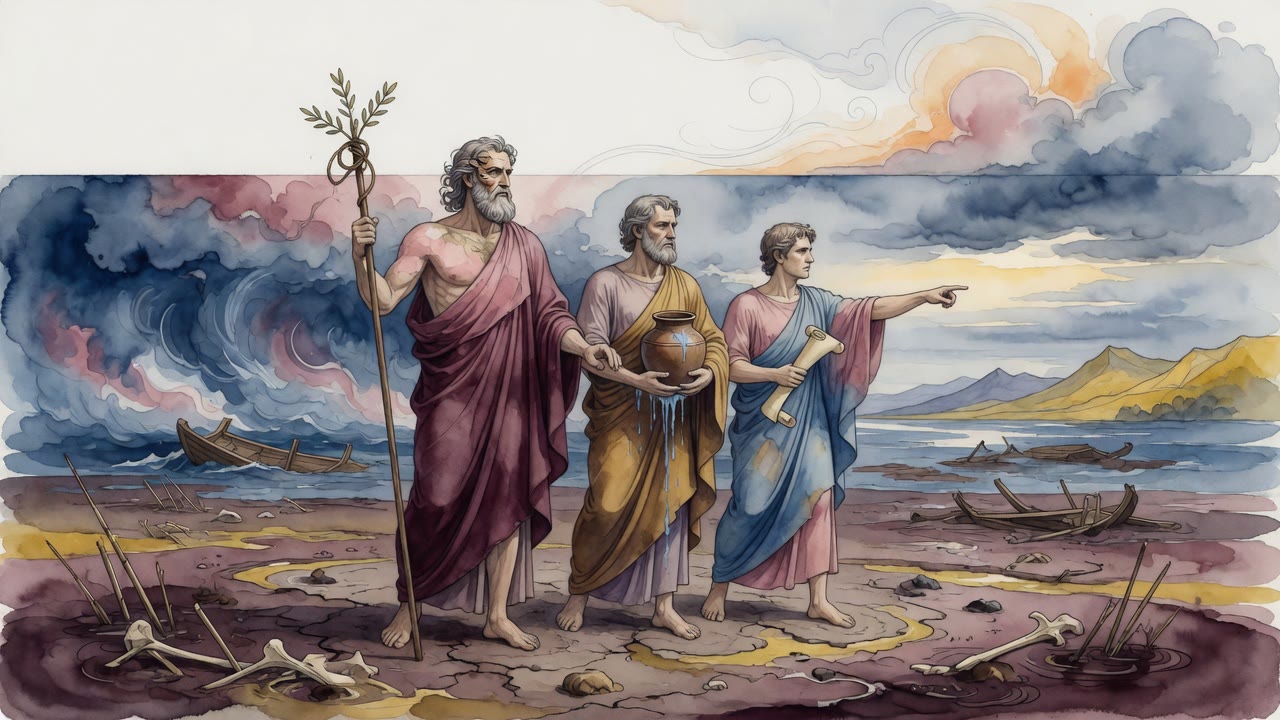
Arphaxad was born two years after the flood, into mud that still remembered judgment. He and his sons carried the memory that led to Abraham.
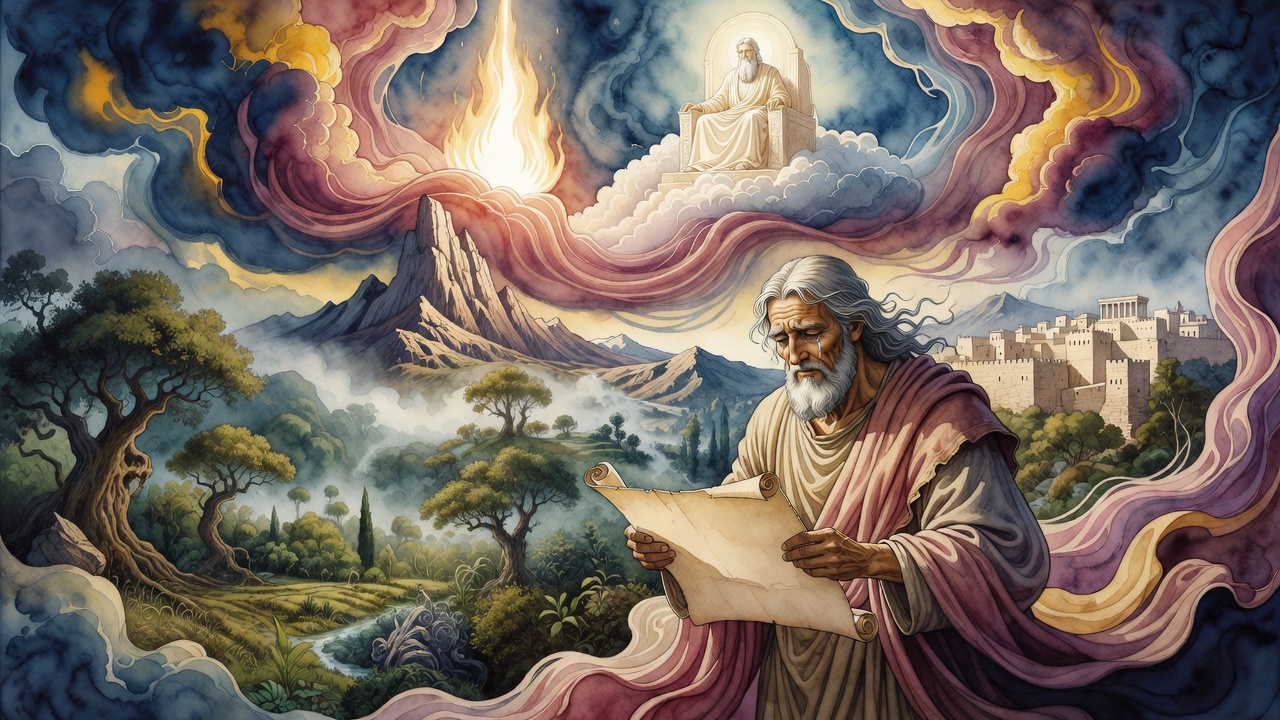
When Noah drew lots after the flood, Shem's portion contained the Garden of Eden, Mount Sinai, and Jerusalem. Noah wept when he saw it written.
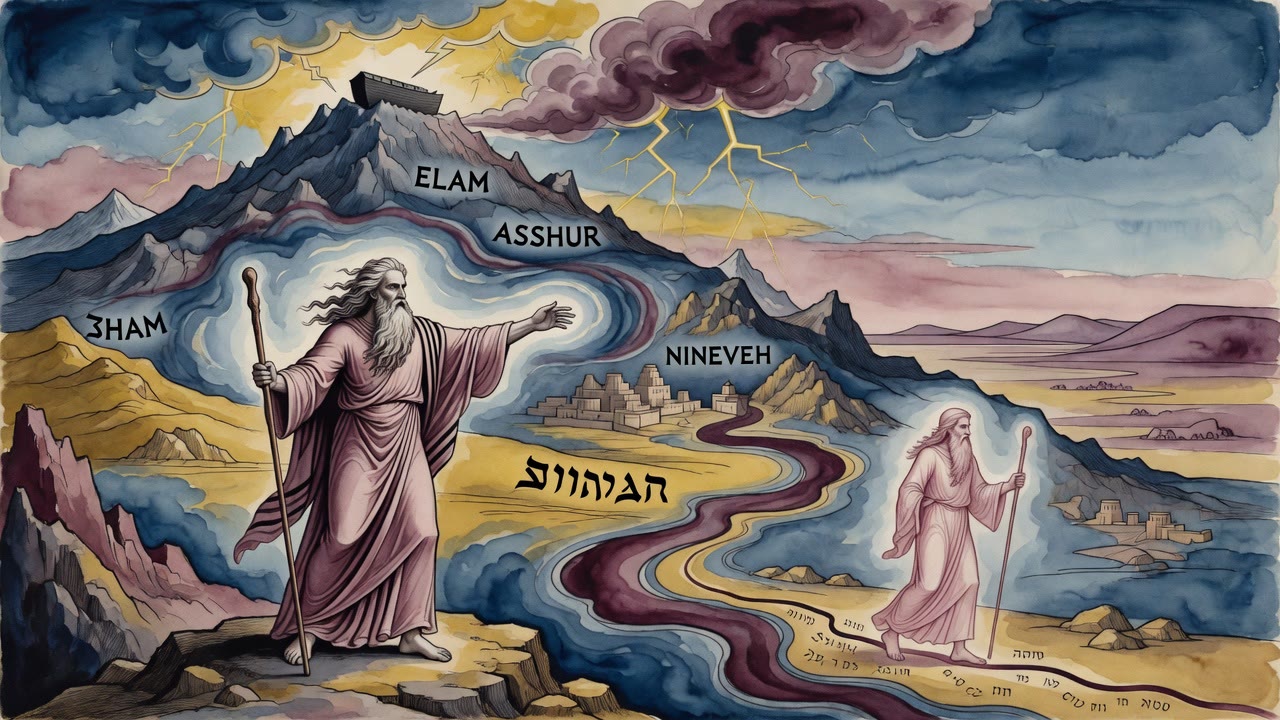
On the mountain of Ararat the lots were read aloud: Elam, Asshur, Nineveh, Shinar. Shinar was where the tower would rise. Nineveh would come for Israel later.
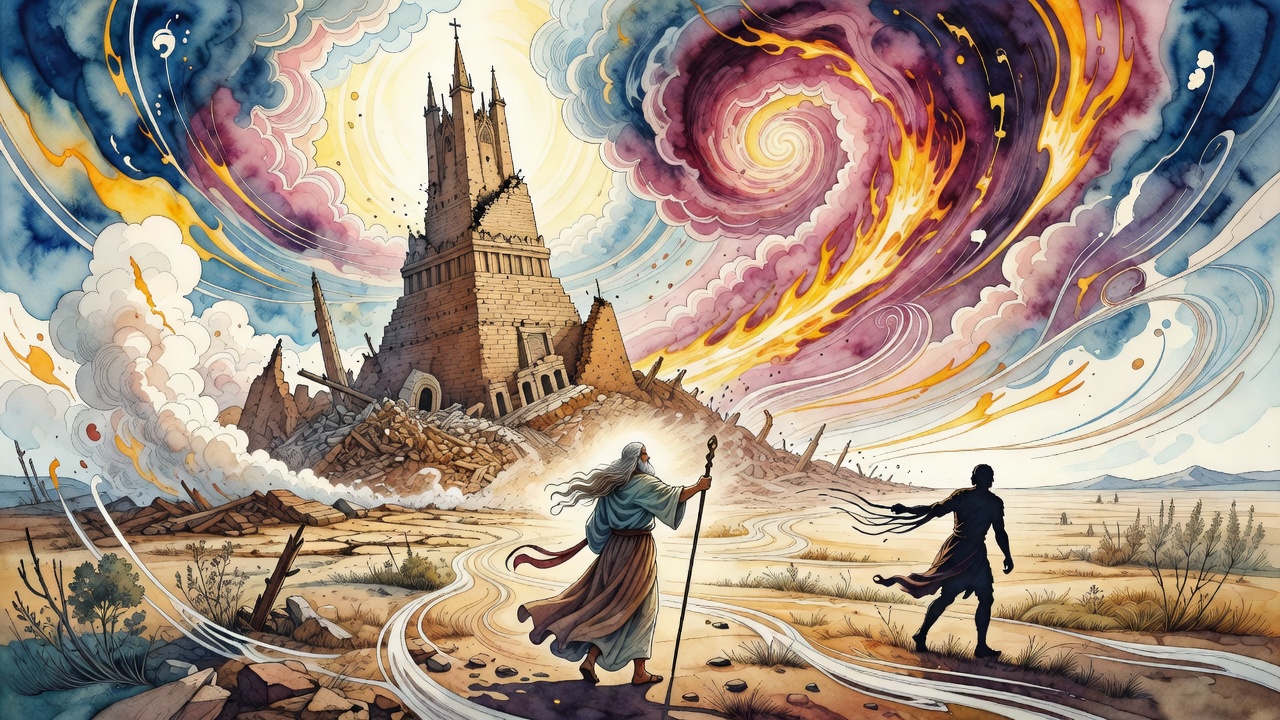
God's wind destroyed the tower. Noah named the rubble Overthrow and divided the earth. Then Canaan marched north into Shem's portion and refused every warning.
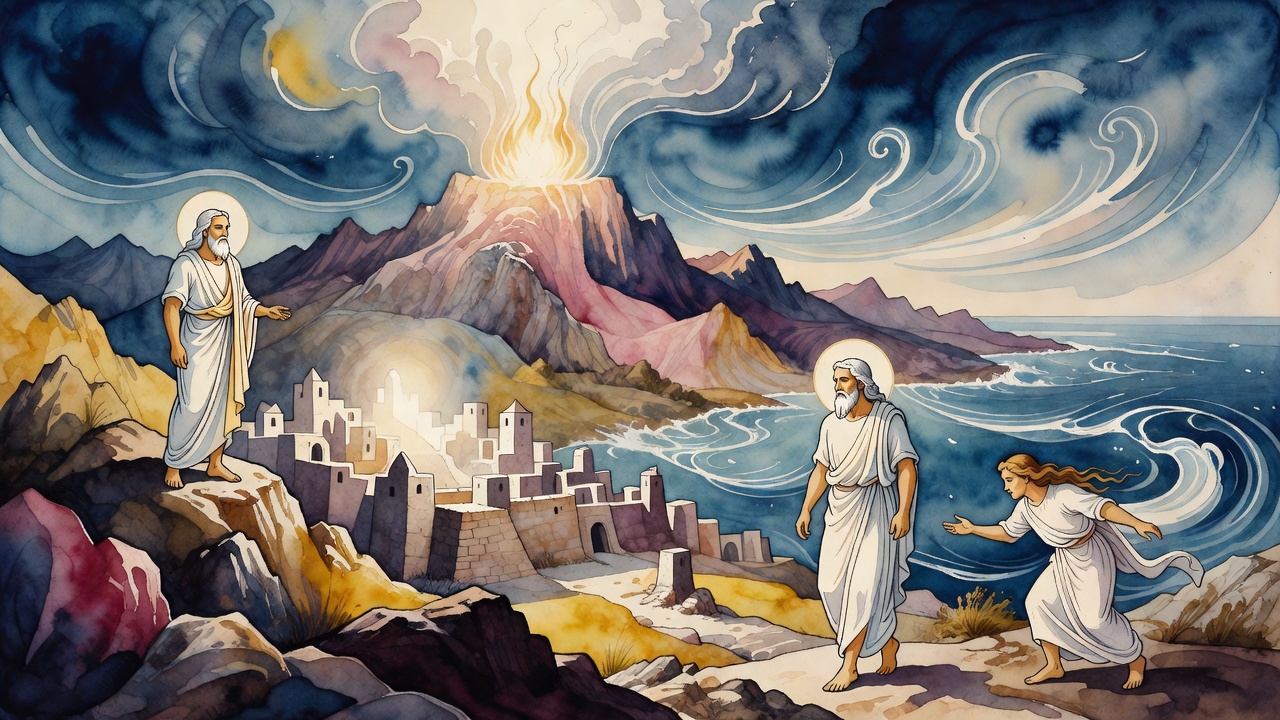
Shem named his city for his wife on the mountain of the ark. Madai came back later and asked Noah to change his lot.
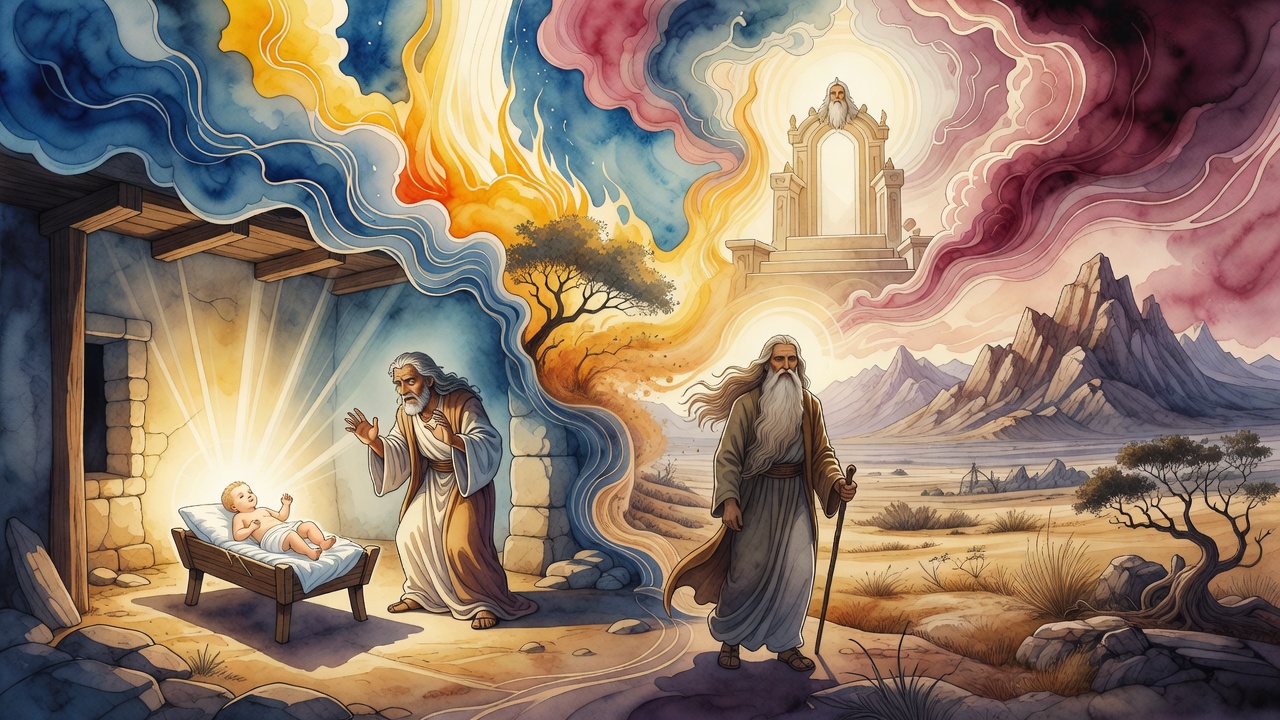
Lamech's son was born glowing with light that filled the house. Lamech feared the child was not his. Methuselah walked to the ends of the earth to ask Enoch.
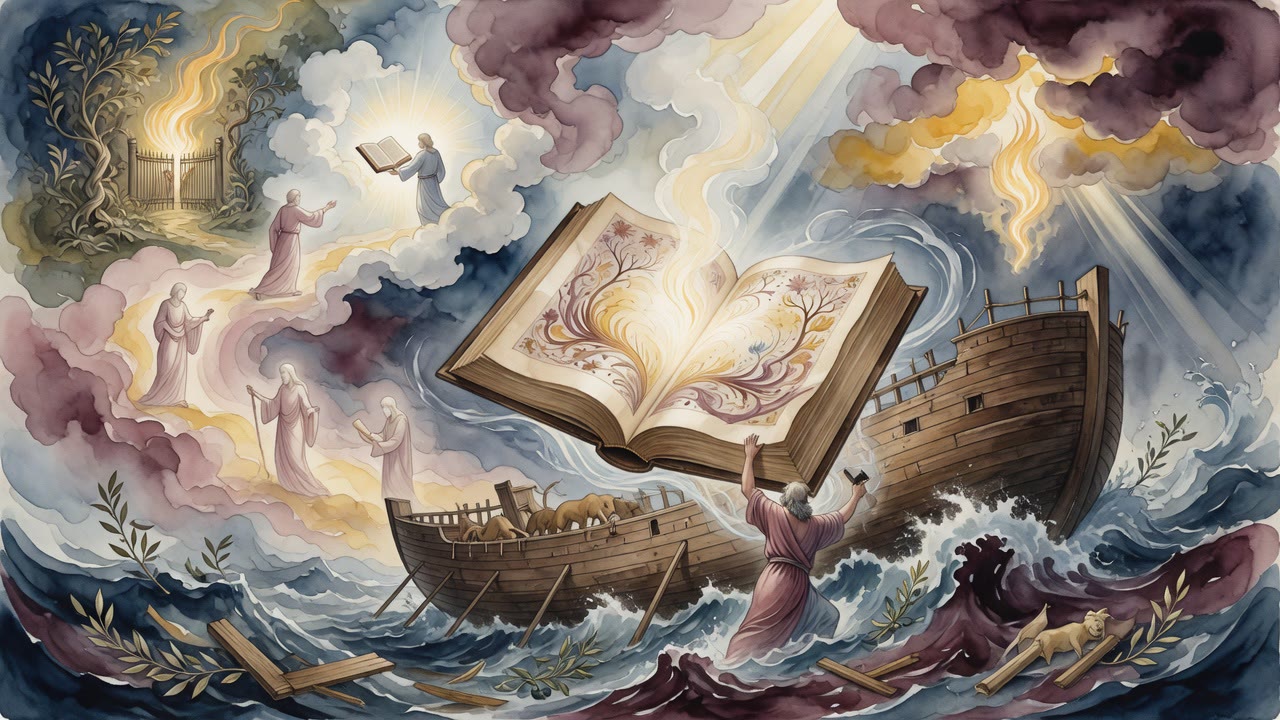
God gave Adam a book before leaving Eden. It passed through every righteous hand until Noah used it to build the ark. A book of secrets crossed the flood.
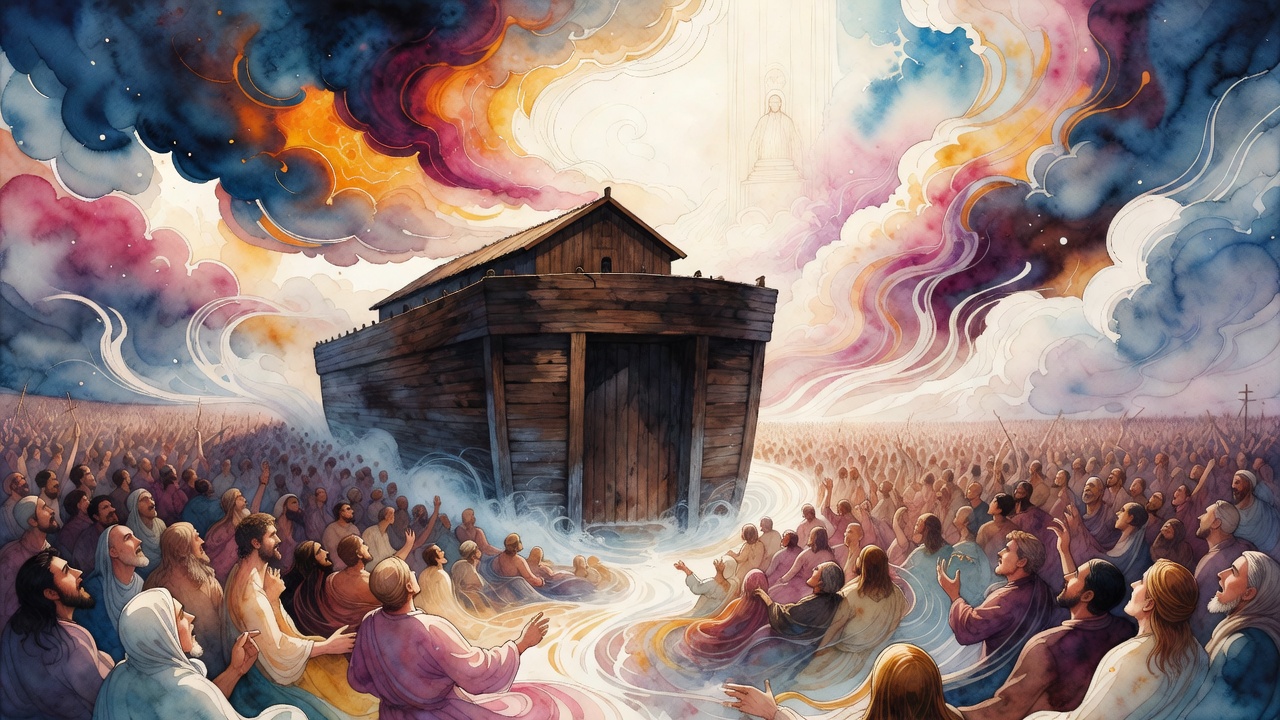
Seven hundred thousand people begged at the ark door and Noah shouted them down. He had been standing outside it himself a moment earlier.
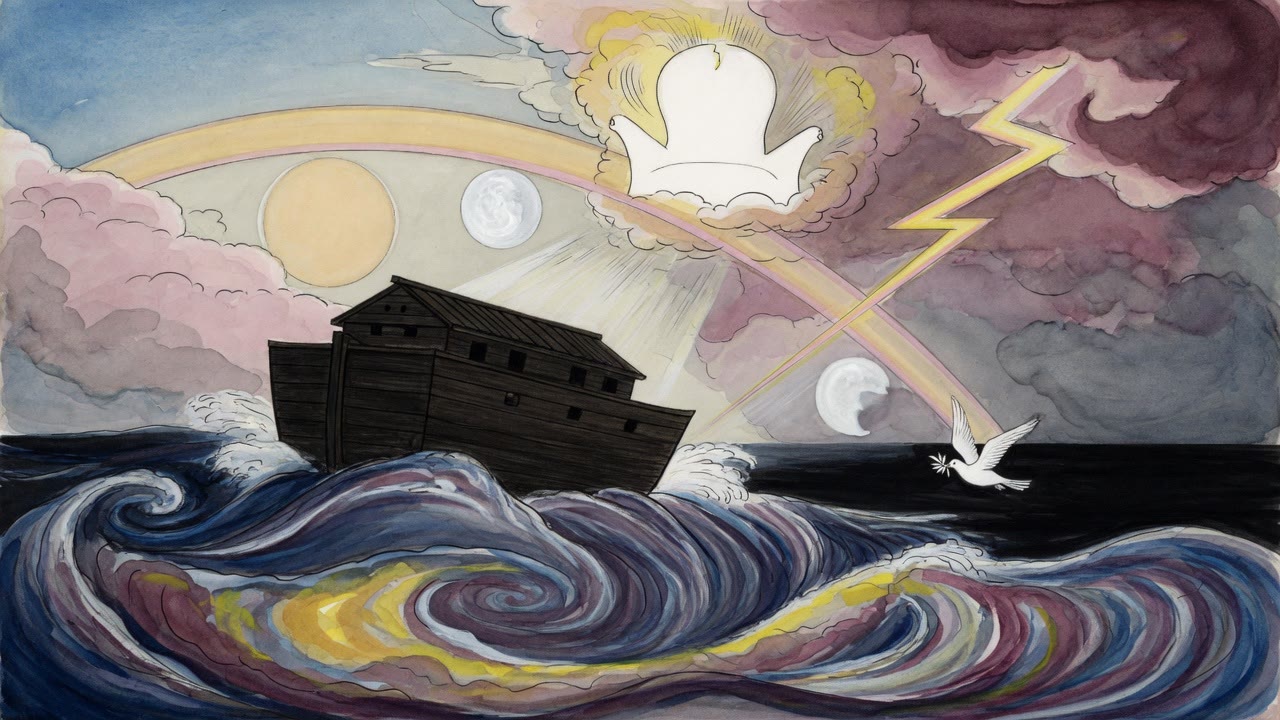
The flood lasted a precise solar year. Inside the ark, Noah tracked every day and dove flight. He was not just surviving. He was keeping time for the world.
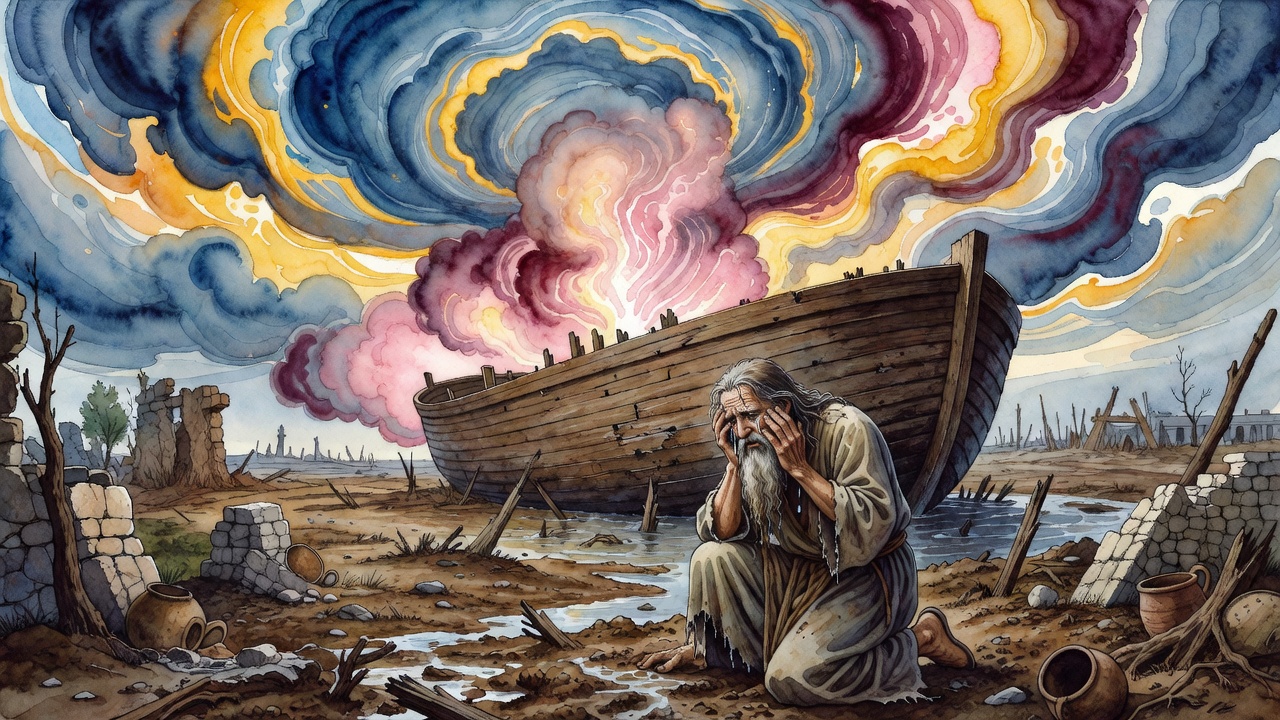
Noah built the ark, survived the flood, and wept at the ruins. Then God rebuked him for never praying for anyone outside the ark before it was too late.
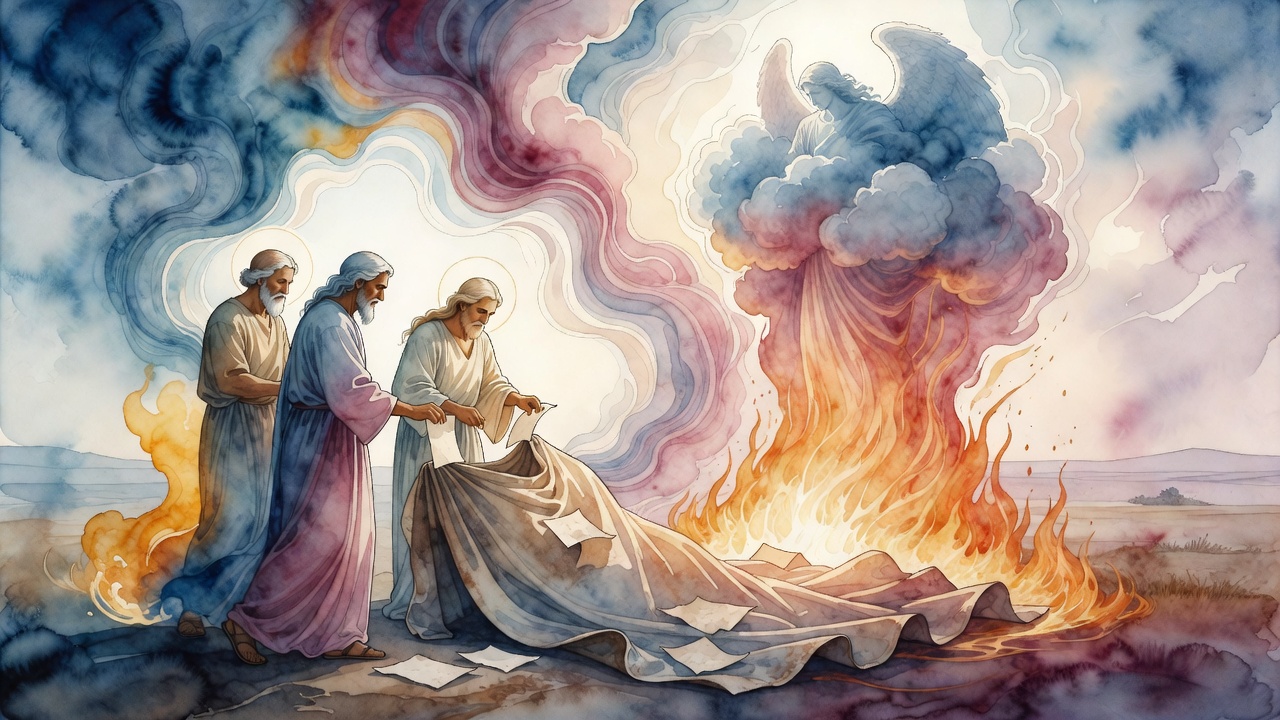
In year 1569 after creation, Noah's sons each drew a slip from their father's robe before an angel. The world was divided and given away forever.
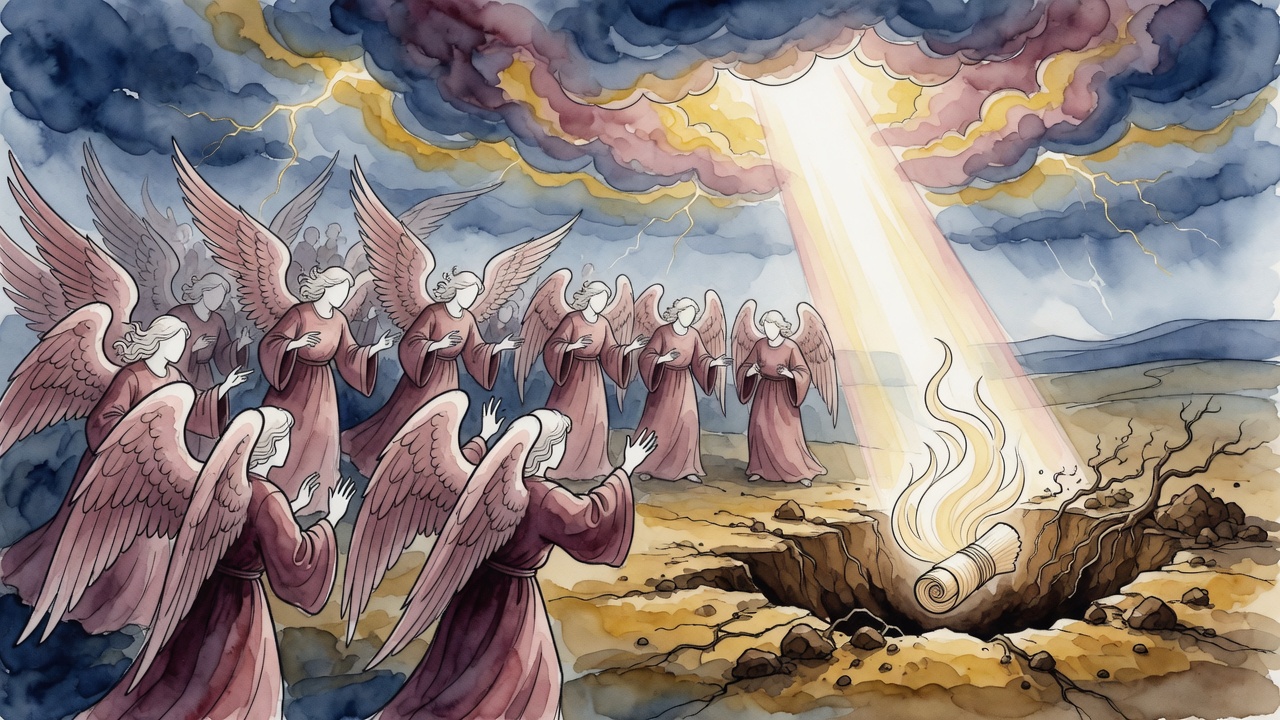
A woman went into labor in the brickyard at Shinar. She gave birth where she stood, tied the baby against her body with a sheet, and kept working.
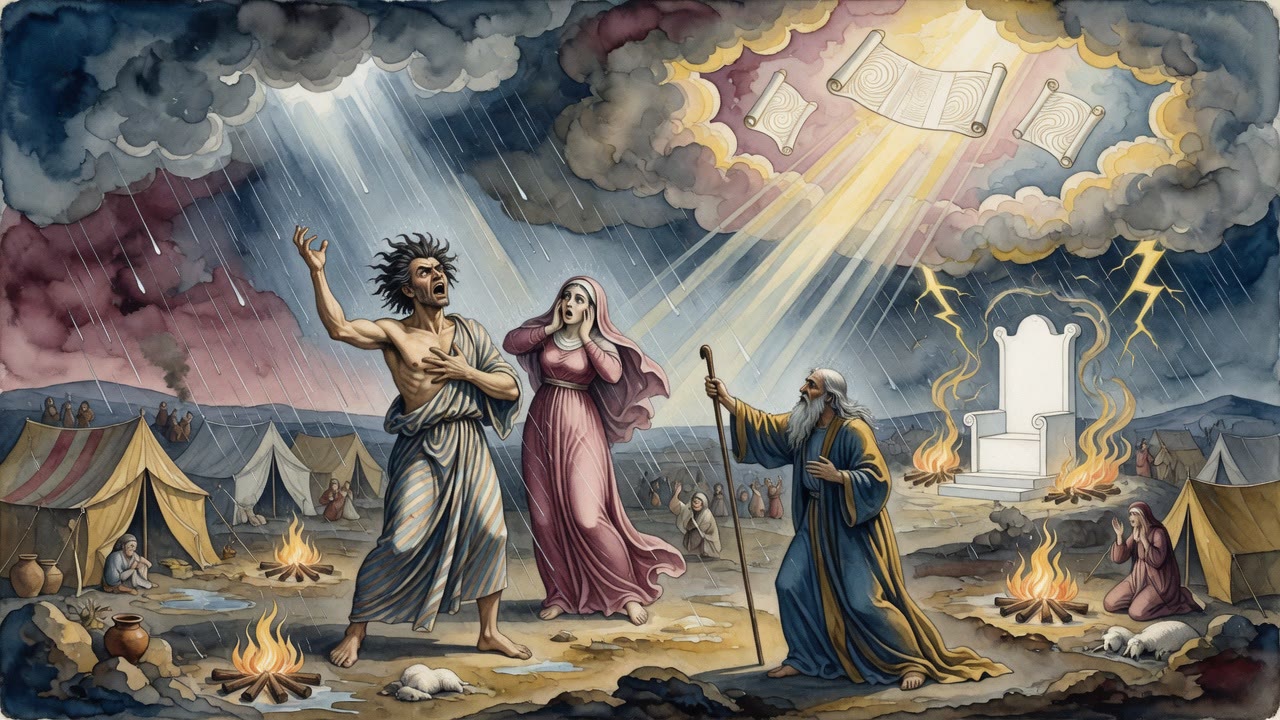
Centuries before Moses received the Torah on Sinai, Shem son of Noah kept a house of study in Canaan. The patriarchs went there to learn.
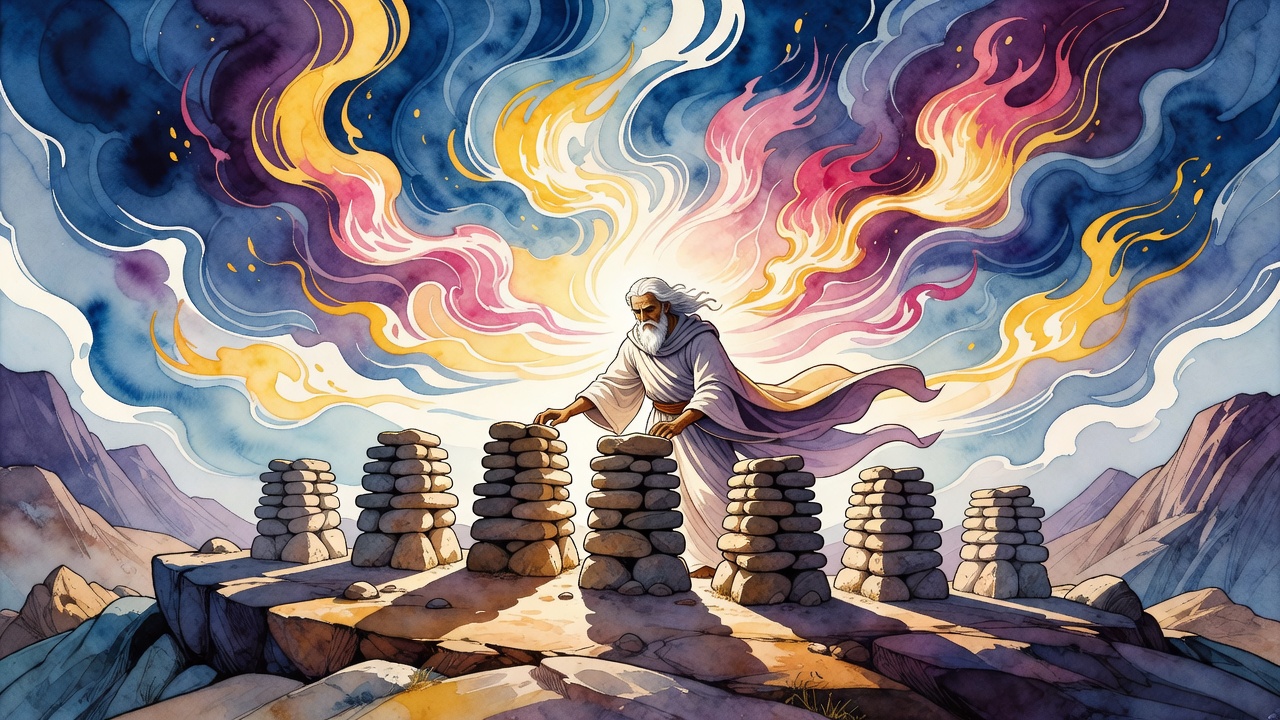
Balaam counted every altar the patriarchs had ever built, then built the same number to match their merit. God answered with a single verse about dry bread.
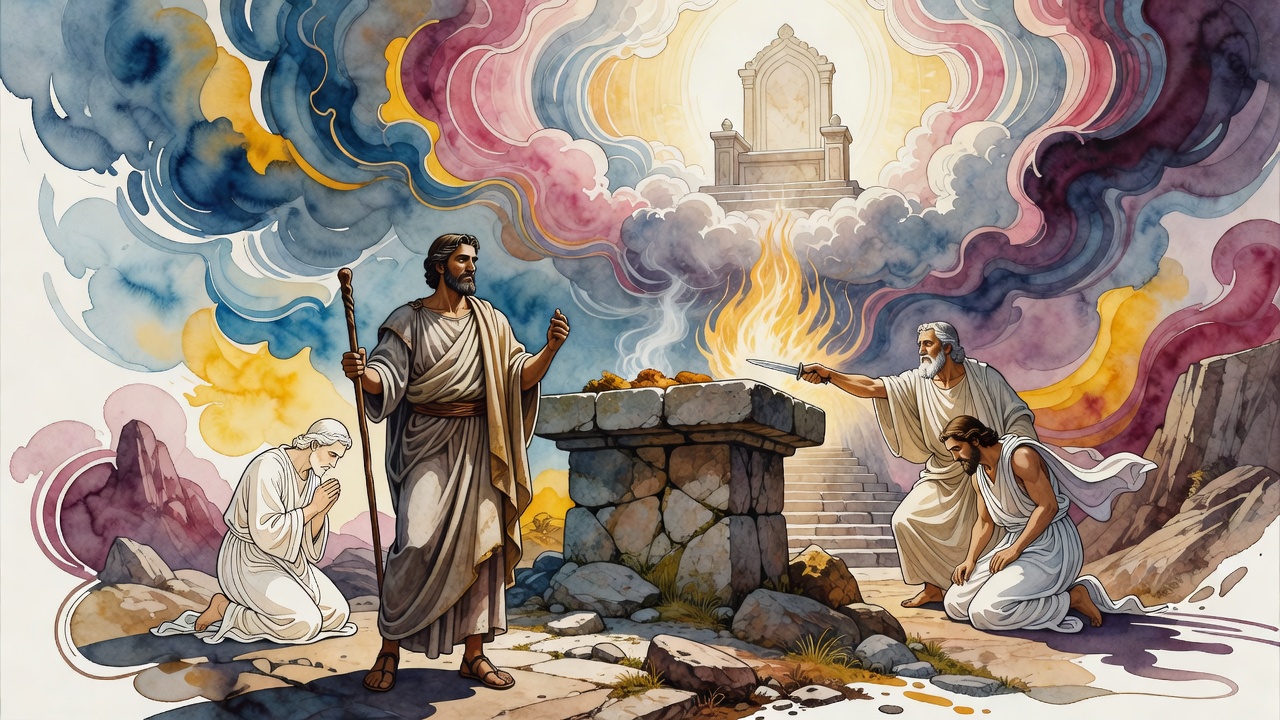
When David claimed Jerusalem, he was not discovering a place. Adam had prayed there. Noah had built an altar. Abraham had nearly lost his son there.
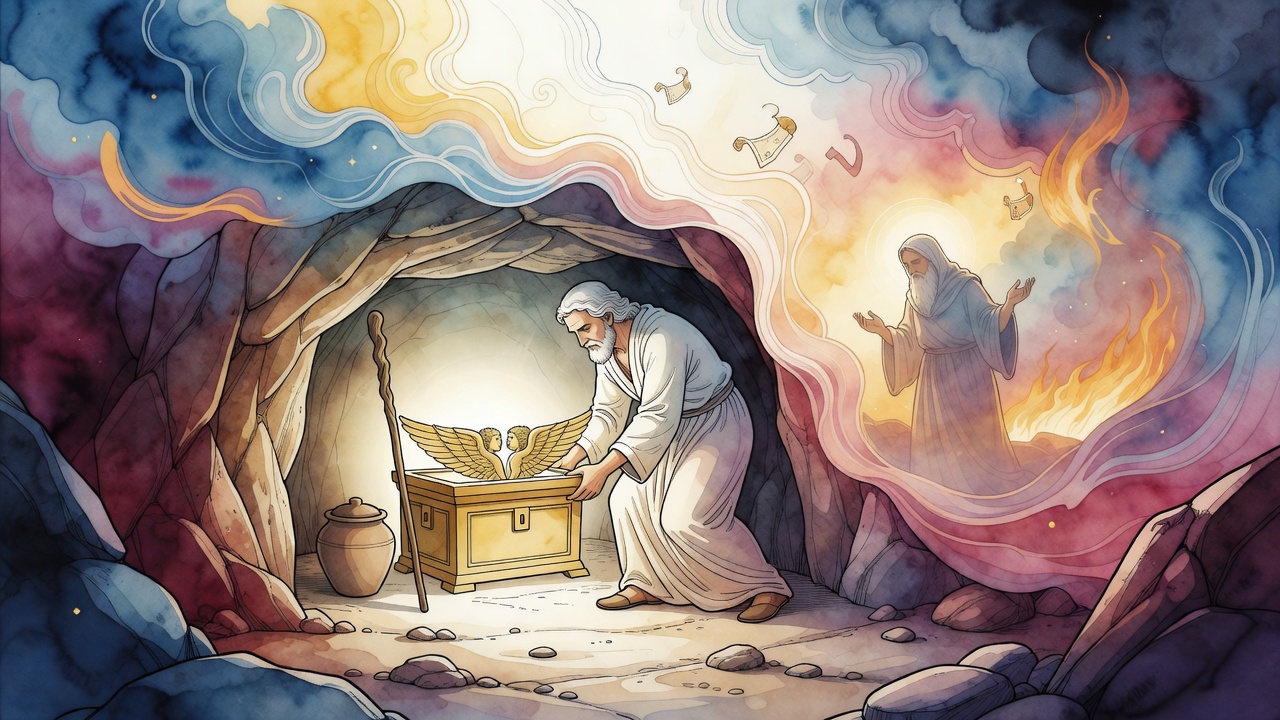
Huldah told him the Temple would fall after he died. He hid the Ark, the manna jar, and the oil where Babylon would find nothing.
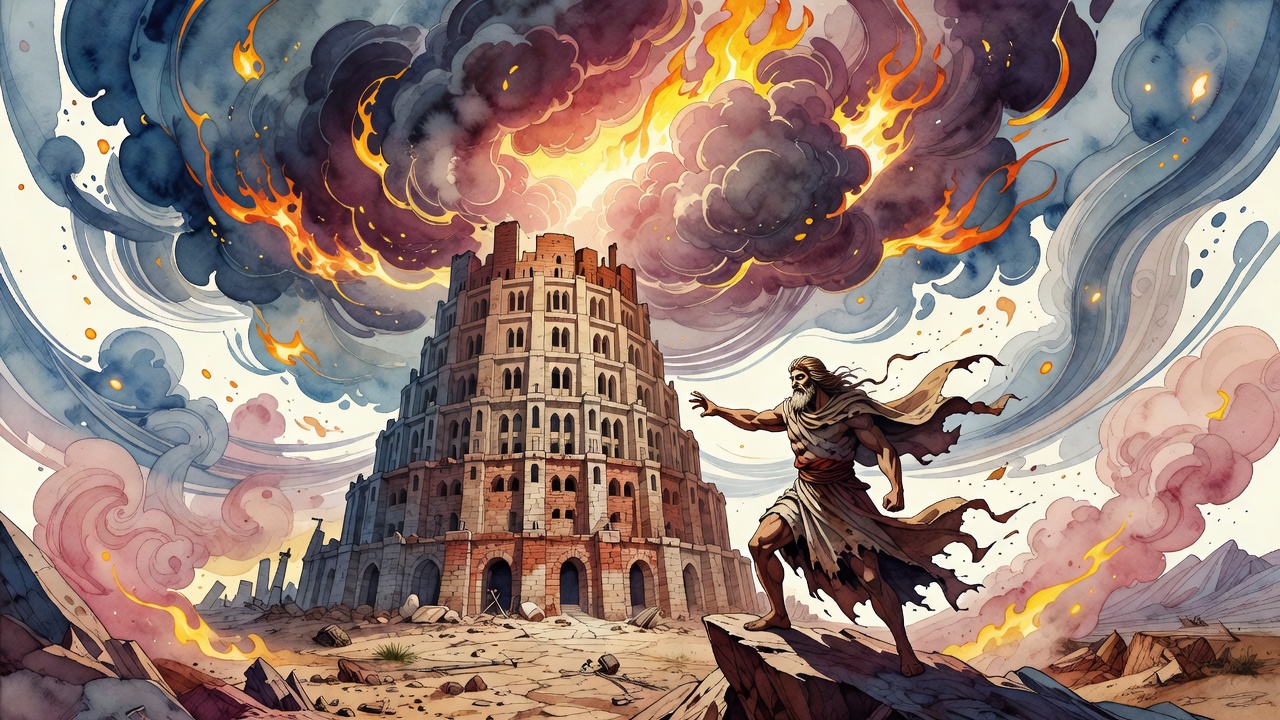
The bricks were fired hard and sealed with bitumen so no water could get in. Nimrod was not reaching for heaven. He was building above the flood line.
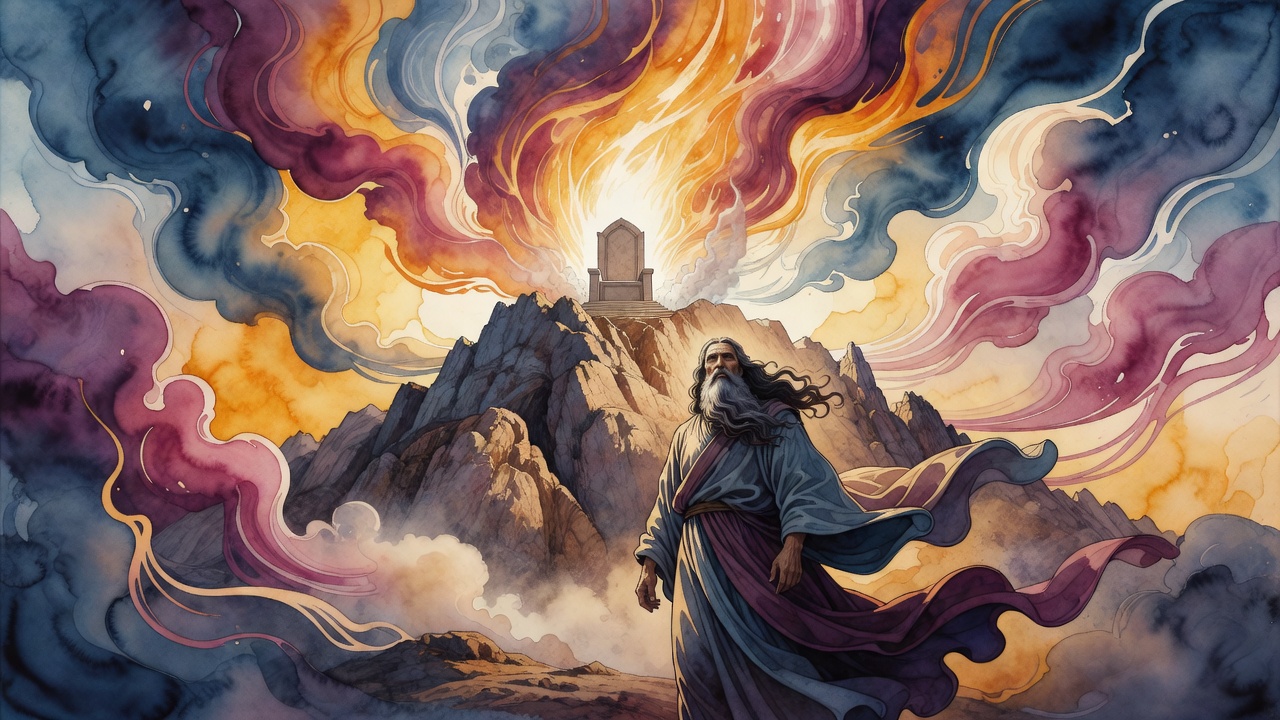
Noah came off the ark and built an altar on the ridge. Shem later called the place Shalem. Abraham, knife still in hand, gave it another name.
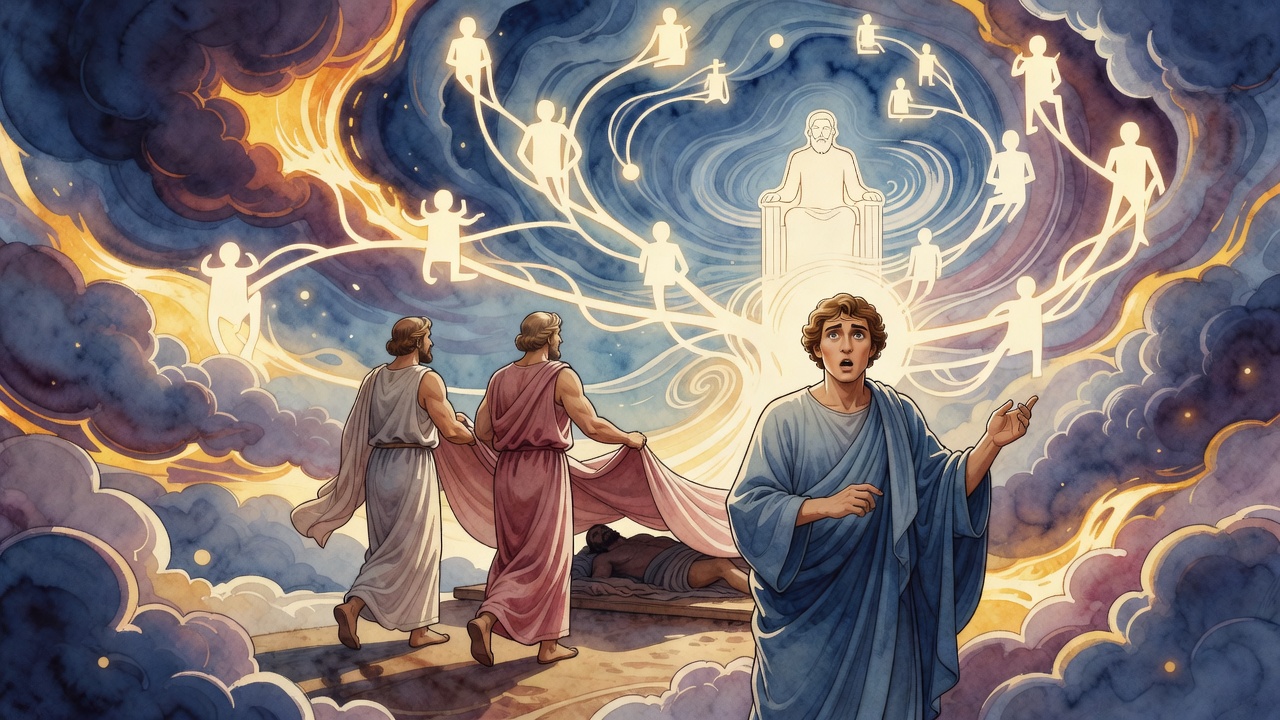
Wine put Noah on the tent floor. Ham looked and went to tell. His brothers walked in backward, a garment across both shoulders.
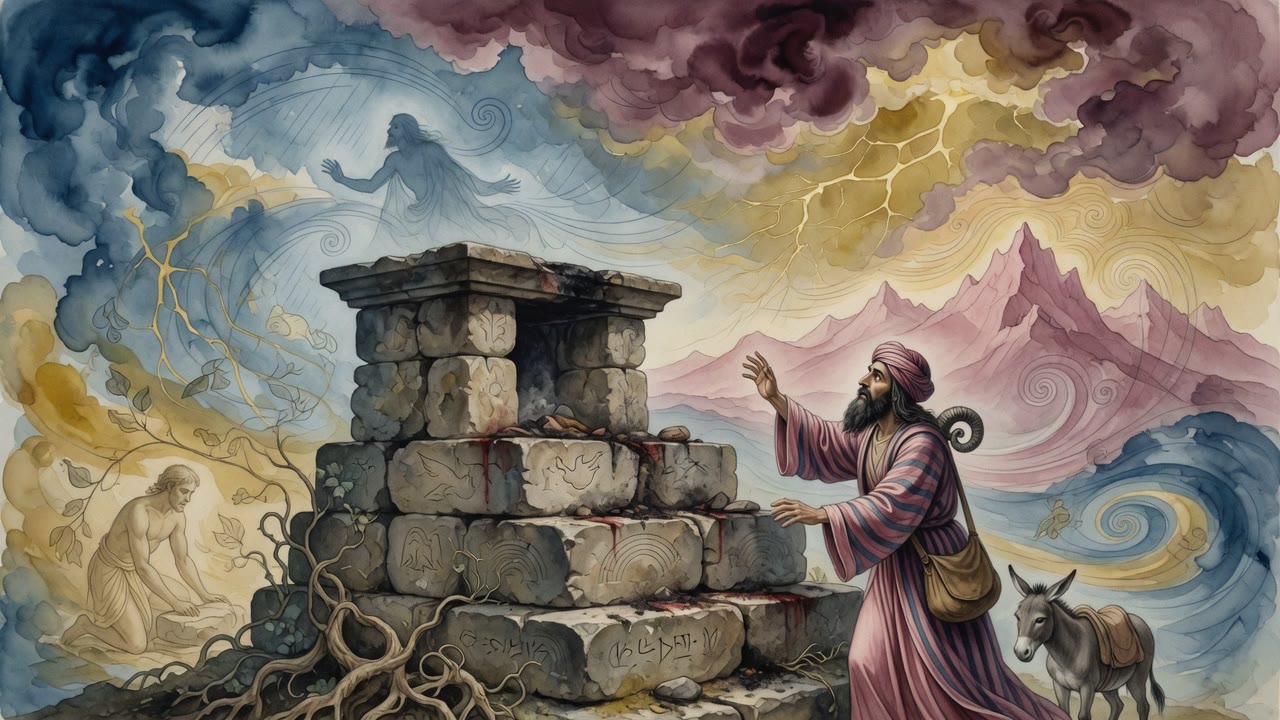
The stones at Mount Moriah were already arranged when Abraham arrived. Adam had built the altar first. Noah had rebuilt it. Then Abraham found it waiting.
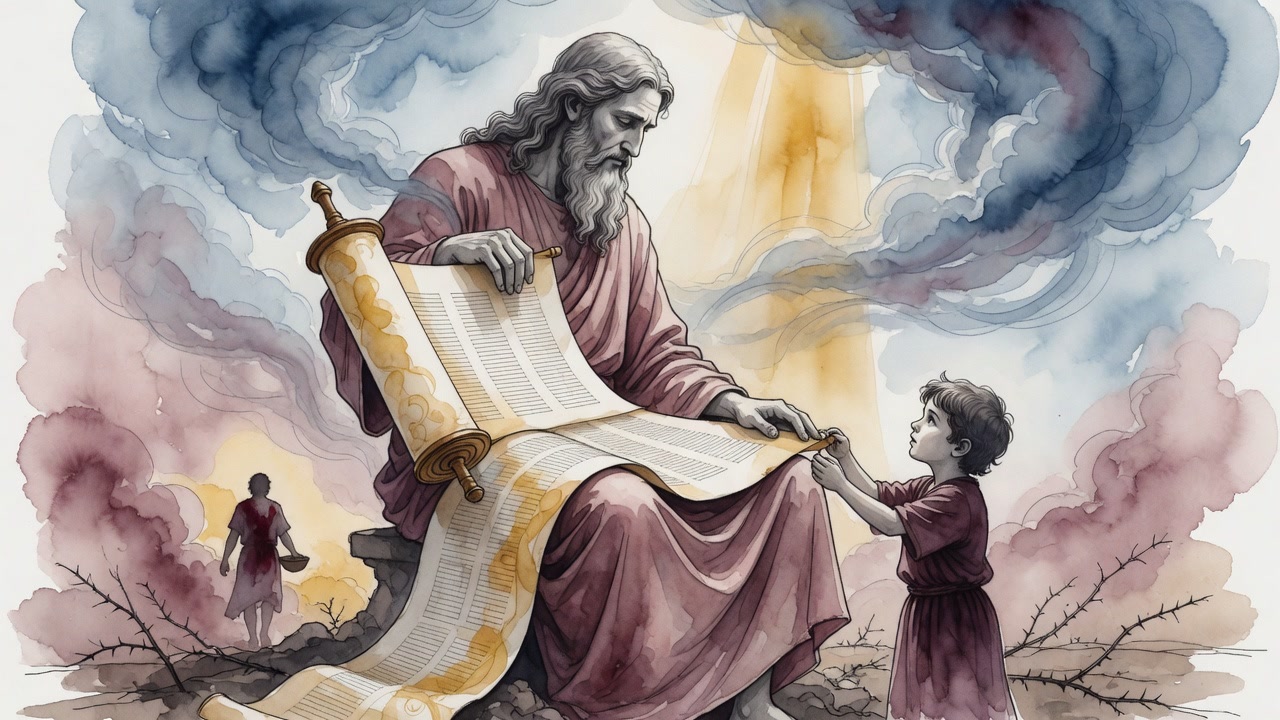
Adam held the entire Torah from the first day. When Cain proved unworthy to carry it, Adam waited two decades before Seth was born to receive it.
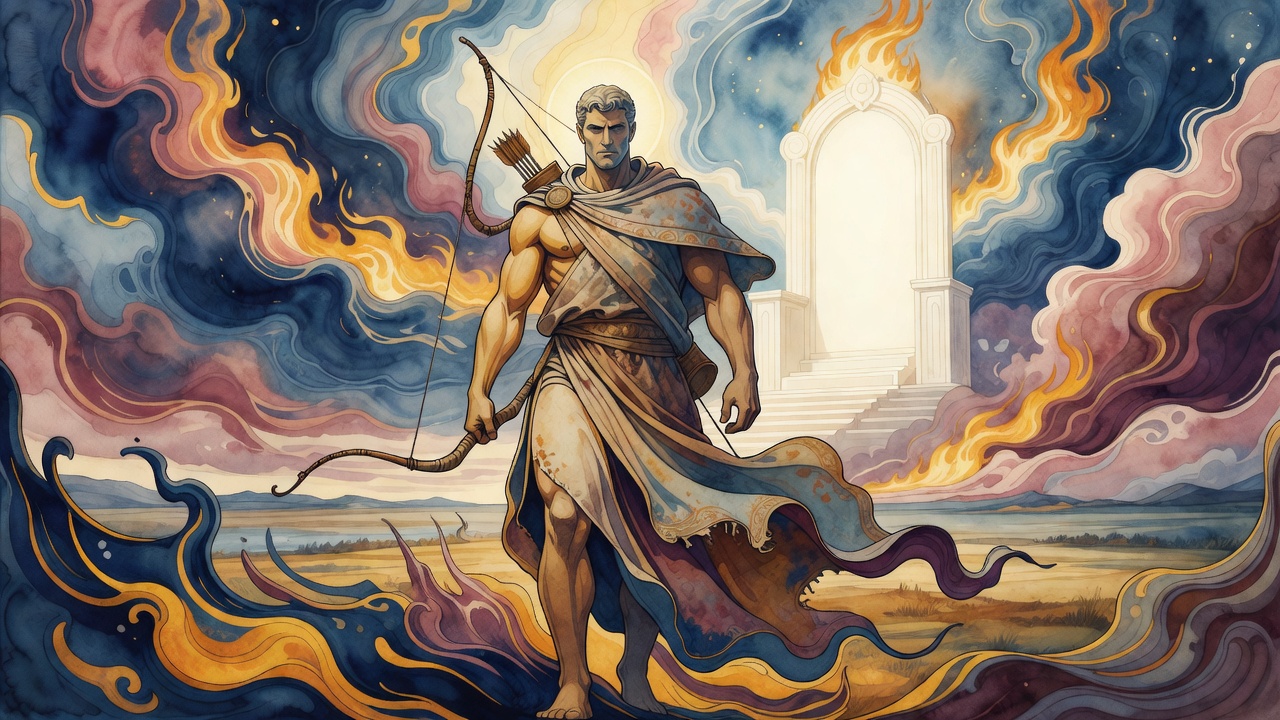
Genesis calls Nimrod a mighty hunter. The ancient Aramaic translators called him the first rebel in history, and Adam's garments made him powerful.
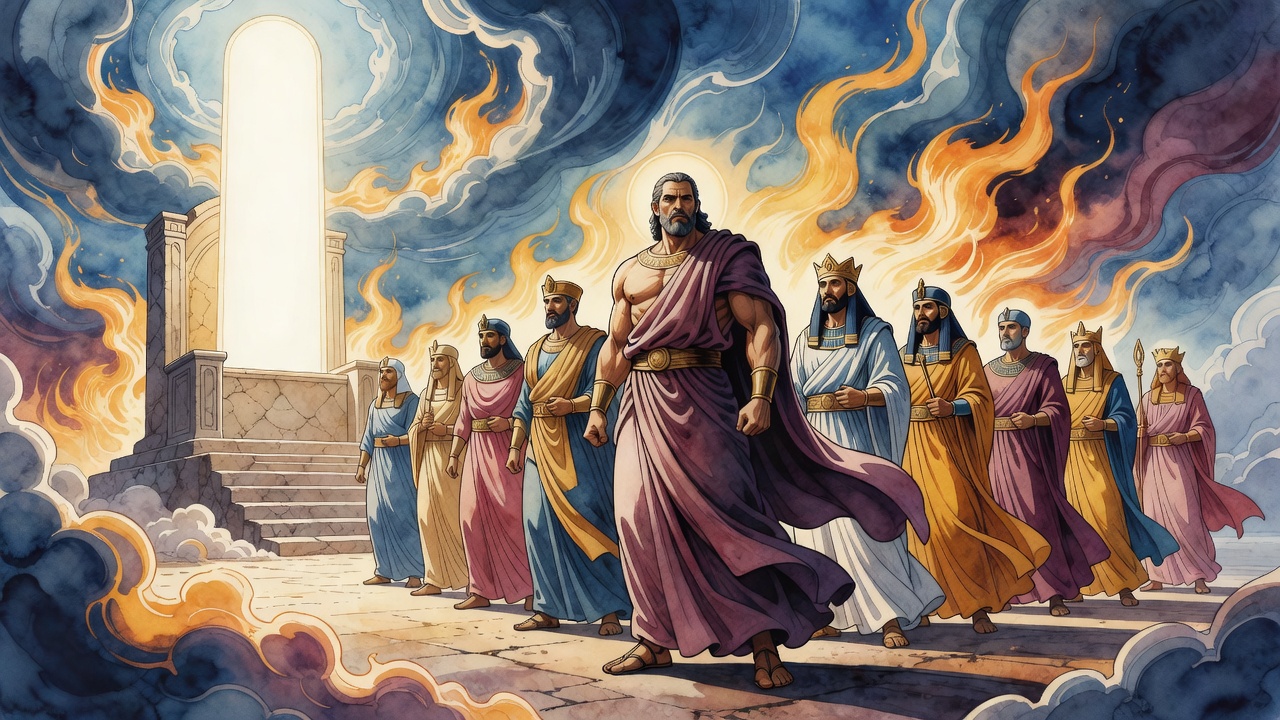
Ham stole the clothes God had sewn for Adam and hid them on the ark. Two generations later a twenty-year-old boy put them on and went out hunting.
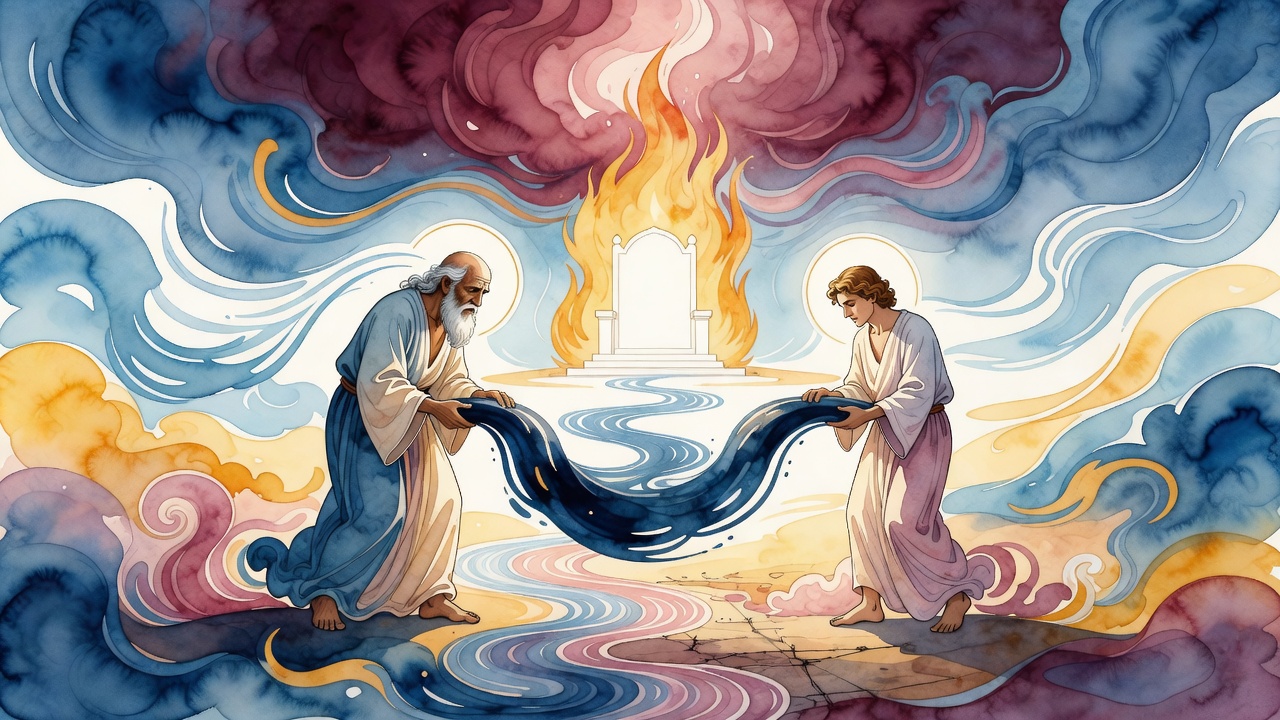
An angel killed four of David's sons and the prophet Gad, then wiped the sword clean on David's clothes. His limbs shook for the rest of his life.
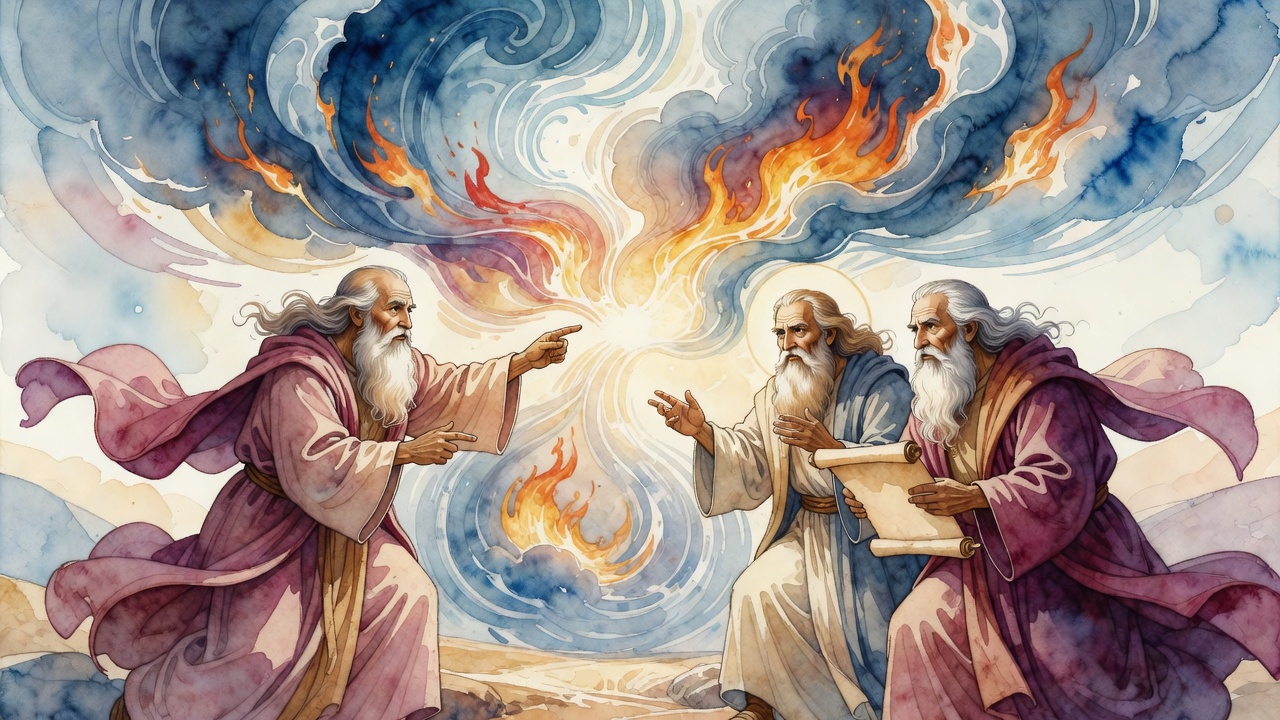
Numbers lists the rebel as Korah son of Yitzhar son of Kehat son of Levi, and stops there. The next name in that line should have been Jacob.
