195 myths · Page 6 of 7
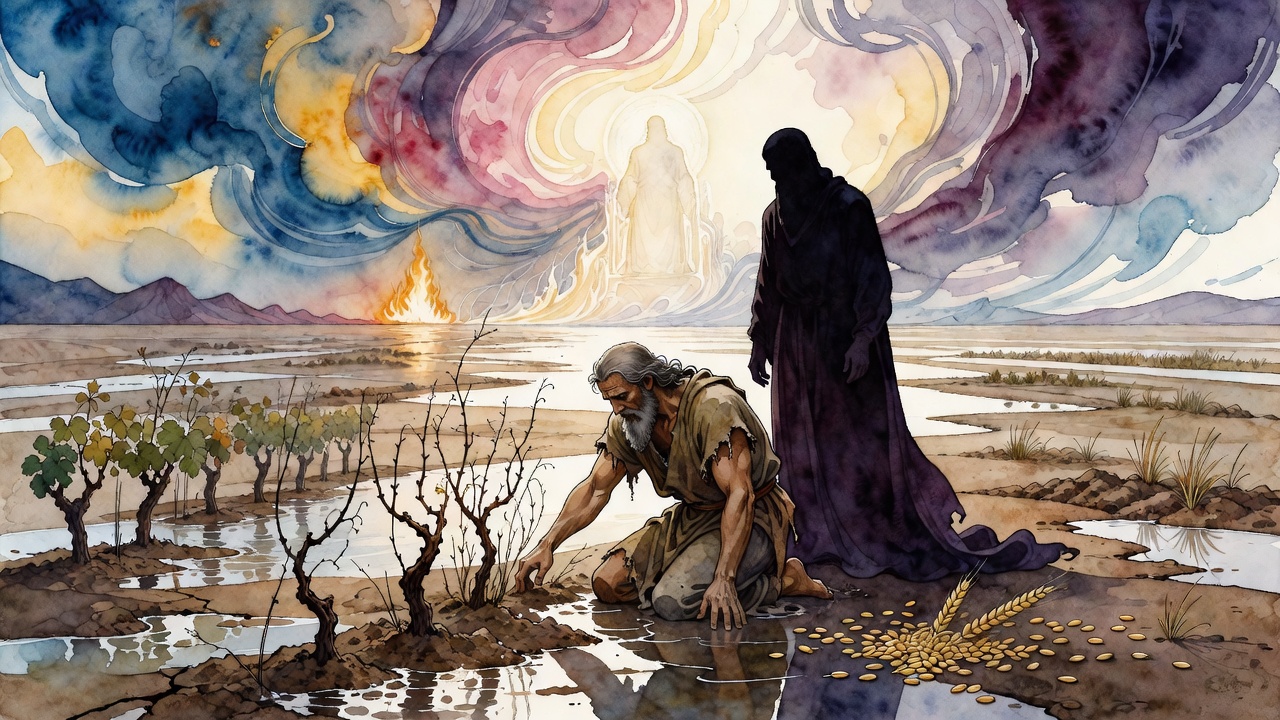
On mud still smelling of flood, Noah set vines before grain, partnered with a dark teacher of wine, and woke to shame under a single day's harvest.
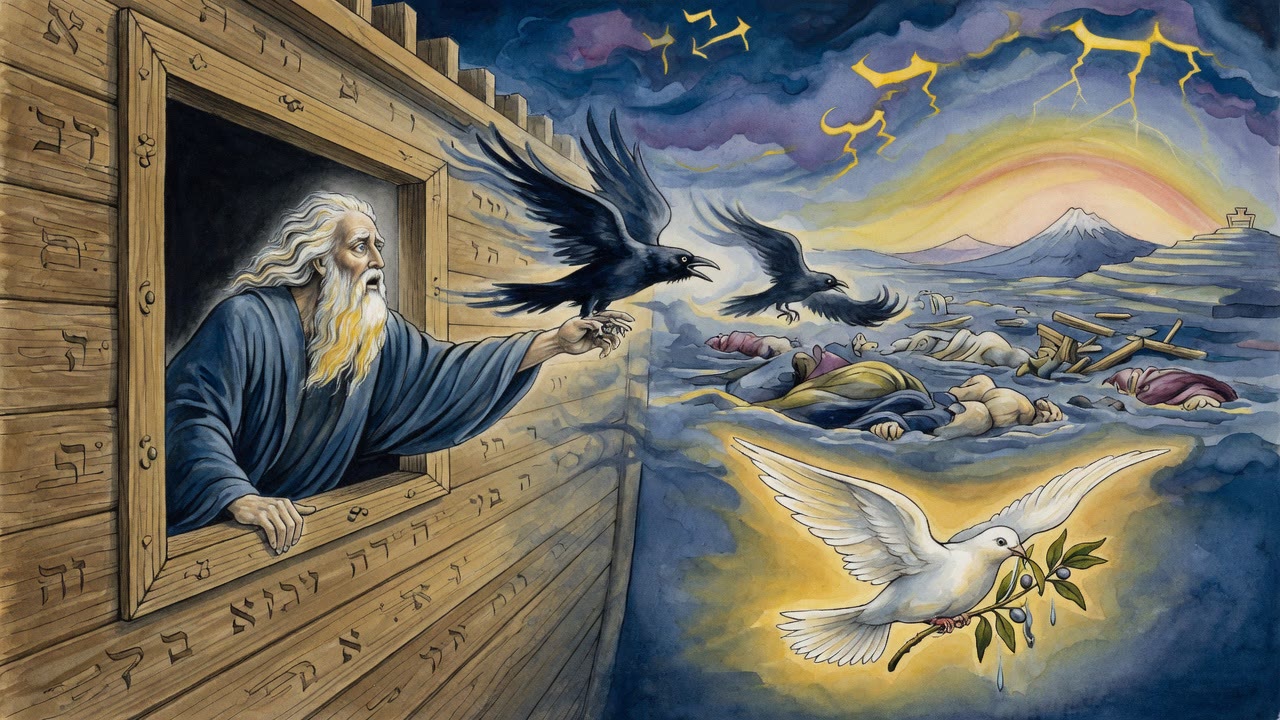
After the deluge Noah watches the abyss seal, open, and bare the mountain tops on new moons that Jubilees commands him to remember.
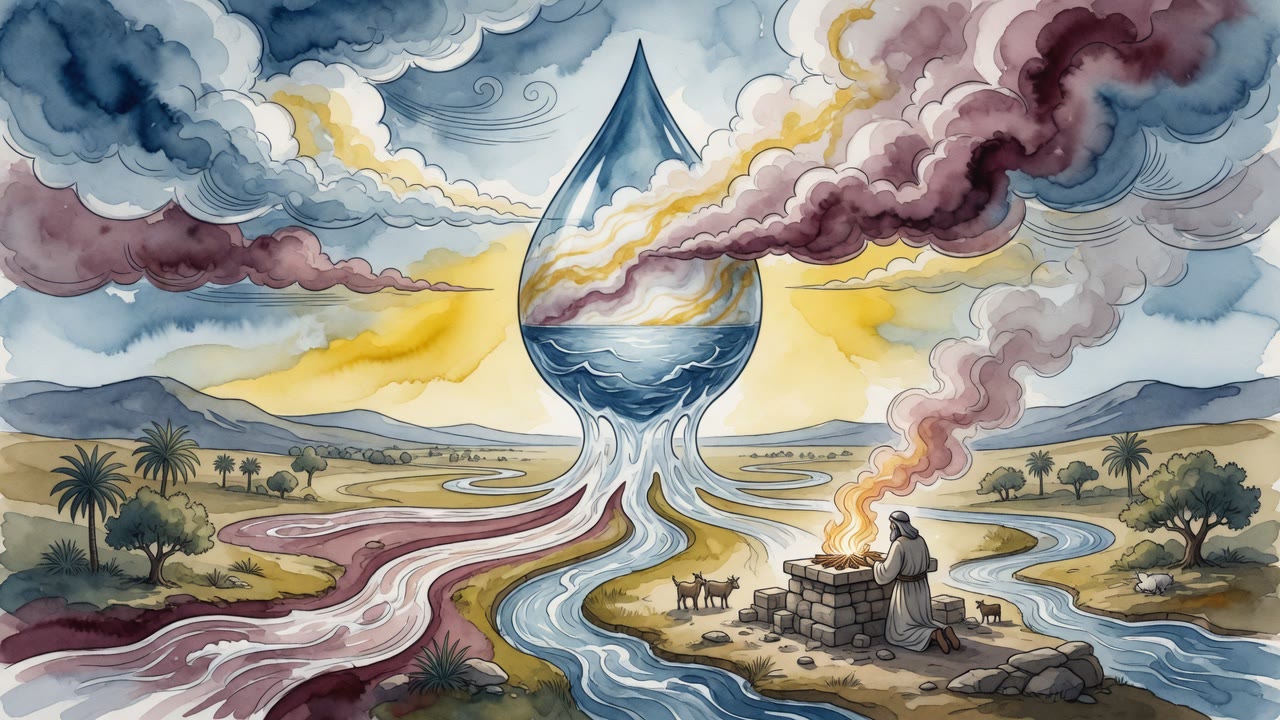
On the first day the heavens were still soft, like wet clay. On the second day they hardened. A rabbi said the sky was flattened the way gold is hammered thin.
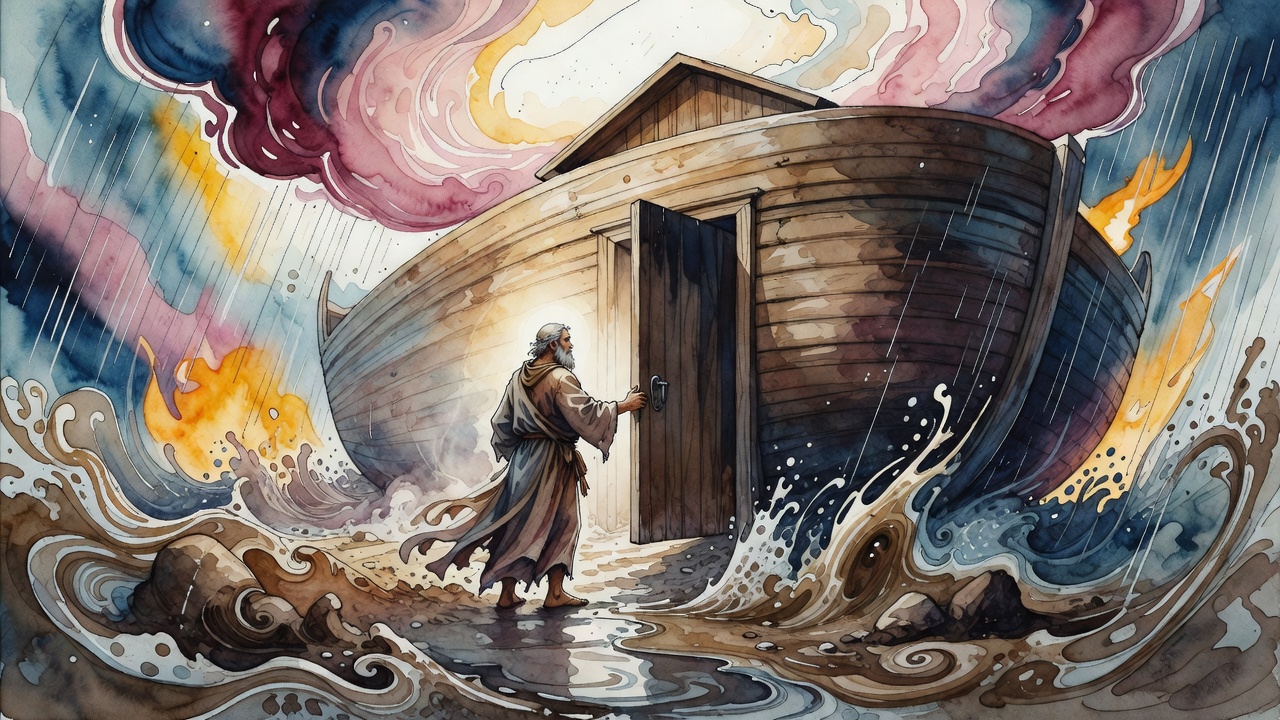
Waters fall and the world is mud. Noah keeps his hand off the door until the same voice that sealed him speaks exit.
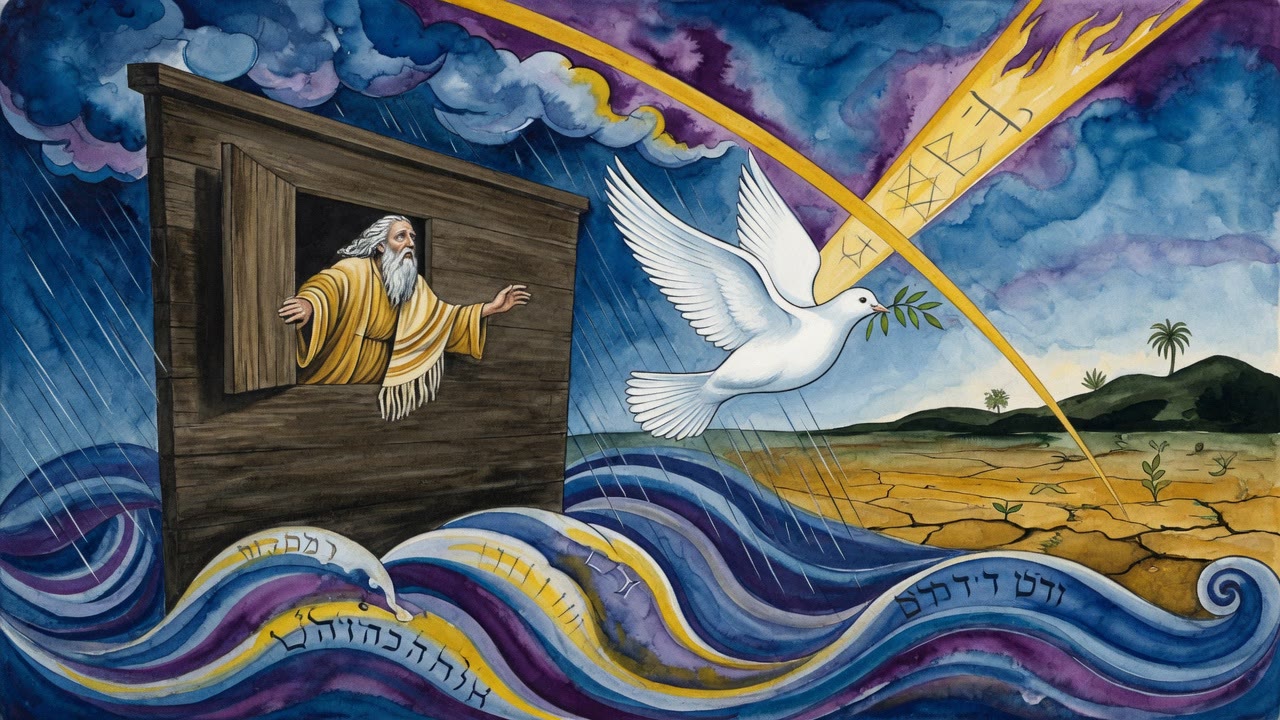
Noah opens the ark window a last time; the dove finds home and does not return, while covenant waters fall or rise with the mark Israel keeps.
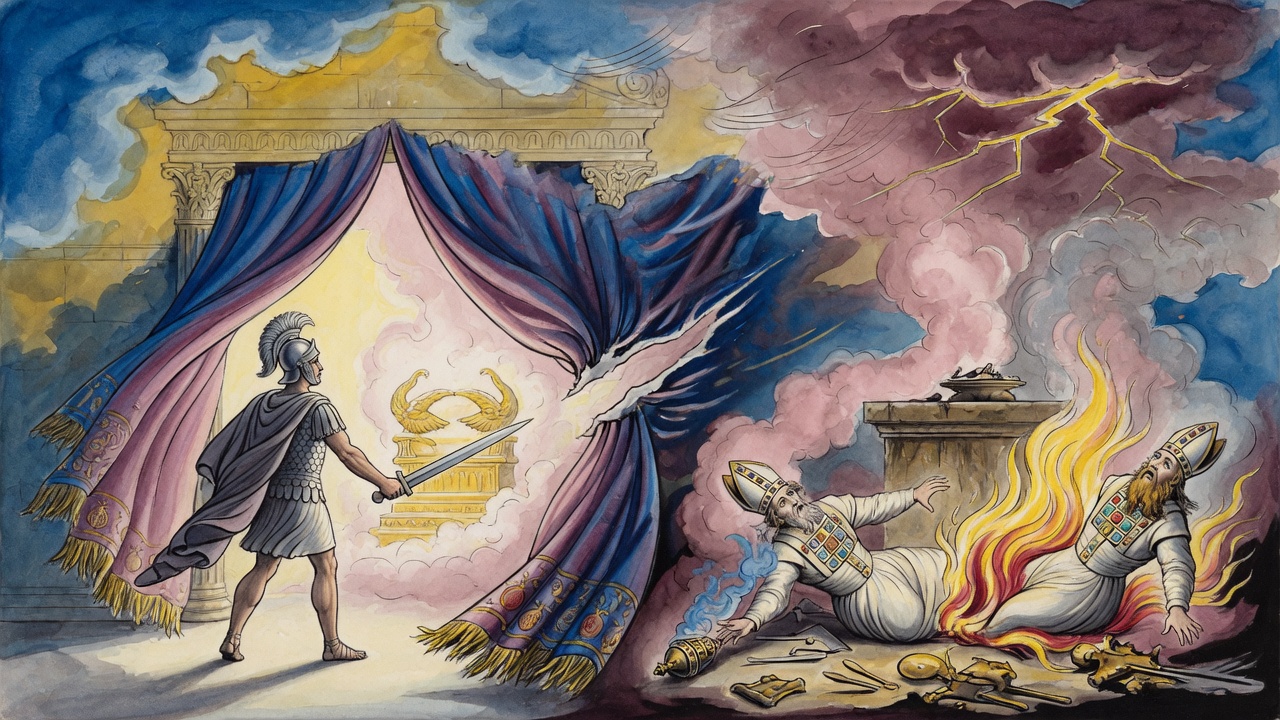
A mixed life hangs between pure merit and pure guilt. Yom Kippur opens like Noah's door. The Shekhinah, the Divine Presence, waits to see who boards.
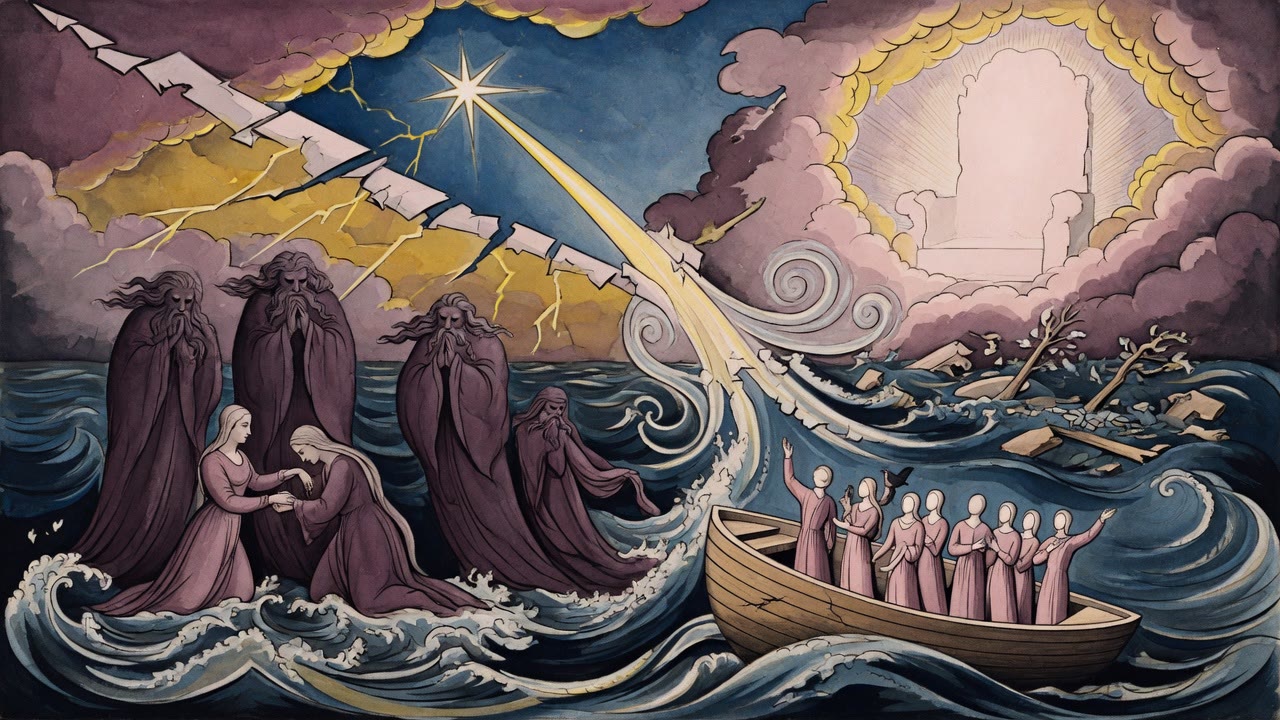
A heavenly boundary breaks when a star falls and Watchers take wives, until the waters answer the violation and eight souls cannot hold the world.
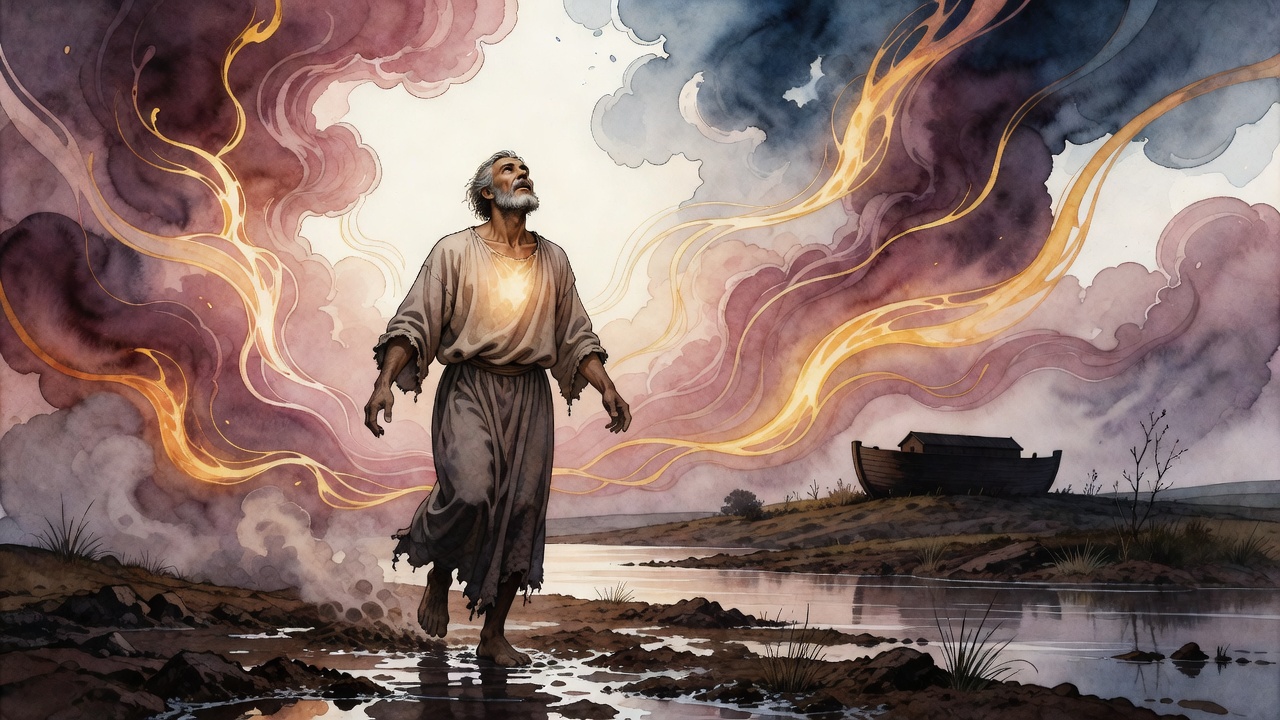
Noah stepped onto wet earth, tasted covenant sweetness like Torah on the tongue, and felt the Shekhinah, the Divine Presence, rest on a world rinsed clean.
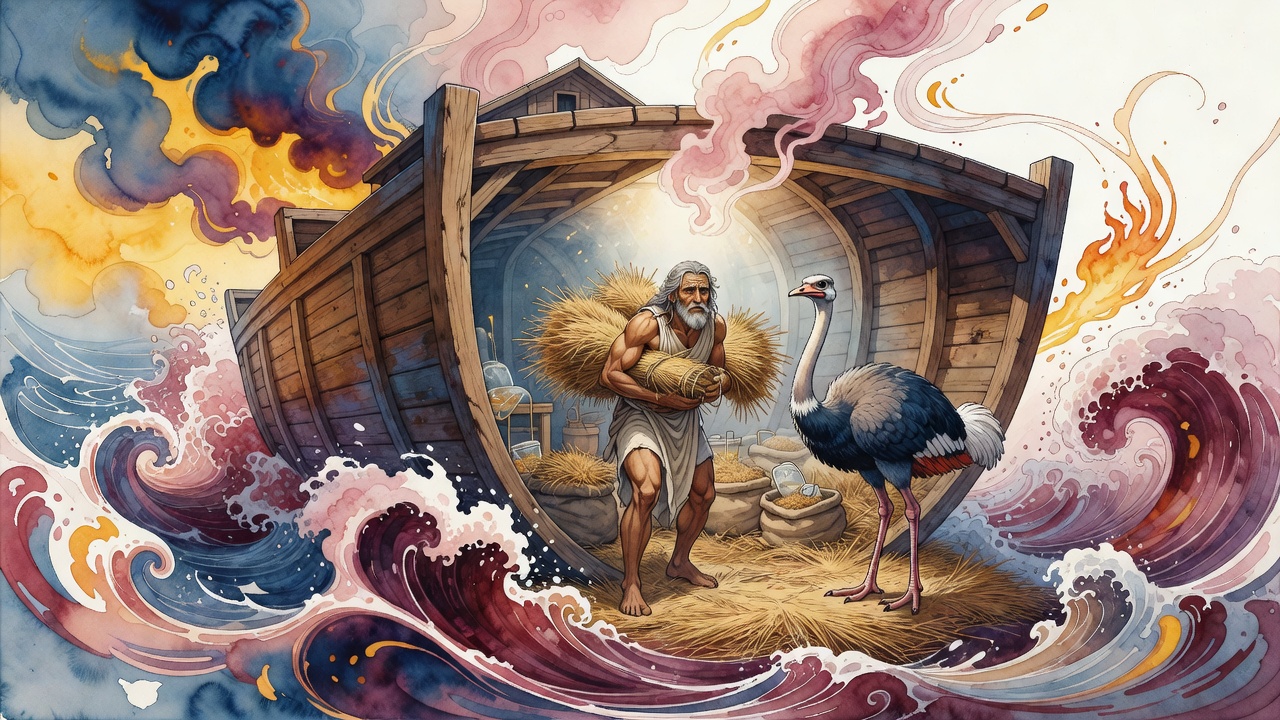
Pitch still stuck to Noah's palms. Below decks a lion coughed in the dark. The first bin was already empty, and the rain had only begun.
Methuselah died, and the rain began. Noah sat in the dark of the ark, pitch on the seams, and waited for a world that would not come back.
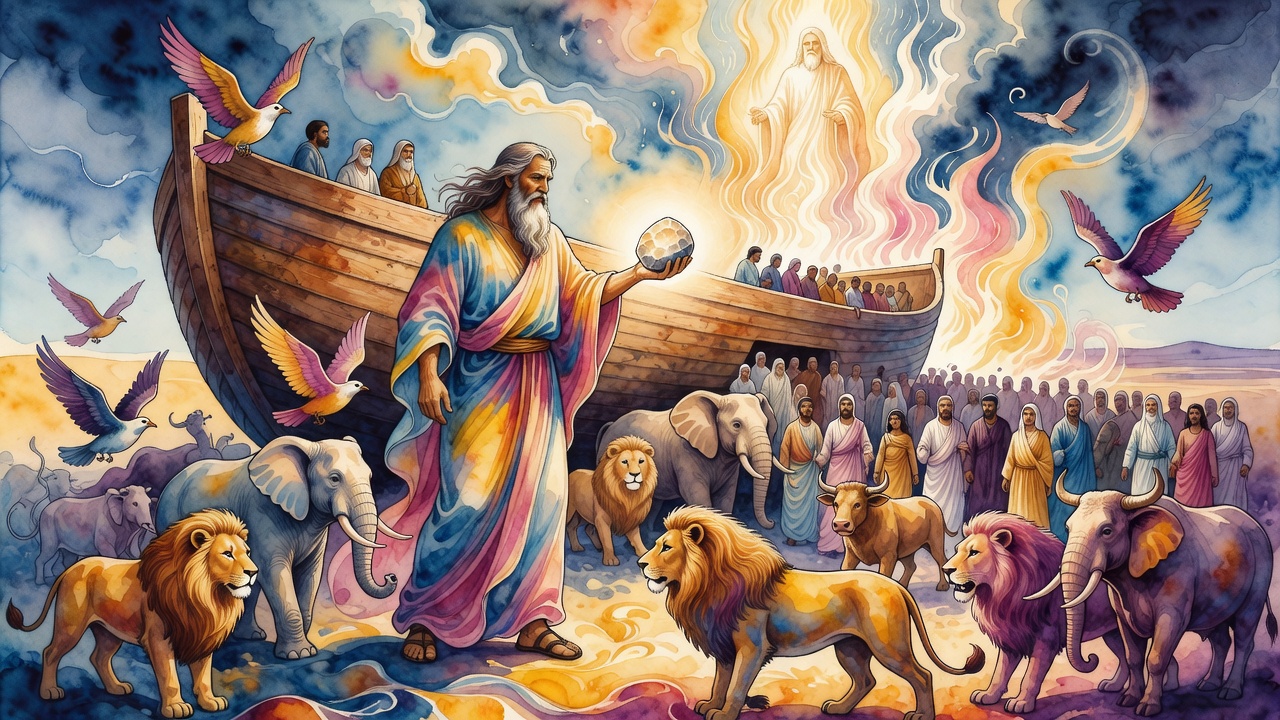
The hull stood half-built in the yard. Noah walked to a river out of Eden for a stone that would have to serve as the sun.
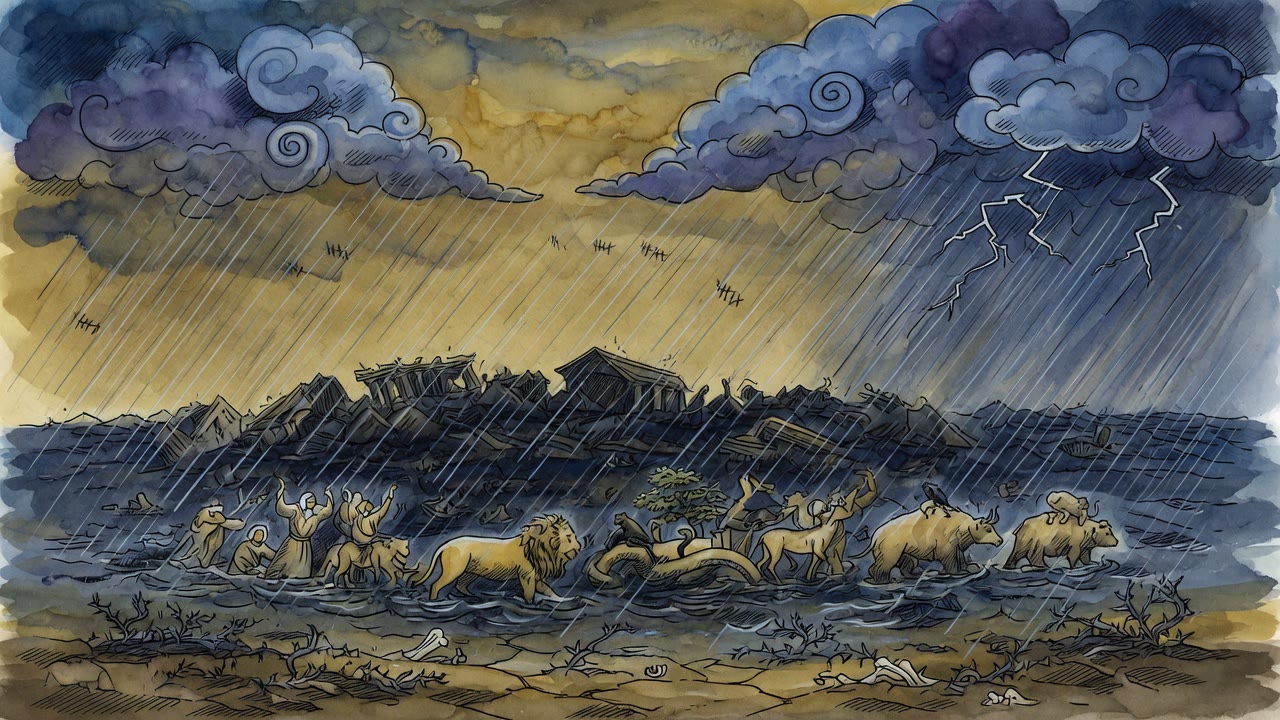
The flood pressed the ark like a king in fury. God remembered not only Noah, but Israel not yet born standing open-handed at Sinai.
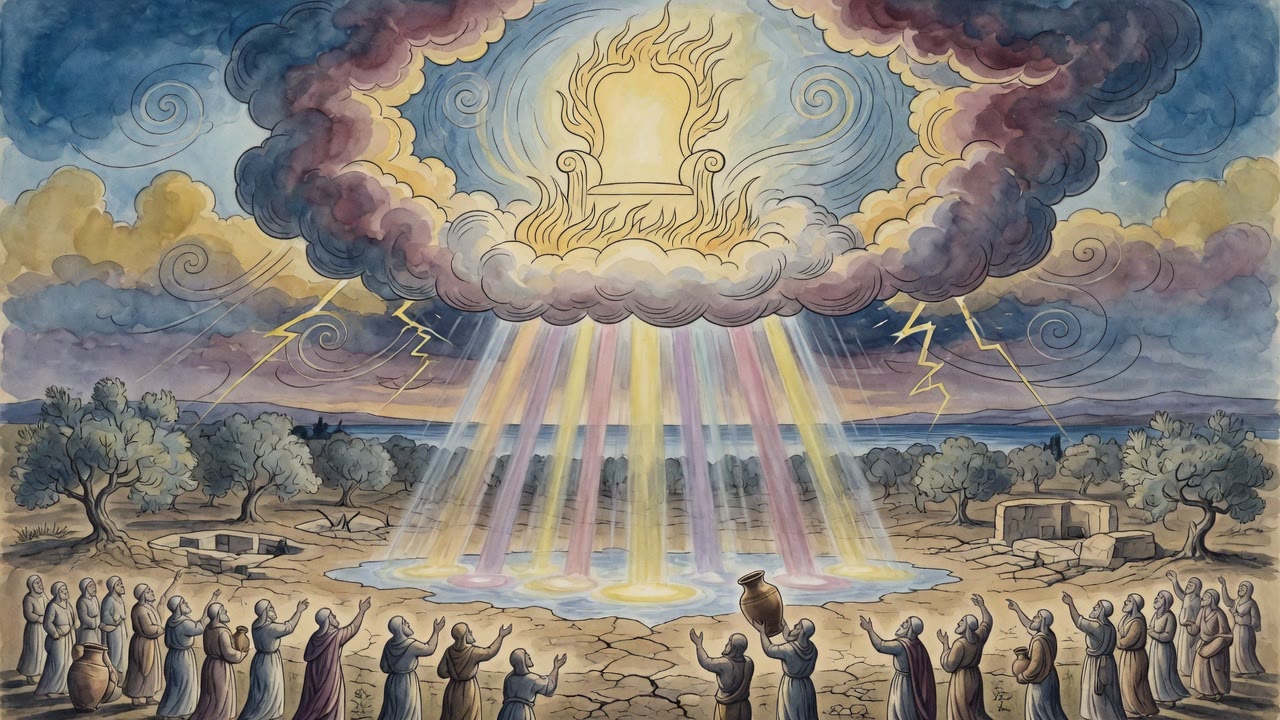
When Methuselah died, God sat shiva for His own world, reversed the sun, and let the doomed taste the World to Come before the rain fell.
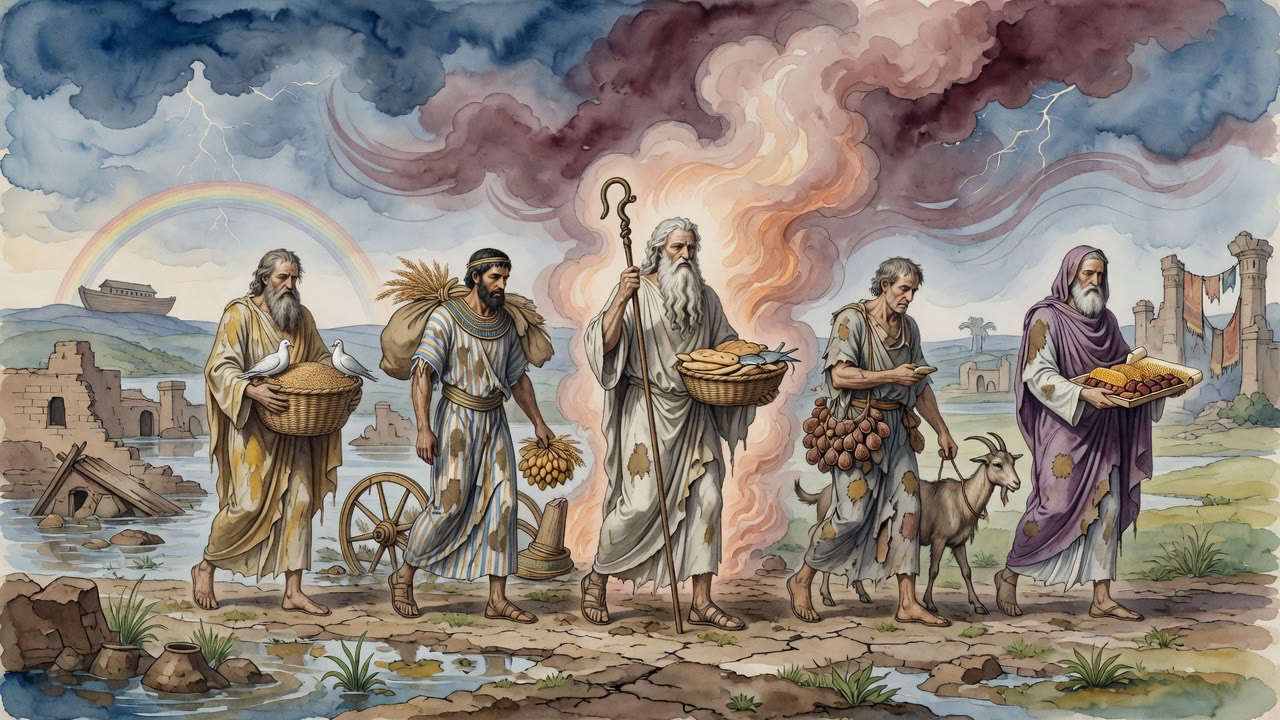
Noah, Joseph, Moses, Job, and Mordecai each watched a life collapse, then walked into a washed world as providers who fed others first.
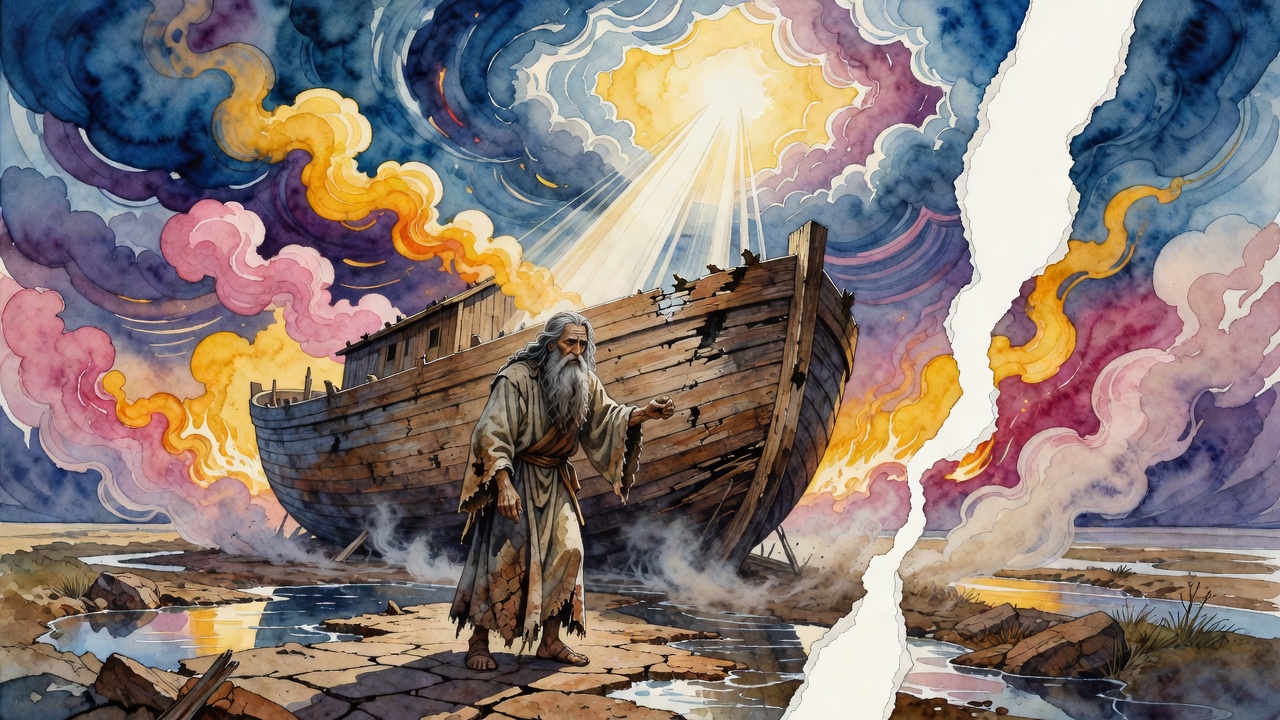
Pitch under his nails, hay dust in his throat, Noah kept the animals fed for a year. He wanted one boy small enough to crawl where an old man cannot bend.
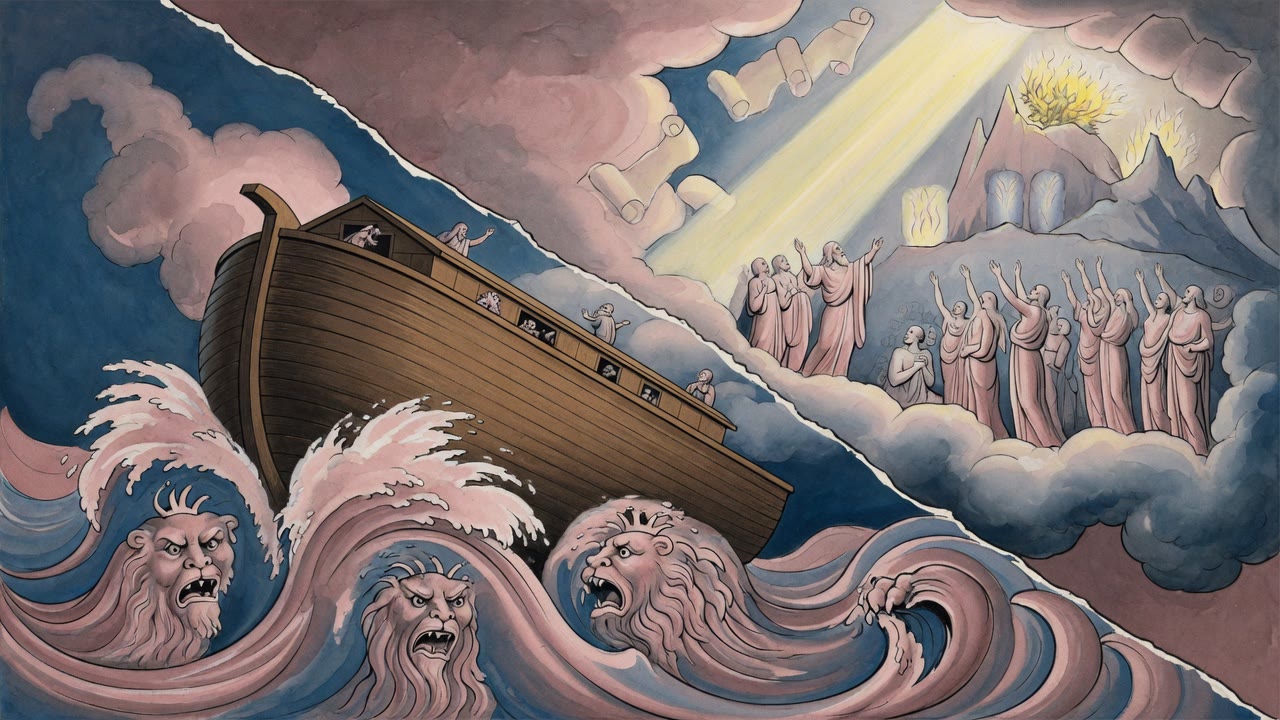
Noah smeared pitch while neighbors laughed at a ship on dry land. Then the deep broke, and the door stayed shut for a counted year.
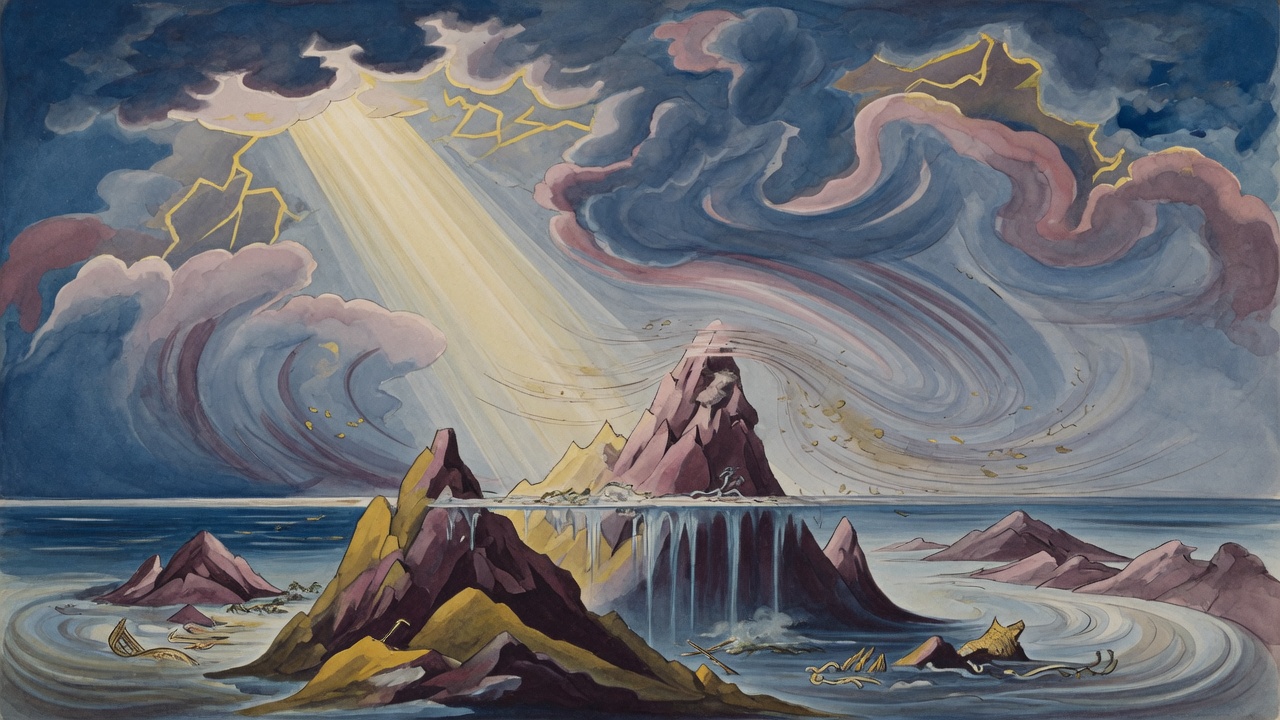
Fifteen cubits above the peaks, then a slow refund. Sixty days, one cubit every four. In Av the drowned world shows its mountains again.
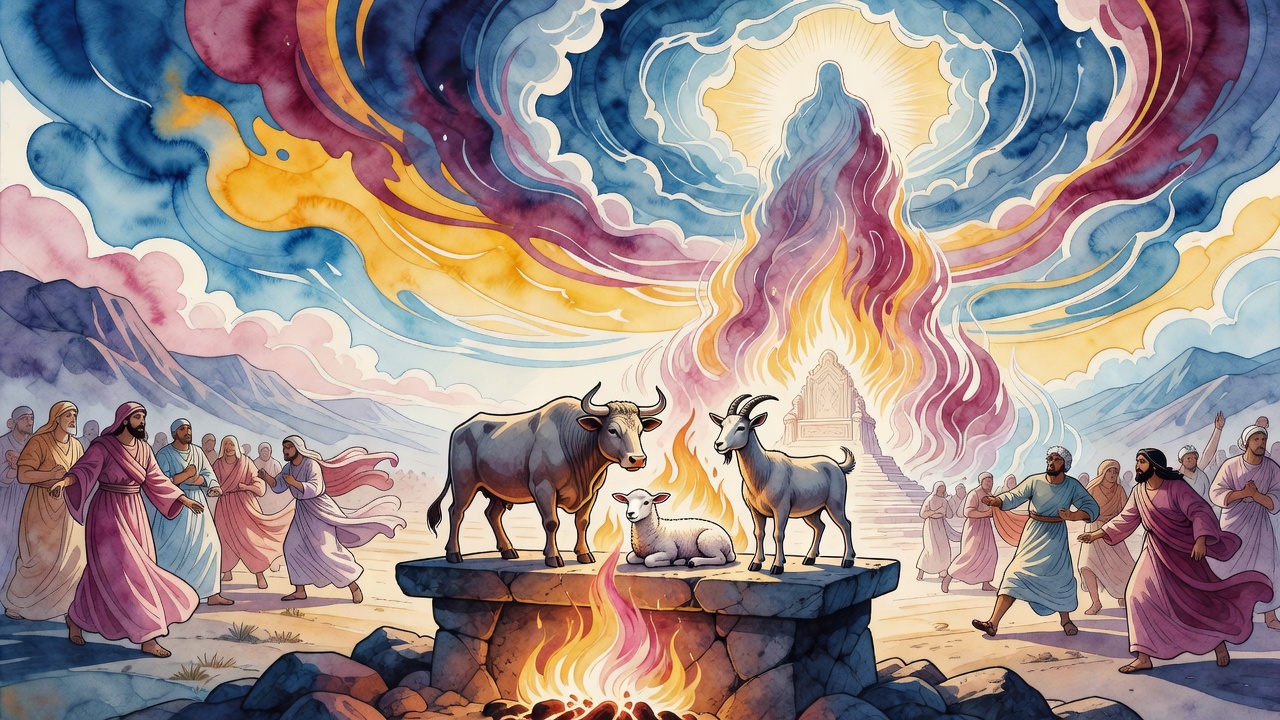
God sides with the pursued through history and commands that only ox, lamb, and goat, never the predators, rise as offerings on His altar.
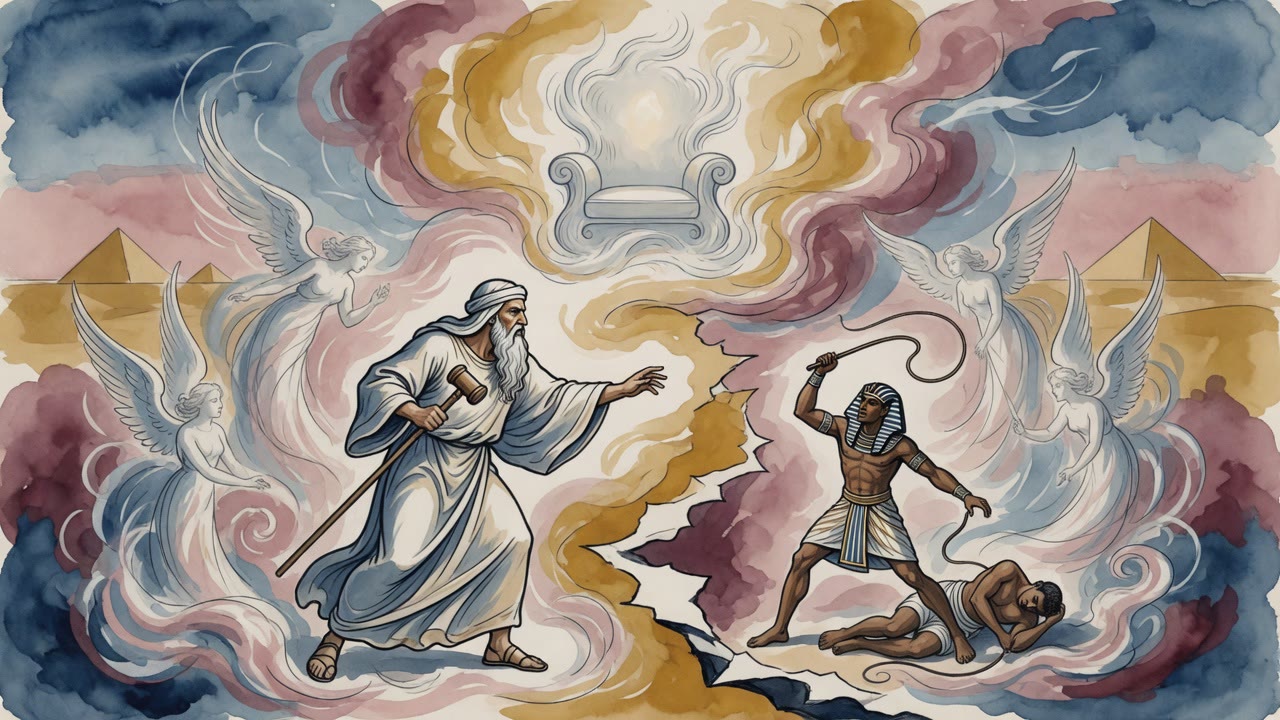
On the Ark a year-old child stepped across snakes unharmed, while Noah prayed under a Name later generations no longer knew how to speak.
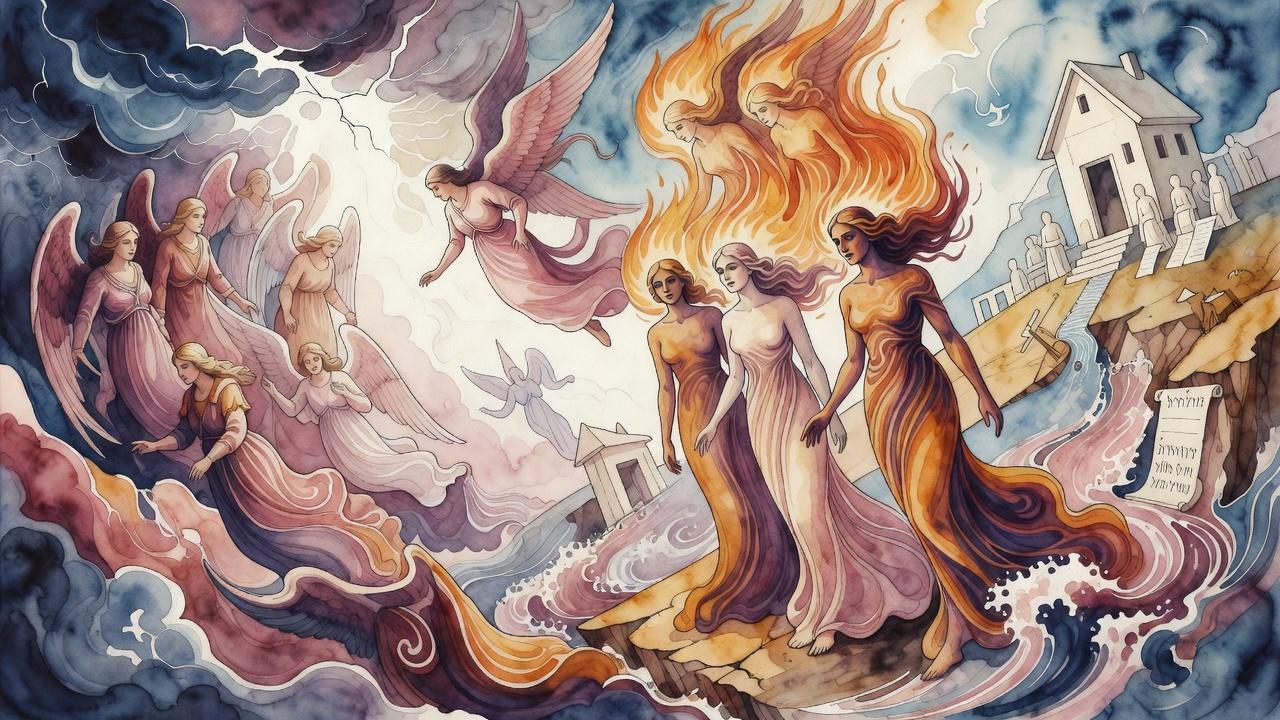
They were fire when they looked down. Cain's daughters walked with painted eyes, and the servants of heat stepped into flesh without burning it away.
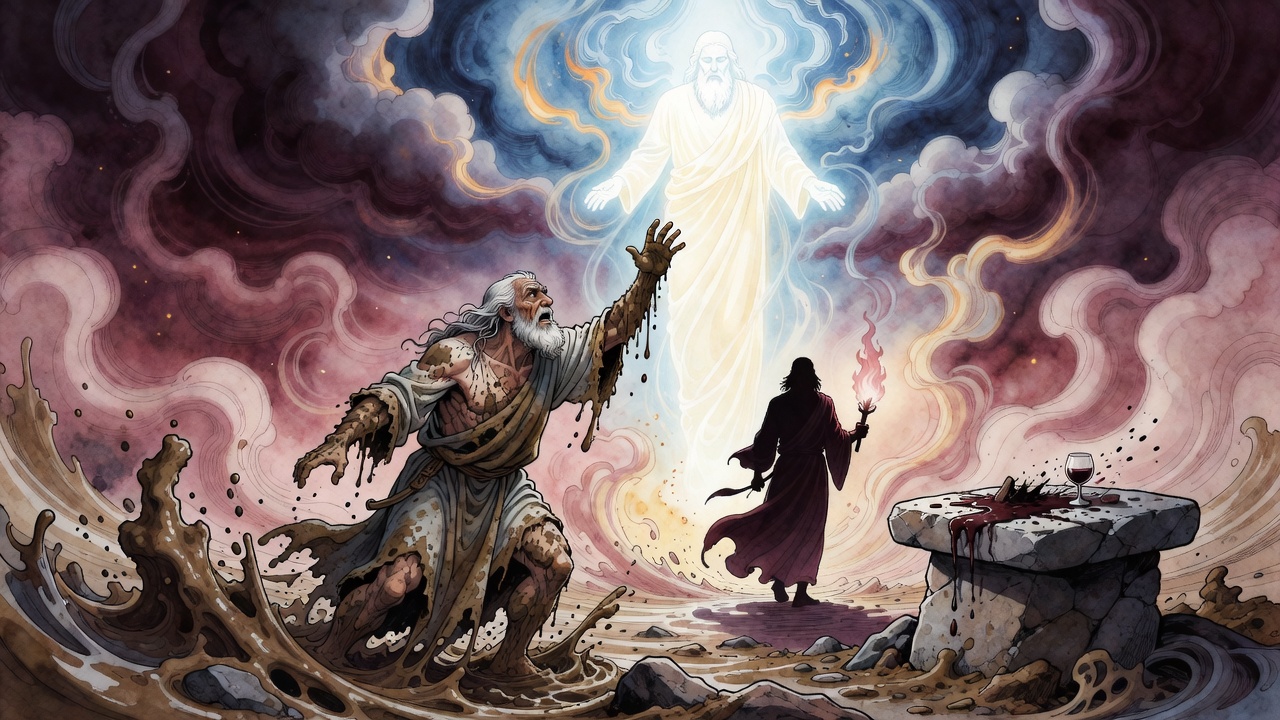
A king tells his little child, hold my hand. He tells his grown son, lead the way. Abraham led. Noah was the child, pulled out of the mud.
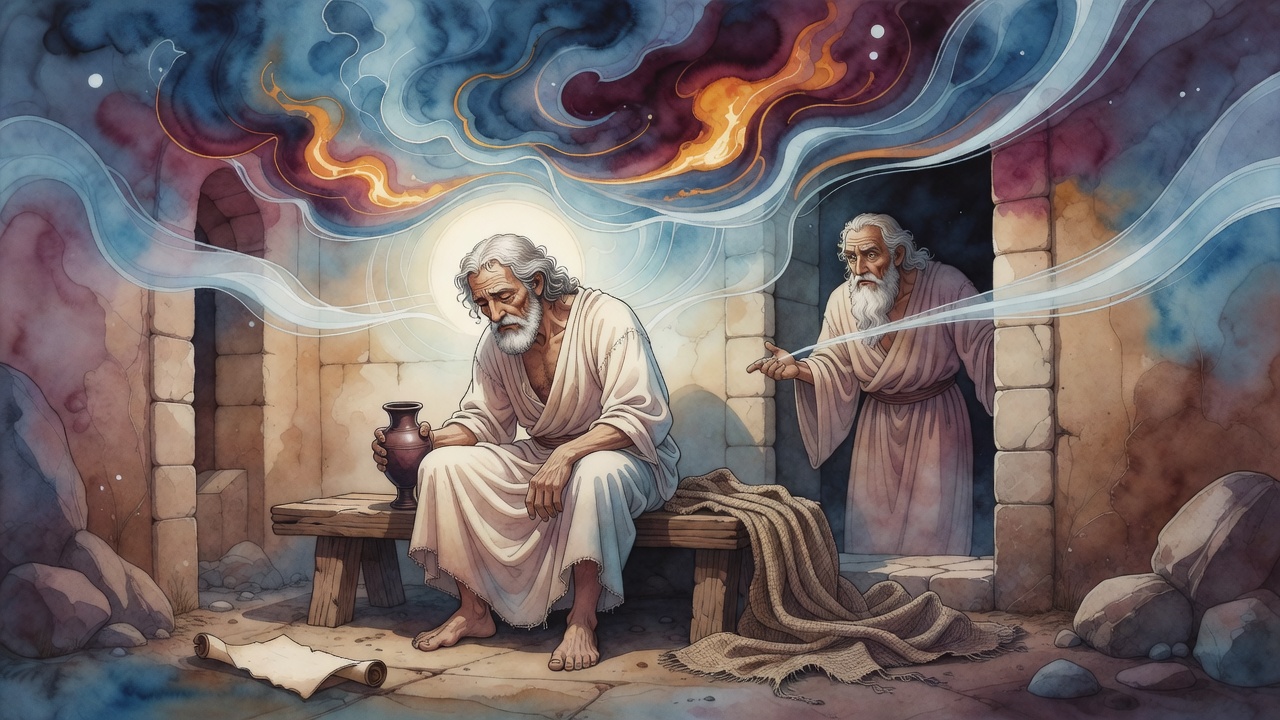
Noah went down on the tent floor with his clothes off him. The walls hid the body. They could not hide what Ham carried out the door.
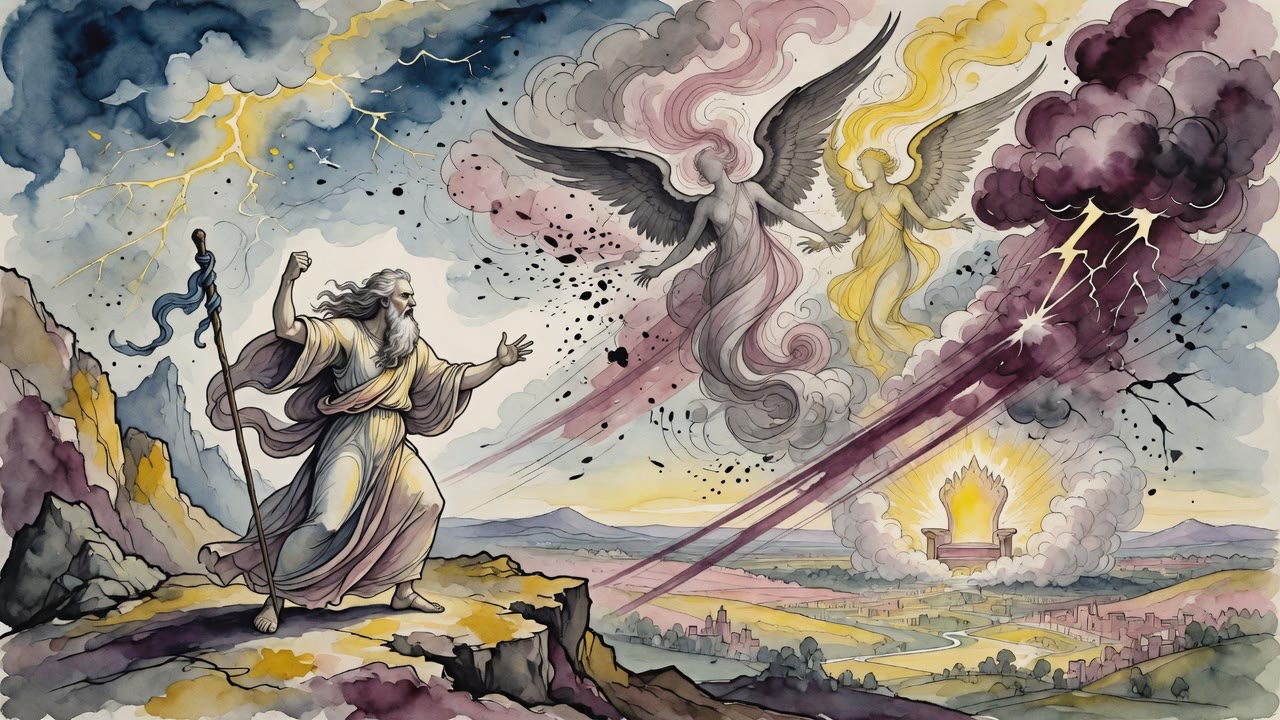
Noah stepped off the ark and a lion mauled him. Pharaoh Necho reached for Solomon's throne and a lion bit him too. Moses heard both stories from the ridge.
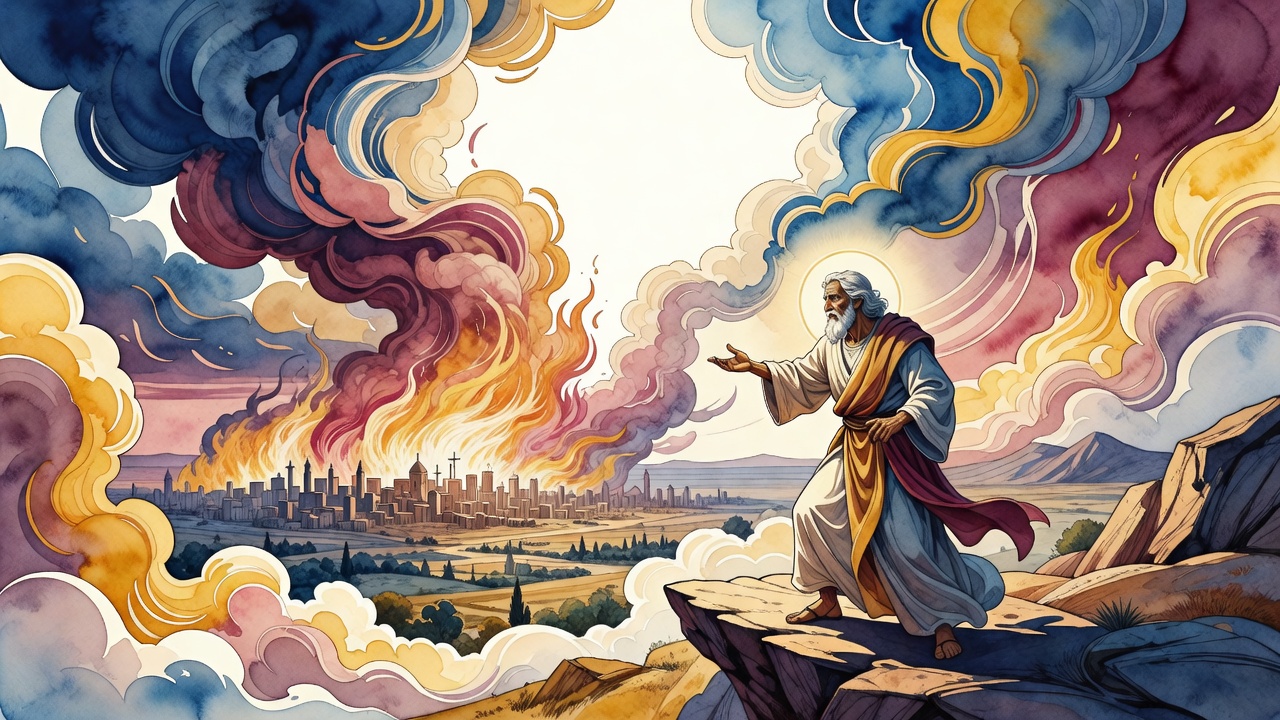
In Sodom the markets opened that morning. Men priced grain, children chased dogs. Fire fell, and salt stood on the plain where Lot's wife had looked back.
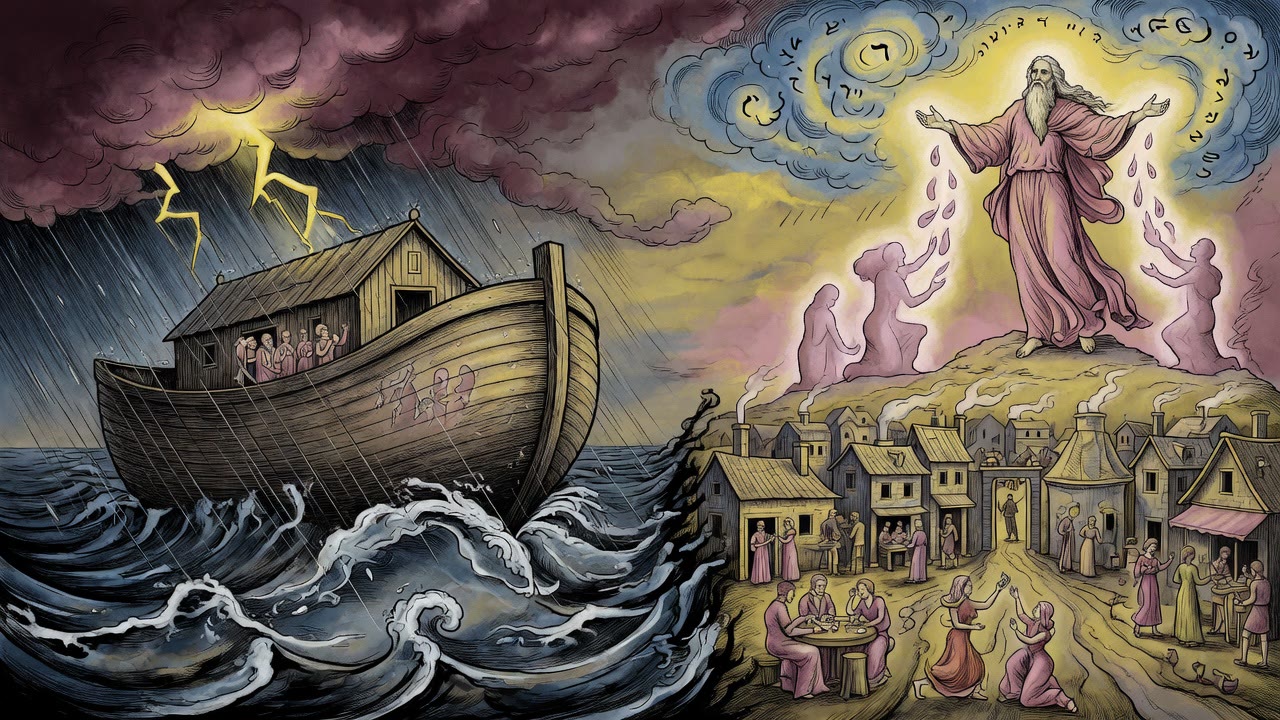
Three sons and their wives stood on the deck. Not one neighbor from the drowned streets stood beside them. Abraham left Haran with a caravan of converts.
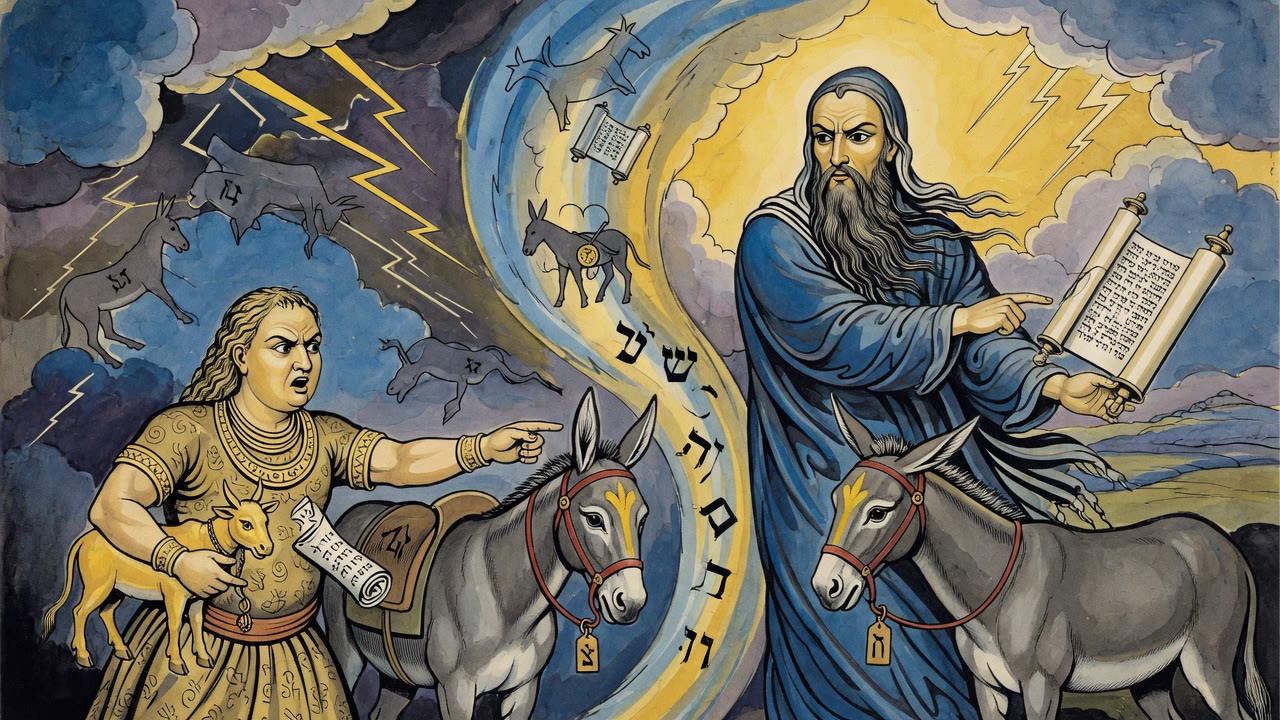
Noah waited at the empty window until he understood. The dove had found ground. She would not need the ark again.
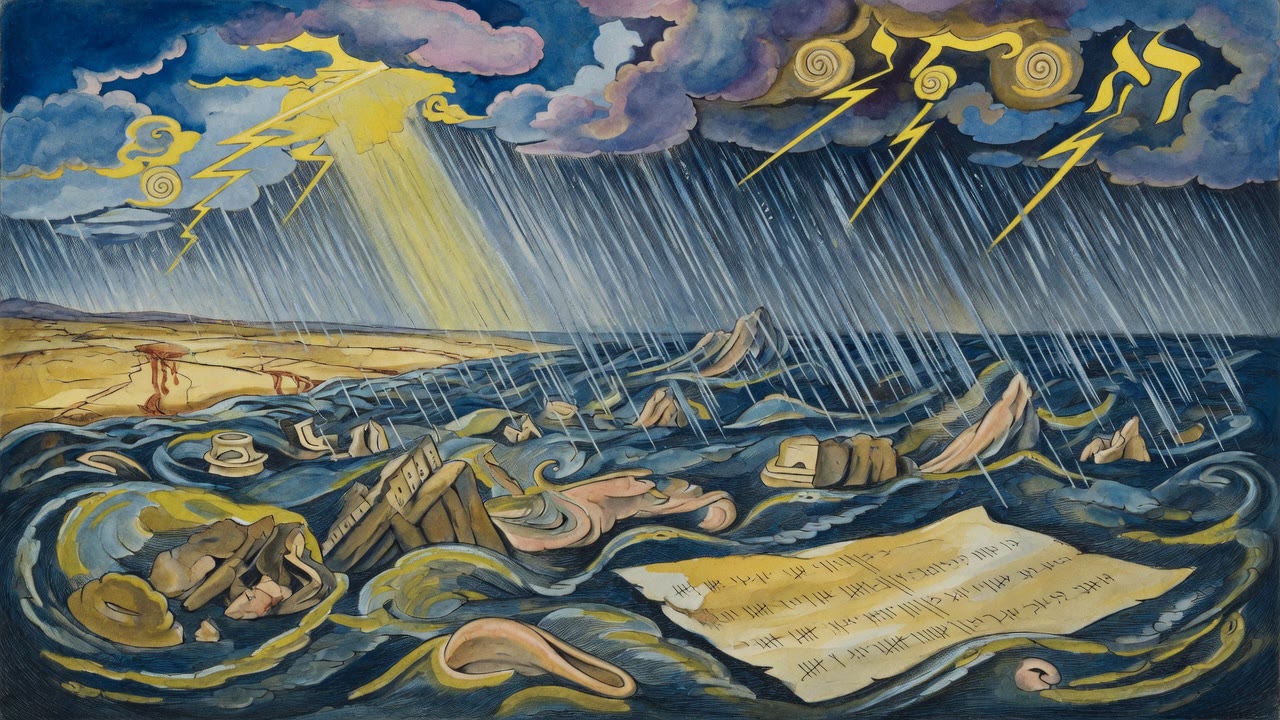
The sun and moon went out for twelve months. Noah worked by a glowing stone while the doomed clawed at the hull and tried to roll the ark over.
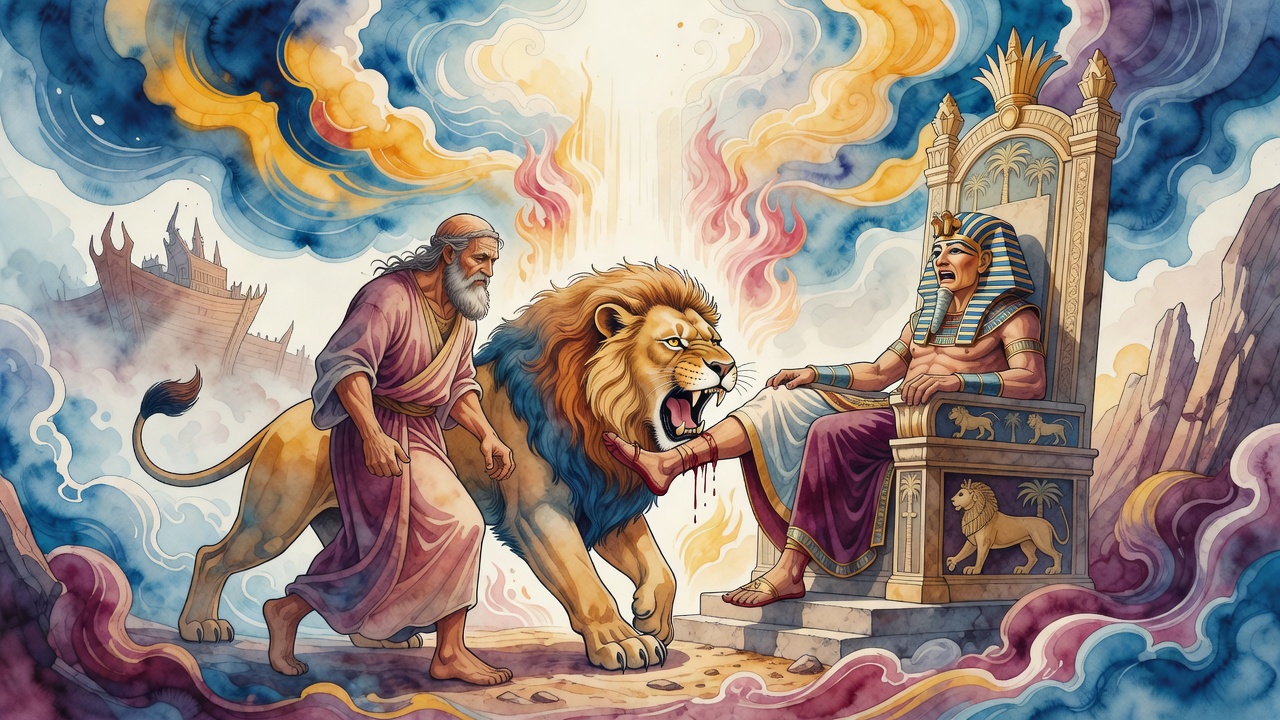
Pharaoh sat on the gold throne Solomon had sent as a marriage gift. He did not know the hidden steps. A metal lion found his leg.
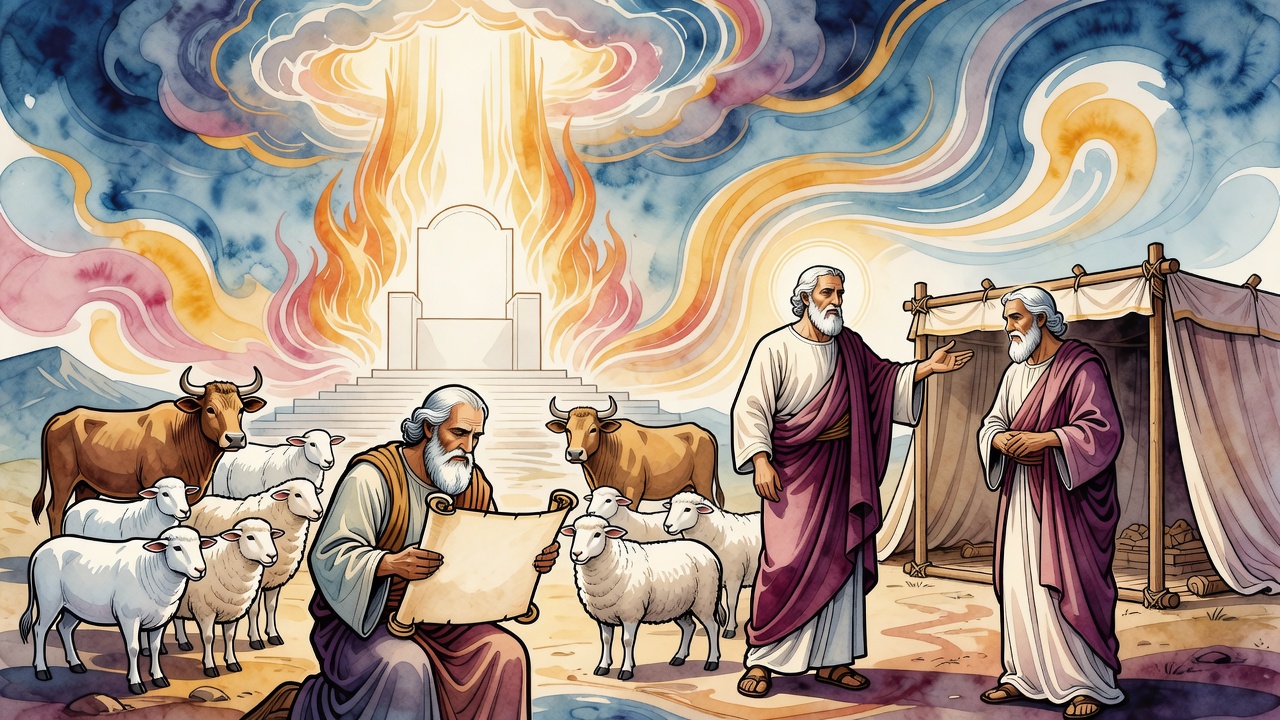
A dropped peg made the whole work yard flinch. Betzalel had just told the prophet his build order was wrong. Then the saws bit into wood again.
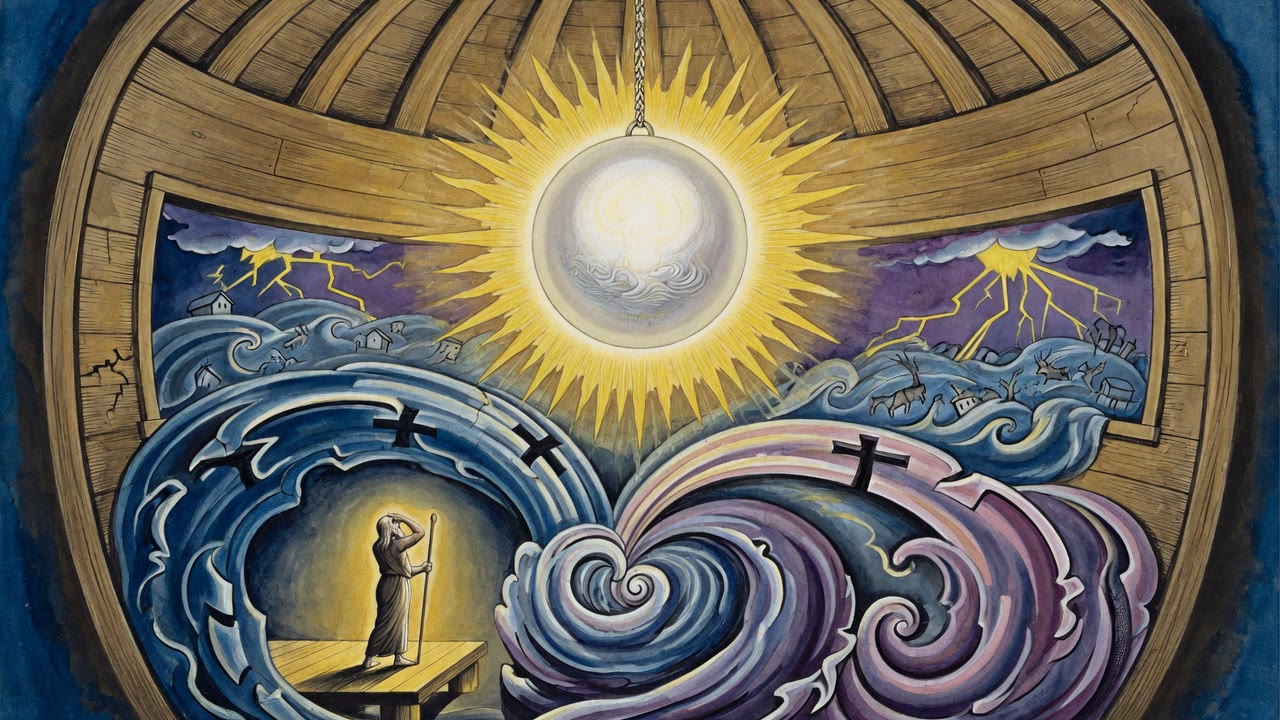
Noah rode a sealed ark while rain matched the measure of human making. God stripped the earth's face and left living seed buried for a spring return.
