65 texts · Page 1 of 2
A great angel cast in rabbinic and kabbalistic tradition as the chief accuser, the angel of death, and the celestial prince of Edom; fearsome, yet still an agent within God's order rather than a rival to God.
Samael in Jewish mythology is documented here through 65 source passages from 17 distinct source names represented in this theme. The strongest clusters come from Kabbalah & Mysticism (30), Modern Compilations & Folklore (17), Rabbinic Midrash (13), and Apocrypha & Pseudepigrapha (3), with frequent witnesses in Tikkunei Zohar (26), Legends of the Jews (9), Pirkei DeRabbi Eliezer (8), and Jewish Encyclopedia (1901-1906) (5). These texts preserve how Jewish writers, sages, and mystics described samael, sammael, prince of edom, chief of the accusers, venom of god, and angel samael across biblical interpretation, rabbinic storytelling, medieval compilation, and kabbalistic teaching.
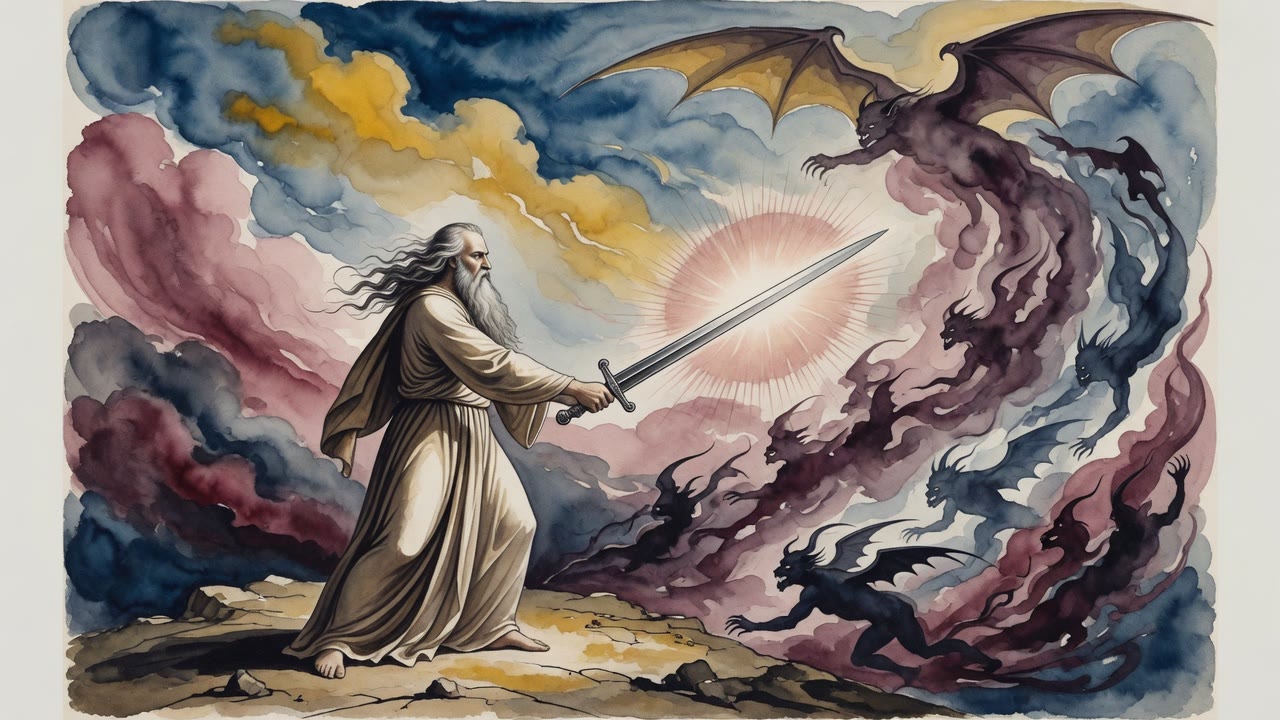
This page is a topic hub, not a single article. Use it to compare how different Jewish sources treat samael: where the theme appears in narrative, how it changes across source families, which figures or symbols recur, and which passages are most useful for citation. Representative entries include Judith Emerges as a Hero When Bethulia Is Under Siege, The Bird That Refused the Forbidden Fruit, Moses Fights the Angel of Death and Refuses to Die, Samael in Battle, and Pharaoh and the Lawgiver of Egyptian. For synthesized anthology narratives, start with Who Is Samael? The Poison of God in Jewish Mythology, Lilith, the First Wife Who Refused to Submit, and Jacob Wrestled the Prince of Esau and Walked Away Limping.
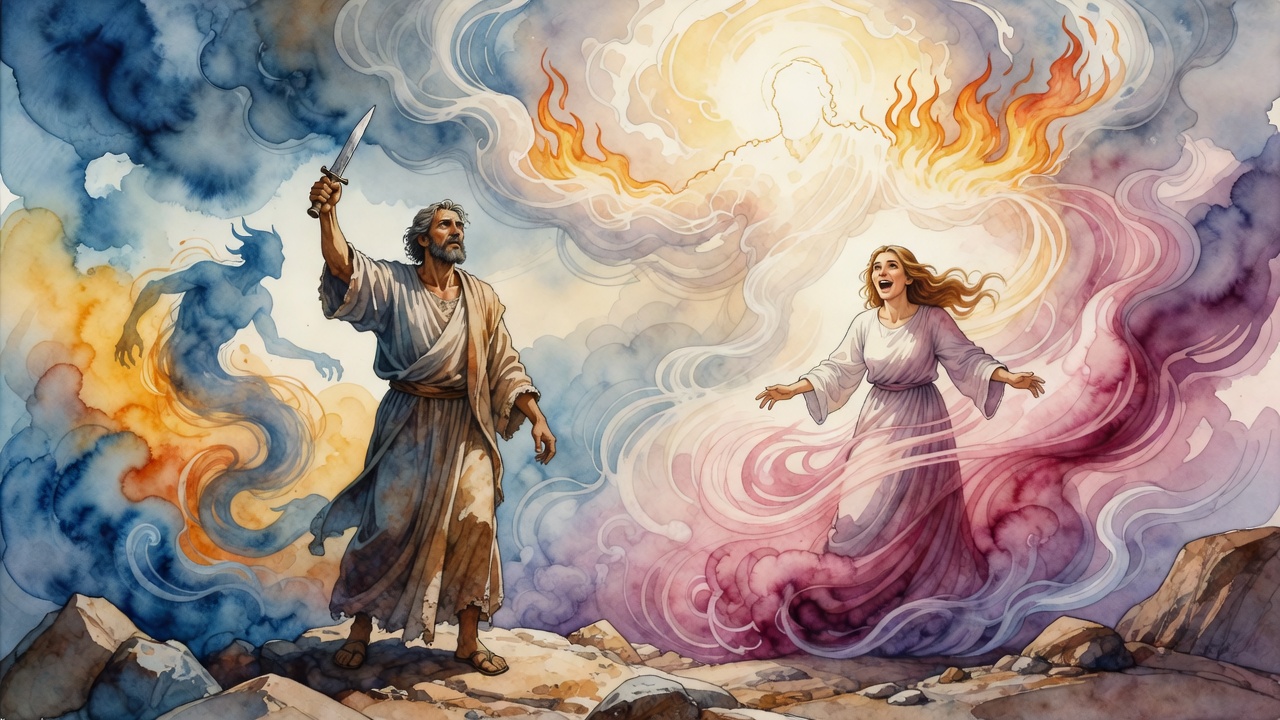
The people of Bethulia certainly did. Their city was under siege, their water supply dwindling, and their morale...well, let's just say it wasn't great. But in the midst of this de...
Before Adam named the animals, God brought them before the angels and challenged them to do it first. They could not. Adam named every creature instantly. God turned to the angels ...
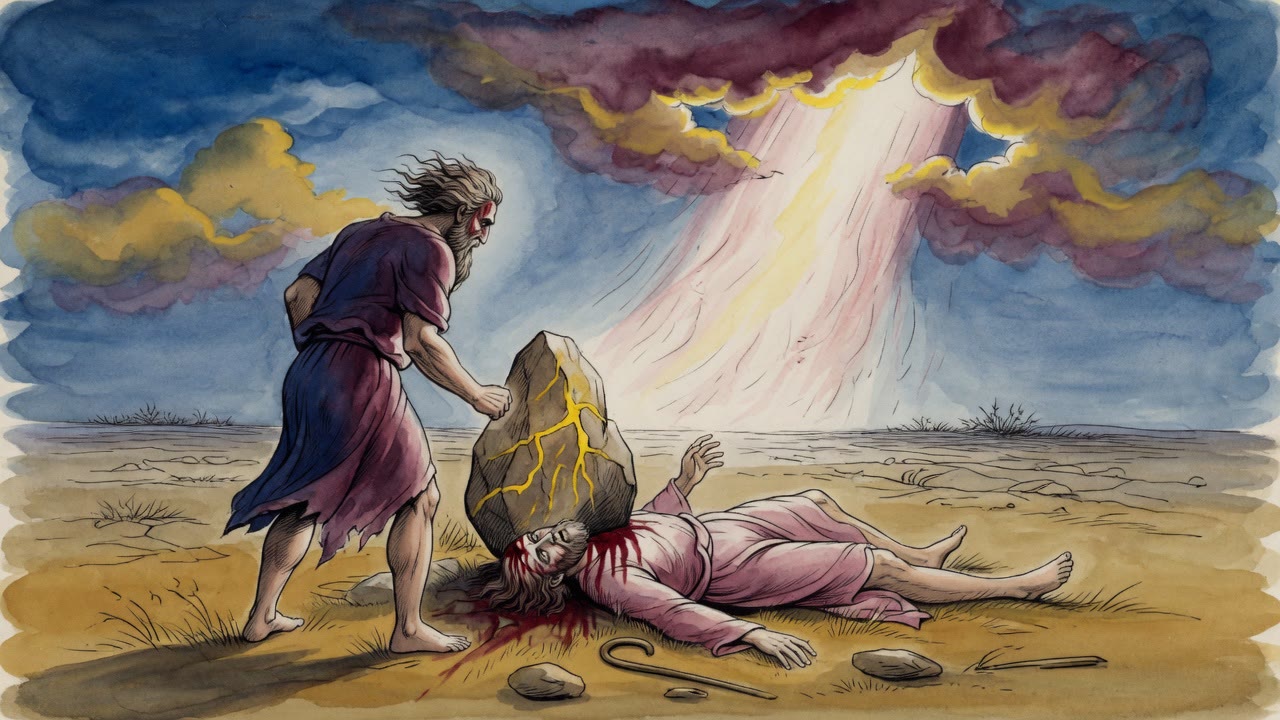
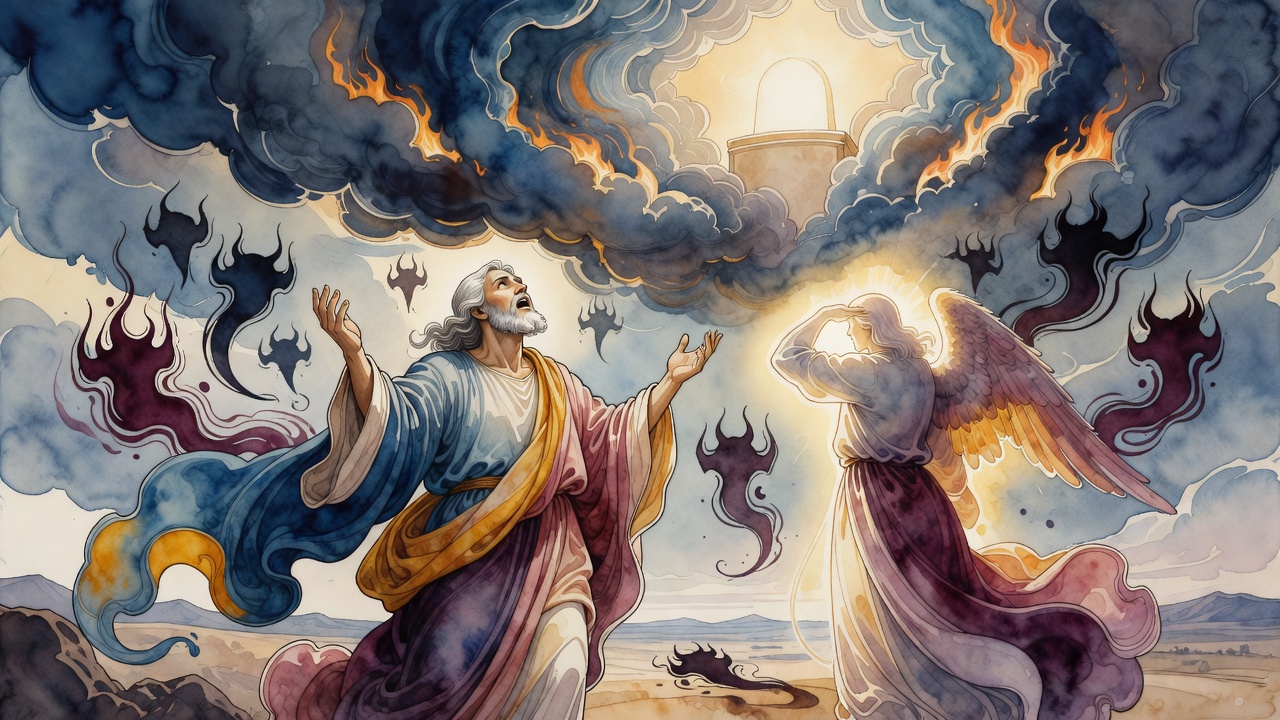
When God told Moses that his time had come, Moses refused to accept it. He drew a circle on the ground, stood inside it, and declared: "I will not move from this place until the de...
The stories tell us it wasn't just a simple "get out!" It was a complex struggle, a cosmic battle, and a search for redemption. Samael (the angel of death), often identified as the...
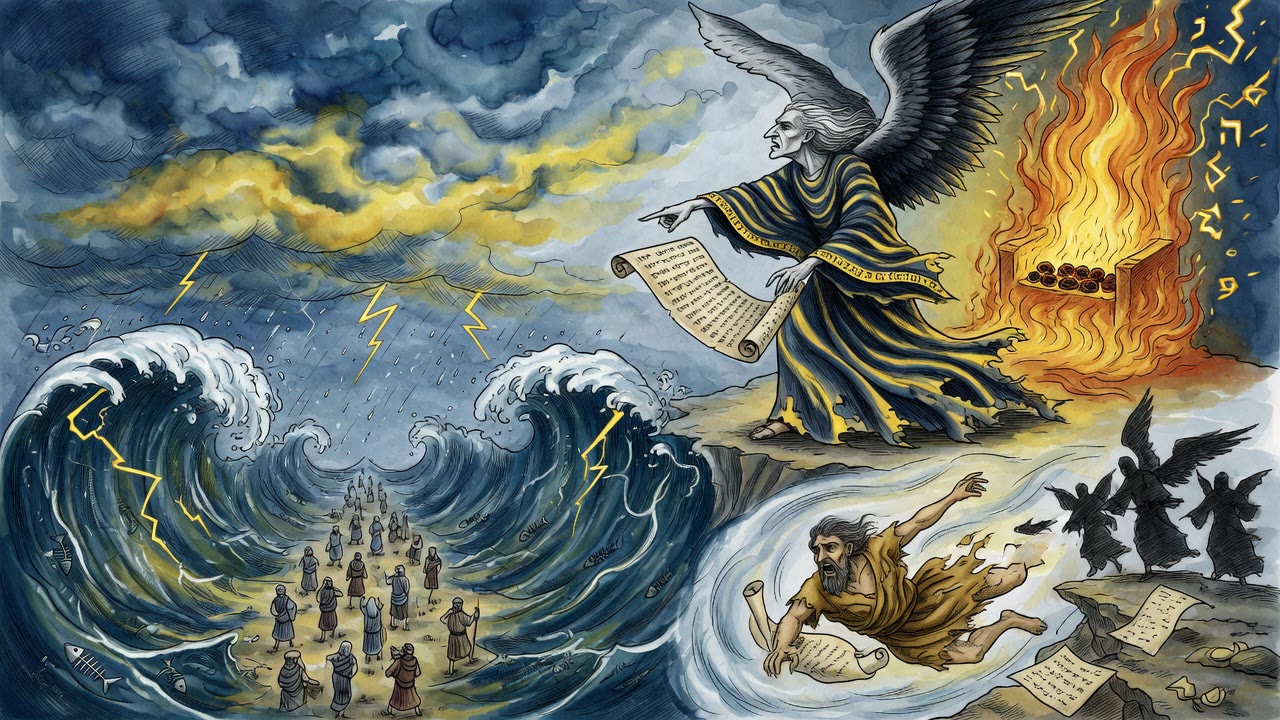
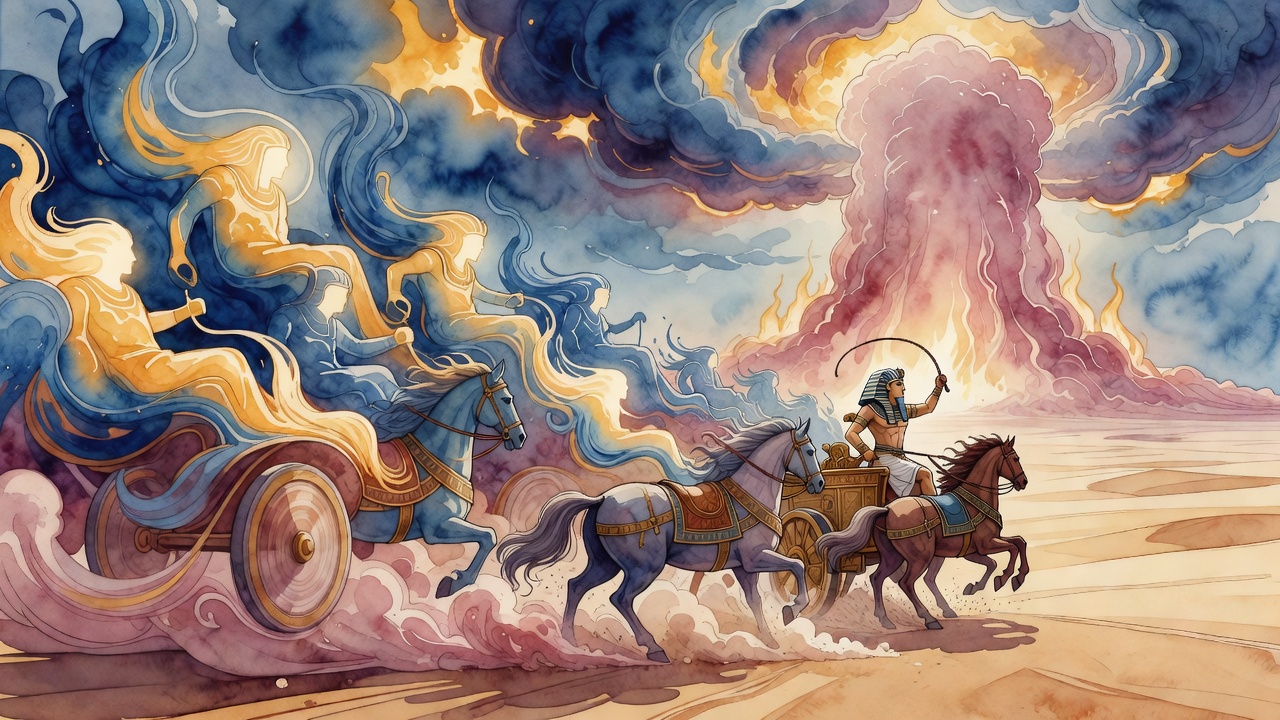
The familiar story centers on the Exodus, but sometimes the details – the sheer scale of what happened – can get lost in the familiar narrative. The Torah tells us of Pharaoh's rel...
He’s led the Israelites through the desert for forty years, faced down Pharaoh, received the Torah at Sinai. And now, this. What does Moses do? He doesn't rage against God. He does...
Remember how Moses desperately wanted to lead the Israelites into the Promised Land? We've talked about that burning desire before. But Samael (the angel of death), that ever-prese...
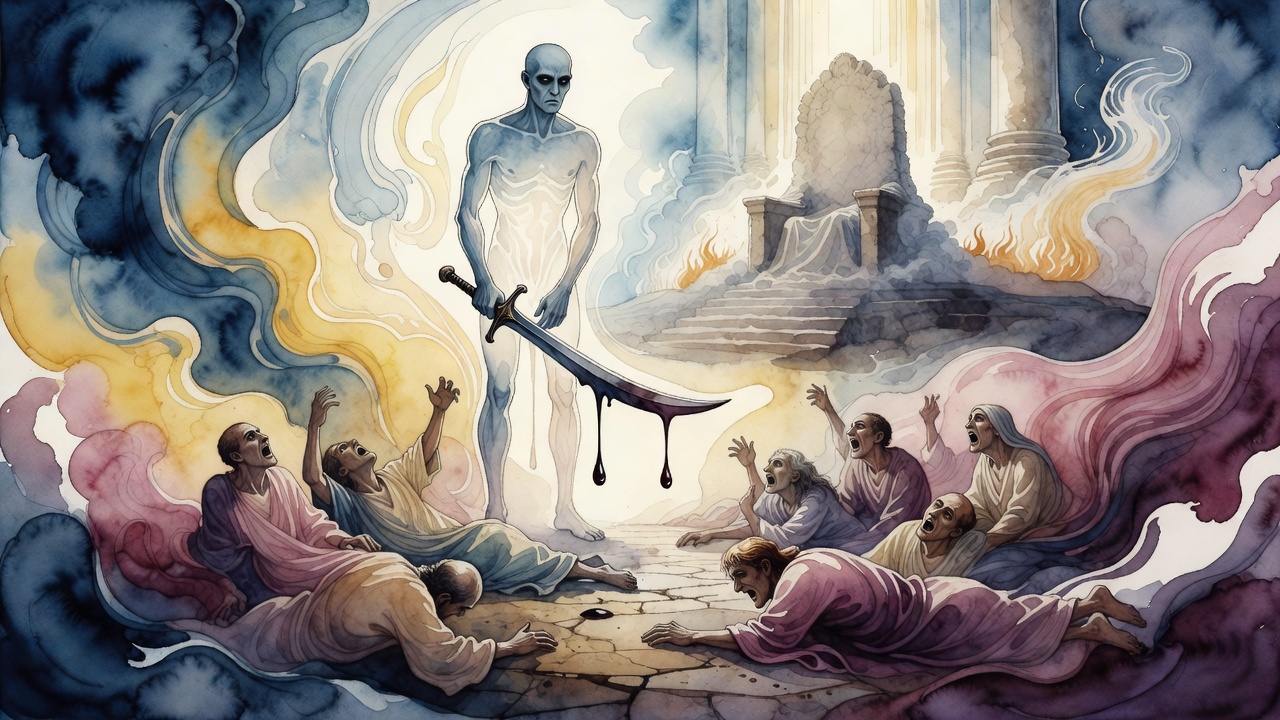
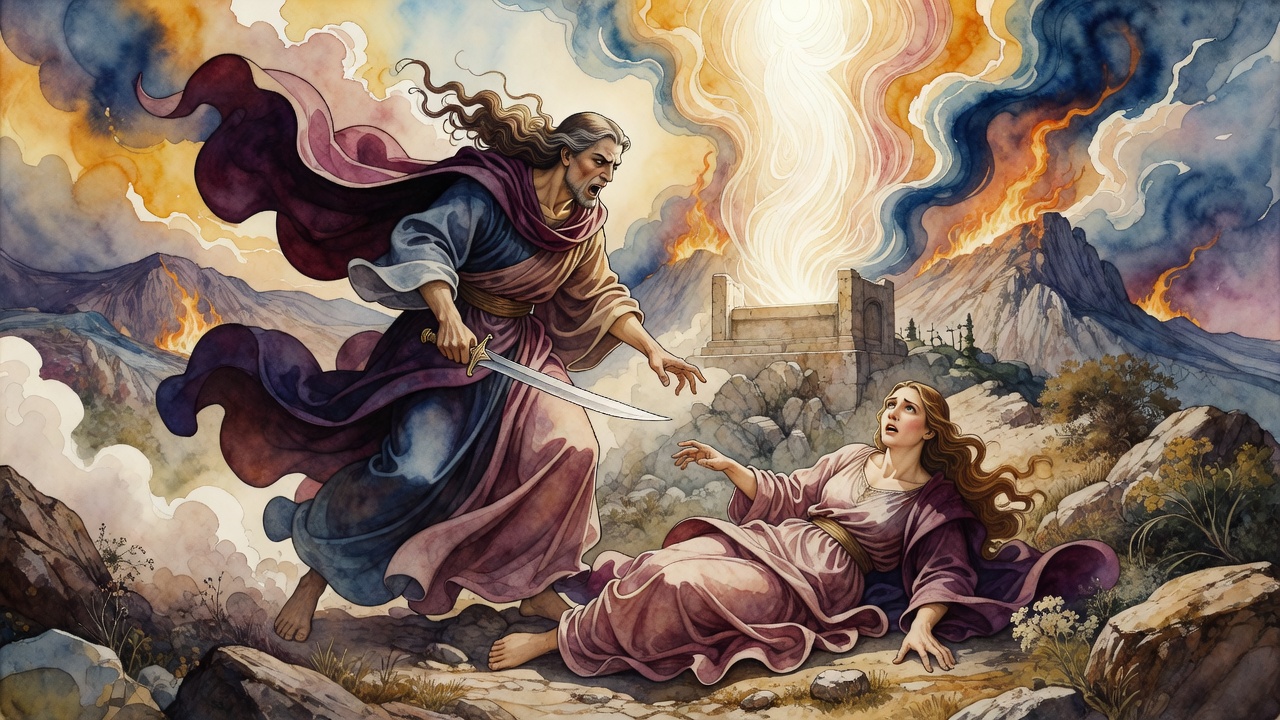
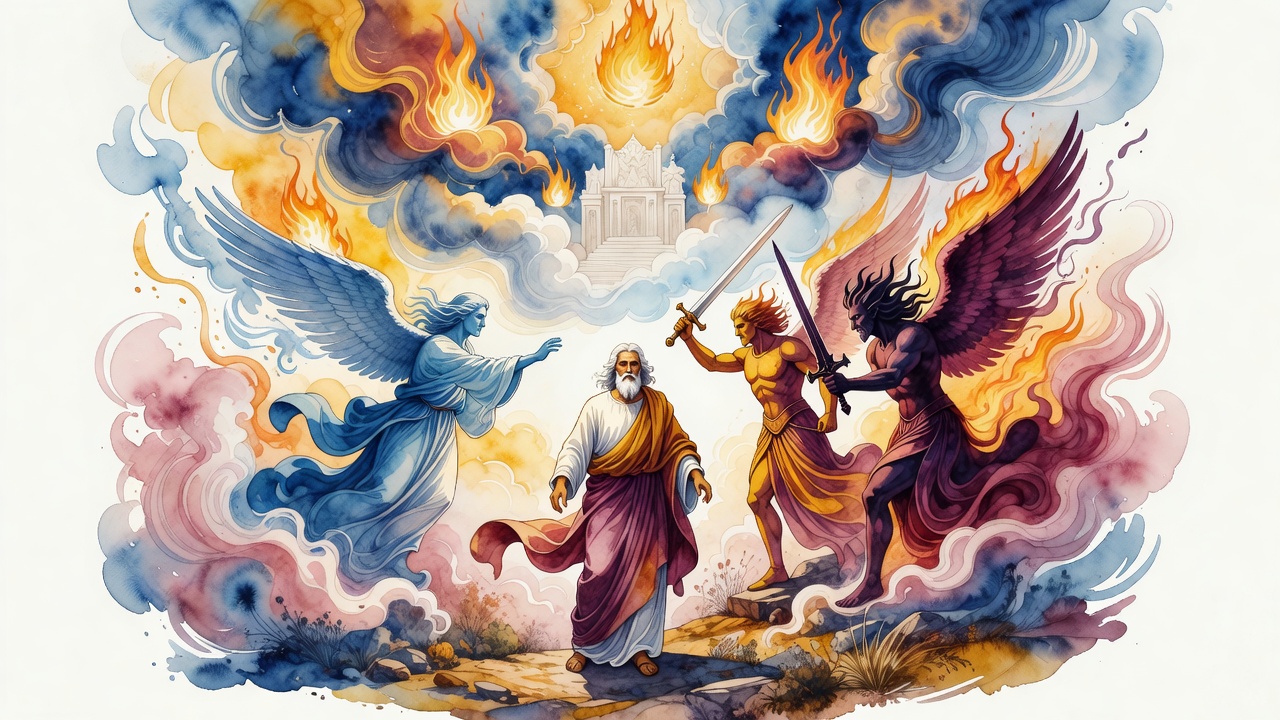
Legends of the Jews turns to Samael Gleefully Draws His Sword to Claim Moses. Samael, often identified with the angel of death, though some traditions paint a more complex picture,...
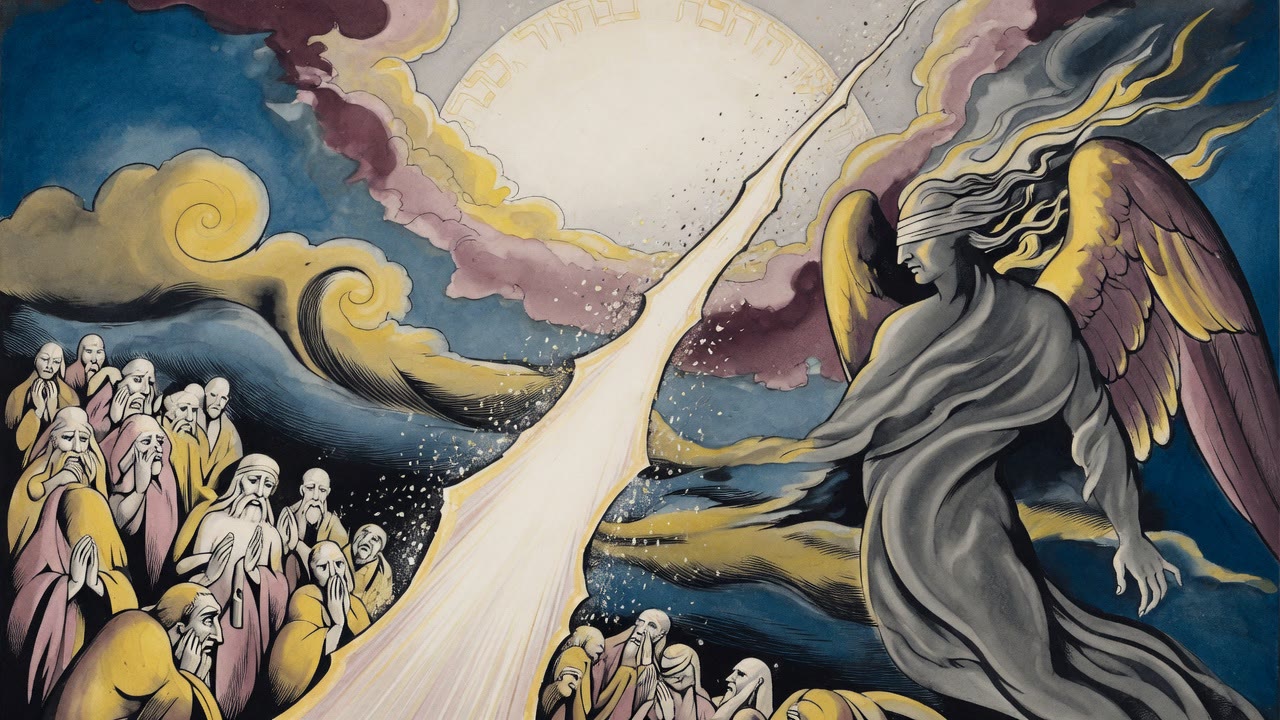
Let me tell you a story… a story about Moses, facing down none other than Samael (the angel of death) himself. Samael isn't your run-of-the-mill angel. He's often depicted as the A...
He's looking for Moses, but why? The legends don't always tell us everything directly, leaving room for interpretation. Perhaps he wants to thwart God's plan, maybe he wants to tes...
Legends of the Jews turns to Death of Samael of Moses. Not according to some stories. The tale goes that Samael (the angel of death) – often identified as the angel of death, a com...
It turns out, even Samael (the angel of death), often described as the chief of the demonic realm, the accuser, the adversary (and sometimes confused with Satan, though that's a wh...
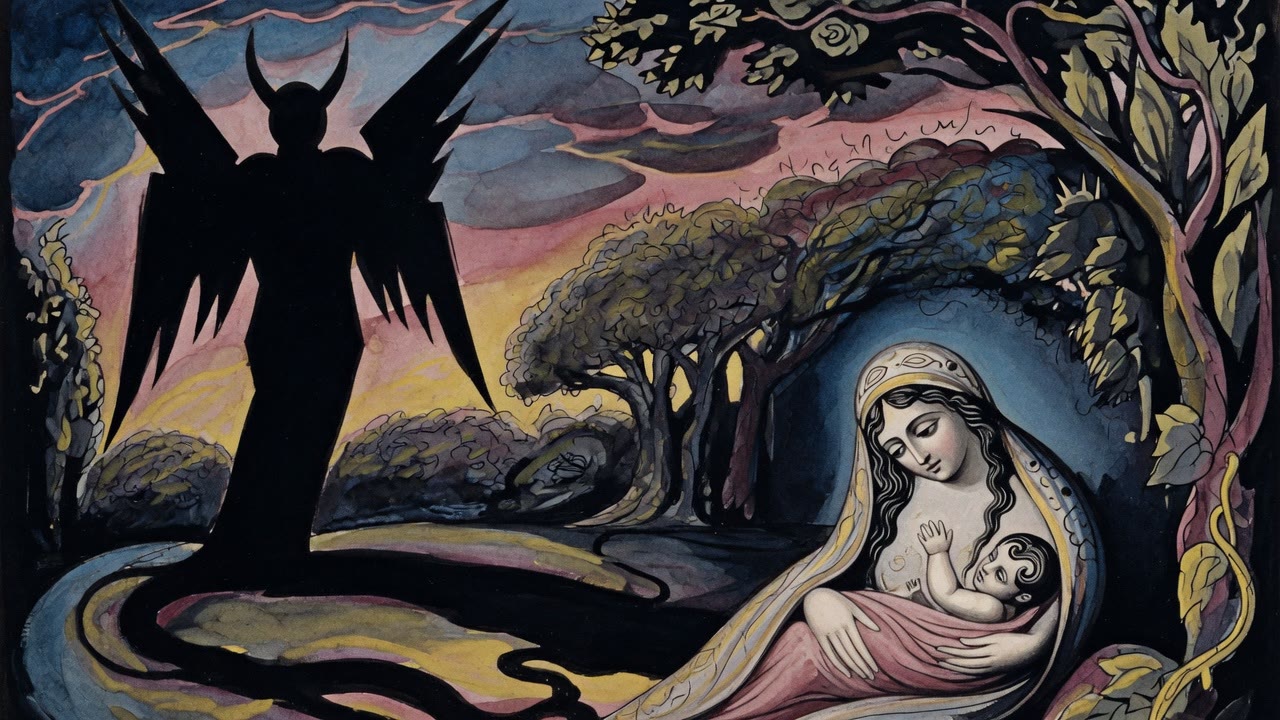
A fascinating, and frankly unsettling, corner of Jewish mystical tradition: the story of Samael (the angel of death) and Lilith. It's a story of intertwined destinies, jealousy, an...
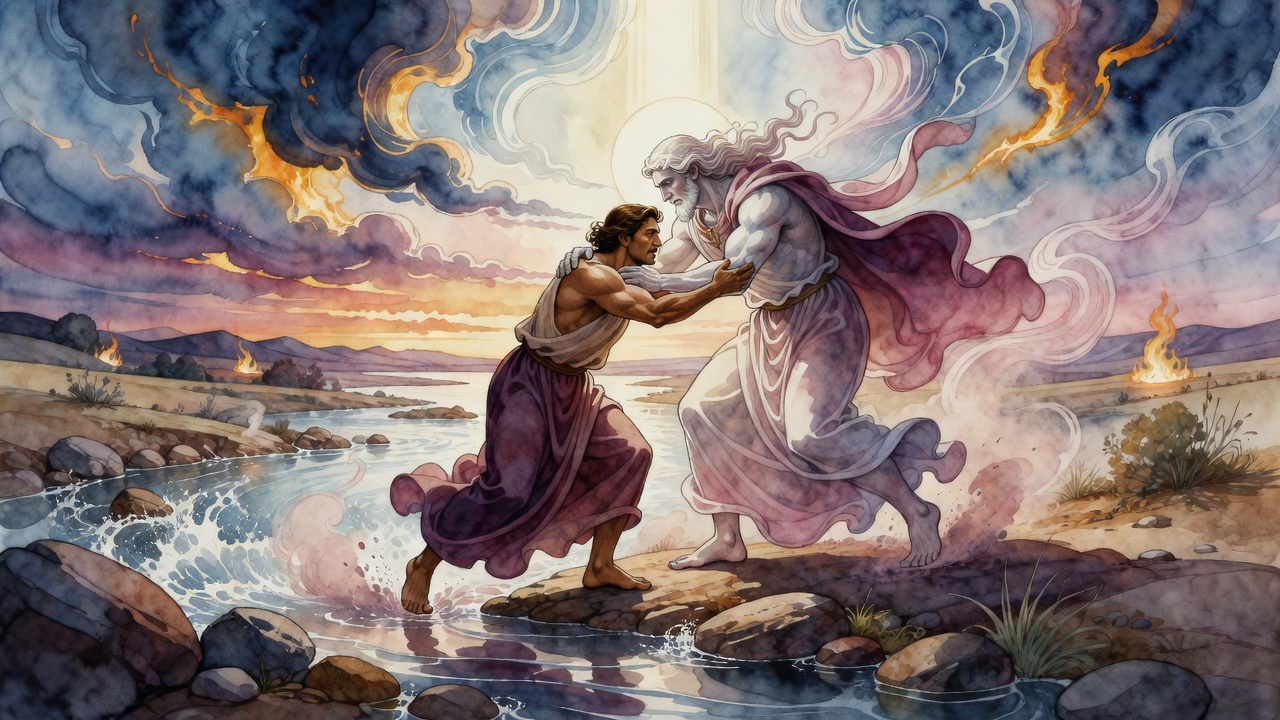
It's one of the most enigmatic scenes in the entire Torah (Genesis 32:24-30), and Jewish tradition has offered some pretty wild interpretations over the centuries. One compelling i...
Heikhalot (the heavenly palaces) Rabbati, a text steeped in the mystical traditions of the Heikhalot literature, offers us a glimpse into just such a chilling negotiation. It's a n...
Rabbi Ishmael, a central figure in the Heikhalot (the heavenly palaces) literature (texts describing mystical ascents to heaven), once posed this very question. He asks, what did Z...
The Tikkunei (spiritual repair) Zohar, a mystical companion to the Zohar, explores precisely that feeling. It explores the idea that even the Holy One, blessed be He, can be, in a ...
They even saw it playing out on a cosmic scale. to a passage from the Tikkunei (spiritual repair) Zohar, specifically Tikkun 47, a section that deals with some pretty heavy stuff: ...
The Jewish mystical tradition knows that feeling intimately. The Tikkunei (spiritual repair) Zohar, a central text of Kabbalah and a companion to the Zohar itself, wrestles with th...
It might sound like a celestial soap opera, but Jewish mystical tradition, specifically the Tikkunei (spiritual repair) Zohar, paints just such a picture. The verse from Isaiah, "A...
The Tikkunei (spiritual repair) Zohar, a major text of Kabbalah, gives us a clue, a hint whispered from the heart of Jewish mysticism. It all starts with the very first word of the...
In the Tikkunei (spiritual repair) Zohar, a core text of Kabbalah, we find a fascinating, albeit cryptic, passage that explores the nature of good, evil, and the power of prayer. I...
The Kabbalists certainly did. And they found answers in the most unexpected places – even in the musical notes we use to chant the Torah. to a fascinating passage from the Tikkunei...
The Tikkunei (spiritual repair) Zohar, a cornerstone of Kabbalistic thought, certainly thinks so. It explores the secrets hidden within the very vowels of the Hebrew language, seei...
We all have our baggage, our impurities. But what if I told you there's a way to cleanse that, to find purity even in the face of defilement? It’s a concept the Tikkunei (spiritual...
They're called ta'amei ha-mikra, cantillation notes, and they're more than just musical cues. According to some mystical traditions, they hold profound spiritual power. to a partic...
Like you're being pushed away, pursued relentlessly, and then… well, let's just say things get complicated. The Tikkunei (spiritual repair) Zohar, a central text of Kabbalah, explo...
the forces of evil, using visceral imagery that's hard to shake. I know what you’re thinking: "What do internal organs have to do with anything?" But in this context, they're symbo...
Jewish mystical tradition certainly thinks so. And it has some pretty specific ideas about the combatants and the weapons. to a fascinating, and frankly, a little bit bizarre, pass...
Jewish mystical tradition, particularly the Zohar, wrestles with this very idea. And Tikkunei (spiritual repair) Zohar 99 offers a fascinating glimpse into this cosmic dance. It st...
In Tikkunei (spiritual repair) Zohar, one of the most profound works of Kabbalah, a candle's light holds deep mystical significance. The text It says that the candle itself is the ...
Jewish mysticism wrestles with this very idea. The Tikkunei (spiritual repair) Zohar, a later expansion on the core Zohar, dives deep into these shadowy realms. It asks, who are th...
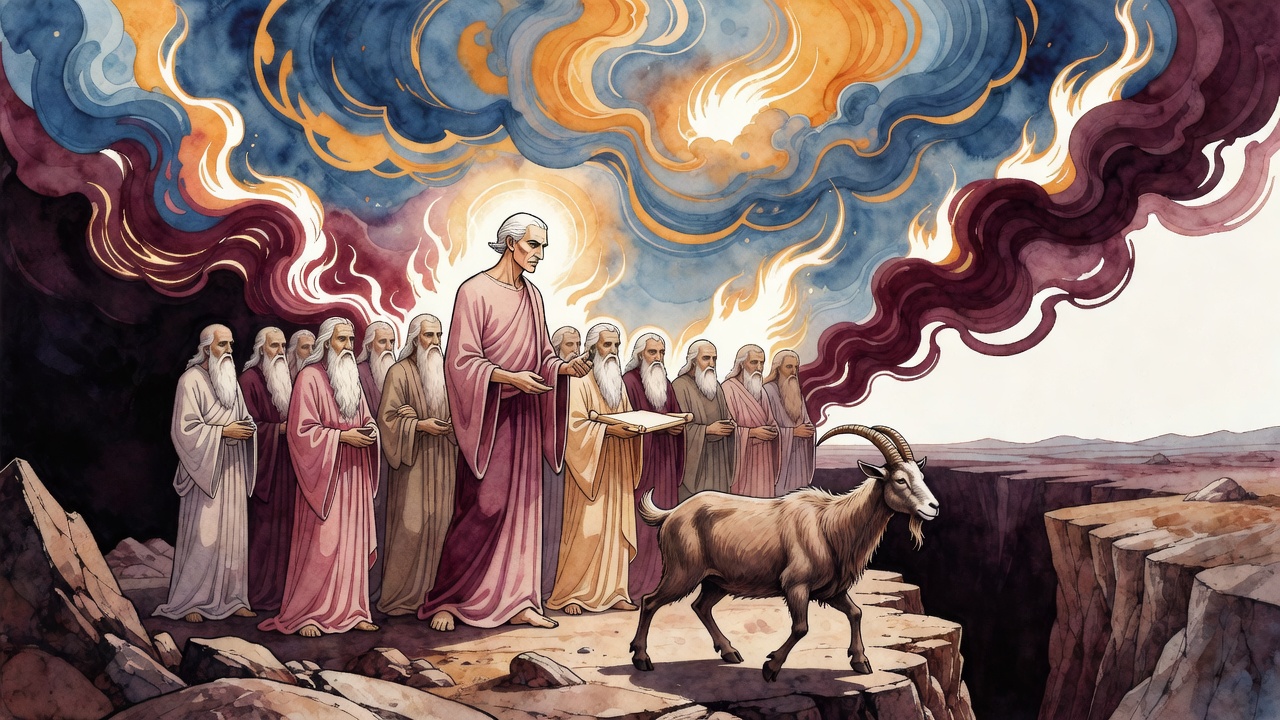
It involves the Satan, the liver, and… a goat. Stick with me. This isn’t your typical Sunday school lesson. The Tikkunei Zohar (literally, "Rectifications of the Zohar") is a colle...
Jewish mysticism, particularly in the Tikkunei (spiritual repair) Zohar, uses the image of a giant fish to explore just that feeling. The Tikkunei Zohar, a companion volume to the ...
That feeling, that tension, is something that the mystical tradition of Judaism has wrestled with for centuries. And it's right there in the Tikkunei (spiritual repair) Zohar, spec...
This struggle is a central theme in many mystical traditions, including the Kabbalah, and it's beautifully illustrated in a passage from the Tikkunei (spiritual repair) Zohar. The ...
Jewish mysticism, especially in the Zohar, explores this very idea, personifying divine attributes in ways that are surprisingly relatable. Tikkunei (spiritual repair) Zohar 111 to...
Jewish mysticism, particularly the Zohar, grapples with this feeling all the time, especially when talking about exile – both the physical exile of the Jewish people and the more s...
Tikkunei Zohar turns to Samael in the Days of Moses. Why? The Tikkunei Zohar says it’s so that the enemy – who is Samael (the angel of death) – won't recognize us. Samael, often se...
Jewish mystical tradition has a powerful image for that: a defective knife. The Tikkunei (spiritual repair) Zohar, a central text of Kabbalah and a companion to the better-known Zo...
The Tikkunei (spiritual repair) Zohar, a central text of Kabbalah, delves deep into this inner conflict, offering us a roadmap for navigating the complexities of our own souls. Spe...
It's a profound statement about life, nourishment, and… well, the opposite of nourishment too. The Tikkunei (spiritual repair) Zohar, a central text of Kabbalah, dives deep into th...
There's a wild story in Jewish tradition that tries to explain just that, and it's... well, it's not for the faint of heart. Our story begins with Samael (the angel of death), ofte...
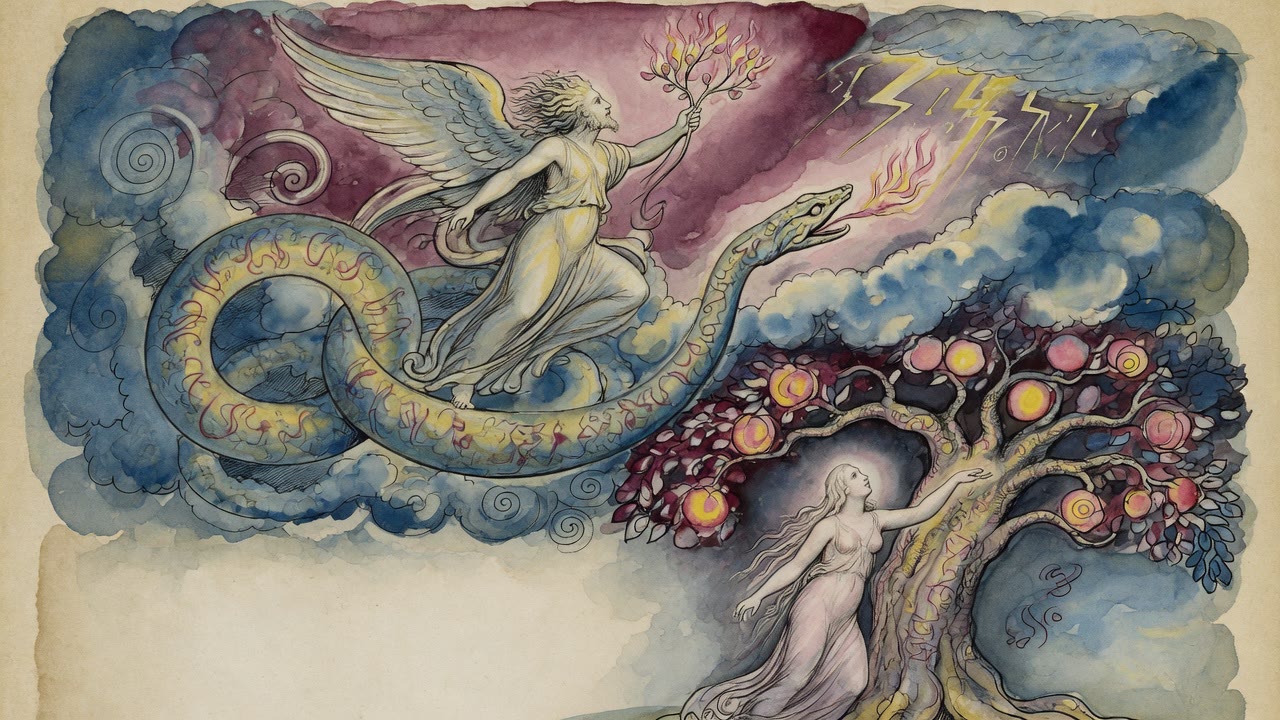
The story of Sammael and the serpent offers a glimpse into that primal moment. A celestial being, a great prince in heaven. That was Sammael. Now, The Seraphim, even more elevated,...
Jewish tradition has explored this very idea for centuries, particularly when confronting the mystery of evil. One fascinating text, Pirkei DeRabbi Eliezer, a compilation of storie...
Sammael, often identified with the angel of death or a rebellious force, is cast down from heaven along with his legions. It’s a cosmic demotion, a fall from grace that resonates w...
One particularly intriguing, and perhaps shocking, account comes from Pirkei DeRabbi Eliezer, a text that explores the narratives of the Torah with expansive detail. This passage t...
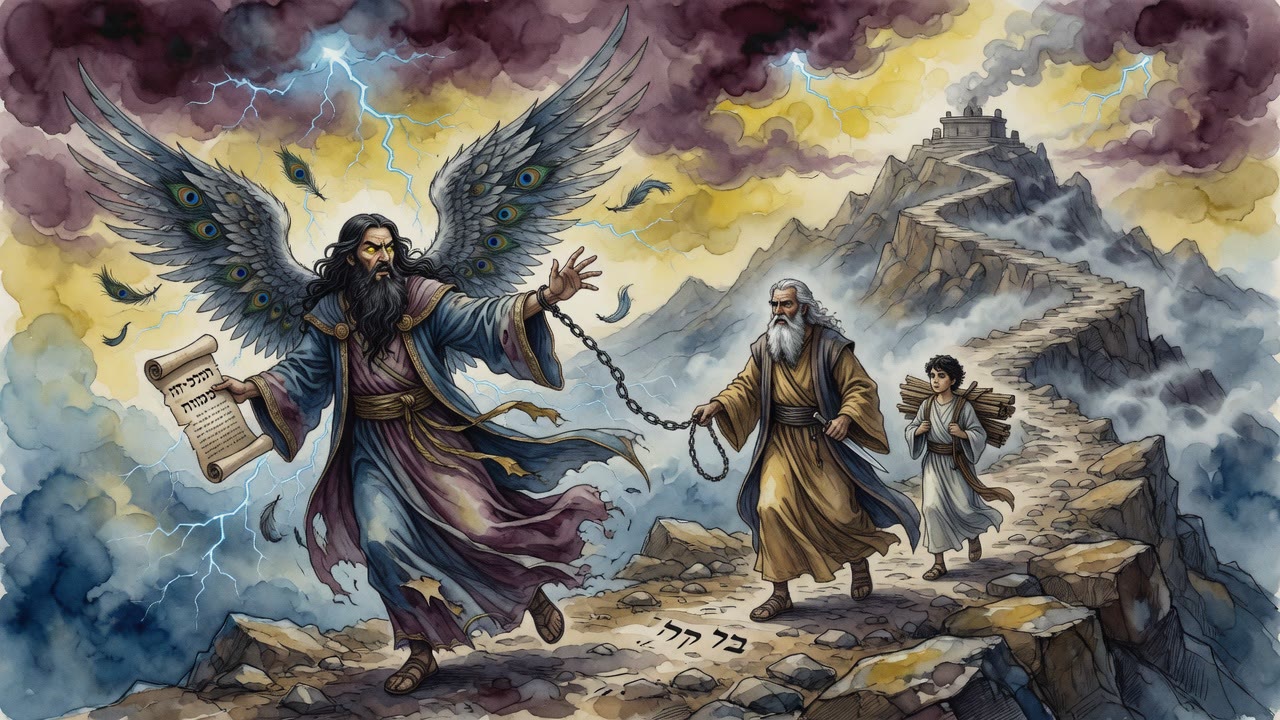
Our story starts with Abraham. Remember when he learns that his nephew Lot has been captured? (Genesis 14:13) tells us, "And there came one who had escaped, and told Abram the Hebr...